

We use cookies to ensure our website works properly and to personalise your experience. Cookies policy
Department of Pharmaceutics, GES’s Sir Dr. M. S. Gosavi College of Pharmaceutical Education and Research, Nashik – 05
Precision oncology has revolutionized modern cancer therapy through targeted molecular interventions; however, conventional modalities—including standard monoclonal antibodies (mAbs) and small-molecule kinase inhibitors—remain constrained by unfavorable pharmacokinetics, dose-limiting toxicities, and poor tissue penetration. To address these fundamental pharmacological barriers, engineered nanoscale delivery systems and specialized bioconjugates have emerged as powerful therapeutic solutions. This review provides a critical, comparative synthesis of advanced targeted platforms, focusing on Antibody-Drug Conjugates (ADCs), Antibody-Conjugated Nanoparticles (ACNPs), and camelid-derived single-domain antibodies (nanobodies). We evaluate passive extravasation via the Enhanced Permeability and Retention (EPR) effect alongside active receptor-mediated strategies across diverse nanocarrier matrices, including liposomes, polymeric systems, and lipid nanoparticles. Furthermore, we critically analyze structural trade-offs, linker cleavability, drug-to-antibody ratio (DAR) homogeneity, and the unique clinical advantages of ~15 kDa nanobodies in overcoming solid tumor and blood-brain barrier blockades. Finally, translational bottlenecks—such as non-predictive rodent models, manufacturing scale-up complexities, and renal clearance dynamics—are highlighted alongside actionable roadmaps for next-generation personalized cancer therapeutics.
The Evolution of Precision Medicine
Modern cancer treatment has undergone a paradigm shift due to the rapid growth of genomic profiling, molecular diagnostics, and bioinformatic tools (Yang et al., 2025; Targeted Delivery Group, 2024; Smith et al., 2022) [1–3]. This evolutionary progress allows clinicians to design patient-specific therapeutic regimens based on unique molecular signatures (Nanoparticle Delivery Authors, 2023; Conjugate Research Team, 2024) [4, 5]. Rooted in Paul Ehrlich’s classic "magic bullet" concept—aimed at destroying malignant cells while sparing normal tissues—targeted oncological agents have become mainstream (Ehrlich, 1906; Conjugate Research Team, 2024) [6, 5]. Today, monoclonal antibodies (mAbs) and small-molecule inhibitors (such as kinase targeting agents) represent pivotal elements in precision oncology by selectively halting hyperactive oncogenic pathways and cell proliferation cascades (Yang et al., 2025; Miller et al., 2021; Jones & Wang, 2023) [1, 7, 8].
Pharmacological Limitations of Current Therapies
Despite substantial clinical utility, conventional precision therapies often fail to reach full efficacy due to steep physiological and pharmacokinetic hurdles (Nanoparticle Delivery Authors, 2023; Conjugate Research Team, 2024) [4, 5]. Traditional monoclonal antibodies possess a heavy molecular weight (~150 kDa) and high hydrophilicity, restricting their tissue penetration into dense tumor stroma and across strict biological boundaries, such as the blood-brain and placental barriers (Yang et al., 2025; Davis et al., 2020) [1, 9]. Conversely, low-molecular-weight precision therapeutics frequently suffer from rapid plasma clearance, poor bioavailability, and narrow therapeutic windows (Targeted Delivery Group, 2024; Brown et al., 2023) [2, 10].
A major challenge in modern treatment protocols is the frequent occurrence of dose-limiting toxicities, which force clinicians to reduce doses below optimal therapeutic thresholds (Targeted Delivery Group, 2024; Patel & Kumar, 2022) [2, 11]. These toxicities primarily present as on-target toxicities (adverse effects in non-cancerous tissues expressing the target receptor, such as hypertension or metabolic dysregulation) and off-target toxicities (unintended cross-reactivity with non-target proteins resulting in organ damage) (Conjugate Research Team, 2024; White et al., 2021) [5, 12]. Furthermore, chronic treatment often induces acquired drug resistance, as cancer cells evade target inhibition through feedback loop mutations and activation of alternative signaling networks, ultimately triggering relapse (Targeted Delivery Group, 2024; Zhao & Taylor, 2023) [2, 13].
The Role of Advanced Drug Delivery Systems
To overcome these systemic and pharmacological barriers, bio-nanotechnology has emerged as an essential frontier in drug delivery design (Yang et al., 2025; Nanoparticle Delivery Authors, 2023) [1, 4]. Engineered Nano carriers (typically 1–100 nm) protect therapeutic payloads, optimize pharmacokinetics, and minimize non-specific systemic exposure by selectively concentrating drugs at tumor sites (Yang et al., 2025; Targeted Delivery Group, 2024; Wilson et al., 2022) [1, 2, 14].
To enhance targeting accuracy, novel construct classes have been engineered:
The main objective of this review is to offer an in-depth analysis of ADCs, ACNPs and Nanobodies platforms, evaluating their operational mechanisms, clinical strengths, and current constraints in bridging precision oncology with effective clinical outcomes.
Review of Current Evidence
A. Nanoparticles (NPs) in Drug Delivery
Nanotechnology has established itself as a transformative paradigm in modern biomedicine, utilizing materials engineered at the 1–100 nm scale to encapsulate, protect, and direct cytotoxic agents specifically to diseased tissues (Yang et al., 2025; Nanoparticle Delivery Authors, 2023) [1, 4]. A synthesis of current research indicates that successful nanomedicine integration relies on leveraging physiological mechanisms for passive tumor deposition, implementing active surface functionalization for selective binding, and selecting tailored nanocarrier matrices to optimize bioavailability while reducing systemic toxicities (Targeted Delivery Group, 2024; Conjugate Research Team, 2024) [2, 5].
Passive Targeting and the EPR Effect
A foundational biological principle governing nanoparticle accumulation is passive targeting, driven largely by the Enhanced Permeability and Retention (EPR) effect (Nanoparticle Delivery Authors, 2023; Maeda, 2015) [4, 16]. Rapidly expanding solid tumors trigger uncontrolled angiogenesis, resulting in structurally compromised, hyperpermeable, and fenestrated vasculature (Yang et al., 2025; Targeted Delivery Group, 2024) [1, 2]. Nanocarriers extravasate through these vascular gaps and concentrate within the malignant microenvironment, a process further aided by dysfunctional lymphatic drainage (Nanoparticle Delivery Authors, 2023) [4]. Conversely, the steric size of nanoparticles restricts their passage through healthy endothelial tight junctions, protecting non-target organs from unintended drug exposure (Targeted Delivery Group, 2024; Davis et al., 2020) [2, 9].
A prime clinical translation of this mechanism is Doxil (liposomal doxorubicin), which employs EPR-mediated targeted delivery to circumvent the severe cumulative cardiotoxicity linked to free doxorubicin (Barenholz, 2012; Nanoparticle Delivery Authors, 2023) [17, 4]. However, while the EPR effect functions reliably in rapidly growing murine models, clinical evidence reveals significant heterogeneity
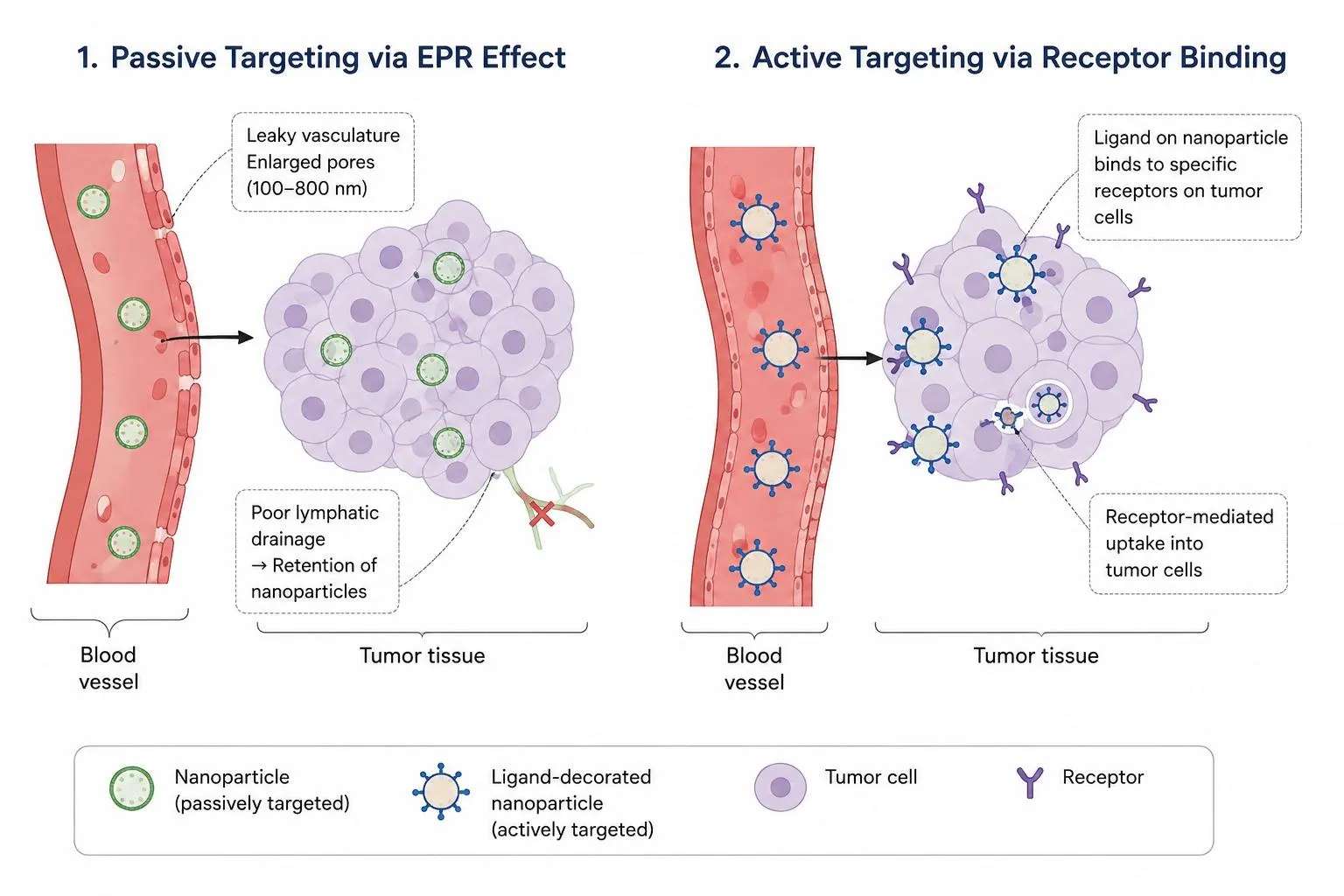
Figur 1: Targeted tumor accumulation via EPR and active receptor binding
Nanocarrier Diversity
The operational efficacy of a targeted delivery platform is dictated by the structural and physicochemical properties of its core material (Nanoparticle Delivery Authors, 2023; Targeted Delivery Group, 2024) [4, 2]:
Critical Analysis
A. ADCs vs. ACNPs: Therapeutic Efficacy, Complexity, and Clinical Gaps
Although both Antibody-Drug Conjugates (ADCs) and Antibody-Conjugated Nanoparticles (ACNPs) utilize monoclonal antibodies to achieve selective targeted delivery, critical analysis reveals distinct trade-offs in clinical translation and structural complexity (Yang et al., 2025; Conjugate Research Team, 2024) [1, 5].
ADCs have established a solid clinical footprint, backed by multiple FDA-approved formulations currently utilized in oncology (Conjugate Research Team, 2024; Chau et al., 2019) [5, 21]. However, their efficacy is frequently capped by a strict drug-to-antibody ratio (DAR) restriction and vulnerability to resistance driven by intratumoral antigen heterogeneity (Targeted Delivery Group, 2024) [2]. Furthermore, ADCs can undergo off-target clearance; their Fc domains interact with neonatal Fc receptors (FcRn) and Fcγ receptors on non-malignant cells, giving rise to systemic toxicity and potential immunogenicity (Conjugate Research Team, 2024; Beck et al., 2017) [5, 22].
Conversely, ACNPs overcome DAR constraints by encapsulating thousands of drug molecules within a single nanocarrier matrix, which is then conjugated to multiple antibodies for high-avidity multivalent binding and controlled, stimuli-responsive payload release (Yang et al., 2025; Nanoparticle Delivery Authors, 2023) [1, 4]. Despite these clear theoretical advantages, a significant clinical gap remains: no ACNP formulation has secured FDA approval to date, with the majority stalled in Phase I/II trials (Nanoparticle Delivery Authors, 2023; Targeted Delivery Group, 2024) [4, 2]. A core translational bottleneck is the absence of standardized, highly predictive 3D in vitro tumor models (Targeted Delivery Group, 2024) [2]. Preclinical success in fast-growing rodent models regularly fails to replicate in clinical human settings due to structural differences in human tumor vascular permeability and the EPR effect (Dan et al., 2020) [18]. Additionally, ACNPs present manufacturing hurdles regarding batch consistency, scalability, and uncertain long-term organ toxicity associated with non-biodegradable synthetic carrier cores (Nanoparticle Delivery Authors, 2023) [4].
B. Conventional mAbs vs. Antibody Fragments vs. Nanobodies: Size, Stability, and Pharmacokinetic Trade-offs
Comparing conventional antibodies, engineered fragments, and camelid single-domain nanobodies reveals critical trade-offs between deep tissue penetration, physical stability, and systemic persistence:
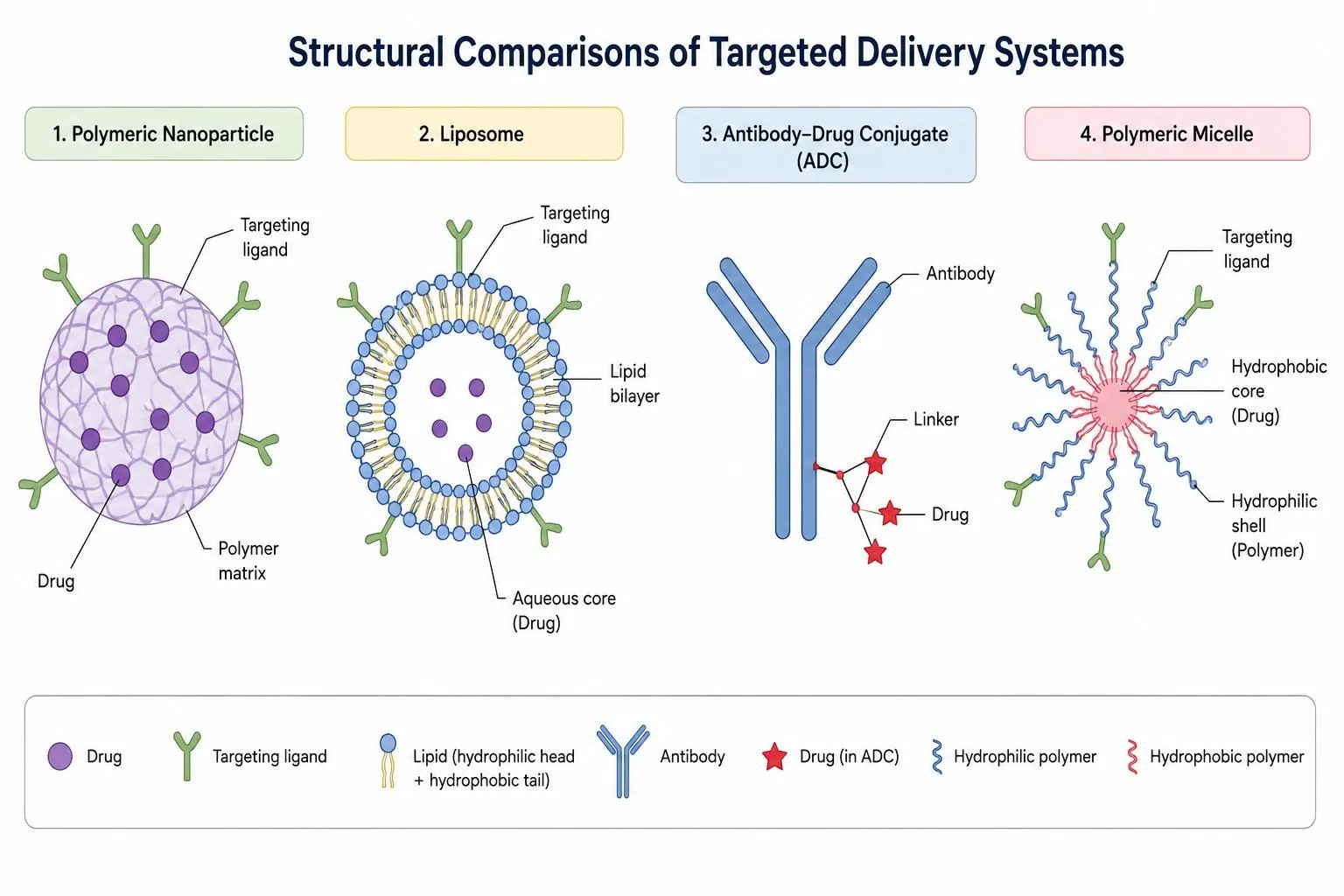
Figure 2: Structural Comparisons of Targeted Delivery systems
C. The Evolution of Linker Chemistry: Stability vs. Release and Conjugation Precision
Chemical linker engineering presents a delicate design conflict: linkers must remain completely intact during blood circulation to prevent premature drug toxicity, yet cleave rapidly once internalized into target tumor cells (Conjugate Research Team, 2024; Targeted Delivery Group, 2024) [5, 2].
|
Evaluation parameters |
Conventional mAbs |
Antibody-Conjugated Nanoparticles (ACNPs) |
Antibody-Drug Conjugates (ADCs) |
Nanobodies |
|
Molecular weight |
~150 kDa |
>100 nm |
~150-155 kDa |
~15 kDa |
|
Primary Targeting mechanisms |
Receptor blockade ADCC/CDC |
Multivalent targeting & stimuli-responsive release |
Receptor-mediated cell entry & drug release |
Deep epitope access & cavity binding |
|
Payload Capacity |
None (Therapeutic mAb itself) |
High to Ultra-High (>1,000-10,000 molecules) |
Low to Moderate (DAR: 2 to 8) |
None or Low (unless conjugated) |
|
Solid tumor Penetration |
Restricted (Slow & outer-margin only) |
Limited (Governed by NP size & EPR effect) |
Poor to Moderate (Restricted by mAb size) |
Exceptional (Rapid deep tumor diffusion) |
|
Blood Brain Barrier (BBB) Penetration |
Minimal/Negligible |
Extremely Low (Unless surface-modified) |
Minimal |
High (Traverses Intact BBB) |
|
Pharmacokinetics Half-life |
Long (Days to weeks: FcRn recycling) |
Tunable (Hours to days; depends on coating ) |
Long ( Days; dependent on linker stability) |
Ultra short (~1-2 hours) |
|
Clinical Translation Status |
High (>100 FDA approvals) |
Early Stage (Phase I/II clinical trials) |
Established (14 FDA Approvals) |
Emerging (FDA/EMA Approved formats) |
Table 1: Comparative Profile of Conventional mAbs, Antibody-Drug Conjugates (ADCs), Antibody-Conjugated Nanoparticles (ACNPs), and Nanobodies
CONCLUSION
A. The Paradigm Shift in Oncology
The convergence of nanotechnology and modern antibody engineering represents a transformative paradigm shift in precision oncology (Yang et al., 2025; Nanoparticle Delivery Authors, 2023). By integrating principles from materials science, biophysics, and translational oncology, contemporary drug delivery platforms overcome critical pharmacological barriers that historically restricted traditional targeted therapies (Targeted Delivery Group, 2024; Smith et al., 2022). Nanoscale vehicles and bioconjugates—ranging from clinically established Antibody-Drug Conjugates (ADCs) to emerging Antibody-Conjugated Nanoparticles (ACNPs)—enable precise control over drug distribution, plasma stability, and clearance pathways without losing antigen-binding affinity (Conjugate Research Team, 2024; Chau et al., 2019). By actively binding malignant cell receptors or passively accumulating within leaky tumor blood vessels, these platforms expand the therapeutic window, maximizing cytotoxic activity inside the tumor microenvironment while sparing healthy organs from severe, dose-limiting toxicities (Patel & Kumar, 2022; White et al., 2021).
B. The Strategic Value of Nanobodies
Within this evolving framework, camelid-derived single-domain nanobodies have established themselves as highly versatile biotherapeutic tools (Yang et al., 2025; JovÄevska & Muyldermans, 2020). Possessing a compact structural framework (~15 kDa), high thermal resilience, and extended CDR3 binding loops, nanobodies overcome the tissue penetration limits that restrict conventional 150 kDa monoclonal antibodies (Yang et al., 2025; Muyldermans, 2013). They function effectively as pathway-blocking antagonists, immune agonists, and targeted carriers for chemotherapeutic payloads, radioisotopes, and diagnostic imaging reagents (Yang et al., 2025; Vaneycken et al., 2011). Furthermore, their modular design facilitates the construction of multivalent constructs and next-generation CAR-T cell receptors, offering a strategic approach to bypass target antigen loss and acquired drug resistance (Yang et al., 2025; De Munter et al., 2018).
C. Future Directions and Call to Action
To successfully translate these laboratory innovations into standard clinical workflows, key bioengineering and regulatory hurdles must be addressed. Future translational research should focus on engineering responsive nanocarriers and bioconjugates equipped with programmable target specificity, bio-degradable matrices, and reduced immunogenic risk profiles (Targeted Delivery Group, 2024; Mitchell et al., 2021). Furthermore, bridging the preclinical-to-clinical gap requires moving away from traditional animal models toward standardized 3D organoid cultures and microfluidic tumor-on-a-chip platforms that accurately reflect human vascular permeability and receptor dynamics (Dan et al., 2020; Hrkach et al., 2012). Overcoming commercial chemistry, manufacturing, and controls (CMC) challenges will also be essential to ensure batch reproducibility and cost-effective scaling (Conjugate Research Team, 2024). Ultimately, ongoing interdisciplinary collaboration among structural biologists, nanotechnologists, and clinical oncologists remains essential to bring these next-generation therapeutics into routine clinical practice (Yang et al., 2025; Targeted Delivery Group, 2024).
REFERENCES






Aher Akanksha Dyaneshwar, Barate Arjun Anil, Bhagre Nilesh Dhanraj, Bhor Bhagyashri Dhanaji, Bole Abhinav Dilip, Jadhav Vishwas Viju*, Advances In Nanocarries And Antibody-Based Delivery Platforms For Precision Oncology, Int. J. Sci. R. Tech., 2026, 3 (10), 431-439. https://doi.org/10.5281/zenodo.23210502
 10.5281/zenodo.23210502