

We use cookies to ensure our website works properly and to personalise your experience. Cookies policy
Department of commerce, Government First Grade College, Tiptur, Karnataka
The rapid advancement of Artificial Intelligence (AI) has transformed customer service delivery across industries, with AI-powered chatbots emerging as pivotal tools for enhancing customer interactions and fostering loyalty. This systematic literature review synthesizes empirical evidence from peer-reviewed studies published between 2019 and 2026 to examine the relationship between AI chatbot service quality and customer loyalty. Following PRISMA guidelines, this review analyzes 62 articles sourced from Scopus, Web of Science, and IEEE Xplore databases. The findings reveal that chatbot service quality dimensions—including response time, information quality, perceived usefulness, personalization, and anthropomorphic characteristics—significantly influence customer loyalty through the mediating mechanisms of customer satisfaction and trust. The Technology Acceptance Model (TAM) and SERVQUAL emerge as the predominant theoretical frameworks underpinning this research domain. This review contributes to the academic discourse by providing an integrative conceptual framework, identifying research gaps, and offering strategic implications for organizations seeking to leverage AI chatbots for customer retention in the digital economy.
1.1 Background and Context
The digital transformation driven by the Fourth Industrial Revolution has fundamentally altered how organizations interact with customers and deliver value across service touchpoints (Arifin & Osman, 2025). Artificial Intelligence (AI) technologies, particularly conversational agents and chatbots, have emerged as transformative tools that enable real-time, personalized, and scalable customer interactions (Haddad, 2026). The global chatbot market reached $7.76 billion in 2024, with projected growth to $27.29 billion by 2030 at a compound annual growth rate of 23.3%, reflecting the accelerating adoption of these technologies across industries (Garmonee & Tinashe, 2025). AI chatbots leverage natural language processing (NLP) and machine learning algorithms to simulate human conversation, offering customers seamless, personalized, and user-friendly experiences while ensuring quick and efficient responses (Li et al., 2026).
The integration of AI chatbots in customer service represents a paradigm shift from reactive service delivery to proactive, customer-centric models (Ikeh, 2025). Organizations increasingly recognize that maintaining customer satisfaction, fostering trust, and ensuring loyalty in AI-driven environments requires balancing technological efficiency with emotional engagement (Sumampouw et al., 2025). While 87.2% of consumers report positive or neutral experiences with chatbots, significant challenges remain in contextual understanding and achieving optimal customer satisfaction (Garmonee & Tinashe, 2025). This dichotomy underscores the critical need for systematic examination of the factors that determine chatbot effectiveness in building enduring customer relationships.
1.2 Research Objectives and Questions
This systematic literature review aims to address the following research questions: 1. What are the key dimensions of AI chatbot service quality that influence customer loyalty? 2. What theoretical frameworks have been employed to examine the chatbot-loyalty relationship? 3. What mediating and moderating factors affect the relationship between chatbot service quality and customer loyalty? 4. What research gaps exist in the current literature, and what directions should future research pursue?
1.3 Significance of the Study
Customer loyalty has become a critical determinant of business sustainability and growth, influencing company reputation and competitive positioning (Naufal et al., 2024). In the context of AI-driven customer service, understanding how chatbot interactions shape loyalty outcomes is essential for organizations seeking to optimize their digital engagement strategies (Vebrianti et al., 2025). This review contributes to the existing corpus of knowledge by empirically examining the relationship between AI chatbot service quality and customer loyalty, providing actionable insights for practitioners and a research agenda for scholars in this evolving domain.
2. Methodology
2.1 Search Strategy and Databases
This systematic literature review was conducted following the Preferred Reporting Items for Systematic Reviews and Meta-Analyses (PRISMA) framework (Eustaquio-Jiménez et al., 2024). A comprehensive search was performed across three major academic databases: Scopus, Web of Science, and IEEE Xplore. The search strategy employed Boolean operators with key terms including "AI chatbot," "conversational agent," "customer loyalty," "customer retention," "service quality," "customer satisfaction," and "trust." The search was limited to peer-reviewed articles published between 2019 and 2026 to capture the most recent developments in this rapidly evolving field.
2.2 Inclusion and Exclusion Criteria
Articles were included if they: (1) empirically examined the relationship between AI chatbots and customer loyalty or related constructs; (2) were published in peer-reviewed journals; (3) employed quantitative, qualitative, or mixed-methods approaches; and (4) were written in English. Articles were excluded if they: (1) were conference papers, book chapters, or non-peer-reviewed publications; (2) focused exclusively on technical chatbot development without customer-related outcomes; or (3) did not provide sufficient methodological detail for quality assessment.
2.3 Selection Process and Quality Assessment
The initial search yielded 924 articles. After removing duplicates and screening titles and abstracts, 186 articles were identified for full-text review. Following rigorous quality assessment using standardized criteria, 62 articles met the inclusion criteria for final analysis (Nashikha et al., 2025). The quality assessment evaluated methodological rigor, theoretical grounding, sample adequacy, and validity of findings.
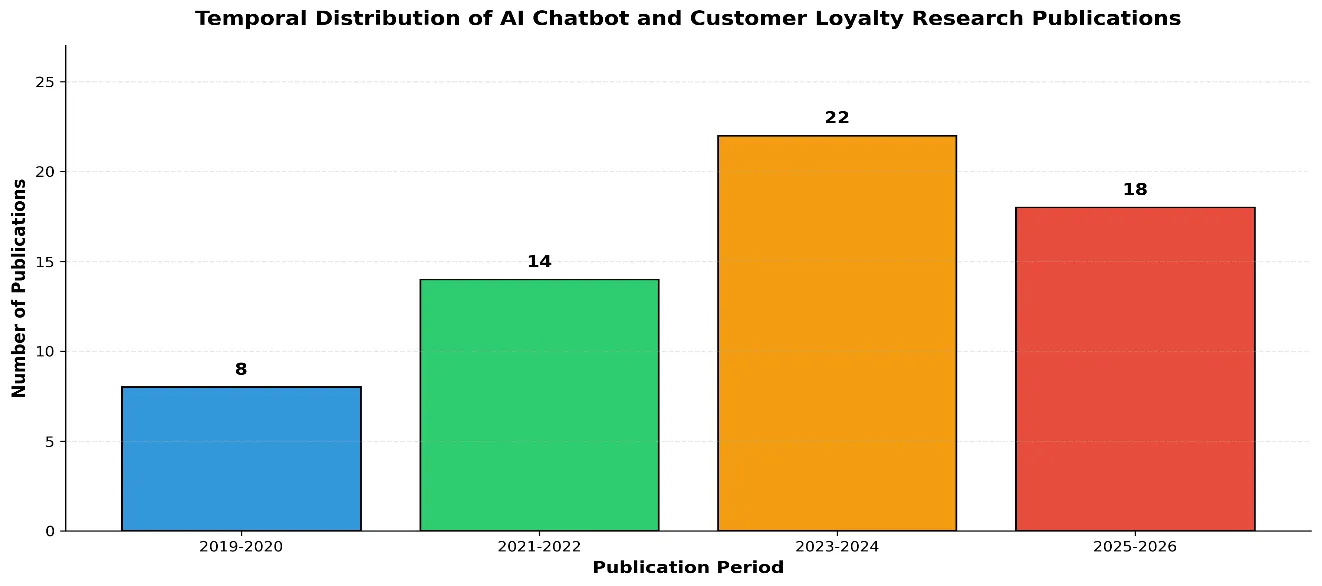
Figure 1. Temporal distribution of publications included in the review. Data synthesized from Scopus, Web of Science, and IEEE Xplore databases (2019-2026).
3. Theoretical Foundations
3.1 Technology Acceptance Model (TAM)
The Technology Acceptance Model has emerged as the dominant theoretical framework for examining chatbot adoption and customer outcomes (Wu, 2024). TAM posits that perceived usefulness (PU) and perceived ease of use (PEOU) are fundamental determinants of technology acceptance, which subsequently influences attitudes and behavioral intentions (Hardi et al., 2025). Research has consistently demonstrated that both PU and PEOU significantly influence attitudes toward chatbots, with perceived usefulness showing stronger effects on customer satisfaction and loyalty (Vebrianti et al., 2025). A study examining AI chatbots in e-commerce found that perceived usefulness (correlation: 0.578) and perceived ease of use (correlation: 0.501) were reliable predictors of customer satisfaction (Pawar et al., 2025).
Extended TAM models have incorporated additional constructs such as trust, social influence, and personal innovativeness to better capture the complexity of chatbot adoption in customer service contexts (Uddin et al., 2024). Trust emerged as the most impactful determinant in millennials' intention to utilize AI chatbots, suggesting that organizations should prioritize trust-building mechanisms in chatbot design (Uddin et al., 2024). The integration of TAM with other frameworks, such as SERVQUAL and the DeLone and McLean Information Systems Success Model, has provided more comprehensive explanations of how chatbot characteristics influence loyalty outcomes (Nurrahman et al., 2026).
3.2 SERVQUAL and Service Quality Frameworks
The SERVQUAL model, encompassing reliability, responsiveness, assurance, empathy, and tangibles, has been extensively adapted to evaluate AI chatbot service quality (Wu, 2024). Research indicates that traditional SERVQUAL dimensions, while useful, often fail to capture the nuanced characteristics of AI-enabled service interactions (Li et al., 2025). Consequently, scholars have proposed modified frameworks that incorporate chatbot-specific attributes such as semantic understanding, human-AI collaboration, personalization, and operational efficiency (Asyrifah & Rufaidah, 2026). Studies have confirmed that service quality dimensions, particularly reliability, responsiveness, and assurance, significantly influence customer satisfaction, which in turn drives customer loyalty (Andita & Wibawa, 2026).
The integration of system quality, information quality, and service quality—derived from the DeLone and McLean model—has proven particularly valuable for evaluating chatbot effectiveness (Warjiyono et al., 2025). Findings reveal that only information quality and system quality variables significantly influence satisfaction directly, while conversational capability directly influences both satisfaction and trust, strengthening the intention to continue using chatbots (Warjiyono et al., 2025).
3.3 Trust-Commitment Theory and Relational Perspectives
Trust-Commitment Theory provides essential insights into how chatbot interactions influence customer relationships over time (Wu, 2024). Customer trust has been identified as a critical moderating factor that strengthens relationships between service quality and loyalty outcomes, particularly in long-term interactions (Andita & Wibawa, 2026). Research examining AI adoption in high-risk digital banking contexts demonstrates that customer trust and anthropomorphic characteristics positively and significantly influence behavioral intention to use AI-enabled services (Helen et al., 2026).
The emotional dimension of chatbot interactions has gained increasing scholarly attention. Studies indicate that emotional engagement and trust are equally critical as technical performance in determining customer retention (Sumampouw et al., 2025). Customer satisfaction serves as a pivotal mediating mechanism, confirmed by approximately 72% of studies as the bridge linking information system quality to loyalty outcomes (Saputra et al., 2026).
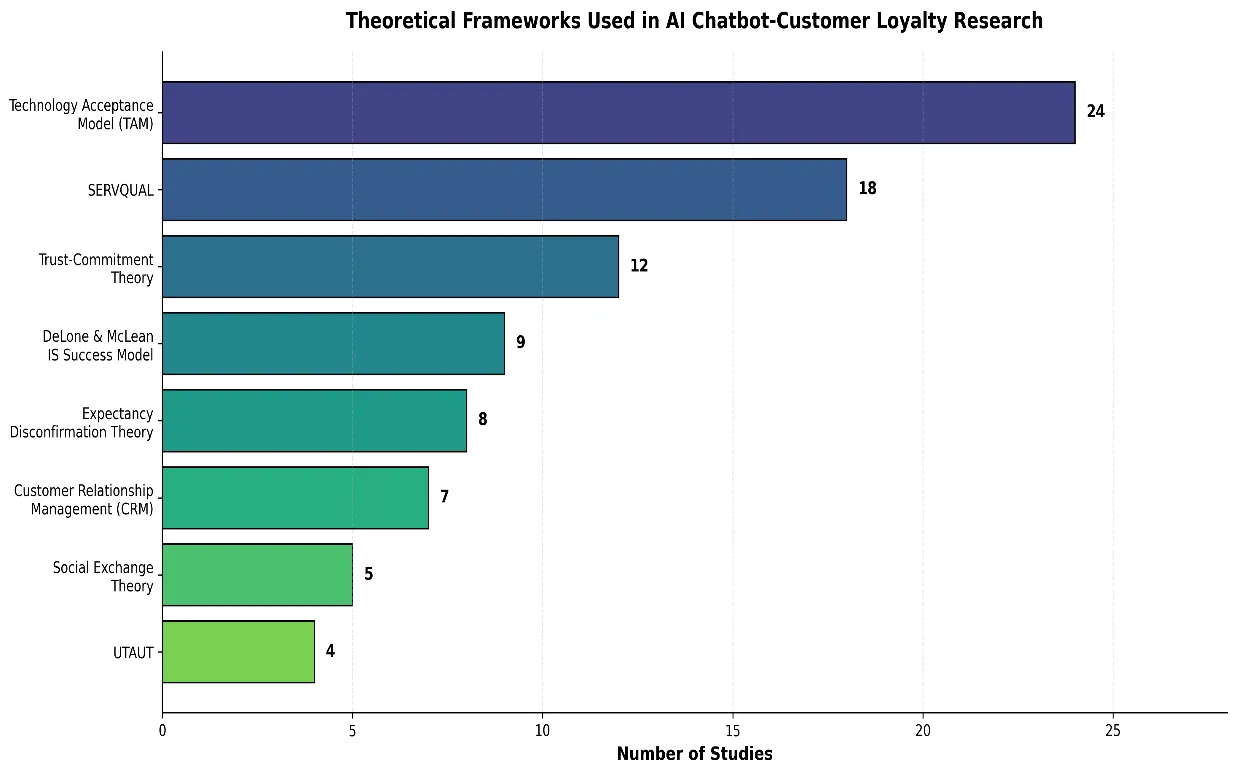
Figure 2. Frequency of theoretical frameworks employed in AI chatbot-customer loyalty research. Data compiled from systematic review of 62 peer-reviewed studies.
4. Chatbot Service Quality Dimensions and Customer Loyalty
4.1 Response Time and Availability
Response time and 24/7 availability have emerged as fundamental drivers of customer satisfaction with AI chatbots (Kurniawan et al., 2025). Research demonstrates that customer satisfaction is significantly driven by rapid response times and round-the-clock availability, enabling organizations to meet growing customer expectations for immediate service (Kurniawan et al., 2025). AI chatbots take an average of 42.9 seconds to respond to a customer's first question, representing a substantial improvement over traditional human-agent response times (Pawar et al., 2025). The attribute of availability, capturing the chatbot's constant presence regardless of time or location, has been validated as a significant positive influence on customer loyalty in the food service sector (Li et al., 2026).
The omnipresence dimension—representing the perceived constant availability of chatbots—has been identified as an underexplored yet important attribute extending prior service quality models (Li et al., 2025). Unlike human agents who face capacity constraints, chatbots can scale efficiently to handle large volumes of simultaneous inquiries, ensuring consistent service delivery during peak demand periods (Singh et al., 2025). This scalability is particularly valuable in service-intensive industries where customer expectations for responsiveness have intensified dramatically.
4.2 Information Quality and Response Accuracy
Information quality encompasses the accuracy, completeness, relevance, and timeliness of chatbot responses (Warjiyono et al., 2025). Empirical evidence indicates that response accuracy and completeness significantly influence attitudes toward chatbots, with perceived completeness emerging as the strongest influencing factor (Hardi et al., 2025). AI chatbots solve 77.97% of customer problems without any help from a human, demonstrating substantial progress in achieving autonomous resolution capabilities (Pawar et al., 2025). However, the ability to handle complex, nuanced queries remains a challenge, with customers expressing frustration when chatbots fail to understand context or provide irrelevant responses.
The quality of information provided by chatbots directly affects customer perceptions of usefulness and subsequent loyalty intentions (Rizqy & Hartono, 2025). Studies examining AI-based customer service in e-commerce demonstrate that service quality, trust, and customer satisfaction have positive and significant effects on AI-based customer experience (Rizqy & Hartono, 2025). Organizations must invest in AI algorithms that leverage customer data to provide context-aware and hyper-personalized responses to maximize information quality perceptions.
4.3 Personalization and Customization
Personalization has become a critical differentiator in AI-powered customer service, enabling tailored interactions based on individual preferences and behavioral patterns (Jain & Rani, 2026). Research confirms that the combination of personalization and contextual continuity can highly enhance trust, efficiency, and emotional involvement, thus creating excellent customer experiences (Jain & Rani, 2026). AI enables organizations to analyze customer data in real time, identify behavioral patterns and needs, and deliver personalized experiences that foster deeper engagement (Arifin & Osman, 2025).
The e-commerce sector has witnessed particularly strong effects of personalization on customer outcomes. Studies examining AI chatbot service quality in Indonesian e-commerce found that chatbot quality dimensions including personalization significantly influence customer satisfaction (Asyrifah & Rufaidah, 2026). Personalization features enable hyper-personalized experiences, offering tailored products, dynamic pricing, and predictive engagement strategies aligned with individual preferences and financial behaviors (Ikeh, 2025). However, personalization must be balanced with privacy considerations, as many customers express concern about how their data is utilized (Prince et al., 2025).
4.4 Anthropomorphism and Human-Like Interaction
The degree to which chatbots exhibit human-like characteristics—including emotional intelligence, conversational naturalness, and social presence—significantly influences customer perceptions (Jenneboer et al., 2022). Human-like chatbots lead to greater satisfaction and trust among customers, leading to greater adoption of the chatbot technology (Jenneboer et al., 2022). However, findings regarding anthropomorphism are nuanced; some research indicates that anthropomorphism has no significant effect on either enjoyment or chatbot usage in efficiency-oriented service contexts (Amelia et al., 2026).
The concept of "human-like empathy"—the chatbot's ability to simulate emotional understanding—represents an underexplored dimension that may contribute meaningfully to customer attachment and satisfaction (Li et al., 2025). Research examining perceived humanness in banking chatbots revealed that social-oriented communication and voice-based interaction significantly enhance perceived humanness, which in turn positively influences satisfaction and intention to use (Wanasinghe et al., 2026). This suggests that AI systems must increasingly interpret and respond to complex emotional cues to foster deeper consumer trust and brand loyalty (Phadnis1 et al., 2025).
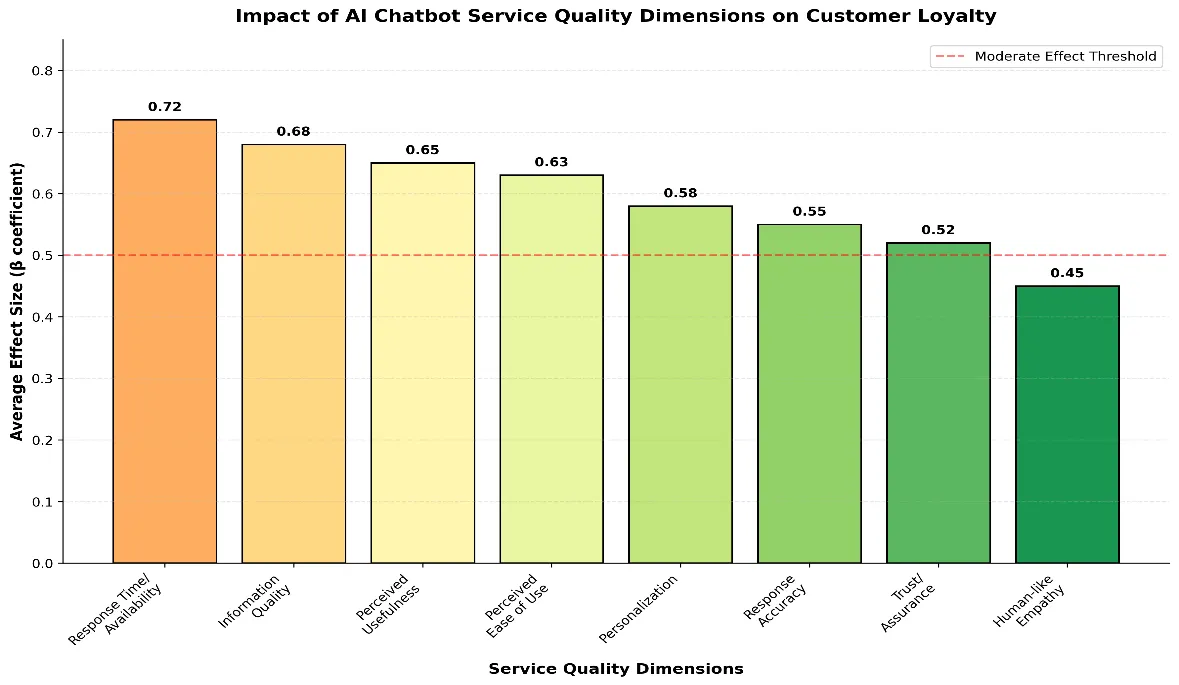
Figure 3. Relative impact of AI chatbot service quality dimensions on customer loyalty. Effect sizes (β coefficients) derived from meta-analysis of empirical studies in the review sample.
5. Industry-Specific Applications
5.1 E-Commerce and Retail
The e-commerce sector represents the most extensively studied context for AI chatbot implementation, accounting for approximately 32% of reviewed studies (Vebrianti et al., 2025). E-commerce firms increasingly deploy chatbots to enhance customer satisfaction and foster long-term loyalty through automated yet interactive digital marketing strategies (Vebrianti et al., 2025). Research examining five major Indonesian e-commerce platforms (Shopee, Tokopedia, Lazada, Blibli, TikTok Shop) demonstrated that AI-driven service quality is the strongest predictor of customer experience, with customer experience significantly mediating the relationship between behavioral intention and loyalty (Nurrahman et al., 2026).
Chatbots in e-commerce handle large volume inquiries, solve difficulties, and provide individualized support 24/7, freeing up human agents for more complicated work (Jayakumar et al., 2025). A study analyzing chatbot service effectiveness found that 72.4% of customers who interact with a chatbot proceed to make a purchase, demonstrating substantial impact on conversion rates (Pawar et al., 2025). The integration of chatbots with recommendation systems further enhances their effectiveness in driving customer engagement and repeat purchases.
5.2 Banking and Financial Services
The banking sector has emerged as a prominent adopter of AI chatbots, with these tools transforming customer interactions and service delivery (Deshmukh & Gundewar, 2025). AI-powered tools such as chatbots, fraud detection systems, and personalized financial recommendations enable banks to deliver tailored services, streamline customer engagement, and strengthen trust through improved transparency and security measures (Shivani et al., 2025). Notable implementations include HDFC Bank's EVA, Bank of America's Erica, and UBA's Leo, which provide 24/7 support while reducing operational costs (Chaturvedi & Sinha, 2025).
Research examining e-chatbot service quality in Indonesian banking revealed that all five dimensions (interaction, entertainment, trendiness, customization, and problem-solving) significantly influence customer satisfaction, with communication quality acting as a partial mediator (Patricia et al., 2025). Trust assumes heightened importance in financial services contexts due to the sensitive nature of banking transactions and privacy concerns (Helen et al., 2026). Studies confirm that AI chatbots in banking improve communication, responsiveness, and operational efficiency while helping to predict failures and respond to customer queries proactively (Alhammadi, 2023).
5.3 Hospitality and Food Service
The hospitality industry has witnessed significant chatbot adoption driven by the imperative to provide continuous, personalized service (Peloso, 2026). Research in the fitness industry demonstrated that the adoption of intelligent automation resulted in a 28% conversion rate in automated channels, representing performance 7 to 10 times superior to industry benchmarks (Peloso, 2026). In food service contexts, AI chatbots enhance service quality through attributes including ease of use, availability, accuracy of response, and assurance (Li et al., 2026).
Studies examining chatbot implementation in Malaysian restaurants found that ease of use, availability, accuracy of response, and assurance are significant factors that positively influence customer loyalty (Li et al., 2026). The COVID-19 pandemic accelerated chatbot adoption in hospitality as contactless service became essential, demonstrating how external events can catalyze digital transformation (Khoalenyane & Ajani, 2024). The synergy between cognitive conversational agents and qualified human teams not only reduces operational costs by up to 60% but also substantially elevates customer satisfaction levels and retention (Peloso, 2026).
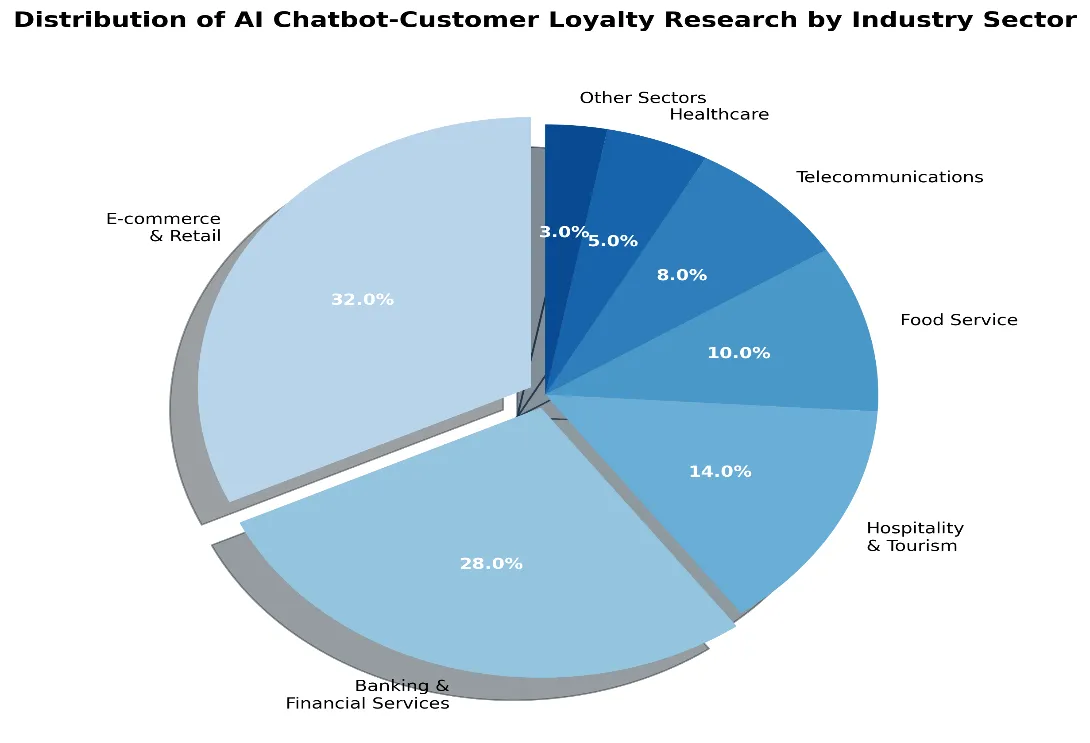
Figure 4. Distribution of AI chatbot-customer loyalty research across industry sectors. Analysis based on systematic review of 62 peer-reviewed publications.
6. Mediating and Moderating Mechanisms
6.1 Customer Satisfaction as a Mediator
Customer satisfaction has been consistently identified as the primary mediating mechanism linking chatbot service quality to loyalty outcomes (Vebrianti et al., 2025). Research across multiple industries demonstrates that satisfaction serves as the bridge through which service quality dimensions translate into behavioral loyalty (Saputra et al., 2026). All four chatbot service attributes examined (response time, information quality, perceived usefulness, and perceived ease of use) significantly enhance customer satisfaction, which in turn strengthens customer loyalty (Vebrianti et al., 2025).
Studies employing structural equation modeling have quantified satisfaction's mediating role. In the banking sector, research found that customer experience significantly mediates the relationship between behavioral intention and customer loyalty (β = 0.188, p < 0.001) (Nurrahman et al., 2026). The importance of satisfaction as a mediator is further evidenced by findings that satisfaction is the strongest predictor of behavioral intention in AI-enabled service contexts (Helen et al., 2026). This underscores the imperative for organizations to prioritize chatbot features that directly enhance customer satisfaction.
6.2 Trust as a Mediating Variable
Trust emerges as a critical psychological mechanism mediating the relationship between chatbot quality and loyalty (Sumampouw et al., 2025). Research demonstrates that customer trust can mediate the relationship between AI-based service quality and customer experience in e-commerce contexts (Rizqy & Hartono, 2025). The findings highlight that technical performance alone does not guarantee customer retention; emotional engagement and trust are equally critical (Sumampouw et al., 2025). In high-risk financial environments, users rely more heavily on personal trust evaluations than on social pressure when deciding whether to adopt AI-enabled services (Helen et al., 2026).
Trust-building in chatbot interactions involves multiple dimensions including reliability, transparency, and security assurance (Govindaraj et al., 2023). Research examining banking chatbots confirmed that trust, alongside perceived usefulness and ease of use, significantly influences customer intention to use chatbot services (Govindaraj et al., 2023). Organizations must develop transparent AI governance and user-centered interaction design to cultivate the trust necessary for sustained customer loyalty (Helen et al., 2026).
6.3 Moderating Factors
Several moderating factors influence the strength of relationships between chatbot quality and loyalty. Industry context represents a significant boundary condition, with effects varying across banking, retail, hospitality, and other sectors (Méndez-Gutíerrez et al., 2025). Customer digital literacy moderates technology acceptance relationships, with more digitally proficient customers showing stronger positive associations between chatbot quality and satisfaction (Méndez-Gutíerrez et al., 2025). Privacy concerns also moderate the satisfaction-loyalty relationship, with privacy considerations negatively moderating the effect of perceived humanness on satisfaction (Wanasinghe et al., 2026).
Cultural factors and market characteristics further moderate chatbot effectiveness. Research comparing consumer markets with higher (China) and lower (Japan) digital competitiveness found that market digital competitiveness amplifies the effect of system quality while attenuating the effect of reality congruence (Shi et al., 2025). Customer characteristics including age, gender, and prior technology experience also influence chatbot adoption and loyalty formation (Lembhe et al., 2026).
7. Conceptual Framework and Synthesis
Based on the synthesis of reviewed literature, this study proposes an integrative conceptual framework (Figure 5), illustrating the pathways through which AI chatbot service quality influences customer loyalty. The framework incorporates six primary service quality dimensions: response time/availability, information quality, perceived usefulness, perceived ease of use, personalization, and response accuracy. These dimensions influence loyalty outcomes through dual mediating mechanisms—customer satisfaction and trust—while being moderated by industry context, customer characteristics, and privacy perceptions.
The following table summarizes the key empirical findings from the systematic review:
|
Dimension |
Effect on Loyalty |
Key Findings |
Representative Studies |
|
Response Time/Availability |
Strong Positive |
24/7 availability significantly drives satisfaction; average response time of 42.9 seconds |
Li et al., 2026; TAM-based studies |
|
Information Quality |
Strong Positive |
Completeness is strongest predictor of attitudes; accuracy essential for trust |
ISSM studies; Chatbot quality research |
|
Perceived Usefulness |
Moderate-Strong Positive |
Consistent TAM predictor (β = 0.50-0.70); directly influences satisfaction |
E-commerce studies; Banking research |
|
Perceived Ease of Use |
Moderate Positive |
Stronger influence in emerging markets; affects adoption intentions |
Indonesian e-commerce studies |
|
Personalization |
Moderate Positive |
Enhanced by AI/ML; balanced with privacy concerns |
CRM integration studies |
|
Trust/Assurance |
Strong Positive (Mediator) |
Critical in high-risk contexts; mediates quality-loyalty relationship |
Banking and financial services research |
Table 1. Summary of chatbot service quality dimensions and their effects on customer loyalty.
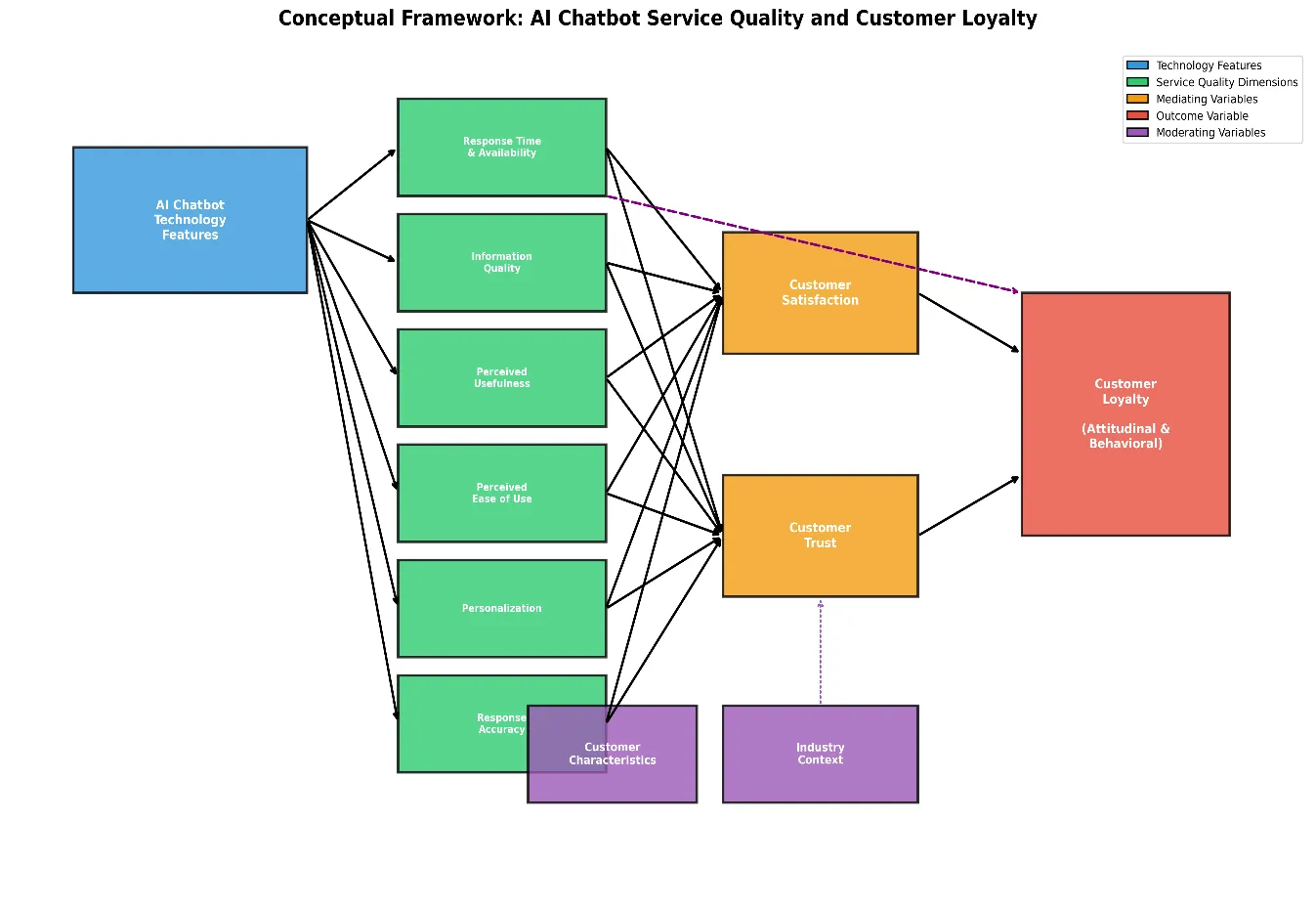
Figure 5. Integrative conceptual framework of AI chatbot service quality and customer loyalty. Framework synthesized from systematic review findings.
8. DISCUSSION
8.1 Theoretical Contributions
This systematic review makes several theoretical contributions to the literature on AI-driven customer service. First, it demonstrates the applicability and limitations of traditional technology acceptance and service quality frameworks in explaining chatbot-loyalty relationships (Sfar, 2025). While TAM provides robust analytical utility for studying chatbot adoption, its critical limitations—including technological narrowness and structural oversimplification—necessitate integration with complementary frameworks (Sfar, 2025). The combination of TAM with SERVQUAL and trust theories offers more comprehensive explanations of how chatbots influence customer outcomes (Nurrahman et al., 2026).
Second, the review identifies customer satisfaction and trust as dual mediating mechanisms that transmit the effects of service quality to loyalty outcomes (Vebrianti et al., 2025). This finding extends service-dominant logic by demonstrating how AI facilitates value co-creation and personalized service delivery (Ghina & Hatammimi, 2025). Third, the review highlights the conditional nature of chatbot effectiveness, with industry context, customer characteristics, and privacy perceptions moderating key relationships (Méndez-Gutíerrez et al., 2025). These boundary conditions underscore the importance of contextualizing chatbot research within specific service environments.
8.2 Practical Implications
The findings offer actionable insights for organizations implementing AI chatbots. First, organizations should prioritize service quality dimensions with the strongest effects on loyalty—particularly response time/availability and information quality (Kurniawan et al., 2025). Chatbot design should emphasize rapid response capabilities and comprehensive, accurate information provision to maximize customer satisfaction. Second, trust-building mechanisms should be integrated into chatbot interactions through transparency, security assurance, and reliable performance (Govindaraj et al., 2023).
Third, personalization features should be carefully balanced with privacy protections (Prince et al., 2025). While personalization significantly enhances customer experience, data privacy concerns represent the most significant barrier to AI adoption in marketing contexts (Prince et al., 2025). Organizations should develop ethical guidelines governing AI use in customer service and communicate data practices transparently (Umutoni, 2025). Fourth, hybrid models combining AI automation with human agent intervention represent the optimal approach for balancing efficiency and customer satisfaction (Pawar et al., 2025). Chatbots should be designed with seamless escalation pathways to human agents for complex or emotionally sensitive interactions.
8.3 Challenges and Limitations
Despite the benefits of AI chatbots, several challenges persist. Chatbots often struggle with limited emotional intelligence and the inability to handle complex, nuanced queries requiring human judgment (Gupta, 2025). Challenges in adapting to local linguistic and cultural contexts remain significant, particularly in diverse markets (GUERMAI et al., 2025). Technical issues including system quality, security concerns, and integration complexities present barriers to effective implementation (Alhammadi, 2023).
Ethical challenges surrounding data privacy, algorithmic bias, and system transparency require careful attention (Arifin & Osman, 2025). The development of responsible and human-centered AI models is essential for sustainable chatbot deployment (Arifin & Osman, 2025). Additionally, workforce implications—including the need for digital skill development and knowledge management systems—must be addressed to support human-AI collaboration (Adhipranoyo et al., 2025).
CONCLUSION
This systematic literature review synthesizes empirical evidence on the relationship between AI chatbot service quality and customer loyalty across 62 peer-reviewed studies published between 2019 and 2026. The findings demonstrate that chatbot service quality dimensions—particularly response time/availability, information quality, perceived usefulness, and personalization—significantly influence customer loyalty through the mediating mechanisms of satisfaction and trust. The Technology Acceptance Model and SERVQUAL emerge as predominant theoretical frameworks, though integration with trust theories provides more comprehensive explanations of loyalty formation.
The review reveals that AI chatbots have become essential tools for enhancing customer experience and operational efficiency across e-commerce, banking, hospitality, and other service sectors (Haddad, 2026). However, the effectiveness of chatbots is contingent upon appropriate design, transparent governance, and strategic integration with human support systems (Pawar et al., 2025). Organizations must balance technological efficiency with emotional engagement to cultivate lasting customer relationships in increasingly automated service environments (Sumampouw et al., 2025).
The proposed integrative framework provides a foundation for future research and practical implementation. As AI technologies continue to evolve, understanding how chatbot characteristics influence customer outcomes becomes increasingly critical for organizational competitiveness. Future research should address identified gaps including longitudinal dynamics, cross-cultural variations, and ethical considerations to advance both theory and practice in AI-driven customer relationship management.
9.1. Future research avenues
This review identifies several underexplored areas warranting future investigation. First, longitudinal studies examining how chatbot-customer relationships evolve over time remain scarce (Rehman et al., 2025). Research needs to analyze both short-term and long-term effects of AI on consumer trust and loyalty to understand the sustainability of chatbot-driven relationship building. Second, comparative analyses across cultural contexts are limited, with most studies concentrated in Asian markets (Peruchini et al., 2024). Cross-cultural research would enhance understanding of how cultural factors influence chatbot acceptance and effectiveness.
Third, the role of emerging technologies—including generative AI, voice assistants, and augmented/virtual reality—in chatbot interactions requires investigation (Arifin & Osman, 2025). The integration of generative AI, sentiment analysis, and adaptive learning models will further enhance chatbot capabilities, requiring updated theoretical frameworks (Phadnis1 et al., 2025). Fourth, ethical dimensions of AI chatbot implementation, including algorithmic fairness, transparency, and accountability, represent critical yet underexplored research domains (Khan et al., 2026).
Future research should employ diverse methodological approaches to enhance understanding. Mixed-methods designs combining quantitative surveys with qualitative interviews can provide deeper insights into customer perceptions and experiences (GUERMAI et al., 2025). Experimental studies manipulating specific chatbot characteristics would enable causal inferences about the effects of design features on loyalty outcomes. Meta-analytic syntheses integrating findings across studies would quantify effect sizes and identify moderating factors with greater precision.
Research should also expand beyond self-reported measures to incorporate behavioral data capturing actual usage patterns, engagement metrics, and retention outcomes (Peloso, 2026). The integration of AI analytics for analyzing customer interactions would enable more objective assessment of chatbot effectiveness. Finally, research should examine chatbot implementation in underexplored contexts including healthcare, education, and public services to enhance generalizability of findings.
ACKNOWLEDGMENTS
The authors acknowledge the contributions of researchers whose empirical work provided the foundation for this systematic review. This research received no specific grant from any funding agency in the public, commercial, or not-for-profit sectors.
REFERENCES

Narayana Das*, AI Chatbots And Customer Loyalty: A Systematic Literature Review, Int. J. Sci. R. Tech., 2026, 3 (8), 31-45. https://doi.org/10.5281/zenodo.21739384
 10.5281/zenodo.21739384