

We use cookies to ensure our website works properly and to personalise your experience. Cookies policy
Shivaji University, Kolhapur, Maharashtra, PIN-416004, INDIA
This study investigates the extent of cadmium (Cd) and lead (Pb) contamination in soil ecosystems of the Kadvi River Basin, Kolhapur district, Maharashtra. These heavy metals are of particular concern due to their persistent nature, toxicity, and potential for bioaccumulation within the food chain, posing significant risks to environmental and human health. The results reveal significant spatial variability, indicating localized contamination “hotspots” influenced by anthropogenic activities and geological factors. Lead (Pb) concentrations were generally low, but elevated levels were observed in Kolgaon (1.36 ppm), Panundre (1.10 ppm), Amba (1.19 ppm), and Pelars (Manoli) (1.73 ppm). Cadmium (Cd) levels were mostly low (~0.01 ppm), with higher concentrations recorded in Pisavi (0.37 ppm), Uchat (Parale) (~0.30 ppm), and Ainwadi (Pandharepani) (~0.28 ppm), raising environmental concerns. The findings of this study are important for identifying potential sources of contamination, such as the excessive use of fertilizers, industrial inputs, and proximity to transportation corridors. The study emphasizes the need for continuous environmental monitoring, implementation of appropriate remediation strategies, and adoption of sustainable land-use practices to minimize ecological degradation and safeguard public health.
Soil contamination by heavy metals has become a significant environmental and public health concern at the global scale. Toxic elements such as cadmium (Cd) and lead (Pb) are particularly important due to their persistence, non-biodegradable nature, and strong potential for bioaccumulation in terrestrial ecosystems. These metals originate from both geogenic processes, such as weathering of parent materials, and anthropogenic activities, including industrial discharge, agricultural inputs, and urban runoff. Their accumulation in soils facilitates transfer into plants and subsequently into the food chain, posing serious risks to ecological systems and human health (Bouida et al., 2022).
Recent global-scale assessments have further emphasized the widespread nature of soil pollution. Studies indicate that concentrations of Cd, Pb, and other heavy metals are elevated across many regions, adversely affecting soil quality, agricultural productivity, and ecosystem functions. Such contamination not only threatens environmental sustainability but also compromises food safety and human well-being (Hou et al., 2025).
In agricultural landscapes, heavy metal contamination is particularly critical, as it directly impacts soil fertility and crop growth. The accumulation of Cd and Pb in soils is often associated with intensive farming practices, including the excessive use of fertilizers and pesticides. These practices enhance the mobility and bioavailability of toxic metals, increasing the risk of their uptake by crops and subsequent exposure to humans and livestock (Alengebawy et al., 2021).
The Kadvi River Basin in Kolhapur district, Maharashtra, represents a typical agro-environmental setting where agricultural activities, peri-urban expansion, and riverine processes interact. These factors may contribute to the introduction and redistribution of heavy metals within the soil system. Therefore, a geo-environmental assessment of this basin is essential to understand the spatial distribution of Cd and Pb, identify potential contamination sources such as agricultural inputs, urban runoff, and sediment deposition, and evaluate associated environmental and health risks. Such analysis is crucial for developing effective management strategies and promoting sustainable land-use practices in the region.
2. OBJECTIVES
The present study is carried out with the following objectives: To assess the concentration levels of cadmium (Cd) and lead (Pb) in soil and water samples of the Kadvi River Basin.
3. STUDY AREA
The Kadvi River Basin is located in Kolhapur district, Maharashtra, India. The river originates in the Western Ghats and flows eastward, draining into the larger Krishna River system. The basin encompasses a diverse landscape characterized by undulating topography, with elevations ranging from the high-altitude Western Ghats to the low-lying plains. The climate is tropical monsoon, receiving substantial rainfall during the southwest monsoon season (June–September), followed by a distinct dry period.
The Kadvi River originated from the high altitude of Amba village area. This seems to be heavy rainfall receiving area in Kadvi river basin. Kadvi River is the main tributary of Warna River. Kadvi River flows western to the eastern side and meets the Warna river near Thergaon village. Ambardi, Potphogi, and Shali rivers are sub tributaries of Kadvi river. Length of Kadvi river is 48.66 km. Kadvi river basin covers nearly 41.50% area of Shahuwadi tehsil, so thirty-three village area sample data located in this map. Water sources within the basin comprise rivers, lakes, ponds, wells, and borewells, which serve as critical resources for drinking, domestic use, agriculture, and livestock. The region's dependence on seasonal rainfall, coupled with anthropogenic activities including agriculture and aquaculture, makes it particularly vulnerable to seasonal fluctuations in water quality.
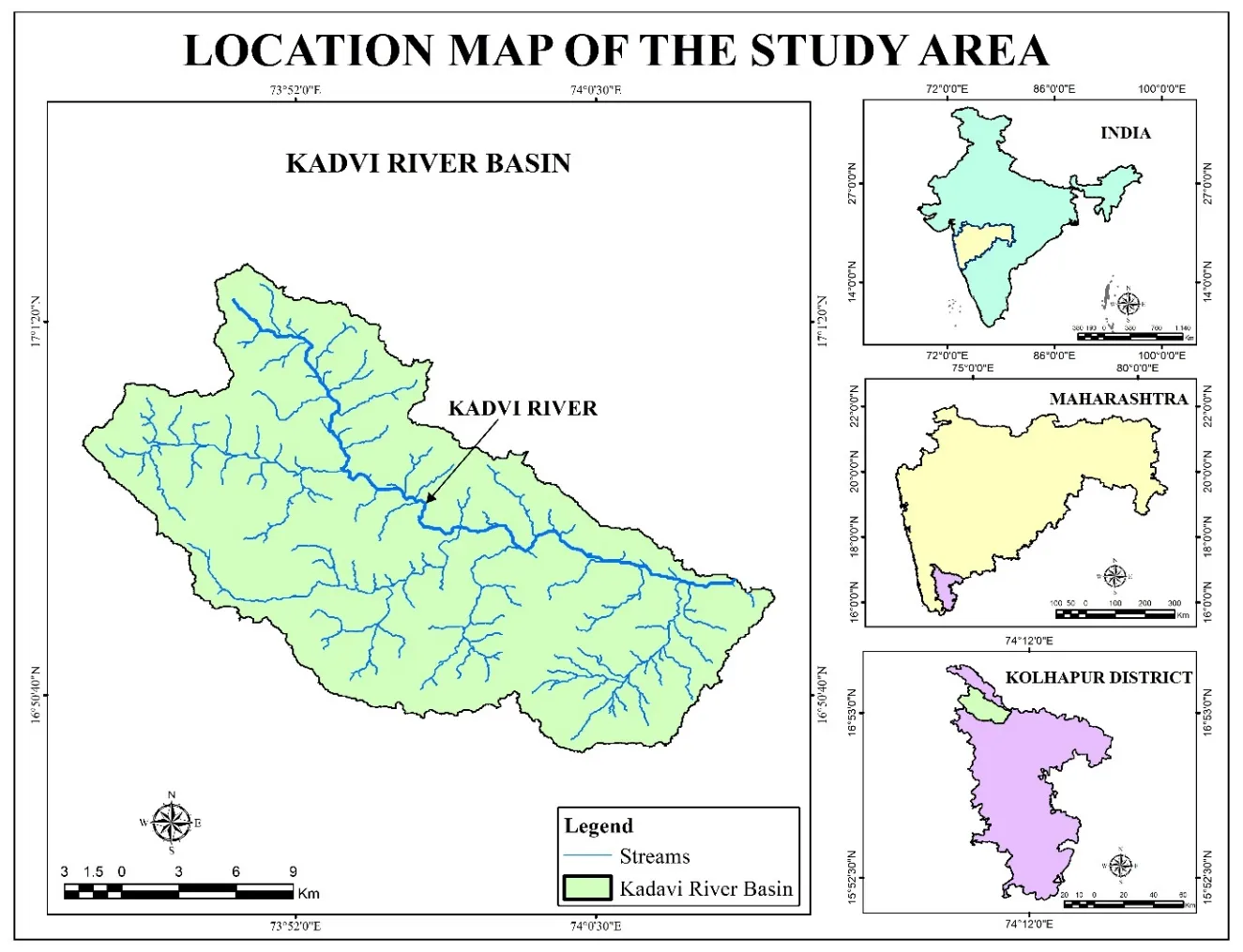
Figure 1: Location Map
4. MATERIALS AND METHODOLOGY
The present study integrates field sampling and laboratory analysis to assess water quality and heavy metal contamination in the Kadvi River Basin. A base map of the study area was prepared to represent the spatial distribution of sampling locations. The marked sampling points indicate systematically selected sites across the basin to capture variations in hydrological and environmental conditions. These locations were chosen to reflect differences in land use, drainage characteristics, and potential sources of contamination.
Water samples were collected from selected sites following standard sampling procedures. The samples were filtered to remove suspended particles and acidified using appropriate reagents to preserve dissolved metal concentrations and prevent chemical alterations during storage and transport. All samples were properly labelled and stored under controlled conditions prior to laboratory analysis.
In the laboratory, the samples were prepared through suitable pre-treatment methods, including acid digestion where necessary, to ensure accurate determination of metal concentrations. The analysis was carried out using Inductively Coupled Plasma Optical Emission Spectroscopy (ICP-OES), a widely accepted technique for multi-element detection. In this method, samples are introduced into a high-temperature argon plasma, where the elements become excited and emit radiation at characteristic wavelengths. The intensity of the emitted light is measured to quantify the concentration of elements, including trace-level heavy metals such as cadmium (Cd) and lead (Pb).
The analytical results were interpreted by comparing the measured concentrations with standard guidelines such as those provided by the World Health Organization (WHO) and Indian drinking water standards. This comparison helps in evaluating the extent of contamination and identifying potential sources. The generated dataset provides a scientific basis for environmental assessment and supports the formulation of appropriate management strategies, including water resource planning, pollution control, and sustainable agricultural practices in the basin.
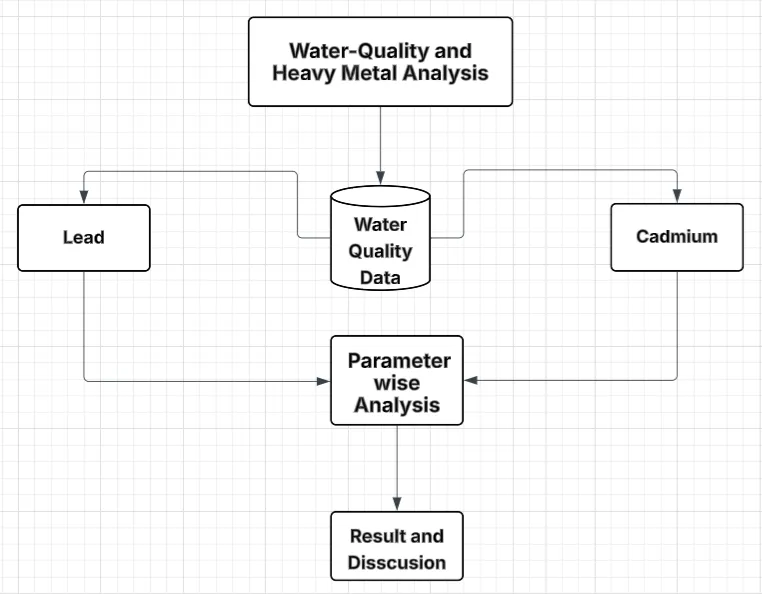
Figure 2: Methodology Chart
5. RESULTS AND DISSCUSSION
5.1 Spatial Distribution of Lead (Pb) Concentration
The analysis of lead (Pb) concentration across the study area reveals significant spatial variability. The recorded values range from 0.00 ppm to 1.73 ppm, indicating the presence of both uncontaminated and moderately contaminated sites. The highest concentration of Pb was observed at Soil Pelars, Manoli (1.73 ppm), followed by Kolgaon (1.36 ppm), Amba (1.19 ppm), and Panundre (1.10 ppm). Moderate levels were recorded in locations such as Charan, Gogave, and Ainwadi (0.76 ppm each). In contrast, a large number of sampling sites, including Save, Pisavi, Sonavade, and Malkapur, exhibited Pb concentrations of 0.00 ppm, suggesting either absence or levels below detectable limits.
This uneven distribution pattern indicates that lead contamination is localized in nature, possibly influenced by site-specific anthropogenic activities such as excessive use of agrochemicals, vehicular emissions, and localized waste disposal practices. The higher concentrations in certain villages may also be linked to geological factors and soil composition. Overall, while most of the study area appears relatively safe from Pb contamination, the identified hotspots require careful monitoring and management.
5.2 Spatial Distribution of Cadmium (Cd) Concentration
Cadmium (Cd) concentration in the study area shows a comparatively different pattern, with values ranging from 0.00 ppm to 0.37 ppm. The highest Cd concentration was recorded at Pisavi (Patil Farmhouse) with 0.37 ppm, followed by Bhedavade (0.29 ppm), Nisarg Hill Amba (0.28 ppm), and Save and Bhirewadi (0.26 ppm each). Moderate concentrations were observed in Malkapur (0.23 ppm), Paleshwar Forest (0.22 ppm), and Charan and Gogave (0.19 ppm). Only a few locations, such as Rajshree Career Academy, Pusarle, and Sasegaon, reported 0.00 ppm Cd levels.
Unlike lead, cadmium is found to be more uniformly distributed across the study area, even though its concentration remains relatively low. This widespread occurrence may be attributed to continuous inputs from agricultural practices, particularly the use of phosphate fertilizers, as well as natural weathering of parent rock material. Despite its lower concentration, cadmium poses a serious environmental concern due to its high toxicity and bio accumulative nature, which can adversely affect soil health, crop productivity, and human health.
|
Sr. No. |
Village |
Type |
Wavelength (nm) |
|
|
Lead (ppm) |
Cadmium (ppm) |
|||
|
1 |
Save |
Analyte |
0 |
0.26 |
|
2 |
Pisavi |
Analyte |
0 |
0.37 |
|
3 |
Kolgaon |
Analyte |
1.36 |
0.01 |
|
4 |
Sonavade |
Analyte |
0 |
0.18 |
|
5 |
Uchat, Parale |
Analyte |
0.04 |
0.04 |
|
6 |
Bhedavade |
Analyte |
0 |
0.29 |
|
7 |
Karanjoshi |
Analyte |
0 |
0 |
|
8 |
Pusarle |
Analyte |
0.04 |
0.04 |
|
9 |
Pusarle |
Analyte |
0 |
0 |
|
10 |
Savarde Kh. |
Analyte |
0 |
0.09 |
|
11 |
Bambavade |
Analyte |
0 |
0.01 |
|
12 |
Arul |
Analyte |
0.02 |
0.03 |
|
13 |
Sasegaon, Karanjoshi |
Analyte |
0 |
0 |
|
14 |
Charan |
Analyte |
0.76 |
0.19 |
|
15 |
Pisavi |
Analyte |
0 |
0.01 |
|
16 |
Shirale |
Analyte |
0 |
0.01 |
|
17 |
Panundre |
Analyte |
1.1 |
0.01 |
|
18 |
Kadave |
Analyte |
0 |
0.06 |
|
19 |
Amba |
Analyte |
1.19 |
0.01 |
|
20 |
Manoli |
Analyte |
1.73 |
0.01 |
|
21 |
Gogave |
Analyte |
0.76 |
0.19 |
|
22 |
Supatre |
Analyte |
0 |
0.17 |
|
23 |
Malkapur |
Analyte |
0 |
0.23 |
|
24 |
Karungale |
Analyte |
0.06 |
0.03 |
|
25 |
Warul |
Analyte |
0 |
0.09 |
|
26 |
Altur |
Analyte |
0.02 |
0.03 |
|
27 |
Bhirewadi, Thamkedi |
Analyte |
0 |
0.26 |
|
28 |
Ainwadi |
Analyte |
0.76 |
0.19 |
|
29 |
Amba |
Analyte |
0 |
0.28 |
|
30 |
Paleshwar Dam |
Analyte |
0 |
0.01 |
|
31 |
Kasarde |
Analyte |
0 |
0.01 |
|
32 |
Paleshwar Forest |
Analyte |
0 |
0.22 |
|
33 |
Kandavan |
Analyte |
0.03 |
0.02 |
Table 1: Lead and Cadmium Analysis in the Kadvi River Basin (Kolhapur)
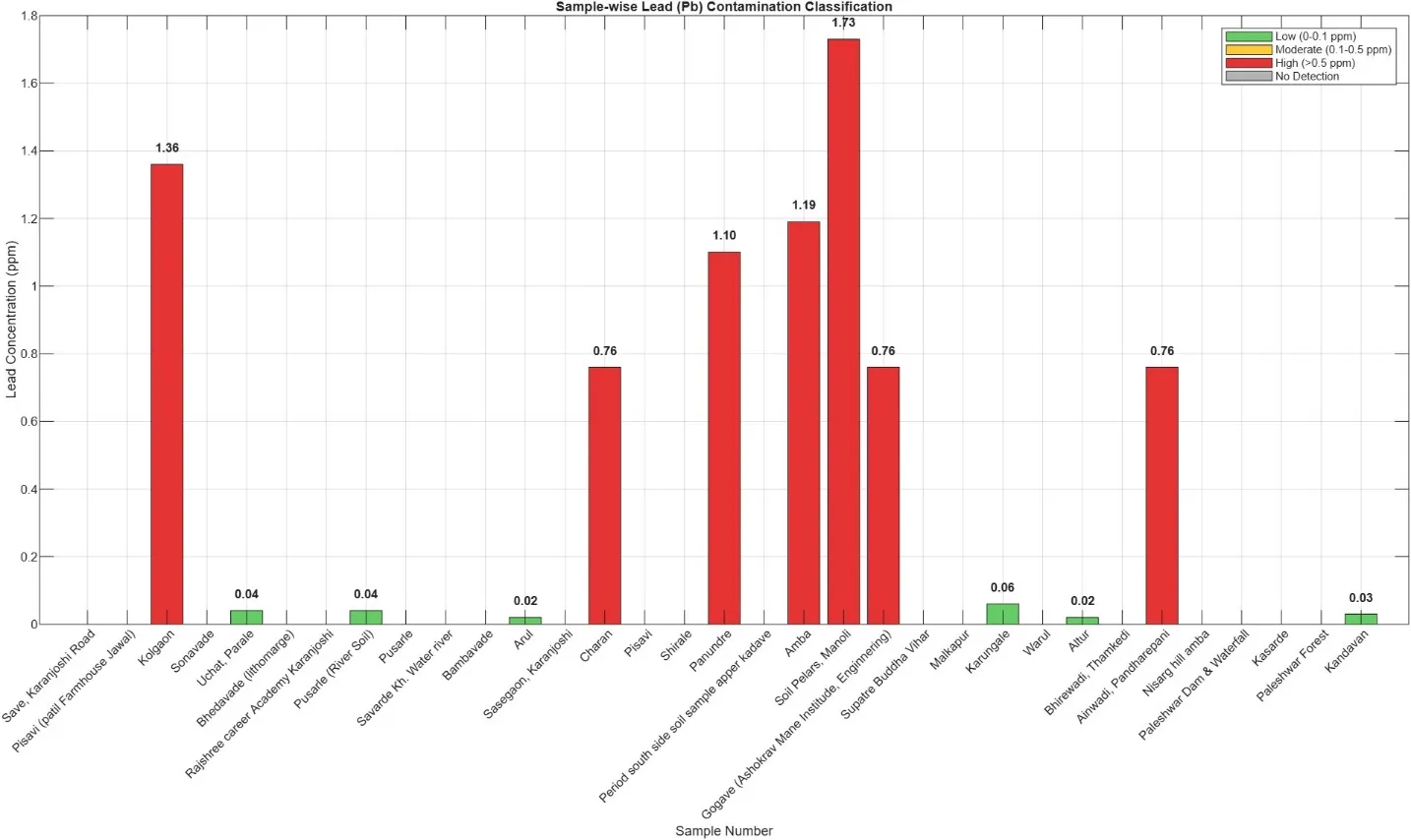
Figure 3: Lead Sample data classification at the Kadvi River Basin (Kolhapur)
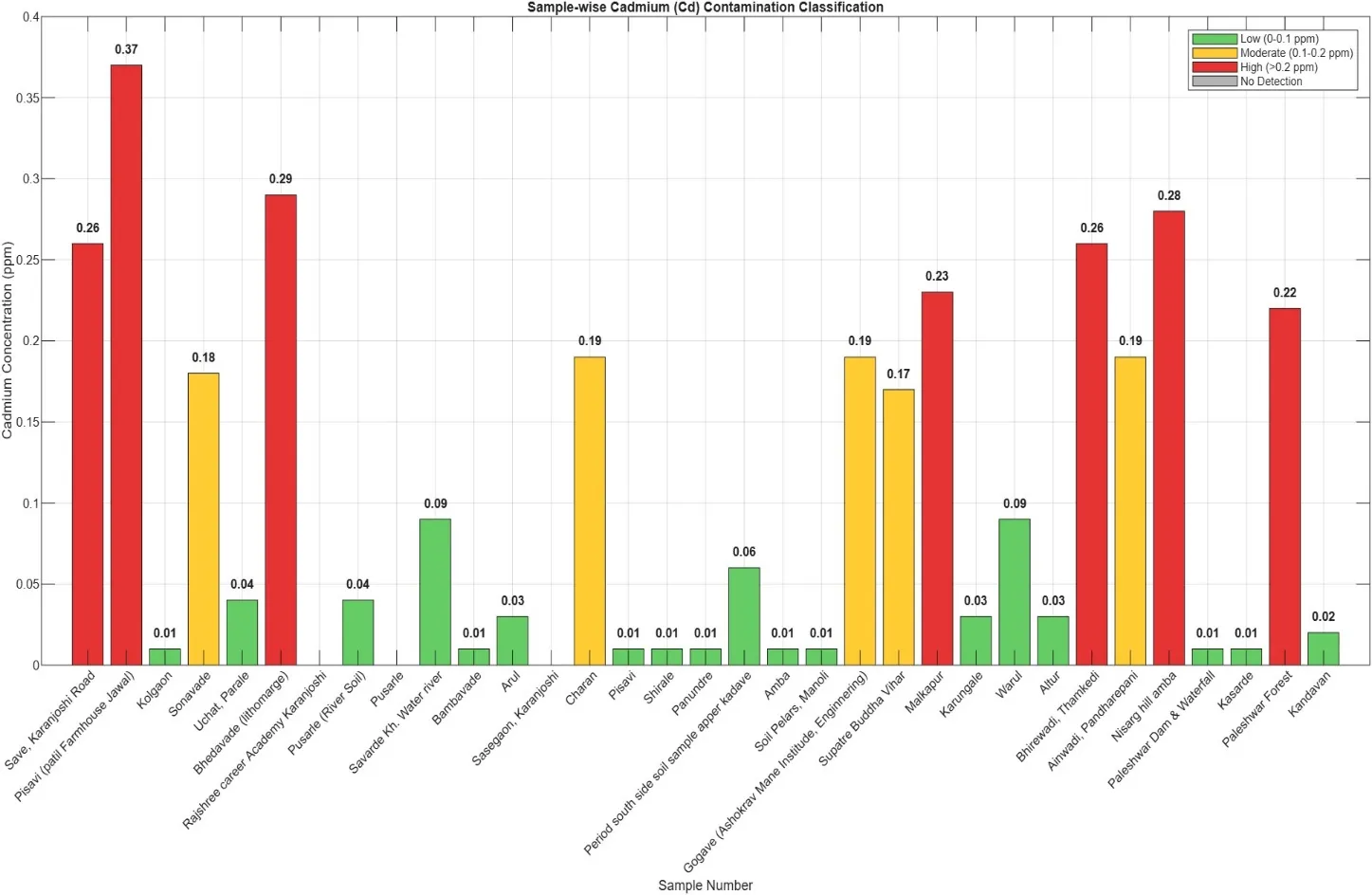
Figure 4: Cadmium Sample data classification at the Kadvi River Basin (Kolhapur)
5.3 Comparative Assessment of Pb and Cd Contamination
A comparative analysis of Pb and Cd concentrations highlights distinct contamination patterns. Lead exhibits higher concentration levels but limited spatial occurrence, whereas cadmium shows lower concentration but wider distribution. Several locations such as Charan, Gogave, and Ainwadi show the presence of both metals, indicating potential combined contamination sources. However, many sites with zero Pb values still exhibit detectable Cd concentrations, reinforcing the notion that cadmium contamination is more pervasive.
This variation suggests that Pb contamination is primarily influenced by localized anthropogenic activities, while Cd contamination is driven by diffuse sources, including agricultural inputs and natural geochemical processes. The coexistence of both metals in certain areas raises concerns regarding cumulative environmental impacts and potential risks to the food chain.
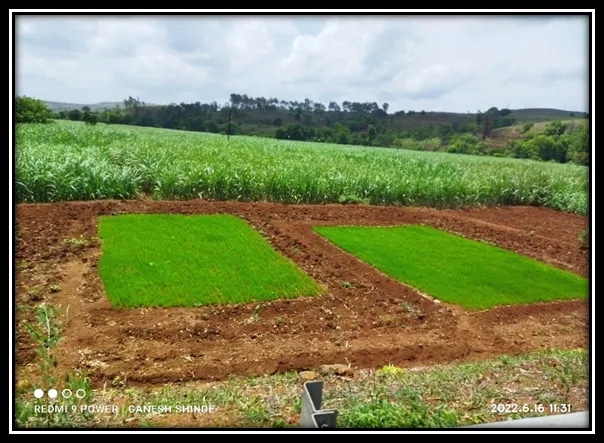
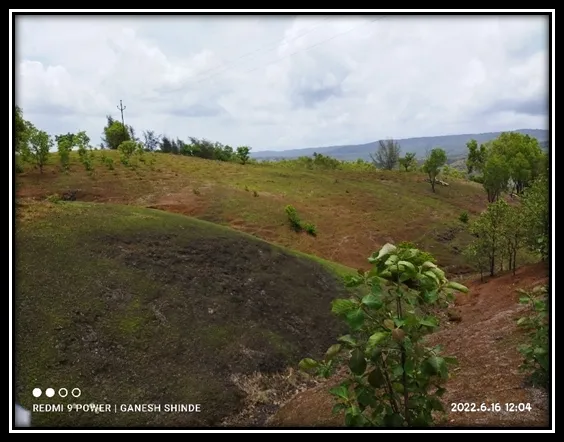
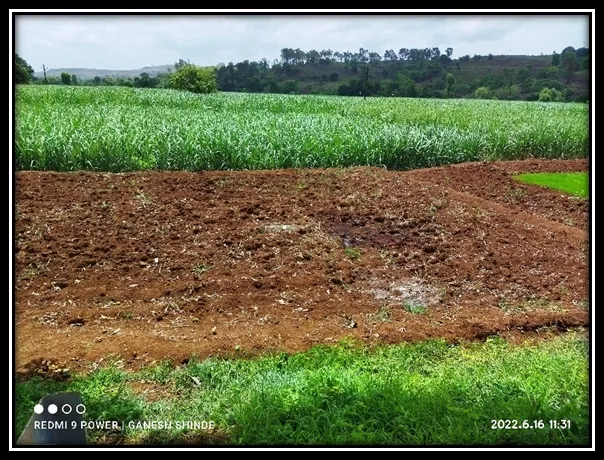
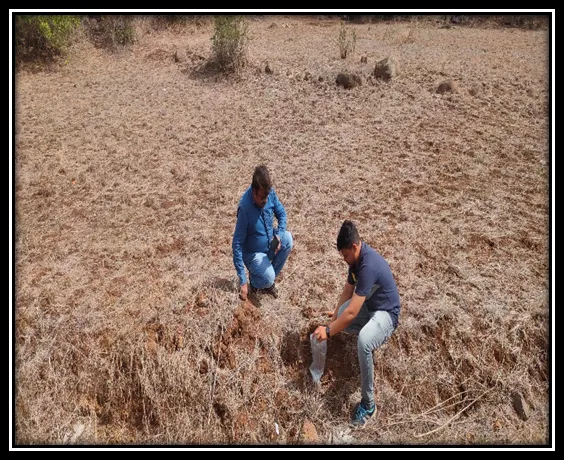
Figure 5: Lead and Cadmium Sample data collection at the Kadvi River Basin (Kolhapur)
5.4 Environmental and Health Implications
The presence of heavy metals such as Pb and Cd in soil and water environments has significant ecological and human health implications. Elevated Pb levels can impair soil microbial activity and pose risks to the nervous system in humans upon prolonged exposure. Cadmium, on the other hand, is highly toxic even at low concentrations and can lead to kidney dysfunction, skeletal damage, and contamination of agricultural produce through plant uptake.
The detection of higher concentrations in specific locations suggests the need for targeted mitigation strategies, including soil remediation, controlled use of agrochemicals, and regular environmental monitoring. Additionally, awareness programs for local communities regarding the risks associated with heavy metal contamination are essential.
The overall assessment indicates that while the study area is not uniformly contaminated, certain hotspot locations exhibit elevated levels of lead and cadmium, which require immediate attention. The contrasting behavior of Pb and Cd in terms of concentration and distribution emphasizes the importance of adopting a multi-parameter approach for environmental assessment. Sustainable land management practices and continuous monitoring can play a crucial role in minimizing the long-term risks associated with heavy metal contamination.
CONCLUSION
The present study evaluates the concentration and spatial distribution of cadmium (Cd) and lead (Pb) in the Kadvi River Basin, Kolhapur district, Maharashtra. The analysis, carried out using ICP-OES, reveals that heavy metal contamination is not uniformly distributed but occurs in distinct localized hotspots across the basin. While the majority of sampling locations exhibit low or negligible concentrations, certain villages show comparatively elevated levels of Pb and Cd, indicating site-specific accumulation. Lead (Pb) concentrations were generally higher and more widespread than cadmium, with notable peaks observed at Pelars (Manoli), Kolgaon, Amba, and Panundre. In contrast, cadmium (Cd) concentrations were lower overall but showed significant localized enrichment at sites such as Pisavi, Uchat (Parale), and Ainwadi. These variations suggest that both natural factors and anthropogenic activities—such as agricultural inputs, runoff, and local land-use practices—play a crucial role in influencing heavy metal distribution. Although most values remain within broader permissible limits, the presence of elevated concentrations at specific locations is environmentally significant due to the persistent and toxic nature of these metals. Their potential to accumulate in soil and enter the food chain poses risks to agricultural sustainability, ecosystem health, and human well-being. Therefore, the study highlights the need for continuous monitoring, identification of contamination sources, and implementation of targeted mitigation measures. Adoption of sustainable agricultural practices, controlled use of agrochemicals, and proper land and water management strategies are essential to minimize heavy metal pollution and ensure long-term environmental protection in the Kadvi River Basin.
REFERENCES


Ganesh S. Shinde*, Sambhaji D. Shinde, Assessment Of Cadmium (Cd) And Lead (Pb) Contamination Hotspots In The Kadvi River Basin, Maharashtra, Int. J. Sci. R. Tech., 2026, 3 (7), 509-518. https://doi.org/10.5281/zenodo.21412414
 10.5281/zenodo.21412414