

We use cookies to ensure our website works properly and to personalise your experience. Cookies policy
Pravara Rural College of Pharmacy, Loni, Maharashtra, India- 413736
Benzimidazole plays an important role in the medicinal chemistry and drug discoverx with many pharmacological activities which have made an indispensable anchor for discovery of novel therapeutic agents. Substitution of benzimidazole nucleus is an important synthetic strategy in the drug discovery process. Therapeutic properties of the benzimidazole related drugs have encouraged the medicinal chemists to synthesize novel therapeutic agents Therefore, it is required to couple the latest information with the earliest information to understand the status of benzimidazole nucleus in drug discovery. In the present review, benzimidazole derivatives with different pharmacological activities are described on the basis of substitution pattern around the nucleus with an aim to help medicinal chemists for the development of SAR on benzimidazoles for each activity. This article aims to review the work reported, chemistry and pharmacological activities of benzimidazole derivatives during past years.
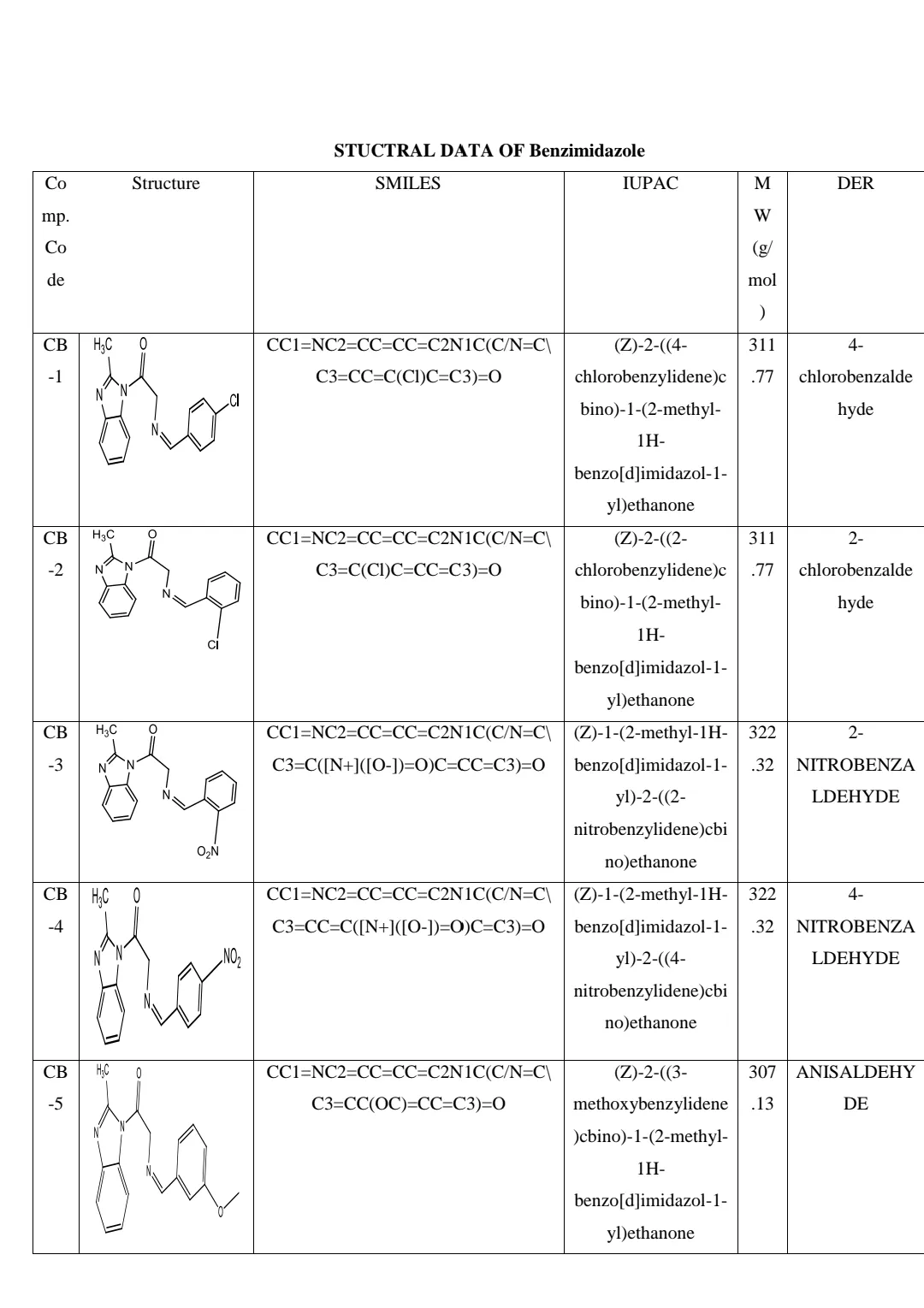
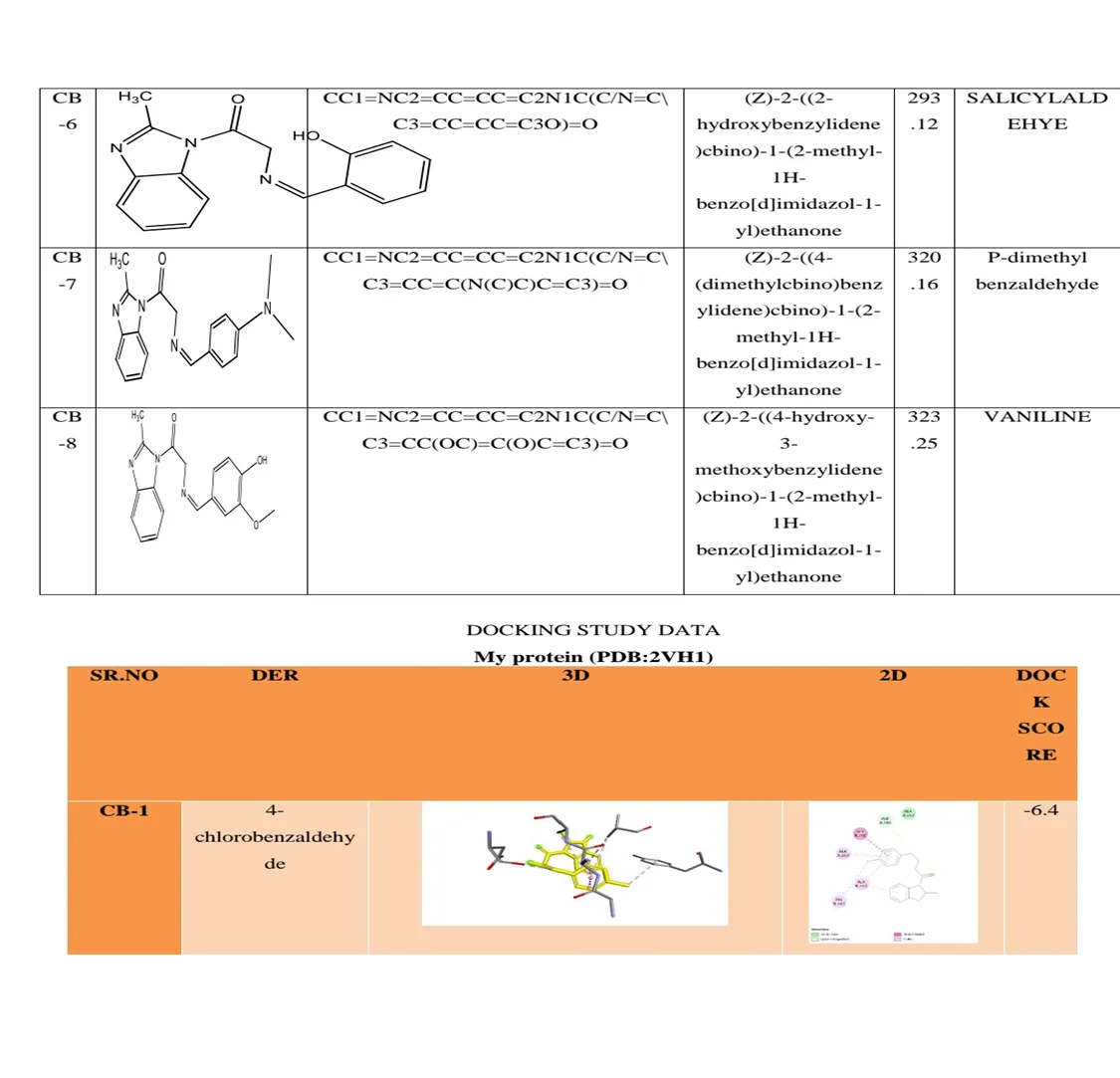
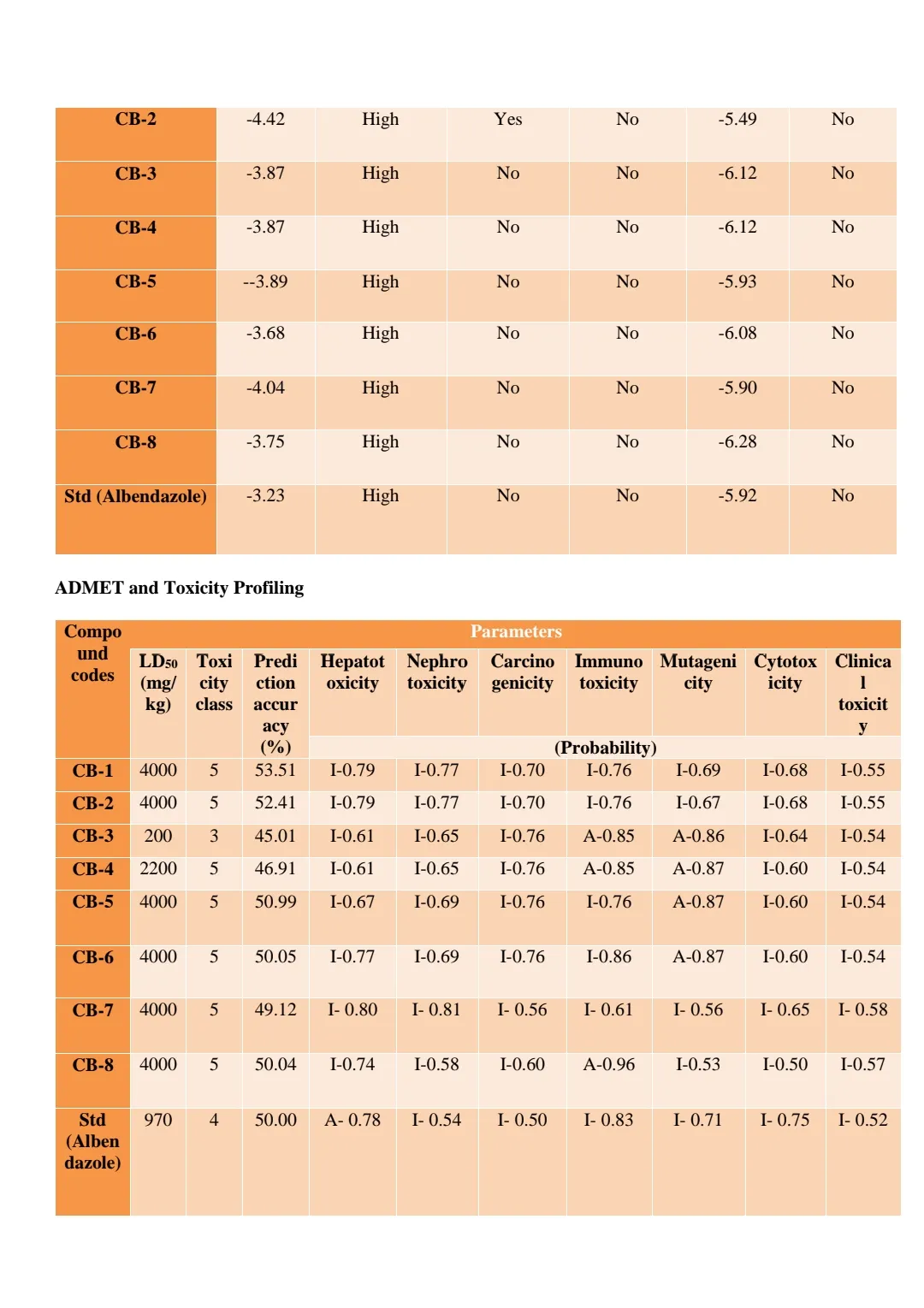
Benzimidazole is an important heterocyclic compound widely recognized for its diverse pharmacological activities, including antimicrobial, antifungal, antiviral, and antiparasitic properties. Due to its structural similarity with naturally occurring nucleotides, benzimidazole derivatives have gained significant attention in medicinal chemistry for the development of novel therapeutic agents. In recent years, computational approaches such as molecular docking and ADMET prediction have become essential tools in drug discovery, allowing rapid screening of compounds and reducing experimental costs. These techniques help in understanding the binding interactions between ligands and target proteins, as well as predicting pharmacokinetic and toxicity profiles. In this study, a series of benzimidazole derivatives (CB-1 to CB-8) were synthesized using different substituted aldehydes. The compounds were evaluated for their binding affinity against the target protein (PDB ID: 2VH1) through molecular docking studies. Furthermore, drug-likeness, pharmacokinetics, and toxicity assessments were performed to determine their suitability as potential drug candidates. The objective of this work is to identify promising benzimidazole-based compounds with enhanced biological activity and favorable safety profiles, which may serve as lead molecules for future pharmaceutical development.
LITERATURE REVIEW
Patel et al. (2018): - reported benzimidazole derivatives with significant antibacterial activity against S. aureus and E. coli, enhanced by halogen substitution.
Khan et al. (2019): - demonstrated antifungal potential of nitro-substituted benzimidazoles, showing comparable activity to fluconazole.
Singh et al. (2020): - highlighted that benzimidazole analogs inhibit DNA-binding enzymes and microbial topoisomerases.
De Clercq (2021): - suggested benzimidazole derivatives as promising scaffolds for designing broad-spectrum antimicrobial agents.
These studies highlight that substitutions at C-2 and N-1 positions of benzimidazole strongly influence antimicrobial activity.
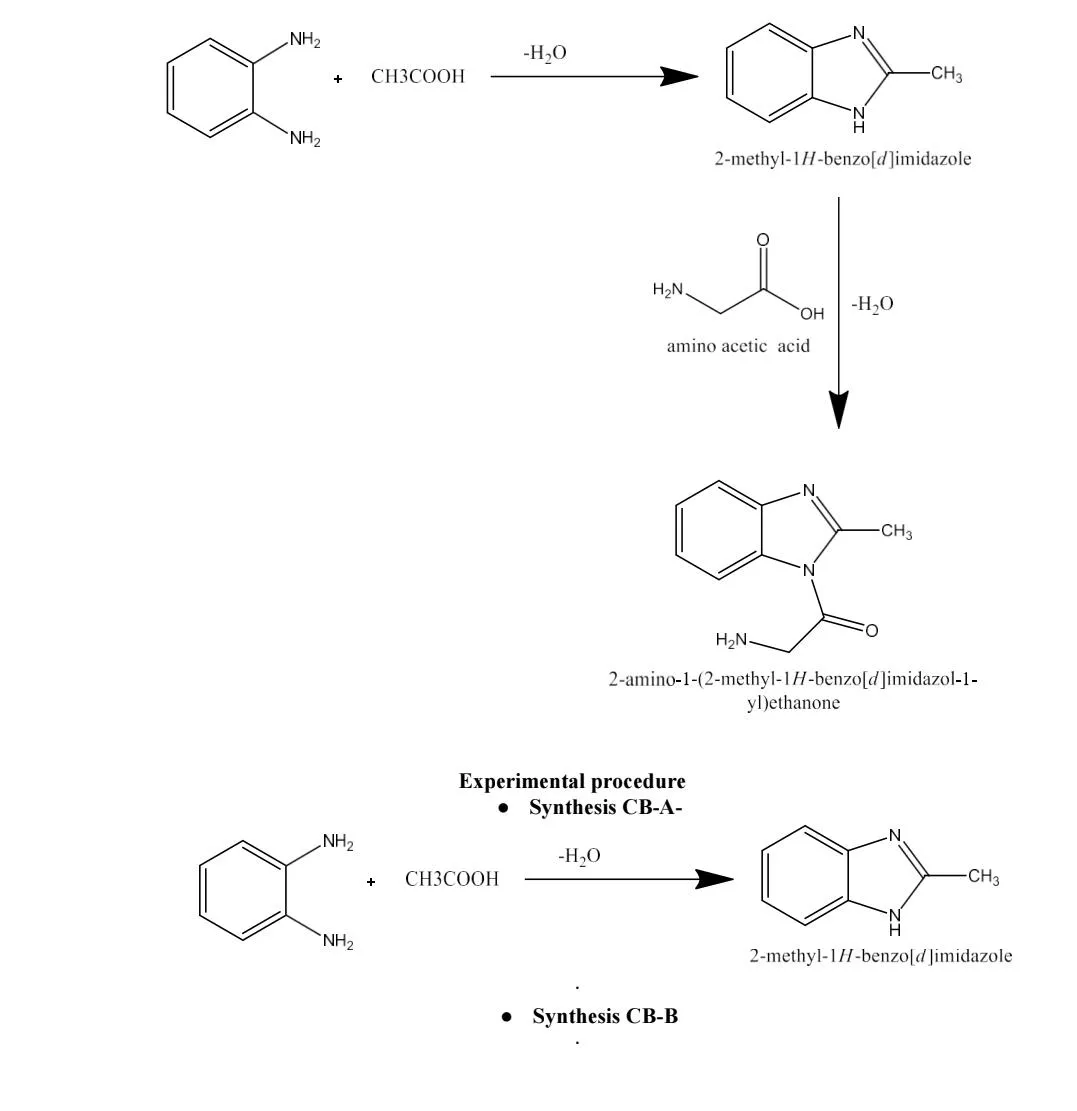
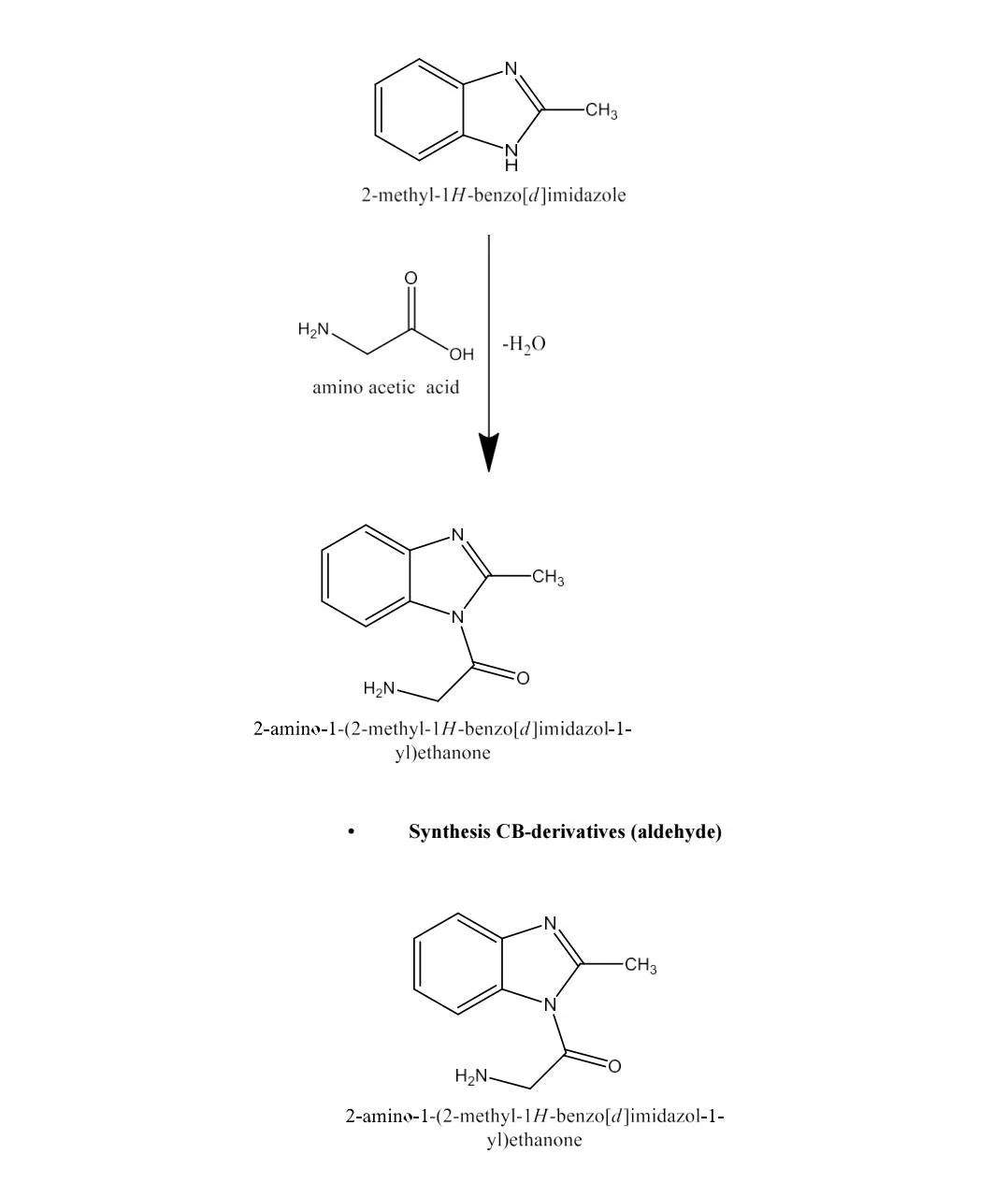
SCHEME OF DESIGN
METHOD AND MATERIAL:
Procedure for Synthesis of Benzimidazole:
1. Dissolve 27g of o-phenylenediamine in a 250mL round-bottom flask.
2. Add 17.5g of formic acid to the solution.
3.Heat the mixture at 100°C for 2 hours using a water bath.
4. Allow the mixture to cool, then slowly add a 10% sodium hydroxide solution while constantly rotating the flask, until the mixture reaches a slightly alkaline ph.
5. Filter the resulting crude benzimidazole using a vacuum pump and wash it with ice-cold water.
6. Repeat the washing step with an additional 25mL of cold water to ensure complete purification
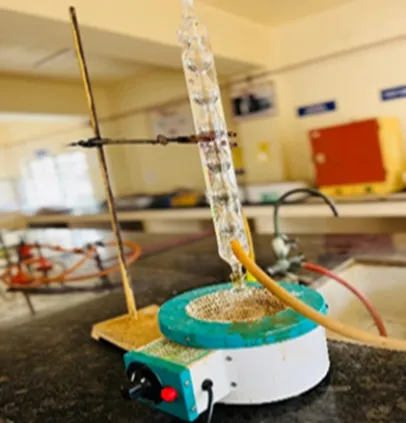
Fig1. Boiling Method
RECRYSTALLIZATION
1. To purify the synthesized product, dissolve it in 400 mL of boiling water.
2. Add 2 g of activated carbon to remove impurities and heat the mixture for 15 minutes.
3. Filter the solution rapidly through a preheated Buchner funnel under vacuum.
4. Allow the filtrate to cool to approximately 10°C, then collect the crystallized benzimidazole by filtration. 5. Wash the product with 25 mL of cold water and dry it at 100°C. This recrystallization process yields 25 g of pure benzimidazole, characterized by a melting point of 171-172°C.
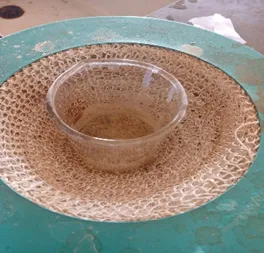
Fig.2 Heating Phenylenediamine
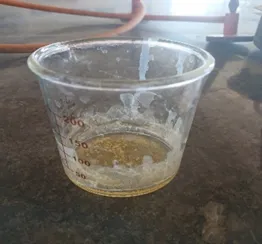
Fig.3 After Heating
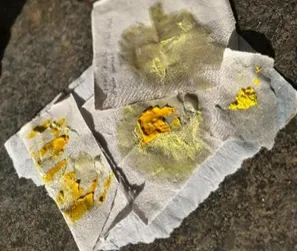
Fig.4 Final Product
PROCEDURE OF TLC(THIN LAYER CHROMATOGRAPHY
Prepare the mobile phase by mixing Chloroform and Methanol in a suitable ratio.
Commonly used ratios:
9:1 (Chloroform: Methanol) – for non-polar to moderately polar compounds
8:2 or 7:3 – for more polar compounds
Mix well and pour into the TLC chamber to a depth of about 0.5–1 cm.
Close the chamber and allow it to saturate for 10–15 minutes.
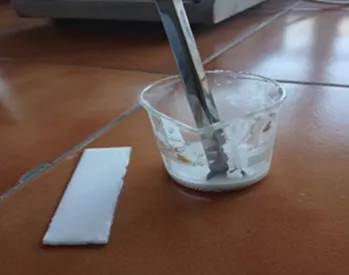
Fig.5 Mobile Phase
1). Dissolve a small quantity of the sample in a suitable solvent (often methanol or chloroform).
2). The solution should be clear and dilute.
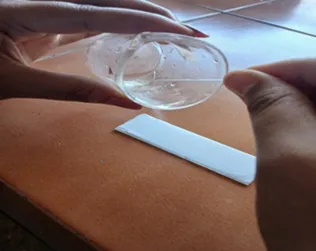
Fig.6 Spotting of sample
1.Take a TLC plate.
2.Draw a pencil line about 1–1.5 cm from the bottom (baseline).
3.Using a capillary tube, apply a small spot of the sample on the baseline.
4. Allow the spot to dry completely (do not blow).
5. Development of TLC Plate
6. Carefully place the TLC plate vertically in the developing
1.Remove the plate and immediately mark the solvent front with a pencil.
2. Allow the plate to dry at room temperature.
OR
2. Spray with suitable reagent (iodine vapour, anisaldehyde, ninhydrin, Dragendorff’s reagent etc.)
3. Mark the visible spots.

Fig.7 Detection of spot
𝑅𝑓= Distance travelled by solute
Distance travelled by solvent front
1). Distance From Baseline to Spot Centre = 4.5cm
2). Distance from Baseline to Solvent Front = 6.2cm
R𝑓 = 4.5 = 0.72
6.5
COMPOUND SYNTHESIZED:
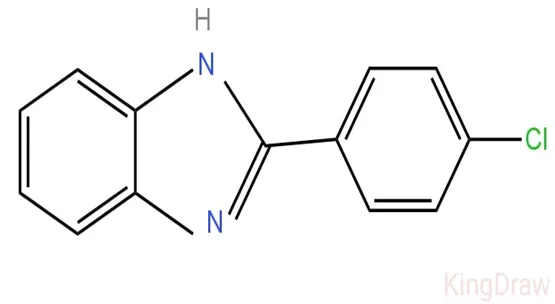
IUPAC Name-: 2-(4-chlorophenyl)-1H-benzimidazole
Molecular Formula- C13H9CIN2
Molecular weight-228.68g/mol
Structure:
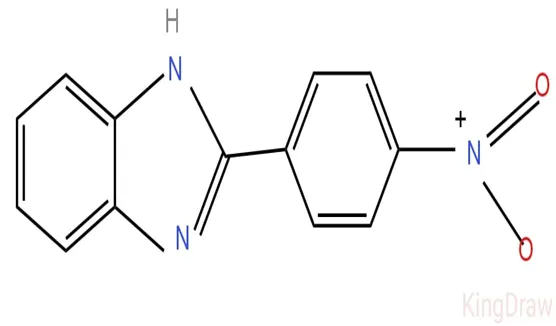
IUPAC Name-: 2-(4-nitrophenyl)-1H-benzimidazole
Molecular Formula-C13H9N302
Molecular weight-239.23g/mol
Structure-
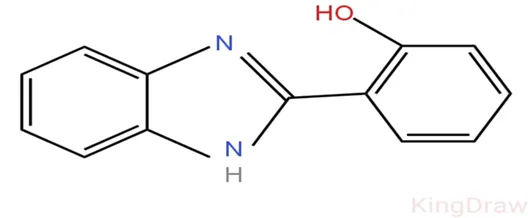
IUPAC Name-: 2-(2-hydroxyphenyl)-1H-benzimidazole
Molecular Formula – C13H10N2O
Molecular weight- 210.23g/mol
Structure-
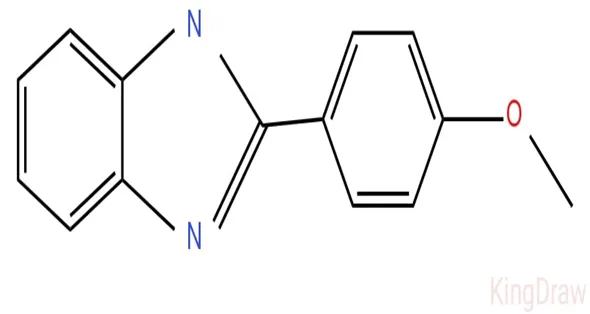
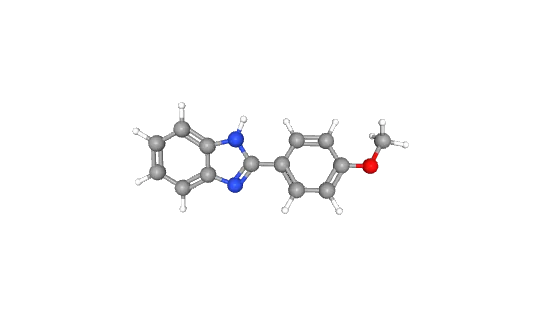
IUPAC Name-: 2-(4-methoxyphenyl)-1H-benzimidazole
Molecular Formula-C14H12N2O
Molecular weight- 224.26g/mol
Structure-
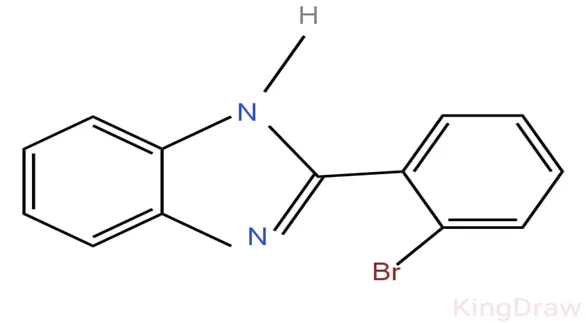
IUPAC Name-: 2-(2-bromophenyl)-1H-benzimidazole
Molecular Formula- C13H9BrN2
Molecular weight- 273.13g/mol
Structure-
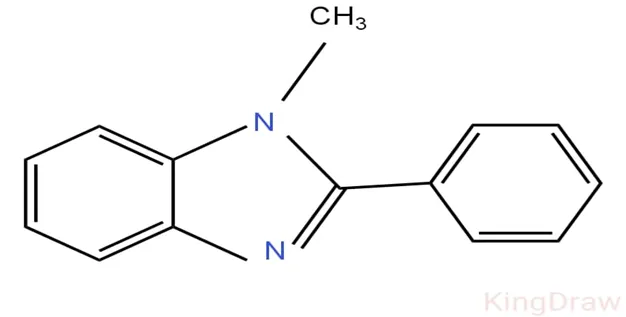
IUPAC Name-:1-methyl-2-phenylbenzimidazole
Molecular Formula-C14H12N2
Molecular weight-208.26g/mol
Structure-
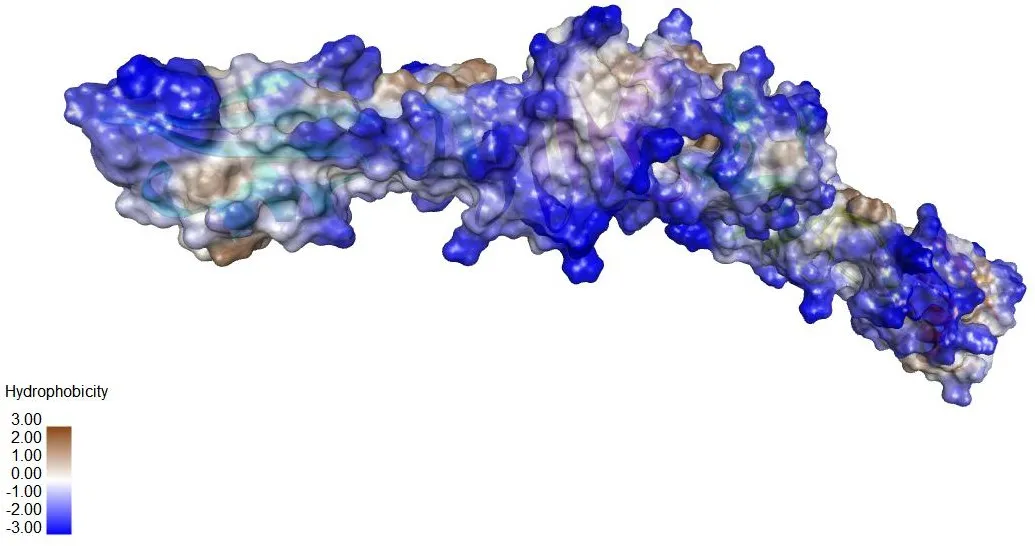
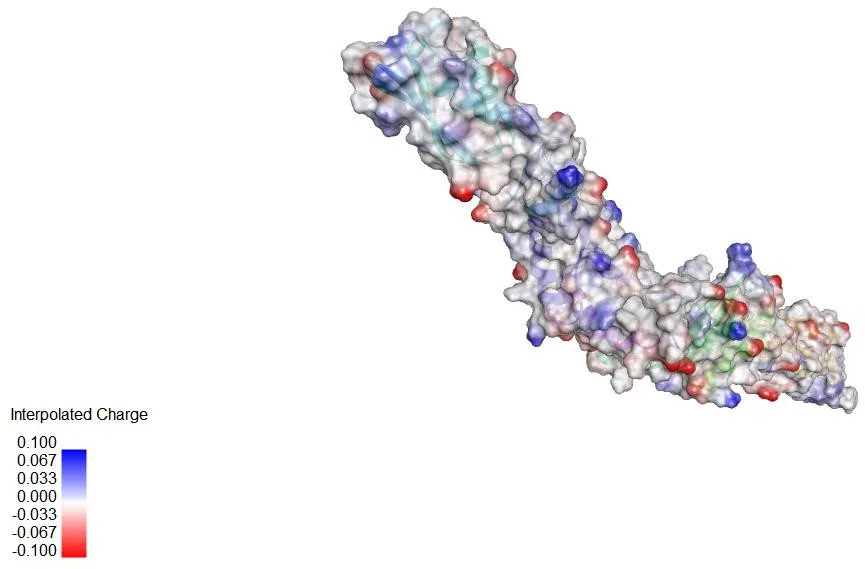
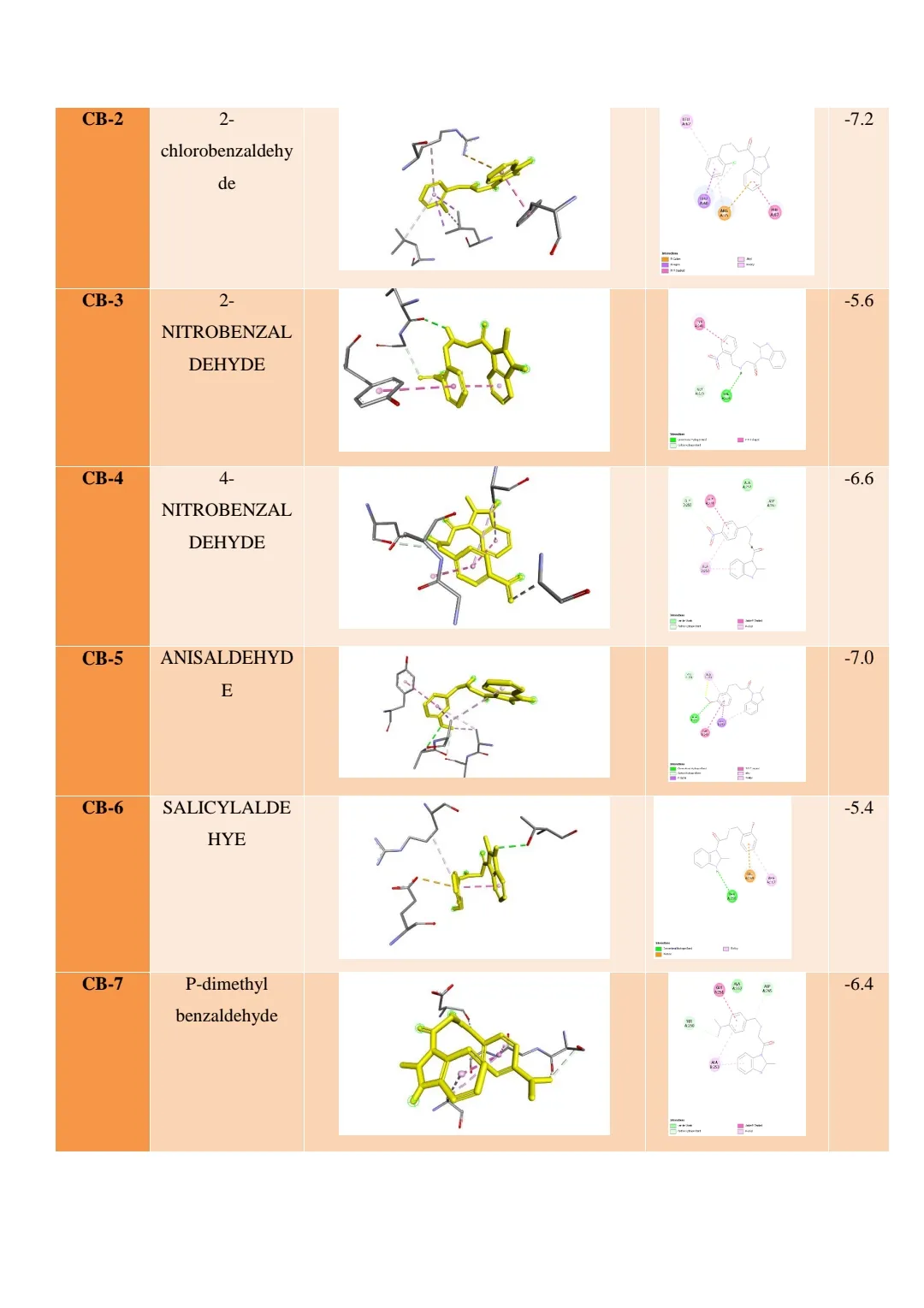
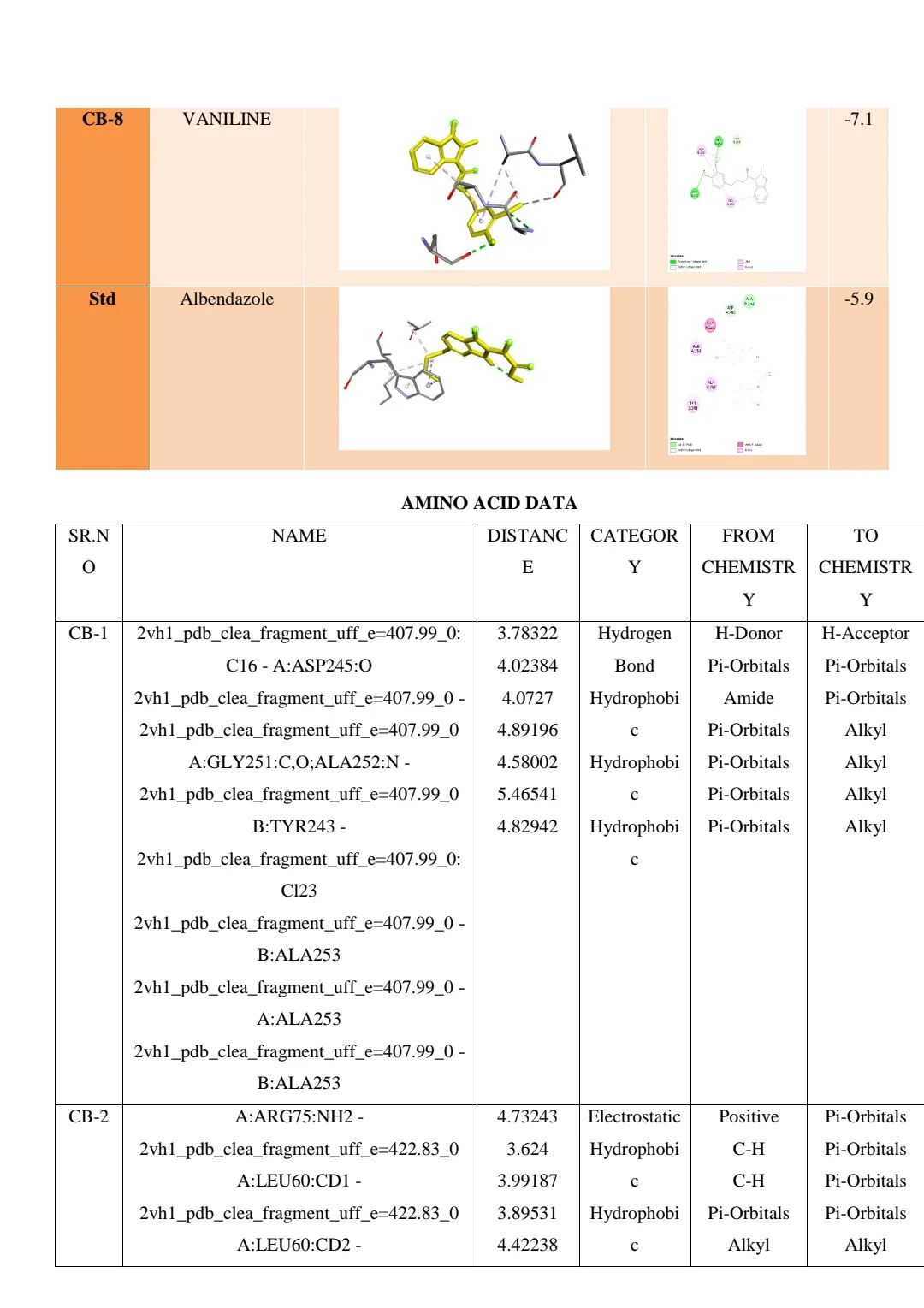
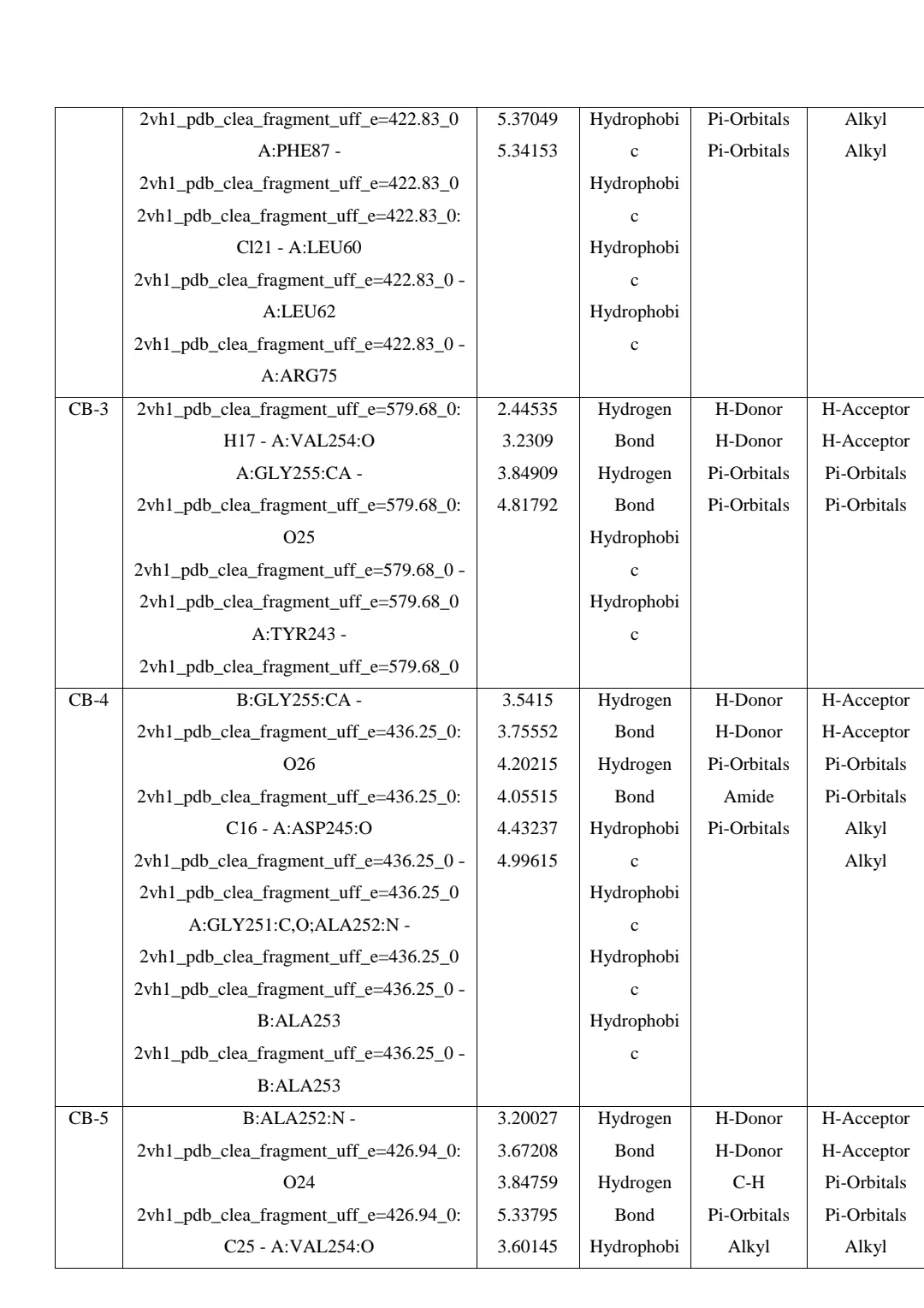
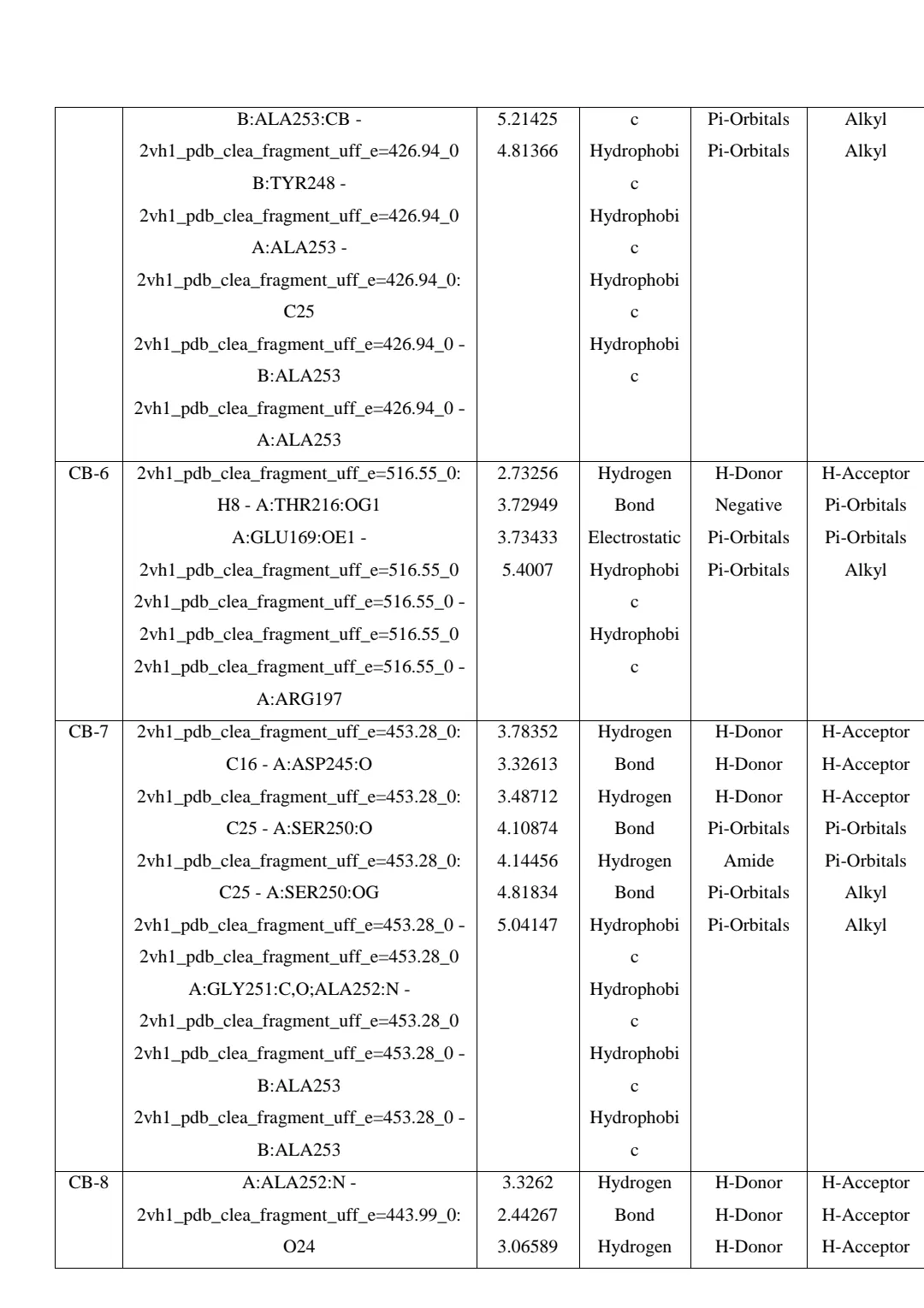
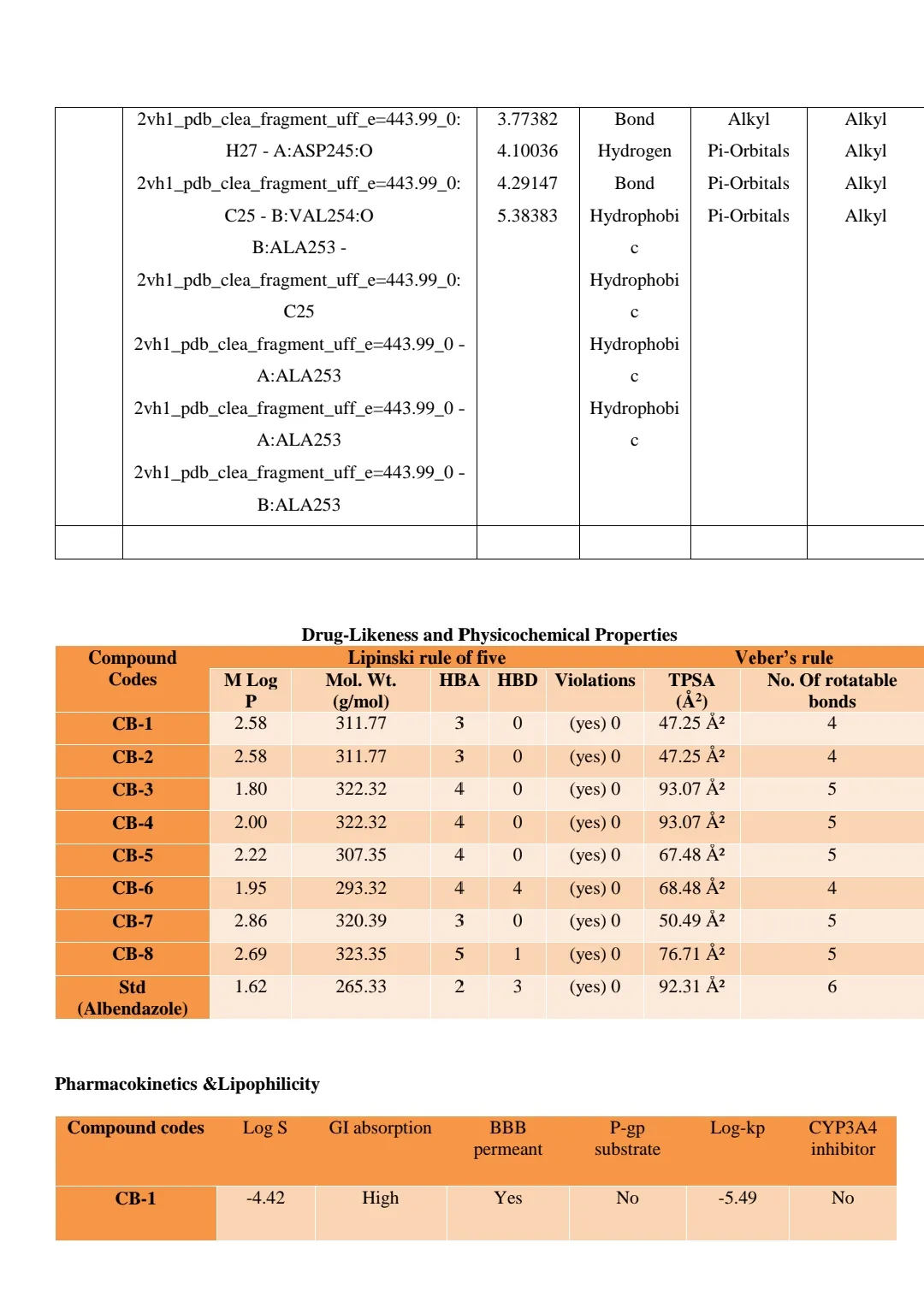
ONE CLICK DOCKING ;-
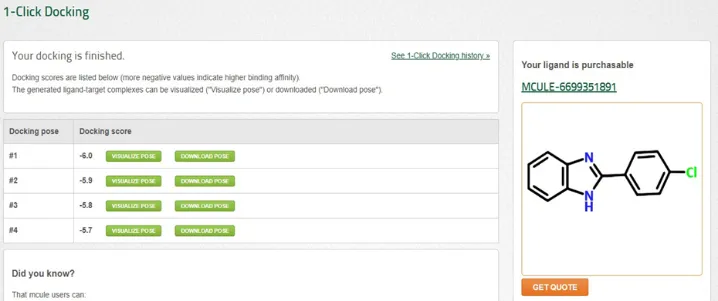
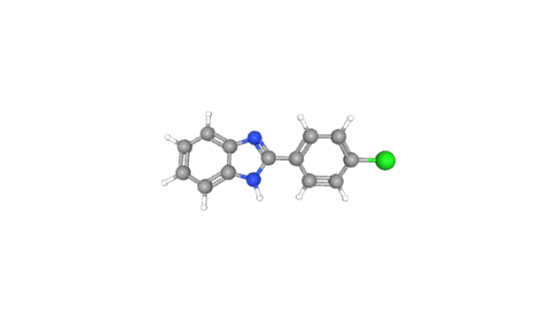
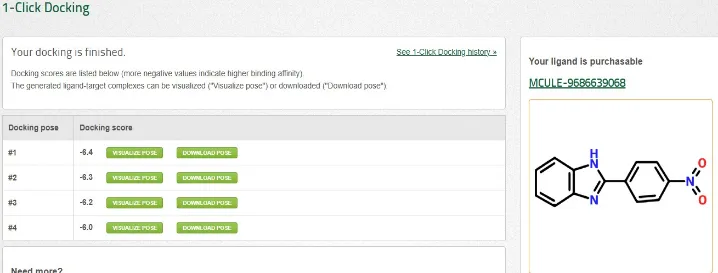
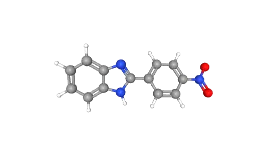
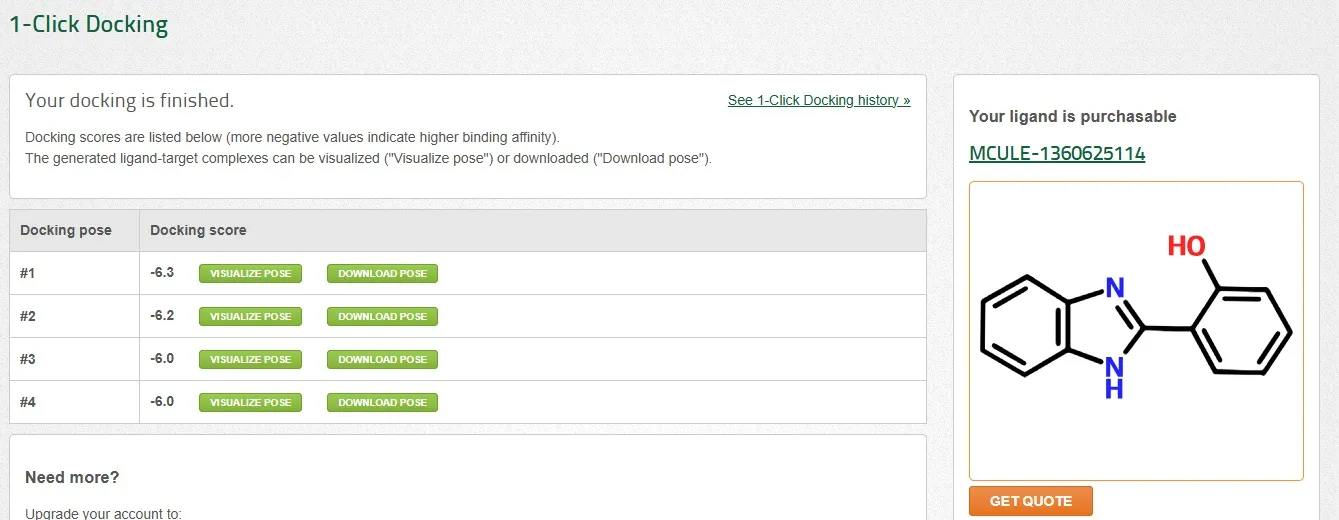
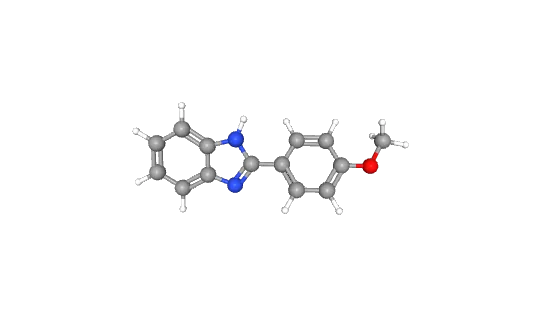
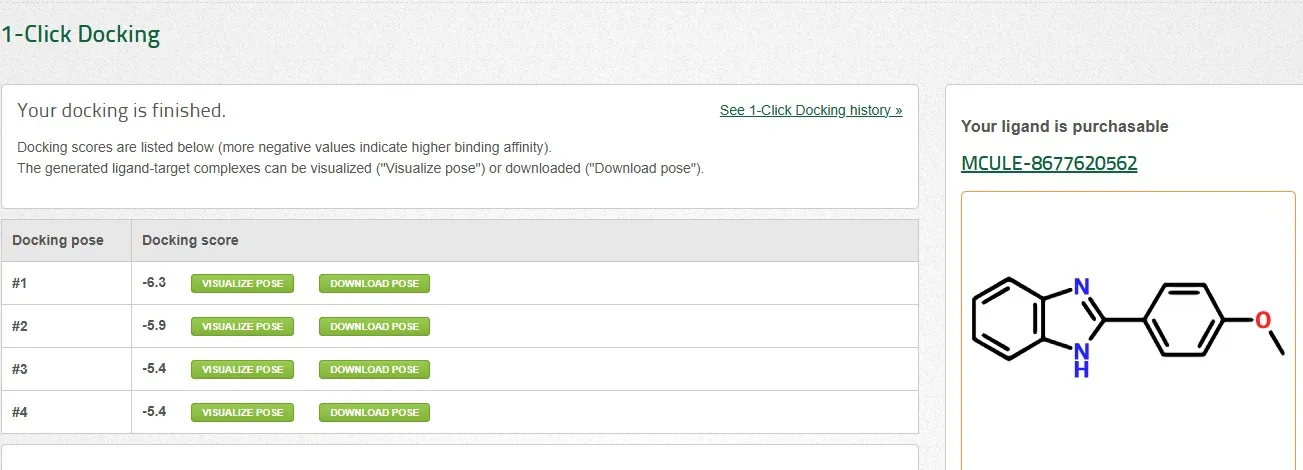
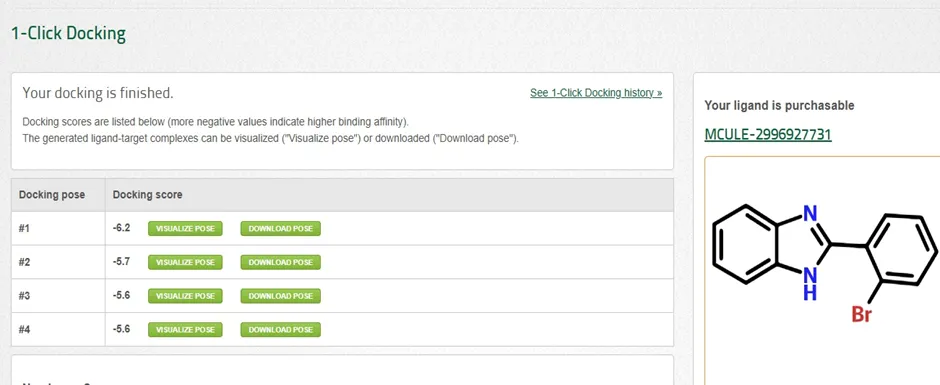
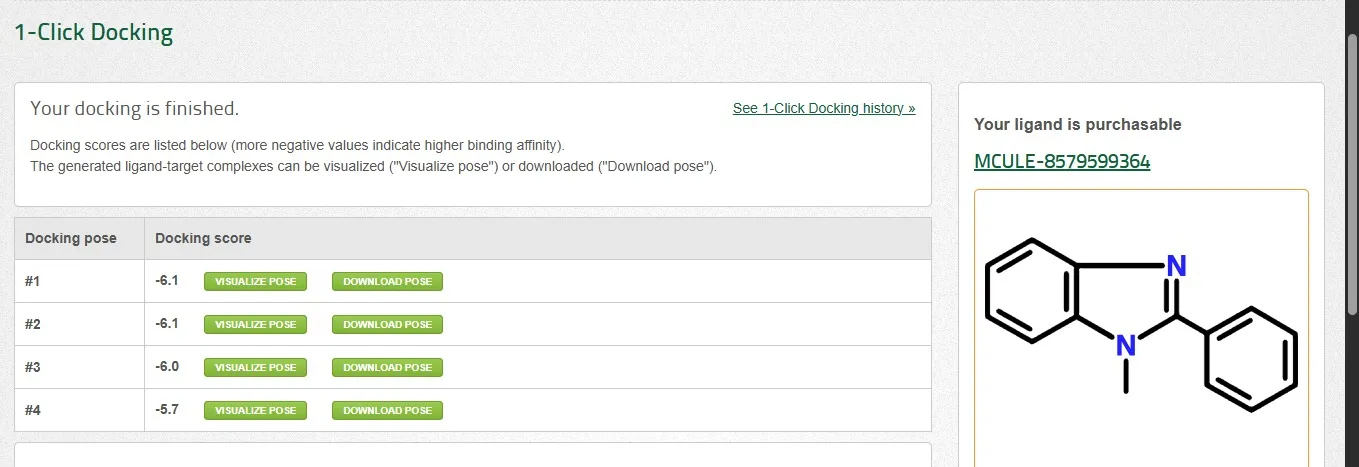
Protein (PDB:2VH1)
REFERENCES





Mansi Barde*, Amol Dighe, Chetan Barmade, Shweta Bairagi, Gaurav Tambe, Vehicle Black Box System, Int. J. Sci. R. Tech., 2026, 3 (5), 760-775. https://doi.org/10.5281/zenodo.20325293
 10.5281/zenodo.20325293
Severity: 8192
Message: substr(): Passing null to parameter #1 ($string) of type string is deprecated
Filename: frontend/article.php
Line Number: 890