

We use cookies to ensure our website works properly and to personalise your experience. Cookies policy
Delight College Of Pharmacy, Koregaon Bhima, Pune
Acne vulgaris is a common dermatological disorder associated with excess sebum production, microbial colonization, and inflammation. The present study focuses on the formulation and evaluation of a herbal anti-acne cream containing neem extract and salicylic acid. Neem (Azadirachta indica) is well known for its antibacterial, anti-inflammatory, and antioxidant properties, while salicylic acid acts as a keratolytic agent that helps in unclogging pores and reducing acne lesions. The combination aims to provide a synergistic effect for effective acne management with minimal side effects. The cream was formulated using the oil-in-water (O/W) emulsion method with suitable excipients such as emulsifiers, stabilizers, and preservatives. Various formulations were prepared by varying the concentration of active ingredients and evaluated for their physicochemical properties. Evaluation parameters included appearance, pH, viscosity, spreadability, homogeneity, washability, and stability studies under different temperature conditions. Antimicrobial activity was also assessed against acne-causing bacteria. The results indicated that the optimized formulation exhibited good consistency, appropriate pH compatible with skin, excellent spreadability, and stability over time. The presence of neem extract enhanced antimicrobial activity, while salicylic acid improved exfoliation and pore cleansing action. No signs of phase separation or irritation were observed. In conclusion, the formulated neem anti-acne cream containing salicylic acid demonstrated promising results in terms of stability, safety, and efficacy. It can be considered a potential herbal-based alternative for the management of acne with reduced adverse effects compared to conventional synthetic formulations.
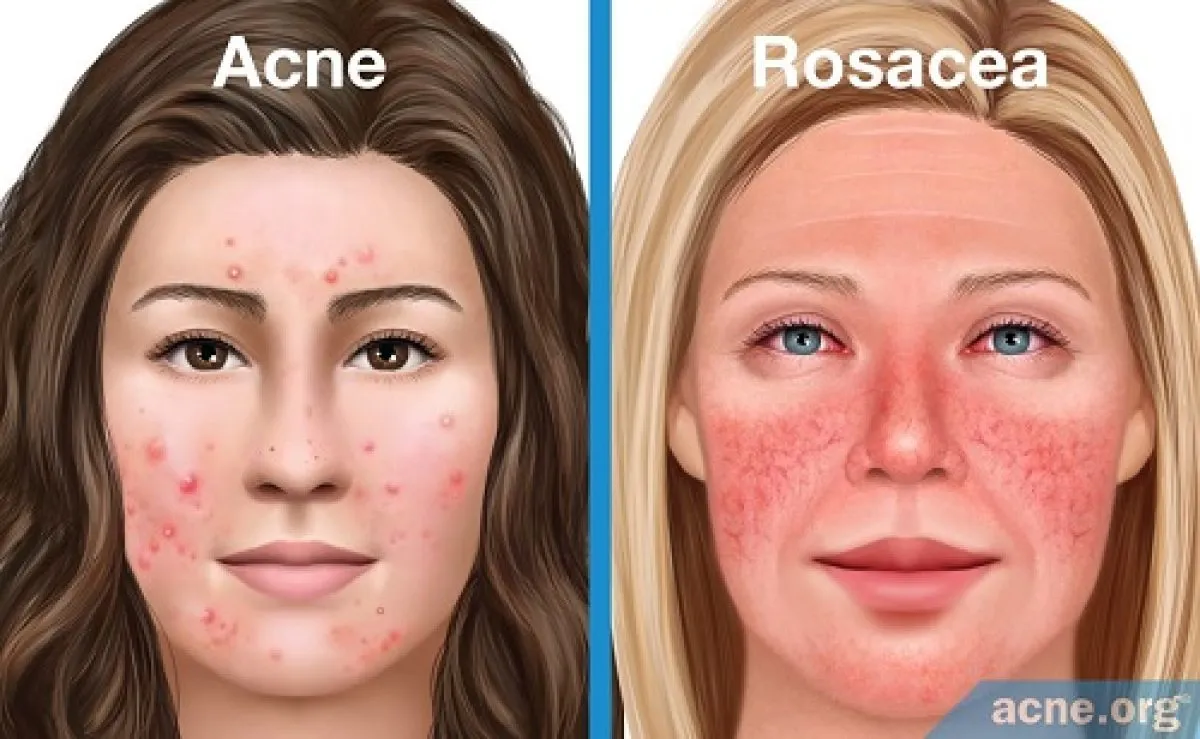
Acne is one of the most common dermatological disorders affecting adolescents and young adults worldwide. It is a chronic inflammatory condition of the pilosebaceous unit, characterized by the formation of comedones, papules, pustules, nodules, and sometimes cysts. The major factors involved in acne development include excessive sebum production, follicular hyperkeratinization, bacterial proliferation (mainly Propionibacterium acnes), and inflammation Due to its high prevalence and psychological impact, effective and safe treatment of acne is essential.
Topical drug delivery systems such as creams are widely used for acne treatment because they provide localized action, improved patient compliance, and minimal systemic side effects. Creams are semisolid emulsions (oil-in-water or water-in-oil) that remain at the site of application for a longer duration and help in better absorption of active ingredients .
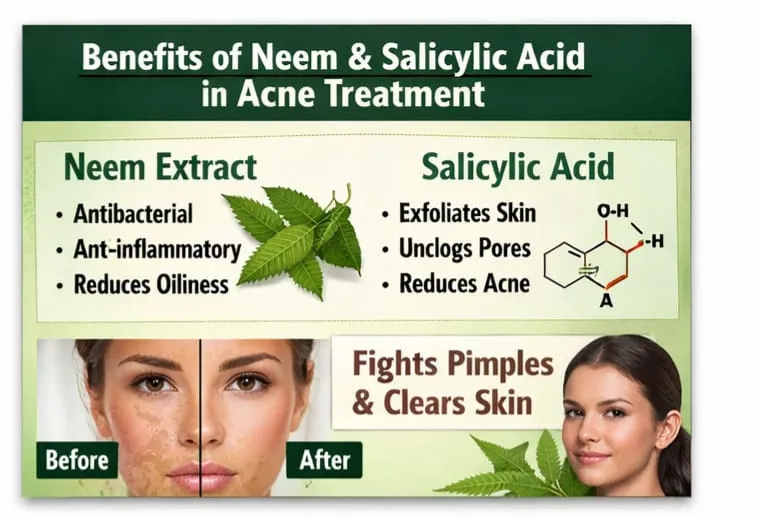
In recent years, there has been a growing interest in herbal formulations due to their safety, efficacy, and fewer side effects compared to synthetic drugs. Neem (Azadirachta indica) is a well-known medicinal plant with potent antibacterial, anti-inflammatory, and antioxidant properties. It helps in reducing acne by inhibiting microbial growth, controlling excess sebum, and promoting skin healing .
Salicylic acid, a beta-hydroxy acid, is widely used in anti-acne formulations due to its keratolytic and comedolytic properties. It works by exfoliating the stratum corneum, unclogging pores, and reducing inflammation, thereby preventing acne formation.
The combination of neem extract and salicylic acid in a cream formulation provides a synergistic effect, enhancing anti-acne activity while minimizing side effects. Therefore, the present study focuses on the formulation and evaluation of neem-based anti-acne cream containing salicylic acid to develop an effective, stable, and safe topical preparation.
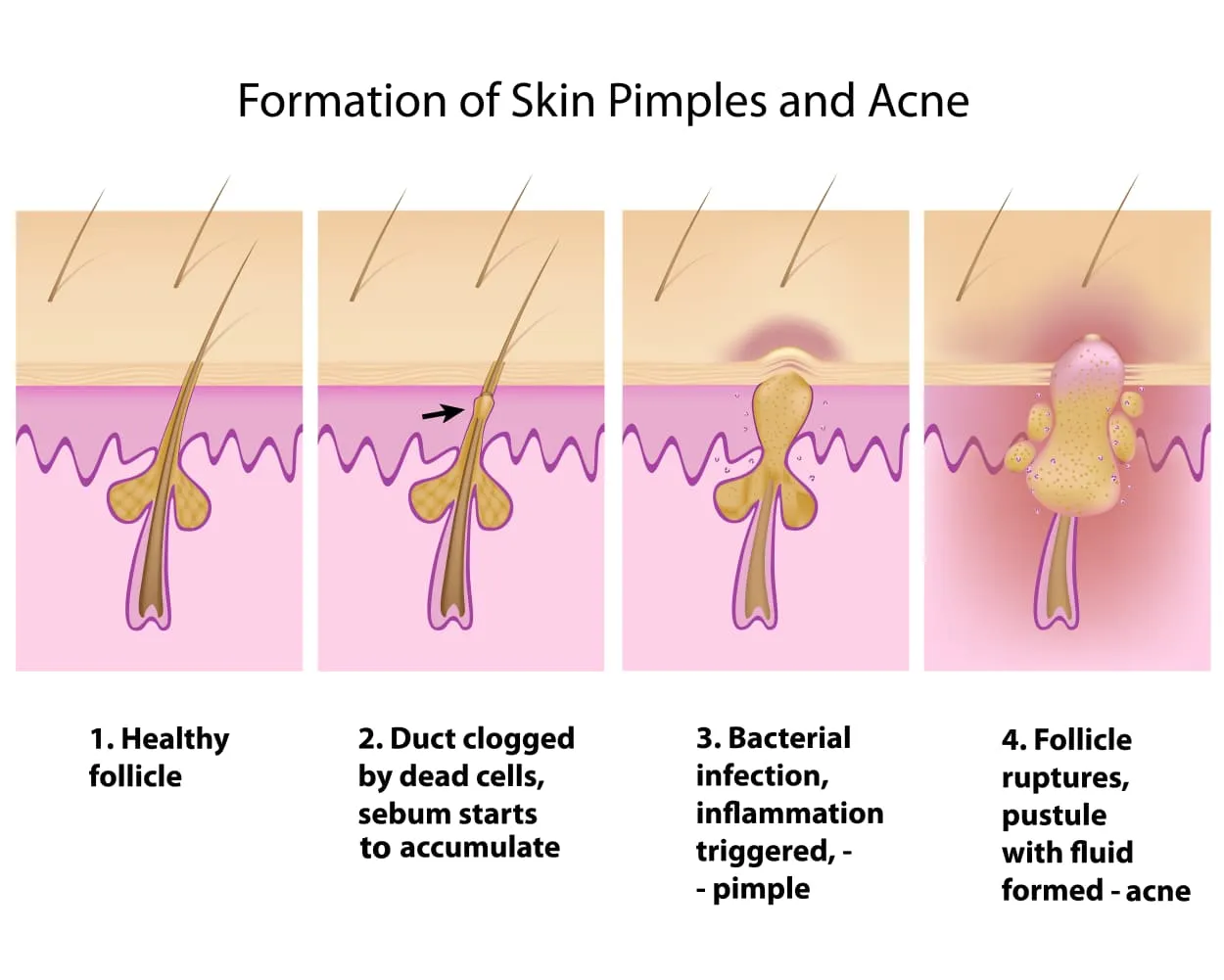
PATHOPHYSIOLOGY OF ACNE
1. Increased Sebum Production
2. Follicular Hyperkeratinization
3. Microbial Colonization
4. Inflammation
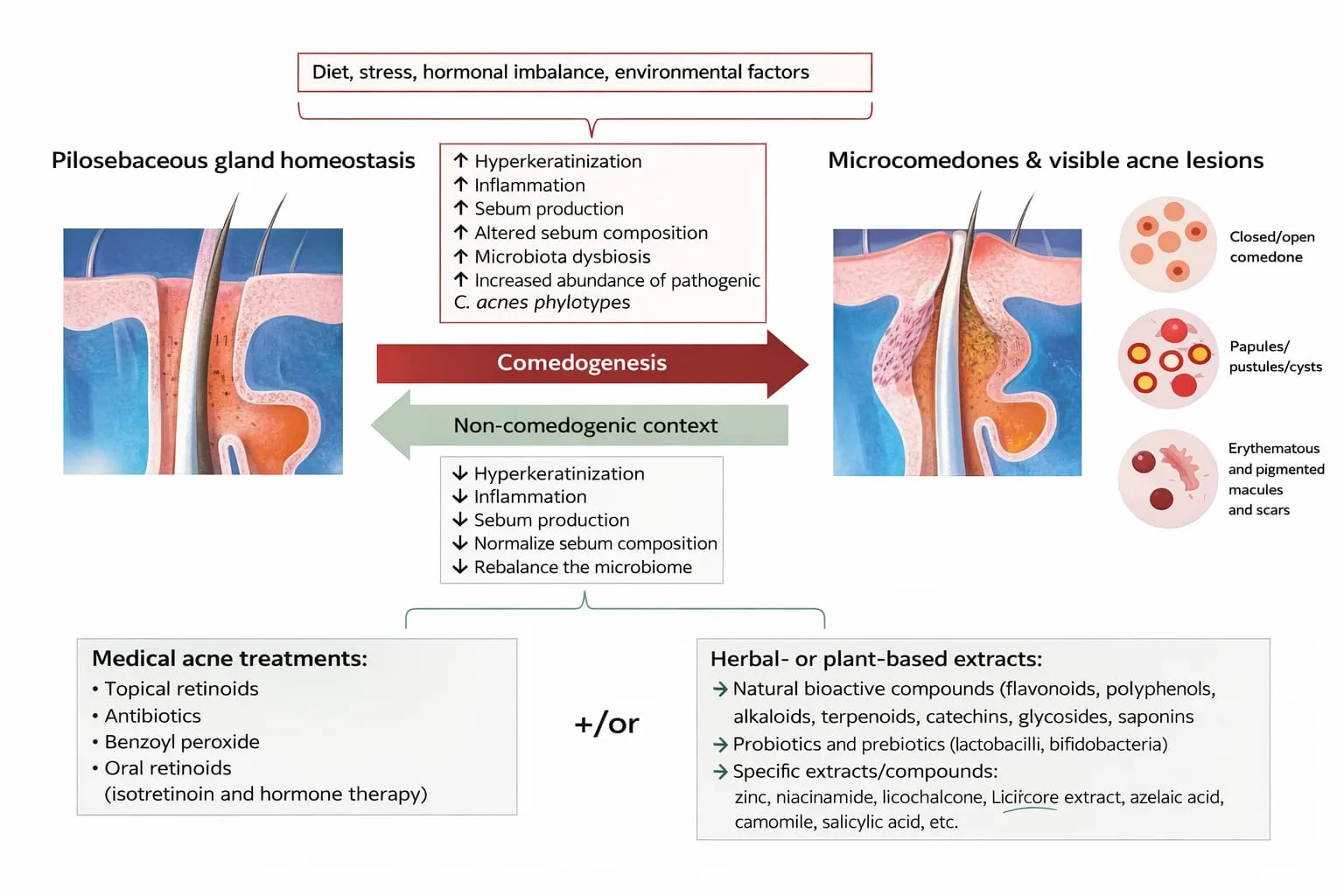
AIM AND OBJECTIVES
To formulation and evaluation of neem anti acne cream containing salicylic acid
1. To formulate a topical anti-acne cream using neem extract and salicylic acid as active ingredients.
2. To utilize neem for its natural antibacterial and anti-inflammatory properties in acne treatment.
3. To incorporate salicylic acid as a keratolytic agent to promote exfoliation and unclog pores.
4. To evaluate the prepared cream for physicochemical parameters such as:
5. To assess stability of the formulation under different storage conditions.
6. To study antimicrobial activity of the cream against acne-causing microorganisms
(e.g., Propionibacterium acnes).
7. To check skin compatibility (irritation test) for safe topical application.
8. To compare effectiveness of the formulation with standard anti-acne preparations, reduces acne, excess oil from the skin.
DRUGS EXCIPIENT PROFILE
1. Active Ingredients (Drugs)
1. Neem Extract (Azadirachta indica)
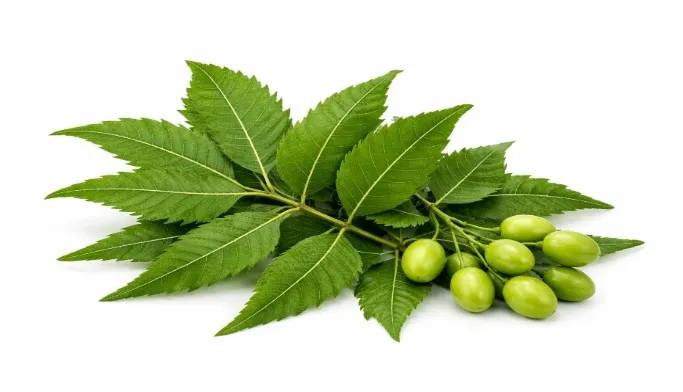
Category: Herbal anti-acne agent
Source: Leaves of neem plant
Biological name: Azadirachta indica
Properties:
Antibacterial
Antifungal
Anti-inflammatory
Mechanism of action:
Inhibits growth of acne-causing bacteria (Propionibacterium acnes) and reduces inflammation.
Uses: Treatment of acne, pimples, and skin infections
Advantages: Natural, fewer side effects, safe
Solubility: Soluble in water/alcohol (depending on extract type)
2. Salicylic Acid
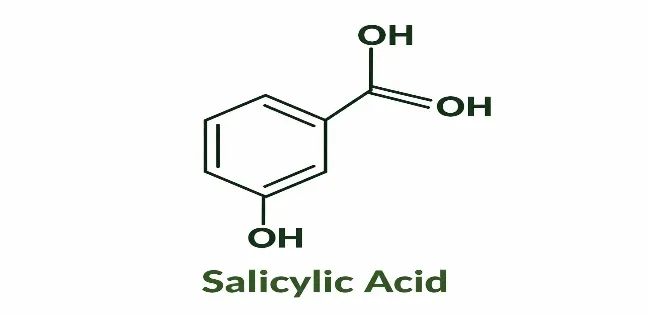
Category: Keratolytic agent
Properties:
Exfoliating
Comedolytic (removes blackheads/whiteheads)
Mechanism of action:
Breaks down keratin, promotes shedding of dead skin cells, and unclogs pores.
Uses: Acne, dandruff
Appearance: White crystalline powder
Solubility: Slightly soluble in water, soluble in alcohol.
2. Excipients (Inactive Ingredients)
1. Stearic Acid
Category: Emulsifying agent, thicker
Properties: Waxy solid, Stabilizes emulsion
Function: Helps in forming stable oil-in-water (O/W) cream
2. Liquid Paraffin
Category: Emollient, oil phase
Properties: Oily, hydrophobic
Function:
Provides smooth texture
Prevents dryness caused by salicylic acid
Benefit: Improves spreadability
3. Glycerin
Category: Moisturizer, Humectant
Function: Retains moisture in the skin
Benefit: Prevents excessive drying caused by salicylic acid
4. Methylparaben
Category: Preservative
Properties: Antimicrobial
Function: Prevents microbial contamination
Importance: Increases shelf life
5. Triethanolamine
Category: Ph adjuster, emulsifying agent
Properties: Alkaline
Function: Helps in emulsification
6. Distilled Water
Category: Vehicle (aqueous phase)
Properties: Pure, solvent
Role: Dissolves water soluble ingredients.
Application in pharmaceutics:
The neem anti-acne cream containing salicylic acid has many important uses in the pharmaceutical and cosmetic field:
1. Treatment of Acne (Primary Application)
The cream is mainly used to treat acne (pimples).
Neem has antibacterial and anti-inflammatory properties.
Salicylic acid works as a keratolytic agent, meaning it removes dead skin cells and unclogs pores.
Together, they reduce acne, redness, and swelling.
2. Topical Drug Delivery System
This cream is an example of a topical dosage form.
It delivers active ingredients directly to the skin.
4. Cosmetic and Cosmeceutical Use
Used in cosmeceuticals (combination of cosmetics + pharmaceuticals).
Helps in improving skin appearance.
Controls oil (sebum) production.
Prevents formation of blackheads and whiteheads.
7. Formulation Development Study
Used in pharmaceutics to study:
Cream formulation techniques
Stability testing.
pH, viscosity, spreadability evaluation.
Helps students understand dosage form design.
8. Patient Compliance Improvement
Easy to apply.
Less irritation compared to oral drugs.
Improves patient acceptance and compliance.
9. Industrial Application
Can be developed into a commercial product.
Used by pharmaceutical and cosmetic industries.
Scope for large-scale manufacturing.
METHODOLOGY
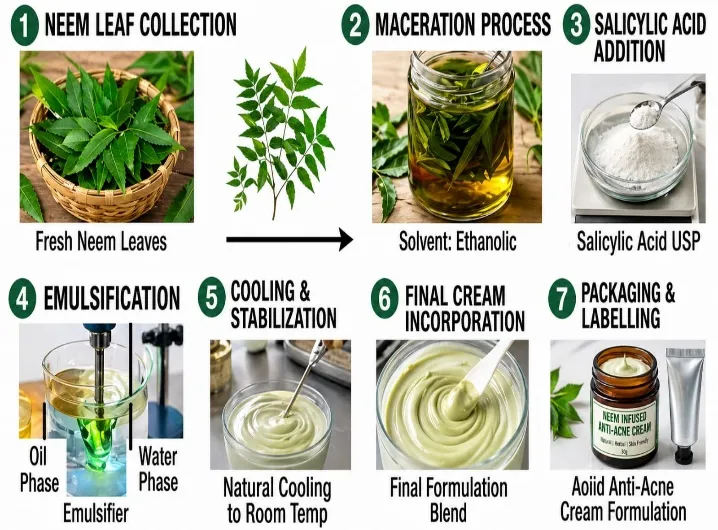
1. Preparation of Neem Extract (Maceration Method)
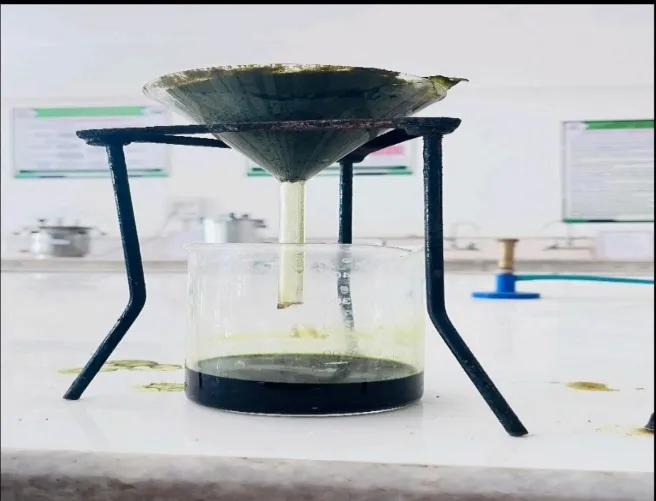
Fresh leaves of Azadirachta indica (Neem) were collected, washed with distilled water to remove dust and impurities, and shade dried for 5–7 days. The dried leaves were powdered by using mortar pestle.
The powdered neem (about 100 g) was soaked in ethanol (70%) in a closed container for 72 hours with occasional stirring. This process is called maceration, where active constituents dissolve in the solvent.
After 72 hours, the mixture was filtered using by Whatman filter paper. The filtrate was concentrated using a water bath to obtain a semi-solid neem extract. The extract was stored in an airtight container for further use.
2. Formulation of Neem Anti-Acne Cream
The cream was prepared using the oil-in-water (O/W) emulsion method, which is commonly used for topical creams.
|
Sr. No |
Ingredients |
Quantity taken (100gm) |
Use |
|
1 |
Neem extract |
10g |
Anti- acne, Anti bacterial. |
|
2 |
Salicylic acid |
2g |
To treat acne |
|
3 |
Stearic acid |
15g |
Emulsifying agent |
|
4 |
Liquid paraffin |
10ml |
Oil phase, Emollient |
|
5 |
Glycerin |
4ml |
Humectant |
|
6 |
Methyl paraben |
0.2g |
preservative |
|
7 |
Triethanolamine |
2g |
Alkaline agent |
|
8 |
Distilled water |
q.s. to 100g |
Vehicle |
Procedure
Oil Phase (Part A):
Stearic acid and liquid paraffin were taken in a beaker and heated to about 70–75°C until completely melted.
Aqueous Phase (Part B):
Methyl paraben, glycerin, triethanolamine and neem extract, and salicylic acid were dissolved in distilled water and heated to the same temperature.
Emulsification:
The aqueous phase was slowly added to the oil phase with continuous stirring.
Homogenization:
Stirring was continued until a uniform cream was formed and cooled to room temperature.
Storage:
The prepared cream was transferred into a clean container and labeled.
This method ensures proper mixing of oil and water phases to form a stable cream.
RESULT AND DISCUSSION
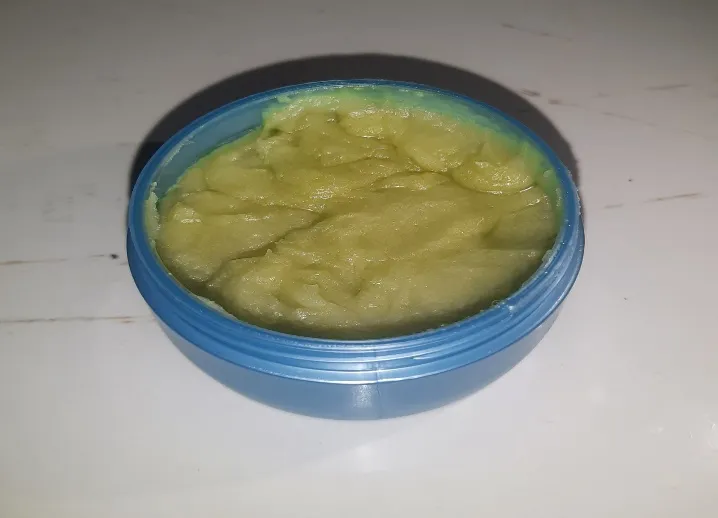
The neem anti acne containing salicylic acid cream was successfully prepared by using w/o emulsion method with neem extract as an active ingredient.
The final product passed all evaluation parameters, including physical evaluation, Ph, irritancy, washability, phase separation and stability, spreadability, effectiveness.
Evaluation Test Result
|
Sr. no |
Evaluation Test |
Formulation |
|
1 |
Colour |
Light green or pale green |
|
2 |
Odour |
Mild characteristic, herbal |
|
3 |
Texture |
Smooth, soft |
|
4 |
State |
Semi solid in nature |
|
5 |
pH |
5 to 6 |
|
6 |
Irritability |
No irritability |
|
7 |
Washability |
Easly washed |
|
8 |
Spreadability |
Good spreadability |
|
9 |
Phase separation |
No phase separation |
The present study focused on the formulation and evaluation of a neem-based anti-acne cream containing salicylic acid, aiming to develop an effective, safe, and stable topical preparation. Acne is primarily associated with excess sebum production, follicular blockage, microbial growth, and inflammation. Therefore, the combination of neem and salicylic acid was selected to target multiple pathogenic factors simultaneously.
Neem extract is well known for its antibacterial, anti-inflammatory, and antioxidant properties, which help in reducing acne-causing microorganisms such as Propionibacterium acnes and soothing inflamed skin. On the other hand, salicylic acid acts as a keratolytic agent that promotes exfoliation of dead skin cells, prevents clogging of pores, and reduces comedone formation. The combination of these two agents provides a synergistic effect, enhancing the overall anti-acne activity of the formulation.
The cream was prepared using an appropriate emulsion method, ensuring uniform distribution of active ingredients. During evaluation, the formulation exhibited desirable physical characteristics such as smooth texture, pleasant odor, and good consistency, which are important for patient compliance. The pH of the cream was found to be within the acceptable range for skin application, indicating minimal risk of irritation.
Viscosity and spreadability studies showed that the cream could be easily applied and retained on the skin for sufficient time to exert its therapeutic effect. Homogeneity tests confirmed uniform mixing of ingredients, while the absence of phase separation indicated good stability of the emulsion system. The irritancy test demonstrated that the formulation was safe and non-irritating to the skin.
The presence of emulsifiers and stabilizing agents played a crucial role in maintaining the physical stability and texture of the cream. Additionally, preservatives ensured protection against microbial contamination, thereby increasing shelf life.
Overall, the results suggest that the formulated neem and salicylic acid anti-acne cream is effective in reducing acne symptoms while being safe for topical use. The study supports the growing preference for herbal-based cosmetic formulations due to their therapeutic benefits and reduced side effects. Further studies such as clinical evaluation and long-term stability studies can be carried out to confirm its efficacy on a larger scale.
CONCLUSION
In this study, an anti-acne cream containing neem extract and salicylic acid was successfully formulated and evaluated using suitable pharmaceutical techniques. The formulation combined the natural antibacterial and anti-inflammatory properties of neem with the keratolytic and comedolytic action of salicylic acid, making it effective in managing acne.
The prepared cream showed satisfactory physicochemical characteristics such as appropriate pH, good viscosity, homogeneity, smooth texture, and acceptable spreadability. Evaluation parameters confirmed that the formulation was stable, non-irritant, and suitable for topical application. The absence of phase separation and good washability further indicated the quality and consistency of the cream.
The synergistic effect of neem and salicylic acid contributed to reducing acne-causing microorganisms, controlling excess sebum, and promoting skin healing. Additionally, the use of herbal ingredients enhances safety and minimizes side effects compared to synthetic formulations.
Overall, the formulated anti-acne cream can be considered a safe, effective, and economical topical preparation for acne management. It also highlights the potential of herbal-based formulations in modern cosmetic and pharmaceutical applications.
REFERENCES



Sourabh Gorakhnath Bhamgar*, Vishakha B. Kasbe, Sampat D. Navle, Abdulla Sidhiki, Formulation And Evaluation Of Neem Anti Acne Cream Containing Salicylic Acid, Int. J. Sci. R. Tech., 2026, 3 (6), 167-175. https://doi.org/10.5281/zenodo.20508711
 10.5281/zenodo.20508711