

We use cookies to ensure our website works properly and to personalise your experience. Cookies policy
Department of Public Administration, School of Administration and Management Studies, Husseini Adamu Federal Polytechnic, Kazaure
The removal of fuel subsidy in Nigeria has generated significant economic concerns for households, particularly through changes in household income, transportation costs and the affordability of food. This study assessed the impact of oil subsidy removal on household food security in Jigawa State, Nigeria. A cross-sectional research design was adopted, using a structured questionnaire to obtain data from households. Although 106 responses were received, 83 respondents whose locations fell within Jigawa State were considered eligible for the analysis. Data were analyzed using descriptive statistics and chi-square tests in SPSS version 23. The findings revealed substantial reported economic pressure among the sampled households following the subsidy removal. Most respondents (94.9% of valid responses) reported that their household income had been affected, while 93.8% reported increased household food expenditure. Similarly, 94.0% indicated that their ability to purchase sufficient food had been affected. Transportation and food purchases were identified as the most affected household domains, accounting for 57.8% and 30.1% of responses, respectively. In terms of food security, 53 (63.9%) of the 83 eligible households were classified as food insecure, while 30 (36.1%) were food secure. Several households reported food-related coping behaviors, including borrowing food or money (37.0%), reducing the number of meals (34.6%), and purchasing cheaper food (14.8%). However, the chi-square results showed that increased food prices, transportation impacts and income effects were not statistically significantly associated with household food insecurity at the 5% level (p > 0.05). The study therefore concludes that although households reported considerable economic and food-related difficulties following the subsidy removal, the tested relationships were not statistically significant within the sampled population. The study recommends targeted food-security interventions, support for smallholder farmers, improved transportation systems, strengthened social protection programmes, and measures that enhance household income and access to affordable food.
Food security remains a major dimension of household welfare and sustainable development because access to adequate food depends not only on food availability but also on households’ economic capacity to obtain and consume appropriate foods. In Nigeria, household food security is influenced by a combination of socioeconomic, agricultural and demographic factors, including income, education, household size, agricultural productivity, access to credit, productive assets and participation in social-protection programmes (Ogunniyi et al., 2021; Wudil et al., 2023; Amao et al., 2023). Evidence from nationally representative household data has similarly demonstrated important relationships between household resources, livelihood conditions and food-security outcomes (Ashagidigbi et al., 2022; Balana et al., 2023). (Springer Link)
The food-security situation in Nigeria has become increasingly concerning in the context of persistent economic pressures, including inflation, declining purchasing power, livelihood disruptions and rising costs of food and essential services. The Food and Agriculture Organization and its partners reported that 26.5 million Nigerians were projected to experience high levels of food insecurity during the 2024 lean season, with inflation, rising food and non-food prices, conflict and climate-related pressures identified among the contributing factors. (FAOHome) More recent Cadre Harmonisé evidence indicated that 30.6 million people in 26 states and the Federal Capital Territory were projected to face acute food and nutrition insecurity during June–August 2025, highlighting the continuing scale of the national challenge. (FAOHome) These national conditions provide an important context for examining how major economic reforms may affect household access to food.
One such reform was the removal of Nigeria's petrol subsidy in 2023. The policy represented a major change in the country's petroleum-pricing and fiscal environment. Ozili and Obiora (2023) identified potential fiscal and structural benefits of subsidy removal, including reduced government expenditure and greater scope for redirecting public resources, while also noting possible short-term pressures through higher petroleum prices, inflation, poverty and reduced economic activity. A systematic review by Bala (2023) similarly concluded that the removal of fuel subsidies could affect household welfare through erosion of real income and increased production costs, while emphasizing the importance of appropriate compensation and social-protection mechanisms. (SSRN)
The relevance of subsidy reform to food security arises partly from the role of petroleum products in transportation and agricultural activities. Fuel is required to move people, agricultural inputs and food commodities between farms, processing centres, markets and households. Consequently, changes in fuel prices can be transmitted through transportation and production costs to the prices paid by consumers. Economic modelling evidence from Nigeria has previously shown that fuel-subsidy removal can generate welfare losses through price effects, particularly among households with limited purchasing power, while compensatory transfers can substantially alter these welfare outcomes. (ScienceDirect)
Emerging empirical evidence following the 2023 reform provides further support for examining this transmission mechanism. Meludu et al. (2024), using National Bureau of Statistics data, reported significant changes in the prices of major food commodities, including rice, beans, yam, garri and tomato, following the removal of the fuel subsidy in southeastern Nigeria. The study associated the observed increase in commodity prices with rising transportation and production costs and highlighted the implications for food security and livelihoods. (Nnamdi Azikiwe University Journals) Similarly, Muhammed et al. (2024), studying commodity prices in Sokoto metropolis, reported a positive and statistically significant effect of fuel-subsidy removal on commodity prices. These findings are particularly relevant to northern Nigeria, where households and businesses depend extensively on road transportation for the movement of agricultural produce and consumer goods.
However, the relationship between fuel-price reforms and household food security is not necessarily uniform across households or locations. Household food-security outcomes depend on a range of socioeconomic and livelihood characteristics. Ogunniyi et al. (2021), for example, found that education, agricultural output, access to credit and participation in government safety-net programmes were significant determinants of food security among rural smallholder maize-farming households in Nigeria. Wudil et al. (2023), focusing on rice farmers participating and not participating in the Kano River Irrigation Project, also identified farm size, agricultural output, extension contact and educational attainment as positive determinants of food security, while household size and credit constraints were associated with greater vulnerability. (Springer Link)
Household food security is also affected by the diversity and quality of resources available to households. Amao et al. (2023) found that food expenditure, asset ownership and household location were important factors influencing food consumption patterns among Nigerian households, while greater food expenditure and access to credit were positively associated with food security. Ashagidigbi et al. (2022), using the 2018/2019 Nigeria Living Standards Measurement Study data, further found that income, education, household size, location and access to economic resources were important in explaining differences in household food-security status. Their findings also indicated relatively high levels of food insecurity among rural and North-Western households, making the regional dimension particularly relevant to the present study. (MDPI)
Evidence from household-level studies further demonstrates how economic shocks can translate into changes in food consumption and coping behaviour. Kassy et al. (2021), in a cross-sectional study of 800 households in Enugu State, reported that 61.1% of households were food insecure. Lack of money to purchase food, household wealth, cooperative membership and access to marketplaces were among the factors associated with food-security status. The study also documented coping strategies such as skipping meals, reducing meal quantities, purchasing less-preferred foods and borrowing food or money. (PubMed) Similarly, Ibukun and Adebayo (2021) found substantial household food insecurity during the COVID-19 period in Nigeria and identified education, income and wealth status as important socioeconomic determinants. (Wiley Online Library) Balana et al. (2023) also demonstrated that livelihood disruptions and income losses can have important consequences for food insecurity and dietary diversity among Nigerian households. (DOI)
The importance of economic resources extends beyond food expenditure alone. Adekoya et al. (2023) found a relationship between household cooking-energy access and food security in Nigeria, with households using cleaner energy sources exhibiting better food-security outcomes than households relying predominantly on biomass energy. This finding illustrates the broader interaction between energy conditions, household resources and food access. (ScienceDirect) Similarly, evidence from southeastern Nigeria has shown that household food insecurity can manifest through inadequate food quality and variety, insufficient food intake, going to bed hungry and other experience-based indicators (Ukonu et al., 2024). (Wiley Online Library)
These issues are particularly relevant to Jigawa State, where agriculture and related rural economic activities constitute important components of household livelihoods. Households that depend on farming, trading and informal economic activities may be exposed to changes in transportation costs, agricultural input prices, market prices and household income. The geographic proximity of Jigawa to other northern agricultural and commercial centres also makes transportation and market access important considerations when examining household food access. Nevertheless, evidence from other Nigerian states cannot automatically be generalized to Jigawa because food-security outcomes vary according to household characteristics, livelihood systems, agricultural conditions and access to markets and productive resources.
The emerging literature on Nigeria's 2023 fuel-subsidy reform has largely examined macroeconomic effects, commodity prices, inflation and broader economic welfare. Although these studies provide important evidence on the possible economic transmission mechanisms of subsidy removal, there remains a need for localized household-level evidence examining how households themselves experienced the reform and how these experiences relate to food-security outcomes. This gap is particularly relevant in Jigawa State, where the interaction between agricultural livelihoods, transportation costs, household income and food access warrants empirical investigation. The present study therefore focuses on household-level experiences rather than attempting to estimate the national economic consequences of the subsidy reform. This approach is consistent with evidence that food-security outcomes are shaped by multiple socioeconomic and livelihood factors rather than by a single economic shock (Ogunniyi et al., 2021; Wudil et al., 2023; Amao et al., 2023).
Accordingly, this study assesses the reported effects of petrol subsidy removal on household income, transportation, food prices, food expenditure and the ability of households to purchase sufficient food in Jigawa State, Nigeria. It also examines household food-security status and the coping strategies adopted in response to food-related difficulties. Finally, the study tests whether reported changes in food prices, transportation and household income are statistically associated with household food insecurity. By providing localized household-level evidence, the study contributes to the growing literature on energy-price reforms, household welfare and food security in Nigeria and provides evidence that may inform discussions concerning household resilience, food affordability and social-protection responses.
2. Literature Review
2.1 Conceptualizing Household Food Security
Food security is a multidimensional condition that extends beyond the physical availability of food. It encompasses the extent to which individuals and households have reliable access to sufficient, safe and nutritious food required for an active and healthy life. The conventional framework identifies four interrelated dimensions: availability, access, utilization and stability. While availability concerns the physical supply of food, access emphasizes the economic and physical capacity of households to obtain that food. Utilisation relates to the body's ability to derive nutritional benefits from food, while stability concerns the continuity of these conditions over time. For the present study, the access dimension is particularly important because an economic shock may leave food physically available in markets while simultaneously reducing households' ability to afford it.
This distinction is important in Nigeria, where household food-security outcomes are strongly associated with socioeconomic and livelihood conditions. Ogunniyi et al. (2021), for example, found that education, agricultural output, access to credit and participation in government safety-net programmes were significant determinants of food security among rural smallholder maize-farming households. Similarly, Wudil et al. (2023), studying rice farmers associated with the Kano River Irrigation Project, found that farm size, rice output, extension contact and educational attainment were positively associated with food security, while household size and credit constraints were associated with greater vulnerability. (Springer Link)
These findings suggest that food security should be understood within the broader livelihood context of households. Households with stable income, productive assets, agricultural resources and access to markets may possess greater capacity to absorb economic shocks. Conversely, households whose livelihoods depend on unstable income sources or whose expenditure is concentrated on essential goods may be more exposed to changes in prices and purchasing power. This is particularly relevant to northern Nigerian communities where agriculture, trading and informal economic activities constitute important sources of household livelihood.
2.2 Household Food Insecurity and Economic Vulnerability
Household food insecurity occurs when households lack dependable economic or physical access to sufficient food. It can manifest through anxiety about food availability, reduced meal quantities, deterioration in food quality or variety, meal skipping, going to bed hungry and reliance on assistance or borrowing. These experience-based manifestations are particularly useful for understanding the consequences of economic shocks because they reveal how households adjust their behaviour when their normal food-access arrangements become constrained.
Empirical evidence demonstrates the magnitude of household food insecurity in Nigeria. Kassy et al. (2021), in a cross-sectional study involving 800 households in Enugu State, found that 61.1% of households were food insecure. Lack of money to purchase food and limited access to marketplaces were among the factors associated with food-security status. The study also documented coping responses including skipping meals, reducing meal quantities, purchasing less-preferred foods and borrowing food or money. (PubMed)
Similarly, Ibukun and Adebayo (2021) found that socioeconomic characteristics such as education, income and wealth were important determinants of household food security during the COVID-19 pandemic in Nigeria. Their findings illustrate the sensitivity of food access to economic shocks and declining household resources. (PubMed Central (PMC)) Amare et al. (2021), using panel evidence from Nigeria, also found that COVID-19-related restrictions were associated with increased food insecurity and reduced labour-market participation, particularly among economically vulnerable households. (PubMed Central (PMC))
Although the COVID-19 pandemic differs substantially from fuel-subsidy reform, these studies provide an important analytical basis for the present research. They demonstrate that economic disturbances can influence food security through changes in income, employment, market access and household purchasing power. The implication is that food insecurity should not be attributed to food availability alone; rather, household economic capacity and the ability to command food are also critical.
2.3 Measuring Experience-Based Food Insecurity
Food insecurity can be measured through several approaches, including food expenditure, dietary diversity, food consumption, anthropometric indicators and experience-based measures. Experience-based measures are particularly useful in household surveys because they capture what households actually experience when access to food becomes constrained.
Villacis, Mayorga and Mishra (2022) examined experience-based food insecurity and agricultural productivity among Nigerian households and found that higher agricultural productivity was associated with lower probabilities of relying on less-preferred foods, reducing food variety and limiting portion sizes. (IDEAS/RePEc) In a subsequent study, Villacis et al. (2023) examined the role of recall periods in predicting food insecurity using nationally representative Nigerian household data. Their models showed that experience-based indicators measured over a seven-day recall period could predict food-insecurity outcomes with relatively high accuracy, although recall-period differences remain important when interpreting household food-security measures. (ScienceDirect)
This literature has an important methodological implication for the present study. The questionnaire used in this research includes experience-based indicators such as concern about having enough food, reduction in food quantity and quality, meal changes and other coping behaviours. However, the instrument does not contain the complete occurrence and frequency structure required to calculate a standard Household Food Insecurity Access Scale (HFIAS) score. Therefore, the present study appropriately treats food-security status and individual experience-based indicators as questionnaire-derived measures rather than claiming a standardized HFIAS classification. This limitation is important for maintaining measurement transparency.
2.4 Socioeconomic Determinants of Food Security
The literature consistently demonstrates that household food security is shaped by interacting socioeconomic, demographic and agricultural characteristics. Income is particularly important because it determines the capacity of households to purchase food and absorb increases in essential expenditure. A household whose nominal income remains unchanged may nevertheless experience a decline in real purchasing power when food, transportation and other essential prices increase.
Ogunniyi et al. (2021) demonstrated the importance of education, agricultural output, credit access and social-protection participation among Nigerian rural households. Wudil et al. (2023) similarly identified agricultural productivity, farm size, extension contact and education as factors associated with food security among rice farmers in the Kano River Irrigation Project. (Springer Link) Amao et al. (2023) further examined the role of crop diversity in household food security and emphasized the importance of household characteristics and agricultural diversity in strengthening food-security outcomes.
Household size is another relevant factor, although its effect should not be interpreted mechanically. Larger households have greater food requirements, but they may also possess more economically active members and greater agricultural labour capacity. Consequently, the relationship between household size and food security depends on the balance between household consumption needs and available income and productive resources.
Gender and access to resources also matter. Ashagidigbi et al. (2022), using Nigerian household data, examined the relationship between gender, empowerment and food security and highlighted the importance of women's access to resources and household empowerment in food-security outcomes. Their evidence also showed variation in food-security vulnerability across rural and regional groups. (MDPI)
2.5 Fuel Subsidy Removal and Household Welfare
Fuel subsidies are government interventions that reduce the effective price paid by consumers for petroleum products. In Nigeria, petrol subsidies historically played an important role in maintaining relatively lower retail prices for Premium Motor Spirit. However, subsidies also impose fiscal costs and may create distortions in petroleum-product markets.
The removal of the petrol subsidy in 2023 therefore represented a substantial change in Nigeria's economic environment. Ozili and Obiora (2023) identified potential fiscal and structural benefits associated with subsidy removal, including reduced government expenditure, increased fiscal space and incentives for domestic refining. At the same time, they identified possible short-term adverse effects, including higher petroleum-product prices, inflation, poverty and pressure on households and businesses. (SSRN)
Bala (2023), in a systematic review of empirical literature on fuel-subsidy removal in Nigeria, similarly concluded that subsidy reform could undermine household welfare through erosion of real income and increased production costs, while potentially generating fiscal and environmental benefits. Importantly, the review emphasized the need for appropriate compensation and social-protection measures when implementing such reforms. (Nnamdi Azikiwe University Journals)
The literature therefore suggests that subsidy removal should not be conceptualised through a single outcome. It can generate fiscal benefits at the macroeconomic level while simultaneously imposing adjustment costs on households in the short term. For household food security, the relevant question is consequently not simply whether the reform is fiscally beneficial, but how changes in petroleum prices are transmitted through household income, transportation, food prices and expenditure.
2.6 Fuel Prices, Transportation and Food Prices
Transportation represents an important potential pathway linking fuel-price changes to household food security. Petroleum products are used in transporting agricultural inputs, farm produce, processed foods and consumer goods. Consequently, increases in fuel prices can raise costs at several stages of the food supply chain.
Recent Nigerian evidence supports this transmission mechanism. Muhammed, Hassan and Marafa (2024), using survey data from 339 respondents in Sokoto metropolis, found a positive and statistically significant effect of fuel-subsidy removal on commodity prices. Their analysis explicitly included transportation costs among the explanatory factors considered. (DOI)
Similarly, Meludu, Komolafe and Chilaka (2024) examined major food commodities in southeastern Nigeria using National Bureau of Statistics data. They reported statistically significant post-subsidy changes in the prices of rice, beans, yam, garri and tomato, while palm-oil prices also showed a significant difference at the 5% level. (Nnamdi Azikiwe University Journals) These findings provide evidence that the post-subsidy period was associated with substantial food-price changes in different Nigerian markets.
However, fuel prices are not the only determinants of food prices. Exchange-rate movements, agricultural production, seasonality, insecurity, weather conditions, input prices and market structures can also influence commodity prices. The observed relationship between subsidy removal and food prices should therefore be interpreted within this wider economic environment rather than as evidence that fuel prices alone determine food inflation.
2.7 Household Expenditure, Income and Coping Responses
An increase in transportation and food prices can affect households through both expenditure and income channels. On the expenditure side, households may need to allocate more resources to transportation and food while still meeting obligations relating to healthcare, education, housing and other necessities. On the income side, farmers, traders and informal-sector workers may face higher operating costs or reduced demand, potentially affecting their real earnings.
Evidence from post-2023 household studies provides support for this pathway. Audu, Ilevbare and Yusufu (2024), studying households in Obajana Kingdom, Kogi State, reported increased household expenditure on essential goods following subsidy removal. Their study also identified coping responses including increased reliance on credit, reduced savings, use of cheaper alternatives and reduced use of private transportation. (Fukashere Journals)
Such coping responses are important because they provide a household-level indication of economic stress. Nigerian food-security research has documented similar behavioural responses. Kassy et al. (2021) reported meal skipping, reduction in meal quantities, purchasing less-preferred foods and borrowing food or money among food-insecure households. (PubMed) These behaviours suggest that food insecurity may become visible through changes in consumption before households experience complete food deprivation.
2.8 Theoretical Perspective: The Entitlement Approach
The present study is anchored primarily on Sen's Entitlement Approach, which provides a useful theoretical explanation for understanding food insecurity as a problem of access and purchasing power rather than simply food availability. Sen (1981) argued that starvation and famine can occur even where adequate food is physically available because some individuals or groups lose the ability to command food through their available economic and social entitlements. (OUP Academic)
The relevance of this approach to fuel-subsidy reform is straightforward. Subsidy removal does not necessarily mean that food disappears from markets. Instead, it can alter the resources available to households for obtaining food. For example, higher transportation expenditure can reduce the amount of income available for food purchases, while higher food prices can reduce the quantity or quality of food that a household can afford. Similarly, changes in employment or business income can weaken households' purchasing capacity.
The Entitlement Approach therefore provides a theoretical basis for examining the potential pathway:
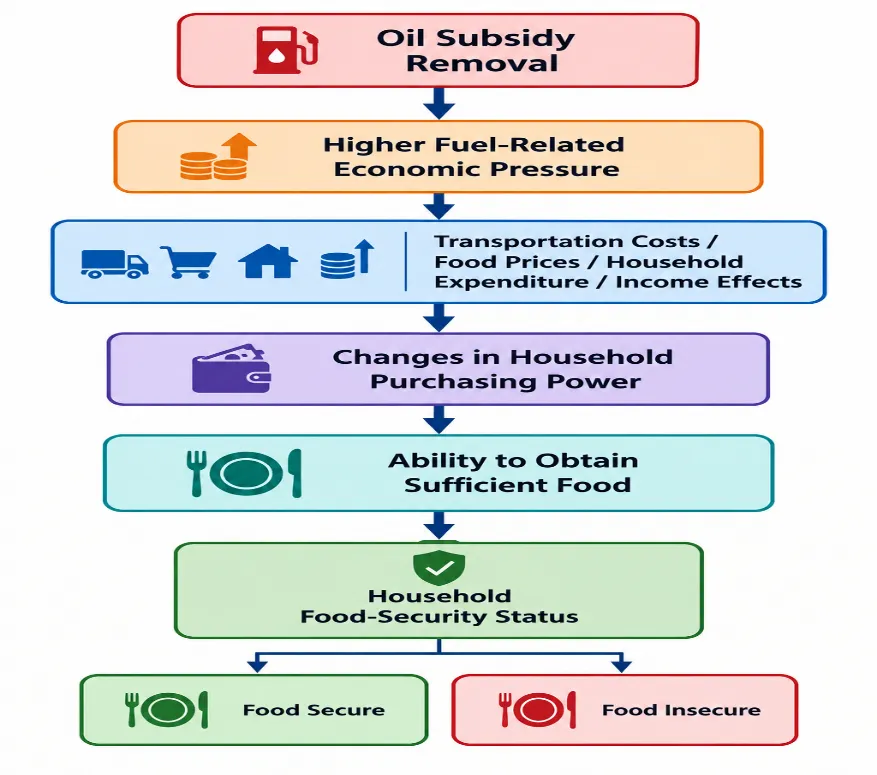
Figure 2.1: The Entitlement Approach Showing the Relationship Between Oil Subsidy Removal and Household Food Security
Importantly, this framework represents a potential pathway rather than a predetermined causal relationship. Household outcomes can differ according to income, occupation, household size, education, agricultural production, access to markets, credit and social support.
2.9 Empirical Evidence and Research Gap
The empirical literature reveals several consistent patterns. First, Nigerian food-security outcomes are strongly related to socioeconomic and agricultural conditions, including income, education, agricultural productivity, credit access, household characteristics and social protection (Ogunniyi et al., 2021; Wudil et al., 2023; Ashagidigbi et al., 2022). Second, economic shocks can translate into food insecurity through reduced income, employment disruptions and weakened purchasing power (Amare et al., 2021; Ibukun & Adebayo, 2021). Third, recent studies conducted after Nigeria's 2023 fuel-subsidy removal report increases in commodity and food prices and changes in household expenditure (Meludu et al., 2024; Muhammed et al., 2024; Audu et al., 2024). (PubMed Central (PMC))
Nevertheless, important gaps remain. Much of the emerging subsidy-removal literature has concentrated on macroeconomic outcomes, commodity prices or household experiences in states other than Jigawa. Similarly, much of the food-security literature has examined general socioeconomic determinants rather than specifically investigating whether reported changes associated with the 2023 subsidy reform are statistically related to household food insecurity.
There is therefore a geographical gap, because evidence specific to Jigawa State remains limited; a household-level gap, because macroeconomic and commodity-price studies do not fully capture how households experience economic reforms; and an empirical gap, because relatively few studies have directly tested the association between reported changes in food prices, transportation and household income and household food-insecurity status in Jigawa.
The present study addresses these gaps by examining household experiences in selected areas of Jigawa State and testing three specific relationships: reported increases in food prices and household food insecurity, reported increases in transportation costs and household food insecurity, and reported effects on household income and household food insecurity. The study therefore complements existing macroeconomic and commodity-market evidence with localized household-level evidence. Because the study employs a cross-sectional design, its findings are interpreted as associations within the sampled households rather than definitive causal effects.
MATERIALS AND METHODS
3.1 Research Design and Study Area
The study employed a cross-sectional survey design to examine household experiences associated with the removal of petroleum subsidy and their relationship with food security in Jigawa State, Nigeria. Data were collected at a single period using a structured questionnaire. The study was primarily quantitative and focused on reported changes in household income, transportation, food expenditure, food purchasing ability, food consumption and food-security status.
The study was conducted in Jigawa State, located in north-western Nigeria. The state has a predominantly agrarian economy, with many households depending on farming, trading and other informal economic activities. This setting provides an important context for examining household food security because changes in fuel and transportation costs can affect household purchasing power, market access and the movement of food and agricultural products.
3.2 Population, Sampling and Achieved Sample
The target population comprised household heads or adult representatives of households residing in Jigawa State. The study initially planned to obtain 400 responses using a multi-stage sampling approach involving the selection of local government areas, wards and households. However, only 106 questionnaire responses were obtained.
During data screening, 23 responses were identified as originating from outside the geographical scope of the study and were excluded. The final analytical sample therefore comprised 83 eligible respondents from Jigawa State. These respondents were located in four local government areas: Buji, Dutse, Hadejia and Kazaure.
Because the achieved sample differed from the originally planned sample, the final dataset is treated as an achieved sample rather than the intended probability sample. The findings are consequently interpreted as evidence from the surveyed households rather than as statistically representative estimates for the entire population of Jigawa State.
3.3 Data Sources and Research Instrument
The study used both primary and secondary sources. Primary data were collected through a structured questionnaire administered electronically to household respondents. Secondary information was obtained from relevant academic publications, government reports and other literature addressing fuel subsidy reform, food prices, household welfare and food security in Nigeria.
The questionnaire consisted of four sections. Section A captured respondents' socio-demographic characteristics, including gender, age, marital status, education, occupation and household size. Section B examined reported changes associated with subsidy removal, including household income, transportation, food prices, food expenditure, food purchasing ability and food consumption. Section C focused on food-insecurity experiences and coping responses, including concerns about food sufficiency, reductions in food quantity or quality, experiences of hunger and strategies adopted by households. Section D addressed major household challenges and respondents' suggestions concerning possible interventions.
Most questionnaire items used categorical response options to facilitate consistent coding and statistical analysis.
3.4 Measurement and Data Preparation
Responses were numerically coded and analysed using IBM SPSS Statistics Version 23. The principal variables included income effects, food-price changes, transportation changes, food expenditure and household food-security status. The main outcome variable was a binary food-security measure coded as 0 = food secure and 1 = food insecure.
For hypothesis testing, food-price responses were recoded into a binary indicator distinguishing households reporting an increase from those reporting no increase. Similarly, transportation responses were recoded into increased versus not increased categories. Responses that were coded as zero but did not represent meaningful substantive categories, as well as otherwise invalid or uninterpretable responses, were treated as missing during data preparation.
An important methodological consideration is that the questionnaire did not contain the complete occurrence and frequency structure required to calculate a standard Household Food Insecurity Access Scale (HFIAS) score. Accordingly, the study did not claim to provide a standard HFIAS classification. Instead, food-security status was derived from the available food-security indicators contained in the questionnaire.
Table 3.1: Measurement and Coding of Key Study Variables
| Variable | Measurement/Coding | Analytical Role |
|---|---|---|
| Gender | 1 = Male; 2 = Female | Socio-demographic |
| Age | Categorical age groups | Socio-demographic |
| Education | Categorical educational levels | Socio-demographic |
| Occupation | Categorical occupational groups | Socio-demographic |
| Household size | Categorical household-size groups | Socio-demographic |
| Income affected | 1 = Yes; 0 = No | Explanatory variable |
| Food-price increase | 1 = Increased; 0 = Not increased | Explanatory variable |
| Transportation increase | 1 = Increased; 0 = Not increased | Explanatory variable |
| Food spending | 1 = Increased; 0 = Not increased | Explanatory variable |
| Food-security status | 1 = Insecure; 0 = Secure | Outcome variable |
3.5 Data Collection and Quality Control
The questionnaire was administered electronically and the responses were compiled into a dataset for statistical analysis. Following data collection, the dataset was screened for geographical eligibility, missing observations and invalid codes. Responses originating outside Jigawa State were removed from the analytical dataset, while invalid or uninterpretable values were treated appropriately during analysis.
This data-screening process resulted in 83 eligible cases for the principal analysis and ensured that the statistical results corresponded to the geographical scope and variables defined for the study.
3.6 Validity and Ethical Considerations
The questionnaire was developed in line with the study objectives and research questions and was reviewed to ensure that its items adequately represented the major dimensions under investigation, particularly household income, transportation, food prices, food expenditure and food security.
Participation was voluntary. Respondents were informed of the purpose of the study, and the information collected was treated confidentially and used solely for academic purposes. Respondents were not required to provide information unrelated to the objectives of the research and were free to decline participation.
3.7 Data Analysis
Data analysis was conducted using SPSS Version 23. Descriptive statistics, primarily frequencies and percentages, were used to summarize respondents' socio-demographic characteristics and reported household experiences.
The three study hypotheses were examined using the Pearson chi-square test of association. Where expected cell frequencies were small, Fisher's Exact Test was considered alongside the Pearson chi-square result in interpreting the association. Statistical significance was assessed at the 5% level (α = 0.05). A null hypothesis was not rejected where p ≥ 0.05 and was rejected where p < 0.05.
Binary logistic regression was also explored to assess the potential relationship between selected subsidy-related variables and household food-security status. However, the model did not achieve satisfactory convergence because of sparse categories and separation in the data. The resulting coefficients were therefore not interpreted and were not used as evidence for the study's substantive conclusions.
3.8 Analytical Framework
The study conceptualized household food security as potentially related to several economic conditions associated with the post-subsidy-removal environment, particularly household income, transportation costs, food prices and food expenditure. These factors were considered as potential pathways through which changes in household economic conditions may be reflected in the ability of households to obtain sufficient food.
The framework was used to guide the selection and analysis of the principal variables. However, because the study employed a cross-sectional design and relied primarily on reported household experiences, the relationships identified should be interpreted as associations rather than evidence of causality.
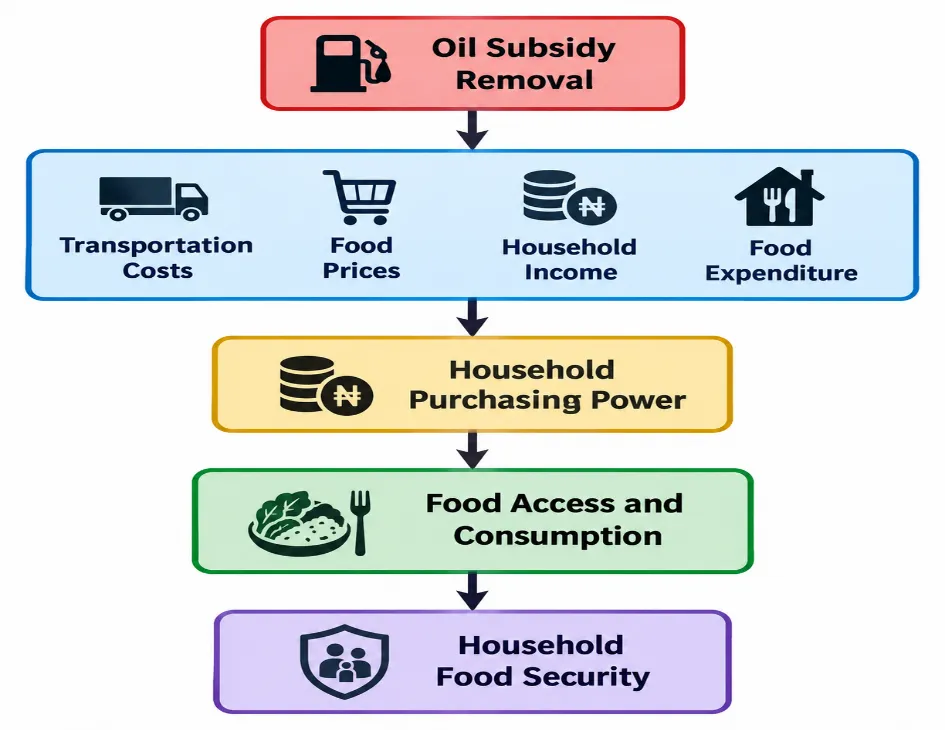
Figure 3.1: Model of the Study
3.9 Methodological Limitations
The principal methodological limitation was the relatively small achieved sample. Although 400 responses were initially planned, only 106 responses were received, of which 83 were eligible for analysis. The findings should therefore be interpreted within the context of the surveyed respondents and should not be generalized to all households in Jigawa State without appropriate caution.
A second limitation concerns the measurement of food insecurity. Because the questionnaire did not include the complete occurrence and frequency items required for standard HFIAS scoring, the study relied on the available food-security indicators and a derived binary food-security variable. The results should therefore be understood as evidence based on the study's available household food-security measures rather than as a standard HFIAS-based population estimate.
RESULTS AND DISCUSSION
4.1 Data Screening and Respondent Characteristics
A total of 106 questionnaire responses were received. Following screening against the geographical scope of the study, 83 responses from respondents identified as residing in Jigawa State were retained, while 23 responses from outside the study area were excluded. The analysis presented in this section is therefore based on 83 eligible respondents. Some variables contained missing or invalid/uninterpretable codes, which were excluded from the relevant analyses.
Table 4.1: Summary of Data Screening
| Data Screening Item | Frequency | Percentage |
|---|---|---|
| Total responses received | 106 | 100.0 |
| Eligible Jigawa respondents | 83 | 78.3 |
| Responses outside study area | 23 | 21.7 |
| Total | 106 | 100.0 |
Source: Field Survey, 2026.
The respondents were predominantly male (75.9%) and young adults, with 68.7% aged 18–25 years and a further 21.7% aged 26–35 years. Most respondents were single (62.7%) and had tertiary education (81.9%). Farming was the most common occupation (42.2%), followed by civil service (19.3%). Regarding household size, 39.8% reported households of 4–6 persons, while 31.3% reported 1–3 persons. Kazaure accounted for the largest proportion of respondents (55.4%), followed by Hadejia (26.5%), Dutse (16.9%) and Buji (1.2%).
The demographic distribution indicates that the findings primarily reflect the experiences of a relatively young, predominantly male and tertiary-educated group, with substantial representation from farming households.
4.2 Reported Household Effects Associated with Oil Subsidy Removal
The descriptive findings indicate substantial reported economic and household pressures associated with the period following oil subsidy removal. Among substantive responses, 96.3% reported awareness of the subsidy removal. In addition, 94.9% of valid respondents reported that their household income had been affected, while 93.8% reported increased household food expenditure.
Table 4.2: Socio-Demographic Characteristics of Respondents (N = 83)
| Variable | Category | Frequency | Percentage (%) |
|---|---|---|---|
| Gender | Male | 63 | 75.9 |
| Female | 20 | 24.1 | |
| Age | 18–25 years | 57 | 68.7 |
| 26–35 years | 18 | 21.7 | |
| 36–45 years | 7 | 8.4 | |
| 46–55 years | 0 | 0.0 | |
| 56 years and above | 1 | 1.2 | |
| Marital Status | Single | 52 | 62.7 |
| Married | 31 | 37.3 | |
| Divorced | 0 | 0.0 | |
| Widowed | 0 | 0.0 | |
| Education | No formal education | 0 | 0.0 |
| Primary | 0 | 0.0 | |
| Secondary | 15 | 18.1 | |
| Tertiary | 68 | 81.9 | |
| Occupation | Farming | 35 | 42.2 |
| Trading/Business | 11 | 13.3 | |
| Civil servant | 16 | 19.3 | |
| Artisan | 8 | 9.6 | |
| Unemployed | 11 | 13.3 | |
| Others | 2 | 2.4 | |
| Household Size | 1–3 persons | 26 | 31.3 |
| 4–6 persons | 33 | 39.8 | |
| 7–9 persons | 17 | 20.5 | |
| 10 persons and above | 7 | 8.4 | |
| LGA | Buji | 1 | 1.2 |
| Dutse | 14 | 16.9 | |
| Hadejia | 22 | 26.5 | |
| Kazaure | 46 | 55.4 | |
| Total | 83 | 100.0 |
Source: Field Survey, 2026.
The ability to purchase sufficient food was also widely reported to have been affected. Seventy-eight respondents (94.0%) indicated that their ability to buy enough food had been affected, although five responses contained invalid or uninterpretable codes and were not treated as substantive responses.
Transportation emerged as the household domain most frequently identified as affected, reported by 48 respondents (57.8%), followed by food purchases (30.1%). Healthcare, education and farming activities accounted for much smaller proportions.
The specific transportation question produced an important distinction. While only four respondents reported that transportation costs had increased—one reporting a great increase and three a slight increase—69 respondents reported reduced transportation and 10 reported no change. This suggests that respondents may have responded to changing transportation conditions by reducing or modifying their mobility rather than simply reporting higher transportation use or costs.
Similarly, only 10 respondents (12.0%) reported an increase in food prices in the specific food-price question, while 73 (88.0%) reported that food prices remained the same. This result is important when interpreting the broader finding that household food expenditure increased. Increased food expenditure does not necessarily imply that respondents perceived an increase in the price of every food item; it may also reflect changes in purchasing patterns, quantities purchased, transportation-related expenses or other household economic pressures.
4.2.1 Changes in Household Food Consumption
Respondents reported mixed experiences concerning food consumption compared with the period before subsidy removal. Overall, 47.0% reported that food consumption was better or much better, while 38.5% reported that it was worse or much worse. Specifically, 39.8% reported better consumption, 7.2% much better, 14.5% no change, 7.2% worse and 31.3% much worse.
Table 4.3: Household Food Consumption Compared with Before Subsidy Removal
| Response | Frequency | Percentage (%) |
|---|---|---|
| Much better | 6 | 7.2 |
| Better | 33 | 39.8 |
| The same | 12 | 14.5 |
| Worse | 6 | 7.2 |
| Much worse | 26 | 31.3 |
| Total | 83 | 100.0 |
Source: Field Survey, 2026.
The mixed distribution indicates that the reported experience was not uniform across households. While some respondents reported improvement or no change, a considerable proportion reported deterioration, including almost one-third who described their food consumption as much worse.
4.3 Household Food-Security Status and Food-Insecurity Experiences
Household food security was assessed using the food-security indicators available in the questionnaire. Because the instrument did not contain the complete occurrence-and-frequency structure required for a standard Household Food Insecurity Access Scale (HFIAS), the results should not be interpreted as a conventional HFIAS classification. Instead, the analysis uses the available indicators and the derived binary food-security measure.
Table 4.4: Household Food Security Status
| Food Security Status | Frequency | Percentage (%) |
|---|---|---|
| Food secure | 30 | 36.1 |
| Food insecure | 53 | 63.9 |
| Total | 83 | 100.0 |
Source: Field Survey, 2026.
Of the 83 eligible respondents, 53 (63.9%) were classified as food insecure, while 30 (36.1%) were classified as food secure.
The distribution of respondents according to household food security status is graphically presented in Figure 4.1.
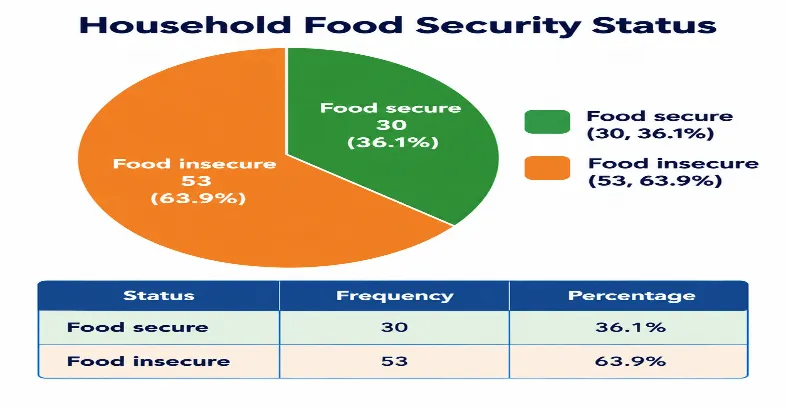
Figure 4.1: Household Food Security Status of Respondents
The individual food-insecurity indicators provide further evidence of food-related difficulties. Among substantive responses, 98.6% reported worrying about having enough food, 91.9% reported having gone to bed hungry, 97.4% reported reducing the quantity of food consumed, and 93.3% reported reducing food quality or variety.
These indicators complement the binary food-security classification and suggest that food insecurity among the surveyed households was reflected in concrete changes in food consumption, including reductions in quantity and quality or variety. However, because the questionnaire was not a complete HFIAS instrument, these findings should be interpreted as evidence from the study's available food-security measures rather than as a population-level HFIAS estimate.
4.4 Household Coping Strategies
Households reported adopting several strategies in response to the economic and food-related pressures experienced during the study period. Among 81 valid responses, borrowing food or money was the most frequently reported strategy (37.0%), followed by reducing the number of meals (34.6%). Other strategies included buying cheaper food (14.8%), selling assets (7.4%), seeking assistance from relatives or friends (4.9%) and other responses (1.2%).
Table 4.5: Coping Strategies Adopted by Households
| Coping Strategy | Frequency | Percentage (%) |
|---|---|---|
| Borrowing food/money | 30 | 37.0 |
| Reducing number of meals | 28 | 34.6 |
| Buying cheaper food | 12 | 14.8 |
| Selling assets | 6 | 7.4 |
| Help from relatives/friends | 4 | 4.9 |
| Others | 1 | 1.2 |
| Total valid responses | 81 | 100.0 |
Source: Field Survey, 2026.
The relative frequency of the coping strategies adopted by households is presented in Figure 4.2.
[Figure - see the formatted PDF]
Figure 4.2: Coping Strategies Adopted by Households
The coping responses demonstrate that households employed both consumption-based and financial strategies. Borrowing and reducing meals were particularly prominent, indicating that some households responded by adjusting immediate consumption or relying on external resources. The findings therefore suggest that economic pressure was accompanied by behavioural adjustments in food consumption and household financial management.
4.5 Test of Hypotheses
The three hypotheses were examined using Pearson's chi-square test. Because some contingency tables contained small expected frequencies, Fisher's Exact Test was also considered when interpreting the results. Statistical significance was assessed at the 5% level.
Table 4.5: Summary of Hypothesis Decisions
| Hypothesis | Test Statistic | p-value | Decision | Conclusion |
|---|---|---|---|---|
| Hâ‚€â‚: Food price increase and food insecurity | χ² = 0.946 | .331 | Fail to reject H₀₠| No significant association |
| H₀₂: Transportation increase and food insecurity | χ² = 0.350 | .554 | Fail to reject H₀₂ | No significant association |
| H₀₃: Income impact and food insecurity | χ² = 0.096 | .756 | Fail to reject H₀₃ | No significant association |
Source: SPSS Analysis of Field Survey Data, 2026.
Hypothesis 1: Food-Price Increase and Household Food Insecurity
The first hypothesis examined whether reported food-price increases were significantly associated with household food insecurity. The Pearson chi-square test produced χ²(1) = 0.946, p = .331, while Fisher's Exact Test produced a two-sided p = .484. The association was therefore not statistically significant in the sample.
Accordingly, H₀₠was not rejected. This result should be interpreted cautiously because only 10 respondents reported an increase in food prices, resulting in an uneven distribution across the contingency table.
Hypothesis 2: Transportation Increase and Household Food Insecurity
For the second hypothesis, the association between reported transportation increases and household food insecurity was not statistically significant. Pearson's chi-square test produced χ²(1) = 0.350, p = .554, while Fisher's Exact Test produced a two-sided p = .618.
Thus, H₀₂ was not rejected. Interpretation is again constrained by the fact that only four respondents reported increased transportation costs, producing very small cell frequencies.
Hypothesis 3: Income Impact and Household Food Insecurity
The third hypothesis examined the association between reported income effects and household food insecurity. Pearson's chi-square test produced χ²(1) = 0.096, p = .756, while Fisher's Exact Test produced a two-sided p = 1.000.
Therefore, H₀₃ was not rejected. Although 94.9% of valid respondents reported that their income had been affected, the descriptive prevalence of income effects did not translate into a statistically significant association with the binary food-security classification.
Overall Hypothesis-Test Result
None of the three tested relationships reached statistical significance at the 5% level. The results should not, however, be interpreted as demonstrating that subsidy removal had no relationship with household welfare or food security. Rather, the descriptive results indicate substantial reported economic and food-related pressures, while the specific categorical associations tested in this relatively small and uneven sample were not statistically significant.
4.6 Discussion of Findings
The findings present a nuanced picture of household experiences following oil subsidy removal in the surveyed communities of Jigawa State. At the descriptive level, respondents reported substantial economic pressure. Almost all respondents were aware of the subsidy removal, while approximately 95% of valid respondents reported that their income had been affected. Similarly, approximately 94% reported increased household food expenditure and 94% indicated that their ability to purchase sufficient food had been affected.
Transportation was identified as the most affected household domain, with 57.8% of respondents selecting it as the area most affected. This finding highlights the importance of mobility and transportation within household economic activity, particularly in a predominantly agrarian setting where households may depend on transport for livelihood activities, market access and access to essential services.
The food-consumption findings reveal considerable variation across households. Although 47.0% reported better or much better food consumption, 38.5% reported worse or much worse consumption, including 31.3% who described their consumption as much worse. This suggests that the experience of economic adjustment was not uniform across the surveyed households.
The binary food-security measure showed that 63.9% of respondents were classified as food insecure. The additional indicators—particularly reported reductions in food quantity and quality or variety, concern about food sufficiency and experiences of hunger—provide further evidence of food-related vulnerability among the surveyed households.
The coping-strategy findings further demonstrate how households responded to these pressures. Borrowing food or money and reducing the number of meals were the two most frequently reported strategies, followed by purchasing cheaper food and selling assets. These responses indicate that households employed both consumption adjustments and financial coping mechanisms.
At the inferential level, however, none of the three tested relationships was statistically significant. The lack of statistical significance should be interpreted in light of the small achieved sample and the highly uneven distribution of some responses. Only 10 respondents reported increased food prices and only four reported increased transportation costs. Such sparse categories reduce the ability of chi-square tests to detect associations.
Consequently, the results should be understood as evidence of substantial reported household pressures and food-security vulnerability within the surveyed sample, rather than as proof of a statistically established causal effect of subsidy removal on food insecurity. The cross-sectional design, small achieved sample and limitations in the food-security measurement further restrict the extent to which the findings can be generalised.
4.7 Summary of Major Findings
The study produced several important findings. First, awareness of the oil subsidy removal was very high among the surveyed respondents. Second, approximately 94.9% of valid respondents reported that household income had been affected, while 93.8% reported increased household food expenditure. Third, 94.0% reported that their ability to purchase sufficient food had been affected.
Transportation was the household domain most frequently identified as affected (57.8%), followed by food purchases (30.1%). Although most respondents reported better or unchanged food consumption, 38.5% reported that their consumption had become worse or much worse.
The binary food-security measure classified 53 respondents (63.9%) as food insecure and 30 (36.1%) as food secure. The individual indicators similarly showed widespread reports of food-related difficulties, including reduced food quantity, reduced food quality or variety, worry about food sufficiency and experiences of hunger.
Borrowing food or money (37.0%) and reducing the number of meals (34.6%) were the most frequently reported coping strategies.
Finally, none of the three hypotheses produced a statistically significant association at the 5% level: food-price increase and food insecurity (χ² = 0.946, p = .331), transportation increase and food insecurity (χ² = 0.350, p = .554), and income impact and food insecurity (χ² = 0.096, p = .756). These inferential results should be considered alongside the small sample and sparse response categories rather than interpreted as evidence that subsidy removal had no household-level consequences.
5. Conclusion, Policy Implications, Limitations and Further Research
5.1 Conclusion and Summary of Key Findings
This study examined household food security in the context of petroleum subsidy removal in Jigawa State, Nigeria, with particular attention to reported changes in household income, food expenditure, transportation, food consumption and coping behaviour. Although 106 responses were received, 83 respondents met the geographical eligibility criteria and constituted the final analytical sample.
The findings indicate substantial reported economic and food-related pressures among the surveyed households. Approximately 94.9% of valid respondents reported that their household income had been affected, while 93.8% reported increased household food expenditure. Similarly, 94.0% reported that their ability to purchase sufficient food had been affected. Transportation was identified as the household domain most frequently reported as affected (57.8%), followed by food purchases (30.1%).
Food insecurity was also substantial within the study sample. The derived binary measure classified 53 respondents (63.9%) as food insecure and 30 (36.1%) as food secure. Other reported experiences, including worry about having enough food, hunger, reductions in food quantity, and reductions in food quality or variety, provide further evidence of food-related vulnerability among the surveyed households.
Households reported several coping strategies, particularly borrowing food or money (37.0%) and reducing the number of meals (34.6%). Other responses included purchasing cheaper food and, to a lesser extent, selling assets or seeking assistance from relatives and friends. These strategies indicate that households employed both consumption adjustments and financial mechanisms to manage economic and food-related pressures.
Despite these descriptive patterns, none of the three tested associations was statistically significant. Food-price increase was not significantly associated with household food insecurity (χ² = 0.946, p = .331), nor was transportation increase (χ² = 0.350, p = .554) or reported income effects (χ² = 0.096, p = .756). These results indicate that the specific categorical relationships tested in the study did not reach statistical significance at the 5% level.
Taken together, the findings demonstrate a distinction between descriptive evidence of household vulnerability and statistical evidence of association. The surveyed households reported considerable economic and food-related difficulties, but the study does not provide sufficient evidence to conclude that the selected subsidy-related factors directly caused household food insecurity.
5.2 Policy and Practical Implications
The findings have several implications for policy and household welfare interventions in Jigawa State.
First, economic adjustment policies should be accompanied by targeted food-security and social-protection measures for vulnerable households. Temporary cash transfers, food assistance and other appropriately targeted interventions may help households maintain access to adequate food during periods of economic adjustment.
Second, greater attention should be given to smallholder agriculture and household food production. Support for agricultural inputs, extension services, affordable credit, improved seeds and appropriate technologies could strengthen household production capacity and reduce dependence on purchased food.
Third, the finding that transportation was the most frequently identified affected household domain highlights the importance of rural roads and transportation systems. Improvements in transport infrastructure and affordable mobility can support access to markets, employment opportunities and essential services, while also facilitating the movement of agricultural products.
Fourth, interventions should support household income and livelihood diversification. Skills development, small-enterprise support, affordable financing and other income-generating opportunities may strengthen household capacity to respond to economic shocks without excessive reliance on borrowing or reductions in food consumption.
Finally, government agencies should strengthen household-level monitoring of food security during major economic reforms. Regular assessment can help identify vulnerable groups and provide evidence for adjusting social-protection, agricultural and food-market interventions.
5.3 Limitations of the Study
The findings should be interpreted in light of several limitations. First, the achieved sample was relatively small. Although 400 responses were initially planned, only 106 responses were received and 83 were eligible for analysis. The findings therefore cannot be assumed to represent all households in Jigawa State.
Second, some response categories were highly uneven, particularly for reported increases in food prices and transportation costs. These sparse categories reduced the statistical power of the chi-square analyses and limited the interpretation of the observed associations.
Third, the questionnaire did not contain the complete occurrence-and-frequency structure required for calculating a standard Household Food Insecurity Access Scale (HFIAS) score. Consequently, the study relied on the available food-security indicators and the derived binary food-security measure rather than presenting a standard HFIAS classification.
Finally, the cross-sectional design captures respondents' experiences at one point in time and therefore cannot establish temporal changes or definitive causal relationships between subsidy removal and household food insecurity.
5.4 Suggestions for Further Research
Future research should employ larger and more geographically representative samples covering a greater number of LGAs in Jigawa State. Longitudinal studies would also be valuable for examining changes in household food security over time following major economic policy reforms.
Further studies should employ complete and validated food-security measurement instruments, such as the full HFIAS or other appropriate household food-security scales. Comparative research could examine differences between rural and urban households or between Jigawa State and other states in northern Nigeria.
Qualitative studies involving farmers, traders, women, community leaders and policymakers could provide deeper insight into household adaptation strategies and the mechanisms underlying observed food-security changes. Future research could also examine differences in vulnerability across household characteristics such as household size, income level, gender of household head and dependence on smallholder agriculture.
5.5 Acknowledgement
The authors hereby acknowledge with thanks the financial support of this project by the Nigerian Tertiary Education Trust fund through Institutional Based Research Grant Allocation to Hussaini Adamu Polytechnic Kazaure, Jigawa State Nigeria.
REFERENCES



Nwaha Abdullahi Onimisi, Abubakar Hamisu Mai-Iyali, Adams Muhammed, Oil Subsidy Removal and Household Food Security in Jigawa State, Nigeria: Evidence from a Cross-Sectional Household Survey, Int. J. Sci. R. Tech., 2026, 3 (10), 759-776. https://doi.org/10.5281/zenodo.23333276
 10.5281/zenodo.23333276