View Article

Abstract

The severe genetic condition known as sickle cell disease (SCD) affects both babies and children and causes damage to several organs, poor blood circulation, and chronic discomfort. This study looks at how medicinal plants can prevent red blood cell sickling by using their fruits, leaves, seeds, bark, and latex. A systematic review and meta-analysis assess the efficiency and safety of herbal remedies for sickle cell disease (SCD) throughout the continent. Herbal therapies, including ginseng products, Zingiber officinale, Cymbopogon citratus, Aloe barbadensis miller, and Forever Living products. The pharmacological data for sickle cell treatment was thoroughly evaluated in this study, with a focus on phytochemicals Haemoglobin polymerization and sickling reversal were the assays with the most reports. Many plant species have been found to offer anti-sickling qualities. Herbal treatments for sickle cell illness are covered in this review article.

Keywords

Organ damage, Sickle cell disease, Phytochemicals, Polymerization, Haemolysis, Mutation.

Introduction

× Popup Image

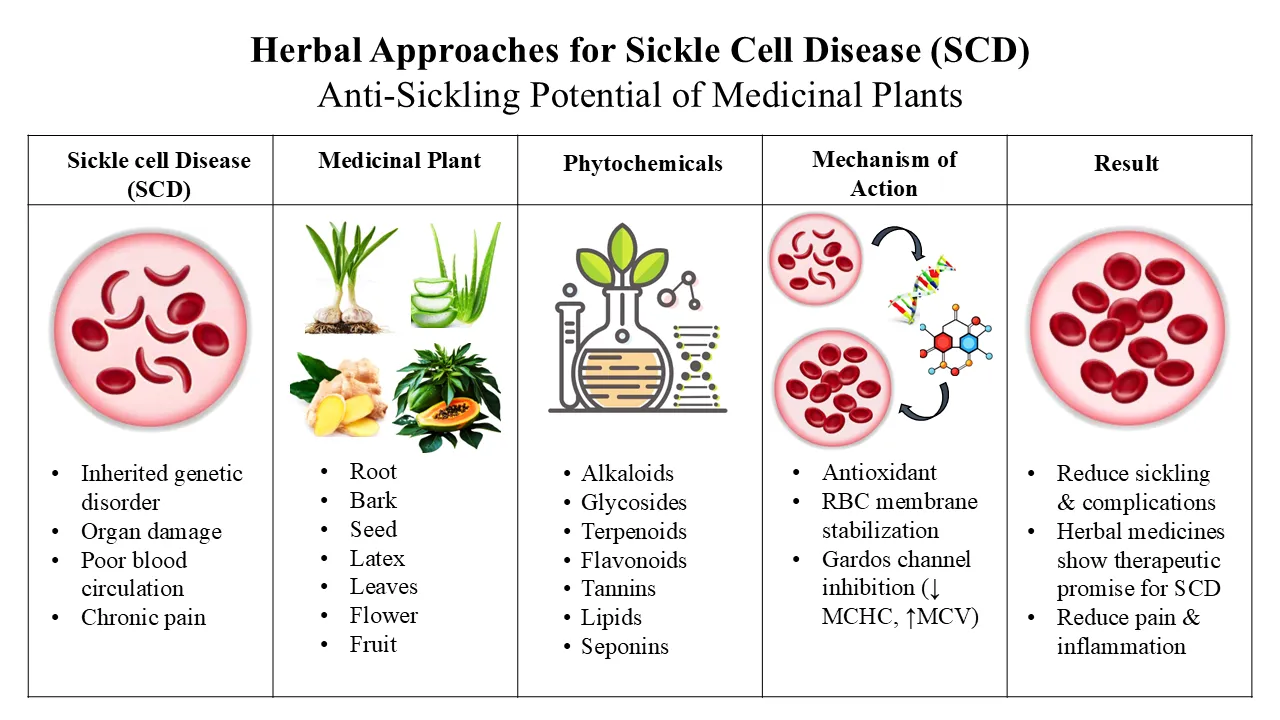
Graphical Abstract:

The genetic blood condition known as SCD, or SCA, is inherited in in a recessive autosomal way(Inusa et al., 2019). It is identified by red blood cells that stiffen and take on the shape of a sickle. Haemoglobin clumps (polymerizes) when oxygen is lost, giving it this aberrant form(Ghusoon G Al- Janabi et al., 2021). According to Balgir (2006), people with this illness frequently suffer from recurrent pain crises, persistent anemia, splenic enlargement, frequent severe infections, and substantial organ damage. Because these sickled cells carry less oxygen, they thicken the blood and interfere with normal blood flow, particularly in small blood arteries, which may result in cell death (infarction) and tissue damage (ischemia) (Elendu et al., 2023). An abnormal β-globin gene mutation causes sickle cell disease (SCD), a hereditary illness that is characterized by the production of aberrant HbS, which deforms red blood cells by forming polymers in low oxygen environments(Gbotosho et al., 2021). The World Health Organization (WHO) claims that anemia is the state in which a person's blood haemoglobin content is low, namely less than 110, less than 120, or less than 130 g/L for males, women who are not pregnant, and kids between the ages of 6 and 59 months(Baldi & Pasricha, 2022). Worldwide, anemia affects 30% of women between the ages of 15 and 49, 37% of pregnant women, and 40% of babies between the ages of 6 and 59 months, according to the World Health Organization. Additionally, anemia cost 50 million years of good life in 2019.  In India and other nations, especially wealthy ones, the high prevalence of anemia is a serious problem. By 2025, the World Health Organization hopes to cut anemia in women of reproductive age by 50% (Chakrabarty et al., 2023). However, during the past 20 years, the frequency of anemia has stayed constant worldwide, and the goal might not be accomplished by 2030 (Merid et al., 2023).

    1. Genetics of SCD:

In order to acquire sickle cell disease (SCD), One defective copy of the gene must be inherited from each parent18. A hereditary condition that affects red blood cells, sickle cell disease (SCD) is inherited in an autosomal recessive manner(Quintana-Bustamante et al., 2022). If a person inherits only one gene, they are a carrier, often known as possessing the sickle cell trait, and typically show no symptoms(William Coetzee et al., 2022). If two carriers have a kid, in addition to having a 25% probability of having SCD, the child has a 50% chance of also being a carrier and a 25% chance of inheriting two normal genes(Skrypnyk et al., 2024). The beta-globin gene, it contributes to the formation of red blood cells' haemoglobin, is mutated in sickle cell disease (SCD)(Lattanzi et al., 2021). The mutation results in the beta-globin chain's sixth position, which transports oxygen throughout the body, changing from glutamic acid to valine(Dorneles et al., 2025). Thus, an abnormal form of haemoglobin called haemoglobin S (HbS) is created(Alfeel et al., 2025). When blood oxygen levels drop, red blood cells are twisted into a sickle or crescent shape when HbS molecules stick to each other to form long fibers(Wise et al., 2024). These rigid sickled cells have the ability to obstruct blood arteries, which can decrease or even prohibit oxygen from reaching various bodily areas(Conran & Embury, 2021). This results in tissue and organ damage, as well as excruciating events called vaso-occlusive crises(Jang et al., 2021). Because sickled red blood cells degrade more readily than healthy ones, a chronic deficiency of healthy red blood cells exists, which causes chronic anemia and exhaustion(Barua et al., 2023). An individual who gets the sickle cell gene from both parents has HbS illness, the most prevalent and severe kind of sickle cell disease(Khamees et al., 2021). This kind is common in North America and frequently results in major health issues(Hessburg et al., 2021). However, each person's sickle cell disease (SCD) symptoms might differ significantly(Ballas et al., 2010). There are many who have milder illnesses with less obvious symptoms, while others have regular pain episodes and frequently require medical service(Davis et al., 2011). Both genetic composition and environmental factors contribute to the variation in the disease's impact on individuals(K. Wang et al., 2017). Because HbF helps keep red blood cells from sickling, those who naturally make larger amounts of foetal haemoglobin (HbF) typically experience less severe symptoms (Donaldson et al., 2001).
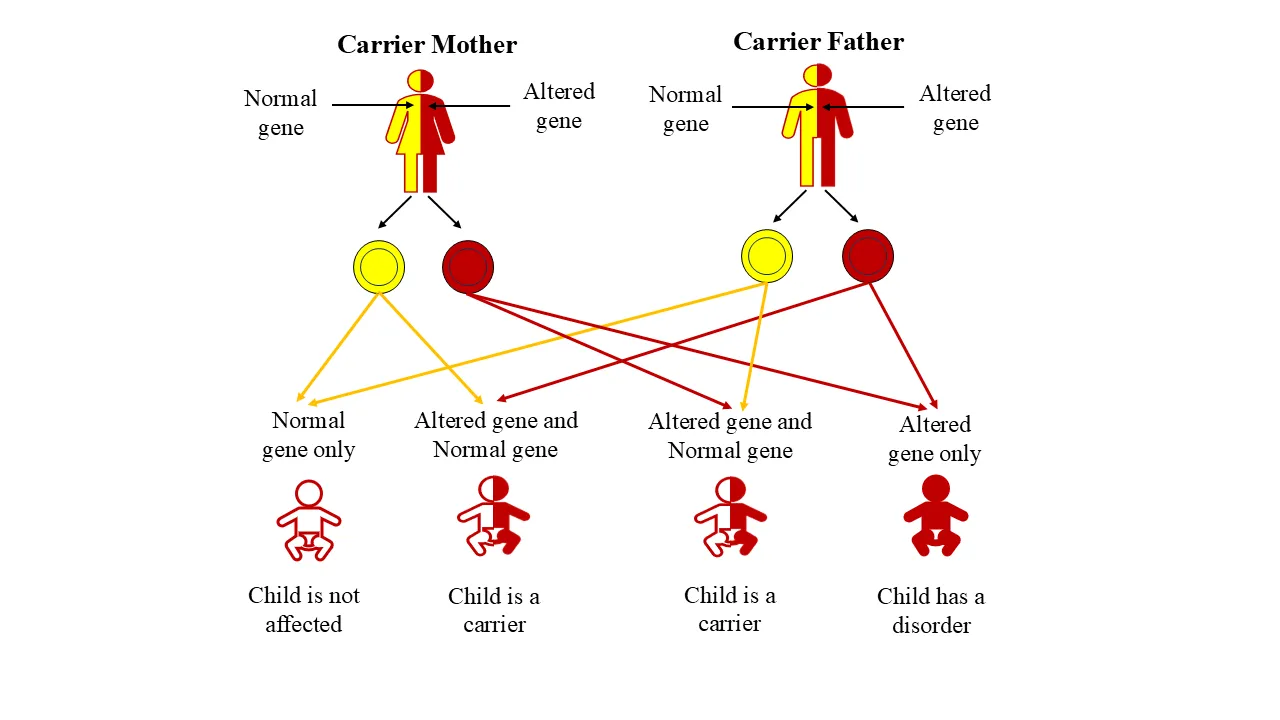
Figure 1: Illustrates a pattern of autosomal recessive inheritance where two carrier parents have a 25% chance of producing an unaffected child, a 50% chance of having a carrier child, and a 25% chance of having an affected child.

Alpha-thalassaemia, which lowers the quantity of another kind of globin, is one genetic disorder that can impact the development of sickle cell disease(Higgs et al., 1982). Hereditary variations in inflammation and blood coagulation may also impact the severity of the illness(Ratnoff & Bennett, 1973). In addition to genetics, environmental and societal variables are important(Bouchard & McGue, 2003). Economic stability, family support, a good diet, and frequent access to healthcare can all aid in symptom management and the avoidance of problems. People who live in places with greater healthcare tend to have better overall health outcomes and fewer emergencies. Conversely, a lack of support and therapy can make managing the illness far more challenging(Jeon et al., 2009). Sickle cell disease can afflict persons of any ethnic origin, However, people with African, Middle Eastern, Mediterranean, and Indian ancestry are most likely to have it. One of the most common genetic blood disorders worldwide is sickle cell disease (SCD)(Saraf et al., 2014). In spite of being brought on by a single, minor gene alteration, it affects many parts of the body. Thankfully, many SCD patients are living longer, healthier lives thanks to increased awareness, advancements in medicine, and supportive care. Symptoms and effects can be lessened with the use of drugs such as hydroxyurea, blood transfusions, antibiotics, pain management, and routine medical examinations(Chan et al., 2022). Newer gene treatments or bone marrow transplants may be able to help in certain situations(Moore, 2002). Better treatments and even cures for the illness are still being investigated by researchers(Cox et al., 2009).

    1. Pathophysiology of SCD:

The pathophysiology of SCD is shown in the schematic illustration. (Figure 2) Vaso-occlusive crises (VOC), haemolysis, polymerization, oxidative stress, sterile inflammation, and endothelial dysfunction are the main characteristics of sickle cell anemia.

Haemolysis: The haemoglobin S (HbS) molecule is more likely to form stiff, elongated chains when oxygen levels are low because of a beta haemoglobin mutation in the gene(Yu, 2022). Because oxygen availability varies early in the illness process, red blood cells with HbS may alternate between their typical disc-like form and a sickle or crescent shape. However, some of these cells eventually become irreversibly sickled as they lose their capacity to return to their original shape(Padilla et al., 1973). Because of this irreversible deformity, they are more likely to hemolyze (break apart) and obstruct tiny blood arteries, which might result in vaso-occlusive crisis (VOC)(Camus et al., 2012).

Vaso-occlusive crises (VOC): Red blood cells impacted by aberrant haemoglobin S undergo vaso-occlusive crises (VOCs) when they become rigid and curled in low-oxygen situations(Ahmed & Ibrahim, 2017). Due to their decreased flexibility, these malformed cells frequently group together or adhere to the linings of microscopic blood arteries, resulting in blockages in the microcirculation(Michel, 2020). The outcome is a localized shortage of oxygen (ischemia), severe discomfort, and the possibility of tissue damage since blood flow is constrained and oxygen cannot adequately reach some tissues(Sjöberg & Singer, 2013). Additionally, the obstruction triggers the immune system and endothelium, which worsens the obstruction by releasing inflammatory cytokines and encouraging additional platelet and white blood cell adhesion(Granger & Kubes, 1994). Free haemoglobin is released during haemolysis of fragile sickled cells, which lowers nitric oxide levels and causes vasoconstriction and endothelial dysfunction, both of which increase VOC(Ahmed, 2011). Several acute and chronic sickle cell disease issues are brought on by this sickling cycle, vascular obstruction, inflammation, and ischaemia, which is the foundation of VOC pathophysiology(Osunkwo et al., 2020).

Polymerization: Haemoglobin S (HbS), an abnormal type of haemoglobin is produced when the beta-globin gene is mutated(R. Das & Sharma, 2019). The propensity of HbS molecules to adhere to one another and form inflexible, rod-like structures when oxygen levels fall is called polymerization. Because of this, red blood cells lose their typical round form and take on a sickle-like curvature(Pauling et al., 1949). These cells can initially regain their original form if oxygen is reintroduced, but repeated instances over time cause the sickling to become permanent(Nash et al., 1986). Anemia can result from these malformed cells' rigidity and fragility, as well as their ability to obstruct tiny blood arteries, which lowers blood flow and increases pain, organ damage, and other disease consequences(Metivier et al., 2000).

Oxidative stress: An aberrant form of haemoglobin known as haemoglobin S (HbS) is produced when the beta-globin gene is mutated(Fujii et al., 2021). The tendency of HbS molecules to cling to one another and create rigid, rod-like structures when oxygen levels fall is called polymerization. Because of this, red blood cells lose their typical round form and take on a sickle-like curvature(Herrick, 1910). These cells can initially regain their original form if oxygen is reintroduced, but repeated instances over time cause the sickling to become permanent.Aanemia can result from these malformed cells' rigidity and fragility, as well as their ability to obstruct tiny blood arteries, which lowers blood flow and increases pain, organ damage, and other disease consequences(Graham, 1924).

Sterile inflammation: Sterile inflammation, which happens even in the absence of infection, is a major factor in the consequences of the illness(Rock et al., 2010). Hazardous materials such as free haemoglobin and as sickled red blood cells break down, heme is released into the bloodstream. These compounds function as warning signs that trigger synthesis of substances that cause inflammation from immunological and blood vessel cells. Sickled cells and other blood components adhere more firmly to vessel walls as a result of this inflammation, obstructing blood flow and resulting in damage(Hebbel et al., 2004). Reactive oxygen species are dangerous chemicals produced by repeated bouts of blood artery obstruction and reopening, which exacerbate tissue damage and inflammation. In sickle cell disease, this ongoing cycle of inflammation and destruction exacerbates organ issues and discomfort(Nader et al., 2020).
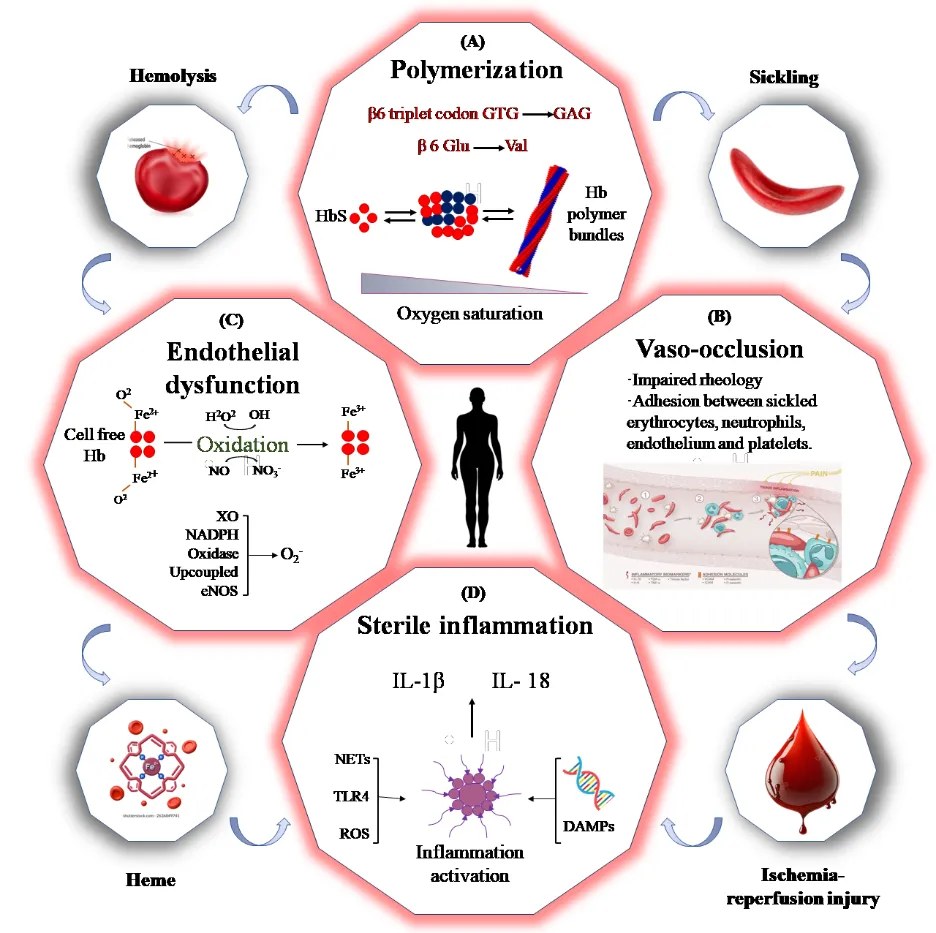
Figure 2: Pathophysiology of Sickle Cell Anemia

2. Traditional Herbal Management of SCA:

Natural plants are used in herbal treatment for sickle cell anemia to assist control the disease's symptoms, which include low blood count, discomfort, and oedema. Carica papaya, Hibiscus sabdariffa, Vernonia amygdalina, Aloe barbadensis miller, Telfairia occidentalis, Bryophyllum pinnatum, Anacardium occidentale, and Fagara zanthoxyloides are a few traditional herbs that contain natural compounds that may help improve blood health by avoiding red blood cells with sickles. (Table 1&2) These herbs' antioxidant and anti-inflammatory qualities assist reduce discomfort and cell damage during a sickle cell crisis(Okpuzor et al., 2008a). Standard medical treatments should not be replaced by herbal medicines, even if they might improve a patient's health and are frequently more affordable and accessible in rural regions(Wardle et al., 2012). Rather, they can be taken in conjunction with medications such as folic acid, as well as pain relievers and lots of water. However, before these herbal remedies may be widely suggested, further research and safety testing are required(Rousseaux & Schachter, 2003).

2.1 Carica papaya Linn (Papaya)

Carica papaya Linn is thought to function by decreasing erythrocyte sickling and stabilizing red blood cell membranes(Kamilla et al., 2021). Bioactive substances with antioxidant qualities, including flavonoids, alkaloids, and phenolic compounds, are present in its leaf extract and aid in reducing oxidative stress, a major contributor to the sickling process. By improving red blood cell hydration and flexibility, the extract may reduce haemoglobin polymerization and sickle cell development(Munir et al., 2022).

An in vitro investigation assessed the antisickling properties of aqueous Carica papaya leaf extract at 2, 4, 6, 8, and 10 mg/mL dosages using blood samples from 50 confirmed HbS sickle cell patients. With the greatest effectiveness shown at the 10 mg/mL concentration, the findings showed that the percentage of sickled red blood cells decreased in a dose-dependent manner, that previously sickled cells reversed, and that the osmotic fragility of red blood cells significantly decreased (p < 0.05)(Naiho et al., 2015).

2.2 Hibiscus sabdariffa (Roselle)

Roselle, also known as Hibiscus sabdariffa, is thought to function by shielding red blood cells from oxidative damage and lowering their sickling. The extract has demonstrated the ability to prevent haemoglobin S polymerization, which is the process that gives red blood cells their sickle shape(Mohamed et al., 2012). For sickle cell anemia, Hibiscus sabdariffa may help preserve normal cell shape, enhance blood flow, and lessen consequences including discomfort and organ damage by stabilizing the red blood cell membrane and lowering oxidative stress(Peter et al., 2017). Hibiscus sabdariffa leaf extract was tested at 0.1, 1.0, and 10 mg/mL concentrations to assess its potential antisickling properties in a laboratory (in vitro) study involving blood samples from 11 sickle cell anemia patients. According to the findings, the extract considerably reduced red blood cell sickling, with the biggest impact shown at the highest concentration (10 mg/mL)(Pereye et al., 2022).

2.3 Aloe barbadensis miller (Aloevera)

Aloe barbadensis miller is believed to aid in lowering the sickling process by stabilizing red blood cell membranes and lowering oxidative stress. It includes bioactive substances that function as antioxidants, preventing free radical damage to red blood cells(N, 2010). These substances include vitamins A, C, and E, polysaccharides, flavonoids, and phenolic compounds. These antioxidants have the potential to enhance red blood cell hydration and flexibility while preventing haemoglobin polymerization, a crucial step in sickle cell development(Krasias, 2021). Consequently, aloe vera may contribute to the preservation of red blood cells' typical form and function, enhancing circulation and lowering the incidence of sickle cell-related problems(Ejele & Njoku, 2008).

Aloe vera leaf extracts were examined at to evaluate 2.5 mg/mL, 5 mg/mL, and 10 mg/mL its antisickling ability in vitro research utilizing blood samples from people with sickle cell anemia. The results showed that aloe vera had antisickling efficacy that was dose-dependent, indicating that larger concentrations made it more effective. The 10 mg/mL dosage exhibited the highest amount of sickling inhibition among the tested levels. It also indicated a substantial capacity to reverse red blood cells that had previously become sickled(Cotoraci et al., 2021).

2.4 Telfairia occidentalis (Fluted Pumpkin)

Telfairia occidentalis prevents red blood cells from deforming into sickles by blocking deoxygenated haemoglobin S polymerization(Cyril-Olutayo et al., 2019). This is main way that it works to improve sickle cell anemia. Antioxidants like flavonoids and phenolic chemicals, which are abundant in it, help stabilize red blood cell membranes and lessen oxidative stress, both of which support the preservation of normal cell form and function(Atabo et al., 2016). The plant's rich iron and vital vitamin content also boost hematopoiesis and encourage the reversal of cells that have already begun to sickle(Osuntoki & Sanusi, 2007). Red blood cell integrity and function are enhanced by these combined actions, which makes Telfairia occidentalis a potentially useful adjuvant in medication for sickle cell anemia(Salman et al., 2018). Studies on animals and in laboratories have demonstrated the potential antisickling properties of Telfairia occidentalis. For up to 95% of HbS red blood cells, ethanol leaf extracts (1–16 mg/mL) restored sickling in vitro. Additionally, sickled cells' membrane stability was enhanced by saline extracts. RBC count, haemoglobin, and red cell fragility were all enhanced in rats given oral dosages of 10–20 mg/day and 80–400 mg/kg/day without causing any harm(Salman et al., 2018).     

2.5 Bryophyllum pinnatum (Patharchatta)

The "miracle leaf" or "life plant", Bryophyllum pinnatum, has anti-sickling properties through a variety of ways. Flavonoids, triterpenoids, and phenolics are some of its bioactive substances that aid in preventing deoxygenated haemoglobin S polymerization, the main factor causing sickling in RBC(Fürer et al., 2013). Along with being strong antioxidants, Red blood cell membrane stability and oxidative stress reduction are provided by these phytochemicals, which stops haemolysis and preserves proper cell structure(Morais Fernandes et al., 2021). Furthermore, under the right circumstances, Bryophyllum pinnatum has been shown to encourage sickled cells to return to their typical biconcave form The plant helps to control sickle cell anemia overall by enhancing red blood cell integrity and lowering vaso-occlusive consequences(Andrade et al., 2020).

A leaf extract from Bryophyllum pinnatum was tested for antisickling properties in vitro. The aqueous extract's content of 10 mg/mL was assessed using blood samples from sickle cell patients. The extract prevented more sickling under low oxygen tension and dramatically restored sickled cells to their original form. This suggests that it could be used to treat sickle cell anemia in a supportive manner(Elufioye et al., 2022).

    1. Anacardium occidentale (Cashew)

The phytochemicals found in Anacardium occidentale (cashew trees), such as flavonoids, tannins, and phenolic compounds, have a strong anti-sickling effect on sickle cell anemia (Omoboyowa et al., 2018). These bioactive components lessen red blood cell sickling by preventing deoxygenated haemoglobin S (HbS) from polymerizing (P. C. Chikezie et al., 2020). The plant's antioxidant qualities aid in the neutralization of reactive oxygen species (ROS), shielding red blood cells against membrane instability and oxidative damage. Furthermore, Anacardium occidentale increases red blood cells' hydration and deformability, which helps sickled cells reverse and lengthens their lifespan. Through these processes, the plant helps people with sickle cell anemia have better blood flow and have fewer vaso-occlusive crises (Q. Wang & Zennadi, 2021).

Anacardium occidentale (cashew) leaf extract was tested for its potential to treat sickle cell anemia by treating blood from sickle cell patients with extract concentrations ranging from 1 to 10 mg/ml. The study's findings showed that the extract, especially at the 10 mg/mL concentration, could help preserve better cell morphologies under low oxygen levels, lessen sickling, and even restore the proper shape of malformed red blood cells (Out, n.d.).


    1.  Moringa oleifera (Drumstick)

Moringa oleifera, sometimes referred to as the drumstick tree, has anti-sickling properties for sickle cell anemia because of its rich phytochemical makeup, which includes flavonoids, phenolic compounds, vitamins (particularly vitamin C), and minerals like iron and zinc (“In Vitro Evaluation of Moringa Oleifera Leaf Extracts Used in Managing Sickle Cell Patients in South West Nigeria,” 2018). By inhibiting the polymerization of deoxygenated haemoglobin S (HbS), these components help stop red blood cells from deforming into sickles (Ohiagu et al., 2021a). By stabilizing RBC membranes and reducing oxidative stress, its potent antioxidant qualities enhance cell flexibility and stop haemolysis (Azeem et al., 2023). Moreover, its hematopoietic potential improves the synthesis of red blood cells, hence treating anemia frequently linked to sickle cell disease (Azeem et al., 2023). All of these activities work together to improve red cell health and lessen difficulties for sickle cell anemia patients (Obeagu & Obeagu, 2024).

In vitro, Moringa oleifera leaf ethanol extracts have demonstrated potent antisickling efficacy; in deoxygenated erythrocytes, 4 mg/mL inhibited HbS sickling by about 95.6% and reversed it by approximately 79.4% (Adejumo et al., 2012). There are currently no documented human clinical studies involving sickle cell patients. For 14 days, Wistar rats given oral ethanol extract 50–100 mg/kg body weight showed better haematologic parameters, elevated antioxidant gene activity, and altered sickle-cell-related gene expression without causing appreciable harm (Ameh & Alafi, n.d.). In sickle cell disease, dosage is still determined via human trials until safety and effectiveness are established (Suzana et al., 2017a).

2.8 Hymenocardia acida Tul (Heart tree)

The anti-sickling properties of Hymenocardia acida Tul., a medicinal plant used in traditional African medicine, are mainly due to its bioactive phytochemicals, which include flavonoids, alkaloids, tannins, and phenolic compounds (Amom et al., 2013). Red blood cell sickling is caused by deoxygenated haemoglobin S (HbS) polymerization, which is inhibited by these substances (Dash et al., 2013). The plant's potent antioxidants aid in lowering oxidative stress, preserving the structural integrity of red blood cell membranes and preventing damage (Biochemical_Changes_in_Haematological_an, n.d.). Under some circumstances, Hymenocardia acida has also been shown to aid in membrane stabilization and encourage sickled cells to return to their normal form (A. Kumar et al., 2024). Through these processes, it enhances blood rheology, lessens haemolysis, and may even lessen sickle cell crisis symptoms. Hymenocardia acida Tul. leaf extract's anti-sickling properties were evaluated in a lab-based study utilising sickle cell anemia patients' blood. The extract was given in concentrations of 2.5, 5.0, and 10.0 mg/mL. The results showed that, in a way that is depending on dosage, the plant extract dramatically decreased the quantity of sickled red blood cells. The most effective dosage, which improved red cell shape and decreased sickling, was 10 mg/ml. These results validate the custom of using H. acida to treat sickle cell crises (P. K. Das et al., 2007).

2.9 Azadirachta indica (Neem)

The phytoconstituents of Azadirachta indica, sometimes referred to as neem, including flavonoids, triterpenoids (such as nimbin and azadirachtin), tannins, and polyphenols, may have anti-sickling properties in sickle cell anemia (Verma et al., 2021). These substances aid in avoiding sickle-shaped red blood cell formation by blocking Haemoglobin S (HbS) polymerisation from deoxygenation. Neem's strong antioxidant qualities help red blood cell membranes stay flexible and structurally intact by reducing oxidative stress and lipid peroxidation (Sarkar et al., 2021). Neem's anti-inflammatory qualities may also lessen the intensity of vaso-occlusive crises (Orisakwe et al., 2020). All of these effects work together to enhance red blood cell activity and lessen sickle cell anemia-related problems. An in vitro investigation examined the effects of Azadirachta indica ethanol leaf extract at 0.5%, 1.0%, and 2.0% w/v on sodium metabisulphite-induced sickling in human HbS blood (Elufioye et al., 2019). In a dose-dependent way, the extract reversed sickling; at 2.0%, HbS polymerization decreased to 1.8% from 37% in controls (Braga et al., 2021). It was just as effective as saline + p-hydroxybenzoic acid. These findings suggest that the antioxidant and membrane-stabilizing chemicals found in A. indica leaves may be beneficial for the management of sickle cell anemia(P. Chikezie, 2006).

2.10 Allium sativum (Garlic)

Garlic, or Allium sativum, is a well-known medicinal herb with a number of health advantages. It has also had encouraging results in the treatment of SCA (Tesfaye & Mengesha, 2015). A blood condition known as sickle cell anemia causes red blood cells, which are typically soft and spherical, to take on a sickle shape (Arihan et al., 2021). Blood vessel obstructions brought on by its irregular form might cause anemia, pain, and other problems. Haemoglobin S (HbS), an aberrant form of haemoglobin that prefers to aggregate when blood oxygen levels drop, is the primary cause of this sickling (Shahab Uddin et al., 2016). Natural substances found in garlic, such as S-allyl cysteine, diallyl disulphide, and allicin, aid in halting haemoglobin S's polymerisation or clumping Duncan Maina, 2017). Garlic lowers the likelihood of sickle-shaped red blood cells by halting this process (Moriguchi et al., 2001). Furthermore, because garlic is a potent antioxidant, it aids in the removal of harmful substances called free radicals from the body (Banerjee et al., 2003). These free radicals can weaken red blood cells' membranes, which makes them more fragile. Garlic protects cells by strengthening their membranes and increasing their stability and flexibility (Iciek et al., 2009). Garlic also increases blood flow by lowering inflammation and relaxing blood arteries (Ried & Fakler, 2014). Garlic has a lot of potential as a supportive, natural therapy for this illness, but additional clinical research is required (Ansary et al., 2020). Allium sativum (garlic) treated with 2% sodium metabisulphite was evaluated for its antisickling properties in an in vitro investigation utilizing HbS blood samples. 200, 400, and 600 mg/mL of aqueous garlic extract dramatically decreased sickled cells in a way that is dependent on dosage; the highest impact was noticed at 600 mg/ml. The effect was attributed to allicin, an organosulfur component found in garlic that has antioxidant and red cell membrane-stabilizing properties. These results provide credence to garlic's potential as an antisickling remedy (Colín-González et al., 2012).

S. No.

Name

Scientific Name

Family

Part use

Phyto-constituent

Benefits

Ref.

1.

Papaya

Carica papaya Linn

Caricaceae

Leaves

Flavonoids, Phenolic compounds, Alkaloids, Saponins, and Glycosides.

Papaya leaf extract lowers oxidative stress and increases RBCs and immunity.

(Sharma et al., 2022)

2.

Roselle

Hibiscus sabdariffa

Malvaceae

Leaves

Anthocyanins, Flavonoids, and organic acids.

Hibiscus tea lessens sickle crises and provides antioxidant protection.

(González-Stuart, 2011)

3.

Aloe vera

Aloe barbadensis miller

Liliaceae

Juice or gel

Barbaloin, Anthraquinones and Flavonoids

Offers healing, immune-supporting, and anti-inflammatory properties.

(Alamgir, 2018)

4.

Fluted Pumpkin

Telfairia occidentalis

Cucurbitaceae

Leaves

Phenols, Flavonoids, Alkaloids, Tannins, and Saponins,

Iron and folate-rich, increases the formation of haemoglobin.

(Elechi et al., 2022)

5.

Patharchatta

Bryophyllum pinnatum

Crassulaceae

Leaves

Alkaloids, Flavonoids, Glycosides, Triterpenes,

Cardenolide.

Lessens weakness, discomfort, and inflammation in sickle cell crises.

(Oladejo et al., 2022)

6.

Cashew

Anacardium occidentale

Anacardiaceae

Leaves

Flavonoids.

Cashew leaves that are anti-sickling encourage the production of good haemoglobin.

(P. C. Chikezie, 2011)

7.


Drumstick

Moringa oleifera

Moringaceae

Leaves, Seed, Flowers

Flavonoids, Alkaloids, Phenols, Terpenes, Saponins, Tannins.

Red blood cell sickling is prevented by moringa's reduction of oxidative stress.

(Suzana et al., 2017b)

8.

Heart tree

Hymenocardia acida Tul

Phyllanthaceae

Leaves

Tannins, Saponins, Flavonoids, Terpenes, Steroids, and Resins.

Sickling is reversed and HbS polymerisation is prevented by Hymenocardia acida.

(Mpiana et al., 2009)

9.

Neem

Azadirachta indica

Meliaceae

Neem oil extracted from the seeds

Flavonoids, Tannins, and Saponins.

Neem enhances oxygen transport and lessens pain crises and sickling.

(Kotue TC et al., 2016)

10.

Garlic

Allium sativum

Alliaceae

Garlic bulb

Phenolic, Saponins, AnthosyaninsVinyldithiins.

Garlic improves cellular activity and shields red blood cells.

(Takasu et al., 2006)


11.

Lemon Grass

Cymbopogon citratus

Poaceae

Leaves

Citral is an acyclic monoterpene aldehyde combination of geranial.

Red blood cell sickling may be prevented by lemongrass extracts.

(Awor et al., 2024)

12.

Pigeon Pea

Cajanus cajan

leguminosae

Seeds

Flavonoids, Stilbenes, Saponins, Tannins.

Extracts of Cajanus cajan may prevent vaso-occlusion and sickling.

(Akinsulie et al., 2005)


13.


Gambian Mahogany

Khaya senegalensis

Meliaceae

Stem, Bark and Leaves

Alkaloids, Tannins, Saponins, Steroids, Flavonoids, Terpenoids.

Improves haemoglobin function and cell flexibility to reverse sickling.

(Christianah et al., 2020)


14.

Prickly ash

Fagara zanthoxyloides

Rutaceae

Roots, Bark, and Leaves

Alkaloids, Amides, Lignans, Coumarins, and Volatile oils

Red cell shape is preserved by reducing sickling using root and bark extracts.

(Christianah et al., 2020; Okagu et al., 2021)

15.

Ginseng

Panax quinquefolius L.

Araliaceae

Root

Polysaccharides, Alkaloids, Polyacetylenes, Phenolic acids, and

Saponins.

In sickle cells, ginsenosides lessen discomfort, inflammation, and sickling.

(X. Wang et al., 1999)

16.

African Black pepper

Piper guineensis

Piperaceae

seeds

Alkaloids, flavonoids, phenols, tannins, saponins, and glycosides.

Inhibiting red blood cell sickling and reversing sickled cells.

(Wambebe et al., 2001)

17.

Camwood

Pterocarpa osun

Fabaceae

Stem

Flavonoids, Tannins, Terpenoids, Alkaloids, and Glycosides

Inhibiting haemoglobin S polymerization and reducing vaso-occlusive crises in sickle cell anemia.

(Okpuzor et al., 2008b)

18.

Clove

Eugenia caryophyllala

Myrtaceae

Fruit

Sesquiterpene β-caryophyllene and eugenol derivatives like eugenyl acetate.

May help manage pain, a key symptom of sickle cell crises, and anti-sickling properties.

(Sani et al., 2021)

19.

Jowar

Sorghum bicolor

Gramineae

Leaves

Tannins, Flavonoids, Phenolic Acids, and Anthocyanin

increases haemoglobin, stops sickling, and guards against harm.

(Saha et al., 2025)

20.

Mututi /

Rosewood

Pterocarpus santolinoides

Fabaceae

Entire plant

Alkaloids, Flavonoids, Saponins, Tannins, Terpenoids, Steroids, Coumarins and Phenols.

Prevents sickling and may raise haemoglobin levels.


(Okparauka & Ojimelukwe, 2025)

21.

Almond

Terminalia catappa

Combretaceae

Leaves

Phenols, Tannins, Flavonoids, Alkaloids, Saponins, Steroids, Terpenoids, and Carotenoids

Antisickling properties, increasing haemoglobin levels, and stabilizing red blood cell membranes

(Mgbemene & Ohiri, 1999)

22.

Liquorice Weed, Sweet Broom Weed, and Goatweed

Scoparia dulcis

Plantain

Leaves

Alkaloids, tannins, phenols, terpenoids, and flavonoids.


Antisickling properties, inhibiting sickling and restoring normal red blood cell morphology.

(Karjavkar et al., 2025)

23.

Bitter Wood

Quassia africana

Simaroubaceae

Root, Bark

β-carbolines, scopoletin, and cathine-6-one.

Reversing red blood cell (RBC) sickling and preventing cell aggregation in vitro.

(Kolawole & Emmanuel, n.d.)

24.

Christmas bush

Alchornea cordifolia

Euphorbiaceae

Leaves

Terpenoids, alkaloids, phenols, flavonoids, tannins, and saponins.

Suppression of HbS erythrocyte sickling.

(Oyedeji et al., n.d.)

25.

Grape-seeded amomum

Afromomum albo violaceum

Zingiberaceae

Leaves and seeds.

Terpenes, alkaloids, tannins, phenolics, and flavonoids.

Inhibits oxidative damage and restores the structure of red blood cells.

(Valentin et al., 2024)

26.

Custard-Apple

Annona senegalensis

Annonaceae

Leaves

Alkaloids, Saponins, Tannins, Flavonoids, Steroids, Calcium, Potassium, and Iron.

Prevent red blood cell sickling and haemolysis in sickle cell anemia patients.

(J et al., 2025)

27.

Guinea Pepper

Aframomum melegueta

Zingiberaceae

Seed, Bark

Gingerol, Paradol, Shogaol, Terpenoids, Flavonoids, Tannins, Alkaloids, Saponins, Cardiac Glycosides, And Phenolic Compounds.

Antioxidant effects that reduce oxidative stress, and its anti-inflammatory properties that can alleviate pain associated with the condition.

(Adeniyi et al., 2024)

28.

Bridelia, Blackbird tree, or Shea nut tree

Bridelia ferruginea

Phyllanthaceae

Leaves

Flavonoids, Phenolics, Triterpenes, Saponins, Alkaloids, Cardiac, Glycosides, Steroids.

Antioxidant, Anti-inflammatory, Analgesic effects, supportive role in managing Sickle Cell Disease.

(Ayodele et al., 2024)

29.

Kapok Tree

Ceiba pentandra

Malvaceae

Trunk bark and branches

Alkaloids, Tannins, Flavonoids, Saponins, Terpenoids, Phenols, Glycosides, Carbohydrates.

Anti-sickling effect, reducing thrombin activity, and potentially increasing foetal haemoglobin levels.

(Asigbaase et al., 2024)

30.

Brimstone tree

Morinda lucida

Rubiaceae

Stem bark, leaves, root.

Alkaloids, Tannins, Saponins, Phenols, Flavonoids, Steroids, Terpenoids, Anthraquinones, and Polyphenols.

In vitro anti-sickling activity by reducing sickled red blood cells and increasing resistance to haemolysis.

(Marcelin et al., 2025)

31.

Coleus

Coleus kilimandcharis

Lamiaceae

Entire part

Phenolic acids,

Flavonoids,

Terpenoids,

Sterols.

Anti-sickling activity

(Mpiana et al., 2007a)

32.

African pear, plum, safou

Dacryodes edulis

Burseraceae

Fruit

Alkaloids, carotenoids, flavonoids, tannins.

Anti-sickling potential


(Mpiana, Ngbolua, et al., n.d.)

33.

Welwitschia, Bush Mango

Caloncoba welwithsii

Achariaceae

Leaves

Friedelane triterpenoids, Flavanols, and Phytosterols.

stabilizing red blood cell membranes and promoting flexibility.

(Mpiana et al., 2007b)

34.

Cowpea, Black-eyed pea, Southern pea

Vigna unguiculata

Fabaceae

Seeds

Friedelane Triterpenoid, Flavonoids Phytosterols

Improves the shape and longevity of red blood cells and has antisickling properties.

(Mpiana, Mudogo, et al., n.d.)

35.

African satinwood

Zanthoxylum macrophylla

Rutaceae

Root

Alkaloids (Benzophenanthridines), Flavonoids, Phenols, Lignans, and Saponins.

Helps stabilize erythrocyte membranes and reduces red blood cell deformation.

(Elekwa et al., 2005)

36.

Bitter kola

Garcinia kola

Clusiaceae or Guttiferae

Seed, leaves, seed pods.

Alkaloids, Flavonoids, Terpenoids, Coumarins, Lignans, and Phenols.

Stabilize the membranes of sickle-shaped RBC, help restore their normal shape.

(Elekwa et al., 2004)

37.


Candle bush

Senna alata

Fabaceae

Leaves, root.

Alkaloids, terpenoids, anthraquinones, flavonoids, and tannins.

Anti-sickling activity, which helps to stabilize red blood cell membranes and restore their normal shape.

(Atanu et al., 2022)

38.

Podocarp Senna, Sicklepod Senna

Senna podocarpa

Fabaceae

Leaves, root

Alkaloids, tannins, terpenoids, anthraquinones, and flavonoids.

Antioxidant and anti-inflammatory properties, oxidative stress in SCA.

(Ogunniyi et al., 2023)

39.

Ajara, Dafara, Latutuwa

Cssus populnea L.

Vitaceae

Root

Alkaloids, Flavonoids, Saponins, Terpenoids, Carotenoids.

Anti-oxidative and anti-sickling properties.

(Moody et al., 2003)

40.

Baobab

Adansonia digitata L

Bambacacae

Bark, Fruit, Leaves, Seed.

Alkaloids, Flavonoids, Saponins, Tannins, Terpenoids.

Antisickling, antioxidant properties lessen dehydration and oxidative stress.

(Adesanya et al., 1988)

41.

Akerejupon

Sphenocentrum jollyanun

Menispermaceae

Root

Glycosides, alkaloids, flavonoids, tannins, and saponins.

Increases the synthesis of red blood cells and keeps them stable.

(Omoyajowo et al., 2025)

42.

Bitter melon

M. charantia

Cucurbitaceae

Leaves

Cucurbitacin flavonoids, saponins, triterpenes, charantin.

antioxidant, anti-inflammatory, neuroprotective properties.

(Semiz & Sen, 2007)

43.

Tea plant, tea shrub.

Camellia sinensis

Theaceae

Leaves

Amino acids, alkaloids, polyphenols, flavonoids.

prevent red blood cell haemolysis.

(Ojo et al., 2006)

44.

Kutki, Katuk, Kardu

Picrorhiza kurroa

Plantaginaceae

Rhizomes

Iridoid glycosides cucurbitacins (triterpenoid) phenolic compounds.

ameliorate anemia, improve haemoglobin levels, RBC counts.

(Shinder et al., 2008)

45.

Avocatier

Persea americana

Lauraceae

Seeds

Alkaloids, terpenoids and steroids, saponins, tannin, flavonoids, glycosides, tannins.

Antisickling properties and may help improve haemoglobin levels in anemia.

(Borive Amani et al., 2025)

46.

Kouoptche

Harungana madagascariensis

Clusiaceae

Leaves

Alkaloids, saponins, flavonoids, anthrones, anthraquinones, xanthones, essential oils

Anti-sickling activity, which reverts sickle-shaped red blood cells to their normal biconcave form.

(Iinuma et al., 1995)

47.

Yamafzeliaa

Ficus thonningii

Moraceae

Leaves

Alkaloids, polyphenols, tannins, saponosides, flavonoids

Antioxidant properties, which help combat oxidative stress in SCA patients.

(Chauke et al., 2025)

48.

Chrysanthe

Chrysanthellum americanum

Asteraceae

Leaves

Tannins, saponosides, flavonoids

Stabilizing red blood cell membranes and improving erythrocyte morphology.

(Gamo et al., 2024)

49.

Djansang

Ricinodendron heudelotii

Euphorbiaceae

Bark

Tannins, saponins, flavonoids, alkaloids, carotenoids, phenols.

The shape of the erythrocytes was reversed and became normal.

(Edo et al., 2025)

50.

Jouon

Brideliamicrantha

Phyllanthaceae

Bark

Flavonoids, polyphenolic compounds.

reduces tissue damage and inflammation in sickle cell disease.

(Lubisi et al., 2025)

51.

Viande de biche

Lannea kerstingii

Anacardiaceae

Bark

Alkaloids, Flavonoids, Saponins, Steroids, Tannins, Triterpenoids Polyphenols.

Increase haemoglobin levels and improve the osmotic resistance of red blood cells.

(Pomaa et al., 2024)

52.

Pion d’inde

Jatrophacurcas

Euphorbiaceae

Leaves

Alkaloids, glycosides, flavonoids, saponins, tannins and terpenoids

Significant in vitro normalization of sickle cell erythrocytes at 87%.

(Mbadiko et al., 2025)

53.

Faux manioc

Jatropha gossypiifolia

Euphorbiaceae

Leaves

Alkaloids, glycosides, flavonoids, saponins, tannins and terpenoids

Enhances red cell stability, lessens sickling, and prevents HbS polymerisation

(Mireille et al., 2025)

54.

Cajanus

Piptadenia trump africanum

Mimosaceae

Seeds

Flavonoids, tannins, alkaloids, saponins, cyanogenic glycosides, glycosides.

Enhances membrane stability and shields erythrocytes from oxidative damage.

(Ahajumobi & Asika, 2024)

55.

Bolongo

Fagara tessmannii

Rutaceae

Bark

Alkaloids, lignans, phenols, amide, acidic phenol, coumarins.

Red cells are stabilized and sickling is avoided by antioxidant qualities.

(Chalotra et al., 2023)

56.

Curcuma

Curcumalonga

Zingiberaceae

Rhizomes

Triterpenes, flavonoids, phenols, anthraquinones, saponins, anthrocyanines

Anti-sickling properties, which help to correct sickled red blood cells and normalize their function.

(Hatairaktham et al., n.d.)

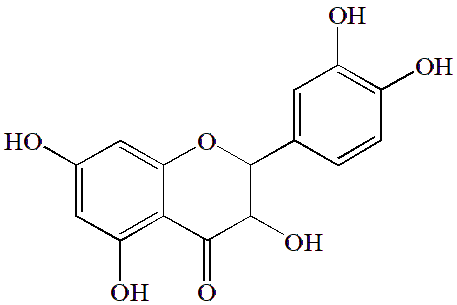
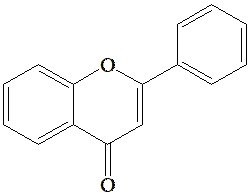
Table 1: Summary of Medicinal Plants with Their Scientific Classification and Therapeutic Significance

S. No.

Name

Individual Constituent

Structure

Mechanism of Action

Ref.

1.

Papaya

Quercetin, Kaempferol


Antioxidant, Membrane stabilization, Anti-sickling

(N. O. A. Imaga et al., 2009)

2.

Roselle

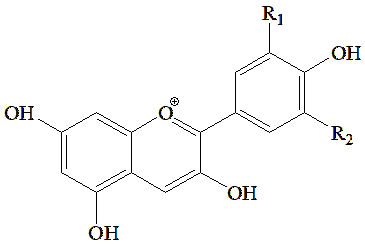
Anthocyanins


Antioxidant, RBC membrane stabilization, Gardos channel inhibition (↓ MCHC, ↑ MCV), anti-sickling

(Manzano-Pech et al., 2025)

3.

Aloe vera

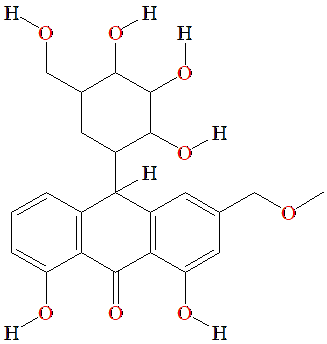
Barbaloin


minimizes pain, oxidative stress, inflammation in sickle crises.

(Naini et al., 2021)

4.

Fluted Pumpkin

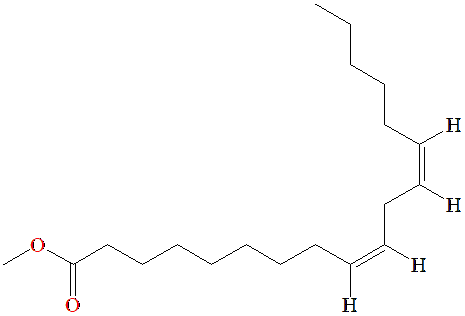
Methyl linoleate ester


Inhibits HbS polymerization; anti-sickling; enhances membrane fluidity

(Ohiagu et al., 2021b)

5.

Patharchatta

Phenolics & flavonoids


Antioxidant, membrane stabilization, anti-haemolytic

(S. Kumar & Judi, 2404)

6.

Cashew

Flavonoids


↓HbS polymerization; RBC membrane stabilization; antioxidant

(Anorue & Joshua, 2025)

7.

Drumstick

Glycoside


↑NO→ vasodilation; improve Fe²âº/Fe³âº ratio; inhibit HbS polymerization

(Vishwakarma et al., n.d.)


8.

Heart tree

Flavonoids


Anti-sickling (RBC reversal), membrane stabilization, antioxidant

(Kumar Pandey et al., 2025)

9.

Neem

Nimbidin


Direct inhibition of HbS polymerization (anti-sickling)

(Amponsah et al., 2024)

10.

Garlic

S-allyl cysteine (SAC)


Antioxidant,

Stabilizes (RBC) membranes,
Inhibits formation of dense sickle cells

(Netshiluvhi, 2025)


11.

Lemon Grass

Citral


Antioxidant, vasodilatory, anti-inflammatory

(Nambiar & Matela, 2012)

12.

Pigeon Pea

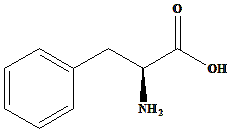
Phenylalanine


Direct HbS polymerization inhibitor; reverses sickling

(N. A. Imaga et al., 2013)


13.

Gambian Mahogany

Limonoid


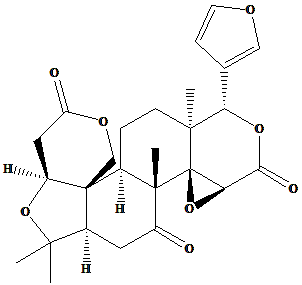
Direct HbS polymerization inhibition; reverses sickling without RBC damage

(Obodozie et al., 2010)

15.

Ginseng

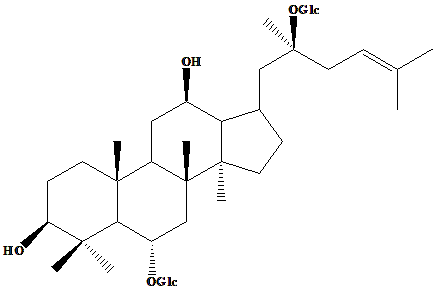
Ginsenosides


Neutralize free radicals, reduce oxidative stress in cells (especially RBCs).

(Cai et al., 2025)

16.

Prickly ash

Amides & alkaloids


Bind HbS and inhibit polymerization

(Mawthoh et al., 2023)

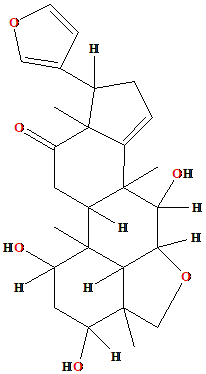
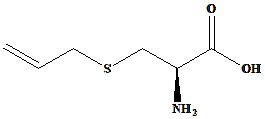
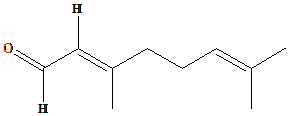
Table 2: Medicinal Plants Their Phytoconstituents and Mechanisms of Action in Sickle Cell Disease Management.

CONCLUSION

The study's findings demonstrate the potential of medicinal plants as safe and efficient substitutes for the treatment of sickle cell disease (SCD). As evidenced by the results of several tests, especially those on sickling reversal and hemoglobin polymerization inhibition, many plant species have strong anti-sickling capacity. Aloe barbadensis miller, ginseng, Zingiber officinale, and Cymbopogon citratus are among the herbs that contain phytochemicals that greatly improve blood circulation and lessen organ damage. Overall, herbal treatments are a useful, affordable, and supplementary strategy for reducing SCD problems and improving patients' quality of life; hence, they merit additional clinical testing and pharmacological investigation.

Future directions:      

Future studies on herbal treatments for sickle cell disease (SCD) should concentrate on identifying, defining, and standardizing the bioactive phytochemicals that have anti-sickling properties. To confirm their effectiveness, safety, and modes of action, further thorough pharmacological and clinical research is required. Novel plant-based formulations or medications that successfully lower haemoglobin polymerisation and avoid organ damage can be developed by fusing contemporary biotechnology with traditional expertise. In order to guarantee the quality, dose, and long-term therapeutic potential of these herbal remedies in the management of SCD worldwide, extensive clinical trials and regulatory assessments will also be necessary.

ABBREVIATION:

SCD - Sickle Cell Disease

WHO - World Health Organization

ATP - Adenosine Triphosphate

Hb - Haemoglobin

HbS - Haemoglobin S

HbF - Foetal Haemoglobin

VOC - Vaso-occlusive crises

CBC - Complete Blood Count

CVS - Chorionic Villus Sampling

ROS - Reactive Oxygen Species

SOD - Superoxide Dismutase

CAT - Catalase

GPx - Glutathione Peroxidase

NF-κB - Nuclear Factor-Kappa B

EPO - Erythropoietin

PCV - Packed Cell Volume

RBC - Red Blood Cell

TNF-α - Tumor Necrosis Factor Alpha

EGCG - Epigallocatechin Gallate

MCHC - Mean Corpuscular Haemoglobin Concentration

MCV - Mean Corpuscular Volume

REFERENCES

  1. Inusa BPD, Hsu LL, Kohli N, et al. Sickle cell disease—genetics, pathophysiology, clinical presentation and treatment. Int J Neonatal Screen. 2019;5(2). doi:10.3390/ijns5020020
  2. Ghusoon G Al- Janabi, Ali A. Al-Fahham, Ruqaya kareem Mohammed. Pathophysiology of Sickle Cell Anemia: Review Article. Indian Journal of Forensic Medicine & Toxicology. 2021;15(2). doi:10.37506/ijfmt.v15i2.14663
  3. Elendu C, Amaechi DC, Alakwe-Ojimba CE, et al. Understanding Sickle cell disease: Causes, symptoms, and treatment options. Medicine (United States). 2023;102(38). doi:10.1097/MD.0000000000035237
  4. Gbotosho OT, Kapetanaki MG, Kato GJ. The Worst Things in Life are Free: The Role of Free Heme in Sickle Cell Disease. Front Immunol. 2021;11. doi:10.3389/fimmu.2020.561917
  5. Baldi A, Pasricha SR. Anaemia: Worldwide Prevalence and Progress in Reduction. In: Nutrition and Health (United Kingdom). Vol Part F3941. 2022. doi:10.1007/978-3-031-14521-6_1
  6. Chakrabarty M, Singh A, Singh S, Chowdhury S. Is the burden of anemia among Indian adolescent women increasing? Evidence from Indian Demographic and Health Surveys (2015-21). PLOS Global Public Health. 2023;3(9). doi:10.1371/journal.pgph.0002117
  7. Merid MW, Chilot D, Alem AZ, et al. An unacceptably high burden ofanemiaand it’s predictors among young women (15–24 years) in low and middle income countries; set back to SDG progress. BMC Public Health. 2023;23(1). doi:10.1186/s12889-023-16187-5
  8. Quintana-Bustamante O, Fañanas-Baquero S, Dessy-Rodriguez M, Ojeda-Pérez I, Segovia JC. Gene Editing for Inherited Red Blood Cell Diseases. Front Physiol. 2022;13. doi:10.3389/fphys.2022.848261
  9. William Coetzee, Reiner Khumalo, Brendan Le Roux, Ebrahim Van Wyk. Sickle Cell Disease: Causes, Symptoms, and Treatment. Fusion of Multidisciplinary Research, An International Journal. 2022;3(1):275-286. doi:10.63995/krpr3602
  10. Skrypnyk C, AlHarmi R, Mathur A, AlHafnawi HH, Chandan Appikonda SH, Matsa LS. Expanding families: a pilot study on preconception expanded carrier screening in Bahrain. BMC Pregnancy Childbirth. 2024;24(1). doi:10.1186/s12884-024-06878-1
  11. Lattanzi A, Camarena J, Lahiri P, et al. Development of beta;-globin gene correction in human hematopoietic stem cells as a potential durable treatment for sickle cell disease. Sci Transl Med. 2021;13(598). doi:10.1126/scitranslmed.abf2444
  12. Dorneles J, de Menezes Mayer A, Chies JAB. Sickle Cell Anemia and Inflammation: A Review of Stones and Landmarks Paving the Road in the Last 25 Years. Hematol Rep.Multidisciplinary Digital Publishing Institute (MDPI). 2025;17(1). doi:10.3390/hematolrep17010002
  13. Alfeel AH, Yousif TYE, Abdelmola A, et al. Prevalence and Demographic Analysis of Hemoglobinopathies in Newborns: A Three-Year Study at Thumbay Teaching Hospital, Ajman-UAE. J Blood Med. 2025;16:123-134. doi:10.2147/JBM.S499675
  14. Wise TJ, Ott ME, Joseph MS, Welsby IJ, Darrow CC, McMahon TJ. Modulation of the allosteric and vasoregulatory arms of erythrocytic oxygen transport. Front Physiol.Frontiers Media SA. 2024;15. doi:10.3389/fphys.2024.1394650
  15. Conran N, Embury SH. Sickle cell vaso-occlusion: The dialectic between red cells and white cells. Exp Biol Med.SAGE Publications Inc. 2021;246(12):1458-1472. doi:10.1177/15353702211005392
  16. Jang T, Poplawska M, Cimpeanu E, Mo G, Dutta D, Lim SH. Vaso-occlusive crisis in sickle cell disease: a vicious cycle of secondary events. J Transl Med. 2021;19(1). doi:10.1186/s12967-021-03074-z
  17. Barua S, Ciannella S, Tijani L, Gomez-Pastora J. Iron in blood cells: Function, relation to disease, and potential for magnetic separation. Biotechnol Bioeng. 2023;120(7). doi:10.1002/bit.28388
  18. Khamees I, Ata F, Choudry H, Soliman AT, De Sanctis V, Yassin MA. Manifestations of HbSE sickle cell disease: a systematic review. J Transl Med. 2021;19(1). doi:10.1186/s12967-021-02931-1
  19. Hessburg PF, Prichard SJ, Hagmann RK, Povak NA, Lake FK. Wildfire and climate change adaptation of western North American forests: a case for intentional management. Ecological Applications. 2021;31(8). doi:10.1002/eap.2432
  20. Ballas SK, Lieff S, Benjamin LJ, et al. Definitions of the phenotypic manifestations of sickle cell disease. Am J Hematol. 2010;85(1). doi:10.1002/ajh.21550
  21. Davis JA, Robinson RL, Le TK, Xie J. Incidence and impact of pain conditions and comorbid illnesses. J Pain Res. 2011;4. doi:10.2147/JPR.S24170
  22. Wang K, Gaitsch H, Poon H, Cox NJ, Rzhetsky A. Classification of common human diseases derived from shared genetic and environmental determinants. Nat Genet. 2017;49(9). doi:10.1038/ng.3931
  23. Donaldson A, Thomas P, Serjeant BE, Serjeant GR. Foetal haemoglobin in homozygous sickle cell disease: A study of patients with low hbf levels. Clinical and Laboratory Haematology, Supplement. 2001;23(5). doi:10.1046/j.1365-2257.2001.00412.x
  24. Higgs DR, Aldridge BE, Lamb J, et al. The Interaction of Alpha-Thalassemia and Homozygous Sickle-Cell Disease. New England Journal of Medicine. 1982;306(24). doi:10.1056/nejm198206173062402
  25. Ratnoff OD, Bennett B. The genetics of hereditary disorders of blood coagulation. Science (1979). 1973;179(4080). doi:10.1126/science.179.4080.1291
  26. Bouchard TJ, McGue M. Genetic and environmental influences on human psychological differences. J Neurobiol. 2003;54(1). doi:10.1002/neu.10160
  27. Jeon YH, Essue B, Jan S, Wells R, Whitworth JA. Economic hardship associated with managing chronic illness: A qualitative inquiry. BMC Health Serv Res. 2009;9. doi:10.1186/1472-6963-9-182
  28. Saraf SL, Molokie RE, Nouraie M, et al. Differences in the clinical and genotypic presentation of sickle cell disease around the world. Paediatr Respir Rev. 2014;15(1). doi:10.1016/j.prrv.2013.11.003
  29. Chan KY, Chan TSY, Gill H, et al. Supportive care and symptom management in patients with advanced hematological malignancies: a literature review. Ann Palliat Med. 2022;11(10). doi:10.21037/apm-22-691
  30. Moore MAS. Adult bone marrow stem cells for cell and gene therapies: Implications for greater use. J Cell Biochem. 2002;85(SUPPL. 38). doi:10.1002/jcb.10127
  31. Cox E, Martin BC, Van Staa T, Garbe E, Siebert U, Johnson ML. Good research practices for comparative effectiveness research: Approaches to mitigate bias and confounding in the design of nonrandomized studies of treatment effects using secondary data sources: The international society for pharmacoeconomics and outcomes research good research practices for retrospective database analysis task force report - Part II. Value in Health. 2009;12(8). doi:10.1111/j.1524-4733.2009.00601.x
  32. Yu S. Hemoglobin: Physiology and Hemoglobinopathy. In: Blood Substitutes and Oxygen Biotherapeutics. 2022. doi:10.1007/978-3-030-95975-3_4
  33. Padilla F, Bromberg PA, Jensen WN. The sickle-unsickle cycle: a cause of cell fragmentation leading to permanently deformed cells. Blood. 1973;41(5). doi:10.1182/blood.v41.5.653.653
  34. Camus SM, Gausserès B, Bonnin P, et al. Erythrocyte microparticles can induce kidney vaso-occlusions in a murine model of sickle cell disease. Blood. 2012;120(25). doi:10.1182/blood-2012-02-413138
  35. Ahmed SG, Ibrahim UA. A compendium of pathophysiologic basis of etiologic risk factors for painful vaso-occlusive crisis in sickle cell disease. Nigerian Journal of Basic and Clinical Sciences. 2017;14(2). doi:10.4103/njbcs.njbcs_11_17
  36. Michel JB. Phylogenic determinants of cardiovascular frailty, focus on hemodynamics and arterial smooth muscle cells. Physiol Rev. 2020;100(4). doi:10.1152/physrev.00022.2019
  37. Sjöberg F, Singer M. The medical use of oxygen: A time for critical reappraisal. J Intern Med. 2013;274(6). doi:10.1111/joim.12139
  38. Granger DN, Kubes P. The microcirculation and inflammation: Modulation of leukocyte-endothelial cell adhesion. J Leukoc Biol. 1994;55(5). doi:10.1002/jlb.55.5.662
  39. Ahmed SG. The role of infection in the pathogenesis of vaso-occlusive crisis in patients with sickle cell disease. Mediterr J Hematol Infect Dis. 2011;3(1). doi:10.4084/MJHID.2011.028
  40. Osunkwo I, Manwani D, Kanter J. Current and novel therapies for the prevention of vaso-occlusive crisis in sickle cell disease. Ther Adv Hematol. 2020;11. doi:10.1177/2040620720955000
  41. Das R, Sharma P. Disorders of abnormal hemoglobin. In: Clinical Molecular Medicine: Principles and Practice. 2019. doi:10.1016/B978-0-12-809356-6.00018-6
  42. Pauling L, Itano HA, Singer SJ, Wells IC. Sickle cell anemia, a molecular disease. Science (1979). 1949;110(2865). doi:10.1126/science.110.2865.543
  43. Nash GB, Johnson CS, Meiselman HJ. Influence of oxygen tension on the viscoelastic behavior of red blood cells in sickle cell disease. Blood. 1986;67(1). doi:10.1182/blood.v67.1.110.110
  44. Metivier F, Marchais SJ, Guerin AP, Pannier B, London GM. Pathophysiology of anaemia: Focus on the heart and blood vessels. Nephrology Dialysis Transplantation. 2000;15(SUPPL. 3). doi:10.1093/oxfordjournals.ndt.a027970
  45. Fujii J, Homma T, Kobayashi S, Warang P, Madkaikar M, Mukherjee MB. Erythrocytes as a preferential target of oxidative stress in blood. Free Radic Res. 2021;55(5). doi:10.1080/10715762.2021.1873318
  46. Herrick JB. Peculiar elongated and sickle-shaped red blood corpuscles in a case of severe anemia. Arch Intern Med. 1910;VI(5). doi:10.1001/archinte.1910.00050330050003
  47. Du E, Dao M. Faster Sickling Kinetics and Sickle Cell Shape Evolution during Repeated Deoxygenation and Oxygenation Cycles. Exp Mech. 2019;59(3). doi:10.1007/s11340-018-00444-5
  48. Graham GS. A case of sickle cell anemia with necropsy. Arch Intern Med. 1924;34(6). doi:10.1001/archinte.1924.00120060041003
  49. Rock KL, Latz E, Ontiveros F, Kono H. The sterile inflammatory response. Annu Rev Immunol. 2010;28. doi:10.1146/annurev-immunol-030409-101311
  50. Hebbel RP, Osarogiagbon R, Kaul D. The endothelial biology of sickle cell disease: Inflammation and a chronic vasculopathy. Microcirculation. 2004;11(2). doi:10.1080/10739680490278402
  51. Nader E, Romana M, Connes P. The Red Blood Cell—Inflammation Vicious Circle in Sickle Cell Disease. Front Immunol. 2020;11. doi:10.3389/fimmu.2020.00454
  52. Okpuzor J, Adebesin O, Ogbunugafor H, Amadi I. The Potential of Medicinal Plants in Sickle Cell Disease Control: A Review. Vol 4.; 2008. http://www.asopah.orgIJBHS2008042/4205
  53. Wardle J, Lui CW, Adams J. Complementary and Alternative Medicine in Rural Communities: Current Research and Future Directions. Journal of Rural Health. 2012;28(1). doi:10.1111/j.1748-0361.2010.00348.x
  54. Rousseaux CG, Schachter H. Regulatory Issues Concerning the Safety, Efficacy and Quality of Herbal Remedies. Birth Defects Res B Dev Reprod Toxicol. 2003;68(6). doi:10.1002/bdrb.10053
  55. Kamilla L, Tumpuk S, Salim M. Anti-Inflammatory of Papaya Leaf Extract (Carica Papaya L) Towards Membrane Stabilization of Red Blood Cells. Jurnal Kesehatan Prima. 2021;15(1). doi:10.32807/jkp.v15i1.399
  56. Munir S, Liu ZW, Tariq T, et al. Delving into the Therapeutic Potential of Carica papaya Leaf against Thrombocytopenia. Molecules. 2022;27(9). doi:10.3390/molecules27092760
  57. Naiho A, Okonkwor B, Okoukwu C. Anti-Sickling and Membrane Stabilizing Effects of Carica papaya Leaf Extract. Br J Med Med Res. 2015;6(5). doi:10.9734/bjmmr/2015/14608
  58. Mohamed J, Mohd Nor A, Balkis Budin S, Chair JM. Effect of Aqueous Extract of Roselle Calyx (Hibiscus Sabdariffa Linn) on Hidrogen Peroxide Induced Oxidative Stress of Rat Red Blood Cell Membranes. Vol 4.; 2012.
  59. Peter EL, Rumisha SF, Mashoto KO, Minzi OM, Mfinanga S. Efficacy of standardized extract of Hibiscus sabdariffa L. (Malvaceae) in improving iron status of adults in malaria endemic area: A randomized controlled trial. J Ethnopharmacol. 2017;209. doi:10.1016/j.jep.2017.07.037
  60. Pereye BO, Mojiminiyi FBO, Ndakotsu MA, Ndodo ND, Ikhunebor D, Igbokwe VU. Effect of Hibiscus Sabdariffa Calyx Extract on Derived Haematologic Indices in Sickle CellanemiaIn-vitro. African Journal of Biomedical Research. 2022;25(2). doi:10.4314/ajbr.v25i2.22
  61. N NR. The Effect of Aloe Vera Plant (Aloe Barbadensis) Extracts on Sickle Cell Blood (Hbss). Vol 1.; 2010. http://www.interesjournals.org/AJFST
  62. Krasias I. The Anti-Sickling Properties of Medicinal Plants, Insights in Botanical Medicine*. Am J Mol Biol. 2021;11(04). doi:10.4236/ajmb.2021.114013
  63. Ejele AE, Njoku PC. Anti-sickling potential of Aloe vera extract. J Sci Food Agric. 2008;88(8). doi:10.1002/jsfa.3036
  64. Cotoraci C, Ciceu A, Sasu A, Hermenean A. Natural antioxidants in Anemia treatment. Int J Mol Sci. 2021;22(4). doi:10.3390/ijms22041883
  65. Cyril-Olutayo MC, Agbedahunsi JM, Akinola NO. Studies on the effect of a nutritious vegetable, Telfairia occidentalis, on HbSS blood. J Tradit Complement Med. 2019;9(2). doi:10.1016/j.jtcme.2017.08.013
  66. Atabo S, Umar IA, James DB, Mamman AI. Sickled Erythrocytes Reversal and Membrane Stabilizing Compounds in Telfairia occidentalis. Scientifica (Cairo). 2016;2016. doi:10.1155/2016/1568061
  67. Osuntoki AA, Sanusi AO. Telfairia occidentalis extract stabilizes human erythrocyte membranes. Nig Q J Hosp Med. 2007;17(3). doi:10.4314/nqjhm.v17i3.12557
  68. Salman TM, Alagbonsi IA, Feyitimi ARA, Ajayi PO. Telfairia occidentalis Hook.f. - associated haematopoietic effect is mediated by cytokines but independent of testosterone: A preliminary report. J Ethnopharmacol. 2018;216. doi:10.1016/j.jep.2018.01.018
  69. Fürer K, Raith M, Brenneisen R, et al. Two new flavonol glycosides and a metabolite profile of bryophyllum pinnatum, a phytotherapeutic used in obstetrics and gynaecology. Planta Med. 2013;79(16). doi:10.1055/s-0033-1350808
  70. Morais Fernandes J, Ortiz S, Padilha M. Tavares R, et al. Bryophyllum pinnatum markers: CPC isolation, simultaneous quantification by a validated UPLC-DAD method and biological evaluations. J Pharm Biomed Anal. 2021;193. doi:10.1016/j.jpba.2020.113682
  71. Andrade AWL, Guerra GCB, de Souza Araújo DF, et al. Anti-Inflammatory and Chemopreventive Effects of Bryophyllum pinnatum (Lamarck) Leaf Extract in Experimental Colitis Models in Rodents. Front Pharmacol. 2020;11. doi:10.3389/fphar.2020.00998
  72. Elufioye TO, Oyedeji AO, Habtemariam S. A Review of the Traditional Uses, Phytochemistry and Pharmacology of Bryophyllum pinnatum (Lam.) (Crassulaceae). Journal of Biologically Active Products from Nature. 2022;12(3). doi:10.1080/22311866.2021.1988706
  73. Omoboyowa DA, Afolabi FO, Aribigbola TC. Pharmacological potential of methanol extract of Anacardium occidentale stem bark on alloxan-induced diabetic rats. Biomedical Research and Therapy. 2018;5(7). doi:10.15419/bmrat.v5i7.456
  74. Chikezie PC, Ekeanyanwu RC, Chile-Agada AB. Polymerization of deoxygenated sickle hemoglobin in the presence of fractionated leaf extracts of Anacardium occidentale, Psidium guajava, and Terminalia catappa. Bull Natl Res Cent. 2020;44(1). doi:10.1186/s42269-020-00392-y
  75. Wang Q, Zennadi R. The role of rbc oxidative stress in sickle cell disease: From the molecular basis to pathologic implications. Antioxidants. 2021;10(10). doi:10.3390/antiox10101608
  76. In vitro Evaluation of Moringa oleifera Leaf Extracts Used in Managing Sickle Cell Patients in South West Nigeria. J Pharm Res. 2018;14(1):69-79. http://www.nigjpharmres.com
  77. Ohiagu FO, Chikezie PC, Chikezie CM. Sickle hemoglobin polymerization and antisickling medicinal plants. The Journal of Phytopharmacology. 2021;10(2):126-133. doi:10.31254/phyto.2021.10209
  78. Azeem M, Pirjan K, Qasim M, et al. Salinity stress improves antioxidant potential by modulating physio-biochemical responses in Moringa oleifera Lam. Sci Rep. 2023;13(1). doi:10.1038/s41598-023-29954-6
  79. Obeagu EI, Obeagu GU. INTERNATIONAL JOURNAL OF CURRENT RESEARCH IN CHEMISTRY AND PHARMACEUTICAL SCIENCES Improving Outcomes: Integrated Strategies for Diabetes and Sickle Cell Anemia. Int J Curr Res Chem Pharm Sci. 2024;11(2):20-29. doi:10.22192/ijcrcps
  80. Adejumo OE, Kolapo AL, Folarin AO. Moringa oleifera Lam. (Moringaceae) grown in Nigeria: In vitro antisickling activity on deoxygenated erythrocyte cells. J Pharm Bioallied Sci. 2012;4(2). doi:10.4103/0975-7406.94812
  81. Ameh SS, Alafi OF. Effect of Ethanol Extract of Moringa Oleifera Leaves in ProtectinganemiaInduced in Rats by Aluminium Chloride. IOSR Journal of Biotechnology and Biochemistry (IOSR-JBB. 4(6):34-52. doi:10.9790/264X-0406013452
  82. Suzana D, Suyatna FD, Andrajati R, Purna Sari S, Mun A. Effect of Moringa Oleifera Leaves Extract Against Hematology and Blood Biochemical Value of Patients with Iron Deficiency Anemia. Vol 9.; 2017. www.jyoungpharm.org|www.phcog.net
  83. Amom TAT, Yahwe R, Vershima J. Phytochemical and Medicinal Activities of Hymenocardia Acida Tul (Euphorbiaceae): A Review. Vol 3.; 2013. http://scholarsresearchlibrary.com/archive.html
  84. Dash BP, Archana Y, Satapathy N, Naik SK. Search for antisickling agents from plants. Pharmacogn Rev. 2013;7(13). doi:10.4103/0973-7847.112849
  85. Biochemical_Changes_in_Haematological_an.
  86. Kumar A, Shalini, Yuvraj, et al. Sickle Cell Anemia Its Epidemiology, Pathophysiology, Nutraceuticals Role: A Review. Journal for Research in Applied Sciences and Biotechnology. 2024;3(4):99-106. doi:10.55544/jrasb.3.4.12
  87. Das PK, Goswami S, Chinniah A, et al. Woodfordia fruticosa: Traditional uses and recent findings. J Ethnopharmacol. 2007;110(2). doi:10.1016/j.jep.2006.12.029
  88. Verma D, Sahu M, Harris KK. ANTISICKLING PROPERTIES OF AZADIRACHTA INDICA A. JUSS LEAVES, FRUITS, AND STEM EXTRACTS. Certified Journal │ 1307 World Journal of Pharmaceutical Research SJIF Impact Factor. 2021;10(5):1308. doi:10.20959/wjpr20215-20256
  89. Sarkar S, Singh RP, Bhattacharya G. Exploring the role of Azadirachta indica (neem) and its active compounds in the regulation of biological pathways: an update on molecular approach. 3 Biotech. 2021;11(4). doi:10.1007/s13205-021-02745-4
  90. Orisakwe OE, Amadi CN, Frazzoli C. Management of Iron Overload in Resource Poor Nations: A Systematic Review of Phlebotomy and Natural Chelators. J Toxicol. 2020;2020. doi:10.1155/2020/4084538
  91. Elufioye TO, Olaifa OA, Cyril-Olutayo MC. Inhibitory and Reversal Effects of Extracts and Fractions of Anogeissus leiocarpa (DC.) Guill. & Perr. on Sodium Metabisulphite– induced Polymerization of Sickle Cell Haemoglobin. Current Traditional Medicine. 2019;5(3). doi:10.2174/2215083805666190412162414
  92. Braga TM, Rocha L, Chung TY, et al. Azadirachta indica a. Juss. in vivo toxicity—an updated review. Molecules. 2021;26(2). doi:10.3390/molecules26020252
  93. Chikezie P. Studies on the anti-sickling effects of Azadirachta indica and Vernonia amygdalina on Hbss erythrocytes. International Journal of Natural and Applied Sciences. 2006;2(1). doi:10.4314/ijonas.v2i1.36041
  94. Tesfaye A, Mengesha W. Traditional Uses, Phytochemistry and Pharmacological Properties of Garlic (Allium Sativum) and its Biological Active Compounds. 2015 IJSRSET |. 2015;5(1):142-148. https://www.researchgate.net/publication/298327340
  95. Arihan O, Nader E, Oto G, Kocak Y, Fort R, Connes P. Aqueous extract of chives (Allium schoenoprasum L.) plant impairs erythrocyte deformability in sickle cell patients. Clin Hemorheol Microcirc. 2021;79(2). doi:10.3233/CH-201036
  96. Shahab Uddin M, Khorshed Alam M, Obydul Hoq M. Medicinal plant Allium sativum = A Review. Article in Journal of Medicinal Plants Studies. 2016;70(6):72-79. https://www.researchgate.net/publication/342379203
  97. Duncan Maina K. IN VIVO SAFETY OF DICHLOROMETHANE-METHANOLIC EXTRACTS OF Allium Sativum L. IN SWISS ALBINO MICE.; 2017.
  98. Moriguchi T, Takasugi N, Itakura Y. The effects of aged garlic extract on lipid peroxidation and the deformability of erythrocytes. In: Journal of Nutrition. Vol 131. 2001. doi:10.1093/jn/131.3.1016s
  99. Banerjee SK, Mukherjee PK, Maulik SK. Garlic as an antioxidant: The good, the bad and the ugly. Phytotherapy Research. 2003;17(2). doi:10.1002/ptr.1281
  100. Iciek M, Kwiecień I, Włodek L. Biological properties of garlic and garlic-derived organosulfur
  101.   compounds. Environ Mol Mutagen. 2009;50(3). doi:10.1002/em.20474
  102. Ried K, Fakler P. Potential of garlic (Allium sativum) in lowering high blood pressure:
  103.   Mechanisms of action and clinical relevance. Integr Blood Press Control. 2014;7.
  104.   doi:10.2147/IBPC.S51434
  105. Ansary J, Forbes-Hernández TY, Gil E, et al. Potential health benefit of garlic based on human intervention studies: A brief overview. Antioxidants. 2020;9(7). doi:10.3390/antiox9070619
  106. Colín-González AL, Santana RA, Silva-Islas CA, Chánez-Cárdenas ME, Santamaría A, Maldonado PD. The antioxidant mechanisms underlying the aged garlic extract- and S-allylcysteine-induced protection. Oxid Med Cell Longev. Preprint posted online 2012. doi:10.1155/2012/907162
  107. Sharma A, Sharma R, Sharma M, et al. Carica papaya L. Leaves: Deciphering Its Antioxidant Bioactives, Biological Activities, Innovative Products, and Safety Aspects. Oxid Med Cell Longev. 2022;2022. doi:10.1155/2022/2451733
  108. González-Stuart A. Multifaceted Therapeutic Value of Roselle (Hibiscus sabdariffa L. – Malvaceae). In: Nutrition and Health (United Kingdom). Vol Part F3887. 2011. doi:10.1007/978-1-60761-308-4_14
  109. Alamgir ANM. Secondary metabolites: Secondary metabolic products consisting of C and H; C, H, and O; N, S, and P elements; and O/N heterocycles. In: Progress in Drug Research. Vol 74. 2018. doi:10.1007/978-3-319-92387-1_3
  110. Elechi JOG, Bala S, Nzuta RA, Lanki DA, Ezekiel E. Effect of Postharvest Treatments on the Nutritional Composition and Phytochemical Content of Fluted Pumpkin (Talfairia Occidentalis) Leaf. International Journal of Scientific Research in Research Paper Biological Sciences. 2022;9(3):45-53. https://orcid.org/0000-0001-5623-4189
  111. Oladejo AA, Onwubuya EI, Okafor CS, Okeke CB, Ikimi CG, Okeke CM. Blood Cells Formative Properties of B. Pinnatum in Chronic Inflammatory Disorders: An Experience with Wistar Rats. Vol 5.; 2022. https://www.sdiarticle5.com/review-history/94404
  112. Chikezie PC. Sodium metabisulfite-induced polymerization of sickle cell hemoglobin incubated in the extracts of three medicinal plants (Anacardium occidentale, Psidium guajava, and Terminalia catappa). Pharmacogn Mag. 2011;7(26). doi:10.4103/0973-1296.80670
  113. Suzana D, Suyatna FD, Andrajati R, Purna Sari S, Mun A. Effect of Moringa Oleifera Leaves Extract Against Hematology and Blood Biochemical Value of Patients with Iron Deficiency Anemia. Vol 9.; 2017. www.jyoungpharm.org|www.phcog.net
  114. Mpiana PT, Mudogo V, Kabangu YF, et al. Antisickling activity and thermostability of anthocyanins extract from a congolese plant, Hymenocardia acida Tul. (Hymenocardiaceae). International Journal of Pharmacology. 2009;5(1). doi:10.3923/ijp.2009.65.70
  115. Kotue TC, Pieme AC, Fokou E. Original Research Paper ETHNOBOTANICALS USAGES IN THE MANAGEMENT OF SICKLE CELL DISEASE (SDC) IN SOME LOCALITIES OF CAMEROON. Pharmacophore. 2016;7(4):192-200. http://www.pharmacophorejournal.com/
  116. Takasu J, Uykimpang R, Sunga MA, Amagase H, Niihara Y. Aged garlic extract is a potential therapy for sickle-cell anemia. In: Journal of Nutrition. Vol 136. 2006. doi:10.1093/jn/136.3.803s
  117. Awor S, Bongomin F, Kaggwa MM, et al. Safety and efficacy of herbal medicines for the management of sickle cell disease in Africa: a systematic review and meta-analysis. PAMJ-One Health. 2024;15. doi:10.11604/pamj-oh.2024.15.22.42915
  118. Akinsulie AO, Temiye EO, Akanmu AS, Lesi FEA, Whyte CO. Clinical evaluation of extract of Cajanus cajan (Ciklavit®) in sickle cell anaemia. J Trop Pediatr. 2005;51(4). doi:10.1093/tropej/fmh097
  119. Christianah COM, Ajayi DO, Odunowo OO. Cyril-Olutayo et al ETHNO MEDICINAL SURVEY AND EVALUATION OF TWO RECIPES USED IN MANAGING SICKLE CELL DISEASE IN ILE-IFE COMMUNITY OF OSUN-STATE, NIGERIA. Complement Altern Med. 2020;17(2):37-54. doi:10.21010/ajtcan.v17i2.4
  120. Okagu IU, Ndefo JC, Aham EC, Udenigwe CC. Zanthoxylum Species: A Review of Traditional Uses, Phytochemistry and Pharmacology in Relation to Cancer, Infectious Diseases and Sickle Cell Anemia. Front Pharmacol. 2021;12. doi:10.3389/fphar.2021.713090
  121. Wang X, Sakuma T, Asafu-Adjaye E, Shlu GK. Determination of ginsenosides in plant extracts from Panax ginseng and Panax quinquefolius L. by LC/MS/MS. Anal Chem. 1999;71(8). doi:10.1021/ac980890p
  122. Wambebe C, Khamofu H, Momoh JA, et al. Double-blind, placebo-controlled, randomised cross-over clinical trial of NIPRISAN® in patients with Sickle Cell Disorder. Phytomedicine. 2001;8(4). doi:10.1078/0944-7113-00040
  123. Okpuzor J, Adebesin O, Ogbunugafor H, Amadi I. The Potential of Medicinal Plants in Sickle Cell Disease Control: A Review. Vol 4.; 2008. http://www.asopah.orgIJBHS2008042/4205
  124. Sani I, Ukwuani-Kwaja AN, Haruna M. Ethnobotanical Survey and In vitro Antisickling Effect of Some Selected Medicinal Plants. Asian Journal of Research in Biochemistry. Published online August 13, 2021:1-14. doi:10.9734/ajrb/2021/v9i130190
  125. Saha P, Jha R, Yasmin A, Passi A, Jindal S, Goyal K. Nutraceuticals interventions in the management of sickle cell anemia: bridging nutritional support and therapeutic strategies. Medicinal Chemistry Research.Springer. 2025;34(8):1631-1662. doi:10.1007/s00044-025-03445-x
  126. Okparauka II, Ojimelukwe PC. Nutrient, phytochemical and carotenoid profiles of two cultivars of Pterocarpus santalinoides (nturukpa) as affected by selected processing methods. Preprint posted online January 24, 2025. doi:10.21203/rs.3.rs-5880962/v1
  127. Mgbemene CN, Ohiri FC. Anti-sickling potential of Terminalia catappa leaf extract. Pharm Biol. 1999;37(2). doi:10.1076/phbi.37.2.152.6090
  128. Karjavkar N, Kanase V, Patil N, Darade V, Ubale S, Mahajan K. REVIEW ON SCOPARIA DULCIS. Certified Journal │ Karjavkar et al World Journal of Pharmaceutical Research. 2025;14. doi:10.20959/wjpr20259-36438
  129. Kolawole B, Emmanuel B. AN EXPLORATIVE STUDY OF INTELLECTUAL PROPERTY LAW PROTECTION OF AFRICAN TRADITIONAL MEDICINE: THE NIGERIAN STATE IN PERSPECTIVE.
  130. Oyedeji AA, Owoleke A V, Oku IY, Ojo OI, Angaye TCN, Komolafe T. Ethnobotanical Potentials: Phytochemical, Proximate, And Mineral Composition Of Alchornea cordifolia. International Journal of Innovative Medicine & Medicinal Plants Research. 13(1):92-99. doi:10.5281/zenodo.15260301
  131. Valentin BC, Philippe ON, Henry MM, et al. Ethnomedical Knowledge of Plants Used in Nonconventional Medicine for Wound Healing in Lubumbashi, Haut-Katanga Province, DR Congo. Scientific World Journal. 2024;2024. doi:10.1155/2024/4049263
  132. J AA, TKM KEC, AKM K, et al. Synergistic Effect of One Annonaceae and Two Rutaceae on The Stability of HbSS Red Blood Cells. International Journal Of Scientific Advances. 2025;6(1). doi:10.51542/ijscia.v6i1.29
  133. Adeniyi TD, Akinpelu M, Akinlami OO, Alaga FO, Adenika MM. Evaluation of the combined extract of Rauwolfia vomitoria and Aframomum melegueta on the kidney and liver of adult male Wistar rats. Sokoto J Med Lab Sci. 2024;9(2):203-212. doi:10.4314/sokjmls.v9i2.24
  134. Ayodele SO, Ayodele OA, Asaniyan EK, Oloruntola OD, Adeniji OE, Oladebeye FS. BRIDELIA FERRUGINEA BARK: PHYTOCHEMICAL ANALYSIS AND BIOACTIVITY ASSESSMENT FOR POTENTIAL THERAPEUTIC APPLICATIONS. Science Heritage Journal. 2024;8(2):88-93. doi:10.26480/gws.02.2024.88.93
  135. Asigbaase M, Adusu D, Musah AA, et al. Ethnobotanical and ethnopharmacological survey of medicinal tree species used in the treatment of diseases by forest-fringe communities of Southwestern Ghana. Heliyon. 2024;10(1). doi:10.1016/j.heliyon.2023.e23645
  136. Marcelin KKA, Innocent KK, Samuel MAC, Duni S, David NJ, Joseph DA. Anti-anemic Activity of Aqueous Root Bark Extract of Morinda lucida Benth against Phenylhydrazine-induced Hemolytic Anemia in Wistar Rats. J Pharm Res Int. 2025;37(4):105-115. doi:10.9734/jpri/2025/v37i47682
  137. Mpiana PT, Tshibangu DST, Shetonde OM, Ngbolua KN. In vitro antidrepanocytary actvity (anti-sickle cell anemia) of some congolese plants. Phytomedicine. 2007;14(2-3). doi:10.1016/j.phymed.2006.05.008
  138. Mpiana PT, Ngbolua KN, Mudogo V, et al. 1 1 1 1 The Potential Effectiveness of Medicinal Plants Used for the Treatment of Sickle Cell Disease in the Democratic Republic of Congo Folk Medicine: A Review. Vol 1.
  139. Mpiana PT, Tshibangu DST, Shetonde OM, Ngbolua KN. In vitro antidrepanocytary actvity (anti-sickle cell anemia) of some congolese plants. Phytomedicine. 2007;14(2-3):192-195. doi:10.1016/J.PHYMED.2006.05.008
  140. Mpiana PT, Mudogo V, Ngbolua KN, et al. In Vitro Antisickling Activity of Anthocyanins Extracts of Vigna Unguiculata (L.) Walp. www.pdffactory.com
  141. Elekwa I, Monanu MO, Anosike EO. In Vitro Effects of Aqueous Extracts of Zanthoxylum Macrophylla Roots on Adenosine Triphosphatases from Human Erythrocytes of Different Genotypes. Vol 17.; 2005. http://www.bioline.org.br/bk.Abstractedonlineatwww.ajol.info/journals/biokem
  142. Elekwa I, Monanu M, Anosike E. Studies on the effect of aqueous extracts of Garcinia kola seeds on human erythrocytes adenosine triphosphatases of HbAA, HbAS and HbSS genotypes. Global Journal of Medical Sciences. 2004;2(2). doi:10.4314/gjms.v2i2.10118
  143. Atanu FO, Rotimi D, Ilesanmi OB, Al Malki JS, Batiha GE, Idakwoji PA. Hydroethanolic Extracts of Senna alata Leaves Possess Antimalarial Effects and Reverses Haematological and Biochemical Pertubation in Plasmodium berghei-infected Mice. J Evid Based Integr Med. 2022;27. doi:10.1177/2515690X221116407
  144. Ogunniyi QA, Ogbole OO, Akin-Ajani OD, et al. Medicinal Importance and Phytoconstituents of Underutilized Legumes from the Caesalpinioideae DC Subfamily. Applied Sciences (Switzerland). 2023;13(15). doi:10.3390/app13158972
  145. Moody JO, Ojo OO, Omotade OO, Adeyemo AA, Olumese PE, Ogundipe OO. Anti-sickling Potential of a Nigerian Herbal Formula (Ajawaron HF) and the Major Plant Component (Cissus populnea L. CPK). Phytotherapy Research. 2003;17(10). doi:10.1002/ptr.1323
  146. Adesanya SA, Idowu TB, Elujoba AA. Antisickling activity of Adansonia digitata. Planta Med. 1988;54(4). doi:10.1055/s-2006-962472
  147. Omoyajowo OO, Ajayi OB, Olanlokun JO, Ajayi OO, Alli Smith YR. Sphenocentrum jollyanum (Pierre) aqueous leaf extract demonstrates anti-inflammatory and mitochondrial-restorative influences while modulating apoptosis in streptozotocin-induced diabetic rats. J Ethnopharmacol. 2025;345:119605. doi:10.1016/J.JEP.2025.119605
  148. Semiz A, Sen A. Antioxidant and chemoprotective properties of Momordica charantia L. (bitter melon) fruit extract. Afr J Biotechnol. 2007;6(3):273-277. http://www.academicjournals.org/AJB
  149. Ojo OO, Kabutu FR, Bello M, Babayo U. Inhibition of paracetamol-induced oxidative stress in rats by extracts of lemongrass (Cymbropogon citratus) and green tea (Camellia sinensis) in rats. Afr J Biotechnol. 2006;5(12):1227-1232. http://www.academicjournals.org/AJB
  150. Shinder Jason, O’Keefe Michael, Taylor Lili. The Poem I Turn to : Actors & Directors Present Poems That Inspire Them. Sourcebooks MediaFusion; 2008.
  151. Borive Amani M, Frederich M, Jansen O, et al. Phytochemical Characterization of Hibiscus tiliaceus L. Leaves and Evaluation of Their Antisickling, Antioxidant, and Anti-Inflammatory Activities. Molecules. 2025;30(8). doi:10.3390/molecules30081765
  152. Iinuma M, Tosa H, Ito T, Tanaka T, Aqil M. Two prenylated anthrones in Harungana madagascariensis. Phytochemistry. 1995;40(1):267-270. doi:10.1016/0031-9422(95)00202-I
  153. Chauke S, Tshitshi L, Matlala ME, Otang-Mbeng W, Shelembe BG, Ndhlovu PT. Antioxidative and antibacterial activity of indigenous edible wild fruit species from Bushbuckridge Local Municipality, South Africa. Journal of HerbMed Pharmacology. 2025;14(2):230-240. doi:10.34172/jhp.2025.52757
  154. Gamo FZ, Djiogue S, Awounfack CF, Nange AC, Njamen D. Neurological disorders: The use of traditional medicine in Cameroon. Traditional Medicine and Modern Medicine. Published online May 25, 2024:1-18. doi:10.1142/s2575900024300017
  155. Edo GI, Igbuku UA, Makia RS, et al. Phytochemical profile, therapeutic potentials, nutritional composition, and food applications of ginger: a comprehensive review. Discover Food. Springer Nature. 2025;5(1). doi:10.1007/s44187-025-00280-2
  156. Lubisi NP, Matlala ME, Ramarumo LJ, Ndhlovu PT. Ethnobotanical and Nutritional Evaluation of Understudied Wild Edible Fruits in South Africa: Bridging Indigenous Knowledge and Food Security: A Review. Foods.Multidisciplinary Digital Publishing Institute (MDPI). 2025;14(10). doi:10.3390/foods14101726
  157. Pomaa ERA, Ansah J, Norgah BM, et al. The efficacy of herbal medicines used in the management of sickle cell disease: a systematic review of two randomised control studies. Health Sciences Investigations Journal.University of Ghana College of Health Sciences. 2024;6(2):990-1013. doi:10.46829/hsijournal.2024.12.6.2.990-1013
  158. Mbadiko CM, Ngbolua K te N, Bongo GN, et al. In vitro evaluation of curcumin’s antisickling activity and in silico analysis of curcuminoids and their ADMET properties. Discover Chemistry. 2025;2(1). doi:10.1007/s44371-025-00171-6
  159. Mireille KECTK, Larissa KAEO, Diane K, Joel AA, Mattieu KAK. Antioxidant Activity, Acute Toxicity and Anti-Sickle Cell Properties of Spathodea campanulata P. Beauv. (Bignoniaceae). Scholars Acad J Biosci. 2025;13(04):432-444. doi:10.36347/sajb.2025.v13i04.008
  160. Ahajumobi NE, Asika JC. Afro Medicinal Plants a Promising Remedy for Sickle Cell Anemia. International Blood Research & Reviews. 2024;15(1). doi:10.9734/ibrr/2024/v15i1332
  161. Chalotra R, Dhanawat M, Maivagna CH, Gupta S. Traditional Drugs Originating from Selected Medicinal Plants: An Intervention for Anaemia. Current Traditional Medicine. 2023;9(6). doi:10.2174/2215083809666230105161143
  162. Hatairaktham S, Masaratana P, Hantaweepant C, et al. Curcuminoids supplementation ameliorates iron overload, oxidative stress, hypercoagulability, and inflammation in non-transfusion-dependent β-thalassemia/Hb E patients. doi:10.1007/s00277-020-04379-7/Published
  163. Imaga NOA, Gbenle GO, Okochi VI, et al. Antisickling property of Carica papaya leaf extract. African Journal of Biochemistry Research. 2009;3(4):102-106. http://www.academicjournals.org/AJBR
  164. Manzano-Pech L, Soto ME, Castrejón-Tellez V, et al. Impaired Renal Function Due to Reductive Stress Is Associated with Excessive Consumption of Hibiscus sabdariffa Linnaeus. Antioxidants. 2025;14(8). doi:10.3390/antiox14080984
  165. Naini MA, Zargari-Samadnejad A, Mehrvarz S, et al. Anti-Inflammatory, Antioxidant, and Healing-Promoting Effects of Aloe vera Extract in the Experimental Colitis in Rats. Evidence-based Complementary and Alternative Medicine. 2021;2021. doi:10.1155/2021/9945244
  166. Ohiagu FO, Chikezie PC, Chikezie CM. Sickle hemoglobin polymerization and antisickling medicinal plants. The Journal of Phytopharmacology. 2021;10(2):126-133. doi:10.31254/phyto.2021.10209
  167. Kumar S, Judi L. Formulation and Evaluation of Bryophyllum Pinnatum [Lam.] Kurz.Gel for Wound Healing Topical Application. Vol 6.; 2404. www.ijfmr.com
  168. Anorue EC, Joshua PE. Anacardium occidentale L. nuts: an anti-sickling agent for sickle cell beta-thalassemia. Comp Clin Path. 2025;34(4):553-566. doi:10.1007/s00580-025-03677-8
  169. Vishwakarma N, Singh A, Sharma A, Singh D, Shukla R. EFFECTIVENESS OF DRUMSTICK LEAVES SUPPLEMENTATION IN DURING IRON DEFFICIENCY ANEMIA IN ADOLESCENT GIRLS AGE GROUP (13-18yrs).
  170. Kumar Pandey A, Harit A, Sonekar K. Quantitative estimation of secondary metabolites, in-vitro antioxidant, anti-inflammatory and anti-sickling activity of leaf of Ficus virens Aiton. International Journal of Ayurvedic Medicine. 2025;16(1):52-63. doi:10.47552/ijam.v16i1.5317
  171. Amponsah, I. K., Opoku-Kwabi, D., Armah, F. A., Addotey, J. N., Turkson, B. K., & Kontoh, E. Q. (2024). A Systematic Review of Medicinal Plants and Their Compounds Validated as Agents for the Management of Sickle Cell Disease. In Natural Product Communications (Vol. 19, Number 9). https://doi.org/10.1177/1934578X241265889
  172. Netshiluvhi TR. Scientific Validation of South African Aphrodisiac Plants for Erectile Dysfunction: An Exploratory Review. Nat Prod Commun.SAGE Publications Inc. 2025;20(6). doi:10.1177/1934578X251321725
  173. Nambiar VS, Matela H. Potential Functions of Lemon Grass (Cymbopogon Citratus) in Health and Disease. Vol 3.; 2012. www.floridata.com
  174. Imaga NA, Chukwu CE, Blankson A, Gbenle GO. Biochemical assessment of Ciklavit®, a nutraceutical used in sickle cellanemiamanagement. J Herb Med. 2013;3(4):137-148. doi:10.1016/J.HERMED.2013.05.003
  175. Obodozie OO, Ameh SJ, Afolabi EK, et al. A normative study of the components of niprisan-An herbal medicine for sickle cell anemia. J Diet Suppl. 2010;7(1). doi:10.3109/19390210903534988
  176. Mawthoh AB, Seram D, Singh KA, Watt HJ. Applications of Prickly Ash (Zanthoxylum spp.): Potential in Traditional Science, Modern Science, and Agriculture. Journal of Food Chemistry and Nanotechnology.United Scientific Group. 2023;9(Special issue 1):S117-S131. doi:10.17756/jfcn.2023-s1-016
  177. Cai D, Chan Y, He G, et al. Total ginsenosides enhance γ-globin expression and fetal hemoglobin production in β-thalassemia models. Front Pharmacol. 2025;16. doi:10.3389/fphar.2025.1578237

Reference

  1. Inusa BPD, Hsu LL, Kohli N, et al. Sickle cell disease—genetics, pathophysiology, clinical presentation and treatment. Int J Neonatal Screen. 2019;5(2). doi:10.3390/ijns5020020
  2. Ghusoon G Al- Janabi, Ali A. Al-Fahham, Ruqaya kareem Mohammed. Pathophysiology of Sickle Cell Anemia: Review Article. Indian Journal of Forensic Medicine & Toxicology. 2021;15(2). doi:10.37506/ijfmt.v15i2.14663
  3. Elendu C, Amaechi DC, Alakwe-Ojimba CE, et al. Understanding Sickle cell disease: Causes, symptoms, and treatment options. Medicine (United States). 2023;102(38). doi:10.1097/MD.0000000000035237
  4. Gbotosho OT, Kapetanaki MG, Kato GJ. The Worst Things in Life are Free: The Role of Free Heme in Sickle Cell Disease. Front Immunol. 2021;11. doi:10.3389/fimmu.2020.561917
  5. Baldi A, Pasricha SR. Anaemia: Worldwide Prevalence and Progress in Reduction. In: Nutrition and Health (United Kingdom). Vol Part F3941. 2022. doi:10.1007/978-3-031-14521-6_1
  6. Chakrabarty M, Singh A, Singh S, Chowdhury S. Is the burden of anemia among Indian adolescent women increasing? Evidence from Indian Demographic and Health Surveys (2015-21). PLOS Global Public Health. 2023;3(9). doi:10.1371/journal.pgph.0002117
  7. Merid MW, Chilot D, Alem AZ, et al. An unacceptably high burden ofanemiaand it’s predictors among young women (15–24 years) in low and middle income countries; set back to SDG progress. BMC Public Health. 2023;23(1). doi:10.1186/s12889-023-16187-5
  8. Quintana-Bustamante O, Fañanas-Baquero S, Dessy-Rodriguez M, Ojeda-Pérez I, Segovia JC. Gene Editing for Inherited Red Blood Cell Diseases. Front Physiol. 2022;13. doi:10.3389/fphys.2022.848261
  9. William Coetzee, Reiner Khumalo, Brendan Le Roux, Ebrahim Van Wyk. Sickle Cell Disease: Causes, Symptoms, and Treatment. Fusion of Multidisciplinary Research, An International Journal. 2022;3(1):275-286. doi:10.63995/krpr3602
  10. Skrypnyk C, AlHarmi R, Mathur A, AlHafnawi HH, Chandan Appikonda SH, Matsa LS. Expanding families: a pilot study on preconception expanded carrier screening in Bahrain. BMC Pregnancy Childbirth. 2024;24(1). doi:10.1186/s12884-024-06878-1
  11. Lattanzi A, Camarena J, Lahiri P, et al. Development of beta;-globin gene correction in human hematopoietic stem cells as a potential durable treatment for sickle cell disease. Sci Transl Med. 2021;13(598). doi:10.1126/scitranslmed.abf2444
  12. Dorneles J, de Menezes Mayer A, Chies JAB. Sickle Cell Anemia and Inflammation: A Review of Stones and Landmarks Paving the Road in the Last 25 Years. Hematol Rep.Multidisciplinary Digital Publishing Institute (MDPI). 2025;17(1). doi:10.3390/hematolrep17010002
  13. Alfeel AH, Yousif TYE, Abdelmola A, et al. Prevalence and Demographic Analysis of Hemoglobinopathies in Newborns: A Three-Year Study at Thumbay Teaching Hospital, Ajman-UAE. J Blood Med. 2025;16:123-134. doi:10.2147/JBM.S499675
  14. Wise TJ, Ott ME, Joseph MS, Welsby IJ, Darrow CC, McMahon TJ. Modulation of the allosteric and vasoregulatory arms of erythrocytic oxygen transport. Front Physiol.Frontiers Media SA. 2024;15. doi:10.3389/fphys.2024.1394650
  15. Conran N, Embury SH. Sickle cell vaso-occlusion: The dialectic between red cells and white cells. Exp Biol Med.SAGE Publications Inc. 2021;246(12):1458-1472. doi:10.1177/15353702211005392
  16. Jang T, Poplawska M, Cimpeanu E, Mo G, Dutta D, Lim SH. Vaso-occlusive crisis in sickle cell disease: a vicious cycle of secondary events. J Transl Med. 2021;19(1). doi:10.1186/s12967-021-03074-z
  17. Barua S, Ciannella S, Tijani L, Gomez-Pastora J. Iron in blood cells: Function, relation to disease, and potential for magnetic separation. Biotechnol Bioeng. 2023;120(7). doi:10.1002/bit.28388
  18. Khamees I, Ata F, Choudry H, Soliman AT, De Sanctis V, Yassin MA. Manifestations of HbSE sickle cell disease: a systematic review. J Transl Med. 2021;19(1). doi:10.1186/s12967-021-02931-1
  19. Hessburg PF, Prichard SJ, Hagmann RK, Povak NA, Lake FK. Wildfire and climate change adaptation of western North American forests: a case for intentional management. Ecological Applications. 2021;31(8). doi:10.1002/eap.2432
  20. Ballas SK, Lieff S, Benjamin LJ, et al. Definitions of the phenotypic manifestations of sickle cell disease. Am J Hematol. 2010;85(1). doi:10.1002/ajh.21550
  21. Davis JA, Robinson RL, Le TK, Xie J. Incidence and impact of pain conditions and comorbid illnesses. J Pain Res. 2011;4. doi:10.2147/JPR.S24170
  22. Wang K, Gaitsch H, Poon H, Cox NJ, Rzhetsky A. Classification of common human diseases derived from shared genetic and environmental determinants. Nat Genet. 2017;49(9). doi:10.1038/ng.3931
  23. Donaldson A, Thomas P, Serjeant BE, Serjeant GR. Foetal haemoglobin in homozygous sickle cell disease: A study of patients with low hbf levels. Clinical and Laboratory Haematology, Supplement. 2001;23(5). doi:10.1046/j.1365-2257.2001.00412.x
  24. Higgs DR, Aldridge BE, Lamb J, et al. The Interaction of Alpha-Thalassemia and Homozygous Sickle-Cell Disease. New England Journal of Medicine. 1982;306(24). doi:10.1056/nejm198206173062402
  25. Ratnoff OD, Bennett B. The genetics of hereditary disorders of blood coagulation. Science (1979). 1973;179(4080). doi:10.1126/science.179.4080.1291
  26. Bouchard TJ, McGue M. Genetic and environmental influences on human psychological differences. J Neurobiol. 2003;54(1). doi:10.1002/neu.10160
  27. Jeon YH, Essue B, Jan S, Wells R, Whitworth JA. Economic hardship associated with managing chronic illness: A qualitative inquiry. BMC Health Serv Res. 2009;9. doi:10.1186/1472-6963-9-182
  28. Saraf SL, Molokie RE, Nouraie M, et al. Differences in the clinical and genotypic presentation of sickle cell disease around the world. Paediatr Respir Rev. 2014;15(1). doi:10.1016/j.prrv.2013.11.003
  29. Chan KY, Chan TSY, Gill H, et al. Supportive care and symptom management in patients with advanced hematological malignancies: a literature review. Ann Palliat Med. 2022;11(10). doi:10.21037/apm-22-691
  30. Moore MAS. Adult bone marrow stem cells for cell and gene therapies: Implications for greater use. J Cell Biochem. 2002;85(SUPPL. 38). doi:10.1002/jcb.10127
  31. Cox E, Martin BC, Van Staa T, Garbe E, Siebert U, Johnson ML. Good research practices for comparative effectiveness research: Approaches to mitigate bias and confounding in the design of nonrandomized studies of treatment effects using secondary data sources: The international society for pharmacoeconomics and outcomes research good research practices for retrospective database analysis task force report - Part II. Value in Health. 2009;12(8). doi:10.1111/j.1524-4733.2009.00601.x
  32. Yu S. Hemoglobin: Physiology and Hemoglobinopathy. In: Blood Substitutes and Oxygen Biotherapeutics. 2022. doi:10.1007/978-3-030-95975-3_4
  33. Padilla F, Bromberg PA, Jensen WN. The sickle-unsickle cycle: a cause of cell fragmentation leading to permanently deformed cells. Blood. 1973;41(5). doi:10.1182/blood.v41.5.653.653
  34. Camus SM, Gausserès B, Bonnin P, et al. Erythrocyte microparticles can induce kidney vaso-occlusions in a murine model of sickle cell disease. Blood. 2012;120(25). doi:10.1182/blood-2012-02-413138
  35. Ahmed SG, Ibrahim UA. A compendium of pathophysiologic basis of etiologic risk factors for painful vaso-occlusive crisis in sickle cell disease. Nigerian Journal of Basic and Clinical Sciences. 2017;14(2). doi:10.4103/njbcs.njbcs_11_17
  36. Michel JB. Phylogenic determinants of cardiovascular frailty, focus on hemodynamics and arterial smooth muscle cells. Physiol Rev. 2020;100(4). doi:10.1152/physrev.00022.2019
  37. Sjöberg F, Singer M. The medical use of oxygen: A time for critical reappraisal. J Intern Med. 2013;274(6). doi:10.1111/joim.12139
  38. Granger DN, Kubes P. The microcirculation and inflammation: Modulation of leukocyte-endothelial cell adhesion. J Leukoc Biol. 1994;55(5). doi:10.1002/jlb.55.5.662
  39. Ahmed SG. The role of infection in the pathogenesis of vaso-occlusive crisis in patients with sickle cell disease. Mediterr J Hematol Infect Dis. 2011;3(1). doi:10.4084/MJHID.2011.028
  40. Osunkwo I, Manwani D, Kanter J. Current and novel therapies for the prevention of vaso-occlusive crisis in sickle cell disease. Ther Adv Hematol. 2020;11. doi:10.1177/2040620720955000
  41. Das R, Sharma P. Disorders of abnormal hemoglobin. In: Clinical Molecular Medicine: Principles and Practice. 2019. doi:10.1016/B978-0-12-809356-6.00018-6
  42. Pauling L, Itano HA, Singer SJ, Wells IC. Sickle cell anemia, a molecular disease. Science (1979). 1949;110(2865). doi:10.1126/science.110.2865.543
  43. Nash GB, Johnson CS, Meiselman HJ. Influence of oxygen tension on the viscoelastic behavior of red blood cells in sickle cell disease. Blood. 1986;67(1). doi:10.1182/blood.v67.1.110.110
  44. Metivier F, Marchais SJ, Guerin AP, Pannier B, London GM. Pathophysiology of anaemia: Focus on the heart and blood vessels. Nephrology Dialysis Transplantation. 2000;15(SUPPL. 3). doi:10.1093/oxfordjournals.ndt.a027970
  45. Fujii J, Homma T, Kobayashi S, Warang P, Madkaikar M, Mukherjee MB. Erythrocytes as a preferential target of oxidative stress in blood. Free Radic Res. 2021;55(5). doi:10.1080/10715762.2021.1873318
  46. Herrick JB. Peculiar elongated and sickle-shaped red blood corpuscles in a case of severe anemia. Arch Intern Med. 1910;VI(5). doi:10.1001/archinte.1910.00050330050003
  47. Du E, Dao M. Faster Sickling Kinetics and Sickle Cell Shape Evolution during Repeated Deoxygenation and Oxygenation Cycles. Exp Mech. 2019;59(3). doi:10.1007/s11340-018-00444-5
  48. Graham GS. A case of sickle cell anemia with necropsy. Arch Intern Med. 1924;34(6). doi:10.1001/archinte.1924.00120060041003
  49. Rock KL, Latz E, Ontiveros F, Kono H. The sterile inflammatory response. Annu Rev Immunol. 2010;28. doi:10.1146/annurev-immunol-030409-101311
  50. Hebbel RP, Osarogiagbon R, Kaul D. The endothelial biology of sickle cell disease: Inflammation and a chronic vasculopathy. Microcirculation. 2004;11(2). doi:10.1080/10739680490278402
  51. Nader E, Romana M, Connes P. The Red Blood Cell—Inflammation Vicious Circle in Sickle Cell Disease. Front Immunol. 2020;11. doi:10.3389/fimmu.2020.00454
  52. Okpuzor J, Adebesin O, Ogbunugafor H, Amadi I. The Potential of Medicinal Plants in Sickle Cell Disease Control: A Review. Vol 4.; 2008. http://www.asopah.orgIJBHS2008042/4205
  53. Wardle J, Lui CW, Adams J. Complementary and Alternative Medicine in Rural Communities: Current Research and Future Directions. Journal of Rural Health. 2012;28(1). doi:10.1111/j.1748-0361.2010.00348.x
  54. Rousseaux CG, Schachter H. Regulatory Issues Concerning the Safety, Efficacy and Quality of Herbal Remedies. Birth Defects Res B Dev Reprod Toxicol. 2003;68(6). doi:10.1002/bdrb.10053
  55. Kamilla L, Tumpuk S, Salim M. Anti-Inflammatory of Papaya Leaf Extract (Carica Papaya L) Towards Membrane Stabilization of Red Blood Cells. Jurnal Kesehatan Prima. 2021;15(1). doi:10.32807/jkp.v15i1.399
  56. Munir S, Liu ZW, Tariq T, et al. Delving into the Therapeutic Potential of Carica papaya Leaf against Thrombocytopenia. Molecules. 2022;27(9). doi:10.3390/molecules27092760
  57. Naiho A, Okonkwor B, Okoukwu C. Anti-Sickling and Membrane Stabilizing Effects of Carica papaya Leaf Extract. Br J Med Med Res. 2015;6(5). doi:10.9734/bjmmr/2015/14608
  58. Mohamed J, Mohd Nor A, Balkis Budin S, Chair JM. Effect of Aqueous Extract of Roselle Calyx (Hibiscus Sabdariffa Linn) on Hidrogen Peroxide Induced Oxidative Stress of Rat Red Blood Cell Membranes. Vol 4.; 2012.
  59. Peter EL, Rumisha SF, Mashoto KO, Minzi OM, Mfinanga S. Efficacy of standardized extract of Hibiscus sabdariffa L. (Malvaceae) in improving iron status of adults in malaria endemic area: A randomized controlled trial. J Ethnopharmacol. 2017;209. doi:10.1016/j.jep.2017.07.037
  60. Pereye BO, Mojiminiyi FBO, Ndakotsu MA, Ndodo ND, Ikhunebor D, Igbokwe VU. Effect of Hibiscus Sabdariffa Calyx Extract on Derived Haematologic Indices in Sickle CellanemiaIn-vitro. African Journal of Biomedical Research. 2022;25(2). doi:10.4314/ajbr.v25i2.22
  61. N NR. The Effect of Aloe Vera Plant (Aloe Barbadensis) Extracts on Sickle Cell Blood (Hbss). Vol 1.; 2010. http://www.interesjournals.org/AJFST
  62. Krasias I. The Anti-Sickling Properties of Medicinal Plants, Insights in Botanical Medicine*. Am J Mol Biol. 2021;11(04). doi:10.4236/ajmb.2021.114013
  63. Ejele AE, Njoku PC. Anti-sickling potential of Aloe vera extract. J Sci Food Agric. 2008;88(8). doi:10.1002/jsfa.3036
  64. Cotoraci C, Ciceu A, Sasu A, Hermenean A. Natural antioxidants in Anemia treatment. Int J Mol Sci. 2021;22(4). doi:10.3390/ijms22041883
  65. Cyril-Olutayo MC, Agbedahunsi JM, Akinola NO. Studies on the effect of a nutritious vegetable, Telfairia occidentalis, on HbSS blood. J Tradit Complement Med. 2019;9(2). doi:10.1016/j.jtcme.2017.08.013
  66. Atabo S, Umar IA, James DB, Mamman AI. Sickled Erythrocytes Reversal and Membrane Stabilizing Compounds in Telfairia occidentalis. Scientifica (Cairo). 2016;2016. doi:10.1155/2016/1568061
  67. Osuntoki AA, Sanusi AO. Telfairia occidentalis extract stabilizes human erythrocyte membranes. Nig Q J Hosp Med. 2007;17(3). doi:10.4314/nqjhm.v17i3.12557
  68. Salman TM, Alagbonsi IA, Feyitimi ARA, Ajayi PO. Telfairia occidentalis Hook.f. - associated haematopoietic effect is mediated by cytokines but independent of testosterone: A preliminary report. J Ethnopharmacol. 2018;216. doi:10.1016/j.jep.2018.01.018
  69. Fürer K, Raith M, Brenneisen R, et al. Two new flavonol glycosides and a metabolite profile of bryophyllum pinnatum, a phytotherapeutic used in obstetrics and gynaecology. Planta Med. 2013;79(16). doi:10.1055/s-0033-1350808
  70. Morais Fernandes J, Ortiz S, Padilha M. Tavares R, et al. Bryophyllum pinnatum markers: CPC isolation, simultaneous quantification by a validated UPLC-DAD method and biological evaluations. J Pharm Biomed Anal. 2021;193. doi:10.1016/j.jpba.2020.113682
  71. Andrade AWL, Guerra GCB, de Souza Araújo DF, et al. Anti-Inflammatory and Chemopreventive Effects of Bryophyllum pinnatum (Lamarck) Leaf Extract in Experimental Colitis Models in Rodents. Front Pharmacol. 2020;11. doi:10.3389/fphar.2020.00998
  72. Elufioye TO, Oyedeji AO, Habtemariam S. A Review of the Traditional Uses, Phytochemistry and Pharmacology of Bryophyllum pinnatum (Lam.) (Crassulaceae). Journal of Biologically Active Products from Nature. 2022;12(3). doi:10.1080/22311866.2021.1988706
  73. Omoboyowa DA, Afolabi FO, Aribigbola TC. Pharmacological potential of methanol extract of Anacardium occidentale stem bark on alloxan-induced diabetic rats. Biomedical Research and Therapy. 2018;5(7). doi:10.15419/bmrat.v5i7.456
  74. Chikezie PC, Ekeanyanwu RC, Chile-Agada AB. Polymerization of deoxygenated sickle hemoglobin in the presence of fractionated leaf extracts of Anacardium occidentale, Psidium guajava, and Terminalia catappa. Bull Natl Res Cent. 2020;44(1). doi:10.1186/s42269-020-00392-y
  75. Wang Q, Zennadi R. The role of rbc oxidative stress in sickle cell disease: From the molecular basis to pathologic implications. Antioxidants. 2021;10(10). doi:10.3390/antiox10101608
  76. In vitro Evaluation of Moringa oleifera Leaf Extracts Used in Managing Sickle Cell Patients in South West Nigeria. J Pharm Res. 2018;14(1):69-79. http://www.nigjpharmres.com
  77. Ohiagu FO, Chikezie PC, Chikezie CM. Sickle hemoglobin polymerization and antisickling medicinal plants. The Journal of Phytopharmacology. 2021;10(2):126-133. doi:10.31254/phyto.2021.10209
  78. Azeem M, Pirjan K, Qasim M, et al. Salinity stress improves antioxidant potential by modulating physio-biochemical responses in Moringa oleifera Lam. Sci Rep. 2023;13(1). doi:10.1038/s41598-023-29954-6
  79. Obeagu EI, Obeagu GU. INTERNATIONAL JOURNAL OF CURRENT RESEARCH IN CHEMISTRY AND PHARMACEUTICAL SCIENCES Improving Outcomes: Integrated Strategies for Diabetes and Sickle Cell Anemia. Int J Curr Res Chem Pharm Sci. 2024;11(2):20-29. doi:10.22192/ijcrcps
  80. Adejumo OE, Kolapo AL, Folarin AO. Moringa oleifera Lam. (Moringaceae) grown in Nigeria: In vitro antisickling activity on deoxygenated erythrocyte cells. J Pharm Bioallied Sci. 2012;4(2). doi:10.4103/0975-7406.94812
  81. Ameh SS, Alafi OF. Effect of Ethanol Extract of Moringa Oleifera Leaves in ProtectinganemiaInduced in Rats by Aluminium Chloride. IOSR Journal of Biotechnology and Biochemistry (IOSR-JBB. 4(6):34-52. doi:10.9790/264X-0406013452
  82. Suzana D, Suyatna FD, Andrajati R, Purna Sari S, Mun A. Effect of Moringa Oleifera Leaves Extract Against Hematology and Blood Biochemical Value of Patients with Iron Deficiency Anemia. Vol 9.; 2017. www.jyoungpharm.org|www.phcog.net
  83. Amom TAT, Yahwe R, Vershima J. Phytochemical and Medicinal Activities of Hymenocardia Acida Tul (Euphorbiaceae): A Review. Vol 3.; 2013. http://scholarsresearchlibrary.com/archive.html
  84. Dash BP, Archana Y, Satapathy N, Naik SK. Search for antisickling agents from plants. Pharmacogn Rev. 2013;7(13). doi:10.4103/0973-7847.112849
  85. Biochemical_Changes_in_Haematological_an.
  86. Kumar A, Shalini, Yuvraj, et al. Sickle Cell Anemia Its Epidemiology, Pathophysiology, Nutraceuticals Role: A Review. Journal for Research in Applied Sciences and Biotechnology. 2024;3(4):99-106. doi:10.55544/jrasb.3.4.12
  87. Das PK, Goswami S, Chinniah A, et al. Woodfordia fruticosa: Traditional uses and recent findings. J Ethnopharmacol. 2007;110(2). doi:10.1016/j.jep.2006.12.029
  88. Verma D, Sahu M, Harris KK. ANTISICKLING PROPERTIES OF AZADIRACHTA INDICA A. JUSS LEAVES, FRUITS, AND STEM EXTRACTS. Certified Journal │ 1307 World Journal of Pharmaceutical Research SJIF Impact Factor. 2021;10(5):1308. doi:10.20959/wjpr20215-20256
  89. Sarkar S, Singh RP, Bhattacharya G. Exploring the role of Azadirachta indica (neem) and its active compounds in the regulation of biological pathways: an update on molecular approach. 3 Biotech. 2021;11(4). doi:10.1007/s13205-021-02745-4
  90. Orisakwe OE, Amadi CN, Frazzoli C. Management of Iron Overload in Resource Poor Nations: A Systematic Review of Phlebotomy and Natural Chelators. J Toxicol. 2020;2020. doi:10.1155/2020/4084538
  91. Elufioye TO, Olaifa OA, Cyril-Olutayo MC. Inhibitory and Reversal Effects of Extracts and Fractions of Anogeissus leiocarpa (DC.) Guill. & Perr. on Sodium Metabisulphite– induced Polymerization of Sickle Cell Haemoglobin. Current Traditional Medicine. 2019;5(3). doi:10.2174/2215083805666190412162414
  92. Braga TM, Rocha L, Chung TY, et al. Azadirachta indica a. Juss. in vivo toxicity—an updated review. Molecules. 2021;26(2). doi:10.3390/molecules26020252
  93. Chikezie P. Studies on the anti-sickling effects of Azadirachta indica and Vernonia amygdalina on Hbss erythrocytes. International Journal of Natural and Applied Sciences. 2006;2(1). doi:10.4314/ijonas.v2i1.36041
  94. Tesfaye A, Mengesha W. Traditional Uses, Phytochemistry and Pharmacological Properties of Garlic (Allium Sativum) and its Biological Active Compounds. 2015 IJSRSET |. 2015;5(1):142-148. https://www.researchgate.net/publication/298327340
  95. Arihan O, Nader E, Oto G, Kocak Y, Fort R, Connes P. Aqueous extract of chives (Allium schoenoprasum L.) plant impairs erythrocyte deformability in sickle cell patients. Clin Hemorheol Microcirc. 2021;79(2). doi:10.3233/CH-201036
  96. Shahab Uddin M, Khorshed Alam M, Obydul Hoq M. Medicinal plant Allium sativum = A Review. Article in Journal of Medicinal Plants Studies. 2016;70(6):72-79. https://www.researchgate.net/publication/342379203
  97. Duncan Maina K. IN VIVO SAFETY OF DICHLOROMETHANE-METHANOLIC EXTRACTS OF Allium Sativum L. IN SWISS ALBINO MICE.; 2017.
  98. Moriguchi T, Takasugi N, Itakura Y. The effects of aged garlic extract on lipid peroxidation and the deformability of erythrocytes. In: Journal of Nutrition. Vol 131. 2001. doi:10.1093/jn/131.3.1016s
  99. Banerjee SK, Mukherjee PK, Maulik SK. Garlic as an antioxidant: The good, the bad and the ugly. Phytotherapy Research. 2003;17(2). doi:10.1002/ptr.1281
  100. Iciek M, Kwiecień I, Włodek L. Biological properties of garlic and garlic-derived organosulfur
  101.   compounds. Environ Mol Mutagen. 2009;50(3). doi:10.1002/em.20474
  102. Ried K, Fakler P. Potential of garlic (Allium sativum) in lowering high blood pressure:
  103.   Mechanisms of action and clinical relevance. Integr Blood Press Control. 2014;7.
  104.   doi:10.2147/IBPC.S51434
  105. Ansary J, Forbes-Hernández TY, Gil E, et al. Potential health benefit of garlic based on human intervention studies: A brief overview. Antioxidants. 2020;9(7). doi:10.3390/antiox9070619
  106. Colín-González AL, Santana RA, Silva-Islas CA, Chánez-Cárdenas ME, Santamaría A, Maldonado PD. The antioxidant mechanisms underlying the aged garlic extract- and S-allylcysteine-induced protection. Oxid Med Cell Longev. Preprint posted online 2012. doi:10.1155/2012/907162
  107. Sharma A, Sharma R, Sharma M, et al. Carica papaya L. Leaves: Deciphering Its Antioxidant Bioactives, Biological Activities, Innovative Products, and Safety Aspects. Oxid Med Cell Longev. 2022;2022. doi:10.1155/2022/2451733
  108. González-Stuart A. Multifaceted Therapeutic Value of Roselle (Hibiscus sabdariffa L. – Malvaceae). In: Nutrition and Health (United Kingdom). Vol Part F3887. 2011. doi:10.1007/978-1-60761-308-4_14
  109. Alamgir ANM. Secondary metabolites: Secondary metabolic products consisting of C and H; C, H, and O; N, S, and P elements; and O/N heterocycles. In: Progress in Drug Research. Vol 74. 2018. doi:10.1007/978-3-319-92387-1_3
  110. Elechi JOG, Bala S, Nzuta RA, Lanki DA, Ezekiel E. Effect of Postharvest Treatments on the Nutritional Composition and Phytochemical Content of Fluted Pumpkin (Talfairia Occidentalis) Leaf. International Journal of Scientific Research in Research Paper Biological Sciences. 2022;9(3):45-53. https://orcid.org/0000-0001-5623-4189
  111. Oladejo AA, Onwubuya EI, Okafor CS, Okeke CB, Ikimi CG, Okeke CM. Blood Cells Formative Properties of B. Pinnatum in Chronic Inflammatory Disorders: An Experience with Wistar Rats. Vol 5.; 2022. https://www.sdiarticle5.com/review-history/94404
  112. Chikezie PC. Sodium metabisulfite-induced polymerization of sickle cell hemoglobin incubated in the extracts of three medicinal plants (Anacardium occidentale, Psidium guajava, and Terminalia catappa). Pharmacogn Mag. 2011;7(26). doi:10.4103/0973-1296.80670
  113. Suzana D, Suyatna FD, Andrajati R, Purna Sari S, Mun A. Effect of Moringa Oleifera Leaves Extract Against Hematology and Blood Biochemical Value of Patients with Iron Deficiency Anemia. Vol 9.; 2017. www.jyoungpharm.org|www.phcog.net
  114. Mpiana PT, Mudogo V, Kabangu YF, et al. Antisickling activity and thermostability of anthocyanins extract from a congolese plant, Hymenocardia acida Tul. (Hymenocardiaceae). International Journal of Pharmacology. 2009;5(1). doi:10.3923/ijp.2009.65.70
  115. Kotue TC, Pieme AC, Fokou E. Original Research Paper ETHNOBOTANICALS USAGES IN THE MANAGEMENT OF SICKLE CELL DISEASE (SDC) IN SOME LOCALITIES OF CAMEROON. Pharmacophore. 2016;7(4):192-200. http://www.pharmacophorejournal.com/
  116. Takasu J, Uykimpang R, Sunga MA, Amagase H, Niihara Y. Aged garlic extract is a potential therapy for sickle-cell anemia. In: Journal of Nutrition. Vol 136. 2006. doi:10.1093/jn/136.3.803s
  117. Awor S, Bongomin F, Kaggwa MM, et al. Safety and efficacy of herbal medicines for the management of sickle cell disease in Africa: a systematic review and meta-analysis. PAMJ-One Health. 2024;15. doi:10.11604/pamj-oh.2024.15.22.42915
  118. Akinsulie AO, Temiye EO, Akanmu AS, Lesi FEA, Whyte CO. Clinical evaluation of extract of Cajanus cajan (Ciklavit®) in sickle cell anaemia. J Trop Pediatr. 2005;51(4). doi:10.1093/tropej/fmh097
  119. Christianah COM, Ajayi DO, Odunowo OO. Cyril-Olutayo et al ETHNO MEDICINAL SURVEY AND EVALUATION OF TWO RECIPES USED IN MANAGING SICKLE CELL DISEASE IN ILE-IFE COMMUNITY OF OSUN-STATE, NIGERIA. Complement Altern Med. 2020;17(2):37-54. doi:10.21010/ajtcan.v17i2.4
  120. Okagu IU, Ndefo JC, Aham EC, Udenigwe CC. Zanthoxylum Species: A Review of Traditional Uses, Phytochemistry and Pharmacology in Relation to Cancer, Infectious Diseases and Sickle Cell Anemia. Front Pharmacol. 2021;12. doi:10.3389/fphar.2021.713090
  121. Wang X, Sakuma T, Asafu-Adjaye E, Shlu GK. Determination of ginsenosides in plant extracts from Panax ginseng and Panax quinquefolius L. by LC/MS/MS. Anal Chem. 1999;71(8). doi:10.1021/ac980890p
  122. Wambebe C, Khamofu H, Momoh JA, et al. Double-blind, placebo-controlled, randomised cross-over clinical trial of NIPRISAN® in patients with Sickle Cell Disorder. Phytomedicine. 2001;8(4). doi:10.1078/0944-7113-00040
  123. Okpuzor J, Adebesin O, Ogbunugafor H, Amadi I. The Potential of Medicinal Plants in Sickle Cell Disease Control: A Review. Vol 4.; 2008. http://www.asopah.orgIJBHS2008042/4205
  124. Sani I, Ukwuani-Kwaja AN, Haruna M. Ethnobotanical Survey and In vitro Antisickling Effect of Some Selected Medicinal Plants. Asian Journal of Research in Biochemistry. Published online August 13, 2021:1-14. doi:10.9734/ajrb/2021/v9i130190
  125. Saha P, Jha R, Yasmin A, Passi A, Jindal S, Goyal K. Nutraceuticals interventions in the management of sickle cell anemia: bridging nutritional support and therapeutic strategies. Medicinal Chemistry Research.Springer. 2025;34(8):1631-1662. doi:10.1007/s00044-025-03445-x
  126. Okparauka II, Ojimelukwe PC. Nutrient, phytochemical and carotenoid profiles of two cultivars of Pterocarpus santalinoides (nturukpa) as affected by selected processing methods. Preprint posted online January 24, 2025. doi:10.21203/rs.3.rs-5880962/v1
  127. Mgbemene CN, Ohiri FC. Anti-sickling potential of Terminalia catappa leaf extract. Pharm Biol. 1999;37(2). doi:10.1076/phbi.37.2.152.6090
  128. Karjavkar N, Kanase V, Patil N, Darade V, Ubale S, Mahajan K. REVIEW ON SCOPARIA DULCIS. Certified Journal │ Karjavkar et al World Journal of Pharmaceutical Research. 2025;14. doi:10.20959/wjpr20259-36438
  129. Kolawole B, Emmanuel B. AN EXPLORATIVE STUDY OF INTELLECTUAL PROPERTY LAW PROTECTION OF AFRICAN TRADITIONAL MEDICINE: THE NIGERIAN STATE IN PERSPECTIVE.
  130. Oyedeji AA, Owoleke A V, Oku IY, Ojo OI, Angaye TCN, Komolafe T. Ethnobotanical Potentials: Phytochemical, Proximate, And Mineral Composition Of Alchornea cordifolia. International Journal of Innovative Medicine & Medicinal Plants Research. 13(1):92-99. doi:10.5281/zenodo.15260301
  131. Valentin BC, Philippe ON, Henry MM, et al. Ethnomedical Knowledge of Plants Used in Nonconventional Medicine for Wound Healing in Lubumbashi, Haut-Katanga Province, DR Congo. Scientific World Journal. 2024;2024. doi:10.1155/2024/4049263
  132. J AA, TKM KEC, AKM K, et al. Synergistic Effect of One Annonaceae and Two Rutaceae on The Stability of HbSS Red Blood Cells. International Journal Of Scientific Advances. 2025;6(1). doi:10.51542/ijscia.v6i1.29
  133. Adeniyi TD, Akinpelu M, Akinlami OO, Alaga FO, Adenika MM. Evaluation of the combined extract of Rauwolfia vomitoria and Aframomum melegueta on the kidney and liver of adult male Wistar rats. Sokoto J Med Lab Sci. 2024;9(2):203-212. doi:10.4314/sokjmls.v9i2.24
  134. Ayodele SO, Ayodele OA, Asaniyan EK, Oloruntola OD, Adeniji OE, Oladebeye FS. BRIDELIA FERRUGINEA BARK: PHYTOCHEMICAL ANALYSIS AND BIOACTIVITY ASSESSMENT FOR POTENTIAL THERAPEUTIC APPLICATIONS. Science Heritage Journal. 2024;8(2):88-93. doi:10.26480/gws.02.2024.88.93
  135. Asigbaase M, Adusu D, Musah AA, et al. Ethnobotanical and ethnopharmacological survey of medicinal tree species used in the treatment of diseases by forest-fringe communities of Southwestern Ghana. Heliyon. 2024;10(1). doi:10.1016/j.heliyon.2023.e23645
  136. Marcelin KKA, Innocent KK, Samuel MAC, Duni S, David NJ, Joseph DA. Anti-anemic Activity of Aqueous Root Bark Extract of Morinda lucida Benth against Phenylhydrazine-induced Hemolytic Anemia in Wistar Rats. J Pharm Res Int. 2025;37(4):105-115. doi:10.9734/jpri/2025/v37i47682
  137. Mpiana PT, Tshibangu DST, Shetonde OM, Ngbolua KN. In vitro antidrepanocytary actvity (anti-sickle cell anemia) of some congolese plants. Phytomedicine. 2007;14(2-3). doi:10.1016/j.phymed.2006.05.008
  138. Mpiana PT, Ngbolua KN, Mudogo V, et al. 1 1 1 1 The Potential Effectiveness of Medicinal Plants Used for the Treatment of Sickle Cell Disease in the Democratic Republic of Congo Folk Medicine: A Review. Vol 1.
  139. Mpiana PT, Tshibangu DST, Shetonde OM, Ngbolua KN. In vitro antidrepanocytary actvity (anti-sickle cell anemia) of some congolese plants. Phytomedicine. 2007;14(2-3):192-195. doi:10.1016/J.PHYMED.2006.05.008
  140. Mpiana PT, Mudogo V, Ngbolua KN, et al. In Vitro Antisickling Activity of Anthocyanins Extracts of Vigna Unguiculata (L.) Walp. www.pdffactory.com
  141. Elekwa I, Monanu MO, Anosike EO. In Vitro Effects of Aqueous Extracts of Zanthoxylum Macrophylla Roots on Adenosine Triphosphatases from Human Erythrocytes of Different Genotypes. Vol 17.; 2005. http://www.bioline.org.br/bk.Abstractedonlineatwww.ajol.info/journals/biokem
  142. Elekwa I, Monanu M, Anosike E. Studies on the effect of aqueous extracts of Garcinia kola seeds on human erythrocytes adenosine triphosphatases of HbAA, HbAS and HbSS genotypes. Global Journal of Medical Sciences. 2004;2(2). doi:10.4314/gjms.v2i2.10118
  143. Atanu FO, Rotimi D, Ilesanmi OB, Al Malki JS, Batiha GE, Idakwoji PA. Hydroethanolic Extracts of Senna alata Leaves Possess Antimalarial Effects and Reverses Haematological and Biochemical Pertubation in Plasmodium berghei-infected Mice. J Evid Based Integr Med. 2022;27. doi:10.1177/2515690X221116407
  144. Ogunniyi QA, Ogbole OO, Akin-Ajani OD, et al. Medicinal Importance and Phytoconstituents of Underutilized Legumes from the Caesalpinioideae DC Subfamily. Applied Sciences (Switzerland). 2023;13(15). doi:10.3390/app13158972
  145. Moody JO, Ojo OO, Omotade OO, Adeyemo AA, Olumese PE, Ogundipe OO. Anti-sickling Potential of a Nigerian Herbal Formula (Ajawaron HF) and the Major Plant Component (Cissus populnea L. CPK). Phytotherapy Research. 2003;17(10). doi:10.1002/ptr.1323
  146. Adesanya SA, Idowu TB, Elujoba AA. Antisickling activity of Adansonia digitata. Planta Med. 1988;54(4). doi:10.1055/s-2006-962472
  147. Omoyajowo OO, Ajayi OB, Olanlokun JO, Ajayi OO, Alli Smith YR. Sphenocentrum jollyanum (Pierre) aqueous leaf extract demonstrates anti-inflammatory and mitochondrial-restorative influences while modulating apoptosis in streptozotocin-induced diabetic rats. J Ethnopharmacol. 2025;345:119605. doi:10.1016/J.JEP.2025.119605
  148. Semiz A, Sen A. Antioxidant and chemoprotective properties of Momordica charantia L. (bitter melon) fruit extract. Afr J Biotechnol. 2007;6(3):273-277. http://www.academicjournals.org/AJB
  149. Ojo OO, Kabutu FR, Bello M, Babayo U. Inhibition of paracetamol-induced oxidative stress in rats by extracts of lemongrass (Cymbropogon citratus) and green tea (Camellia sinensis) in rats. Afr J Biotechnol. 2006;5(12):1227-1232. http://www.academicjournals.org/AJB
  150. Shinder Jason, O’Keefe Michael, Taylor Lili. The Poem I Turn to : Actors & Directors Present Poems That Inspire Them. Sourcebooks MediaFusion; 2008.
  151. Borive Amani M, Frederich M, Jansen O, et al. Phytochemical Characterization of Hibiscus tiliaceus L. Leaves and Evaluation of Their Antisickling, Antioxidant, and Anti-Inflammatory Activities. Molecules. 2025;30(8). doi:10.3390/molecules30081765
  152. Iinuma M, Tosa H, Ito T, Tanaka T, Aqil M. Two prenylated anthrones in Harungana madagascariensis. Phytochemistry. 1995;40(1):267-270. doi:10.1016/0031-9422(95)00202-I
  153. Chauke S, Tshitshi L, Matlala ME, Otang-Mbeng W, Shelembe BG, Ndhlovu PT. Antioxidative and antibacterial activity of indigenous edible wild fruit species from Bushbuckridge Local Municipality, South Africa. Journal of HerbMed Pharmacology. 2025;14(2):230-240. doi:10.34172/jhp.2025.52757
  154. Gamo FZ, Djiogue S, Awounfack CF, Nange AC, Njamen D. Neurological disorders: The use of traditional medicine in Cameroon. Traditional Medicine and Modern Medicine. Published online May 25, 2024:1-18. doi:10.1142/s2575900024300017
  155. Edo GI, Igbuku UA, Makia RS, et al. Phytochemical profile, therapeutic potentials, nutritional composition, and food applications of ginger: a comprehensive review. Discover Food. Springer Nature. 2025;5(1). doi:10.1007/s44187-025-00280-2
  156. Lubisi NP, Matlala ME, Ramarumo LJ, Ndhlovu PT. Ethnobotanical and Nutritional Evaluation of Understudied Wild Edible Fruits in South Africa: Bridging Indigenous Knowledge and Food Security: A Review. Foods.Multidisciplinary Digital Publishing Institute (MDPI). 2025;14(10). doi:10.3390/foods14101726
  157. Pomaa ERA, Ansah J, Norgah BM, et al. The efficacy of herbal medicines used in the management of sickle cell disease: a systematic review of two randomised control studies. Health Sciences Investigations Journal.University of Ghana College of Health Sciences. 2024;6(2):990-1013. doi:10.46829/hsijournal.2024.12.6.2.990-1013
  158. Mbadiko CM, Ngbolua K te N, Bongo GN, et al. In vitro evaluation of curcumin’s antisickling activity and in silico analysis of curcuminoids and their ADMET properties. Discover Chemistry. 2025;2(1). doi:10.1007/s44371-025-00171-6
  159. Mireille KECTK, Larissa KAEO, Diane K, Joel AA, Mattieu KAK. Antioxidant Activity, Acute Toxicity and Anti-Sickle Cell Properties of Spathodea campanulata P. Beauv. (Bignoniaceae). Scholars Acad J Biosci. 2025;13(04):432-444. doi:10.36347/sajb.2025.v13i04.008
  160. Ahajumobi NE, Asika JC. Afro Medicinal Plants a Promising Remedy for Sickle Cell Anemia. International Blood Research & Reviews. 2024;15(1). doi:10.9734/ibrr/2024/v15i1332
  161. Chalotra R, Dhanawat M, Maivagna CH, Gupta S. Traditional Drugs Originating from Selected Medicinal Plants: An Intervention for Anaemia. Current Traditional Medicine. 2023;9(6). doi:10.2174/2215083809666230105161143
  162. Hatairaktham S, Masaratana P, Hantaweepant C, et al. Curcuminoids supplementation ameliorates iron overload, oxidative stress, hypercoagulability, and inflammation in non-transfusion-dependent β-thalassemia/Hb E patients. doi:10.1007/s00277-020-04379-7/Published
  163. Imaga NOA, Gbenle GO, Okochi VI, et al. Antisickling property of Carica papaya leaf extract. African Journal of Biochemistry Research. 2009;3(4):102-106. http://www.academicjournals.org/AJBR
  164. Manzano-Pech L, Soto ME, Castrejón-Tellez V, et al. Impaired Renal Function Due to Reductive Stress Is Associated with Excessive Consumption of Hibiscus sabdariffa Linnaeus. Antioxidants. 2025;14(8). doi:10.3390/antiox14080984
  165. Naini MA, Zargari-Samadnejad A, Mehrvarz S, et al. Anti-Inflammatory, Antioxidant, and Healing-Promoting Effects of Aloe vera Extract in the Experimental Colitis in Rats. Evidence-based Complementary and Alternative Medicine. 2021;2021. doi:10.1155/2021/9945244
  166. Ohiagu FO, Chikezie PC, Chikezie CM. Sickle hemoglobin polymerization and antisickling medicinal plants. The Journal of Phytopharmacology. 2021;10(2):126-133. doi:10.31254/phyto.2021.10209
  167. Kumar S, Judi L. Formulation and Evaluation of Bryophyllum Pinnatum [Lam.] Kurz.Gel for Wound Healing Topical Application. Vol 6.; 2404. www.ijfmr.com
  168. Anorue EC, Joshua PE. Anacardium occidentale L. nuts: an anti-sickling agent for sickle cell beta-thalassemia. Comp Clin Path. 2025;34(4):553-566. doi:10.1007/s00580-025-03677-8
  169. Vishwakarma N, Singh A, Sharma A, Singh D, Shukla R. EFFECTIVENESS OF DRUMSTICK LEAVES SUPPLEMENTATION IN DURING IRON DEFFICIENCY ANEMIA IN ADOLESCENT GIRLS AGE GROUP (13-18yrs).
  170. Kumar Pandey A, Harit A, Sonekar K. Quantitative estimation of secondary metabolites, in-vitro antioxidant, anti-inflammatory and anti-sickling activity of leaf of Ficus virens Aiton. International Journal of Ayurvedic Medicine. 2025;16(1):52-63. doi:10.47552/ijam.v16i1.5317
  171. Amponsah, I. K., Opoku-Kwabi, D., Armah, F. A., Addotey, J. N., Turkson, B. K., & Kontoh, E. Q. (2024). A Systematic Review of Medicinal Plants and Their Compounds Validated as Agents for the Management of Sickle Cell Disease. In Natural Product Communications (Vol. 19, Number 9). https://doi.org/10.1177/1934578X241265889
  172. Netshiluvhi TR. Scientific Validation of South African Aphrodisiac Plants for Erectile Dysfunction: An Exploratory Review. Nat Prod Commun.SAGE Publications Inc. 2025;20(6). doi:10.1177/1934578X251321725
  173. Nambiar VS, Matela H. Potential Functions of Lemon Grass (Cymbopogon Citratus) in Health and Disease. Vol 3.; 2012. www.floridata.com
  174. Imaga NA, Chukwu CE, Blankson A, Gbenle GO. Biochemical assessment of Ciklavit®, a nutraceutical used in sickle cellanemiamanagement. J Herb Med. 2013;3(4):137-148. doi:10.1016/J.HERMED.2013.05.003
  175. Obodozie OO, Ameh SJ, Afolabi EK, et al. A normative study of the components of niprisan-An herbal medicine for sickle cell anemia. J Diet Suppl. 2010;7(1). doi:10.3109/19390210903534988
  176. Mawthoh AB, Seram D, Singh KA, Watt HJ. Applications of Prickly Ash (Zanthoxylum spp.): Potential in Traditional Science, Modern Science, and Agriculture. Journal of Food Chemistry and Nanotechnology.United Scientific Group. 2023;9(Special issue 1):S117-S131. doi:10.17756/jfcn.2023-s1-016
  177. Cai D, Chan Y, He G, et al. Total ginsenosides enhance γ-globin expression and fetal hemoglobin production in β-thalassemia models. Front Pharmacol. 2025;16. doi:10.3389/fphar.2025.1578237

Photo
Vishal Jain
Corresponding author

University Institute of Pharmacy, Pt. Ravishankar Shuka University, Raipur, C.G.

Photo
Lokprabha Hirwani
Co-author

University Institute of Pharmacy, Pt. Ravishankar Shuka University, Raipur, C.G.

Photo
Chhavi Rahangdale
Co-author

University Institute of Pharmacy, Pt. Ravishankar Shuka University, Raipur, C.G.

Photo
Harkesh Dadsena
Co-author

University Institute of Pharmacy, Pt. Ravishankar Shuka University, Raipur, C.G.

Photo
Pushpendra Sahu
Co-author

University Institute of Pharmacy, Pt. Ravishankar Shuka University, Raipur, C.G.

Photo
Umakant Sahu
Co-author

University Institute of Pharmacy, Pt. Ravishankar Shuka University, Raipur, C.G.

Photo
Bhoomika Swarnkar
Co-author

University Institute of Pharmacy, Pt. Ravishankar Shuka University, Raipur, C.G.

Photo
Abhishek Nand
Co-author

University Institute of Pharmacy, Pt. Ravishankar Shuka University, Raipur, C.G.

Photo
Helina Tandon
Co-author

University Institute of Pharmacy, Pt. Ravishankar Shuka University, Raipur, C.G.

Photo
Yashika Israni
Co-author

University Institute of Pharmacy, Pt. Ravishankar Shuka University, Raipur, C.G.

Lokprabha Hirwani, Chhavi Rahangdale, Harkesh Dadsena, Pushpendra Kumar, Umakant Sahu, Bhoomika Swarnkar, Abhishek Nand, Helina Tondan, Yashika Israni, Vishal Jain*, Phytochemicals As Therapeutic Agents For Sickle Cell Disease: A Review Of Current Evidence, Int. J. Sci. R. Tech., 2026, 3 (6), 1195-1227. https://doi.org/10.5281/zenodo.20773750

More related articles
Gene Therapy: Current Status and Future Perspectiv...
Satyajeet Pawar, Gauri Bhange, Ashlesha Chandale, Dr. Vijaykumar ...
CAR-T Cells in Cancer Therapy: From Structural Blu...
Shruti Shinde , Sampada Waghmare, Nilima Yadav, Vaibhavi Jadhav ...
CAR-T Cells in Cancer Therapy: From Structural Blu...
Shruti Shinde , Sampada Waghmare, Nilima Yadav, Vaibhavi Jadhav ...
Related Articles
Sickle Cell Anemia Detection Using Deep Learning...
Subhaga K, Adarsh Dilip Kumar T P...
Emerging Immunomodulatory Strategies in Myasthenia Gravis: Focusing on Cell and ...
Anagha K P, Gnanapriya K, Harshini S, Gokulnath S, Vigneshwaran M...
A Brief Review on Anemia...
Darshan Wagh , Sanket Walekar , Tejas Narawade, Tejaswini Gurud , Swapnil wadkar , Abhishek bhosale ...
Gene Therapy: Current Status and Future Perspectives...
Satyajeet Pawar, Gauri Bhange, Ashlesha Chandale, Dr. Vijaykumar Kale, Snehal Kadbhane...
More related articles
Gene Therapy: Current Status and Future Perspectives...
Satyajeet Pawar, Gauri Bhange, Ashlesha Chandale, Dr. Vijaykumar Kale, Snehal Kadbhane...
CAR-T Cells in Cancer Therapy: From Structural Blueprint to Clinical Barriers...
Shruti Shinde , Sampada Waghmare, Nilima Yadav, Vaibhavi Jadhav ...
CAR-T Cells in Cancer Therapy: From Structural Blueprint to Clinical Barriers...
Shruti Shinde , Sampada Waghmare, Nilima Yadav, Vaibhavi Jadhav ...
Gene Therapy: Current Status and Future Perspectives...
Satyajeet Pawar, Gauri Bhange, Ashlesha Chandale, Dr. Vijaykumar Kale, Snehal Kadbhane...
CAR-T Cells in Cancer Therapy: From Structural Blueprint to Clinical Barriers...
Shruti Shinde , Sampada Waghmare, Nilima Yadav, Vaibhavi Jadhav ...
CAR-T Cells in Cancer Therapy: From Structural Blueprint to Clinical Barriers...
Shruti Shinde , Sampada Waghmare, Nilima Yadav, Vaibhavi Jadhav ...