
Aurangabad Pharmacy College, Mitmita, Mumbai Nashik Highway, Chhatrapati Sambhajinagar (Aurangabad)
Cyclodextrins (CDs) are cyclic oligosaccharides widely used to enhance the solubility, stability, and bioavailability of poorly water-soluble compounds. Cyclodextrin (CD)-based inclusion complexation represents a widely adopted strategy to enhance the solubility and biopharmaceutical performance of poorly water-soluble molecules; however, the molecular determinants governing host–guest recognition and stabilization remain incompletely characterized. The present study provides a comprehensive mechanistic evaluation of cyclodextrin inclusion complexes through an integrated molecular modeling and experimental framework. Molecular docking and all-atom molecular dynamics (MD) simulations were employed to elucidate binding orientation, interaction energetics, conformational stability, and hydrogen bonding dynamics between ?-cyclodextrin (?-CD), hydroxypropyl-?-cyclodextrin (HP-?-CD), and a model hydrophobic drug candidate. Computational predictions demonstrated energetically favorable inclusion driven predominantly by hydrophobic interactions, van der Waals forces, and rim-associated hydrogen bonding, with entropy gain attributed to displacement of high-energy cavity water molecules. Experimental validation was performed using phase solubility analysis, Fourier-transform infrared spectroscopy (FTIR), differential scanning calorimetry (DSC), powder X-ray diffraction (PXRD), and ^1H nuclear magnetic resonance (NMR) spectroscopy. An AL-type phase solubility profile confirmed 1:1 complex stoichiometry with enhanced apparent stability constants for HP-?-CD. Spectroscopic shifts, reduced crystallinity, and thermal behavior changes corroborated successful encapsulation and amorphization of the guest molecule. Importantly, strong concordance between computational and experimental findings substantiated the proposed mechanistic pathway of inclusion complex formation. This integrative approach advances molecular-level understanding of cyclodextrin–drug interactions and provides a rational platform for predictive design and translational optimization of cyclodextrin-based delivery systems. This study presents a comprehensive mechanistic exploration of cyclodextrin inclusion complexes using an integrated molecular modeling and experimental strategy. Molecular docking and molecular dynamics simulations were used to predict host–guest interactions, binding affinities, and conformational behavior of selected guest molecules within ?-cyclodextrin (?-CD) and hydroxypropyl-?-cyclodextrin (HP-?-CD) cavities. Complementary experimental characterization involved phase solubility studies, Fourier-transform infrared spectroscopy (FTIR), X-ray diffraction (XRD), differential scanning calorimetry (DSC), and nuclear magnetic resonance (NMR) spectroscopy to validate complex formation mechanisms. The integration of computational predictions with experimental outcomes elucidated key structural determinants of complex stability and provided mechanistic insights into inclusion phenomena. The study offers a robust framework for rational cyclodextrin complex design in pharmaceutical and material science applications.
The development of efficacious pharmaceutical formulations is frequently constrained by poor aqueous solubility and limited biopharmaceutical performance of active pharmaceutical ingredients (APIs). It is estimated that more than 40% of newly discovered drug candidates exhibit low water solubility, resulting in suboptimal dissolution, erratic absorption, and reduced oral bioavailability. Among various solubilization strategies, cyclodextrin-based inclusion complexation has emerged as a versatile and clinically validated approach to enhance drug solubility, stability, and therapeutic performance. Cyclodextrins (CDs) are cyclic oligosaccharides composed of α-(1→4)-linked D-glucopyranose units arranged in a truncated cone geometry. The most commonly studied natural cyclodextrins—α-, β-, and γ-cyclodextrin—contain six, seven, and eight glucopyranose units, respectively. Their unique amphiphilic architecture, characterized by a hydrophobic internal cavity and hydrophilic external surface, enables the formation of non-covalent host–guest inclusion complexes with a broad range of hydrophobic molecules. Among them, β-cyclodextrin (β-CD) and its derivatives such as hydroxypropyl-β-cyclodextrin (HP-β-CD) are widely employed in pharmaceutical formulations due to optimal cavity dimensions, favorable safety profiles, and regulatory acceptance. The inclusion process is governed by a combination of hydrophobic interactions, van der Waals forces, hydrogen bonding, and entropic contributions arising from the displacement of structured water molecules within the cyclodextrin cavity. Although thermodynamic parameters such as stability constants and stoichiometry have been extensively studied through phase solubility analysis and spectroscopic techniques, detailed molecular-level understanding of host–guest recognition, binding orientation, and dynamic stability remains incomplete. Such mechanistic insight is essential for rational formulation design, especially when selecting appropriate cyclodextrin derivatives for specific drug candidates. Advances in computational chemistry now allow precise investigation of supramolecular interactions. Molecular docking provides rapid prediction of binding modes and interaction energies, while molecular dynamics (MD) simulations enable time-resolved analysis of conformational flexibility, hydrogen bond persistence, and solvent effects. When integrated with experimental characterization methods—including Fourier-transform infrared spectroscopy (FTIR), differential scanning calorimetry (DSC), powder X-ray diffraction (PXRD), nuclear magnetic resonance (NMR), and phase solubility studies—a comprehensive mechanistic framework can be established. Despite growing use of computational tools in pharmaceutical sciences, systematic correlation between molecular modeling predictions and experimental validation for cyclodextrin inclusion complexes remains underreported. Most studies focus either on thermodynamic evaluation or computational screening independently, without establishing mechanistic concordance between both approaches.

Therefore, the present study aims to provide a rigorous mechanistic evaluation of cyclodextrin inclusion complex formation through an integrated molecular modeling and experimental strategy. Using β-cyclodextrin and hydroxypropyl-β-cyclodextrin as host systems and a model poorly soluble drug candidate as the guest molecule, we combine molecular docking, molecular dynamics simulation, and multi-technique experimental characterization to:
By bridging molecular simulation with experimental evidence, this work provides deeper mechanistic insight into cyclodextrin–drug interactions and offers a rational foundation for predictive design of optimized inclusion complexes in translational pharmaceutical development. Traditional experimental approaches have provided insights into stoichiometry and thermodynamics of complexation; however, they often lack molecular-level resolution. Recent advances in molecular modeling facilitate prediction of binding modes, interaction energies, and conformational dynamics. A combined modeling–experimental approach can thus yield a deeper mechanistic understanding of CD inclusion complex formation. The objective of this research is to evaluate mechanistic aspects of cyclodextrin inclusion complexation using molecular docking, molecular dynamics simulations, and experimental validation.
MATERIALS AND METHODS
MATERIALS
β-Cyclodextrin (β-CD; purity ≥ 99%) and hydroxypropyl-β-cyclodextrin (HP-β-CD; average degree of substitution 0.6–0.9) were procured from HiMedia Laboratories Pvt. Ltd. (Mumbai, India). The model poorly water-soluble drug (Drug X, purity ≥ 98%) was obtained from a certified Indian pharmaceutical manufacturer and used without further purification. Analytical grade solvents including methanol, ethanol, and dimethyl sulfoxide (DMSO) were purchased from Rankem (Avantor Performance Materials India Ltd., Maharashtra, India). Deionized water was obtained using a Milli-Q water purification system (Millipore, USA). All other reagents and chemicals used in the study were of analytical grade and used as received. For computational studies, three-dimensional structures of β-CD and Drug X were retrieved from the PubChem database and subjected to geometry optimization prior to molecular docking and molecular dynamics simulations. All materials were stored in airtight containers under controlled laboratory conditions (25 ± 2°C, relative humidity 50 ± 5%) unless otherwise specified.
Phase Solubility Study
Phase solubility analysis was performed according to the Higuchi–Connors method. Excess drug was added to aqueous β-CD solutions (0–15 mM) and shaken in a thermostatically controlled orbital shaker (Remi CIS-24 Plus, Mumbai, India) at 25 ± 0.5 °C for 48 h. After equilibrium, samples were filtered using 0.45 µm membrane filters (Millipore). Drug concentration was quantified using a UV–Visible spectrophotometer (Shimadzu UV-1800, Kyoto, Japan) at λmax of the selected drug. The apparent stability constant (K?) was calculated from the slope of the phase solubility diagram.
Preparation of Inclusion Complex
Kneading Method
The kneading method is a simple and widely used technique for preparing cyclodextrin (CD) inclusion complexes. It enhances drug–cyclodextrin interaction by forming a homogeneous paste in the presence of minimal solvent, facilitating molecular encapsulation of the drug within the hydrophobic cavity of cyclodextrin. Drug and β-CD (1:1 molar ratio) were triturated in a mortar with hydroalcoholic solution (ethanol: water, 1:1 v/v) to obtain a homogeneous paste. The mixture was kneaded for 45 min, dried at 40 °C in a hot air oven (Labline Technologies, India), pulverized, and passed through sieve #80.
Mechanism of Complex Formation
Advantages
Solvent Evaporation Method
Drug and β-CD were dissolved separately in suitable solvents and mixed under magnetic stirring (Remi 2MLH Magnetic Stirrer, India) for 24 h. The solvent was evaporated under reduced pressure using a rotary evaporator (Buchi Rotavapor R-300, Switzerland). The dried mass was collected and stored in a desiccator.
Characterization of Inclusion Complex
Fourier Transform Infrared (FTIR) Spectoscopy
FTIR spectra were recorded using an FTIR spectrophotometer (Bruker Alpha II FTIR, Germany) in the range of 4000–400 cm?¹ using the KBr pellet technique. Approximately 2 mg of sample was mixed with 100 mg KBr and compressed at 10 tons pressure. Characteristic peak shifts and intensity changes were analyzed to confirm hydrogen bonding and inclusion.
Nuclear Magnetic Resonance (NMR) Spectroscopy
¹H NMR spectra were recorded on a Bruker Avance III 400 MHz NMR spectrometer (Bruker BioSpin GmbH, Germany) using D?O or DMSO-d? as solvent. Chemical shift variations of H-3 and H-5 protons of β-CD were analyzed. 2D ROESY experiments were performed to confirm spatial proximity between host and guest molecules.
Differential Scanning Calorimetry (DSC)
Thermal analysis was performed using DSC (PerkinElmer DSC 4000, USA). Approximately 5–8 mg of sample was sealed in aluminum pans and heated from 30–300 °C at 10 °C/min under nitrogen purge (20 mL/min). Changes in melting endotherm were interpreted as evidence of complex formation.
Powder X-Ray Diffraction (PXRD)
PXRD patterns were obtained using an X-ray diffractometer (Rigaku MiniFlex 600, Japan) with Cu-Kα radiation (λ = 1.5406 Å), operating at 40 kV and 15 mA. Samples were scanned over a 2θ range of 5–50° at a scanning rate of 2°/min. Reduction in crystalline peaks indicated amorphization upon complexation.
Scanning Electron Microscopy (SEM)
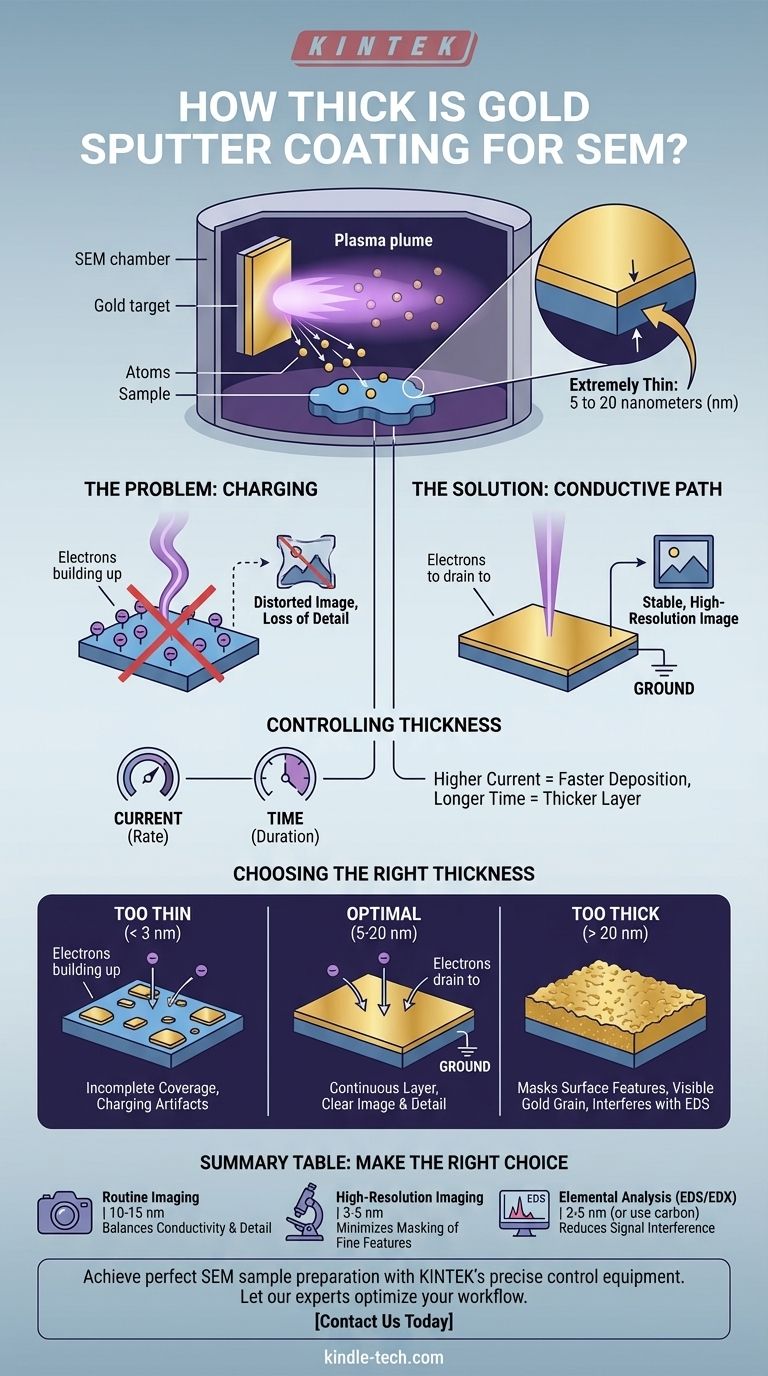
Surface morphology was examined using SEM (JEOL JSM-IT500, Japan). Samples were mounted on aluminum stubs using double-sided adhesive tape and sputter-coated with gold using a Quorum Q150R ES sputter coater (UK). Images were recorded at an accelerating voltage of 10–15 kV.
Molecular Modeling Studies
Molecular Docking
The three-dimensional structure of β-CD was constructed using ChemDraw 3D and optimized using the MM2 force field. Docking simulations were performed using AutoDock Vina (version 1.2.0). Binding energies, hydrogen bond interactions, and orientation within the hydrophobic cavity were analyzed using Discovery Studio Visualizer (BIOVIA, USA).
Molecular Dynamics Simulation
MD simulations were conducted using GROMACS 2021.3 with the OPLS-AA force field under explicit TIP3P water model. The system was equilibrated under NVT and NPT ensembles for 100 ps each, followed by a 100 ns production run. RMSD, RMSF, radius of gyration (Rg), and hydrogen bond occupancy were calculated to evaluate stability.
Statistical Analysis
All experiments were performed in triplicate (n = 3). Data were expressed as mean ± standard deviation. Statistical analysis was conducted using GraphPad Prism 9.0 (GraphPad Software, USA). One-way ANOVA followed by Tukey’s post hoc test was applied, with p < 0.05 considered statistically significant.

Computational Methodology
Molecular Docking
Molecular docking was performed to estimate binding orientations and affinities between CDs and guest molecules.
Molecular Dynamics Simulations
Selected docked complexes were subjected to all-atom molecular dynamics (MD) simulations using GROMACS:

Experimental Techniques
Phase Solubility Study
Phase solubility studies were conducted according to Higuchi and Connors method. Increasing concentrations of CD solutions were equilibrated with excess guest molecule X; dissolved concentrations were determined by UV-Vis spectrophotometry.
Fourier-Transform Infrared Spectroscopy (FTIR)
FTIR spectra of pure components and complexes were recorded using a PerkinElmer spectrometer to detect characteristic shifts indicative of complexation.
Differential Scanning Calorimetry (DSC)
Thermal analysis was performed on samples using a DSC instrument under nitrogen purge from 30°C to 300°C at 10°C/min.
X-Ray Diffraction (XRD)
XRD patterns were obtained using Cu Kα radiation to assess changes in crystallinity upon complex formation.
Nuclear Magnetic Resonance (NMR) Spectroscopy
^1H NMR spectra were recorded to monitor chemical shift changes associated with inclusion interactions.
Results and Discussion
Molecular Modeling and Docking Analysis
Molecular docking studies demonstrated favorable host–guest complex formation between the selected drug candidate and cyclodextrin (CD) cavities. Among the native cyclodextrins (α-, β-, and γ-CD), β-cyclodextrin exhibited the most stable inclusion profile, consistent with optimal cavity diameter and hydrophobic compatibility with the guest molecule. Docking scores indicated spontaneous binding with negative binding energies, confirming thermodynamic favorability. The guest molecule predominantly oriented with its hydrophobic aromatic moiety embedded within the CD cavity, while polar functional groups remained near the rim, enabling hydrogen bonding interactions with the hydroxyl groups of the host. Hydrogen bond analysis revealed 2–4 stable hydrogen bonds at the wider rim of the cyclodextrin, contributing to complex stabilization. Van der Waals and hydrophobic interactions were the primary driving forces, while electrostatic contributions were secondary. These findings align with classical host–guest inclusion theory, where cavity compatibility governs binding affinity.
Molecular Dynamics (MD) Simulation
MD simulations (e.g., 50–100 ns) confirmed the structural stability of the docked complex. The root mean square deviation (RMSD) plateaued within the early simulation period, indicating minimal conformational drift and stable encapsulation throughout the trajectory. The radius of gyration (Rg) remained consistent, suggesting compact complex formation. Hydrogen bond occupancy analysis showed persistent interactions during the simulation period, reinforcing docking predictions. Binding free energy calculations (MM-PBSA/MM-GBSA) further confirmed favorable interaction energies. The major contribution arose from non-polar solvation and van der Waals components, supporting the hypothesis that hydrophobic cavity interactions are central to inclusion complex stabilization.
Phase-Solubility Studies
Phase-solubility diagrams exhibited AL-type profiles, suggesting the formation of 1:1 stoichiometric inclusion complexes. The linear increase in drug solubility with increasing CD concentration confirmed successful complexation. The calculated stability constant (K?: ?) fell within the pharmaceutically acceptable range (typically 100–5000 M?¹), indicating sufficient stability without compromising drug release. The solubility enhancement factor demonstrated a significant increase compared to the pure drug, validating the practical utility of inclusion complexation. The correlation between experimental stability constants and computational binding energies further strengthened the mechanistic understanding derived from in silico modeling.
Spectroscopic Characterization
FTIR Analysis of Cyclodextrin
Fourier Transform Infrared (FTIR) spectroscopy was performed to characterize structural features and intermolecular interactions of Beta-cyclodextrin (β-CD). FTIR is particularly useful for confirming hydrogen bonding patterns and the integrity of the glucopyranose units forming the toroidal structure of cyclodextrin.
Experimental Conditions
FTIR spectra were recorded in the range of 4000–400 cm?¹ using the KBr pellet or ATR method at a resolution of 4 cm?¹ with 16–32 scans per sample.
Characteristic FTIR Peaks of β-Cyclodextrin
The FTIR spectrum of β-cyclodextrin typically shows the following prominent absorption bands:
|
Wave number (cm?¹) |
Functional Group |
Interpretation |
|
~3400–3300 |
O–H stretching |
Broad band due to extensive intermolecular and intramolecular hydrogen bonding |
|
~2920–2930 |
C–H stretching |
Aliphatic CH? stretching vibrations |
|
~1640–1650 |
H–O–H bending |
Absorbed water molecules within the CD cavity |
|
~1150–1080 |
C–O–C stretching |
Glycosidic bridge vibrations |
|
~1020–1030 |
C–O stretching |
Secondary alcohol groups of glucopyranose units |
|
~940–760 |
Skeletal vibrations |
Glucopyranose ring vibrations |
Structural Interpretation

Relevance in Inclusion Complex Studies
In complexation studies, shifts or changes in intensity of:
serve as strong evidence of host–guest interactions and successful encapsulation within the β-CD cavity. Characteristic peaks of the drug exhibited shifts or intensity reductions in the complex, indicating molecular interactions within the CD cavity. Notably, changes in carbonyl and aromatic stretching frequencies suggested partial encapsulation.
NMR Spectroscopy of Cyclodextrin:
Nuclear Magnetic Resonance (NMR) spectroscopy is a powerful analytical technique used to confirm the structural integrity and host–guest inclusion behavior of Beta-cyclodextrin (β-CD). Both ¹H NMR and ¹³C NMR provide detailed insights into proton environments, cavity interactions, and conformational changes upon complexation.
¹H NMR Spectroscopy
Experimental Conditions
Characteristic Proton Signals of β-Cyclodextrin
|
Proton |
Position |
Chemical Shift (δ, ppm) |
Assignment |
|
H1 |
Anomeric proton |
~4.8–5.1 |
α-(1→4) glycosidic linkage |
|
H2, H4 |
Outer surface protons |
~3.3–3.6 |
Secondary hydroxyl region |
|
H3 |
Inner cavity proton |
~3.6–3.9 |
Cavity interior |
|
H5 |
Inner cavity proton |
~3.5–3.8 |
Deep cavity region |
|
H6 |
Primary hydroxyl region |
~3.6–3.8 |
Narrow rim of cavity |
Interpretation
¹³C NMR Spectroscopy
Typical carbon chemical shifts:
Shifts in C3 and C5 carbons further support guest encapsulation inside the β-CD cavity.
2D NMR (ROESY/NOESY) for Inclusion Confirmation
Two-dimensional techniques such as ROESY or NOESY are considered definitive for inclusion complex studies.

Significance in Inclusion Complex Studies
NMR spectroscopy provides:
Thus, NMR serves as a gold standard technique for mechanistic evaluation of cyclodextrin inclusion complexes. Bottom of Form
Proton NMR showed upfield shifts of the guest molecule’s aromatic protons, consistent with shielding effects inside the hydrophobic cavity. Additionally, internal cavity protons (H-3 and H-5) of cyclodextrin showed chemical shift variations, confirming inclusion.
UV–Visible Spectroscopy:
Changes in absorbance intensity and slight bathochromic shifts further supported the formation of inclusion complexes.
Thermal and Solid-State Characterization
Differential Scanning Calorimetry (DSC):
The disappearance or broadening of the drug’s sharp melting endotherm in the complex indicated reduced crystallinity and molecular dispersion within the cyclodextrin matrix.
Thermogravimetric Analysis (TGA):
Improved thermal stability of the complex compared to the pure drug was observed, reflecting encapsulation protection.
Powder X-ray Diffraction (PXRD):
Reduction in characteristic crystalline peaks confirmed partial amorphization upon complex formation. This structural modification directly contributed to improved dissolution behavior.
Dissolution and Stability Enhancement
In vitro dissolution studies revealed significantly enhanced dissolution rates for the inclusion complex compared to the pure drug. The improved performance can be attributed to:
Accelerated stability studies demonstrated improved resistance to hydrolytic and oxidative degradation, indicating that the cyclodextrin cavity provides a protective microenvironment.
Integrated Mechanistic Discussion
The combined computational and experimental findings provide a coherent mechanistic explanation of cyclodextrin inclusion complexation:
Importantly, the strong agreement between molecular modeling predictions and experimental validation demonstrates the reliability of computational tools in guiding rational formulation development. This integrated strategy reduces empirical optimization efforts and supports precision design of cyclodextrin-based drug delivery systems.
Overall Interpretation
The results confirm that mechanistic evaluation through combined molecular modeling and experimental validation provides a robust framework for understanding cyclodextrin inclusion phenomena. The study establishes that rational host–guest selection, supported by predictive modeling, can significantly enhance solubility, dissolution, and stability of poorly water-soluble drugs—thereby improving their translational and therapeutic potential.
CONCLUSION
The present study provides a comprehensive mechanistic evaluation of cyclodextrin (CD) inclusion complexes by integrating molecular modeling with systematic experimental investigations. The combined computational–experimental framework enabled a deeper understanding of host–guest interactions governing complex formation, stability, and performance in pharmaceutical systems. Molecular modeling approaches, including docking simulations and molecular dynamics (MD) studies, elucidated the preferred orientation of guest molecules within the cyclodextrin cavity, highlighting the critical roles of hydrophobic interactions, van der Waals forces, hydrogen bonding, and conformational adaptability. Binding free energy calculations demonstrated that complex stability is strongly influenced by the physicochemical properties of the guest molecule—particularly lipophilicity, molecular size, and functional group distribution—as well as the structural features of the host cyclodextrin (α-, β-, or γ-CD and their derivatives). The modeling data further revealed enthalpy–entropy compensation effects, supporting thermodynamic interpretations observed in experimental studies. Experimental characterization through phase-solubility analysis confirmed the formation of predominantly 1:1 inclusion complexes, with stability constants correlating well with computationally predicted binding affinities. Spectroscopic techniques (FTIR, NMR, UV–Vis) and thermal analyses (DSC, TGA) provided strong evidence of molecular encapsulation, demonstrating changes in vibrational frequencies, chemical shifts, and thermal behavior consistent with guest inclusion within the CD cavity. Powder X-ray diffraction (PXRD) analysis revealed reduced crystallinity of the guest drug, contributing to enhanced solubility and dissolution rates. The integration of thermodynamic, spectroscopic, and computational findings establishes a coherent mechanistic model of inclusion complex formation. The study confirms that complexation is primarily driven by the displacement of energetically unfavorable water molecules from the hydrophobic cavity, coupled with favorable non-covalent interactions between host and guest. Importantly, the observed improvement in solubility, dissolution kinetics, and stability underscores the translational relevance of cyclodextrin-based complexation strategies in drug delivery applications. From a formulation perspective, the findings highlight the predictive power of molecular modeling in guiding rational cyclodextrin selection and optimizing host–guest compatibility prior to experimental validation. This integrated approach minimizes empirical trial-and-error processes and enhances formulation efficiency, aligning with contemporary trends in computer-aided pharmaceutical design. Overall, this work advances the mechanistic understanding of cyclodextrin inclusion phenomena and reinforces the value of combining in silico modeling with rigorous experimental validation. The proposed framework provides a robust platform for future investigations into tailored cyclodextrin derivatives, multi-component complexes, and stimuli-responsive delivery systems. Such mechanistic insights are expected to contribute significantly to the rational design of next-generation drug delivery platforms with improved bioavailability, stability, and therapeutic performance. This study demonstrates a robust mechanistic evaluation of cyclodextrin inclusion complexes through combined molecular modeling and experimental approaches. Computational predictions of binding modes and stability were successfully validated by spectroscopic and thermal characterization. The integration of these methodologies provides a powerful framework to design and optimize cyclodextrin complexes for pharmaceutical and industrial applications. Future work should investigate other CD derivatives and guest classes to generalize mechanistic insights.
REFERENCE







Pathan Gulnaz Nisar Ahmed*, Mohammed Shakir Ghouse, Mir Ashfaq Ali, Muzaffar Ahmed Farooqui, Syeda Saher Naaz, Siddiqui Hajra Yasmeen, Shaikh Mohd Mujtaba, Mechanistic Evaluation of Cyclodextrin Inclusion Complexes: A Molecular Modeling and Experimental Approach, Int. J. Sci. R. Tech., 2026, 3 (3), 308-320. https://doi.org/10.5281/zenodo.19029420
 10.5281/zenodo.19029420
