

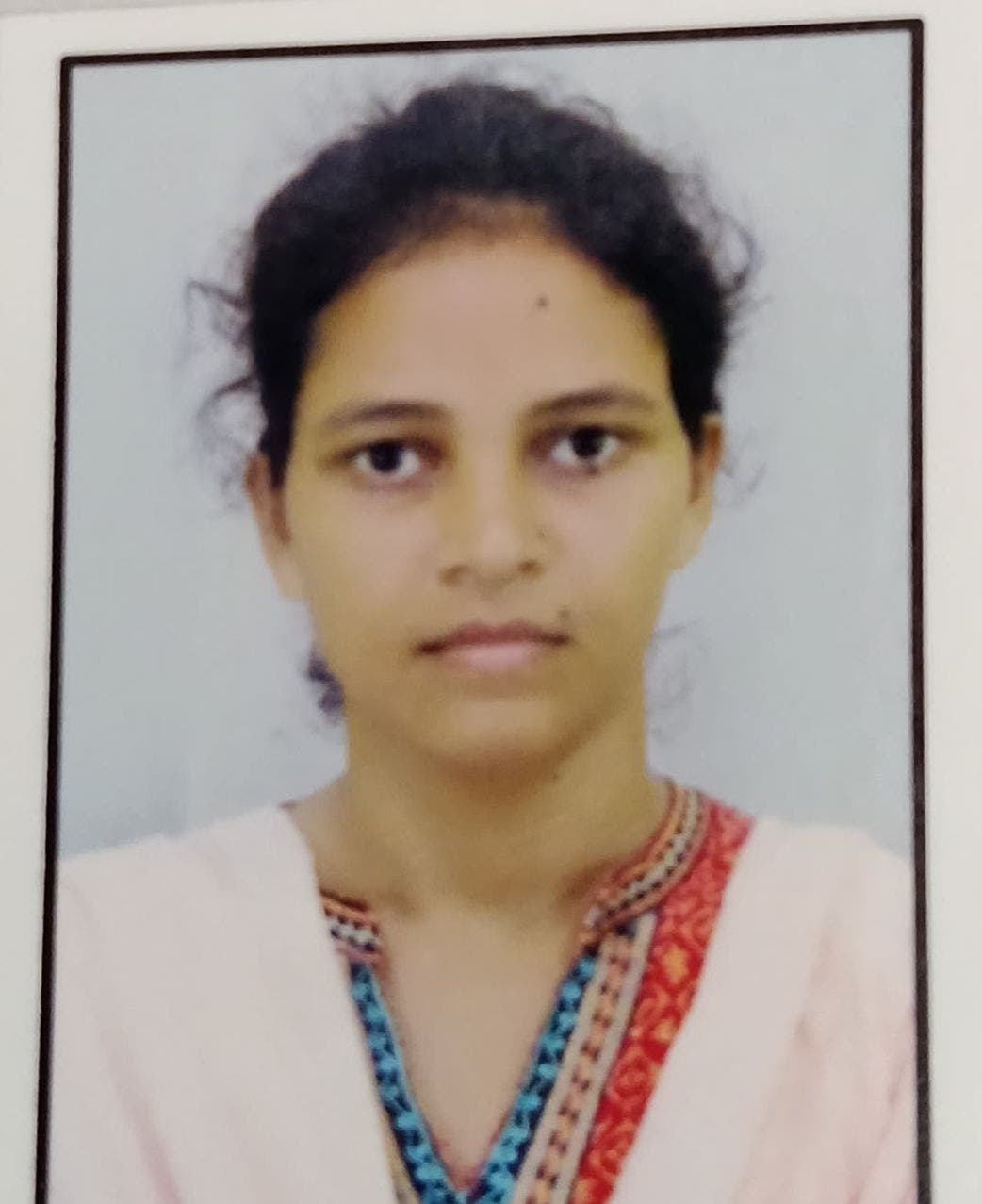
 Parbhati Tudu*
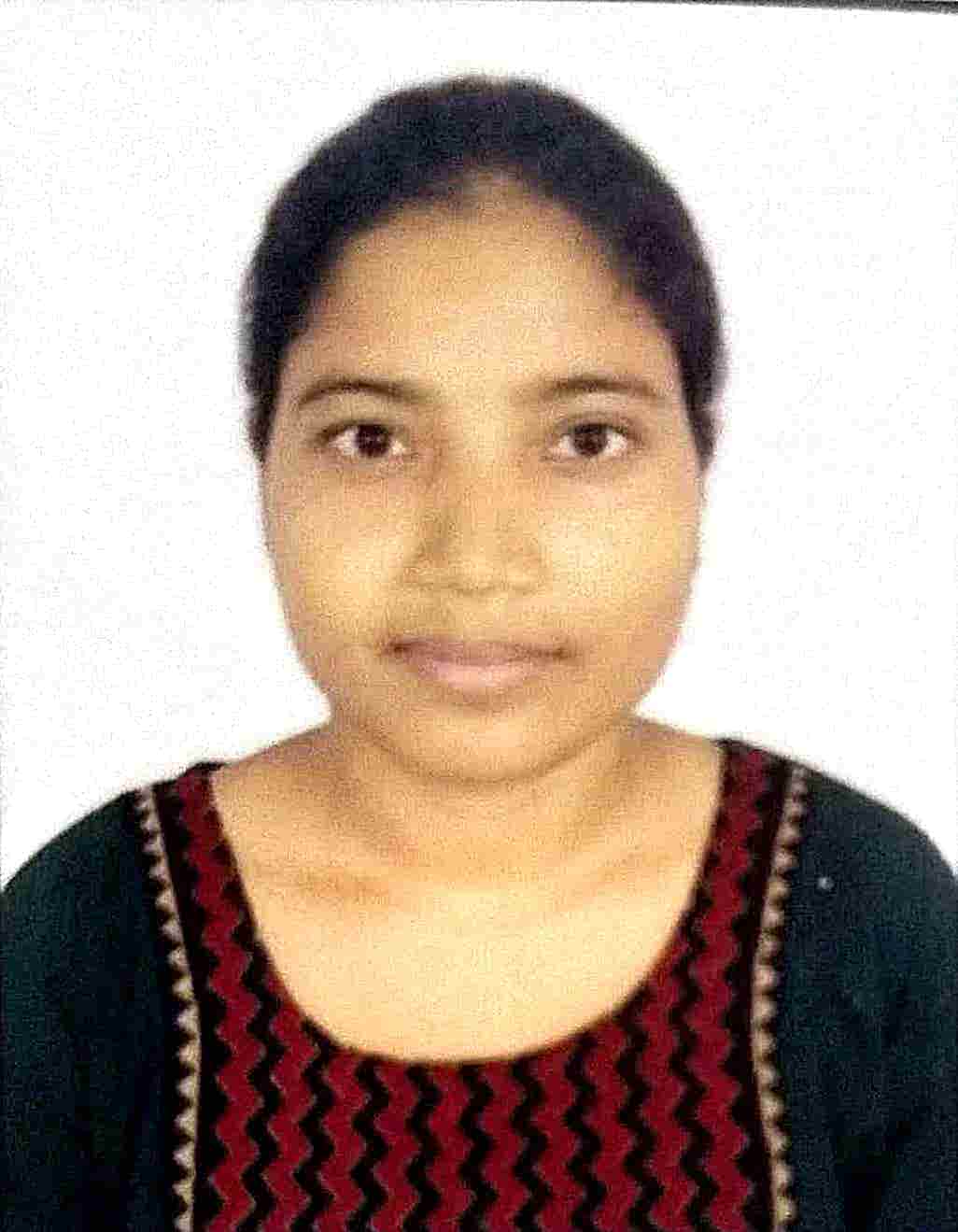 Suniya Hansda
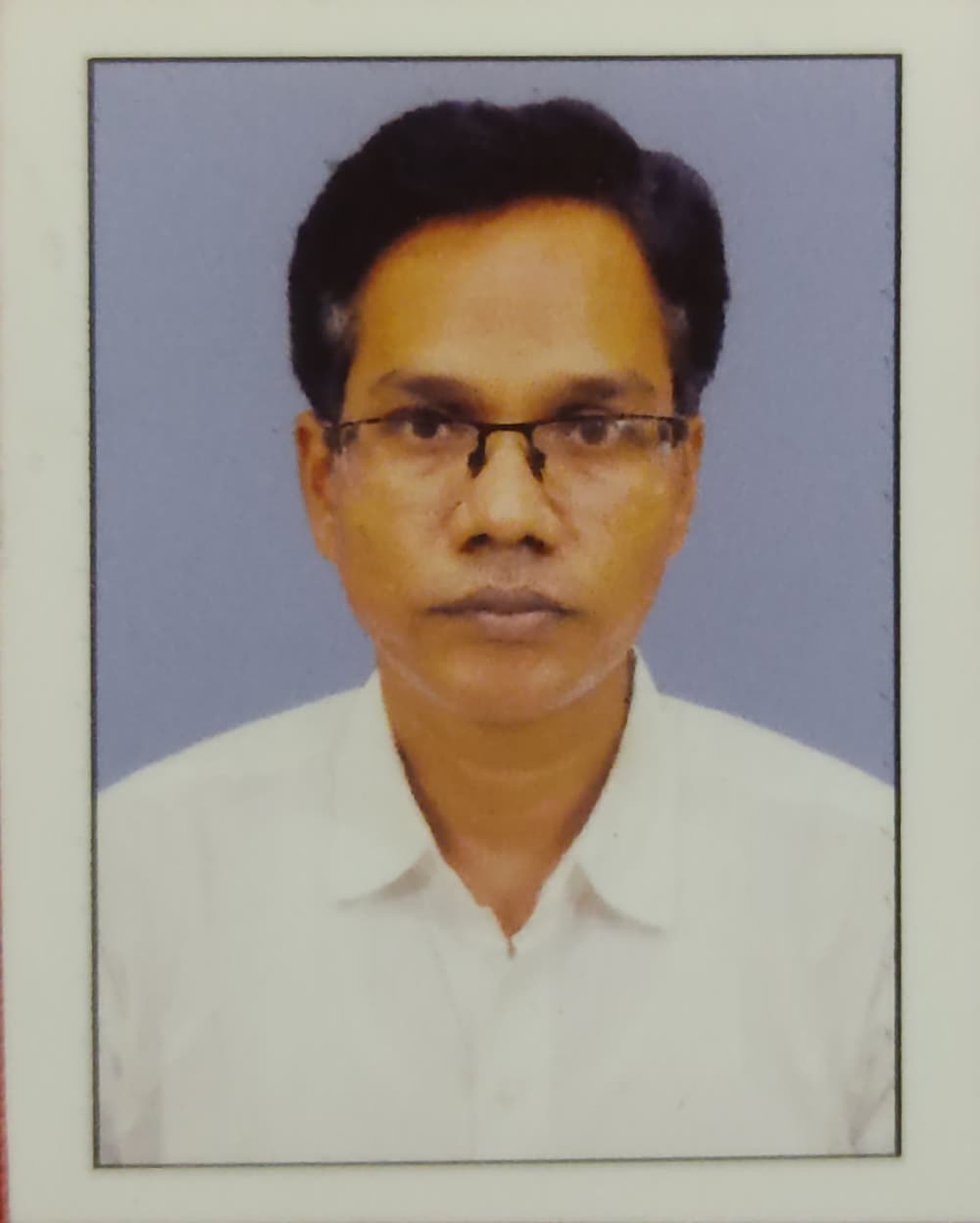 Rajib Baskey
Literature serves as a mirror of society, reflecting its realities, crises, and aspirations. The poetic works of Sadhu Ramchand Murmu (1897- 1954) occupy a significant place in Santali literature for their deep engagement with the social condition of the Santal community. Sadhu Ramchand Murmu was a Santali poet, writer and educator. He reshaped the Santali literature and music in the late 19th and early 20th century. He is known as Kobiguru or Mahakabi of Santali literature. He is the first Santali poet who combines the high poetic tradition of Sanskrit and Bengali literature with the cadences and aesthetic sensibilities of Santali oral tradition. He also developed the first script named “Maj Dader Ank” for the Santali language in 1923. Murmu, thus being an eminent Santali poet and social thinker, wrote during a period marked by post-independence transition, when indigenous communities were grappling with cultural dislocation, poverty, and marginalization. His writings are not merely artistic expressions but instruments of social critique and reform. He encourages through his writings the indigenous Santals community and inspired them in education and culture.
The Santal tribe, one of the largest indigenous communities in India, primarily inhabit regions of Jharkhand, West Bengal, Odisha, and Bihar. Traditionally, they are nature worshippers, revering deities such as Marang Buru and Jaher Ayo and worship at Jaherthan under the Sal tree. They possess a rich cultural heritage, including oral traditions, music, dance, and festivals like Baha ,Saharay and Karam. However, due to historical marginalization, colonial impact, and socio-economic challenges, sections of the community have faced persistent poverty, lack of education, and cultural disruption.
This paper reviews two poems from poetry collection , “ Ol Doho Onorhe”, —"Bharam Nasao” and “Urlu Hor”—to examine how Murmu portrays the plight of his people and advocates for moral and social reform.
LITERATURE REVIEW
Scholarly engagement with Santali literature and tribal studies has emphasized themes of marginalization, identity, and resistance. Ramachandra Guha (2000) discusses how indigenous communities in India have historically faced ecological and social displacement, which has impacted their cultural integrity. Similarly, Madhav Gadgil and Guha (1995) highlight the socio-economic vulnerabilities of tribal populations and their struggle to maintain traditional ways of life in the face of modernization.
In the context of indigenous literature, Vandana Shiva (1988) underscores the importance of cultural knowledge systems and their erosion under external pressures. Studies on tribal and subaltern literature suggest that literary works often function as a voice of resistance and self-reflection (Chapple, 2000).
Although specific critical works on Sadhu Ramchand Murmu are limited, his poetry can be situated within the broader framework of subaltern and indigenous literary traditions that aim to expose internal social issues while resisting external domination. His poems not only reflect social realities but also attempt to reconstruct moral and cultural values within the community.
Some scholarly works have examined the expressive dimensions of Sadhu Ramchand Murmu’s poetry, particularly in Expressives in the South Asian Linguistic Area (Brill, 2020) by Sarada Prasad Kisku, Ganesh Murmu, and Nishaant Choksi. Other studies, such as Contribution of Sadhu Ramchand Murmu by Prohlad Roy and Sandipan Kisku, have explored his role in the development of Santali literature, highlighting themes of social reform and the role of poetry in the upliftment of Santal society.
However, there remains a significant gap in the critical analysis of social reform themes within his individual poems. This paper seeks to address this gap by focusing on two of his important poems, with particular emphasis on their representation of social conditions and the need for reform within Santal society.
OVERVIEW OF THE POEMS
The selected poems, “Bharam Nasao” and “Urlu Hor”, depict the deteriorating socio-economic and moral condition of the Santals. Murmu highlights how lack of education, poverty, and absence of awareness hinder the upliftment of the community. He argues that the attitudes, behaviours, and actions of the people themselves often intensify their suffering.
Through these poems, the poet seeks to awaken his community and guide them towards self-respect, discipline, economic growth and social responsibility.
REPRESENTATION OF SOCIAL AND MORAL DEGRADATION
Murmu presents a stark picture of moral decline, criticizing indolence, irresponsibility, and excessive indulgence in drinking and entertainment. The Santals are portrayed as neglecting their duties and disrespecting their deities.
Some lines from “Bharam Nasao”-
"Nju kedabo Paura Handi- Senen Ende Pata Tandi/Sanam Kami Saote Idi Tamam."
English translation: We drank Paura, Handi (traditional drink/wine) and went to attend Ende and Pata Tandi (village fairs of other castes), where we spent the whole night singing and dancing.
"Chuhur Chuhur enech redo/ Sinj Njidabon Tahen kadam kadam."
English translation: Interested in dance, we spend the whole day and night wandering here and there.
"Ritpit ar banug akil- enech abon gujug dakhil/ jande tande bul tolsang kate."
English translation: Having no morals and no sense, we dance until death and lie anywhere in a drunken state.
From Urlu Hor:
"Akil disa banug tay,/ njut orag re henay."
English translation: Having no sense, living in darkness.
"...Banug taya man batao/ Ar banug taya lajao."
English translation: Has no respect and has no shame.
These lines reflect the poet’s deep concern regarding moral degradation of his community.
CRITIQUE OF CULTURAL DISPLACEMENT
Murmu criticizes the participation of Santals in external fairs like Ende and Pata Tandi, which are not part of their indigenous culture. This leads to neglect of their own traditions and festivals, weakening cultural identity and community cohesion.
CONCERN FOR WOMEN AND SOCIAL RESPONSIBILITY
The poet expresses strong concern about the declining respect for women and the inability of the community to safeguard their dignity.
"Njum jongte Bauri Hadi- menag taya Akil adi."
English translation: They are called Bauri and Hadi, yet they possess sense and knowledge.(unlike Santals)
Through this comparison, Murmu urges the Santals to develop sense of responsibility and protect the honour of their women.He indicates to the community of Bauri and Hadi who works of cleaning filthy things and though they are treated as untouchable in the society have the sense of responsibility and respect their women ,which the Santals lack. The references to untouchable community like Bauri and Hadi reflects the caste discrimination in those days.
CALL FOR REFORM AND AWARENESS
Murmu’s poetry ultimately aims at reform and awareness:
"Ona terong kathayabon - sanam koge anjomabon/ deko parab ado babon chalag."
English translation: Remember this—we must listen (what I say) and must not attend those fairs of other castes.
"Ajom peho boyha kora - disam koren sanam pera,/ bagiyabon ado enech onde."
English translation: Listen, my brothers and relatives—we must stop dancing there.
"Enech sulang menag faram- Bonga seva Baha Karam/ Reske abon dela abon node."
English translation: We have our own space for dance and song; we can worship our deities in Baha and Karam (and enjoy a lot dancing and singing)—let us celebrate there.
"...rengej kiser sanam guti/ atkarabon maiju renag saram."
English translation: Whether poor or rich, we must realize the dignity of our women.
"Mone tedo mabon bujhao - Jiwi khonbo ochog lajao,/ maen saote dohoyabon bhorom."
English translation: We must realize the truth with our minds, remove shame from our hearts, and preserve our dignity with values.
Philosophical Dimensions in “Urlu Hor”
"Manmi reyag ritiniti, dhorom reyag thiti/ bothel reyag reske rebon,tahen moner moton."
English translation: We will live in peace and happiness by following social norms and religious principles.
"Kotayabon sanam khota, jiwi dohoy bon gota/ Hormo mesag dhuri talare, Njutum tahena otre."
English translation: We must renounce all attachments; our body will merge with dust, but our name will remain on earth.
The above lines reflect the age old philosophical belief and thought of the Santali community that when we die we blend with the soil.
CONCLUSION
The poems under reviewed serve as both a critique and a corrective vision for Santal society. Murmu highlights internal weaknesses such as moral degradation, cultural alienation, and lack of awareness, while simultaneously advocating for reform, dignity, and cultural revival. Even in contemporary times, the relevance of his message persists, making his work an important contribution to indigenous literature and social thought.
REFERENCES
- Chapple, C. K. (2000). Jainism and ecology: Nonviolence in the web of life. Harvard University Press.
- Gadgil, M., & Guha, R. (1995). Ecology and equity: The use and abuse of nature in contemporary India. Routledge.
- Guha, R. (2000). Environmentalism: A global history. Longman.
- Jaini, P. S. (1979). The Jaina path of purification. University of California Press.
- Murmu, S. R. (1974). Ol Doho Onorhe. Sadhu Ramchand Murmu Uihar Bathan.
- Shiva, V. (1988). Staying alive: Women, ecology and development. Zed Books.
 10.5281/zenodo.19756597