

We use cookies to ensure our website works properly and to personalise your experience. Cookies policy
Dr. Rajendra Gode College of Pharmacy, Mardi Road, Amravati, Maharashtra, India.
Lipid nanoparticles (LNPs) have emerged as one of the most promising novel drug delivery systems in modern pharmaceutical research. These nanoscale carriers are composed of biocompatible and biodegradable lipids that facilitate the efficient delivery of therapeutic agents, including small molecules, proteins, peptides, nucleic acids, and vaccines. LNPs offer several advantages such as improved drug solubility, enhanced bioavailability, targeted drug delivery, controlled release, and reduced toxicity. Their successful application in mRNA COVID-19 vaccines has highlighted their potential in advanced therapeutics. Due to their versatility, stability, and safety profile, lipid nanoparticles are increasingly being explored for the treatment of cancer, infectious diseases, genetic disorders, and neurological conditions.
The advancement of nanotechnology has significantly transformed the field of drug delivery by providing innovative approaches to overcome the limitations associated with conventional dosage forms. Traditional drug delivery systems often suffer from poor solubility, low bioavailability, rapid degradation, lack of target specificity, and undesirable side effects. To address these challenges, researchers have developed novel drug delivery systems (NDDS) that improve therapeutic efficacy while minimizing toxicity. Among these systems, lipid nanoparticles (LNPs) have emerged as one of the most promising and versatile nanocarriers due to their excellent biocompatibility, biodegradability, and ability to encapsulate a wide range of therapeutic agents.Lipid nanoparticles are submicron-sized carriers generally ranging from 10 to 1000 nanometers in diameter. They are composed of physiological lipids that are well tolerated by the human body and can effectively transport drugs, proteins, peptides, nucleic acids, and vaccines. The unique physicochemical properties of lipid nanoparticles allow them to protect encapsulated drugs from enzymatic degradation, improve pharmacokinetic behavior, enhance cellular uptake, and facilitate targeted delivery to specific tissues or organs. These advantages have led to their extensive investigation in pharmaceutical, biomedical, and biotechnology research.[1]
The significance of lipid nanoparticles became particularly evident during the COVID-19 pandemic, where they served as essential carriers for mRNA vaccines. The successful development and commercialization of mRNA vaccines demonstrated the remarkable capability of lipid nanoparticles to deliver fragile nucleic acids into cells while maintaining their stability and biological activity. This breakthrough has accelerated research into the application of lipid nanoparticles for gene therapy, cancer treatment, immunotherapy, and personalized medicine.Lipid nanoparticles consist of a lipid matrix stabilized by surfactants and other excipients. Depending on their composition and structural characteristics, they can be classified into various types, including solid lipid nanoparticles (SLNs), nanostructured lipid carriers (NLCs), liposomes, and lipid-polymer hybrid nanoparticles. Each type possesses distinct advantages and is suitable for specific therapeutic applications. The selection of lipid components, surfactants, and preparation techniques plays a crucial role in determining the physicochemical properties, drug-loading capacity, stability, and release profile of the nanoparticles.[2]
The growing interest in lipid nanoparticle technology is driven by their ability to overcome biological barriers and improve the delivery of both hydrophilic and lipophilic drugs. Their nanoscale size allows enhanced permeation through tissues and improved accumulation at disease sites through passive and active targeting mechanisms. Furthermore, surface modification strategies involving ligands, antibodies, peptides, or polymers can be employed to achieve site-specific drug delivery, thereby increasing therapeutic efficacy and reducing systemic toxicity.Recent advancements in lipid nanoparticle research have focused on developing smart and stimuli-responsive systems capable of releasing drugs in response to specific physiological triggers such as pH, temperature, enzymes, and redox conditions. Such innovations have opened new avenues for precision medicine and targeted therapies. Additionally, lipid nanoparticles are being explored as carriers for genome-editing technologies such as CRISPR-Cas9, offering potential solutions for the treatment of genetic disorders and previously incurable diseases.[3]
Owing to their remarkable versatility, lipid nanoparticles have found applications in multiple therapeutic areas, including oncology, infectious diseases, neurological disorders, cardiovascular diseases, ophthalmology, and dermatology. Their ability to improve drug stability, prolong circulation time, enhance therapeutic outcomes, and minimize adverse effects has established them as one of the most important platforms in modern drug delivery science.As pharmaceutical research continues to evolve, lipid nanoparticle-based delivery systems are expected to play a crucial role in the development of next-generation therapeutics. Continuous improvements in formulation design, manufacturing processes, and targeting strategies are likely to further expand their clinical applications and contribute significantly to the advancement of personalized healthcare and precision medicine[4].
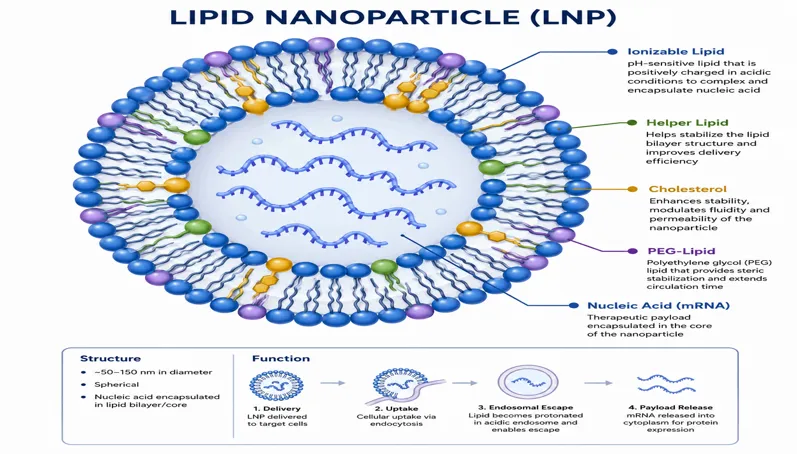
Figure 1. Structural Organization of Lipid Nanoparticles for Drug Delivery
|
Year/Period |
Milestone |
Significance |
|
1961–1965 |
Discovery of Liposomes by Alec D. Bangham |
First lipid-based vesicular system used for drug delivery research. |
|
1970s |
Development of Liposome Technology |
Liposomes were explored for encapsulation and targeted delivery of drugs. |
|
1980s |
Clinical Applications of Liposomes |
Liposomal formulations began to be investigated for cancer therapy and vaccine delivery. |
|
Early 1990s |
Introduction of Solid Lipid Nanoparticles (SLNs) |
SLNs were developed to overcome the stability issues associated with liposomes. |
|
1991 |
First SLN Patents Filed |
Marked the beginning of commercial and industrial interest in lipid nanoparticle technology. |
|
Mid-1990s |
Optimization of SLN Production Techniques |
Methods such as high-pressure homogenization improved nanoparticle manufacturing. |
|
Late 1990s |
Development of Nanostructured Lipid Carriers (NLCs) |
Second-generation lipid nanoparticles with improved drug loading and storage stability. |
|
2000–2010 |
Expansion of Pharmaceutical Applications |
LNPs were investigated for oral, topical, ocular, pulmonary, and parenteral drug delivery. |
|
2010–2018 |
Advancement in Gene and Nucleic Acid Delivery |
Lipid nanoparticles became promising carriers for siRNA, DNA, and RNA therapeutics. |
|
2018 |
Approval of Onpattro |
First FDA-approved siRNA therapy delivered using lipid nanoparticles. |
|
2020 |
COVID-19 mRNA Vaccine Development |
LNPs successfully delivered mRNA vaccines, demonstrating their clinical potential worldwide. |
|
2021–Present |
Personalized Medicine and Gene Therapy |
LNPs are being used in cancer immunotherapy, CRISPR gene editing, and targeted therapies. |
|
Future |
Smart and Targeted Lipid Nanoparticles |
Development of stimuli-responsive, ligand-targeted, and AI-designed nanoparticle systems. |
Table 1: History of Lipid Nanoparticles (LNPs)[5]
Evolution of Lipid Nanoparticles
The evolution of lipid nanoparticles has occurred through several generations to improve drug delivery efficiency and overcome limitations of earlier systems. The first generation, Liposomes (1960s–1980s), were phospholipid vesicles used for drug encapsulation and targeted delivery. In the 1990s, Solid Lipid Nanoparticles (SLNs) were developed, offering improved stability, controlled drug release, and biocompatibility. To address the limited drug-loading capacity of SLNs, Nanostructured Lipid Carriers (NLCs) emerged in the late 1990s, providing higher drug loading and better storage stability. During the 2010s, Functionalized Lipid Nanoparticles (LNPs) were introduced for targeted delivery of genes and nucleic acids, gaining prominence through mRNA vaccines. Today, research focuses on Smart Lipid Nanoparticles, which can respond to specific stimuli and support precision medicine, gene therapy, and advanced targeted treatments.[6]
|
Type |
Composition |
Characteristics |
Applications |
|
Solid Lipid Nanoparticles (SLNs) |
Solid lipids |
Controlled release, good stability |
Oral, topical, parenteral delivery |
|
Nanostructured Lipid Carriers (NLCs) |
Solid + liquid lipids |
Higher drug loading, improved stability |
Cancer therapy, gene delivery |
|
Liposomes |
Phospholipid bilayer vesicles |
Encapsulate hydrophilic and lipophilic drugs |
Vaccines, anticancer drugs |
|
Lipid-Polymer Hybrid Nanoparticles |
Lipid + polymer matrix |
Improved stability and targeting |
Controlled release systems |
Table 2: Classification of Lipid Nanoparticles[7]
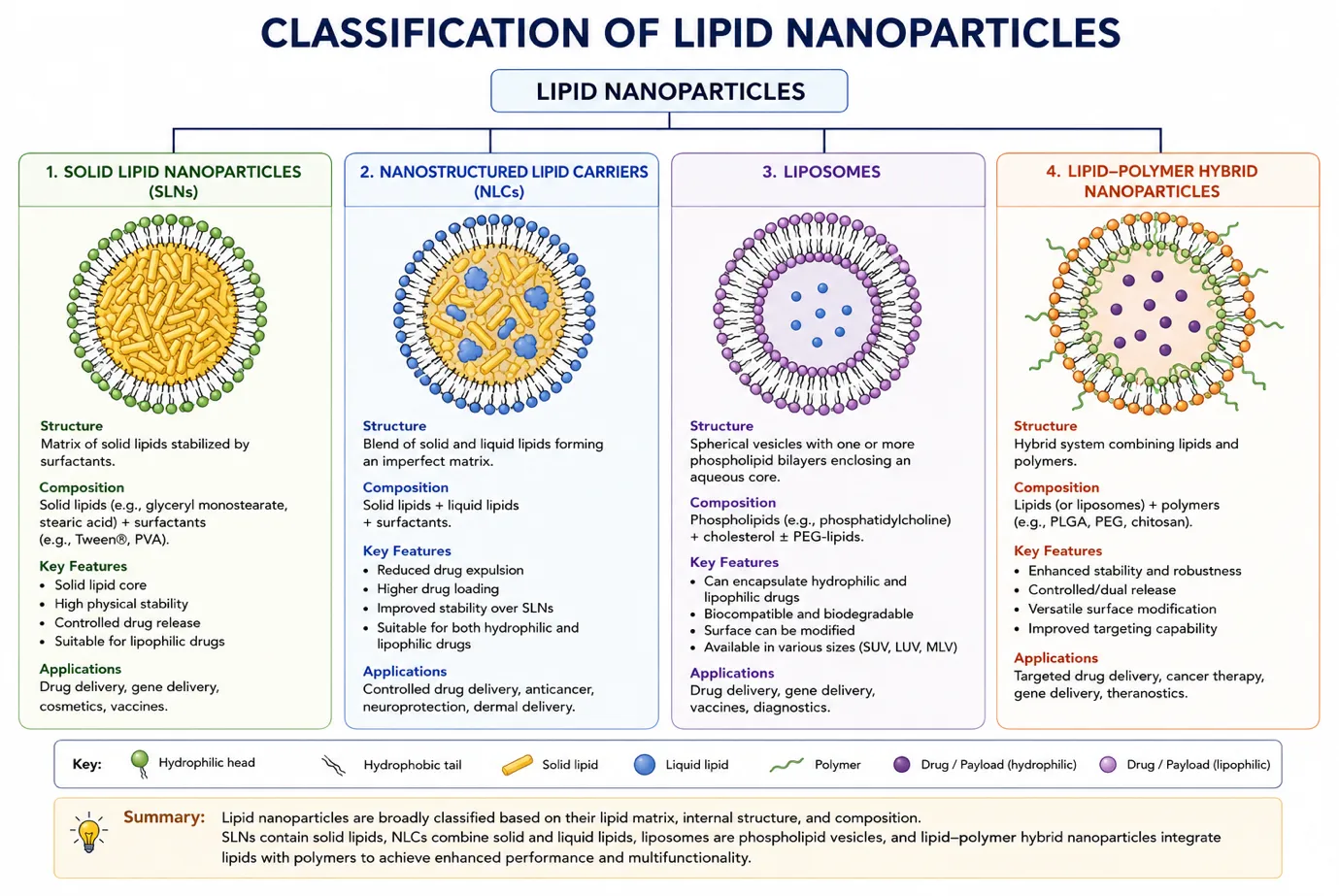
Figure 2. Major Types of Lipid Nanoparticles
Methods of Preparation of Lipid Nanoparticles
1. High-Pressure Homogenization
High-pressure homogenization is one of the most widely used techniques for the preparation of lipid nanoparticles. In this method, the lipid phase containing the drug is melted and dispersed in an aqueous surfactant solution. The resulting pre-emulsion is then passed through a high-pressure homogenizer, where intense shear forces and cavitation reduce the particle size to the nanometer range. Depending on the temperature conditions, the process may be carried out using either hot homogenization or cold homogenization. This technique is suitable for large-scale production and produces nanoparticles with a narrow size distribution.[8]
2. Solvent Emulsification–Evaporation Method
In the solvent emulsification evaporation method, lipids and drugs are dissolved in a water-immiscible organic solvent such as chloroform or ethyl acetate. This organic phase is then emulsified into an aqueous phase containing surfactants using mechanical stirring or ultrasonication. After the formation of the emulsion, the organic solvent is removed by evaporation under reduced pressure or continuous stirring. As the solvent evaporates, the lipid precipitates and forms nanoparticles. This method is particularly useful for thermolabile drugs that may degrade at elevated temperatures.[9]
3. Ultrasonication Method
The ultrasonication method involves the use of high-frequency ultrasonic waves to reduce the size of lipid droplets and produce nanoparticles. Initially, a coarse emulsion is prepared by mixing the lipid phase with the aqueous phase. The emulsion is then subjected to ultrasonic energy using a probe sonicator or bath sonicator. The intense acoustic forces break down larger droplets into nanosized particles. This method is simple, cost-effective, and suitable for laboratory-scale preparation; however, it may result in a broad particle size distribution and possible contamination from the sonicator probe.[10]
4. Microemulsion Technique
The microemulsion technique is based on the formation of a thermodynamically stable microemulsion consisting of melted lipids, surfactants, co-surfactants, and water. The warm microemulsion is rapidly dispersed into cold water under continuous stirring, leading to the solidification of lipid droplets and formation of nanoparticles. This method produces particles with relatively uniform sizes and high stability. However, it often requires high concentrations of surfactants, which may limit its pharmaceutical applications.[11]
5. Solvent Injection Method
In the solvent injection method, the lipid is dissolved in a water-miscible organic solvent such as ethanol or acetone. This organic solution is rapidly injected into an aqueous phase containing surfactants under continuous stirring. Upon contact with water, the solvent diffuses quickly, causing the lipid to precipitate and form nanoparticles. The solvent is subsequently removed by evaporation. This technique is simple, reproducible, and does not require high temperatures or sophisticated equipment.[12]
6. Double Emulsion Method
The double emulsion method is particularly suitable for encapsulating hydrophilic drugs, proteins, peptides, and nucleic acids. Initially, a water-in-oil (W/O) emulsion is prepared by dispersing an aqueous drug solution into the lipid-containing organic phase. This primary emulsion is then emulsified into another aqueous phase to form a water-in-oil-in-water (W/O/W) double emulsion. After solvent removal and lipid solidification, nanoparticles containing the hydrophilic drug are obtained. This method provides high encapsulation efficiency for water-soluble compounds.[13]
7. Membrane Contactor Technique
The membrane contactor technique is a modern and controlled method for producing lipid nanoparticles. In this process, the melted lipid phase is forced through the pores of a membrane into an aqueous surfactant solution. Uniform droplets are generated at the membrane surface and subsequently cooled to form nanoparticles. The technique offers excellent control over particle size, high reproducibility, and scalability, making it attractive for industrial manufacturing.[14]
8. Supercritical Fluid Method
The supercritical fluid method utilizes supercritical carbon dioxide as a solvent or anti-solvent to produce lipid nanoparticles. Lipids and drugs are dissolved in a suitable solvent and exposed to supercritical carbon dioxide under controlled conditions. Rapid expansion and solvent extraction result in the formation of fine nanoparticles with minimal solvent residues. This environmentally friendly technique produces highly pure nanoparticles and is increasingly being explored for pharmaceutical applications.[15]
Mechanism of Drug Delivery by Lipid Nanoparticles
The mechanism of drug delivery by lipid nanoparticles begins with the encapsulation of the therapeutic agent within a lipid matrix, which protects the drug from degradation and improves its stability. After administration through oral, topical, pulmonary, or parenteral routes, the lipid nanoparticles enter systemic circulation and transport the drug throughout the body. Due to their nanoscale size and surface properties, they can accumulate at the target site either passively or through active targeting mechanisms. The nanoparticles are then taken up by cells through endocytosis, allowing the encapsulated drug to enter the intracellular environment. Once inside the target cells, the lipid matrix gradually degrades, resulting in the controlled release of the drug. The released drug subsequently interacts with its biological target, producing the desired therapeutic effect while minimizing side effects and improving treatment efficacy.[16]
|
Parameter |
Conventional Drug Delivery |
Lipid Nanoparticle Drug Delivery |
|
Drug Stability |
Low |
High |
|
Bioavailability |
Limited |
Enhanced |
|
Target Specificity |
Poor |
Excellent |
|
Drug Release |
Immediate |
Controlled/Sustained |
|
Toxicity |
Higher |
Reduced |
|
Solubility Enhancement |
Limited |
Significant |
|
Protection from Degradation |
Poor |
Excellent |
|
Therapeutic Efficacy |
Moderate |
Improved |
Table 3: Comparison Between Conventional and Lipid Nanoparticle Drug Delivery Systems [17]
Advantages of Lipid Nanoparticles
Lipid nanoparticles (LNPs) offer numerous advantages that make them attractive carriers for modern drug delivery applications. They are composed of biocompatible and biodegradable lipids, which minimize toxicity and improve patient safety. LNPs enhance the stability of encapsulated drugs by protecting them from chemical and enzymatic degradation. Their nanoscale size improves drug solubility and bioavailability, leading to better therapeutic outcomes. Furthermore, they provide controlled and sustained drug release, reducing dosing frequency and improving patient compliance. Lipid nanoparticles can also be engineered for site-specific targeting, enabling the selective delivery of drugs to diseased tissues while minimizing adverse effects on healthy cells. In addition, they can cross various biological barriers and are particularly suitable for the delivery of sensitive biomolecules such as proteins, peptides, DNA, RNA, and vaccines.[18]
Limitations of Lipid Nanoparticles
Despite their numerous benefits, lipid nanoparticles have certain limitations. Physical instability during long-term storage may result in changes in particle size and drug release characteristics. Aggregation of nanoparticles can occur due to inadequate stabilization, affecting formulation performance. Drug leakage during storage remains a concern, particularly for certain lipid compositions. Additionally, the production of lipid nanoparticles often requires sophisticated equipment and specialized manufacturing processes, increasing overall costs. Large-scale production and commercialization can present challenges in maintaining batch-to-batch consistency. Moreover, some hydrophilic drugs exhibit limited loading efficiency within lipid matrices, restricting their applicability.[19]
Applications of Lipid Nanoparticles
Lipid nanoparticles have found widespread applications in various areas of medicine and pharmaceutical sciences. In cancer therapy, they enable targeted delivery of anticancer agents, improving efficacy while reducing systemic toxicity. In gene therapy, LNPs serve as efficient carriers for DNA, siRNA, and mRNA, facilitating intracellular delivery of genetic material. Their successful application in mRNA vaccines has revolutionized vaccine technology. Lipid nanoparticles are also being explored for brain-targeted drug delivery to treat neurological disorders by overcoming biological barriers. Furthermore, they enhance the delivery of antimicrobial agents, improve ocular drug penetration, and increase skin retention in topical formulations.[20]
Recent Advances in Lipid Nanoparticles
Recent advances in lipid nanoparticle technology have significantly expanded their therapeutic potential. One of the most notable achievements is the successful delivery of mRNA vaccines, demonstrating the effectiveness of LNPs in nucleic acid therapeutics. Researchers are also developing stimuli-responsive lipid nanoparticles that release drugs in response to specific triggers such as pH, temperature, enzymes, or magnetic fields. Surface-functionalized or targeted LNPs have been designed using antibodies, peptides, and aptamers to improve tissue-specific delivery. Another emerging innovation is theranostic nanoparticles, which integrate therapeutic and diagnostic functions within a single platform, enabling simultaneous disease treatment and monitoring.[21]
|
Advancement |
Significance |
|
mRNA Delivery Systems |
Successful vaccine and gene therapy applications |
|
Stimuli-Responsive LNPs |
Triggered drug release at target site |
|
Targeted LNPs |
Enhanced tissue specificity |
|
Theranostic Nanoparticles |
Combined diagnosis and therapy |
Table 4: Recent Advances in LNP Technology[22,24]
Future Perspectives
The future of lipid nanoparticles is closely linked to the advancement of precision medicine and biotechnology. Researchers are focusing on personalized nanomedicine, where therapies are tailored according to individual patient characteristics. Lipid nanoparticles are expected to play a critical role in CRISPR-Cas9 gene editing systems by enabling safe and efficient delivery of gene-editing components. Emerging applications include targeted cancer immunotherapy, brain-specific drug delivery, and the development of smart nanoparticles capable of responding to biological signals. The integration of artificial intelligence and machine learning in nanoparticle design is anticipated to accelerate formulation optimization and improve therapeutic outcomes.[25]
CONCLUSION
Lipid nanoparticles represent one of the most promising and versatile novel drug delivery systems in modern pharmaceutical science. Their ability to improve drug stability, enhance bioavailability, provide controlled release, and facilitate targeted delivery has transformed the treatment of numerous diseases. The success of lipid nanoparticle-based mRNA vaccines has further highlighted their immense therapeutic potential. Although challenges such as storage stability, manufacturing costs, and scale-up remain, ongoing research and technological advancements continue to address these limitations. With expanding applications in gene therapy, personalized medicine, cancer treatment, and vaccine development, lipid nanoparticles are expected to remain at the forefront of next-generation drug delivery technologies.
REFERENCES


Vishal Shrawan Daberao*, Radhika Ashok Sawase, Achal Deepak Agrawal, S. D. Wankhade, H. S. Sawarkar, A Review : Lipid Nanoparticle-Based Novel Drug Delivery Systems, Int. J. Sci. R. Tech., 2026, 3 (6), 158-166. https://doi.org/10.5281/zenodo.20508580
 10.5281/zenodo.20508580