

We use cookies to ensure our website works properly and to personalise your experience. Cookies policy
Department of Mechanical Engineering, Vishwakarma Institute of Technology, Pune
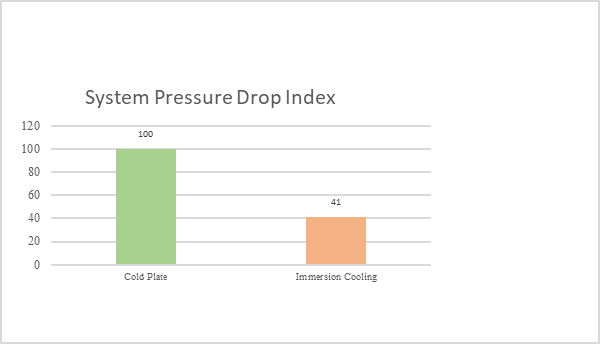
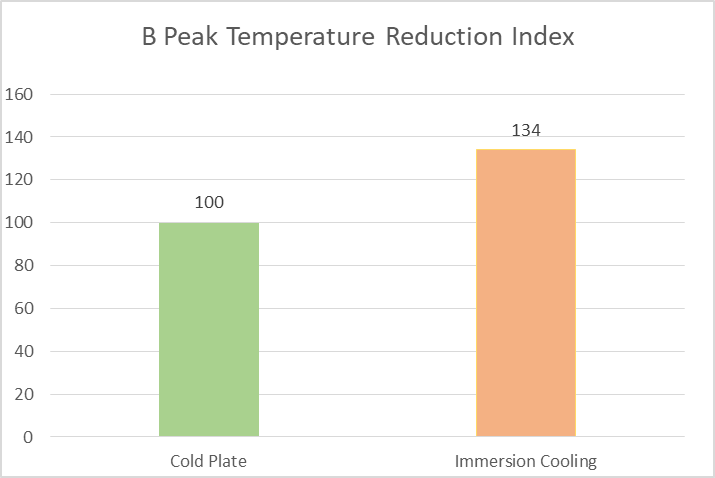
The systematic literature review of this paper aims to identify recent technological advances introduced to Battery Thermal Management System (BTMS) for electric vehicles. In the scope of this analysis, scientific research papers and patent technical documents published from 2020 till 2026 are considered. Among the reviewed 200 papers, only 43 documents met inclusion criteria based on the PRISMA methodology framework. As first, several types of BTMS technologies have been classified, which are: air cooling; liquid cooling; PCM; heat pipe cooling; and thermoelectric cooling systems. Based on the results obtained, direct immersion cooling with dielectric liquid is able to reduce non-uniformity of battery temperature. According to one of the research findings, an immersion cooling technique allows reducing maximum battery temperature and minimizing the pressure drop by 34% and 59%, correspondingly, compared to traditional cold plate system when 18650 cylindrical batteries with 3C charging capacity were cooled by mineral oil. Applying Artificial Intelligence technology, particularly DDGP algorithms, allowed improving temperature management efficiency by 18.4% and decreasing energy consumption by 18%.
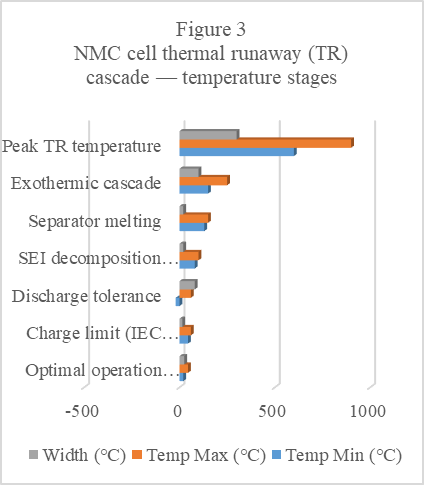
Nevertheless, the transition of transportation systems to electrification globally would be impeded by the intrinsic nature of the thermal behavior of LIBs. The ideal temperature for operating the LIB is between 20°C and 40°C. The temperature for charging the battery should be within 15°C to 45°C (as per IEC 62133), and discharging must occur in the range of –20°C to 60°C.
Inadequate thermal management can cause thermal runaway (TR), which is a multi-stage occurrence of an exothermic reaction. TR in NMC cells occurs at SEI breakdown at temperatures of 80–90°C; separation melting at temperatures of ~130°C; and maximum exothermic reaction occurs at temperatures of ~150-200°C. The typical maximum temperatures for TR range from 600°C to 900°C. As the cell energy density increases for solid-state batteries (>350 Wh/kg), the challenge of thermal management is compounded.
2. Methodology and Patent Landscape
2.1. Systematic Methodology
The evaluation of the literature sources was conducted using PRISMA-based searching for literature sources within Scopus, Web of Science, and IEEE Xplore. The Boolean searching was carried out with the following query: ("battery thermal management" OR "BTMS") AND ("electric vehicle" OR "EV") AND (cooling OR thermal). The time range was set from 2020 to 2026. Out of 200 obtained sources, only 43 were selected considering their relevance to state-of-the-art solutions and artificial intelligence
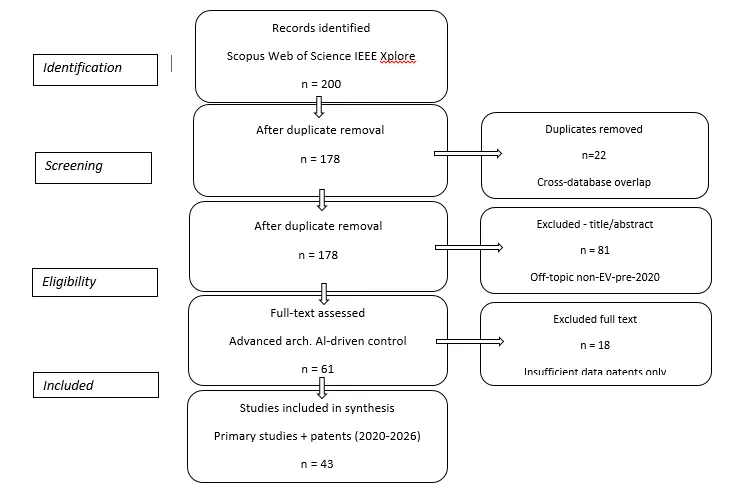
Figure 5: PRISMA-aligned systematic review screening flow
2.2. Foundational Research
One of the state-of-the-art research works on BTMS has taken considerable inspiration from several pioneering research works including the generalized energy balance model proposed by Bernardi (1985), battery thermal model by Pesaran (2002) used in simulations, and the pioneering work on PCMs done by Al-Hallaj and Selman (2000).
2.3. Patent Landscape Analysis
The information from patents suggests a paradigm shift towards the application of ITMS. A few examples of breakthroughs that have been achieved through ITMS include the Tesla patent (U.S. Patent 10,967,702), which refers to the application of Octovalve technology for coupling thermal flows in the drivetrain, cabin, and battery systems. The above design was analyzed in engineering studies (Mancini et al., SAE 2021-01-0183) and was based on 15 operating modes, which ensured optimal heat extraction. The patent by Ford (U.S. Patent 11,214,114 B2) is related to motor and battery system coupling.
3. Classification of BTMS
3.1. Air Cooling
The air-cooling method uses convection. It is very inexpensive and easy; yet the problem that arises with such a system is the non-uniformity aspect. Nonetheless, the use of the X double-inlet arrangement may help reduce the maximum temperature differential by up to 74% (1C discharge, 32 cells).
3.2. Liquid Cooling
Indirect Cooling
â— Cold Plate: Relies on fluid circulation within pipes. Provides high heat capacity but is limited by thermal resistance.
Direct Cooling
â— Immersion: Immerges the chip into a non-conductive coolant (such as mineral oil). No thermal resistance limitations and high HTC ranging from 1,000 to 8,000 W/m²K.
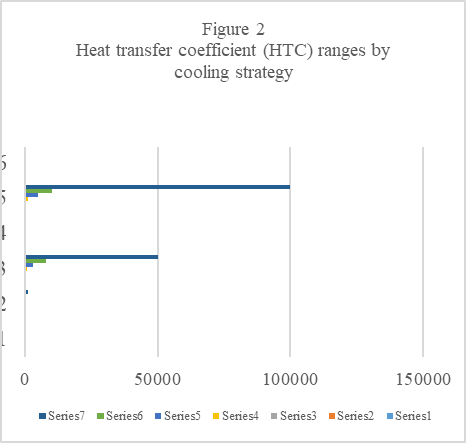
Figure 6: presents normalized performance deltas between immersion cooling and cold plates under the 3C test condition
3.3. Phase Change Materials (PCM)
Passive control is done by employing PCMs via the process of latent heat absorption. Paraffin-based organic compounds are durable and easily recyclable but are poorly conductive at around 0.2 W/mK. The salt-based hydrates, meanwhile, have better conductivity properties; however, they suffer from corrosion and supercooling issues.
3.4. Heat Pipes
Heat pipes function based on the concept of two-phase heat transfer process that involves evaporation and condensation. Condensed fluid is transported back to the evaporator using the wicking material inside the pipe utilizing capillary forces; hence, making the device gravity-independent.
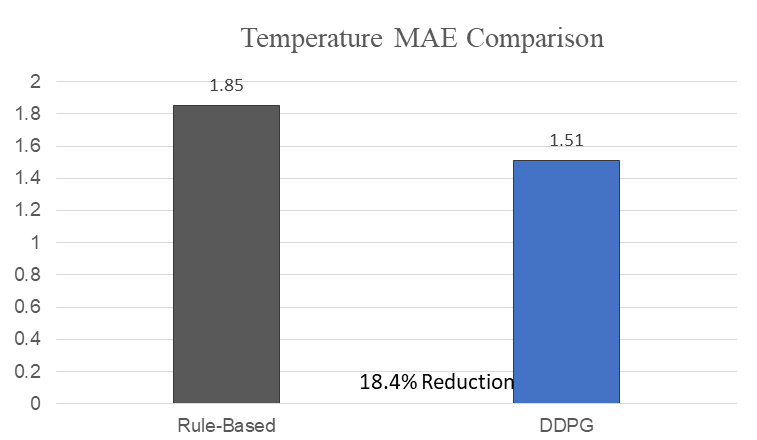
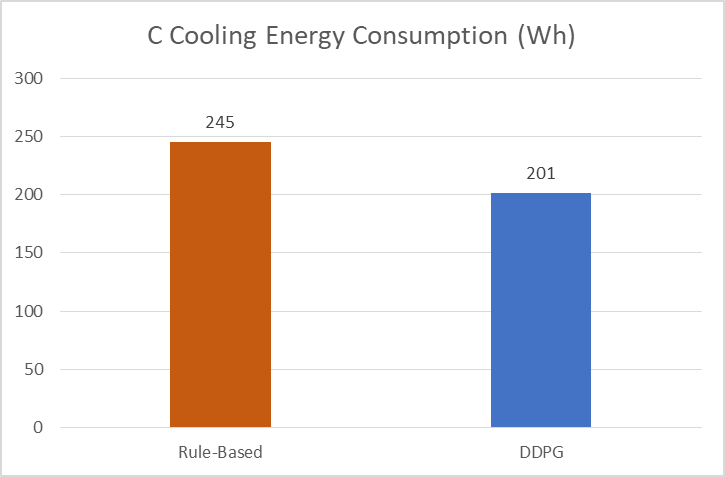
Figure 4: Summarizes the MAE and energy consumption improvements achieved by the DDPG controller relative to the rule-based baseline under WLTC and HWFET cycles.
3.5. Smart/AI-Based Systems
The currently used BTMS use models such as the Physics-Informed Neural Networks and Reinforcement Learning algorithms. As stated by Ge (2025), the DDPG controller uses the reward function to manage temperature uniformity, power used for cooling, and TR risks penalty and uses 18.0% less cooling energy than the threshold controllers that use predefined rules.
3.6. Thermoelectric Cooling (TEC)
The Peltier devices are ideal for applications that require localized cooling. With a coefficient of performance (COP) range of 0.3 to 0.5, the amount of power used by such a device is 2 to 3.3 times the amount used for heat dissipation.
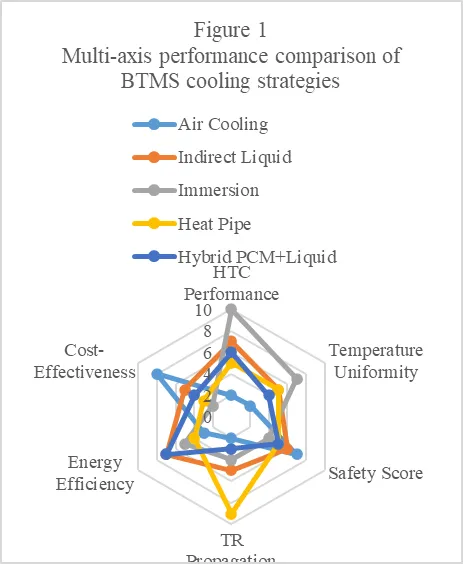
4. Comparative Analysis
|
Metric |
Air Cooling |
Indirect Liquid |
Immersion |
Pure PCM |
Hybrid (PCM+Liq) |
|
HTC (W/m²K) |
5–50 |
500–3,000 |
1,000–8,000 |
N/A |
500–3,000 |
|
Uniformity |
Poor |
Good |
Excellent |
Excellent |
Excellent |
|
Energy Efficiency |
Low |
High |
Very High |
Passive |
High |
|
Safety Risk |
Low (Air) |
Moderate (Leak) |
Moderate (Flash) |
Low-Moderate |
Moderate |
|
TR Prop. Delay |
None |
Low |
Moderate |
High |
Very High |
|
Relative Cost |
Low |
Moderate |
Very High |
Moderate |
High |
Note: Hybrid HTC refers to the liquid loop component. PCM safety is "Low-Moderate" as paraffins are combustible but non-flammable under normal BTMS conditions.
5. Design Challenges
â—Regulatory compliance: There are regulations that prohibit the presence of an external fire source during the five minutes following TR. The goal set by the industry for the fire propagation time from cells to packs after TR is fifteen minutes following TR.
â—Mass and Volume Effect: Technologies such as immersion cooling have increased mass by around 5-15%, leading to a reduction in the volumetric energy density by up to 20%.
â—Core Temperature Measurement: Core temperature is measured using thermistors in contact with the surfaces, resulting in a temperature error range of 8-15°C for very rapid charge events.
6. Research Gaps
â—Standardized Benchmarking: Another critical problem with the lack of standardized benchmarking methods makes any comparison among different cooling techniques virtually impossible.
â—Solid-State Batteries (SSBs): In contrast to LIBs, SSBs feature thermal conductivities of the solid electrolytes at ~0.5-1 W/mK, which requires a tailor-made BTMS for mitigating the reduction of ionic conductivity due to lowering temperature conditions.
â—Ageing: Currently none of the discussed models is capable of projecting the performance of BTMS beyond 1,000+ cycles, since the increase of internal resistance caused by SEI film formation reaches ~20-40%.
7. Future Scope
â—AI Digital Twinning: Combining CFD and ML models yields an accurate thermal map with less than 1°C error margin, enabling predictive maintenance.
â—ITMS Valves: ITMS valves operating in multiple modes enable the winter range to rise by about 30% as opposed to PTC heaters owing to the utilization of excess heat generated from motors and electronics.
â—Materials: Using 4D-printing technology (stimulus-responsive materials) engineered by scientists at MIT and ETH Zurich enables the formation of structures with adjustable conductivities.
CONCLUSION
Due to increased expectations from EVs, BTMS has now become a key technology affecting its safety and range. It can thus be concluded from the review above that technologies such as direct immersion cooling and hybrid system using PCM have maximum potential in advanced application. Further research should now concentrate on aging models and benchmarking criteria.
REFERENCES



Pari Dargude*, Rashi Dandamwar, Chelsa Dongarwar, A Review Of Advanced Designs And Smart Control Methods In EV Battery Cooling Systems: Performance, Standards, And Future Trends, Int. J. Sci. R. Tech., 2026, 3 (5), 1049-1054. https://doi.org/10.5281/zenodo.20427368
 10.5281/zenodo.20427368