

We use cookies to ensure our website works properly and to personalise your experience. Cookies policy
1Department of Pharmaceutical Chemistry, AAEMAF’s Delight College of Pharmacy, Koregaon Bhima, Pune, Maharashtra, 412216
2Principal of AAEMAF’s Delight College of Pharmacy, Koregaon Bhima, Pune, Maharashtra, 412216
Dragon fruit (Hylocereus spp., formerly classified under this genus and now largely placed in Selenicereus) has emerged as a nutritionally valuable tropical fruit with considerable potential for functional food and nutraceutical applications. Its diverse phytochemical composition, including betalains, polyphenols, flavonoids, dietary fibre, vitamins and essential minerals, has attracted increasing scientific attention for its possible contribution to human health. The present review explores the antioxidant, immunomodulatory and weight-management potential of dragon fruit, with particular emphasis on the biological activities of its naturally occurring constituents. Its antioxidant properties are associated with the ability of certain phytochemicals to scavenge free radicals and potentially mitigate oxidative stress. In addition, selected bioactive compounds may influence inflammatory mediators and cellular signalling pathways, indicating a possible role in the regulation of immune responses. The substantial dietary fibre and water content may further contribute to digestive health, satiety and metabolic regulation, suggesting its relevance as part of a balanced dietary approach to weight management. However, the extent of these biological effects may depend on fruit variety, cultivation conditions, maturity, extraction techniques, processing methods and the bioavailability of active compounds. Although preliminary experimental findings indicate promising health-related properties, further well-designed human clinical studies are necessary to establish their effectiveness, safety and underlying mechanisms. Overall, dragon fruit represents a promising candidate for functional food development and warrants further investigation into its potential role in supporting human health.
Dragon fruit, commonly known as pitaya or pitahaya, is an important tropical and subtropical fruit belonging to the family Cactaceae. It is widely cultivated in various parts of the world and is valued for its attractive appearance, pleasant taste and nutritional properties. The fruit is produced by climbing cactus plants and is characterised by its brightly coloured outer skin, soft and juicy pulp and numerous small black seeds. The commonly cultivated species include Hylocereus undatus (white-fleshed dragon fruit) and Hylocereus polyrhizus (red-fleshed dragon fruit), which are now classified under the genus Selenicereus according to modern botanical taxonomy. Due to its nutritional composition and potential health benefits, dragon fruit has gained considerable attention in the fields of food science, nutrition and pharmaceutical research. [3, 25, 27, 31]
Dragon fruit contains various nutrients and naturally occurring bioactive compounds that contribute to its nutritional and functional properties. Its major nutritional components include carbohydrates, dietary fibre, vitamins, minerals and small quantities of proteins and fats. It also contains several phytochemicals, such as betalains, polyphenols, flavonoids and phenolic acids. Betalains are water-soluble pigments responsible for the red-purple and yellow-orange colours of different varieties. These pigments, along with phenolic compounds and flavonoids, have attracted scientific interest because of their potential antioxidant activities. The concentration of these constituents may vary depending on the variety, maturity, cultivation conditions and processing methods. [1, 4, 24, 25, 29, 31]
Antioxidants play an essential role in protecting the body against oxidative stress. Oxidative stress occurs when there is an imbalance between the production of reactive oxygen species and the body's natural antioxidant defence mechanisms. Excessive accumulation of free radicals may damage important cellular components, including lipids, proteins and DNA, and may contribute to the development of several chronic diseases. Dragon fruit contains betalains, polyphenols and vitamin C, which may help neutralise free radicals and support antioxidant defence. These properties have made dragon fruit an interesting subject for research related to cellular protection and overall health. [4, 8, 16, 23, 29]
Apart from its antioxidant properties, dragon fruit has also gained attention for its possible immunomodulatory effects. Certain bioactive compounds and dietary components present in the fruit may influence inflammatory processes and immune-related biological pathways. Its dietary fibre and oligosaccharides may also support intestinal health by promoting the growth and activity of beneficial gut microorganisms. Since the gut microbiota plays an important role in digestion, intestinal barrier function and immune regulation, dragon fruit may have potential applications in supporting a healthy gut environment. [15, 18, 19, 21, 22, 28]
Dragon fruit is also considered a useful dietary component for weight management because of its high moisture content and dietary fibre. Fibre supports normal bowel function and may help promote fullness, which can contribute to the regulation of food intake. Its consumption as a whole fruit may also provide a healthier alternative to certain energy-dense snacks. Experimental studies have further investigated its possible effects on lipid metabolism, blood glucose regulation and body fat accumulation. However, its direct effectiveness in producing weight loss in humans remains to be established. [2, 20, 32, 34]
Considering its nutritional value and diverse bioactive constituents, dragon fruit represents a promising functional food with potential applications in nutritional and pharmaceutical research. Therefore, the present review focuses on its botanical characteristics, nutritional composition, phytochemical constituents, antioxidant properties, immunomodulatory potential and possible role in weight management. It also discusses the available scientific evidence, safety considerations, research limitations and future prospects for its development as a functional food. [24, 25, 27, 29, 31]
CHARACTERIZATION OF DRAGON FRUIT
Dragon fruit belongs to the family Cactaceae and genus Selenicereus. It is a climbing cactus with green, fleshy stems and large white flowers. The fruit is oval in shape with pink, red or yellow skin. Its pulp is white, red or purple with small black seeds. It contains dietary fibre, vitamins, minerals and carbohydrates. It is also rich in phytochemicals such as betalains, flavonoids and phenolic compounds. These compounds show antioxidant potential and may contribute to its nutritional and pharmaceutical importance. Dragon fruit shows considerable variation in its physical and chemical properties among different varieties. Its quality depends on factors such as fruit maturity, harvesting time and storage conditions. The fruit contains natural pigments responsible for its characteristic colour. Its composition can be evaluated using different analytical methods to determine its quality and purity. These studies help in understanding the stability of its bioactive compounds during processing and storage. Characterization also supports the selection of suitable raw materials for product development. Thus, it plays an important role in the quality evaluation and standardization of dragon fruit for pharmaceutical and nutraceutical application. [3, 24, 25, 27, 31]
Table 1: Comparative Characterization of Dragon Fruit [24, 25, 29, 31]
| Sr no. | Type of Characterization | Important Parameters | Description / Characteristics | Significance |
|---|---|---|---|---|
| 1. | Botanical Characterization | Family, genus, plant type, stem, flower, fruit | Belongs to family Cactaceae and genus Selenicereus. It is a climbing cactus with fleshy green stems and large night-blooming flowers. | Helps in botanical identification and classification |
| 2. | Morphological Characterization | Shape, size, peel, pulp, colour, seeds | Fruit is oval or elliptical, with pink, red or yellow peel, juicy white or red pulp and numerous small black seeds. | Helps in identification and differentiation of varieties. |
| 3. | Nutritional Characterization | Moisture, carbohydrates, proteins,fibre, vitamins and minerals | Contains high moisture, dietary fibre, carbohydrates, potassium, magnesium and small amounts of vitamin C. | Contributes to nutritional value and weight-management research. |
| 4. | Phytochemical Characterization | Betalains, phenolic acids, flavonoids, polyphenols and fatty acids | Contains betanin, phyllocactin, quercetin, rutin, chlorogenic acid and unsaturated fatty acids. | Associated with antioxidant and potential anti-inflammatory activities |
BOTANICAL AND NUTRITIONAL PROFILE OF DRAGON FRUIT
1. Botanical Profile of Dragon Fruit
Dragon fruit, commonly known as pitaya or pitahaya, is an edible tropical fruit belonging to the family Cactaceae. It is mainly obtained from climbing cactus species of the genus Selenicereus, which were previously classified under the genus Hylocereus. The plant is widely known for its attractive flowers, fleshy stems and brightly coloured fruits .The dragon fruit plant is a perennial climbing cactus that grows with the support of trees, poles or other structures. It has green, fleshy and three-sided stems that perform photosynthesis. The stems contain small spines along their margins and develop aerial roots that help the plant attach to supporting surfaces. [3, 25, 27, 31]
The plant produces large, attractive and fragrant flowers that generally bloom at night. These flowers are commonly called night-blooming flowers. After successful pollination, the flowers develop into oval or elliptical fruits.The fruit consists of a thick outer peel and soft, juicy pulp. Depending on the species and variety, the peel may be pink, red or yellow, while the pulp may be white, red or purple. Numerous small black seed are distributed throughout the edible pulp.The commonly recognized species include Selenicereus undatus, Selenicereus monacanthus, Selenicereus costaricensis and Selenicereus megalanthus. These varieties differ in their external appearance, pulp colour and phytochemical composition. Dragon fruit is botanically important because different parts, including the pulp, peel and seeds, contain natural bioactive substances. These plant parts are investigated for their nutritional, antioxidant and other biological properties. [3, 20, 22, 26]
1. Nutritional Profile of Dragon Fruit
Dragon fruit is considered a nutritious tropical fruit because it contains a variety of essential nutrients and naturally occurring bioactive compounds. Its nutritional composition includes carbohydrates, dietary fibre, proteins, vitamins, minerals and small amounts of fats. The composition may vary according to the species, fruit maturity, growing conditions and processing methods. The fruit contains a high proportion of water, which contributes to its juicy texture and refreshing nature. Carbohydrates are the major energy-providing nutrients and mainly occur in the form of naturally available sugars such as glucose and fructose, Dietary fiber are another important nutritional component of dragon fruit. It supports normal digestive functions, helps maintain bowel regularity and may contribute to a feeling of fullness. Therefore, the fibre content makes dragon fruit a useful addition to a balanced diet focused on weight management. Dragon fruit contains small quantities of vitamins, particularly vitamin C, which plays an important role in normal immune function and collagen formation. Vitamin C also acts as an antioxidant and helps protect body cells against oxidative damage. The fruit provides essential minerals such as potassium, magnesium, calcium, phosphorus and iron. [2, 7, 24, 25, 31]
These minerals participate in several physiological processes, including electrolyte balance, muscle function, bone health and normal cellular metabolism. Apart from its basic nutritional components, dragon fruit contains several phytochemicals, including betalains, phenolic acids and flavonoids. Betalains are natural pigments mainly responsible for the red and purple colour of certain varieties. Phenolic compounds and flavonoids contribute to the antioxidant properties of the fruit. The seeds of dragon fruit also contain small amounts of beneficial lipids, particularly unsaturated fatty acids. These compounds contribute to the nutritional value of the fruit. [2, 7, 19, 20, 26]
MAJOR VARIETIES OF A DRAGON FRUIT
Dragon fruit (Selenicereus spp.) belongs to the family Cactaceae. It is available in different types that differ in skin colour, pulp colour, nutritional composition and phytochemical constituents. The four major types are described below.
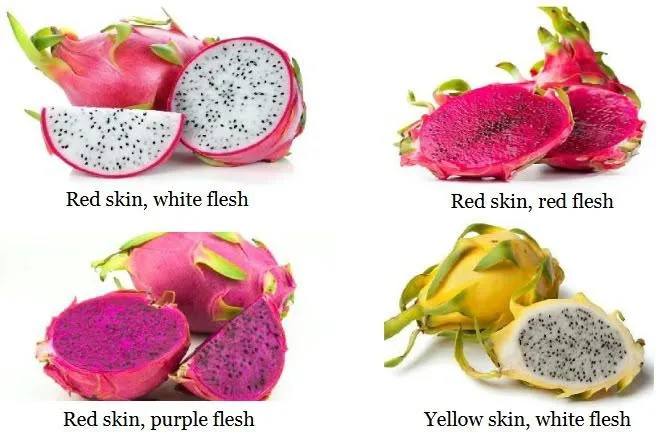
Figure 1: Major Varieties of a Dragon Fruit
1. Red-Skinned White-Fleshed Dragon Fruit (Selenicereus undatus)
This is one of the most widely cultivated types of dragon fruit. It has bright pinkish-red skin with green bracts and white juicy pulp containing small black seeds. Its pulp contains dietary fibre, carbohydrates, minerals, phenolic acids and flavonoids. These constituents contribute to its nutritional value and antioxidant potential. It is commonly consumed fresh and used in juices and functional food preparations. [3, 24, 25]
2. Red-Skinned Red-Fleshed Dragon Fruit (Selenicereus monacanthus)
This variety is characterised by reddish-pink skin and deep red or purple pulp. Its intense colour is mainly due to betalain pigments, particularly betacyanins. It also contains phenolic compounds, flavonoids, dietary fibre and minerals. These bioactive constituents are investigated for their antioxidant and potential anti-inflammatory activities. It is particularly important in natural pigment extraction and nutraceutical research. [4, 5, 6, 9, 11, 14, 24]
3. Yellow-Skinned White-Fleshed Dragon Fruit (Selenicereus megalanthus)
This variety has bright yellow skin with small thorn-like structures and white, juicy pulp containing black seeds. It generally has a sweeter taste and pleasant aroma. Its nutritional composition includes natural sugars, dietary fibre, minerals and phenolic compounds. These constituents contribute to its nutritional value and potential antioxidant properties. It is mainly valued for fresh consumption and nutritional applications. [3, 25, 27]
4. Dark Red-Skinned Purple-Red-Fleshed Dragon Fruit (Selenicereus costaricensis)
This variety possesses dark magenta skin and intensely coloured purple-red pulp. Its pigmentation is mainly associated with betalain pigments, especially betacyanins. It also contains phenolic compounds and flavonoids that contribute to its antioxidant potential. Its pigment-rich pulp and peel are of interest for natural colourant extraction, functional food development and nutraceutical applications. Overall, the major varieties of dragon fruit are important sources of nutritional and bioactive compounds. Their betalains, phenolic compounds, flavonoids and dietary fibre make them valuable for research on antioxidant properties, immunomodulatory potential and weight management [4, 5, 6, 14, 29, 31]
Table 2: Types of Dragon Fruit [24, 25, 27, 31]
| Sr no. | Major comparison points | Selenicereus undatus | Selenicereus monacanthus | Selenicereus megalanthus | Selenicereus costaricensis |
|---|---|---|---|---|---|
| 1. | Pulp colour | White | Red | White | Violet-red |
| 2. | Major bioactive constituents | Phenolics, flavonoids | Betacyanins, betalains | Phenolics, flavonoids | Betacyanins, betalains |
| 3. | Main biological potential | Antioxidant, digestive health | Antioxidant, anti-inflammatory | Antioxidant, nutritional | Antioxidant, anti-inflammatory research |
| 4. | Food / industrial applications | Juices, beverages, functional foods | Natural food colourants, beverages, nutraceutical ingredients |
Natural food colourants, beverages, nutraceutical ingredients |
Natural pigments, functional food ingredients |
| 5. | Pharmaceutical / medical research applications | Antioxidant-rich nutraceutical formulations | Betalain-based antioxidant formulations | Betalain-based antioxidant formulations | Betalain-rich extract and antioxidant formulation research |
PHYTOCHEMICAL CONSTITUENTS OF DRAGON FRUIT:
Dragon fruit (Selenicereus spp., formerly classified under Hylocereus spp.) contains a wide range of bioactive phytochemicals that contribute to its nutritional and pharmacological properties. The major phytochemical groups include betalains, phenolic compounds, flavonoids, carotenoids, dietary fibre and fatty acids. These constituents are distributed in different parts of the fruit, such as the pulp, peel and seeds. [4, 8, 24, 29, 31]
1. Betalains: Dragon fruit, particularly red-fleshed varieties, contains betalain pigments, mainly betacyanins and betaxanthins. Betacyanins contribute to the red-violet colour, while betaxanthins produce yellow-orange shades. These pigments possess antioxidant activity and may help protect cells against oxidative damage. [1, 5, 6, 9, 11, 14, 33]
2. Phenolic compounds: The fruit contains phenolic acids such as gallic acid, chlorogenic acid, caffeic acid, ferulic acid and protocatechuic acid. These compounds exhibit antioxidant properties and contribute to the biological activity of dragon fruit. [4, 13, 14, 29, 31]
3. Flavonoids: Important flavonoids reported in dragon fruit include quercetin, rutin, kaempferol and myricetin. They are associated with antioxidant and anti-inflammatory activities and may contribute to cellular protection. [11, 24, 27, 29, 31]
4. Dietary fibre and oligosaccharides: Dragon fruit pulp and peel contain soluble and insoluble dietary fibres, including pectin and other polysaccharides. These components support bowel regularity and may promote beneficial intestinal microorganisms, contributing to gut health and weight management. [10, 18, 21, 22, 28]
5. Fatty acids and phytosterols: Dragon fruit seeds contain valuable lipids, particularly linoleic acid, oleic acid and palmitic acid. These constituents contribute to the nutritional value of the fruit, while phytosterols may also be present in its lipid fraction. [7, 12]
6. Carotenoids and other micronutrients: Small quantities of carotenoid pigments and vitamin-related compounds may occur depending on the variety. These compounds contribute to the overall antioxidant potential of the fruit. [24, 25, 31]
7. Polysaccharides and organic acids: Dragon fruit contains pectic substances, oligosaccharides and other polysaccharides. Organic acids, including malic and citric acids, contribute to fruit acidity and may influence its taste, stability and metabolic properties. [10, 18, 21, 22, 28]
Table 3: Phytochemical Constituents and Their Activities in Dragon Fruit [7, 8, 9, 11, 12, 13, 24, 29]
| Sr no. | Fruit part | Major phytochemical constituents | Biological activities |
|---|---|---|---|
| 1. | pulp | Betalains, phenolic acids, flavonoids, vitamin C | Antioxidant, anti-inflammatory and cellular protective effects |
| 2. | peel | Betacyanins, pectin, flavonoids, phenolic compounds | Antioxidant activity, free-radical scavenging and potential prebiotic effects |
| 3. | seeds | Linoleic acid, oleic acid, palmitic acid, phytosterols | Nutritional support, lipid-related benefits and antioxidant potential |
| 4. | Pulp and peel | Dietary fibre, polysaccharides and oligosaccharides | Supports digestion, bowel regularity and gut microbiota |
| 5. | Peel and pulp | Quercetin, rutin, kaempferol and other polyphenol | Antioxidant and potential anti-inflammatory activities |
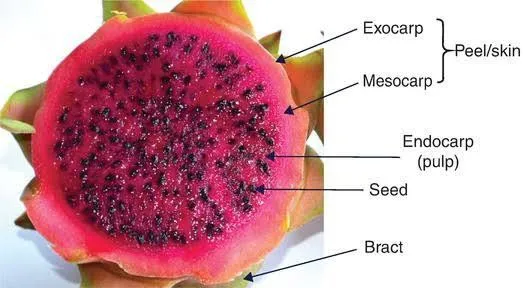
Figure 2: Layering Diagram of a Dragon Fruit
ROLE OF ANTIOXIDANT PROPERTIES OF DRAGON FRUIT
Antioxidant properties:
Dragon fruit (Selenicereus spp.) possesses significant antioxidant potential due to the presence of various bioactive compounds, including betalains, phenolic acids, flavonoids and vitamin C. These phytochemicalshelp protect body cells against oxidative stress caused by excessive free radicals and reactive oxygen species (ROS).[1, 4, 8, 9, 11, 13, 14, 16, 17, 23, 29]
The major roles of antioxidant properties of dragon fruit are:
1. Free Radical Scavenging: Betalains, phenolic compounds and flavonoids neutralize harmful free radicals and reduce their reactivity.
2. Protection Against Oxidative Stress: Antioxidant compounds help maintain the balance between free radical production and the body's natural antioxidant defence system.
3. Cellular Protection: These bioactive constituents help protect important cellular components, including lipids, proteins and DNA, from oxidative damage.
4. Inhibition of Lipid Peroxidation: Dragon fruit antioxidants may reduce the oxidation of lipids and help maintain cell membrane integrity.
5. Antioxidant Enzyme Support: Certain phytochemicals may influence natural antioxidant defence enzymes, such as superoxide dismutase (SOD), catalase (CAT) and glutathione peroxidase (GPx).
6. Anti-inflammatory Potential: By controlling oxidative stress, dragon fruit phytochemicals may also influence inflammatory processes and support cellular health.
Mechanism of Action
Antioxidants such as polyphenols, flavonoids and vitamin C protect cells from oxidative damage by donating electrons or hydrogen atoms to free radicals, thereby neutralising reactive oxygen species (ROS). They also help inhibit ROS-producing enzymes and activate the Nrf2 signalling pathway, which increases the production of natural antioxidant enzymes such as SOD, CAT, GPx and HO-1. These combined actions reduce oxidative stress, prevent damage to lipids, proteins and DNA, and maintain cellular health. [1, 6, 16, 17, 23]
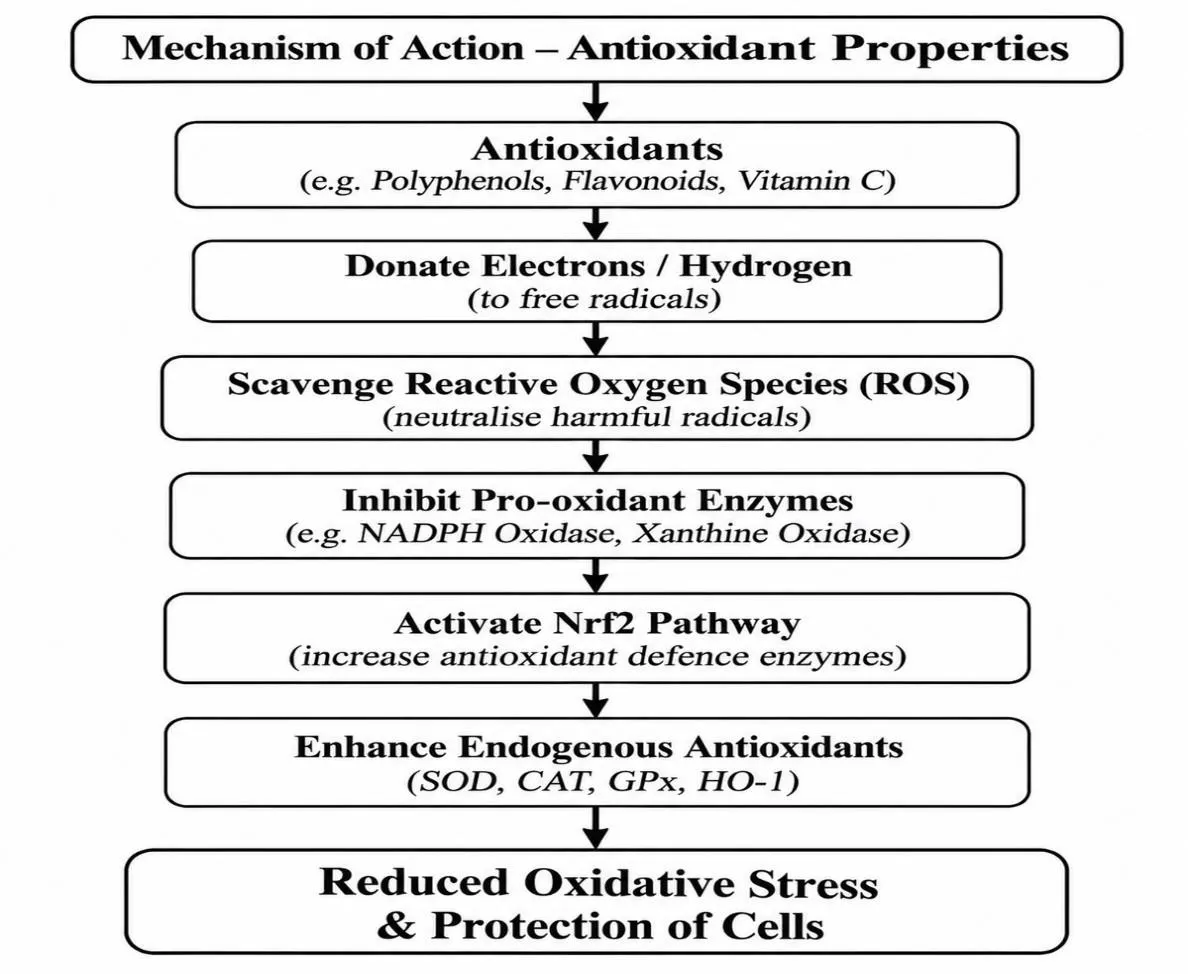
FLOWCHART 1-MECHANISM ACTION OF ANTIOXIDANT PROPERTIES
ROLE OF IMMUNOMODULATORY ACTIVITY OF DRAGON FRUIT
Immunomodulatory Activity:
Dragon fruit (Selenicereus spp.) contains several bioactive compounds, including betalains, flavonoids, phenolic compounds, vitamin C and dietary fibre. These constituents may help regulate immune system functions and support the body's natural defence mechanisms.
1. Enhancement of Immune Defence: Vitamin C and antioxidants help protect immune cells against oxidative damage and support normal immune function.
2. Regulation of Inflammatory Responses: Betalains and phenolic compounds may help regulate inflammatory pathways by reducing the production of certain pro-inflammatory mediators.
3. Protection of Immune Cells: Antioxidant compounds help neutralize free radicals and protect cells from oxidative stress.
4. Support of Gut Immunity: Dietary fibre may promote beneficial intestinal bacteria, which contribute to maintaining intestinal health and immune regulation.
5. Regulation of Cytokines: Certain bioactive compounds may influence cytokine production and help maintain a balanced immune response.
6. Support of Natural Body Defence: The combined antioxidant and nutritional properties may contribute to maintaining normal immune system activity. [15, 18, 19, 21, 22, 28]
Mechanism of Action:
Dragon fruit contains bioactive compounds that provide antioxidant and anti-inflammatory effects, helping protect immune cells, regulate inflammation, and support gut health. These activities may help maintain normal immune function and provide potential immunomodulatory benefits. [15, 21, 22, 28]
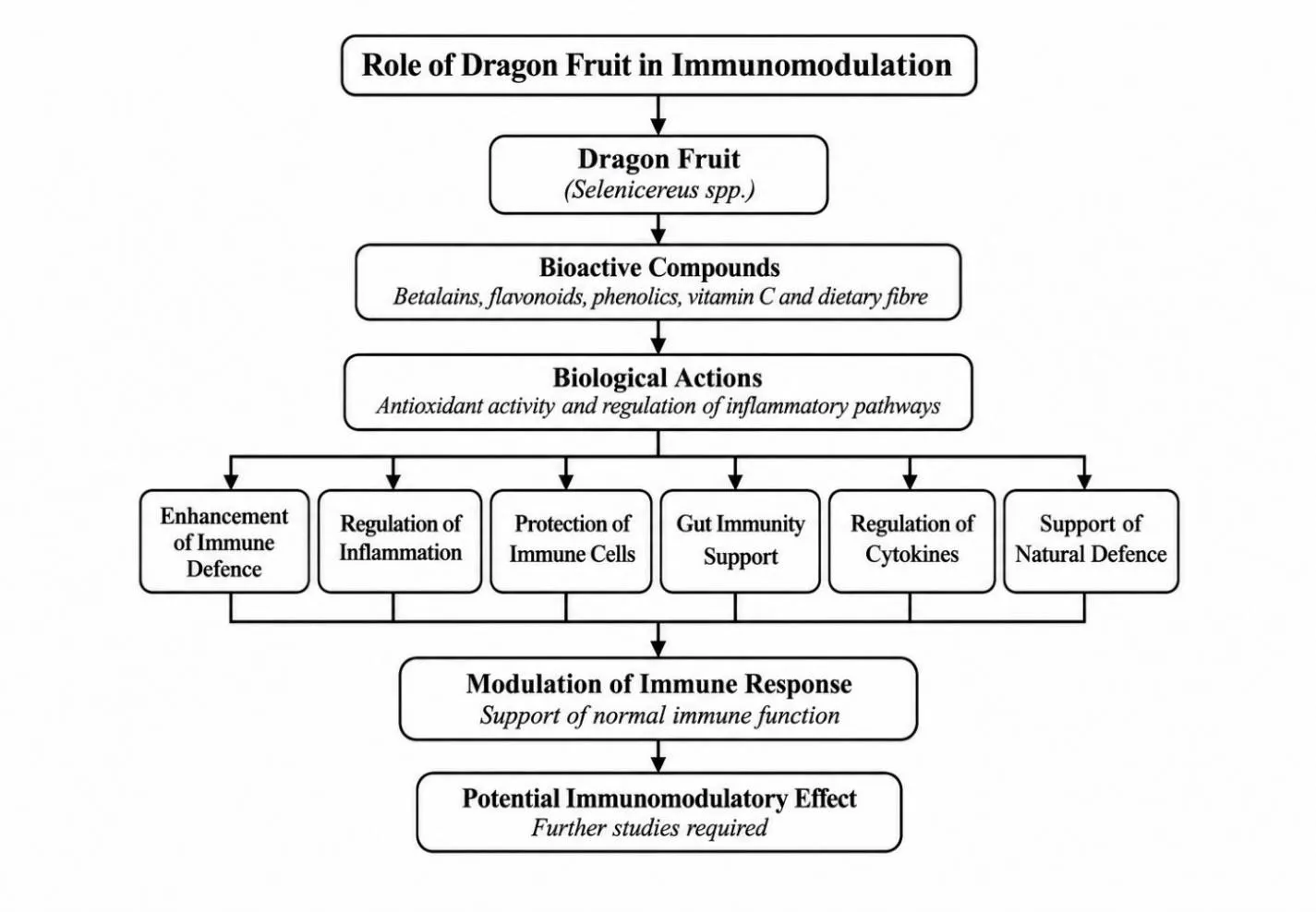
FLOWCHART 2 - MECHANISM ACTION OF IMMUNOMODULATORY ACTIVITY
ROLE OF DRAGON FRUIT IN WEIGHT MANAGEMENT
Weight management:
Role of Dragon Fruit in Weight Management Dragon fruit (Selenicereus spp.) has potential applications in weight management due to its favourable nutritional composition, dietary fibre, high moisture content and bioactive phytochemicals. These components may contribute to appetite regulation, digestive health, glucose balance and metabolic functions. Its major roles are described below:
1. Regulation of Appetite and Satiety: Dietary fibre and high water content increase food bulk and promote a feeling of fullness. This may delay hunger, reduce frequent snacking and help control excessive food consumption.
2. Reduction in Calorie Intake: Dragon fruit has relatively low energy density and provides essential nutrients with comparatively fewer calories. Replacing high-calorie snacks with dragon fruit may help maintain daily calorie balance.
3. Improvement in Lipid Metabolism: Bioactive compounds such as betalains, flavonoids and phenolic acids possess antioxidant properties. They may help protect against oxidative stress associated with obesity-related metabolic disturbances and support healthy lipid metabolism.
4. Regulation of Blood Glucose: Dietary fibre may slow the digestion and absorption of carbohydrates, helping reduce rapid post-meal glucose fluctuations. This may contribute to better glycaemic control and metabolic health.
5. Support of Gut Microbiota: Dietary fibre and non-digestible carbohydrates may act as substrates for beneficial intestinal bacteria. Their fermentation can produce short-chain fatty acids (SCFAs), which participate in intestinal health, energy regulation and metabolic processes.
6. Improvement in Digestive Function: Soluble and insoluble fibre support normal bowel movements, increase stool bulk and maintain intestinal function. Healthy digestion is an important component of dietary management. [2, 10, 18, 19, 20, 24, 25, 32, 34]
Mechanism of Action
Dragon fruit helps support weight management because it is low in calories and rich in dietary fibre. Fibre promotes fullness, reduces hunger, improves digestion and helps control overall calorie intake. Its antioxidants may also support metabolic health. [2, 10, 18, 20, 24, 32]
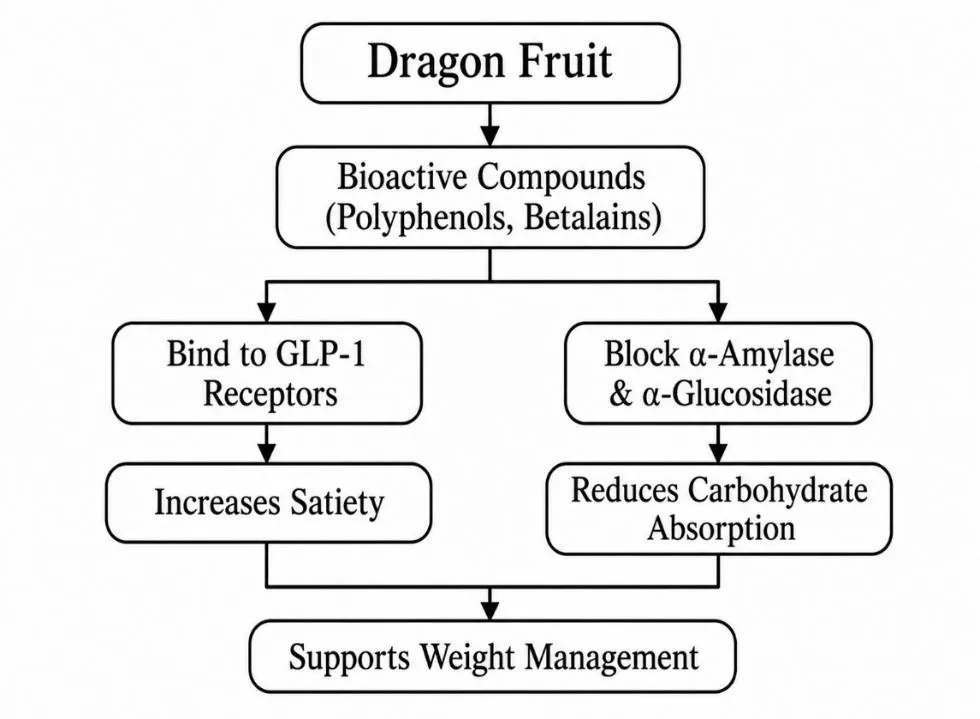
FLOWCHART 3 - MECHANISM ACTION OF WEIGHT MANAGEMENT
GUT MICROBIOTA AND PREBIOTIC POTENTIAL OF DRAGON FRUIT
Introduction to Gut Microbiota
Gut microbiota refers to the diverse community of microorganisms living in the gastrointestinal tract, particularly the large intestine. These microorganisms play essential roles in digestion, nutrient absorption, intestinal barrier maintenance and immune regulation. An imbalance in microbial composition may be associated with digestive and metabolic disturbances. Dragon fruit contains dietary fibre and indigestible
carbohydrates that may influence gut microbial diversity and support a favorable intestinal environment. [15, 18, 19, 21, 22, 28]
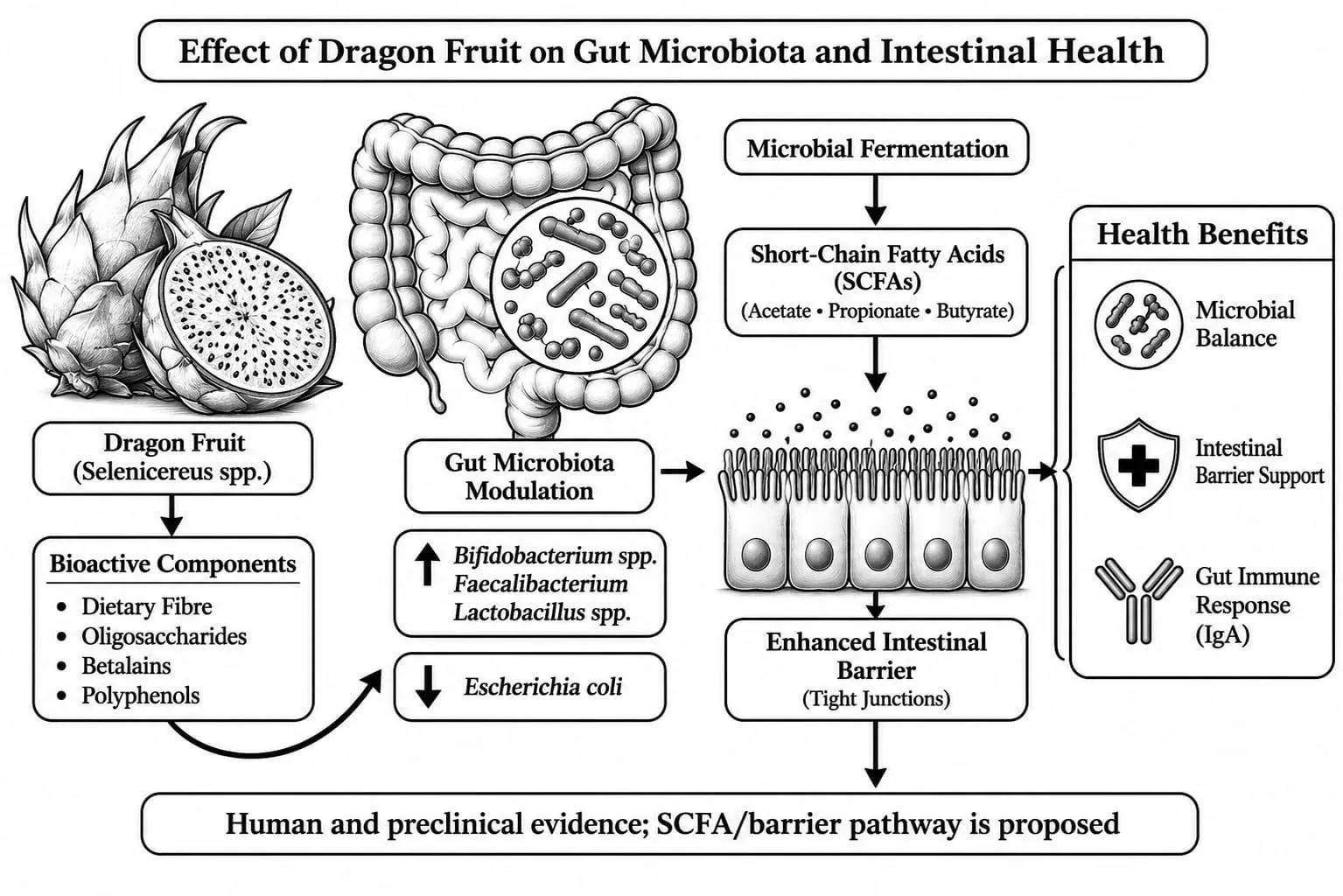
Figure 3: Effect of Dragon Fruit on Gut Microbiota and Intestinal Health
Prebiotic Potential of Dragon Fruit:
Prebiotics are substances selectively utilized by beneficial gut microorganisms, contributing to host health. Dragon fruit contains dietary fibre and dragon fruit oligosaccharides (DFO), which may resist digestion in the upper gastrointestinal tract and reach the colon. There, they serve as substrates for microbial fermentation, potentially promoting beneficial bacterial growth. These properties make DFO promising ingredients for functional food development [10, 18, 21, 22, 28].
Effect of Dragon Fruit on Beneficial Gut Bacteria:
Dragon fruit oligosaccharides have demonstrated potential to influence beneficial gut bacteria, particularly Bifidobacterium and Lactobacillus. A 2020 study reported increased populations of these bacteria in rats following DFO treatment. Such changes suggest prebiotic activity and possible improvement in microbial balance. However, animal findings require confirmation through human studies. [21, 22, 28]
Role in Short-Chain Fatty Acid Production:
Short-chain fatty acids (SCFAs), mainly acetate, propionate and butyrate, are produced through microbial fermentation of dietary fibre and oligosaccharides. They contribute to intestinal health, provide energy to colon cells and participate in metabolic regulation. Pansai and colleagues (2020) reported increased SCFA production, particularly butyrate, following DFO fermentation in an experimental colon model. This suggests a possible pathway through which dragon fruit oligosaccharides support gut health. [10, 18, 21, 28]
Relationship Between Gut Microbiota and Immunity
Gut microbiota interacts closely with the immune system and contributes to intestinal barrier function and immune regulation. Dragon fruit oligosaccharides have been investigated for their prebiotic and immunomodulatory potential. A randomized, double-blind, placebo-controlled study by Pansai and colleagues (2023), involving 107 healthy adults over four weeks, reported increased serum immunoglobulin A (IgA) at 4 g/day DFO. The 8 g/day group showed changes in selected gut bacteria, including Bifidobacterium. These findings indicate potential effects on gut microbiota and mucosal immunity. [15, 18, 19, 21, 22, 28]
EVIDENCE FROM IN-VITRO, ANIMAL AND HUMAN STUDIES
1. Evidence from In-vitro Studies
In-vitro studies investigate the biological properties of dragon fruit pulp, peel and seeds under controlled laboratory conditions. It is an important bioactive constituents include betalains, flavonoids and phenolic compounds. Antioxidant potential is commonly evaluated through DPPH, ABTS and FRAP assays, which measure free-radical-scavenging and reducing activities. These compounds may help limit oxidative reactions under experimental conditions. However, laboratory antioxidant activity does not directly establish equivalent benefits in humans. [4, 8, 9, 11, 13, 14, 17]
2. Evidence from Animal Studies
Animal studies help investigate the physiological effects of dragon fruit extracts under controlled biological conditions. Research has examined their influence on blood glucose, lipid profiles, oxidative stress and inflammatory markers. Certain preparations have demonstrated promising metabolic effects, potentially associated with their phenolic compounds and betalains. However, results depend on the animal model, dosage, preparation and treatment duration. These findings cannot automatically be generalized to humans. [21, 22, 32]
3. Evidence from Human Studies
Human studies provide important evidence regarding the practical health effects of dragon fruit. Research has investigated its nutritional properties and possible influence on metabolic and cardiovascular indicators. A 2025 study involving 18 participants evaluated a frozen red dragon fruit beverage over four weeks. Changes in selected blood pressure, insulin response and inflammatory markers were reported. Although promising, the small sample size and short duration limit the conclusions regarding long-term health benefits and weight management. [28, 34]
Dragon fruit's bioactive composition and nutritional quality are influenced by processing, storage and bioavailability. These factors determine the stability and potential utilization of its active constituents.
EFFECT OF PROCESSING, STORAGE AND BIOAVAILABILITY
1. Effect of processing
Processing methods such as heating, pasteurization, drying and extraction can alter dragon fruit's nutritional composition. High temperatures and prolonged heating may degrade heat-sensitive betalains, affecting pigment concentration, colour stability and antioxidant activity. Therefore, appropriate processing conditions are important for retaining valuable phytochemicals and maintaining product quality. [5, 6, 17, 33]
2. Effect of Storage
Storage conditions significantly influence the stability of dragon fruit pigments and bioactive compounds. Exposure to light, high temperatures and prolonged storage may accelerate betalain degradation. Refrigeration and light-protective packaging can help preserve pigment stability and product quality. However, degradation may still occur during extended storage. [5, 6, 12, 33]
Bioavailability of Active Constituents
Bioavailability refers to the proportion of a compound released from food, absorbed and made available for biological use. In dragon fruit, the availability of betalains, phenolics and other phytochemicals depends on their chemical structure, digestion, processing and interactions with dietary components. Gut microorganisms may also modify certain compounds. Further research is needed to establish their absorption and biological effectiveness in humans. [18, 19, 23, 29]
SAFETY AND LIMITATIONS
Safety of dragon fruit
Dragon fruit (Selenicereus spp.) provides dietary fibre, vitamins, minerals and bioactive compounds and is generally consumed as part of a balanced diet. However, allergic reactions may occur in susceptible individuals. The safety of concentrated extracts may differ from that of fresh fruit because of variations in compound concentration and preparation methods. Its potential antioxidant, immunomodulatory and metabolic effects require further clinical confirmation. Dragon fruit should be considered a food rather than a substitute for medical treatment or a proven weight-loss therapy. [25, 28, 31, 34]
Limitations of dragon fruit
Although dragon fruit shows promising nutritional and biological properties, several limitations remain:
RESEARCH GAPS
Despite increasing research interest, important knowledge gaps remain regarding dragon fruit's health benefits:
FUTURE SCOPE:
Future research should prioritize well-designed human clinical trials to establish the health benefits of dragon fruit. Investigations should focus on betalains, phenolic compounds, dietary fibre and their interactions with gut microbiota. Different fruit varieties and plant parts should be compared to identify variations in phytochemical composition. Further studies should also examine bioavailability, processing stability, appropriate dosage and long-term safety. Such research may support the development of standardized
functional foods and nutraceutical products. Dragon fruit–Drug Interaction and SafetyEvidence regarding dragon fruit–drug interactions remains limited. Its bioactive constituents may influence blood glucose regulation or drug absorption, but clinically significant interactions have not been established. Individuals taking antidiabetic medicines should monitor blood glucose and consult healthcare professionals before using concentrated extracts or supplements. The safety of fresh fruit and concentrated preparations should be evaluated separately. Further research is necessary to establish possible interactions and appropriate precautions. [28, 29, 31, 32, 34, 35]
PHARMACEUTICAL AND NUTRACEUTICAL APPLICATIONS:
Pharmaceutical Applications
1. Antioxidant-Based Research
Betalains and polyphenols demonstrate free-radical-scavenging activity in experimental studies, making dragon fruit valuable for antioxidant research. [1, 4, 6, 9, 11, 13, 14]
2. Herbal Formulation Development
Pulp and peel extracts may serve as natural ingredients in herbal formulations, subject to safety, stability and quality evaluation. [24, 29, 31]
3. Phytochemical Investigation
Phytochemical analysis helps identify and characterize bioactive compounds responsible for the fruit's biological properties. [13, 14, 24, 29]
4. Natural Colouring Agents
Betalain pigments from red-fleshed dragon fruit offer potential as natural pharmaceutical colourants, depending on stability and formulation compatibility. [5, 6, 17, 33]
5. Development of Plant-Based Products
Dragon fruit extracts may support plant-based product development following appropriate evaluation of safety, dosage and biological activity.
6. Antimicrobial Research
Laboratory investigations have explored dragon fruit extracts for potential antimicrobial activity against selected microorganisms. Further studies are needed to establish clinical relevance.
Nutraceutical Applications
1. . Functional Food Development
Dragon fruit can be incorporated into functional beverages, powders and enriched food products because of its nutritional composition and bioactive constituents. [24, 25, 29, 31, 35]
2. Dietary Fibre Supplementation
Its dietary fibre contributes to normal digestion, bowel function and daily fibre requirements. [2, 10, 18, 20]
3. Nutritional Beverage Preparation
Dragon fruit can be used in juices, smoothies and blended beverages, providing nutrients and natural pigments.
4. . Fruit Powder and Nutritional Preparations
Fruit powder offers a convenient ingredient for nutritional preparations and functional food products. Its quality depends on drying and storage conditions.
5. Weight Management-Related Food Products
Dietary fibre and water content may promote satiety and support digestive health when incorporated into balanced dietary plans. [2, 20, 32, 34]
6. Development of Natural Food Pigments
Betalains offer potential as natural colouring agents in food and nutraceutical preparations. Their stability depends on temperature, light and storage conditions.
PREVIOUS RESERCH STUDIES OF A DRAGON FRUIT:
1. Research on Immunomodulatory Potential of Dragon Fruit
Pansai and colleagues (2023) investigated dragon fruit-derived oligosaccharides in 107 healthy adults over four weeks. The 4 g/day group demonstrated increased serum immunoglobulin A (IgA), while the 8 g/day group showed changes in selected gut bacteria, including Bifidobacterium. Since IgA contributes to mucosal immune defence, these findings suggest potential immunomodulatory activity. Further research is required to establish whether whole-fruit consumption produces similar effects. [28]
2. Research on the Role of Dragon Fruit in Weight Management
Ho and colleagues (2024) investigated red dragon fruit juice fractions in high-fat-diet-fed mice over 20 weeks. Certain fractions reduced adipose tissue weight and body fat percentage and improved selected lipid parameters. These findings suggest possible metabolic effects of dragon fruit constituents. However, human clinical trials are necessary to establish their relevance to obesity and long-term weight management. [32]
3. Research on Antioxidant Properties and Bioactive Compounds
A 2024 integrative review examined 57 studies on phenolic compounds identified in pitaya fruits. It highlighted phenolic acids, flavonoids and betalains as important bioactive constituents. These compounds demonstrated antioxidant potential in experimental investigations. Their concentrations may vary according to fruit variety and plant part. Further studies are needed to establish their bioavailability and effects in humans. [29]
4. Human Research on the Metabolic Health Effects of Dragon Fruit
Flores-Verastegui and colleagues (2025) investigated a frozen red dragon fruit beverage in 18 participants over four weeks. Changes in selected blood pressure, insulin response and C-reactive protein measurements were reported. These preliminary findings indicate potential metabolic effects. However, larger and longer clinical trials are required to confirm their significance and establish practical health benefits.
Dragon fruit (Selenicereus spp.), commonly known as pitaya, is a tropical fruit containing dietary fibre, vitamin C, betalains, polyphenols and flavonoids. Its nutritional and phytochemical composition has attracted interest in functional food and nutraceutical research.
Betalains and phenolic compounds contribute to its antioxidant potential by participating in free-radical-scavenging reactions. Its dietary fibre and oligosaccharides have also been investigated for their influence on gut microbiota and intestinal health.
Research on dragon fruit-derived oligosaccharides indicates possible prebiotic and immunomodulatory effects, including changes in beneficial gut bacteria and selected immune-related markers. Animal studies have also reported potential effects on adipose tissue and metabolic parameters.
Regarding weight management, its fibre and water content may support digestion and satiety. However, direct and sustained weight-loss effects in humans have not yet been established.
Processing, storage and bioavailability are important factors influencing the stability and utilization of its active constituents. Overall, dragon fruit represents a promising functional food, but further clinical research is required to establish its safety, effectiveness and potential health applications. [34]
CONCLUSION
Dragon fruit (Selenicereus spp.) is a nutrient-rich functional food containing dietary fibre, betalains, polyphenols, flavonoids and vitamin C. These compounds demonstrate potential antioxidant, prebiotic and immunomodulatory properties. Research suggests that dragon fruit oligosaccharides may influence beneficial gut bacteria and immune-related markers. Animal studies also indicate possible benefits in fat accumulation and metabolic regulation. Its fibre content may support digestion and satiety. However, further human studies are required to confirm these benefits. [1, 24, 25, 28, 32, 34]
The available research highlights the potential of dragon fruit in antioxidant protection, gut health, immune regulation and weight management. Betalains and phenolic compounds contribute to its antioxidant activity, while oligosaccharides may promote beneficial gut bacteria and short-chain fatty acid production. Preliminary studies also suggest possible effects on immune markers and metabolic parameters. However, most findings are based on laboratory and animal studies, with limited human evidence. Processing, storage and bioavailability may further influence its effectiveness. Therefore, standardized clinical studies are essential to establish its actual health benefits. [16, 19, 23, 28, 29, 32, 34]
Dragon fruit is a promising functional food with potential antioxidant, prebiotic, immunomodulatory and metabolic properties. Its dietary fibre may support digestive health and satiety, while its bioactive compounds offer opportunities for pharmaceutical and nutraceutical applications. However, its direct role in weight loss and immune protection remains unconfirmed. Further human clinical research is necessary to establish its safety, effectiveness and therapeutic potential. [2, 24, 28, 32, 34]
REFERENCES



Payal M. Lonari, Pratiksha R. Ravankole, Samapt D. Navale, A Systematic Review on Immunomodulatory Potential, Antioxidant Properties and Role in Weight Management of Hylocereus Fruits, Int. J. Sci. R. Tech., 2026, 3 (11), 814-829. https://doi.org/10.5281/zenodo.24279582
 10.5281/zenodo.24279582