

We use cookies to ensure our website works properly and to personalise your experience. Cookies policy
Department of Biotechnology, Aurora’s Degree & PG College
Cas9 in breast cancer research and therapeutic development, focusing on the targeted modification of oncogenes, tumor-suppressor genes, drug-resistance-associated genes, and molecular signaling pathways involved in tumor growth and metastasis. CRISPR-based screening has enabled the identification of novel genetic vulnerabilities and therapeutic targets, while gene editing approaches have demonstrated potential for suppressing cancer cell proliferation, invasion, and treatment resistance. Particular attention is given to the targeting of genes and pathways associated with HER2-positive breast cancer, hormone receptor-positive disease, and TNBC, as well as the potential integration of CRISPR technology with immunotherapy and conventional anticancer treatments. The review also examines viral and non-viral delivery systems, including nanoparticles, which are critical for achieving efficient and tumor-specific genome editing. Despite its promising therapeutic potential, challenges including off-target effects, delivery efficiency, genomic heterogeneity, immune responses, safety, ethical considerations, and limited clinical translation remain to be addressed. Overall, CRISPR-Cas9 represents a promising platform for advancing precision medicine in breast cancer, with continued development of safer editing technologies and targeted delivery systems potentially facilitating its transition from preclinical research to clinical application.
Breast cancer is one of the most common malignancies affecting women worldwide and represents a major public health concern. It is a heterogeneous disease characterized by uncontrolled proliferation of breast epithelial cells and the accumulation of genetic and epigenetic alterations. Breast cancer exhibits considerable molecular and clinical diversity, resulting in differences in tumor progression, response to treatment, and patient outcomes. Molecular classification based primarily on the expression of hormone receptors and human epidermal growth factor receptor 2 (HER2) has provided an important basis for diagnosis, prognosis, and therapeutic decision-making [1]. Based on molecular characteristics, breast cancers are broadly classified into estrogen receptor (ER)-positive, HER2-positive, and triple-negative breast cancer (TNBC). ER-positive breast cancers express estrogen receptors and depend, at least partly, on estrogen-mediated signaling for tumor growth. They are commonly treated with endocrine therapies such as tamoxifen, aromatase inhibitors, or other hormone-targeted approaches [2]. HER2-positive breast cancers are characterized by amplification or overexpression of the HER2/ERBB2 gene, which promotes cell proliferation and survival. Targeted therapies such as trastuzumab, pertuzumab, and other HER2-directed agents have significantly improved outcomes in this subgroup. In contrast, TNBC lacks expression of ER and progesterone receptor (PR) and does not show HER2 overexpression or amplification. TNBC is generally more aggressive and has fewer established targeted treatment options compared with hormone receptor-positive and HER2-positive breast cancers. Current breast cancer treatment involves a combination of surgery, chemotherapy, radiotherapy, endocrine therapy, targeted therapy, and immunotherapy, depending on the molecular subtype and stage of disease [3]. Although these approaches have substantially improved survival, several limitations remain. Treatment resistance, tumor recurrence, metastasis, adverse effects, and intratumoral genetic heterogeneity can reduce therapeutic effectiveness.
In particular, resistance to endocrine and HER2-targeted therapies remains a significant clinical problem, while TNBC presents an additional challenge because of the absence of conventional hormone and HER2 targets. These limitations highlight the need for innovative therapeutic strategies capable of targeting the genetic mechanisms responsible for tumor initiation, progression, and treatment resistance [4]. CRISPR-Cas9 (Clustered Regularly Interspaced Short Palindromic Repeats-associated protein 9) has emerged as a powerful genome-editing technology with potential applications in cancer research and therapy. The system uses a guide RNA to direct the Cas9 nuclease to a specific DNA sequence, where Cas9 introduces a targeted double-strand DNA break. Subsequent cellular DNA-repair mechanisms can result in gene disruption or, with appropriate strategies, precise genetic modification. In breast cancer, CRISPR-Cas9 can be used to investigate oncogenes, tumor-suppressor genes, signaling pathways, and genes associated with drug resistance. CRISPR-based screening can also identify previously unknown genetic vulnerabilities and potential therapeutic targets [5]. Furthermore, targeted genome editing may provide opportunities to overcome treatment resistance and develop personalized therapeutic approaches. However, challenges such as off-target effects, efficient and tumor-specific delivery, genomic heterogeneity, potential immune responses, safety concerns, and ethical considerations must be addressed before widespread clinical application. Thus, CRISPR-Cas9 represents a promising platform for advancing precision medicine and developing novel therapeutic strategies for breast cancer.
CRISPR-Cas9 (Clustered Regularly Interspaced Short Palindromic Repeats–CRISPR-associated protein 9) is a powerful and widely used genome-editing technology that enables researchers to modify specific DNA sequences with high precision. Originally identified as part of an adaptive immune system in bacteria and archaea, the CRISPR-Cas system protects microorganisms against invading genetic material, such as bacteriophages. Scientists have adapted this natural system as a molecular tool for targeted genome editing in a wide range of organisms, including mammalian cells and cancer models [6]. CRISPR stands for Clustered Regularly Interspaced Short Palindromic Repeats. These are repeated DNA sequences found in the genomes of many bacteria and archaea. The repeats are separated by short DNA sequences known as spacers, which are derived from previously encountered foreign genetic material. Together with CRISPR-associated (Cas) proteins, these sequences form an adaptive immune system that enables microorganisms to recognize and destroy foreign nucleic acids. In genome-editing applications, the CRISPR component has been engineered to guide the Cas9 protein toward a selected DNA sequence [7]. Cas9 (CRISPR-associated protein 9) is an RNA-guided DNA endonuclease. It acts as the molecular “scissors” of the CRISPR-Cas9 system. Cas9 binds to a guide RNA and uses the sequence information provided by the RNA to locate a complementary DNA target.
For efficient targeting, the target DNA generally needs to be adjacent to a short sequence called a protospacer adjacent motif (PAM). In the commonly used Streptococcus pyogenes Cas9 system, the PAM sequence is typically 5′-NGG-3′. After recognizing the appropriate target, Cas9 produces a double-strand break in the DNA [8].
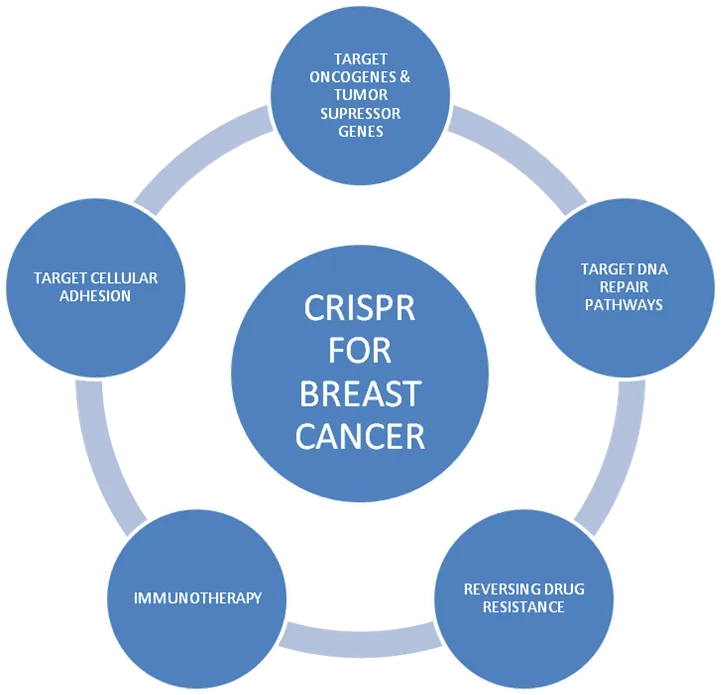
Figure 1: Diagrammatic depiction of crispr approach
The guide RNA (gRNA) provides the specificity of the CRISPR-Cas9 system. It contains a sequence designed to be complementary to the target DNA region. The gRNA associates with Cas9 and directs the protein to the selected genomic location through complementary base pairing. Therefore, changing the guide RNA sequence allows researchers to target different genes. In practical genome-editing systems, the targeting sequence and structural RNA components are commonly combined into a single-guide RNA (sgRNA).
The basic mechanism of CRISPR-Cas9 genome editing can be summarized as:
Target recognition → DNA cutting → DNA repair → Gene modification
First, the gRNA-Cas9 complex recognizes the target DNA sequence through complementary base pairing, provided that an appropriate PAM is present. Second, Cas9 introduces a double-strand break (DSB) at the target site. Third, the cell repairs the DNA break mainly through non-homologous end joining (NHEJ) or homology-directed repair (HDR). NHEJ is relatively error-prone and can introduce small insertions or deletions (indels), which may disrupt the function of the targeted gene. HDR can be used when a suitable repair template is provided, allowing more precise genetic modifications. Thus, CRISPR-Cas9 provides researchers with a programmable method for altering specific genes. In breast cancer research, this technology can be used to investigate oncogenes, tumor-suppressor genes, signaling pathways, genes involved in metastasis, and mechanisms of drug resistance. It also facilitates genome-wide CRISPR screening to identify genes that contribute to cancer cell survival and therapeutic response. These applications make CRISPR-Cas9 an important tool for understanding breast cancer biology and exploring potential targets for precision cancer therapy [9].
Breast cancer is a genetically and molecularly heterogeneous disease in which alterations in oncogenes, tumor-suppressor genes, DNA-repair mechanisms, and intracellular signaling pathways contribute to tumor initiation, progression, metastasis, and therapeutic resistance. Understanding these molecular alterations has enabled the development of targeted therapies and has also provided important candidate targets for CRISPR-Cas9-based genome editing and functional screening. Several genes and pathways are particularly important in breast cancer, including HER2, BRCA1/BRCA2, TP53, PIK3CA, ESR1, and PARP-associated DNA-repair pathways. HER2 (ERBB2) encodes a receptor tyrosine kinase belonging to the epidermal growth factor receptor family [10]. Amplification or overexpression of HER2 results in activation of downstream signaling pathways such as PI3K/AKT/mTOR and RAS/RAF/MEK/ERK, promoting cell proliferation and survival. HER2 is therefore an important therapeutic target in HER2-positive breast cancer. CRISPR-Cas9 approaches can be used to investigate the functional consequences of HER2 disruption and to identify genes responsible for resistance to HER2-targeted therapies.
BRCA1 and BRCA2 are major tumor-suppressor genes involved in the repair of DNA double-strand breaks through homologous recombination (HR). Loss-of-function mutations in these genes increase genomic instability and predispose individuals to breast and other cancers [11]. BRCA1/2-deficient tumor cells have defects in DNA repair and may become particularly dependent on alternative repair mechanisms. This vulnerability provides an important basis for synthetic-lethal therapeutic strategies involving poly(ADP-ribose) polymerase (PARP) inhibition. CRISPR-based studies can be used to investigate BRCA-associated DNA-repair defects and identify additional vulnerabilities in BRCA-deficient cancer cells. TP53, which encodes the tumor-suppressor protein p53, is one of the most frequently altered genes in human cancers. p53 regulates cell-cycle arrest, DNA-damage responses, senescence, and apoptosis. Mutations or loss of TP53 function can allow cells containing damaged DNA to continue proliferating, thereby contributing to tumor progression and treatment resistance. CRISPR-Cas9 is useful for studying specific TP53 mutations and determining their effects on breast cancer development and therapeutic response [12]. PIK3CA encodes the catalytic subunit of phosphatidylinositol-3-kinase (PI3K). Activating mutations in PIK3CA can stimulate the PI3K/AKT/mTOR signaling pathway, promoting cellular growth, metabolism, proliferation, and survival. PIK3CA alterations are particularly common in hormone receptor-positive breast cancer. Consequently, the PI3K pathway represents an important therapeutic target, and CRISPR-based editing and screening can help clarify the contribution of PIK3CA mutations to tumor growth and drug resistance [13]. ESR1, which encodes the estrogen receptor alpha (ERα), is a key molecular target in hormone receptor-positive breast cancer. Estrogen-mediated activation of ERα promotes transcription of genes involved in cancer-cell proliferation and survival. Although endocrine therapy is highly effective in many ER-positive tumors, acquired ESR1 mutations can lead to constitutive receptor activation and contribute to resistance to endocrine treatment.
CRISPR-Cas9 can be used to model specific ESR1 mutations and investigate mechanisms underlying endocrine resistance [14]. PARP-related pathways are particularly important because PARP proteins participate in the detection and repair of certain forms of DNA damage. Tumors with defective homologous recombination, particularly those carrying BRCA1 or BRCA2 alterations, may be highly dependent on PARP-mediated repair mechanisms. Inhibition of PARP can therefore selectively compromise the survival of some DNA-repair-deficient cancer cells. CRISPR screens have further helped identify genes involved in PARP inhibitor sensitivity and resistance [15]. In addition to these major targets, genes such as MYC, PTEN, RB1, CDH1, CCND1, AKT1, and EGFR, together with pathways including Wnt/β-catenin, JAK/STAT, MAPK, and TGF-β, contribute to breast cancer development and progression. CRISPR-Cas9 provides an important platform for systematically investigating these genes and pathways, identifying cancer-specific genetic dependencies, and discovering potential therapeutic targets. Thus, molecularly targeted CRISPR research may contribute to the development of more precise and personalized treatment strategies for different breast cancer subtypes [16].
CRISPR-Cas9 has emerged as a promising genome-editing platform for investigating the molecular mechanisms of breast cancer and developing potential therapeutic strategies. Because breast cancer is characterized by diverse genetic alterations and molecular subtypes, CRISPR-Cas9 can be programmed to target specific genes associated with tumor growth, metastasis, treatment resistance, and cancer-cell survival. Its applications range from functional gene studies to the identification of therapeutic vulnerabilities and the development of personalized treatment approaches.
One of the most widely used applications of CRISPR-Cas9 is gene knockout, in which Cas9 generates a targeted DNA double-strand break that is repaired through error-prone non-homologous end joining (NHEJ), frequently producing insertions or deletions that disrupt gene function. In breast cancer research, knockout of genes involved in proliferation, survival, invasion, or DNA repair can help determine their contribution to tumor development. CRISPR knockout screens can also identify genes that are essential for the survival of particular breast cancer subtypes and therefore represent potential therapeutic targets [17].
CRISPR-based approaches can potentially be used to correct cancer-associated genetic alterations. Using homology-directed repair (HDR) or newer precision-editing strategies, specific mutations may be replaced or modified. This approach is particularly useful for studying mutations in genes such as BRCA1, BRCA2, TP53, PIK3CA, and ESR1. Although precise correction remains technically challenging and is currently more important as a research strategy than an established clinical treatment, it provides a valuable method for understanding how individual mutations influence breast cancer behavior [18].
CRISPR-Cas9 can be employed to disrupt oncogenes or activated oncogenic pathways that promote uncontrolled proliferation and survival. For example, targeting ERBB2/HER2, PIK3CA, MYC, or other cancer-promoting genes can help determine their roles in breast cancer progression. Such approaches may potentially reduce tumor-cell proliferation and provide new strategies for cancers that develop resistance to conventional targeted therapies [19].
Tumor-suppressor genes such as TP53, BRCA1, BRCA2, PTEN, and RB1 normally regulate cell proliferation, DNA repair, apoptosis, and genomic stability. Their loss or mutation can contribute to malignant transformation. CRISPR-based strategies can be used to study the consequences of restoring or modifying defective tumor-suppressor pathways. In particular, CRISPR-mediated modeling of tumor-suppressor mutations provides an important tool for understanding cancer development and identifying therapeutic vulnerabilities [20].
Therapeutic resistance is a major challenge in breast cancer treatment. CRISPR-Cas9 screening can identify genes responsible for resistance to endocrine therapy, HER2-targeted therapy, chemotherapy, and other treatments. For example, CRISPR screens can reveal genetic alterations that allow cancer cells to survive treatment, providing potential targets for combination therapy. Targeting these resistance-associated genes could potentially restore sensitivity to existing treatments and delay disease progression [21].
Breast cancer stem cells (BCSCs) are a subpopulation of tumor cells with self-renewal and tumor-initiating properties and are thought to contribute to recurrence, metastasis, and treatment resistance. CRISPR-Cas9 can be used to identify genes and signaling pathways required for BCSC maintenance, including pathways such as Wnt/β-catenin, Notch, Hedgehog, and PI3K/AKT. Disrupting essential genes in these cells may provide strategies for reducing tumor recurrence and improving treatment responses [22].
CRISPR-Cas9 can also be used to identify genes whose disruption makes breast cancer cells more susceptible to anticancer drugs. Genome-wide CRISPR screens can reveal DNA-repair, cell-cycle, apoptosis, and drug-metabolism genes that influence chemotherapy response. For example, defects in DNA-repair pathways can increase the vulnerability of cancer cells to DNA-damaging agents. Such findings may help develop combination therapies, in which CRISPR-identified targets are inhibited alongside conventional chemotherapy [23].
Another emerging application is the combination of CRISPR-based strategies with cancer immunotherapy. CRISPR can be used to investigate genes that regulate tumor–immune-cell interactions and immune evasion. It can also be applied to engineer immune cells, including T cells, by modifying genes that influence their activity, persistence, or recognition of tumor cells. In breast cancer, particularly aggressive subtypes such as TNBC, combining genome-editing approaches with immune checkpoint inhibition or engineered immune-cell therapies represents a promising area of research [24]. However, challenges involving delivery, off-target editing, genomic instability, immune responses, and safety must be resolved before therapeutic CRISPR-Cas9 approaches can be broadly translated into clinical practice. CRISPR-Cas9 offers a versatile platform for both understanding breast cancer biology and identifying new therapeutic strategies. Its ability to precisely manipulate genes and perform large-scale functional screens makes it particularly valuable for discovering molecular vulnerabilities, overcoming treatment resistance, and developing more personalized approaches to breast cancer therapy.
Breast cancer is a molecularly heterogeneous disease, and the biological differences between its major subtypes influence their response to treatment. CRISPR-Cas9 genome editing provides a powerful approach for investigating subtype-specific genetic dependencies and identifying potential therapeutic targets. By selectively disrupting, modifying, or screening genes, CRISPR-Cas9 can help elucidate the molecular mechanisms responsible for tumor growth, metastasis, and treatment resistance in ER-positive, HER2-positive, and triple-negative breast cancer (TNBC).
Estrogen receptor (ER)-positive breast cancer accounts for a large proportion of breast cancers and is characterized by dependence on estrogen–ER signaling for tumor-cell growth. Although endocrine therapies such as tamoxifen and aromatase inhibitors are effective, acquired or intrinsic endocrine resistance remains a major challenge. CRISPR-Cas9 can be used to investigate genes involved in ER signaling and endocrine resistance [25]. In particular, CRISPR-based approaches can examine the functional consequences of alterations in ESR1, which encodes ERα, as well as genes involved in the PI3K/AKT/mTOR and cell-cycle pathways. CRISPR knockout and screening can identify genes that are essential for the survival of ER-positive cells under endocrine treatment. These studies may reveal new targets that could be inhibited together with endocrine therapy to overcome resistance. CRISPR can also be used to create experimental breast cancer models carrying specific ESR1, PIK3CA, or other clinically relevant mutations, allowing researchers to study their contribution to tumor progression and therapeutic response [26].
HER2-positive breast cancer is characterized by amplification or overexpression of the HER2/ERBB2 gene, resulting in increased signaling through pathways such as PI3K/AKT/mTOR and RAS/MAPK. HER2-targeted therapies have substantially improved outcomes; however, resistance and disease recurrence can occur. CRISPR-Cas9 provides an effective method for studying HER2-driven tumor biology and identifying mechanisms of resistance to HER2-targeted treatment [27]. Targeted disruption of ERBB2 can be used to investigate the dependence of tumor cells on HER2 signaling, while CRISPR screening can identify alternative signaling pathways or genes that allow cancer cells to survive HER2 inhibition. Furthermore, CRISPR-based studies can identify genetic alterations associated with resistance to HER2-directed therapies and potentially suggest rational combination treatments [28]. Thus, CRISPR-Cas9 can contribute to the development of strategies designed to prevent or overcome resistance in HER2-positive disease.
Triple-negative breast cancer (TNBC) lacks expression of ER and progesterone receptor and does not exhibit HER2 overexpression or amplification. Consequently, TNBC has fewer conventional molecular targets and is often associated with aggressive behavior, early recurrence, and metastasis. CRISPR-Cas9 is particularly valuable in TNBC research because genome-wide CRISPR screens can identify genetic dependencies and subtype-specific vulnerabilities that may serve as therapeutic targets. Genes involved in DNA repair, cell-cycle regulation, apoptosis, PI3K/AKT signaling, and cancer stem-cell maintenance can be investigated using CRISPR-based approaches [29]. The importance of BRCA1/BRCA2-associated DNA-repair pathways can also be studied, particularly because tumors with homologous-recombination deficiencies may exhibit vulnerabilities to PARP inhibition. CRISPR screens can further identify genes associated with chemotherapy resistance and metastatic potential. In addition, CRISPR-based engineering of immune cells provides opportunities to investigate combinations of genome editing and immunotherapy for TNBC. CRISPR-Cas9 has subtype-specific applications across breast cancer, from investigating endocrine resistance in ER-positive tumors and HER2 signaling in HER2-positive disease to discovering previously unrecognized vulnerabilities in TNBC [30]. However, most applications remain at the preclinical or experimental stage, and challenges such as efficient delivery, off-target effects, tumor heterogeneity, genomic instability, and safety need to be addressed before CRISPR-based therapies can become established clinical treatments.
The therapeutic potential of CRISPR-Cas9 in breast cancer depends not only on the accuracy of genome editing but also on the ability to deliver CRISPR components efficiently and selectively to tumor cells. Delivery remains one of the major challenges in translating CRISPR-Cas9 from laboratory research to clinical applications, because the Cas9 protein, guide RNA (gRNA), or CRISPR-encoding nucleic acids must reach the appropriate cells while minimizing exposure to healthy tissues [31]. An ideal delivery system should protect CRISPR components from degradation, promote efficient cellular uptake, facilitate release into the appropriate intracellular compartment, and minimize immune responses and off-target effects. Several viral and non-viral approaches have therefore been investigated for delivering CRISPR-Cas9 components in cancer models. Viral delivery systems are among the most efficient methods for introducing genetic material into cells. Common viral vectors investigated for genome-editing applications include adenoviruses, adeno-associated viruses (AAVs), lentiviral vectors, and retroviral vectors. Viral vectors can provide efficient delivery and, depending on the vector, sustained expression of Cas9 and gRNA. Lentiviral systems are particularly useful for CRISPR screening because they can efficiently introduce guide-RNA libraries into large populations of cells. However, viral delivery has limitations, including potential immunogenicity, restricted cargo capacity, difficulties in controlling the duration of Cas9 expression, and concerns regarding unintended genomic effects. These limitations are particularly important when considering systemic delivery for breast cancer treatment [32]. Lipid nanoparticles (LNPs) have emerged as an important non-viral platform for delivering CRISPR components. LNPs can encapsulate mRNA encoding Cas9 together with guide RNA or other nucleic-acid components and facilitate their uptake by cells. An important advantage of delivering Cas9 as mRNA or protein rather than through a permanently expressed DNA vector is the possibility of transient genome-editing activity, which may reduce prolonged exposure to the nuclease. LNPs can also be chemically modified to improve stability, cellular uptake, and tissue distribution [33]. Their potential for scalable production and relatively favorable safety characteristics makes them attractive for future cancer genome-editing applications.
Non-viral delivery systems include lipid-based nanoparticles, polymeric nanoparticles, liposomes, dendrimers, gold nanoparticles, and other engineered nanomaterials. These systems can deliver Cas9 protein, mRNA, plasmid DNA, or ribonucleoprotein (RNP) complexes containing Cas9 and gRNA. Non-viral approaches generally offer greater flexibility in cargo design and may reduce some of the safety concerns associated with viral vectors. However, challenges such as limited delivery efficiency, instability of CRISPR components, endosomal entrapment, and inadequate accumulation within tumors must be overcome [34]. Targeted delivery systems are particularly important for breast cancer because systemic administration of CRISPR components could potentially affect normal tissues. Researchers are therefore developing nanoparticles and other carriers decorated with tumor-targeting ligands, antibodies, peptides, or other recognition molecules that bind receptors preferentially expressed by breast cancer cells. For example, HER2-targeted delivery strategies may be explored for HER2-positive tumors, while other surface markers may provide opportunities for subtype-specific targeting [35]. Targeted nanoparticles may increase CRISPR accumulation within tumors while reducing exposure of healthy cells. Nevertheless, differences in tumor vascularization, extracellular matrix composition, cellular uptake, and tumor heterogeneity can affect delivery efficiency. Therefore, the development of safe, efficient, tumor-specific, and clinically scalable delivery systems remains a critical requirement for translating CRISPR-Cas9-based breast cancer therapies into clinical practice [36].
CRISPR-Cas9 offers several important advantages as a potential therapeutic approach for breast cancer because of its ability to modify specific genomic sequences and investigate the molecular mechanisms underlying tumor development. One of its major advantages is its high programmability, as the guide RNA can be designed to direct Cas9 toward a selected gene or genomic region. This makes it possible to investigate or potentially target oncogenes, tumor-suppressor genes, DNA-repair genes, and genes associated with therapeutic resistance [37]. CRISPR-Cas9 can also be used to perform high-throughput genetic screens, allowing researchers to identify genes that are essential for the survival of breast cancer cells and to discover previously unknown therapeutic targets. Another advantage is its potential application across different breast cancer subtypes. In ER-positive breast cancer, CRISPR can be used to study estrogen-receptor signaling and endocrine resistance; in HER2-positive disease, it can help investigate HER2-dependent pathways and resistance to HER2-targeted therapies; and in TNBC, it can facilitate the discovery of genetic vulnerabilities in a subtype with relatively limited targeted treatment options [38]. CRISPR-based approaches can also be combined with conventional chemotherapy, targeted therapy, PARP inhibition, or immunotherapy to investigate strategies for improving treatment response. Furthermore, CRISPR technology can generate precise experimental models carrying clinically relevant mutations, thereby improving understanding of breast cancer biology and supporting the development of personalized therapeutic approaches.
Despite these advantages, several limitations and challenges restrict the current clinical application of CRISPR-Cas9. One of the major concerns is off-target editing, in which Cas9 may modify genomic regions that are similar but not identical to the intended target. Such unintended changes could potentially produce undesirable biological effects and raise safety concerns. Another major challenge is efficient and tumor-specific delivery of Cas9 and guide RNA. CRISPR components must reach cancer cells in sufficient amounts while minimizing exposure to healthy tissues [39]. Viral vectors can provide efficient delivery but may present concerns related to immunogenicity, cargo limitations, and prolonged expression, whereas non-viral systems may have lower delivery efficiency. Tumor heterogeneity is another important limitation because different cells within the same breast tumor may contain different genetic alterations, making it difficult for a single CRISPR target to eliminate all malignant cells. In addition, the development of resistance to genome editing and the presence of DNA-repair mechanisms can influence editing outcomes. Precise gene correction can also be technically more difficult than gene disruption. Other concerns include immune responses against Cas9 or delivery components, genomic instability, potential toxicity, ethical considerations, and difficulties in translating promising laboratory findings into safe clinical treatments. Moreover, most CRISPR-Cas9 applications in breast cancer remain at the preclinical or experimental stage, and extensive validation is required before routine therapeutic use [40]. Therefore, although CRISPR-Cas9 provides a powerful platform for precision medicine and has considerable potential in breast cancer treatment, improvements in editing specificity, delivery systems, safety, and long-term efficacy are essential for successful clinical translation.
Breast cancer is a genetically and clinically heterogeneous disease, and the development of effective treatment strategies requires a detailed understanding of the molecular mechanisms responsible for tumor initiation, progression, metastasis, and therapeutic resistance. The application of CRISPR-Cas9 has considerably expanded the ability to investigate these mechanisms because it enables targeted manipulation of specific genes and pathways. As discussed in this review, CRISPR-Cas9 is not only a potential therapeutic platform but also an important research tool for identifying novel molecular targets and understanding the genetic dependencies of different breast cancer subtypes. Its ability to perform gene knockout, genetic screening, mutation modeling, and targeted gene modification provides opportunities to develop more precise approaches to breast cancer treatment. One of the major strengths of CRISPR-Cas9 is its application to subtype-specific molecular targets. In ER-positive breast cancer, CRISPR-based studies can help investigate ESR1, PIK3CA, and other genes involved in endocrine signaling and treatment resistance. In HER2-positive breast cancer, targeting ERBB2/HER2 and associated signaling pathways may provide insights into HER2 dependence and mechanisms responsible for resistance to HER2-directed therapies. TNBC represents an especially important area for CRISPR research because it lacks the conventional ER and HER2 therapeutic targets. CRISPR screening can identify genetic vulnerabilities associated with DNA repair, cell-cycle regulation, apoptosis, metabolism, and cancer stem-cell maintenance, potentially revealing new therapeutic targets for this aggressive subtype. Another important contribution of CRISPR-Cas9 is the identification of mechanisms underlying drug resistance.
Breast cancer cells can acquire genetic and molecular changes that allow them to survive chemotherapy, endocrine therapy, or targeted treatment. CRISPR-based functional screening can systematically identify genes whose loss or alteration changes sensitivity to anticancer drugs. These findings may support the development of combination treatments in which an identified resistance-associated pathway is targeted together with an existing therapy. Similarly, the relationship between BRCA1/BRCA2-mediated DNA repair and PARP inhibition illustrates how genetic vulnerabilities can be exploited therapeutically through synthetic-lethal strategies. However, the transition of CRISPR-Cas9 from an experimental technology to a clinical treatment remains challenging. Efficient and tumor-specific delivery is one of the most significant barriers. Viral vectors can provide high delivery efficiency, whereas lipid nanoparticles and other non-viral systems offer opportunities for transient delivery and improved safety. Nevertheless, achieving sufficient accumulation of CRISPR components in tumor cells while avoiding normal tissues remains difficult. Tumor heterogeneity further complicates treatment because different cancer-cell populations may carry distinct mutations and may respond differently to genome editing. Safety is another major consideration. Although CRISPR-Cas9 can be highly specific, off-target editing may produce unintended genomic alterations. In addition, DNA double-strand breaks can potentially contribute to genomic instability. Improved guide-RNA design, high-fidelity Cas9 variants, transient delivery systems, and newer precision-editing technologies may help reduce these concerns. The possibility of combining CRISPR-based approaches with immunotherapy, chemotherapy, endocrine therapy, and targeted therapy is particularly promising, but these strategies require extensive preclinical validation. CRISPR-Cas9 represents a powerful platform for precision breast cancer research and potentially personalized therapy. Current evidence supports its value in target discovery, disease modeling, and investigation of therapeutic resistance, while direct clinical application remains under development. Future research should focus on improving editing specificity, developing tumor-selective delivery systems, understanding tumor heterogeneity, and establishing long-term safety and efficacy. These advances could help transform CRISPR-Cas9 from primarily a research technology into a clinically useful component of precision breast cancer treatment.
CONCLUSION
CRISPR-Cas9 has emerged as a powerful genome-editing technology with considerable potential for advancing the diagnosis, investigation, and treatment of breast cancer. The genetic and molecular heterogeneity of breast cancer creates a need for therapeutic strategies that can selectively target disease-driving alterations, and CRISPR-Cas9 provides a versatile platform for addressing this requirement. Its applications include gene knockout, functional genomic screening, investigation of oncogenes and tumor-suppressor genes, modeling and correction of disease-associated mutations, identification of drug-resistance mechanisms, and discovery of novel therapeutic vulnerabilities. The application of CRISPR-Cas9 across different breast cancer subtypes is particularly promising. In ER-positive breast cancer, it can facilitate investigation of ESR1 and endocrine resistance, whereas in HER2-positive disease it can help elucidate HER2/ERBB2-dependent signaling and resistance mechanisms. In TNBC, CRISPR-based screening offers opportunities to identify previously unrecognized genetic dependencies in a subtype with limited conventional molecular targets. Furthermore, targeting DNA-repair pathways, including BRCA-associated mechanisms, may support the development of combination strategies involving PARP inhibitors and other therapies.
Despite these promising applications, significant challenges remain before CRISPR-Cas9 can become an established clinical treatment for breast cancer. Off-target effects, efficient and tumor-specific delivery, tumor heterogeneity, genomic instability, immune responses, safety, and ethical considerations require careful investigation. Future advances in high-fidelity genome-editing systems, precision editing, targeted delivery technologies, and combination therapies may overcome some of these limitations. Overall, CRISPR-Cas9 represents a promising foundation for precision medicine and could contribute significantly to the development of more effective, individualized, and durable therapeutic strategies for breast cancer.
REFERENCES


Vasudevan Ranganathan*, Agarwal Roshini, Sahiya Lateef, Nande Deepika, Application Of Crispr-Cas 9 In Treating Breast Cancer, Int. J. Sci. R. Tech., 2026, 3 (8), 798-809. https://doi.org/10.5281/zenodo.22012726
 10.5281/zenodo.22012726