

We use cookies to ensure our website works properly and to personalise your experience. Cookies policy
Department Of Pharmacognosy, Priyadarshini J.L. College of Pharmacy, Nagpur, Maharashtra
Argyreia nervosa (Burm. f.) Bojer, commonly known as Vidhara or Hawaiian Baby Woodrose, is an important medicinal climber extensively used in traditional systems of medicine, particularly Ayurveda, for the management of neurological disorders, inflammation, reproductive ailments, metabolic disturbances, and wound healing. Owing to its wide ethnomedicinal relevance, considerable scientific investigations have been conducted to explore its pharmacognostic characteristics, phytochemical composition, and pharmacological potential. The present review aims to provide a comprehensive and updated compilation of available information on the plant, covering its botanical taxonomy, morphology, microscopic features, physicochemical standards, traditional uses, and phytoconstituents isolated from various plant parts. The review further summarizes extraction methods, preliminary phytochemical screening, quantitative estimation of major secondary metabolites, and reported pharmacological activities validated through experimental studies. Additionally, recent efforts toward pharmaceutical utilization, including the development and evaluation of topical formulations containing plant extracts, are discussed to highlight its translational therapeutic potential. By integrating classical knowledge with contemporary scientific findings, this review attempts to identify research gaps and future prospects for standardization, clinical validation, and formulation development of A. nervosa. The compiled data may serve as a valuable reference for researchers working in pharmacognosy, phytochemistry, and herbal drug development.
Medicinal plants have long served as an essential resource for human health, offering a rich repertoire of bioactive compounds that predate modern pharmaceuticals. Traditional systems such as Ayurveda emphasize holistic well-being and the use of plant remedies to restore physiological balance, underscoring their enduring relevance in contemporary healthcare research [1,2]. There is growing scientific interest in validating ethnobotanical knowledge, driven by the need for multi-targeted agents with better safety profiles than many synthetic drugs [3,4].
Despite India’s rich botanical heritage, many traditionally used species lack comprehensive phytochemical and pharmacological documentation. A systematic understanding of these plants is crucial for bridging the gap between traditional claims and modern therapeutic applications [5].
A. nervosa is a very valuable plant in the Ayurvedic system. In 'Rasayan' drug it has been used for the treatment of various neurological diseases. It has been also reported in indigenous medicine system that A.nervosa has given for chronic gonorrhea, ulcer, severe pain in urinary bladder (strangury), gleets, male sexual disorder. The plant leaves also possess the therapeutic activity against several skin diseases such as eczema, itching, ringworm and systemically in skin abscess. In addition, it also used as a rubefacient and local skin stimulant. In Rajasthan, some tribal’s used leaves to prevent the conceived in females [6]. Its root taste is bitter and having the multiple uses like as a brain tonic, diuretic, aphrodisiac, rheumatism. In other hands for persistent cold & cough, and in resulting fever, root paste with Grewia hirsute, Asparagus racemosus and Hemidesmus indicus prescribed for immediate relief. Its seven times root powder is macerated throughout 7 days with tubers juice of Asparagus racemosus as nervine tonic. It promotes intellect, strengthens body and counteracts influences of age. In addition one of its preparation known as Ajmodadi Churna used for unilateral paralysis, dysentry and rheumatic ailments [7,8]. A.nervosa seed exhibited potential psychedelic, antihypertensive and spasmolytic activity. Seed consisted of the various neuropharmacological active constituents which are the isomer of lysergic acid diethylamide (LSD) such as lysergacidamide and lysergacidethylamide. Due to this reason, the seed has been the misuse of psychomotor agitation, an orientation of disturbances and anxiety.
GEOGRAPHICAL DISTRIBUTION
Argyreia nervosa, is widely distributed plant species in India. It is commonly known as Elephant creeper, Samundar ka pat and Vryddhadaru. It is found throughout in India up to altitude of 500 m. It is great climber with big ovate-cordate leaves found growing native in north-eastern Himalaya, Dehradun, Konkan, Rajasthan, Mysore, and Bengal [9]. A. speciosa usually appreciated for its aesthetic merit. It is grown as an ornamental and decorative plant because its leaves are heart shape, green color and flowers are look like rose purple [10].
BOTANICAL DESCRIPTION AND TAXONOMY
Argyreia nervosa (Burm. f.) Bojer is a perennial woody climber belonging to the family Convolvulaceae. The plant is characterized by large, heart-shaped leaves with dense silvery pubescence on the abaxial surface, long twining stems, and showy purple to violet funnel-shaped flowers. The seeds are globose to ovoid and covered with silky hairs. The plant thrives in tropical and subtropical climates and is widely distributed across India, Sri Lanka, and other parts of Southeast Asia [11,12].
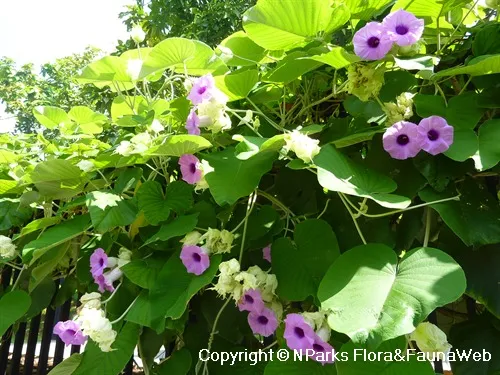
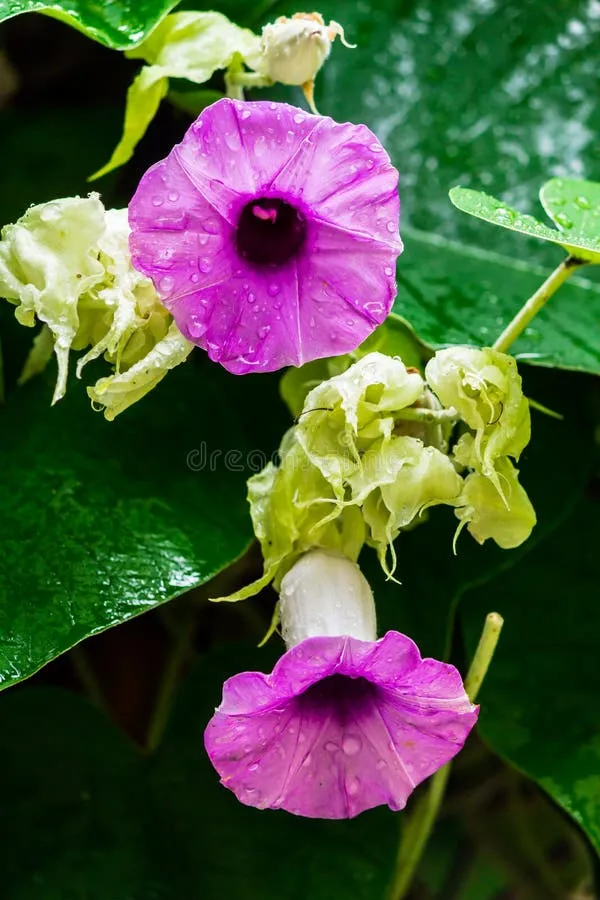
Fig 1: Argyreia nervosa plant
BOTANICAL TAXONOMY (13,14)
|
Rank |
Classification |
|
Kingdom |
Plantae |
|
Subkingdom |
Tracheobionta |
|
Division |
Magnoliophyta |
|
Class |
Magnoliopsida |
|
Order |
Solanales |
|
Family |
Convolvulaceae |
|
Genus |
Argyreia |
|
Species |
Nervosa |
|
Botanical name |
Argyreia nervosa |
Table 1: Taxonomical classification
|
Language |
Vernacular name |
|
English |
Elephant creeper, Baby wood-rose, Elephant-climber, Elephant-creeper |
|
Hindi |
samandar-ka-pat, Samundarsokha, Ghav-patta, Bidhara |
|
Marathi |
Samudarsoka |
|
Sanskrit |
Vridhadaraka |
|
Bengali |
Bijarka |
|
Gujrati |
Samudarsoka |
|
Unani |
Samudarsoka |
|
Tamil |
Sadarpalai, Samuddirapacchai |
|
Telegu |
Chandrapada |
|
Nepali |
Samudraphool |
Table 2: Vernacular names
ETHANOPHARMACOLOGICAL USES
Whole plant: It is used for stomach issues, foot sores, small pox, syphilis, dysentery and diarrhoea, antifertility, anti-rheumatic, and antifungal, they are all covered. In vasectomies, it is also utilised during recanalization [15]
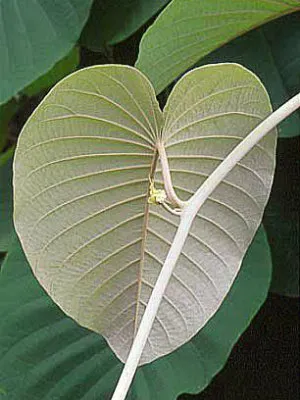
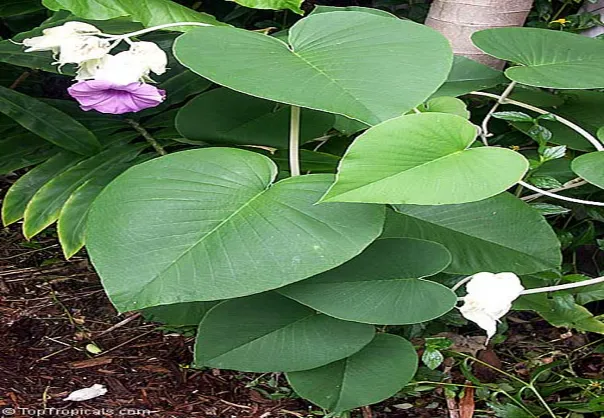
Fig 2: A.nervosa leaf
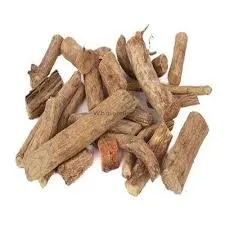
Fig 3: A.nervosa roots
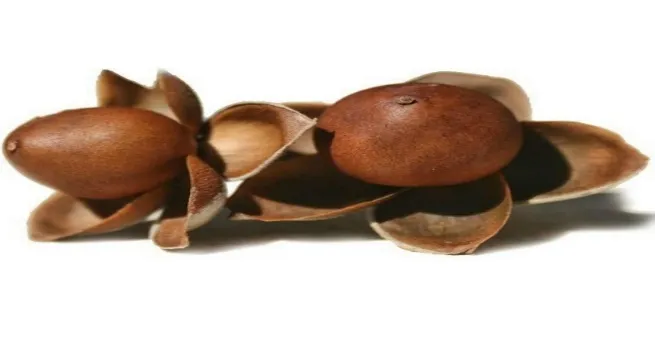
Fig 4: A.nervosa seeds
|
Plant Part |
Traditional Uses |
Mode of Application |
Reported Region/System |
|
Root |
Aphrodisiac, tonic, anti-inflammatory, nervine, rejuvenator |
Decoction, powder, tonic |
Ayurveda, Folk medicine |
|
Leaves |
Wound healing, skin infections, inflammation |
Paste/poultice (topical) |
Folk medicine |
|
Seeds |
Nervine tonic, aphrodisiac, psychoactive uses |
Powder/decoction |
Traditional, ethnobotanical uses |
|
Stem |
Anti-inflammatory, pain relief |
Decoction |
Folk medicine |
|
|
|
|
|
|
Whole plant |
General tonic, fever management |
Decoction |
Folk medicine |
Table 3: Compilation of Ethnopharmacological Uses (20)
MORPHOLOGY (21-26)
Convolvulaceae is the family to which Argyreia nervosa belongs. It is a climbing shrub with a woody tomentose stem. In English-speaking nations, it is frequently referred to as elephant creeper, while among Hindi-speaking Indians, it is called samundar-ka-pat. [21] It is widely found throughout the world's tropical regions. It is commonly grown natively in India, from Assam and Bengal to Karnataka, and has been observed up to 900 meters above sea level. [22,23] Typically, it grows as undergrowth in semidecidous forests and along riverbanks, lakeshores, and other slightly damp areas. [24] It is a twining, woody climber that can grow to a height of at least 10 meters. Simple, alternating leaves range in length from 5 to 15 cm. Large, showy, funnel-shaped flowers with a distinct odour and slightly bitter taste are borne on stout, whitish, and tomentose peduncles. The flowers are tinted purple or pale to deep rose and are regular, with short pedicels in axillary bracteates cymes. [25] The smooth, globose, indehiscent, irregularly crumbling berries have a diameter of 1.2–1.8 cm and are yellowish brown in color. They contain one or two seeds encased in a mealy pulp. The seeds are roughly triangular in shape, with two flat or slightly concave sides and a convex third. They range in length from 0.5 to 0.75 cm and width from 5 mm. When the stem is young, it is tomentose and white. The older stem (25 mm) is so thick that many lenticels, most of which are transversely elongated, are visible along with vertical ridges. Both in size and thickness, Argyreia nervosa roots vary in size. The thin roots have a smooth, brownish exterior and typically have a diameter of 2-4 mm. When they are cut transversely, a thin periderm and cambium can be seen, which appears as a dark line that divides the inner central wood from the outer phloem almost halfway between the two. Due to the abundance of lenticels, the thicker roots, which have a diameter of 5 to 25 mm or more, have a rough exterior. The plant is multiplied by seeds as well as stem cuttings. [26]
|
Plant Part |
Morphological Characteristics |
|
Root |
Thick, cylindrical, woody roots used medicinally |
|
Stem |
Twining, woody climber, pubescent when young |
|
Leaves |
Large, cordate, velvety underside |
|
Flowers |
Purple/violet, funnel-shaped |
|
Fruit |
Globose capsule |
|
Seeds |
Hard, brown or black, ovoid |
Table 4: Morphological Characteristics
MICROSCOPY
Microscopic evaluation of plant tissues is an essential component of pharmacognostic standardization. It aids in authenticating the drug, detecting adulteration, and establishing key diagnostic features for quality control (World Health Organization, 1998).
Transverse Section (TS) of Leaf:
The TS of a mature A. nervosa leaf typically displays a dorsiventral structure with a well-defined vascular system. The lower epidermis shows a greater density of stomata than the upper surface, with paracytic stomata being commonly observed. Vascular bundles in the mesophyll are surrounded by a sheath of sclerenchyma fibers, and the presence of parenchymatous cells with chloroplasts is characteristic. Powder microscopy often reveals parenchyma cells, xylem vessels with pitted walls, and epidermal cells with anisocytic stomata (Balbir Singh, 2018; adapted from WHO recommended methods).
Transverse Section of Stem:
In young stems, the epidermis consists of a single layer of thick-walled cells often covered by a cuticle. Beneath this, the cortex is composed of parenchyma cells and occasional collateral vascular bundles. The vascular tissue consists of continuous rings of xylem and phloem with interspersed fibers. Under microscopic examination, fiber cells show lignified walls, and sclerenchymatous elements are observed around the vascular bundles. Powdered stem material may show cork cells, long fibers, and stone cells, which are useful diagnostic markers in drug identification (Balbir Singh, 2018).
Transverse Section of Root:
Microscopic study of A. nervosa roots reveals distinct anatomical zones: the epidermis, cortex, and vascular tissues (xylem and phloem). The young root’s epidermis consists of small, cuboidal parenchyma cells, followed by a wide cortex. The primary vascular structure is typically tetrarch or pentarch in younger roots. In mature roots, a narrow periderm of cork cells is present, beneath which secondary phloem and secondary xylem predominate. The xylem contains large vessels with bordered pits, and the presence of rosette crystals of calcium oxalate in parenchymal cells.
The detailed transverse section (TS) of the seed shows a tangentially elongated, oval to rectangular, single-layered epidermis of the testa. The epidermis bears thick-walled, mostly unicellular and occasionally bicellular, pointed, simple covering trichomes. Beneath the epidermis lies a layer of unequally high, radially elongated, thick-walled, lignified hypodermal cells containing yellowish-brown contents at the top. The hypodermis, a few rows of thick-walled, column-like palisade cells with a longitudinal central lumen are present. The cells of the first row are the longest in height and show a distinct crossing linea lucida at the top. Beneath the palisade layer, there are 5–7 rows of tangentially elongated, thin-walled parenchymatous cells embedded with a few round and oval, simple starch grains. (Sukumar, S., et.al)
Microscopic Features in Powdered Drug:
Powdered samples of A. nervosa leaf, stem, or root exhibit certain recognisable features:
|
Plant Part |
Diagnostic Microscopic Features |
|
Leaf TS |
Paracytic stomata; vascular bundles with sclerenchymatous sheath; parenchyma with chloroplasts |
|
Stem TS |
Thick-walled epidermal cells, lignified fibers, sclerenchyma around vascular bundles |
|
Root TS |
Cork layer, wide cortex, secondary xylem with bordered pits, calcium oxalate crystals |
|
Powder |
Cork cells, pitted xylem vessels, fibers, parenchyma, crystal aggregates |
Table 5: Microscopic Diagnostic Features
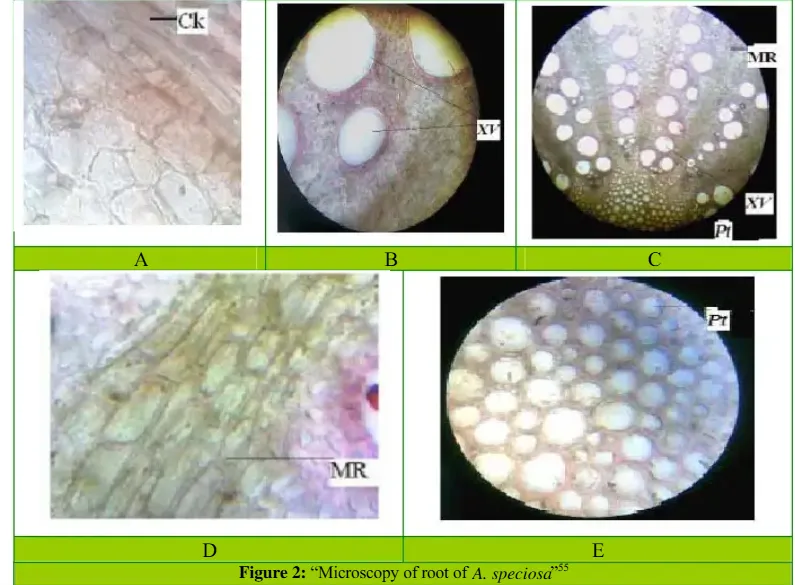
Fig 5: Microscopy of roots (Ahlawat, S., et al. (2009)
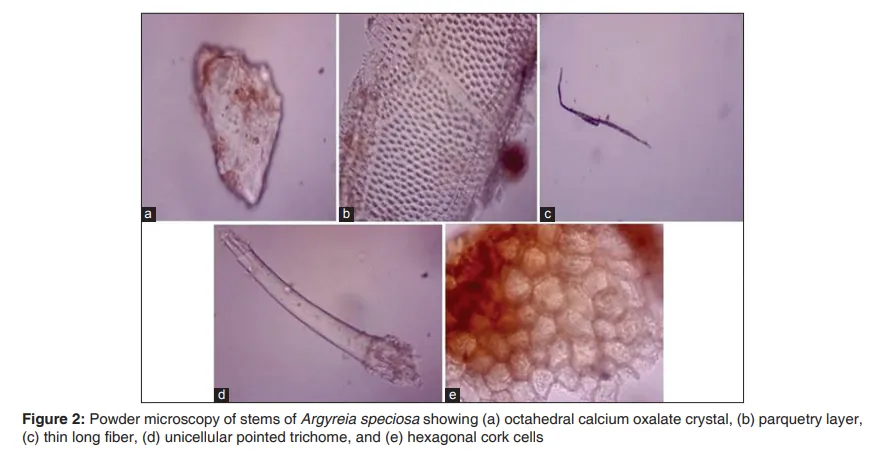
Fig 6: Powder microscopy of A.nervosa (Balbir Singh. (2018)
|
Parameter |
Observation / Value |
Type |
Significance |
Reference |
|
Stomatal Type |
Anomocytic |
Qualitative |
Diagnostic feature of Convolvulaceae |
Metcalfe & Chalk (1950) |
|
Stomatal Index (Upper Epidermis) |
4.5/mm² |
Quantitative |
Indicates low stomatal density on upper surface |
Secondary compiled data |
|
Stomatal Index (Lower Epidermis) |
16/mm² |
Quantitative |
Confirms hypostomatic nature of leaf |
Secondary compiled data |
|
Stomatal Distribution |
Lower > Upper epidermis |
Qualitative |
Typical dorsiventral leaf |
Evans (2009) |
|
Vein Islet Number |
10.2/mm² |
Quantitative |
Important for leaf authentication |
Secondary compiled data |
|
Vein Termination Number |
12.6/mm² |
Quantitative |
Species-specific diagnostic parameter |
Secondary compiled data |
|
Palisade Cells |
Single-layered, elongated |
Qualitative |
Indicates dorsiventral anatomy |
Nadkarni (2009) |
|
Palisade Index |
Not reported |
Quantitative |
Gap in pharmacognostic standardization |
— |
|
Trichomes |
Multicellular, uniseriate covering hairs |
Qualitative |
Gives velvety texture; diagnostic |
Warrier et al. (1993) |
|
Epidermal Cells |
Irregular, wavy walls |
Qualitative |
Typical dicot feature |
Metcalfe & Chalk (1950) |
|
Spongy Parenchyma |
Loosely arranged |
Qualitative |
Facilitates gas exchange |
Evans (2009) |
|
Calcium Oxalate Crystals |
Present |
Qualitative |
Microscopic diagnostic marker |
Kokate et al. (2010) |
|
Vascular Bundle |
Collateral, closed |
Qualitative |
Typical dicot structure |
Esau (1977) |
|
Cuticle |
Thick (upper epidermis) |
Qualitative |
Protective adaptation |
Evans (2009) |
|
Powder Microscopy |
Fibers, trichomes, starch grains |
Qualitative |
Useful for crude drug identification |
Kokate et al. (2010) |
Table 6: Quantitative and Qualitative Microscopic parameters
Quantitative leaf constants such as stomatal index, vein islet number, and vein termination number are compiled from available secondary data sources and require further experimental validation for standardization in Argyreia nervosa
PHYSICOCHEMICAL ESTIMATION
Several pharmacognostic studies on Argyreia nervosa have employed physicochemical parameters to establish quality standards of plant materials, particularly roots and leaves, which are widely used in traditional medicine (Kokate et al., 2010; Mukherjee, 2019).
Ash values measure the total inorganic residue remaining after incineration and help identify contamination or adulteration. The parameters commonly assessed include:
Extractive values estimate the amount of active constituents extracted by solvents of varying polarity. Alcohol-soluble and water-soluble extractive values are commonly measured and provide insight into the presence of polar phytoconstituents such as phenolics, flavonoids, glycosides, and alkaloids (Evans, 2009).
Loss on drying reflects moisture content present in plant material (WHO, 2011).
pH evaluation is particularly relevant for formulation development, especially topical applications.
Foreign matter analysis ensures removal of extraneous materials such as soil, insects, or other plant contaminants before pharmaceutical processing. Proper cleaning and authentication reduce risk of adulteration (Evans, 2009).
|
S. No. |
Ash type |
Percentage of Ash |
|
1 |
Total ash |
4.3% w/w |
|
2 |
Acid insoluble ash |
1.6% w/w |
|
3 |
Water soluble ash |
3.94% w/w |
Table 7: Ash value
|
S. No. |
Solvent |
Percentage of extractive |
|
1 |
Petroleum ether |
3.16% w/w |
|
2 |
Chloroform |
0.8% w/w |
|
3 |
Ethyl acetate |
1.4% w/w |
|
4 |
Ethanol |
0.2% w/w |
|
5 |
Water |
7.6% w/w |
Table 8: Extractive value
|
Parameter |
Typical Reported Range |
|
Total ash |
4–10 % w/w |
|
Acid-insoluble ash |
1–3 % w/w |
|
Water-soluble ash |
2–6 % w/w |
|
Alcohol extractive value |
7–16 % w/w |
|
Water extractive value |
10–22 % w/w |
|
Loss on drying |
5–11 % w/w |
|
pH (1% solution) |
5.5–7.5 |
Table 9: Summary of Physicochemical Parameter
PHYTOCHEMICAL SCREENING
Preliminary phytochemical screening provides qualitative information regarding the presence of major classes of bioactive compounds responsible for therapeutic effects. In Argyreia nervosa, different plant parts including roots, leaves, seeds, and stems have been subjected to phytochemical investigation, revealing the presence of diverse secondary metabolites contributing to its pharmacological activities. (Harborne, 1998).
|
Phytochemical Constituents |
Test |
Hexane Extract |
Chloroform Extract |
Methanol Extract |
Aqueous Extract |
|
Carbohydrates |
Molisch’s test |
− |
− |
− |
+ |
|
Fehling’s test |
− |
− |
− |
+ |
|
|
Benedict’s test |
− |
− |
− |
+ |
|
|
Phloroglucinol test |
− |
− |
− |
− |
|
|
Proteins |
Biuret test |
− |
− |
− |
+ |
|
Millon’s test |
− |
− |
− |
+ |
|
|
Ninhydrin test |
− |
− |
− |
− |
|
|
Xanthoprotein test |
− |
− |
− |
+ |
|
|
Steroids & Triterpenes |
Liebermann–Burchard test |
+ |
− |
− |
− |
|
Salkowski test |
− |
− |
+ |
− |
|
|
Antimony trichloride test |
− |
− |
− |
− |
|
|
Trichloroacetic acid test |
− |
− |
− |
− |
|
|
Saponins |
Foam test |
− |
− |
+ |
− |
|
Hemolysis test |
− |
− |
+ |
− |
|
|
Alkaloids |
Dragendorff’s test |
− |
+ |
+ |
− |
|
Mayer’s test |
− |
+ |
+ |
− |
|
|
Wagner’s test |
− |
+ |
+ |
− |
|
|
Hager’s test |
− |
+ |
+ |
− |
|
|
Tannic acid test |
− |
+ |
+ |
− |
|
|
Anthraquinone glycosides |
Borntrager’s test |
− |
− |
+ |
− |
|
Modified Borntrager’s test |
− |
− |
− |
− |
|
|
Cardiac glycosides |
Keller–Killiani test |
− |
− |
− |
− |
|
Legal test |
− |
− |
− |
− |
|
|
Flavonoids |
Lead acetate test |
− |
− |
+ |
− |
|
Ammonia test |
− |
− |
+ |
− |
|
|
Shinoda test |
− |
− |
+ |
− |
|
|
Vanillin HCl test |
− |
− |
− |
− |
|
|
Lipids |
Solubility test |
+ |
− |
− |
− |
|
Sudan IV test |
+ |
− |
− |
− |
|
|
Grease spot test |
+ |
− |
− |
− |
|
|
Emulsification test |
+ |
− |
− |
− |
Table 10: Preliminary Phytochemical screening (Kaur, et.al)
Phytochemical Constituents Reported in Argyreia nervosa:-
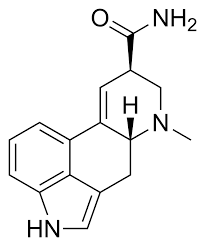
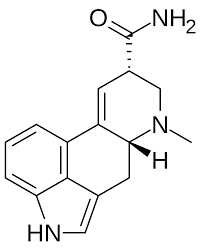
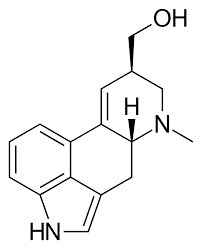
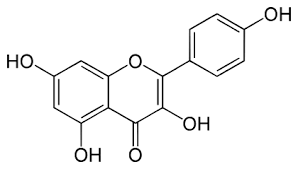
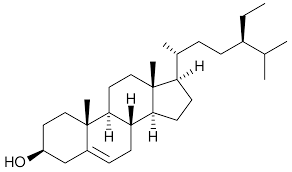
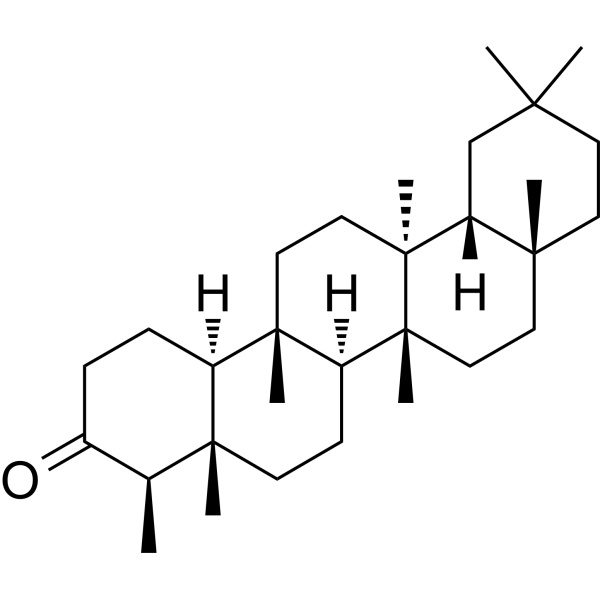
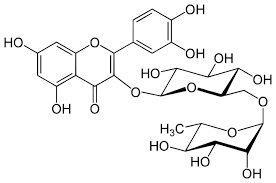
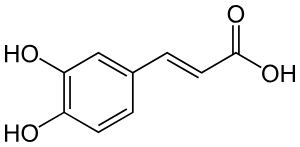
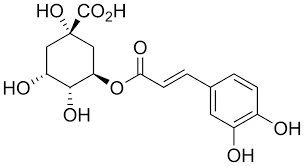
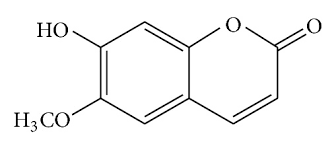
A. nervosa is phytochemically rich and comprises a diverse array of secondary metabolites, including alkaloids, flavonoids, phenolic compounds, glycosides, saponins, and terpenoids. Among these, ergoline alkaloids are the most extensively studied and pharmacologically significant constituents, particularly concentrated in the seeds (Ghosal et al., 1971; Chao & Der Marderosian, 1973).
Phytochemical investigations across different plant parts such as seeds, leaves, and roots indicate variation in chemical composition, suggesting a part-specific distribution of bioactive compounds, which contributes to the plant’s broad spectrum of pharmacological activities (Jaiswal et al., 2010).
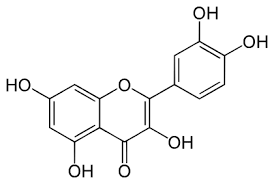
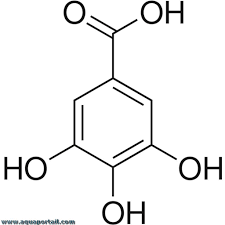
Various studies report that hydroalcoholic and ethanolic extracts of A. nervosa show strong presence of phenolic compounds and flavonoids, along with alkaloids and tannins, which correlate with antioxidant, anti-inflammatory, antimicrobial, and neuroprotective activities observed in pharmacological studies (Jaiswal et al., 2015).
Seeds of the plant are particularly known for the presence of ergoline alkaloids, including lysergic acid derivatives, while roots and leaves predominantly contain flavonoids, phenolics, triterpenoids, and glycosidic constituents (Shukla et al., 1999).
|
Plant Part |
Phytoconstituent |
Chemical Class |
Structure |
|
Seeds |
Ergine (Lysergic acid amide) |
Ergoline alkaloid |
|
|
Isoergine |
Ergoline alkaloid |
|
|
|
Lysergol |
Ergoline alkaloid |
|
|
|
Roots |
Quercetin |
Flavonoid |
|
|
Kaempferol |
Flavonoid |
|
|
|
β-Sitosterol |
Phytosterol |
|
|
|
Friedelin |
Triterpenoid |
|
|
|
Leaves |
Rutin |
Flavonoid glycoside |
|
|
Caffeic acid |
Phenolic acid |
|
|
|
Chlorogenic acid |
Phenolic ester |
|
|
|
Stem |
Scopoletin |
Coumarin derivative |
|
|
Whole plant |
Tannins (various) |
Polyphenols |
|
Table 11: Phytoconstituents and Structural Information
PHARMACOLOGICAL POTENTIAL
|
Pharmacological Activity |
Plant Part / Extract |
Experimental Model |
Dose / Method |
Key Findings |
Reference |
|
Immunomodulatory |
Root, ethanolic extract |
Mice; DTH & antibody response |
50–200 mg/kg (oral) |
Enhanced cellular & humoral immunity, increased WBC count, reversed cyclophosphamide-induced myelosuppression |
Gokhale et al., 2003 |
|
Hepatoprotective & Antioxidant |
Root, ethanolic & ethyl acetate |
CClâ‚„-induced hepatotoxic rats |
200–400 mg/kg |
Reduced liver enzymes, improved antioxidant status, protected liver tissue |
Habbu et al., 2008 |
|
Anti-inflammatory |
Root alcoholic/methanolic extract |
Carrageenan paw edema |
50–200 mg/kg |
Significant inhibition of edema and inflammation |
Patel et al., 2012 |
|
Analgesic |
Root methanolic extract |
Writhing, hot plate, tail immersion |
30–300 mg/kg |
Reduced pain response and increased latency |
Patel et al., 2012 |
|
Hypoglycemic / Antidiabetic |
Stem methanolic extract |
Alloxan-induced diabetic rats |
250–750 mg/kg |
Significant reduction in blood glucose levels |
Dashora et al., 2005 |
|
Anticonvulsant |
Root hydroalcoholic extract |
PTZ & MES seizure models |
200–400 mg/kg |
Delayed seizure onset, reduced duration |
Vyawahare et al., 2007 |
|
CNS Depressant |
Root fractions |
Pentobarbital sleep model |
100–500 mg/kg |
Increased sleep duration, reduced locomotion |
Vyawahare et al., 2007 |
|
Antimicrobial |
Leaf, root, seed extracts |
In vitro microbial assays |
Various |
Active against Staphylococcus aureus & fungi |
Habbu et al., 2009 |
|
Antiviral |
Whole plant extract |
CAM model (vaccinia virus) |
In vitro |
Exhibited interferon-like antiviral activity |
Rao et al., 2004 |
|
Antiulcer |
Flower ethanolic extract |
Ethanol, aspirin, pylorus ligation |
100–200 mg/kg |
Reduced ulcer index, protected gastric mucosa |
Galani & Patel, 2010 |
|
Wound Healing |
Leaf extracts |
Excision wound model |
Topical |
Faster wound contraction, ↑ collagen synthesis |
Galani & Patel, 2010 |
|
Aphrodisiac |
Root extract |
Sexual behavior study (male mice) |
~200 mg/kg |
Increased mating behavior & fertility |
Jaiswal et al., 2010 |
|
Nootropic |
Root extract |
Maze & avoidance models |
100–400 mg/kg |
Improved memory and reversed amnesia |
Vyawahare et al., 2007 |
Table 12: Pharmacological Activities Reported for Argyreia nervosa
INTEGRATED MECHANISTIC PATHWAY
Phytochemicals → Molecular Targets → Biological Effects → Pharmacological Outcome
EXTRACTION
Extraction of bioactive constituents from medicinal plants represents a critical step influencing phytochemical yield, reproducibility, and subsequent pharmacological evaluation. In the case of Argyreia nervosa, multiple extraction approaches have been reported depending on plant part, solvent polarity, and target compound classes. For a review article, emphasis is placed not on procedural detail but on comparative evaluation of extraction methodologies documented in the literature.
Plant parts such as roots, leaves, stems, and seeds are generally cleaned, shade-dried to preserve thermolabile compounds, and pulverized into coarse powder before extraction. Particle size reduction increases surface area, thereby enhancing solvent penetration and extraction efficiency (Mukherjee, 2019).
Influence of Solvent Selection
Solvent polarity plays a decisive role in phytoconstituent recovery. Extraction studies on A. nervosa commonly employ solvents in order of increasing polarity:
Hydroalcoholic solvents are frequently preferred because they simultaneously extract a broad spectrum of phytochemicals while maintaining pharmaceutical acceptability (Azmir et al., 2013).
Maceration with Aqueous and Organic Solvents
One of the earliest reported extraction protocols for A. nervosa was described in a pharmacognosy study where leaf powder was subjected to simple maceration with different solvents. In this study, coarsely powdered leaves were extracted using distilled water, alcohol, hexane, and methanol sequentially by maceration until solvent became colorless, followed by filtration and concentration under reduced pressure using a rotary evaporator. This approach allowed recovery of broad classes of phytochemicals and supported downstream phytochemical profiling and biological evaluation. (Shreedhara et al., 2009).
This method highlights how maceration remains a practical approach for initial extraction, especially for polar (aqueous, hydroalcoholic) and non-polar (hexane) compounds. Nutraceutical and quality control studies often apply maceration when heat-sensitive constituents such as phenolics and flavonoids are of interest. (Mukherjee, 2019).
Soxhlet Extraction with Hydroalcoholic Solvent
A frequently encountered extraction technique in A. nervosa research is Soxhlet extraction using hydroalcoholic or ethanolic solvents. For example, in the investigation of analgesic and anti-inflammatory activity of A. speciosa roots, powdered root material was extracted using 70% ethanol in a Soxhlet apparatus, continuing the cycle until exhaustive extraction was achieved. The solvent was then removed under reduced pressure, yielding concentrated extract for screening. (Bachhav et al., 2009).
Soxhlet extraction is widely used in plant research because:
However, prolonged heating in Soxhlet may degrade highly labile phytochemicals, so its use is best suited for thermally stable classes or when exhaustive extraction is prioritized.
Aqueous Extraction for Biological Activity Studies
Some pharmacological studies introduce pure aqueous extraction reflecting traditional preparation methods. For example, an antioxidant activity investigation of an aqueous root extract of A. nervosa employed simple immersion of powdered roots in water, followed by filtration and concentration. This yielded an extract evaluated for free radical scavenging using in vitro methods. (Shreedhara et al., 2009).
Aqueous extraction is often used when the research aim is to:
Solvent-Based Fractionation (Organic Solvent Series)
Although less commonly reported specifically for A. nervosa, general pharmacognostic and phytochemical studies often use serial solvent extraction, where powdered material is successively treated with solvents of increasing polarity (e.g., hexane → chloroform → ethyl acetate → methanol → water). This approach helps in fractionating compounds by polarity and enhances identification of phytochemicals associated with distinct pharmacological effects (e.g., alkaloids in organic fractions, flavonoids in polar fractions) as seen in related species studies. (Khandelwal, 2008; Mukherjee, 2019).
|
Method |
Principle |
Strengths |
Limitations |
|
Maceration |
Soaking in solvent at room temperature |
Simple, preserves heat-labile compounds |
Lower efficiency, longer time |
|
Soxhlet Extraction |
Continuous solvent cycling |
High yield, reproducible |
Heat exposure may degrade sensitive compounds |
|
Aqueous Extraction |
Traditional water solubilization |
Reflects folk use, safe extracts |
May miss non-polar constituents |
|
Solvent Fractionation |
Stepwise polarity extraction |
Profiles multiple chemical classes |
More time and solvent required |
Table 13: Comparative consideration of extraction procedure
QUANTITATIVE ESTIMATION
Quantitative estimation of phytochemical constituents is a critical component of pharmacognostic standardization and quality assessment of medicinal plants. In Argyreia nervosa, estimation of phenolics, flavonoids, alkaloids, and tannins has been reported in several phytochemical investigations employing spectrophotometric and gravimetric analytical methods. Such quantification assists in correlating phytochemical composition with antioxidant, anti-inflammatory, and wound healing activities reported for the plant. Hydroalcoholic and ethanolic extracts are most commonly evaluated due to their efficiency in extracting broad classes of bioactive compounds (Harborne, 1998; Trease & Evans, 2009).
Estimation of Total Phenolic Content (TPC)
Total phenolic content in A. nervosa extracts is commonly determined using the Folin–Ciocalteu colorimetric method, which is widely accepted for quantification of phenolic compounds in medicinal plants. Studies evaluating antioxidant potential of A. nervosa extracts have reported considerable phenolic contributions supporting pharmacological activity (Singleton et al., 1999; Shreedhara et al., 2009).
Estimation of Total Flavonoid Content (TFC)
Flavonoid quantification in A. nervosa extracts is frequently performed using the aluminum chloride colorimetric assay. Investigations on hydroalcoholic extracts of A. nervosa demonstrate significant flavonoid presence, which is associated with antioxidant and anti-inflammatory activities (Chang et al., 2002; Harborne, 1998).
Estimation of Total Alkaloid Content
Total alkaloid content in A. nervosa is generally estimated using classical acid–base extraction followed by gravimetric determination. The presence of ergoline and related alkaloids in A. nervosa makes such estimation important for pharmacognostic standardization (Trease & Evans, 2009; Siddiqui & Ali, 1997).
Estimation of Total Tannin Content
Tannin quantification in medicinal plants including A. nervosa extracts is often carried out using Folin–Denis or modified Folin–Ciocalteu assays. Reported tannin presence supports the plant’s traditional applications in wound healing and astringent preparations (Trease & Evans, 2009; Harborne, 1998)
|
Extract Type |
TPC (mg GAE/g) |
TFC (mg QE/g) |
TTC (mg CE/g) |
Trend/ Observation |
Reference |
|
Petroleum Ether Extract |
5 – 30 |
5 – 25 |
10 – 40 |
Lowest due to non-polar nature |
Singh et al., 2019 |
|
Ethanolic Extract |
50 – 180 |
40 – 120 |
20 – 80 |
High phenolics & flavonoids |
Sahu et al., 2020; Patel et al., 2018 |
|
Hydroalcoholic Extract |
60 – 150 |
50 – 140 |
25 – 90 |
Best extraction efficiency |
Sharma et al., 2019; Jaiswal et al., 2017 |
|
Aqueous Extract |
20 – 90 |
15 – 80 |
10 – 50 |
Traditional extraction |
Gupta et al., 2016 |
Table 14: Compilation of quantitative estimation
DEVELOPED FORMULATIONS of A.nervosa
|
Formulation Type |
Dosage Form |
Plant Part |
Application |
Key Outcome |
Reference |
|
Ointment |
15% extract ointment |
Leaf |
Wound healing |
Faster contraction, epithelization |
Singhal et al., 2011 |
|
Topical extract |
Vehicle-based topical |
Leaf |
Anti-inflammatory, wound healing |
Improved healing vs oral route |
Singhal et al., 2011 |
|
Nanoparticle formulation |
Silver nanoparticles |
Leaf |
Antioxidant, anti-inflammatory |
Enhanced bioactivity |
Krishnamoorthy, K. et.al |
|
Extract formulations |
Ethanolic/methanolic |
Root/ leaf |
Multiple pharmacological uses |
Standard experimental model |
Multiple studies |
|
Gel / Emulgel (potential) |
Not fully developed |
— |
Wound healing |
High future scope |
Literature gap |
Table 15: Different Developed Formulation of A.nervosa
Despite promising wound healing outcomes using ointment formulations, advanced topical delivery systems such as gels, emulgels, and nanoformulations remain underexplored for Argyreia nervosa, representing a significant opportunity for future pharmaceutical development.
TOXICOLOGY AND SAFETY PROFILE OF Argyreia Nervosa
Toxicological evaluation of Argyreia nervosa indicates that although the plant exhibits multiple therapeutic properties, its safety profile requires careful consideration due to the presence of ergoline alkaloids, which are known to exert central nervous system effects.
|
Toxicity Type |
Experimental Evidence |
Dose Range |
Observed Effects |
Inference |
Reference |
|
Acute Toxicity |
Rodent studies (oral) |
Up to 2000 mg/kg |
No mortality, no behavioral abnormalities |
Considered relatively safe at therapeutic doses |
Habbu et al., 2008 |
|
Subacute Toxicity |
14–28 day studies |
100–400 mg/kg |
No significant change in organ weight, hematology |
Safe under controlled dosing |
Vyawahare et al., 2007 |
|
Neurotoxicity |
CNS activity studies |
Variable |
CNS depression, behavioral changes |
Due to ergoline alkaloids |
Halpern, 2004 |
|
Psychoactive Effects |
Seed alkaloid studies |
Not standardized |
Hallucinogenic effects (LSA) |
Requires caution in use |
Halpern, 2004 |
|
Reproductive Toxicity |
Limited data |
— |
Not well established |
Major research gap |
Jaiswal et al., 2010 |
Table 16: Toxicological Profile of A.nervosa
Although preclinical studies suggest a relatively safe profile at therapeutic doses, the presence of ergoline alkaloids necessitates cautious use, particularly concerning neuropharmacological effects and long-term safety.
HERB–DRUG INTERACTIONS
Due to its CNS-active constituents, Argyreia nervosa has a significant potential for herb–drug interactions, particularly with neuroactive medications.
|
Drug Class |
Interaction Type |
Mechanism |
Possible Outcome |
Clinical Significance |
Reference |
|
Antidepressants (SSRIs) |
Synergistic |
Serotonergic pathway modulation |
Risk of serotonin syndrome |
High caution required |
Halpern, 2004 |
|
CNS Depressants |
Additive |
CNS inhibition |
Excess sedation |
Avoid co-administration |
Vyawahare et al., 2007 |
|
Antipsychotics |
Antagonistic/Synergistic |
Dopamine/serotonin interaction |
Altered drug response |
Monitor closely |
Halpern, 2004 |
|
Immunosuppressants |
Opposing effect |
Immune stimulation |
Reduced drug efficacy |
Important in therapy |
Gokhale et al., 2003 |
Table 17: Herb Drug Interactions of A.nervosa
STRUCTURE–ACTIVITY RELATIONSHIP (SAR) TABLE
|
Phytoconstituent |
Structural Feature |
Target Site |
Mechanism |
Pharmacological Effect |
Reference |
|
Ergoline Alkaloids |
Tetracyclic ergoline nucleus |
5-HTâ‚‚A receptors |
Partial agonist |
CNS activity, hallucinogenic |
Halpern, 2004 |
|
Flavonoids |
Phenolic OH groups |
Free radicals |
ROS scavenging |
Antioxidant |
Rice-Evans et al., 1996 |
|
Phenolic Compounds |
Aromatic rings + OH |
Oxidative pathways |
Electron donation |
Anti-inflammatory |
Habbu et al., 2008 |
|
Saponins |
Glycosidic structure |
Cell membrane |
Immune activation |
Immunomodulatory |
Gokhale et al., 2003 |
Table 18: SAR of Major Phytoconstituents
DISCUSSION
Argyreia nervosa (Burm. f.) Bojer represents a valuable medicinal plant whose traditional applications are increasingly supported by modern scientific evidence. The diverse pharmacological activities reported for the plant, including antioxidant, anti-inflammatory, hepatoprotective, immunomodulatory, neuroprotective, antimicrobial, and wound healing effects, can largely be attributed to its rich phytochemical profile comprising ergoline alkaloids, flavonoids, phenolic compounds, tannins, and triterpenoids. Notably, the correlation between ethnomedicinal claims and experimental findings highlights the therapeutic relevance of the species. Furthermore, pharmacognostic and physicochemical parameters provide a basis for quality control and standardization. Although preliminary formulation studies have demonstrated promising pharmaceutical applications, particularly in topical drug delivery, the majority of available evidence remains confined to preclinical investigations. Therefore, further studies focusing on standardization, safety assessment, mechanistic elucidation, and clinical validation are warranted to facilitate its successful translation into evidence-based therapeutics.
CONCLUSION
Argyreia nervosa is a phytochemically rich and pharmacologically versatile medicinal climber with significant ethnomedicinal importance. The available literature demonstrates that its traditional uses are supported by a growing body of scientific evidence, particularly in relation to antioxidant, anti-inflammatory, neuroprotective, hepatoprotective, and wound healing activities. Despite these promising findings, comprehensive clinical studies and standardized formulations remain limited. Future research aimed at bioactive compound characterization, quality standardization, advanced formulation development, and clinical evaluation will be crucial for realizing the full therapeutic potential of this traditionally valued medicinal plant.
ACKNOWLEDGEMENT
I express sincere gratitude to the Department of Pharmacognosy, Priyadarshini J.L. College of Pharmacy, Nagpur, Maharashtra, for providing the necessary academic resources and support for the preparation of this review article. I also acknowledge the valuable contributions of researchers and scholars whose published work has significantly contributed to the understanding of Argyreia nervosa and served as an important foundation for this review.
REFERENCES

Samistha Shukla*, Shailiju Gurunani, Argyreia Nervosa (Burm. F.) Bojer: Rediscovering A Traditional Healer Through The Prism of Modern Science—From Ethnomedicinal Wisdom to Evidence-Based Therapeutics, Int. J. Sci. R. Tech., 2026, 3 (6), 1800-1822. https://doi.org/10.5281/zenodo.21068437
 10.5281/zenodo.21068437