

We use cookies to ensure our website works properly and to personalise your experience. Cookies policy
1Department of Public Health, Faculty of Clinical Sciences, Ahmadu Bello University Zaria, Nigeria
2Department of Internal Medicine, Federal Teaching Hospital Birnin Kebbi, Nigeria
3Defense Space Administration Clinic, Lugbe- Abuja, Nigeria
4Federal Teaching Hospital, Gombe, Nigeria
5Zankli Medical Centre Mhabuchi, Abuja, Nigeria
6Federal Medical Centre Jabi, Abuja, Nigeria
Substance misuse among youths is a growing global public health challenge with significant socio-economic, and health consequences. Worldwide, 5.5% of individuals aged 15–64 reports drug use, with young people disproportionately affected. In Nigeria, substance misuse is particularly concerning, with a prevalence rate of 14.4%, nearly triple the global average. This study therefore, assesses the prevalence, determinants, and consequences of substance misuse among youths in Madagali community of Adamawa State, Nigeria. It aims at identifying key socio-economic, cultural, and psychological factors influencing substance misuse and to provide evidence-based recommendations for prevention and intervention. The study uses a cross-sectional study design with an interviewer-administered structured questionnaire among 363 youths aged 15–35 years after a pre-test, for primary data collection between 18th to 29th January, 2025. Data analysis is performs using IBM SPSS version 23, with descriptive statistics, chi-square tests, and logistic regression application to examine associations between substance misuse and various socio-demographic factors. The findings show 38.02% prevalence of substance misuse among youths in Madagali: with alcohol (10.7%), tobacco (7.4%), and cannabis (5.8%) being the most commonly misused substances. The identified leading factors influencing substance misuse in the study population are Peer pressure (19.0%), stress (5.8%), family instability (5.0%) and unemployment (2.3%). The study also establish that males (28.6%) are more likely to misuse substances than females (9.4%). The study establishes and infers that Youths with lower education levels, and poorer households are at a higher risk of substance misuse and this is worsened by limited healthcare access and the absence of mental health services. And therefore, recommends a holistic approach with a comprehensive multi-faceted strategies that integrate community education, mental health support, policy interventions, strict law enforcement, socio-economic empowerment, stakeholders (government and private) and international cooperation to effectively curtailed this public health monster.
The misuse of substances among young people has become an urgent global challenge, affecting public health and socio-economic well-being. Around the world, roughly 5.5% of individuals aged 15–64 report using drugs, with young people bearing a disproportionate burden from substances such as alcohol, cannabis, opioids, and synthetic drugs (UNODC 2021). This issue brings with it a host of serious health risks, including addiction, mental health disorders, and physical conditions like cardiovascular and respiratory diseases, often worsened by risky behaviours associated with substance use (WHO 2022).
Beyond the personal toll, drug abuse has far-reaching international implications. It is intricately linked with challenges such as organized crime, illicit financial flows, corruption, and terrorism/insurgency (UNODC 2019). The World Health Organization estimates that nearly 7% of people aged 15 and older – roughly 400 million individuals – struggle with alcohol use disorders and that approximately 209 million adults, or 3.7% of the global population, suffer from alcohol dependence (WHO 2024).
Moreover, about 10% of the world’s 193 million cannabis users are adversely affected by its use, resulting in considerable economic and social burdens (Connor et al. 2021). The high levels of morbidity, mortality, and the associated financial and opportunity costs from substance abuse emphasize the need for broad prevention and treatment strategies to address this critical global health concern.
In Sub-Saharan Africa, substance misuse among the youth is particularly severe, with over 25% of young individuals having used at least one substance in their lifetime. Furthermore, substance use appears more common among males than females (Ebrahim et al. 2024). Contributing factors include a shortage of mental health resources, socio-economic instability, and cultural changes that sometimes downplay the dangers of substance use. Countries like Kenya, South Africa, and Ethiopia have seen rising rates of alcohol, cannabis, and opioid use among young people—a trend likely driven by peer influence and limited preventive measures (Auwal et al., 2021).
Within Nigeria, substance misuse has reached alarming levels. The National Drug Use Survey indicates a prevalence of 14.4% among those aged 15–64 – nearly triple the global average (UNODC, 2020). As Africa’s most populous nation, Nigeria has increasingly become recognized as a hub for drug trafficking and use, particularly among the youth (Jatau et al., 2021). Data from UNODC (2019) further suggests that about one in every seven Nigerians between 15 and 64 is affected by substance abuse, with women making up one in four cases and one in five users suffering severe consequences.
Substance misuse in Nigeria spans all six geopolitical zones and affects individuals at every educational level, extending even to secondary schools. The significant rise in drug abuse has led to a robust anti-drug campaign, marked by the establishment of key federal bodies—the National Drug Law Enforcement Agency in 1990 and the National Agency for Food and Drug Administration and Control in 1993 (John et al., 2024).
Adamawa State, in Nigeria’s North-eastern region, is particularly vulnerable. The National Drug Law Enforcement Agency (NDLEA) reported that within the Adamawa Command, 454 individuals suspected of drug trafficking were arrested between June 2023 and June 2024 (Agboalu, 2024). This heightened vulnerability is linked to socio-economic factors such as proximity to international borders and trade routes—which facilitate the influx of illicit substances—and the disruptive effects of the ‘Boko Haram’ insurgency, which has resulted in displacement, poverty, and psychological trauma (Musa, 2022).
Furthermore, it was observed that the high incidence of drug and illicit substance abuse among Adamawa’s youth significantly undermines both individual productivity and the stability of the Madagali community. In Madagali, limited healthcare access, insufficient mental health services, and ongoing socio-economic pressures create an environment ripe for substance misuse (Slemem et al. 2024). Peer pressure, economic hardship, and low educational attainment are critical drivers of this trend (Akpan et al. 2024). Addressing these challenges demands a comprehensive strategy that includes community education, enhanced healthcare resources, and policies focused on prevention and rehabilitation (Bello et al., 2022).
Due to the stigma attached to the former, the Diagnostic and Statistical Manual of Mental Disorders, Fifth Edition, Text-Revision (DSM-5-TR) states that the preferred terms for "substance abuse" are now "substance misuse," "substance use disorder," or simply "substance use" (Steven, 2024). Similarly, because of its negative connotations and links with punishment and judgment, the National Institute on Drug Abuse (NIDA) has likewise dropped the term "abuse" (Steven, 2024). While substance misuse, on the other hand, is defined as the harmful or hazardous use of psychoactive substances, including alcohol and illicit drugs, in ways that deviate from prescribed or socially accepted norms. Substance misuse typically leads to negative health outcomes, including addiction, physical health issues, and mental health disorders (WHO, 2022). The substances misused can be categorized into alcohol, illicit drugs that include cannabis, heroin, opioids, prescription drugs used non-medically, over-the-counter drugs (APHA,2024), and the new psychoactive substances (NPS) like synthetic cannabinoids, phenethylamines, tryptamines, piperazines, novel benzodiazepines among others. The NPS are drugs designated to replicate the effects of other illegal substances (ADF, 2024).
Substance misuse is recognized in the 2030 Agenda for Sustainable Development through Sustainable Development Goals (SDG) health target 3.5, which calls for strengthened prevention of substance use and treatment of substance use disorder. This is because of the massive impacts and multifaceted trajectories that the substance misuse menace has on the physical and mental health of individuals in addition to the social burden, developmental, and economic effects on the communities, which exemplify its public health importance (WHO, 2024).
According to the most recent WHO report, there is a substantial overlap between the use of alcohol, tobacco, and psychoactive drugs worldwide. It estimates that 2.5 billion adults over the age of 15 used alcohol in 2019, 1.25 billion smoked tobaccos in 2020, and 296 million used psychoactive drugs between the ages of 15 and 64 in 2021 (WHO, 2024).
Approximately 64 million people worldwide suffer from drug use disorder as of 2022, but only one in eleven receive treatment; approximately 7 million people have formal interactions with the police (arrests, cautions, warnings) due to drug offenses, with approximately 4.7 million (two-thirds of 7 million) of those interactions being related to substance use or possession for use; an estimated 2.7 million people were prosecuted for drug offenses in 2022, and more than 1.6 million people were found guilty globally (WHO, 2024).
According to a WHO report from June 2024, alcohol and drug use cause over 3 million deaths year, with men accounting for the majority of these deaths. It goes on to explain that 2.6 million deaths annually, or 4.7% of all deaths, were caused by alcohol usage, 0.6 million by the use of psychoactive substances, and that 2 million deaths were caused by alcohol and 0.4 million by drugs, with men making up the majority of those affected. According to this report, 209 million people worldwide suffer from alcohol dependence, out of a projected 400 million people with drug and alcohol use disorders (PAHO, 2024).
The effects of the worldwide drug problem have been made more complex by the introduction of new psychoactive chemicals, such as synthetic opioids, and the recent increase in the availability and demand for existing drugs, which has resulted in an increase in substance abuse and disorders as well as environmental damages (UNODC, 2020). In 2021, there were around 296 million illegal drug users globally, of whom 39.5 million were classified as having a substance use problem. Opioids and cannabis are the two most commonly used illegal drugs worldwide. According to estimates, more than 5% of the world's population used cannabis in the year prior as of 2021, and the number of opioid users has risen more globally than any other drug class in recent years (WHO, 2024). Furthermore, in 2022 cannabis retains its worldwide use at 228 million users, followed by opioids 60 million users, amphetamines 30 million users, cocaine 23 million users, and ecstasy 20 million users with majority of users aged 15 above (WHO, 2024). This finding was corroborated by the African Regional Office of WHO as it states that cannabis is the most widely used illicit substance in the African region with the highest prevalence and increase in use in West and Central Africa with rates between 5.2% and 13.5% (WHO/ROA, 2024).
Approximately 23.0 million Americans aged 12 and older were estimated to be illicit substance users in 2022; by 2023, that number had increased to 24.5 million; and as of 2024, an estimated 25.2 million Americans reported using illicit drugs in the previous month (CPH, 2024). Additionally, the mortality rate and disability rate for mental and substance use disorders among Americans increased by 89% and 10%, respectively, with substance use disorders accounting for 71% of all deaths and 24% of all years of lost health among mental and substance use disorders (PAHO, 2024).
Each sort of medication has a different prevalence in Europe. The most popular drug is marijuana, which is thought to have been used by 27% of Europeans at some point in their lives. Of these, half are daily users. Compared to other countries, the United Kingdom, Austria, and Spain have the highest prevalence of cocaine use, with over 2.5% of their populations using the drug (Alda et al, 2024). One of the leading causes of death for individuals between the ages of 16 and 40 in the United Kingdom is drug abuse. Accidental drug, medication, and biological poisoning was the cause of more than 2,664 deaths among men and 1,195 deaths among women in England in 2022. Approximately 181,400 drug offenses were reported in England and Wales in the period 2023/2024 (CPH, 2024).
Ebrahim et al. conducted a systematic analysis in Sub-Saharan Africa and discovered that among youths aged 10 to 24, the lifetime, 12-month, and current prevalence of substance abuse were 21%, 18%, and 15%, respectively. With a lifetime frequency of 25%, South Africa leads the region in substance abuse, followed by East Africa (22%), and West Africa (17%). According to country-specific data, Sierra Leone had the lowest lifetime prevalence of 4% and Zambia had the highest at 40% (Ebrahim et al, 2024). Given the amount of youths not recruited, the results are still meaningful even though 16.7% of the age group (10–14 years) used for this study does not fall inside the youth, the findings are still significant given the number of youth population not recruited and hence could be more if they were enrolled.
The West African Epidemiology Network on Drug Use, ECOWAS' epidemiology unit, reported in 2023 that "prevalence estimates of alcohol and drug use across West African countries are limited and often not directly comparable." Despite five member countries, including Nigeria, not reporting, an estimated 83, 734.81 kg and over 31,000 tablets/capsules of drugs were seized in the region in 2023, and 4,217 people were arrested for drug-related offenses, even though 85% of such arrests in 2022 came from Nigeria, Niger, and Mali, whose data were not included in this report. According to estimates, 73.4% of the region's population, aged 15 to 44, had a substance use disorder and started treatment in 2023. Of these new patients, 19% were students, 22.18% were full-time employees, 13.91% were part-time employees, and 33.21% were unemployed (WENDU, 2023).
In Nigeria, the National Drug Law Enforcement Agency (NDLEA) reports that one in four substance abusers is a woman, and one in five will suffer from substance abuse disorder (WHO, 2019). The prevalence rate of drug abuse among those aged 15 to 64 is estimated to be 14.4%, and if nothing is done to curb the trend, it is expected to increase to about 40% in 2030 (UNODC, 2022).
In a cross-sectional descriptive study by John et al in 2024 on the prevalence and pattern of drug abuse among youths in Jos North Local Government Area, Plateau State, a prevalence of 39.1% was reported among the 247-youth population studied. Among those who use drugs, 74.8% reports using multiple drugs, while 25.2% use a single drug. Of this studied population, 71.0%, 11.2% and 17.8% cited peer influence, parents and own will respectively as their motivation to drug misuse (John eta al, 2024). In another study to determine the prevalence and contributing factors to substance misuse among South-South youths aged 15-25 years, Akpan et al. in 2024 found that 40.4% of the 182 population from 3 LGA of the 6 LGA in the region had used one or more substances, and approximately 93.1% and 87.3% identified negative peer influence and lack of parental care as factors that influenced their drug misuse respectively (Akpan et al., 2024).
In a related study to determine the incidence of drug and substance usage in a subset of Nigerian universities, it was shown that 45.7% of the 400 students, ages 15 to 29, who were recruited had abused substances, even though 1 out of every 4 participants had a 94.6% risk awareness level. With prevalence of 61.5% and 54.5%, respectively, alcohol and cigarettes were the most commonly abused substances among the students (John et al, 2022).
In assessing Drug Abuse and Youth Quality of Life, the Nigerian Institute of Social and Economic Research found that 48.5% of the population experienced a low quality of life; roughly 30% had poor general health, 43.7% had poor physical health, 48.9% had poor psychological health, 46.0% had poor social relationships, and more than 52.0% lived in inadequate living and environmental conditions (NISER, 2023). Similarly, according to the NDLEA's 2022 Nigeria Drug Use Survey, substance use problems accounted for 15-25% of all hospital admissions and outpatient visits among young Nigerians. It went on to say that injuries connected to substance misuse accounted for an estimated 25-30% of all ED visits and hospitalizations among young people (15-35 years old). According to the survey, drug overdoses, alcohol poisoning, and substance-related accidents accounted for roughly 10-15% of all deaths among youths aged 15 to 35, indicating a steady increase in substance abuse-related mortality rates. Additionally, research has shown that among young Nigerians, substance abuse disorders are indirectly responsible for 20-25% of homicides and 5-10% of suicides (Akpan et al, 2024).
a.1. FACTORS INFLUENCING SUBSTANCE MISUSE
The growing menace of substance misuse among the youths does not stand in isolation rather there are myriads of veritable factors that have been identified that predispose them to the use of substances. It is also important to know that none of these factors stand alone in influencing substance misuse among the youths but through interplay. Some of these factors that influence substance misuse are briefly discussed as follows:
SOCIAL INFLUENCE: Another name for this is peer pressure or influence. A peer group is a collection of people in the same age range who have similar traits or social standing. It has been noted that young people frequently succumb to peer pressure and strong persuasion to commit crimes and participate in other disruptive activities. This may begin as drug and substance experimentation for pleasure and enjoyment, but as time goes on, the frequency rises due to the narcotic effects that can result in addiction (Binti et al, 2024). Social identity theory holds that people derive their social identity and self-concept from their membership in social groups, such as peer groups or peer networks. (Bunu et al., 2023) Another study cited association among peers as the reason to engage in drug abuse, which remains one of the most significant risk factors for youths’ drug abuse surpassing the influence of familial and individual factors in intensity. In order to improve their social standing and acceptance among their peers, adolescents and young people may engage in behaviours and norms that are typical of their group, such as drug and substance misuse (Binti et al., 2024). According to a 2020 study by Thoma et al., peer groups can have a direct or indirect impact on substance abuse. Direct peer pressure is when peers clearly push or compel their peers to use drugs, which has a significant impact on the youth's decision-making process. In contrast, indirect peer influence works through peer modelling, social norms, and social comparison processes, which tend to shape the perceptions of the acceptability and desirability of substance use among the peer group or networks, the authors claimed (Thoma et al. 2020).
FAMILY INFLUENCE: According to SAMHSA (2019), family members are among the most intimate social circles of an individual and contribute to the variety of experiences that can impact their behaviour. The attitudes, actions, and involvement of young people in substance abuse are greatly influenced by their families. This is so because socialization, including the understanding of social norms, values, and expectations, including those related to substance use, is primarily shaped by the family environment. According to Binti et al. (2024), substance abuse among young people is therefore significantly influenced by family dynamics, relationships, and practices. Youth and adolescents are more likely to engage in substance use-related behaviours and be vulnerable to drug abuse due to family dynamics such as dysfunctional family relations, parental substance abuse, conflict, and poor communication (Mogahed, 2021). Bunu et al. (2023) state that substance abuse by parents and siblings, as well as poor parent-child relationships and parental conflict, can all contribute to youth drug abuse. Binti et al. (2024) supported this view by stating that the presence of substance uses in the family, whether from parents or siblings, has a significant impact on the attitude and behaviour of the youth regarding substance use. The study also maintained that youth who are raised in families where the use of illicit substances is normalized or permitted may perceive substance and alcohol use as desirable or acceptable norms. Furthermore, he said that exposure to family members' (parents' or siblings') illicit substance addiction or misuse lowers the threshold for young people to start using drugs at an early age. Youth are more likely to emulate and imitate their parents' excessive drug use, smoking, or alcohol use, which can lead to an intergenerational cycle of substance abuse (Binti et al., 2024). Similarly, a systematic review conducted in 2021 by Jatua et al. found that youth from polygamous family backgrounds, dysfunctional families, being single, and having drug-abusing parents or relatives are more likely to abuse drugs than those who are not. This is because, in the majority of cases, children from polygamous or broken families are neglected, leaving them to fend for themselves, and their desire to continue their education is frequently not valued by the family members. As a result, they turn to substance abuse as a way to escape the frustration and pressures of their families.
PSYCHOLOGICAL FACTOR: Adolescents who experience psychological pressures that lead to despair, anxiety, trauma, or even mental health illnesses are more susceptible to substance abuse. Research indicates that substance abuse among young people is directly linked to depression, anxiety, PTSD, and attention-deficit/hyperactivity disorder. According to Jatua et al. (2021), the majority of young people who use drugs do so as a means of escaping psychological stress, unpleasant emotions, or traumatic events. Similarly, Crone and Dahl (2022) observe that substance use among young people with low self-esteem is a coping mechanism for negative emotions resulting from low self-efficacy and low self-esteem, which decreases feelings of inadequacy and increases their sense of worth and confidence. It offers short-term respite from psychological stressors, which leads to the formation of maladaptive coping strategies and patterns of dependence. Adverse childhood experiences, trauma, and violence predispose young people to turn to drugs and alcohol as a coping mechanism (Akpan et al, 2024).
Furthermore, Yidian (2023) claimed in a study that drugs and illegal substances are frequently used for their psychoactive effects, such as euphoria, relaxation, and altered consciousness. He argues that young people may seek substances to increase positive emotions, decrease boredom, and increase pleasure, and he concluded that the desire for short-term rewards and the pursuit of hedonic gratification are what motivate young people to engage in substance use as an escape (Yidian, 2023). Hence, psychological factors play an integral role along with other factors to influence substance misuse among the youth as they seek pleasure or relief from boredom, disappointments, and other emotional stress and stressors.
GENETIC FACTOR: Another name for this is a biological component. Research has indicated that while gender, ethnicity, and the existence of other mental health conditions may have an impact, genetics accounts for about 50% of a person's risk for drug use (Bunu et al, 2024). The evidence presented here indicates that a genetic predisposition to substance use—defined as inherited traits or characteristics that increase an individual's susceptibility to certain conditions or behaviours such as substance use and alcohol dependence—contributes to an individual's susceptibility to substance misuse, including addiction, when exposed to other favourable environmental or necessary factors. Strong evidence of the heritability of substance use disorders and a clear explanation of the genetic factors influencing an individual's variance in susceptibility to drug and alcohol abuse can be found in twin and adoption studies. Additionally, it was determined that around 50% of an individual's propensity for drug and substance abuse is due to genetic factors. In this study, drug and substance abuse rates among family members and between identical and fraternal monozygotic twins were compared. The findings of these studies show consistently a strong genetic influence on drug and substance abuse (Binti et al, 2024).
Similarly, research in the field of epigenetics showed how environmental factors interact with genetic predispositions in individuals to influence traits like drug and substance abuse. It was found that epigenetic modifications, such as DNA methylation and histone acetylation, can regulate gene expression and thus influence individual vulnerability to substance abuse. According to Vargas-Perez (2023), chronic exposure to drug and substance abuse may result in epigenetic modifications in the brain and changes in the gene expression patterns associated with addiction-related behaviours. While hereditary variables may have a role in an individual's susceptibility to substance misuse, they dynamically interact with environmental factors to develop behaviours associated to drug use. Accordingly, young people with certain genetic deficiencies, such as variations in genes linked to rewards or impulse control, will be more vulnerable to environmental factors like peer pressure or dysfunctional families and, as a result, more likely to start using drugs (Agrawal, 2022). The association between substance abuse and genetic polymorphism is supported by numerous studies. Male participants with Arab ancestry from Jordan served as an example. Approximately 498 participants in the study have been diagnosed with at least one substance addiction: amphetamine (5.7%), alcohol (5.5%), benzodiazepines (4.6%), opiates (4.4%), cocaine (1.1%), cannabis (0.4%), synthetic cannabinoids (47.5%), and cannabinoids (19.6%). One medicine was utilized in eighty-nine percent (89%) of the instances. Although 11% of the study's addicted participants used more than one substance, the researchers found that both genotypes and alleles of the OPRM1 gene's rs1799971 were linked to drug addiction (Mustafa et al, 2022).
ENVIRONMENTAL FACTOR: People's behaviour and health are influenced by the environments in which social relationships take place, including neighbourhoods, workplaces, schools, and online communities (SAMHSA, 2019). The youth are shaped by this environment in a number of ways, such as peer and familial pressures, financial security, and general life satisfaction. A person's risk of abusing substances and developing an addiction later on may be greatly impacted by environmental factors such as peer pressure, stress, early drug exposure, physical and sexual abuse, and parental monitoring (Bunu et al, 2023). Additionally, if certain members of a peer group use substances, there is a significant likelihood that someone in that group would experiment and end up using substances. This peer group pressure effect is enabled by the favourable environmental conditions in which they come together.
SOCIOECONOMIC FACTOR: Any young person growing up in a low-income neighbourhood faces several pressures and difficulties, such as poor health care, restricted educational possibilities, a high unemployment rate, and exposure to crime and violence. Youths who are exposed to these socioeconomic challenges are more likely to experience sentiments of hopelessness and turn to illegal substances as a coping strategy to help them deal with the realities they confront (Binti et al, 2024). According to Gale (2021), research has indicated that unemployment and uncertainty about one's financial future are significant risk factors for substance misuse among young people. This is because it has been noted that young people who have almost no employment opportunities and financial instability frequently turn to drug and substance abuse as a means of escaping stress, boredom, or annoyance. Furthermore, it has been noted that unemployment not only denies young people economic power but also has an impact on their sense of purpose, self-worth, and social identity, which raises the likelihood that they may turn to substance abuse as a coping strategy (Gale, 2021). Economic disparities have been found to exacerbate social inequalities and create structural barriers that amplify and perpetuate the cycle of substance misuse in marginalized communities, and youth from low-income families are more likely to engage in substance abuse than those from higher-income families (Binti et al, 2024).
a.2. MODELS OF SUBSTANCE MISUSE
Substance abuse is a complicated problem that affects many different groups of people all over the world. According to research, 14% of high school pupils worldwide report abusing prescription opioids, and 15% have used illegal or injectable substances (CDC, 2022). With prevalence rates ranging from 5.2% to 13.5% across West and Central Africa, cannabis is the most commonly used illegal substance in Africa (WHO, 2024).
According to the self-medication model, people may abuse drugs as a coping mechanism for mental health conditions like depression and anxiety (PHI, 2019). Studies demonstrating that substance abuse is more common among those with mental health conditions lend credence to this paradigm (NIDA, 2024).
According to Smith, the social learning model suggests that interactions with friends, family, and community members teach people how to misuse drugs (Smith, 2020). Research demonstrating that peer pressure and a lack of parental supervision are important factors influencing substance abuse lends credence to this hypothesis (Bunu et al.,2023).
Biological, psychological, and social components interact dynamically to cause substance abuse, according to the biopsychosocial model (NH, 2024). Research also demonstrating the role of brain chemistry, genetic predisposition, and environmental factors in substance abuse and lends credence to this paradigm (NIDA, 2024).
Creating successful prevention and intervention plans requires an understanding of substance abuse models. Healthcare providers can help people who struggle with substance abuse by treating the underlying reasons for substance abuse, such as mental health conditions, social learning, and biopsychosocial variables.
To forecast and explain the phenomenon of substance use and addictive behaviours, some ideas or models have been proposed over time. The moral model, disease model, psychological model, social model, bio-psychosocial model, and spiritual model are the most popular models in this area that have been utilized in recent years. It is crucial to remember that no single model can fully explain substance abuse and/or addiction for every individual; rather, it requires a combination of models. This is due to the multifaceted nature of substance use and addiction (Steve, 2024).
MORAL MODEL: This is the oldest and narrowest of all the models on substance use and addictive behaviours. The Moral model states that substance use and addiction result from an individual’s moral failing or weakness of character (willpower). This model believes that individuals who struggle with substance use and addiction lack self-discipline and willpower and that their substance use- and -addiction-related behaviours are because of poor choices and personal irresponsibility. It emphasizes the pivotal role of free will and personal agency in the evolution and maintenance of addiction or substance misuse (Steve, 2024). The Moral model is historically influential in recognition of the pivotal role of an individual’s willpower in substance use/addiction but oversimplifies the complex nature of addiction by failing to take into consideration other biological, psychological, and social factors in addiction-related behaviours.
DISEASE MODEL: The disease model maintains that substance use or addiction is multi-factorial, involving the interaction of genetic, developmental, and environmental factors that predispose certain individuals to substance use disorders, and that substance use and addiction are a type of chronic, progressive, and relapsing brain disease that affects an individual's ability to control substance use or engage in addictive behaviours (UKRehab, 2024). The fundamental idea behind the disease or biological model of addiction is that obsessive drug-seeking behaviours and a diminished capacity to regulate substance use are caused by alterations in the structure and function of the brain. According to this theory, these alterations mostly impact the brain's reward system, which is vital for reinforcing survival-related activities like feeding and forming social bonds (Steven, 2024). According to this theory, substance abuse and addiction-related behaviours interfere with this reward system, causing dopamine and other neurotransmitters to be released, which results in feelings of pleasure and reinforcement. Over time, repeated substance use causes neuroadaptation, which changes how the brain functions and makes a person prioritize drug-seeking behaviour over other necessities of life (Steve, 2024). As the amygdala (pleasure centre/reward system) matures more slowly, it affects decision-making, which may be why some young people struggle with substance use. This biological explanation explains why adolescents and young people are more susceptible to developing a substance use disorder. Therefore, by acknowledging addiction as a chronic and relapsing brain disease rather than merely a moral failure as the Moral Model assumed, the Disease Model of Addiction offered the framework for comprehending the biological basis of substance use.
PSYCHOLOGICAL MODEL: According to the Psychological Model, people may turn to substances or addictive behaviours as a means of numbing or escaping negative emotions, coping with challenging situations, or managing psychological symptoms of depression or anxiety. It also highlights the importance of cognitive processes such as beliefs, expectations, and thought patterns that influence people’s substance use or engagement in addiction. The Psychological Model posits that addiction or substance use is a form of maladaptive mechanism for coping with stress, trauma, or other emotional issues. It focuses on the role of mental health, cognitive processes, and emotional factors in the evolution and establishment of addictive behaviours (FL, 2024). For example, a person may develop cognitive biases that support their addictive behaviours or maintain ideas about the advantages of substance usage while downplaying the harms involved (Steve, 2024). Thus, the psychological model offered a useful perspective on how mental health and cognitive functions contribute to the emergence and maintenance of addiction or addictive behaviours.
SOCIAL MODEL: The Social Model of substance use posits that the development and maintenance of addiction or addiction-related behaviours are influenced by social, cultural, and environmental factors (IL, 2024). This model holds that there is a complex interplay between individuals and their social context for addictive behaviours to develop and not solely the result of individual characteristics. The major factors that provided the basis for the Social Model include peer pressure, social norms, the availability and accessibility of substances, and the socioeconomic status of the individuals. This model believes that individuals have more tendency to develop an addiction when they are exposed to environments that promote substance use or addictive behaviours than those not disposed to such environment (IL, 2024). Accordingly, the Social Model maintained that societal attitudes regarding substance use and addiction also influence people's behaviours and susceptibility to addiction, in addition to peer exposure to substance users, easy access to drugs, living in high-rate drug-using communities, social stressors (such as poverty), discrimination, and social isolation (Steve, 2024). According to the Social Model, also known as the Social Learning Theory, a variety of personal, social, and environmental factors, such as intrapersonal, interpersonal, institutional or organizational, community, and public policy factors, interact to influence behaviours like substance use.
BIOPSYCHOSOCIAL MODEL: The Bio-psychosocial Model integrates the concepts of the biological, psychological, and social models to provide a thorough framework for comprehending the intricate and multidimensional nature of substance use and addiction (Physiopaedia,2024). This model confirmed that a person's genetic composition, psychological characteristics, and social surroundings interact dynamically to cause substance use disorder. Since it acknowledges that no one factor could fully explain the development and maintenance of addictive behaviours, the bio-psychosocial model offers a more comprehensive, multi-layered pattern and holistic viewpoint on addiction or behaviours related to addiction (Steve, 2024). The genetic predisposition of the individual and the neurobiological alterations linked to substance use or addictive behaviours make up the biological factors in the bio-psychosocial model. In the bio-psychosocial model, psychological factors include the individual's mental health, emotional well-being, and cognitive processes like beliefs, expectations, and thought patterns about addiction. These factors manifest in maladaptive coping strategies, co-occurrence of mental health disorder with substance use disorder, and distorted thought patterns that accentuate addiction. For example, a particular genetic mutation can increase an individual's susceptibility to addiction, while a change in the brain's reward system can be the cause of compulsive drug-seeking behaviours. The bio-psychosocial model's social elements include the individual's social impact, including family dynamics, peer pressure, cultural norms, and environmental stresses. By influencing a person's exposure to substance use as well as their capacity to obtain resources and assistance for recovery, these factors contribute to addiction (Steve, 2024). Based on the aforementioned, the Bio-psychosocial model acknowledges the integrative function of the intricate interaction of several components, providing a more comprehensive and multifaceted framework for comprehending the development and emergence of addiction or addictive behaviours.
SPIRITUAL MODEL: According to the Spiritual Model, addiction or addictive behaviours are an expression of unresolved existential issues like the need for connection, meaning, and purpose in life. According to the model, substance abuse or addiction is a spiritual illness that results from a person's attempt to fill a void in their life caused by a lack of purpose or connection. According to Steve (2024), the Spiritual Model views substance uses or addictions as often driven by a de-rooted desire to fill an inner void or a way to find a sense of purpose and belonging in life. It argued that people can find healing and recovery from addiction by addressing these underlying existential and spiritual issues. These existential issues are frequently made worse for young people as they grow older and feel disconnected, alone, and empty, which is why they turn to substance abuse or addiction-related behaviours for comfort (Steve, 2024). The Spiritual Model of addiction provides useful insight into the vital role of spirituality and existential concerns in the development and maintenance of addiction-related behaviours. To properly address the complex and diverse nature of substance addiction, the understanding of the aforementioned models is paramount. But no single model - moral, biological, psychological, social, and spiritual - is adequate to fully explain addictions or substance use behaviours in every individual
The primary aim of this study is to evaluate the prevalence, underlying drivers, and consequences of substance misuse among youths in Madagali, Adamawa State, Nigeria. The focus is on identifying key contributing factors and proposing targeted interventions.
Specific Objectives
1. Ascertain the prevalence of substance misuse among youths in the Madagali community.
2. Identify the socio-economic, cultural, and environmental determinants influencing substance misuse among these youths.
3. Characterize the socio-demographic profiles of youths engaged in substance misuse within the community.
4. Evaluate the physical and mental health impacts associated with substance misuse among Madagali youths.
5. Examine the perceived consequences of substance misuse as experienced by the youths in the community
6. Formulate evidence-driven, context-specific recommendations to mitigate substance misuse among youths.
d. Research Questions
1. What is the current prevalence of substance misuse among youths in the Madagali community of Adamawa State?
2. Which socio-economic, cultural, and environmental factors contribute to substance misuse among these youths?
3. What is/are the socio-demographic characteristics of the youths involved in substance misuse within Madagali?
4. In what ways does substance misuse impact the physical and mental health of youths in Madagali?
5. What evidence-based interventions can be recommended to reduce substance misuse among these youths?
SIGNIFICANCE OF THE STUDY
This research confronts a critical global health challenge by deepening our understanding of substance misuse among youths and its far-reaching health and socio-economic repercussions. It aligns with the objectives set by the World Health Organization to reduce substance abuse and improve mental health outcomes (WHO, 2021).
Global Significance: The study’s findings will contribute to international efforts to combat youth substance misuse by offering valuable insights into its socio-cultural and economic drivers.
Regional and National Significance for Africa: Africa’s youth are increasingly affected by substance misuse, a problem worsened by limited healthcare resources and high poverty rates (John et al., 2024). Insights from this study on the factors driving substance misuse in Madagali can guide similar initiatives across the continent.
Significance for Adamawa State: Substance misuse represents a major public health issue in Adamawa State. The data produced by this study will support policymakers in addressing the root causes and crafting effective preventive and rehabilitative strategies tailored to communities like Madagali.
Significance for Nigeria: At the national level, the study will promote healthy youth development by empowering young people to contribute positively to their communities, thereby easing the burden on Nigeria’s healthcare system. Moreover, reducing substance misuse will support the rational use of drugs in line with the National Drug Policy’s objectives (NDP, 2021).
Community-Level Impact: Provide critical data to help policymakers and healthcare professionals develop targeted interventions.
• Inform community-based initiatives aimed at preventing and treating substance misuse.
• Enhance awareness among key stakeholders, including parents, educators, and community leaders.
• Contribute to the design of culturally relevant and effective substance misuse prevention programs.
In summary, this study seeks to advance our understanding of substance misuse among youths in Madagali, ultimately guiding evidence-based policies and interventions to address this pressing public health concern.
MATERIALS AND METHODS
The study was carried out in Madagali community of Madagali local government area in Adamawa State with an estimated population of (12,919) twelve thousand, nine hundred and nineteen as of 2018 (Mindat,2025 and Goeview,2024). Madagali is made of the following ethnic groups; Sukur, Marghi, Hdi (Tur), Mafa, Vemgo, Ngoshe, Fulbe, and Wagga with Marghi being the most populous and the villagers engage mostly in vocations such as trading and farming.
The study population is made up of male and female youth from every household in Madagali community.
Study Design and Sample Size: The study uses a descriptive cross-sectional design for a quantitative description of the prevalence and factors influencing substance misuse among the youths of Madagali community. The minimum sample size is obtains using the Kish-Leslie formula of a single proportion estimation for a sample size. The literature search that was conducted to determine the prevalence of substance misuse was 38.10% (NSDUH, 2022). And according to Cuemath (2023), the categorical data sample size can be estimated using the Kish-Leslie formula as:
N = Z2PQ
d2
Where N = minimal sample size
Z = the standard score (critical value) corresponding to a 95% confidence interval which is equal to the value of 1.96
P = prevalence of substance misuse from the previous study, 38.10%.
Q = (1-P) = (1 - 0.3810) = 0.619
d = The proportion of random sampling error between the sample and the population which is chosen to be 5% (precision or standard error), 0.05.
N = (1.96)2 x 0.3810 x 0.619
(0.05)2
= 362.75
= 363
However, 425 questionnaires were administered to improve the power of the study.
Sampling and Data Collection Methods: A multi-stage probability sampling method was used. The local government area was selected from 21 LGAs in Adamawa state by simple random sampling without replacement. Likewise, the total number of villages in Madagali LGA was listed and Madagali community was selected by simple random method without replacement thereafter the list of households was obtained from the District Head. A grid method was used in selecting the first house by spinning the bottle and selecting the direction in which the tip of the bottle was pointed at. This method was used to select the direction to take. In each household, eligible respondents were selected until the targeted sample size was collected and where the eligible respondent was more than one in a household, a respondent was selected by simple random sampling via balloting.
The questions design and ask on the interviewer-administered structured questionnaire are in language the respondents could understand (English or translated in local dialect). Similarly, the questions are read out for them to answer for respondents who are unable to read.
The response is by ticking appropriately on the questionnaires by the interviewers. The interviewers are the five authors who are being assisted by eighteen (18) field assistants who are adequately trained for the exercise. The questions are easy to answer and are close-ended and the duration of data collection is twelve (12) days -18th to 29th January, 2025.
Inclusion Criteria: Respondents are male and female youths of the age range of 15 and 35 years from all households in Madagali community.
Exclusion Criteria: (i) Children below the age of 15 years as well as adults age 36 and above years old.(ii) People with psychiatric illness, disabled persons (since they lack normal functioning of mental, physical, and psychological processes hence, it may be difficult to obtain clear consent from them both in written and oral forms), and pregnant women (as most of their husbands denied them from participating, the reason being that they would be stressed).
The Research Instrument: The study uses an interviewer-administered structured questionnaire as the instrument of research. The questionnaire consisted of a consent form as well as seven sections (A -G). Section A consists of the socio-demographic data, section B the prevalence of substance misuse/Substance use history, section C factors influencing substance misuse, section D consists of the Consequences and effects of substance use, section E consists of healthcare access and supportive services, section F consist of knowledge and attitude of substance misuse while section G consists of ways of curbing substance misuse (Akpan et al, 2024).
The instrument is pre-tested at the youth football training center and uses to identify the validity of the test instruments' associated problems. Thereafter, interpretations and analysis of the data are obtained and findings from the pre-test are used to make amendments to the tools before it is finally used for the study.
Validation of the Instrument: The respondents’ early-stage responses were part of the judging criteria to ascertain if the instrument favorable with the set objectives or not. Also, research experts are duly consulted for their advice on the phase and content validity of the instrument of data collection for this study, and corrections made are effected before the final copy of the instrument is produced.
Data Management and Analysis procedure: The data collection and collation are according to their numbering for ease of data sorting and analysis and are properly checked on the field for completeness and accuracy before submission to the central database. This is done solely to prevent missing information that could result in the invalidation of some of the questionnaires.
The IBM Statistical Package for Social Sciences (SPSS) version 23 (IBM-SPSS,2021) is used to analyse collected data and data are then presented as mean -+ SEM (Standard Error of Mean) at p < 0.05. Data is presented using descriptive statistics, such as frequencies and percentages, tables, charts, and figures and inferential statistics like chi-square tests, and logistic regression application to examine associations between substance misuse and various socio-demographic factors.
Ethical Consideration: Research ethics is given due and strict consideration throughout the research process. At no point during and after the study would any information given be used in a manner that would make it feasible to identify the respondent as the anonymity of all respondents is of paramount significance to the researchers.
Before the data collection, ethical clearance is sought and obtained from the Department of Planning, Research, and Statistics at the State Ministry of Health in Yola-Adamawa state. Consent is also sought and obtained from the gate-keepers of the community (The District Head) who requested a seminar be delivered on Substance Abuse and its effect on the youths at the designated center of the community before the commencement of the study for the sake of community enlightenment and sensitization which is gladly done.
A well-informed verbal consent is sought and obtained from the respondents that made up the sample size and those who agreed to participate in the study, are informed of the nature of the study both orally and in writing so that they could make an informed decision regarding their participations. The written informed consent is obtained from all the participants of the research and pseudonyms are used throughout with the agreement that their identities would not be revealed.
All participants are told that they had the right to withdraw from the study at any time without any prejudice and pseudonyms are used throughout. Respondents are not subjected to any physical harm throughout the process as the study did not involve any invasive procedures. Privacy and comfort are ensured as respondents answered the questions without public interference within the shortest possible time during their free time.
RESULT
Out of the 425 administered questionnaires in the study, 363 valid responses (85.4%) of the participants with age range 15 to 35 years whose major occupations are farming and trading with demographic indices that x-ray some degree of poverty and illiteracy are retrieved. The prevalence of substance misuse among this study population stood at 38.02%; with alcohol accounting for 10.7%, tobacco 7.4%, and cannabis 5.8%. Peers (15.4%), and dealers (15.2%) are identified as the most common primary sources of substance while peer pressure and dysfunctional family are variables implicated to contributing to substance misuse with withdrawal syndrome (15.4%) and increase crime rate (10.7%) as the consequences. A disparity in access to healthcare and support services are identified as bedevilling the community and the main strategies for reducing substance misuse among others are sensitization (18.2%), Correct counsel (19.3%), and awareness campaigns (23.7%).
The detail elucidation of this synopsis is below.
Socio-demographic Characteristics of Respondents: A total of 425 questionnaires are administered in the survey and 363 valid responses, presenting 85.4% participations, are retrieved and analysed. The age range of the respondents is 15 to 35, with a mean age of 25 years. More than half of the respondents are females (186, 51.2%), with the remainder being males (177, 48.8%). In ranking orders, those married constitute more than two-fifths, 208 (57.3%), the single 132 (36.4%), the divorced 15 (4.1%), and separated 8 (2.2%). The bulk of the participants, 325 (89.5%) have formal education ranging from elementary to postgraduate levels. In terms of occupation, the majority are farmers 129 (35.54%), those with personal business/self-employed 82 (22.59%), unemployed 81 (22.31%), those gainfully employed 50 (13.77%) and students are 41 (5.79%). This socio-demographic characteristics is depicted in Table 1.
|
VARIABLE |
|
PERCENTAGE |
FREQUENCY |
|
Age in years |
15-20 |
16.8% |
61 |
|
|
21-25 |
25.9% |
94 |
|
|
26-30 |
30.3% |
110 |
|
|
31-35 |
27.0% |
98 |
|
|
|
|
|
|
Gender |
Male |
48.8% |
177 |
|
|
Female |
51.2% |
186 |
|
|
|
|
|
|
Marital Status |
Single |
36.4% |
132 |
|
|
Married |
57.3% |
208 |
|
|
Divorced |
4.1% |
15 |
|
|
Separated |
2.2% |
8 |
|
|
|
|
|
|
Educational Level |
Primary |
37.5% |
136 |
|
|
Secondary |
39.9% |
145 |
|
|
Tertiary |
4.7% |
17 |
|
|
Vocational |
7.4% |
27 |
|
|
Non – Formal |
10.5% |
38 |
|
|
|
|
|
|
Occupation |
Student |
5.79% |
21 |
|
|
Employed |
13.77% |
50 |
|
|
Unemployed |
22.31% |
81 |
|
|
Self Employed |
22.59% |
82 |
|
|
Farmer |
35.54% |
129 |
|
|
|
|
|
|
Family Type |
Nuclear |
45.5% |
165 |
|
|
Extended |
38.6% |
140 |
|
|
Single parent |
11.0% |
40 |
|
|
Foster care |
5.0% |
18 |
|
|
|
|
|
|
Monthly Income |
5,000-10,000 |
25.3% |
92 |
|
|
11,000-50,000 |
60.1% |
218 |
|
|
51,000-150,000 |
9.9% |
36 |
|
|
151,000-500,000 |
3.9% |
14 |
|
|
500,000 and above |
0.8% |
3 |
|
|
|
|
|
|
Father’s Educational Level |
No formal education |
65.6% |
238 |
|
|
Can read and write |
7.7% |
28 |
|
|
Primary school |
3.9% |
14 |
|
|
Secondary school |
12.9% |
47 |
|
|
Certificate/Diploma |
6.1% |
22 |
|
|
Bachelor's degree |
1.7% |
6 |
|
|
Master's degree and higher |
2.2% |
8 |
|
|
|
|
|
|
Mother’s Educational Level |
No formal education |
71.90% |
261 |
|
|
Can read and write |
5.0% |
18 |
|
|
Primary school |
11.6% |
42 |
|
|
Secondary school |
5.0% |
18 |
|
|
Certificate/Diploma |
5.51% |
20 |
|
|
Bachelor's degree |
1.1% |
4 |
|
|
Master's degree and higher |
0.0% |
0 |
|
|
|
|
|
|
Father’s Occupation |
Clerk |
6.6% |
24 |
|
|
Self-employed |
39.4% |
143 |
|
|
Unemployed |
28.4% |
103 |
|
|
Retired |
9.9% |
36 |
|
|
Trader |
4.7% |
17 |
|
|
Farmer |
11.0% |
40 |
Table.1. Socio-demographic Characteristics of Respondents, n=363.
Prevalence of Substance Misuse: From our findings, the prevalence of substance misuse among the respondents stood at 38.02% (138) while more than half of the studied population, 225 (61.98%) are not involves in substance misuse. The most frequently misuse drugs according to the survey are alcohol (10.7%), tobacco (7.4%) and cannabis (5.8%) in that order. In addition, 18.7% of the respondents use substance every day, although the majority (62.0%) report never to have misused substance. The main sources of drugs for users are friends/peers and drug dealers. Table 2 and figure 1 give a holistic view and trend of common substance misuse among the participants.
|
VARIABLE |
|
FREQUENCY |
PERCENTAGE (%) |
|
Substance Misuse History |
No |
225 |
61.98% |
|
|
Yes |
138 |
38.02% |
|
|
|
|
|
|
Substance Misused |
Alcohol |
39 |
10.7% |
|
|
Cannabis |
21 |
5.8% |
|
|
Tobacco |
27 |
7.4% |
|
|
Prescription drugs |
7 |
1.9% |
|
|
Inhalants |
16 |
4.4% |
|
|
Tramadol |
10 |
2.8% |
|
|
Multiple Substance |
18 |
5.0% |
|
|
Non-User |
225 |
62.0% |
|
|
|
|
|
|
Frequency of Use |
Daily |
68 |
18.7% |
|
|
Weekly |
34 |
9.4% |
|
|
Monthly |
12 |
3.3% |
|
|
Rarely |
23 |
6.3% |
|
|
Never |
226 |
62.3% |
|
Source of Substances |
Friends/peers |
56 |
15.4% |
|
|
Family members |
17 |
4.7% |
|
|
Dealers |
55 |
15.2% |
|
|
Online |
2 |
0.6% |
|
|
Others |
8 |
2.2% |
|
|
Nil |
225 |
62.0% |
|
|
|
|
|
|
Occasion for Substance Misuse |
Before exams |
16 |
4.4% |
|
|
Before doing sports |
12 |
3.3% |
|
|
On the street |
26 |
7.2% |
|
|
At parties |
4 |
1.1% |
|
|
At home |
52 |
14.3% |
|
|
Others |
28 |
7.7% |
|
|
Nil |
225 |
62.0% |
|
|
No |
228 |
62.8% |
Table. 2. Assessment of the Prevalence of Substance Misuse, n=363
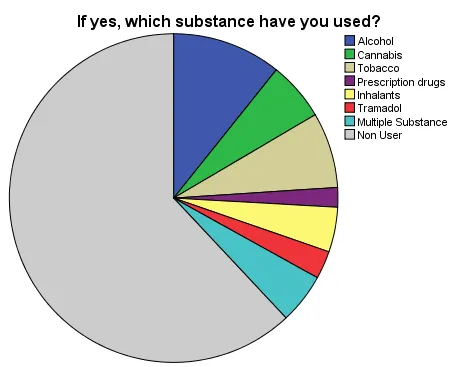
FIGURE.1. Indicates a pie chart showing different segmented colours of misused substances.
Factors Influencing Substance Misuse: Examination of the factors influencing substance misuse among our respondents glaringly reveal 19.0% (69) peer pressure. Additional contributory factors identify are stress (5.8%), family problems (5.0%), curiosity (3.3%), trauma (2.2%), and others (2.8%). However, majority of the participants 62.0% have no contributory factors to using substance and hence are not involve in substance misuse. The frequency Table 3 below lists the variables affecting substance misuse among the participants.
|
VARIABLE |
PERCENTAGE |
FREQUENCY |
|
Peer pressure |
19.0% |
69 |
|
Family issues |
5.0% |
18 |
|
Stress |
5.8% |
21 |
|
Curiosity |
3.3% |
12 |
|
Trauma |
2.2% |
8 |
|
Others |
2.8% |
10 |
|
Nil |
62.0% |
225 |
Table.3. Assessment of the Factors Influencing Substance Misuse, n=363
Consequences Effects of substance Misuse: In evaluation of the impact of substance misuse among the respondents, 89.3% (324) report non-involvement in substance-related crime. However, 10.7% (39) admit involvement in substance-related crime. Furthermore, 15.4% (56) report having suffered from withdrawal syndrome while 84.6% (307) report no such experience. These findings are presented in table 4 below.
|
VARIABLE |
|
FREQUENCY |
PERCENTAGE |
|
Substance Related Crime |
No |
324 |
89.3% |
|
|
Yes |
39 |
10.7% |
|
Withdrawal Symptoms |
No |
307 |
84.6% |
|
|
Yes |
56 |
15.4% |
Table 4. Assessment of the Consequences and Effects of Substance Misuse, n=363
Access to Healthcare and Supportive Services: According to our findings, 84.8% (308) of the respondents never seek help from healthcare or supportive services for substance usage. However, a handful of them 15.2% (55) report having sought and gotten assistance for substance misuse. This result is depicted in the frequency table 5 below.
|
VARIABLE |
|
FREQUENCY |
PERCENTAGE |
|
Sought help |
No |
308 |
84.8% |
|
|
Yes |
55 |
15.2% |
Table 5. Assessment of Access to Healthcare and Supportive Services by Substance Misuse Victims, n=363
Knowledge and Attitude Towards Substance Misuse: In evaluating the knowledge and attitudes of our respondents on substance misuse, 70.5% (256) of the participants admit that substance misuse is a problem in the community. However, only 65.8% (239) them consider it a very serious issue bedevilling the community. Majority of the participants, 84.6% (307) has never taken part in a substance misuse prevention programme while only 15.4% (56) of them had. moreso,48.5% of respondents report wiliness to take part in substance misuse prevention programme should the opportunity is made available while 51.5% decline such participation. Table 6 presents these findings.
|
|
Count |
Percentage |
|
|
Do you believe substance misuse is a problem in Madagali Community? |
No |
107 |
29.5% |
|
Yes |
256 |
70.5% |
|
|
How serious do you think substance misuse is? |
Very serious |
239 |
65.8% |
|
Somewhat serious |
65 |
17.9% |
|
|
Not serious |
25 |
6.9% |
|
|
Not sure |
34 |
9.4% |
|
|
Have you ever participated in substance misuse prevention programs? |
No |
307 |
84.6% |
|
Yes |
56 |
15.4% |
|
|
Would you like to participate in such interventions, if available? |
No |
187 |
51.5% |
|
Yes |
176 |
48.5% |
|
Table 6 knowledge and attitudes towards substance misuse n=363n
Curbing Techniques to Address Substance Misuse: In the evaluation of respondents’ methods or techniques to curtailing substance misuse, diverse recommendations are made; raising awareness (23.7%), provision of valid counsel (19.3%), sensitization of people (18.2%), outlawing the use of substances (9.1%) and Job creations (7.7%). Other solutions adduce include arrest of drug dealers (5.5%), health education (4.7%), prayers (2.2%) and drug usage and education law enforcement (1.7%). Of public health importance, is the 4.7% respondents that report having no knowledge to curtailing substance misuse. These results emphasize the value of community-based programmes, education, and awareness-raising in combating substance misuse. Our findings are presented in table 7 and figure 2.
|
|
Frequency |
Percent |
Valid Percent |
Cumulative Percent |
|
|
Valid |
Advice |
70 |
19.3 |
19.3 |
19.3 |
|
Arrest the dealers |
20 |
5.5 |
5.5 |
24.8 |
|
|
Awareness |
86 |
23.7 |
23.7 |
48.5 |
|
|
Ban the use of substance |
33 |
9.1 |
9.1 |
57.6 |
|
|
Cut the supply chain |
1 |
.3 |
.3 |
57.9 |
|
|
Education |
6 |
1.7 |
1.7 |
59.5 |
|
|
Employment |
3 |
.8 |
.8 |
60.3 |
|
|
Enforcement of law on substance use |
6 |
1.7 |
1.7 |
62.0 |
|
|
Health education |
17 |
4.7 |
4.7 |
66.7 |
|
|
Job Creation |
28 |
7.7 |
7.7 |
74.4 |
|
|
No idea |
17 |
4.7 |
4.7 |
79.1 |
|
|
Parental Advice |
2 |
.6 |
.6 |
79.6 |
|
|
Prayers |
8 |
2.2 |
2.2 |
81.8 |
|
|
Sensitization Program |
66 |
18.2 |
18.2 |
100.0 |
|
|
Total |
363 |
100.0 |
100.0 |
|
|
Table 7. What can be done to address substance misuse in Madagali Community
|
VARIABLE |
|
Substance Misuse History |
|
|
|
|
|
|
|
|
No |
Yes |
X² |
df |
P-value |
Total |
|
Age in years |
15-20 |
40 |
21 |
21.704 |
3 |
0.045 |
61 |
|
|
21-25 |
52 |
42 |
|
|
|
94 |
|
|
26-30 |
55 |
55 |
|
|
|
110 |
|
|
31-35 |
78 |
20 |
|
|
|
98 |
|
Total |
|
225 |
138 |
|
|
|
363 |
|
|
|
|
|
|
|
|
|
|
Gender |
Male |
73 |
104 |
63.061 |
1 |
0.044 |
177 |
|
|
Female |
152 |
34 |
|
|
|
186 |
|
Total |
|
225 |
138 |
|
|
|
363 |
|
|
|
|
|
|
|
|
|
|
Marital Status |
Single |
62 |
70 |
22.757 |
3 |
0.519 |
132 |
|
|
Married |
143 |
65 |
|
|
|
208 |
|
|
Divorced |
13 |
2 |
|
|
|
15 |
|
|
Separated |
7 |
1 |
|
|
|
8 |
|
Total |
|
225 |
138 |
|
|
|
363 |
|
|
|
|
|
|
|
|
|
|
Educational Level |
Primary |
103 |
33 |
20.268 |
4 |
0.062 |
136 |
|
|
Secondary |
81 |
64 |
|
|
|
145 |
|
|
Tertiary |
8 |
9 |
|
|
|
17 |
|
|
Vocational |
11 |
16 |
|
|
|
27 |
|
|
Non - Formal |
22 |
16 |
|
|
|
38 |
|
Total |
|
225 |
138 |
|
|
|
363 |
|
|
|
|
|
|
|
|
|
|
Occupation |
Student |
17 |
4 |
77.169 |
4 |
0.054 |
21 |
|
|
Employed |
45 |
5 |
|
|
|
50 |
|
|
Unemployed |
72 |
9 |
|
|
|
81 |
|
|
Self Employed |
38 |
44 |
|
|
|
82 |
|
|
Farmers |
53 |
76 |
|
|
|
129 |
|
|
- |
- |
- |
- |
- |
- |
- |
|
Total |
|
225 |
138 |
|
|
|
363 |
|
|
|
|
|
|
|
|
|
|
Monthly Income |
5,000-10,000 |
58 |
34 |
0.634 |
4 |
0.959 |
92 |
|
|
11,000-50,000 |
133 |
85 |
|
|
|
218 |
|
|
51,000-150,000 |
24 |
12 |
|
|
|
36 |
|
|
151,000-500,000 |
8 |
6 |
|
|
|
14 |
|
|
500,000 and above |
2 |
1 |
|
|
|
3 |
|
Total |
|
225 |
138 |
|
|
|
363 |
Table 4.8 Assessment of Association between Prevalence of Substance Misuse and Socio-demographic Variables, n=363.
The interpretation of the summation of these findings in the light of our objectives are considered next.
DISCUSSION
Given our findings and bearing in mind our initial stated objectives, we therefore interpret the study’s key findings, compare them with existing research on substance misuse in sub-Saharan Africa, West Africa and globally, and identifies key relationships between the factors influencing substance misuse in Madagali and broader global trends.
Prevalence and Demographics of Substance Misuse: Our study found a mean respondents age of 25 years, with age range of 15 – 35 years. This finding closely aligned with the finding of John et al. 2024 in Jos (26.5 years) but lower than that documented by Sani et al. 2024 in Kaduna (22 years). This observation is consistent with numerous studies that have established that drug or substance misuse is common in this age distribution (Jatau et al., 2021). Furthermore, intervention to prevent substance misuse among this demographic age group will not only achieve that aim but also ensure sustainable development as they form a greater percentage of the workforce in any given society.
Gender Disparity in Substance Misuse: The study reveals gender disparity in Madagali among the participants that differs from the usual male-to-female preponderance of substance misuse obtained in other climes. This study observes a higher 51.2% female respondents to 48.8% male respondents, which is in keeping with Olanrewaju et al., 2022 (68% females and 32% males). But this is contrary to those found by Akpan u et al, 2024 (53.6% males and 46.4% females) in south-south communities, Sani et al in Kaduna (77.5% males and 22.5% females) and 68.2% males and 31.8% female in Jos North LGA (John et al, 2024). This gender disparity in this study is significant as it deviates from the broader societal trends in drug misuse, where males are often more represented. This obverse observation in gender disparity from the norms suggests that policies or interventions arising from this study should consider agender-specific approaches with more aggression toward females to reverse the trend. It is worthy of note also that despite that more than half (51.2%) of the respondents are female, the gender-based prevalence of substance misuse in Madagali in this study still favours males (28.6%) as against females (9.4%). This highlights the strength of the male gender as a strong risk factor for substance misuse and hence supports many studies that show that males are more likely to misuse substances than females (WHO, 2019; John et al., 2024; Akpan et al., 2024).
Educational Attainment and Substance Misuse: Furthermore, this study has also buttressed the critical role of educational background in the issue of substance misuse as the majority (89.5%) of the respondents have some form of formal education with a lower educational status more likely to engage in substance misuse – secondary education (39.9%), primary (37.5%), Tertiary (4.7%) and non-formal (10.5%). This finding is consistent with those of John et al. (2024) and Akpan et al. (2024). Lower educational level as one of the driving forces of substance misuse is also corroborated by the scoping review work of Jatau et al. (2021). This finding suggests that even though a minimum level of education is crucial, it alone is not a protective factor against substance misuse, thereby accentuating the complexity of the dynamics of substance misuse. Furthermore, this current finding implies that the youth population in Madagali has some level of knowledge or awareness of the effects or danger of substance misuse but still engages in the habit. This is in keeping with Olanrewaju et al, who studied 400 undergraduates in Nigerian Southwestern Universities who have 94.1% risk awareness of substance misuse yet are actively involved in the habit (Olanrewaju et al., 2022).
Regional Disparities of Substance Misuse Among Youth: The study finds a 38.02% prevalence of substance misuse among youths in Madagali. This rate aligns closely with findings from other regions in Nigeria and West Africa such as the South-South (40.4%) (Akpan et al., 2024), Jos North LGA (39.1%) (John et al., 2024), and Zambia with lifetime prevalence of 40% (Ebrahim et al, 2024) but higher than those observed in Uyo among university students (27.5%) (Johnson et al, 2017), Sub-Saharan African with lifetime prevalence of 21%, South Africa 25%, East Africa 22%, West Africa 17% (Ebrahim et al, 2024) with a prevalence range of 15% to 40% (WENDU, 2023) and Sudan 31% (Akpan et al, 2024). On the other hand, this 38.02% prevalence recorded among the youth of the Madagali community is comparatively less than those found in Chikun LGA Kaduna, 73.75% (Sani et al, 2024), Nigeria Southwestern universities 45.7% (Olanrewaju et al, 2022), Ethiopia 46.74%, among Eastern Africa university students 52.5% (Kassew et al, 2023) and Kenya 69.8% (Akpan et al, 2024). These loco-regional and global disparities, with our current findings in Madagali, emphasize the complexity and dynamics of substance misuse among youths across different socio-economic and cultural contexts. This also suggests that any intervention or policy targeting the prevention or control of substance misuse needs to take into consideration the socioeconomic and cultural factors of the region, and hence, the approach should differ from region to region and country to country. It is worthy of note that our findings in this study (38.02% prevalence), along with the regional prevalence, are significantly higher than the global estimate of 5.5% by the United Nations Office on Drugs and Crime (UNODC, 2022). This suggests that West African youths face unique socio-political-economic and cultural factors that contribute to higher substance misuse rates than in other parts of the world. It also implies that conflict-affected regions, such as Afghanistan, Colombia, and our index Northeast, where there are socio-political instabilities, could be said to exacerbate substance misuse.
Socio-Cultural Patterns of Substance Misuse: Our study identifies alcohol (10.7%), tobacco (7.4%), and cannabis (5.8%) as the most misused substances in Madagali in keeping with Sani and colleagues in Chikun LGA Kaduna that report the leading commonly misused substance as alcohol 7.5%, cannabis 36.25% and tramadol 17.5% (Sani et al, 2024). This aligns with national trends where alcohol and tobacco remain the leading substances, followed by cannabis (UNODC, 2022). This is further corroborated by the lifetime prevalence across the six geopolitical zones, which stood at alcohol at 39%, tobacco at 12.2%, and cannabis at 6.6%. However, higher values were noticed in south-south universities with alcohol 96.2%, tobacco 58.2%, and cannabis 11.5% (Akpan et al, 2024), in Uyo with alcohol 100% of the respondents, tobacco 41.6% and tramadol 74.2%, and in Ethiopia with alcohol 46.2%, tobacco 14.7% and Khat 24.7%. This obverse observation between the North (index study and Kaduna) and the South (south-south and Uyo) where even though alcohol and cannabis were most commonly misused the rate of significant differences could be probably because of the socio-cultural and religious influence differences between the two regions. Furthermore, our findings show a significant deviation from the global trends where cannabis is the leading most misused substance estimated to be over 5% globally, with Europe having a cannabis rate of 27% and West and Central Africa at 5.2% and 13.5% rate, respectively (WHO Africa, 2024). These findings emphasize the complexity and dynamics of substance misuse patterns across different socio-economic and cultural settings. This also suggests that any intervention or policy targeting the prevention or control of substance misuse needs to take into consideration the socio-cultural and religious factors of the region, and hence, the approach should differ depending on the region. These findings also call for targeted interventions that consider the unique socio-cultural and religious context of each region, as the patterns of substance misuse and the factors influencing them may vary significantly across different areas or regions.
The Role of Peer Influence and Substance Availability: The study shows that the most common sources of substance that are misused in Madagali were friends/peers (15.4%) and dealers (15.2%). This is in keeping with findings in Kaduna but with a higher value; friends/peers 10.0%, and dealers 47.25% (Sani et al, 2024) and in Uyo with 85.4% respondents identifies friends as the source and 21.3% as parents (Johnson et al, 2017). This implies that the influence of peers, availability of substances, and normalization of substance use in social settings contribute significantly to its prevalence and hence, any preventive strategy arising from this study should put these interrelated factors into consideration.
Determinants of Substance Misuse: Analyzing Influencing Factors: To ascertain the factors that influence substances misuse among the youth in Madagali community, 69 of the 363 respondents attributed it to peer pressure (peer influence and social norms) 19.0%, and the other culprits are stress (Economic Hardship and Unemployment) 5.5%, family issues (Family Influence and Parental Substance Use) 5.0%, curiosity (experimentation) 3.3%, trauma (mental health and psychological stressors) 2.2%, others ( lack of Awareness and limited healthcare access) 2.8% and while 62% of the respondents has no identifiable factors and hence were never involve in substance misuse.
The study finds that 19% of respondents attributed their substance use to peer pressure in the form of peer influence and social norms, which aligns with findings from studies in Sub-Saharan Africa (Ebrahim et al., 2024) that highlight peer influence as a leading cause of drug use among youths. This is further corroborated by findings from Bunu et al. (2023), which showed peer groups as the strongest influence on youth substance use. In Kaduna, Sani and colleagues found peer pressure as the major factor accounting for 35% of the respondents (Sani et al., 2024), which also mirrors the 44.5% of respondents of John et al., 2024, who found that their substance use was related to peer pressure. The reason for these findings is probably because as individuals- adolescents/youths- strive to establish and maintain a social identity, they may conform to group norms and behaviours, including drug and substance misuse, to increase their social status and acceptance within their peer group (Binti et al., 2024). In contrast, global peer influence is also a recognized factor, but in some high-income countries, substance use is often linked to recreational habits rather than economic survival, as in the Social Learning Theory (Smith, 2021). From the foregoing, therefore, it is important that any preventive interventions in Madagali should consider targeting peer groups, among other approaches, to tackle the menace of substance misuse.
Implications for Prevention and Intervention: The study also observes that 5.5% of the respondents attributed their substance misuse to stress, which can emerge as an indicator of economic hardship and unemployment. Given that in Madagali, 22.31% of the respondents were unemployed, Gale (2021) states that economic distress is a significant driver of substance misuse. This also aligns with findings of 40.5% in Jos North LGA by John et al., 2024, and in Kenya and South Africa (Ebrahim et al., 2024). Furthermore, the ECOWAS report (WENDU, 2023) found that 33.21% of drug-dependent individuals in West Africa were unemployed. These findings buttress the fact that financial stress and lack of opportunities make substance use a coping mechanism by youth in an attempt to escape the sense of idleness and frustration that comes with unemployment. Although unemployment is a factor worldwide for substance misuse, its impact in high-income countries is mitigated by stronger social safety nets and rehabilitation programs (WHO, 2024), unlike in West Africa (like Madagali), where economic distress exacerbates the menace. The finding from this study has provided clear evidence that integrating employment and economic empowerment strategies as part of prevention and interventional programs in Madagali is imperative for the long-term solution to the social stressor of unemployment and its twin economic hardship that predisposes to substance misuse in the community.
Family Influence and Parental Substance Misuse: Moreover, the study established that 5% of the respondents found family issues such as family Influence and Parental Substance use among others as culprits to their substance misuse. This finding supports the research by Binti et al. (2024), which suggests that children from broken or dysfunctional families are at a higher risk of substance misuse due to neglect or exposure to substance use within the family. This is further corroborated by Jatau et al. (2021 who reported that children from polygamous or dysfunctional families were 2.5 times more likely to engage in substance use. Additionally, John and associates found that 55.5% of respondents in Jos North LGA come from polygamous families which mirrors the findings of Adebayo and colleagues who reported that family structure, including polygamy, can either mitigate or exacerbate the risk of drug use depending on the level of parental involvement and monitoring (John et al, 2024). This is because the family environment serves as the primary context for socialization, the foundation for understanding social norms, values, and expectations, even regarding substance use. Hence, family dynamics, relationships, and practices, to a great extent, influence substance abuse among youth (Binti et al., 2024). In contrast, in Western countries, parental monitoring and early intervention reduce the long-term impact of parental substance use (Bunu et al., 2023). Additionally, High-income countries report stronger familial and genetic influences (Agrawal, 2022), unlike our index study. This finding, therefore, emphasizes the critical role that family-directed interventions can play in preventing youth substance misuse in Madagali in addition to contributing to the growing body of evidence that addressing familial and parental factors is crucial in the fight against drug or substance misuse among youths.
Curiosity and Experimentation as Drivers of Substance Misuse: The study observed that 3.3% of the participants attributed substance misuse to curiosity or experimentation, which is in keeping with the 5% of respondents found in Chikun LGA Kaduna by Sani et al., 2024. This is because young people are generally curious and experimental. The reason for this is that curiosity motives often lead to explorative curiosity to experience the unknown about the substance, which in turn motivates the individual into substance use and subsequent misuse of the substance. This first experience in substance misuse produces a state of arousal or euphoria and pleasure, which in turn motivates the users to continue the chain of addiction (Jatau et al., 2021). This finding suggests that any intervention in Madagali to curtail substance misuse among the youth should in addition, put into consideration educational programs and sensitization targeting or addressing this social context to prevent or reduce the misuse of substances.
Public Health and Policy Implications- Trauma and Mental Health; The Need for Targeted Interventions: According to our index study, trauma in the form of mental health and psychological stressors form 2.2% of the attributable factors for substance misuse among the respondents. This finding supports existing evidence that mental health conditions such as depression, anxiety, and trauma contribute to substance misuse (Jatau et al., 2021). Given Madagali’s history of insurgency-related violence, trauma-related substance use is a probable concern, which is also consistent with findings from Musa (2022) that linked substance use in Northeast Nigeria to psychological distress caused by insurgency. This is further corroborated by the self-medication model that posits that individuals suffering from depression and anxiety are more likely to use substances to cope than those without such conditions (PHI, 2019). Moreover, it has been established that exposure to trauma, violence, and adverse childhood experiences, as in the case of Madagali and its environs, predisposes young individuals to seek solace in drugs and alcohol as a mechanism of coping (Akpan et al., 2024). However, access to mental health support is higher in developed countries, reducing reliance on substances for coping. Given the insurgency peculiarity of our index community and its attendant post-traumatic stressors, preventive interventional strategies for substance misuse should include the establishment of rehabilitation centres and educational programs targeting this population.
Lack of Awareness and Limited healthcare Access: The study observed that other factors in the form of lack of awareness and limited healthcare access geared 2.8% of the respondents as the factor for substance use. This finding is very alarming and should be of a public health concern given that 84.8% of the respondents do not seek healthcare supportive services, and 29.5% of respondents do not consider substance misuse a problem. This is because poor knowledge about the long-term effects of substance misuse and the absence of structured intervention programs contribute to increasing trends in substance misuse (John et al., 2024). Jatau and colleagues corroborated this finding in 2021 in which they posit that most young people lack awareness of substance addiction which would empower them to escape drug or substance misuse. They further revealed that in a study among secondary school teachers and students in Nigeria, approximately 60% of students were never exposed to substance misuse education while 73% of the teachers admitted not teaching their students about substance misuse education (Jatau et al, 2021). In another study by Kelly and White, elucidated that promoting drug education by increasing awareness of the risks of substance abuse or misuse is fundamental to prevention efforts. They further contended that by equipping youth with knowledge and empowering them to make informed decisions, educational initiatives will serve as important deterrents to drug and substance misuse (Kelly &White, 2022). On the other hands, WENDU report of 2023 indicated that a significant number of people seeking treatment for substance use disorders in the region and this was attributed to availability of more treatment centres and improved reporting of drug treatment data among the ECOWAS member states. It further reported that about 130 treatment centres provided data on treatment and care for people who misuse substances with about 21, 970 patients having undergone treatment for substance use disorders with Gambia having the highest number of treatment entrants followed by Cabo Verde in the ECOWAS region. It is worth of note that both countries with the highest treatment entrants in the region provide free medical care for persons with substance use disorders in the prevailing year of reporting. Moreso, about 86.7% of persons having been treated for substance use disorders in 2023 in the region fell within the age bracket of 15-44, with the highest concentration being between 20 to 34 years (WENDU, 2023).To this effect therefore, awareness campaigns, educational programs, and the establishment of healthcare/ rehabilitation centres should be part of the strategies to address this twin problem of lack of awareness and limited access to healthcare services that is exacerbating the menace of substance misuse in Madagali.
RECOMMENDATIONS: Addressing substance misuse in Nigeria and Madagali community in particular, requires a multi-dimensional approach that combines legislative reforms, public health initiatives, and international cooperation. Based on the findings of our index study, we make the following recommendations:
1. Community-Based Interventions
Youth Engagement Programs: Establish vocational training and employment opportunities to mitigate economic motivations for substance use, such as poverty and unemployment. Collaboration with NGOs and other stakeholders to create youth employment schemes can help reduce reliance on substances as a coping mechanism. The revival of skill acquisition centres in every community will also play a crucial role.
School-Based Awareness Campaigns: Implement educational programs in schools to inform students about the risks of drug abuse while promoting early intervention through school health clinics. Social clubs should be strengthened to actively raise awareness and educate students on the dangers of substance misuse.
Substance Misuse Education Campaigns: Conduct regular awareness programs in schools, religious centres, and community gatherings to highlight the dangers of substance misuse.
Parental Education Programs: Empower parents with the knowledge to recognize early signs of substance misuse and equip them with intervention strategies through symposiums, radio, and television programs.
Peer-Led Interventions: Establish peer education programs where trained youths serve as educators, spreading awareness about the dangers of drug abuse and providing support to their peers.
2. Strengthening Mental Health and Rehabilitation Services
Provision of Counseling Services: Integrate substance abuse counselling into existing healthcare facilities to ensure affected youths have access to mental health support. Local health workers should be trained in evidence-based addiction counselling to address both the psychological and physical aspects of addiction.
Subsidized Rehabilitation Programs: Government investment in rehabilitation centers is essential to provide affordable recovery services for addicted youths.
Training Community Health Workers: Equip community health workers with the skills needed to offer first-line intervention for substance misuse cases.
Community Support Groups: Establish rehabilitation and support groups within communities to assist individuals recovering from substance misuse.
3. Policy and Law Enforcement Strategies
Stronger Drug Control Measures: Enhance the capacity of the NDLEA to tighten border security and prevent illicit drug trafficking. Given Madagali’s proximity to international trade routes, stricter border control is essential.
Regulation of Over-the-counter Drugs: Improve surveillance of pharmacies and local markets to prevent the unauthorized sale of controlled substances.
Mandatory Drug Screening Policies: Implement legislation requiring drug screening as part of employment processes across various sectors. Additionally, introduce policies mandating drug tests for newly admitted students and graduating students before clearance, similar to drug testing requirements in professional sports. This will serve as a deterrent to substance misuse among young people.
Expansion of Law Enforcement Personnel: Recruit additional officers into the NDLEA and NAFDAC to enhance drug control efforts. Establishing a specialized Pharmaceutical Police Unit dedicated to monitoring the activities of drug dealers could further strengthen regulatory enforcement.
4. Other Strategies
Role of Religious Institutions: Religious leaders, including pastors and imams, should actively engage youths in discussions about the dangers of substance misuse during counseling sessions in churches and mosques. Their influence can help reinforce moral values and discourage substance abuse.
Parental Responsibility: Parents and guardians should foster strong family relationships and actively monitor their children’s progress. Early detection and intervention can prevent substance misuse from escalating.
Decriminalization and Rehabilitation Approach: Decriminalizing drug use and shifting the focus towards rehabilitation rather than punishment can help reduce the stigma associated with addiction. This approach encourages more individuals to seek treatment without fear of legal consequences.
CONCLUSION
Substance misuse remains a significant global and societal challenge, disproportionately impacting young people. This study has established that substance misuse among youths in Madagali (38.02%) is a critical public health concern, mirroring regional trends in Nigeria (27.5% to 73.75%) and Africa (21% to 69.8%), yet surpassing the global averages (5.5%). Key contributing factors include peer pressure, economic hardship, family influence, and mental health stressors, all of which have serious implications for health, crime rates, and social stability. To effectively address this challenge, a holistic approach is required—one that targets both the immediate and underlying causes of substance misuse. Nigeria must adopt a comprehensive, multi-faceted strategy that integrates community education, mental health support, policy interventions, strict law enforcement, and socio-economic empowerment. Stakeholders (including the government, healthcare professionals, parents, educators, and community leader) must collaborate to implement sustainable solutions that protect young people from the dangers of substance misuse and promote a healthier future for the Madagali community.
Acknowledgment: None
Source of Funding: None
Conflict of Interest: we declare that there is no conflict of interest
REFERENCES

Thompson Otsapa Ajibo1,2*, Daniel Paul Tommy1,3, Chiroma Tamar Haruna1,4, Tsokwa Naomi Emmanuel1,5, Fatima Tukur Jikamshi1,6, Assessment Of Prevalence And Factors Influencing Substance Misuse Among Youths Of Madagali Community Of Adamawa State, Nigeria., Int. J. Sci. R. Tech., 2026, 3 (8), 1113-1142. https://doi.org/10.5281/zenodo.22207273
 10.5281/zenodo.22207273