

We use cookies to ensure our website works properly and to personalise your experience. Cookies policy
Hindu College of Pharmacy, Guntur-522002, Andhra Pradesh.
The study aims at the identifying the occurrence of Anemia in the Rural and the Urban region people , to provide the medical adherence and proper patient counselling accordingly. Anemia is defined as a reduction in the haemoglobin concentration of the blood, which consequently reduces the oxygen – carrying of the red blood cells such that they are unable to meet the body physiological needs. several reports have indicated that anaemia mostly occurs in the patients according to their age, gender, life style, food habits and sleep pattern. While limited studies have reported that occurrence of anaemia prior to any of these condition hence the study aims at identify the anaemia condition in the patient and providing the medical adherence and the providing the patient counselling accordingly.
Anaemia—a condition in which haemoglobin (Hb) concentration and/or red blood cell (RBC) numbers are lower than normal and insufficient to meet an individual's physiological needs—affects roughly one-third of the world's population.
Anaemia is associated with increased morbidity and mortality in women and children, poor birth outcomes decreased work productivity in adults, and impaired cognitive and behavioural development in children.
Preschool children (PSC) and women of reproductive age (WRA) are particularly affected. Establishing appropriate Hb thresholds to define anaemia is essential for ensuring that anaemia is correctly identified, and its negative effects prevented.
As important, understanding the diverse and complex etiology of anaemia is crucial for developing appropriate interventions that address the context-specific causes of anaemia and for monitoring the success of anaemia control programs
To that end, the primary aims of this paper are to outline definitions and classifications of anaemia; describe the biological mechanisms through which anaemia develops; review the variety of factors and conditions that contribute to anemia development, emphasizing those most prevalent in low- and middle-income countries (LMICs); and identify research needs.
Although our primary focus is on anemia and its etiology at a population level, the information we present on definitions and classifications of anemia, as well as its etiology, is relevant to individual-level assessment by clinicians.
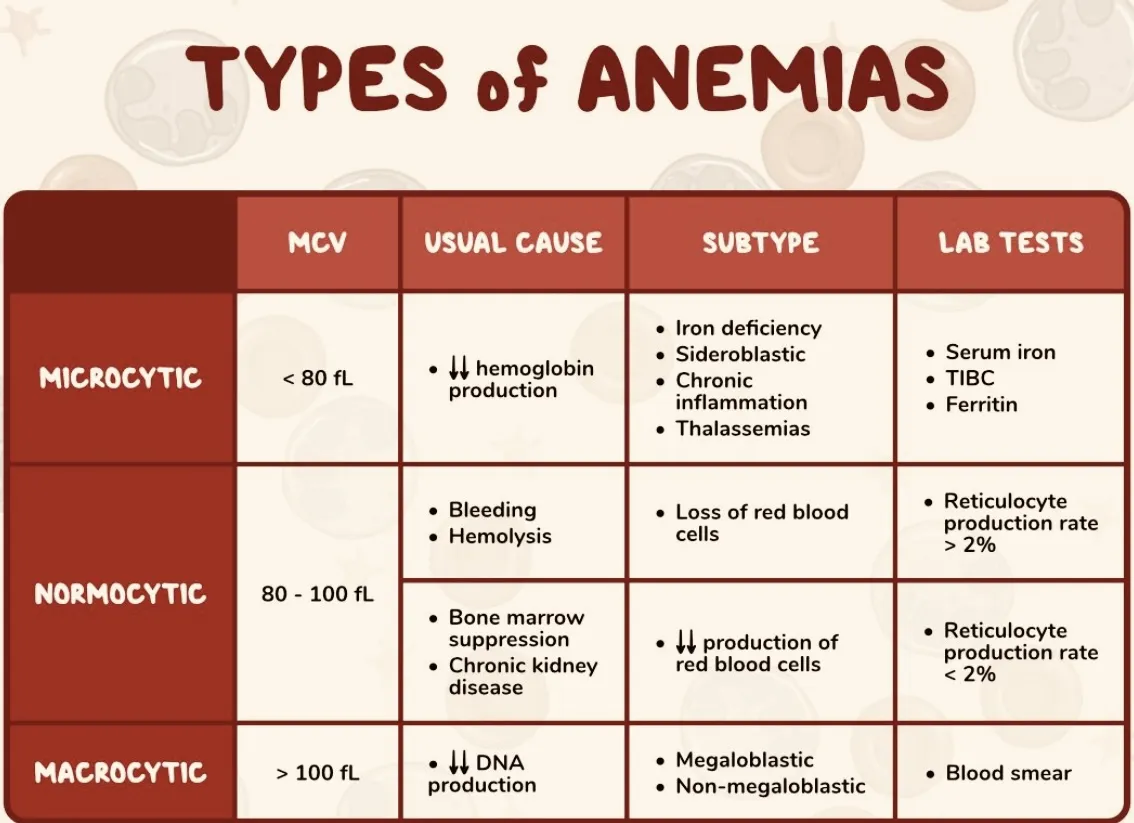
Classification of Anemia
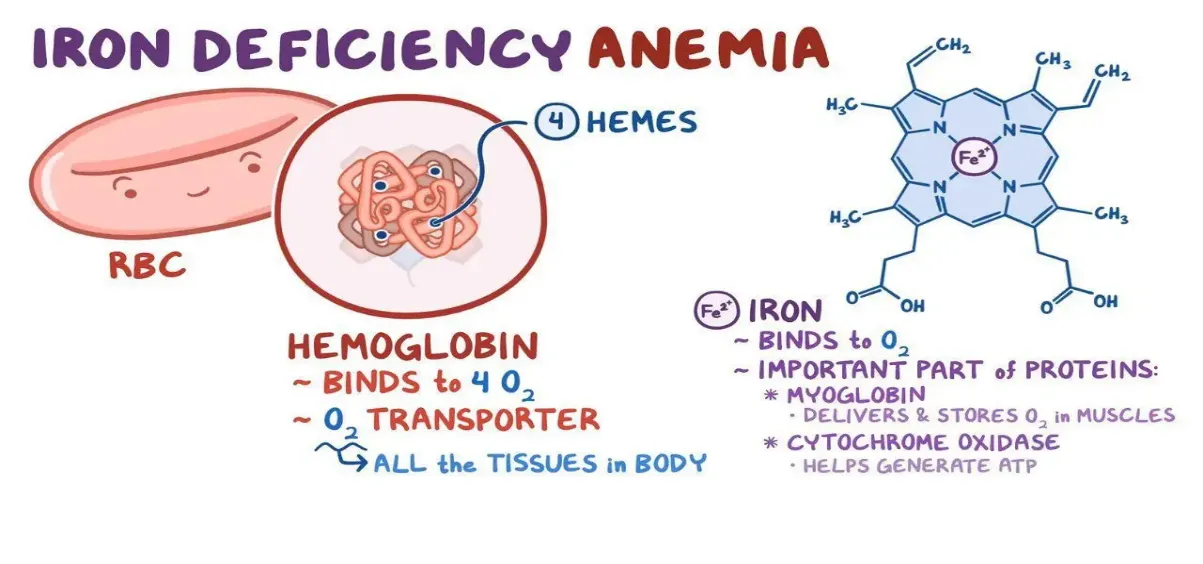
Iron deficiency anemia is a prevalent health condition characterized by a decrease in the number of red blood cells or the amount of hemoglobin in the blood due to insufficient iron levels. This article aims to provide a comprehensive overview of iron deficiency anemia, including its causes, symptoms, and treatment options.
Iron deficiency anemia occurs when the body lacks adequate iron to produce hemoglobin, the protein responsible for transporting oxygen to tissues and organs. Without enough hemoglobin, the body's cells do not receive an adequate oxygen supply, leading to symptoms of anemia.
Megaloblastic anemia is a type of anemia characterized by the presence of abnormally large and immature red blood cells, known as megaloblasts, in the bone marrow. This article aims to provide a comprehensive overview of megaloblastic anemia, including its causes, symptoms, and management strategies.
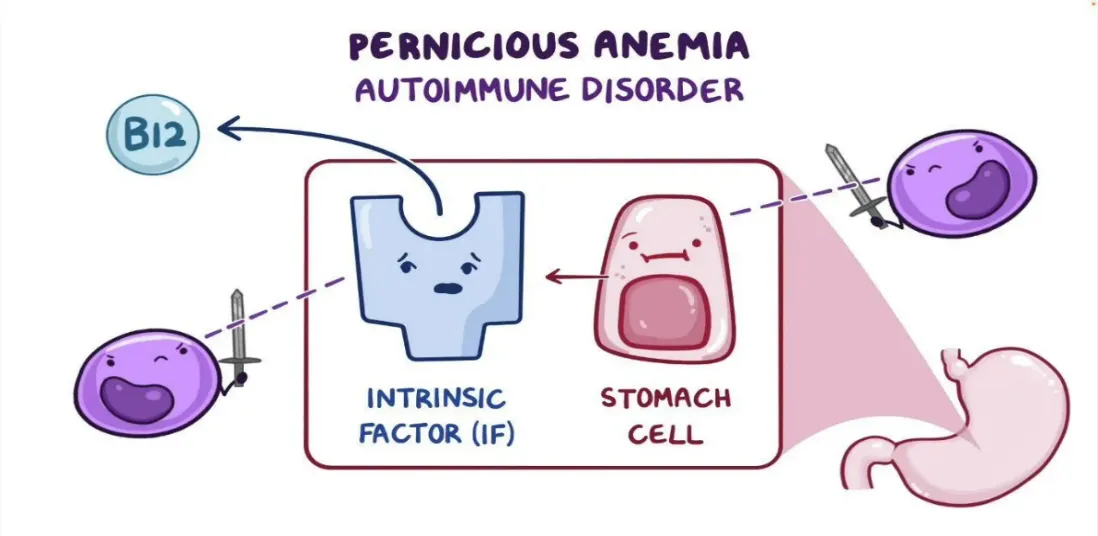
Pernicious anemia is a type of megaloblastic anemia characterized by vitamin B12 deficiency due to impaired absorption caused by autoimmune destruction of gastric parietal cells. This article aims to provide a comprehensive overview of pernicious anemia, including its causes, symptoms, and management strategies.
Hemorrhagic anemia is a type of anemia characterized by a decrease in red blood cell count and hemoglobin levels due to acute or chronic blood loss. This article provides a comprehensive overview of hemorrhagic anemia, including its causes, symptoms, and management strategies
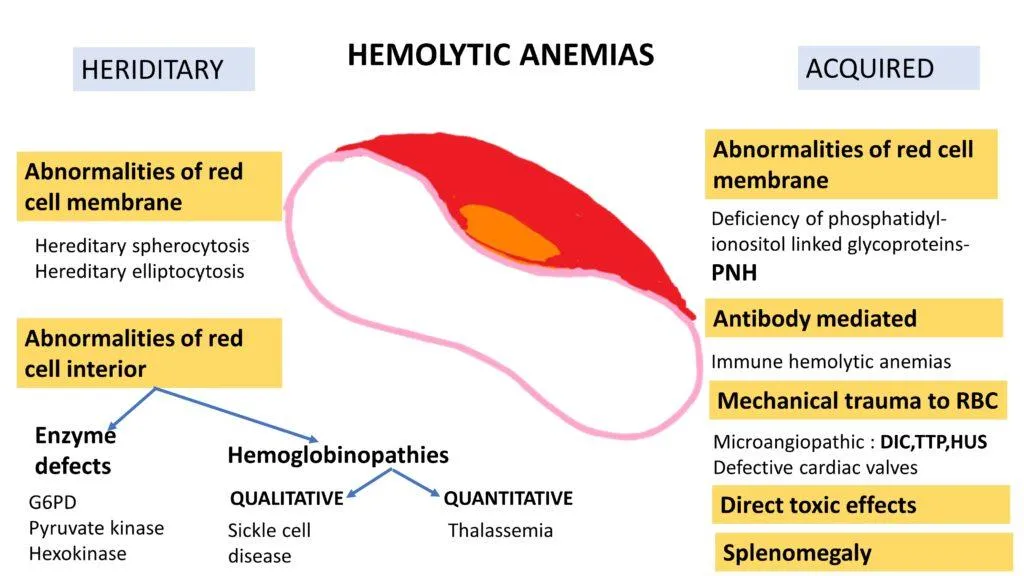
Hemolytic anemia is a type of anemia characterized by the premature destruction of red blood cells, leading to a decrease in their lifespan and subsequent decrease in hemoglobin levels. This article aims to provide a comprehensive overview of hemolytic anemia, including its causes, symptoms, and management strategies.
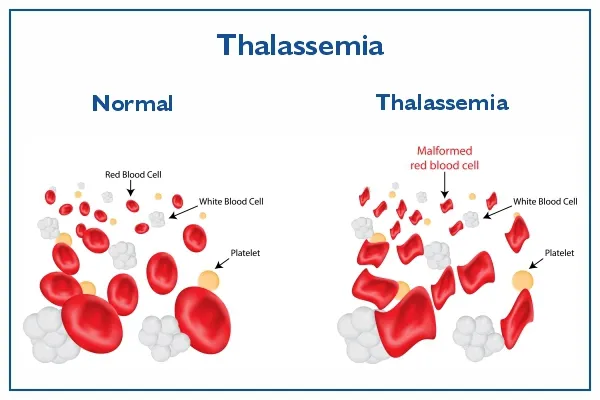
Thalassemia is a group of inherited blood disorders characterized by abnormal hemoglobin production, leading to reduced red blood cell lifespan and subsequent anemia. This article aims to provide a comprehensive overview of thalassemia, including its causes, symptoms, and management strategies.
MATERIALS AND METHODS:
SOURCE OF DATA: Data will be collected from:
1. Case records of the patient’s in the hospital.
2. By evaluating the patient questionnaire collected from patients who presented with anemia.
STUDY DESIGN: -
The current study is a prospective and observational study conducted over a period of 4 months from December 2024 to March 2025 at Guntur Govt Hospital in the in-patient General Medicine, Cardiology and Nephrology, Gynaecology. About the impact of patient counselling on medication adherence and quality of life in Anaemic patients. The patients are included according to their interests and willingness to carry out the study.
STUDY SITE: Guntur Govt Hospital, Guntur.
STUDY DURATION: Study will be carried out for a period of 4 months.
STUDY POPULATION: All patients of age 18 -85 years.
SAMPLE SIZE: - The sample size consists of 100 patients who are admitted to the Guntur Govt hospital.
STUDY CRITERIA: - The study will be carried out by considering the following criteria.
INCLUSION CRITERIA: -
1. Patients with age groups of 18 -85 years from rural and urban region.
2. History anemia confirmed by blood picture investigation.
3. Both genders (male and female).
4. Patients with comorbid conditions like hypertension, diabetes,pregnant,CAD,Thyroid,Kidney diseases.
5. The sleep pattern, lifestyle of the patient was also taken into consideration.
EXCLUSION CRITERIA: -
1.Patients with bacterial and viral infections.
2.Neonates, infants & children.
STUDY METHOD:
The study will be conducted at Guntur Govt Hospital
All the patients who come under inclusion criteria will be monitored and data will be collected during the respective study period
STUDY PROCEDURE: -
The study will be conducted at Guntur Govt Hospital
STEP-1: A comparative prospective and observational study was carried out in the hospital with prior permission from the inpatient department.
STEP-2: The patients visiting the department were enrolled in the study considering the study criteria after taking to participate in the study.
STEP-3: From the enrolled patients, the data was collected from the case sheets, face-to face interviews, phone calls & sms, and other relevant resources in a suitably designed data collection form.
STEP-4: we conducted various educational programs for all patients and their attendees in the general medicine department regarding medication adherence & reducing the anemia condition.
STATISTICAL TOOL:
A Chi-square test was used to determine the association between patient counselling and quality of life, and medication adherence. The statistical significance was set.
RESULTS:
1. DISTRIBUTION BASED ON THE AGE OF THE PATIENTS IN RURAL REGION
|
AGE GROUP |
MALE |
PERCENTAGE |
FEMALE |
PERCENTAGE |
|
25-35 |
14 |
34.1% |
26 |
44% |
|
35-45 |
11 |
26.8% |
27 |
45.7% |
|
45-55 |
12 |
29.2% |
6 |
10.1% |
|
55-65 |
4 |
9.7% |
0 |
0% |
|
TOTAL |
41 |
41% |
59 |
59% |
2.DISTRIBUTION BASED ON THE COMORBIDITIES:
|
COMORBIDITIES |
MALE |
FEMALE |
|
CAD |
20 |
16 |
|
HYPERTENSION |
15 |
14 |
|
THYROIDISM |
3 |
12 |
|
DIABETIS |
13 |
18 |
|
KIDNEY DISEASE |
11 |
9 |
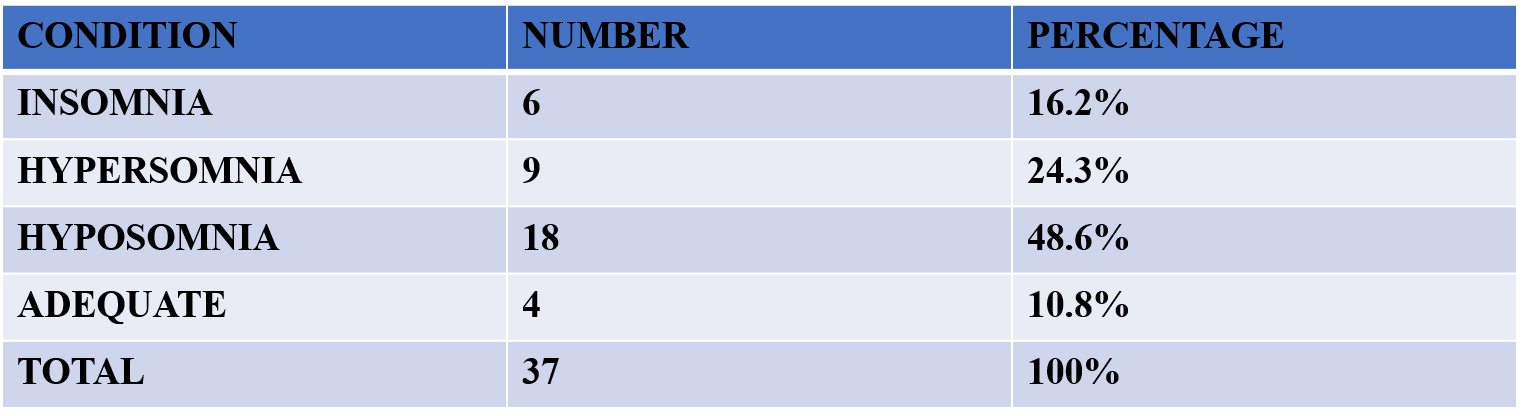
3.DISTRIBUTION BASED ON THE SLEEPING CONDITION OF RURAL REGION
4. DISTRIBUTION BASED ON THE HAEMOGLOBIN LEVELS IN RURAL REGION
|
RANGE |
MALE |
FEMALE |
|
6-7 % |
5 |
7 |
|
7-8 % |
3 |
9 |
|
8-9 % |
4 |
13 |
|
9-10 % |
7 |
4 |
|
10-11 % |
2 |
3 |
|
TOTAL |
21 |
36 |
DISCUSSION
CONCLUSION
REFERENCES


Sakila Jayasri*, Preethi Nandru, Shaik Zaheer, Shaik Jani, Comparative Prospective And Observational Study Of Anemia Prevalence In Both Rural And Urban Regions In A Teritary Hospital And Impact Of Patient Counseling, Int. J. Sci. R. Tech., 2026, 3 (6), 1025-1031. https://doi.org/10.5281/zenodo.20730518
 10.5281/zenodo.20730518