

We use cookies to ensure our website works properly and to personalise your experience. Cookies policy
1Department of Physics, Government Science College, Nrupathunga University, Bengaluru-560001, Karnataka, India.
2Jnana Jyothi Educational Institutes Yelahanka Yelahanka New Town, Bengaluru-560064, Karnataka, India.
3Department of Physics, BMS Institute of Technology and Management, Bengaluru-560064, Karnataka, India.
4Department of Chemistry, HKE Society's Sree Veerendra Patil Degree College of Science, Arts & Commerce Sadashivanagar, Bengaluru- 560080, Karnataka, India.
5Department of Physics, Govt. First Grade College, Doddaballapura -561203, Karnataka, India.
6Department of Chemistry, Vemana Institute of Technology, #1, Mahayogi Vemana Road, 3rd Block, Kormangala, Bengaluru - 560 034, Karnataka, India.
7Department of Chemistry and Biochemistry, Government Science College, Nrupathunga University, Bangalore-560001, Karnataka, India.
The environmentally benign synthesis of Aloe barbadensis nanoparticles (NPs) in materials science and engineering research is gaining popularity, particularly for molybdenum-based nanomaterials. They have recently gained popularity in various industries due to their versatility. The current study focuses on manufacturing molybdenum oxide (MoO3) nanoparticles utilizing Aloe barbadensis (Aloe vera) plant extract, Tetraethyl Orthosilicate, and Hexadecyl Trimethyl Ammonium Bromide. The prepared sample is annealed at temperatures, of 6000C. These samples are examined using XRD, SEM, EDAX, TEM, UV, and dielectric studies. The XRD examination of MoO3 NPs produced at 6000C shows an orthorhombic structure with higher crystallinity. The sample is annealed at 7000C for SEM, EDX and TEM investigation. EDX elemental analysis confirms the presence of MoO3. The TEM picture interpretation reveals spherical particles ranging from 50 to 60nm, Of MoO3 NPs.
Recently, many creative plans and processes have been devised to synthesize transition metal oxide nanoparticles [1]. Due to these materials' potential applications in various technological domains, intense research has been focused on them. Recently, the development of new materials has been the goal of basic and technological research due to their potential application in new devices [2]. Among these materials, there is great interest in synthesizing semiconductor oxides. The last three decades have seen a massive increase in the green production of nanoparticles (NPs). With a size range of 1 to 100 nanometers, the NPs have special characteristics that set them apart from bulk materials. These attributes consist of magnetic behavior, quantum effects, improved catalytic activity, size-dependent effects, optical features, and high surface reactivity [3]. These characteristics of NPs make them useful in various study domains, including materials science, electronics, medicine, agriculture, and energy. A more advantageous approach for biological applications is fine-tuning the band gap energy value by altering the NP production technique [4]. The application components of the NP field have been covered by the main research fields, including agriculture, medicine, and energy.
Molybdenum oxide (MoO₃) is a versatile transition metal oxide with distinctive chemical and physical properties, making it a crucial material for numerous industrial and technical applications. MoO₃ has exceptional catalytic, electrical, and optical properties owing to its high oxidation states. These qualities make it a necessary component in catalysts, sensors, batteries, and optoelectronic devices [5]. However, the practical application of molybdenum oxide is sometimes hampered by its low dispersibility and inclination to agglomerate, which might affect its efficiency and performance [6-8].
The combination of molybdenum oxide and surfactants provides new opportunities for maximizing its use in catalysis, electronic devices, and other sectors [9]. Surfactants not only enhance the physical qualities of MoO₃, but can also introduce other capabilities, such as increased selectivity in catalytic processes or enhanced electronic properties in semiconductors [10]. As a result, studying and developing molybdenum oxide with surfactants is a promising area of research that has the potential to improve the capabilities and efficiency of molybdenum oxide-based technologies [11]. This combination of molybdenum oxide and Aloe barbadensis gel enhances the physical and chemical properties of MoO₃ while also aligning with the emerging trend of sustainable and eco-friendly materials [12].
The investigation of this novel hybrid material offers a promising field of research, with potential advances in catalysis, electronics, and biological applications, demonstrating the enormous advantages of combining natural products with modern materials [13]. Innovative approaches and materials are being investigated. One such potential technique is the use of Aloe barbadensis gel as a natural surfactant and stabilizing agent. Aloe barbadensis gel, generated from the Aloe barbadensis plant, contains polysaccharides, vitamins, and minerals, which give it special features like biocompatibility, biodegradability, and non-toxicity. These properties make Aloe barbadensis gel an appealing green alternative to synthetic surfactants [14].Combining Aloe barbadensis gel and molybdenum oxide improves particle dispersibility and stability in different mediums, reducing agglomeration and preserving a large surface area [15].
Furthermore, the biocompatibility of Aloe barbadensis gel may open up new avenues for the use of molybdenum oxide in biomedical applications such as drug delivery systems and biosensors [16].Two surfactants that have shown promise for improving the characteristics of molybdenum oxide are tetraethyl orthosilicate (TEOS) and hexadecyl trimethyl ammonium bromide (CTAB). TEOS, a silicon-based chemical, serves as a precursor for silica production and is well-known for its ability to build a stable and homogeneous coating on particles [17]. This silica coating enhances the thermal stability and dispersion of MoO₃ particles. CTAB, a cationic surfactant, helps form micelles and disperse MoO₃ uniformly in aqueous solutions. CTAB can potentially provide other capabilities, such as increased surface charge and interaction with other chemicals [18]. The synergistic combination of TEOS and CTAB with molybdenum oxide is an innovative method to maximize its use in a variety of applications [19]. TEOS adds a protective silica layer to improve stability, whilst CTAB guarantees uniform dispersion and avoids agglomeration [20]. This dual-surfactant system enhances the physical properties of MoO₃ and enables new functions in catalysis, electronics, and other technologies. Exploring the combination of TEOS and CTAB with molybdenum oxide offers new possibilities for improving its performance and broadening its applications, demonstrating the potential of surfactant-assisted approaches in material science [20].
As far as we know, only a few studies have been conducted on the synthesis of nanosphere networks in the absence of surfactants, despite substantial studies on silica as a carrier. As a result, developing nano-network architectures without surfactants has significant scientific implications and extensive application opportunities. Wang, X. et al [21]. recently created network material without the use of surfactants, however, the nano disperser requires an expensive high-speed homogenizer, limiting its industrial use Kupikowska-Stobba, B et.al. In contrast, gas-liquid interface interactions could be used to guide the formation of various network-like nanostructures [22] Tetraethylorthosilicate (TEOS), also known as tetraethoxysilane, is a commonly used precursor in the synthesis of silica-based materials. TEOS is employed in classical melting gels processes to produce silica and other silicon-containing compounds. This method is pivotal in the creation of various nanostructured materials, including periodic mesoporous silica and organosilicas. Kaur, H. et.al,[23]
The goal of surface functionalization of hemp-derived cellulose using tetraethyl orthosilicate (TEOS) and polyvinylidene fluoride (PVDF)-based composite separator is to improve the cellulose's qualities for usage in cutting-edge applications, especially composite separators. Sirichaibhinyo et.al [24].Tham A et.al highlights the efficacy of LP-PLA in tuning GO's structural and chemical properties while exploring its synergy with silica-based precursors like TEOS.[25]
2. Materials and Methods Synthesis of MoO3 (Molybdenum oxide)
|
Samples |
Nomenclature |
Ammonium heptamolybda tetetrahydrate (AHT) |
Aloevera gel (plant extract |
Surfactant-1 |
Surfactant-2 |
|
MoO3 |
M1 |
2.5g |
0 |
0 |
0 |
|
MoO3 |
MA3 |
2.5g |
15ml |
0 |
0 |
|
MoO3 |
MAT3 |
2.5g |
15ml |
2.1ml TEOS (Tetraethyl ortho silicate |
0 |
|
MoO3 |
MATC |
`2.5g |
15ml |
2.1ml TEOS(tetraethylortho silicate |
2.19g CTAB (hexadecyl trimethyl ammonium bromide) |
Table 1 The different weight percentages Ammonium Heptamolybda Tetetrahydrate (AHT), TEOS (Tetraethyl Orthosilicate) and CTAB (Hexadecyltrimethylammonium Bromide)
2.1 Preparation of Aloevera
The scientific name for Aloe vera is Aloe barbadensis, it belongs to the Liliaceae (Asphodelacease) family. The pulp inside the Aloe barbadensis leaves is removed by carefully lifting them, cleaning them well, and scraping them. The pulp is then completely crushed without the addition of any water. To remove the precipitate, the solution is filtered through pure muslin fabric. The precipitate is subsequently used to carry out the solution combustion operation.
Figure -1 Schematic representation of Aloe barbadensis gel preparation.
2.2. Synthesis of MoO3 NPs
A green combustion route was employed to synthesize MoO3 NPs using the leaves of Aleo vera plant extract as a fuel. Initially, the plant leaves were dried in an autoclave and then pulverized to make a fine gel. Aloe barbadensis gel and molybdenum nitrate (analytical grade) were taken in 1:4 ratios in a silica crucible and swirled well using a magnetic stirrer for 5–10 min without water. The combination was placed in a pre-heated muffle furnace at 600áµ’ C and was allowed to react for a set duration, leaving a white powder with an extremely porous structure. Subsequently, the produced MoO3 NPs were employed for structural and electrochemical research.
3. RESULT AND DISCUSSION
3.1 XRD (X-ray diffraction analysis)
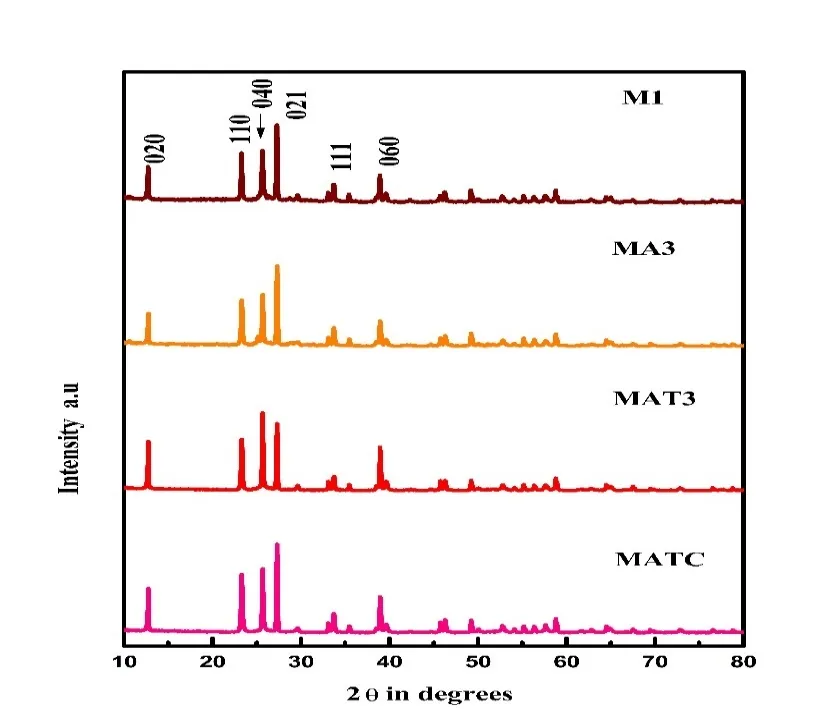
Figure 2a. XRD peaks of M1, MA3, MAT3, MATC nanoparticles
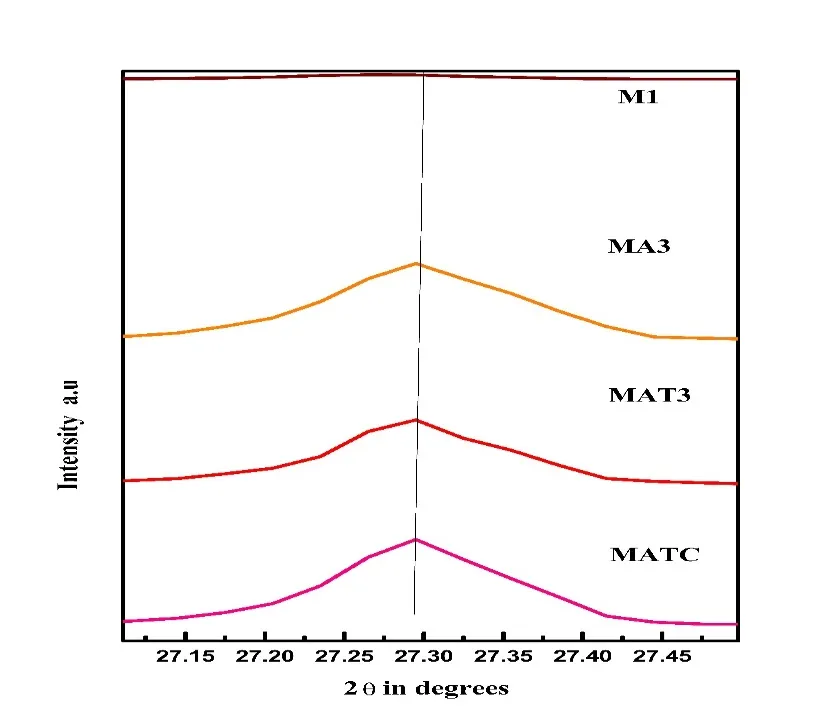
Figure 2b. XRD peaks shift at an angle 27.30o of M1, MA3, MAT3, MATC nanoparticles
Figure 2a depicts the X-ray diffraction (XRD) spectra of M1, MA3, MAT3, and MATC nanoparticles. The XRD spectrum shows pure with n sharp peaks, which indicates crystallite nature and orthorhombic structure. However, a diffuse broad peak ranging from 27° to 30° was observed which is broad peaks. The MoO3 nanoparticles are in the spinel cubic structure and match with (JCPDS card no.96-900-9670, molybdenum oxide findings were also found to be consistent with the accepted references (JCPDS file no. 22-1012). The XRD pattern of MoO3 (Figure 2) shows that the main characteristic peak positions are slightly shifted toward the right side. the Pbnm is the space group and Orthorhombic structure with indexed planes near (020), (110), (040), (021), (111), and (060), respectively.
Using Scherrer's equation [26] (1), the average crystalline size was determined [27].

Where,
𜆠= X-ray wavelength equal to 1.5406 A˚
𜃠= Bragg diffraction angle,
𛽠(radians) = full width at half maximum.
The average crystallite size of the samples was determined from the most conspicuous XRD line width of the (021) peak, and it was discovered that crystallite sizes typically fall between
|
Compound name |
Crystal system |
Crystallite size (nm) |
Parameter (A0) |
R – factors |
||||||
|
a |
b |
c |
Cell volume (A0 3) |
Rp |
Rwp |
GOF(χ2) |
Rex |
|||
|
M1 |
Orthorhombic
|
75 |
3.9 |
13.3 |
3.6 |
202 |
39.3 |
42 |
9 |
13 |
|
MA3 |
68 |
3.9 |
13.3 |
3.6 |
202 |
42.2 |
44 |
11 |
13 |
|
|
MAT3 |
55 |
3.9 |
13.3 |
3.6 |
202 |
50.5 |
47 |
6 |
17 |
|
|
MATC |
61 |
3.9 |
13.3 |
3.6 |
203 |
49.4 |
45 |
4 |
20 |
|
Table 2. Rietveld refinement parameter from the PXRD data for MoO3
50 to 60 nm. The spectra showed a shift in peak position with the addition of surfactant TEOS and CTAB in the MoO3 NPs, attributed to a small modification in the structure. A similar trend was observed in several reported studies by different researchers [28].
3.2 SEM AND EDAX
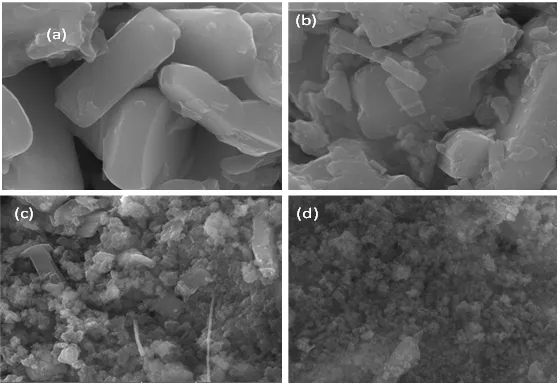
Figure 3. the SEM images M1, MA3, MAT3, MATC nanoparticle
creation of unique nanomaterial architectures or mesostructured. The SEM pictures in Figure 3 shows that the MoO₃ nanoparticles (NPs) have a homogenous surface, are granular, well-defined, and aggregated into cubic shapes. Nearly cubic shapes with an average particle size of 50–60 nm are revealed by a closer look at these fundamental structures. It is suggested that the nanoparticles have a crystalline character when the estimated crystallite size from X-ray diffraction analysis is compared with the observed nanoparticle morphology [28]
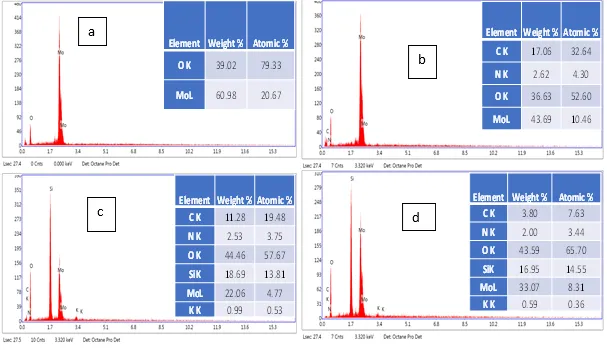
Figure 4: EDAX spectra (a)M1 (b)MA1 (c)MAT3, (d)MATC
The analysis technology known as energy-dispersive X-ray (EDX) spectroscopy is used to determine the chemical composition of a material. Energy-dispersive X-ray (EDX) analysis is employed to confirm the elemental assessment in the case of MoO3 nanoparticles. The findings are shown in Figure 4. Mo and O were found in the prepared samples of (a), (b), (c), and (d) MoO3 NPs, demonstrating their high purity. The EDX results and X-ray diffraction (XRD) data were extremely similar [29].
4. TEM (transmission electron microscope)
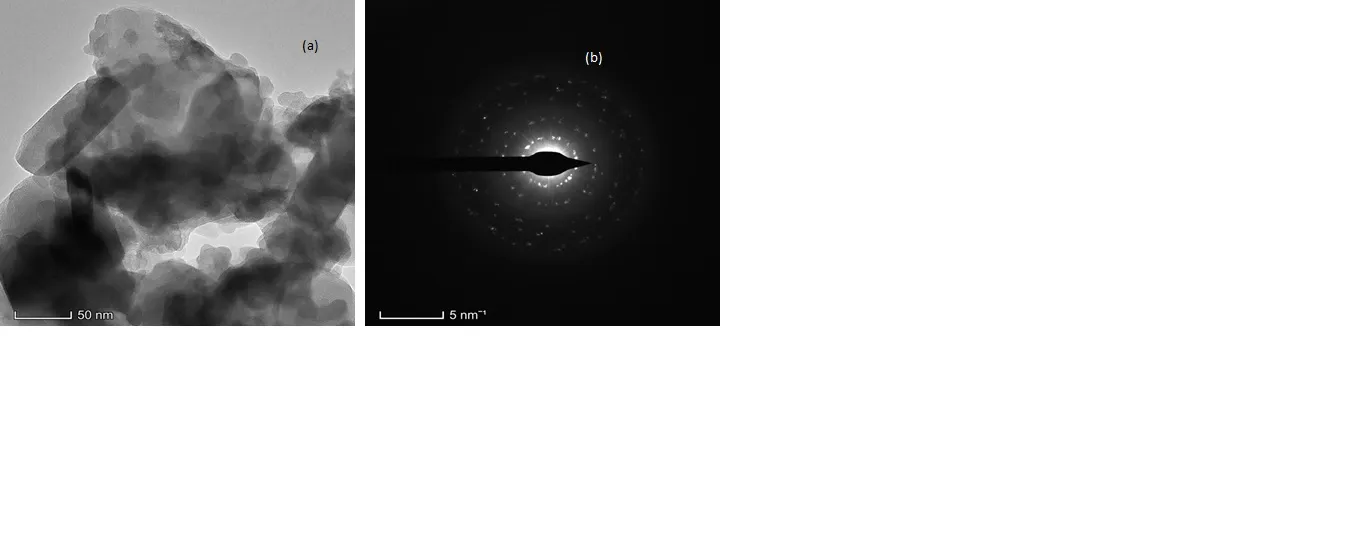
Figure 5: TEM images (a) HR- TEM of MA1 and SEAD pattern of MA1
High-resolution pictures were obtained using a Transmission Electron Microscope (TEM). Figure -5 shows the samples' detailed structures. The photos confirm the spherical shape with apparent agglomerations. Patchy circular rings with no diffraction spots and secondary phase rings suggest an Orthorhombic crystalline structure [30]. TEOS and CTAB are combined during the synthesis process and analyzed by TEM, the morphology, size, and structural properties of the nanoparticles or mesoporous materials can be thoroughly examined, providing exact control over the architecture of the nanomaterial.
5. Optical properties
5.1 Energy Bandgap analysis
Figures 6, display the UV-visible absorption spectra of compounds, The peak observed at 400 nm is attributed to the band transition originating from Mo-O bonds. Wood and Tauc introduced a method (equation 5) for calculating the energy gap (Eg). The equation is defined as follows:
αhγ = A (hγ - Eg)n ……………………… (5)
In this equation, Eg represents the band gap energy, α denotes the absorption coefficient, A is a proportionality constant that varies based on the specific transition, hγ represents the photon energy, and the value of n depends on the nature of the transition (n = direct allowed, n = 1/2 in direct allowed, 3/2 forbidden direct, or n = 3 forbidden indirect electronic transitions).
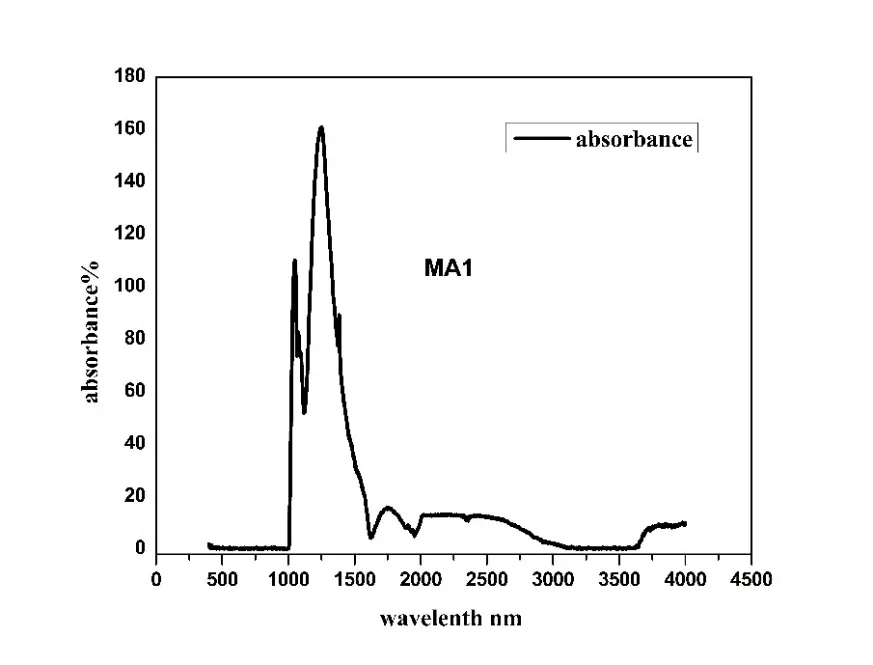
Figure 6. UV-visible absorption spectra of Nanoparticles.
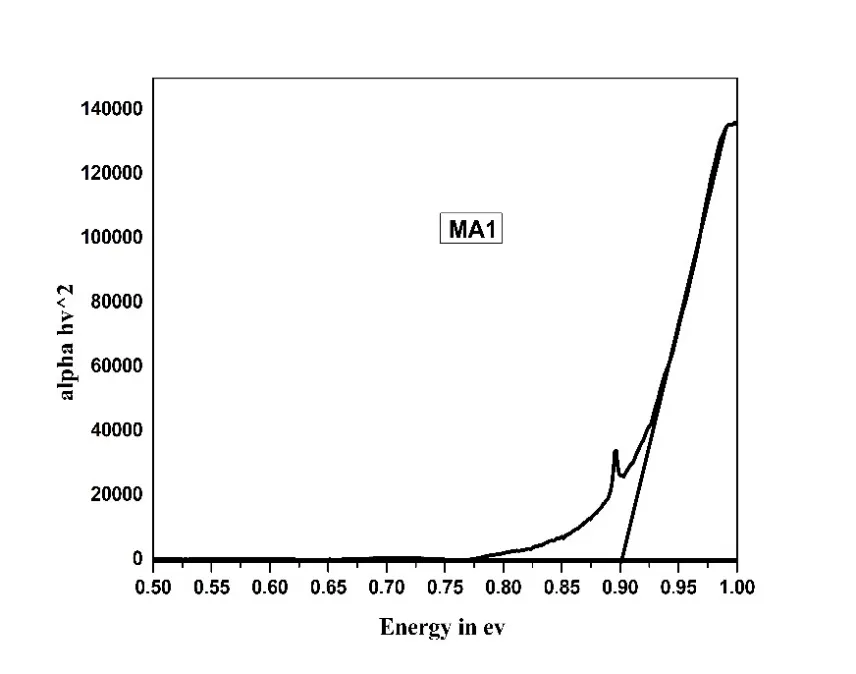
Figure 7. Energy bandgap of nanoparticles
Figure 6 displays the UV-visible absorption spectra of the produced samples. Extrapolating the plot on the X-axis provides a decent approximation of the bandgap. Figure 7 shows that the predicted bandgap values for the produced compounds range between 0.9. Notably, the energy band gap fluctuates with the concentration of Mo ions substituted for individual atoms in MoO3 nanoparticles. These variations in band gap values are linked to changes in the structural order-disorder within the lattice, causing shifts in the intermediate energy levels.[31, 32].
6. Dielectric constant
The dielectric characteristics of all the samples were investigated at room temperature using an impedance analyzer (Wayne Kerr 6500B). The fluctuation of the dielectric constant with frequency is shown in Figure and demonstrates inverse proportionality a characteristic behavior of MoO3. This phenomenon of increased dielectric constant with a decrease in frequency increases following Koops and can be attributed to conducting grains with insulating grain boundaries. It is well explained by space charge polarization, where the non-ferroelectric regions surround the ferroelectric regions—figure 8. MoO3 nanoparticles have real and imaginary dielectric constants. Figure 9 depicts the variation of dielectric loss concerning frequency [33-37].
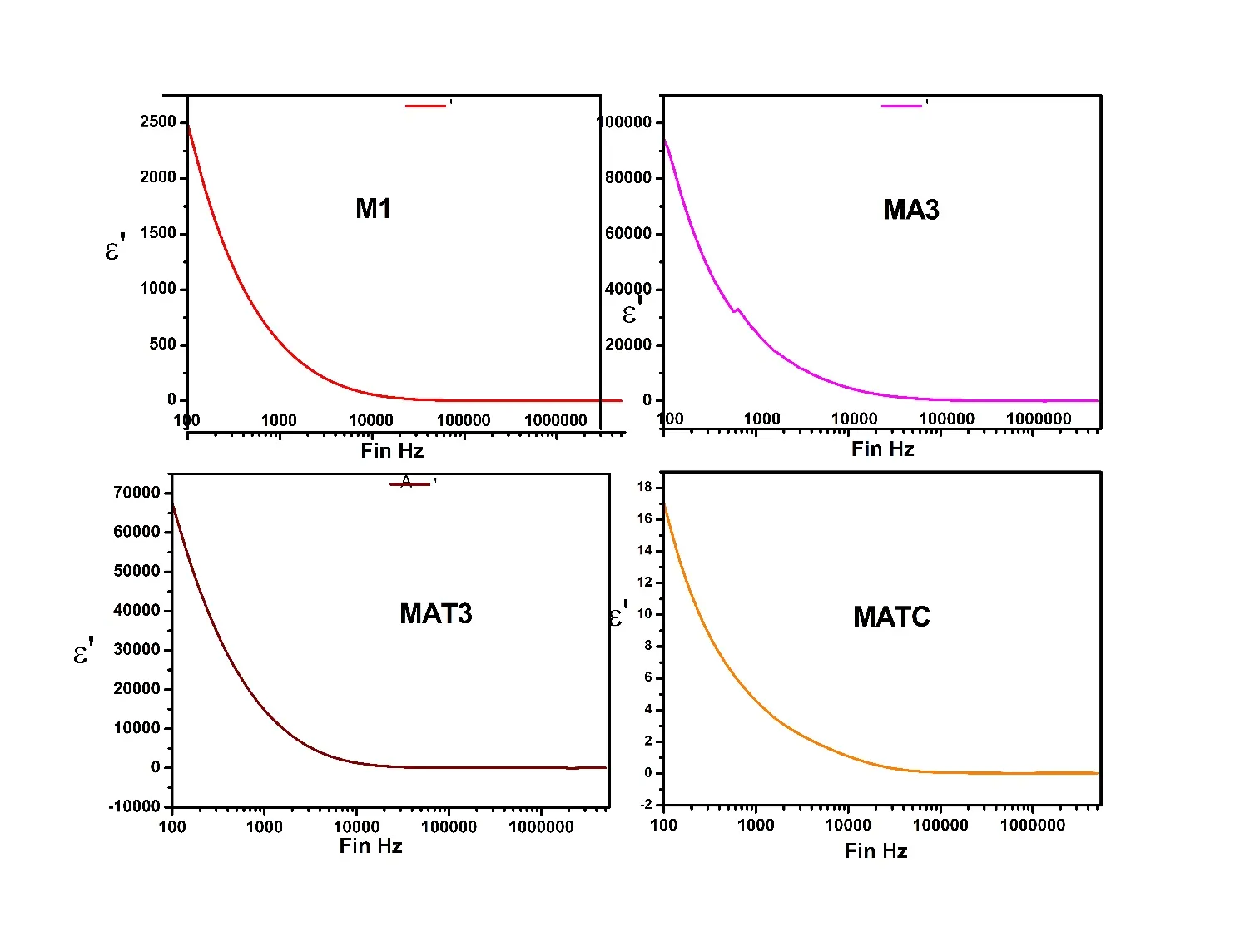
Figure 8: the real dielectric constant of M1, MA1, MAT3 MATC nanoparticles
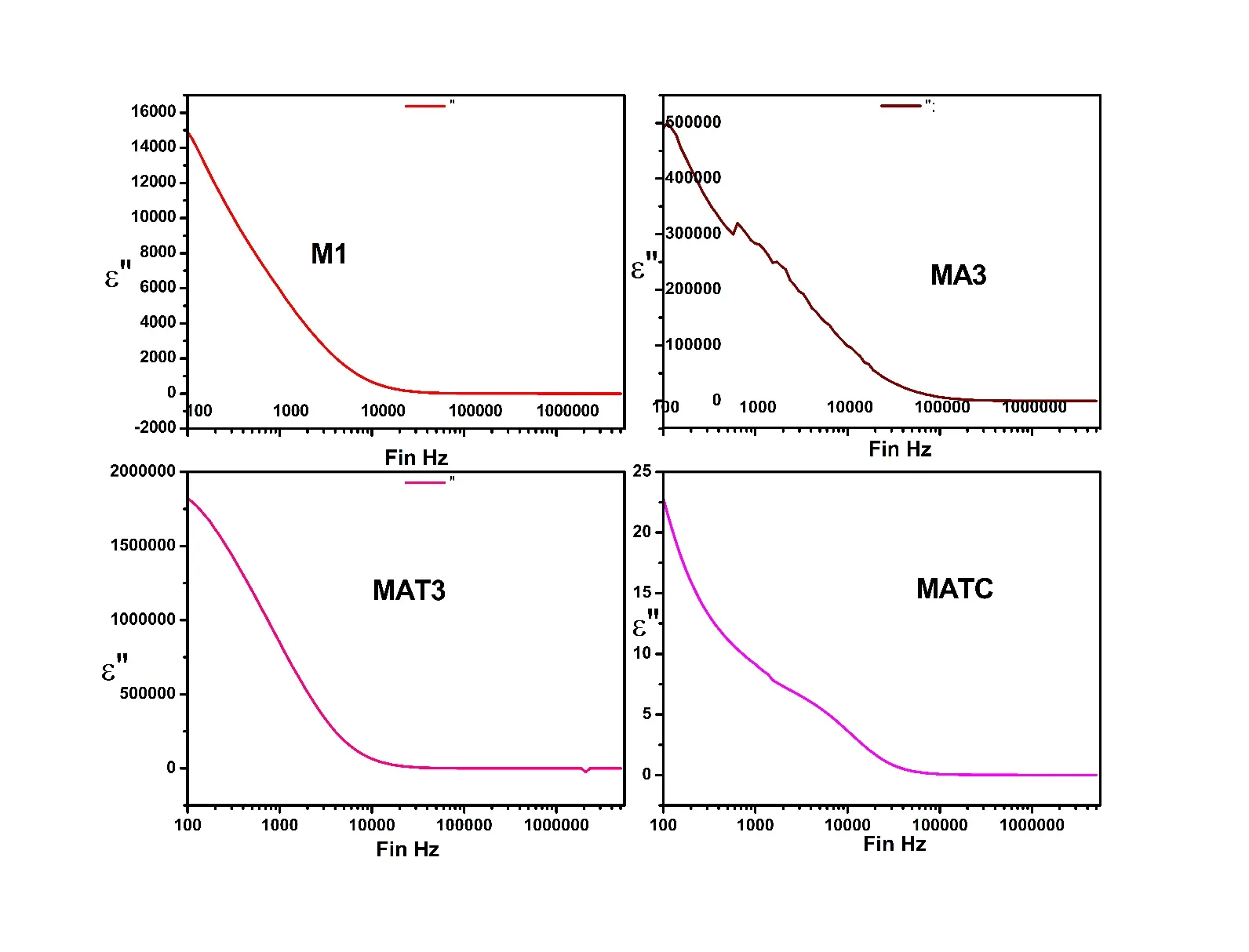
Figure 9: the imaginary dielectric constant of M1, MA1, MAT3 MATC nanoparticles
CONCLUSION
The primary goal for this study is to investigate the structural, morphological, UV, and dielectric properties of MoO3 nanoparticles generated using a novel green synthesis method (Aloe barbadensis gel extract) of use surfactants TEOS and CTAB. The XRD revealed that the compounds synthesized have the Pbnm is the space group and Orthorhombic structure. The substitution surfactants TEOS and CTAB is responsible for the increased crystalline size, and the sample size between 50 and 60 nm SEM and TEM were used to determine the surface morphology, and the study revealed with 50 to 60 nm crystal size. EDAX examination shows purity and homogeneity, whereas TEM reveals the existence of secondary phase rings with Orthorhombic structures. The band gap is 0.9 eV for u-v studies. Research indicates that CTAB has a higher É›' value, making it a promising material for electronic devices due to its dielectric constant and usage in electrical equipment.
REFERENCES


Munirajappa N. N.1, Harisha2, Daruka Prasad B.3, R. B. Basavaraj3, Somashekar M. N.4, K. N. Sathish5, Nagarathnamma R.6, Rajeev Ramachandra Kolgi7, Haleshappa R.7*, Eco-Conscious Synthesis Of Molybdenum Oxide (MoO₃) Nanoparticles Using Aloe Barbadensis Extract And Their Structural And Morphological And Dielectric Studies, Int. J. Sci. R. Tech., 2026, 3 (7), 771-781. https://doi.org/10.5281/zenodo.21508815
 10.5281/zenodo.21508815