

We use cookies to ensure our website works properly and to personalise your experience. Cookies policy
Pharmaceuticals Chemistry, Gurunathappa Bavage Knowledge City At Post Hasegaon, TQ Ausa, Dist Latur, Maharashtra 413531
Bioactive heterocyclic compounds constitute one of the most important classes of organic molecules in medicinal chemistry due to their wide spectrum of pharmacological activities and extensive applications in drug discovery. Numerous clinically approved drugs contain nitrogen-, oxygen-, and sulfur-containing heterocyclic scaffolds that exhibit anticancer, antimicrobial, antiviral, anti-inflammatory, antidiabetic, and central nervous system activities. However, conventional synthetic methods employed for heterocyclic synthesis are often associated with hazardous solvents, toxic reagents, high energy consumption, and significant environmental pollution. Consequently, the development of sustainable and environmentally benign synthetic methodologies has become increasingly important in modern pharmaceutical research. The present review highlights recent advances in green synthetic approaches for bioactive heterocyclic compounds with special emphasis on environmentally friendly methodologies and pharmaceutical applications. Various green synthetic techniques including microwave-assisted synthesis, ultrasound-assisted synthesis, solvent-free synthesis, multicomponent reactions, ionic liquids, nanocatalysis, biocatalysis, photocatalysis, electrochemical synthesis, and flow chemistry have been critically discussed. The advantages of these approaches such as reduced reaction time, improved yield, enhanced atom economy, lower toxicity, catalyst recyclability, and reduced waste generation are also summarized. Furthermore, recent developments from 2020–2026 including AI-assisted green synthesis, hybrid catalytic systems, sustainable drug synthesis strategies, and emerging green medicinal chemistry trends have been reviewed. Comparative analysis between conventional and green synthetic methods demonstrates the superior environmental and economic benefits of sustainable synthesis. The review also discusses industrial applications, pharmaceutical relevance, regulatory perspectives, current limitations, scale-up challenges, and future opportunities in green heterocyclic synthesis. Overall, green synthetic methodologies provide efficient, sustainable, and economically viable alternatives for the synthesis of bioactive heterocyclic compounds and are expected to play a major role in future pharmaceutical manufacturing and environmentally responsible medicinal chemistry.
1.1 Introduction to Heterocyclic Compounds
Heterocyclic compounds are cyclic organic molecules containing at least one heteroatom such as nitrogen, oxygen, or sulfur within the ring structure. These compounds represent one of the most significant classes of organic molecules due to their broad occurrence in natural products, pharmaceuticals, agrochemicals, and biologically active substances [1]. The incorporation of heteroatoms into cyclic frameworks modifies the physicochemical and biological properties of the molecules, thereby enhancing their therapeutic potential and chemical reactivity [2].
Heterocyclic scaffolds are widely distributed in medicinally important molecules because of their ability to interact effectively with biological targets through hydrogen bonding, dipole interactions, and hydrophobic interactions [3]. Nitrogen-containing heterocycles such as pyridine, pyrimidine, quinoline, indole, and imidazole are particularly important owing to their extensive pharmacological activities [4]. Similarly, oxygen- and sulfur-containing heterocycles including furan, coumarin, thiophene, and thiazole exhibit diverse biological and industrial applications [5].
Several clinically important drugs contain heterocyclic nuclei, including Diazepam, Fluconazole, and Imatinib, highlighting the importance of heterocyclic chemistry in modern therapeutics [6].
|
Class |
Examples |
Biological Activities |
|
Nitrogen-containing heterocycles |
Pyridine, Pyrimidine, Indole |
Anticancer, Antimicrobial |
|
Oxygen-containing heterocycles |
Furan, Coumarin |
Anti-inflammatory, Antioxidant |
|
Sulfur-containing heterocycles |
Thiophene, Thiazole |
Antibacterial, Antiviral |
Table 1. Classification of Bioactive Heterocyclic Compounds
1.2 Importance in Medicinal Chemistry
Heterocyclic compounds occupy a central position in medicinal chemistry because they serve as essential structural frameworks in the synthesis and design of bioactive molecules. It has been estimated that nearly 75% of approved small-molecule drugs contain one or more heterocyclic rings, emphasizing their pharmaceutical relevance [7].
The presence of heteroatoms within cyclic systems enhances important drug-like properties such as solubility, lipophilicity, metabolic stability, and receptor-binding affinity [8]. Due to these advantages, heterocyclic compounds exhibit a broad spectrum of biological activities including anticancer, antimicrobial, antiviral, anti-inflammatory, antidiabetic, antihypertensive, and central nervous system activities [9].
In medicinal chemistry, heterocyclic moieties are commonly used to improve molecular selectivity and optimize structure–activity relationships (SAR). For example, pyrimidine derivatives are extensively used in antiviral and anticancer drugs, whereas indole-containing compounds possess significant anti-inflammatory and neurological activities [10]. Consequently, heterocyclic chemistry remains a fundamental component of modern drug discovery and pharmaceutical research.
1.3 Role of Heterocyclic Compounds in Drug Discovery
The contribution of heterocyclic compounds to drug discovery has increased tremendously due to advancements in synthetic chemistry, molecular biology, and computational drug design. Heterocyclic scaffolds provide versatile platforms for generating structurally diverse molecules that can interact efficiently with biological targets [11].
Nitrogen-containing heterocycles are extensively employed in kinase inhibitors, antimicrobial agents, antitubercular drugs, and anticancer therapeutics because of their favorable electronic and steric characteristics [12]. Additionally, fused heterocyclic systems have demonstrated remarkable therapeutic potential against chronic and infectious diseases [13].
Heterocyclic compounds also play a crucial role in combinatorial chemistry and fragment-based drug discovery owing to their synthetic flexibility and tunable pharmacokinetic properties [14]. Furthermore, molecular docking and computational screening techniques have accelerated the identification of novel heterocyclic lead compounds with enhanced efficacy and reduced toxicity [15].
The increasing prevalence of drug-resistant microbial strains and chronic diseases has further stimulated the search for novel heterocyclic molecules possessing improved therapeutic profiles and safety characteristics.
1.4 Limitations of Conventional Synthetic Methods
Despite the pharmaceutical significance of heterocyclic compounds, conventional synthetic methods often suffer from several environmental and operational limitations. Traditional synthesis frequently utilizes toxic organic solvents, hazardous reagents, harsh reaction conditions, prolonged reaction times, and non-recyclable catalysts [16].
Conventional heterocyclic synthesis generally produces large quantities of chemical waste and undesirable by-products, contributing to environmental pollution and increased manufacturing costs [17]. Moreover, the extensive use of volatile organic compounds (VOCs) poses serious risks to both human health and environmental safety [18].
Many classical synthetic approaches also exhibit poor atom economy, low selectivity, and high energy consumption due to the requirement for reflux conditions and multistep purification procedures [19]. Such drawbacks limit the sustainability and industrial applicability of conventional synthetic methodologies.
As environmental regulations become increasingly stringent, there is a growing demand for eco-friendly and sustainable alternatives for pharmaceutical synthesis.
|
Parameter |
Conventional Synthesis |
Green Synthesis |
|
Solvents |
Toxic organic solvents |
Eco-friendly solvents |
|
Energy Consumption |
High |
Low |
|
Reaction Time |
Longer |
Shorter |
|
Waste Generation |
High |
Minimal |
|
Environmental Impact |
Significant |
Reduced |
Table 2. Comparison Between Conventional and Green Synthetic Methods
1.5 Need for Green Chemistry in Pharmaceutical Synthesis
Green chemistry has emerged as an efficient and sustainable strategy for reducing the environmental impact associated with chemical manufacturing. The primary objective of green chemistry is to design safer chemical processes that minimize or eliminate the generation of hazardous substances during synthesis [20].
In heterocyclic synthesis, green chemistry approaches include microwave-assisted synthesis, ultrasound-assisted synthesis, solvent-free reactions, multicomponent reactions, ionic liquids, deep eutectic solvents, nanocatalysis, and biocatalysis [21]. These methodologies significantly reduce reaction time, waste generation, energy consumption, and toxic emissions while improving product yield and selectivity [22].
The pharmaceutical industry has increasingly adopted green synthetic technologies to achieve sustainable manufacturing and comply with environmental safety regulations. Green chemistry not only enhances environmental compatibility but also offers economic advantages through simplified work-up procedures, lower operational costs, and improved scalability [23].
Recent advancements in nanotechnology, photocatalysis, electrochemical synthesis, and continuous flow chemistry have further expanded the scope of sustainable heterocyclic synthesis, making green chemistry an indispensable component of modern pharmaceutical manufacturing [24].
1.6 Aim and Scope of the Review
The present review aims to provide a comprehensive overview of recent advancements in green synthetic approaches for bioactive heterocyclic compounds and their pharmaceutical applications. The review focuses on environmentally friendly methodologies such as microwave-assisted synthesis, ultrasound-assisted synthesis, solvent-free reactions, multicomponent reactions, nanocatalysis, biocatalysis, photocatalysis, and electrochemical synthesis.
Additionally, the review discusses the biological significance and therapeutic importance of heterocyclic compounds in medicinal chemistry. Comparative analysis between conventional and green synthetic methodologies is also presented to highlight the advantages of sustainable approaches in terms of efficiency, environmental safety, and industrial applicability.
Furthermore, recent developments reported between 2020 and 2026 are critically summarized to provide updated insights into sustainable pharmaceutical synthesis. Overall, this review aims to serve as a valuable scientific resource for researchers working in the fields of green chemistry, medicinal chemistry, and heterocyclic drug development.
2. BIOACTIVE HETEROCYCLIC COMPOUNDS
2.1 Classification of Heterocyclic Compounds
Heterocyclic compounds are cyclic organic molecules that contain at least one heteroatom such as nitrogen, oxygen, or sulfur within their ring structure. These compounds constitute one of the most significant classes of organic molecules because of their wide occurrence in natural products, pharmaceuticals, agrochemicals, dyes, and biologically active materials [25]. The incorporation of heteroatoms into cyclic frameworks alters the electronic distribution, polarity, and physicochemical properties of molecules, thereby enhancing their biological activity and pharmaceutical utility [26].
Heterocyclic compounds are broadly classified according to the type of heteroatom present in the ring system. Nitrogen-containing heterocycles are the most extensively investigated class owing to their diverse therapeutic applications, followed by oxygen-containing and sulfur-containing heterocycles [27]. These compounds serve as important pharmacophores in medicinal chemistry because they can efficiently interact with enzymes, receptors, nucleic acids, and other biological targets [28].
|
Class |
Examples |
Major Biological Activities |
|
Nitrogen-containing heterocycles |
Pyridine, Pyrimidine, Quinoline, Imidazole, Indole |
Anticancer, Antimicrobial, CNS activity |
|
Oxygen-containing heterocycles |
Furan, Coumarin |
Anti-inflammatory, Antioxidant |
|
Sulfur-containing heterocycles |
Thiophene, Thiazole |
Antibacterial, Antiviral |
Table 3: Classification of Important Bioactive Heterocyclic Compounds
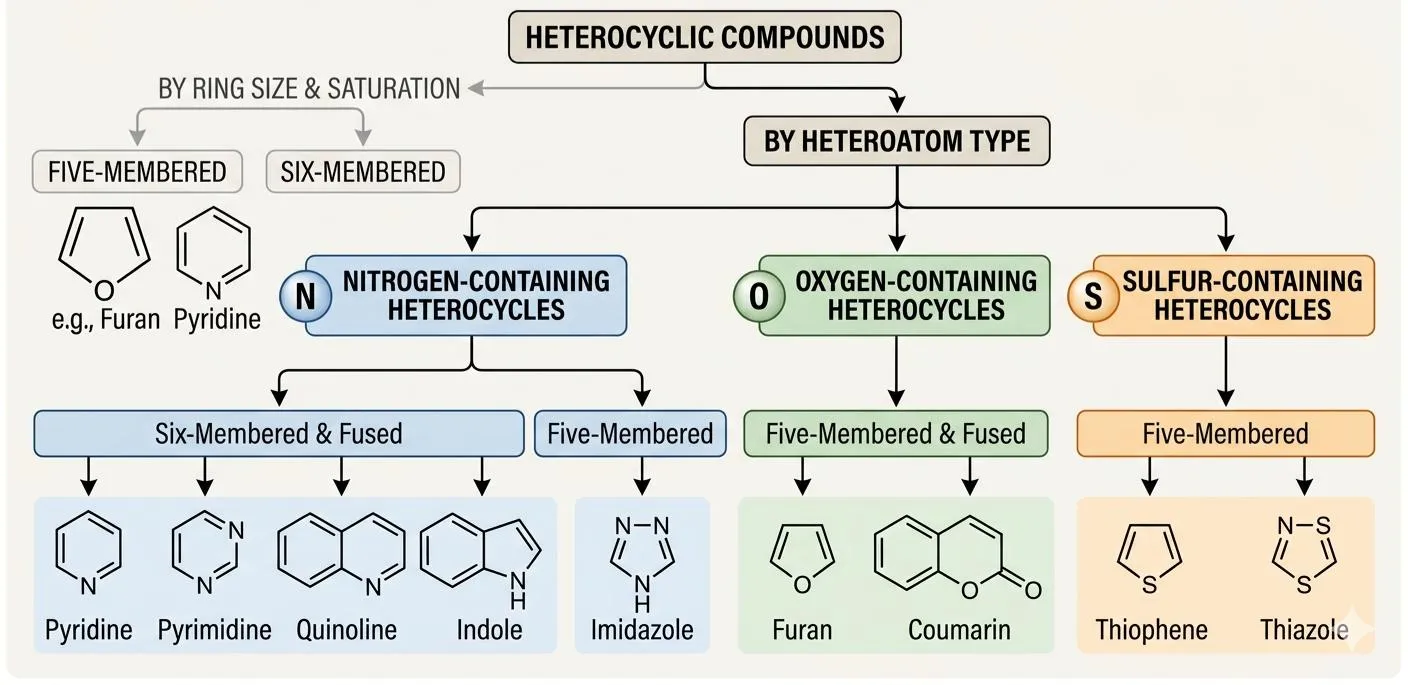
2.1.1 Nitrogen-Containing Heterocycles
Nitrogen-containing heterocycles represent one of the most pharmacologically important classes of organic compounds due to their remarkable biological and therapeutic properties [29]. The nitrogen atom contributes electron density and hydrogen-bonding capability, thereby improving receptor binding affinity and pharmacological activity [30].
Pyridine:
Pyridine is a six-membered aromatic heterocycle containing one nitrogen atom in the ring structure. Pyridine derivatives exhibit broad pharmacological activities including antimicrobial, anticancer, anti-inflammatory, and antihypertensive properties [31]. Pyridine-containing compounds are widely employed in medicinal chemistry because of their metabolic stability and excellent bioavailability.
Pyrimidine:
Pyrimidine is an aromatic six-membered heterocyclic ring containing two nitrogen atoms at positions 1 and 3. Pyrimidine derivatives are structurally related to nucleic acid bases and therefore play an essential role in biological systems [32]. Several clinically important antiviral and anticancer agents contain pyrimidine scaffolds because of their ability to inhibit nucleic acid biosynthesis and cellular proliferation [33].
Quinoline:
Quinoline is a fused bicyclic heterocycle composed of benzene and pyridine rings. Quinoline derivatives exhibit diverse biological activities including antimalarial, antibacterial, anticancer, anti-inflammatory, and antiviral activities [34]. Due to their favorable pharmacokinetic properties, quinoline-based molecules are extensively utilized in modern drug discovery programs.
Imidazole:
Imidazole is a five-membered aromatic heterocycle containing two nitrogen atoms. Imidazole derivatives possess significant antifungal, antibacterial, antiviral, anticancer, and anti-inflammatory activities [35]. Therapeutically important compounds such as Metronidazole and Ketoconazole contain imidazole moieties.
Indole:
Indole is a bicyclic aromatic heterocycle consisting of a benzene ring fused with a pyrrole ring. Indole derivatives are widely recognized for their anticancer, antimicrobial, antioxidant, anti-inflammatory, and neurological activities [36]. The indole scaffold is considered a privileged structure in medicinal chemistry because of its widespread occurrence in biologically active natural products and pharmaceutical agents.
2.1.2 Oxygen-Containing Heterocycles
Oxygen-containing heterocycles exhibit considerable pharmaceutical and industrial importance owing to their unique electronic properties and broad biological activities [37]. These compounds are extensively utilized in the synthesis of therapeutic agents and natural products.
Furan:
Furan is a five-membered aromatic heterocycle containing one oxygen atom. Furan derivatives possess diverse biological activities including antimicrobial, anticancer, antioxidant, and anti-inflammatory properties [38]. Furan-containing molecules are frequently used in pharmaceutical and agrochemical industries because of their favorable biological profiles.
Coumarin:
Coumarin is a benzopyrone derivative composed of fused benzene and α-pyrone rings. Coumarin derivatives exhibit anticoagulant, antimicrobial, antioxidant, anticancer, antiviral, and anti-inflammatory activities [39]. Due to their excellent pharmacological potential, coumarin-based compounds continue to attract significant attention in medicinal chemistry research.
2.1.3 Sulfur-Containing Heterocycles
Sulfur-containing heterocycles are important classes of biologically active compounds widely utilized in pharmaceutical chemistry [40]. The sulfur atom contributes enhanced lipophilicity and electronic flexibility, thereby improving biological interactions and therapeutic efficacy.
Thiophene:
Thiophene is a sulfur-containing aromatic five-membered heterocycle exhibiting antibacterial, anticancer, anti-inflammatory, anticonvulsant, and antioxidant activities [41]. Thiophene derivatives are widely investigated because of their excellent pharmacological and physicochemical properties.
Thiazole:
Thiazole is a five-membered aromatic heterocycle containing both sulfur and nitrogen atoms within the ring structure. Thiazole derivatives exhibit broad biological activities including antimicrobial, anticancer, anti-inflammatory, antiviral, and antitubercular properties [42]. Several approved drugs contain thiazole nuclei because of their potent therapeutic effects.
2.2 Biological Activities of Heterocyclic Compounds
Heterocyclic compounds exhibit diverse biological activities owing to their structural versatility and ability to interact efficiently with various biological targets [43]. These compounds have become indispensable in medicinal chemistry and pharmaceutical research because they improve receptor selectivity, metabolic stability, and therapeutic efficacy.
2.2.1 Anticancer Activity
Numerous heterocyclic compounds exhibit potent anticancer activity by inhibiting tumor cell proliferation, inducing apoptosis, and targeting specific signaling pathways associated with cancer progression [46]. Quinoline, indole, pyrimidine, and thiazole derivatives are extensively investigated as anticancer agents due to their remarkable cytotoxic and kinase inhibitory properties.
2.2.2 Antimicrobial Activity
Heterocyclic compounds demonstrate broad-spectrum antimicrobial activity against various bacterial and fungal pathogens [47]. Imidazole, quinoline, and thiazole derivatives interfere with microbial cell membrane integrity, nucleic acid synthesis, and essential metabolic pathways, thereby exhibiting potent antibacterial and antifungal effects.
2.2.3 Antiviral Activity
Several heterocyclic compounds possess antiviral activity against RNA and DNA viruses [48]. Pyrimidine and quinoline derivatives are particularly important because of their ability to inhibit viral replication enzymes and interfere with viral nucleic acid synthesis.
2.2.4 Anti-inflammatory Activity
Heterocyclic compounds such as coumarin, indole, and thiophene derivatives exhibit anti-inflammatory activity through inhibition of inflammatory mediators and cyclooxygenase enzymes [49]. These compounds have shown promising therapeutic potential in inflammatory disorders and autoimmune diseases.
2.2.5 Antidiabetic Activity
Various heterocyclic compounds exhibit significant antidiabetic activity by improving insulin sensitivity and inhibiting carbohydrate-metabolizing enzymes [50]. Thiazole and pyridine derivatives have emerged as promising therapeutic agents for diabetes management.
2.2.6 CNS Activity
Several heterocyclic scaffolds possess central nervous system (CNS) activity due to their interactions with neurotransmitter receptors and enzymes [51]. Indole and pyridine derivatives are extensively utilized in the development of anxiolytic, antidepressant, antipsychotic, and anticonvulsant agents.
3. GREEN CHEMISTRY IN HETEROCYCLIC SYNTHESIS
3.1 Concept of Green Chemistry
Green chemistry refers to the design of chemical products and processes that minimize or eliminate the use and generation of hazardous substances [52]. The concept was introduced to reduce environmental pollution, improve process efficiency, and promote sustainable chemical manufacturing [53]. In heterocyclic synthesis, green chemistry focuses on the use of eco-friendly solvents, recyclable catalysts, energy-efficient methods, and waste reduction strategies [54].
Green synthetic approaches such as microwave-assisted synthesis, ultrasound irradiation, solvent-free reactions, and biocatalysis have gained significant attention because they reduce toxic waste generation and improve reaction efficiency [55]. These methods play an important role in sustainable pharmaceutical synthesis and environmentally benign industrial processes.
|
Green Concept |
Application in Heterocyclic Synthesis |
|
Waste prevention |
Reduction of by-products |
|
Safer solvents |
Water, ethanol, ionic liquids |
|
Energy efficiency |
Microwave and ultrasound synthesis |
|
Catalysis |
Nanocatalysts and biocatalysts |
|
Renewable resources |
Sustainable feedstocks |
Table 4: Major Concepts of Green Chemistry in Heterocyclic Synthesis
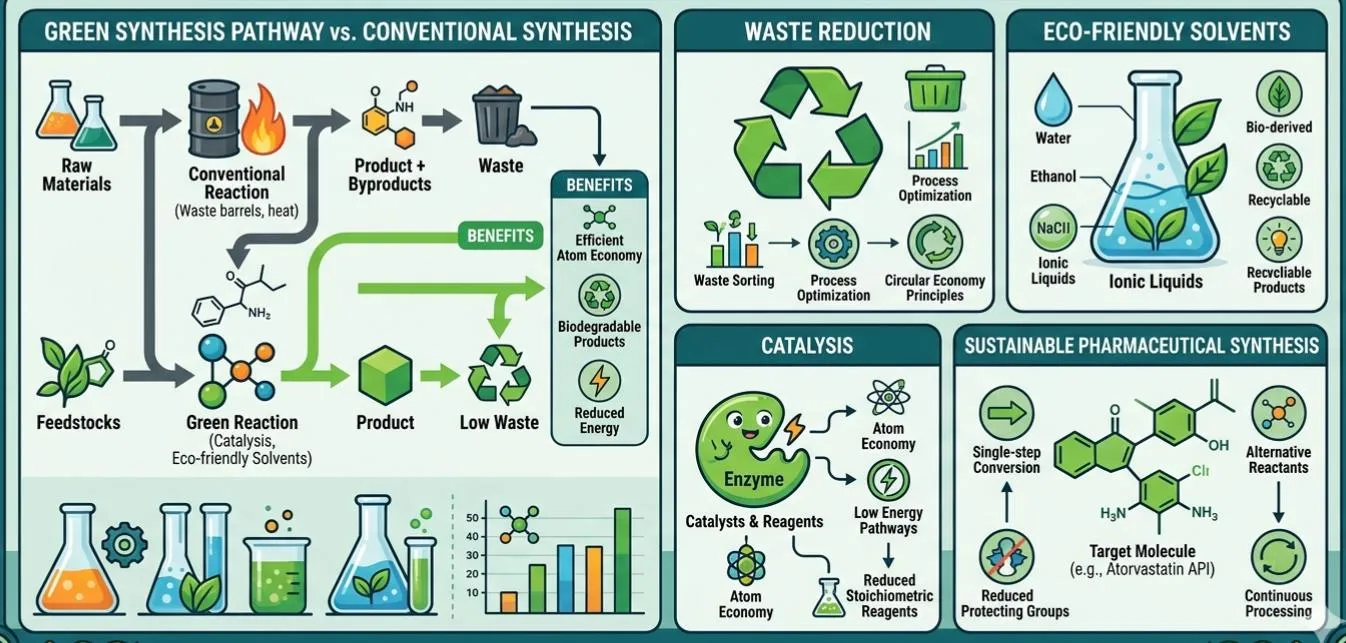
Figure 2: Concept and Applications of Green Chemistry
3.2 Principles of Green Chemistry
The principles of green chemistry were developed to encourage environmentally safe and sustainable chemical processes [56]. These principles emphasize waste prevention, atom economy, safer solvents, renewable feedstocks, catalysis, and energy-efficient synthesis [57].
Among the twelve principles, atom economy, catalytic reactions, safer reaction conditions, and reduction of hazardous substances are particularly important in heterocyclic synthesis [58]. The application of these principles significantly improves process sustainability and reduces environmental impact.
3.3 Green Chemistry Metrics
Green chemistry metrics are quantitative tools used to evaluate the environmental efficiency and sustainability of chemical processes [59]. These metrics help compare conventional and green synthetic methods in terms of waste generation, resource utilization, and reaction efficiency.
Atom Economy
Atom economy measures the incorporation efficiency of reactant atoms into the desired final product [60]. Higher atom economy indicates minimal waste generation and improved sustainability. Multicomponent reactions and one-pot syntheses generally exhibit excellent atom economy.
E-factor
The environmental factor (E-factor) represents the amount of waste generated per unit mass of product formed [61]. Lower E-factor values indicate greener and more environmentally friendly chemical processes.
Carbon Efficiency
Carbon efficiency evaluates the conversion of carbon atoms from reactants into useful products [62]. High carbon efficiency reduces carbon loss and improves the sustainability of pharmaceutical synthesis.
3.4 Advantages of Green Synthetic Approaches
Green synthetic approaches offer several advantages over conventional synthetic methods including reduced waste generation, lower energy consumption, shorter reaction times, improved yields, and minimal environmental pollution [63]. These approaches also reduce the use of hazardous solvents and toxic reagents, thereby enhancing laboratory safety and industrial sustainability [64].
Microwave-assisted synthesis, solvent-free reactions, and nanocatalysis significantly improve reaction efficiency and selectivity while minimizing operational costs [65]. Consequently, green chemistry has become an essential component of sustainable pharmaceutical manufacturing and modern heterocyclic synthesis.
4. GREEN SYNTHETIC APPROACHES FOR HETEROCYCLIC COMPOUNDS:
4.1 Microwave-Assisted Synthesis:
Microwave-assisted synthesis is an important green synthetic technique widely used for the preparation of heterocyclic compounds because it provides rapid heating, shorter reaction time, and higher product yield [66]. The method is based on dielectric heating, where microwave energy interacts with polar molecules and ions present in the reaction medium [67]. Uniform internal heating accelerates reaction kinetics and improves reaction efficiency [68]. Microwave synthesis is extensively applied for the synthesis of pyrimidine, quinoline, imidazole, and indole derivatives possessing antimicrobial and anticancer activities [69]. The major advantages of this technique include reduced solvent usage, low energy consumption, eco-friendly conditions, and improved reaction yield.
4.2 Ultrasound-Assisted Synthesis:
Ultrasound-assisted synthesis utilizes ultrasonic waves to promote chemical reactions under mild and environmentally friendly conditions [70]. The technique operates through acoustic cavitation, where formation and collapse of microscopic bubbles generate localized high temperature and pressure, thereby accelerating reaction rates [71]. Ultrasound-assisted methods are widely applied in the synthesis of imidazole, pyridine, and thiazole derivatives with improved yield and reduced reaction time [72].
4.3 Solvent-Free Synthesis:
Solvent-free synthesis is considered an environmentally benign approach because it eliminates the use of hazardous organic solvents during chemical reactions [73]. Mechanochemical methods such as grinding and milling provide mechanical energy to facilitate chemical transformations [74]. Grinding techniques improve reactant interaction and minimize waste generation, making the process economical and sustainable for heterocyclic synthesis [75].
4.4 Multicomponent Reactions (MCRs):
Multicomponent reactions involve the simultaneous reaction of three or more reactants in a single reaction vessel to produce structurally complex heterocyclic compounds [76]. One-pot synthesis reduces purification steps, saves energy, and minimizes waste generation [77]. MCRs are highly atom-efficient because most of the reactant atoms are incorporated into the final product, making them valuable green synthetic strategies [78].
4.5 Ionic Liquids and Deep Eutectic Solvents:
Ionic liquids and deep eutectic solvents are emerging as environmentally friendly alternatives to volatile organic solvents in heterocyclic synthesis [79]. These solvent systems possess low vapor pressure, high thermal stability, and excellent solvation properties [80]. Additionally, they can often be recycled and reused multiple times without significant loss of efficiency, thereby supporting sustainable synthesis [81].
4.6 Nanocatalysis:
Nanocatalysis has become an important green approach due to the high surface area and excellent catalytic activity of nanoparticles [82]. Metal nanoparticles such as silver, gold, and palladium nanoparticles are extensively utilized in heterocyclic synthesis [83]. Magnetic nanocatalysts facilitate easy catalyst separation and recovery using external magnetic fields [84]. The reusability of nanocatalysts significantly reduces catalyst waste and operational cost [85].
4.7 Biocatalysis and Enzyme-Mediated Synthesis:
Biocatalysis utilizes enzymes and biological catalysts for sustainable chemical transformations under mild reaction conditions [86]. Enzymes exhibit high selectivity and catalytic efficiency, making them valuable in heterocyclic synthesis [87]. Most biocatalytic reactions are performed in aqueous media under ambient temperature and pressure, thereby reducing environmental impact and improving process safety [88].
4.8 Photocatalytic Methods:
Photocatalytic synthesis utilizes light energy to promote chemical transformations in an environmentally sustainable manner [89]. Visible-light synthesis enables energy-efficient preparation of heterocyclic compounds under mild conditions [90]. Photoredox catalysis facilitates electron transfer reactions that improve selectivity and reaction efficiency in organic synthesis [91].
4.9 Electrochemical Synthesis:
Electrochemical synthesis is a sustainable method that utilizes electric current to drive oxidation and reduction reactions without hazardous chemical reagents [92]. Electro-organic reactions reduce the requirement for toxic oxidizing and reducing agents [93]. These methods minimize chemical waste and improve selectivity in heterocyclic synthesis [94].
4.10 Flow Chemistry and Continuous Processing:
Flow chemistry involves continuous movement of reactants through reactors under controlled conditions [95]. Continuous processing improves heat transfer, reaction control, and process safety while minimizing waste generation [96]. Due to its scalability and efficiency, flow chemistry is increasingly applied in pharmaceutical industries for sustainable heterocyclic synthesis [97].
|
Method |
Major Advantages |
|
Microwave synthesis |
Rapid heating, high yield |
|
Ultrasound synthesis |
Mild reaction conditions |
|
Solvent-free synthesis |
Reduced toxicity |
|
Multicomponent reactions |
High atom economy |
|
Nanocatalysis |
Reusable catalysts |
|
Biocatalysis |
Eco-friendly reactions |
|
Flow chemistry |
Industrial scalability |
Table 5: Green Synthetic Approaches and Their Advantages
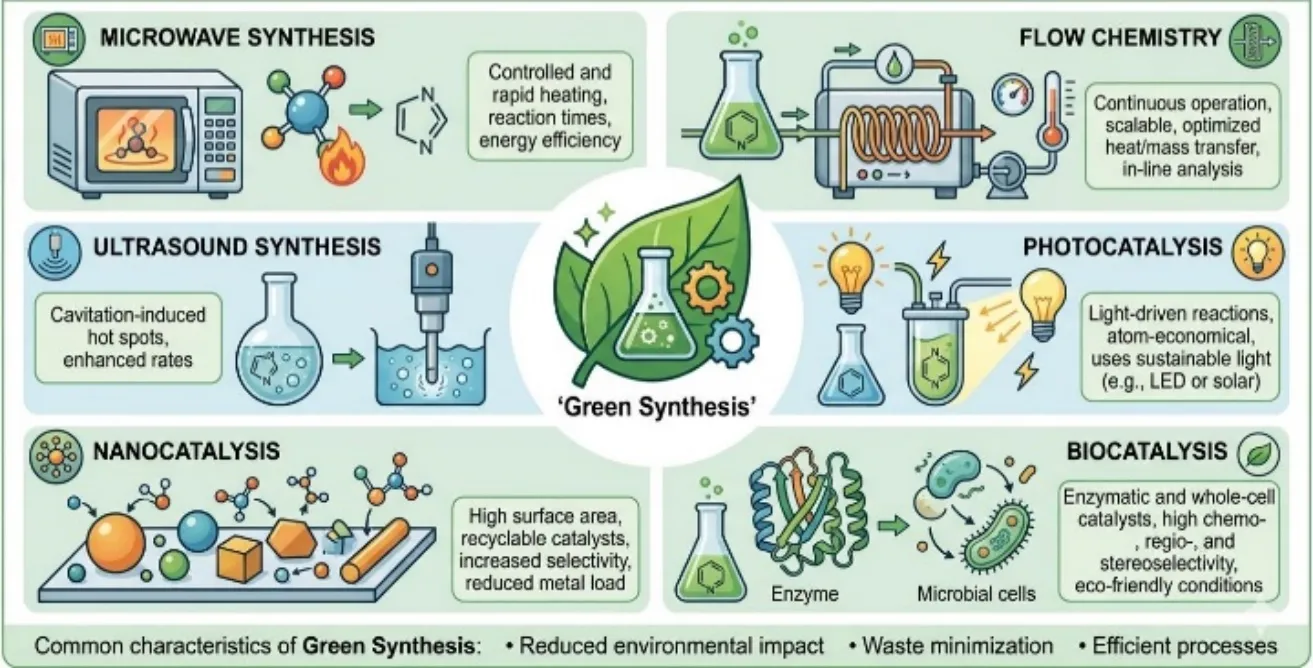
Figure 3: Green Synthetic Approaches for Heterocyclic Compounds
5. RECENT ADVANCES (2020–2026):
5.1 Recent Catalytic Developments
Recent years have witnessed significant advancements in green catalytic systems for heterocyclic synthesis, particularly involving transition-metal catalysis, photocatalysis, electrocatalysis, and organocatalysis [98]. Modern catalytic approaches provide improved selectivity, reduced reaction time, and enhanced atom economy under environmentally benign conditions. Metal-catalyzed cyclization reactions have become highly effective for constructing nitrogen-containing heterocycles with pharmaceutical importance [99]. Additionally, electrochemical and photoredox catalytic systems are increasingly utilized because they minimize the requirement for hazardous oxidizing and reducing agents [100].
5.2 AI-Assisted Green Synthesis
Artificial intelligence (AI) has emerged as a promising tool in sustainable chemical synthesis and catalyst optimization [101]. AI-based retrosynthetic analysis assists in predicting efficient synthetic pathways with reduced waste generation and improved process efficiency [102]. Machine learning models are also being applied in catalyst design, reaction optimization, and green solvent selection, thereby accelerating sustainable drug development and heterocyclic synthesis [103].
5.3 Hybrid Catalytic Systems
Hybrid catalytic systems combining photocatalysis, nanocatalysis, electrocatalysis, and biocatalysis have gained considerable attention in recent years [104]. These integrated systems improve catalytic efficiency, selectivity, and recyclability while minimizing environmental impact. Hybrid catalysts are increasingly utilized in multicomponent and one-pot heterocyclic syntheses because they provide sustainable and energy-efficient reaction conditions [98].
5.4 Sustainable Drug Synthesis Approaches
Sustainable pharmaceutical synthesis focuses on minimizing toxic reagents, reducing solvent consumption, and improving energy efficiency [105]. Green methodologies such as flow chemistry, microwave-assisted synthesis, solvent-free reactions, and biocatalysis are now widely employed in the synthesis of bioactive heterocyclic drugs [106]. Continuous processing and recyclable catalytic systems have further improved industrial-scale sustainable drug manufacturing.
5.5 Novel Green Methodologies Reported in Literature
Several novel green methodologies reported between 2020 and 2026 include visible-light photocatalysis, electrochemical heterocyclic synthesis, deep eutectic solvent systems, and catalyst-free multicomponent reactions [107]. Recent studies have also demonstrated the use of carbon dioxide as a sustainable C1 source for heterocyclic synthesis through photochemical and electrochemical approaches [108]. These innovative methodologies significantly reduce waste generation and enhance the sustainability of pharmaceutical synthesis.
|
Recent Advancement |
Major Benefit |
|
AI-assisted synthesis |
Reaction optimization |
|
Hybrid catalysis |
Improved efficiency |
|
Photoredox catalysis |
Mild reaction conditions |
|
Electrochemical synthesis |
Reduced chemical waste |
|
Flow chemistry |
Industrial scalability |
|
Deep eutectic solvents |
Green solvent system |
Table 6: Recent Advances in Green Heterocyclic Synthesis (2020–2026)
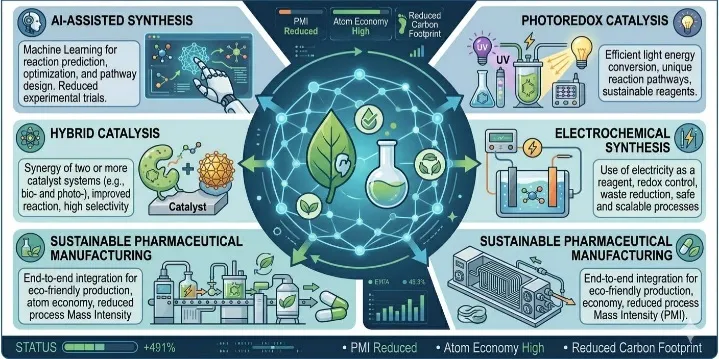
Figure 4: Recent Green Technological Advances in Heterocyclic Synthesis
6. PHARMACEUTICAL APPLICATIONS
6.1 Heterocyclic Drugs in Clinical Use
Heterocyclic compounds play an essential role in modern drug discovery and pharmaceutical therapy due to their diverse biological activities and favorable pharmacological properties [109]. A large number of clinically approved drugs contain heterocyclic scaffolds because these structures enhance receptor binding, metabolic stability, and therapeutic efficacy [110]. Nitrogen-, oxygen-, and sulfur-containing heterocycles are widely utilized in antimicrobial, anticancer, anti-inflammatory, and central nervous system drugs.
Examples
6.2 Green Synthesis in Pharmaceutical Manufacturing
Green synthesis has become increasingly important in pharmaceutical manufacturing because it reduces toxic waste generation, energy consumption, and environmental pollution [115]. Techniques such as microwave-assisted synthesis, flow chemistry, biocatalysis, and solvent-free reactions are now widely adopted in industrial drug synthesis [116]. The implementation of green methodologies improves process efficiency, safety, and sustainability while lowering manufacturing costs.
6.3 Industrial Applications
Green synthetic approaches are extensively applied in pharmaceutical industries for large-scale production of heterocyclic compounds [117]. Continuous flow processing, recyclable catalysts, and eco-friendly solvents have improved industrial productivity and minimized hazardous waste generation [118]. Nanocatalysis and biocatalysis are also gaining industrial importance because of their high selectivity and catalyst recyclability.
6.4 Regulatory and Environmental Perspectives
Regulatory agencies and environmental organizations strongly encourage the implementation of green chemistry principles in pharmaceutical production [119]. Guidelines focusing on waste minimization, safer solvents, sustainable manufacturing, and reduction of hazardous chemicals have promoted environmentally responsible drug synthesis [120]. Green pharmaceutical manufacturing not only reduces environmental impact but also improves compliance with international sustainability standards.
|
Drug |
Heterocyclic Scaffold |
Therapeutic Application |
|
Fluconazole |
Triazole |
Antifungal |
|
Diazepam |
Benzodiazepine |
Anxiolytic |
|
Celecoxib |
Pyrazole |
Anti-inflammatory |
|
Imatinib |
Pyrimidine derivative |
Anticancer |
Table 7: Pharmaceutical Applications of Heterocyclic Compounds
7. COMPARATIVE ANALYSIS
7.1 Conventional vs Green Synthetic Methods
Conventional synthetic methods used for heterocyclic synthesis generally involve hazardous organic solvents, toxic reagents, high energy consumption, and prolonged reaction times [121]. These methods often generate large amounts of chemical waste and may negatively impact the environment. In contrast, green synthetic approaches focus on eco-friendly solvents, recyclable catalysts, energy-efficient techniques, and waste minimization [122]. Green methods such as microwave-assisted synthesis, solvent-free reactions, and flow chemistry provide improved sustainability, higher efficiency, and safer reaction conditions.
7.2 Comparison Based on Different Parameters
Green synthetic approaches are increasingly preferred over conventional methods because they offer significant advantages in terms of yield, reaction time, toxicity reduction, operational cost, energy efficiency, and environmental safety [123].
Yield
Green synthetic methods generally provide higher product yield because of improved reaction selectivity and optimized catalytic conditions [124].
Reaction Time
Techniques such as microwave-assisted and ultrasound-assisted synthesis significantly reduce reaction time compared to conventional heating methods [125].
Toxicity
Green synthesis minimizes the use of hazardous solvents and toxic reagents, thereby improving laboratory and environmental safety [126].
Cost
Although some green technologies require initial investment, reduced solvent consumption, catalyst recyclability, and energy savings lower the overall production cost [127].
Energy Consumption
Modern green approaches such as microwave synthesis and flow chemistry consume less energy due to efficient heat transfer and controlled reaction conditions [128].
Environmental Impact
Green chemistry significantly reduces waste generation, pollution, and carbon emissions, making pharmaceutical synthesis more sustainable [129].
7.3 Comparative Tables and Case Studies
Several studies have demonstrated the superiority of green synthetic methods over conventional techniques in heterocyclic synthesis [130]. Microwave-assisted synthesis of imidazole and pyrimidine derivatives has shown shorter reaction times and higher yields compared to traditional reflux methods [131]. Similarly, solvent-free multicomponent reactions have demonstrated improved atom economy and reduced waste generation [132].
|
Parameter |
Conventional Methods |
Green Synthetic Methods |
|
Reaction Time |
Longer |
Shorter |
|
Product Yield |
Moderate |
Higher |
|
Solvent Use |
Toxic organic solvents |
Eco-friendly solvents |
|
Energy Consumption |
High |
Low |
|
Waste Generation |
More |
Minimal |
|
Environmental Impact |
Harmful |
Sustainable |
Table 8: Comparison Between Conventional and Green Synthetic Methods
8. CHALLENGES AND FUTURE PERSPECTIVES
8.1 Limitations of Current Green Methods
Despite significant advancements, several limitations are associated with current green synthetic approaches for heterocyclic compounds [133]. Some green methodologies require expensive catalysts, specialized equipment, or complex optimization procedures. In certain cases, green reactions may exhibit limited substrate compatibility and lower scalability compared to conventional methods [134]. Additionally, recovery and recycling of catalysts and solvents may sometimes reduce process efficiency.
8.2 Scale-Up Challenges
Scale-up of green synthetic methods from laboratory level to industrial production remains a major challenge [135]. Techniques such as microwave-assisted synthesis and photochemical reactions often face difficulties in maintaining uniform energy distribution during large-scale operations [136]. Continuous monitoring, reactor design, and process optimization are essential for achieving efficient industrial-scale green synthesis.
8.3 Industrial Adaptation Issues
Although green chemistry offers numerous environmental and economic benefits, industrial adaptation is sometimes limited by high initial investment costs and infrastructure requirements [137]. Pharmaceutical industries may require modification of existing manufacturing systems to accommodate green technologies such as flow chemistry, nanocatalysis, and biocatalysis [138]. Regulatory validation and process standardization also remain important challenges for industrial implementation.
8.4 Future Scope of Sustainable Pharmaceutical Synthesis
The future of sustainable pharmaceutical synthesis is expected to focus on waste-free reactions, renewable feedstocks, recyclable catalysts, and energy-efficient technologies [139]. Green approaches such as continuous flow processing, artificial intelligence-assisted synthesis, electrochemical synthesis, and biocatalysis are likely to play a major role in next-generation pharmaceutical manufacturing [140]. Increasing global emphasis on environmental sustainability will further accelerate the development of eco-friendly heterocyclic synthesis.
8.5 Emerging Trends in Green Medicinal Chemistry
Recent trends in green medicinal chemistry include visible-light photocatalysis, carbon dioxide utilization, deep eutectic solvents, and hybrid catalytic systems [141]. Artificial intelligence and machine learning are also emerging as powerful tools for reaction prediction, catalyst optimization, and sustainable drug design [142]. These innovative approaches are expected to improve efficiency, reduce environmental impact, and support the development of safer pharmaceutical products.
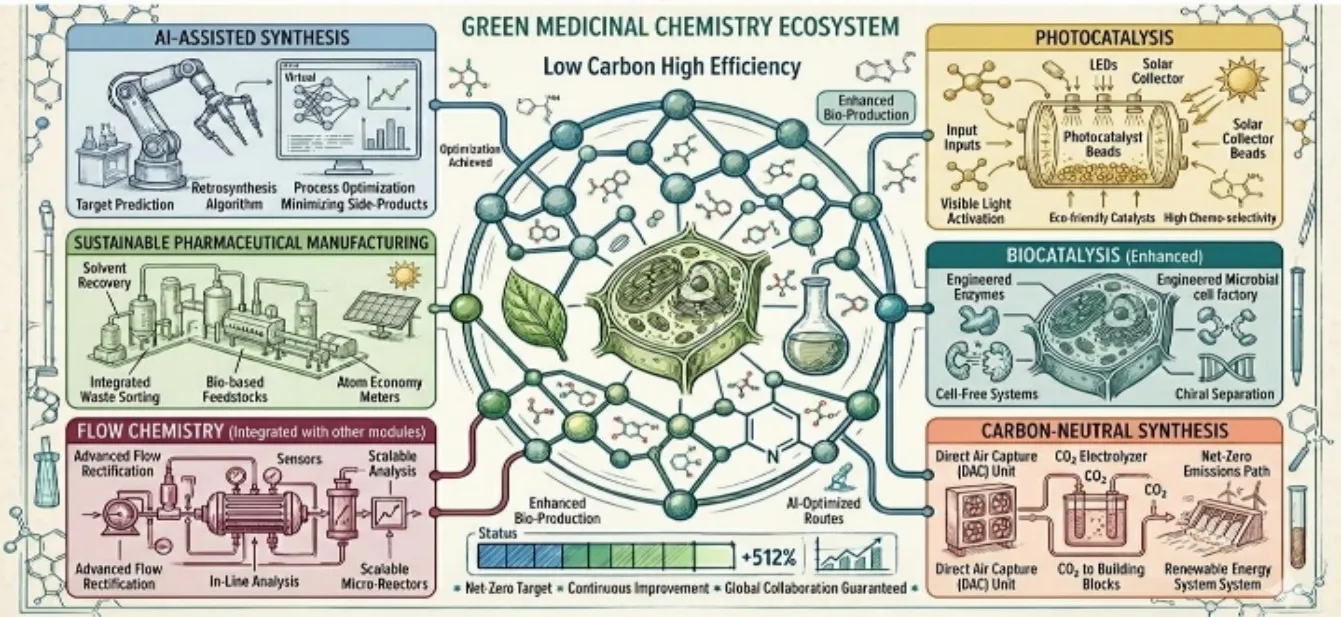
Figure 5: Future Perspectives of Green Medicinal Chemistry
CONCLUSION
Green synthetic approaches for bioactive heterocyclic compounds have emerged as highly important strategies in modern medicinal chemistry and sustainable pharmaceutical synthesis. Heterocyclic compounds continue to play a major role in drug discovery due to their wide range of biological activities including anticancer, antimicrobial, antiviral, anti-inflammatory, antidiabetic, and central nervous system activities. Conventional synthetic methods, although effective, are often associated with toxic solvents, high energy consumption, hazardous waste generation, and environmental pollution [145]. Therefore, the development of environmentally friendly synthetic methodologies has become essential for sustainable pharmaceutical manufacturing.
The present review highlights various green synthetic approaches including microwave-assisted synthesis, ultrasound-assisted synthesis, solvent-free synthesis, multicomponent reactions, nanocatalysis, biocatalysis, photocatalysis, electrochemical synthesis, and flow chemistry. These techniques offer several advantages such as reduced reaction time, improved product yield, lower toxicity, enhanced atom economy, energy efficiency, and minimized environmental impact. Recent advancements involving artificial intelligence-assisted synthesis, hybrid catalytic systems, and sustainable industrial processing have further strengthened the role of green chemistry in heterocyclic drug synthesis.
Green chemistry has significantly contributed to the development of safer, cost-effective, and sustainable pharmaceutical processes. The integration of recyclable catalysts, eco-friendly solvents, renewable feedstocks, and continuous processing technologies has improved industrial applicability and environmental safety. Furthermore, increasing regulatory emphasis on sustainable manufacturing is expected to accelerate the adoption of green methodologies in pharmaceutical industries worldwide.
In the future, sustainable pharmaceutical synthesis is expected to focus on carbon-neutral processes, artificial intelligence-driven reaction optimization, renewable energy utilization, and highly selective catalytic systems. Emerging technologies such as photoredox catalysis, electrochemical synthesis, deep eutectic solvents, and biocatalytic transformations are likely to play a major role in next-generation medicinal chemistry. Overall, green synthetic approaches provide a promising pathway toward environmentally responsible and economically sustainable heterocyclic drug development.
REFERENCES

Vaishnavi Jadhav*, Green Synthetic Approaches For Bioactive Heterocyclic Compounds: Recent Advances And Pharmaceutical Applications, Int. J. Sci. R. Tech., 2026, 3 (6), 372-391. https://doi.org/10.5281/zenodo.20555904
 10.5281/zenodo.20555904