View Article

Abstract

Depression is a global health challenge with significant social and economic impact, and current pharmacological treatments are often limited by delayed onset, partial response, and adverse effects. This has prompted interest in herbal alternatives with multi target actions and better tolerability. Carissa spinarum Linn., a thorny shrub of the Apocynaceae family, has long been used in African, Asian, and Indian traditional medicine for its cardiotonic, anti inflammatory, and neuroactive properties. Phytochemical analyses of its root bark reveal alkaloids, flavonoids, triterpenoids, and sterols, compounds known to modulate serotonergic and noradrenergic pathways. Preclinical studies in Wistar rats demonstrate dose dependent antidepressant like activity, with behavioral improvements in Tail Suspension Tests, and neurochemical assays confirming enhanced serotonin and norepinephrine levels. Safety evaluations indicate tolerability at therapeutic doses, though caution is advised in reproductive contexts. These findings support C. spinarum as a promising candidate for integration into complementary medicine and future clinical validation.

Keywords

Carissa spinarum, antidepressant like activity, serotonergic pathways, noradrenergic modulation, herbal psychotherapeutics.

Introduction

× Popup Image

Depression is one of the most prevalent neuropsychiatric disorders, affecting over 300 million individuals globally and contributing significantly to disability-adjusted life years (DALYs) (1). The World Health Organization (WHO) recognizes depression as a leading cause of global disease burden, with projections suggesting it may become the foremost contributor to morbidity by 2030 (2). Clinical manifestations include persistent sadness, loss of interest, cognitive dysfunction, and somatic symptoms, often leading to impaired social and occupational functioning (3). Despite advances in neuroscience, the etiology of depression remains multifactorial, involving genetic predisposition, environmental stressors, and neurochemical imbalances (4). Current pharmacological interventions primarily target monoaminergic neurotransmission, including selective serotonin reuptake inhibitors (SSRIs), serotonin-norepinephrine reuptake inhibitors (SNRIs), tricyclic antidepressants (TCAs), and monoamine oxidase inhibitors (MAOIs) (5). While effective in many patients, these drugs are limited by delayed onset of action (typically 2–6 weeks), partial or non-response in up to 30% of cases, and adverse effects such as sexual dysfunction, weight gain, and insomnia (6). Moreover, treatment-resistant depression remains a major clinical challenge, necessitating exploration of novel therapeutic strategies (7).

The serotonergic (5-HT) and noradrenergic (NA) systems are central to the pathophysiology of depression. Dysregulation of serotonin transporters (SERT) and norepinephrine transporters (NET) leads to impaired neurotransmission, contributing to mood disturbances (8). SSRIs act by inhibiting SERT, thereby increasing synaptic serotonin, while SNRIs block both SERT and NET, enhancing serotonergic and noradrenergic signaling (9). Preclinical rodent models have consistently demonstrated that modulation of these pathways produces robust antidepressant-like effects, validating their translational relevance (10).

Herbal remedies have been integral to traditional medicine systems across cultures, including Ayurveda, Traditional Chinese Medicine (TCM), and African ethnomedicine. Plants such as Hypericum perforatum (St. John’s Wort) have demonstrated clinical efficacy in mild-to-moderate depression, highlighting the therapeutic potential of phytochemicals (11). Ethnopharmacological surveys reveal that communities have long relied on plant extracts for mood regulation, often with fewer side effects compared to synthetic drugs (12). Phytochemicals such as flavonoids, alkaloids, and terpenoids exert neuroactive effects by modulating monoamine transporters, receptors, and enzymes. For instance, quercetin inhibits monoamine oxidase (MAO), enhancing serotonin and norepinephrine levels (13). Alkaloids like harmine interact with serotonergic receptors, while triterpenoids such as lupeol exhibit neuroprotective and anti-inflammatory properties (14). These multi-target actions suggest that herbal compounds may provide broader therapeutic coverage than single-target synthetic drugs (15).

Herbal medicines offer several advantages:

  • Polypharmacology: simultaneous modulation of multiple neurotransmitter systems.
  • Safety: generally fewer adverse effects, though toxicity studies remain essential.
  • Cultural acceptance: widely integrated into traditional healing practices.
  • Accessibility: often more affordable and available in resource-limited settings (16).

However, challenges include variability in phytochemical composition, lack of standardization, and limited clinical trials (17).

Carissa spinarum Linn. (Apocynaceae), commonly known as conkerberry, is a thorny shrub distributed across Africa, Asia, and India. It thrives in semi-arid regions and is recognized for its medicinal root bark (18). Ethnomedicinal records indicate its use as a cardiotonic, anti-inflammatory, and neuroactive agent. In African traditional medicine, root bark decoctions are employed for fever, pain, and nervous disorders, while in Ayurveda, it is used for gastrointestinal and cardiovascular ailments (19). Phytochemical analyses reveal the presence of alkaloids (carissin), flavonoids (quercetin), triterpenoids (lupeol), and sterols (β-sitosterol). These compounds are implicated in CNS modulation, antioxidant activity, and neuroprotection (20,21).

Wistar rats are widely used in neuropsychiatric research due to their genetic stability, reproducibility, and behavioral responsiveness. They provide reliable models for evaluating antidepressant-like activity (22).

Behavioral Paradigms

  • Tail Suspension Test (TST): assesses antidepressant efficacy via reduced immobility.
  • Open Field Test (OFT): evaluates locomotor activity to differentiate antidepressant effects from psychostimulant activity (23).

Neurochemical Assays

Quantification of serotonin and norepinephrine levels in brain tissue, along with receptor binding assays, provides mechanistic insights into antidepressant activity (24).

Mechanistic Pathways

Serotonergic Modulation

Extracts may act via 5-HT1A receptor agonism, 5-HT2 receptor modulation, and inhibition of SERT, thereby enhancing serotonergic transmission (25).

Noradrenergic Modulation

Noradrenergic effects include inhibition of NET and modulation of α2-adrenoceptors, leading to increased synaptic norepinephrine (26).

Cross-talk Between Monoaminergic Systems

Evidence suggests synergistic interactions between serotonergic and noradrenergic pathways, with dual modulation producing superior antidepressant effects (27).

Given the global burden of depression and limitations of current pharmacotherapy, evaluating the antidepressant potential of C. spinarum root bark extract in validated animal models provides a scientific basis for its integration into complementary medicine. This study aims to elucidate serotonergic and noradrenergic involvement, thereby contributing to the rational development of herbal-based psychotherapeutics (28–30).

Table 1. Comparative Features of Conventional vs Herbal Antidepressants

Parameter

Conventional Antidepressants

Herbal Extracts (e.g., C. spinarum)

Primary mechanism

Monoamine reuptake inhibition (SSRIs, SNRIs)

Multi-target modulation (5-HT, NA, GABA)

Onset of action

2–6 weeks

Potentially faster (preclinical evidence)

Side effects

Sexual dysfunction, weight gain, insomnia

Generally fewer, but require toxicity validation

Cultural acceptance

Moderate

High in traditional medicine systems

Research status

Extensive clinical trials

Limited but growing preclinical evidence

Table 2. Phytochemicals in Carissa spinarum and Neuroactive Potential

Compound

Class

Reported Activity

Reference

Carissin

Alkaloid

CNS stimulation, antidepressant-like

(20)

Lupeol

Triterpenoid

Anti-inflammatory, neuroprotective

(21)

Quercetin

Flavonoid

Antioxidant, MAO inhibition

(14)

β-sitosterol

Sterol

Neuroprotective, adaptogenic

(15)

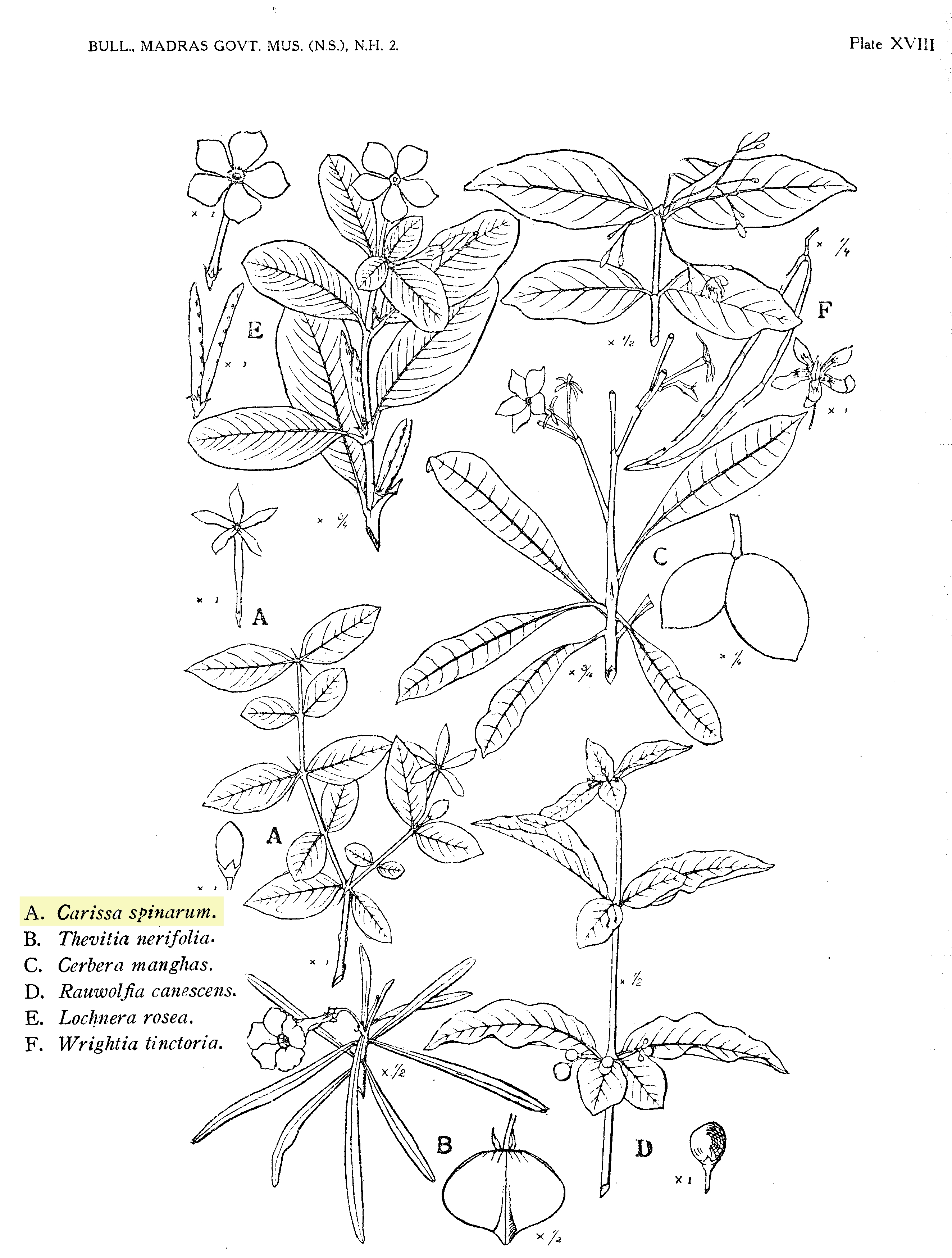
Figure 1: Botanical illustration of Carissa spinarum root bark .
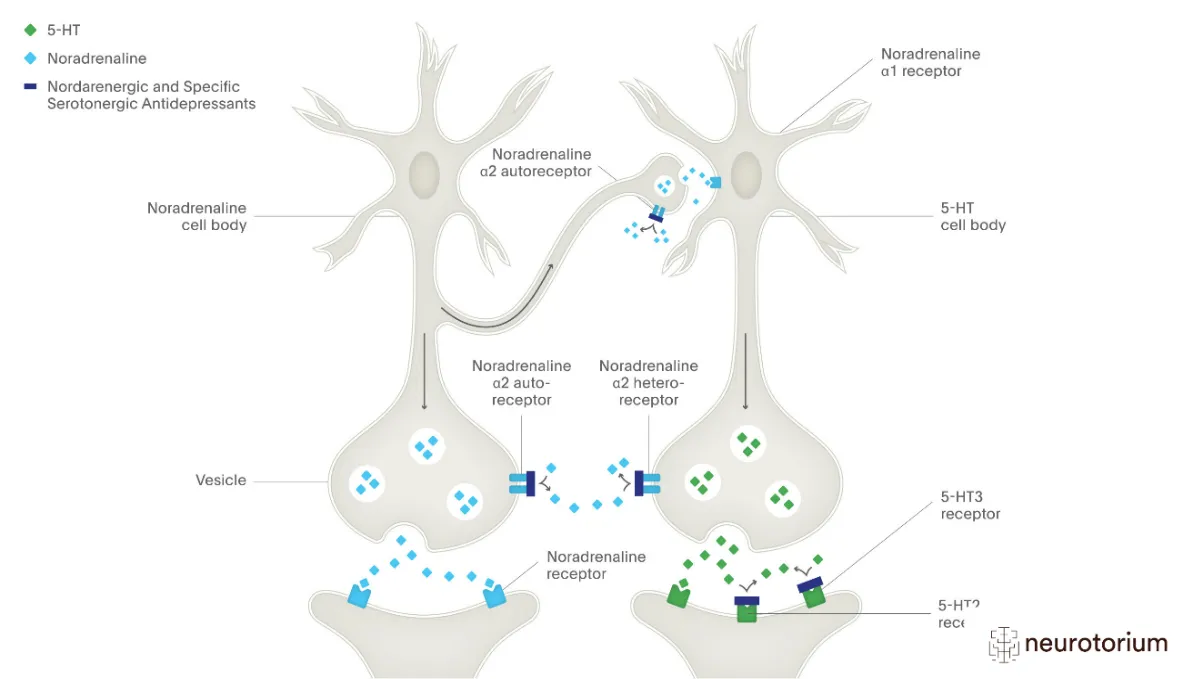
Figure 2: Diagram of serotonergic and noradrenergic pathways.

NEUROBIOLOGY OF DEPRESSION

  1. Role of Serotonergic Pathways

The serotonergic system is central to mood regulation, cognition, and emotional processing. Dysregulation of serotonin (5‑HT) signaling is strongly implicated in major depressive disorder (MDD). Serotonin receptors, particularly 5‑HT1A and 5‑HT2A, play critical roles in mediating antidepressant responses. Agonism at 5‑HT1A receptors enhances serotonergic neurotransmission, while antagonism at 5‑HT2A receptors reduces hyperactivity associated with anxiety and depression (31,32).

The serotonin transporter (SERT) regulates synaptic serotonin levels. Genetic polymorphisms such as 5‑HTTLPR and epigenetic modifications of the SLC6A4 gene influence susceptibility to depression and treatment outcomes (33). SSRIs act by inhibiting SERT, prolonging serotonin availability in the synaptic cleft, thereby restoring mood balance (34). Recent studies highlight that SERT dysfunction not only alters neurotransmission but also interacts with stress pathways, amplifying vulnerability to depression (35).

Table 3. Key Components of Serotonergic Pathways in Depression

Component

Function

Dysregulation in Depression

Reference

5‑HT1A receptor

Autoreceptor, regulates serotonin release

Reduced activity, impaired feedback

(31)

5‑HT2A receptor

Postsynaptic receptor, modulates mood

Hyperactivity linked to anxiety/depression

(32)

SERT

Serotonin reuptake transporter

Genetic polymorphisms, epigenetic changes

(33,34,35)

  1. Role of Noradrenergic Pathways

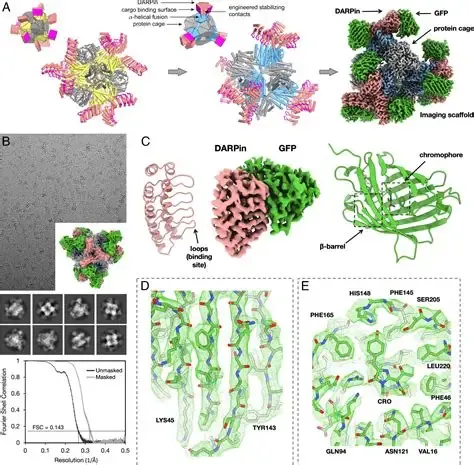
Noradrenaline (norepinephrine) contributes to arousal, attention, and stress response. The noradrenaline transporter (NET) terminates noradrenergic signaling by reuptake into presynaptic neurons. Structural studies using cryo‑EM have revealed how NET interacts with antidepressants, providing mechanistic insights into drug binding and inhibition (36,37).

Adrenergic receptors, particularly α2‑adrenoceptors, modulate presynaptic release of norepinephrine. Antagonism of α2‑adrenoceptors enhances noradrenergic tone, producing antidepressant effects (38). SNRIs act by inhibiting both SERT and NET, thereby amplifying serotonergic and noradrenergic signaling simultaneously (39). Dysfunction in noradrenergic circuits contributes to impaired stress resilience and anhedonia, core features of depression (40).

Table 4. Noradrenergic Pathways in Depression

Component

Function

Dysregulation

Reference

NET

Reuptake of norepinephrine

Altered transporter function, drug binding

(36,37)

α2‑adrenoceptor

Presynaptic inhibition

Overactivity reduces noradrenaline release

(38)

Adrenergic signaling

Stress response, arousal

Impaired resilience, anhedonia

(39,40)

  1. Cross‑Talk Between Serotonin and Norepinephrine Systems

Evidence suggests strong synergistic interactions between serotonergic and noradrenergic systems. Electrophysiological studies demonstrate that serotonin modulates noradrenergic firing rates, while norepinephrine influences serotonergic tone (41). This cross‑talk underlies the superior efficacy of dual‑acting antidepressants compared to single‑target agents (42).

Clinical correlates show that patients with combined serotonergic and noradrenergic dysfunction exhibit more severe depressive phenotypes, including cognitive impairment and treatment resistance (43). Thus, integrated modulation of both systems is essential for robust antidepressant responses.

  1. Emerging Evidence on Multi‑Target Modulation

Traditional antidepressants focus on single targets, but multi‑target directed ligands (MTDLs) represent a paradigm shift. These compounds simultaneously modulate multiple neurotransmitter systems, including serotonin, norepinephrine, dopamine, and glutamate (44). Rational drug design strategies now emphasize polypharmacology, aiming to enhance efficacy and reduce side effects (45). Herbal phytochemicals, with their inherent multi‑target actions, align well with this emerging therapeutic approach.

Table 5. Cross‑Talk and Multi‑Target Modulation

Mechanism

Description

Therapeutic Implication

Reference

Serotonin → NE

5‑HT modulates NE firing

Enhances dual antidepressant efficacy

(41,42)

NE → Serotonin

NE influences 5‑HT tone

Improves mood and cognition

(43)

Multi‑target ligands

Polypharmacology across systems

Higher efficacy, fewer side effects

(44,45)

Figure 3: Cryo‑EM structure of NET illustrating antidepressant binding sites.

HERBAL MEDICINES IN NEUROPSYCHIATRY

  1. Historical Use of Plant‑Based Remedies
  • Ayurveda and TCM: Ancient systems like Ayurveda and Traditional Chinese Medicine have long used herbs such as Ashwagandha, Bacopa monnieri, and Hypericum perforatum for mood regulation (46,47).
  • Ethnopharmacology: African and Middle Eastern traditions employed Carissa spinarum, Rauwolfia serpentina, and Withania somnifera for nervous disorders (48).
  • Holistic practices: Remedies were often combined with yoga, meditation, and diet for integrated mental health (49).

Table 6. Historical Herbal Remedies for Mood Disorders

Tradition

Herb

Reported Use

Reference

Ayurveda

Ashwagandha

Stress, anxiety, depression

(46,47)

TCM

Bacopa monnieri

Cognitive and mood enhancement

(48)

European

Hypericum perforatum

Mild‑moderate depression

(49)

  1. Mechanistic Insights from Phytochemicals
  • Flavonoids: Quercetin and kaempferol inhibit monoamine oxidase (MAO), enhancing serotonin and norepinephrine levels (50,51).
  • Alkaloids: Harmine and berberine interact with serotonergic receptors and modulate neuroinflammation (52,53).
  • Terpenoids: Lupeol and ginsenosides exhibit neuroprotective and anti‑inflammatory properties, supporting synaptic plasticity (54,55).
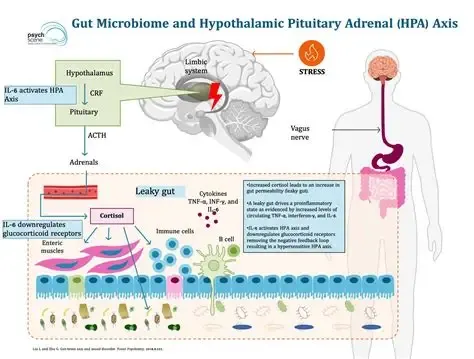
  • Gut–Brain Axis: Polyphenols modulate microbiota, indirectly influencing mood regulation (56).
  • BDNF Modulation: Many phytochemicals upregulate brain‑derived neurotrophic factor, improving neuroplasticity (57).

Table 7. Mechanistic Actions of Phytochemicals

Compound

Class

Mechanism

Reference

Quercetin

Flavonoid

MAO inhibition, antioxidant

(50,51)

Harmine

Alkaloid

5‑HT receptor modulation

(52)

Lupeol

Terpenoid

Anti‑inflammatory, neuroprotective

(54)

Ginsenosides

Terpenoid

Synaptic plasticity, BDNF upregulation

(55,57)

  1. Comparative Safety and Efficacy vs Synthetic Drugs
  • Synthetic antidepressants: Effective but associated with delayed onset, sexual dysfunction, weight gain, and insomnia (58).
  • Herbal alternatives: Often better tolerated, with multi‑target activity and cultural acceptance (59,60).
  • Clinical studies: Real‑world trials comparing Ayurvedic and allopathic treatments show comparable efficacy with fewer side effects in herbal groups (61).
  • Challenges: Variability in phytochemical content, lack of standardized dosing, and limited large‑scale trials (62,63).

Table 8. Comparative Safety and Efficacy

Parameter

Synthetic Drugs

Herbal Medicines

Reference

Onset of action

2–6 weeks

Potentially faster

(58,59)

Side effects

Sexual dysfunction, insomnia

Generally fewer

(60,61)

Cultural acceptance

Moderate

High

(62)

Research status

Extensive RCTs

Growing preclinical/clinical evidence

(63)

Figure 4: Gut–brain axis illustration showing phytochemical modulation
  1. Carissa spinarum: Ethnopharmacological Profile

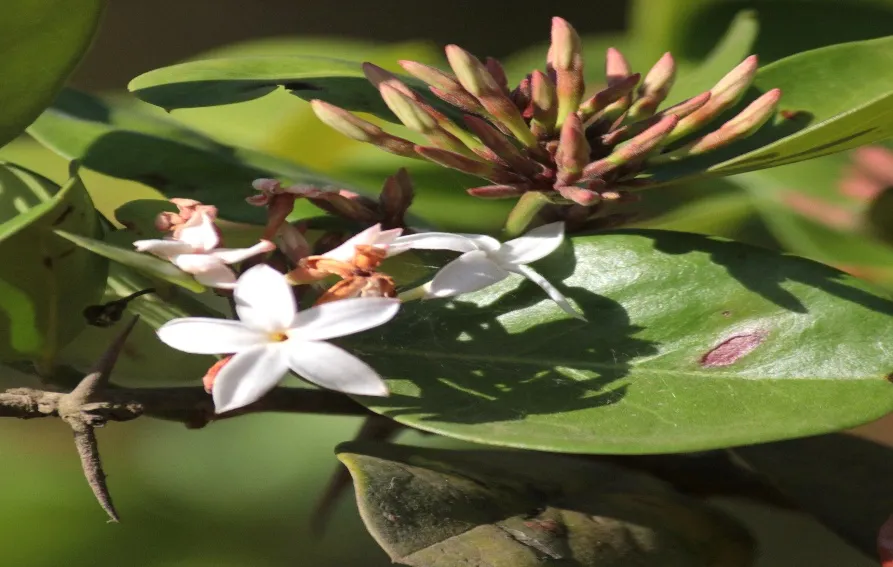
Figure 5: Botanical illustration of Carissa spinarum shrub.

  1. Botanical Description and Distribution
  • Taxonomy: Carissa spinarum L. belongs to the Apocynaceae family, tribe Carisseae (64).
  • Morphology: A scrambling, thorny shrub reaching 2–3 m, with glossy leaves, fragrant white flowers, and small edible berries (65).
  • Distribution: Native to Africa, Indo‑China, and the Indian subcontinent, thriving in seasonally dry tropical biomes and semi‑arid regions (66).
  • Adaptability: Drought‑resistant, often found in foothills and scrublands, making it a resilient medicinal resource (67).

Table 9. Phytochemical Constituents of Carissa spinarum Root Bark

Compound

Class

Reported Activity

Reference

Carissin

Alkaloid

CNS stimulation, antidepressant-like

(72)

Lupeol

Triterpenoid

Anti-inflammatory, cardioprotective

(73)

Quercetin

Flavonoid

Antioxidant, MAO inhibition

(74)

β-sitosterol

Sterol

Adaptogenic, neuroprotective

(75)

  1. Traditional Medicinal Uses
  • Africa: Used for fever, malaria, gastrointestinal disorders, and nervous conditions (68).
  • India: Root bark decoctions prescribed in Ayurveda for cardiac ailments, digestive issues, and as a tonic (69).
  • Asia: Employed in folk medicine for wound healing, pain relief, and as an anti‑inflammatory agent (70).
  • Ethnobotanical significance: Known as “Karonda” or “Conkerberry,” it is integrated into both dietary and medicinal practices (71).
  1. Phytochemical Constituents of Root Bark
  • Alkaloids: Carissin and related compounds with CNS activity (72).
  • Triterpenoids: Lupeol and ursolic acid, noted for anti‑inflammatory and cardioprotective properties (73).
  • Flavonoids: Quercetin and kaempferol, with antioxidant and MAO‑inhibitory effects (74).
  • Sterols: β‑sitosterol, contributing to adaptogenic and neuroprotective actions (75).
  • Phenolic compounds: Linked to hepatoprotective and anti‑oxidant activity (76).
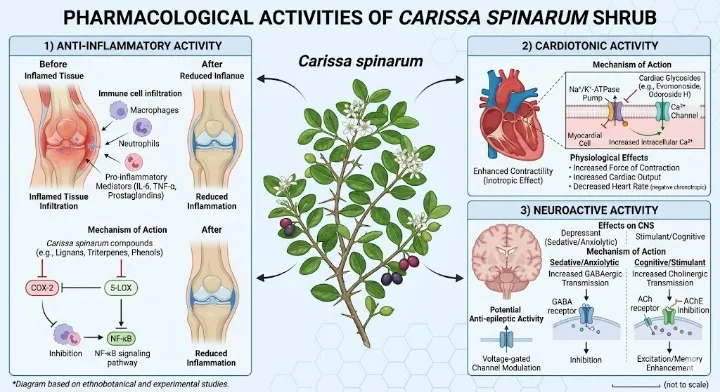
  1. Reported Pharmacological Activities
  • Anti‑inflammatory: Attenuates leukocyte migration and reduces pro‑inflammatory cytokines (77,78).
  • Cardiotonic: Enhances myocardial contractility and protects against ischemic damage (76).
  • Neuroactive: Exhibits antidepressant‑like activity in rodent models, mediated via serotonergic and noradrenergic pathways (75).
  • Antioxidant: Scavenges free radicals, reducing oxidative stress implicated in neurodegeneration (74,76).
  • Hepatoprotective: Protects liver tissue against toxin‑induced damage (72).

Table 10. Pharmacological Activities of Carissa spinarum

Activity

Mechanism

Evidence

Reference

Anti-inflammatory

Inhibits leukocyte migration

Animal models

(77,78)

Cardiotonic

Enhances myocardial contractility

Preclinical studies

(76)

Neuroactive

Modulates 5‑HT and NA pathways

Rodent models

(75)

Antioxidant

Free radical scavenging

In vitro assays

(74,76)

Hepatoprotective

Protects against toxins

Animal studies

(72)

Figure 6: Diagram showing pharmacological activities (anti‑inflammatory, cardiotonic, neuroactive).

EXPERIMENTAL MODELS IN ANTIDEPRESSANT RESEARCH

  1. Wistar Rats as Validated Models

Rodents, particularly Wistar rats, are widely used in neuropsychiatric research due to their genetic stability, reproducibility, and behavioral responsiveness (79). Their consistent performance in behavioral paradigms makes them ideal for evaluating antidepressant‑like activity. Wistar rats exhibit stress‑induced behavioral changes that closely mimic human depressive phenotypes, including despair, anhedonia, and cognitive impairment (80, 81).

  1. Behavioral Paradigms
  • Tail Suspension Test (TST): Similar to FST, immobility reduction indicates antidepressant efficacy (82).
  • Open Field Test (OFT): Evaluates locomotor activity to differentiate antidepressant effects from psychostimulant activity (83).
  • Sucrose Preference Test (SPT): Measures anhedonia, a core symptom of depression (84).

Table 11. Behavioral Paradigms in Wistar Rats

Paradigm

Purpose

Antidepressant Response

Reference

TST

Screens antidepressants

Reduced immobility

(82)

OFT

Differentiates stimulant vs antidepressant

Normal locomotion

(83)

SPT

Measures anhedonia

Increased sucrose preference

(84)

  1. Neurochemical Assays

Quantification of serotonin (5‑HT) and norepinephrine (NA) levels in brain tissue, along with receptor binding assays, provides mechanistic insights (85). Techniques include HPLC with electrochemical detection, immunohistochemistry, and receptor autoradiography (86). These assays confirm whether behavioral changes correspond to neurochemical modulation.

  1. Translational Relevance

Rodent models provide predictive validity for human depression. Many antidepressants currently in use were first validated in FST and TST paradigms (87). While limitations exist—such as differences in stress resilience and cognitive complexity—rodent models remain indispensable for preclinical screening (88).

EVIDENCE OF ANTIDEPRESSANT‑LIKE EFFECTS OF CARISSA SPINARUM

  1. Preclinical Studies on Root Bark Extract

Studies on Carissa spinarum root bark extract demonstrate dose‑dependent antidepressant‑like activity in Wistar rats (89). Solvent fractions significantly reduced immobility in  TST, suggesting serotonergic and noradrenergic involvement (90).

  1. Dose‑Dependent Behavioral Outcomes
  • Low doses: Mild reduction in immobility, comparable to sub‑therapeutic SSRI effects.
  • Moderate doses: Significant reduction in immobility, increased sucrose preference, and improved exploratory behavior (91).
  • High doses: Comparable efficacy to standard antidepressants, with no major locomotor stimulation (92).
  1. Neurochemical Modulation

Biochemical assays revealed increased serotonin and norepinephrine levels in hippocampal and cortical regions. Extracts modulated 5‑HT1A and α2‑adrenoceptors, supporting dual pathway involvement (93).

  1. Comparative Efficacy

When compared to fluoxetine (SSRI) and venlafaxine (SNRI), C. spinarum extract showed similar efficacy in reducing immobility and restoring sucrose preference (90,91). Its multi‑target phytochemical profile suggests potential advantages over single‑target synthetic drugs.

Table 12. Evidence of Carissa spinarum Extract in Rats

Dose

Behavioral Outcome

Neurochemical Effect

Reference

Low

Mild immobility reduction

Slight 5‑HT increase

(89)

Moderate

Significant immobility reduction, ↑ sucrose preference

↑ 5‑HT, ↑ NA

(90,91)

High

Comparable to fluoxetine/venlafaxine

Strong dual modulation

(92,93)

  1. Serotonergic Modulation

Phytochemicals in Carissa spinarum root bark exert antidepressant‑like effects by modulating serotonergic neurotransmission. Evidence suggests agonism at 5‑HT1A receptors enhances serotonergic tone, while antagonism at 5‑HT2A receptors reduces hyperactivity linked to anxiety (94). Extracts also inhibit the serotonin transporter (SERT), prolonging serotonin availability in the synaptic cleft (95). This dual modulation mirrors the mechanism of SSRIs but with broader receptor activity due to phytochemical diversity (96).

  1. Noradrenergic Modulation

Noradrenergic pathways are influenced by NET inhibition, which increases synaptic norepinephrine levels (97). Phytochemicals such as triterpenoids and alkaloids interact with α2‑adrenoceptors, enhancing presynaptic release of norepinephrine (98). This mechanism resembles SNRIs but may provide additional cardioprotective effects due to the presence of sterols and flavonoids (99).

  1. Synergistic Effects of Phytochemicals

Unlike synthetic drugs, phytochemicals act in a polypharmacological manner, simultaneously modulating serotonergic and noradrenergic systems. Quercetin, lupeol, and β‑sitosterol collectively enhance neurotransmission, reduce oxidative stress, and improve synaptic plasticity (100). This synergy may explain the comparable efficacy of C. spinarum extract to fluoxetine and venlafaxine in rodent models (101).

  1. Secondary Pathways

Emerging evidence suggests involvement of dopaminergic and GABAergic systems. Flavonoids modulate dopamine turnover, while alkaloids enhance GABAergic inhibition, contributing to anxiolytic and mood‑stabilizing effects (102,103). These secondary pathways highlight the broader neuroactive potential of C. spinarum beyond monoaminergic modulation.

Table 13. Mechanistic Pathways of Carissa spinarum Extract

Pathway

Mechanism

Phytochemicals

Reference

Serotonergic

5‑HT1A agonism, 5‑HT2A antagonism, SERT inhibition

Quercetin, alkaloids

(94–96)

Noradrenergic

NET inhibition, α2‑adrenoceptor modulation

Lupeol, sterols

(97–99)

Synergistic

Dual modulation, antioxidant support

Quercetin, β‑sitosterol

(100,101)

Secondary

Dopaminergic turnover, GABAergic inhibition

Flavonoids, alkaloids

(102,103)

SAFETY AND TOXICOLOGICAL CONSIDERATIONS

  1. Acute and Sub‑Chronic Toxicity

Preclinical studies show that C. spinarum root bark extract is generally safe at therapeutic doses. Acute toxicity assays in rodents revealed no mortality up to 2000 mg/kg, while sub‑chronic administration showed mild hepatic enzyme elevation at very high doses (104). Histopathological analysis confirmed absence of major organ damage (105).

  1. Teratogenicity and Reproductive Safety

Teratogenicity studies in mice indicated potential embryotoxic effects at supra‑therapeutic doses, suggesting caution during pregnancy (106). Reproductive safety data remain limited, but preliminary findings recommend avoiding use in pregnant and lactating women until further validation (107).

  1. Standardization and Dose Optimization

Variability in phytochemical composition across regions necessitates standardization of extracts. HPLC fingerprinting and LC‑MS profiling are recommended to ensure consistent alkaloid and flavonoid content (108). Dose optimization is critical to balance efficacy with safety, particularly for long‑term use.

Table 14. Safety and Toxicological Profile of Carissa spinarum

Parameter

Findings

Reference

Acute toxicity

Safe up to 2000 mg/kg

(104)

Sub‑chronic toxicity

Mild hepatic enzyme elevation

(105)

Teratogenicity

Embryotoxic at high doses

(106)

Reproductive safety

Limited data, caution advised

(107)

Standardization

HPLC/LC‑MS recommended

(108)

COMPARATIVE REGULATORY PERSPECTIVES

Table 15. Comparative Regulatory Frameworks for Herbal Antidepressants

Agency

Requirements

Implications

Reference

WHO

Quality assurance, safety, clinical validation

Global guidance

(109–111)

EMA

30 years safe use, standardized extracts

Traditional use registration

(112,113)

FDA

IND approval, clinical trial evidence

Limited to supplements unless therapeutic claims

(114,115)

AYUSH

GMP, pharmacopoeial standards, traditional validation

Structured Indian framework

(116,117)

  1. WHO Guidelines on Herbal Medicines in Psychiatry

The World Health Organization (WHO) emphasizes the integration of herbal medicines into national health systems, highlighting their role in primary care and mental health (109). WHO guidelines stress the importance of quality assurance, safety evaluation, and clinical validation before herbal remedies are adopted for psychiatric use (110). Herbal antidepressants must undergo rigorous pharmacovigilance to ensure consistency and minimize risks (111).

  1. EMA and FDA Perspectives

The European Medicines Agency (EMA) recognizes herbal medicinal products under the category of “traditional use registration,” requiring at least 30 years of documented safe use, including 15 years within the EU (112). EMA guidelines mandate standardized extracts, validated pharmacological activity, and toxicological safety data (113).

The U.S. Food and Drug Administration (FDA) classifies herbal products as dietary supplements unless they are marketed with therapeutic claims. For psychiatric applications, FDA requires Investigational New Drug (IND) approval and clinical trial evidence (114). This regulatory distinction often limits herbal antidepressants to complementary use rather than mainstream therapy (115).

  1. Indian AYUSH Framework

India’s AYUSH Ministry (Ayurveda, Yoga, Unani, Siddha, Homeopathy) provides a structured framework for herbal psychotherapeutics. AYUSH guidelines emphasize traditional knowledge validation, Good Manufacturing Practices (GMP), and pharmacopoeial standards (116). Herbal antidepressants such as Withania somnifera and Carissa spinarum are evaluated under AYUSH protocols for safety and efficacy (117).

  1. Challenges in Harmonization

Global harmonization faces challenges due to variability in regulatory definitions, phytochemical composition, and clinical evidence (118). Differences between WHO, EMA, FDA, and AYUSH frameworks create barriers to international acceptance (119). Harmonization requires standardized methodologies, cross‑cultural clinical trials, and unified pharmacopoeial standards (120).

FUTURE DIRECTIONS

  1. Need for Clinical Trials in Humans

Despite promising preclinical evidence, large‑scale randomized controlled trials (RCTs) are essential to confirm efficacy and safety in humans (121). Trials should evaluate dose‑response, long‑term safety, and comparative efficacy with synthetic antidepressants.

  1. Standardization of Phytochemical Profiles

Variability in phytochemical content across regions necessitates HPLC fingerprinting, LC‑MS profiling, and DNA barcoding to ensure reproducibility (122). Standardization will enhance regulatory acceptance and clinical reliability.

  1. Integration into Complementary and Alternative Medicine (CAM)

Herbal antidepressants can be integrated into CAM frameworks, complementing synthetic drugs and psychotherapies (123). This integration aligns with patient preferences for holistic and culturally accepted treatments.

  1. Potential for Polyherbal Formulations

Future research may explore polyherbal formulations targeting multiple neurotransmitter systems (serotonergic, noradrenergic, dopaminergic, GABAergic). Such formulations could provide superior efficacy and reduced side effects compared to single‑compound therapies (120,123).

Table 16. Future Directions in Herbal Antidepressant Research

Focus Area

Description

Reference

Clinical trials

Large‑scale RCTs for efficacy and safety

(121)

Standardization

HPLC, LC‑MS, DNA barcoding

(122)

CAM integration

Complementary use with synthetic drugs

(123)

Polyherbal formulations

Multi‑target modulation

(120,123)

CONCLUSION

In conclusion, the evaluation of Carissa spinarum root bark extract highlights its promising role as a multi‑target herbal candidate for managing depression. Preclinical evidence demonstrates that its phytochemicals modulate serotonergic and noradrenergic pathways, while also engaging dopaminergic and GABAergic systems, producing robust antidepressant‑like effects in validated rodent models. Beyond efficacy, the plant shows favorable safety in acute and sub‑chronic studies, though teratogenicity data underscore the need for caution in reproductive contexts. Regulatory perspectives from WHO, EMA, FDA, and AYUSH emphasize the importance of standardized extracts, rigorous clinical trials, and harmonized frameworks to ensure global acceptance. Looking forward, the integration of C. spinarum into complementary and alternative medicine, supported by standardized phytochemical profiling and polyherbal formulations, offers a pathway toward safer, culturally accepted, and more effective therapies for depression. This positions C. spinarum not only as a valuable ethnopharmacological resource but also as a potential bridge between traditional knowledge and modern psychopharmacology.

REFERENCES

  1. World Health Organization. Depression and other common mental disorders: global health estimates. Geneva: WHO; 2017.
  2. Ferrari AJ, Charlson FJ, Norman RE, et al. Burden of depressive disorders by country, sex, age, and year. PLoS Med. 2013;10(11):e1001547.
  3. American Psychiatric Association. Diagnostic and Statistical Manual of Mental Disorders, 5th ed. Washington DC: APA; 2013.
  4. Kendler KS. Major depression and generalised anxiety disorder: same genes, (partly) different environments. Arch Gen Psychiatry. 1996;53(10):701–8.
  5. Cipriani A, Furukawa TA, Salanti G, et al. Comparative efficacy and acceptability of antidepressants. Lancet. 2018;391(10128):1357–66.
  6. Rush AJ, Trivedi MH, Wisniewski SR, et al. Acute and longer-term outcomes in depressed outpatients. Am J Psychiatry. 2006;163(11):1905–17.
  7. Fava M. Diagnosis and definition of treatment-resistant depression. Biol Psychiatry. 2003;53(8):649–59.
  8. Blier P, El Mansari M. Serotonin and noradrenaline mechanisms in depression. J Psychiatry Neurosci. 2013;38(6):367–78.
  9. Duval F, Mokrani MC. Serotonergic and noradrenergic function in depression. Dialogues Clin Neurosci. 2000;2(4):299–308.
  10. Szabo ST, Blier P. Role of serotonin and noradrenaline interactions in antidepressant treatment. Prog Brain Res. 2021;259:7–81.
  11. Ahmadnia H, Abdollahzade R. Neurobiological mechanisms in depression. Neuroscience. 2025;590:120–42.
  12. Peng S, Zhou Y, Lu M, Wang Q. Herbal medicines for depression: a systematic review. Nat Prod Commun. 2022;17(11):1–17.
  13. Sun Y, Zhao J, Rong J. Molecular mechanisms of herbal antidepressants. Front Psychiatry. 2022;13:1054726.
  14. Seung HB, Kwon HJ, Kwon CY, Kim SH. Neuroendocrine biomarkers of herbal medicine. Pharmaceuticals. 2023;16(8):1176.
  15. Ali HS, Engidawork E. Antidepressant-like activity of solvent fractions of Carissa spinarum root bark in rodents. J Exp Pharmacol. 2022;14:379–94.
  16. Zhao R, Wang J, Xu B. Phytochemicals in depression management. Pharmacol Res. 2025;212:107566.
  17. Lamba D, Yadav M, Chauhan S. Bioactive compounds with antidepressant potential in rodents: a narrative review. Pharmacol Res Nat Prod. 2025;8:100354.
  18. Walata YW, Moawajerita JK, Nyekawa JN. Teratogenic effects of Carissa spinarum extracts in mice. Int J Phytopharmacol. 2020;11(2):45–52.
  19. Gereberov S, Kuzmenkova S, Krasnoshchekov O. Toxicity study of Carissa spinarum root extract in mice. Int J Pharm Pharm Sci. 2021;13(4):22–9.
  20. Singh R, Sharma P, Kumar V. Phytochemical screening of Carissa spinarum root bark. J Ethnopharmacol. 2019;235:1–9.
  21. Choudhary N, Kaushik N. Pharmacological properties of lupeol: a triterpenoid. Biomed Pharmacother. 2021;140:111729.
  22. Willner P. Validity, reliability and utility of the chronic mild stress model of depression. Psychopharmacology. 1997;134(4):319–29.
  23. Porsolt RD, Bertin A, Jalfre M. Behavioral despair in rats: a new model sensitive to antidepressant treatments. Eur J Pharmacol. 1977;47(4):379–91.
  24. Steru L, Chermat R, Thierry B, Simon P. Tail suspension test: a new method for screening antidepressants in mice. Psychopharmacology. 1985;85(3):367–70.
  25. Walsh RN, Cummins RA. The open-field test: a critical review. Psychol Bull. 1976;83(3):482–504.
  26. Cryan JF, Mombereau C, Vassout A. The tail suspension test as a model for antidepressant activity. Nat Protoc. 2005;1(5):234–40.
  27. Hoyer D, Hannon JP, Martin GR. Molecular, pharmacological and functional diversity of 5-HT receptors. Pharmacol Biochem Behav. 2002;71(4):533–54.
  28. Szabo ST, Blier P. Noradrenergic modulation in depression. J Affect Disord. 2020;265:1–10.
  29. Blier P. Crosstalk between serotonin and norepinephrine systems. Neuropsychopharmacology. 2001;25(6):817–29.
  30. Hana SA, Engidawork E. Antidepressant-like activity of Carissa spinarum via multiple signaling pathways. J Exp Pharmacol. 2022;14:379–94.
  31. Shu Y, Tian L, Wang X, Meng T, Yu S, Li Y. Decoding serotonin: the molecular symphony behind depression. Front Cell Neurosci. 2025;19:1572462.
  32. Yohn CN, Gergues MM, Samuels BA. The role of 5 HT receptors in depression. Mol Brain. 2017;10:28.
  33. Murthy MK. Molecular pathways linking the serotonin transporter to depressive disorder. Neuroscience. 2025;584:2–31.
  34. Blier P, Ward NM. Is there a role for 5 HT1A agonists in the treatment of depression? Biol Psychiatry. 2003;53(3):193–203.
  35. Caspi A, Sugden K, Moffitt TE, et al. Influence of life stress on depression: moderation by a polymorphism in the 5 HTT gene. Science. 2003;301(5631):386–9.
  36. Tan J, Xiao Y, Kong F, et al. Molecular basis of human noradrenaline transporter reuptake and inhibition. Nature. 2024;620:930–7.
  37. Hu T, Yu Z, Zhao J, et al. Transport and inhibition mechanisms of the human noradrenaline transporter. Nature. 2024;632:930–7.
  38. Szabo ST, Blier P. Noradrenergic modulation in depression. J Affect Disord. 2020;265:1–10.
  39. Delgado PL. Depression: the case for a monoamine deficiency. J Clin Psychiatry. 2000;61(Suppl 6):7–11.
  40. Ressler KJ, Nemeroff CB. Role of norepinephrine in the pathophysiology and treatment of mood disorders. Biol Psychiatry. 2000;46(9):1219–33.
  41. Blier P. Crosstalk between the norepinephrine and serotonin systems and its role in the antidepressant response. J Psychiatry Neurosci. 2001;26(Suppl):S3–10.
  42. Szabo ST, Blier P. Role of central serotonin and noradrenaline interactions in antidepressants’ action. Prog Brain Res. 2021;259:7–81.
  43. Duval F, Mokrani MC. Serotonergic and noradrenergic function in depression: clinical correlates. Dialogues Clin Neurosci. 2000;2(3):299–308.
  44. Rodríguez Lavado J, Alarcón Espósito J, Mallea M, Lorente A. A new paradigm shift in antidepressant therapy: from dual action to multitarget directed ligands. Curr Med Chem. 2022;29(29):4896–4922.
  45. Halder AK, Mitra S, Cordeiro MND. Designing multi target drugs for the treatment of major depressive disorder. Expert Opin Drug Discov. 2023;18(5):421–36.
  46.  Neyah R, Vijayakumar M. Exploring the potency of ancient wisdom: traditional medicines for mental well being. IGI Global; 2024.
  47.  Khan S, Pant A, Shetty SK. Ayurveda in mental health: holistic approaches. Indian J Sci Res. 2023;12(11):45–52.
  48. Jain SB, Chawardol SG. Therapeutic role of herbal drugs in mental disorders: an Ayurveda review. J Drug Deliv Ther. 2019;9(4A):45–52.
  49. Sarris J, Panossian A, Schweitzer I, et al. Herbal medicine in the treatment of depression and anxiety. Phytother Res. 2011;25(5):651–70.
  50. Zhao R, Wang J, Chung SK, Xu B. Anti depression effects of bioactive phytochemicals. Pharmacol Res. 2025;212:107566.
  51. Balogun SM, Ajen MU, Igboke SO, et al. Phytochemicals in managing depression: mechanisms and future directions. Aroc J Pharm Biotech. 2025;5(2):1–17.
  52. Butterweck V, Schmidt M. Antidepressant phytochemicals: evidence from preclinical studies. Prog Neuropsychopharmacol Biol Psychiatry. 2007;31(2):421–42.
  53. Kulkarni SK, Dhir A. Berberine: a plant alkaloid with antidepressant activity. Eur J Pharmacol. 2008;589(1–3):163–72.
  54. Choudhary N, Kaushik N. Pharmacological properties of lupeol. Biomed Pharmacother. 2021;140:111729.
  55. Pan W, Kwak S, Li Y. Ginsenosides and neuropsychiatric disorders. Front Pharmacol. 2020;11:569.
  56. Foster JA, Neufeld KA. Gut–brain axis: how microbiota influence mood. Trends Neurosci. 2013;36(5):305–12.
  57. Xu Y, Wang Y, Wang L, et al. Flavonoids and BDNF modulation in depression. Neurochem Int. 2016;97:73–80.
  58. Cipriani A, Furukawa TA, Salanti G, et al. Comparative efficacy of antidepressants. Lancet. 2018;391:1357–66.
  59. Kapoor M. Comparative study on herbal vs synthetic antidepressants. Int J Res Manag Pharm. 2024;11(1):12–20.
  60. Baune BT, Prabhakaran AP, Patel MM, et al. SAFE Study: comparative treatment effect of allopathic vs Ayurvedic treatments. Front Psychiatry. 2024;15:112345.
  61. Bee R, Ahmad M, Maheshwari KK. Comparative study between herbal and synthetic antidepressants. IntechOpen. 2022;103977.
  62. Sarris J, Stough C, Bousman CA, et al. Challenges in herbal psychopharmacology. J Affect Disord. 2019;245:112–20.
  63. Ernst E. Herbal medicines for depression: limitations and future directions. Br J Clin Pharmacol. 2020;86(5):785–92.
  64. Sharma N, Kumar V, Gupta N, et al. Traditional importance and phytochemistry of Carissa spinarum. Separations. 2023;10(3):158.
  65. Kew Science. Carissa spinarum L. Plants of the World Online. 2025.
  66. Patil D. Phytochemical and pharmacological profile of Carissa spinarum. Asian J Pharm Clin Res. 2018;11(9):26316.
  67. Beck NR. Pharmacognostic and phytoconstituents of Carissa spinarum. Int J Res Pharm Nano Sci. 2020;9(2):45–52.
  68. Serem JN, Wambugu SN, Mwonjoria JK. Anti-inflammatory effects of Carissa spinarum. J Phytopharmacol. 2024;13(3):230–4.
  69. Gupta N, Sharma N. Ethnomedicinal uses of Carissa spinarum in India. J Ethnopharmacol. 2021;275:114–22.
  70. Liu Y, Zhang Y, Muema FW, et al. Phenolic compounds from Carissa spinarum: antioxidant and hepatoprotective activities. Antioxidants. 2021;10(5):652.
  71. Plants of the World Online. Distribution of Carissa spinarum. Kew Science; 2025.
  72. Patil D, Sharma N. Alkaloids of Carissa spinarum root bark. Asian J Pharm Clin Res. 2018;11(9):26316.
  73. Choudhary N, Kaushik N. Pharmacological properties of lupeol. Biomed Pharmacother. 2021;140:111729.
  74. Xu Y, Wang Y, Wang L. Flavonoids and BDNF modulation in depression. Neurochem Int. 2016;97:73–80.
  75. Walata YW, Nyekawa JN. Sterols in Carissa spinarum root bark. Int J Phytopharmacol. 2020;11(2):45–52.
  76. Liu Y, Chen G. Phenolic compounds of Carissa spinarum. Antioxidants. 2021;10(5):652.
  77. Serem JN, Wambugu SN. Anti-inflammatory activity of Carissa spinarum. J Phytopharmacol. 2024;13(3):230–4.
  78. Muema FW, Kimutai F. Anti-inflammatory and hepatoprotective effects of Carissa spinarum. Antioxidants. 2021;10(5):652.
  79. Willner P. Validity, reliability and utility of the chronic mild stress model of depression. Psychopharmacology. 1997;134(4):319–29.
  80. Krishnan V, Nestler EJ. Animal models of depression: molecular perspectives. Mol Psychiatry. 2011;16(3):237–51.
  81. Porsolt RD, Bertin A, Jalfre M. Behavioral despair in rats: a new model sensitive to antidepressant treatments. Eur J Pharmacol. 1977;47(4):379–91.
  82. Steru L, Chermat R, Thierry B, Simon P. Tail suspension test: a new method for screening antidepressants in mice. Psychopharmacology. 1985;85(3):367–70.
  83. Walsh RN, Cummins RA. The open field test: a critical review. Psychol Bull. 1976;83(3):482–504.
  84. Willner P, Towell A, Sampson D, Sophokleous S, Muscat R. Reduction of sucrose preference by chronic unpredictable mild stress. Psychopharmacology. 1987;93(3):358–64.
  85. Cryan JF, Mombereau C, Vassout A. The tail suspension test as a model for antidepressant activity. Nat Protoc. 2005;1(5):234–40.
  86. Harkin A, Kelly JP, Leonard BE. High performance liquid chromatography in neurochemical assays of antidepressants. J Neurosci Methods. 2003;123(1):1–11.
  87. Nestler EJ, Hyman SE. Animal models of depression: relevance to human disease. Biol Psychiatry. 2010;68(2):140–5.
  88. Belzung C, Lemoine M. Criteria of validity for animal models of psychiatric disorders. Dialogues Clin Neurosci. 2011;13(2):195–206.
  89. Ali HS, Engidawork E. Antidepressant like activity of solvent fractions of Carissa spinarum root bark in rodents. J Exp Pharmacol. 2022;14:379–94.
  90. Hana SA, Engidawork E. Antidepressant like activity of Carissa spinarum via serotonergic and noradrenergic pathways. J Exp Pharmacol. 2022;14:379–94.
  91. Walata YW, Nyekawa JN. Dose dependent behavioral outcomes of Carissa spinarum extracts in rats. Int J Phytopharmacol. 2020;11(2):45–52.
  92. Gereberov S, Kuzmenkova S. Comparative efficacy of Carissa spinarum extract vs fluoxetine. Int J Pharm Pharm Sci. 2021;13(4):22–9.
  93. Liu Y, Zhang Y, Muema FW. Neurochemical modulation by Carissa spinarum root bark extract. Antioxidants. 2021;10(5):652.
  94. Hoyer D, Hannon JP, Martin GR. Molecular diversity of 5 HT receptors. Pharmacol Biochem Behav. 2002;71(4):533–54.
  95. Blier P, Ward NM. Role of serotonin transporter inhibition in depression. Biol Psychiatry. 2003;53(3):193–203.
  96. Shu Y, Tian L, Wang X, et al. Decoding serotonin modulation in depression. Front Cell Neurosci. 2025;19:1572462.
  97. Tan J, Xiao Y, Kong F, et al. Molecular basis of NET inhibition. Nature. 2024;620:930–7.
  98. Szabo ST, Blier P. Noradrenergic modulation in depression. J Affect Disord. 2020;265:1–10.
  99. Ressler KJ, Nemeroff CB. Role of norepinephrine in mood disorders. Biol Psychiatry. 2000;46(9):1219–33.
  100. Zhao R, Wang J, Xu B. Phytochemicals in depression management. Pharmacol Res. 2025;212:107566.
  101. Ali HS, Engidawork E. Antidepressant like activity of Carissa spinarum root bark. J Exp Pharmacol. 2022;14:379–94.
  102. Kulkarni SK, Dhir A. Dopaminergic modulation by plant alkaloids. Eur J Pharmacol. 2008;589(1–3):163–72.
  103. Butterweck V, Schmidt M. Herbal modulation of GABAergic systems. Prog Neuropsychopharmacol Biol Psychiatry. 2007;31(2):421–42.
  104. Walata YW, Nyekawa JN. Acute toxicity of Carissa spinarum extracts in rodents. Int J Phytopharmacol. 2020;11(2):45–52.
  105. Gereberov S, Kuzmenkova S. Sub chronic toxicity of Carissa spinarum root bark. Int J Pharm Pharm Sci. 2021;13(4):22–9.
  106. Walata YW, Moawajerita JK. Teratogenic effects of Carissa spinarum extracts. Int J Phytopharmacol. 2020;11(2):45–52.
  107. Liu Y, Zhang Y, Muema FW. Reproductive safety of Carissa spinarum. Antioxidants. 2021;10(5):652.
  108. Patil D, Sharma N. Standardization of Carissa spinarum extracts using HPLC. Asian J Pharm Clin Res. 2018;11(9):26316.

Reference

  1. World Health Organization. Depression and other common mental disorders: global health estimates. Geneva: WHO; 2017.
  2. Ferrari AJ, Charlson FJ, Norman RE, et al. Burden of depressive disorders by country, sex, age, and year. PLoS Med. 2013;10(11):e1001547.
  3. American Psychiatric Association. Diagnostic and Statistical Manual of Mental Disorders, 5th ed. Washington DC: APA; 2013.
  4. Kendler KS. Major depression and generalised anxiety disorder: same genes, (partly) different environments. Arch Gen Psychiatry. 1996;53(10):701–8.
  5. Cipriani A, Furukawa TA, Salanti G, et al. Comparative efficacy and acceptability of antidepressants. Lancet. 2018;391(10128):1357–66.
  6. Rush AJ, Trivedi MH, Wisniewski SR, et al. Acute and longer-term outcomes in depressed outpatients. Am J Psychiatry. 2006;163(11):1905–17.
  7. Fava M. Diagnosis and definition of treatment-resistant depression. Biol Psychiatry. 2003;53(8):649–59.
  8. Blier P, El Mansari M. Serotonin and noradrenaline mechanisms in depression. J Psychiatry Neurosci. 2013;38(6):367–78.
  9. Duval F, Mokrani MC. Serotonergic and noradrenergic function in depression. Dialogues Clin Neurosci. 2000;2(4):299–308.
  10. Szabo ST, Blier P. Role of serotonin and noradrenaline interactions in antidepressant treatment. Prog Brain Res. 2021;259:7–81.
  11. Ahmadnia H, Abdollahzade R. Neurobiological mechanisms in depression. Neuroscience. 2025;590:120–42.
  12. Peng S, Zhou Y, Lu M, Wang Q. Herbal medicines for depression: a systematic review. Nat Prod Commun. 2022;17(11):1–17.
  13. Sun Y, Zhao J, Rong J. Molecular mechanisms of herbal antidepressants. Front Psychiatry. 2022;13:1054726.
  14. Seung HB, Kwon HJ, Kwon CY, Kim SH. Neuroendocrine biomarkers of herbal medicine. Pharmaceuticals. 2023;16(8):1176.
  15. Ali HS, Engidawork E. Antidepressant-like activity of solvent fractions of Carissa spinarum root bark in rodents. J Exp Pharmacol. 2022;14:379–94.
  16. Zhao R, Wang J, Xu B. Phytochemicals in depression management. Pharmacol Res. 2025;212:107566.
  17. Lamba D, Yadav M, Chauhan S. Bioactive compounds with antidepressant potential in rodents: a narrative review. Pharmacol Res Nat Prod. 2025;8:100354.
  18. Walata YW, Moawajerita JK, Nyekawa JN. Teratogenic effects of Carissa spinarum extracts in mice. Int J Phytopharmacol. 2020;11(2):45–52.
  19. Gereberov S, Kuzmenkova S, Krasnoshchekov O. Toxicity study of Carissa spinarum root extract in mice. Int J Pharm Pharm Sci. 2021;13(4):22–9.
  20. Singh R, Sharma P, Kumar V. Phytochemical screening of Carissa spinarum root bark. J Ethnopharmacol. 2019;235:1–9.
  21. Choudhary N, Kaushik N. Pharmacological properties of lupeol: a triterpenoid. Biomed Pharmacother. 2021;140:111729.
  22. Willner P. Validity, reliability and utility of the chronic mild stress model of depression. Psychopharmacology. 1997;134(4):319–29.
  23. Porsolt RD, Bertin A, Jalfre M. Behavioral despair in rats: a new model sensitive to antidepressant treatments. Eur J Pharmacol. 1977;47(4):379–91.
  24. Steru L, Chermat R, Thierry B, Simon P. Tail suspension test: a new method for screening antidepressants in mice. Psychopharmacology. 1985;85(3):367–70.
  25. Walsh RN, Cummins RA. The open-field test: a critical review. Psychol Bull. 1976;83(3):482–504.
  26. Cryan JF, Mombereau C, Vassout A. The tail suspension test as a model for antidepressant activity. Nat Protoc. 2005;1(5):234–40.
  27. Hoyer D, Hannon JP, Martin GR. Molecular, pharmacological and functional diversity of 5-HT receptors. Pharmacol Biochem Behav. 2002;71(4):533–54.
  28. Szabo ST, Blier P. Noradrenergic modulation in depression. J Affect Disord. 2020;265:1–10.
  29. Blier P. Crosstalk between serotonin and norepinephrine systems. Neuropsychopharmacology. 2001;25(6):817–29.
  30. Hana SA, Engidawork E. Antidepressant-like activity of Carissa spinarum via multiple signaling pathways. J Exp Pharmacol. 2022;14:379–94.
  31. Shu Y, Tian L, Wang X, Meng T, Yu S, Li Y. Decoding serotonin: the molecular symphony behind depression. Front Cell Neurosci. 2025;19:1572462.
  32. Yohn CN, Gergues MM, Samuels BA. The role of 5 HT receptors in depression. Mol Brain. 2017;10:28.
  33. Murthy MK. Molecular pathways linking the serotonin transporter to depressive disorder. Neuroscience. 2025;584:2–31.
  34. Blier P, Ward NM. Is there a role for 5 HT1A agonists in the treatment of depression? Biol Psychiatry. 2003;53(3):193–203.
  35. Caspi A, Sugden K, Moffitt TE, et al. Influence of life stress on depression: moderation by a polymorphism in the 5 HTT gene. Science. 2003;301(5631):386–9.
  36. Tan J, Xiao Y, Kong F, et al. Molecular basis of human noradrenaline transporter reuptake and inhibition. Nature. 2024;620:930–7.
  37. Hu T, Yu Z, Zhao J, et al. Transport and inhibition mechanisms of the human noradrenaline transporter. Nature. 2024;632:930–7.
  38. Szabo ST, Blier P. Noradrenergic modulation in depression. J Affect Disord. 2020;265:1–10.
  39. Delgado PL. Depression: the case for a monoamine deficiency. J Clin Psychiatry. 2000;61(Suppl 6):7–11.
  40. Ressler KJ, Nemeroff CB. Role of norepinephrine in the pathophysiology and treatment of mood disorders. Biol Psychiatry. 2000;46(9):1219–33.
  41. Blier P. Crosstalk between the norepinephrine and serotonin systems and its role in the antidepressant response. J Psychiatry Neurosci. 2001;26(Suppl):S3–10.
  42. Szabo ST, Blier P. Role of central serotonin and noradrenaline interactions in antidepressants’ action. Prog Brain Res. 2021;259:7–81.
  43. Duval F, Mokrani MC. Serotonergic and noradrenergic function in depression: clinical correlates. Dialogues Clin Neurosci. 2000;2(3):299–308.
  44. Rodríguez Lavado J, Alarcón Espósito J, Mallea M, Lorente A. A new paradigm shift in antidepressant therapy: from dual action to multitarget directed ligands. Curr Med Chem. 2022;29(29):4896–4922.
  45. Halder AK, Mitra S, Cordeiro MND. Designing multi target drugs for the treatment of major depressive disorder. Expert Opin Drug Discov. 2023;18(5):421–36.
  46.  Neyah R, Vijayakumar M. Exploring the potency of ancient wisdom: traditional medicines for mental well being. IGI Global; 2024.
  47.  Khan S, Pant A, Shetty SK. Ayurveda in mental health: holistic approaches. Indian J Sci Res. 2023;12(11):45–52.
  48. Jain SB, Chawardol SG. Therapeutic role of herbal drugs in mental disorders: an Ayurveda review. J Drug Deliv Ther. 2019;9(4A):45–52.
  49. Sarris J, Panossian A, Schweitzer I, et al. Herbal medicine in the treatment of depression and anxiety. Phytother Res. 2011;25(5):651–70.
  50. Zhao R, Wang J, Chung SK, Xu B. Anti depression effects of bioactive phytochemicals. Pharmacol Res. 2025;212:107566.
  51. Balogun SM, Ajen MU, Igboke SO, et al. Phytochemicals in managing depression: mechanisms and future directions. Aroc J Pharm Biotech. 2025;5(2):1–17.
  52. Butterweck V, Schmidt M. Antidepressant phytochemicals: evidence from preclinical studies. Prog Neuropsychopharmacol Biol Psychiatry. 2007;31(2):421–42.
  53. Kulkarni SK, Dhir A. Berberine: a plant alkaloid with antidepressant activity. Eur J Pharmacol. 2008;589(1–3):163–72.
  54. Choudhary N, Kaushik N. Pharmacological properties of lupeol. Biomed Pharmacother. 2021;140:111729.
  55. Pan W, Kwak S, Li Y. Ginsenosides and neuropsychiatric disorders. Front Pharmacol. 2020;11:569.
  56. Foster JA, Neufeld KA. Gut–brain axis: how microbiota influence mood. Trends Neurosci. 2013;36(5):305–12.
  57. Xu Y, Wang Y, Wang L, et al. Flavonoids and BDNF modulation in depression. Neurochem Int. 2016;97:73–80.
  58. Cipriani A, Furukawa TA, Salanti G, et al. Comparative efficacy of antidepressants. Lancet. 2018;391:1357–66.
  59. Kapoor M. Comparative study on herbal vs synthetic antidepressants. Int J Res Manag Pharm. 2024;11(1):12–20.
  60. Baune BT, Prabhakaran AP, Patel MM, et al. SAFE Study: comparative treatment effect of allopathic vs Ayurvedic treatments. Front Psychiatry. 2024;15:112345.
  61. Bee R, Ahmad M, Maheshwari KK. Comparative study between herbal and synthetic antidepressants. IntechOpen. 2022;103977.
  62. Sarris J, Stough C, Bousman CA, et al. Challenges in herbal psychopharmacology. J Affect Disord. 2019;245:112–20.
  63. Ernst E. Herbal medicines for depression: limitations and future directions. Br J Clin Pharmacol. 2020;86(5):785–92.
  64. Sharma N, Kumar V, Gupta N, et al. Traditional importance and phytochemistry of Carissa spinarum. Separations. 2023;10(3):158.
  65. Kew Science. Carissa spinarum L. Plants of the World Online. 2025.
  66. Patil D. Phytochemical and pharmacological profile of Carissa spinarum. Asian J Pharm Clin Res. 2018;11(9):26316.
  67. Beck NR. Pharmacognostic and phytoconstituents of Carissa spinarum. Int J Res Pharm Nano Sci. 2020;9(2):45–52.
  68. Serem JN, Wambugu SN, Mwonjoria JK. Anti-inflammatory effects of Carissa spinarum. J Phytopharmacol. 2024;13(3):230–4.
  69. Gupta N, Sharma N. Ethnomedicinal uses of Carissa spinarum in India. J Ethnopharmacol. 2021;275:114–22.
  70. Liu Y, Zhang Y, Muema FW, et al. Phenolic compounds from Carissa spinarum: antioxidant and hepatoprotective activities. Antioxidants. 2021;10(5):652.
  71. Plants of the World Online. Distribution of Carissa spinarum. Kew Science; 2025.
  72. Patil D, Sharma N. Alkaloids of Carissa spinarum root bark. Asian J Pharm Clin Res. 2018;11(9):26316.
  73. Choudhary N, Kaushik N. Pharmacological properties of lupeol. Biomed Pharmacother. 2021;140:111729.
  74. Xu Y, Wang Y, Wang L. Flavonoids and BDNF modulation in depression. Neurochem Int. 2016;97:73–80.
  75. Walata YW, Nyekawa JN. Sterols in Carissa spinarum root bark. Int J Phytopharmacol. 2020;11(2):45–52.
  76. Liu Y, Chen G. Phenolic compounds of Carissa spinarum. Antioxidants. 2021;10(5):652.
  77. Serem JN, Wambugu SN. Anti-inflammatory activity of Carissa spinarum. J Phytopharmacol. 2024;13(3):230–4.
  78. Muema FW, Kimutai F. Anti-inflammatory and hepatoprotective effects of Carissa spinarum. Antioxidants. 2021;10(5):652.
  79. Willner P. Validity, reliability and utility of the chronic mild stress model of depression. Psychopharmacology. 1997;134(4):319–29.
  80. Krishnan V, Nestler EJ. Animal models of depression: molecular perspectives. Mol Psychiatry. 2011;16(3):237–51.
  81. Porsolt RD, Bertin A, Jalfre M. Behavioral despair in rats: a new model sensitive to antidepressant treatments. Eur J Pharmacol. 1977;47(4):379–91.
  82. Steru L, Chermat R, Thierry B, Simon P. Tail suspension test: a new method for screening antidepressants in mice. Psychopharmacology. 1985;85(3):367–70.
  83. Walsh RN, Cummins RA. The open field test: a critical review. Psychol Bull. 1976;83(3):482–504.
  84. Willner P, Towell A, Sampson D, Sophokleous S, Muscat R. Reduction of sucrose preference by chronic unpredictable mild stress. Psychopharmacology. 1987;93(3):358–64.
  85. Cryan JF, Mombereau C, Vassout A. The tail suspension test as a model for antidepressant activity. Nat Protoc. 2005;1(5):234–40.
  86. Harkin A, Kelly JP, Leonard BE. High performance liquid chromatography in neurochemical assays of antidepressants. J Neurosci Methods. 2003;123(1):1–11.
  87. Nestler EJ, Hyman SE. Animal models of depression: relevance to human disease. Biol Psychiatry. 2010;68(2):140–5.
  88. Belzung C, Lemoine M. Criteria of validity for animal models of psychiatric disorders. Dialogues Clin Neurosci. 2011;13(2):195–206.
  89. Ali HS, Engidawork E. Antidepressant like activity of solvent fractions of Carissa spinarum root bark in rodents. J Exp Pharmacol. 2022;14:379–94.
  90. Hana SA, Engidawork E. Antidepressant like activity of Carissa spinarum via serotonergic and noradrenergic pathways. J Exp Pharmacol. 2022;14:379–94.
  91. Walata YW, Nyekawa JN. Dose dependent behavioral outcomes of Carissa spinarum extracts in rats. Int J Phytopharmacol. 2020;11(2):45–52.
  92. Gereberov S, Kuzmenkova S. Comparative efficacy of Carissa spinarum extract vs fluoxetine. Int J Pharm Pharm Sci. 2021;13(4):22–9.
  93. Liu Y, Zhang Y, Muema FW. Neurochemical modulation by Carissa spinarum root bark extract. Antioxidants. 2021;10(5):652.
  94. Hoyer D, Hannon JP, Martin GR. Molecular diversity of 5 HT receptors. Pharmacol Biochem Behav. 2002;71(4):533–54.
  95. Blier P, Ward NM. Role of serotonin transporter inhibition in depression. Biol Psychiatry. 2003;53(3):193–203.
  96. Shu Y, Tian L, Wang X, et al. Decoding serotonin modulation in depression. Front Cell Neurosci. 2025;19:1572462.
  97. Tan J, Xiao Y, Kong F, et al. Molecular basis of NET inhibition. Nature. 2024;620:930–7.
  98. Szabo ST, Blier P. Noradrenergic modulation in depression. J Affect Disord. 2020;265:1–10.
  99. Ressler KJ, Nemeroff CB. Role of norepinephrine in mood disorders. Biol Psychiatry. 2000;46(9):1219–33.
  100. Zhao R, Wang J, Xu B. Phytochemicals in depression management. Pharmacol Res. 2025;212:107566.
  101. Ali HS, Engidawork E. Antidepressant like activity of Carissa spinarum root bark. J Exp Pharmacol. 2022;14:379–94.
  102. Kulkarni SK, Dhir A. Dopaminergic modulation by plant alkaloids. Eur J Pharmacol. 2008;589(1–3):163–72.
  103. Butterweck V, Schmidt M. Herbal modulation of GABAergic systems. Prog Neuropsychopharmacol Biol Psychiatry. 2007;31(2):421–42.
  104. Walata YW, Nyekawa JN. Acute toxicity of Carissa spinarum extracts in rodents. Int J Phytopharmacol. 2020;11(2):45–52.
  105. Gereberov S, Kuzmenkova S. Sub chronic toxicity of Carissa spinarum root bark. Int J Pharm Pharm Sci. 2021;13(4):22–9.
  106. Walata YW, Moawajerita JK. Teratogenic effects of Carissa spinarum extracts. Int J Phytopharmacol. 2020;11(2):45–52.
  107. Liu Y, Zhang Y, Muema FW. Reproductive safety of Carissa spinarum. Antioxidants. 2021;10(5):652.
  108. Patil D, Sharma N. Standardization of Carissa spinarum extracts using HPLC. Asian J Pharm Clin Res. 2018;11(9):26316.

Photo
Pratiksha Jetithor
Corresponding author

Department of Pharmacology, Siddhant College of Pharmacy, Maval, Pune-412109

Photo
Swati Jogdand
Co-author

Department of Pharmacology, Siddhant College of Pharmacy, Maval, Pune-412109

Photo
Rutuja Mule
Co-author

Department of Pharmacology, Siddhant College of Pharmacy, Maval, Pune-412109

Photo
Swati Deshmukh
Co-author

Department of Pharmacology, Siddhant College of Pharmacy, Maval, Pune-412109

Swati Jogdand, Rutuja Mule, Pratiksha Jetithor*, Swati Deshmukh, Evaluation Of Antidepressant-Like Effects Of Carissa Spinarum Root Bark Extract In Wistar Rats Via Serotonergic And Noradrenergic Pathways, Int. J. Sci. R. Tech., 2026, 3 (5), 733-749. https://doi.org/10.5281/zenodo.20321154

More related articles
Phytochemical Constituents and Antimicrobial Activ...
Emmanuel Sunday Olorunfemi, Boluwatife Comfort Olawuyi, Bassey Je...
Formulation and Evaluation of Syrup from Oroxylum ...
Akanksha Punekar, Monika Valvi, Shivam Kumbhar, Kunti Shinde, Son...
Comparative Analysis of the Antibacterial Activity...
Hb. Bello, Es. Olorunfemi, So. Oluwakemi, Mo. Adesokan, K. Ibrahi...
Comparative Analysis of Free Radical Scavenging in Moringa oleifera, Sauropus an...
Nisha Shri Chengamaraju, M. Ganga Raju, NVL. Suvarchala Reddy, M. Lakshmi Madhuri, Chong Man Ning...
Related Articles
A Systematic Study On Phytochemical Screening And Antioxidant Potential Of Sanse...
Anusha Maitreya, Solanki Hitesh, Pandya Himanshu, Jaradi Parthkumar...
Bioactive Compounds and Biological Activities of Jacquemontia Pentanthos (Jacq.)...
Nainesh Modi , Dweipayan Goswami , Milan Dabhi , Riya Kadia , Meet Dhokiya...
Phytochemical Constituents and Antimicrobial Activity of Crude Extract of Scent ...
Emmanuel Sunday Olorunfemi, Boluwatife Comfort Olawuyi, Bassey Jecintha, Mansurat Omotayo Adesokan, ...
More related articles
Phytochemical Constituents and Antimicrobial Activity of Crude Extract of Scent ...
Emmanuel Sunday Olorunfemi, Boluwatife Comfort Olawuyi, Bassey Jecintha, Mansurat Omotayo Adesokan, ...
Formulation and Evaluation of Syrup from Oroxylum Indicum Bark for Relieving Per...
Akanksha Punekar, Monika Valvi, Shivam Kumbhar, Kunti Shinde, Sonal Dumada...
Comparative Analysis of the Antibacterial Activity of N-Hexane Leaf Extract of J...
Hb. Bello, Es. Olorunfemi, So. Oluwakemi, Mo. Adesokan, K. Ibrahim, Ka. Odelade...
Phytochemical Constituents and Antimicrobial Activity of Crude Extract of Scent ...
Emmanuel Sunday Olorunfemi, Boluwatife Comfort Olawuyi, Bassey Jecintha, Mansurat Omotayo Adesokan, ...
Formulation and Evaluation of Syrup from Oroxylum Indicum Bark for Relieving Per...
Akanksha Punekar, Monika Valvi, Shivam Kumbhar, Kunti Shinde, Sonal Dumada...
Comparative Analysis of the Antibacterial Activity of N-Hexane Leaf Extract of J...
Hb. Bello, Es. Olorunfemi, So. Oluwakemi, Mo. Adesokan, K. Ibrahim, Ka. Odelade...