

We use cookies to ensure our website works properly and to personalise your experience. Cookies policy
1Abdullahi Fodio University of Science and Technology Aliero, Kebbi State, Nigeria
2Federal University Birnin Kebbi, Kebbi State, Nigeria
3Umaru Ali Shinkafi Polytechnic Sokoto, Nigeria
4Federal University Dutsin-ma Katsina, Nigeria
5Usmanu Danfodiyo University Sokoto, Nigeria
The absence of daylighting strategies in museums gives rise to challenges that profoundly affect both the artifacts housed within the museum and the overall visitor experience which is mainly visual discomfort. When museums prioritize visual comfort, they create a more inviting and enjoyable environment for visitors. Museums, crucial in preserving cultural heritage, face the challenge of balancing natural light, preservation of artifacts and visual comfort. The effects of natural lighting on visual comfort was evaluated as objective to achieve. Drawing insights from studies on the impact of daylight on exhibit spaces, preservation, and visitor experience, the research highlighted the potential benefits and challenges of incorporating natural light into museum design. While acknowledging the potential benefits, the research identified the need for further exploration considering its unique cultural context.
Museums are institutions dedicated to collecting, preserving, and exhibiting objects of cultural, historical, scientific, or artistic significance. They play a vital role in society, acting as custodians of our collective heritage and knowledge (Wetcher, 2023). The use of natural light in museums has been the subject of much research over the years, with scholars examining its impact on everything from energy use and conservation to the aesthetic quality of exhibits and the visitor experience.
Licht (2002) also showed that daylight if properly provided, can enhance the visual appeal and overall quality of exhibit spaces, providing a balanced interior space lighting that highlights the colors and texture of artifacts on display and also, provide a more comfortable and inviting atmosphere for visitors, which at the end, enhance the reduction of strain on the eyes and creating a more relaxing and enjoyable experience. On the other hand, Aderonmu (2019) and Tabadkani et. al (2021) added on the major challenges of glare and direct sunlight on visibility, intensity and quality of views in museums.
One of the earliest studies conducted by Scuello et. al in (2004) explored the impact of natural light on the display of artworks showed the effect of light on appearance and preservation of paintings in museums. They found out that high UV light can damage paintings over time. In 2010, Wymelenberg and Inanici explored using natural light in museums to save energy. They studied positioning of windows and the use of special shading systems. So, while the first study focused on how light impacts paintings, the second one looked at using natural light in museums to be more energy-efficient.
A more recent study by Mardaljevic, et.al (2013) examined the use of natural light in the National Museum of Scotland, using computer simulations and physical measurements to evaluate the impact of different daylighting strategies on the visual appearance and energy use of the space. They found that careful placement of windows and the use of diffusing glazing materials can optimize natural light while minimizing glare and heat gain.
Research has also investigated the impact of natural light on the visitor experience of museums where Kuo et.al (2018) surveyed visitors to two museums, one with primarily artificial lighting and one with natural lighting, to compare their experiences and perceptions of the exhibit spaces. The study found that visitors in the natural light museum reported feeling more comfortable and relaxed, with greater clarity and visibility of the exhibits.
Another study that examined the potential benefits of natural light in museums in Nigeria was undertaken by Sholanke & Oyeyipo, (2023) who argued that the use of natural light in museum design can help to reduce energy use and create more comfortable and aesthetically pleasing exhibit spaces. The researchers also provided a series of recommendations for incorporating natural light into museum design in Nigeria, including the use of high-performance glazing and shading systems.
Research Methodology
Climate-based daylight modelling (CBDM) was used in this study as the simulation's framework because it enables the prediction of a variety of radiant or luminous quantities, including irradiance, illuminance, radiance, and luminance, using information about the sky and sun obtained from a location's standard meteorological datasets (Mardaljeric, 2006). In museum settings, light exposure design serves as a performance indicator for a significant duration. It will also provide data based on absolute values for daylighting system calibration and building design assessment (Mardaljeric, 2006).
Research Design
According to Inaam (2016), a research design is the conceptual blueprint within which research is conducted. It constitutes the outline of collection, measurement and analysis of data. Two case studies and quasi-experimental (simulation) research design were adopted for the study. The case study research design is a qualitative research method concerned with visual survey (identifying, interpreting and describing what already exist). While, experimental research design which is more of qausi-experimental research to be interpreted in quantities with assigned units.
Case studies selection criteria
The selected case studies are;
Gida Makama Musem, kano.
Officially opened in 1975, the Gidan Makama museum, shown in Plate 1, is a museum situated in the hot and arid city of Kano, Nigeria. Prior to the construction of the current Emir's palace, the Gidan Makama was built in 1750 for Kano's then-emir, Muhammad Rumfa.
Following the completion of the new palace, which is now known as the present palace, the Emir Muhammad Rumfa vacated the old palace, then Makaman Kano, one of the emirate's king makers, became the inhabitant of the house. Hence the name, Gidan Makama.
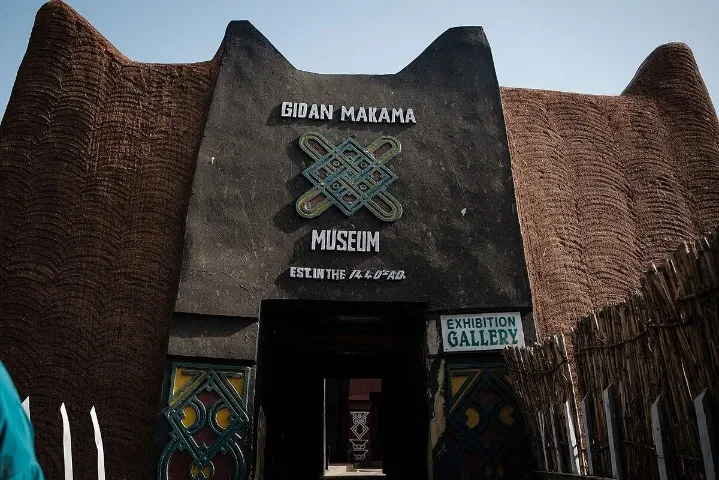
Plate 1 Showing Enterance of Gidan Makama Museum
Source: https://commons.m.wikimedia.org/wiki/
Cyprian Ekwensi Centre for Arts and Culture, Abuja.
This modern art and cultural center is situated in Area 10 of Abuja, the Federal Capital Territory. It is a multidisciplinary hub for contemporary Nigerian art and culture that offers opportunities to appreciate performance and visual art. In order to prevent the various indigenous groups of Abuja from disappearing, this facility was built with the intention of preserving their arts and cultures prior to Abuja's elevation to the status of Nigeria's capital. It is named after renowned writer, Cyprian Ekwensi.
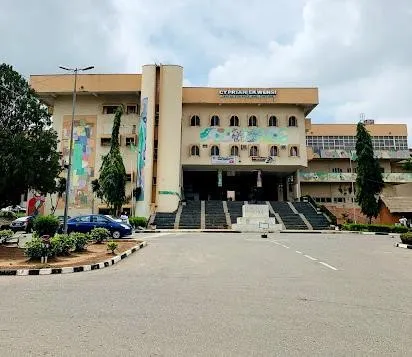
Plate 2 Showing Façade of Cyprian Ekwensi Centre for Arts and Culture
Source: https://www.top-rated.online/cities/
Method of Data Collection
Computer simulation
Data from case study was collected and quasi experimental (simulation) was performed using Ecotect. Computer simulation is a simulation, run on a single computer or a network of computers, to reproduce behaviour of a system or situation in real life. It can be used to explore and gain new insights into new technology and to estimate the performance of systems too complex for analytical solutions. In daylight simulation, it involves predicting, planning and proper design for the impact of daylighting in a space (Vangimalla, Olbina and Issa, 2011)
Instruments for Data Collection
To effectively investigate the cases, the instruments used for the collection and documentation of data are check list, camera, notebook, sketchpad, light metre reading and computer software.
Light metre or illuminance metre
According to Rabade et. al (2015), a light meter is a precision instrument used to measure lux values for quality assurance and testing purposes. In order to assess the ideal light level for a scene, light meters were also employed in the domains of scenic design and cinematography. For the study, HS 1010A is the light metre used to collect the readings on museums used at the case studies, as shown in plate 3
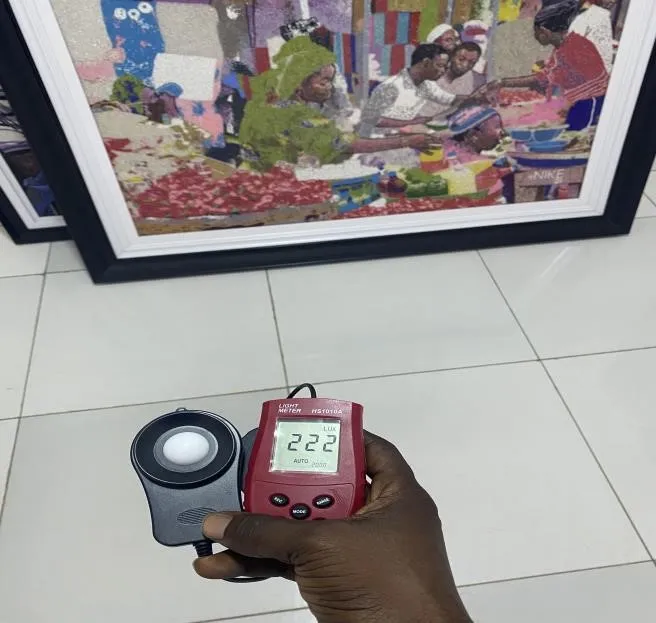
Plate 3 HS 1010A Light meter
Analysis, Results, Findings And Discussion
|
Evaluation of the effect of natural light on visual comfort. |
Simulation |
Base model |
case |
|
Intervention 1 |
|
|
|
Use of Clerestoris sized at 400x2500mm and positioned at 2700mm head height, Resulted in a window-towall ratio of 3.4%. The recorded average intensity was 278.95 lux |
Average intensity recorded was low and might lead to visual discomfort at sone points. However, areas with this amount of light can be utilized by displaying of moderately susceptible materials. |
||
|
|
|
|
Windows sized at 2500x1200mm and positioned at 2100mm head height.window-to-wall ratio increased to 10%. The recorded average intensity also notably increased to 1087.74 lux |
Intervention 2 Average intensity recorded was too high which will lead to glare. |
|
|
|
|
|
3. Intervention 3 Combination of a window and clerestories at head heights similar to intervention 1 and 2 respectively. Window-to-wall ratio was 8.4%. The recorded average intensity fell between the values of Interventions 1 and 2, at 820.83 lux |
Intervention 3 Moderate intensity recorded and will be suitable for most artifacts and items on display |
|
Table 1: Evaluation of the Effect of Natural Light on Visual Comfort
Table 1 showing Evaluation of the Effect of Natural Light on Visual Comfort
Simulation Results
A base case of 6000mm x 3000mm which is similar in proportion to the case studies was modelled with three different interventions and their average daylight intensities were recorded. Simulations were performed on these interventions in exact scenarios including location, date, time, size and properties of the model. Only combination of window, types, sizes and positions were changed. A study from Orsay museum in France shows that people usually visit museums between 12:00 noon to 4:00 pm spending an average of two hours, hence the simulation was done at 2:00 pm.
Base case model with Intervention 1
Situation: Use of clerestories on both walls facing North-South direction
Floor Area: 18sqm
Headroom: 3300mm
Window sizes: 2500mm x 400 at 2700 head height
Window to wall ratio: 2sqm:59.4sqm = 3.4%
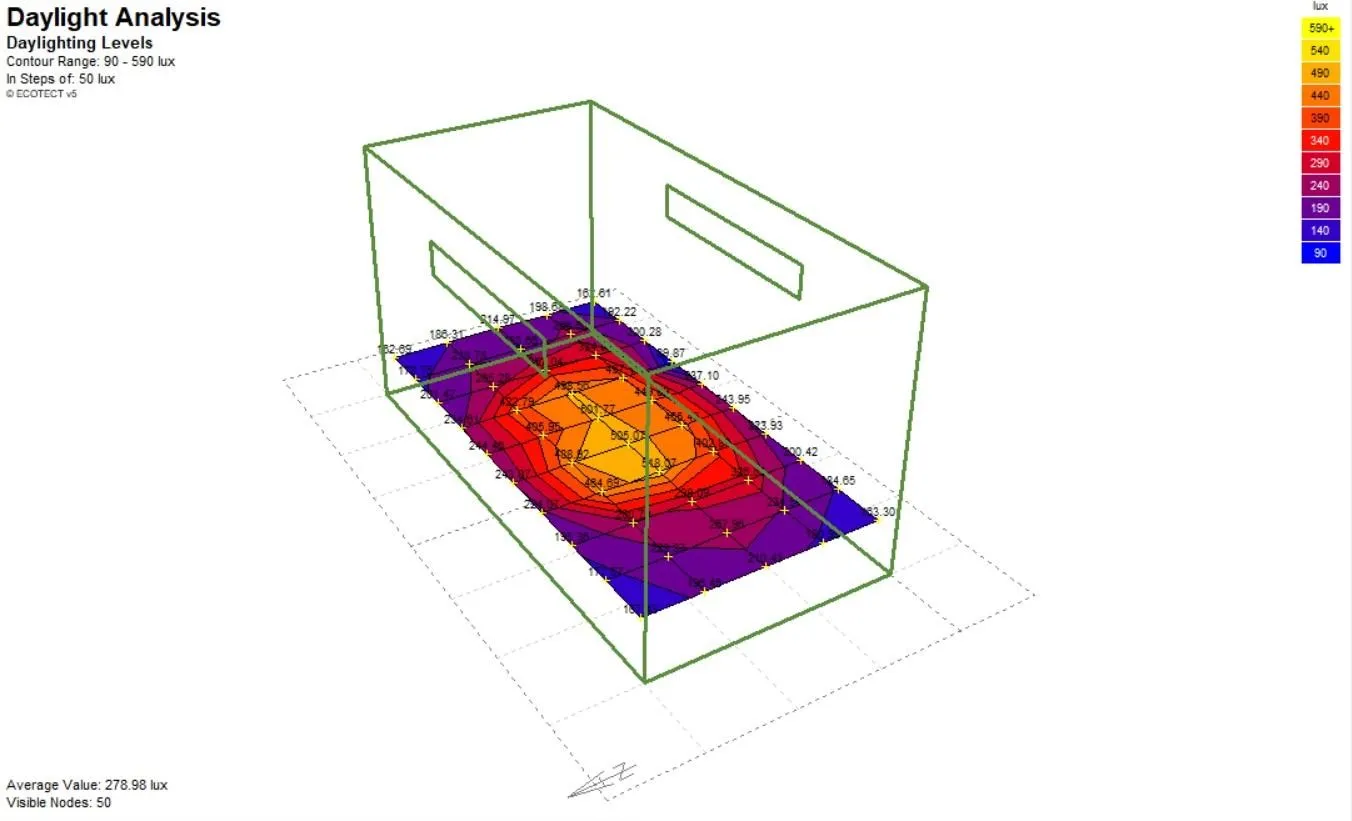
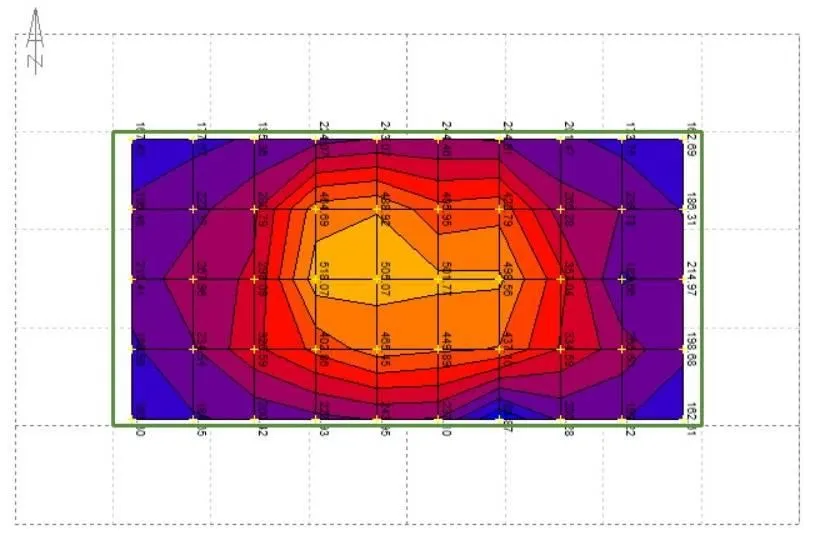
Figure 2: Recorded illuminances for Base case model with intervention 1 Source: Researcher 2023
Base case model with Intervention 2
Situation: Windows used on both walls facing North-South direction
Floor Area: 18sqm
Headroom: 3300mm
Window sizes: 2500x1200mm at 2100 head height
Window to wall ratio: 6sqm:59.4sqm = 10%
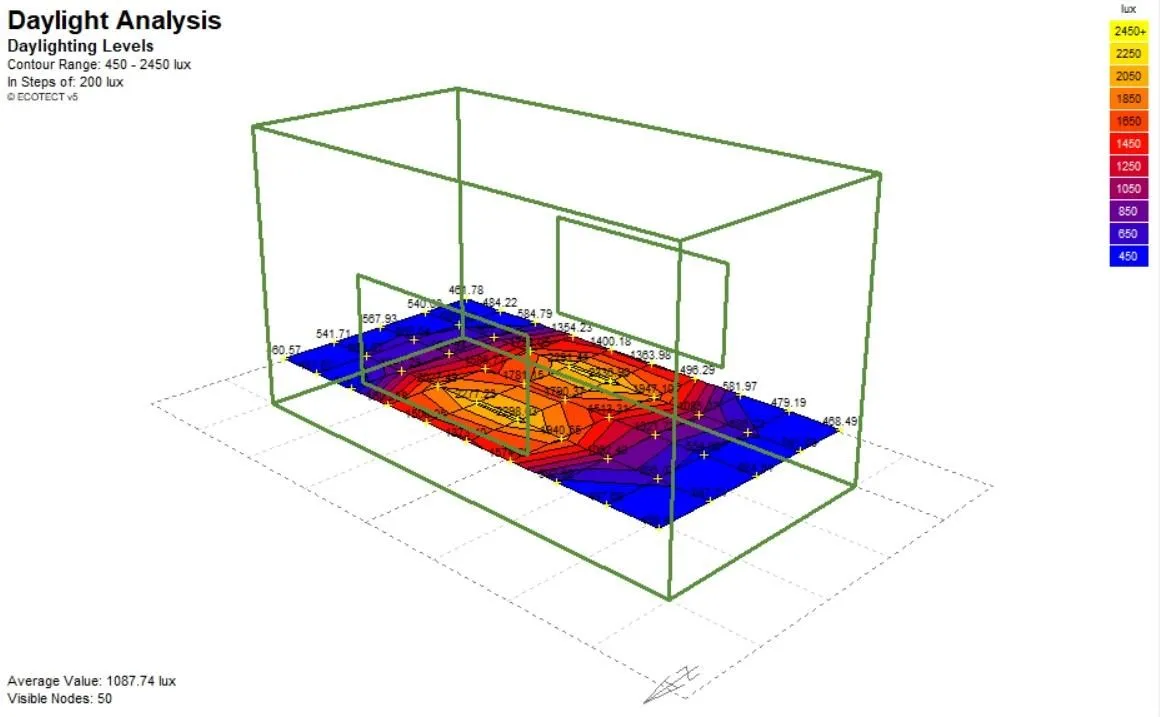
Figure 3: Base case model with intervention 2
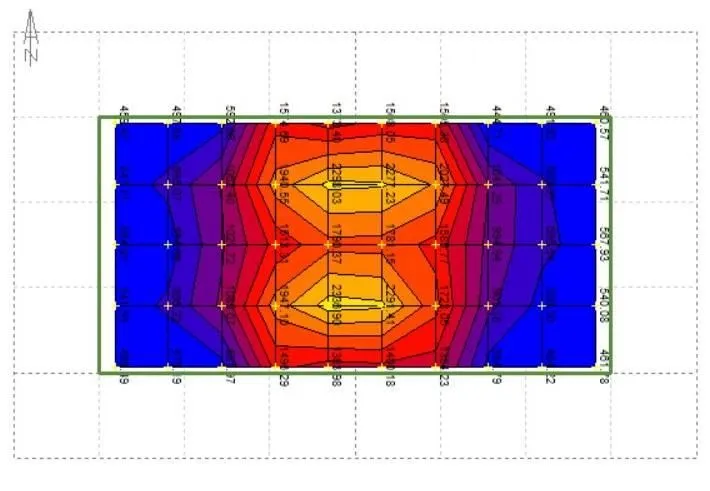
Figure 4: Recorded illuminances for Base case model with intervention 2
4.5.3 Base case model with Intervention 3
Situation: Windows and clerestories mixed in the same model
Floor Area: 18sqm
Headroom: 3300mm
Window sizes: (a). 2500x1200mm at 2100 head height (b). 2500mm x 400 at 2700 head height Window to wall ratio: 5sqm:59.4sqm = 8.4%
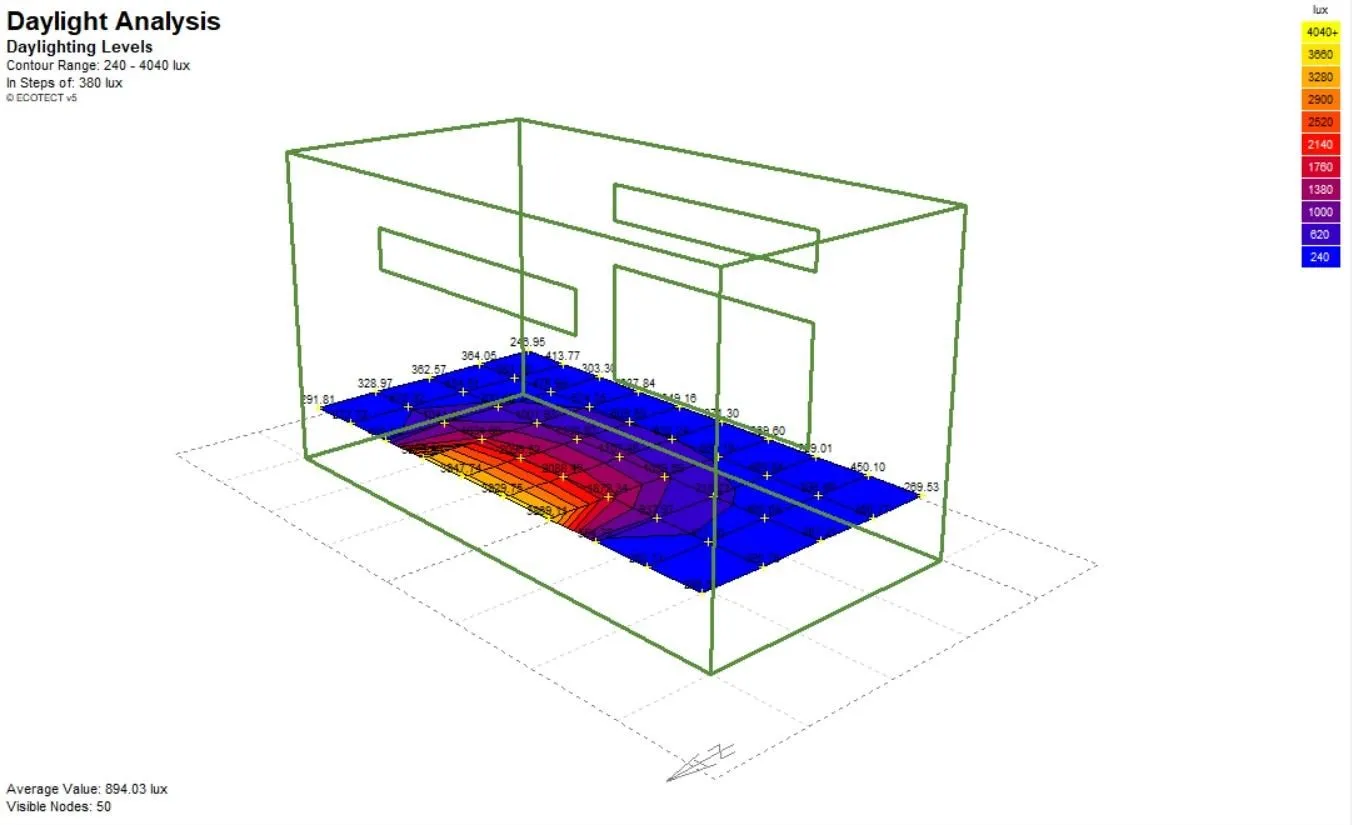
Figure 5: Base case model with intervention 3
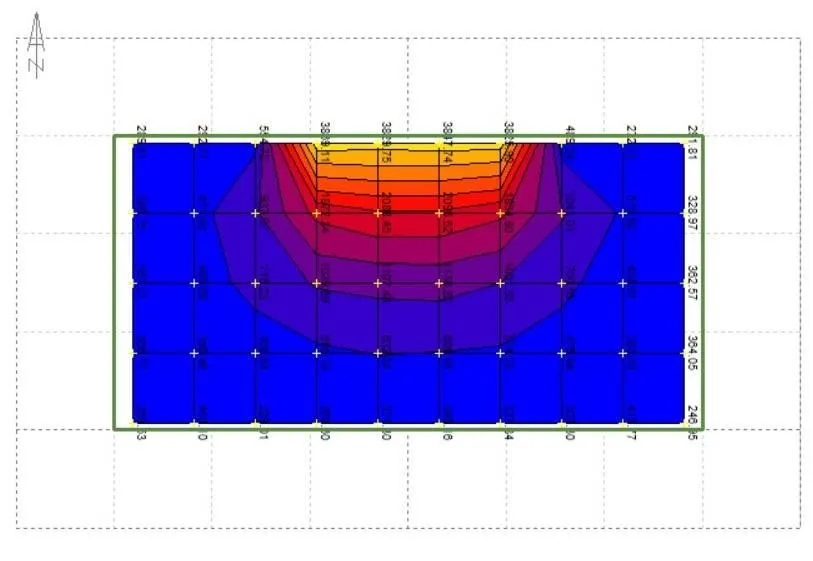
Figure 6: Recorded illuminances for Base case model with intervention 3
Evaluation Of The Effect Of Natural Light On Visual Comfort
The measured illuminance serves as a crucial metric providing a precise and objective understanding of the light levels present in different areas from the case studies. Illuminance, measured in lux, allows us to quantify the intensity of light, offering valuable insights into how well the architectural design harness and distributes natural light. The measured illuminace were compared to the standards provided by the Illuminating Engineering Society of North America (IESNA).
Measured illuminance level at Gidan Makama museum
The Light metre was used to measure the daylight level in some randomly selected galleries at the Gidan Makama Museum around 12:00 noon at a working plane of 700 mm. This allowed for a comparison of the measured daylight distribution throughout the building spaces with the IESNA standard, as indicated in table 2. However, a visual examination reveals that the majority of the collections are not properly categorized according to how much light is allowed into the room. The main elements influencing the distribution of daylight in this gallery are the interior finishes, the materials' reflectance qualities, and the opening design. Islamic Paintings are showcased in Gallery 8, where a large side opening on the building's circular form allows light levels to range from 23 to 531 Lux. The curator explained that the art collections gradually faded and deteriorated as a result of this excessive light level. Due to the lack of windows and the limited amount of light coming from the entrances of galleries 5 and 6, an extremely low level of illumination was recorded. The curator clarified that the two galleries are entirely dependent on artificial lighting
|
GALLERY |
MEASURED LUX RANGE (LUX) |
IESNA STANDARD (LUX) |
|
Gallery 1 (paintings) |
41-86 |
100 |
|
Gallery 2 (painting and sculpture) |
21-50 |
100-300 and above |
|
Gallery 3 (artefacts) |
11-63 |
50-300 and above |
|
Gallery 4 (paintings) |
35-57 |
100 |
|
Gallery 5 (artefacts and paintings) |
0-3 |
50-100 |
|
Gallery 6 (write-ups, frames and paintings) |
0-2 |
100 |
|
Gallery 7 (frames and write-ups) |
32-66 |
100 |
|
Gallery 8 (paintings) |
23-531 |
100 |
|
Gallery 10 (paintings) |
9-28 |
100 |
Table 2: Recorded light intensity of galleries at Gidan Makama Musem
Table 2 showing Recorded light intensity of galleries at Gidan Makama Musem
Measured illuminance level at Cyprian Ekwensi Centre for Arts and Culture
The measured light level is displayed in Table 3, along with a comparison to the IESNA standard specification for museum buildings. Plate 4.6 shows how challenging it is to determine specific illuminance level meant for various exhibits in the exhibition hall due to the poorly classified arrangement of the collections and art pieces. The table 4.2 result indicates that while the exhibition hall is fully artificially lit, the light level in the art gallery is insufficient.
|
SPACE/FUNCTION |
MEASURED LUX RANGE (LUX) |
IESNA STANDARD (LUX) |
|
ART GALLERY (pictures, paintings, sculpture and general art works) |
15-213 |
50, 100, 300 and above |
|
EXHIBITION ROOM (drawings and paintings) |
27-89 |
100 |
Table 3: Recorded light intensity of spaces at Cyprian Ekwensi Centre for Arts and Culture
Table 3 showing Recorded light intensity of spaces at Cyprian Ekwensi Centre for Arts and Culture
Validation of measured illuminance
Validation typically refers to the process of confirming the accuracy and reliability of the data and methods used in the study. This is crucial to ensure that the findings and conclusions drawn from the research are sound and can be trusted.
In daylighting research, accurately measuring how much natural light enters buildings is crucial. To double-check our measurements, computer simulations were used. These simulations helped to create virtual models and see how sunlight and daylight interact with the building.
Findings From Simulation
Findings from simulation showed that the utilization of clerestories in the first intervention, sized at 2500mm x 400 and positioned at 2700mm head height, resulted in a window-to-wall ratio of 3.4%. The recorded average intensity was 278.95 lux, these are shown in figures 1 and 2. As for the second intervention, windows sized at 2500x1200mm and positioned at 2100mm head height, were employed, the window-to-wall ratio increased to 10%. The recorded average intensity was also notably increased to 1087.74 lux as shown in figures 3 and 4. As for the third intervention there was a combination of windows and clerestories with sizes; (a) 2500x1200mm and (b) 2500mm x 400 and were placed at respective head heights of 2700mm and 2100mm, the window-to-wall ratio was 8.4%. This intervention was adopted because it is the most suitable and closely complied with IESNA standards as shown in figures 5 and 6. The recorded average intensity fell between the values of Interventions 1 and 2, at 894.03 lux. These findings highlight the impact of window design and placement on the distribution of daylight, with Intervention 2 achieving the highest average intensity, followed by Intervention 3, and then Intervention 1. The window-to-wall ratio also serves as a critical factor in optimizing visual comfort, with Intervention 2 having the highest ratio.
CONCLUSION
The research examined the National Museums, focusing on its daylighting conditions and architectural attributes. Situated in the city, the museum's surroundings pose challenges and opportunities for daylight penetration. Thoughtful orientation strategies optimize solar exposure while minimizing solar heat gain. Internal courtyard systems facilitate natural light penetration, contributing to a luminous internal environment. Challenges such as poor circulation and aging infrastructure were noted, necessitating ongoing refinement for optimal daylighting efficacy.
Gidan Makama Museum in Kano reveals challenges in site planning with sparse vegetation and uneven landscaping. The building's orientation poses a risk of glare due to improper consideration of daylight access. The use of locally molded bricks affects interior reflectance, leading to uneven daylight distribution. Window design varies, with high-level timber windows and glass additions impacting natural light. Daylight conditions across galleries fluctuate, with some meeting standards while others face issues of excessive or insufficient natural light, impacting visitor comfort.
Acknowledgments
The authors wish to acknowlede the supports of Gidan Makama Museum and Kano Cyprian Ekwensi Centre for Arts and Culture, Abuja were the case study was carried out
REFERENCES

Abdulrazak Sale Yaro1, Bena A. A.2, Ahmad Y. I.3, Dauda A. H.4, Abdul Azeez Mohammed5*, Evaluation Of The Effect Of Natural Light On Visual Comfort In The Design Of A Meuseum, Int. J. Sci. R. Tech., 2026, 3 (7), 235-244. https://doi.org/10.5281/zenodo.21279948
 10.5281/zenodo.21279948