

We use cookies to ensure our website works properly and to personalise your experience. Cookies policy
Lucknow Model College of Pharmacy, Luknow
The rapid dissolution properties, ease of administration and enhanced patient compliance make FDOFs an alternative to conventional oral dosage forms, a promising choice. These thin polymeric films dissolve rapidly in the oral cavity without the need for water, thus being well suited for pediatric, geriatric and dysphagic patients. This review article is a brief overview of formulation principles, composition, manufacturing processes and evaluation parameters of FDOFs. It also covers current innovations such as the development of oral films based on nanotechnology, the development of three-dimensional (3D) printing, and personalisation in drug delivery that have greatly improved the therapeutic potential of this dosage form. In addition, the state of the art of the clinical applications, commercially available products, important formulation challenges and future directions of fast-dissolving oral film technology are underscored. In summary, FDOFs are a novel and patient-friendly drug delivery system that shows great promise for enhancing therapeutic efficacy and expanding the pharmaceutical applications.
The oral route of drug administration is still the preferred route of administration due to its convenience, safety, cost-effectiveness, and high patient acceptability. But traditional oral dosage forms like tablets and capsules can be a problem for the pediatric, geriatric and dysphagic patient groups and may result in inadequate treatment compliance. To address these disadvantages, fast-dissolving oral films (FDOFs) have been developed as an innovative oral drug delivery system that dissolves quickly in the mouth when in contact with saliva without the requirement of water. The FDOFs are attracting significant attention for their rapid action, ease of administration, accurate dosage and adherence to treatment by patients for their therapeutic applications in pharmaceutical research and commercial product development. Polymer science, formulation and manufacturing techniques have further increased their therapeutic applications and clinical importance. The general aspects, formulation strategies, evaluation methods, therapeutic applications, recent technological developments, challenges, and future perspectives of fast-dissolving oral films are summarised here.
1.1 Fast Dissolving Oral Films
Fast dissolving oral films (FDOFs), or oral thin films (OTFs) or Oro dispersible films (ODFs) are dosage forms made of polymers which can Dissolve or disintegrate quickly in the oral cavity on contact with the tongue or oral mucosa, without the need for water. Contact with the saliva causes rapid hydration of the film, which releases the embedded drug into the tissues where it has a local effect or enters the systemic circulation through the buccal or sublingual mucosa, depending on the physicochemical characteristics of the drug and the site of administration. FDOF's were developed for the purpose of meeting the need for overcoming some of the limitations of conventional oral dosage forms, especially in patients who have dysphagia such as pediatrics, geriatrics, and neurologically impaired patients. Oral films have been shown to be more convenient, easier to take, and patient friendly than tablets and capsules and have a shorter onset of action. Their high surface area, thin structure, and potential for partial hepatic first-pass metabolism enhance their abilities to disintegrate quickly, and to ensure that suitable drugs are more readily available to the bloodstream. In the last decade, there have been significant advances in the polymer science, taste-masking technology and manufacturing processes to broaden the therapeutic use of Doeskin the last decade, the uses of FDOFs have been extended thanks to the development of polymer science, taste-masking technologies and manufacturing processes. These films are currently being explored as a means for the delivery of analgesics, antiemetics, antihistamines, antipsychotics, cardiovascular drugs, and nutraceuticals, among others, and are one of the most exciting oral drug delivery systems to date.
1.2 Advantages and Limitations
There are several benefits to fast dissolving oral films as compared to other oral dosage forms. Because they disintegrate quickly, they do not require water for administration and are convenient for the patient who may have a swallowing impairment. Portable, lightweight, easy to manipulate, dosage form with accurate dose and better patients’ adherence. Additionally, for the right drug candidates, the first-pass metabolism may be reduced in vivo due to oral absorption via the mucosal surfaces in the mouth, leading to a more rapid onset of therapeutic effect. Although the advantages are great, FDOFs have their drawbacks. Are limited in the number of drugs that can be loaded into them, so they are not appropriate for drugs that need a large dosage. Careful optimization of mechanical strength, flexibility, taste masking and moisture protection will be needed in the formulation process. Furthermore, only drugs with proper physicochemical properties such as high potency and stability are the best candidates for oral film delivery. Another important aspect of moisture sensitivity is its requirement for special packaging in storage to ensure the quality of the product.
1.3 Scope of the Review
This review aims to discuss the current developments of fast dissolving oral film technology focusing on formulation components, manufacturing techniques, evaluation parameters, therapeutic uses, commercially available films, and recent technological advances in fast dissolving oral film technology. Moreover, the review explores the significant issues related to formulation development and identifies future opportunities for enhancing clinical performance and commercial potential of fast dissolving oral films.
2. Basic Principles of Fast Dissolving Oral Films
Fast dissolving oral films (FDOFs) are thin flexible polymeric dosage forms that disintegrate or dissolve quickly in the oral cavity, releasing the drug that is contained in them without requiring water. The drug can have a local therapeutic effect, or can be absorbed by the buccal or sublingual mucosa to deliver a systemic effect depending on the formulation and site of administration. Its formulation composition and physicochemical characteristics of the drug, as well as the manufacturing process, control the performance of FDOFs. They offer benefits in terms of rapid hydration, ease of administration and patient compliance, and have been appealing alternatives to standard oral dosage forms for pediatric, geriatric and dysphagic patients. To rationally design and optimize these drug delivery systems, a comprehensive understanding of the type of films, drug release mechanism and formulation components is very important.
2.1 Types and Mechanism of Drug Release
Fast dissolving oral films are divided based on the location at which they are applied and the therapeutic effect they provide: Oro dispersible films, buccal films, sublingual films, and mucoadhesive oral films. Oro dispersible films are placed on the tongue and quickly disassemble within a few seconds while buccal or sublingual films are intended to remain on the oral mucosa to allow systemic drug absorption. The sustained local or systemic effect can be achieved by using mucoadhesive films with long-lasting effect [5–7]. Drug release from FDOFs starts to occur at the time of contact with saliva. Hydrophilic polymers absorb saliva and swell, causing the film matrix to swell and erode quickly. The incorporated drug then dissociates and is released into the saliva where it can either be swallowed for gastrointestinal absorption or directly absorbed through the buccal or sublingual mucosa and enter the systemic circulation. The release mechanism is mainly controlled by polymer hydration, diffusion of the drug in the hydrated polymer and progressive erosion of the polymer. The release rate and the overall bioavailability are greatly influenced by the composition of the polymers, film thickness, saliva volume and the nature of the drug.
2.2 Composition of Oral Films
Fast-dissolving oral films are made from a carefully selected set of excipients to provide rapid disintegration, sufficient mechanical strength and patient compliance. The primary ingredient in the formulation is the film-forming polymers, typically hydroxypropyl methylcellulose (HPMC), pullulan, polyvinyl alcohol (PVA), sodium alginate or maltodextrin. These polymers are responsible for giving structure to the film and to the dissolution behaviour [5,6]. The plasticisers include glycerol, polyethene glycol (PEG 400) and propylene glycol, which can enhance the flexibility of films and reduce their brittleness. Generally, the amount of active pharmaceutical ingredient (API) is low in order to achieve uniformity of drugs throughout the thin film. Excipients improve palatability, wettability and patient acceptance, such as sweeteners (sucralose, aspartame); flavoring agents; saliva-stimulating agents (citric acid, malic acid); surfactants (Tween 80, sodium lauryl sulfate); coloring agents. The proper choice and optimization of these components are critical for fast disintegration, controlled drug release and good mechanical properties.
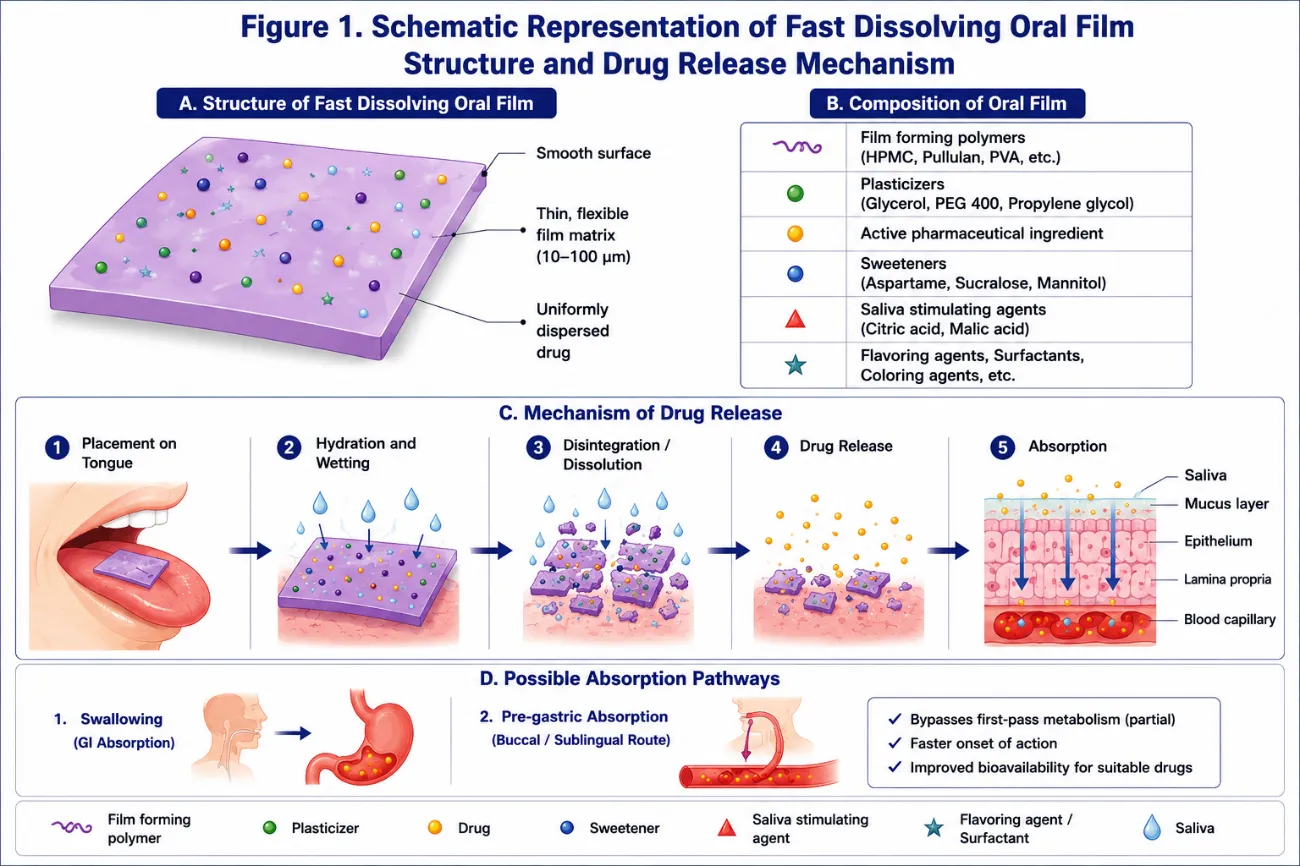
Figure 1. Schematic Representation of Fast Dissolving Oral Film Structure and Drug Release Mechanism
3. Formulation and Manufacturing Approaches
Proper formulation of the ingredients and the manufacturing process are important for the successful formulation of fast dissolving oral films (FDOFs). The formulation should have fast disintegration properties, mechanical strength, uniform drug distribution, good taste and stability during the shelf life. The physicochemical and performance properties of the films are greatly influenced by the presence of film forming polymers, plasticizers, and other functional excipients. Additionally, the manufacturing technique has a significant impact on film quality, uniformity of film thickness, drug content and scalability. Hence, it is important to optimize the formulation parameters and processing conditions to obtain safe, effective, and patient-friendly oral films that have consistent quality attributes.
3.1 Film-Forming Excipients
The main ingredients of a fast-dissolving oral film (FDOF) are film forming excipients, which make up about 40-60% of the dry film. The properties of an ideal film-forming polymer are: it is non-toxic, non-irritant, water-soluble, mechanically strong and should give clear, flexible films that disintegrate quickly. Film thickness, tensile strength, folding endurance, drug release and patient acceptability will all be directly affected by the type of polymer used. The most typical hydrophilic polymers are hydroxypropyl methylcellulose (HPMC), pullulan, polyvinyl alcohol (PVA), hydroxypropyl cellulose (HPC), sodium alginate, maltodextrin, polyvinyl pyrrolidone (PVP) and carboxymethyl cellulose (CMC). Flexibility and prevention of brittleness are achieved by adding plasticizers, including glycerol and polyethylene glycol (PEG 400) and propylene glycol. Other ingredients such as sweeteners, flavours, saliva stimulants, surfactants and colouring agents are added to achieve desired product attributes such as palatability, wettability and overall product performance.
3.2 Manufacturing Techniques
Various manufacturing techniques have been used for preparation of FDOFs, and the most favoured technique is the solvent casting method due to its simplicity, uniform distribution of the drug and excellent film properties. This method involves dissolving the polymer and other excipients in a suitable solvent and casting it and then drying it and cutting into individual dosage units. Other manufacture processes include hot-melt extrusion (no organic solvents, suitable for continuous production), semi-solid casting (used for acid-insoluble polymers), rolling method (large scale manufacturing) and electrospinning (new technique, nanofibrous films with high dissolution rate, high drug release rate). Three-dimensional (3D) printing technologies have recently been investigated for the production of personalized oral films with the ability to customise dosage.
3.3 Critical Formulation Parameters
Several critical parameters are used in the formulation of FDOFs to determine the quality and performance of the formulation. The type and concentration of the polymer affect the integrity of the films and their disintegration properties, while the proportion of plasticizer affects the flexibility and mechanical strength of the films. Film performance and drug release are also influenced by drug properties such as dose, solubility and compatibility to the excipients. Besides, film thickness, moisture content, drying environment and uniformity of drug distribution are important factors to assure the consistency of the product quality and therapeutic efficacy. These parameters have to be optimized for achieving the fast disintegration, mechanical property, uniform drug content, reproducibility of drug release and stability during storage and transportation of products.
|
Excipient Category |
Common Examples |
Primary Function |
|
Film-forming polymers |
Hydroxypropyl methylcellulose (HPMC), Pullulan, Polyvinyl alcohol (PVA), Hydroxypropyl cellulose (HPC), Sodium alginate, Maltodextrin, Carboxymethyl cellulose (CMC), Polyvinyl pyrrolidone (PVP) |
Form the film matrix, provide mechanical strength, flexibility, and control disintegration and drug release |
|
Plasticizers |
Glycerol, Polyethylene glycol (PEG 400), Propylene glycol, Triethyl citrate, Dibutyl phthalate* |
Improve flexibility, reduce brittleness, enhance film elasticity |
|
Active Pharmaceutical Ingredient (API) |
Ondansetron, Rizatriptan, Zolmitriptan, Donepezil, Cetirizine, Sildenafil |
Provide the intended therapeutic effect |
|
Sweeteners |
Sucralose, Aspartame, Saccharin sodium, Mannitol, Xylitol |
Mask unpleasant taste and improve patient acceptability |
|
Flavoring agents |
Peppermint, Orange, Lemon, Strawberry, Mint, Vanilla |
Enhance palatability and patient compliance |
|
Saliva-stimulating agents |
Citric acid, Malic acid, Tartaric acid, Ascorbic acid |
Stimulate saliva secretion and promote rapid film disintegration |
|
Surfactants |
Polysorbate 80 (Tween 80), Sodium lauryl sulfate (SLS), Poloxamer 407 |
Improve wetting, drug solubilization, and uniform drug release |
|
Coloring agents |
Titanium dioxide, FD&C-approved colorants, Iron oxide pigments |
Improve product appearance and identification |
|
Stabilizers/Preservatives |
Sodium benzoate, Potassium sorbate, Methyl paraben, Propyl paraben |
Enhance formulation stability and prevent microbial growth |
Table 1. Common Polymers, Plasticizers, and Other Excipients Used in Fast Dissolving
4. Characterization and Evaluation
In-depth characterization and evaluation of fast dissolving oral films (FDOFs) are used to determine their quality, safety, and therapeutic performance. The assessments performed ensure that the films have the required physicochemical properties, mechanical integrity, uniform drug distribution, rapid disintegration and consistent drug release. The usual evaluation methods are used for the determination of parameters like thickness, weight variation, surface pH, drug content, tensile strength, folding endurance, dissolution profile and stability. Together, they would give useful data on the formulation performance, reproducibility, patient acceptance and compliance with pharmaceutical quality, and help product development and commercialization to be successful.
4.1 Physicochemical Evaluation
Physicochemical characterization is key for the quality, uniformity and performance of fast dissolving oral films (FDOFs). The appearance, thickness, weight variation, surface pH, drug content uniformity, moisture content, moisture uptake, folding endurance and disintegration time are determined for the films. The thickness of the film is usually measured at various points by a digital micrometer to assure uniformity and the pH of the surface is measured to evaluate compatibility with oral mucosa and irritation. To ensure a uniform distribution of the drug in the film, the drug content uniformity is analyzed using appropriate analytical techniques like UV-visible spectrophotometry or HPLC method. In cases of too much moisture, it can also decrease the mechanical properties and affect the stability of the formulation, which makes moisture studies especially important. A very important quality attribute of FDOFs is their rapid degradation in a few seconds, mostly within 30-60 seconds, which is related to polymer composition and film thickness.
4.2 Mechanical Properties
Oral films are used for their mechanical properties, which affect their handling, packaging and patient tolerance. The following parameters play an important role: Tensile strength, Percentage elongation, Folding endurance, Young's modulus, Tear resistance. Tensile strength is a measure of how much a film will resist breaking under stress while percentage elongation measures how flexible a film is. The film's folding endurance is determined by repeatedly folding the film at the same place until the film is broken, which is an estimation of the durability of the film in handling. The mechanical performance of FDOFs is mainly related to the formulation of the polymer used and the concentration of plasticizers. The optimal strength: flexibility ratio is required to avoid brittleness and promote fast disintegrating and drug release.
4.3 In Vitro Drug Release and Stability Studies
In vitro drug release studies are conducted in a standard dissolution apparatus with simulated saliva or dissolution medium under controlled conditions at 37 ± 0.5°ensure specified intervals and the amount of drug release is determined by validated analytical methods. The release of drugs from such thin film structure and hydrophilic polymer matrix is normally supposed to be rapid and complete. Stability studies are performed based on the International Council for Harmonization (ICH) guidelines to determine the physical, chemical and mechanical stability of the formulation in storage. Parameters like appearance, drug content, disintegration, mechanical properties and dissolution profile are measured in accelerated and long-term storage. The moisture resistance and quality assurance of the oral film product during shelf life are crucial and require appropriate packaging.
5. Therapeutic Applications and Recent Advances
The fast-dissolving oral films (FDOFs) have received great attention as a drug delivery platform due to their rapid onset of action, ease of administration and improved patient compliance. They are especially suitable for the delivery of drugs to be given to pediatric, geriatric, and dysphagic patients, and for diseases where therapeutic intervention needs to be quick. With the recent advancements in formulation science and pharmaceutical technology, the scope of FDOFs has broadened further by introducing nanocarriers, the new advancement in the manufacturing technique and the personalized approach to drug delivery. The innovations have increased the solubility, bioavailability and therapeutic efficacy of the drugs leading to enhanced clinical and commercial potential of oral film technology.
5.1 Clinical Applications
Fast dissolving oral films (FDOFs) are presenting themselves to be an effective drug delivery system especially in the cases of local and systemic therapy. They are especially useful for people who have problems swallowing traditional tablets or capsules, such as children, elderly and dysphagic patients. Due to their easy digestibility and rapid breakdown, FDOFs are extensively explored to deliver antiemetics, analgesics, antihistamines, antimigraine agents, antipsychotics, cardiovascular drugs and erectile dysfunction drugs. The buccal or sublingual absorption could give a rapid onset of action in appropriate formulations and better patient compliance.
5.2 Nanotechnology and Novel Delivery Strategies.
With recent developments in nanotechnology, the potential for FDOFs has been greatly increased. The incorporation of nanoparticles, nanoemulsions, liposomes, polymeric micelles and solid lipid nanoparticles into oral films has led to the improvement of the solubility, dissolution rate, bioavailability and stability of poorly water-soluble drugs. In addition, advanced manufacturing methods like electrospinning and 3-dimensional (3D) printing have allowed the development of individualised oral films containing a controlled dose and release of the drug. In the future, these innovations are anticipated to expand the therapeutic potential of the oral film technology in precision medicine.
5.3 Commercially Available Products
This dosage form has been clinically commercialized with several oral film formulations reaching the market. The approved products are: Sullens® (ondansetron) for the prevention of nausea and vomiting; Suboxone® (buprenorphine/naloxone) for the treatment of opioid dependence; Belbora® (buprenorphine buccal film) for chronic pain; Consoles® (fentanyl buccal soluble film) for breakthrough cancer pain; and Kolodin® Wafer (clonazepam oral film technology) for seizure disorders. With the number of marketed products on the rise, there is a greater acceptance of oral film technology as an alternative to conventional oral dosage forms.
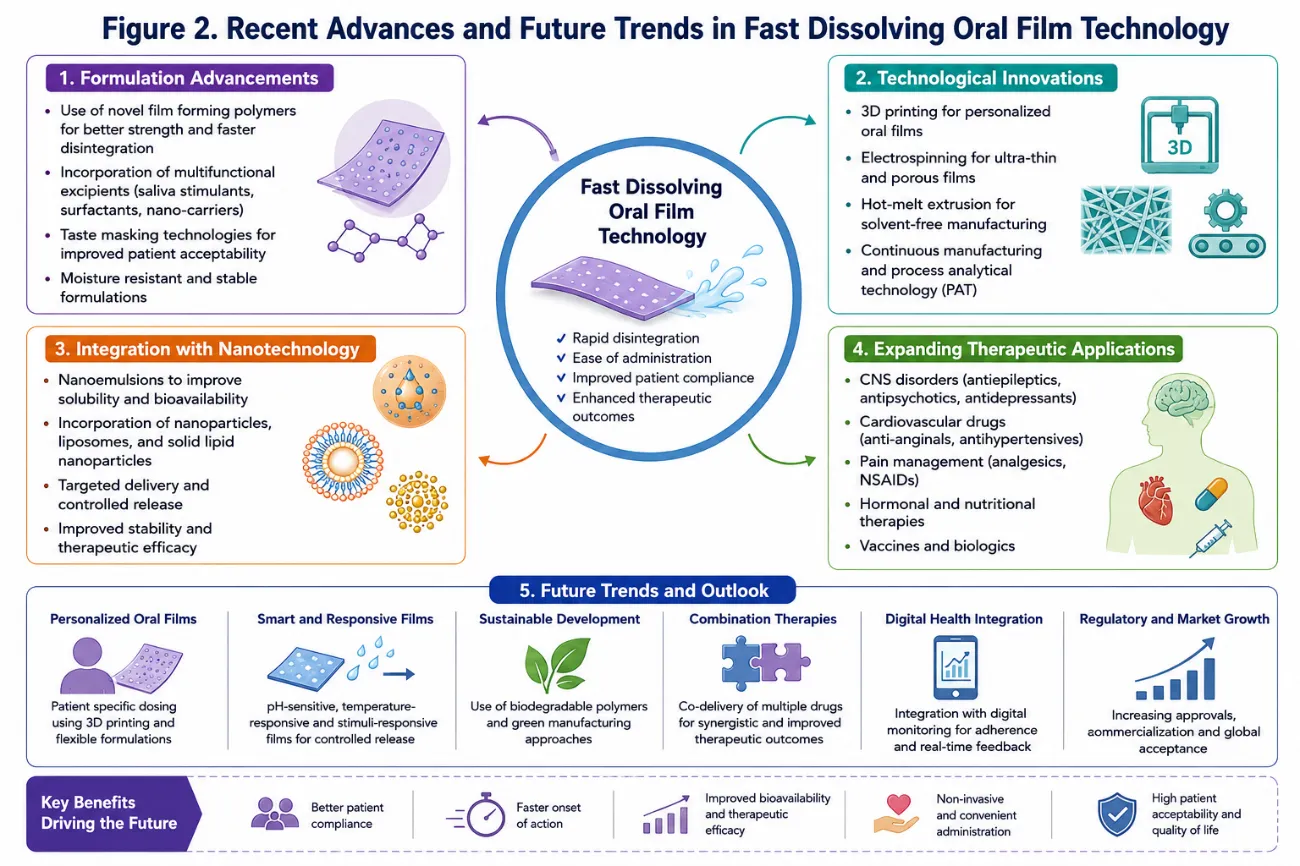
Figure 2. Recent Advances and Future Trends in Fast Dissolving Oral Film Technology
6. Challenges, Future Perspectives and Conclusion
Fast dissolving oral films (FDOFs) have shown great promise as an advanced oral drug delivery system, but there are a number of formulation and manufacturing challenges. For consistent product quality and to make the product more commercially acceptable, some of the product formulation limitations like low drug loading, moisture sensitivity, taste-masking and large-scale production issues have to be overcome. The challenges are expected to be overcome by continuous developments in polymer sciences, nanotechnology, three-dimensional (3D) printing, artificial intelligence (AI), and Quality by Design (Qbd), which will ensure the formulation of more efficient oral films with good quality to be patient-centric and personalized. Hence, it is crucial to have a knowledge of the present problem and future research trends in order to broaden the use of fast dissolving oral films and their commercialization.
6.1 Current Challenges
Although there have been improvements since then, there are still some problems that need to be addressed for the widespread use of FDOFs. They have a relatively low capacity for drug loading and can only be used for highly potent drugs when given in relatively low doses. Formulation is significant challenge in achieving the desired balance of fast disintegration and appropriate mechanical strength. Further, taste masking is a key component to making bitter drugs patient acceptable. Moisture sensitivity during storage can have a negative impact on the integrity of the film and require the use of special packaging materials. In addition, dose uniformity and process reproducibility are key factors for commercial production.
6.2 Future Perspectives
Research into FDOFs will increasingly look at personalized medicine, nanotechnology formulations and advanced manufacturing technologies. The use of nanocarriers (nanoparticles, liposomes and nanoemulsions) provides some promise to improve the bioavailability of poorly soluble drugs. Patient-specific dosage forms, formulation optimization with emerging technologies such as 3D printing, electrospinning, artificial intelligence (AI) and Quality by Design (Qbd) are expected to be made available in the future. The further innovation of biodegradable polymers and smart oral films could be used to expand the clinical applications of this drug delivery system.
CONCLUSION
Oral films are a novel and patient-friendly drug delivery system that rapidly disintegrates, is easily administered and enhances patient compliance. Due to their quick action and possible improvement of drug bioavailability, they are considered to be an alternative to the traditional oral dosage forms. With the development of formulation science, nanotechnology and manufacturing processes, they have been expanded in their therapeutic application and commercial potential. However, issues of drug loading, stability and scale up still need to be resolved. Ongoing research and technology advances are expected to make it easier and easier to translate FDOFs to the next generation oral drug delivery platform.
REFERENCES


Shweta Yadav, Shashank Tiwari*, Sarita Rawat, Fast-Dissolving Oral Films: A Comprehensive Review Of Formulation Strategies, Evaluation Techniques, Recent Advances, And Future Perspective, Int. J. Sci. R. Tech., 2026, 3 (7), 1202-1210. https://doi.org/10.5281/zenodo.21716536
 10.5281/zenodo.21716536