

We use cookies to ensure our website works properly and to personalise your experience. Cookies policy
Kasturi Shikshan Sansthan College Of Pharmacy, Shikrapur, Pune
Diabetes mellitus is a chronic metabolic disorder characterized by elevated blood glucose levels due to defects in insulin secretion, insulin action, or both. Among the different types of diabetes, Type 2 diabetes mellitus is the most common and is mainly associated with unhealthy dietary habits, obesity, stress, and sedentary lifestyle. Proper dietary management plays an important role in controlling blood glucose levels and preventing complications associated with diabetes. Functional food products with low glycemic index and high nutritional value are increasingly being developed to support diabetic patients. Biscuits are one of the most widely consumed bakery products due to their convenience, taste, affordability, and long shelf life. The diabetic biscuits were prepared using oats, flax seeds, nuts, oats flour, milk, cinnamon, coconut oil, and other supportive ingredients selected for their nutritional and anti-diabetic properties. Oats are rich in beta-glucan fiber which helps in regulating blood glucose and cholesterol levels. Flax seeds provide omega-3 fatty acids, proteins, lignans, and dietary fiber that improve insulin sensitivity and cardiovascular health. Nuts contribute healthy fats, proteins, vitamins, and minerals, while cinnamon possesses antioxidant and anti-diabetic properties that may enhance insulin activity and glucose metabolism. The results indicated that the formulated diabetic biscuits possessed acceptable sensory qualities including pleasant taste, aroma, crisp texture, and attractive appearance. Nutritional evaluation showed increased dietary fiber and controlled carbohydrate content, making the biscuits more suitable for diabetic individuals compared to conventional biscuits. Moisture content and stability studies confirmed good shelf life and product stability. The incorporation of functional ingredients significantly improved the nutritional profile and therapeutic value of the biscuits.
Diabetes mellitus is a chronic metabolic disorder characterized by elevated blood glucose levels resulting from defects in insulin secretion, insulin action, or both. It is one of the most rapidly increasing lifestyle diseases worldwide and has become a major public health concern. According to global health reports, the prevalence of diabetes is increasing due to sedentary lifestyles, unhealthy dietary habits, obesity, stress, and genetic predisposition. Long-term uncontrolled diabetes can lead to severe complications such as cardiovascular diseases, kidney failure, neuropathy, retinopathy, and impaired wound healing. Therefore, maintaining a balanced diet and controlling blood sugar levels are essential for diabetic patients.
Dietary management plays a significant role in the prevention and control of diabetes. Functional foods with low glycemic index and high nutritional value are increasingly being developed to support diabetic patients. Among these functional foods, diabetic biscuits have gained popularity because they are convenient, easy to consume, and can be formulated with health-promoting ingredients. Conventional biscuits available in the market are generally rich in refined flour, sugar, and saturated fats, which may not be suitable for diabetic individuals. Hence, there is a growing need to formulate healthier biscuits using nutrient-rich ingredients that provide better glycemic control and improved nutritional benefits.
The present study focuses on the formulation and evaluation of diabetic biscuits using ingredients such as oats, flax seeds, milk, nuts, oats flour, cinnamon, and other nutritious components. Oats are considered an excellent source of dietary fiber, particularly beta-glucan, which helps in reducing blood glucose and cholesterol levels. Oats also improve satiety and digestion, making them highly suitable for diabetic food products. Flax seeds are rich in omega-3 fatty acids, lignans, proteins, and dietary fibers. These components contribute to improved insulin sensitivity and cardiovascular health. Nuts provide essential minerals, proteins, and healthy fats, which enhance the nutritional profile of the biscuits.
Cinnamon is another important ingredient incorporated in diabetic biscuit formulation because of its potential anti-diabetic properties. Studies suggest that cinnamon may help improve insulin activity and reduce fasting blood glucose levels. Milk contributes proteins, calcium, and essential nutrients, while oats flour acts as a healthier alternative to refined wheat flour. By combining these ingredients, it is possible to develop biscuits that are not only nutritious but also acceptable in taste, texture, and appearance.
The development of diabetic biscuits involves careful selection of ingredients and optimization of formulation parameters to achieve desirable quality characteristics. The formulation process includes mixing of dry and wet ingredients, dough preparation, shaping, baking, cooling, and packaging. During preparation, factors such as baking temperature, baking time, moisture content, and ingredient ratio influence the final quality of the biscuits. Proper formulation is necessary to obtain biscuits with good texture, crispness, flavor, and shelf stability.
Evaluation of diabetic biscuits is an important step to determine their quality, safety, and consumer acceptability. The prepared biscuits are generally evaluated for physical parameters such as thickness, diameter, weight variation, and hardness. Chemical analysis may include moisture content, ash value, protein content, fat content, fiber content, and carbohydrate estimation. Sensory evaluation is also conducted to assess taste, color, texture, aroma, and overall acceptability. Microbial studies may be performed to ensure the safety and shelf life of the product.
The demand for diabetic-friendly bakery products has increased significantly in recent years because consumers are becoming more health conscious. Functional bakery products prepared using natural and fiber-rich ingredients provide nutritional benefits and reduce the risk associated with high sugar intake. Diabetic biscuits can serve as a healthy snack alternative for diabetic patients as well as for health-conscious individuals seeking balanced nutrition.
The formulation of diabetic biscuits using oats and flax seeds represents an innovative approach toward the development of value-added functional foods. Such products can help improve dietary habits and support blood glucose management. Moreover, incorporation of natural ingredients enhances the therapeutic and nutritional value of the biscuits without compromising sensory qualities. The present work aims to formulate diabetic biscuits with improved nutritional composition and evaluate their physicochemical and sensory characteristics.
In conclusion, diabetic biscuits are emerging as promising functional food products due to their nutritional benefits and suitability for diabetic patients. The incorporation of oats, flax seeds, cinnamon, and nuts can significantly improve the health value of biscuits by increasing dietary fiber, essential fatty acids, proteins, and antioxidants. Proper formulation and evaluation ensure the development of a product that is nutritious, safe, palatable, and acceptable to consumers. Therefore, the study of formulation and evaluation of diabetic biscuits is important in the field of food technology and nutritional research, contributing toward healthier dietary options for diabetic individuals.
TYPE 1 AND TYPE 2 DIABETES
Diabetes mellitus is a chronic metabolic disorder characterized by elevated blood glucose levels due to defects in insulin secretion, insulin action, or both. Insulin is a hormone produced by the beta cells of the pancreas and is responsible for regulating blood sugar levels in the body. Diabetes is mainly classified into Type 1 Diabetes Mellitus and Type 2 Diabetes Mellitus. Both types affect glucose metabolism but differ in their causes, pathophysiology, risk factors, and management. The increasing prevalence of diabetes worldwide has made it one of the most significant public health concerns. Proper understanding of Type 1 and Type 2 diabetes is essential for prevention, treatment, and long-term management of the disease.
Type 1 Diabetes Mellitus
Type 1 Diabetes Mellitus (T1DM) is an autoimmune disorder in which the immune system mistakenly attacks and destroys the insulin-producing beta cells of the pancreas. As a result, the pancreas produces little or no insulin, leading to increased blood glucose levels. Type 1 diabetes is commonly diagnosed in children, adolescents, and young adults, although it can occur at any age. It is also known as insulin-dependent diabetes mellitus.
Causes of Type 1 Diabetes
The exact cause of Type 1 diabetes is not completely understood, but genetic and environmental factors play important roles. The immune system attacks pancreatic beta cells due to autoimmune reactions. Viral infections, genetic predisposition, and environmental triggers may contribute to the development of the disease.
Symptoms of Type 1 Diabetes
The symptoms of Type 1 diabetes usually appear suddenly and may become severe if untreated. Common symptoms include:
If not managed properly, Type 1 diabetes may lead to diabetic ketoacidosis, a serious condition caused by accumulation of ketone bodies in the blood.
Diagnosis and Treatment
Type 1 diabetes is diagnosed through blood glucose tests, fasting blood sugar tests, HbA1c tests, and urine analysis. Since the body cannot produce sufficient insulin, insulin therapy is essential for survival. Patients require daily insulin injections or insulin pump therapy. Management also includes a balanced diet, regular physical activity, blood glucose monitoring, and lifestyle modifications.
Complications of Type 1 Diabetes
Long-term uncontrolled Type 1 diabetes can result in complications such as:
Proper medical care and blood sugar control can help reduce these complications.
Type 2 Diabetes Mellitus
Type 2 Diabetes Mellitus (T2DM) is the most common form of diabetes and accounts for the majority of diabetes cases worldwide. In Type 2 diabetes, the body either does not produce enough insulin or becomes resistant to insulin action. As a result, glucose accumulates in the blood instead of being utilized properly by body cells. Type 2 diabetes is more commonly seen in adults, but due to obesity and unhealthy lifestyles, it is increasingly being observed in younger individuals as well.
Causes of Type 2 Diabetes
Several factors contribute to the development of Type 2 diabetes, including:
Insulin resistance is the major characteristic feature of Type 2 diabetes.
Symptoms of Type 2 Diabetes
The symptoms of Type 2 diabetes usually develop gradually and may remain unnoticed for years. Common symptoms include:
Some individuals may remain asymptomatic during the early stages of the disease.
Diagnosis and Treatment
Type 2 diabetes is diagnosed using fasting blood glucose tests, oral glucose tolerance tests, and HbA1c measurements. Treatment mainly focuses on lifestyle modifications such as healthy diet, regular exercise, weight management, and stress reduction. Oral anti-diabetic medications may be prescribed to improve insulin sensitivity or increase insulin secretion. In severe cases, insulin therapy may also be required.
Complications of Type 2 Diabetes
Uncontrolled Type 2 diabetes can lead to serious health complications such as:
Early diagnosis and proper management are essential to prevent these complications.
Difference Between Type 1 and Type 2 Diabetes
Type 1 diabetes is primarily caused by autoimmune destruction of pancreatic beta cells, whereas Type 2 diabetes is mainly associated with insulin resistance and lifestyle factors. Type 1 diabetes usually occurs at a younger age and requires insulin therapy throughout life. Type 2 diabetes commonly develops in adults and can often be managed initially through diet, exercise, and medications. Type 1 diabetes develops suddenly, while Type 2 diabetes develops gradually over time.
Conclusion
Type 1 and Type 2 diabetes are serious metabolic disorders that affect millions of people globally. Although both conditions result in elevated blood glucose levels, they differ significantly in causes, symptoms, and treatment approaches. Type 1 diabetes requires lifelong insulin therapy due to lack of insulin production, whereas Type 2 diabetes is mainly associated with insulin resistance and lifestyle factors.
TYPE 2 DIABETES MELLITUS AND ITS RELEVANCE IN FORMULATION OF DIABETIC BISCUITS
Diabetes mellitus is a chronic metabolic disorder characterized by elevated blood glucose levels due to defects in insulin secretion, insulin action, or both. Among the different types of diabetes, Type 2 Diabetes Mellitus (T2DM) is the most common form and accounts for the majority of diabetes cases worldwide. Type 2 diabetes has become a major public health concern due to rapid urbanization, unhealthy dietary habits, obesity, stress, and lack of physical activity. The increasing prevalence of Type 2 diabetes has created a growing need for healthy and functional food products that can help in blood glucose management and improve overall health.
The present study on “Formulation and Evaluation of Diabetic Biscuits” mainly focuses on Type 2 diabetes because it is strongly associated with lifestyle and dietary habits. Proper nutritional management plays an important role in controlling Type 2 diabetes, and healthy bakery products such as diabetic biscuits can serve as beneficial dietary supplements for diabetic patients.
Type 2 Diabetes Mellitus
Type 2 Diabetes Mellitus is a metabolic disorder in which the body becomes resistant to insulin or fails to produce sufficient insulin required for maintaining normal blood glucose levels. Insulin resistance prevents glucose from entering body cells efficiently, leading to accumulation of glucose in the bloodstream. Unlike Type 1 diabetes, Type 2 diabetes usually develops gradually and is mainly associated with obesity, sedentary lifestyle, poor eating habits, and genetic factors.
Type 2 diabetes commonly affects adults, but in recent years it has also been observed in younger individuals due to increasing consumption of processed foods and reduced physical activity. The disease progresses slowly, and many individuals remain undiagnosed during the early stages.
Causes of Type 2 Diabetes
Several factors contribute to the development of Type 2 diabetes, including:
Among these factors, unhealthy diet and obesity are considered the major causes of Type 2 diabetes. Excess body fat reduces the effectiveness of insulin and increases insulin resistance.
Symptoms of Type 2 Diabetes
The symptoms of Type 2 diabetes usually appear gradually and may include:
If left untreated, Type 2 diabetes can lead to severe complications such as heart disease, kidney failure, nerve damage, retinopathy, and foot ulcers.
Importance of Diet in Type 2 Diabetes
Dietary management is one of the most effective approaches for controlling Type 2 diabetes. Foods with high sugar content and refined carbohydrates rapidly increase blood glucose levels, worsening diabetic conditions. Therefore, diabetic patients are advised to consume foods rich in dietary fiber, proteins, antioxidants, and healthy fats.
Functional foods prepared using natural ingredients can help improve insulin sensitivity and reduce blood sugar fluctuations. High-fiber foods slow digestion and glucose absorption, thereby preventing sudden spikes in blood glucose levels. Proper nutrition also helps in weight management, which is essential for controlling Type 2 diabetes.
Due to these reasons, the present work focuses specifically on developing diabetic biscuits suitable for individuals suffering from Type 2 diabetes.
Relevance of Type 2 Diabetes in Formulation of Diabetic Biscuits
The formulation of diabetic biscuits in the present study is mainly intended for Type 2 diabetic patients because this condition can be effectively managed through dietary modifications and healthy eating practices. Conventional biscuits available in the market are generally rich in refined flour, sugar, and unhealthy fats, making them unsuitable for individuals with Type 2 diabetes. Hence, there is a need to develop healthier biscuit formulations using functional ingredients.
In this study, ingredients such as oats, flax seeds, nuts, cinnamon, milk, and oats flour are selected due to their nutritional and anti-diabetic properties.
Oats
Oats are rich in beta-glucan, a soluble dietary fiber that helps reduce blood glucose and cholesterol levels. Beta-glucan slows down carbohydrate digestion and absorption, making oats highly beneficial for Type 2 diabetic patients.
Flax Seeds
Flax seeds contain omega-3 fatty acids, lignans, proteins, and dietary fibers that improve insulin sensitivity and support cardiovascular health. Since cardiovascular complications are common in Type 2 diabetes, flax seeds provide additional therapeutic benefits.
Cinnamon
Cinnamon possesses anti-diabetic properties and may improve insulin function and glucose metabolism. It also enhances the flavor and aroma of biscuits naturally.
Nuts
Nuts provide healthy fats, proteins, vitamins, and minerals. They improve satiety and provide sustained energy without causing rapid increases in blood sugar levels.
Oats Flour and Milk
Oats flour acts as a healthier alternative to refined flour, while milk contributes proteins and essential nutrients required for balanced nutrition.
Need for Diabetic Biscuits in Type 2 Diabetes
Type 2 diabetic patients often require healthy snack alternatives that are low in sugar and high in fiber. Since biscuits are widely consumed and convenient to carry, they can serve as an ideal functional food product when prepared using nutritious ingredients. Diabetic biscuits can help:
MEDICATIONS USED IN TYPE 2 DIABETES AND ETIOLOGY OF TYPE 2 DIABETES
Etiology of Type 2 Diabetes Mellitus
Etiology refers to the causes and contributing factors responsible for the development of a disease. Type 2 Diabetes Mellitus (T2DM) is a multifactorial metabolic disorder caused by a combination of genetic, environmental, and lifestyle-related factors. In Type 2 diabetes, the body becomes resistant to insulin or fails to produce sufficient insulin required for maintaining normal blood glucose levels.
The major etiological factors responsible for Type 2 diabetes are described below:
1. Obesity
Obesity is one of the major causes of Type 2 diabetes. Excess body fat, especially abdominal obesity, reduces insulin sensitivity and leads to insulin resistance. Obese individuals have a higher risk of developing diabetes compared to individuals with normal body weight.
2. Sedentary Lifestyle
Lack of physical activity reduces glucose utilization by body cells and contributes to obesity and insulin resistance. Sedentary habits such as prolonged sitting, lack of exercise, and inactive lifestyle significantly increase the risk of Type 2 diabetes.
3. Unhealthy Dietary Habits
Consumption of foods rich in refined carbohydrates, sugars, saturated fats, and processed foods can lead to increased blood glucose levels and weight gain. Poor dietary habits are strongly associated with development of Type 2 diabetes.
4. Genetic Factors
Family history plays an important role in Type 2 diabetes. Individuals with diabetic parents or close relatives have a higher chance of developing the disease due to inherited genetic susceptibility.
5. Insulin Resistance
Insulin resistance is the major pathological feature of Type 2 diabetes. In this condition, body cells do not respond properly to insulin, leading to impaired glucose uptake and increased blood sugar levels.
6. Age
The risk of developing Type 2 diabetes increases with age, particularly after 40 years. Aging is associated with reduced metabolic activity, decreased insulin sensitivity, and increased body fat accumulation.
7. Stress
Chronic stress may increase the release of stress hormones such as cortisol and adrenaline, which can elevate blood glucose levels and worsen insulin resistance
8. Hypertension and Cardiovascular Disorders
Individuals suffering from hypertension and cardiovascular diseases are more prone to develop Type 2 diabetes due to metabolic disturbances and unhealthy lifestyle patterns.
9. Hormonal Imbalance
Hormonal disorders such as polycystic ovarian syndrome (PCOS), thyroid disorders, and endocrine abnormalities may contribute to development of insulin resistance and diabetes.
10. Smoking and Alcohol Consumption
Smoking and excessive alcohol intake negatively affect metabolism and increase the risk of insulin resistance and diabetes-related complications.
Medications Used in Type 2 Diabetes Mellitus
The treatment of Type 2 diabetes mainly aims to control blood glucose levels, improve insulin sensitivity, and prevent complications. Along with dietary management and exercise, several anti-diabetic medications are used for treatment.
1. Metformin
Metformin is the most commonly prescribed oral anti-diabetic drug for Type 2 diabetes. It belongs to the biguanide class of drugs.
Mechanism of Action:
Advantages:
Side Effects:
2. Sulfonylureas
Examples: Glimepiride, Glibenclamide, Gliclazide
Mechanism of Action:
Sulfonylureas stimulate the pancreas to release more insulin.
Advantages:
Side Effects:
3. DPP-4 Inhibitors
Examples: Sitagliptin, Vildagliptin, Linagliptin
Mechanism of Action:
These drugs increase incretin hormone levels, which stimulate insulin release and decrease glucagon secretion.
Advantages:
Side Effects:
4. SGLT-2 Inhibitors
Examples: Dapagliflozin, Empagliflozin, Canagliflozin
Mechanism of Action:
These drugs reduce blood glucose by increasing glucose excretion through urine.
Advantages:
Side Effects:
5. Thiazolidinediones
Example: Pioglitazone
Mechanism of Action:
Improve insulin sensitivity in muscle and adipose tissues.
Advantages:
Side Effects:
6. Alpha-Glucosidase Inhibitors
Examples: Acarbose, Miglitol
Mechanism of Action:
Delay carbohydrate digestion and glucose absorption from the intestine.
Advantages:
Side Effects:
7. Insulin Therapy
Insulin therapy may be required in advanced Type 2 diabetes when oral medications fail to control blood glucose levels.
Types of Insulin:
Advantages:
Side Effects:
REVIEW OF LITERATURE
Diabetes mellitus is a chronic metabolic disorder affecting millions of people worldwide. The increasing prevalence of diabetes has encouraged researchers to develop functional food products that can help in blood glucose management while providing adequate nutrition. Bakery products such as biscuits are widely consumed due to their convenience, long shelf life, affordability, and acceptability among all age groups. However, conventional biscuits generally contain refined flour and sugar, making them unsuitable for diabetic individuals. Therefore, several studies have focused on the formulation of diabetic biscuits using natural ingredients rich in dietary fiber, proteins, antioxidants, and low glycemic index components.
Numerous researchers have investigated the use of oats in diabetic food formulations. Oats are recognized as a functional cereal because they contain beta-glucan, a soluble dietary fiber known for its hypoglycemic and hypocholesterolemic effects. Beta-glucan slows gastric emptying and glucose absorption, thereby helping in blood sugar regulation. Studies reported that incorporation of oats into bakery products improves nutritional quality and enhances fiber content. Oat-based biscuits have shown good sensory acceptability and improved health benefits compared to traditional wheat biscuits. Researchers also observed that oat supplementation reduces the glycemic index of food products, making them more suitable for diabetic patients.
Flax seeds have gained considerable attention in recent years due to their high nutritional and therapeutic value. Flax seeds are rich in omega-3 fatty acids, lignans, proteins, minerals, and dietary fibers. Several studies have demonstrated that flax seed consumption may help improve insulin sensitivity, reduce blood glucose levels, and lower cardiovascular risk factors associated with diabetes. Researchers have incorporated flax seed powder into bakery formulations such as bread, cookies, and biscuits to enhance nutritional quality. Studies reported that flax seed incorporation significantly increases fiber and protein content while also improving antioxidant properties. Sensory evaluation studies indicated that optimum concentrations of flax seeds provide acceptable taste, texture, and appearance in baked products.
Researchers have also explored the use of nuts in diabetic food formulations because nuts are excellent sources of healthy fats, proteins, vitamins, minerals, and antioxidants. Almonds,
Ingredients Used:
Lotus seed flour
Oats / Oats flour
Flax seeds
Nuts
Stevia
Melted coconut oil
1. Sudha et al. (2007)
Sudha and co-workers investigated the effect of dietary fiber incorporation in bakery products, particularly biscuits prepared using oat flour and cereal fibers. The researchers observed that increasing fiber concentration significantly reduced the glycemic response of biscuits and improved digestive properties. Oat flour contributed beta-glucan, which slows glucose absorption and helps in blood sugar regulation. The study also reported that fiber-enriched biscuits had improved satiety value and were highly suitable for diabetic individuals. Sensory evaluation revealed acceptable texture, flavor, and crispness even after fiber addition.
2. Mridula et al. (2015)
Mridula and colleagues formulated biscuits enriched with flaxseed flour to improve the nutritional quality of diabetic snack products. Flaxseed incorporation enhanced omega-3 fatty acid content, dietary fiber, and antioxidant activity. The study demonstrated that flaxseed reduced lipid oxidation and improved heart-health benefits, which is important in diabetic patients who are more prone to cardiovascular diseases. Sensory analysis showed that up to a certain concentration, flaxseed could be added without negatively affecting taste and texture.
3. Kaur and Singh (2011)
Kaur and Singh developed multigrain diabetic biscuits using oats, nuts, and whole-grain flour. Their work focused on improving protein, mineral, and fiber content while reducing refined carbohydrate levels. Nuts enhanced healthy fats and micronutrients, while oats improved soluble fiber content. The researchers concluded that the formulated biscuits showed better nutritional balance and could serve as functional food for type-2 diabetic patients. Organoleptic evaluation confirmed high consumer acceptability.
4. Reddy and Urooj (2014)
Reddy and Urooj studied the functional role of oat flour in diabetic-friendly bakery products. The study revealed that oat beta-glucan significantly reduced starch digestibility and delayed glucose release during digestion. Biscuits containing oat flour showed lower glycemic index compared to conventional wheat biscuits. The researchers emphasized that oats are effective in improving blood sugar control and reducing cholesterol levels. Texture analysis also showed improved crispness and mouthfeel.
5. Chauhan et al. (2016)
Chauhan and co-workers formulated low-glycemic biscuits using functional ingredients rich in dietary fiber. Their research highlighted the importance of using whole grains, flaxseed, and natural ingredients in diabetic diets. The prepared biscuits exhibited reduced sugar release, improved antioxidant activity, and acceptable shelf stability. The study concluded that high-fiber biscuits can be effectively used as supplementary nutritional products for diabetic patients.
6. Gupta et al. (2019)
Gupta and associates investigated the effect of adding flaxseed and cinnamon to diabetic biscuits. The research reported improved antioxidant activity, increased fiber content, and better nutritional composition. Cinnamon contributed additional anti-diabetic potential by supporting insulin sensitivity and glucose metabolism. The developed biscuits demonstrated good sensory characteristics and were considered beneficial for long-term diabetic management.
7. Baljeet et al. (2014)
Baljeet and colleagues prepared composite flour biscuits containing oats and cereal flours. The study focused on nutritional enhancement and texture optimization. The researchers found that oat flour improved water absorption capacity and increased dietary fiber content. Biscuits showed reduced carbohydrate density and improved mineral composition. Sensory studies indicated good taste, color, and texture, suggesting their suitability as functional diabetic biscuits.
8. Ajila et al. (2008)
Ajila and co-workers studied the incorporation of natural dietary fibers into bakery products. Their research demonstrated that fiber-enriched biscuits possessed lower glycemic impact and higher antioxidant properties. Fiber addition improved bowel health and reduced rapid glucose absorption. The study emphasized that functional ingredients play a major role in designing healthier bakery products for diabetic consumers.
9. Yadav et al. (2012)
Yadav and colleagues developed reduced-sugar biscuits intended for diabetic patients. The study evaluated the effect of lowering sugar concentration while maintaining acceptable sensory properties. Results showed that reduced sugar levels significantly decreased calorie content without greatly affecting texture or flavor. The biscuits exhibited improved nutritional quality and better suitability for diabetic individuals.
10. Jisha et al. (2010)
Jisha and co-workers formulated protein-rich biscuits using cereal and legume flour blends. The developed biscuits showed enhanced protein quality, dietary fiber, and mineral content. The study concluded that protein enrichment improves nutritional balance and supports controlled glucose release. Sensory analysis confirmed good consumer acceptance.
11. Noor Aziah et al. (2011)
Noor Aziah and associates evaluated oat-based functional biscuits for health benefits. The researchers highlighted the role of beta-glucan in reducing postprandial blood glucose levels. Oat flour also contributed to improved cholesterol management and digestive health. The prepared biscuits demonstrated desirable texture, flavor, and storage stability.
12. Singh and Kumar (2015)
Singh and Kumar investigated flaxseed incorporation into bakery products. The study revealed that flaxseed significantly increased fiber, protein, and omega-3 fatty acid content. The antioxidant properties of flaxseed improved shelf life and reduced oxidative deterioration. The formulated biscuits were nutritionally superior and suitable for diabetic diets.
13. Kumar and Bhatnagar (2017)
Kumar and Bhatnagar prepared nut-fortified diabetic biscuits to improve nutritional value. Nuts contributed healthy fats, proteins, vitamins, and minerals while reducing the glycemic load of
the biscuits. The study concluded that nut incorporation enhanced texture, taste, and overall nutritional quality. The products were highly acceptable during sensory evaluation.
14. Patel and Rao (2020)
Patel and Rao developed multigrain diabetic biscuits using functional ingredients such as oats and seeds. Their research demonstrated that high-fiber formulations effectively supported blood glucose management and improved satiety. The biscuits exhibited balanced nutritional composition and good sensory characteristics.
15. Bhaduri (2013)
Bhaduri reviewed the development of functional bakery products enriched with dietary fiber. The study emphasized that high-fiber biscuits help reduce obesity, improve digestion, and support diabetes management. Fiber incorporation also enhanced nutritional quality without significantly compromising sensory properties.
16. Manohar and Rao (2002)
Manohar and Rao studied the rheological properties of biscuit dough containing fiber-rich ingredients. The study reported that oat flour and fiber sources influenced dough consistency, spread ratio, and hardness. Proper optimization was necessary to maintain desirable texture and baking quality.
Need of Work
Diabetes mellitus has become one of the most common chronic diseases worldwide and poses a serious challenge to public health. The increasing prevalence of diabetes is mainly associated with sedentary lifestyles, obesity, stress, unhealthy eating habits, and lack of physical activity. According to various health organizations, the number of diabetic patients is rising rapidly every year, especially in developing countries. Diabetes not only affects the quality of life of individuals but also increases the risk of severe complications such as cardiovascular diseases, kidney failure, neuropathy, retinopathy, and delayed wound healing. Therefore, there is an urgent need to develop healthy dietary products that can support blood glucose management and improve the nutritional status of diabetic patients.
Diet plays a vital role in the prevention and management of diabetes. Consumption of foods rich in refined carbohydrates, sugars, and unhealthy fats can lead to rapid increases in blood glucose levels. Most commercially available biscuits and bakery products are prepared using refined wheat flour, sugar, and saturated fats, which are not suitable for diabetic individuals. These products generally possess a high glycemic index and low nutritional value. Despite the growing demand for diabetic-friendly food products, there are still limited affordable and nutritious snack options available in the market. Hence, the development of functional biscuits using natural and fiber-rich ingredients is highly necessary.
Biscuits are among the most popular snack products consumed by people of all age groups due to their convenience, taste, availability, and long shelf life. Since biscuits are widely accepted and consumed regularly, they can serve as an ideal medium for incorporation of functional and therapeutic ingredients. Formulation of diabetic biscuits with improved nutritional composition can provide a healthier alternative to conventional biscuits and help diabetic individuals maintain better dietary control. Therefore, there is a strong need to formulate biscuits using ingredients that possess anti-diabetic, antioxidant, and nutritional properties.
The present work focuses on the use of oats, flax seeds, nuts, cinnamon, milk, and oats flour in the preparation of diabetic biscuits. Oats are considered highly beneficial for diabetic patients because they contain beta-glucan, a soluble dietary fiber that helps reduce blood glucose and cholesterol levels. Beta-glucan slows digestion and absorption of carbohydrates, thereby preventing sudden increases in blood sugar. Oats also improve satiety, digestion, and heart health. Due to these properties, oats are increasingly used in functional food development. However, there is still a need for further research on their incorporation into bakery products with acceptable sensory characteristics.
Flax seeds are another important ingredient selected for this study because of their high nutritional value. Flax seeds contain omega-3 fatty acids, proteins, lignans, minerals, and dietary fibers that contribute to improved insulin sensitivity and cardiovascular protection. Diabetes is often associated with increased risk of heart disease; therefore, incorporation of flax seeds into diabetic food products may provide additional therapeutic benefits. Flax seeds also possess antioxidant properties that help reduce oxidative stress, which is a major factor involved in diabetic complications. The use of flax seeds in biscuit formulations can enhance nutritional quality and functional value, creating a healthier snack option for consumers.
Nuts are rich sources of healthy fats, proteins, vitamins, and minerals. Regular consumption of nuts has been associated with improved heart health and reduced risk of metabolic disorders. Inclusion of nuts in diabetic biscuits can improve texture, flavor, and nutrient density. Healthy fats present in nuts help provide sustained energy and improve satiety without causing rapid blood sugar fluctuations. Moreover, nuts enhance the overall acceptability of biscuits by improving taste and mouthfeel.
Cinnamon is widely recognized for its medicinal and anti-diabetic properties. Research studies have indicated that cinnamon may improve insulin function and help regulate blood glucose levels. It also provides a pleasant aroma and flavor to bakery products. Incorporating cinnamon into diabetic biscuits can therefore improve both functional and sensory properties. The combined use of oats, flax seeds, nuts, and cinnamon can result in the development of a nutritious product with potential health benefits for diabetic individuals.
Another important need for this work is the increasing consumer awareness regarding functional foods and healthy eating habits. Modern consumers are becoming more conscious about the nutritional quality of foods they consume. People are seeking food products that not only satisfy hunger but also provide health benefits and help prevent diseases. Functional bakery products prepared with natural ingredients are gaining popularity due to their therapeutic and nutritional value. However, many commercial diabetic products are expensive and not easily affordable for all sections of society. Therefore, there is a need to develop cost-effective diabetic biscuits using easily available ingredients.
Evaluation of the formulated diabetic biscuits is also necessary to ensure product quality, safety, and consumer acceptability. Nutritional evaluation helps determine the content of proteins, fibers, fats, carbohydrates, and minerals present in the product. Physical evaluation such as thickness, diameter, hardness, and moisture content is important to assess the quality and stability of biscuits. Sensory evaluation is required to determine taste, texture, aroma, color, and overall acceptability among consumers. Proper evaluation ensures that the prepared biscuits are not only nutritious but also palatable and acceptable for regular consumption.
The present work is also important from a research and development perspective in the field of food technology and nutrition. Development of diabetic biscuits using natural ingredients contributes to innovation in functional food products. Such studies provide scientific information regarding the effects of different ingredients on nutritional composition, sensory properties, and product stability. The findings of this work may help future researchers in developing improved diabetic food formulations with enhanced health benefits.
In addition, diabetic biscuits can provide an alternative dietary option for individuals who are at risk of developing diabetes or who wish to maintain a healthy lifestyle. Since lifestyle-related disorders are increasing rapidly, preventive nutrition has become highly important. Functional foods with high fiber and low glycemic index can help reduce the risk of obesity, cardiovascular diseases, and metabolic disorders. Therefore, development of diabetic biscuits can contribute positively toward public health and nutritional well-being.
In conclusion, the need for the present work arises from the increasing prevalence of diabetes, lack of healthy snack options, growing consumer demand for functional foods, and the nutritional benefits offered by ingredients such as oats, flax seeds, nuts, and cinnamon. Formulation and evaluation of diabetic biscuits can help develop a nutritious, affordable, and acceptable bakery product suitable for diabetic individuals. The study is expected to contribute toward healthier dietary alternatives and advancement in functional food research.
Aim
To formulate and evaluate diabetic biscuits using nutritious and low glycemic ingredients suitable for diabetic patients.
Objectives
Plan of Work
DRUG PROFILE & EXCIPIENTS PROFILE
Lotus Seed Flour:
Biological Source: Obtained from dried seeds of Nelumbo nucifera.
Uses: Rich in protein, fiber, and antioxidants. Used in diabetic formulations.
Oats:
Uses: Rich in beta-glucan fiber that helps reduce cholesterol and regulate blood glucose.
Milk:
Uses: Improves nutritional value and texture.
Flax Seeds:
Uses: Source of omega-3 fatty acids and dietary fiber.

Fig1.Flax Seeds
Nuts:
Uses: Provide protein, healthy fats, vitamins, and minerals.

Fig2. Nuts
Oats Flour:
Uses: Enhances fiber content and nutritional profile.

Fig 3. Oats Flour
Baking Powder:
Uses: Leavening agent used to improve texture.

Fig 4. Main Ingredient Makhana
Cinnamon:
Uses: Improves flavor and may support glucose metabolism.
Salt:
Uses: Taste enhancer.
Stevia:
Uses: Sweetening agent used in controlled quantity.
Vanilla Extract:
Uses: Flavoring agent.
Melted Coconut Oil:
Uses: Provides texture and improves mouthfeel.
All ingredients used in this study are selected based on their nutritional benefits and suitability for diabetic individuals.

Fig 5. Cookies
MATERIAL AND METHODS
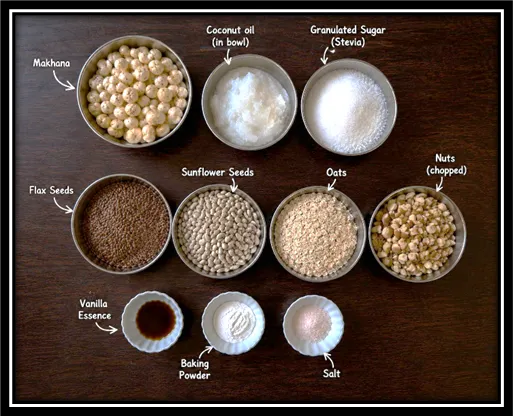
Fig 6. Material and methods
|
Ingredients |
Quantity |
|
Lotus seed flour (Makhana flour) |
50 g |
|
Oats flour |
40 g |
|
Rolled oats |
20 g |
|
Flax seeds (powdered) |
10 g |
|
Mixed nuts (almonds, walnuts, etc., chopped) |
15 g |
|
Baking powder |
2 g |
|
Cinnamon powder |
1 g |
|
Salt |
1 g |
|
Stevia (or diabetic-friendly sweetener) |
20 g |
|
Vanilla extract |
2 mL |
|
Melted coconut oil |
20 mL |
|
Milk |
30–40 mL (as required) |
Equipment Required
Procedure
Step 1: Preparation of Dry Ingredients
Step 2: Preparation of Wet Ingredients
Step 3: Dough Preparation
Step 4: Shaping of Biscuits
Step 5: Baking
Step 6: Cooling and Packaging
Method of Preparation:
1. All ingredients were weighed accurately.
2. Lotus seed flour and oats flour were sieved to remove impurities.
3. Dry ingredients including baking powder, cinnamon, salt, and flax seeds were mixed uniformly. 4. Coconut oil, milk, and vanilla extract were added gradually to form dough.
5. Nuts were incorporated into the dough mixture.
6. The dough was rolled and cut into biscuit shapes.
7. Biscuits were baked at 180°C for 15–20 minutes.
8. Prepared biscuits were cooled and stored in airtight containers.
RESULTS AND DISCUSSION
The diabetic biscuits prepared using lotus seed flour as the main ingredient were evaluated for various physicochemical and organoleptic parameters. The formulation showed satisfactory results with acceptable nutritional and sensory characteristics suitable for diabetic patients.
1. Organoleptic Evaluation
The prepared biscuits were evaluated for color, appearance, taste, texture, and aroma.
|
Parameter |
Observation |
|
Color |
Light brown |
|
Appearance |
Uniform and attractive |
|
Taste |
Mildly sweet and pleasant |
|
Texture |
Crisp and crunchy |
|
Aroma |
Pleasant cinnamon and vanilla aroma |
Discussion
The biscuits exhibited good sensory properties due to the incorporation of cinnamon, vanilla extract, and coconut oil. Lotus seed flour and oats flour provided desirable texture and improved acceptability.
2. Weight Variation
|
Observation |
Result |
|
Average weight of biscuits |
18–20 g |
Discussion
The biscuits showed minimal weight variation, indicating uniform mixing and proper molding of dough during preparation.
3. Thickness and Diameter
|
Parameter |
Result |
|
Thickness |
0.7–0.9 cm |
|
Diameter |
4.5–5.0 cm |
Discussion
Uniform thickness and diameter indicated proper dough consistency and even baking characteristics.
4. Spread Ratio
|
Result |
Observation |
|
Spread ratio |
5.5–6.5 |
Discussion
The spread ratio was within acceptable limits, indicating proper fat distribution and dough quality. Coconut oil contributed to improved spreadability and texture.
5. Hardness Test
|
Parameter |
Observation |
|
Hardness |
Moderate hardness with crisp texture |
Discussion
The biscuits possessed adequate hardness and crunchiness. The presence of flax seeds and oats improved structural integrity while maintaining acceptable texture.
6. Moisture Content
|
Parameter |
Result |
|
Moisture content |
3–5% |
Discussion
Low moisture content enhanced shelf life and reduced chances of microbial growth. Proper baking temperature helped maintain optimum moisture level.
7. Nutritional Evaluation
|
Nutritional Component |
Observation |
|
Fiber |
High |
|
Protein |
Moderate |
|
Fat |
Moderate |
|
Carbohydrate |
Controlled |
Discussion
Lotus seed flour, oats, flax seeds, and nuts increased dietary fiber and protein content. These ingredients may help in better glycemic control and provide nutritional benefits for diabetic individuals.
8. Stability Study
|
Storage Condition |
Observation |
|
Room temperature for 30 days |
No significant change in taste, texture, or odor |
Discussion
The biscuits remained stable during storage in airtight containers. No microbial growth or rancidity was observed, indicating good storage stability.
Overall Discussion
The formulated diabetic biscuits prepared with lotus seed flour showed satisfactory physicochemical, sensory, and nutritional properties. The combination of oats, flax seeds, cinnamon, and nuts enhanced the nutritional profile and improved the functional value of the product
The biscuits exhibited:
Thus, the formulated biscuits can be considered a healthier alternative to conventional biscuits and may be beneficial for individuals requiring controlled sugar intake.
CONCLUSION
The present study on the formulation and evaluation of diabetic biscuits was carried out with the aim of developing a nutritious, healthy, and acceptable bakery product suitable for diabetic individuals. The increasing prevalence of diabetes and growing awareness regarding healthy dietary habits have created a demand for functional foods with improved nutritional quality and reduced glycemic impact. In this study, diabetic biscuits were prepared using ingredients such as oats, flax seeds, nuts, milk, oats flour, cinnamon, and other supportive excipients to enhance both nutritional and therapeutic value.
The incorporation of oats in the biscuit formulation proved beneficial due to their high dietary fiber content, especially beta-glucan, which is known to help regulate blood glucose and cholesterol levels. Oats also contributed to improved texture and nutritional quality of the biscuits. Flax seeds played an important role in enhancing the functional properties of the product because they are rich in omega-3 fatty acids, proteins, lignans, and antioxidants. These components are associated with improved insulin sensitivity and cardiovascular health, making them highly suitable for diabetic food products.
The use of nuts and milk improved the protein, mineral, and healthy fat content of the biscuits, thereby increasing their nutritional value. Cinnamon added pleasant flavor and aroma to the product while also contributing potential anti-diabetic effects due to its bioactive constituents. The combination of these ingredients resulted in the development of biscuits with improved health benefits compared to conventional bakery products.The prepared diabetic biscuits were evaluated for various physical, nutritional, and sensory parameters. Physical evaluation indicated that the biscuits possessed acceptable characteristics in terms of shape, texture, appearance, and consistency. Moisture content was found to be within acceptable limits, suggesting good shelf stability and reduced chances of microbial spoilage. Nutritional evaluation demonstrated that the formulated biscuits had higher dietary fiber and protein content compared to ordinary biscuits, making them more suitable for diabetic individuals and health-conscious consumers.
Sensory evaluation showed that the prepared biscuits were acceptable in terms of taste, aroma, color, crispness, and overall palatability. The balanced incorporation of oats, flax seeds, nuts, and cinnamon helped maintain desirable sensory qualities while improving nutritional composition. The study confirmed that healthy ingredients can be successfully incorporated into bakery products without significantly affecting consumer acceptability.
The findings of the present work suggest that diabetic biscuits prepared using natural and functional ingredients can serve as a healthier alternative to commercially available biscuits. These biscuits may help support blood glucose management and provide additional nutritional benefits due to the presence of dietary fibers, antioxidants, and healthy fats. Moreover, the product can be considered a convenient and affordable snack option for diabetic patients as well as for individuals seeking healthier dietary choices.
FUTURE SCOPE
The development of diabetic biscuits using functional and natural ingredients has significant future potential in the field of food technology, nutrition, and healthcare. With the increasing prevalence of diabetes and lifestyle-related disorders worldwide, there is a growing demand for healthy, low-calorie, and nutritionally enriched food products. Functional bakery products such as diabetic biscuits can play an important role in promoting healthy eating habits and supporting blood glucose management. The present study provides a foundation for future research and product development in this area.
One of the major future scopes of this work is the optimization of the biscuit formulation using different combinations of functional ingredients. Further studies can be carried out by incorporating other nutritious ingredients such as millet flour, quinoa, chia seeds, soy flour, fenugreek, barley, and natural sweeteners. These ingredients possess additional therapeutic and nutritional benefits that may improve the overall quality of diabetic biscuits. Comparative studies can also be conducted to identify the most effective ingredient combinations for achieving better nutritional value and sensory acceptability.
Future research may focus on reducing the glycemic index of biscuits even further through the use of advanced formulation techniques and sugar substitutes. Natural sweeteners such as stevia, monk fruit extract, and date powder can be explored as alternatives to refined sugar. Such ingredients can help produce healthier bakery products suitable not only for diabetic individuals but also for people following low-calorie or weight-management diets. The development of sugar-free or low-sugar functional biscuits has excellent commercial potential due to increasing consumer awareness regarding healthy lifestyles.
The present work can also be extended toward detailed nutritional and biochemical studies. Further investigations may include determination of glycemic index, antioxidant activity, mineral profiling, vitamin content, and bioavailability of nutrients present in the formulated biscuits. Clinical studies can be conducted to evaluate the actual effect of diabetic biscuits on blood glucose levels, insulin sensitivity, and lipid profile in diabetic patients. Such studies would provide scientific evidence regarding the therapeutic effectiveness of the product and strengthen its application in dietary management of diabetes.
Another important future scope involves improvement of sensory and textural properties. Although functional ingredients enhance nutritional quality, they may sometimes affect texture, flavor, or appearance when used in higher concentrations. Advanced processing methods and formulation optimization can help improve crispness, mouthfeel, aroma, and overall acceptability of the biscuits. Research may also focus on enhancing shelf life and packaging quality to maintain freshness and product stability during storage and transportation.
REFERENCES





Smita S. Mane*, Siddhi Ajay Zodge, Sakshi Machindra Jagtap, Vijaykumar Kale, Mahesh Thakre, Riddhi Zodge, Formulation And Evaluation Of Diabetic Biscuits, Int. J. Sci. R. Tech., 2026, 3 (6), 1154-1174. https://doi.org/10.5281/zenodo.20773459
 10.5281/zenodo.20773459