

We use cookies to ensure our website works properly and to personalise your experience. Cookies policy
1Department of Pharmacognosy, Delight College of Pharmacy, Koregaon Bhima, Pune, Maharashtra, 412216
2Principal of Delight College of Pharmacy, Koregaon Bhima, Pune, Maharashtra, 412216
Haemoglobin is the primary iron-containing metalloprotein responsible for oxygen transport, carbon dioxide clearance, and systemic acid-base buffering. Deficiencies in key erythropoietic micronutrients—particularly iron, folic acid, and vitamin B12—impair haemoglobin biosynthesis and precipitate nutritional anaemia, a pervasive global public health burden. Although conventional oral haematinics such as ferrous sulfate and ferrous fumarate remain standard therapy, their clinical effectiveness is frequently compromised by poor fractional duodenal absorption, unpleasant metallic taste, dietary chelation, and dose-limiting gastrointestinal adverse effects that reduce patient adherence. This review examines the physiological mechanisms of haemoglobin synthesis, evaluates the phytochemical and nutritional rationale of selected haematinic medicinal plants, and explores the pharmaceutical advantages, limitations, and future prospects of polyherbal elixir formulations in anaemia management. Combining Spinacia oleracea, Moringa oleifera, Beta vulgaris, Emblica officinalis, and Punica granatum provides a synergistic matrix of bioavailable non-haem iron, folate, essential amino acids, thermostable ascorbic acid, betalains, and polyphenols. Endogenous organic acids and vitamin C facilitate the reduction of ferric iron to absorbable ferrous complexes in the gut, while antioxidant phytochemicals protect erythrocyte membranes against premature oxidative haemolysis. Formulating these botanicals into a sweetened hydro-alcoholic or glycerinated elixir enhances palatability, eliminates tablet disintegration delays, and allows flexible dosing across pediatric, pregnant, and geriatric populations. While challenges involving raw material standardization, antinutritional oxalates, and storage stability persist, adopting marker-based quality control, alcohol- and sugar-free vehicles, and nano-encapsulation technologies positions polyherbal haematinic elixirs as safe, well-tolerated alternatives for nutritional anaemia.
Haemoglobin (Hb) is a vital iron-containing globular metalloprotein found within vertebrate erythrocytes that serves as the primary respiratory pigment in systemic circulation, with each human red blood cell housing approximately 270 million molecules that maintain normal concentrations of 13.5–18.0 g/dL in adult men and 12.0–15.0 g/dL in adult women. Structurally, predominant adult haemoglobin (HbA) has a molecular weight of roughly 64,458 Da and is organized as a heterotetramer composed of four polypeptide globin subunits—two alpha chains containing 141 amino acid residues and two beta chains containing 146 residues—arranged as two identical alpha-beta dimers stabilized by non-covalent interactions. Each globin subunit encloses a non-protein haem prosthetic group consisting of a protoporphyrin IX ring coordinated to a central ferrous iron ion Fe2+, which must remain in its reduced state to bind molecular oxygen reversibly without oxidizing into non-functional methaemoglobin. Physiologically, a single haemoglobin tetramer binds up to four oxygen molecules to form oxyhaemoglobin, undergoing an allosteric conformational transition from a low-affinity tense (T) state to a high-affinity relaxed (R) state that produces positive cooperativity for efficient oxygen loading in pulmonary alveoli and unloading in metabolically active peripheral tissues. Beyond oxygen transport, haemoglobin facilitates the return of roughly 10–25% of metabolic carbon dioxide as carbaminohaemoglobin, provides major blood acid-base buffering via histidine residues, and modulates regional vascular tone by binding and releasing nitric oxide. Normal erythropoiesis and haemoglobin biosynthesis depend heavily on a continuous, balanced supply of iron, folic acid, and vitamin B12. Iron forms the central catalytic core of the haem moiety inside erythroid mitochondria and directly regulates globin chain translation, whereas folic acid (vitamin B9) and vitamin B12 (cobalamin) act as essential coenzymes in one-carbon metabolism and thymidylate synthesis required for DNA replication. Deficiencies in folate or vitamin B12 impair purine and pyrimidine synthesis, halting erythroblast proliferation and causing nuclear-cytoplasmic asynchrony and premature apoptosis in the bone marrow. When circulating red blood cell mass or haemoglobin concentration falls below World Health Organization physiological thresholds—specifically <13.0 g/dL in adult men, <12.0 g/dL in non-pregnant women, and <11.0 g/dL in pregnant women—anaemia develops, impairing systemic oxygen delivery. Clinically, anaemia is classified morphologically by mean corpuscular volume into microcytic (<80 fL, typical of iron deficiency and thalassaemia), normocytic (80–100 fL, seen in acute haemorrhage, haemolysis, and chronic disease), and macrocytic (>100 fL, characteristic of vitamin B12 or folate deficiency), as well as etiologically into impaired erythrocyte production, increased red cell destruction, and acute or chronic blood loss. Major causes and risk factors driving haemoglobin deficiency include inadequate dietary intake of bioavailable haem iron and essential vitamins, elevated physiological demands during infancy, adolescence, menstruation, pregnancy, and lactation, impaired gastrointestinal absorption from conditions such as celiac disease, atrophic gastritis, or prolonged proton pump inhibitor therapy, chronic occult blood loss from peptic ulcers or hookworm infestations, and chronic inflammation, which elevates hepatic hepcidin to block intestinal iron uptake and sequester iron within macrophages. Although conventional oral haematinic preparations such as ferrous sulfate, ferrous fumarate, and ferrous gluconate remain standard first-line therapy, they exhibit significant clinical limitations. Non-haem iron salts typically achieve low fractional duodenal absorption, leaving excess unabsorbed iron in the intestinal lumen where it generates reactive oxygen species, damages mucosal epithelium, and promotes pathogenic gut microbiota dysbiosis. Consequently, up to 60% of patients experience dose-limiting gastrointestinal adverse effects—including nausea, epigastric pain, constipation, diarrhea, bloating, and dark stools—resulting in poor treatment adherence and persistent anaemia. Furthermore, conventional salts suffer from unpleasant metallic taste, tooth staining, and chelation by dietary phytates, tannins, calcium, and antacids. To overcome these drawbacks, medicinal plants have gained substantial scientific interest as safer, holistic alternatives for anaemia management. Haematinic botanicals such as Moringa oleifera, Beta vulgaris, Emblica officinalis, Spinacia oleracea, and Carica papaya provide naturally chelated iron alongside endogenous absorption enhancers like ascorbic acid, organic acids, and amino acids that reduce ferric iron Fe3+ to bioavailable ferrous iron Fe2+ in the gut. Moreover, plant-derived flavonoids, polyphenols, and alkaloids stimulate bone marrow erythropoiesis and protect erythrocyte membranes against oxidative haemolysis while minimizing gastric irritation. Delivering these botanical extracts as herbal elixir formulations offers distinct pharmaceutical advantages over conventional solid oral dosage forms. Because elixirs utilize sweetened hydro-alcoholic or glycerinated aqueous vehicles, they effectively mask the bitter, astringent, or metallic taste of crude extracts and mineral salts while ensuring rapid dissolution and gastrointestinal absorption without requiring tablet disintegration. Liquid elixirs also allow flexible dose titration across pediatric, pregnant, and geriatric populations and preserve the stability of water-soluble vitamins and antioxidant phytochemicals in a single palatable preparation. Ultimately, synthesizing current knowledge on haemoglobin physiology, nutritional erythropoiesis, conventional therapeutic bottlenecks, and botanical elixir technology provides a critical scientific rationale for developing standardized, well-tolerated, and patient-compliant polyherbal haematinics capable of alleviating the global public health burden of nutritional anaemia [1-8].
Herbal Drugs used in Elixir
Spinach (Spinacia oleracea L.)
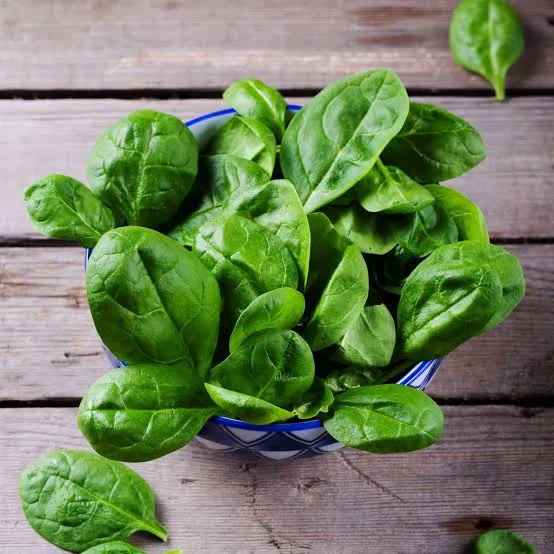
Figure 1: Spinach
Biological Source
It is obtained from the fresh or dried leaves (foliar organs) and tender aerial parts of Spinacia oleracea L. (commonly known as Spinach or Palak), belonging to the family Amaranthaceae (formerly classified under Chenopodiaceae).[3]
Geographical Distribution
Native to Central and Southwestern Asia (ancient Persia) and extensively cultivated as an annual leafy vegetable across temperate and subtropical regions worldwide. [3]
Key Haematinic Constituents
It is non-haem iron, folic acid (vitamin B9), ascorbic acid (vitamin C), β-carotene, lutein, chlorophyll, and antioxidant flavonoids that support erythropoiesis and protect red blood cells from oxidative damage. [4]
Table 1: Taxonomical Order of Spinach[3]
| Taxonomic Rank | Classification |
|---|---|
| Kingdom | Plantae |
| Subkingdom | Viridiplantae |
| Infrakingdom | Streptophyta |
| Division | Tracheophyta |
| Subdivision | Spermatophytina |
| Class | Magnoliopsida |
| Superorder | Caryophyllanae |
| Order | Caryophyllales |
| Family | Amaranthaceae |
| Subfamily | Chenopodioideae |
| Genus | Spinacia L. |
Drumstick Tree (Moringa oleifera Lam.)
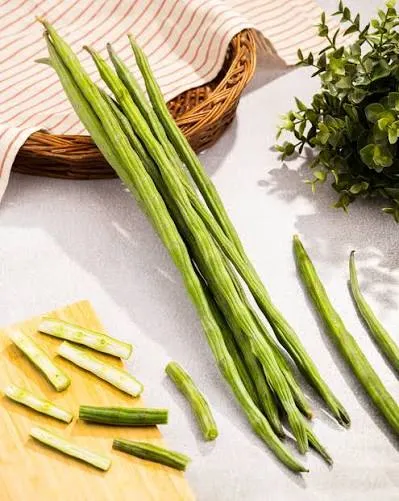
Figure 2: Moringa
Biological Source
It is obtained from the fresh or dried leaves, pods, seeds, and roots of Moringa oleifera Lam. (syn. Moringa pterygosperma Gaertn.), belonging to the family Moringaceae [5].
Geographical Distribution
It is native to the sub-Himalayan tracts of Northern India and widely cultivated across tropical and subtropical regions of Asia, Africa, and South America [5].
Key Haematinic Constituents
It contains bioavailable non-haem iron, ascorbic acid (vitamin C), folate, beta-carotene, essential amino acids, quercetin, and kaempferol [6,7,8].
Table 2: Taxonomical Order of Moringa
| Taxonomic Rank | Classification[5] |
|---|---|
| Kingdom | Plantae |
| Subkingdom | Tracheobionta |
| Division | Magnoliophyta (Tracheophyta) |
| Class | Magnoliopsida |
| Subclass | Dilleniidae |
| Order | Brassicales (syn. Capparales) |
| Family | Moringaceae |
| Genus | Moringa Adans. |
| Species | Moringa oleifera Lam. |
Beetroot (Beta vulgaris L.)
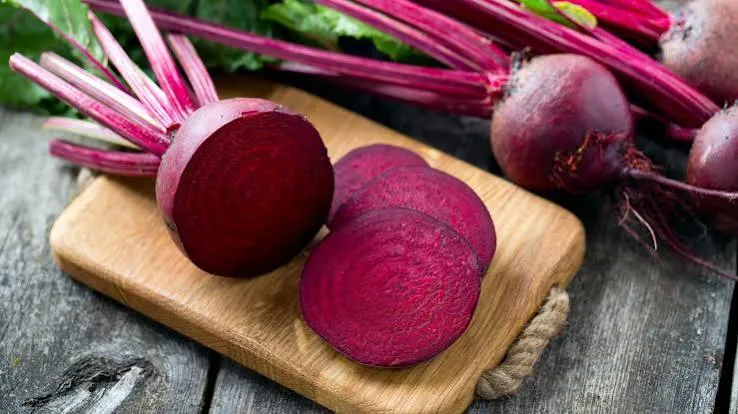
Figure 3: Beetroot
Biological Source
It is obtained from the fresh or dried swollen taproots and leaves of Beta vulgaris L. (specifically Beta vulgaris subsp. vulgaris), belonging to the family Amaranthaceae (formerly Chenopodiaceae) [9].
Geographical Distribution
It is native to the Mediterranean coast and extensively cultivated across Europe, Asia, North America, and India [9,10].
Key Haematinic Constituents
It is rich in iron, folic acid (vitamin B9), ascorbic acid, betalains (betacyanins and betaxanthins), dietary nitrates, and phenolic antioxidants [10,11].
Table 3: Taxonomical Order of Beetroot
| Taxonomic Rank | Classification [9] |
|---|---|
| Kingdom | Plantae |
| Subkingdom | Viridiplantae |
| Division | Tracheophyta |
| Class | Magnoliopsida |
| Subclass | Caryophyllidae |
| Order | Caryophyllales |
| Family | Amaranthaceae (formerly Chenopodiaceae) |
| Genus | Beta L. |
| Species | Beta vulgaris L. |
Indian Gooseberry / Amla (Emblica officinalis Gaertn.)
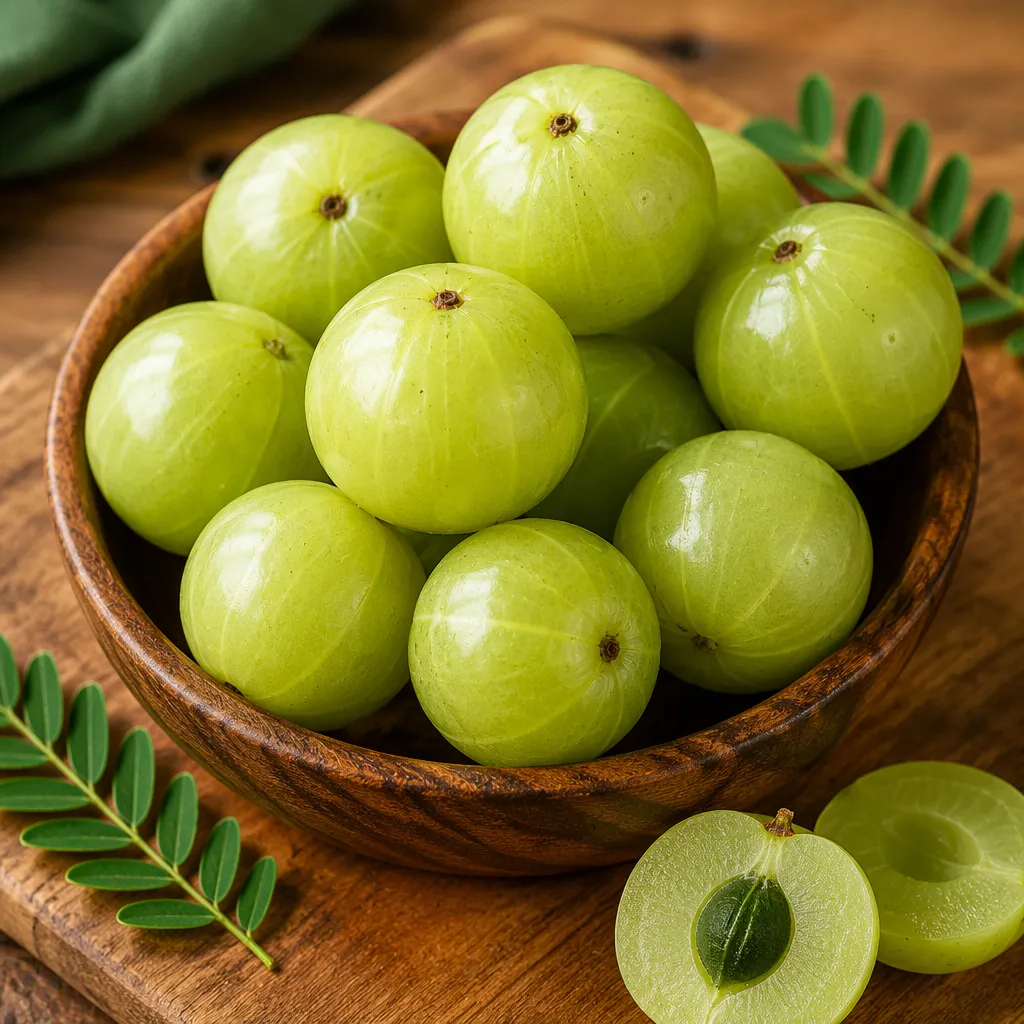
Figure 4: Amla
Biological Source
It is obtained from the fresh and dried fruits of Phyllanthus emblica L. (syn. Emblica officinalis Gaertn.), belonging to the family Phyllanthaceae (formerly Euphorbiaceae) [12].
Geographical Distribution
It is native to tropical and subtropical Southeast Asia, particularly throughout deciduous forests of India, Sri Lanka, and Myanmar [12].
Key Haematinic Constituents
High concentrations of thermostable ascorbic acid (vitamin C), hydrolysable tannins (emblicanin A and B, gallic acid, ellagic acid), flavonoids, and minerals that enhance non-haem iron reduction and absorption [13,14].
Table 4: Taxonomical Order of Amla
| Taxonomic Rank | Classification [12] |
|---|---|
| Kingdom | Plantae |
| Subkingdom | Tracheobionta |
| Division | Tracheophyta (Magnoliophyta) |
| Class | Magnoliopsida |
| Subclass | Rosidae |
| Order | Malpighiales (formerly Geraniales) |
| Family | Phyllanthaceae (formerly Euphorbiaceae) |
| Genus | Phyllanthus L. (syn. Emblica) |
| Species | Phyllanthus emblica L. (syn. Emblica officinalis Gaertn.) |
Pomegranate (Punica granatum L.)
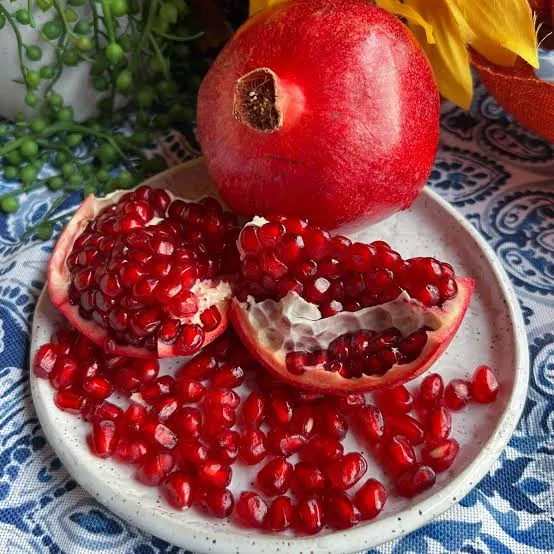
Figure 5: Pomegranate
Biological Source
It is obtained from the fresh fruit arils, juice, rind (pericarp), and seeds of Punica granatum L., belonging to the family Lythraceae (formerly Punicaceae) [15].
Geographical Distribution
It is native to the region extending from Iran to the Himalayas in Northern India and widely cultivated across the Mediterranean basin, Asia, and arid subtropical regions [15].
Key Haematinic Constituents
Iron, ascorbic acid, folic acid, vitamin B6, anthocyanins, punicalagins, and ellagitannins that support erythropoiesis and protect erythrocytes against oxidative damage [16,17].
Table 5: Taxonomical Order of Pomegranate
| Taxonomic Rank | Classification [15] |
|---|---|
| Kingdom | Plantae |
| Subkingdom | Tracheobionta |
| Division | Tracheophyta (Magnoliophyta) |
| Class | Magnoliopsida |
| Subclass | Rosidae |
| Order | Myrtales |
| Family | Lythraceae (formerly Punicaceae) |
| Genus | Punica L. |
| Species | Punica granatum L. |
Phytochemical and Nutrional Rationale
The phytochemical and nutritional rationale for using Spinacia oleracea, Moringa oleifera, Beta vulgaris, Emblica officinalis (Phyllanthus emblica), and Punica granatum in an anti-anaemic formulation lies in their ability to supply bioavailable iron and erythropoietic cofactors alongside endogenous reducing and antioxidant phytochemicals that enhance mineral absorption and protect erythrocytes from oxidative hemolysis [1,4,6,10,13,16,18].
Table 6: Phytochemical and Nutritional Rationale
| Botanical Name (Common Name) | Key Nutritional Constituents | Key Phytochemical Constituents | Mechanistic Rationale in Anaemia Management |
|---|---|---|---|
| Spinacia oleracea L. (Spinach) | Non-haem iron, folic acid (vitamin B9), ascorbic acid (vitamin C), vitamin B6, β-carotene, and magnesium [4]. | Chlorophyll, lutein, zeaxanthin, patuletin, spinacetin, and phenolic acids [4]. | Folate and vitamin B6 drive DNA synthesis and erythroblast maturation in bone marrow. Chlorophyll structurally resembles the protoporphyrin ring of haem and supports erythropoietic recovery while flavonoids reduce lipid peroxidation in red blood cell membranes [4]. |
| Moringa oleifera Lam. (Drumstick) | High-density iron, folic acid, ascorbic acid, β-carotene, copper, zinc, and essential amino acids [6,7,8]. | Quercetin, kaempferol, chlorogenic acid, rutin, moringinine, and β-sitosterol [6,7,8]. | Essential amino acids supply building blocks for globin chain synthesis, while copper aids ceruloplasmin-mediated iron mobilization. Quercetin and vitamin C reduce ferric iron (Fe³âº) to absorbable ferrous iron (Fe²âº) and stimulate bone marrow erythropoiesis [6,7,8]. |
| Beta vulgaris L. (Beetroot) | Iron, folic acid, ascorbic acid, potassium, manganese, and dietary nitrates [10,11]. | Betalains (betanin, vulgaxanthin), ferulic acid, rutin, and epicatechin [10,11]. | Folate and iron directly support haemoglobin synthesis, while dietary nitrates convert to nitric oxide to improve tissue perfusion and microcirculatory oxygen delivery. Betalains exert potent free-radical scavenging activity that prevents premature erythrocyte hemolysis [10,11]. |
| Emblica officinalis Gaertn. (Amla) | Thermostable ascorbic acid (vitamin C), iron, calcium, and B-complex vitamins [13,14]. | Emblicanin A and B, gallic acid, ellagic acid, chebulagic acid, and corilagin [13,14]. | High levels of tannin-stabilized vitamin C form soluble monomeric chelates with dietary and herbal non-haem iron in the acidic stomach, preventing insoluble ferric hydroxide precipitation in the duodenum and markedly increasing fractional iron bioavailability [13,14]. |
| Punica granatum L. (Pomegranate) | Iron, ascorbic acid, folic acid, vitamin B6, copper, and potassium [16,17]. | Punicalagins, ellagitannins, anthocyanins (delphinidin, cyanidin), and catechin [16,17]. | Ascorbic acid and organic acids promote duodenal iron uptake, while copper supports systemic iron transport. Punicalagins and anthocyanins protect erythrocyte membranes from oxidative stress and suppress pro-inflammatory cytokines that otherwise upregulate hepcidin and block iron release [16,17]. |
Synergistic Multi-Target Rationale for Polyherbal Formulation
• Enhanced Non-Haem Iron Solubilization
Combining iron-rich leaves (Spinacia oleracea and Moringa oleifera) with ascorbic- and organic-acid-rich fruits (Emblica officinalis and Punica granatum) converts poorly soluble Fe³âº into bioavailable Fe²âº at duodenal pH, overcoming the low absorption typical of plant-based iron [1,13,14].
• Complete Erythropoietic Cofactor Coverage
Concurrent delivery of iron, folic acid (Spinacia oleracea, Beta vulgaris), vitamin B6, copper, and essential amino acids (Moringa oleifera) supports both haem biosynthesis and globin peptide translation simultaneously [4,6,8,10].
• Erythrocyte Membrane Stabilization
Polyphenols, betalains, and anthocyanins neutralize reactive oxygen species generated during iron metabolism, preventing oxidative hemolysis and prolonging circulating red blood cell lifespan [10,11,16,17].
• Gastrointestinal Tolerance
Unlike inorganic ferrous salts that flood the gut lumen with free ionic iron, plant-matrix iron bound to organic acids and amino acids releases gradually without irritating gastric mucosa or inducing constipation [1].
Formulation Study & Preparation Methodology
• Extract Preparation (Maceration & Decoction)
Dried, coarsely powdered leaves of Spinacia oleracea and Moringa oleifera, dried root powder of Beta vulgaris, dried fruit pericarp of Emblica officinalis, and fruit/peel extract of Punica granatum are extracted using hydro-alcoholic maceration (ethanol:water, 30:70 v/v) or aqueous decoction, filtered, and concentrated into standardized soft extracts [19,20,21].
• Vehicle & Co-Solvent System
Ethanol (8–10% v/v) and glycerin (10–15% v/v) act together as co-solvents to keep poorly water-soluble flavonoids, chlorophyll derivatives, and tannins dissolved without precipitation [20,21].
• Sweetening & Viscosity Modification
Simple syrup IP (66.7% w/v sucrose) or sorbitol solution is incorporated to mask the astringent, earthy, and metallic notes of plant polyphenols and minerals while providing smooth pourability [20,21].
• pH Optimization & Antioxidant Stabilization
Citric acid or ascorbic acid is added to adjust the final formulation pH to 4.0–5.0, which maintains iron in its soluble ferrous (Fe²âº) state, prevents oxidative degradation of betalains and anthocyanins, and enhances antimicrobial preservative efficacy [1,10,11,16].
• Preservation & Flavouring
Methylparaben and propylparaben are dissolved in ethanol prior to aqueous mixing to prevent microbial growth, followed by aromatic flavouring agents (such as orange or cardamom oil) to maximize patient compliance [20,21,22].
Table 7: Master Formulation Table for Polyherbal Haematinic Elixir (Batch Size: 100 ml)
| S. No. | Ingredient | Category / Role in Formulation | Quantity (per 100 mL) | Pharmaceutical & Therapeutic Rationale |
|---|---|---|---|---|
| 1 | Moringa oleifera leaf extract | Primary active (API) | 2.5 g | Supplies high-density non-haem iron, quercetin, essential amino acids, and erythropoietic cofactors. [6,7,8,20] |
| 2 | Spinacia oleracea leaf extract | Primary active (API) | 2.5 g | Provides natural folic acid (vitamin B9), iron, and chlorophyll to support DNA synthesis and erythroblast maturation [3,4,20]. |
| 3 | Beta vulgaris root extract | Primary active (API) | 2.0 g | Delivers betalains, folate, and dietary nitrates for antioxidant erythrocyte protection and tissue oxygenation [9,10,11,20]. |
| 4 | Emblica officinalis fruit extract | Active & bioenhancer | 2.0 g | Supplies thermostable ascorbic acid and tannins that reduce Fe³âº to Fe²âº and enhance duodenal iron absorption [12,13,14,20]. |
| 5 | Punica granatum fruit/rind extract | Active & antioxidant | 1.5 g | Provides punicalagins, anthocyanins, and organic acids that prevent oxidative hemolysis and support haemoglobin synthesis [15,16,17,20]. |
| 6 | Ethanol (95% v/v) | Co-solvent & preservative | 10.0 mL | Solubilizes moderately polar flavonoids and polyphenols while contributing to self-preservation [20,21]. |
| 7 | Glycerin | Co-solvent & humectant | 12.0 mL | Prevents cap-locking, enhances viscosity, stabilizes tannins, and improves mouthfeel [20,21]. |
| 8 | Simple Syrup IP (66.7% w/v) | Sweetening agent & vehicle | 40.0 mL | Masks bitterness and astringency of herbal extracts while increasing palatability across age groups [20,21]. |
| 9 | Citric acid / Ascorbic acid | pH modifier & antioxidant | 0.2 g | Maintains acidic pH (4.0–5.0) to stabilize Fe²âº iron, prevent oxidation, and improve shelf life [1,10,11,16,20]. |
| 10 | Methylparaben | Antimicrobial preservative | 0.18 g | Prevents fungal and bacterial contamination in the aqueous-alcoholic liquid phase [20,21,22]. |
| 11 | Propylparaben | Antimicrobial preservative | 0.02 g | Acts synergistically with methylparaben to provide broad-spectrum antimicrobial protection [20,21,22]. |
| 12 | Sweet orange oil / Cardamom flavour | Flavouring agent | 0.5 mL | Imparts a pleasant aroma and masks residual herbal notes [20,21]. |
| 13 | Purified Water IP | Vehicle | q.s. to 100 mL | Serves as the primary aqueous dispersion medium [20,21]. |
Standard Quality Control & Evaluation Parameters
To validate batch uniformity and shelf stability, the formulated elixir is evaluated against standard pharmacopoeial parameters [19,22,23]:
• Organoleptic Properties
It has deep reddish-brown color, characteristic fruity-herbal odor, sweet-tart taste, and homogeneous clarity without sedimentation [19,22,23].
• Physicochemical Parameters
Determination of pH (target 4.0–5.0), specific gravity (1.10–1.25 g/mL), viscosity (using an Ostwald or Brookfield viscometer), and alcohol content (8–10% v/v) are conducted [19,22,23].
• Phytochemical & Mineral Standardization
Quantitative estimation of total iron content (via atomic absorption spectroscopy or UV-Vis spectrophotometry), ascorbic acid content, total phenolic content, and total flavonoid content are obtained [19,22,23].
• Microbial Limit & Accelerated Stability Testing
Total aerobic microbial count verification and storage at 40 °C ± 2 °C / 75% RH ± 5% RH for 3 months to confirm absence of precipitation, color fading, or pH drift [22,23].
Limitations
Despite their improved gastrointestinal tolerance and patient acceptability, polyherbal haematinic elixirs present notable pharmaceutical and clinical limitations. First, phytochemical variability and standardization challenges arise because mineral and vitamin concentrations in raw botanicals—such as Spinacia oleracea, Moringa oleifera, and Emblica officinalis—fluctuate with soil quality, harvest season, and extraction conditions, making batch-to-batch uniformity difficult without advanced marker-based standardization. Second, endogenous antinutritional factors, particularly oxalates in spinach and hydrolysable tannins in amla and pomegranate, can chelate non-haem iron in the gastrointestinal lumen and partially counteract iron bioavailability if not balanced with sufficient organic acids. Third, physicochemical instability remains a major liquid-dosage hurdle, as polyphenol-iron interactions frequently cause dark discoloration, turbidity, or sedimentation during storage, while ascorbic acid and betalains degrade rapidly under elevated temperatures or pH shifts. Fourth, excipient restrictions limit universal clinical use: the presence of ethanol as a co-solvent and sucrose in simple syrup restricts administration in pediatric, pregnant, and diabetic populations unless alcohol-free and sugar-free alternatives are formulated. Finally, slower therapeutic onset in severe iron-deficiency anaemia and limited large-scale randomized clinical trials restrict polyherbal elixirs primarily to mild-to-moderate anaemia or preventive supplementation rather than acute clinical replacement [1,4,6,10,13,16,22,23].
Future Perspectives
Future research on polyherbal haematinic elixirs should focus on bridging traditional botanical synergy with advanced pharmaceutical standardization and novel drug delivery technologies. First, developing alcohol-free and sugar-free elixir bases using glycerin-propylene glycol co-solvent systems and non-cariogenic sweeteners such as stevia or sorbitol will expand clinical safety for pregnant women, pediatric patients, and diabetic populations. Second, implementing chromatographic fingerprinting (HPTLC/HPLC) and atomic absorption spectroscopy for bioactive markers—such as ascorbic acid, quercetin, betalains, and elemental iron—will ensure strict batch-to-batch uniformity and regulatory compliance. Third, applying micro- and nano-encapsulation techniques, including phytosomes, liposomes, and biopolymeric nanoparticles, can shield sensitive antioxidants like betalains and vitamin C from pH- or heat-induced degradation while preventing premature polyphenol-iron precipitation during storage. Encapsulation also masks astringent botanical notes and enables controlled intestinal release, further enhancing non-haem iron bioavailability. Fourth, selective pre-extraction enzymatic or membrane processing can reduce endogenous antinutritional oxalates in Spinacia oleracea without stripping essential folates and minerals. Finally, conducting well-powered randomized controlled clinical trials comparing standardized polyherbal elixirs against conventional ferrous salts across hematological biomarkers (haemoglobin, serum ferritin, and transferrin saturation) will establish robust evidence-based clinical guidelines [6,13,16,19,22,23].
CONCLUSION
Haemoglobin remains indispensable to human physiological homeostasis, serving as the primary respiratory metalloprotein responsible for reversible oxygen transport, carbon dioxide clearance, systemic acid-base buffering, and nitric oxide-mediated vascular regulation. Maintaining normal circulating haemoglobin concentrations relies on a tightly coordinated erythropoietic cascade in the bone marrow that requires uninterrupted availability of elemental iron for haem biosynthesis alongside folic acid and vitamin B12 for purine, pyrimidine, and DNA synthesis. Disruption of these nutritional pathways, whether through inadequate dietary intake, heightened physiological demand during pregnancy and growth, impaired gastrointestinal absorption, chronic blood loss, or inflammation-induced hepcidin upregulation, precipitates anaemia and diminishes systemic oxygen delivery. Although conventional oral haematinics—primarily inorganic ferrous salts such as ferrous sulfate, fumarate, and gluconate—remain the clinical mainstay for iron replacement, their therapeutic utility is frequently undermined by poor fractional duodenal bioavailability, metallic aftertaste, dietary chelation, and dose-limiting gastrointestinal adverse effects including epigastric pain, nausea, constipation, and mucosal oxidative stress. These tolerability barriers drive widespread patient non-compliance and underscore the urgent need for safer, more acceptable haematinic alternatives.
Medicinal plants offer a compelling multi-target solution to these therapeutic bottlenecks by delivering bioavailable iron within a natural matrix of synergistic micronutrients and protective phytochemicals. As examined in this review, combining Spinacia oleracea, Moringa oleifera, Beta vulgaris, Emblica officinalis, and Punica granatum establishes a complementary biochemical profile capable of addressing nutritional anaemia across multiple physiological stages. While Moringa oleifera and Spinacia oleracea supply dense concentrations of non-haem iron, folate, essential amino acids, and chlorophyll derivatives to support both haem and globin synthesis, Emblica officinalis and Punica granatum provide thermostable ascorbic acid and organic acids that reduce poorly soluble ferric iron into absorbable ferrous complexes in the upper gastrointestinal tract. Concurrently, betalains, anthocyanins, flavonoids, and hydrolysable tannins from Beta vulgaris, Punica granatum, and Moringa oleifera neutralize reactive oxygen species, protect erythrocyte membranes against premature oxidative hemolysis, and improve microvascular tissue oxygenation.
Formulating these synergistic botanical extracts into a standardized herbal elixir further amplifies their clinical practicality. Unlike solid oral dosage forms, a properly balanced hydro-alcoholic or glycerinated elixir masks astringent and earthy herbal notes, eliminates tablet disintegration delays, ensures rapid gastrointestinal absorption, and allows flexible dose titration across pediatric, pregnant, and geriatric patient populations. Nevertheless, translating polyherbal haematinic elixirs from traditional use into mainstream clinical practice requires overcoming key pharmaceutical hurdles, including raw material phytochemical variability, endogenous antinutritional oxalates, polyphenol-iron precipitation during storage, and excipient restrictions associated with alcohol and sucrose. Addressing these challenges through chromatographic marker standardization, alcohol-free and sugar-free vehicle optimization, micro- or nano-encapsulation of labile antioxidants, and rigorous randomized controlled clinical trials will establish robust evidence for efficacy and shelf stability. Ultimately, standardized polyherbal haematinic elixirs represent a promising, patient-compliant, and well-tolerated therapeutic strategy capable of bridging traditional phytotherapy and modern pharmaceutics to reduce the global burden of nutritional anaemia.
Conflict of Interest
Authors have declare that there is no conflict of interest regarding the publication of this review article.
REFERENCES



Kundlik Bade, Mahadev Mundhe, Dr. Sampat Navale, Herbal Elixirs as Potential Haematinic Agents: A Review of Phytochemical Identification, Formulation Strategies and Haemoglobin-Enhancing Activity, Int. J. Sci. R. Tech., 2026, 3 (11), 1435-1445. https://doi.org/10.5281/zenodo.24560366
 10.5281/zenodo.24560366