

We use cookies to ensure our website works properly and to personalise your experience. Cookies policy
P’Chemistry, S.N.D College of Pharmacy.
Herbal medicines have been used for centuries for the prevention and treatment of various diseases because of their natural origin and therapeutic properties. However, many herbal compounds have limitations such as poor solubility, low bioavailability, rapid degradation, and poor absorption in the body. Nanoformulation is an advanced approach that uses nanotechnology to improve the delivery and effectiveness of herbal medicines. Nanoformulations involve reducing herbal active compounds to nanoscale and incorporating them into systems such as nanoparticles, nanoemulsions, liposomes, nanocapsules, and phytosomes. These systems can improve the solubility, stability, absorption, and controlled release of herbal compounds. Recent trends in herbal nanoformulations include the development of targeted drug delivery systems, combination of herbal compounds with nanocarriers, green synthesis of nanoparticles, and use of smart and stimuli-responsive nanocarriers. These approaches may improve therapeutic activity while reducing unwanted effects. However, challenges such as toxicity, stability, large-scale production, high cost, limited clinical studies, and lack of standardized regulatory guidelines remain. Future research should focus on developing safe, stable, cost-effective, and reproducible nanoformulations. More clinical studies are also required to establish their safety and therapeutic effectiveness. Overall, herbal nanoformulations represent a promising approach for improving the delivery and potential therapeutic benefits of herbal medicines.
For centuries, herbal medicine has played a significant role in healthcare throughout numerous civilizations. For many years, traditional medical systems such as Egyptian medicine, Ayurveda, and Traditional Chinese Medicine (TCM) have used plant-based remedies to treat a variety of illnesses (Anand et al., 2007). Due to its natural nature, perceived safety, and therapeutic properties, herbal therapy has attracted increased interest in recent years. The majority of bioactive substances originating from plants offer a wide range of therapeutic properties, including anti-inflammatory, antibacterial, antioxidant, and anticancer properties Flavonoids, alkaloids, terpenoids, and polyphenols are just a few of the bioactive components found in herbal medicines that give them their medicinal properties. For example, the anti-inflammatory and anticancer properties of curcumin, one of the main chemicals in turmeric, have been thoroughly investigated (Baur and Sinclair, 2006)
Nanoformulation offers a practical solution to the issue of herbal medicines' solubility, making their administration easier. Furthermore, unfavorable side effects are frequently caused by a lack of selectivity in the drug transport to the target region. Herbal nanoformulation is a potential delivery strategy for herbal medicine since it increases the loading drug's target selective activity in vivo. Incorporating nanotechnology into medicinal plants' bioactive ingredients to customize them for their unique advantages has proven to be a crucial situation in the modern era. [2]
These days, the use of herbal medicines to treat a variety of illnesses with fewer side effects and greater therapeutic benefits is making them more important. By choosing the affected location and delivering the medication there, a pharmaceutical conveyor of a revolutionary herbal medicament can treat certain disorders. [3]
Pharmaceutical sector benefits from the development of herbal nanoparticles, especially when it comes to drug delivery. By altering drug composition and taking into account factors like drug stability, drug delivery system, degradation mechanism, and regulatory standards, several kinds of herbal nanoparticles are employed to increase efficacy and uptake. By optimizing drug distribution in the blood and increasing nanoparticle retention and penetration through the blood-brain barrier, nanoparticles can lower drug toxicity while preserving therapeutic benefit. [4]
METHODS OF HERBAL NANO-FORMULATION:
Because nanotechnology makes it possible to create, design, and use materials at the molecular level, it has completely changed the field of material science. Nanoparticles, which have a diameter of less than 100 nm, have shown promise as medicinal agents. The two primary systems of these nanoparticles are nanospheres and nanocapsules. While nanospheres evenly distribute the active ingredients inside a matrix system, nanocapsules have a special polymeric membrane that encloses the medication. Herbal-nano compositions are made using a variety of intricate techniques. These approaches cover a range of strategies meant to produce the required drug delivery profiles, particle sizes, and shapes.
Additional Methods Of Herbal Nanoformulation
1. Spray Drying: Spray drying converts a liquid containing herbal extracts and suitable carrier materials into dry powder by spraying it into a hot drying chamber. It may improve handling, storage, and formulation stability.
2. Ultrasonication: Ultrasonication uses high-frequency sound waves to reduce droplet or particle size. It can be used during the preparation of herbal nanoemulsions and other nanosystems to improve dispersion uniformity.
3. Wet Milling: Wet milling reduces the particle size of herbal compounds by mechanical milling in a liquid medium. It can help improve dissolution of poorly water-soluble phytoconstituents.
4. Plant-Mediated Synthesis: Plant extracts can act as reducing and stabilising agents during the preparation of certain metallic nanoparticles. This approach is investigated as a potentially greener alternative to some conventional synthesis methods.
5. Layer-by-Layer Assembly: This technique involves depositing successive layers of materials onto a particle surface to form a structured coating. It can be investigated for controlling surface properties and modifying the release of herbal compounds.
6. Double Emulsion Method (W/O/W): This method involves preparing a water-in-oil emulsion followed by its dispersion in an external aqueous phase. It can be useful for encapsulating water-soluble herbal constituents within polymeric nanoparticles. [14,15]
SCHEMATIC REPRESENTATION OF METHODS USED FOR PREPRATION OF HERBAL NANO-FORMULATION’S:-
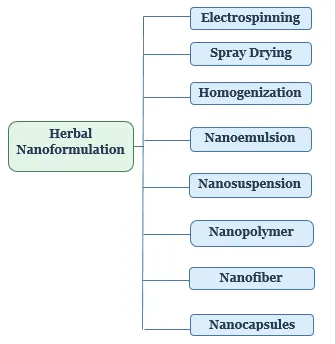
Figure 1: Schematic Representation of Methods Used for Prepration of Herbal Nanoformulations
1. Electrospinning:
Offering exact control over the shape, size, and composition of the final nanofibers, electrospinning is a flexible and popular method for creating herbo-nano formulations. This technique creates a charged jet of polymer solution by applying a high voltage electric field to a polymeric solution that contains active chemicals or herbal extracts. Solvent evaporation causes the polymer fibers to solidify as the jet moves in the direction of a grounded collector, creating nanofibrous mats or scaffolds that are embedded with herbal components For herbo-nano formulations, electrospun nanofibers have a number of benefits, such as a high surface area-to-volume ratio, an interconnected porous structure, and the capacity to simultaneously encapsulate hydrophilic and hydrophobic chemicals. Additionally, the electrospinning process is an appealing technique for the creation of herbal-based nanofibrous materials for use in tissue engineering, drug delivery, and wound healing because it is simple to scale up for industrial production. [5]
2. Nano Emulsification:
popular technique for creating herbo-nano formulations is nano emulsification, which uses the thermodynamic instability of emulsions at the nanoscale to create finely distributed droplets. In order to reduce the size of emulsion droplets to the nanoscale range, this process typically uses high-energy techniques like high-pressure homogenization, sonication, or microfluidization. This process involves emulsifying a mixture of surfactants, co-surfactants, and herbal extracts or active chemicals in an organic solvent or aqueous phase. Larger droplets are broken down into smaller ones by the strong shear forces used during emulsification, creating a stable nanoemulsion.
3. Solvent Evaporation Method:
Lipids and medicinal ingredients are dissolved in an organic solvent using the solvent evaporation method. In the past, researchers used volatile solvents like dichloromethane and chloroform, but now they use less hazardous substitutes like ethyl acetate. Stabilizers like poloxamer or polyvinyl alcohol are used to emulsify the mixture of medication, lipid, and solvent. There are two separate phases to the process. The polymer solution is first emulsified in an aqueous phase. Polymer precipitation and solvent evaporation follow. After centrifugation and washing, the resultant precipitate—often called nanospheres—is collected. After lyophilization, the nanospheres are finally stored. [6]
4. Solvent Displacement Method: The method of solvent displacement Emulsification is a technique used to create nanoparticles smaller than 100 nm. With a few minor adjustments, this strategy is based on the solvent evaporation method. First, the drug and lipid components are dissolved using a partly hydromiscible solvent. After then, this solution is allowed to approach saturation. Because of the solution's thermodynamic equilibrium, the solvent progressively diffuses into the surrounding aqueous phase, causing nanoparticles to precipitate. Any leftover solvent is then removed using filtration or evaporation techniques. This method is useful in many scientific applications, such as drug delivery systems and nanomedicine, because it allows the controlled creation of nanoparticles with exact dimensions.
5. Homogenization: Uniformity Sonication or homogenization are used to prepare solid-lipid nanoparticles for medication administration. Lipid nanoparticles precipitate after an emulsion containing fine droplets is created and the solvent is subsequently removed by evaporation. This procedure uses two techniques: heat homogenization and cold homogenization. Hot homogenization is appropriate for lipophilic medications since it operates at temperatures higher than the melting point. An aqueous solvent is added to the mixture of medication and lipid. Lipid nanoparticles are produced when the emulsion solidifies at normal temperature
Table 1 lists the disadvantages of this approach. The cold homogenization method was developed to overcome these difficulties. Lipid and the medication are melted together during cold homogenization, and then they quickly solidify in the presence of liquid nitrogen. Nanoparticles are produced from microparticles via homogenization at temperatures below room temperature and rapid stirring. The drawbacks of hot homogenization are addressed by this technique. [7]
6. Nanoprecipitation:
Polymers are precipitated using the solvent evaporation method, sometimes called the solvent displacement technique, by dissolving them in organic solvents such as acetone. A colloidal suspension is created when these dissolved polymers diffuse into an aqueous phase. This method, which was developed by Nagavarmaetal calls for the aqueous medium to be soluble in the solvent but insoluble in the polymer, as well as the presence or absence of a surfactant. [7]
7. Nanoencapsulation:
The process of encasing solid, liquid, and gas nanoparticles. The drug core produces nanocapsules inside the encasing substance, known as a matrix. This technique makes it easier to encapsulate many drug molecules in an inert substance, protecting them from harsh surroundings and stomach acid while allowing for regulated drug release. Because they are fragile and less stable, proteins and genes are enclosed in nanocarriers to sustain their activity through conjugation reactions that require only slight structural changes. Because proteins and DNA are sensitive, encasing them in nanocarriers keeps them stable and shields them from metabolic processes. Because bioconjugate methods are very accurate and pose low risk of altering the structure of proteins, they are highly recommended for attaching proteins to delivery molecules. [7]
8. Nanofabrication:
Nanotechnology A variety of methods known as "nanofabrication" are used to create elements at sizes as small as 100 nm or smaller. Etching is one of these techniques; depending on the direction of material removal, it selectively eliminates particular materials to create either isotropic or anisotropic structures. The production of hollow mesoporous silica nanoparticles is one prominent use of nanofabrication. These nanoparticles are well known for their exceptional biological compatibility and were successfully created using sodium carbonate. [7]
9. Double Emulsion (W/O/W):
A first W/O emulsion (internal aqueous herbal extract in organic polymer phase) is created for hydrophilic phytoconstituents (glycosides, polyphenolic acids), and it is subsequently re-emulsified into an exterior aqueous phase (W/O/W). The hydrophilic active ingredients are trapped in the polymeric matrix by solvent removal. This method has been extensively documented for loading plant hydrophiles and fragile biomolecules phytochemicals (polyphenols, flavonoids, sugars, proteins) that stabilize the colloids by reducing metal ions in metallic or metal-oxide nanoparticles (such as Ag, Au, and ZnO). Nucleation, growth, and final size/shape are determined by reaction pH, temperature, and extract composition. [6]
ADVANTAGES AND DISADVANTAGES OF DIFFERENT METHODS OF HERBAL NANO-FORMULATION:
Table 1: Advantages and Disadvantages of Different Methods of Herbal Nanoformulation.
| Sr.no | Preparation Method | Advantages | Disadvantages |
|---|---|---|---|
| 1. | High Pressure homogenization | Enhanced bioavaibility | Complrx manufacturing processes |
| 2. | Wet miling | Improved drug solubillity | Potential stability issues |
| 3. | Co precipitation | Targeted drug delivery | Regulatory challenges |
| 4. | Solvent evaporation technique | Reduced systematic toxicity | Batch to batch variability |
| 5. | Emulsion based methods | Prolonged drug release | High production cots |
| 6. | Plant mediated synthesis | Enhanced therapeutic efficacy | Limited scalability |
| 7. | Phytofabrication | Reduced frequency of dosing | Limited shelf life |
| 8. | Nanoprecipitation Technique | Minimized side effects | Potential cytotoxicity |
| 9. | Spray drying | Improved patient compliance | Need for specialized equipment |
| 10 | Electrospining | Protection of labie drugs | Possibility of drug leakage |
| 11 | Layer by layer assembly | Integration of combination therapies | Risk of immune reactions |
| 12 | Ultrasonication | Potential for personalized | Environmental concerns |
NANOHERBAL - A MODERN APPROACH IN MEDICINE
A Modern Approach in Medicine-
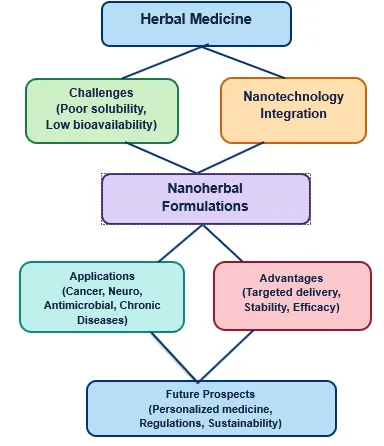
Figure 2: Nanoherbal – A Modern Approach in Medicine
TYPES OF HERBAL NANOFORMULATION:
The pharmaceutical industry uses a variety of nanoformulations to deliver drugs.
1. Inorganic Nanocarriers, such as metal nanoparticles and quantum dots
2. Liposomes, solid-lipid nanoparticles, nanosuspensions, and nanoemulsions are examples of lipid-based nanocarriers.
3. Dendrimers, nanogels, polymer-drug conjugates, micelles, polymeric nanoparticles, and other polymeric nanocarriers
1. Inorganic Nanocarriers:
Iron-oxide nanoparticles, gold nanoparticles, zinc nanoparticles, and other metallic complexes are the source of inorganic nanocarriers. By altering various functional groups, metal and inorganic nanoparticles were created and utilized in conjugation with ligands, medications, and antibodies. They have prospective uses in a number of biotechnology domains, including magnetic separation, drug delivery to target cells, and gene and drug carriers.Magnetic nanoparticles, gold, and silver were widely employed in medicine and diagnosis. Quantum dots, which were crystals with exquisite controllability and diameters between 2 and 20 nm, were utilized as drug carriers for the active ingredients in herbs.
2. Nanocarriers Based On Lipids:
Because of their superior flexibility and biocompatibility, lipid nanocarriers were chosen. These nanocarriers were developed by pharmaceutical researchers to transport medications for parenteral, pneumonic, or oral conditions. Lipid nanoformulations have enhanced safety and efficacy in vaccination, diagnostics, and pharmaceuticals by being tailored to illness circumstances, delivery methods, product stability and toxicity, cell viability, etc.
Lipid nanoformulations have enhanced safety and efficacy in vaccination, diagnostics, and pharmaceuticals by being tailored to illness circumstances, administration routes, product stability and toxicity, cell viability, etc. These organic nanoformulations include polymeric and lipid-based structures such carbon nanocarriers, liposomes, nanoemulsions, and dendrimers. Drugs are encased in liposomes, which are spherical vesicles with a closed lipid bilayer composed of one or more phospholipids in an aqueous phase.
They are now one of the most crucial carriers for the delivery of genetic materials, steroids, and vaccinations due to their stability. Nanoemulsions, which vary in size from 20 to 200 nm, are more robust against sedimentation and the gravity-driven creaming of particles, which improves medication delivery. [5]
3. Polymeric Nanoparticles:
The Polymeric Nnoparticles are used to create biodegradable natural and synthetic polymers. They are used to create biodegradable natural and synthetic polymers. They are known to be extremely stable and to release medications gradually depending on the encapsulated molecule. Dendrimers are made up of hyperbranched blocks of polymeric molecules that have multivalent peripheral groups connected to a single atom or molecule in the center to produce a globular structure. By encasing the molecule in the core, they can transport herbal medications and create a potential structure for creating a multifunctional medication. Micelles are amphiphilic molecules that range in size from 10 to 100 nm. [6]
CHARACTERIZATION TECHNIQUE:
1. The homogenization process under high pressure
2. Supercritical fluid techniques
3. The salting-out technique
4. The solvent displacement or nanoprecipitation method
5. The solvent emulsification-diffusion technique
6. The approach of complex coacervation
1. High-Pressure Homogenization Technique:
Lipid materials were subjected to a very high shear stress, or roughly 100 to 2000 bar pressure, in the high pressure homogenization process, which reduced the particle size into the micrometer or nanoscale range. Because it produces lipid drug conjugates, SLNs, and parenteral emulsions on a large scale, this method is regarded as one of the most effective preparation techniques.
2. Supercritical Fluid Techniques:
This technique can be applied to DDS in the micro or nano range. Supercritical fluids (SCFs) can be utilized above their critical pressure and temperature. Following the mixing of the starting materials with the supercritical fluid, the starting materials began to dissolve in the supercritical fluid. Eventually, distributed globules of nanoprecipitation occurred due to the expansion of the solution. Carbon dioxide and water are the most widely used SCFs
3. The Salting-Out Technique:
This approach is predicated on the idea that adding an electrolyte reduces a non-electrolyte's solubility in water. This method is typically used for materials that are susceptible to heat.
4. The Solvent Displacement Approach Or Nanoprecipitation Method:
This technique is based on the interfacial deposition of a polymer following the displacement of a semi-polar solvent that is miscible with water from a lipophilic solution. This reduces the interfacial tension between the two phases, increasing the surface area and leading to the subsequent formation of tiny organic solvent droplets even in the absence of mechanical stirring.
5. Method Of Solvent Emulsification Diffusion:
Using a high shear mixer, the oil phase—which contains polymer in the presence of organic solvent—and the aqueous phase—which contains stabilizer—are emulsified to create an o/w emulsion. Water is then added to encourage the diffusion of the organic solvent, which leads to the development of nanoparticles.
6. The Method Of Complex Coacervation:
When two oppositely charged polyelectrolytes combine in an aqueous solution, they interact, causing two liquid phases in colloidal systems to spontaneously separate. co-precipitation technique. This technique for creating nanoscale core-shell particles is an adaptation of the complicated coacervation process. It has been claimed that this technique gives poorly water-soluble medications good dispersion stability.
7. Drug Delivery System For Phytochemical Compounds:
Using Nanotechnology The potential uses of nano Enhanced Bioavailability and Solubility technology-based drug delivery systems in enhancing the bioavailability and effectiveness of phytochemical substances have been thoroughly investigated. These are a few instances of how phytochemical chemicals can be delivered using medicine delivery systems based on nanotechnology.
8. Curcumin:
Curcumin is a well-known natural anti-inflammatory and antioxidant that may be used to treat a number of illnesses, including as diabetes, cancer, and neurological conditions. Curcumin's therapeutic usefulness is, however, limited by its low solubility and bioavailability. Curcumin nanoformulations, including solid lipid and liposomes [9,10]
APPLICATIONS OF HERBAL NANOFORMULATIONS:
1. Enhanced Bioavailability And Solubility:
By greatly reducing particle size, increasing surface area, and improving absorption mechanisms, nanoherbals improve solubility and bioavailability. By increasing dissolving rates, methods including lipid/polymer carriers, nanocrystals, and nanoemulsions improve pharmacokinetics. conventional formulas. In particular, loaded into solid lipid nanoparticle (SLN) systems showed more than three times more bioavailability than suspensions, as demonstrated by a shorter Tmax. By avoiding the need for carriers, nanocrystals allow for increased drug loading and lower toxicity
2. Regulated And Persistent Release:
By delivering phytochemicals at regulated and sustained rates, nanoherbals can lower the frequency of doses and guaranty therapeutic concentrations are maintained. Longer release and improved bioavailability are supported by systems such as lipid carriers, nanohydrogels, and NDDS (new drug delivery systems). [11]
3. Site-Specific Action (Targeted Delivery):
These formulations' nanoscale enables improved tissue penetration and targeted distribution, either passively through the increased permeability and retention (EPR) effect, which is especially helpful in tumor targeting, or actively through the application of ligands. Furthermore, nanotheranostic platforms integrate diagnosis and therapy into a single system. [11]
4. Improved Safety Profile & Decreased Toxicity:
By lowering systemic exposure and toxicity, nanoherbals improve safety. While carrier-free strategies like nanocrystals further reduce carrier-related toxic risks, increased targeting precision helps reduce negative effects. Additionally, favorable safety profiles are reinforced by using biocompatible, biodegradable, and plant-derived carriers (green synthesis). [11]
5. Enhanced Adherence to Treatment Nanoherbals:
Improve adherence and make herbal medicines more convenient by enhancing bioavailability, establishing sustained release, and lowering dose frequency. NDDS fills a significant void in traditional herbal remedies by lowering the need for repeated doses and increasing efficacy. [11]
6. Serious Conditions:
like kidney stones, diabetes, cancer, and heart attacks are more successfully treated by herbal extract and nanoparticles. These green nanoparticles have shown antioxidant, anti-diabetic, anti-cancer, antibacterial, medication delivery, and anti-arthritic qualities, according to reports on nano goods. [13]
7. Theranostic medications and delivery systems are significant biomedical uses of NP–protein interaction. [13]
8. Cancer, Inflammation, Neurological And Metabolic Disorders:
Nanoherbal research has investigated delivery systems for phytoconstituents such as curcumin and other plant bioactives in cancer, inflammatory, neurological, and metabolic disease models. Nanocarriers are studied for their potential to improve solubility, protect compounds from degradation, modify release, and increase exposure at intended tissues. For neurological applications, delivery across physiological barriers such as the blood–brain barrier remains a major formulation and biological challenge. Findings from laboratory and animal studies should be distinguished from evidence generated in well-designed human clinical trials [22,25]
9. Dermatological Applications:
Herbal nanoformulations have also been investigated for skin-related applications, including the delivery of plant-derived compounds in topical systems. Nanoemulsions, polymer-based carriers, lipid nanoparticles, nanostructured lipid carriers, and related systems may be considered when designing formulations for local delivery and retention in skin. Reviews of nano-herbal delivery for skin disorders describe this as a promising research area, while also noting the need for further evidence on effectiveness, safety, formulation quality, and clinical performance. The suitability of each carrier depends on the active ingredient, intended site of action, and product design [26]
10. Antimicrobial And Wound-Related Research:
Plant-mediated metallic nanoparticles and herbal-loaded nanofibrous or other topical systems have been studied for antimicrobial and wound-related applications. Electrospun nanofibres may provide a high surface-area structure and can be investigated as carriers for herbal extracts in wound dressings or local delivery systems. [22]
ADVANTAGES OF HERBAL NANOFORMULATION:
1. Enhanced Bioavailability and Solubility
2. Controlled and Sustained Release
3. Targeted Delivery (Action Specific to a Site)
4. Reduced Toxicity & Enhanced Safety Profile Nanoherbals enhance safety by reducing systemic [14]
5. Improve patient compliance
6. Deliver the medication as tiny particles that increase the drug's total surface area and speed up its dissolution in the blood. It appears that the concentration stays at the locations for extended periods of time [16]
7. Exhibits the EPR (enhanced permeation and retention) effect, which refers to improved penetration through the barriers as a result of the tumor's small size and retention as a result of inadequate lymphatic drainage. [16]
8. Shows passive targeting to the disease site of action without requiring the inclusion of a specific ligand moiety
9. Decrease in the side effects.
10. Decrease in the dose of the drug formulation. [16]
11. Widespread accessibility: Herbs can be purchased without a prescription. You may grow simple herbs at home, such chamomile and peppermint.
12. For persistent health issues that don't improve with conventional medicine, herbal medications work better. The use of herbs and alternative treatments for arthritis is one example. The popular prescription medication Vioxx, which is used to treat arthritis, was withdrawn because of a higher risk of cardiovascular problems. Conversely, there are less adverse effects associated with herbal remedies for arthritis. These therapies include dietary adjustments include consuming less white sugar, removing nightshade-family veggies, and adding simple herbs. [17]
SCHEMATIC REPRESENTATION OF HERBAL NANOFORMULATION ADVANTAGES:
Schematic representation of herbal nanoformulation advantages
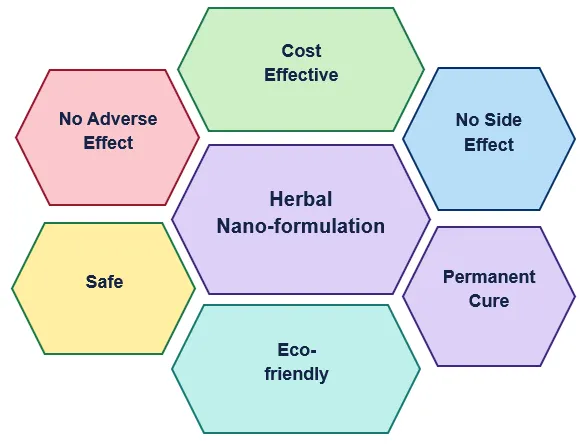
Figure 3: Schematic Representation of Herbal Nanoformulation Advantages
LIMITATIONS AND CHALLENGES OF HERBAL NANOFORMULATION:
1. Particles less than 200–400 nanometers are quickly removed by the liver, but materials larger than 150–300 nanometers are typically present in the spleen and liver Particle size optimization is therefore one of the most crucial stages in creating a successful nanoherbal combination. Surface characteristics also significantly influence the behavior and interactions of nanoparticles. With organelles and proteins. [10]
2. Combining nanotechnology with herbal medicine has demonstrated encouraging effects in the fields of healthcare and nutrition, offering novel approaches to long-standing issues.Nanotechnology has emerged as a viable technique to overcome the main limitations of conventional cancer treatment and increase the bioavailability of natural drugs. However, there are a number of challenges to using optimized nanoformulations in preclinical and clinical trials. These challenges include industrial-scale production, ensuring the long-term stability of nanotherapeutics, addressing physiological barriers, and resolving safety and regulatory issues. [18]
3. Drug delivery made possible by nanotechnology has a bright future in pharmaceutics.Future Journal of Pharmaceutical Sciences by Sandhiya and Ubaidulla. [19]
4. Herbal nanoformulations provide a developing platform for addressing limitations associated with conventional herbal preparations, particularly poor solubility, instability, limited bioavailability, and non-specific delivery. Lipid-based, polymeric, inorganic, and other nanoscale systems are being investigated to protect phytoconstituents and modify their delivery. Emerging research directions include AI-assisted formulation design, green synthesis, stimuli-responsive systems, multifunctional delivery, and continuous manufacturing. However, the potential benefits must be balanced against challenges in botanical standardisation, analytical characterisation, toxicity assessment, long-term stability, scale-up, cost, regulation, and clinical validation. Therefore, progress towards routine therapeutic use will depend on reproducible manufacturing and high-quality evidence demonstrating the safety and effectiveness of each specific formulation [22,24,25].
5. Standardisation of Herbal Raw Materials
6. The composition of herbal raw materials can vary with plant species, geographical source, cultivation and harvesting conditions, storage, and extraction procedures. Such variation may change the amount of active phytoconstituents and influence nanoparticle formation, drug loading, stability, and biological activity. Botanical authentication, chemical fingerprinting, marker-compound testing, and defined extraction procedures are therefore important for reproducible product quality [22,24,25].
7. Nanocarrier Characterisation and Quality Control
8. A formulation needs appropriate characterisation of properties such as particle size and size distribution, surface charge, morphology, encapsulation or loading efficiency, release behaviour, and physical and chemical stability. Analytical methods should be suitable for the particular carrier and validated where required. Differences in methods and reporting can make results difficult to compare between studies. Defining critical quality attributes and applying consistent testing procedures can improve reproducibility and help connect manufacturing conditions with product performance [23,24,25].
9. Toxicity, Biodistribution and Long-Term Safety
10. Safety assessment should consider the herbal constituents and the nanocarrier as a whole. Particle size, surface properties, composition, dose, route of administration, and degradation products may influence distribution and biological interactions. Assessment may need to address cytotoxicity, immune responses, accumulation in organs, repeated-dose exposure, and long-term effects. A plant-based or biodegradable formulation should not be presumed safe without appropriate evidence. Suitable in-vitro, in-vivo, and, where justified, clinical evaluations are needed to establish a formulation-specific safety profile [23,25].
11. Scale-Up, Reproducibility and Cost
12. A preparation method that works at laboratory scale may not preserve the same particle characteristics or product performance when manufactured at a larger scale. Scale-up can introduce changes in mixing, heat transfer, solvent removal, purification, drying, and storage. Batch-to-batch variability, expensive equipment, and process complexity can limit commercial development. Process optimisation, validated manufacturing procedures, stability-indicating tests, and cost analysis are needed to support reproducible production [22,23].
13. Regulatory and Clinical Translation
14. Herbal nanoformulations combine botanical materials with engineered delivery systems, so developers may need to address questions about ingredient quality, nanomaterial characterisation, manufacturing controls, safety, and evidence of efficacy. Inconsistent or unclear regulatory expectations can complicate product development. Clinical translation is also limited when evidence is based mainly on in-vitro or animal studies. Progress requires well-designed clinical investigations, transparent reporting, appropriate quality documentation, and early engagement with relevant regulatory authorities. Regulatory requirements differ by jurisdiction and product category and should be checked for the specific intended product [22,23,25].
15. Intellectual Property and Commercial Development
16. Commercial development may be complicated by the natural origin of herbal ingredients, overlapping prior knowledge, formulation-specific inventions, and the need to demonstrate a clear technical advantage. Commercialisation also depends on scalable production, consistent raw materials, acceptable cost, stability, and evidence that the product performs reliably. These issues should be considered alongside—not instead of—quality, safety, and clinical evidence. [24]
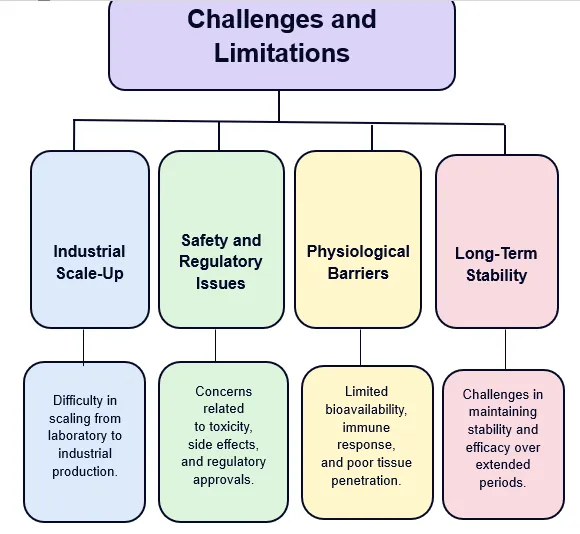
Figure 4: Challenges and Limitations of Nanoherbal.
FUTURE PERSPECTIVES
Future research should focus on connecting formulation design with reliable product quality and clinically meaningful outcomes. AI-assisted optimisation and precision-oriented approaches may help select formulation variables, while green synthesis and biodegradable materials may support more sustainable development. Stimuli-responsive and multifunctional carriers could offer more controlled delivery, and microfluidics or continuous manufacturing may help improve reproducibility when supported by process validation. These opportunities depend on standardised botanical inputs, robust analytical characterisation, formulation-specific toxicology, realistic scale-up strategies, and stronger clinical evidence [22,23,24].
Priority Areas For Future Work Include:
(i) standardised authentication and chemical profiling of herbal raw materials;
(ii) reproducible preparation and characterisation methods;
(iii) assessment of long-term and repeated-dose safety;
(iv) head-to-head comparisons with conventional formulations;
(v) adequately designed clinical studies;
(vi) clearer quality and regulatory pathways for products combining herbal constituents with nanotechnology [6–8, 18].
REFERENCES

Payal Dongare, Ramdas Darade, Manoj Garad, Shweta Dikhale, Radhika Aher, Dnyaneshwari Aher, Nano-Formulations of Herbal Medicines: “Recent, Trends, Challenges and Future Prospective”., Int. J. Sci. R. Tech., 2026, 3 (11), 412-423. https://doi.org/10.5281/zenodo.23999693
 10.5281/zenodo.23999693