

We use cookies to ensure our website works properly and to personalise your experience. Cookies policy
Suyash College of Pharmacy Warud Bk, Jalna, Maharashtra
Medication safety is a fundamental component of healthcare quality and patient safety, particularly in vulnerable populations such as children and older adults. These groups are at an increased risk of adverse drug reactions (ADRs), medication errors, and drug-related complications due to age-specific physiological characteristics, altered pharmacokinetics and pharmacodynamics, polypharmacy, comorbidities, and limitations in clinical evidence. Pediatric patients often require individualized dosing based on age, body weight, and developmental stage, while older adults frequently experience multiple chronic illnesses requiring complex medication regimens, increasing the likelihood of drug–drug interactions and inappropriate prescribing. Pharmacovigilance plays a pivotal role in identifying, assessing, understanding, and preventing adverse effects associated with medication use, thereby improving therapeutic outcomes and ensuring patient safety. This review provides a comprehensive overview of medication safety principles and pharmacovigilance practices in pediatric and geriatric populations. It discusses the unique pharmacological considerations, common causes of medication-related harm, risk factors contributing to adverse drug reactions, and the significance of spontaneous reporting systems in detecting medication safety signals. The review also highlights the role of healthcare professionals, caregivers, regulatory authorities, and patients in promoting safe medication practices through effective reporting, education, and multidisciplinary collaboration. Furthermore, it explores the impact of technological advancements, including electronic health records, clinical decision support systems, artificial intelligence, machine learning, mobile health applications, and big-data analytics, in strengthening pharmacovigilance activities and improving medication safety surveillance. Recent developments in global pharmacovigilance programs and regulatory initiatives have enhanced the detection and management of medication-related risks; however, significant challenges remain in underreporting of adverse events, limited pediatric clinical trials, age-related variability in drug response, and the management of polypharmacy among older adults. Strengthening pharmacovigilance infrastructure, promoting patient-centered care, integrating digital health technologies, and encouraging international collaboration are essential for improving medication safety across all healthcare settings. This review summarizes current evidence, identifies existing challenges, and discusses future perspectives for enhancing pharmacovigilance systems aimed at protecting pediatric and geriatric populations while supporting safer and more effective medication use.
Medication safety is a fundamental component of healthcare that aims to prevent medication-related harm while maximizing therapeutic benefits. Safe medication use involves appropriate prescribing, dispensing, administration, monitoring, and patient education throughout the medication-use process. Despite significant advances in pharmaceutical sciences and healthcare delivery, adverse drug reactions (ADRs), medication errors, and inappropriate medication use continue to pose major challenges worldwide, particularly among vulnerable populations such as children and older adults. These groups exhibit distinct physiological characteristics, altered pharmacokinetic and pharmacodynamic responses, and increased susceptibility to drug-related complications, making medication safety a global public health priority [1].
The World Health Organization (WHO) defines pharmacovigilance as the science and activities related to the detection, assessment, understanding, and prevention of adverse effects or any other medicine-related problems. Pharmacovigilance contributes significantly to improving patient safety by identifying previously unrecognized adverse events, monitoring the benefit-risk profile of medicines, and supporting regulatory decision-making. Global pharmacovigilance systems, including the WHO Programme for International Drug Monitoring coordinated by the Uppsala Monitoring Centre (UMC), have strengthened international collaboration in ADR reporting and signal detection, enabling healthcare professionals and regulatory agencies to respond promptly to emerging drug safety concerns [2,3].
Children represent a unique patient population because of continuous physiological growth and developmental changes that influence drug absorption, distribution, metabolism, and excretion. Neonates, infants, and adolescents require individualized dosing based on age, body weight, and organ maturity. Furthermore, limited pediatric clinical trials often result in off-label or unlicensed drug use, increasing the risk of unexpected ADRs and medication errors. Immature hepatic enzyme systems, developing renal function, and difficulties in dosage calculations further complicate pediatric pharmacotherapy, emphasizing the need for robust pharmacovigilance practices and continuous medication safety monitoring [4].
Similarly, older adults constitute one of the fastest-growing populations worldwide and experience a disproportionately high burden of medication-related problems. Age-associated physiological decline, multiple chronic diseases, cognitive impairment, frailty, and polypharmacy substantially increase the likelihood of adverse drug reactions, drug–drug interactions, and medication non-adherence. The use of potentially inappropriate medications, altered drug metabolism, and reduced renal and hepatic clearance further elevate the risk of hospitalization and morbidity due to medication-related harm. Consequently, geriatric pharmacovigilance has become an essential component of patient-centered healthcare aimed at optimizing therapeutic outcomes while minimizing preventable adverse events [5].
Medication errors remain a major cause of preventable patient harm across healthcare settings. Errors may occur during prescribing, dispensing, preparation, administration, or monitoring of medications. In pediatric patients, incorrect weight-based dose calculations and formulation-related issues are common causes of medication errors, whereas in older adults, complex medication regimens and polypharmacy contribute significantly to prescribing and administration errors. Effective pharmacovigilance systems facilitate early identification of these errors and support the implementation of preventive strategies to improve medication safety [6].
Recent technological advancements have transformed pharmacovigilance practices through the integration of electronic health records, clinical decision support systems, artificial intelligence, machine learning, big-data analytics, and mobile health applications. These technologies enhance ADR detection, improve signal generation, facilitate real-time safety monitoring, and strengthen post-marketing surveillance. Regulatory agencies such as the WHO, U.S. Food and Drug Administration (FDA), European Medicines Agency (EMA), and the Pharmacovigilance Programme of India (PvPI) continue to develop evidence-based guidelines and reporting frameworks to improve medication safety in special populations [7,8].
2. Foundations of Medication Safety
Medication safety refers to the prevention of avoidable harm associated with the use of medicines while ensuring optimal therapeutic outcomes. It encompasses every stage of the medication-use process, including prescribing, dispensing, preparation, administration, monitoring, and patient follow-up. Effective medication safety practices minimize the occurrence of adverse drug reactions (ADRs), medication errors, and inappropriate medication use, thereby improving the quality of healthcare and patient outcomes [9].
Children and older adults require special attention because physiological differences, altered drug metabolism, and age-specific clinical conditions influence both the efficacy and safety of medications. In pediatric patients, weight-based dosing and developmental changes increase the risk of dosing errors, whereas in older adults, polypharmacy, multiple comorbidities, and reduced organ function contribute to adverse drug events and drug–drug interactions [10,11].
The fundamental principles of medication safety include accurate patient identification, appropriate drug selection, individualized dose optimization, effective communication among healthcare professionals, continuous monitoring for adverse events, and patient or caregiver education. Medication reconciliation during transitions of care and adherence to evidence-based prescribing guidelines further reduce preventable medication-related harm [12].
Healthcare professionals, including physicians, pharmacists, nurses, and caregivers, play a vital role in ensuring medication safety through rational prescribing, patient counselling, prompt recognition of adverse events, and reporting of suspected ADRs to pharmacovigilance systems. A multidisciplinary approach supported by standardized safety protocols contributes significantly to reducing medication-related risks in vulnerable populations [13].
3. Fundamentals of Pharmacovigilance and Its Scope
Pharmacovigilance is the science and practice of detecting, assessing, understanding, and preventing adverse effects or any other medicine-related problems throughout a drug's lifecycle. It serves as an essential component of healthcare by ensuring that the benefits of medicines outweigh their potential risks. Pharmacovigilance extends beyond the identification of adverse drug reactions (ADRs) and includes medication errors, drug interactions, misuse, abuse, overdose, lack of therapeutic efficacy, and safety concerns associated with vaccines and biological products [14].
The primary objective of pharmacovigilance is to improve patient safety through continuous monitoring of medicines after their approval and marketing. Clinical trials often involve limited patient populations and controlled conditions, making post-marketing surveillance necessary to detect rare, delayed, or population-specific adverse events. Information collected from spontaneous reporting systems, electronic health records, observational studies, and patient registries contributes to identifying new safety signals and supports regulatory decision-making [15].
In pediatric and geriatric populations, pharmacovigilance is particularly important because these groups are frequently underrepresented in clinical trials and exhibit considerable variability in drug response. Continuous monitoring helps identify age-specific safety concerns, optimize dosage recommendations, and promote evidence-based prescribing practices. Collaboration among healthcare professionals, regulatory agencies, pharmaceutical industries, and patients strengthens pharmacovigilance activities and contributes to safer medication use [16].
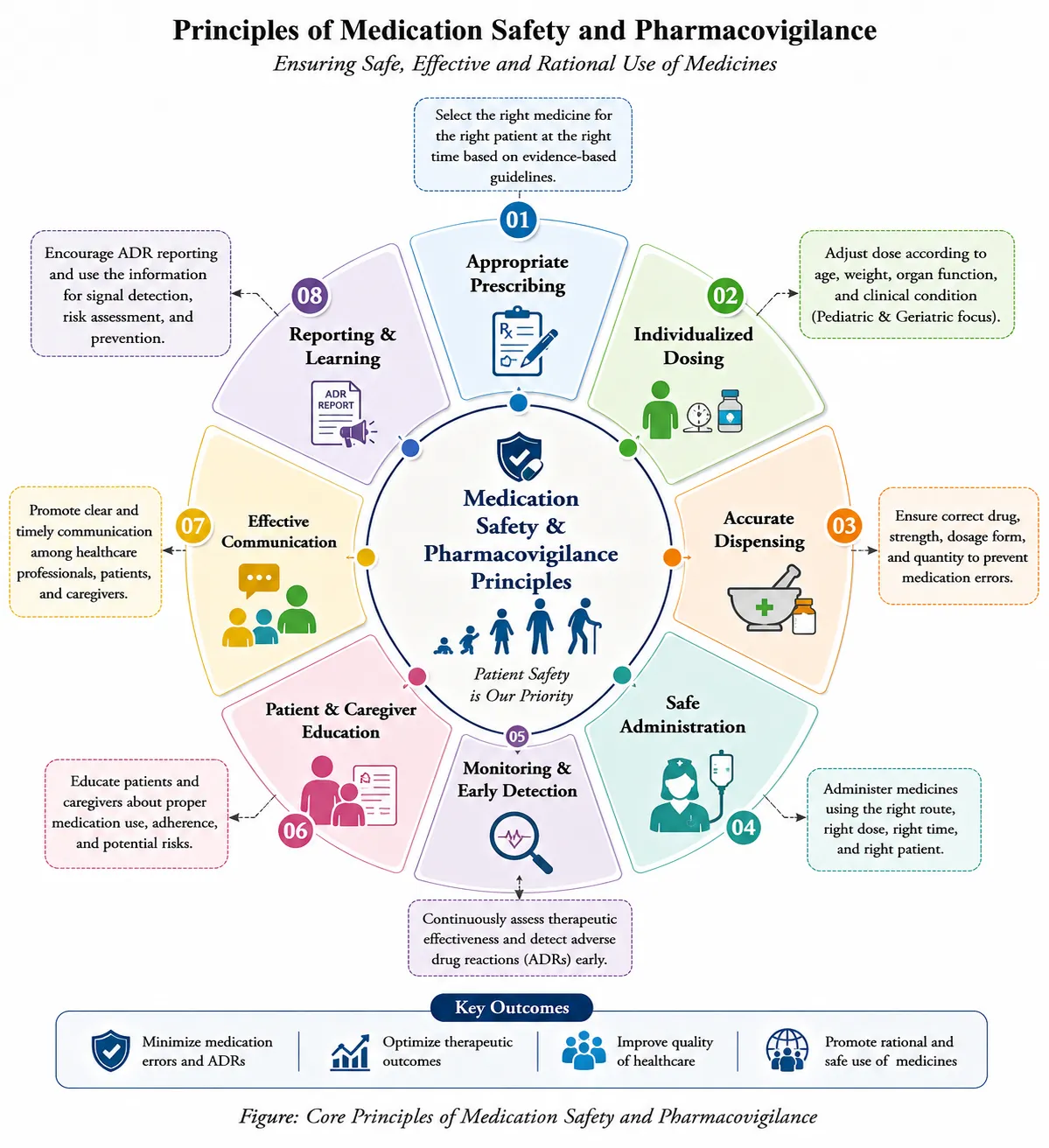
Fig 1. core principle of medicine safety and pharmacovigilance
4. Medication Safety and Pharmacovigilance in Children
Children are considered a high-risk population for medication-related harm because their physiological functions change continuously during growth and development. Drug absorption, distribution, metabolism, and excretion differ significantly between neonates, infants, children, and adolescents, resulting in considerable variability in drug response. Consequently, pediatric pharmacotherapy requires individualized treatment, careful dose calculations, and continuous monitoring to ensure medication safety [17].
Many medicines prescribed in pediatric practice are used off-label or unlicensed due to limited clinical trials involving children. This lack of pediatric-specific evidence increases uncertainty regarding drug efficacy, optimal dosage, and long-term safety. Pharmacovigilance plays a crucial role in identifying adverse drug reactions (ADRs), evaluating benefit-risk profiles, and supporting safer prescribing practices in this population [18].
Medication errors remain one of the leading causes of preventable harm among children. Errors commonly occur during prescribing, dispensing, preparation, and administration because pediatric doses are frequently calculated according to body weight or body surface area. Decimal point errors, incorrect concentration of liquid formulations, and communication failures are frequent contributors to medication-related incidents [19].
Healthcare professionals, parents, and caregivers all contribute to pediatric medication safety. Appropriate counselling, standardized dosing devices, electronic prescribing systems, and routine ADR reporting improve treatment outcomes while reducing preventable adverse events. Continuous education and active participation in pharmacovigilance programs further strengthen medication safety in children [20].
|
Factor |
Impact on Medication Safety |
Citation |
|
Immature organ function |
Alters drug metabolism and elimination |
[17] |
|
Weight-based dosing |
Increases risk of dosage calculation errors |
[19] |
|
Off-label drug use |
Limited evidence on efficacy and safety |
[18] |
|
Liquid formulations |
Risk of incorrect measurement and administration |
[19] |
|
Communication barriers |
May delay recognition of ADRs |
[20] |
|
Limited pediatric clinical trials |
Reduces availability of safety data |
[18] |
Table 4.1. Factors Affecting Medication Safety in Children
|
Medication Error |
Possible Cause |
Preventive Strategy |
Citation |
|
Incorrect dose calculation |
Wrong body weight or decimal error |
Double-check calculations |
[19] |
|
Wrong formulation |
Similar drug preparations |
Standardized prescribing |
[20] |
|
Incorrect administration |
Measuring errors with liquid medicines |
Use calibrated oral syringes |
[20] |
|
Wrong dosing interval |
Miscommunication |
Electronic medication schedules |
[19] |
|
Drug interaction |
Multiple medications |
Pharmacist medication review |
[17] |
Table 4.2. Common Medication Errors in Pediatric Patients
|
Pharmacovigilance Activity |
Benefit |
Citation |
|
ADR reporting |
Early detection of adverse reactions |
[18] |
|
Signal detection |
Identifies previously unknown safety concerns |
[17] |
|
Post-marketing surveillance |
Monitors long-term drug safety |
[18] |
|
Medication error reporting |
Prevents recurrence of avoidable errors |
[20] |
|
Risk communication |
Promotes safer prescribing practices |
[17] |
Table 4.3. Role of Pharmacovigilance in Pediatric Medication Safety
5. Medication Safety and Pharmacovigilance in Older Adults
Older adults represent one of the most vulnerable patient groups for medication-related harm due to age-associated physiological changes, multiple chronic diseases, and the frequent use of several medications simultaneously. Declining renal and hepatic function, reduced cardiac output, changes in body composition, and altered receptor sensitivity significantly influence drug absorption, distribution, metabolism, and excretion. These pharmacokinetic and pharmacodynamic alterations increase the risk of adverse drug reactions (ADRs), toxicity, and therapeutic failure, making individualized drug therapy essential in geriatric care [21].
Polypharmacy, commonly defined as the concurrent use of five or more medications, is highly prevalent among older adults. Although often necessary for managing multiple chronic conditions, polypharmacy substantially increases the likelihood of drug–drug interactions, drug–disease interactions, medication non-adherence, and inappropriate prescribing. Regular medication review, deprescribing when appropriate, and comprehensive clinical assessment are effective strategies to reduce medication-related risks in this population [22].
Potentially inappropriate medications (PIMs) remain a major concern in geriatric pharmacotherapy. Certain medicines may present greater risks than benefits because of increased susceptibility to sedation, cognitive impairment, falls, hypotension, bleeding, and renal toxicity. Evidence-based tools such as the Beers Criteria and STOPP/START criteria assist healthcare professionals in identifying medications that should be avoided or used cautiously in older adults, thereby improving prescribing quality and patient safety [23].
Pharmacovigilance plays a critical role in monitoring medication safety among older adults by facilitating the early detection of ADRs, evaluating benefit–risk profiles, and promoting rational medication use. Healthcare professionals should encourage ADR reporting, conduct periodic medication reconciliation, educate patients and caregivers, and utilize electronic prescribing systems to minimize medication errors. Strengthening geriatric pharmacovigilance through multidisciplinary collaboration contributes to safer, more effective, and patient-centered healthcare [24].
6. Risk Factors Affecting Medication Safety in Children and Older Adults
Medication safety is influenced by several patient-related, drug-related, and healthcare system-related factors. Children and older adults are particularly susceptible to medication-related harm because of physiological variability, complex therapeutic regimens, and the need for individualized treatment. Identifying these risk factors is essential for preventing adverse drug reactions (ADRs), minimizing medication errors, and improving therapeutic outcomes [25].
In children, immature organ development, age-dependent pharmacokinetic changes, and the frequent requirement for weight-based dosing increase the likelihood of dosing errors and unexpected ADRs. Off-label prescribing and the limited availability of pediatric formulations further complicate safe medication use. Inadequate communication between healthcare providers and caregivers may also contribute to medication misuse and poor adherence [26].
Among older adults, polypharmacy, multiple chronic diseases, cognitive decline, impaired vision, and reduced renal and hepatic function significantly increase the risk of medication-related complications. Age-related physiological changes alter drug response, while the use of potentially inappropriate medications increases the incidence of falls, hospitalization, and treatment failure. Poor medication adherence due to memory impairment or complex dosing schedules further compromises patient safety [27].
Healthcare system factors such as prescribing errors, incomplete medication reconciliation, inadequate monitoring, insufficient patient counselling, and underreporting of ADRs also contribute to medication-related harm in both age groups. Implementing electronic prescribing systems, clinical decision support tools, pharmacist-led medication reviews, and robust pharmacovigilance programs can substantially reduce these risks and improve medication safety [28].
7. Strategies to Improve Medication Safety and Pharmacovigilance
Improving medication safety requires a multidisciplinary approach involving healthcare professionals, patients, caregivers, regulatory authorities, and pharmaceutical industries. Effective pharmacovigilance systems combined with evidence-based medication safety practices can significantly reduce adverse drug reactions (ADRs), medication errors, and preventable hospitalizations in children and older adults. Continuous education, timely ADR reporting, medication reconciliation, and the use of health information technology are essential components of safer medication use [29].
Healthcare professionals should perform regular medication reviews, especially in patients receiving multiple medications or those with chronic illnesses. Patient and caregiver education regarding the correct use of medicines, possible adverse effects, and the importance of reporting unexpected reactions improves adherence and facilitates early identification of medication-related problems. The adoption of electronic prescribing systems and clinical decision support tools further minimizes prescribing and dispensing errors [30].
Pharmacovigilance programs encourage spontaneous ADR reporting, post-marketing surveillance, and signal detection to identify new safety concerns. Regulatory authorities utilize these data to update prescribing information, issue safety alerts, and implement risk minimization measures. Collaborative efforts among clinicians, pharmacists, nurses, patients, and national pharmacovigilance centers contribute substantially to improving medication safety across healthcare settings [31].
|
Strategy |
Description |
Expected Outcome |
Citation |
|
Medication reconciliation |
Review medications during admission, transfer, and discharge |
Reduces medication discrepancies |
[29] |
|
Electronic prescribing (e-Prescribing) |
Computerized prescription generation |
Minimizes prescribing errors |
[30] |
|
Clinical decision support systems |
Alerts for allergies, interactions, and dosage |
Improves prescribing accuracy |
[30] |
|
Medication review |
Periodic assessment of all prescribed medicines |
Reduces polypharmacy and inappropriate prescribing |
[31] |
|
Patient and caregiver education |
Counselling on medicine use and ADR recognition |
Improves adherence and early ADR detection |
[29] |
|
Standard treatment guidelines |
Evidence-based prescribing practices |
Enhances rational use of medicines |
[31] |
Table 7.1. Strategies for Improving Medication Safety
|
Healthcare Professional |
Major Responsibilities |
Citation |
|
Physician |
Rational prescribing, dose adjustment, ADR recognition |
[29] |
|
Pharmacist |
Medication review, counselling, interaction monitoring, ADR reporting |
[31] |
|
Nurse |
Safe medication administration and patient monitoring |
[30] |
|
Patient/Caregiver |
Medication adherence and reporting adverse effects |
[29] |
|
Pharmacovigilance Centre |
ADR collection, signal detection, risk communication |
[31] |
Table 7.2. Role of Healthcare Professionals in Medication Safety
|
Activity |
Purpose |
Benefit |
Citation |
|
Spontaneous ADR reporting |
Collect suspected ADRs |
Early detection of safety signals |
[31] |
|
Signal detection |
Identify new medicine-related risks |
Supports regulatory action |
[31] |
|
Post-marketing surveillance |
Monitor medicines after approval |
Detects rare and long-term ADRs |
[29] |
|
Risk management planning |
Reduce medicine-associated risks |
Improves benefit-risk balance |
[30] |
|
Safety communication |
Disseminate drug safety information |
Promotes safe medicine use |
[31] |
Table 7.3. Pharmacovigilance Activities for Medication Safety
8. Emerging Technologies and Future Perspectives in Medication Safety and Pharmacovigilance
Rapid advancements in digital health technologies have transformed pharmacovigilance by improving the detection, assessment, and prevention of medication-related problems. Artificial intelligence (AI), machine learning (ML), big-data analytics, electronic health records (EHRs), and mobile health (mHealth) applications are increasingly being integrated into pharmacovigilance systems to enhance medication safety. These technologies enable faster identification of adverse drug reactions (ADRs), improve signal detection, and support evidence-based regulatory decision-making [32].
Artificial intelligence and machine learning algorithms can analyze large volumes of healthcare data from spontaneous reporting systems, clinical databases, and scientific literature to identify previously unrecognized safety signals. Compared with conventional methods, AI-based systems improve the efficiency of pharmacovigilance by reducing manual workload and facilitating real-time safety monitoring. These technologies also assist in predicting high-risk patients who may develop medication-related complications, allowing healthcare professionals to implement preventive interventions [33].
Electronic health records have become valuable tools for medication safety by providing comprehensive patient information, including medication history, allergies, laboratory findings, and comorbidities. Integration of clinical decision support systems with EHRs generates automated alerts for drug interactions, duplicate therapy, contraindications, and inappropriate dosing, thereby reducing prescribing errors and improving patient outcomes. Such systems are particularly beneficial in pediatric and geriatric populations, where individualized drug therapy is essential [34].
Mobile health applications and online ADR reporting platforms have simplified adverse event reporting by enabling healthcare professionals and patients to submit reports directly to pharmacovigilance centers. These digital tools improve reporting rates, facilitate patient engagement, and enhance the quality of pharmacovigilance data. In addition, the use of social media monitoring and real-world evidence from healthcare databases provides valuable information regarding medicine safety in routine clinical practice [35].
Future pharmacovigilance is expected to become increasingly proactive through the integration of artificial intelligence, genomics, precision medicine, wearable health devices, and international data-sharing networks. Strengthening collaboration among regulatory agencies, healthcare professionals, researchers, and patients will further improve medication safety. Continued investment in digital infrastructure, standardized reporting systems, and healthcare professional training will be essential for developing efficient and patient-centered pharmacovigilance systems that ensure the safe use of medicines across all age groups [36].
9. Current Challenges and Future Perspectives in Medication Safety and Pharmacovigilance
Despite substantial progress in pharmacovigilance, several challenges continue to limit the effectiveness of medication safety programs, particularly in pediatric and geriatric populations. One of the most significant issues is the underreporting of adverse drug reactions (ADRs) by healthcare professionals and patients. Incomplete or delayed reporting reduces the ability of pharmacovigilance systems to identify new safety signals and implement timely regulatory interventions [37].
Another major challenge is the limited availability of clinical evidence in children and older adults. Pediatric patients are frequently excluded from large clinical trials due to ethical and practical concerns, while older adults with multiple comorbidities are often underrepresented. Consequently, many medicines are prescribed with limited age-specific safety data, increasing the risk of adverse events and inappropriate drug use [38].
Polypharmacy, increasing healthcare complexity, and variations in healthcare infrastructure further complicate medication safety. In many developing countries, inadequate awareness of pharmacovigilance, insufficient training of healthcare professionals, and lack of robust reporting systems hinder the effective monitoring of medicine-related risks. Differences in national pharmacovigilance policies and reporting practices also limit global data sharing and signal detection [39].
Future efforts should focus on strengthening pharmacovigilance systems through wider adoption of digital technologies, integration of artificial intelligence, expansion of real-world evidence, and improved international collaboration. Regular education and training programs for healthcare professionals, active patient participation, and harmonized regulatory guidelines will enhance ADR reporting and promote safer medication use. Continuous research involving pediatric and geriatric populations is also essential to generate high-quality evidence for rational prescribing and patient-centered healthcare [40].
CONCLUSION
Medication safety and pharmacovigilance are essential components of quality healthcare, particularly for children and older adults who are highly susceptible to medication-related harm. Age-specific physiological characteristics, altered pharmacokinetics and pharmacodynamics, polypharmacy, off-label drug use, and multiple comorbidities increase the risk of adverse drug reactions (ADRs) and medication errors in these vulnerable populations. Therefore, individualized therapy, careful medication monitoring, and evidence-based prescribing are critical for ensuring safe and effective treatment.
Pharmacovigilance plays a pivotal role in identifying, assessing, and preventing medicine-related risks through ADR reporting, post-marketing surveillance, signal detection, and risk management. Active participation of healthcare professionals, patients, caregivers, pharmaceutical industries, and regulatory authorities strengthens pharmacovigilance systems and promotes rational medicine use. The adoption of electronic health records, clinical decision support systems, artificial intelligence, and other digital health technologies has further enhanced the ability to detect and manage medication safety issues in real time.
Despite significant progress, challenges such as underreporting of ADRs, limited pediatric and geriatric clinical evidence, polypharmacy, and disparities in healthcare infrastructure continue to affect medication safety worldwide. Addressing these issues requires stronger regulatory frameworks, continuous professional education, increased public awareness, improved reporting systems, and international collaboration.
Overall, integrating comprehensive pharmacovigilance practices with patient-centered medication safety strategies will contribute to reducing preventable medication-related harm and improving therapeutic outcomes in children and older adults. Continued research and technological innovation will further strengthen global pharmacovigilance systems and support the safe, effective, and rational use of medicines across all healthcare settings.
REFERENCES





Ganesh Chavan*, Rushikesh Gadekar, Komal Jadhav, Vitthal R. Gawade, Vijay R. Pawar, Medication Safety And Pharmacovigilance In Children And Older Adults: A Comprehensive Review, Int. J. Sci. R. Tech., 2026, 3 (7), 1168-1178. https://doi.org/10.5281/zenodo.21715844
 10.5281/zenodo.21715844