

We use cookies to ensure our website works properly and to personalise your experience. Cookies policy
1Samarth College of Pharmacy, Deulgaon Raja, Buldhana,Maharashtra,India
Hair loss is a common condition associated with hormonal imbalance, oxidative stress, inflammation and disturbances in the hair follicle cycle. Conventional treatments have certain limitations, leading to increased interest in herbal medicines. Medicinal plants such as Eclipta alba, Ficus benghalensis, Linum usitatissimum, Trigonella foenum-graecum, Salvia rosmarinus and Camellia sinensis contain several bioactive phytoconstituents with potential hair-growth-promoting properties. These compounds may support follicular activity through antioxidant, anti-inflammatory, antiandrogenic and cell-protective mechanisms. This review highlights the pharmacognostic characteristics, major phytochemicals, molecular mechanisms, therapeutic applications and quality-control requirements of selected medicinal plants. Further clinical investigations are required to establish their efficacy and safety.
Hair is an important component of human appearance and is associated with personal identity and self-confidence. Hair growth is a complex biological process regulated by the hair follicle cycle, which consists of three major phases: anagen (growth phase), catagen (regression phase), and telogen (resting phase). The duration and regulation of these phases determine hair length, density, and overall follicular health. Disturbances in the normal hair cycle may contribute to hair thinning, excessive hair shedding, and different forms of alopecia [1].
Hair loss is a common dermatological concern affecting both men and women. Androgenetic alopecia is one of the most prevalent forms and is associated with genetic susceptibility and androgen-related changes in hair follicles. Other contributing factors include oxidative stress, inflammation, nutritional deficiencies, hormonal imbalance, and environmental influences. Although conventional treatments such as minoxidil and finasteride are widely used, their limitations, possible adverse effects, and variable therapeutic responses have encouraged interest in alternative treatment approaches [2].
Medicinal plants have attracted considerable attention as potential sources of bioactive compounds for supporting hair growth and maintaining scalp health. Various plant-derived constituents, including flavonoids, phenolic compounds, terpenoids, phytosterols, and coumestans, have demonstrated antioxidant, anti-inflammatory, and other pharmacological activities that may be relevant to hair follicle function. Traditional medicinal plants such as Eclipta alba, Ficus benghalensis, Linum usitatissimum, and Trigonella foenum-graecum are investigated for their potential applications in hair-care preparations [3].
The possible hair-growth-promoting effects of herbal ingredients may involve several biological mechanisms, including modulation of hair follicle cycling, protection against oxidative damage, regulation of inflammatory responses, and effects on androgen-related pathways. For example, experimental studies have investigated the influence of plant extracts on dermal papilla cells and signalling pathways associated with hair follicle development. However, the strength of evidence varies between plant species, and findings from laboratory studies cannot automatically be considered proof of clinical effectiveness [4].
Pharmacognostic evaluation plays an important role in the identification, authentication, and quality assessment of medicinal plants used in herbal hair-care products. Macroscopic and microscopic examination, physicochemical parameters, phytochemical screening, chromatographic profiling, and marker-compound estimation help establish the identity, purity, and consistency of herbal raw materials. Appropriate standardization and safety assessment are therefore essential for developing reproducible and scientifically supported herbal formulations [5].
2. PHARMACOGNOSTIC PROFILE OF MEDICINAL PLANTS
Pharmacognosy provides a scientific basis for the identification, authentication, and evaluation of medicinal plants used in herbal preparations. The pharmacognostic profile includes botanical identification, morphological characteristics, microscopic examination, physicochemical evaluation, and preliminary phytochemical analysis. These parameters help establish the quality and authenticity of plant materials used in hair-care formulations [6].
2.1 Botanical Identification and Authentication
Botanical authentication is the primary step in evaluating medicinal plants. It involves confirming the correct scientific name, family, genus, species, and plant part used. Leaves, roots, stems, seeds, flowers, and bark may contain different phytochemical constituents and therefore require appropriate identification. Authentication by qualified botanists and preservation of voucher specimens help prevent species substitution and adulteration [7].
2.2 Macroscopic and Organoleptic Evaluation
Macroscopic evaluation involves examining the external characteristics of crude plant materials, including shape, size, colour, surface texture, and general appearance. Organoleptic evaluation includes assessment of odour, taste, and texture. These characteristics provide preliminary information for identifying medicinal plant materials and detecting visible abnormalities or possible adulteration [8].
2.3 Microscopic Evaluation
Microscopic examination is performed to identify characteristic anatomical structures of medicinal plant materials. Important diagnostic features include epidermal cells, stomata, trichomes, calcium oxalate crystals, fibres, starch grains, xylem, and phloem tissues. Powder microscopy is particularly useful when the plant material is supplied in powdered form, where external morphological features are no longer available [9].
2.4 Physicochemical Evaluation
Physicochemical parameters are important for determining the purity and quality of crude drugs. Common evaluation parameters include moisture content, total ash, acid-insoluble ash, water-soluble ash, and extractive values. These tests provide information regarding inorganic impurities, excess moisture, and the quantity of constituents extractable using selected solvents. Such parameters are useful for maintaining the consistency of herbal raw materials [10].
2.5 Phytochemical Screening
Preliminary phytochemical screening is performed to identify major groups of secondary metabolites present in medicinal plant extracts. Depending on the plant species and extraction solvent, screening may include flavonoids, phenolic compounds, alkaloids, tannins, saponins, terpenoids, steroids, and glycosides. These constituents are investigated for their potential antioxidant, anti-inflammatory, and other biological activities relevant to scalp and hair follicle health [11].
2.6 Chromatographic and Advanced Analytical Evaluation
Modern analytical techniques improve the characterization and quality assessment of herbal extracts. Thin-layer chromatography (TLC), high-performance thin-layer chromatography (HPTLC), high-performance liquid chromatography (HPLC), and gas chromatography–mass spectrometry (GC–MS) are used for chemical profiling and identification of selected marker compounds. Spectroscopic techniques such as UV-visible spectroscopy and Fourier-transform infrared spectroscopy (FTIR) may provide additional information about chemical composition. DNA barcoding can support botanical authentication, although it does not independently establish the chemical quality of an extract [12].
3. MAJOR BIOACTIVE PHYTOCONSTITUENTS ASSOCIATED WITH HAIR GROWTH PROMOTION
Medicinal plants contain several classes of secondary metabolites that contribute to their biological and pharmacological properties. These phytoconstituents may influence hair follicle activity through antioxidant, anti-inflammatory, cell-protective, and growth-regulatory effects. Their potential depends on the plant species, extraction method, concentration, and chemical composition of the extract [13].
3.1 Flavonoids
Flavonoids are polyphenolic compounds widely distributed in medicinal plants. Important examples include quercetin, kaempferol, apigenin, catechins, and their glycosides. These compounds possess antioxidant and anti-inflammatory properties and may help protect hair follicle cells against oxidative damage. Certain flavonoids have also been investigated for their effects on dermal papilla cell activity and microcirculation, suggesting their possible role in maintaining follicular health [14].
3.2 Phenolic Compounds and Phenolic Acids
Phenolic compounds are important plant metabolites known for their free-radical-scavenging activity. Examples include gallic acid, caffeic acid, chlorogenic acid, rosmarinic acid, and related phenolic derivatives. By reducing oxidative stress and modulating inflammatory responses, these compounds may contribute to a favourable environment for normal hair follicle function. Their activity varies according to chemical structure and concentration [15].
3.3 Coumestans
Coumestans are naturally occurring plant compounds structurally related to isoflavonoids. Wedelolactone, an important coumestan found in Eclipta alba, has attracted research interest because of its reported biological activities. It is considered one of the characteristic phytoconstituents of Bhringraj and has been investigated in relation to hair follicle-associated cellular activity. Further studies are required to establish its specific contribution to hair growth in humans [16].
3.4 Terpenoids and Essential Oil Constituents
Terpenoids are a diverse group of plant metabolites that include monoterpenes, sesquiterpenes, diterpenes, and triterpenes. Compounds such as 1,8-cineole, α-pinene, camphor, and related volatile constituents are present in several aromatic medicinal plants. Rosemary essential oil contains volatile terpenes and has been investigated for its potential application in androgenetic alopecia. However, the activity of essential oils depends on their composition, concentration, and formulation characteristics [17].
3.5 Phytosterols and Fatty Acids
Phytosterols and fatty acids are important constituents of several medicinal seeds and plant oils. β-Sitosterol, linoleic acid, oleic acid, and α-linolenic acid are examples of compounds reported in plant-derived materials. These constituents may contribute to skin conditioning, barrier maintenance, and anti-inflammatory effects. Some plant extracts containing sterol-related compounds have also been investigated for possible interactions with androgen-associated pathways, although their clinical contribution to hair regrowth remains insufficiently established [18].
3.6 Sulphur-Containing Compounds
Sulphur-containing compounds occur in selected medicinal plants, particularly members of the Allium genus. Onion contains organosulphur compounds that have been investigated for their biological activities and potential topical applications. These compounds may contribute to antioxidant and antimicrobial properties. Nevertheless, their role in hair growth requires further investigation, particularly regarding concentration, scalp tolerance, and long-term safety [19].
Overall, these phytochemical groups represent important candidates for the development of plant-based hair-care formulations. Their individual and combined effects require systematic evaluation through chemical characterization, biological assays, and well-designed clinical studies.
4. MOLECULAR MECHANISMS OF HERBAL PHYTOCONSTITUENTS IN HAIR GROWTH PROMOTION
Hair growth is regulated by complex molecular pathways that control hair follicle development, cellular proliferation, differentiation, and the hair growth cycle. Plant-derived bioactive compounds may influence these processes through multiple mechanisms, including regulation of signalling pathways, inhibition of oxidative stress, modulation of androgen activity, and maintenance of dermal papilla cell function. These mechanisms provide a scientific basis for investigating medicinal plants as potential ingredients in hair-growth formulations.
4.1 Regulation of the Wnt/β-Catenin Signalling Pathway
The Wnt/β-catenin signalling pathway plays an important role in hair follicle development and regeneration. Activation of this pathway promotes the proliferation and differentiation of follicular cells and supports the initiation of the anagen phase. Certain plant-derived compounds have been investigated for their ability to influence Wnt-related signalling and support hair follicle activity. However, the specific effects of individual herbal constituents require further experimental validation.
4.2 Modulation of the PI3K/Akt Signalling Pathway
The phosphoinositide 3-kinase/protein kinase B (PI3K/Akt) pathway is involved in cell survival, proliferation, and metabolic regulation. In hair follicles, this pathway contributes to the maintenance of dermal papilla cell activity and hair-inductive properties. Experimental research has demonstrated that PI3K/Akt activation can improve the hair-inducing characteristics of human dermal papilla cells. Therefore, phytochemicals capable of influencing this pathway may have potential applications in hair follicle regeneration [20].
4.3 Inhibition of 5α-Reductase Activity
The enzyme 5α-reductase converts testosterone into dihydrotestosterone (DHT), which plays a major role in the development of androgenetic alopecia. Increased DHT activity can cause progressive miniaturization of susceptible hair follicles, resulting in reduced hair thickness and density. Certain medicinal plant extracts have demonstrated 5α-reductase inhibitory activity in experimental studies. Such activity suggests a possible mechanism through which selected herbal ingredients may help manage androgen-associated hair loss [21].
4.4 Antioxidant Mechanism and Protection Against Oxidative Stress
Oxidative stress occurs when the production of reactive oxygen species exceeds the antioxidant defence capacity of cells. Excessive oxidative stress may damage cellular components and negatively influence hair follicle function. Plant-derived antioxidants, including flavonoids, phenolic acids, and other polyphenols, may neutralize free radicals and support cellular protection. These effects may help maintain a favourable microenvironment for normal hair follicle growth and regeneration [22].
4.5 Regulation of Growth Factors and Cellular Proliferation
Growth factors such as insulin-like growth factor-1 (IGF-1), vascular endothelial growth factor (VEGF), epidermal growth factor (EGF), and fibroblast growth factor-2 (FGF-2) participate in hair follicle development and cycling. These molecules influence cellular proliferation, survival, and follicular vascular support. Certain herbal extracts and phytoconstituents have been investigated for their ability to regulate growth-factor-associated mechanisms, which may contribute to maintaining hair follicle activity [23].
4.6 Anti-inflammatory Activity
Chronic inflammation around hair follicles may negatively affect follicular function and contribute to certain hair-loss conditions. Plant-derived compounds with anti-inflammatory properties may help regulate inflammatory mediators and reduce local inflammatory responses. Selected traditional herbal extracts have been investigated for their potential to inhibit inflammatory processes associated with androgenetic alopecia. However, their effectiveness depends on the underlying cause of hair loss and requires further clinical evaluation [24].
4.7 Regulation of Hair Follicle Cycling
The transition between anagen, catagen, and telogen phases is controlled by interactions among signalling molecules, hormones, and follicular cells. Herbal phytoconstituents may potentially influence this cycle by supporting anagen initiation, maintaining dermal papilla activity, and regulating pathways associated with follicular regression. These mechanisms are promising research areas, but their effects should be confirmed through controlled experimental and clinical investigations [25].
5. MEDICINAL PLANTS WITH POTENTIAL HAIR-GROWTH-PROMOTING ACTIVITY
Several medicinal plants have been traditionally used in hair-care preparations and are currently investigated for their phytochemical composition and pharmacological activities. Their potential effects include antioxidant protection, anti-inflammatory activity, modulation of androgen-related pathways, and support of hair follicle function. However, the available evidence differs considerably among plant species, with some supported by experimental studies and others primarily by traditional use [26].
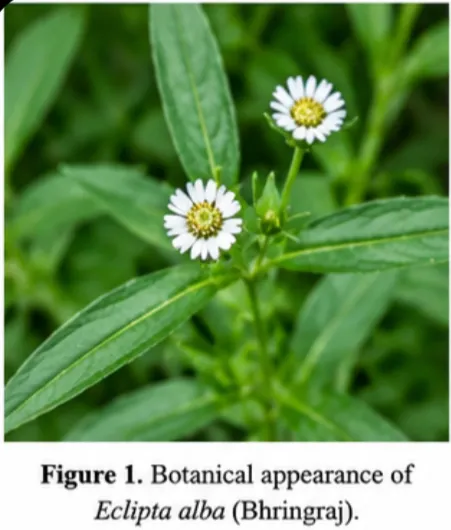
5.1 Bhringraj (Eclipta alba)
Eclipta alba (Asteraceae), commonly known as Bhringraj, is widely used in traditional Ayurvedic hair-care preparations. The plant contains coumestans, flavonoids, triterpenoids, and other phytoconstituents. Wedelolactone is one of its characteristic bioactive compounds. Experimental investigations have reported potential hair-growth-promoting activity, including effects on hair follicle development and cellular proliferation. Nevertheless, further standardized clinical studies are needed to establish its therapeutic effectiveness in humans.
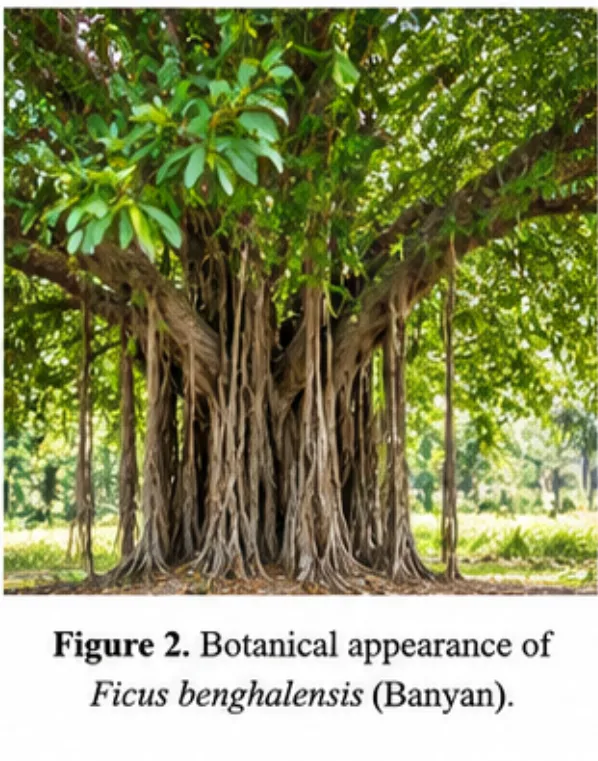
5.2 Banyan (Ficus benghalensis)
Ficus benghalensis (Moraceae) is traditionally used in various herbal preparations. Different parts of the plant contain flavonoids, tannins, sterols, and other secondary metabolites. Its extracts have attracted research interest because of their reported antioxidant and enzyme-modulating properties. These activities may be relevant to scalp health and androgen-associated hair loss, although evidence supporting its clinical use for hair regrowth remains limited.
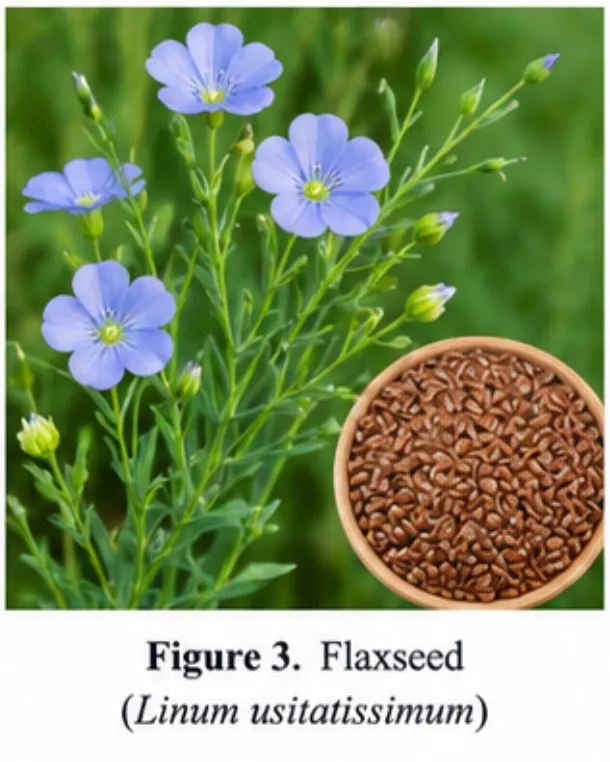
5.3 Flaxseed (Linum usitatissimum)
Linum usitatissimum (Linaceae), commonly known as flaxseed, is a source of essential fatty acids, lignans, and phenolic compounds. It contains alpha-linolenic acid, an omega-3 fatty acid associated with nutritional and anti-inflammatory properties. Flaxseed-derived ingredients may contribute to scalp conditioning and support skin barrier function. However, direct evidence demonstrating hair regrowth following topical or oral flaxseed use is currently insufficient.
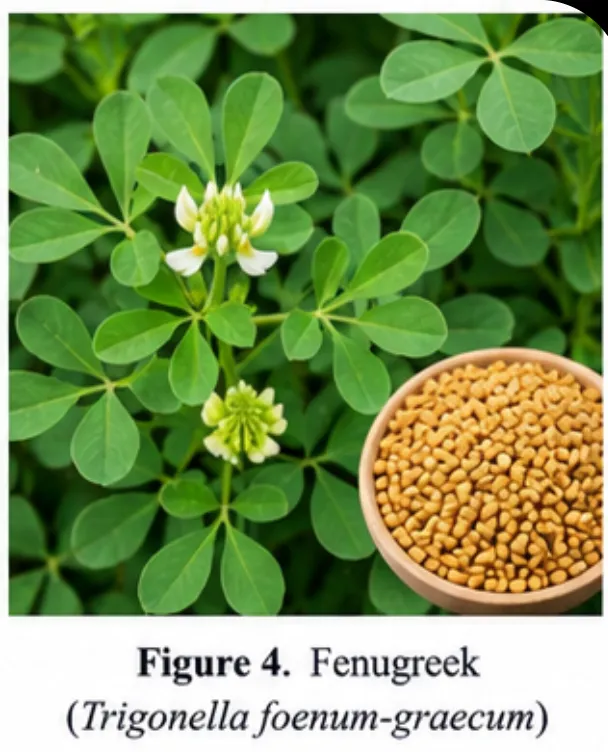
5.4 Fenugreek (Trigonella foenum-graecum)
Trigonella foenum-graecum (Fabaceae), commonly known as fenugreek, is traditionally used in hair-care formulations. Its seeds contain saponins, flavonoids, alkaloids, proteins, and mucilaginous polysaccharides. These constituents are associated with antioxidant, anti-inflammatory, and conditioning properties. Fenugreek has potential applications in scalp-care preparations; however, well-designed clinical studies specifically evaluating its effect on scalp hair growth are still required.
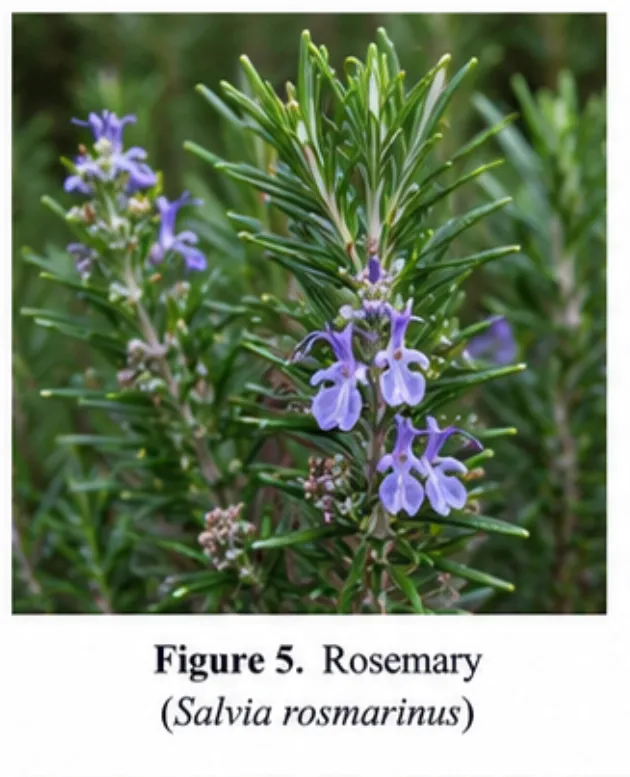
5.5 Rosemary (Salvia rosmarinus)
Salvia rosmarinus (Lamiaceae), commonly known as rosemary, is an aromatic medicinal plant containing essential oil constituents such as 1,8-cineole, camphor, and α-pinene, along with phenolic compounds. Rosemary preparations have been investigated for their potential effects on androgenetic alopecia and scalp health. Proposed mechanisms include antioxidant activity and modulation of androgen-associated pathways. Clinical findings are encouraging but remain limited and should not be generalized to all rosemary formulations.
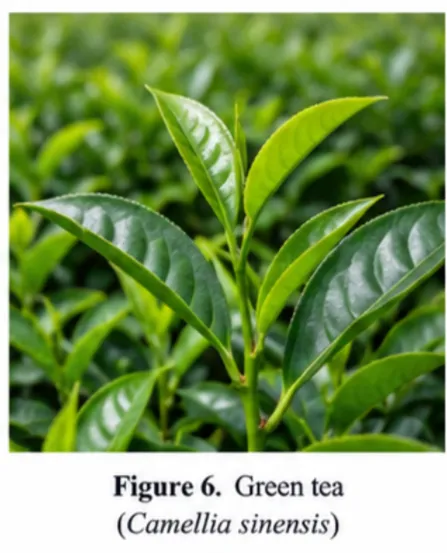
5.6 Green Tea (Camellia sinensis)
Camellia sinensis (Theaceae) is a rich source of polyphenolic compounds, particularly catechins such as epigallocatechin gallate (EGCG). These compounds exhibit antioxidant and anti-inflammatory activities. Experimental research suggests that green tea constituents may influence hair follicle cell activity and androgen-related mechanisms. However, additional clinical investigations are necessary to establish effective concentrations, routes of administration, and long-term safety.
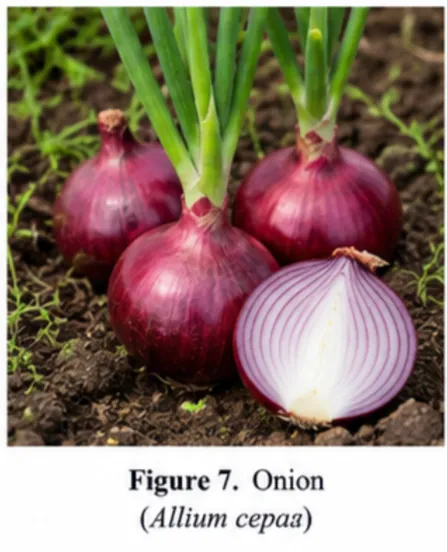
5.7 Onion (Allium cepa)
Allium cepa (Amaryllidaceae), commonly known as onion, contains organosulphur compounds, flavonoids, and phenolic constituents. Onion juice has been investigated as a topical preparation, particularly in relation to alopecia areata. Its proposed benefits include local biological and anti-inflammatory effects. However, evidence from limited clinical investigations should not be interpreted as proof of effectiveness for all types of hair loss. Topical application may also cause irritation in sensitive individuals.
5.8 Other Medicinal Plants
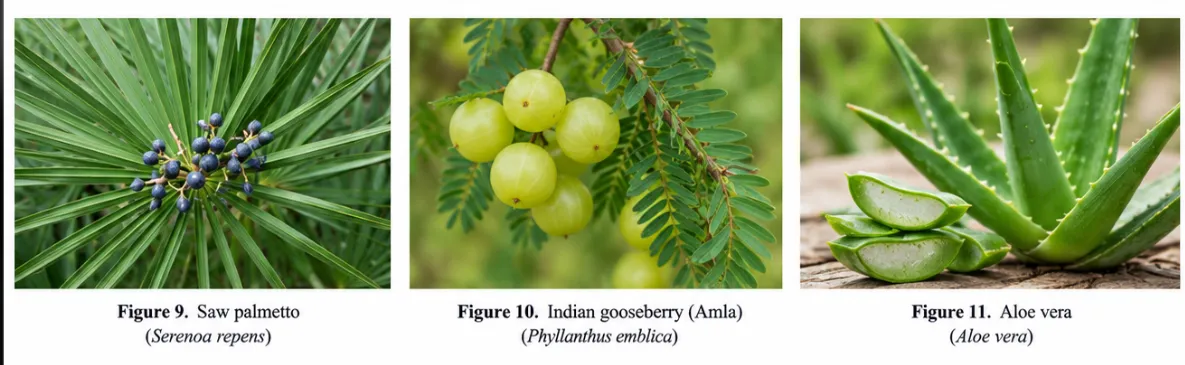
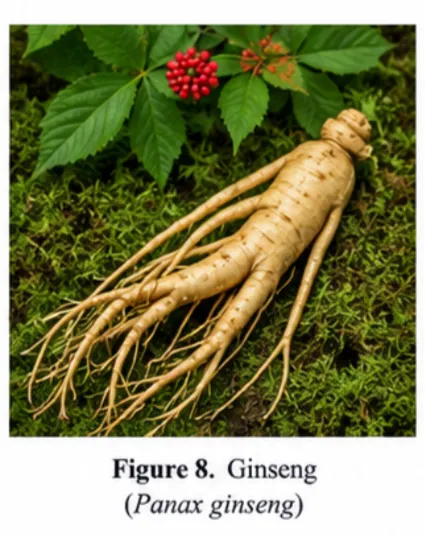
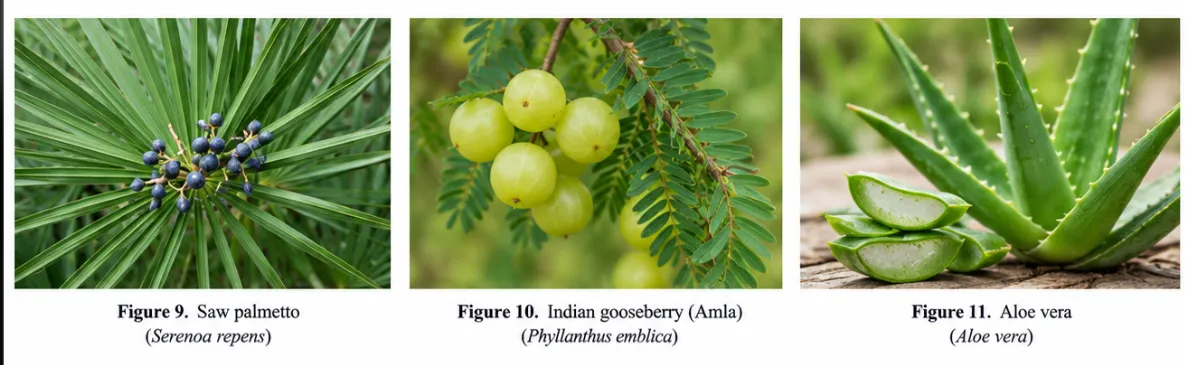
Other plants, including Panax ginseng, Serenoa repens, Phyllanthus emblica, and Aloe vera, have also been investigated for their potential applications in hair-loss management. Their reported activities include antioxidant effects, modulation of androgen-related pathways, and support of follicular cell function. The available evidence includes experimental and clinical studies of varying quality; therefore, their efficacy should be assessed individually rather than assuming that all herbal ingredients have similar therapeutic effects [28].
6. PHARMACOLOGICAL AND THERAPEUTIC APPLICATIONS OF HERBAL HAIR-GROWTH FORMULATIONS
Medicinal plants and their bioactive constituents are increasingly investigated for the development of herbal hair-care products. Their pharmacological properties, including antioxidant, anti-inflammatory, antimicrobial, and scalp-conditioning activities, may support hair and scalp health. Depending on their composition and formulation, herbal ingredients can be incorporated into oils, shampoos, gels, creams, lotions, and other topical preparations. However, their therapeutic effectiveness depends on the quality of the extract, concentration of active constituents, formulation stability, and ability to reach the target site [29].
6.1 Herbal Hair Oils
Herbal hair oils are commonly prepared using medicinal plant extracts, fixed oils, and essential oils. Ingredients such as Bhringraj, amla, fenugreek, rosemary, and coconut oil are traditionally incorporated into these preparations. Hair oils primarily provide lubrication, reduce friction, improve hair manageability, and condition the scalp and hair shaft. Some formulations also contain plant-derived antioxidants and other bioactive compounds that are being investigated for their potential effects on follicular health.
6.2 Herbal Shampoos
Herbal shampoos are formulated using plant extracts, natural surfactants, cleansing agents, and conditioning ingredients. Commonly used medicinal plants include Azadirachta indica, Aloe vera, Hibiscus rosa-sinensis, Sapindus mukorossi, and Acacia concinna. These ingredients are incorporated for their cleansing, conditioning, and scalp-care properties. Important formulation parameters include pH, viscosity, foaming ability, wetting time, dirt dispersion, and physical stability. Herbal shampoos are primarily intended for cleansing and scalp care; their direct hair-regrowth activity requires separate scientific evidence [30].
6.3 Herbal Gels, Lotions and Serums
Herbal gels, lotions, and serums are topical dosage forms designed to deliver selected plant extracts to the scalp. Gels provide ease of application and may improve contact time, whereas lotions and serums can be designed for convenient spreading and targeted application. Ingredients such as aloe vera gel, rosemary extract, green tea polyphenols, and Bhringraj extract are investigated for their potential antioxidant and scalp-conditioning activities. Formulation development should consider extract compatibility, viscosity, spreadability, drug release, skin irritation, and stability [31].
6.4 Therapeutic Applications in Hair-Loss Conditions
Herbal preparations have been investigated for different hair and scalp conditions, including androgenetic alopecia, alopecia areata, dandruff-associated scalp problems, and excessive hair shedding. Some plant-derived products have shown promising results in preliminary or controlled clinical investigations. Nevertheless, evidence varies according to the plant, formulation, dose, and type of alopecia. Herbal preparations should therefore be considered potential complementary or investigational approaches rather than universal replacements for established treatments [32].
7. PHARMACOGNOSTIC STANDARDIZATION AND QUALITY CONTROL OF HERBAL HAIR-GROWTH FORMULATIONS
Standardization is an essential step in the development of safe, effective, and reproducible herbal hair-growth formulations. Medicinal plants contain complex mixtures of phytochemicals, and their composition may vary according to geographical location, climatic conditions, harvesting time, storage, and extraction methods. Therefore, systematic quality control is required to maintain the identity, purity, strength, and consistency of herbal ingredients and finished products [33].
7.1 Standardization of Raw Plant Materials
The quality of herbal formulations depends primarily on the quality of their raw materials. Plant materials should be authenticated through botanical identification and pharmacognostic evaluation before formulation development. Important parameters include foreign organic matter, moisture content, ash values, extractive values, and characteristic microscopic features. These tests help identify impurities, adulteration, and variations in crude plant materials.
7.2 Phytochemical Standardization
Phytochemical standardization involves identification and quantification of characteristic chemical constituents present in plant extracts. Marker compounds such as wedelolactone in Eclipta alba and selected phenolic compounds in rosemary extracts may be considered for analytical evaluation. Appropriate marker selection helps assess extract consistency and supports reproducible formulation development. However, a single marker may not represent the complete chemical composition or biological activity of a complex herbal extract [34].
7.3 Chromatographic Fingerprinting
Chromatographic fingerprinting is an important analytical approach for evaluating the chemical profile of medicinal plants. TLC, HPTLC, HPLC, and GC-MS can be used to identify characteristic compounds and compare different batches of herbal extracts. HPTLC is useful for routine fingerprint comparison, while HPLC and GC-MS provide more detailed chemical characterization. Fingerprinting combined with chemometric analysis can help detect adulteration and assess batch-to-batch consistency [35].
7.4 Evaluation of Physicochemical Parameters
Physicochemical evaluation is performed to determine the quality and stability of herbal formulations. Important parameters include pH, viscosity, specific gravity, spreadability, homogeneity, consistency, and moisture content, depending on the dosage form. These characteristics influence product acceptability, application properties, and formulation performance. Appropriate specifications should be established for each formulation type.
7.5 Microbial and Contaminant Analysis
Herbal raw materials and finished formulations should be evaluated for microbial contamination and potentially harmful impurities. Testing may include total microbial count, specified pathogenic microorganisms, heavy metals, pesticide residues, aflatoxins, and residual solvents, as applicable. Such evaluation is particularly important for topical preparations because microbial contamination and chemical impurities may affect product safety and quality [36].
7.6 Stability Studies
Stability studies are conducted to determine the physical, chemical, and microbiological quality of herbal formulations throughout their intended shelf life. Parameters such as colour, odour, pH, viscosity, phase separation, microbial quality, and marker-compound content should be monitored under appropriate storage conditions. Accelerated and long-term stability studies help establish suitable packaging requirements, storage conditions, and expiry periods [37].
8. SAFETY AND TOXICOLOGICAL CONSIDERATIONS OF HERBAL HAIR-GROWTH PRODUCTS
Although medicinal plants are widely used in traditional hair-care preparations, their natural origin does not guarantee complete safety. Herbal extracts contain biologically active compounds that may produce unwanted effects depending on their concentration, route of administration, frequency of application, and individual skin sensitivity. Therefore, toxicological evaluation is essential before incorporating herbal ingredients into commercial hair-growth formulations [38].
8.1 Skin Irritation and Allergic Contact Dermatitis
Topical application of herbal oils and plant extracts may cause skin irritation, redness, itching, burning sensations, and allergic contact dermatitis. Essential oils such as rosemary, lavender, and tea tree oil may cause hypersensitivity reactions in susceptible individuals. The risk may increase with repeated exposure, excessive concentration, or application of undiluted essential oils. [39]
8.2 Phototoxicity and Photosensitivity
Certain plant-derived ingredients may increase skin sensitivity to ultraviolet radiation. Phototoxic reactions can occur when photosensitizing compounds are applied to the scalp or surrounding skin before exposure to sunlight. Such reactions may include redness, burning, pigmentation changes, and blistering. Therefore, the photosensitivity potential of herbal ingredients should be assessed during formulation development. [40]
8.3 Dose-Dependent Toxicity
The safety of herbal preparations depends on the concentration and quantity of bioactive constituents. Excessive use or inappropriate dilution of plant extracts and essential oils may increase the possibility of local irritation and adverse reactions. Toxicological evaluation should therefore establish suitable concentration ranges and assess the effects of repeated topical exposure.[41]
8.4 Microbial and Chemical Contamination
Improper collection, processing, storage, and manufacturing may introduce microbial contamination and chemical impurities into herbal products. Heavy metals, pesticide residues, residual solvents, and microbial pathogens may compromise product safety. Appropriate raw-material testing, validated manufacturing procedures, and finished-product quality control are necessary to minimize these risks.[42]
9. CHALLENGES AND FUTURE PERSPECTIVES
Medicinal plants have considerable potential for the development of herbal hair-growth products. However, their successful translation from traditional applications and experimental investigations into scientifically validated therapeutic products remains challenging. Variations in phytochemical composition, limited clinical evidence, inadequate standardization, and differences in formulation methods are important factors affecting their development [43].
9.1 Challenges in Herbal Hair-Growth Research
Variability in Phytochemical Composition: The concentration of bioactive constituents may vary depending on geographical origin, climate, soil conditions, harvesting season, plant maturity, and extraction procedures. Such variations may influence the biological activity and reproducibility of herbal formulations.
Lack of Standardized Formulations: Different studies frequently use different plant parts, extraction solvents, concentrations, and formulation techniques. This makes direct comparison of experimental findings difficult and limits the establishment of reproducible therapeutic products.
Limited Clinical Evidence: Many medicinal plants have demonstrated promising results in laboratory and animal studies, but clinical evidence remains limited for several herbal ingredients. Small sample sizes, short treatment durations, and inconsistent outcome measurements reduce the reliability of available findings [44].
Bioavailability and Skin Penetration: Some phytoconstituents may have poor solubility, chemical instability, or limited penetration through the scalp skin. These properties may reduce their availability at the target hair follicle and affect formulation performance.
Safety and Regulatory Issues: Insufficient toxicological data, possible allergic reactions, contamination, and inconsistent manufacturing practices may affect the safety of herbal products. Appropriate quality-control procedures and regulatory compliance are essential for their development.
9.2 Future Perspectives
Advanced Drug Delivery Systems: Nanotechnology-based formulations, liposomes, nanoemulsions, and polymeric nanoparticles may improve the stability, solubility, and follicular delivery of selected phytoconstituents. Further research is required to establish their effectiveness and safety.
Identification of Bioactive Compounds: Advanced analytical techniques such as LC-MS, GC-MS, HPLC, and metabolomic profiling can help identify and quantify active phytochemicals. These approaches may support the development of marker-based standardized herbal extracts.
Mechanistic and Molecular Investigations: Future studies should investigate the molecular effects of herbal constituents on Wnt/β-catenin, PI3K/Akt, androgen-related pathways, oxidative stress, and inflammatory mediators. Such investigations may help identify promising compounds and clarify their biological mechanisms.
Well-Designed Clinical Trials: Large-scale randomized controlled trials with appropriate placebo or active comparators are necessary to establish clinical efficacy. Studies should use standardized formulations, adequate follow-up periods, objective hair-density measurements, and systematic adverse-event monitoring.
Integration of Traditional Knowledge and Modern Research: Traditional medicinal knowledge can provide useful starting points for identifying potential herbal ingredients. Combining ethnopharmacological information with pharmacognostic authentication, phytochemical characterization, and modern pharmacological evaluation may improve the scientific development of herbal hair-care products.
9.3 Research and Development Opportunities
Future research should focus on developing standardized polyherbal formulations with defined phytochemical profiles and reproducible manufacturing processes. The use of validated analytical methods, suitable delivery systems, and evidence-based formulation strategies may improve product quality. Collaboration among pharmacognosists, pharmacologists, dermatologists, formulation scientists, and clinical researchers will be important for translating promising laboratory findings into clinically evaluated products.
CONCLUSION
Medicinal plants represent promising natural sources of bioactive phytoconstituents with potential applications in hair-growth promotion and scalp care. Various plant-derived compounds, including flavonoids, phenolics, terpenoids, coumestans, phytosterols, and essential oil constituents, have demonstrated biological activities relevant to hair follicle health. Their proposed mechanisms include antioxidant and anti-inflammatory effects, modulation of androgen-related pathways, and regulation of cellular signalling involved in hair follicle cycling.
Medicinal plants such as Eclipta alba, Ficus benghalensis, Linum usitatissimum, Trigonella foenum-graecum, Salvia rosmarinus, and Camellia sinensis have attracted research interest because of their traditional applications and pharmacological properties. Pharmacognostic authentication, phytochemical characterization, and appropriate quality-control procedures are essential for developing consistent and reliable herbal formulations.
However, the clinical effectiveness and long-term safety of several herbal ingredients remain insufficiently established. Further research involving standardized extracts, advanced drug delivery systems, detailed mechanistic investigations, toxicological evaluation, and well-designed clinical trials is necessary. Integrating traditional medicinal knowledge with modern pharmacognostic and pharmaceutical research may support the development of safe, effective, and scientifically validated herbal hair-care products.
REFERENCES



Rutuja D. Amle, Dr. Gopalkrishna R. Sitaphale, Dr. Prafulla R. Tathe, Medicinal Plants and Their Phytoconstituents for Hair Growth Promotion: Pharmacognostic and Pharmacological Perspectives, Int. J. Sci. R. Tech., 2026, 3 (11), 540-553. https://doi.org/10.5281/zenodo.24213830
 10.5281/zenodo.24213830