View Article

Abstract

Rheumatoid arthritis (RA) is a chronic autoimmune inflammatory condition characterized by synovitis, cartilage destruction, bone erosion, systemic inflammation, and extra-articular manifestations. Although disease-modifying antirheumatic drugs (DMARDs), biologics, and Janus kinase (JAK) inhibitors have improved clinical outcomes, long-term management remains challenged by systemic adverse effects, high financial burdens, and incomplete disease responses. Medicinal plants and their bioactive phytochemicals present promising multi-target therapeutic alternatives that simultaneously regulate immune dysfunction, oxidative stress, inflammatory signaling, angiogenesis, and osteoclastogenesis. Key regulated signaling pathways include NF-?B, MAPK, JAK/STAT, PI3K/Akt, NLRP3 inflammasome, Nrf2, TGF-?, RANKL, and HIF-1?. Plants with substantial evidence include Curcuma longa, Boswellia serrata, Withania somnifera, Tripterygium wilfordii, Camellia sinensis, Zingiber officinale, Nigella sativa, Tinospora cordifolia, Panax ginseng, and Glycyrrhiza glabra. Advanced computational approaches such as transcriptomics, proteomics, network pharmacology, molecular docking, AI-driven drug discovery, and nanotechnology-based delivery systems are enhancing our understanding of these multi-component therapies. However, challenges like phytochemical variability, low aqueous solubility, limited standardization, and herb drug interactions must be resolved through rigorous multi-center clinical trials. Medicinal plants hold significant potential as adjunctive or complementary therapies, offering enhanced efficacy with fewer adverse effects.

Keywords

Medicinal plants, MAPK, Natural products, NF-?B, Phytochemicals, Rheumatoid arthritis.

Introduction

× Popup Image

​Rheumatoid arthritis (RA) is a systemic, multi-factorial autoimmune disorder characterized by persistent synovial membrane inflammation, progressive cartilage degradation, and severe bone erosion [1–3]. Despite major therapeutic breakthroughs with synthetic and biological disease-modifying antirheumatic drugs (DMARDs), a significant proportion of patients experience treatment refractoriness, severe adverse reactions, or disease relapses upon drug withdrawal [4–7].

Medicinal plants and their isolated phytochemicals have gained clinical interest due to their multi-target pharmacological actions [8–10]. Unlike conventional synthetic drugs designed for single molecular targets, natural secondary metabolites (such as polyphenols, alkaloids, flavonoids, and terpenoids) exert synergistic activities across interconnected cellular networks [11–13]. This review provides a comprehensive analysis of the molecular targets, clinical efficacy, network pharmacology interactions and safety profiles of medicinal plants in RA management.

Immunopathogenesis of Rheumatoid Arthritis

Rheumatoid arthritis develops through complex interactions between genetic factors (such as HLA-DRB1 shared epitope alleles) and environmental triggers, including cigarette smoking, periodontal pathogen exposure, and intestinal dysbiosis [1,14]. These factors promote post-translational modifications (primarily citrullination and carbamylation), leading to the breakdown of immune tolerance and autoantibody generation [2,15].
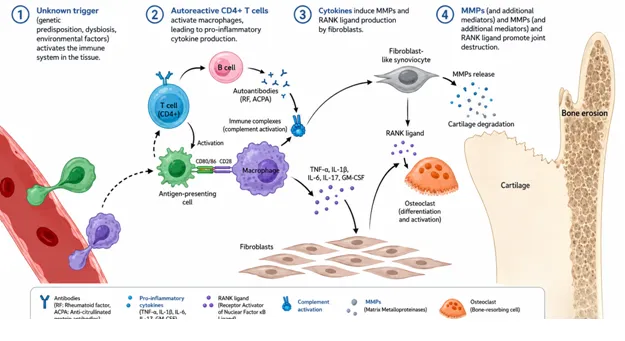
Fig. 1. Pathogenesis of rheumatoid arthritis.

Antigen-presenting cells (APCs) present citrullinated self-antigens to naïve CD4+ T cells, driving their differentiation into helper T cell subsets (Th1 and Th17) [3,16]. Activated B cells produce autoantibodies, including rheumatoid factor (RF) and anti-citrullinated protein antibodies (ACPAs), which form immune complexes that activate classical and alternative complement pathways [17,18]. Macrophages, neutrophils, and fibroblast-like synoviocytes (FLSs) undergo rapid recruitment and activation within the synovial microenvironment [19,20]. Activated FLSs display a tumor-like hyperproliferative phenotype, producing excessive matrix metalloproteinases (MMPs) and pro-inflammatory cytokines such as TNF-α, IL-1β, IL-6, IL-17, and GM-CSF [21–23].

Intracellular signaling networks modulate these cellular responses. The nuclear factor-kappa B (NF-κB) cascade amplifies transcription of inflammatory enzymes like cyclooxygenase-2 (COX-2) and inducible nitric oxide synthase (iNOS) [24,25]. The mitogen-activated protein kinase (MAPK) cascades (p38, ERK, and JNK) regulate FLS survival and cytokine production [26,27], while Janus kinase/signal transducer and activator of transcription (JAK/STAT) signaling mediates downstream cytokine transcription [28,29]. Concurrently, activation of the RANK/RANKL signaling axis drives osteoclast maturation, leading to irreversible periarticular bone erosion [30,31].

Current Therapeutic Strategies and Their Limitations

The modern management of RA follows a treat-to-target strategy aimed at achieving clinical remission or low disease activity [1,32]. Pharmacotherapy relies on nonsteroidal anti-inflammatory drugs (NSAIDs), systemic glucocorticoids, conventional synthetic DMARDs (csDMARDs, e.g., methotrexate, leflunomide), biological DMARDs (bDMARDs targeting TNF-α, IL-6R, CD20, or CD80/86), and targeted synthetic DMARDs (tsDMARDs, such as JAK inhibitors) [7,33,34].

Despite high efficacy, long-term administration of conventional therapies presents notable clinical drawbacks. Extended NSAID and corticosteroid regimens cause severe gastrointestinal ulceration, cardiovascular mortality, osteoporosis, and renal dysfunction [1,35]. Primary non-responsiveness or secondary loss of efficacy occurs in approximately 30–40% of patients receiving csDMARDs or biologics [3,36]. Furthermore, biologics and tsDMARDs increase the incidence of serious opportunistic infections, tuberculosis reactivation, herpes zoster, and thromboembolic events [7,37]. The high cost of biologics also limits their accessibility in developing countries [38]. Critically, existing therapies suppress peripheral immune responses without restoring immunological self-tolerance [3,39].

Multi-Target Mechanisms of Bioactive Compounds

Phytochemicals modulate key nodes of the inflammatory, oxidative, and matrix degradation cascades involved in RA pathogenesis [8,40,41].

Medicinal Plant

Major Bioactive Compounds

Multi-Target Mechanisms Against RA

References

Curcuma longa (Turmeric)

Curcumin

Inhibits NF-κB, MAPK, JAK/STAT; suppresses TNF-α, IL-1β, IL-6, COX-2, iNOS; reduces ROS; inhibits RANKL-mediated osteoclastogenesis.

[8,10,42]

Boswellia serrata

Boswellic acids (AKBA)

Inhibits 5-LOX, NF-κB, MMP-3/9; decreases leukotrienes, synovial inflammation, and cartilage degradation.

[41,43]

Withania somnifera

Withanolides

Modulates immune cell function; suppresses TNF-α, IL-6, IL-17; elevates SOD, CAT, GPx; attenuates oxidative damage.

[8,44]

Zingiber officinale

Gingerols, Shogaols

Inhibits COX-2, 5-LOX, NF-κB; lowers prostaglandins, leukotrienes, TNF-α, IL-1β; reduces joint swelling and hyperalgesia.

[13,40]

Tripterygium wilfordii

Triptolide, Celastrol

Suppresses NF-κB, JAK/STAT, PI3K/Akt; inhibits T/B cell activation, cytokine release, and FLS proliferation.

[11,12]

Camellia sinensis

Epigallocatechin gallate (EGCG)

Inhibits NF-κB, STAT3, MAPKs; downregulates MMPs and RANKL expression; scavenges intracellular ROS.

[8,45]

Tinospora cordifolia

Berberine, Tinosporaside

Exerts immunomodulatory actions; suppresses TNF-α, IL-6, IL-17; enhances endogenous enzymatic antioxidant defense.

[8,46]

Glycyrrhiza glabra

Glycyrrhizin, Liquiritigenin

Inhibits HMGB1, NF-κB, COX-2; suppresses pro-inflammatory cytokines; protects cartilage extracellular matrix.

[40,47]

Paeonia lactiflora

Paeoniflorin

Restores Treg/Th17 balance; blocks NF-κB/MAPK signaling; reduces TNF-α, IL-6, IL-17 and synovial hyperplasia.

[14,48]

Nigella sativa

Thymoquinone

Blocks NF-κB and NLRP3 inflammasome; decreases TNF-α, IL-1β, IL-6; inhibits osteoclast differentiation.

[12,49]

Table 1: Multi-target molecular mechanisms of bioactive compounds of medicinal plants in rheumatoid arthritis

Clinical Evidence

Controlled clinical studies demonstrate that several medicinal plant formulations improve Disease Activity Score-28 (DAS28), tender/swollen joint counts, visual analogue scale (VAS) pain scores, ESR, and CRP [9,10,42].

Curcuma longa: Standardized curcumin extract significantly reduced DAS28 scores and swollen joint counts compared to diclofenac sodium in active RA patients [10]. Modern bioavailable nanomicellar curcumin formulations achieved marked decreases in CRP, ESR, and pain indexes in randomized placebo-controlled trials [42].

Tripterygium wilfordii: Standardized extracts containing triptolide demonstrated therapeutic response rates equal or superior to sulfasalazine and methotrexate in multicenter trials [11,12]. However, reproductive toxicity and hepatoxicity require close dose monitoring .

Nigella sativa & Zingiber officinale: Double-blind RCTs confirmed that N. sativa seed oil reduced DAS28 scores and serum TNF-α levels [49], while Z. officinale extract supplementation significantly reduced hs-CRP, TNF-α, and disease activity over a 12-week intervention period [13].

Paeonia lactiflora & Boswellia serrata: Total Glucosides of Peony (TGP) combined with methotrexate achieved superior reductions in disease activity while reducing methotrexate-induced liver enzyme elevations [48]. Boswellia serrata extracts significantly reduced joint stiffness and improved physical function via dual inhibition of 5-LOX and NF-κB [43].

Safety, Toxicity, and Herb–Drug Interactions

General Safety Profile

While plant extracts generally exhibit favorable tolerability, unstandardized preparations present clinical risks due to variable phytochemical profiles, heavy metal contamination, pesticide residues, or microbial burden [16,17,50]. Mild adverse events include self-limiting nausea, dyspepsia, diarrhea, and transient headaches [16]. Strictly enforced Good Manufacturing Practices (GMP) are mandatory to ensure safety and clinical reproducibility [17].

Herbal Toxicity

Herbal toxicity can arise from intrinsic cytotoxic compounds, inappropriate dosages, prolonged exposure, or adulteration [17,18]. Hepatotoxicity (characterized by elevated aminotransferases) and nephrotoxicity (often associated with heavy metal exposure) have been reported for non-standardized preparations [18,19,51]. Comprehensive toxicological testing and rigorous quality assurance protocols are required [17,19].

Herb–Drug Interactions

Pharmacokinetic and pharmacodynamic interactions must be evaluated in RA patients receiving combination therapies [20,52]. Curcumin and ginger exert mild antiplatelet effects, which may elevate bleeding risks when combined with anticoagulants (e.g., warfarin) or antiplatelet agents [20,21,53]. Boswellia serrata can augment NSAID-induced gastrointestinal erosion [20]. Withania somnifera exhibits immunostimulatory actions that could interfere with immunosuppressive regimens [20,22,44]. Furthermore, phytochemicals that modulate Cytochrome P450 enzymes (e.g., CYP3A4, CYP2C9) or P-glycoprotein transporters can alter the systemic availability of co-administered DMARDs [20,22,54].

Network Pharmacology and Systems Biology

Network pharmacology has shifted natural product research from the traditional "one drug, one target" model to a "multi-component, multi-target, multi-pathway" paradigm [23,24,55]. Combining transcriptomics, proteomics, and metabolomics allows comprehensive mapping of complex biological networks [24,25].
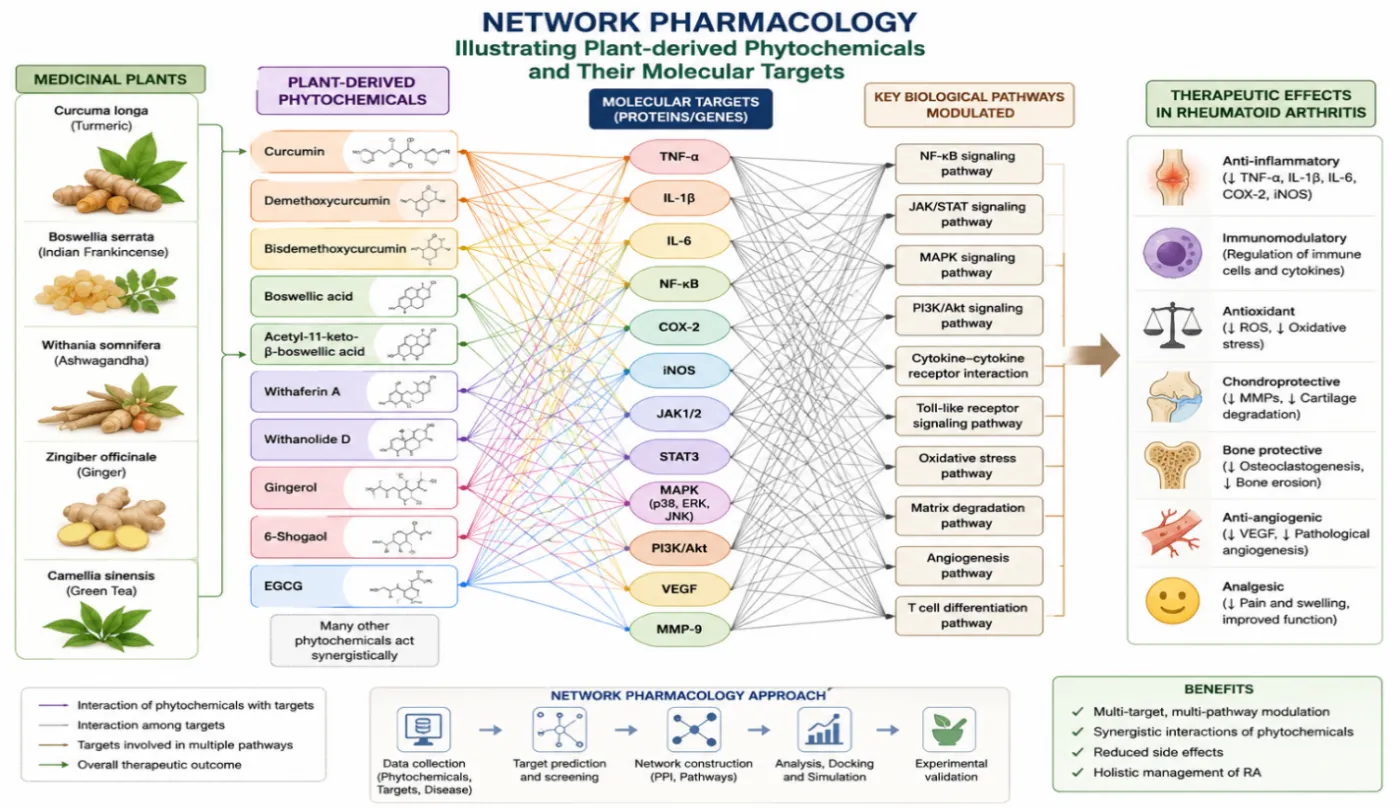
Fig. 2. The network pharmacology approach to illustrate plant-derived phytochemicals and their molecular targets for management of Rheumatoid arthritis.

Computational platforms leverage protein–protein interaction (PPI) networks, KEGG pathway analysis, Gene Ontology (GO) mapping, molecular docking, and molecular dynamics simulations to identify active compounds and candidate target genes [24,26,56]. Studies on Curcuma longa, Boswellia serrata, Tripterygium wilfordii, and Withania somnifera show that their components target interconnected signaling nodes, including TNF-α, IL-6, NF-κB, Akt1, STAT3, COX-2, and MMP-9 [23,26,55]. Integrating artificial intelligence and multi-omics data accelerates target identification and aids the design of standardized polyherbal formulations [25,56].

Challenges and Future Perspectives

Translating preclinical findings into routine clinical practice requires addressing key hurdles:

Phytochemical Variation & Standardization: Natural variation in plant composition due to geographical, seasonal, and processing factors requires strict chemical profiling and standardization using marker compounds [4,16].

Poor Bioavailability: Low aqueous solubility, rapid hepatic metabolism, and limited systemic distribution limit the clinical efficacy of many phytochemicals [27,57]. Advanced nano-delivery platforms—including liposomes, polymeric nanoparticles, phytosomes, and solid lipid nanoparticles—enhance targeted delivery to inflamed joints while extending systemic half-lives [27,57].

Rigorous Clinical Validation: High-quality, multi-center, double-blind RCTs adhering to international standards (e.g., CONSORT-Extension for Herbal Interventions) are essential to establish definitive safety profiles, pharmacokinetic parameters, and therapeutic efficacy [1,4,9].

CONCLUSION

Rheumatoid arthritis is a multi-factorial disease that presents ongoing therapeutic challenges. Medicinal plants offer a rich source of multi-target bioactive agents capable of attenuating inflammatory cascades, oxidative damage, autoantibody-mediated pathology, and joint destruction. When integrated with systems biology, network pharmacology, and targeted nano-delivery systems, standardized herbal formulations represent a viable approach toward safer, synergistic, and personalized treatment strategies for RA.

CONFLICTS OF INTEREST

The authors declare that there are no conflicts of interest.

ACKNOWLEDGMENTS

The authors express their sincere thanks to their institution for providing a supportive scientific environment and access to literature. We also acknowledge researchers worldwide whose contributions provided the foundation for this review.

REFERENCES

  1. Smolen JS, Aletaha D, Barton A, Balsa A, Emery P, Fraenkel L, et al. Rheumatoid arthritis. Nat Rev Dis Primers 2023;9:34.
  2. Firestein GS, McInnes IB. Immunopathogenesis of rheumatoid arthritis. Immunity 2017;46:183–96.
  3. McInnes IB, Schett G. Pathogenetic insights from the treatment of rheumatoid arthritis. Lancet 2023;401:1357–72.
  4. Atanasov AG, Zotchev SB, Dirsch VM, Supuran CT, Rollinger JM, Riedl CA, et al. Natural products in drug discovery: Advances and opportunities. Nat Rev Drug Discov 2021;20:200–16.
  5. O'Shea JJ, Schwartz DM, Villarino AV, Gadina M, McInnes IB, Kanno Y. The JAK–STAT pathway: Impact on human disease and therapeutic intervention. Annu Rev Med 2015;66:311–28.
  6. Schett G, Gravallese E. Bone erosion in rheumatoid arthritis: Mechanisms, diagnosis and treatment. Nat Rev Rheumatol 2012;8:656–64.
  7. Fraenkel L, Bathon JM, England BR, St Clair EW, Arayssi T, Carandang K, et al. 2021 American College of Rheumatology guideline for the treatment of rheumatoid arthritis. Arthritis Care Res 2021;73:924–39
  8. Hazarika N, Sharma P, Das K. Polyherbal formulations for rheumatoid arthritis: An ethnomedicinal and pharmacological review. Acta Pharma Rep 2025;5:102–14.
  9. Luo X, Zhang L, Wang Y, Chen X, Liu Y. Curcumin for the clinical treatment of rheumatoid arthritis: A systematic review and meta-analysis of randomized controlled trials. Front Immunol 2025;16:10892.
  10. Chandran B, Goel A. A randomized pilot study to assess the efficacy and safety of curcumin in patients with active rheumatoid arthritis. Phytother Res 2012;26:1719–25.
  11. Goldbach-Mansky R, Wilson M, Fleischmann R, Olsen N, Silverfield J, Kempf P, et al. Comparison of Tripterygium wilfordii Hook F versus sulfasalazine in the treatment of rheumatoid arthritis. Ann Intern Med 2009;151:229–40.
  12. Hu W, Zhang R, Zheng Y, Li Y. A network pharmacology study on the active ingredients and potential targets of Tripterygium wilfordii Hook for treatment of rheumatoid arthritis. Evid Based Complement Alternat Med 2019;2019:6752018.
  13. Aryaeian N, Shahram F, Mahmoudi M, Tavakoli H, Yousefi B, Arablou T, et al. Effects of ginger supplementation on inflammatory biomarkers in patients with rheumatoid arthritis. Gene 2019;698:179–85.
  14. Guo C, Fu R, Zhou M, Wang S, Huang Y, Hu A, et al. Pathogenesis of rheumatoid arthritis: Crosstalk between autophagy and inflammasomes. Inflamm Res 2018;67:379–88.
  15. Catrina AI, Ytterberg AJ, Reynisdottir S, Malmström V, Klareskog L. Lungs, autoantibodies and arthritis: Resolving the promotor puzzle of rheumatoid arthritis. Nat Rev Rheumatol 2014;10:645–53.
  16. World Health Organization. WHO Traditional Medicine Strategy 2014–2023. Geneva: World Health Organization; 2013.
  17. Ekor M. The growing use of herbal medicines: Issues relating to adverse reactions and challenges in monitoring safety. Front Pharmacol 2014;4:177.
  18. Posadzki P, Watson LK, Ernst E. Herb-induced liver injury: A systematic review. Clin Med 2013;13:7–12.
  19. Bent S. Herbal medicine in the United States: Review of efficacy, safety, and regulation. J Gen Intern Med 2008;23:854–59.
  20. Izzo AA, Ernst E. Interactions between herbal medicines and prescribed drugs: An updated systematic review. Drugs 2009;69:1777–98.
  21. Fugh-Berman A. Herb–drug interactions. Lancet 2000;355:134–38.
  22. Fasinu PS, Bouic PJ, Rosenkranz B. An overview of the evidence and mechanisms of herb–drug interactions. Front Pharmacol 2012;3:69.
  23. Hopkins AL. Network pharmacology: The next paradigm in drug discovery. Nat Chem Biol 2008;4:682–90.
  24. Li S, Zhang B. Traditional Chinese medicine network pharmacology: Theory, methodology and application. Chin J Nat Med 2013;11:110–20.
  25. Nogales C, Mamdouh ZM, List M, Kiel C, Casas AI, Schmidt HHHW. Network pharmacology: Curing causal mechanisms instead of treating symptoms. Trends Pharmacol Sci 2022;43:136–50.
  26. Yang M, Chen JL, Xu LW, Ji G. Navigating traditional Chinese medicine network pharmacology and computational tools for rheumatoid arthritis research. Pharmacol Res 2021;174:105925.
  27. Liu Y, Wang X, Zhang H, Zhou Z. Advances in nano-delivery systems for phytochemicals in inflammatory diseases. J Control Release 2023;361:675–94.
  28. Aravilli RK, Vikram SL, Kohila V. Phytochemicals as potential antidotes for targeting NF-κB in rheumatoid arthritis. 3 Biotech 2017;7:228.
  29. Nasra S, Bhatia D, Kumar A. Recent advances in nanoparticle-based drug delivery systems for rheumatoid arthritis treatment. Nanoscale Adv 2022;4:3479–94.
  30. Li J, Li W, Zhuang L. Natural biomimetic nano-system for drug delivery in the treatment of rheumatoid arthritis: A literature review of the last 5 years. Front Med 2024;11:1385123.
  31. Zhang K, Gao Y, Wang H. Nanoparticle delivery systems in rheumatoid arthritis: More than vehicles. Pharmaceutics 2025;17:412.
  32. Smolen JS, Landewé RBM, Bergstra SA, Kerschbaumer A, Sepriano A, Aletaha D, et al. EULAR recommendations for the management of rheumatoid arthritis with synthetic and biological disease-modifying antirheumatic drugs: 2022 update. Ann Rheum Dis 2023;82:3–18.
  33. Taylor PC, Feldmann M. Anti-TNF biologic agents: Still the hallmark of rheumatoid arthritis treatment. Nat Rev Rheumatol 2009;5:578–82.
  34. Burmester GR, Pope JE. Novel treatment strategies in rheumatoid arthritis. Lancet 2017;389:2338–48.
  35. Crofford LJ. Use of NSAIDs in treating patients with arthritis. Arthritis Res Ther 2013;15:S2.
  36. Rubbert-Roth A, Finckh A. Treatment options in patients with rheumatoid arthritis failing initial TNF inhibitor therapy. Rheumatology 2009;48:v23–9.
  37. Winthrop KL. The screening and management of rheumatic patients for infection prior to initiating biologic therapy. Curr Opin Rheumatol 2006;18:300–5.
  38. Putrik P, Ramiro S, Kvien TK, Sokka T, Pavlova M, Uhlig T, et al. Inequities in access to biologic DMARDs for rheumatoid arthritis across Europe. Ann Rheum Dis 2014;73:198–206.
  39. Isaacs JD. Therapeutic immunomodulation in rheumatoid arthritis: The core pathogenetic mechanisms. Nat Rev Immunol 2010;10:605–11.
  40. Kumar S, Sharma AK. Herbal approaches to arthritis: A review of therapeutic plants and their bioactive compounds. Authorea 2025;10.22541/au.174003702.23797524.
  41. Daily JW, Yang M, Park S. Efficacy of turmeric extracts and curcumin for alleviating symptoms of joint arthritis: A systematic review and meta-analysis. J Med Food 2016;19:717–29.
  42. Mirhafez SR, Hariri M, Bidkhori M. Efficacy of nanomicellar curcumin in active rheumatoid arthritis: A double-blind randomized clinical trial. Phytother Res 2021;35:6431–41.
  43. Sengupta K, Krishnaraju AV, Vishal AA, Mishra A, Trimurtulu G, Sarma KV, et al. Clinical efficacy of standardized Boswellia serrata extract in inflammatory joint disorders. Int J Med Sci 2011;8:615–22.
  44. Vaishnavi C, Rai A. Immunomodulatory and anti-inflammatory mechanisms of Withania somnifera in chronic autoimmune models. J Ethnopharmacol 2020;259:112960.
  45. Ahmed S. Green tea polyphenol epigallocatechin-3-gallate in arthritis: Progress and promise. Arthritis Res Ther 2010;12:208.
  46. Tiwari AK, Prasad KB. Tinospora cordifolia: Mechanisms of immunomodulation and antioxidant defense in articular cartilage protection. Phytomedicine 2018;45:89–98.
  47. Wang CY, Zhang YY. Glycyrrhizin inhibits HMGB1-mediated NF-κB activation and suppresses joint destruction in collagen-induced arthritis. Int Immunopharmacol 2019;72:312–21.
  48. Zhang W, Dai SM, Zhang XB, Miao L, Zhang Y. Total glucosides of peony combined with methotrexate in the treatment of rheumatoid arthritis: A meta-analysis. Phytomedicine 2013;20:970–7.
  49. Hadi V, Kheirouri S, Alizadeh M, Khabbazi A, Hosseini H. Effects of Nigella sativa supplementation on disease activity and oxidative stress in rheumatoid arthritis. Immunol Invest 2016;45:271–83.
  50. Williamson EM, Driver S, Baxter K, editors. Stockley's Herbal Medicines Interactions. London: Pharmaceutical Press; 2013.
  51. Shaw D, Graeme L, Pierre D, Elizabeth W, Kelvin C. Pharmacovigilance of herbal remedies. Drug Saf 1997;17:244–56.
  52. Hu Z, Yang X, Ho PC, Chan SY, Heng PW, Chan E, et al. Herb–drug interactions: A review of case reports and clinical studies. Drugs 2005;65:1239–82.
  53. Spolarich AE, Andrews L. Examination of interactions between herbal supplements and prescription medication. J Dent Hyg 2007;81:81.
  54. Chen XW, Serag ES, Sneed KB, Zhou SF. Clinical herbal interactions with cytochrome P450 substrates and transporters. Curr Drug Metab 2011;12:812–35.
  55. Ru J, Li P, Wang J, Zhou W, Li B, Huang C, et al. TCMSP: A database of systems pharmacology for drug discovery from herbal medicines. J Cheminform 2014;6:13.
  56. Zhang R, Zhu X, Bai H, Ning K. Network pharmacology databases for traditional Chinese medicine: Review and assessment. Front Pharmacol 2019;10:123.
  57. Zhao J, Jo J, Wang Y. Biomimetic nano-delivery platforms for target-specific therapy of rheumatoid arthritis. Adv Drug Deliv Rev 2023;198:114890.


Reference

  1. Smolen JS, Aletaha D, Barton A, Balsa A, Emery P, Fraenkel L, et al. Rheumatoid arthritis. Nat Rev Dis Primers 2023;9:34.
  2. Firestein GS, McInnes IB. Immunopathogenesis of rheumatoid arthritis. Immunity 2017;46:183–96.
  3. McInnes IB, Schett G. Pathogenetic insights from the treatment of rheumatoid arthritis. Lancet 2023;401:1357–72.
  4. Atanasov AG, Zotchev SB, Dirsch VM, Supuran CT, Rollinger JM, Riedl CA, et al. Natural products in drug discovery: Advances and opportunities. Nat Rev Drug Discov 2021;20:200–16.
  5. O'Shea JJ, Schwartz DM, Villarino AV, Gadina M, McInnes IB, Kanno Y. The JAK–STAT pathway: Impact on human disease and therapeutic intervention. Annu Rev Med 2015;66:311–28.
  6. Schett G, Gravallese E. Bone erosion in rheumatoid arthritis: Mechanisms, diagnosis and treatment. Nat Rev Rheumatol 2012;8:656–64.
  7. Fraenkel L, Bathon JM, England BR, St Clair EW, Arayssi T, Carandang K, et al. 2021 American College of Rheumatology guideline for the treatment of rheumatoid arthritis. Arthritis Care Res 2021;73:924–39
  8. Hazarika N, Sharma P, Das K. Polyherbal formulations for rheumatoid arthritis: An ethnomedicinal and pharmacological review. Acta Pharma Rep 2025;5:102–14.
  9. Luo X, Zhang L, Wang Y, Chen X, Liu Y. Curcumin for the clinical treatment of rheumatoid arthritis: A systematic review and meta-analysis of randomized controlled trials. Front Immunol 2025;16:10892.
  10. Chandran B, Goel A. A randomized pilot study to assess the efficacy and safety of curcumin in patients with active rheumatoid arthritis. Phytother Res 2012;26:1719–25.
  11. Goldbach-Mansky R, Wilson M, Fleischmann R, Olsen N, Silverfield J, Kempf P, et al. Comparison of Tripterygium wilfordii Hook F versus sulfasalazine in the treatment of rheumatoid arthritis. Ann Intern Med 2009;151:229–40.
  12. Hu W, Zhang R, Zheng Y, Li Y. A network pharmacology study on the active ingredients and potential targets of Tripterygium wilfordii Hook for treatment of rheumatoid arthritis. Evid Based Complement Alternat Med 2019;2019:6752018.
  13. Aryaeian N, Shahram F, Mahmoudi M, Tavakoli H, Yousefi B, Arablou T, et al. Effects of ginger supplementation on inflammatory biomarkers in patients with rheumatoid arthritis. Gene 2019;698:179–85.
  14. Guo C, Fu R, Zhou M, Wang S, Huang Y, Hu A, et al. Pathogenesis of rheumatoid arthritis: Crosstalk between autophagy and inflammasomes. Inflamm Res 2018;67:379–88.
  15. Catrina AI, Ytterberg AJ, Reynisdottir S, Malmström V, Klareskog L. Lungs, autoantibodies and arthritis: Resolving the promotor puzzle of rheumatoid arthritis. Nat Rev Rheumatol 2014;10:645–53.
  16. World Health Organization. WHO Traditional Medicine Strategy 2014–2023. Geneva: World Health Organization; 2013.
  17. Ekor M. The growing use of herbal medicines: Issues relating to adverse reactions and challenges in monitoring safety. Front Pharmacol 2014;4:177.
  18. Posadzki P, Watson LK, Ernst E. Herb-induced liver injury: A systematic review. Clin Med 2013;13:7–12.
  19. Bent S. Herbal medicine in the United States: Review of efficacy, safety, and regulation. J Gen Intern Med 2008;23:854–59.
  20. Izzo AA, Ernst E. Interactions between herbal medicines and prescribed drugs: An updated systematic review. Drugs 2009;69:1777–98.
  21. Fugh-Berman A. Herb–drug interactions. Lancet 2000;355:134–38.
  22. Fasinu PS, Bouic PJ, Rosenkranz B. An overview of the evidence and mechanisms of herb–drug interactions. Front Pharmacol 2012;3:69.
  23. Hopkins AL. Network pharmacology: The next paradigm in drug discovery. Nat Chem Biol 2008;4:682–90.
  24. Li S, Zhang B. Traditional Chinese medicine network pharmacology: Theory, methodology and application. Chin J Nat Med 2013;11:110–20.
  25. Nogales C, Mamdouh ZM, List M, Kiel C, Casas AI, Schmidt HHHW. Network pharmacology: Curing causal mechanisms instead of treating symptoms. Trends Pharmacol Sci 2022;43:136–50.
  26. Yang M, Chen JL, Xu LW, Ji G. Navigating traditional Chinese medicine network pharmacology and computational tools for rheumatoid arthritis research. Pharmacol Res 2021;174:105925.
  27. Liu Y, Wang X, Zhang H, Zhou Z. Advances in nano-delivery systems for phytochemicals in inflammatory diseases. J Control Release 2023;361:675–94.
  28. Aravilli RK, Vikram SL, Kohila V. Phytochemicals as potential antidotes for targeting NF-κB in rheumatoid arthritis. 3 Biotech 2017;7:228.
  29. Nasra S, Bhatia D, Kumar A. Recent advances in nanoparticle-based drug delivery systems for rheumatoid arthritis treatment. Nanoscale Adv 2022;4:3479–94.
  30. Li J, Li W, Zhuang L. Natural biomimetic nano-system for drug delivery in the treatment of rheumatoid arthritis: A literature review of the last 5 years. Front Med 2024;11:1385123.
  31. Zhang K, Gao Y, Wang H. Nanoparticle delivery systems in rheumatoid arthritis: More than vehicles. Pharmaceutics 2025;17:412.
  32. Smolen JS, Landewé RBM, Bergstra SA, Kerschbaumer A, Sepriano A, Aletaha D, et al. EULAR recommendations for the management of rheumatoid arthritis with synthetic and biological disease-modifying antirheumatic drugs: 2022 update. Ann Rheum Dis 2023;82:3–18.
  33. Taylor PC, Feldmann M. Anti-TNF biologic agents: Still the hallmark of rheumatoid arthritis treatment. Nat Rev Rheumatol 2009;5:578–82.
  34. Burmester GR, Pope JE. Novel treatment strategies in rheumatoid arthritis. Lancet 2017;389:2338–48.
  35. Crofford LJ. Use of NSAIDs in treating patients with arthritis. Arthritis Res Ther 2013;15:S2.
  36. Rubbert-Roth A, Finckh A. Treatment options in patients with rheumatoid arthritis failing initial TNF inhibitor therapy. Rheumatology 2009;48:v23–9.
  37. Winthrop KL. The screening and management of rheumatic patients for infection prior to initiating biologic therapy. Curr Opin Rheumatol 2006;18:300–5.
  38. Putrik P, Ramiro S, Kvien TK, Sokka T, Pavlova M, Uhlig T, et al. Inequities in access to biologic DMARDs for rheumatoid arthritis across Europe. Ann Rheum Dis 2014;73:198–206.
  39. Isaacs JD. Therapeutic immunomodulation in rheumatoid arthritis: The core pathogenetic mechanisms. Nat Rev Immunol 2010;10:605–11.
  40. Kumar S, Sharma AK. Herbal approaches to arthritis: A review of therapeutic plants and their bioactive compounds. Authorea 2025;10.22541/au.174003702.23797524.
  41. Daily JW, Yang M, Park S. Efficacy of turmeric extracts and curcumin for alleviating symptoms of joint arthritis: A systematic review and meta-analysis. J Med Food 2016;19:717–29.
  42. Mirhafez SR, Hariri M, Bidkhori M. Efficacy of nanomicellar curcumin in active rheumatoid arthritis: A double-blind randomized clinical trial. Phytother Res 2021;35:6431–41.
  43. Sengupta K, Krishnaraju AV, Vishal AA, Mishra A, Trimurtulu G, Sarma KV, et al. Clinical efficacy of standardized Boswellia serrata extract in inflammatory joint disorders. Int J Med Sci 2011;8:615–22.
  44. Vaishnavi C, Rai A. Immunomodulatory and anti-inflammatory mechanisms of Withania somnifera in chronic autoimmune models. J Ethnopharmacol 2020;259:112960.
  45. Ahmed S. Green tea polyphenol epigallocatechin-3-gallate in arthritis: Progress and promise. Arthritis Res Ther 2010;12:208.
  46. Tiwari AK, Prasad KB. Tinospora cordifolia: Mechanisms of immunomodulation and antioxidant defense in articular cartilage protection. Phytomedicine 2018;45:89–98.
  47. Wang CY, Zhang YY. Glycyrrhizin inhibits HMGB1-mediated NF-κB activation and suppresses joint destruction in collagen-induced arthritis. Int Immunopharmacol 2019;72:312–21.
  48. Zhang W, Dai SM, Zhang XB, Miao L, Zhang Y. Total glucosides of peony combined with methotrexate in the treatment of rheumatoid arthritis: A meta-analysis. Phytomedicine 2013;20:970–7.
  49. Hadi V, Kheirouri S, Alizadeh M, Khabbazi A, Hosseini H. Effects of Nigella sativa supplementation on disease activity and oxidative stress in rheumatoid arthritis. Immunol Invest 2016;45:271–83.
  50. Williamson EM, Driver S, Baxter K, editors. Stockley's Herbal Medicines Interactions. London: Pharmaceutical Press; 2013.
  51. Shaw D, Graeme L, Pierre D, Elizabeth W, Kelvin C. Pharmacovigilance of herbal remedies. Drug Saf 1997;17:244–56.
  52. Hu Z, Yang X, Ho PC, Chan SY, Heng PW, Chan E, et al. Herb–drug interactions: A review of case reports and clinical studies. Drugs 2005;65:1239–82.
  53. Spolarich AE, Andrews L. Examination of interactions between herbal supplements and prescription medication. J Dent Hyg 2007;81:81.
  54. Chen XW, Serag ES, Sneed KB, Zhou SF. Clinical herbal interactions with cytochrome P450 substrates and transporters. Curr Drug Metab 2011;12:812–35.
  55. Ru J, Li P, Wang J, Zhou W, Li B, Huang C, et al. TCMSP: A database of systems pharmacology for drug discovery from herbal medicines. J Cheminform 2014;6:13.
  56. Zhang R, Zhu X, Bai H, Ning K. Network pharmacology databases for traditional Chinese medicine: Review and assessment. Front Pharmacol 2019;10:123.
  57. Zhao J, Jo J, Wang Y. Biomimetic nano-delivery platforms for target-specific therapy of rheumatoid arthritis. Adv Drug Deliv Rev 2023;198:114890.

Photo
Manbir Kaur
Corresponding author

Department of Pharmacy, Global Group of Institutes, Amritsar, Punjab, India

Photo
Rupinder Kaur
Co-author

Department of Pharmacy, Global Group of Institutes, Amritsar, Punjab, India

Photo
Ravika Nanda
Co-author

Department of Pharmacy, Global Group of Institutes, Amritsar, Punjab, India

Photo
Pooja Kohar
Co-author

Department of Pharmacy, Global Group of Institutes, Amritsar, Punjab, India

Manbir Kaur*, Rupinder Kaur, Ravika Nanda, Pooja Kohar, Multi-Target Actions Of Medicinal Plants In Rheumatoid Arthritis: Current Evidence And Future Perspectives, Int. J. Sci. R. Tech., 2026, 3 (10), 94-101. https://doi.org/10.5281/zenodo.23116832

More related articles
Nanomedicines Used in The Treatment of the Rheumat...
Aditya Jagatap, Manali Bavadekar, Mayuri Kalokhe , Aniket Gavali...
Pyrazole Derivatives As Multi-Target Therapeutic A...
Akanksha A. Khandekar, Shital S. Hajare, Vaishnavi B. Jadhav...
Exploring The Anti-Arthritic Potentials Of Herbal Medicine: A Pharmacological Re...
Vishal Jain, Narendra Kumar, Umakant Sahu, Yashika Israni, Abhishek Nand, Bhoomika Swarnkar, Pushpen...
Medicinal Plants in Alzheimer’s Disease Management...
Ashwini Pingle, Kunal Gaikwad, Ganesh Darunte, Amol Darwade, Gayatri Gaikwad...
Related Articles
A Review of Anti-Inflammatory Herbs for Wound Healing: Traditional Knowledge and...
Sakshi Gaikwad, Ramdas Darade, Pooja Lasure, Gauri Paithankar, Vikram Sarukh...
Nanomedicines Used in The Treatment of the Rheumatoid Arthritis...
Aditya Jagatap, Manali Bavadekar, Mayuri Kalokhe , Aniket Gavali...
More related articles
Nanomedicines Used in The Treatment of the Rheumatoid Arthritis...
Aditya Jagatap, Manali Bavadekar, Mayuri Kalokhe , Aniket Gavali...
Pyrazole Derivatives As Multi-Target Therapeutic Agents: A Comprehensive Review ...
Akanksha A. Khandekar, Shital S. Hajare, Vaishnavi B. Jadhav...