

We use cookies to ensure our website works properly and to personalise your experience. Cookies policy
1Department of Physics, Mewar University, Cittorgarh, Rajasthan, India.
2Department of Chemistry, Mewar University, Cittorgarh, Rajasthan, India.
The growing demand for sustainable, environmentally friendly energy technologies has increased interest in natural pigments as alternative light-harvesting materials for dye-sensitised solar cells (DSSCs). Natural pigments such as chlorophylls, carotenoids and polyphenolic compounds have attracted attention because of their light-absorption characteristics, availability and potential for low-cost photovoltaic applications. The potential of these naturally occurring compounds as photosensitizers in DSSCs was highlighted, while also identifying challenges associated with their stability and photovoltaic efficiency compared with synthetic dyes. In this context, mango (Mangifera indica) leaves represent a potential source of natural pigments and phytochemical constituents that may possess useful optical properties for solar-energy applications. This study aims to investigate the optical and photophysical characteristics of natural dye extracted from mango leaves using ultraviolet-visible (UV–Visible) spectroscopy.
Overview of Solar Energy:
Solar energy is a renewable and sustainable source of energy obtained from the radiation emitted by the Sun[1]. It is one of the most abundant sources of energy available on Earth and can be converted into useful forms of energy, such as electricity and heat, using different technologies[2]. Solar energy can be harnessed through photovoltaic (PV) cells, which convert sunlight directly into electricity, and solar thermal systems, which use solar radiation to produce heat. Solar technologies have gained considerable attention because they help reduce dependence on fossil fuels, lower greenhouse gas emissions, and support environmental sustainability[3]. Among these technologies, dye-sensitized solar cells (DSSCs) are an important type of third-generation solar cell that can use light-absorbing dyes to capture sunlight and convert it into electrical energy. Natural dyes extracted from plant materials, including mango leaves, have attracted research interest because of their availability, relatively low cost, and potential environmental benefits[3]. Therefore, studying the optical and photophysical properties of natural dyes using UV–Visible spectroscopy can help assess their potential suitability as sensitizers for DSSC applications.
Third-Generation Solar Cells:
Third-generation solar cells are advanced photovoltaic technologies developed to overcome some of the limitations of conventional first-generation crystalline silicon and second-generation thin-film solar cells[4]. These technologies aim to improve light absorption, enhance energy-conversion efficiency, reduce manufacturing costs, and promote the use of environmentally friendly materials[5]. Examples of third-generation solar cells include dye-sensitized solar cells (DSSCs), perovskite solar cells, organic photovoltaic cells, quantum-dot solar cells, and advanced tandem solar cells. Among these, DSSCs have attracted considerable research interest because of their relatively simple fabrication process, potential for low-cost production, and ability to perform under diffuse-light conditions[6]. DSSCs operate by absorbing sunlight through a sensitizing dye, which initiates electron transfer to a semiconductor, typically titanium dioxide (TiOâ‚‚), while an electrolyte or alternative charge-transport material helps regenerate the dye and complete the electrical circuit. Both synthetic and natural dyes have been investigated as sensitizers, with natural dyes extracted from leaves, flowers, fruits, and other plant materials offering a potentially inexpensive and renewable alternative[7]. In this context, investigating the optical and photophysical properties of mango leaf dye using UV–Visible spectroscopy can provide useful information about its absorption, characteristics and potential suitability for DSSC applications, although actual solar-cell performance must be established through further device fabrication and testing.
Dye-Sensitized Solar Cells (DSSCs)
Dye-sensitized solar cells (DSSCs) are a type of third-generation photovoltaic technology that converts sunlight into electrical energy using a light-absorbing dye as a sensitizer[8]. First introduced in their modern form O’Regan and Grätzel in 1991, DSSCs attracted considerable research interest because of their relatively simple structure, potential for low-cost production, and ability to operate under diffuse-light conditions[6]. A typical DSSC consists of a transparent conducting substrate, a porous semiconductor layer commonly titanium dioxide (TiOâ‚‚) coated with a sensitizing dye, an electrolyte or alternative charge-transport material, and a counter electrode[9]. When sunlight strikes the dye molecules, they absorb photons and become electronically excited. The excited electrons are transferred into the conduction band of the semiconductor and then travel through an external circuit, generating an electric current[10]. The electrolyte or alternative charge-transport material regenerates the oxidized dye, allowing the process to continue. The overall efficiency of a DSSC depends on several factors, including the dye’s light-absorption characteristics, electron-injection efficiency, charge recombination, and the properties of the semiconductor and electrolyte[11].
In recent years, considerable attention has been directed towards the use of natural dyes as sensitizers in DSSCs because they can be obtained from renewable biological materials, including leaves, flowers, fruits, and plant extracts[12]. Natural dyes may contain light-absorbing compounds such as chlorophylls, carotenoids, flavonoids, and anthocyanins, which interact with different regions of the visible spectrum[13]. Their potential advantages include accessibility, relatively low extraction costs, and the possibility of using locally available plant resources[14]. However, natural dyes may also face limitations, such as lower stability under illumination, variations in chemical composition, and differences in light absorption compared with some synthetic sensitizers[15]. Mango (Mangifera indica) leaves are a promising material for investigation because they contain various pigments and other phytochemical compounds that may contribute to their optical properties[16]. UV–Visible spectroscopy is particularly useful for studying the absorption spectrum, identifying the wavelength of maximum absorption λmax, and examining the absorption range of mango leaf dye[17]. Such characterization can provide preliminary evidence of its potential suitability as a DSSC sensitizer, although its actual photovoltaic performance would require subsequent solar-cell fabrication and testing[18].
MATERIALS AND METHODS:
Components and Working Principle of DSSCs
Dye-sensitized solar cells (DSSCs) consist of several interconnected components that work together to convert solar radiation into electrical energy[19]. The major components include a transparent conducting substrate, a semiconductor photoanode, a sensitizing dye, an electrolyte or alternative charge-transport material, and a counter electrode[20]. The transparent conducting substrate, commonly fluorine-doped tin oxide (FTO) or indium tin oxide (ITO) coated glass, allows sunlight to enter the cell while providing a pathway for electrical current[21]. The photoanode is generally composed of a porous semiconductor material, such as titanium dioxide (TiOâ‚‚), which provides a large surface area for dye adsorption and facilitates electron transport[6], [22]. The sensitizing dye absorbs incident photons and initiates the electron-transfer process. The electrolyte, often containing an iodide/triiodide redox couple in conventional liquid-based DSSCs, regenerates the oxidized dye by supplying electrons, while the counter electrode, commonly coated with platinum or carbon-based materials, catalyses the regeneration of the redox mediator[23]. The effective interaction among these components influences the optical absorption, charge transfer, electrical output, and stability of the solar cell.
The working principle of a DSSC begins when sunlight reaches the dye molecules adsorbed on the surface of the semiconductor photoanode. The dye absorbs photons whose energies correspond to its electronic absorption transitions, promoting electrons from the ground state to an excited state[24]. These excited electrons are then injected into the conduction band of the semiconductor, typically TiOâ‚‚, leaving the dye in an oxidized state. The injected electrons move through the interconnected semiconductor particles to the transparent conducting substrate and flow through an external circuit, producing an electric current that can power an electrical device[25]. Meanwhile, the oxidized dye is regenerated by the electrolyte, which donates electrons to restore the dye to its original state. At the counter electrode, electrons returning from the external circuit participate in reducing the oxidized species of the redox mediator, thereby completing the electrical circuit[26]. This continuous sequence of light absorption, electron injection, electron transport, dye regeneration, and redox-mediator regeneration enables the DSSC to convert light energy into electrical energy[27].
The performance of a DSSC depends on the properties of its individual components and the efficiency of the processes occurring at their interfaces[27]. Important factors include the dye’s absorption spectrum, the amount of dye adsorbed onto the semiconductor, the alignment of the dye’s excited-state energy level with the semiconductor’s conduction band, electron transport, charge recombination, electrolyte stability, and counter-electrode catalytic activity. A dye with a suitable absorption range can capture a greater proportion of incident sunlight, while efficient electron injection and reduced charge recombination can improve the collection of photogenerated electrons[28]. Natural dyes extracted from plant materials, including mango (Mangifera indica) leaves, are of interest as potential sensitizers because they may contain light-absorbing pigments and other chromophoric compounds. UV–Visible spectroscopy can be used to investigate their absorbance, wavelength of maximum absorption λmax, and spectral range, providing preliminary information about their optical suitability for DSSC applications[29]. However, optical characterization alone cannot establish the overall efficiency of a solar cell; photovoltaic performance must be evaluated separately using a fabricated device and appropriate electrical measurements[30].
Natural Dyes as Sensitizers
Natural dyes are organic colouring substances extracted from natural sources such as leaves, flowers, fruits, roots, and other plant materials[31]. They have attracted considerable attention as potential sensitizers in dye-sensitized solar cells (DSSCs) because of their availability, low cost, biodegradability, and environmentally friendly characteristics[32]. These dyes contain light-absorbing pigments such as chlorophyll, anthocyanins, carotenoids, and flavonoids, which enable them to absorb sunlight within specific wavelength regions[13]. When used as sensitizers, these pigments absorb incident solar radiation and become electronically excited, allowing the transfer of electrons to the conduction band of a semiconductor material, such as titanium dioxide (TiOâ‚‚)[33]. The optical properties of natural dyes, particularly their absorption spectrum, maximum absorption wavelength (λmax), and light-harvesting ability, play important roles in determining their suitability for DSSC applications[34]. However, natural dyes may exhibit limitations such as low stability, degradation under prolonged exposure to light, and variations in pigment composition[35]. Despite these challenges, plant-based dyes remain promising alternatives to synthetic dyes for developing low-cost and environmentally sustainable solar energy technologies[36].
Types of Natural Pigments
Natural pigments are classified into different types, including chlorophylls, carotenoids, anthocyanins, flavonoids, and betalains, each possessing unique colours and optical absorption properties.
Chlorophyll
Chlorophyll is a natural green pigment found in the leaves and other green parts of plants, where it plays an essential role in the process of photosynthesis[37]. It absorbs light energy mainly in the blue and red regions of the visible spectrum while reflecting green light, which gives plants their characteristic green colour[38]. Chlorophyll exists mainly in two forms, chlorophyll-a and chlorophyll-b, which contribute to light absorption at different wavelengths[39]. Due to its strong light-absorption properties, natural availability, and ability to interact with visible radiation, chlorophyll has attracted considerable attention as a potential natural sensitizer in dye-sensitized solar cells (DSSCs)[40]. In mango leaves, chlorophyll is one of the important pigments that may contribute to the optical absorption characteristics of the extracted natural dye[41].
Carotenoids
Carotenoids are naturally occurring pigments found in plants, fruits, and vegetables, responsible for producing yellow, orange, and red colours[42]. They are classified into two main groups: carotenes and xanthophylls, which play important roles in light absorption and photoprotection in plants[43]. Carotenoids absorb light mainly in the blue and blue-green regions of the visible spectrum, helping plants capture additional light energy during photosynthesis[44]. They also protect chlorophyll from damage caused by excessive light exposure and oxidative stress[17]. Due to their light-harvesting ability, natural availability, and optical absorption properties, carotenoids have attracted interest as potential natural sensitizers for dye-sensitized solar cells (DSSCs)[45]. In mango leaves, carotenoids may contribute to the overall optical absorption characteristics of the extracted natural dye[41].
Flavonoids
Flavonoids are a large group of naturally occurring plant pigments and secondary metabolites found in leaves, flowers, fruits, and other plant tissues[46]. They are responsible for various colours, including yellow, red, and purple, and play important roles in plant protection against ultraviolet (UV) radiation, oxidative stress, and environmental factors[47]. Flavonoids possess conjugated molecular structures that enable them to absorb light, particularly in the ultraviolet and visible regions of the electromagnetic spectrum[48]. Their antioxidant properties and light-absorption characteristics make them important compounds for optical and photophysical studies[49]. In dye-sensitized solar cells (DSSCs), flavonoids have attracted attention as potential natural sensitizing compounds because of their ability to interact with light and their availability in plant materials[36]. In mango leaves, flavonoids may contribute to the UV–Visible absorption characteristics of the extracted natural dye[17].
Anthocyanins
Anthocyanins are water-soluble natural pigments belonging to the flavonoid family and are responsible for producing red, purple, and blue colours in various plants, fruits, and flowers[50]. They are widely distributed in plant tissues and play important roles in protecting plants against environmental stress, ultraviolet (UV) radiation, and oxidative damage[51]. Anthocyanins exhibit strong light-absorption properties in the visible region of the electromagnetic spectrum, particularly in the green and blue-green regions, depending on their chemical structure and surrounding pH conditions[52]. Due to their natural availability, colour properties, and ability to absorb visible light, anthocyanins have attracted considerable attention as potential natural sensitizers for dye-sensitized solar cells (DSSCs)[52].Their optical absorption characteristics can be investigated using UV–Visible spectroscopy to understand their suitability for solar energy applications[53].
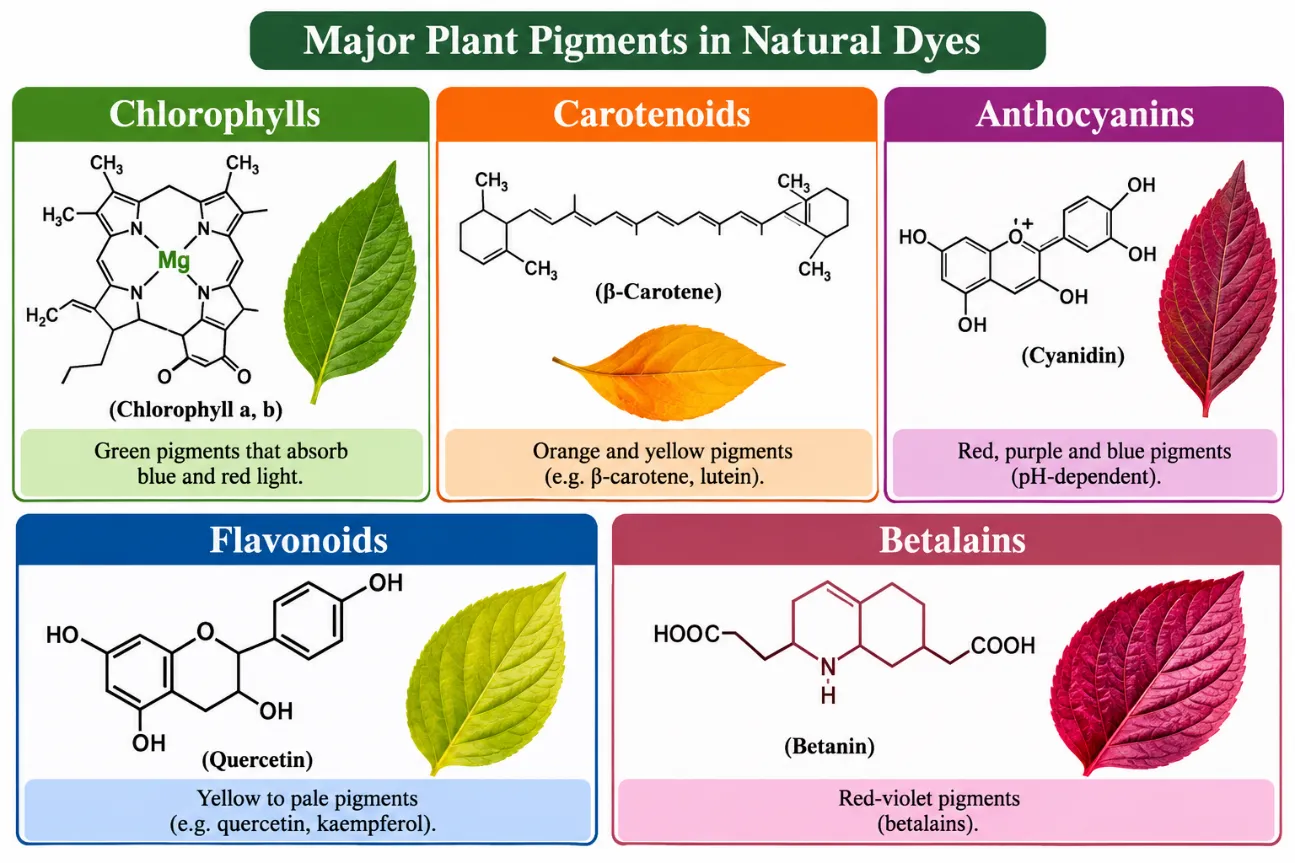
Figure 1: Classification of major natural plant pigments, showing their representative chemical structures and characteristic colors.
Mango Leaves (Mangifera indica)
Mango Leaves (Mangifera indica) are important natural plant materials that contain various bioactive compounds and natural pigments, making them valuable for optical and photophysical studies[54]. They are rich in phytochemical constituents, including chlorophylls, carotenoids, flavonoids, phenolic compounds, and mangiferin, which contribute to their biological and optical properties[55]. These compounds possess different molecular structures and light-absorption characteristics that can be investigated using ultraviolet–visible (UV–Visible) spectroscopy[56]. The presence of these natural pigments makes mango leaves a promising source of environmentally friendly dye extracts for potential applications in dye-sensitized solar cells (DSSCs)[41]. Studying their optical absorption properties, particularly absorbance, absorption range, and maximum absorption wavelength (λmax), can provide useful information about their potential suitability as natural sensitizers in solar energy applications[57].
Extraction of Dye from Mango Leaves
The extraction of natural dye from mango leaves (Mangifera indica) is an important process for obtaining plant-based pigments for optical and photophysical characterization[35]. Mango leaves contain several natural pigments and phytochemical compounds, including chlorophylls, carotenoids, flavonoids, and phenolic compounds, which can be extracted using suitable solvents[58]. The extraction process generally involves collecting fresh mango leaves, washing them thoroughly with distilled water to remove dust and impurities, and allowing them to dry before grinding them into smaller pieces[59]. The prepared leaf samples are then mixed with an appropriate solvent, such as ethanol to dissolve and release the pigment compounds[60]. The mixture is allowed to stand for a specified period to facilitate pigment extraction, after which it is filtered to remove solid plant residues and obtain a relatively clear dye solution[61].
The extracted dye can then be stored in a clean, preferably dark-coloured container to minimize degradation caused by light and environmental exposure[62]. Different extraction conditions, such as solvent type, extraction time, temperature, and leaf-to-solvent ratio, may influence the concentration and optical properties of the resulting dye[63]. The prepared mango leaf dye extract can subsequently be analysed using UV–Visible spectroscopy to determine its absorbance, maximum absorption wavelength (λmax), and absorption range[64]. This analysis provides valuable information about the optical characteristics of the extracted pigments and helps assess their potential suitability as natural sensitizers for dye-sensitized solar cell (DSSC) applications[40].
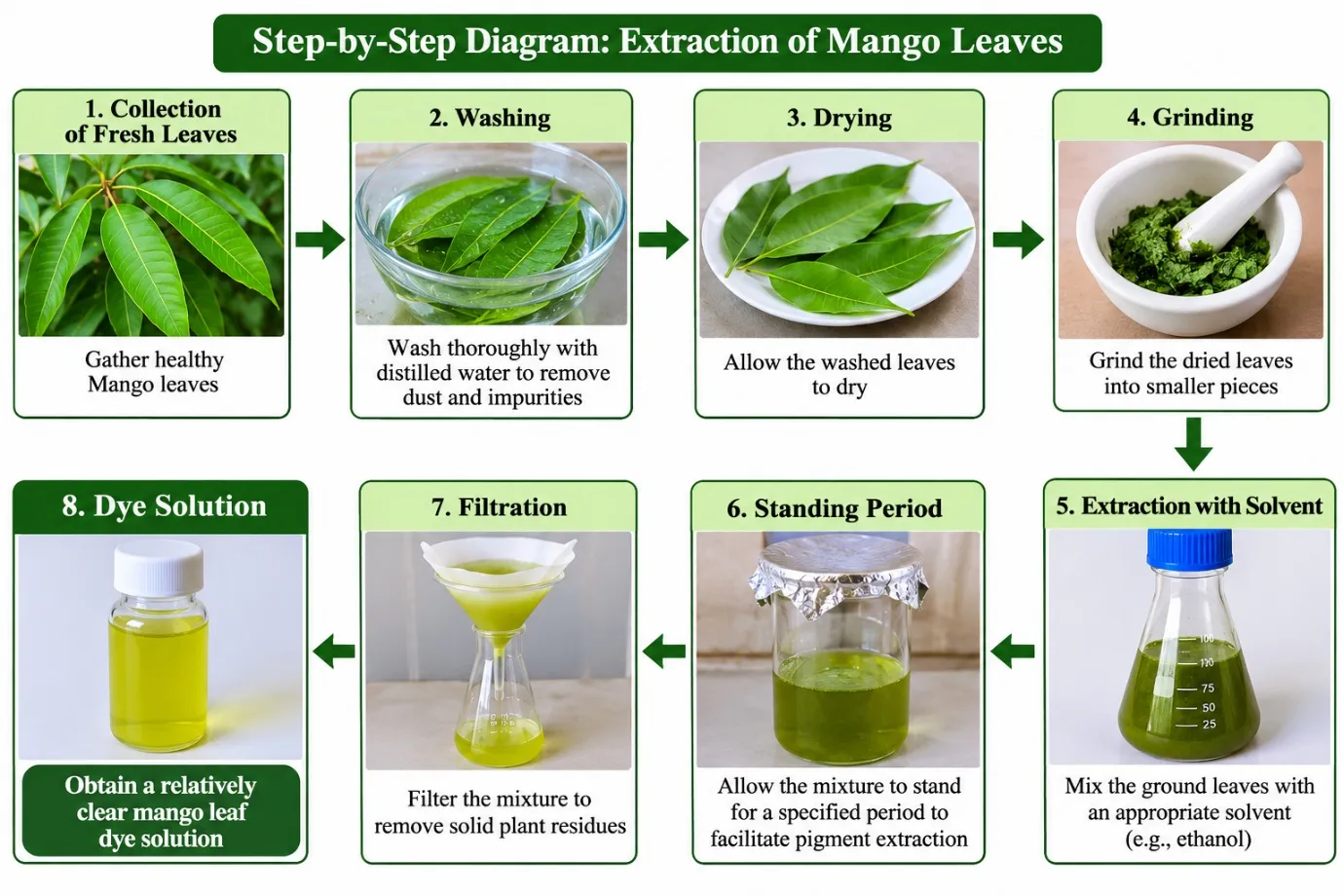
Figure 2: Flow diagram illustrating the step-by-step extraction of natural dye from mango (Mangifera indica) leaves
Optical Properties of Natural Dyes
Optical Properties of natural dyes describe how natural pigment compounds interact with electromagnetic radiation, particularly ultraviolet (UV) and visible light[35]. These properties include light absorption, transmittance, reflectance, absorbance, and maximum absorption wavelength (λmax)[65]. Natural dyes contain different pigment molecules, such as chlorophylls, carotenoids, flavonoids, and anthocyanins, which possess specific molecular structures responsible for their light-absorption behaviour[66]. Their optical properties depend on factors such as chemical composition, molecular structure, solvent type, concentration, and pH[67]. UV–Visible spectroscopy is an important analytical technique used to investigate these properties by measuring the absorption of light at different wavelengths[68]. Understanding the optical characteristics of natural dyes provides valuable information about their light-harvesting ability and potential suitability as natural sensitizers for dye-sensitized solar cells (DSSCs)[69].
UV-Visible Spectroscopy
UV–Visible Spectroscopy is an analytical technique used to study the optical properties of materials by measuring the amount of ultraviolet and visible light absorbed by a sample at different wavelengths[70]. The technique operates within the ultraviolet region (approximately 200–400 nm) and the visible region (approximately 400–800 nm) of the electromagnetic spectrum[71]. It is based on the principle that molecules absorb light energy, causing electrons to transition from lower to higher energy levels[72]. UV–Visible spectroscopy provides important information about the absorbance, absorption spectrum, and maximum absorption wavelength (λmax) of a material[70]. In natural dye research, this technique is particularly useful for investigating the optical characteristics of plant pigments such as chlorophylls, carotenoids, and flavonoids[73]. For mango leaf dye (Mangifera indica), UV–Visible spectroscopy can be used to identify its absorption regions and evaluate its light-absorbing properties, thereby providing useful information about its potential suitability as a natural sensitizer for dye-sensitized solar cell (DSSC) applications[32], [74].
Table 1: UV–Visible Spectroscopy Data of Mango Leaf Dye
| S/N | Wavelength (nm) | Absorbance (a.u.) | Transmittance (%) |
|---|---|---|---|
| 1 | 200 | 1.2304 | 5.88 |
| 2 | 300 | 1.3422 | 4.55 |
| 3 | 400 | 1.3681 | 4.28 |
| 4 | 500 | 0.7947 | 16.04 |
| 5 | 600 | -0.0014 | 100.31 |
| 6 | 700 | -0.0015 | 100.34 |
| 7 | 800 | -0.0013 | 100.31 |
Source: Experimental UV–Visible spectroscopy data.
Absorption Spectrum and Absorption Maximum (λmax)
These are important parameters in the optical and photophysical characterization of mango leaf dye (Mangifera indica) for dye-sensitized solar cell (DSSC) applications[41]. The absorption spectrum represents the variation of light absorbance with wavelength and provides information about the ability of the extracted mango leaf pigments to absorb ultraviolet and visible radiation[17], [75]. The absorption maximum (λmax) is the wavelength at which the dye exhibits its highest absorbance, indicating the region of strongest light absorption[76]. In this research, UV–Visible spectroscopy will be employed to obtain the absorption spectrum and determine the λmax of the mango leaf dye extract[64],[77]. These parameters will help identify its major absorption regions, investigate the optical behaviour of its natural pigment constituents, and assess its potential suitability as a natural sensitizer for DSSC applications[34], [40].
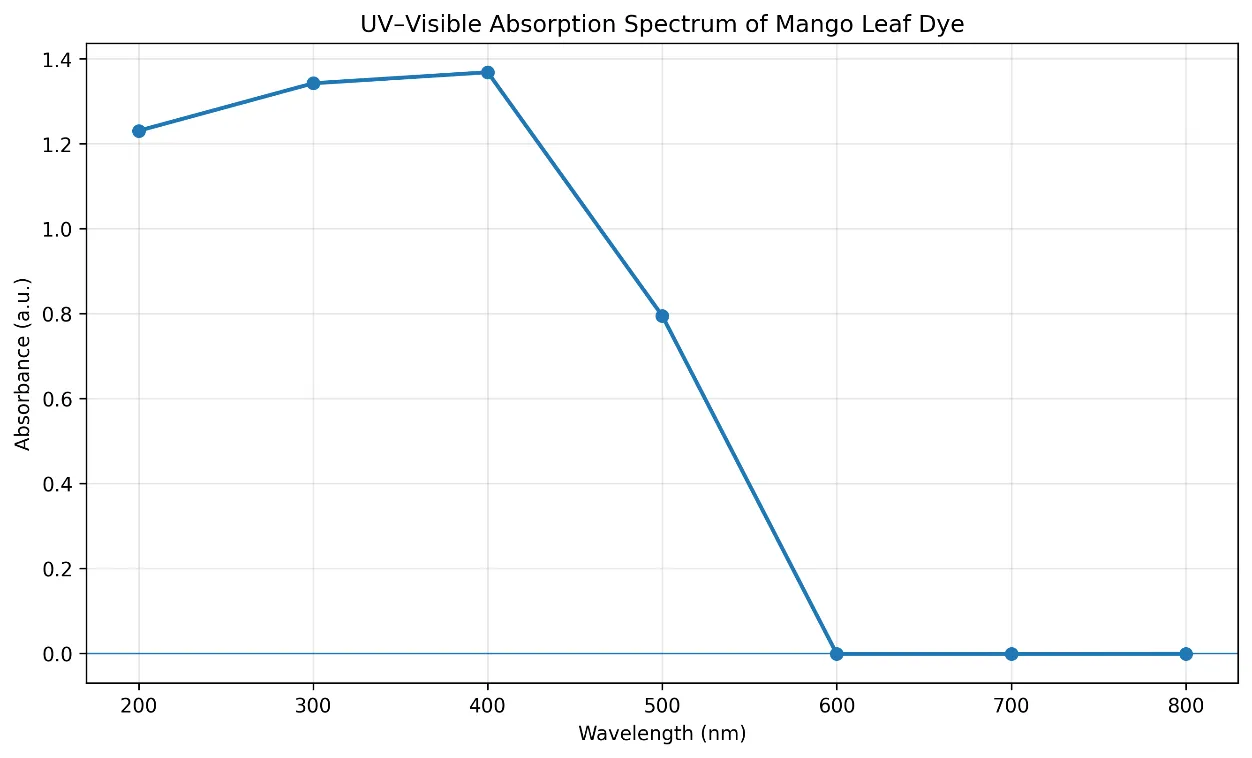
Figure 3: UV–Visible Absorption Spectrum of Mango Leaf Dye
The graph above presents the variation of absorbance with wavelength from 200 to 800 nm
The UV–Visible absorption spectrum shows that the mango leaf dye exhibits considerable absorption in the ultraviolet and visible regions. The absorbance increases from 1.2304 at 200 nm to a maximum measured value of 1.3681 at 400 nm, indicating strong optical absorption within this region. Beyond 400 nm, the absorbance decreases to 0.7947 at 500 nm. At wavelengths of 600, 700, and 800 nm, the absorbance values are approximately zero, suggesting negligible measurable absorption in this region. The highest measured absorbance occurs at Maximum measured absorbance 1.3681 when Wavelength is 400 nm Measured absorption maximum (λmax) is 400 nm.
Photophysical Properties of Natural Dyes
Natural Dyes describe how natural pigment molecules interact with light energy and how they respond after absorbing electromagnetic radiation[35],[77]. These properties include light absorption, electronic excitation, energy transfer, fluorescence emission, and excited-state behaviour, which depend on the molecular structure and chemical composition of the pigments[78]. Natural dyes contain compounds such as chlorophylls, carotenoids, flavonoids, and anthocyanins, which exhibit different photophysical characteristics due to their molecular arrangements and electronic transitions[34], [35], [36], [66]. In this research, the photophysical properties of mango leaf dye (Mangifera indica) will be investigated using UV–Visible spectroscopy to examine its absorption behaviour[6], [38], [74], [77], absorption peaks, and maximum absorption wavelength (λmax)[6], [38], [74], [77]. Understanding these properties will provide useful information about the light-harvesting characteristics of the extracted dye and help assess its potential suitability as a natural sensitizer for dye-sensitized solar cell (DSSC) applications[13], [32], [40].
Natural Dyes in DSSC Applications
Natural Dyes have attracted considerable research interest as environmentally friendly and potentially low-cost alternatives to synthetic dyes used as sensitizers in dye-sensitized solar cells (DSSCs)[12], [13], [32], [40]. These dyes are commonly extracted from natural sources such as leaves, flowers, fruits, and other plant materials containing pigments such as chlorophylls, carotenoids, anthocyanins, and flavonoids[7], [31], [35]. Their ability to absorb light within different regions of the visible spectrum makes them promising candidates for solar energy applications[79], [80]. Natural dyes are also renewable, readily available, and generally biodegradable, making them attractive materials for developing sustainable solar technologies[81]. However, their optical absorption, chemical stability, and light-harvesting efficiency vary depending on their pigment composition and extraction conditions[82]. In this research, the optical and photophysical characteristics of mango leaf dye (Mangifera indica) will be investigated using UV–Visible spectroscopy to evaluate its absorption behaviour and assess its potential suitability as a natural sensitizer for DSSC applications, without undertaking actual DSSC fabrication or performance testing[8], [32], [39], [83].
CONCLUSION:
Previous Studies on Mango Leaf Dye
Previous studies on mango leaf dye have mainly investigated its natural pigment composition, optical absorption characteristics, and potential application as a sensitizer in dye-sensitized solar cells (DSSCs). Researchers have explored mango leaf extracts because they contain natural pigments and phytochemical compounds, including chlorophylls, flavonoids, and other light-absorbing constituents. The findings suggest that mango leaves are a promising source of natural dyes for solar energy research, although their optical characteristics and sensitizing potential require further investigation.
[84] Prayitno et al. (2023) investigated the extraction and optical properties of natural dyes obtained from different plant materials, with the objective of identifying their light-absorption characteristics and potential applications as sensitizers in dye-sensitized solar cells (DSSCs). The researchers employed a simple maceration extraction method, which involved dehydrating the plant samples, immersing them in ethanol for 2 × 24 hours, and subsequently filtering the extracts to obtain the natural dye solutions. The plant materials included several leaves, flowers, fruits, and tubers, among which mango leaves (Mangifera indica) were specifically investigated. The optical properties of the extracted dyes were characterized using a UV–Visible spectrophotometer within the wavelength range of 400–700 nm. The experimental findings revealed that different plant extracts exhibited dominant absorption peaks at different wavelengths, indicating variations in their optical absorption characteristics. The researchers suggested that combining natural dyes with different absorption spectra could broaden the light-absorption range for DSSC applications. However, the study focused on a comparative investigation of several natural dye sources rather than an extensive individual characterization of mango leaf dye, particularly its concentration-dependent absorption behaviour and detailed photophysical properties. This study is highly relevant to the present research because it provides a methodological foundation for extracting mango leaf dye using ethanol and investigating its optical absorption characteristics through UV–Visible spectroscopy, while supporting further investigation of its potential suitability as a natural sensitizer for DSSC applications.
[85] Vanoli et al. (2024) investigated the non-destructive prediction of carotenoids, ascorbic acid, and total phenolic contents in Tommy Atkins mangoes, with the objective of establishing relationships between the optical absorption and scattering properties of mango fruits and their bioactive compound composition. The researchers employed an experimental approach involving 90 mango fruits monitored over an eight-day shelf-life period at 20 °C. Time-Resolved Reflectance Spectroscopy (TRS) was used to measure absorption and scattering properties at selected wavelengths between 540 and 880 nm, while spectrophotometric and high-performance liquid chromatography (HPLC) techniques were employed to determine carotenoid and other bioactive compound contents. The experimental findings revealed two major absorption peaks around 540 nm, associated with carotenoids, and 670 nm, associated with chlorophyll. The absorption coefficient at 540 nm increased during fruit ripening, while that at 670 nm decreased, indicating carotenoid accumulation and chlorophyll degradation. Furthermore, multiple regression analysis produced good prediction models for total carotenoids (adjusted R² = 83.1%), total xanthophylls (78%), and β-carotene (77%). However, the study focused on mango fruit pulp rather than mango leaves and employed time-resolved reflectance spectroscopy instead of conventional UV–Visible spectroscopy for its principal optical measurements. This study is relevant to the present research because it demonstrates the relationship between mango pigments, particularly chlorophyll and carotenoids, and their optical absorption characteristics, providing useful scientific evidence for investigating the absorption spectrum, maximum absorption wavelength (λmax), and optical properties of natural dye extracted from mango leaves (Mangifera indica) using UV–Visible spectroscopy.
[86] Negi (2025) reviewed the sustainable applications and future prospects of natural dyes and pigments obtained from plant and microbial sources, with the objective of examining their chemical composition, properties, industrial applications, and potential as environmentally friendly alternatives to synthetic colorants. The study adopted a comprehensive literature-review approach, analysing previously published research on different natural pigments, including chlorophylls, carotenoids, flavonoids, anthocyanins, and other bioactive compounds, rather than conducting new laboratory experiments. The findings highlighted that natural pigments possess diverse molecular structures and light-absorption characteristics, making them useful in various applications, while also identifying challenges associated with their stability, including photodegradation, thermal decomposition, oxidation, and pH sensitivity. However, the review did not provide new experimental UV–Visible absorption measurements or a specific investigation of mango leaf dye for DSSC applications. The study is relevant to the present research because it provides a scientific foundation for understanding the composition, optical characteristics, and limitations of natural pigments, thereby supporting the investigation of mango leaf dye (Mangifera indica) using UV–Visible spectroscopy to evaluate its absorption behaviour and potential suitability as a natural sensitizer for dye-sensitized solar cells (DSSCs).
[87] Won and Choi (2026) critically reviewed the recovery and utilization of high-value bioactive compounds from agricultural and food-processing byproducts, with the objective of examining sustainable extraction techniques, chemical characterization methods, and their potential applications within a circular economy. The researchers adopted a comprehensive literature-review methodology, analysing previously published studies on bioactive compounds obtained from fruit peels, pomace, seed residues, leaves, and other agricultural waste materials. They examined different green extraction techniques, including ultrasound-assisted extraction, microwave-assisted extraction, enzyme-assisted extraction, fermentation-assisted recovery, and supercritical fluid extraction, alongside chemical profiling techniques such as chromatography, mass spectrometry, spectroscopy, and metabolomics. The review findings highlighted that extraction conditions significantly influence the chemical composition, quality, stability, and recovery efficiency of bioactive compounds, including phenolics, flavonoids, carotenoids, and other valuable plant constituents. However, the study did not conduct new experimental investigations on mango leaf dye or specifically examine its UV–Visible absorption spectrum and photophysical properties. This study is relevant to the present research because it provides a scientific foundation for understanding sustainable extraction methods and the importance of chemical profiling in evaluating plant-derived compounds, thereby supporting the investigation of mango leaf dye (Mangifera indica) using UV–Visible spectroscopy to determine its optical absorption characteristics and potential suitability as a natural sensitizer for dye-sensitized solar cell (DSSC) applications.
[88] Dutta et al. (2025) reviewed the applications of natural photosensitizers in dye-sensitized solar cells (DSSCs), with the objective of examining recent developments, light-harvesting capabilities, stability, and the practical potential of natural dyes as environmentally friendly alternatives to synthetic sensitizers. The researchers adopted a systematic literature-review methodology, analysing previously published studies on different natural dye sources, their sensitizing properties, photovoltaic performance, and stability in DSSC systems. The review findings highlighted that natural pigments, including chlorophylls, carotenoids, anthocyanins, and other plant-derived compounds, offer promising opportunities for developing sustainable and cost-effective DSSCs because of their light-absorption properties and environmental advantages. However, the authors identified important challenges, particularly dye degradation, poor long-term stability, and limitations in photovoltaic efficiency, which affect their practical applications. Since the study was a review rather than an experimental investigation, it did not provide new UV–Visible absorption measurements or specifically characterize mango leaf dye (Mangifera indica). This study is relevant to the present research because it provides a scientific foundation for understanding the importance of natural pigments as photosensitizers and highlights the need to investigate their optical absorption characteristics. It therefore supports the present investigation of mango leaf dye using UV–Visible spectroscopy to determine its absorption spectrum, maximum absorption wavelength (λmax), and potential suitability as a natural sensitizer for DSSC applications.
[89] Kumar et al. (2021) reviewed the nutritional composition, phytochemical profile, and health-promoting properties of mango leaves (Mangifera indica L.), with the objective of providing a comprehensive understanding of their chemical constituents and potential applications. The researchers adopted a literature-review methodology by examining previously published studies on the nutritional components, phytochemicals, antioxidant activities, and biological properties of mango leaves. The review findings highlighted the presence of several important bioactive compounds, including mangiferin, phenolic compounds, flavonoids, tannins, and other phytochemicals with significant antioxidant properties. The findings also demonstrated that the chemical composition of mango leaves varies depending on factors such as mango variety, geographical origin, maturity, and extraction conditions. However, the study primarily focused on nutritional and biological properties rather than detailed optical and photophysical characterization of mango leaf pigments using UV–Visible spectroscopy. This study is relevant to the present research because it provides important background information on the phytochemical composition of mango leaves and supports the investigation of their natural pigment constituents. Furthermore, it provides a scientific foundation for studying the optical absorption characteristics of mango leaf dye (Mangifera indica) using UV–Visible spectroscopy to assess its potential suitability as a natural sensitizer for dye-sensitized solar cell (DSSC) applications.
Research Gap
Previous studies have established the importance of natural dyes and plant-derived pigments as potential materials for sustainable solar energy applications. Prayitno et al. (2023) investigated the extraction and optical properties of natural dyes from different plant materials, including mango leaves, using UV–Visible spectroscopy. Similarly, Vanoli et al. (2024) examined the absorption and scattering properties of mango fruits to predict their carotenoid, ascorbic acid, and total phenolic contents using time-resolved reflectance spectroscopy. Kumar et al. (2021) reviewed the nutritional composition and phytochemical profile of mango leaves, highlighting the presence of important bioactive compounds such as mangiferin, phenolic compounds, and flavonoids. Although these studies provide useful information about mango phytochemicals and optical properties, there remains a need for further focused investigation of the optical absorption characteristics of mango leaf dye under controlled experimental conditions.
Furthermore, Negi (2025) and Dutta et al. (2025) discussed the sustainable applications of natural dyes and their potential use as photosensitizers in dye-sensitized solar cells (DSSCs). Their reviews highlighted the advantages of natural pigments, including their availability, renewable nature, and light-absorption capabilities, while identifying challenges associated with chemical stability, photodegradation, and sensitizing efficiency. Won and Choi (2026) also examined green extraction techniques and chemical profiling approaches for recovering valuable bioactive compounds from agricultural and food-processing byproducts. However, these broader reviews do not provide experimental measurements of the UV–Visible absorption behaviour of mango leaf dye under specific extraction and concentration conditions. Consequently, further experimental investigation is necessary to understand how extraction conditions and dye concentration may influence the optical characteristics of mango leaf extracts.
Therefore, the present research, titled "Optical and Photophysical Characterization of Mango Leaf Dye for Dye-Sensitized Solar Cell Applications Using UV–Visible Spectroscopy," aims to address this research need through the systematic investigation of natural dye extracted from mango leaves (Mangifera indica). The study will employ UV–Visible spectroscopy to examine the absorption spectrum, absorbance, maximum absorption wavelength (λmax), and absorption range of the extracted dye. Where different concentrations are prepared, their effects on the optical absorption behaviour will also be investigated. The findings are expected to provide additional experimental information about the light-absorption characteristics of mango leaf dye and help assess its potential suitability as a natural sensitizer for DSSC applications. Unlike studies involving actual solar cell fabrication, the present research will concentrate specifically on optical characterization without undertaking DSSC fabrication or photovoltaic performance testing.
REFERENCES




Mu’azzam Ado Yakasai, Anurag Pakal, Sulaiman Yahaya Haruna, Ibrahim Abba Ibrahim, Abba Ibrahim, Wasilu Abubakar Falke, Optical and Photophysical Characterization of Mango Leaf Dye for Dye-Sensitized Solar Cell Applications Using UV–Visible Spectroscopy., Int. J. Sci. R. Tech., 2026, 3 (11), 1210-1226. https://doi.org/10.5281/zenodo.24491653
 10.5281/zenodo.24491653