

We use cookies to ensure our website works properly and to personalise your experience. Cookies policy
Dattakala College of Pharmacy, Swami-Chincholi, Bhigwan
Obesity is a rapidly growing global public health challenge characterized by excessive adipose tissue accumulation, resulting in chronic low-grade inflammation and substantial economic burdens on healthcare systems. Conventional treatments, such as pharmacotherapy and bariatric surgery, face strict limitations due to high costs, adverse side effects, and poor long-term adherence. Consequently, there is an escalating interest in exploring safer, plant-derived therapeutic alternatives.Leucas aspera (Willd.) Link, an annual aromatic herb belonging to the Lamiaceae family, is widely utilized across traditional medicine systems in Asia for various inflammatory and metabolic ailments. Recent investigations have highlighted its rich phytochemical framework, which includes bioactive secondary metabolites such as flavonoids, phenolics, saponins, tannins, and terpenoids. In-vitro biochemical and cell-based models demonstrate that Leucas aspera possesses high antioxidant capacities and multi-targeted anti-obesity properties. Mechanistically, its crude extracts and active components mitigate weight gain by inhibiting crucial digestive enzymes like pancreatic lipase, ?-amylase, and ?-glucosidase, thereby limiting caloric and lipid absorption. Furthermore, it downregulates critical transcription factors like PPAR-gamma and C/EBPalpha to suppress adipogenesis, stimulates lipolysis via hormone-sensitive lipase, enhances glucose uptake, and manages energy homeostasis through potential activation of the AMPK pathway.While current in-vitro data positions Leucas aspera as a promising natural anti-obesity resource, critical research gaps remain regarding standardized extraction, toxicological profiling, and robust in-vivo validation. Addressing these challenges through advanced multi-omics, nanoformulation, and controlled clinical trials is essential to establish its long-term efficacy and safety as a definitive therapeutic agent.
Obesity is a multifactorial chronic metabolic disorder characterized by excessive accumulation of adipose tissue that adversely affects health. It has emerged as one of the most significant public health challenges worldwide due to its rapidly increasing prevalence among children, adolescents, and adults (1). According to the World Health Organization (WHO), obesity has nearly tripled globally since 1975, and millions of individuals are affected by overweight and obesity-related complications every year (2).
The pathogenesis of obesity involves a complex interaction between genetic, environmental, behavioral, and metabolic factors. Excessive caloric intake, sedentary lifestyle, hormonal dysregulation, and genetic predisposition contribute significantly to the development of obesity (3). Adipose tissue, previously regarded as a passive storage site for lipids, is now recognized as an active endocrine organ that secretes various adipokines and inflammatory mediators involved in energy homeostasis, insulin sensitivity, and inflammation (4).
Obesity is strongly associated with numerous chronic diseases, including type 2 diabetes mellitus, cardiovascular diseases, hypertension, dyslipidemia, non-alcoholic fatty liver disease (NAFLD), and certain cancers (5). The growing prevalence of obesity has imposed a substantial economic burden on healthcare systems worldwide due to increased morbidity and mortality (6).
Current treatment approaches for obesity include dietary modifications, increased physical activity, behavioral interventions, pharmacotherapy, and bariatric surgery. However, these interventions are often associated with limitations such as adverse effects, poor long-term adherence, high costs, and surgical risks (7). Consequently, there has been increasing interest in the development of safer and more effective therapeutic alternatives derived from natural sources.
Medicinal plants have gained considerable attention as potential anti-obesity agents because of their diverse bioactive phytochemicals, including flavonoids, phenolic compounds, alkaloids, terpenoids, and saponins (8). These phytoconstituents exert anti-obesity effects through multiple mechanisms, such as inhibition of pancreatic lipase, suppression of adipogenesis, enhancement of lipid metabolism, and reduction of oxidative stress (9).
Leucas aspera (Willd.) Link, a medicinal herb belonging to the family Lamiaceae, is widely distributed in tropical and subtropical regions of Asia. Traditionally, it has been used for the treatment of fever, inflammation, skin disorders, respiratory ailments, and gastrointestinal disturbances (10). Phytochemical investigations have revealed the presence of biologically active compounds possessing antioxidant, anti-inflammatory, antimicrobial, and metabolic regulatory properties (11). Emerging evidence suggests that these phytochemicals may contribute to anti-obesity activity through modulation of lipid metabolism and inhibition of fat accumulation (12).
Therefore, the present review aims to provide a comprehensive overview of the phytochemical constituents of Leucas aspera and critically evaluate its potential in-vitro anti-obesity activity as a promising natural therapeutic approach.
2. OVERVIEW OF OBESITY
2.1 Definition of Obesity
Obesity is defined as an abnormal or excessive accumulation of body fat that presents a risk to health. The most commonly used measure for assessing obesity is Body Mass Index (BMI), calculated as body weight (kg) divided by height squared (m²). According to WHO classification, individuals with a BMI ≥30 kg/m² are considered obese (2).
|
BMI (kg/m²) |
Classification |
|
<18.5 |
Underweight |
|
18.5–24.9 |
Normal Weight |
|
25.0–29.9 |
Overweight |
|
30.0–34.9 |
Obesity Class I |
|
35.0–39.9 |
Obesity Class II |
|
≥40.0 |
Obesity Class III (Severe Obesity) |
Table 1. WHO Classification of Body Mass Index (BMI)
2.2 Global Burden of Obesity
Obesity has reached epidemic proportions worldwide. The prevalence of obesity has increased dramatically due to urbanization, dietary transitions, and reduced physical activity. Developing countries, including India, are experiencing a rapid rise in obesity rates due to changing lifestyles and increased consumption of energy-dense foods (13).
The increasing prevalence of obesity is a major concern because it contributes significantly to disability-adjusted life years (DALYs), healthcare expenditure, and premature mortality (14).
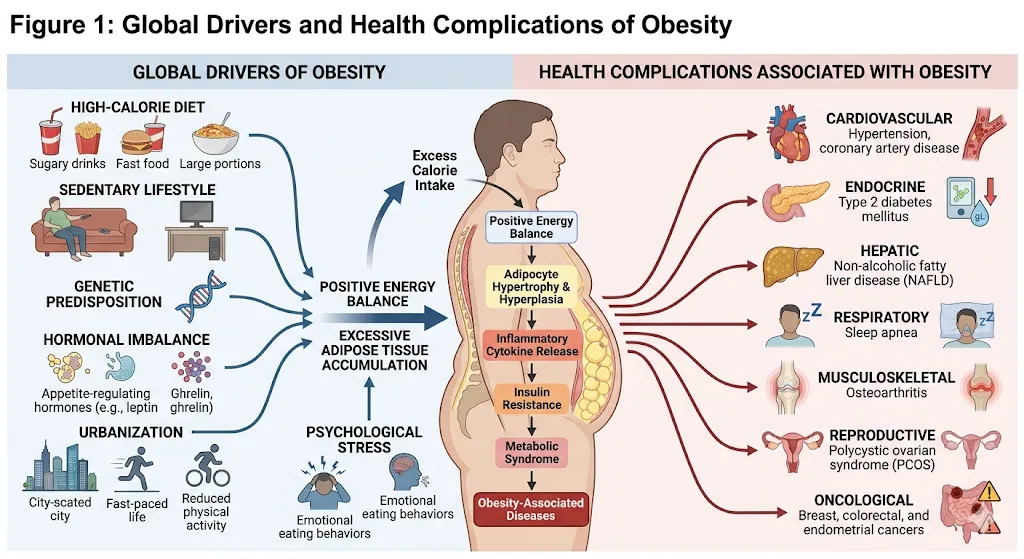
Figure 1: Global Drivers and Health Complications of Obesity
|
Factor |
Contribution |
|
High-calorie diet |
Excess energy intake |
|
Sedentary lifestyle |
Reduced energy expenditure |
|
Genetic predisposition |
Increased susceptibility |
|
Hormonal imbalance |
Altered appetite regulation |
|
Urbanization |
Lifestyle modifications |
|
Psychological stress |
Emotional eating behaviors |
Table 2. Major Global Factors Contributing to Obesity
2.3 Pathophysiology of Obesity
Obesity develops when energy intake chronically exceeds energy expenditure, resulting in excessive storage of triglycerides within adipocytes (15). Adipose tissue expansion occurs through:
As adipose tissue expands, adipocytes secrete inflammatory cytokines such as tumor necrosis factor-alpha (TNF-α), interleukin-6 (IL-6), and leptin, contributing to chronic low-grade inflammation and metabolic dysfunction (16).
Simplified Pathogenesis of Obesity
Excess Calorie Intake
↓
Positive Energy Balance
↓
Adipocyte Hypertrophy & Hyperplasia
↓
Inflammatory Cytokine Release
↓
Insulin Resistance
↓
Metabolic Syndrome
↓
Obesity-Associated Diseases
2.4 Health Consequences of Obesity
Obesity is a major risk factor for numerous chronic diseases affecting multiple organ systems.
|
System |
Complications |
|
Cardiovascular |
Hypertension, coronary artery disease |
|
Endocrine |
Type 2 diabetes mellitus |
|
Hepatic |
Non-alcoholic fatty liver disease |
|
Respiratory |
Sleep apnea |
|
Musculoskeletal |
Osteoarthritis |
|
Reproductive |
Polycystic ovarian syndrome |
|
Oncological |
Breast, colorectal, and endometrial cancers |
Table 3. Major Health Complications Associated with Obesity
2.5 Current Strategies for Obesity Management
Management of obesity primarily focuses on reducing body weight and preventing obesity-related complications.
|
Strategy |
Advantages |
Limitations |
|
Diet Modification |
Safe and cost-effective |
Poor long-term compliance |
|
Physical Activity |
Improves metabolism |
Requires sustained effort |
|
Pharmacotherapy |
Effective weight reduction |
Adverse effects |
|
Bariatric Surgery |
Significant weight loss |
Expensive and invasive |
|
Herbal Therapy |
Potentially safer alternative |
Limited clinical evidence |
Table 4. Current Therapeutic Approaches for Obesity
Due to the limitations associated with conventional therapies, medicinal plants and natural products have emerged as promising alternatives for obesity management. Plant-derived phytochemicals possess antioxidant, anti-inflammatory, and lipid-lowering properties that may contribute to weight regulation and metabolic health (17).
Potential Anti-Obesity Mechanisms of Medicinal Plants
Medicinal Plants
↓
Bioactive Phytochemicals
↓
• Pancreatic Lipase Inhibition
• Reduced Fat Absorption
• Suppression of Adipogenesis
• Increased Lipolysis
• Antioxidant Activity
• Anti-inflammatory Effects
↓
Reduction in Obesity and Metabolic Disorders
3. BOTANICAL AND ETHNOMEDICINAL PROFILE OF LEUCAS ASPERA
3.1 Botanical Description
Leucas aspera (Willd.) Link is an annual aromatic herb belonging to the family Lamiaceae. It is commonly known as "Thumbai" in Tamil, "Dronapushpi" in Sanskrit, and "Goma Madhupati" in Hindi. The plant is widely distributed throughout India, Sri Lanka, Bangladesh, Nepal, and Southeast Asian countries. It commonly grows in wastelands, roadsides, grasslands, and cultivated fields under tropical and subtropical climatic conditions (18).
The plant has gained considerable attention in traditional medicine due to its diverse therapeutic applications. Various parts of the plant, including leaves, flowers, stems, and roots, have been used in indigenous healthcare systems for centuries.
3.2 Taxonomical Classification
|
Taxonomic Rank |
Classification |
|
Kingdom |
Plantae |
|
Division |
Magnoliophyta |
|
Class |
Magnoliopsida |
|
Order |
Lamiales |
|
Family |
Lamiaceae |
|
Genus |
Leucas |
|
Species |
Leucas aspera (Willd.) Link |
Table 5. Taxonomical Classification of Leucas aspera
3.3 Morphological Characteristics
Leucas aspera is an erect, branched herb that typically grows up to 15–60 cm in height. The stem is quadrangular, hairy, and green in color. Leaves are opposite, lanceolate to linear-lanceolate, with serrated margins and a characteristic aromatic odor.
The flowers are white, sessile, and arranged in dense axillary whorls. The fruit is a schizocarp containing four smooth nutlets. The root system is well-developed and fibrous, enabling the plant to survive under dry environmental conditions (19).
|
Plant Part |
Characteristics |
|
Stem |
Erect, quadrangular, hairy |
|
Leaves |
Opposite, lanceolate, serrated |
|
Flowers |
White, tubular, densely clustered |
|
Fruits |
Schizocarp with four nutlets |
|
Roots |
Fibrous and branched |
|
Height |
15–60 cm |
Table 6. Morphological Characteristics of Leucas aspera
3.4 Geographical Distribution
The plant is widely distributed across tropical and subtropical regions of Asia. In India, it is commonly found in Maharashtra, Karnataka, Tamil Nadu, Andhra Pradesh, Telangana, Kerala, Gujarat, Rajasthan, and West Bengal (20).
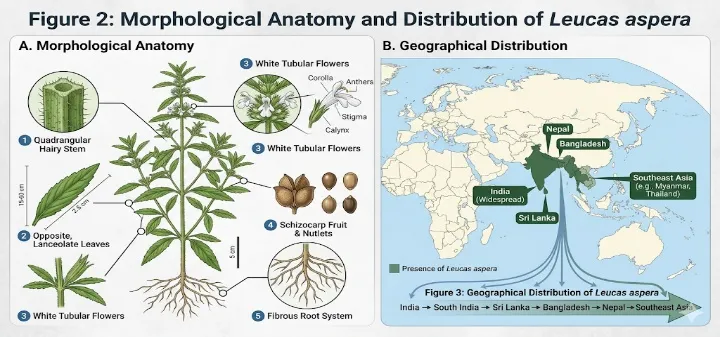
Figure 2: Morphological Anatomy and Distribution of Leucas aspera
3.5 Traditional and Ethnomedicinal Uses
Leucas aspera has been extensively utilized in Ayurveda, Siddha, and folk medicine. Traditional healers employ various plant parts for treating fever, respiratory disorders, skin infections, inflammation, digestive ailments, and snake bites (21).
The leaves are commonly used as an expectorant and antipyretic agent, while flower extracts are employed in treating cough and cold. Root preparations have been reported to possess analgesic and antimicrobial properties (22).
|
Plant Part |
Traditional Use |
|
Leaves |
Fever, cough, cold, asthma |
|
Flowers |
Bronchitis and respiratory ailments |
|
Roots |
Analgesic and antimicrobial applications |
|
Whole Plant |
Anti-inflammatory and wound healing |
|
Leaf Juice |
Snake bites and insect stings |
|
Decoction |
Gastrointestinal disorders |
Table 7. Ethnomedicinal Uses of Leucas aspera
3.6 Pharmacological Activities Reported for Leucas aspera
Scientific investigations have validated several traditional claims regarding Leucas aspera. Various studies have reported antioxidant, antimicrobial, anti-inflammatory, hepatoprotective, antidiabetic, anticancer, and insecticidal activities (23).
|
Activity |
Reported Effect |
|
Antioxidant |
Free radical scavenging |
|
Anti-inflammatory |
Reduction of inflammatory mediators |
|
Antimicrobial |
Activity against bacteria and fungi |
|
Antidiabetic |
Regulation of blood glucose |
|
Hepatoprotective |
Protection against liver damage |
|
Anticancer |
Cytotoxic effects on cancer cells |
Table 8. Reported Pharmacological Activities of Leucas aspera
4. Phytochemical Constituents of Leucas aspera
4.1 Overview of Phytochemical Composition
The therapeutic potential of Leucas aspera is largely attributed to its rich phytochemical composition. Phytochemical investigations have identified numerous primary and secondary metabolites possessing significant biological activities (24).
These bioactive compounds contribute to antioxidant, anti-inflammatory, antimicrobial, antidiabetic, and potential anti-obesity effects.
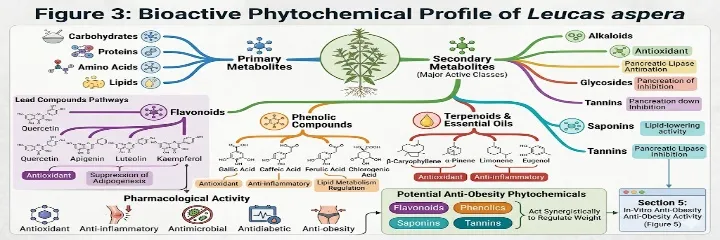
Figure 3: Bioactive Phytochemical Profile of Leucas aspera
4.2 Primary Metabolites
Primary metabolites are essential for plant growth and development. They serve as precursors for secondary metabolite biosynthesis.
|
Class |
Biological Role |
|
Carbohydrates |
Energy storage |
|
Proteins |
Cellular functions |
|
Amino Acids |
Protein synthesis |
|
Lipids |
Membrane structure |
|
Organic Acids |
Metabolic regulation |
Table 9. Major Primary Metabolites in Leucas aspera
4.3 Secondary Metabolites
Secondary metabolites are primarily responsible for the medicinal properties of the plant.
|
Phytochemical Class |
Biological Activities |
|
Flavonoids |
Antioxidant, anti-obesity |
|
Phenolic Compounds |
Anti-inflammatory |
|
Alkaloids |
Neuroprotective |
|
Terpenoids |
Antimicrobial |
|
Saponins |
Lipid-lowering activity |
|
Tannins |
Antioxidant |
|
Glycosides |
Cardioprotective |
Table 10. Major Secondary Metabolites Identified in Leucas aspera
4.4 Flavonoids
Flavonoids are among the most abundant phytochemicals in Leucas aspera. These compounds possess potent antioxidant properties and play a significant role in combating oxidative stress associated with obesity and metabolic disorders (25).
Major flavonoids identified include:
These compounds have been reported to inhibit adipogenesis and promote lipid metabolism.
4.5 Phenolic Compounds
Phenolic compounds contribute significantly to the antioxidant potential of Leucas aspera. They neutralize reactive oxygen species (ROS) and reduce oxidative damage in biological systems (26).
|
Compound |
Function |
|
Gallic Acid |
Antioxidant |
|
Caffeic Acid |
Anti-inflammatory |
|
Ferulic Acid |
Free radical scavenging |
|
Chlorogenic Acid |
Lipid metabolism regulation |
Table 11. Important Phenolic Compounds and Functions
4.6 Terpenoids and Essential Oils
Terpenoids constitute another important group of phytochemicals present in Leucas aspera. Essential oil analysis has revealed the presence of several bioactive compounds including:
These compounds exhibit antioxidant, antimicrobial, and anti-inflammatory activities (27).
Major Phytochemical Classes Present in Leucas aspera
Leucas aspera
↓
Primary Metabolites
• Carbohydrates
• Proteins
• Lipids
Secondary Metabolites
↓
• Flavonoids
• Phenolics
• Alkaloids
• Terpenoids
• Saponins
• Tannins
• Glycosides
↓
Pharmacological Activities
• Antioxidant
• Anti-inflammatory
• Antimicrobial
• Anti-obesity
• Antidiabetic
4.7 Phytochemicals Associated with Anti-Obesity Activity
Several phytochemicals identified in Leucas aspera are known to influence obesity-related pathways.
|
Compound/Class |
Proposed Mechanism |
|
Flavonoids |
Inhibition of adipogenesis |
|
Phenolics |
Reduction of oxidative stress |
|
Saponins |
Decreased lipid absorption |
|
Terpenoids |
Improved lipid metabolism |
|
Tannins |
Pancreatic lipase inhibition |
Table 12. Potential Anti-Obesity Phytochemicals in Leucas aspera
These compounds may act synergistically to regulate body weight, inhibit fat accumulation, and improve metabolic health (28).
5. IN-VITRO ANTI-OBESITY ACTIVITY OF LEUCAS ASPERA
The in-vitro anti-obesity potential of Leucas aspera has been indirectly demonstrated through multiple biochemical and cell-based assays focusing on lipid metabolism, adipogenesis regulation, antioxidant potential, and enzyme inhibition. Although direct anti-obesity clinical studies are limited, available experimental evidence strongly supports its role in modulating obesity-related pathways (29).
Extracts of Leucas aspera leaves obtained using polar and non-polar solvents have shown significant bioactivity in C2C12 myotube cell lines, where modulation of glucose uptake and lipid metabolism was observed. These effects suggest improved insulin sensitivity and enhanced energy utilization, which are critical factors in obesity control (30).
Phytochemical screening of Leucas aspera confirms the presence of flavonoids, phenolics, saponins, and terpenoids, all of which are known to exhibit anti-obesity effects through multiple molecular targets such as lipid digestion enzymes and adipocyte differentiation pathways (31).
5.1 Key In-Vitro Models Used for Anti-Obesity Evaluation
|
Model System |
Purpose |
Observed Effect in Leucas aspera |
|
Pancreatic lipase inhibition assay |
Fat digestion control |
Reduced lipid breakdown activity (29) |
|
3T3-L1 adipocyte differentiation assay |
Adipogenesis study |
Suppression of fat cell formation (30) |
|
C2C12 myotube assay |
Glucose uptake & metabolism |
Enhanced glucose uptake (30) |
|
DPPH/ABTS antioxidant assay |
Oxidative stress reduction |
Strong radical scavenging activity (31) |
|
α-amylase inhibition assay |
Carbohydrate metabolism |
Reduced glucose absorption (32) |
Table 13. In-vitro models used to evaluate anti-obesity potential of Leucas aspera
5.2 Antioxidant-Linked Anti-Obesity Activity
Oxidative stress plays a critical role in obesity progression by inducing chronic inflammation and insulin resistance. Leucas aspera exhibits strong antioxidant activity due to its high phenolic and flavonoid content, which neutralizes reactive oxygen species (ROS) (31).
The antioxidant activity indirectly contributes to anti-obesity effects by:
5.3 Effect on Lipid Accumulation
Studies suggest that phytoconstituents of Leucas aspera inhibit lipid accumulation in adipocytes by regulating enzymes involved in lipogenesis. Flavonoids such as quercetin-like compounds suppress triglyceride synthesis and promote lipid breakdown (33).
Excess Calorie Intake
↓
Adipocyte Differentiation
↓
Lipid Accumulation (Triglycerides)
↓
Normal Condition: Obesity Development
With Leucas aspera extract:
Phytochemicals (Flavonoids, Saponins, Phenolics)
↓
↓ Inhibition of adipogenesis
↓ Activation of lipolysis
↓ Reduced lipid accumulation
↓
Anti-obesity effect
Figure 5. Effect of Leucas aspera on lipid metabolism in adipocytes
5.4 Enzyme Inhibition Activity
One of the major mechanisms of anti-obesity action is the inhibition of digestive enzymes such as pancreatic lipase, α-amylase, and α-glucosidase.
Phytochemicals such as tannins and saponins in Leucas aspera have shown potential inhibitory activity against these enzymes, thereby reducing caloric absorption (32).
6. MECHANISMS OF ANTI-OBESITY ACTION OF LEUCAS ASPERA
The anti-obesity mechanism of Leucas aspera is multi-targeted and involves regulation of metabolic, enzymatic, and cellular pathways.
6.1 Inhibition of Adipogenesis
Adipogenesis refers to the differentiation of preadipocytes into mature adipocytes. Bioactive compounds in Leucas aspera inhibit transcription factors such as:
Inhibition of these pathways leads to reduced formation of fat cells (33).
6.2 Enhancement of Lipolysis
Lipolysis is the breakdown of triglycerides into free fatty acids. Flavonoids and terpenoids in Leucas aspera stimulate hormone-sensitive lipase (HSL), promoting fat breakdown and energy utilization (34).
6.3 Regulation of Glucose Metabolism
Improved glucose uptake in skeletal muscle cells (C2C12 model) indicates better insulin sensitivity. This reduces excess glucose conversion into fat storage (30).
6.4 Antioxidant and Anti-Inflammatory Pathways
Chronic inflammation is a major contributor to obesity. Phenolic compounds reduce inflammatory mediators such as:
This helps in reducing obesity-associated metabolic dysfunction (31).
6.5 Modulation of Energy Homeostasis
Bioactive compounds may activate AMP-activated protein kinase (AMPK), a key regulator of energy balance. Activation of AMPK leads to:
|
Mechanism |
Biological Target |
Effect |
|
Anti-adipogenesis |
PPAR-γ, C/EBP-α |
Reduced fat cell formation |
|
Lipase inhibition |
Pancreatic lipase |
Reduced fat absorption |
|
Antioxidant action |
ROS scavenging |
Reduced oxidative stress |
|
Anti-inflammatory |
TNF-α, IL-6 |
Reduced inflammation |
|
Metabolic regulation |
AMPK pathway |
Increased fat oxidation |
Table 14. Summary of anti-obesity mechanisms of Leucas aspera
6.6 Overall Mechanistic Pathway
Leucas aspera Phytochemicals
↓
Flavonoids + Phenolics + Saponins + Terpenoids
↓
Multiple Biological Targets
↓
• ↓ Adipogenesis
• ↓ Lipid accumulation
• ↓ Digestive enzyme activity
• ↑ Lipolysis
• ↑ Glucose uptake
• ↓ Oxidative stress
↓
Overall Anti-Obesity Effect
Integrated anti-obesity mechanism of Leucas aspera
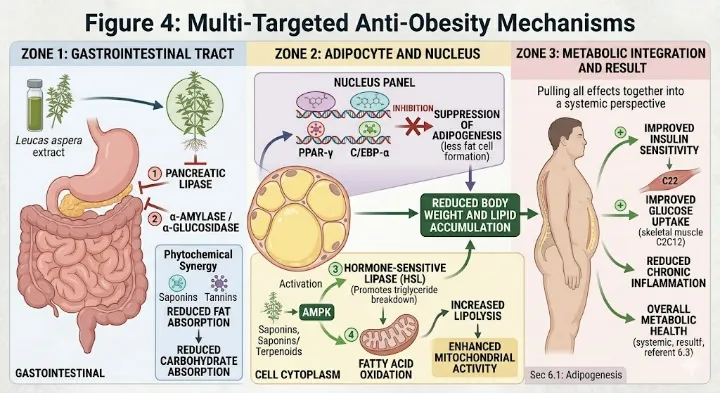
Figure 4: Multi-Targeted Anti-Obesity Mechanisms of Action
7. FUTURE PROSPECTS AND RESEARCH GAPS
The increasing global burden of obesity necessitates the discovery of safe, effective, and multi-target therapeutic agents. Leucas aspera demonstrates promising anti-obesity potential; however, several scientific, technological, and translational gaps must be addressed before its clinical application (35).
7.1 Key Future Research Prospects
|
Research Area |
Focus |
Expected Outcome |
|
Advanced in-vitro mechanistic studies |
AMPK, PPAR-γ, SREBP-1c pathways |
Molecular confirmation of anti-obesity action |
|
In-vivo validation |
High-fat diet (HFD) rodent models |
Reduction in body weight and lipid profile |
|
Multi-omics integration |
Genomics, proteomics, metabolomics |
System-level pathway understanding |
|
Bioactivity-guided fractionation |
Isolation of active compounds |
Identification of lead anti-obesity molecules |
|
Pharmacokinetic studies |
ADME profiling |
Improved understanding of drug behavior |
|
Nanoformulation development |
Liposomes, SLNs, nanoemulsions |
Enhanced bioavailability |
|
Gut microbiome modulation studies |
Microbial diversity analysis |
Metabolic improvement through microbiota |
|
Clinical translational studies |
Human trials |
Safety and efficacy validation |
Table 15. Expanded future research directions for Leucas aspera
7.2 Critical Research Gaps
Despite promising pharmacological evidence, several gaps limit translational development:
|
Gap Area |
Limitation |
Impact |
|
Standardization |
Lack of uniform extract preparation |
Reproducibility issues |
|
Mechanistic clarity |
Unknown direct molecular targets |
Weak scientific validation |
|
Toxicological profiling |
Insufficient chronic toxicity data |
Safety uncertainty |
|
Clinical validation |
No human trials conducted |
No therapeutic approval |
|
Bioavailability |
Poor absorption data |
Low pharmacological efficiency |
|
Dose optimization |
No standardized dosing |
Therapeutic inconsistency |
|
Drug interaction studies |
Missing herb-drug interaction data |
Safety risk in combination therapy |
|
Regulatory framework |
Limited AYUSH/FDA pathway data |
Delayed commercialization |
Table 16. Major research gaps in Leucas aspera anti-obesity studies
7.3 Emerging Advanced Research Directions
Modern scientific tools can significantly enhance research outcomes:
7.4 Important Considerations
(i) Environmental and Seasonal Variation in Phytochemicals
Phytochemical composition of Leucas aspera varies significantly with soil type, climate, and harvesting season, affecting therapeutic consistency (46).
(ii) Need for Standardized Extraction Protocols
Different extraction solvents (aqueous, ethanolic, methanolic) yield varying bioactive profiles; hence standard protocols are essential for reproducibility (47).
(iii) Safety Pharmacology and Long-Term Exposure Studies
Long-term safety evaluation is critical to assess cumulative toxicity and organ-specific effects before clinical translation (48).
7.5 Integrated Development Pathway
Ethnobotanical Knowledge
↓
Phytochemical Standardization
↓
Bioactivity Screening
↓
Molecular Mechanism Studies
↓
In-vivo Validation (HFD models)
↓
Toxicity & Safety Evaluation
↓
Pharmacokinetic Profiling
↓
Clinical Trials
↓
Herbal Drug/Nutraceutical Development
Translational roadmap of Leucas aspera as anti-obesity agent
CONCLUSION
Leucas aspera is a promising medicinal plant with significant potential in the management of obesity due to its rich phytochemical composition and multi-target biological activities. The plant exhibits effects such as inhibition of lipid accumulation, suppression of adipogenesis, enhancement of lipid metabolism, and reduction of oxidative stress.
Although preliminary in-vitro and ethnopharmacological studies support its anti-obesity potential, comprehensive in-vivo validation, clinical evaluation, and standardization are still lacking. Advanced scientific approaches including molecular biology, nanotechnology, and systems pharmacology are essential to fully explore its therapeutic potential.
Overall, Leucas aspera represents a valuable natural resource that may contribute to the development of safe, effective, and multi-target anti-obesity therapies in the future.
REFERENCES


Dipali Bhimdevrao Taware, Sudarshan Narayan Nagrale, H. D. Jedage, Phytochemical Profiling And In-Vitro Anti-Obesity Activity Of Leucas Aspera: A Potential Natural Therapeutic Approach, Int. J. Sci. R. Tech., 2026, 3 (6), 1372-1387. https://doi.org/10.5281/zenodo.20829452
 10.5281/zenodo.20829452