

We use cookies to ensure our website works properly and to personalise your experience. Cookies policy
Wani College Of Pharmacy,Ganegaon, Maharashtra (Affiliated to Dr Babasaheb Aambedkar Technological University, Lonere,Raigad)
Herbal candies are functional confectionery preparations that incorporate plant-derived ingredients into a convenient oral dosage or consumer-friendly format. They may provide a practical means of delivering phytochemicals associated with oral hygiene, antioxidant activity and general nutritional support. Medicinal plants such as Azadirachta indica (neem), Syzygium aromaticum (clove), Ocimum tenuiflorum (tulsi), Phyllanthus emblica (amla) and Zingiber officinale (ginger) contain diverse bioactive constituents, including polyphenols, flavonoids, tannins, essential-oil components and vitamin C. Depending on the plant, extraction method and formulation, these constituents may contribute to antimicrobial, antioxidant, anti-inflammatory or sensory properties. However, their activity and stability can be affected by heat exposure, pH, moisture, ingredient interactions and storage conditions. The development of herbal candy therefore requires careful selection of plant materials, standardisation of extracts, optimisation of the candy base and systematic evaluation of physical, chemical, microbiological and stability characteristics. This review discusses the potential role of selected medicinal plants in oral-health-oriented confectionery, outlines a general approach to formulation and quality evaluation, and identifies research needs concerning bioavailability, safety, clinical effectiveness and product standardisation. Herbal candy should be regarded as a complementary product under investigation rather than a substitute for toothbrushing, fluoride use, a balanced diet or professional dental care. Likewise, claims of immune enhancement require specific scientific evidence and should not be inferred solely from antioxidant activity.
Oral health is an important component of overall health and quality of life. Dental caries, gingivitis, plaque accumulation, halitosis and other oral conditions can affect eating, speaking and daily comfort. Oral diseases are influenced by several factors, including dental plaque biofilms, dietary habits, oral hygiene practices, salivary conditions and access to preventive dental care. Conventional prevention includes regular toothbrushing with fluoride toothpaste, appropriate dietary practices and professional dental assessment.
Medicinal plants have long been investigated for their phytochemical constituents and potential biological activities. Plant materials may contain polyphenols, flavonoids, tannins, terpenoids, essential oils and organic acids. Some of these compounds have demonstrated antimicrobial or antioxidant effects in laboratory studies. Nevertheless, the presence of a bioactive compound in a plant does not automatically establish its effectiveness in a finished product or in human subjects.
Herbal candy is a confectionery formulation in which selected herbal powders, extracts or permitted flavouring ingredients are incorporated into a suitable base. Depending on its design, it may be prepared as a hard candy, soft chewable candy, lozenge-like product or sugar-free confectionery. A slowly dissolving product may increase the time that its ingredients remain in contact with the oral cavity, although the actual exposure and biological effect depend on the formulation and use conditions.
The formulation of herbal candy presents several technical challenges. Herbal extracts may have a bitter, pungent or astringent taste. Their constituents may degrade during heating, and moisture uptake can cause stickiness, deformation or crystallisation. In addition, an ingredient that shows antimicrobial activity in a laboratory test may not produce the same effect in saliva or within a complex dental biofilm. Product development must therefore combine pharmaceutical and food-science principles, including ingredient standardisation, taste masking, process optimisation, quality control and safety assessment.
Selected plants such as neem, clove, tulsi, amla and ginger are of interest because they provide different phytochemical profiles. A carefully designed review of these plants can help identify promising ingredients, explain their proposed roles and define appropriate evaluation methods.
The objective should be to develop a safe, stable and acceptable product while avoiding unsupported claims about disease prevention or immune enhancement.
Plant profile
The selection of medicinal plants for herbal candy should be based on their phytochemical composition, reported biological activity, safety, taste, compatibility with the candy base and availability of standardised raw materials. The following plants are potential candidates for oral-health-oriented formulation development. Their inclusion does not mean that every plant has proven clinical efficacy in candy form.
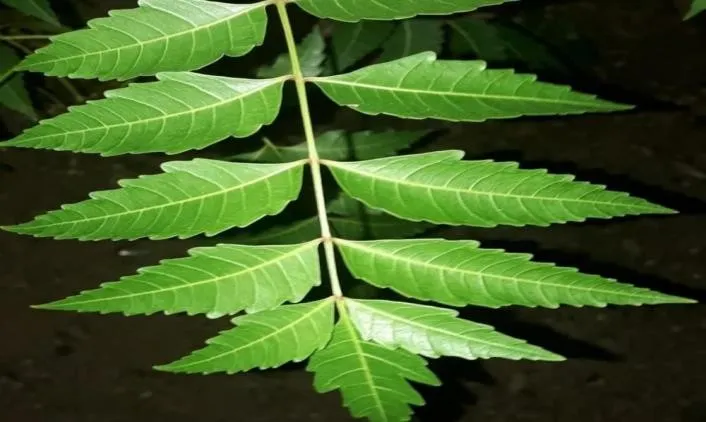
1. Neem (Azadirachta indica A. Juss.)
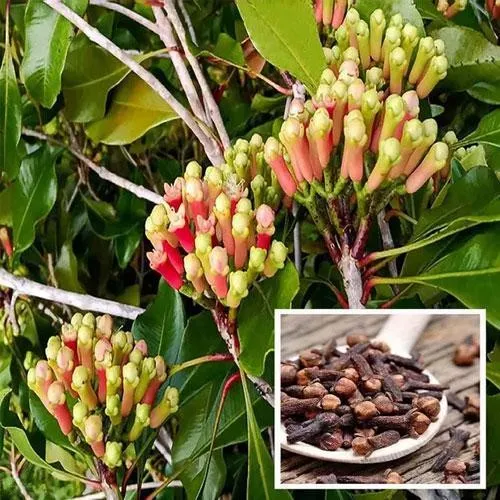
2. Clove (Syzygium aromaticum (L.) Merr. & L.M.Perry)
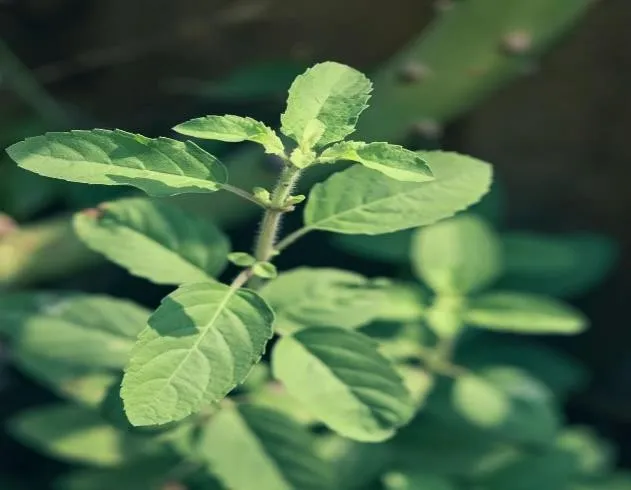
3. Tulsi (Ocimum tenuiflorum L.; synonym Ocimum sanctum L.)
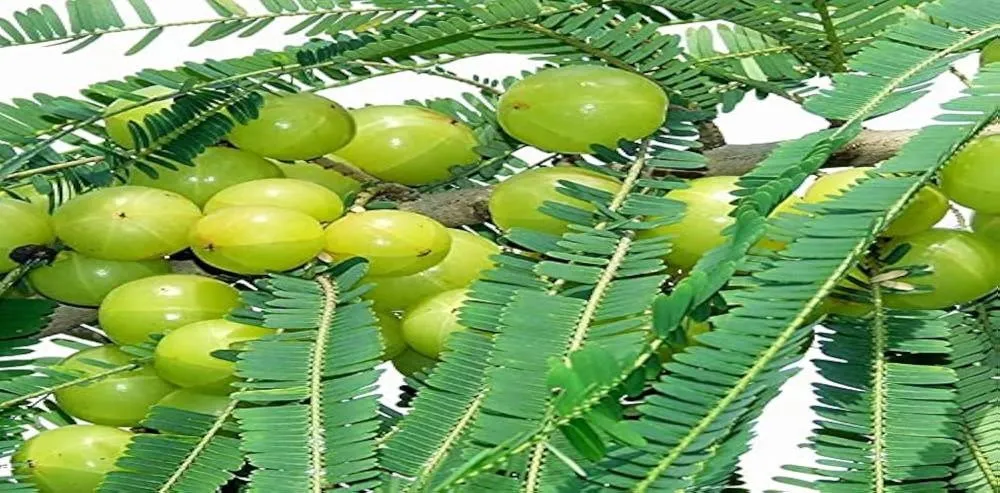
4. Amla (Phyllanthus emblica L.)
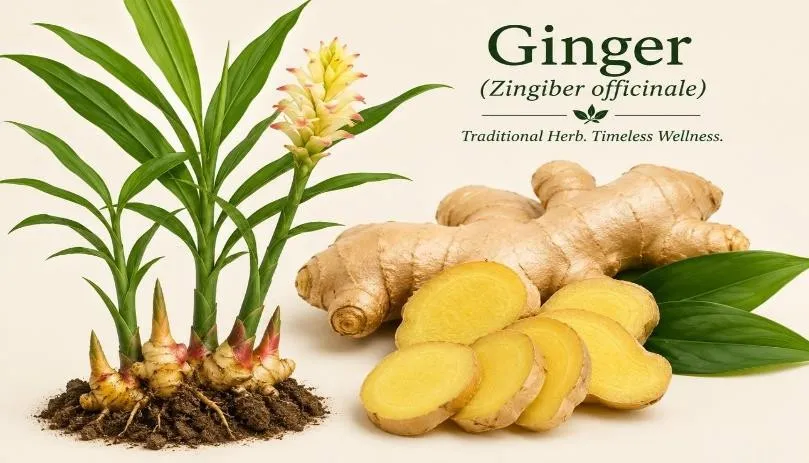
5. Ginger (Zingiber officinale Roscoe)
Materials and methods Materials
| Material | Purpose |
|---|---|
| Authenticated herbal powders or standardised extracts | Provide selected botanical constituents |
| Sugar or a suitable sugar-free bulk sweetener | Form the candy base and provide bulk |
| Food/pharmaceutical-grade syrup or binder, where appropriate | Improve body and processing characteristics |
| Citric acid or another suitable food-grade acid, if required | Adjust flavour and acidity |
| Permitted flavouring agent | Improve taste and aroma |
| Purified water | Dissolve ingredients and prepare the syrup |
| Suitable packaging material | Protect against moisture, oxygen and contamination |
Authentication and preparation of plant material
Plant material should be obtained from a reliable source and authenticated by a qualified botanist or appropriate institutional facility. The scientific name, family, plant part, collection or procurement details and authentication record should be documented.
The material should be inspected for foreign matter, damaged parts, mould and other visible defects. Where required, it should be cleaned, dried under suitable controlled conditions, milled and passed through an appropriate sieve. Drying temperature and duration should be selected to limit degradation of heat-sensitive constituents.
The prepared material should be stored in a clean, dry and labelled container until extraction or formulation.
Preparation of herbal extracts
Extraction conditions should be selected according to the chemical characteristics of the plant and the intended product. Water or an appropriate food-compatible hydroalcoholic solvent may be considered, depending on the target constituents and applicable regulations.
A general extraction procedure is:
1. Accurately weigh the authenticated and prepared plant material.
2. Add a specified volume of the selected solvent using a documented plant-to-solvent ratio.
3. Extract under controlled time, temperature and mixing conditions.
4. Filter the extract to remove insoluble plant residues.
5. Concentrate the filtrate using a suitable method that limits thermal degradation.
6. Dry the concentrated extract if a dry extract is required.
7. Record extract yield, appearance and relevant quality characteristics.
8. Test the extract for selected marker compounds and applicable contaminants before formulation.
Development of the herbal candy base
The candy base should be selected according to the intended product type. For a hard candy, the bulk sweetener and other base ingredients are processed to achieve suitable solids content and texture. For a soft chew or lozenge, a different binder and moisture system may be required.
A proposed development sequence is:
Raw-material selection → extract standardisation → base preparation → controlled incorporation of herbal extract → mixing → moulding or forming → cooling → packaging → quality evaluation
Herbal extracts should be incorporated at a processing stage that maintains acceptable uniformity while limiting loss of heat-sensitive or volatile constituents. The suitable addition temperature must be determined experimentally for the particular extract and base; one temperature cannot be assumed suitable for all plants.
The formulation may be developed through preliminary batches containing different extract concentrations and base compositions. Each batch should be documented, and any changes in composition or process conditions should be evaluated systematically.
Formulation optimisation
Optimisation may examine the effect of herbal-extract concentration, sweetener system, acidity, processing temperature and cooling conditions on product quality. A design-of-experiments approach may be used to study interactions between variables and identify a suitable formulation.
The responses may include hardness, weight variation, moisture content, disintegration or dissolution behaviour, sensory acceptability, marker-compound retention and biological activity. A suitable formulation should balance these responses rather than maximise a single parameter.
The final composition should be selected only after the predefined quality criteria, safety considerations and stability requirements have been addressed.
Evaluation parameters
1. Organoleptic evaluation
Organoleptic evaluation records the appearance, colour, odour, taste, texture and overall acceptability of the prepared candy. Herbal ingredients can alter colour and aroma, while bitterness, pungency or astringency may reduce consumer acceptance.
Samples should be examined under consistent conditions using a predefined assessment sheet. If a human sensory panel is used, informed consent, appropriate ethical review where applicable, allergen precautions and a documented scoring procedure should be considered.
Parameters include:
2. Weight variation
Weight variation helps determine the consistency of individual candy units and the uniformity of the manufacturing process.
Procedure: Select a predefined number of units, weigh each unit individually using a calibrated balance and calculate the mean weight.
3. Dimensions and physical appearance
For a moulded product, length, width, thickness or diameter may be measured using an appropriate calibrated instrument. The observations help identify inconsistencies in mould filling, cooling, forming or cutting.
Samples should also be inspected for cracks, bubbles, deformation, surface roughness, crystallisation and separation of ingredients. Physical defects may affect consumer acceptability and can indicate problems with processing or storage.
4. Hardness or mechanical strength
Hardness testing assesses the force required to fracture or deform a candy. The appropriate test depends on whether the product is a hard candy, soft chew or lozenge. Procedure: Use a suitable texture analyser or validated hardness-testing instrument. Test multiple units under controlled temperature and humidity conditions, recording the force required for fracture or deformation.
Results should be reported using the instrument, test settings, sample number and measurement units. A hard candy should retain its structure during handling but should not be excessively difficult or unsafe to consume. The acceptance range should be established during product development rather than assumed in advance.
5. Moisture content and water activity
Moisture content is a key quality parameter because excess moisture can lead to stickiness, deformation and changes in texture. Water activity provides additional information about the availability of water for chemical and microbial processes.
Moisture-content procedure: Determine moisture using a suitable validated loss-on-drying or instrumental method. Heat-sensitive constituents may require a method that avoids excessive thermal exposure.
Water-activity procedure: Measure the sample using a calibrated water-activity meter under controlled temperature conditions.
6. pH and acidity
For candy containing aqueous extracts or acidic ingredients, pH may be measured using a calibrated pH meter after preparing a standardised aqueous dispersion or solution. The preparation method must be consistent between batches.
Titratable acidity may also be measured where it is relevant to the product's formulation and sensory profile.
These tests help monitor batch consistency, ingredient compatibility and possible changes during storage. A low pH is not necessarily beneficial for oral health: repeated exposure to acidic products may contribute to dental enamel erosion. The product's acidity, frequency of exposure and oral-health implications must therefore be considered together.
7. Solubility, dissolution or disintegration behaviour
The appropriate test depends on the intended dosage or confectionery form. A hard candy normally dissolves gradually in the mouth, whereas a lozenge may have a different disintegration or dissolution profile.
Procedure: Place a defined sample in a suitable medium under controlled conditions. Record the time required for complete dissolution or the selected endpoint, maintaining consistent temperature and agitation conditions.
The results can help assess batch consistency and the duration over which constituents may be released. Laboratory dissolution does not directly predict oral bioavailability or clinical effectiveness, and the method should be designed specifically for the product.
8. Phytochemical screening and marker-compound analysis
Qualitative phytochemical tests may be used as preliminary screening tools for broad classes of compounds such as phenolics, tannins, flavonoids and other relevant constituents. These tests do not establish the identity or exact concentration of individual compounds.
Quantitative analysis should be used where appropriate to standardise the extract and monitor selected markers. Depending on the plant, suitable methods may include UV-visible spectrophotometry, HPLC or other validated chromatographic techniques.
Examples of possible analytical targets include eugenol in clove-derived materials, selected phenolic markers in amla, and relevant phenolic or other constituents in tulsi and neem extracts. The marker must be selected according to the plant, the intended claim and the analytical method.
Marker retention can be assessed by comparing the extract before formulation with the finished product and samples collected during storage. The method should demonstrate suitable specificity, precision, accuracy and other relevant validation characteristics.
9. Total phenolic content
Total phenolic content is commonly assessed using the Folin–Ciocalteu method. The method measures overall reducing capacity under the assay conditions and is often expressed as gallic acid equivalents.
General procedure:
1. Prepare a suitable sample solution and a series of gallic acid standard solutions.
2. React each solution with Folin–Ciocalteu reagent according to the selected validated protocol.
3. Add the required alkaline reagent and allow the colour to develop for the specified time.
4. Measure absorbance at the method-specified wavelength.
5. Construct a calibration curve and calculate the sample result.
10. Antimicrobial activity
Antimicrobial testing is relevant when the product is being investigated for a possible oral-health application. Laboratory testing may examine organisms associated with oral conditions, including Streptococcus mutans, subject to suitable laboratory facilities, biosafety procedures and a scientifically justified protocol.
Possible approaches include:
Agar diffusion results alone are insufficient to prove effectiveness in the oral cavity. Laboratory inhibition does not establish that a candy prevents dental caries, treats gum disease or replaces established preventive care.
11. Stability studies
Stability testing determines whether the candy maintains its specified quality during storage. The protocol should reflect the formulation, packaging, expected storage conditions and applicable guidance.
Samples should be stored under defined conditions and evaluated at predetermined intervals. Parameters may include:
Safety and formulation challenges
The use of medicinal plants in candy requires particular attention because the product may be consumed repeatedly and may be attractive to children. Plant identity, extract concentration, ingredient quality, possible allergies and intended daily intake should be established before safety claims are made.
Clove-derived eugenol can cause irritation or sensitivity in some people. Neem extracts require careful characterisation and should not be assumed safe for unrestricted oral use. Concentrated extracts may have a different risk profile from traditional food use. The potential effects of each ingredient, including use by pregnant individuals, children or people taking medication, should be considered according to the available evidence.
Sugar-containing candy may increase exposure to fermentable sugars and is not automatically appropriate for caries prevention. A sugar-free product may avoid that particular issue, but it can still be acidic, sticky or otherwise unsuitable for frequent consumption. Polyol-based sweeteners may also cause gastrointestinal discomfort at high intakes.
Product development should comply with the applicable food or medicinal-product category in the target market. In India, the regulatory pathway should be established before making health-related claims, and the requirements applicable to the final ingredients, intended use, labelling and manufacturing facility should be checked with the relevant authority.
Future perspectives
1. Standardisation of herbal extracts
Future studies should identify suitable chemical markers for each plant and establish specifications for raw materials and finished products. Chromatographic fingerprinting and validated quantitative methods may help reduce variation between batches. Standardisation is particularly important when botanical composition changes with geographical origin, harvesting time, drying and extraction conditions.
2. Optimisation of formulation and processing
Systematic formulation studies can evaluate the effects of extract concentration, sweetener type, acidity, processing temperature and moisture content. Design-of-experiments approaches may identify interactions between variables and help select a formulation that balances stability, taste, mechanical strength and biological activity.
3. Improved taste masking and delivery systems
Bitterness, pungency and astringency can limit the acceptability of herbal candy. Research may explore appropriate flavouring systems, microencapsulation and other food-compatible delivery approaches. These technologies should be evaluated for their effects on ingredient release, sensory properties, manufacturing feasibility and cost.
4. Better evidence for oral-health applications
Future antimicrobial studies should investigate the finished formulation using appropriate controls, validated methods and relevant oral microorganisms. Research on biofilms, saliva-mediated dilution and the duration of contact with oral tissues may help determine whether laboratory findings are meaningful for intended use.
Human studies, if justified by preliminary evidence, should use appropriate ethical review, adequate sample sizes, suitable comparison groups and clinically relevant
endpoints. A reduction in bacterial counts alone should not be presented as proof of caries prevention or treatment of periodontal disease.
5. Scientific evaluation of immune-related claims
Antioxidant activity and the presence of vitamins or polyphenols do not independently demonstrate that a candy improves immune function. Future investigations should identify the proposed mechanism, establish appropriate exposure levels and use validated biological outcomes. Human studies would be required to substantiate specific immune-related health claims.
6. Stability and packaging development
Moisture-resistant packaging, suitable barrier materials and controlled storage conditions may help preserve texture, flavour and sensitive phytochemicals. Stability studies should monitor chemical markers and relevant biological activity in addition to physical appearance. Shelf-life claims should be supported by data collected using an appropriate protocol.
CONCLUSION
Herbal candy represents a potential approach to incorporating selected plant-derived constituents into a convenient confectionery format. Neem, clove, tulsi, amla and ginger offer different phytochemical profiles and may be investigated for their antimicrobial, antioxidant, flavouring or nutritional properties. However, their suitability depends on the botanical material, extract composition, processing conditions, dose, sensory characteristics and safety of the final formulation.
Successful development requires a systematic approach involving plant authentication, extract preparation and standardisation, formulation optimisation, physical evaluation, phytochemical analysis, biological testing, microbiological quality assessment and stability studies. The activity of an isolated extract cannot be assumed to remain unchanged after incorporation into candy, and laboratory results cannot independently establish clinical efficacy.
Future research should prioritise reproducible manufacturing, validated analytical methods, appropriate safety testing and well-designed clinical investigations. In particular, claims relating to immune enhancement and prevention of oral disease should be supported by direct evidence. Herbal candy should be considered a complementary product under investigation and not a substitute for established oral-hygiene practices, fluoride-based prevention or professional dental care.
REFERENCES

Pulate Tejas Sanjay, Harshada Khedkar, Review on Herbal Candy for Oral Health and Immune Support: Plant Bioactives, Formulation, Evaluation and Future Perspectives, Int. J. Sci. R. Tech., 2026, 3 (11), 163-171. https://doi.org/10.5281/zenodo.23915984
 10.5281/zenodo.23915984