

We use cookies to ensure our website works properly and to personalise your experience. Cookies policy
Department of Management Studies, Surana College (Autonomous), Bengaluru, Karnataka.
This study examines the role of Non-Banking Financial Companies (NBFCs) in enhancing the financial performance of wooden toy manufacturers in Channapatna. The study addresses the financing constraints experienced by traditional and small-scale wooden toy enterprises and evaluates whether NBFC financial support, working capital assistance and financial accessibility are associated with financial performance and business competitiveness. A quantitative research design was adopted using primary data collected through a structured questionnaire from 127 wooden toy manufacturers and secondary information from books, journals, government publications, reports and research articles. Convenience sampling was used. The questionnaire contained 39 items and demonstrated high internal consistency with a Cronbach's alpha of 0.857. Descriptive statistics, multiple regression, one-way ANOVA and Pearson correlation were used for analysis. Regression results show a statistically significant positive effect of NBFC financial support on financial performance (F = 5.234; p = 0.0238), although the explanatory power of the model is modest (R² = 0.0402). The ANOVA result shows no statistically significant difference in business growth across groups based on years of NBFC support (F = 2.465; p = 0.0667). The reported correlation between financial accessibility and business growth/competitiveness is positive and moderate (r = 0.586). The findings indicate that NBFCs can improve access to finance and contribute to financial performance, while sustained business growth also depends on production efficiency, market demand, technology, managerial capability and other external factors. The study recommends simpler and affordable credit, digital lending support, financial literacy, monitoring and advisory services, and stronger coordination between NBFCs and public institutions.
1.1 Background and Context
Micro, Small and Medium Enterprises (MSMEs) form an important part of India's economic and rural development structure. Within this broad segment, wooden toy manufacturing represents a traditional handicraft activity that provides livelihoods to artisans and small entrepreneurs. Channapatna is a well-known centre of handcrafted wooden toys, and the sector combines traditional skills with small-scale manufacturing, trading and entrepreneurial activity. Despite its cultural and economic value, the industry faces financial and operational constraints that can limit production, modernization, profitability and market expansion.
Access to formal finance is particularly important for small manufacturing enterprises because working capital is required for raw materials, labour, inventory, production, marketing and distribution. The dissertation identifies documentation requirements, difficulty in obtaining bank credit, high borrowing costs and repayment pressure as important challenges. NBFCs have emerged as an alternative source of finance by providing credit and other financial services to businesses that may find conventional banking procedures difficult. Their relatively accessible processes and technology-enabled lending can reduce some barriers to finance.
The study therefore focuses on whether NBFC support contributes to financial performance and whether better financial accessibility is associated with stronger business competitiveness and growth. The research is particularly relevant because the literature reviewed in the dissertation largely addresses MSMEs in general, while limited empirical attention has been given to traditional wooden toy manufacturers in Channapatna.
1.2 Problem Statement
Wooden toy manufacturing enterprises face difficulty in accessing formal credit because of documentation constraints and other lending requirements. As a result, some enterprises may depend on informal sources or remain financially constrained. Although NBFCs can fill gaps in the traditional banking system, manufacturers may still face high interest rates, repayment challenges and limited awareness of available financial products. The central problem addressed by the study is therefore to determine how NBFC financial support and accessibility influence the financial performance and competitiveness of wooden toy manufacturers.
1.3 Research Objectives
• To study the role of NBFCs in providing financial support and identify the challenges faced by wooden toy manufacturers.
• To analyse the impact of NBFC working capital and overall financial support on the financial performance of wooden toy manufacturing enterprises.
• To find out the difference between the number of years of NBFC support and the role of NBFCs in enhancing financial performance/business growth.
• To examine the relationship between financial accessibility and business growth/competitiveness among wooden toy manufacturers.
• To suggest suitable measures for improving NBFC financial support and enhancing the financial performance of wooden toy manufacturers.
1.4 Research Gap and Significance
The literature reviewed in the dissertation indicates that previous research has concentrated on NBFCs, financial inclusion, digital lending, credit accessibility and MSME performance. Several studies discuss timely finance, working capital, financial literacy and technology-enabled lending. However, there is limited research specifically examining traditional handicraft-based manufacturing, particularly the financial performance of wooden toy manufacturers in Channapatna. The present study addresses this gap by linking NBFC support with financial performance, financial accessibility and business growth/competitiveness.
The study has practical significance for NBFCs, wooden toy manufacturers and policymakers. For NBFCs, the results indicate areas where credit products and support services can be improved. For manufacturers, the study highlights the importance of accessible finance and financial literacy. For policymakers, it provides evidence on the financing needs of a traditional manufacturing cluster.
2. LITERATURE REVIEW
The dissertation reviewed twenty studies covering NBFC financing, MSME development, financial inclusion, financial literacy, digital credit, handicraft enterprises and financial management. Sharma (2025) reported that NBFC credit can support MSME growth, inclusion, employment and survival, while also noting constraints arising from regulations and high interest rates. Kamra (2024) highlighted the role of financial inclusion in rural enterprise development and the importance of financial education. Jindal (2025) discussed the contribution of NBFCs and technology-enabled credit to MSME development, alongside regulatory challenges.
Nugraha et al. (2025) emphasized financial literacy, financial access and technology as factors associated with MSME financial performance and sustainability. Sugangga et al. (2023) linked sound financial management with improved MSME performance. Kaushik and Dangwal (2023) highlighted entrepreneurial and market orientation as drivers of MSME performance. Datta (2024) showed that business environment, entrepreneurship and innovation influence handicraft enterprises, while lack of finance can constrain growth.
Other studies in the dissertation reinforce the importance of financial accessibility. Sentamilselvan et al. (2025) examined NBFC financial performance and risks; Yadav et al. (2023) examined handicraft MSMEs during the COVID-19 period; Alhawat (2024) emphasized the role of handicrafts in rural development and employment; and Ismanto et al. (2023) discussed digital financial services and MSME credit access. Cruzado et al. (2023) identified collateral constraints, high interest rates and financial knowledge as barriers to MSME credit.
Sengupta et al. (2021) discussed the growth of NBFCs and their contribution to access to finance. Singh (2016) highlighted the importance of timely finance for MSME growth and profitability. Murugesh (2026) discussed digitalization and regulatory changes in NBFC operations. The dissertation also reviewed work on digital credit, microfinance and enterprise sustainability, reinforcing the importance of accessible finance and financial literacy.
2.1 Theoretical Foundation
The study draws on several theoretical perspectives recorded in the dissertation. Financial Intermediation Theory explains the role of financial intermediaries in improving the availability and allocation of credit. Working Capital Management Theory supports the importance of inventory financing, cash-flow management, short-term credit and liquidity. Pecking Order Theory explains financing choices and the use of external funds. Financial Inclusion Theory provides a basis for examining ease and timeliness of finance, documentation and financial awareness. The Resource-Based View connects access to financial resources with production expansion, market expansion and competitive advantage. Credit Rationing Theory explains how credit constraints can affect business growth and financial performance.
2.2 Conceptual Model
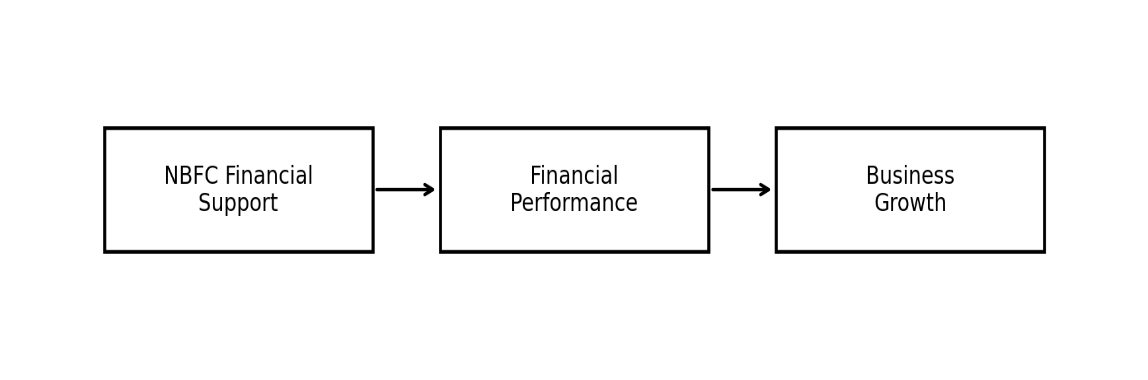
Figure 1. Conceptual model derived from the dissertation framework
3. RESEARCH METHODOLOGY
The study adopted quantitative research design. Primary data were collected using a structured questionnaire from wooden toy manufacturers in Channapatna. Secondary information was obtained from books, journals, government publications, reports, websites and research articles. The collected data was organized and analyzed using Microsoft Excel.
3.1 Population, Sampling and Sample Size
The target population consisted of wooden toy manufacturers located in Channapatna who had accessed NBFC financing services or were knowledgeable about NBFC financing. The sampling frame included manufacturers' associations, industrial associations, cooperatives, business directories and enterprises meeting the inclusion criteria. Convenience sampling was adopted because of time, accessibility and resource constraints.
The dissertation reports a population of 304 and a recommended sample size of 169 based on Watson (2001) under the stated assumptions. Because of practical constraints, data were collected from 127 respondents. Each owner or manager participating in the study was treated as a sampling unit.
3.2 Variables and Statistical Tests
|
Objective |
Independent Variable |
Dependent Variable |
Test |
|
Impact of NBFC support on financial performance |
Working capital support; overall financial support |
Financial performance |
Multiple regression |
|
Difference by years of NBFC support |
Years of NBFC financial support |
Overall business growth |
One-way ANOVA |
|
Relationship between accessibility and competitiveness |
Financial accessibility |
Business competitiveness / reported business growth |
Pearson correlation |
3.3 Reliability and Hypotheses
The questionnaire contained 39 items. Reliability was evaluated using Cronbach's alpha. The dissertation reports an alpha of 0.857223352, indicating high internal consistency and suitability for further analysis.
• H0â‚: NBFC working capital support and overall financial support have no significant impact on the financial performance of wooden toy manufacturers.
• H1â‚: NBFC working capital support and overall financial support have a significant impact on the financial performance of wooden toy manufacturers.
• H0â‚‚: There is no significant difference in overall business growth based on the number of years of NBFC financial support received.
• H1â‚‚: There is a significant difference in overall business growth based on the number of years of NBFC financial support received.
• H0₃: There is no significant relationship between financial accessibility and business competitiveness.
• H1₃: There is a significant relationship between financial accessibility and business competitiveness.
4. RESULTS AND ANALYSIS
4.1 Profile of Respondents
|
Characteristic |
Category |
n |
% |
|
Gender |
Male |
85 |
66.93 |
|
|
Female |
42 |
33.07 |
|
Age |
Below 25 years |
26 |
20.47 |
|
|
26–35 years |
35 |
27.56 |
|
|
36–45 years |
42 |
33.07 |
|
|
Above 45 years |
24 |
18.90 |
|
Education |
Primary |
28 |
22.00 |
|
|
Secondary |
24 |
18.90 |
|
|
PUC/Diploma |
25 |
19.70 |
|
|
Graduate |
32 |
25.20 |
|
|
Postgraduate |
18 |
14.20 |
The sample was male-dominated, with 66.93% male and 33.07% female respondents. The largest age group was 36–45 years (33.07%), followed by 26–35 years (27.56%). Graduates formed the largest educational category (25.20%). The dissertation further reports that many respondents operated businesses with five to ten employees and annual turnover/income in the ₹5 lakh to ₹10 lakh range.
4.2 Selected Descriptive Findings
The responses show a generally favourable perception of NBFC services. For the statement that NBFC financing is easily accessible, 65 respondents (51.18%) agreed and 37 (29.13%) strongly agreed, giving a combined positive response of 80.31%. Only 15.75% disagreed and 0.79% strongly disagreed. This indicates that most respondents perceived NBFC financing as accessible.
For satisfaction with NBFC financial services, 79 respondents (62.20%) agreed and 32 (25.20%) strongly agreed, representing 87.40% positive responses. The dissertation also reports that more than 90% of respondents had received NBFC support and that many considered the process easier and faster than traditional bank finance.
Digital lending emerged as an important area for improvement. In the dissertation, 73 respondents (57.48%) agreed and 35 (27.56%) strongly agreed that digital lending services should be strengthened, a combined positive response of 85.04%. This suggests that digital accessibility, faster processing and convenient online applications are important expectations among manufacturers.
4.3 Reliability Analysis
|
Measure |
Value |
|
Cronbach's alpha |
0.857223352 |
|
Number of items |
39 |
The Cronbach's alpha value of 0.857 demonstrates high internal consistency among the 39 questionnaire items. The dissertation therefore considers the research instrument reliable and suitable for subsequent statistical analysis.
4.4 Regression Analysis
|
Statistic |
Value |
|
Multiple R |
0.20048 |
|
R Square |
0.040192 |
|
Adjusted R Square |
0.032514 |
|
Standard Error |
0.758711 |
|
Observations |
127 |
|
F |
5.234395 |
|
Significance F / p-value |
0.023824 |
|
Coefficient |
0.220368 |
|
t Stat |
2.28788 |
The regression model indicates a weak positive relationship between NBFC financial support and financial performance (Multiple R = 0.200). The R² of 0.0402 indicates that approximately 4.02% of the variation in financial performance is explained by the reported NBFC support variable(s), while most variation is attributable to other factors. However, the model is statistically significant at the 5% level because the p-value is 0.023824.
The regression coefficient of 0.220368 is positive and statistically significant (t = 2.28788; p = 0.023824). Accordingly, the dissertation rejects H0â‚ and accepts H1â‚. The result supports the conclusion that NBFC working capital and overall financial support have a significant positive association with financial performance, although the effect size and explanatory power are modest.
4.5 One-Way ANOVA
|
Support period |
n |
Mean business growth |
Variance |
|
Less than 1 year |
27 |
1.981481 |
0.307336 |
|
1–3 years |
27 |
2.370370 |
0.530627 |
|
4–6 years |
26 |
2.000000 |
0.395000 |
|
More than 6 years |
24 |
2.364583 |
0.798800 |
The mean business growth score was highest among respondents receiving NBFC support for 1–3 years (2.37), followed by those receiving support for more than 6 years (2.36). The lowest mean was observed among those receiving support for less than one year (1.98). Nevertheless, the ANOVA result was not statistically significant (F = 2.465; p = 0.0667), because p is greater than 0.05. Therefore, H0â‚‚ is not rejected. The duration of NBFC support alone does not establish a statistically significant difference in business growth in this sample.
4.6 Pearson Correlation
|
Variables |
Correlation (r) |
|
Financial accessibility and reported business growth/competitiveness |
0.585828347 |
The reported Pearson correlation coefficient is r = 0.586, indicating a moderate positive relationship between financial accessibility and the reported business growth/competitiveness measure. Better access to financial resources is associated with stronger business outcomes in the sample. The dissertation interprets this relationship as supporting investment in technology, production capacity, product quality and market competitiveness.
A methodological note is important: the dissertation's objective and hypothesis refer to business competitiveness, whereas the displayed correlation table labels the second variable as business growth. This article retains the reported coefficient and presents it transparently as business growth/competitiveness rather than introducing a new statistic that is not present in the source.
5. DISCUSSION
The findings broadly support the view that NBFCs can improve access to finance for small and traditional enterprises. The significant regression result indicates that NBFC working capital and overall financial support are positively associated with financial performance. This is consistent with the literature reviewed in the dissertation, where timely credit, financial inclusion and improved financial accessibility were linked with MSME development.
The positive correlation between financial accessibility and business outcomes also supports the argument that access to finance can help enterprises invest in productive assets, technology, production expansion and market development. The descriptive findings strengthen this interpretation because most respondents reported that NBFC finance was accessible and expressed satisfaction with NBFC services.
At the same time, the low R² value provides an important qualification. Financial performance cannot be explained by NBFC support alone. Production efficiency, market demand, technological adoption, managerial capability and government support are among the factors identified in the dissertation as potentially influencing business performance.
The ANOVA result is also important because it prevents an overly strong conclusion that longer NBFC relationships automatically generate higher growth. Although the group means differ, the differences are not statistically significant at the 5% level. Thus, the quality, suitability and use of finance may matter more than the duration of financing by itself.
The study's findings complement the reviewed work of Sharma (2025), Kamra (2024), Jindal (2025), Nugraha et al. (2025), Cruzado et al. (2023) and Singh (2016), which emphasize financial accessibility, financial literacy and timely credit. The dissertation also notes that the present finding on the non-significant relationship between financial support and business growth differs from some previous studies that reported stronger effects on MSME growth.
6. MANAGERIAL, POLICY AND THEORETICAL IMPLICATIONS
6.1 Implications for NBFCs
NBFCs should design credit products suited to the cash-flow patterns of small wooden toy manufacturers. Working capital finance, business expansion loans and flexible repayment structures can be aligned with production cycles and seasonal demand. The strong positive response toward digital lending also suggests that simple online application and tracking mechanisms can improve convenience.
6.2 Implications for Manufacturers
Manufacturers should use borrowed funds for productive purposes such as raw materials, equipment, technology, quality improvement, product development and market expansion. Better bookkeeping, cash-flow planning and financial literacy can help manufacturers evaluate borrowing costs and repayment capacity before taking credit.
6.3 Implications for Policymakers
Public institutions can support the cluster by coordinating with NBFCs to improve affordable credit access for traditional artisans. Financial literacy, documentation assistance and awareness programmes can reduce barriers for smaller enterprises. Policy support can also complement finance with market development, technology adoption and skill development.
6.4 Theoretical Implications
The findings provide empirical support for the relevance of Financial Intermediation Theory, Working Capital Management Theory, Pecking Order Theory and Financial Inclusion Theory in a traditional manufacturing context. The Resource-Based View is also relevant because financial resources can facilitate the acquisition and utilization of productive resources that strengthen competitiveness.
7. RECOMMENDATIONS
• NBFCs should develop affordable and flexible loan products specifically suited to wooden toy manufacturers and their repayment capacity.
• Loan application, documentation and approval procedures should be simplified and accelerated without weakening responsible lending standards.
• NBFCs should strengthen digital lending platforms and provide practical training to manufacturers on using online financial services.
• Financial literacy programmes should cover interest costs, cash-flow management, working capital planning, repayment schedules and responsible borrowing.
• Government agencies and NBFCs should coordinate to reduce the financing cost and documentation burden for eligible traditional artisans.
• Manufacturers should direct borrowed funds toward productive uses such as inventory, equipment, quality improvement, product innovation and market expansion.
• NBFCs should provide post-disbursement guidance and periodic review so that borrowers can use funds efficiently and address emerging financial difficulties early.
• NBFCs and industry-support institutions should connect manufacturers with market, branding, product-development and digital-commerce opportunities so that finance translates into sustainable business growth.
8. LIMITATIONS AND FUTURE RESEARCH
The study is confined to wooden toy manufacturers in Channapatna and therefore the findings may not be generalized to other regions or industries. The analysis is based on 127 respondents selected through convenience sampling. The study depends primarily on structured questionnaire responses, and some respondents were reluctant to disclose detailed financial information. The cross-sectional design captures conditions at one point in time and cannot fully establish changes in financial performance over multiple periods. The study also focuses on NBFC financing and does not directly model government policies, market conditions, technology, competition or other external factors.
Future research can compare NBFCs with commercial banks and microfinance institutions, extend the study to other wooden-toy and handicraft clusters in India, and examine digital lending and fintech platforms. Longitudinal studies could measure changes in profitability, productivity, working capital and business growth over time. Future work may also examine green finance, government schemes and private-sector support for traditional manufacturing enterprises.
CONCLUSION
The study concludes that NBFCs play a meaningful role in improving financial access and supporting the financial performance of wooden toy manufacturers in Channapatna. The regression analysis provides statistically significant evidence of a positive association between NBFC financial support and financial performance, while the descriptive results show favourable perceptions of accessibility, speed and satisfaction. Financial accessibility is also positively related to the reported business growth/competitiveness measure.
However, the evidence does not indicate that the number of years of NBFC support alone creates statistically significant differences in business growth. Further, the modest R² demonstrates that NBFC finance is only one component of business performance. Sustainable development of the wooden toy sector requires a combination of affordable finance, financial literacy, efficient production, technology adoption, market development, managerial capability and supportive policy. Strengthening the relationship between NBFCs and traditional manufacturers can therefore contribute to financial inclusion and competitiveness while preserving an important traditional industry.
REFERENCES

Dakshith Gowda M.*, R. Satheesh Kumar, Role Of NBFCs In Enhancing Financial Performance Among Wooden Toy Manufacturers, Int. J. Sci. R. Tech., 2026, 3 (8), 570-577. https://doi.org/10.5281/zenodo.21945913
 10.5281/zenodo.21945913