

We use cookies to ensure our website works properly and to personalise your experience. Cookies policy
Department of Pharmaceutics, C.L. Baid Metha College of Pharmacy, Chennai-600097, Tamil Nadu, India
Orally disintegrating tablets (ODTs) are increasingly recognized as patient-centric dosage forms because they disintegrate rapidly in the oral cavity and can improve medication administration in patients with swallowing difficulties. However, rapid disintegration simultaneously exposes the drug to the taste receptors, making bitterness a major barrier to patient acceptability and therapeutic adherence. This review critically examines contemporary strategies for taste masking in ODTs, emphasizing the formulation challenges associated with achieving an appropriate balance between taste protection, rapid disintegration, mechanical integrity, stability, and drug release. Conventional and advanced approaches, including ion-exchange resin complexation, polymeric film coating, cyclodextrin inclusion complexation, hot-melt extrusion, lipid-based systems, microencapsulation, and amorphous solid dispersions, are discussed with respect to their mechanisms, formulation considerations, advantages, and limitations. The physiological and physicochemical determinants of bitterness, including drug properties, saliva-mediated dissolution, and bitter taste receptor interactions, are also considered. Particular emphasis is placed on objective taste assessment using electronic tongues and on emerging artificial intelligence and machine-learning approaches for taste prediction, formulation optimization, and data-driven development. The review further discusses challenges associated with moisture sensitivity, coating integrity, stability, pediatric and geriatric acceptability, and regulatory expectations. Collectively, integration of rational formulation design with advanced analytical, computational, and patient-centric approaches provides a promising pathway toward robust, stable, and palatable ODTs with improved therapeutic acceptability.
Orally disintegrating tablets (ODTs) are solid dosage forms which are designed to rapidly disintegrate in the oral cavity or dissolve upon contact with saliva, thereby enabling administration without the need for water. The ease of administration and rapid disintegration of ODTs make them advantageous for geriatric and pediatric patients and individuals experiencing difficulty in swallowing. ODTs can improve patient compliance and provide an alternative to conventional tablets and capsules for patients with swallowing difficulties 1
Rapid disintegration of an ODT in the oral cavity presents a formulation challenge when the incorporated active pharmaceutical ingredient (API) has an unpleasant or bitter taste. Because the drug becomes available in the oral cavity during disintegration, bitterness can affect palatability and patient adherence. Therefore, taste masking plays a vital role in the development of the ODTs. Reported strategies include the use of sweetening and flavoring agents, polymeric coatings or encapsulation, drug-polymer complexation, and ion-exchange resins. The formulation of the bitter drugs is complicated by the low compression force, and structural porosity commonly associated with ODTs, which creates additional mechanical and formulation constraints2
Evaluation of ODT palatability remains an important aspect of formulation development. Conventional human taste assessment can be affected by variability among individuals and ethical limitations, particularly when pediatric formulations are evaluated, creating a need for alternative instrumental approaches. Taste sensors and electronic tongues have been investigated for the qualitative and quantitative assessment of bitterness and overall palatability, although these systems have their own limitations. Hence effective development of taste-masked ODT formulations requires consideration of both rapid disintegration in oral cavity and palatability, together with appropriate methods for evaluating taste performance.3
2. The Science of Bitterness: Receptors, Mechanisms, and Pharmaceutical Implications
2.1 Molecular Biology of Bitter Taste Transduction
Taste transduction involves α-gustducin and Gβγ subunits. It is initiated by TAS2Rs, a family of G protein-coupled receptors (GPCRs) activated by bitter ligands. The Gβγ complex is released and activates phospholipase C-β2 (PLC-β2), leading to the generation of inositol 1,4,5-trisphosphate (IP3) and release of intracellular Ca²âº. Increased intracellular Ca²âº activates TRPM4/5 channels, leading to membrane depolarization and activation of downstream ion channels that facilitate ATP release. P2X2/P2X3 receptors on afferent cranial nerves are then activated by ATP, producing signals that are transmitted to the gustatory brain and contribute to the perception of bitter taste. 4
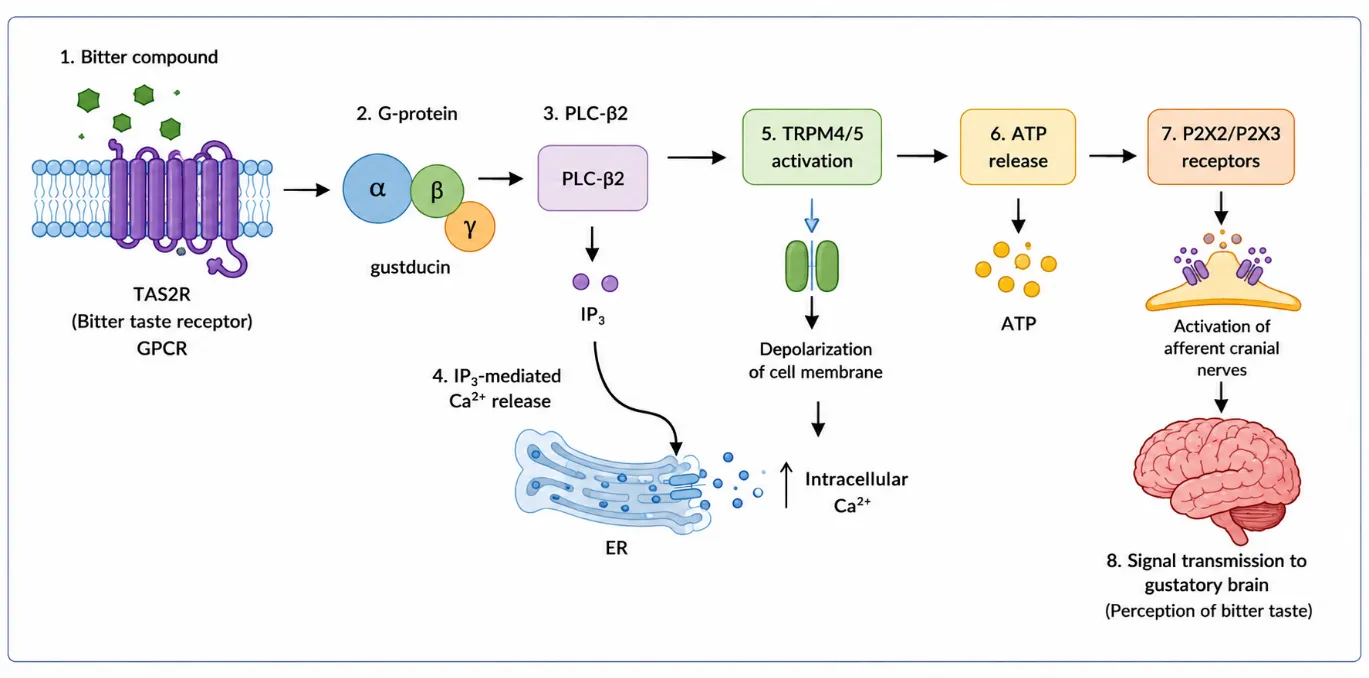
Figure 1. Molecular mechanism of bitter taste transduction. [4,5]
TAS2Rs are found in the oral cavity and extraoral tissues, including the digestive and respiratory systems, brain, and immune cells, where they are involved in various physiological and pathophysiological processes. Extraoral TAS2Rs play roles in the regulation of gastrointestinal activity, modulation of airway responses, and participation in innate immune and inflammatory processes. This wide distribution has expanded the importance of TAS2Rs beyond their role in taste perception and has accelerated investigation into their potential interactions with orally administered bitter compounds in extraoral tissues.
2.2 Physicochemical Determinants of Drug Bitterness
The bitterness threshold concentration is an important parameter in the development and evaluation of taste-masked oral formulations. Comparing the drug concentration released in the oral cavity with its bitterness threshold is useful for identifying the effectiveness of taste masking. Perceivable bitterness may be reduced when drug release remains below the bitterness threshold. Drugs with lower bitterness thresholds require greater control of drug release in the oral cavity to achieve acceptable palatability. Thus, the bitterness threshold is a useful parameter for selecting and optimizing taste-masking strategies during ODT development. 6
2.3 Bitterness as a Patient Compliance Crisis: Quantitative Evidence
Poor palatability in children receiving antiretroviral therapy (ART) represents a barrier to medication acceptance and adherence. For caregivers, bitter taste can make medication administration challenging and may result in medication refusal and treatment discontinuation. A study conducted in children with HIV in Canada found that 34% of children refused an antiretroviral medication at least once because of poor palatability, and treatment was discontinued in 5% of cases. This study highlights the importance of palatability when developing pediatric antiretroviral formulations for therapies requiring long-term administration. 7
Poor taste can affect medication acceptability and administration and may contribute to poor adherence to treatment in pediatric children. A recent scoping review of poor-tasting pediatric medicines reported associations between unpleasant taste, medication rejection, administration difficulties, and adherence problems across a wide range of therapeutic areas. The review also identified a smaller body of evidence linking palatability with treatment outcomes, including viral suppression in children receiving treatment for HIV. Thus, improving the palatability of oral medicines may facilitate medication acceptance and consistent administration, particularly in children requiring long-term therapy. 8
3. Disease-Stratified Analysis: Taste Masking Challenges Across Therapeutic Areas
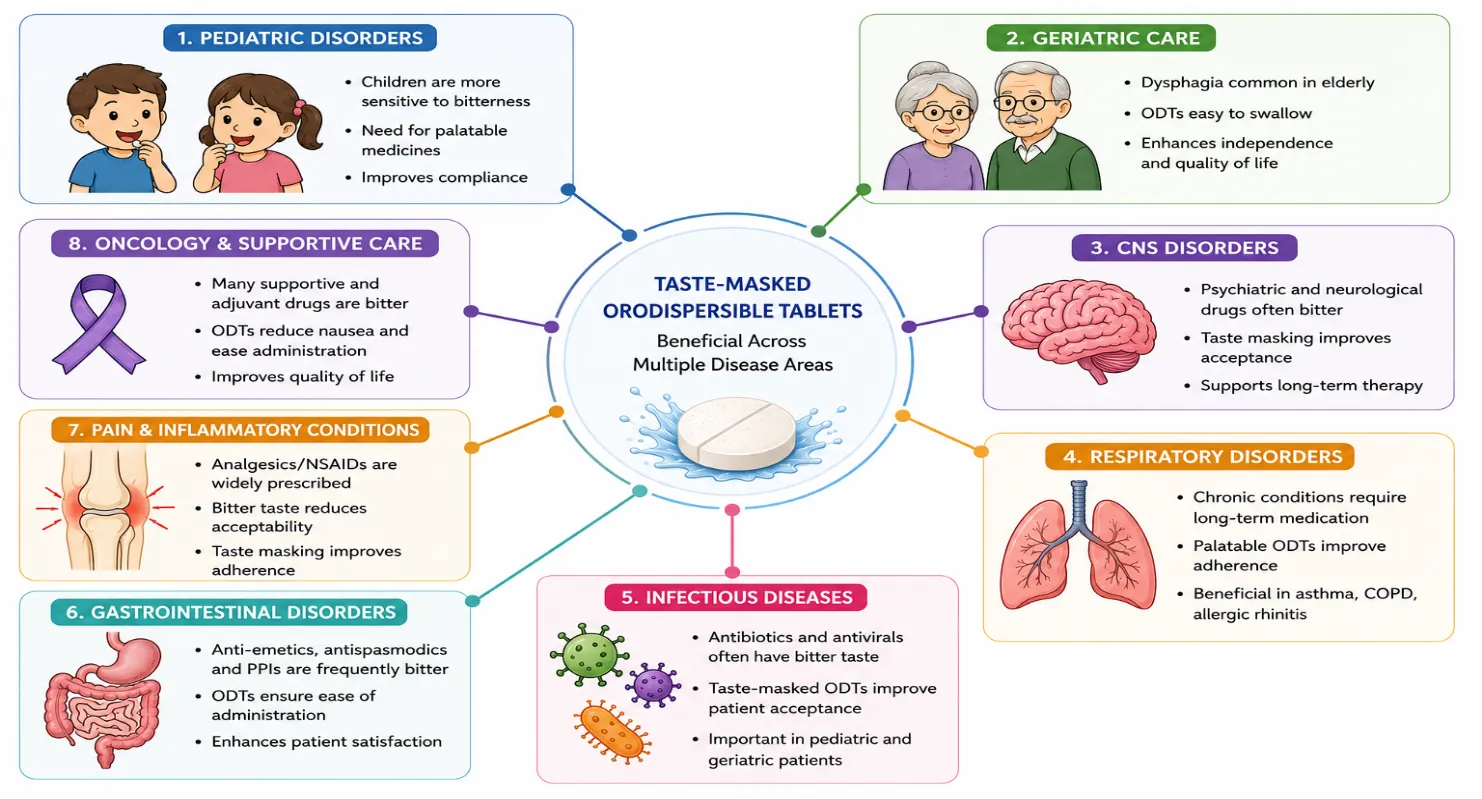
Figure 2. Disease-stratified considerations for taste-masked ODT development across major therapeutic areas. [9–40]
3.1 HIV/AIDS and Antiretroviral Therapy: A High-Stakes Taste-Masking Challenge
Antiretroviral therapy regimens combine two nucleoside/nucleotide reverse transcriptase inhibitors (NRTIs) with an integrase strand transfer inhibitor (INSTI), while non-nucleoside reverse transcriptase inhibitors (NNRTIs) and protease inhibitors (PIs) remain significant alternatives. 9 Developing patient-friendly ODTs is complex because antiretroviral drugs vary widely in dose, stability, solubility, and taste. 10 High-dose drugs such as efavirenz require large tablet masses, leaving limited space for taste-masking agents and other functional excipients. 11 Likewise, fixed-dose combinations such as lopinavir and ritonavir must contain multiple APIs while maintaining tablet size, rapid disintegration, and palatability. 12
These formulation requirements become even more important in pediatric HIV therapy. Current treatment guidelines recommend dolutegravir-based regimens because of their therapeutic efficacy and resistance profile. 13 Dose requirements differ with age and body weight, making palatable formulations important for effective therapy. 14 Clinical studies have shown that ease of administration and palatability strongly influence treatment adherence in children, highlighting the importance of child-friendly dosage forms. 15
Taste-masking technologies play a key role in improving the acceptability of antiretroviral formulations. Among the available approaches, ion-exchange resin complexation is promising because reversible drug–resin binding minimizes drug release in saliva while allowing rapid release after swallowing. Developing effective taste-masked ODTs for antiretroviral therapy therefore remains an important strategy for improving adherence and palatability. 16
3.2 Hepatitis B Virus (HBV) Infection: Decades of Bitter Daily Dosing
First-line antiviral agents, including tenofovir disoproxil fumarate (TDF), tenofovir alafenamide (TAF), and entecavir, vary in dose, formulation requirements, and physicochemical properties, making the development of patient-friendly oral dosage forms challenging. 16 The different doses and physicochemical characteristics of tenofovir formulations demonstrate why API-specific drug loading, stability, and palatability must be considered together during ODT design. 17
The need for palatable formulations is especially important in children and in patients receiving prolonged therapy, where unpleasant taste may negatively influence treatment adherence. 18 Therefore, effective taste-masking strategies should do more than simply improve palatability. They should also maintain rapid drug release, ensure long-term stability, and keep tablet size suitable for patients. Among the available approaches, polymer coating, ion-exchange resin complexation, and lipid-based encapsulation have shown considerable potential. However, the most suitable method should be selected based on the physicochemical properties and characteristics of the antiviral drug. 18
3.3 Cancer: Taste Masking at the Intersection of Nausea and Bitterness
Ondansetron, a selective 5-hydroxytryptamine type 3 (5-HT3) receptor antagonist, is widely used for the prevention of chemotherapy-induced nausea and vomiting (CINV) and is available as an ODT, demonstrating the clinical value of rapidly disintegrating dosage forms for patients with difficulty swallowing. 19 More broadly, the increasing use of oral anticancer therapies has created a need for palatable formulations that can improve patient acceptance during prolonged treatment. 20
Because chemotherapy can alter taste and the composition of saliva, conventional taste evaluation in healthy volunteers may not accurately predict patient experience. 21 Future studies should therefore incorporate disease-relevant sensory assessment models and biorelevant in vitro methods to better evaluate taste-masked formulations intended for oncology patients. 22
3.4 Epilepsy: Emergency Administration and the No-Water Mandate
Levetiracetam is a commonly prescribed broad-spectrum antiepileptic medication with a patient-friendly oral formulation profile. Its high therapeutic dose and rapid dissolution present formulation challenges for ODT development because maintaining acceptable tablet size while incorporating effective taste-masking excipients is difficult. Formulation strategies must achieve efficient bitterness reduction without compromising rapid drug release or tablet disintegration. 23
Pediatric epilepsy presents formulation challenges because long-term treatment success depends heavily on medication acceptability. 24 Child-friendly ODTs should therefore combine effective taste masking, high drug loading, rapid disintegration, complete drug release, and good storage stability to support consistent treatment and improve long-term clinical outcomes. 25
3.5 Psychiatric Disorders
Many commonly prescribed psychotropic drugs, including haloperidol, risperidone, olanzapine, aripiprazole, and clozapine, possess an unpleasant bitter taste that can reduce palatability. 1 During ODT disintegration, rapid drug dissolution in saliva may expose patients to bitterness before swallowing. 2 Therefore, effective taste masking is an important formulation objective to improve palatability while maintaining rapid drug release after administration. 2
Medication non-adherence remains a major challenge in psychiatric care and is associated with relapse, frequent hospitalization, poorer clinical outcomes, and increased healthcare utilization. 26 Although adherence is influenced by multiple clinical, psychological, and socioeconomic factors, improving the acceptability of oral dosage forms may complement broader strategies aimed at supporting long-term treatment. 25.Simple flavour correction may improve acceptability, whereas barrier or complexation approaches can reduce exposure of the API to saliva. 1

Figure 3. Drug- and disease-specific formulation challenges influencing taste-masked ODT development. [10,11,17,21,23,27,34,40]
3.6 Type 2 Diabetes Mellitus
Metformin presents an important challenge in the development of orally disintegrating tablets (ODTs) because it combines a high therapeutic dose with a bitter taste. The large amount of active pharmaceutical ingredient occupies much of the tablet mass, leaving limited space for superdisintegrants, fillers, lubricants, and taste-masking excipients. Achieving effective taste masking while maintaining rapid disintegration and an acceptable tablet size remains difficult. 27,28
To address these challenges, several approaches have been investigated to reduce bitterness while preserving immediate drug release. These include polymer coating, ion-exchange resin complexation, lipid-based encapsulation, hot-melt extrusion, spray congealing, and multiparticulate delivery systems. 29,30
3.7 Pediatric Infectious Diseases: The Antibiotic Compliance Challenge
Several commonly prescribed pediatric antibiotics, including clarithromycin, azithromycin, metronidazole, and cotrimoxazole, are associated with an unpleasant bitter taste that can reduce patient acceptance. 29 Effective taste masking is an essential parameter in the development of pediatric oral dosage forms to improve palatability and support treatment adherence. 30
Pediatric formulations should also provide dose flexibility, ease of administration, and acceptable mouthfeel to accommodate different age groups and body weights 31. Orally disintegrating tablets and other age-appropriate formulations may improve treatment convenience while maintaining accurate dosing and patient acceptability 32.
Advanced taste-masking approaches, including polymer coating, ion-exchange resin complexation, cyclodextrin inclusion complexes, lipid-based encapsulation, and multiparticulate delivery systems, have shown considerable potential for improving the palatability of bitter antibiotics while maintaining appropriate drug-release characteristics. 32 Continued development of child-friendly formulations is expected to support medication adherence and improve the management of pediatric infectious diseases. 33
3.8 Alzheimer's Disease and Dementia: Taste, Swallowing, and Cognitive Barriers
ODTs provide several merits by rapidly disintegrating in the oral cavity without the need for water, thereby facilitating administration in patients with swallowing difficulties. 34 Taste also plays an important role in formulation acceptability because unpleasant drug taste may reduce palatability and complicate medication administration in cognitively impaired individuals. 35 Consequently, effective taste masking is an important consideration during the development of ODTs for Alzheimer's disease. 36
Developing taste-masked ODTs for dementia patients requires an equilibrium between rapid oral disintegration, bitterness suppression, mechanical strength, and ease of handling. 36,37 Although sweeteners and flavouring agents can improve overall palatability, more advanced approaches including polymer-coated microparticles, ion-exchange resin complexation, cyclodextrin inclusion complexes, and lipid-based encapsulation provide more effective taste masking by limiting drug release within the oral cavity while maintaining rapid drug release after swallowing. 36,34,38
Overall, ODTs designed for patients with Alzheimer's disease should combine effective taste masking with ease of administration, rapid disintegration, good mechanical stability, and long-term product stability. Such formulations have the potential to improve treatment acceptability, facilitate caregiver-assisted administration, and support long-term pharmacotherapy in patients with cognitive impairment. 39
3.9 Parkinson's Disease: Dysphagia, Dopaminergic Fluctuations, and ODT Timing
ODT formulations of dopaminergic therapies, including levodopa/carbidopa and apomorphine, are important because they may facilitate administration in patients with swallowing difficulties. 40 The development of patient-friendly ODTs requires effective taste masking, rapid disintegration, adequate mechanical strength, and immediate drug release after swallowing. Future development of ODTs for Parkinson's disease should focus on balancing taste masking, rapid disintegration, mechanical stability, and manufacturability to improve medication administration and overall patient acceptability. 40
4. ODT Design Challenges Relevant to Taste Masking
4.1 The Rapid Disintegration–Taste Protection Paradox
An orally disintegrating tablet (ODT) rapidly disintegrates, creating a challenge for taste masking because drug release must be minimized during the short period of oral exposure, typically around 30 seconds. 40,2 Superdisintegrants and excipients that promote rapid water penetration and tablet disintegration can facilitate exposure of the drug to the oral environment, increasing the potential for bitterness during the short residence time in the mouth. ODTs are designed to disintegrate rapidly in saliva, so maintaining acceptable palatability while achieving rapid disintegration is an important formulation challenge. 40,2
When disintegration occurs, drug particles become available to saliva before swallowing, which may cause dissolved drug concentrations to exceed the bitterness threshold. Therefore, successful formulation of a taste-masked ODT requires simultaneous optimization of disintegration behaviour and taste protection from saliva. Formulation variables such as the selection of fillers, the type and concentration of superdisintegrants and taste-masking agents, and the reliability of the taste-masking system should be considered together during formulation development. 2
4.2 Compression-induced coating damage
Mechanical stress caused during tablet compression may change the integrity of polymer or lipid coated taste-masked particles, even minor damage to the coating can reduce its functional barrier properties and taste-masking performance as well. During compression the coated particles undergo deformation and coating rupture, resulting in increased drug release and affects taste-masking performance. Therefore, maintaining coating integrity during the compression of coated multiparticulates is an important formulation consideration for preserving taste-masking functionality and the important for intended drug-release characteristics. 41,42.
Figure 4. Key formulation challenges relevant to taste masking in orally disintegrating tablets. [40–57]
Ion-exchange resin complexation and lipid-based spray congealing are additional strategies that reduce drug exposure in the oral environment. 43,44 Formulation strategies have been studied to minimize compression-induced coating damage or rupture, including the use of flexible polymer films with appropriate plasticizers and optimization of coating properties. To reduce damage during compression and increase coating flexibility, triethyl citrate is used as a plasticizer to improve flexibility and reduce damage. 45 Along with plasticizers, cushioning agents or protective excipient layers are also used to reduce the mechanical stress transmitted to coated particles during tablet compression. 46
4.3 Super disintegrants and Excipient compatibility
During formulation development, excipients, taste-masking agents, and superdisintegrants must be compatible with each other. Eudragit® E PO is widely used as a taste-masking agent because its pH-dependent solubility allows it to remain essentially insoluble in saliva and dissolve under acidic gastric conditions, thereby limiting drug release in the oral environment. 47 The performance of cyclodextrin inclusion complexes depends on the drug-to-cyclodextrin molar ratio and the type of cyclodextrin used. Appropriate formulation optimization is also important for maintaining effective complexation and predictable taste-masking performance. 48 Therefore, preformulation compatibility assessment is important for identifying potential formulation interactions and selecting suitable excipients before formulation development and optimization.49
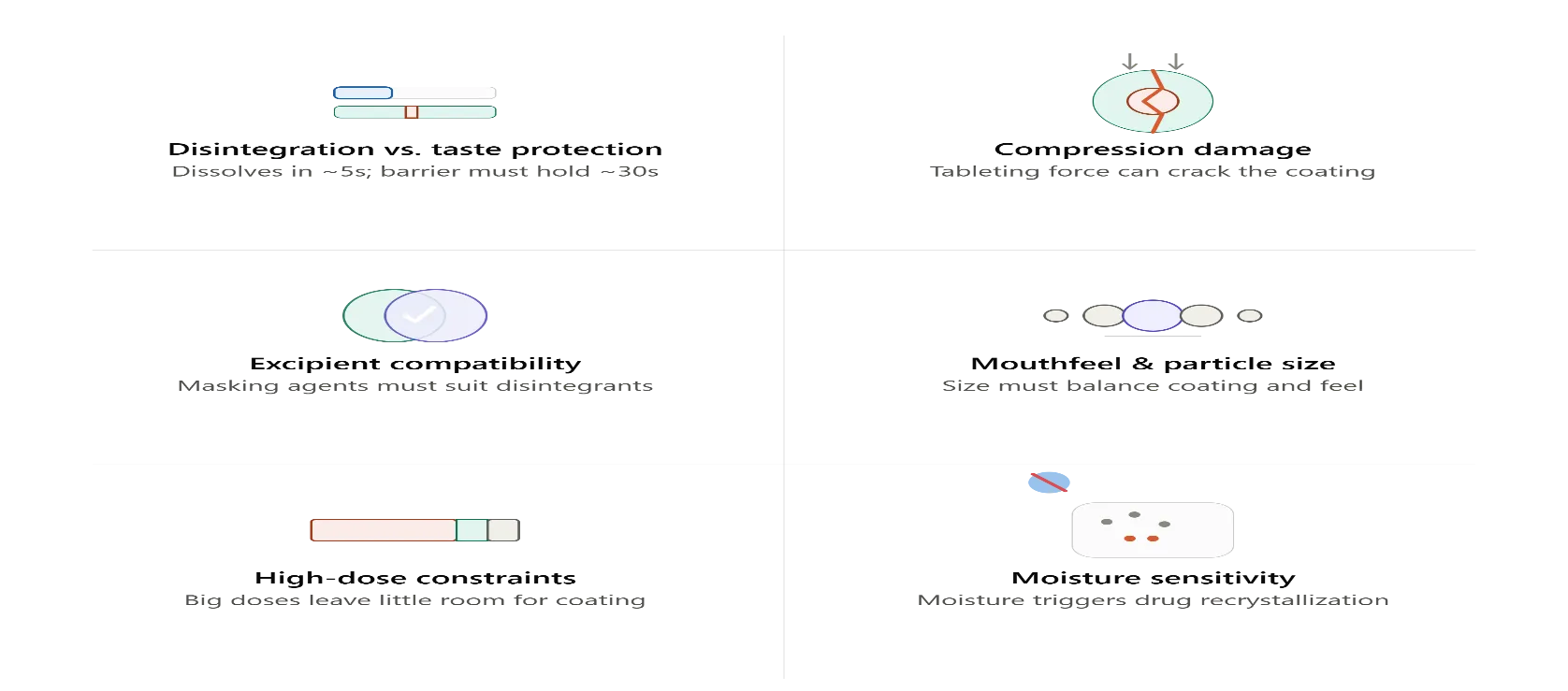
Figure 4. Key formulation challenges relevant to taste masking in ODTs. [40–57]
4.4 Mouthfeel and Particle Size
Therefore, careful optimization of particle size distribution is essential to achieve an appropriate balance between coating performance, compression behaviour, mouthfeel, and patient acceptability while supporting consistent downstream processing during blending and tableting. 49
4.5 High dose constraints
This challenge is particularly evident for bitter drugs such as metformin hydrochloride, efavirenz, and levetiracetam. Metformin is commonly prescribed at daily doses of 500–2000 mg, whereas levetiracetam maintenance therapy frequently requires 500–1500 mg per dose, illustrating the substantial drug loading associated with these therapies. Under these conditions, the incorporation of additional taste-masking materials must be carefully optimized to avoid excessive tablet size while maintaining rapid disintegration and acceptable mechanical properties. 50,51
Conventional taste-masking technologies may further increase formulation complexity. Polymer film coating introduces an additional barrier layer around drug particles, ion-exchange resin complexation requires incorporation of resin as the drug carrier, and cyclodextrin complexation may require relatively large amounts of cyclodextrin depending on the drug and complexation efficiency. 52,34
Alternative technologies such as spray congealing and hot-melt extrusion (HME) have attracted increasing interest because they enable incorporation of APIs into lipidic or polymeric matrices while providing effective taste masking and maintaining suitable drug-release characteristics. Nevertheless, achieving an optimal balance between high drug loading, effective taste masking, rapid disintegration, manufacturability, and patient acceptability remains one of the principal formulation challenges in the development of high-dose ODTs. 53,51
4.6 Moisture sensitivity and stability
Amorphous solid dispersions prepared by hot-melt extrusion (HME) can be susceptible to moisture-induced physical instability. During storage, absorbed moisture can increase molecular mobility and promote drug recrystallization, potentially compromising the physical stability of the amorphous matrix and altering drug-release characteristics. 54,55 Environmental moisture may also affect the physical and functional performance of polymer-based oral formulations, making moisture control important for maintaining their intended drug-release and taste-masking characteristics. 52
Therefore, appropriate stability testing and moisture-protective packaging are essential for preserving tablet quality and formulation performance throughout the product shelf life. 56 High-barrier packaging systems, including aluminium-based blister configurations, can minimize moisture ingress, while appropriate moisture-control strategies can further support formulation stability during storage. 57
5. Taste Masking Technologies in ODT Formulations: Mechanisms, Applications, and Limitations
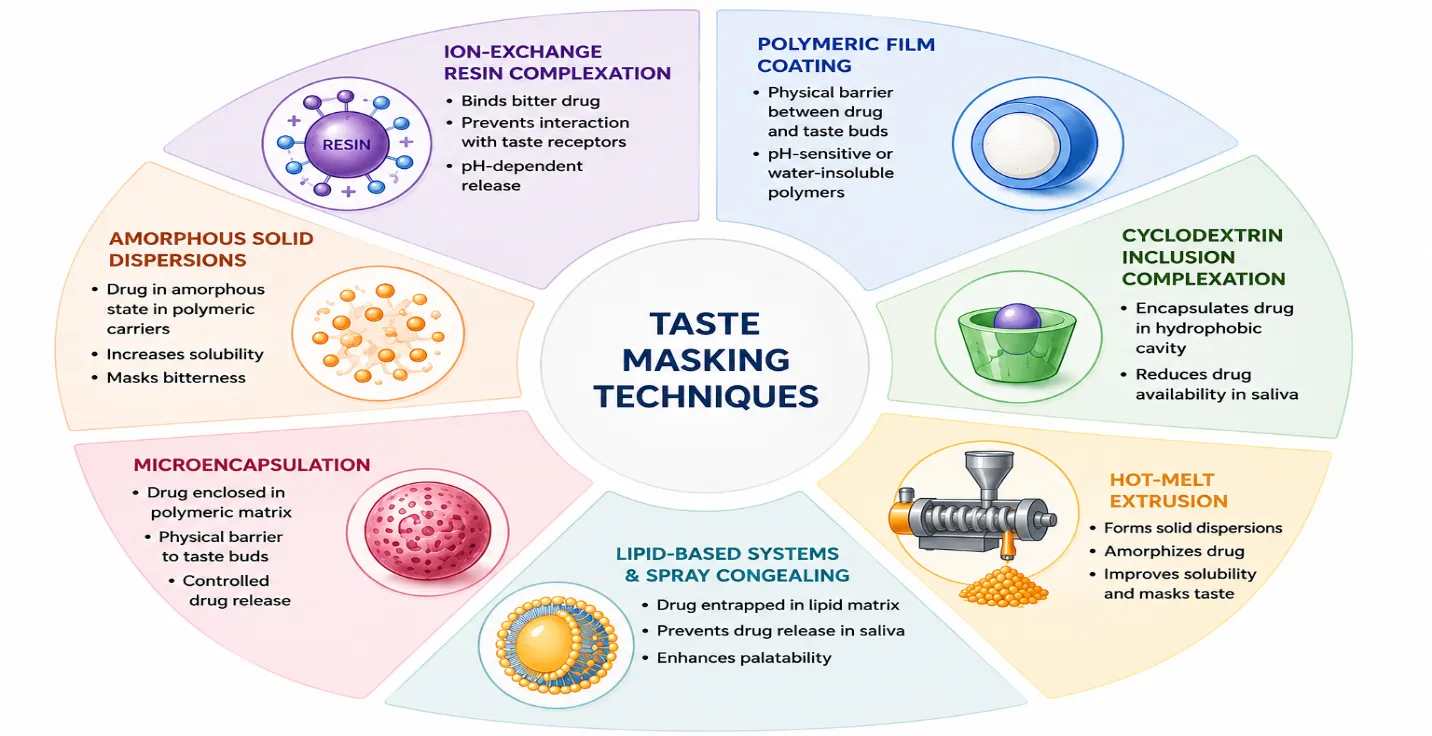
Figure 5. Taste-masking technologies used in ODT formulations. [34,52,58–69]
5.1 Microencapsulation
Microencapsulation can be achieved using several pharmaceutical manufacturing techniques, including fluidized-bed coating, spray drying, coacervation, and related coating processes, depending on the formulation requirements and the characteristics of the active pharmaceutical ingredient. 58
A major challenge in ODT formulation is preserving the integrity of the microcapsule coating during tablet compression. Mechanical stress generated during compression may damage the coating layer, resulting in premature drug release in saliva and reduced taste-masking efficiency. 59 To minimize coating failure, formulation strategies such as optimizing coating thickness, selecting flexible coating materials, incorporating suitable plasticizers (e.g., triethyl citrate), and carefully controlling compression conditions have been investigated to improve coating robustness while maintaining adequate tablet strength and rapid disintegration. 60
5.2 Polymer Film Coating
Polymer film coating is a widely used taste-masking approach for ODTs. Drug particles or granules are coated with a thin polymeric film that limits drug release in the oral cavity while allowing rapid release after swallowing. Its effectiveness depends on the coating polymer, thickness, film integrity, and permeability 2.
Among coating polymers, Eudragit® E PO is extensively investigated because of its pH-dependent solubility. It remains essentially insoluble at the near-neutral pH of saliva but dissolves under acidic gastric conditions, thereby limiting drug release in the mouth while permitting release after ingestion. Polymer selection should therefore consider the API properties and desired drug-release profile 61.
Successful coating requires optimization of polymer type, plasticizer concentration, coating level, and processing conditions to balance taste masking, rapid disintegration, mechanical stability, and gastrointestinal drug release 2,61.
5.3 Cyclodextrin Inclusion Complexation
Cyclodextrin (CD) inclusion complexation reduces bitterness by incorporating hydrophobic regions of drug molecules into the cyclodextrin cavity, thereby reducing free drug available to interact with bitter taste receptors. Drug release can occur after dilution and dissociation in the gastrointestinal tract. Hydroxypropyl-β-cyclodextrin (HP-β-CD) is widely used because of its high aqueous solubility and broad pharmaceutical applicability 34.
Taste-masking efficiency depends on drug–cyclodextrin compatibility, complex stability, and the preparation method. Common methods include kneading, co-precipitation, solvent evaporation, freeze-drying, spray drying, and physical mixing, which can influence complex formation and drug-release behaviour 34.
Despite these advantages, cyclodextrin systems may require relatively large amounts of CD, particularly for high-dose drugs or APIs with limited complex-forming ability. This can increase formulation bulk and manufacturing costs and may limit their application in some high-dose formulations 62.
5.4 Ion exchange resin complexation
Ion-exchange resin (IER) complexation is a well-established taste-masking technique based on reversible electrostatic interactions between ionizable drug molecules and oppositely charged functional groups present on insoluble polymeric resins. Following swallowing, the acidic environment and competing ions present in the gastrointestinal tract promote ion exchange, resulting in drug release and subsequent absorption. 52
The performance of ion-exchange resin complexes in ODT formulations is formulation-specific, and optimization of drug loading and drug-release characteristics depends on the physicochemical properties of both the drug and the selected resin. 63
5.4 Hot melt extrusion
For taste-masking applications, HME reduces drug exposure in the oral cavity by dispersing the API within a polymeric matrix or forming amorphous solid dispersions that modify drug-release behavior 64. The extrudate is typically milled into granules or powder and subsequently blended with suitable excipients for manufacture of orally disintegrating tablets (ODTs) 65. In addition to improving palatability, HME can enhance the apparent solubility and dissolution of poorly water-soluble drugs 64,65 while providing a solvent-free, continuous, and scalable manufacturing process 64.
Successful application of HME requires careful evaluation of the thermal stability of the API and excipients 66, optimization of processing temperature, screw configuration, and polymer selection 64,66 to minimize thermal degradation while maintaining the desired drug-release characteristics 64,66. Consequently, formulation development requires systematic optimization to achieve an appropriate balance between taste masking, drug stability, manufacturability, and product performance 64.
5.5 Lipid-Based Systems and Spray Congealing
Taste masking is achieved primarily through the formation of a hydrophobic lipid barrier that limits rapid drug dissolution in saliva, thereby reducing contact between the drug and bitter taste receptors. 67 In addition to improving palatability, lipid-based microparticles may provide protection against environmental factors such as moisture and can be incorporated into oral solid dosage forms. 68 The solvent-free nature of spray congealing also eliminates the need for organic solvents during manufacturing. 68
Successful formulation of spray-congealed lipid microparticles requires optimization of lipid composition, drug loading, particle size distribution, and processing conditions to achieve an appropriate balance between taste masking, manufacturability, and drug-release performance. 69 Owing to these advantages, lipid-based systems continue to be investigated as promising taste-masking approaches, particularly for poorly water-soluble drugs. 67,68
6. Taste Masking Evaluation: The Broken Standard and a Proposed Framework
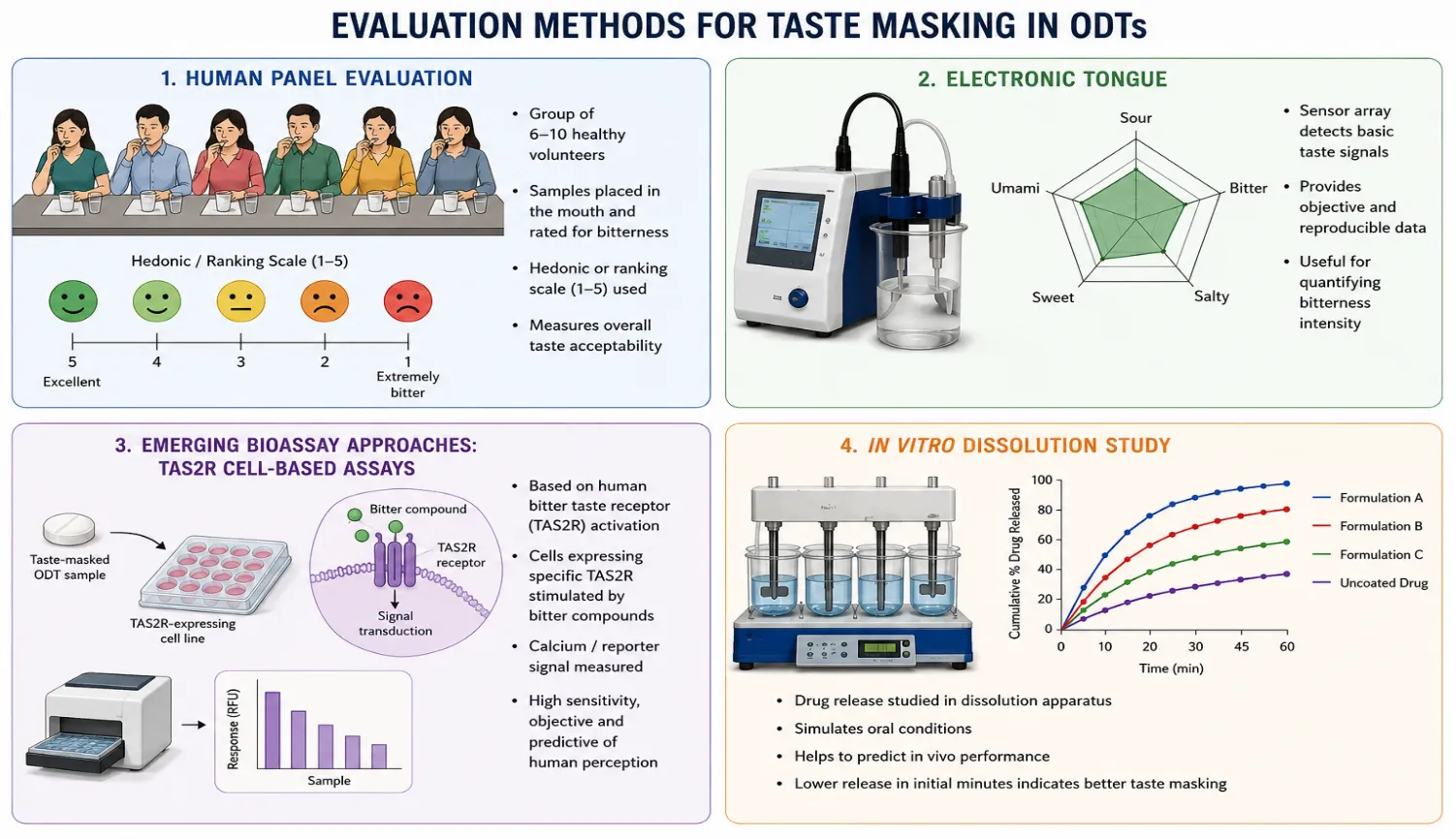
Figure 6. Complementary evaluation methods for taste masking in orally disintegrating tablets. [70–78]
6.1 In Vitro Dissolution-Based Taste Assessment
Despite its practical value, dissolution-based taste assessment has important limitations. Simulated salivary media cannot fully reproduce the physiological complexity of human saliva, including its composition, buffering capacity, and dynamic interactions occurring within the oral cavity. Furthermore, conventional dissolution methods cannot accurately replicate factors such as saliva flow, tongue movement, and swallowing, all of which influence drug dissolution and taste perception. Consequently, dissolution results should be regarded as an approximation of in vivo performance rather than a direct measure of human palatability. 70
Another limitation is the lack of standardized experimental conditions across published studies. Differences in dissolution medium composition, agitation conditions, sampling time, apparatus, and approaches used to define bitterness thresholds make direct comparison of taste-masking performance difficult. Therefore, dissolution testing is best used as a preliminary screening method and should be complemented by instrumental techniques, such as electronic tongue analysis, and, where appropriate, human sensory evaluation. 71
6.2 Electronic Tongue Technology: Power, Limitations, and Future Perspectives
The reliability of e-tongue analysis depends on establishing a meaningful correlation between sensor responses and human taste perception. 63 Although the technology offers objective and reproducible measurements, recent studies have emphasized that many pharmaceutical applications require more rigorous qualification and validation against sensory outcomes. 72 Consequently, e-tongue results should be interpreted primarily as comparative analytical measurements rather than direct indicators of patient-perceived palatability. 72,73
In addition to validation challenges, e-tongues have several practical limitations. Sensor performance may be affected by membrane ageing, sensor drift, and calibration variability, which can influence long-term reproducibility. 74 Furthermore, electronic tongues cannot fully reproduce the multidimensional nature of human oral perception, including attributes beyond basic taste, such as mouthfeel, texture, aftertaste, and overall preference. 72 Therefore, although e-tongues provide rapid and objective assessment of formulation differences, they cannot fully replace human sensory evaluation. 72,74
Current evidence supports the use of e-tongues as valuable screening tools during formulation optimization, where they can reduce reliance on human taste panels in the early stages of development. 46 However, whenever ethically and practically feasible, instrumental findings should be complemented by appropriately designed human sensory studies to confirm the relevance of taste-masking performance to human perception. 73
6.3 Human Sensory Panel Evaluation: Gold Standard or Unreliable Benchmark?
Despite its importance, human sensory evaluation is subject to considerable inter-individual variability. 75 Genetic polymorphisms affecting bitter taste receptors, particularly variants of TAS2R38, contribute to differences in bitterness sensitivity among individuals. 75 Consequently, panel composition can influence study outcomes, highlighting the importance of appropriate participant selection and standardized sensory protocols. 71
Taste perception is also influenced by physiological factors, including saliva composition, salivary flow rate, and buffering conditions, which can alter drug dissolution and the perception of bitterness in the oral cavity. 70,76 These sources of biological variability should be considered when interpreting sensory data and comparing results across different studies. 70
Evaluation of pediatric formulations presents additional ethical and practical challenges because children should not be unnecessarily exposed to unpleasant or investigational formulations. 71 Consequently, pediatric taste assessment requires carefully designed study protocols, age-appropriate evaluation methods, and appropriate ethical oversight. 71 Instrumental methods such as the electronic tongue are therefore frequently used during early formulation screening, with human sensory studies reserved for confirmatory evaluation whenever appropriate. 73
6.4 Emerging Bioassay Approaches: TAS2R Cell-Based Assays
Unlike dissolution testing or electronic tongue analysis, TAS2R cell-based assays provide receptor-specific information by identifying the bitter taste receptors activated by a particular active pharmaceutical ingredient (API). 72 They also enable mechanistic evaluation of taste-masking agents and bitter receptor antagonists by quantifying their ability to reduce TAS2R activation under controlled experimental conditions, thereby supporting the rational design of targeted taste-masking strategies. 77
Despite these advantages, routine application of TAS2R bioassays remains limited by the need for recombinant cell culture facilities, specialized analytical instrumentation, and technical expertise. 78 In addition, these assays evaluate receptor activation in simplified experimental systems and therefore cannot replicate the complex physiological processes involved in human taste perception, including the influence of saliva composition, oral processing, and inter-individual sensory variability. 72,78 Therefore, TAS2R bioassays should be considered an additional mechanistic tool that complements human sensory evaluation in pharmaceutical taste-masking research rather than replacing it. 72,78
7. Artificial Intelligence and Machine Learning in Taste Masking: Transforming ODT Development
7.1 AI-Driven Bitterness Prediction: From Molecular Structure to Formulation Decision
BitterDB, a curated database containing over 2,200 bitter compounds together with experimentally validated bitterness information and TAS2R annotations, has become an important resource for developing and validating computational bitterness prediction models. 79 Machine learning models trained using curated datasets have demonstrated good predictive performance in distinguishing bitter from non-bitter compounds based solely on molecular structural features, enabling early identification of APIs that are likely to require taste-masking during formulation development. 80
For ODT development, AI-based bitterness prediction can support formulation scientists by identifying compounds with a high probability of bitterness before laboratory evaluation. 81 This enables more informed selection of taste-masking strategies, reduces empirical formulation screening, and helps prioritize experimental resources during early formulation development. 82 Although computational predictions cannot replace experimental taste evaluation, they represent valuable decision-support tools that can improve the efficiency of pharmaceutical taste-masking research. 82
7.2 Machine Learning for Electronic Tongue Data Interpretation
To overcome these limitations, machine learning approaches have increasingly been applied to e-tongue data analysis. Algorithms such as support vector machines (SVMs), artificial neural networks (ANNs), and other supervised learning methods can identify complex response patterns, improve sample classification, and enhance prediction of bitterness from multidimensional sensor data. 81 These approaches provide a more objective and robust interpretation of e-tongue measurements than conventional linear statistical methods, particularly during formulation screening and optimization. 81,82
Recent advances in taste sensor technology, combined with improved chemometric analysis, have enhanced the quantitative assessment of bitterness and strengthened the role of e-tongues in pharmaceutical formulation development. 82 Although these systems cannot fully replace human sensory evaluation, they provide rapid, reproducible, and objective data that support formulation optimization while reducing reliance on sensory panels during early-stage development. 83
Further progress in sensor technology, standardized testing protocols, and machine learning algorithms is expected to improve the reproducibility, predictive accuracy, and broader application of e-tongues in pharmaceutical research and quality assessment. 83
7.3 AI-Optimized Formulation Development: Design Space Exploration at Scale
Conventional Quality by Design (QbD) approaches using Design of Experiments (DoE) provide a systematic framework for studying critical formulation variables. However, as the number of variables increases, the experimental workload and development time rise substantially. 84 Machine learning approaches, including Bayesian optimization and active learning, can address this challenge by learning from initial experimental data and identifying the most informative experiments for subsequent optimization, thereby improving development efficiency while reducing experimental burden. 85
Recent studies have demonstrated that AI-assisted optimization can reduce the number of experimental iterations required to identify optimized formulations compared with conventional trial-and-error approaches. 85 By efficiently exploring the formulation design space, these methods can accelerate pharmaceutical development while maintaining product quality and performance. 84,85
Future pharmaceutical formulation development is expected to increasingly integrate AI-based bitterness prediction, machine learning-assisted analysis of experimental data, and Bayesian optimization into unified decision-support workflows. 84 Such approaches have the potential to support more rational and data-driven development of taste-masked ODTs by improving formulation screening, reducing experimental effort, and accelerating optimization. 84,86 Successful implementation will depend on continued validation across different formulation platforms and close collaboration between pharmaceutical scientists, data scientists, and industry. 84
8. Regulatory Perspective on Taste Masking and Palatability
Regulatory requirements for taste masking and palatability are currently addressed through broader requirements rather than through a single global guideline dedicated exclusively to taste masking. They encompass patient acceptability, age-appropriate formulation design and development, and product quality. Palatability is particularly important in pediatric drug development because poor palatability can affect medication acceptance and adherence. Recent literature continues to identify palatability as an important component of patient-centred pediatric formulation development and emphasizes the continuing need for scientifically justified taste-masking strategies. 87,52
The FDA/ICH pediatric guidelines consider palatability and acceptability as crucial factors when pediatric medicines are considered. ICH E11(R1) states that orally administered pediatric medicines should be acceptable to children and recognizes taste masking as a formulation strategy that may be required to improve palatability. The guidelines recommend the use of age-appropriate dosage forms while considering the characteristics of the target pediatric population. 87
The EMA Reflection Paper on Formulations of Choice for the Paediatric Population considers age-appropriate dosage-form selection and formulation acceptability in pediatric patients to be important. When selecting dosage forms for pediatric age groups, the taste and palatability of the medicine are important parameters. 88
ICH Q6A provides guidelines for setting specifications, test procedures, and acceptance criteria for drug substances and drug products from a pharmaceutical quality perspective, but it does not provide a universal taste or palatability specification standard applicable to all pharmaceutical products. Therefore, palatability is evaluated based on the specific product and development environment rather than a single predetermined ICH acceptance criterion, as relevant to the targeted patient population and dosage form. 89 Recent reviews describe pharmaceutical taste evaluation using multiple complementary approaches rather than a single recognized test, including sensory panels, dissolution-based methods, electronic tongues, and receptor/biosensor approaches. 52,90
WHO guidelines discuss the appropriate use of taste-masking technologies in formulation development where necessary and describe parameters that affect pediatric acceptability of medications. More recent WHO material has also addressed taste masking and sweetening approaches for oral medicines. 91,92
Collectively, the current regulatory and scientific literature indicates that palatability and taste masking are recognized as important components of patient-centred, particularly pediatric, formulation development, but there is no single globally harmonized taste-masking test, universal bitterness threshold, or numerical palatability acceptance criterion applicable across all pharmaceutical products. Recent reviews identify the lack of a standardized taste-assessment approach as an important barrier in pharmaceutical development. Therefore, developers should provide scientifically supported evidence demonstrating that the chosen formulation is suitable for its target patient population. Depending on the product, dosage form, development stage, and target population, this evidence may include appropriately designed sensory studies together with complementary instrumental and in vitro approaches. 52,90
9. Emerging Technologies and Future Research Directions
9.1 Three-Dimensional Printing for Architecturally Precise Taste-Masked ODTs
A major milestone in pharmaceutical 3D printing was the 2015 U.S. FDA approval of Spritam® (levetiracetam), developed by Aprecia Pharmaceuticals, as the first commercially approved 3D-printed medicine. Manufactured using ZipDose® binder jetting technology, Spritam® demonstrated that highly porous tablets capable of rapid disintegration can be produced even at high drug doses, thereby establishing the regulatory feasibility of pharmaceutical 3D printing and stimulating further research into patient-centred oral dosage forms. 93
Although clinical application of 3D-printed taste-masked ODTs remains limited, continued advances in printable pharmaceutical polymers, multi-material printing, computational formulation design, and personalized manufacturing are expected to facilitate the development of individualized ODTs with improved palatability, dose flexibility, and drug-release performance, supporting the broader implementation of precision medicine. 94,95
9.2 Nanotechnology and the Next Generation of ODT Taste Masking
Although nanoparticle-based systems have demonstrated considerable promise for oral drug delivery, their application specifically as taste-masking technologies in ODTs remains an emerging area of research. 90 Additional studies are required to establish formulation stability, large-scale manufacturability, regulatory acceptability, and clinical performance before widespread pharmaceutical implementation. 90,52
9.3 Sensory Modulation Beyond Taste Masking: Bitter Taste Receptor Antagonism
Although receptor-targeted taste modulation represents an attractive future strategy, several scientific and regulatory challenges remain before clinical implementation. Bitter taste receptors are expressed not only in the oral cavity but also in extraoral tissues, including the gastrointestinal tract and respiratory system, where they participate in diverse physiological processes. 96,97 Consequently, compounds intended to inhibit oral TAS2Rs may also influence extraoral receptor function, emphasizing the importance of comprehensive pharmacological and safety evaluation during pharmaceutical development. 96,97
9.4 Personalized Taste Masking Based on Pharmacogenomics
Growing advances in pharmacogenomics and precision medicine have introduced the possibility of tailoring pharmaceutical formulations according to individual genetic differences, including variation in bitter taste receptor (TAS2R) genes. Human bitterness perception exhibits substantial inter-individual variability that is largely influenced by genetic polymorphisms in TAS2R receptors, particularly TAS2R38, which has been extensively associated with differences in sensitivity to bitter compounds. Other receptor variants, including TAS2R16 and TAS2R14, have also been implicated in variation in bitter taste perception, although their clinical significance remains under investigation 98.
These genetic differences may influence patient acceptance of bitter medications and could eventually support the development of personalized taste-masking strategies. In the future, pharmacogenomic information may assist formulation scientists in selecting appropriate taste-masking technologies or optimizing formulation characteristics for individuals or specific patient populations exhibiting heightened bitterness sensitivity. However, the application of routine TAS2R genotyping for formulation design remains largely theoretical, and additional clinical and translational research is required before pharmacogenomics-guided taste masking can be incorporated into routine pharmaceutical practice 99.
CONCLUSION
Taste masking in orally disintegrating tablets (ODTs) is not merely an organoleptic consideration but an important component of patient-centred formulation development. Although ODTs provide advantages for patients who experience difficulty swallowing, their rapid disintegration in the oral cavity can expose bitter active pharmaceutical ingredients (APIs) to taste receptors and consequently compromise palatability and medication acceptability. The clinical relevance of this challenge is particularly evident in pediatric, geriatric, dysphagic, and chronically treated populations, for whom repeated exposure to unpleasant-tasting medicines may negatively influence medication acceptance and adherence.
The evidence reviewed demonstrates that no single taste-masking strategy is universally applicable to ODTs. Ion-exchange resin complexation, polymeric coating and encapsulation, drug–polymer complexation, cyclodextrin-based systems, and the use of sweeteners and flavors each offer distinct advantages but may introduce formulation trade-offs involving drug loading, tablet size, disintegration, dissolution, mechanical strength, and stability. Consequently, taste-masking technology should be selected according to the physicochemical properties of the API, its bitterness threshold, the intended patient population, and the performance requirements of the final dosage form.
A major unresolved issue is the lack of standardized and universally accepted approaches for pharmaceutical taste assessment. In vitro methods, electronic tongues, human sensory evaluation, and emerging receptor-based assays provide complementary information, but differences in methodology and validation limit direct comparison between studies. Establishing a tiered and scientifically validated evaluation framework that integrates physicochemical, instrumental, and, where appropriate, sensory approaches would improve the reliability and reproducibility of taste-masking assessment.
Emerging artificial intelligence, machine learning, three-dimensional printing, nanotechnology, and receptor-based approaches offer opportunities to accelerate taste-masked ODT development and enable more rational formulation design. However, their broader application requires further validation, standardization, and integration with established pharmaceutical development and regulatory principles. Future research should therefore focus on developing formulation strategies that simultaneously optimize palatability, rapid disintegration, drug-release performance, manufacturability, stability, and patient acceptability, while regulatory efforts should move toward clearer and more harmonized expectations for pharmaceutical palatability assessment.
Overall, the future of taste-masked ODT development lies in an integrated, evidence-based and patient-centred approach that connects formulation science with clinically relevant palatability assessment, emerging computational technologies, and appropriate regulatory frameworks.
REFERENCES


Sapna M. Jain, G. Selvi*, Taste Masking In Orally Disintegrating Tablets: Advanced Formulation Strategies, Evaluation Approaches, Artificial Intelligence And Regulatory Perspectives For Patient-Centric Drug Delivery, Int. J. Sci. R. Tech., 2026, 3 (9), 39-58. https://doi.org/10.5281/zenodo.22246453
 10.5281/zenodo.22246453