

We use cookies to ensure our website works properly and to personalise your experience. Cookies policy
Student at Mayo College Girls' School, Ajmer, Rajasthan
This research evaluates the impact of Zara’s unethical labour practices on its brand image and profitability, as one of the world's largest fast-fashion retailers. Zara has been accused of forced labour with poor working conditions and wages below the minimum wage. The research analyses how external stakeholders and financial results influence whether these ethical issues have impacted the company's success. The surveys suggest that most consumers are unaware of Zara’s unethical practices and continue to prioritise affordability and fashion trends and purchase the clothing. Employee reviews and secondary research highlight concerns regarding poor working conditions and management practices; however, Zara continues to maintain strong profitability and a good brand image despite ongoing ethical criticism. The study finds that unethical labour practices have not significantly affected Zara’s current market standing. Growing consumer awareness, stakeholder demands, and pressures related to corporate social responsibility could pose challenges to the firm's long-term reputation and financial success.
Zara is a widely recognised and the largest fast-fashion shop in the world. It started as a family company in 1975 in downtown Galicia, in northern Spain, by Amancio Ortega and Rosala Mera. Zara comes under the Inditex group, which operates eight distinct fashion and lifestyle brands like Bershka, Pull & Bear, etc. and is known as the group’s cash cow as it accounts for 70.4% of the total sales of its parent company. Zara is considered an affordable and fast-fashion retailer and has 2,040 shops in 96 countries, employing more than 92,000 people, situated in major cities.
Zara, despite its considerable popularity and profitability, is accused of engaging in unethical practices in its manufacturing processes, including forced labour, child labour, inhumane working conditions, and wages below the minimum wage. A complaint was registered against Zara on 21 June, 2021 at the Canadian Ombudsperson for Responsible Enterprise (CORE), which is a business and human rights dispute resolution mechanism established by the Government of Canada; its report was then further released in 2023. According to the report, Zara had been using forced labour since May 2019, and it is still ongoing to this date.
Ethics, derived from the Greek word "ethos", refers to the principles that govern individual and collective behaviour, organisational beliefs, particularly concerning what is considered right or wrong. In the context of Zara, ethics involves making choices that have positive consumption and production externalities, so that all stakeholders benefit from the brand's decisions.
However, the continuous ethical disputes at Zara raise concerns about its labour practices, highlighting the possible long-term risks of ignoring moral principles, which will impact its brand image and profitability in the long run because of rising concerns from employees, consumer activism and other stakeholders.
Workers Describe Poor Conditions and Unlivable Wages
Human resources, a factor of production, are considered one of the most important assets in a business; however, Zara’s treatment of its employees has raised many questions and protests from various stakeholder groups. Sources such as Clean Clothes Campaign and the indie getup suggest that employees at the manufacturing unit in Zara are timed down to the minute, ensuring that they’re meeting unrealistic targets, such as producing 150 items in an hour, placing immense pressure on employees’ physical and mental health; addressing Zara’s practise of prioritising operational efficiency at the expense of employee well-being.
Moreover, according to the BBC, workers are also said to be paid unlivable wages, which do not meet their basic requirements, as well as forced overtime shifts. This led to desperate measures, such as workers planting pleas for help into Zara clothing products, highlighting severe issues in labour practices and ethical considerations.
This addresses that even physiological and safety needs of Zara’s employees are not met, which are the most fundamental workplace requirements according to Maslow’s hierarchy of needs, highlighting ethical as well as legal concerns.
This treatment of employees is further analysed through the employee feedback reviews collected by Indeed, a job listing platform.
Filled by almost 9000 Zara workers, the reviews overall amounted to 3.6 stars out of five; many comments from lower management repeatedly included keywords such as “poor management”, “unhealthy environment”, “long hours”, etc. This negative feedback from employees points to significant challenges in human resource management and issues in the supply chain process.
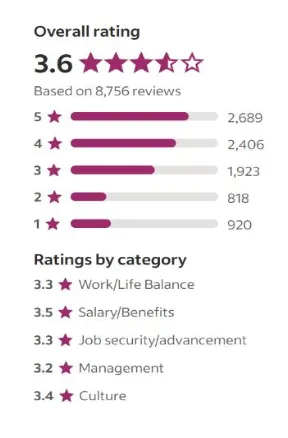
Figure 1- Employee feedback
Overall, this unethical treatment of employees in the manufacturing process addresses concerns about Zara’s ethical considerations and failure to provide fundamental human resource needs, positioning it as a socially irresponsible and unethical company.
Although there might be some possible bias when evaluating employee feedback, as these comments may not fully reflect the overall workforce experience.
Survey Shows Consumers Remain Largely Unconcerned
A survey was conducted using convenience sampling, which received 36 responses, with a mean age of 18.2, resulting in useful information about the general public’s knowledge of the unethical practises employed by Zara.
According to the survey results, 82% of respondents were Zara customers, and of those, 82.6% were overwhelmingly unaware of Zara's unethical practices.
Upon gaining this knowledge, 65% of respondents implied that this knowledge would not influence their future perception or purchasing behaviour towards Zara. This signifies the low level of interest consumers have towards the actions of the brand, meaning Zara could continue its unethical practices without any significant impact on its reputation or profitability, as consumers prioritise affordability and current trends over ethical practices while purchasing apparel products, highlighting their primary preferences.
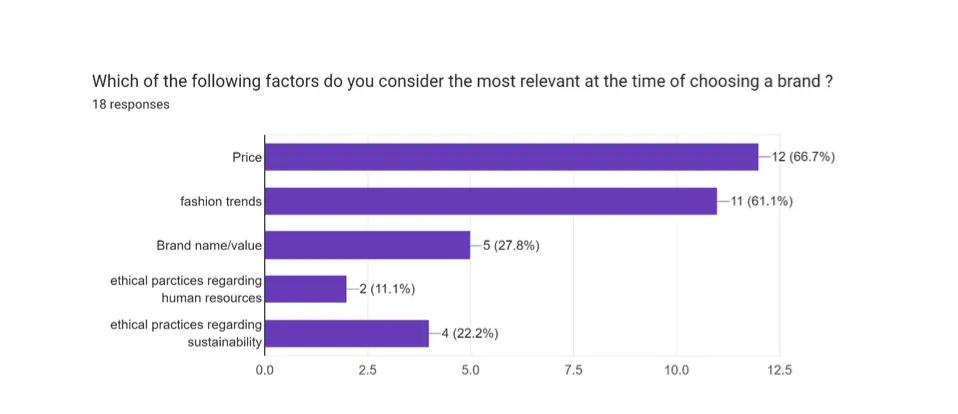
Figure 2- question from the survey: which of the following factors do you consider the most relevant at the time of choosing a brand?
The results clearly show that consumers prioritise low prices and trendy clothing over ethical considerations when making purchasing decisions, highlighting how ethical practices have a very low influence in the consumer decision-making process.
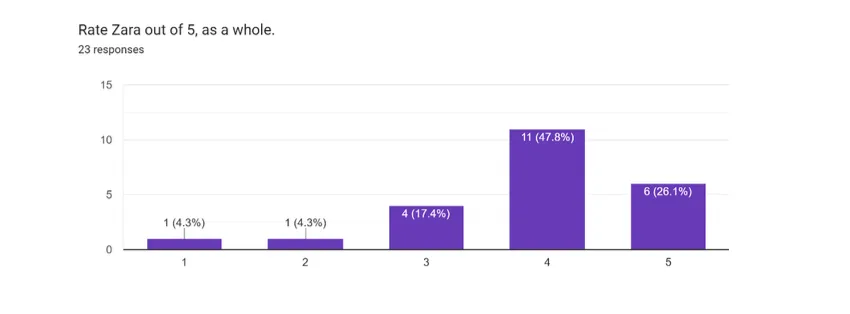
Figure 3- question from the survey: Rate Zara out of 5, as a whole
The survey results also show that even after knowing Zara’s unethical conduct, 73% of respondents rated Zara either a 4 or a 5. This suggests that ethical issues may have a limited impact on Zara's brand perception and customer loyalty, even when confronted with issues related to ethics and social responsibility.
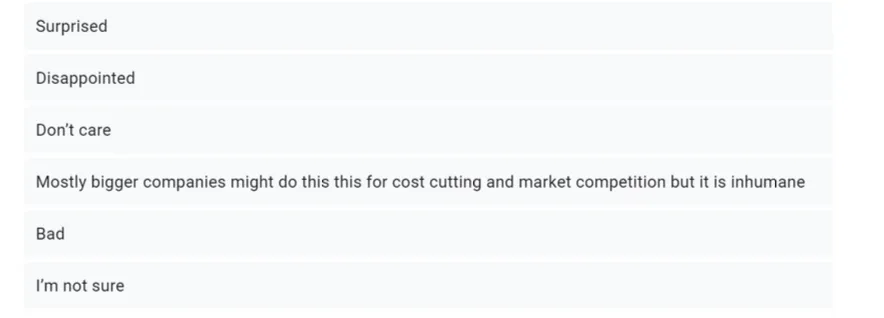
Figure 4- question from the survey: How do you feel about Zara, after knowing about their concerning morals?
Responses from participants after being informed about Zara’s unethical practises included disinterested comments, such as “I’m not sure”, “bad”, etc, highlighting ignorant consumer behaviour towards Zara.
Overall, through survey analysis, it can be concluded that people clearly lack knowledge regarding unethical labour practices employed by Zara and have a low interest towards them when making decisions on consuming Zara’s products.
This addresses how even after following unethical practises, Zara stands as the 2nd most valuable apparel brand globally.
However, the survey sample was relatively small; hence, caution should be used while generalising their results, as it may not fully represent the general thoughts and consumer perspective about Zara.
Financial Performance Continues to Rise
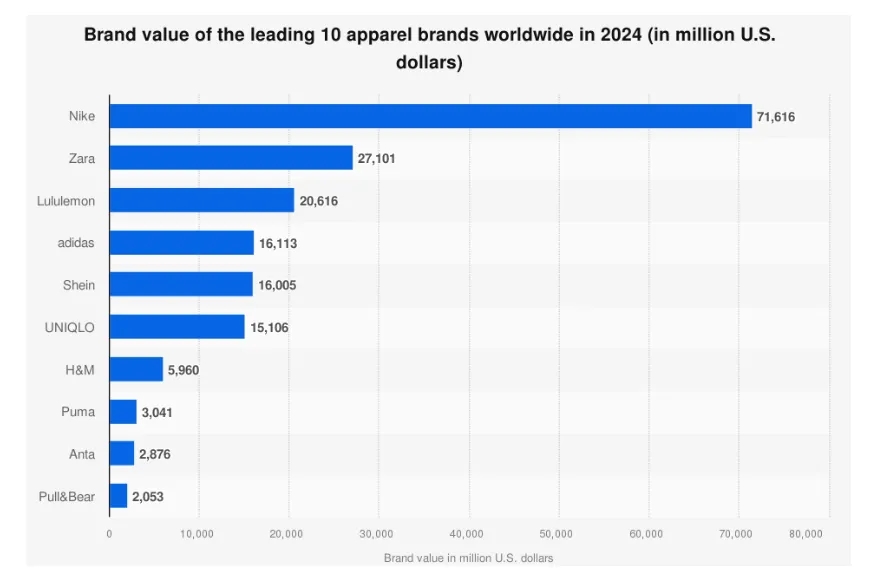
Figure 5- www.statista.com/statistics/267931/brand-value-of-the-leading-10-apparel-brands-worldwide/
As reflected in brand value rankings, Zara’s positive brand image is in 2nd position, which is due to indifferent consumer behaviour. Zara’s position remains unaffected even after following unethical labour practices.
Zara’s financial statements showcase a clear increase in ROCE by 11% between FY21-23, suggesting efficient use of capital to increase profitability, whereas an increase in profit margin, despite ethical concerns, suggests that consumers prioritise affordability and trends over ethics, as seen in the survey analysis as well.
This increase is supported by an increase in net sales, indicating more effective and profitable operations. Hence, it can be safely presumed that Zara is growing well, in terms of profitability, despite its unethical practices.
However, there is a decline in the rate of growth in the net sales between FY22- 23, which may be because of rising awareness among consumers, as consumers are getting more informed due to media activism, as well as stricter government regulations that regulate human resources, such as the recent implementation of Right to Disconnect laws followed by the Closing Loopholes Bill in Australia.
All of these factors pose a serious threat to Zara’s profitability and reputation, highlighting the need for change in its labour practises for a stable and profitable future.
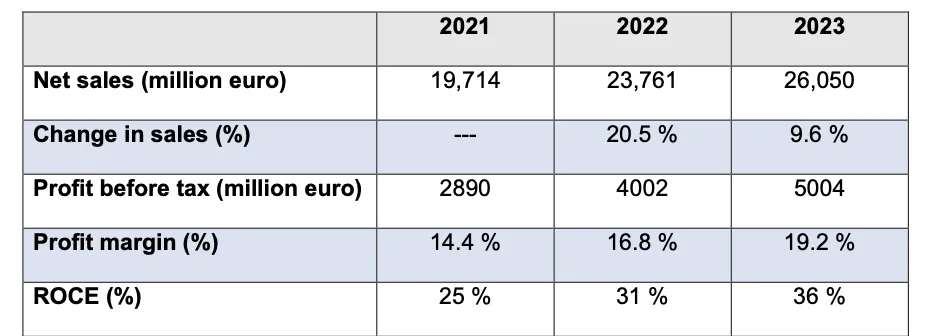
Table 1– Financial extracts and ratios from 2021-2023
Overall, currently, Zara has a strong financial position, indicating strong brand loyalty, and a perceived brand image that has remained unaffected by the unethical practices associated with Zara. The steady growth in net sales and general profitability further highlights its high perceived value, suggesting that these ethical concerns have had little to no impact on Zara's overall success in the clothing market. However, to maintain its brand image and retain customers in future, Zara needs to employ a more ethical approach in production because of rising awareness and activists.
Employees Have High Interest but Low Power
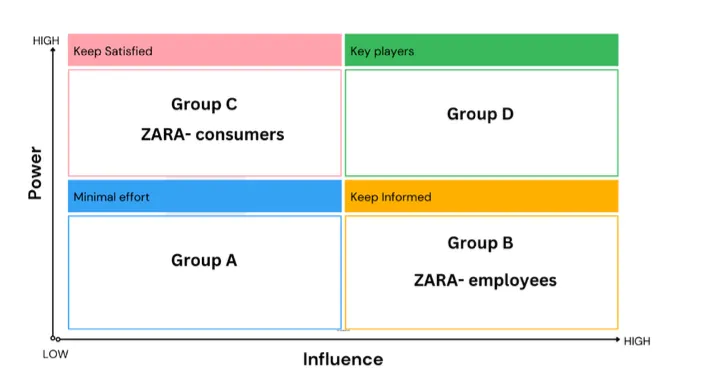
Figure 6- Stakeholder mapping
A stakeholder map is a structural tool used to determine the level of influence that each stakeholder holds. Zara’s customers can be positioned in Group C, which translates to a high degree of power, as the customers directly affect Zara’s financials; hence, they should be kept satisfied.
However, as evident in the survey and Zara’s financial statements and the survey analysis, most of Zara’s customers aren’t aware of its unethical practices and are unaffected by them, so it can be concluded that they have a low level of interest in the company’s practices, as consumers seem to prioritise their own benefits associated with affordability and trendiness over Zara’s ethical concerns.
Furthermore, Zara’s employees can be positioned in group B, as they have a high level of interest in Zara’s doings as they experience the effects of Zara’s unethical labour practices, and their well-being is heavily dependent on Zara’s corporate decisions and ethical behaviour.
Although they have a low level of power, as they lack significant influence over business decisions, as evident through ineffective industrial actions against Zara.
Therefore, Zara may employ unethical practises, in contradiction to its ethics reports; maintaining its strong financial position and positive brand image as well as retaining its customers due to consumer neglect and positive brand image. This suggests that Zara might continue unethical practices with minimal internal resistance by employees unless external pressures such as increased CSR regulations, consumer activism or industrial action involving boycotts interfere.
Long-Term Risks Could Threaten Zara’s Future
In conclusion, Zara's unethical labour practices have had minimal impact on its profitability, brand image, and overall market success. Despite the ethical issues identified in the labour practises of Zara, consumer behaviour seems to prioritise affordability and trendiness over ethical considerations, as evident through the survey results and increasing net sales by 30.1%, and NPM increased by 4.8%, highlighting increased profitability.
This research was mainly focused on the current impact of unethical practises employed by Zara, but not the future potential shifts in consumer response or governmental regulations, which should be considered for a more cohesive and comprehensive analysis.
Zara’s long-term success is certainly under possible threat, as growing awareness among consumers and increasing pressure for CSR could eventually influence consumer purchasing behaviour and increase stakeholder expectations, leading to potential industrial action or legal repercussions, as highlighted by the Canadian Ombudsperson for Responsible Enterprise (CORE), affecting its profitability and brand image.
Overall, answering the research question, Zara’s profitability and brand image remain unaffected currently, but changing ethical concerns, increasing awareness among consumers and stricter regulation may require changes in Zara, including increased transparency, rigorous labour laws, as well as more CSR initiatives to sustain long-term financial stability and a positive brand image.
Funding Sources
The author declares that there were no funding sources related to this work.
Conflicts of Interest
The author declares that there are no conflicts of interest related to this work.
REFERENCES

Gauri Kumar*, Zara’s Unethical Labour Practices Continue Despite Strong Brand Image And Profitability, Int. J. Sci. R. Tech., 2026, 3 (8), 1077-1083. https://doi.org/10.5281/zenodo.22206930
 10.5281/zenodo.22206930