View Article

Abstract

Herbal dentifrices are products used to keep the mouth clean, fresh, and healthy. They help prevent bad breath, tooth decay, and gum problems. Nowadays, many people prefer herbal tooth powders because they are made from natural ingredients and have fewer side effects compared to chemical-based tooth powders. This review focuses on the preparation of a herbal tooth powder made from natural ingredients with antibacterial and antiseptic properties. The ingredients used include ginger, turmeric, baking soda, camphor, amla powder, stevia powder, pink Himalayan salt, and lemon. These herbs and natural substances help clean the teeth, reduce germs, freshen breath, and protect against tooth decay. The prepared tooth powder was checked for different qualities such as colour, smell, taste, stability, foam-forming ability, and abrasiveness to ensure it is safe and effective for dental care. The study showed that herbal tooth powder can be a good and natural alternative for maintaining oral hygiene and preventing dental problems. Powders are solid medicines commonly used in pharmacy and healthcare. Herbal tooth powder is a traditional product used not only for cleaning teeth but also for treating different oral problems such as gum disease, tooth sensitivity, tooth erosion, and toothache. This study was carried out to prepare a herbal tooth powder using natural ingredients like clove, ritha, babool, tulsi, pink salt, fennel, alum, mentha, and amla. Dentifrices are products used to maintain oral hygiene, keep the mouth fresh, and prevent tooth decay. Herbal tooth powders are becoming popular because they are made from natural ingredients and may have fewer side effects than synthetic products.The prepared tooth powder was tested for different qualities such as colour, smell, taste, stability, foam-forming ability, and abrasiveness. These tests were done to make sure the tooth powder is safe, effective, and suitable for dental care. The results showed that the herbal tooth powder met the required standards and can be used for maintaining good oral hygiene. Dentifrices are products used to keep the mouth clean and fresh and to prevent tooth decay. Oral hygiene can be maintained throughout the day by using different dentifrices made from herbal or synthetic ingredients. This study was carried out to prepare a herbal tooth powder that can help maintain proper oral hygiene and reduce the side effects caused by conventional tooth powders made with synthetic ingredients. Herbal tooth powders are made from different natural ingredients and are available in many varieties in the market. Modern methods are useful for checking the quality and standardization of these herbal products. Many consumers believe that herbal tooth powders are safer, more effective, and less harmful than chemical-based products. This study was carried out to prepare a herbal tooth powder using ingredients such as clove, neem, ritha, babool, tulasi, black salt, stevia leaf, cinnamon, fennel, alum, mentha, and camphor. These ingredients have natural antibacterial and cleansing properties that help maintain oral hygiene.

Keywords

Dentifrices, Powders, toothache, dental problems, foam-forming, tooth sensitivity.

Introduction

× Popup Image

Oral hygiene is very important for maintaining good health, appearance, and self-confidence. A tooth has two main parts: the crown and the root. The outer layer of the crown is called enamel, which is the hardest part of the tooth. Enamel is mainly made of a substance called hydroxyapatite along with water and keratin. Beneath the enamel is dentine, which also contains hydroxyapatite, collagen, and water. Fluorine is an important component of dentine.

The mouth contains not only teeth but also saliva, which helps in chewing and swallowing food easily. Saliva keeps the mouth moist and maintains a healthy environment in the mouth. It is produced continuously by different glands such as labial, lingual, buccal, and palatal glands. Saliva contains proteins, enzymes, bacteria, mucus, and minerals like calcium, sodium, potassium, chloride, and phosphate ions .Common dental problems include plaque, calculus (tartar), and periodontal diseases. These problems are mainly caused by bacterial action and the deposition of minerals on the teeth .Keeping teeth clean is important for maintaining good appearance, confidence, and overall oral health. Tooth powder helps maintain oral hygiene by removing food particles and dental plaque from the teeth. It also helps prevent gum disease, cavities, bad breath, and tooth discoloration.

Tooth powder and toothpaste contain similar ingredients, but toothpaste also contains water, binding agents, and substances that keep it moist. The main purpose of tooth powder is to clean the tooth surface effectively. Dentifrices are products used for cleaning teeth and preventing dental problems such as tooth decay and bad breath .Dentifrices can be prepared using natural or synthetic ingredients. Nowadays, herbal formulations are becoming more popular because they are considered safer and cause fewer side effects compared to synthetic products .Many types of toothpastes and tooth powders with different ingredients are available in the market.

Modern methods are useful for checking the quality and standardization of herbal medicines and their formulations. Many consumers believe that herbal toothpaste products are safe, effective, and less harmful .This study was carried out to prepare a herbal tooth powder using natural ingredients such as clove. These ingredients help maintain oral hygiene and protect the teeth and gums Tooth decay is an infectious disease that damages the teeth and gums. If it is not treated, it can continue to spread and may lead to tooth loss. The mouth normally contains harmless bacteria, but when the balance of these bacteria changes, it can cause dental problems and tooth decay. Streptococcus mutans is one of the main bacteria responsible for the development of dental caries (cavities).

According to the World Health Organization (WHO), about 80% of the world’s population, especially in developing countries, depends on plant-based medicines for healthcare. Interest in traditional and herbal medicine is increasing worldwide. Natural products are considered safe, affordable, and effective alternatives to chemical medicines, which may cause side effects and bacterial resistance. India is well known for its ancient medicinal systems and the use of natural remedies .Dentifrices are products used to prevent and control bad breath and tooth decay. They can be prepared using natural or synthetic ingredients. .Tooth powders and toothpastes contain abrasive substances that help clean the teeth. When rubbed on the teeth, they help remove food particles, plaque, and mineral deposits, keeping the teeth clean and healthy.

TYPES OF HERBAL TOOTH POWDER

  1. Herbal Tooth Powder

These are made from natural plant-based ingredients such as neem, clove, babool, tulasi, and other herbs.

  • Advantages: Safe, fewer side effects, eco-friendly
  • Uses: Prevents gum diseases, reduces bad breath, and maintains oral hygiene
  1. Medicated Tooth Powder

These contain active medicinal agents like antiseptics, antibiotics, or fluoride.

  • Advantages: Effective in treating specific dental problems
  • Uses: Gum infections, tooth sensitivity, plaque control
  1. Cosmetic Tooth Powder

These are mainly used for cleaning and improving the appearance of teeth.

  • Advantages: Helps in whitening and polishing teeth
  • Uses: Removing stains and maintaining fresh breath
  1. Anti-Caries Tooth Powder

Formulated to prevent tooth decay by strengthening enamel.

  • Key Ingredients: Fluoride compounds
  • Uses: Prevents cavities and protects teeth
  1. Astringent Tooth Powder

Contains substances like alum that tighten gums.

  • Advantages: Reduces gum bleeding and strengthens tissues
  • Uses: Gingivitis and weak gums
  1. Desensitizing Tooth Powder

Designed for people with sensitive teeth.

  • Key Ingredients: Potassium nitrate or similar agents
  • Uses: Reduces tooth sensitivity to hot, cold, or sweet foods
  1. Abrasive Tooth Powder

Contains mild abrasives like calcium carbonate.

  • Advantages: Helps remove plaque and stains
  • Uses: Cleaning and polishing teeth

DRUG PROFILE

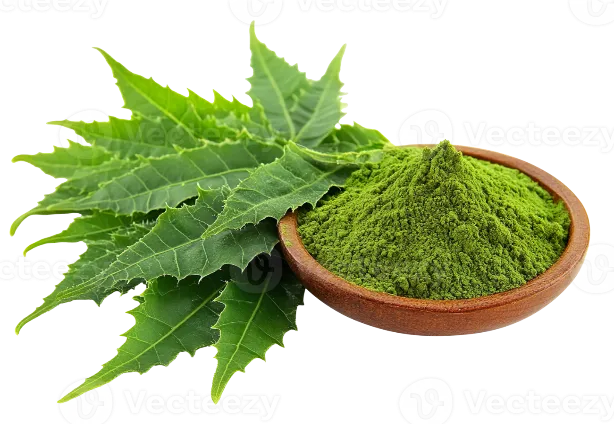
  1. NEEM:

Synonyms: Holy tree, Margosa

Biological Source: It is obtained from fully matured seeds of Azadirachta indica Linn.

Family: Meliaceae.

Chemical Constituents: It contains glycerides of saturated and unsaturated fatty acids. The main fatty acids are oleic (50 per cent) and stearic (20 per cent) acids. It contains nimbidin, nimbin, nimbinin and nimbidol. The unsaponifiable part contains nimbosterol  (0.03 per cent).

Uses:

  • Nimbin, nimbidin and related compounds possess anti-viral activity.
  • As non-edible oil, it is used for soap making and for manufacture of oleic and stearic acids.
  • It is indicated in rheumatism and also as a pesticide and in medicated soaps for skin diseases.
  1. TULSI:

Synonyms: sacred Basil, Holy Basil. 

Biological Source: Tulsi consist of fresh and dried leaves of Ocimium sanctum Linn. 
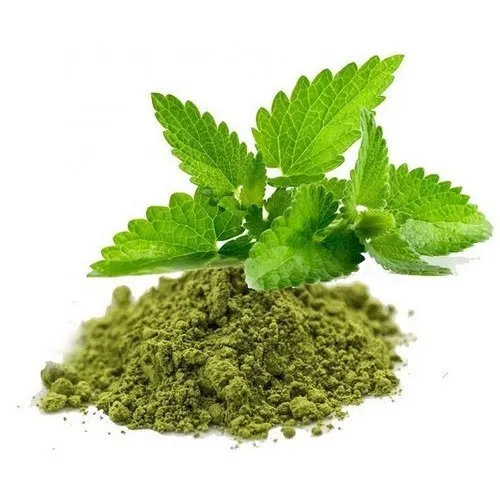
Family: lamiaceae. 

Chemical Constituents: Tulsi leaves contain bright, yellow coloured and pleasant volatile oil ( 0.1-0.9 percent). It contains approximately 70percent Eugenol, Carvacol, (3percent) and eugenol-methyl- ether(20) percent. It also contains Caryophyllin.

Uses:
  • It has Anti inflammatory properties.
  • used as stimulant.
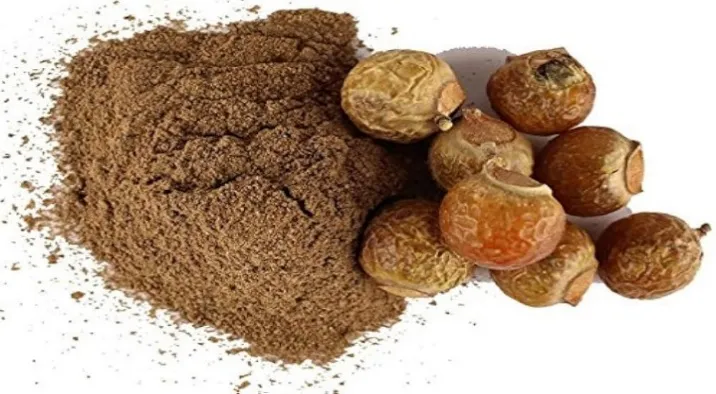
  1. RITHA:

Synonyms: Soapnut, Soapberry, Washnut, Ritha,Aritha. 

Biological Source: It is obtained from Sapindus mukorossi.

Family: Sapindaceae.

Chemical Constituents: Saponins are the major active constituent of the fruit pulp. Mukorosside is one of the saponins isolated from the fruit rind1.

Uses:

  • Soapnuts are used to get rich foam and pleasant aroma.
  • Soapnuts are used as detergent for washing cloth before dying.
  1. PUDINA:

Synonyms: Oleum mentha piperita, Colpermin, Mentha Oil. 

Biological Source: It is obtained from fresh flowering tops of the plants known as Mentha piperita Linn. 

Family: Labiatae. 
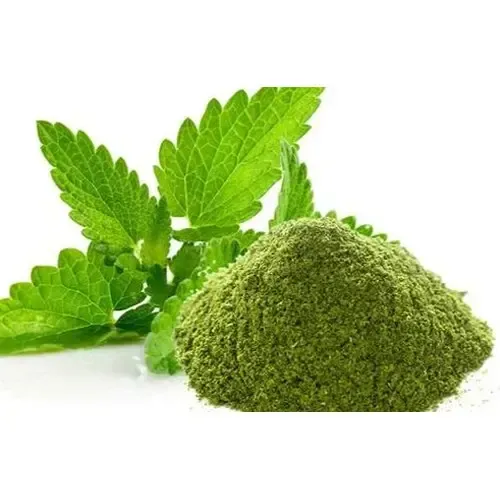
Chemical Constituents: Peppermint oil contains chiefly menthol to the extent of 70 per cent. Other important constituents of the peppermint oil are menthone, menthofuran, jasmone, menthyl acetate. Uses:
  • Peppermint or Mentha oil is used as carminative (prevent flatulence) stimulant, and flavouring agent.
  • It has mild antiseptic properties too.
  • Both mentha oil and menthol have calcium channel blocking activity causing spasmolyjc and smooth muscle relaxant effects, and hence useful in irritable bowel syndrome.
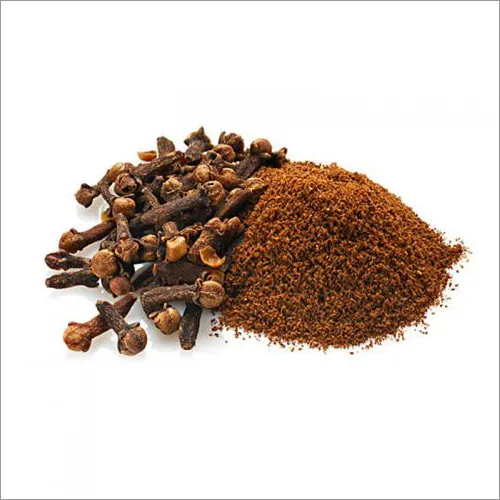
  1. CLOVE:

Synonyms: Caryophyllum, Clove flower, Clove buds. 

Biological Source: Colve consists of dried flower buds Of Eugenia caryophyllus. It should contain not less than 7.0 per cent (w/w) Of eugenol calculated on dried basis.

Family: Myrtaceae

Chemical Constituents: Clove contains about 15 to 20 percent of volatile Oil, 10 percent to 13 percent of tannin (gallotannic acid), resin, chromone and eugenin. The volatile oil of the drug contains eugenol (about 70 to 90 percent).

Uses:

  • Clove is used as a dental analgesic, carminative, stimulant, flavouring agent, an aromatic and antiseptic.
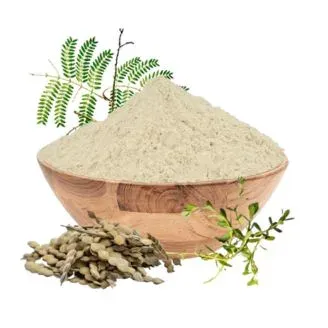
  1. BABOOL:

Synonyms: vachellia nilotica. 

Biological source: It is native to Africa, the Middle East and the Indian subcontinent. It is also considered a 'weed of national significance' and an invasive species of concern in Australia, as well as a noxious weed by the federal government of the United States.
Family: leguminocae.

Chemical constituents: Gum of the tree contains calcium, magnesium and potassium, malic acid, sugar. Bark and pods contain a large quantity of tannins.

Uses:
  • Babool gum is an excellent healer due to its Ropan (healing) and Kashaya(astringent) ( properties. ... Skin disease.
  • Babool bark powder cures skin problems like eczema and fungal infection due to its Kashaya (astringent) quality.
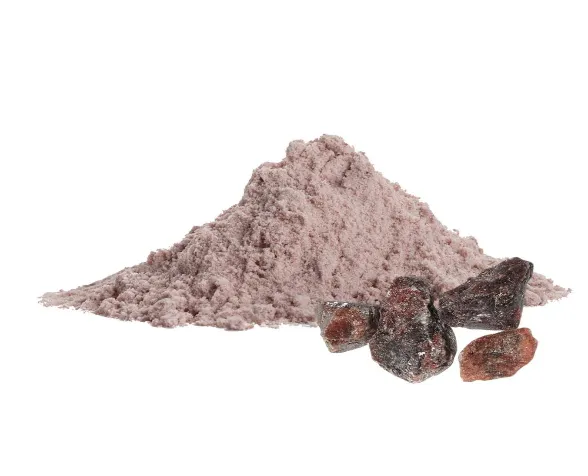
  1. BLACK SALT:

Synonyms: Himalayan salt and sulemani salt.

Chemicals compositions: Black salt mainly consists of sodium chloride and a trace amount of sodium sulphate, sodium bisulfate, sodium bisulfite, sodium sulfide, iron sulfide and hydrogen sulfide. Due to the presence of iron and other minerals, the salt is pinkish grey in color

Uses:

  • Black salt has antioxidant properties and has surprisingly low sodium levels.
  • It also contains important minerals like iron, calcium, and magnesium, which are essential to healthy bodies.
  • Black salt stimulates bile production in the liver, and helps control heartburn.
  1. CINNAMON:

Synonyms: amber, bay, beige, bister, brick, bronze, buff, chestn.
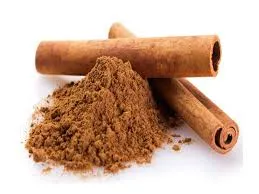
Chemical Composition: cinnamaldehyde, cinnamate, cinnamic acid, and numerous essential oils Nees.

family: Lauraceae Biological source: Cinnamon is the dried inner bark of the coppiced shoots of Cinnamomum zeylanicum.

Uses:
  • It can lower blood sugar levels, reduce heart disease risk factors and has a plethora of other impressive health benefits.
  • Just make sure to get Ceylon cinnamon or stick to small doses if you're using the Cassia variety.
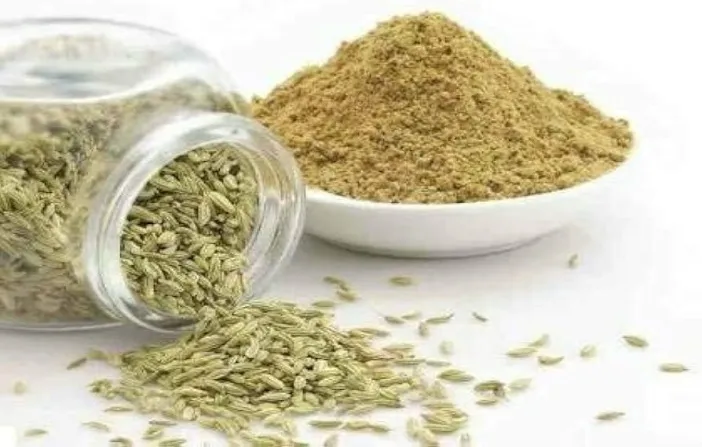
  1. FENNEL:

Synonyms: sauf

Biological source: fennel, (Foeniculum vulgare), perennial herb of the carrot.

Family: Apiaceae

Chemical constituents: Fennel contains volatile oil (1-4%), fixed oil (9-12%) and proteins (20%). Uses:

  • Fennel is used for various digestive problems including heartburn, intestinal gas, bloating, loss of appetite, and colic in infants.
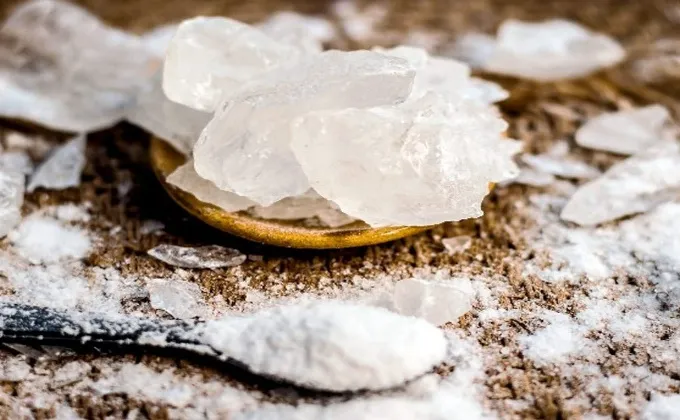
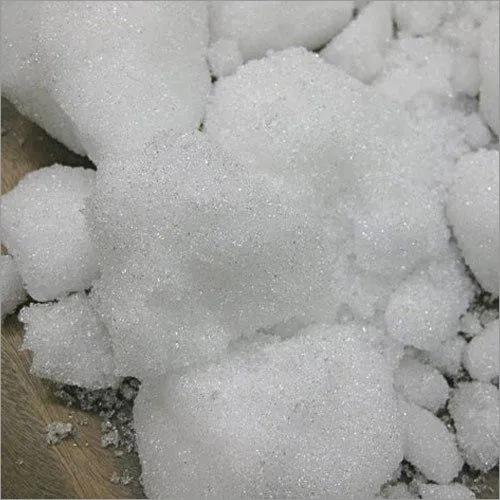
  1. ALLUM:

Synonyms: Turuti

Uses: purification of drinking water as a chemical flocculant. in styptic pencil to stop bleeding from minor cuts.
  1. CAMPHOR:


Synonyms: Kapur 

Biological source:- camphor laurel (Cinnamomum camphora) 

Chemical constituents:- camphor (51.3%), 1,8-cineole (4.3%), and α- terpineol (3.8%) 

Uses:-

  • Reduce pain related to cold sores, insect stings and bites, minor burns, and hemorrhoids.

INGREDIENT TABLE

Sr. no.

Ingredients

Quantity

1

Neem

3.5 g

2

Tulsi

8.85 g

3

Ritha

5.0 g

4

Pudina

17.39 g

5

Clove

7.0 g

6

Babool

16.0 g

7

Black salt

10.98 g

8

Cinnamon

4.78 g

9

Fennel

13.0 g

10

Allum

10.0 g

11

Camphor

3.5 g

METHODS OF PREPARATION

  1. Collection Of Ingredients

All required herbal ingredients such as clove, neem, ritha, babool, tulasi, cinnamon, fennel, alum, mentha, camphor, and black salt are collected in pure and dried form.

  1. Drying Of Raw Materials
  • Fresh plant materials (neem leaves, tulasi, babool bark, etc.) are washed to remove dirt.
  • They are dried under shade (not direct sunlight) to preserve active constituents.
  • Drying is continued until moisture is completely removed.
  1. Size Reduction (Powdering)
  • Each dried ingredient is separately ground using a grinder or mortar and pestle.
  • Hard materials like clove, cinnamon, and alum are finely powdered.
  1. Sieving
  • The powdered materials are passed through a fine sieve (e.g., sieve no. 80)
  • This ensures uniform particle size and smooth texture of the tooth powder.
  1. Weighing
  • Each ingredient is accurately weighed according to the required formulation ratio.
  1. Mixing
  • All powdered ingredients are mixed thoroughly in a clean, dry mortar or mixing vessel.
  • Mixing should be done uniformly to ensure even distribution of all components.
  1. Addition Of Volatile Components
  • Mentha (mint) and camphor are added at the final stage.
  • These are mixed gently to avoid loss of volatile oils and aroma.
  1. Final Sieving (Optional)
  • The final mixture may be sieved again to ensure uniform blending.
  1. Packaging
  • The prepared tooth powder is stored in airtight containers.
  • It should be kept in a cool, dry place to maintain stability and prevent moisture absorption.
  1. Labeling

The container is labeled with formulation name, ingredients, date of preparation, and storage instructions.

CONCLUSION

The present study successfully formulated a herbal tooth powder using natural ingredients such as clove, neem, ritha, babool, tulasi, black salt, cinnamon, fennel, alum, and camphor. The selected ingredients are well known for their antimicrobial, astringent, cleansing, and refreshing properties, which contribute to overall oral health.

The prepared formulation showed satisfactory results in all evaluation parameters. It exhibited acceptable organoleptic characteristics, including pleasant odor, suitable taste, and smooth texture, ensuring good user compliance. The physicochemical properties such as pH, moisture content, and particle size were found to be within acceptable limits, indicating safety and stability of the formulation.

The herbal tooth powder demonstrated effective cleaning ability with mild abrasiveness, ensuring removal of stains and plaque without damaging tooth enamel. The presence of ingredients like neem, clove, and tulasi contributed to significant antimicrobial activity against oral pathogens, helping in the prevention of dental caries and gum infections.

REFERENCES

  1. Shashikiran ND. Pharmacognosy. Journal of Indian Society of Pedodontics and Preventive Dentistry. 2016;34(2):103–103. Available from: 10.4103/0970-4388.180371.
  2. & Nimisha N. Formulation and evaluation of herbal shampoo having antimicrobial potential. International Journal of Pharmacy and Pharmaceutical Sciences. 2013;5:708–712.
  3. Haque M, Singh AK, Maurya SK, Seth A. Formulation development, physico-chemical characterization and evaluation of antimicrobial activity of herbal tooth gel. Journal of Chemical and Pharmaceutical Research. 2014;6(3):1279–1285.
  4. Saliasi I, Llodra J, Bravo M, Tramini P, Dussart C, Viennot S, et al. Effect of a Toothpaste/Mouthwash Containing Carica papaya Leaf Extract on Interdental Gingival Bleeding: A Randomized Controlled Trial. International Journal of Environmental Research and Public Health. 2018;15(12):2660–2660. Available from: 10.3390/ijerph15122660 .
  5. Mohire N, Yadav A. Chitosan-based polyherbal toothpaste: As novel oral hygiene product. Indian Journal of Dental Research. 2010;21(3):380– 380. Available from: 10. 4103/0970-9290.70808.
  6. Al-Kholani AI. Comparison between the Efficacy of Herbal and Conventional Dentifrices on Established Gingivitis. Dental Research Journal. 2011;8(2):57–63.
  7. Mealey BL, Rose LF. Diabetes mellitus and inflammatory periodontal diseases. Current Opinion in Endocrinology, Diabetes 1097/med.0b013e3282f824b7. and Obesity. 2008;15(2):135–141. Available from:
  8. Gupta N, Patel AR, Ravindra RP. Design of Akkalkara (Spilanthes acmella) formulations for antimicrobial and topical anti-inflammatory activities. International Journal of Pharma and Bio Sciences. 2012;3(4):161– 170. Copyright:
  9. Saliasi I, Llodra J, Bravo M, Tramini P, Dussart C, Viennot S, et al. Effect of a Toothpaste/Mouthwash Containing Carica papaya Leaf Extract on Interdental Gingival Bleeding: A Randomized Controlled Trial. International Journal of Environmental Research and Public Health. 2018;15(12):2660–2660. Available from: 10.3390/ijerph15122660.
  10. Mohire N, Yadav A. Chitosan-based polyherbal toothpaste: As novel oral hygiene product. Indian Journal of Dental Research. 2010;21(3):380– 380. Available from: 10. 4103/0970-9290.70808.
  11. Al-Kholani AI. Comparison between the Efficacy of Herbal and Conventional Dentifrices on Established Gingivitis. Dental Research Journal. 2011;8(2):57–63.
  12. Mucosal Diseases. Annals of the New York Academy of Sciences, 1998; 842: 1, 156–162. http://dx.doi.org/ 10.1111/j.1749-6632.1998.tb09643.x
  13. AI Kholani, Comparison between the Efficacy of Herbal and Conventional Dentifrices on Established Gingivitis, Dental Research Journal (Isfahan). Springer, 2011; 8(2): 57-63.
  14. NC Mohire, AV Yadav, Chitosan-based polyherbal toothpaste: as novel oral hygiene product, Indian Journal of Dental Research, 2010; 21(3): 380- 384. http://dx.doi.org/10.4103/0970- 9290.70808.
  15. PP Sharma, Cosmetics: formulation, manufacture, quality control, 7th edn., Pardana publication Pvt ltd, 507- 19.
  16. CK Kokate, AP Purohit, Pharmacognosy, 4th edn, Nirali Prakasan, 11: 81-94. 19. AR Pradeep, E Agarwal, SB Naik, Clinical and Microbiological Effects of Commercially Available Dentifrices Containing Aloe vera: A Randomized Controlled Clinical Trial, Journal of Periodontology, 2011;

Reference

  1. Shashikiran ND. Pharmacognosy. Journal of Indian Society of Pedodontics and Preventive Dentistry. 2016;34(2):103–103. Available from: 10.4103/0970-4388.180371.
  2. & Nimisha N. Formulation and evaluation of herbal shampoo having antimicrobial potential. International Journal of Pharmacy and Pharmaceutical Sciences. 2013;5:708–712.
  3. Haque M, Singh AK, Maurya SK, Seth A. Formulation development, physico-chemical characterization and evaluation of antimicrobial activity of herbal tooth gel. Journal of Chemical and Pharmaceutical Research. 2014;6(3):1279–1285.
  4. Saliasi I, Llodra J, Bravo M, Tramini P, Dussart C, Viennot S, et al. Effect of a Toothpaste/Mouthwash Containing Carica papaya Leaf Extract on Interdental Gingival Bleeding: A Randomized Controlled Trial. International Journal of Environmental Research and Public Health. 2018;15(12):2660–2660. Available from: 10.3390/ijerph15122660 .
  5. Mohire N, Yadav A. Chitosan-based polyherbal toothpaste: As novel oral hygiene product. Indian Journal of Dental Research. 2010;21(3):380– 380. Available from: 10. 4103/0970-9290.70808.
  6. Al-Kholani AI. Comparison between the Efficacy of Herbal and Conventional Dentifrices on Established Gingivitis. Dental Research Journal. 2011;8(2):57–63.
  7. Mealey BL, Rose LF. Diabetes mellitus and inflammatory periodontal diseases. Current Opinion in Endocrinology, Diabetes 1097/med.0b013e3282f824b7. and Obesity. 2008;15(2):135–141. Available from:
  8. Gupta N, Patel AR, Ravindra RP. Design of Akkalkara (Spilanthes acmella) formulations for antimicrobial and topical anti-inflammatory activities. International Journal of Pharma and Bio Sciences. 2012;3(4):161– 170. Copyright:
  9. Saliasi I, Llodra J, Bravo M, Tramini P, Dussart C, Viennot S, et al. Effect of a Toothpaste/Mouthwash Containing Carica papaya Leaf Extract on Interdental Gingival Bleeding: A Randomized Controlled Trial. International Journal of Environmental Research and Public Health. 2018;15(12):2660–2660. Available from: 10.3390/ijerph15122660.
  10. Mohire N, Yadav A. Chitosan-based polyherbal toothpaste: As novel oral hygiene product. Indian Journal of Dental Research. 2010;21(3):380– 380. Available from: 10. 4103/0970-9290.70808.
  11. Al-Kholani AI. Comparison between the Efficacy of Herbal and Conventional Dentifrices on Established Gingivitis. Dental Research Journal. 2011;8(2):57–63.
  12. Mucosal Diseases. Annals of the New York Academy of Sciences, 1998; 842: 1, 156–162. http://dx.doi.org/ 10.1111/j.1749-6632.1998.tb09643.x
  13. AI Kholani, Comparison between the Efficacy of Herbal and Conventional Dentifrices on Established Gingivitis, Dental Research Journal (Isfahan). Springer, 2011; 8(2): 57-63.
  14. NC Mohire, AV Yadav, Chitosan-based polyherbal toothpaste: as novel oral hygiene product, Indian Journal of Dental Research, 2010; 21(3): 380- 384. http://dx.doi.org/10.4103/0970- 9290.70808.
  15. PP Sharma, Cosmetics: formulation, manufacture, quality control, 7th edn., Pardana publication Pvt ltd, 507- 19.
  16. CK Kokate, AP Purohit, Pharmacognosy, 4th edn, Nirali Prakasan, 11: 81-94. 19. AR Pradeep, E Agarwal, SB Naik, Clinical and Microbiological Effects of Commercially Available Dentifrices Containing Aloe vera: A Randomized Controlled Clinical Trial, Journal of Periodontology, 2011;

Photo
Prathamesh Wadkar
Corresponding author

Mandesh Institute of Pharmaceutical Science and Research Center, Mhaswad. Dr. Babasaheb Ambedkar Technological University, Lonere, Raigad MS India- 415509

Photo
Rushal Shirkule
Co-author

Mandesh Institute of Pharmaceutical Science and Research Center, Mhaswad. Dr. Babasaheb Ambedkar Technological University, Lonere, Raigad MS India- 415509

Photo
Vetal Kodalkar
Co-author

Mandesh Institute of Pharmaceutical Science and Research Center, Mhaswad. Dr. Babasaheb Ambedkar Technological University, Lonere, Raigad MS India- 415509

Photo
Sonali Kodalkar
Co-author

Mandesh Institute of Pharmaceutical Science and Research Center, Mhaswad. Dr. Babasaheb Ambedkar Technological University, Lonere, Raigad MS India- 415509

Prathamesh Wadkar*, Rushal Shirkule, Vetal Kodalkar, Sonali Kodalkar, A Review On Herbal Tooth Powder, Int. J. Sci. R. Tech., 2026, 3 (5), 835-842. https://doi.org/10.5281/zenodo.20377167

More related articles
Development of A Novel Herbal Chewable Tablet for ...
Ujjwal Khairnar, Gaurav Bharti, Rushikesh Hire, Rameshwar Chole...
A Detailed Review of Emerging Therapy for Oral Hea...
Divya Gore, Ankita Deokar, Swapnil Kale, Tanuja Pawar, Divya Bhor...
Formulation and Evaluation of Poly Herbal Face Pac...
Harshal Mahajan, Dr. P. R. Tathe, Dr. P. R. Laddha, Dr. G. R. Sit...
Related Articles
Formulation and Development of Dental Gel for Anti-Inflammatory as Well As Analg...
Chandraprabha Dewangan, Dr. Rajesh Kumar Nema, Yogita Sahu, Suman Sahu, Denees Sinha, Devid Patel, S...
Daily Obstacles First- and Second-Year Dental Students Face During their College...
S. Gowtham Raj, G. Shruthi Priya, M. Kamali, R. Kavyapriya, C. Selvakumar, S. Gopikrishna, M. Hariha...
Development of A Novel Herbal Chewable Tablet for Dental Caries Treatment...
Ujjwal Khairnar, Gaurav Bharti, Rushikesh Hire, Rameshwar Chole...
More related articles
Development of A Novel Herbal Chewable Tablet for Dental Caries Treatment...
Ujjwal Khairnar, Gaurav Bharti, Rushikesh Hire, Rameshwar Chole...
A Detailed Review of Emerging Therapy for Oral Health...
Divya Gore, Ankita Deokar, Swapnil Kale, Tanuja Pawar, Divya Bhor, Sneha Kanase...
Formulation and Evaluation of Poly Herbal Face Pack...
Harshal Mahajan, Dr. P. R. Tathe, Dr. P. R. Laddha, Dr. G. R. Sitaphale, Satyashila Mhaske...
Development of A Novel Herbal Chewable Tablet for Dental Caries Treatment...
Ujjwal Khairnar, Gaurav Bharti, Rushikesh Hire, Rameshwar Chole...
A Detailed Review of Emerging Therapy for Oral Health...
Divya Gore, Ankita Deokar, Swapnil Kale, Tanuja Pawar, Divya Bhor, Sneha Kanase...
Formulation and Evaluation of Poly Herbal Face Pack...
Harshal Mahajan, Dr. P. R. Tathe, Dr. P. R. Laddha, Dr. G. R. Sitaphale, Satyashila Mhaske...