

We use cookies to ensure our website works properly and to personalise your experience. Cookies policy
Department of Chemistry, Surabhi Dayakar Rao College of Pharmacy, Rimmanaguda, Gajwel, Siddipet, Telangana-502312
The integration of artificial intelligence (AI) in drug discovery has revolutionized the pharmaceutical field AI has ability to analyze vast amounts of data and information , identify patterns, and predict outcomes has accelerated the discovery process, reducing time and costs. This review highlights the role of AI in drug discovery, from target selection and validation to compound screening and lead optimization. AI-powered tools, such as machine learning algorithms and deep learning models, have been successfully applied in medical diagnoses, cellular image analysis, and chemical synthesis. The advantages of AI in drug discovery include enhanced computational power, improved accuracy, and the ability to identify potential drug candidates. However, limitations such as data quality, lack of originality, and high costs need to be addressed. Applications of AI in drug discovery include targeted therapeutic particles, between drug- drug interaction identification, and clinical trial design. Future directions include the development of more sophisticated AI models, integration with omics research, and personalized medicine. AI is poised to transform the pharmaceutical industry, enabling the development of novel therapeutic particles and improving treatment outcomes and results. By leveraging AI's potential, researchers can accelerate the discovery of new drugs, reduce costs, and ultimately improve human health. As the field continues to evolve, it is essential to address the challenges and limitations associated with AI in drug discovery, ensuring the development of effective and safe therapeutics
Artificial Intelligence (AI) is a scientific field that focuses on developing intelligent machines, particularly computer programs capable of performing tasks that resemble human thinking and decision-making processes. It involves collecting data, building systems to process that data effectively, drawing conclusions (either precise or approximate), and continuously improving through self-learning mechanisms. In general, AI relies on machine learning techniques to replicate human cognitive abilities. It is widely used to perform accurate data analysis and to generate meaningful interpretations. AI integrates statistical methods with computational intelligence to enhance its performance and efficiency. Although advancements in AI have raised concerns about potential job loss, most developments are positively received due to their significant contributions to industrial growth and productivity finding and developing new drugs is a difficult, costly, and time-consuming process. A new drug's development often costs billions of dollars and takes more than ten years. This field has seen a revolution in the use of AI, which provides data-driven insights and automation to expedite several phases of drug research. Artificial Intelligence uses neural networks, computational models, and algorithms to improve clinical trials, forecast efficacy, and improve medication formulation. With an emphasis on target identification, molecular docking, medication repurposing, and clinical trial optimization, this paper examines how artificial intelligence.1,2,3
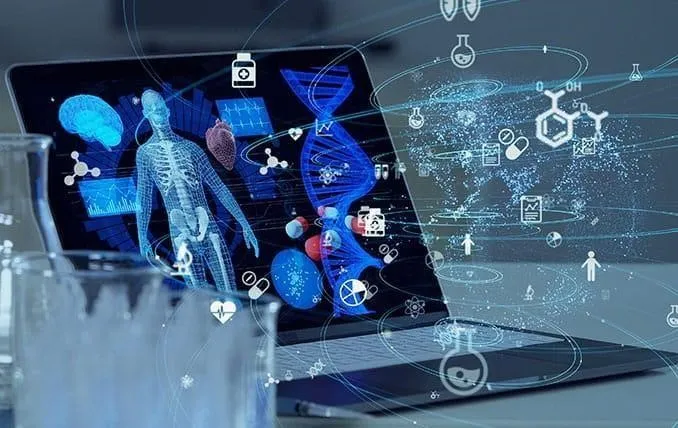
Figure1: Developing new tools to accelerate spatial genomics and drug discovery
AI in drug discovery:
Target Identification and Validation:
AI-powered computational biology plays a crucial role in identifying and validating drug targets by analyzing genomic, proteomic, and transcriptomic information. Machine learning techniques enhance precision medicine by processing extensive datasets to discover novel biomarkers and disease associated genes
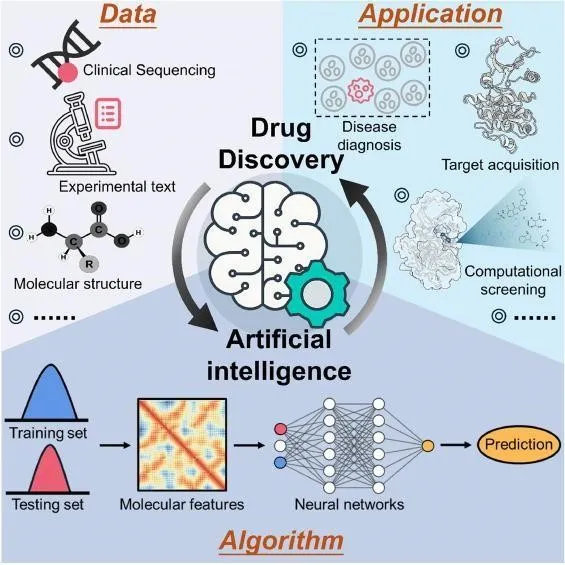
Figure 2: Role of AI in revolutionizing drug discovery
De Novo Drug Design:
AI-based generative models, including variational autoencoders (VAEs) and generative adversarial networks (GANs), have significantly advanced de novo drug design by enabling the creation of novel molecular structures. These models can be tailored to generate compounds with desired pharmacokinetic and pharmacodynamic properties. Furthermore, AI tools such as DeepChem, ChemProp, and gentrl facilitate rapid molecular optimization, reducing reliance on extensive trial and-error experimentation.
Virtual Screening and Molecular Docking:
Molecular docking combined with AI-powered virtual screening enhances the discovery of lead compounds with strong binding potential. Advanced deep learning models can predict interactions between molecules, aiding in the identification of promising drug candidates. Additionally, AI-driven platforms such as AlphaFold, AtomNet, and AutoDock are utilized to predict protein–ligand interactions and support the optimization of compounds with favourable drug-like properties.
Drug Repurposing:
Artificial intelligence has significantly stripped of non essentials the process of drug repurposing by analyzing existing pharmaceutical databases and information to uncover new therapeutic uses for approved drugs. Machine learning (ML) techniques examine large-scale real-world datasets—such as omics data and electronic health records (EHRs)—to identify previously unknown relationships between drugs and diseases. This data-driven approach helps accelerate the discovery of alternative applications for existing medications, reducing both time and cost in drug development. Companies like Benevolent AI and Insilico Medicine are actively leveraging AI technologies to explore and identify novel indications for established drugs.
AI Techniques in drug discovery:
Machine Learning Algorithms: Supervised and Unsupervised Learning
Machine learning approaches used in drug discovery are generally classified into supervised and unsupervised learning methods. Supervised learning involves training models on labelled datasets, making it highly useful for predicting drug efficacy and potential adverse effects. By learning from compounds with known biological activity, these models can estimate how new molecules might interact with specific targets. They are also widely applied in analyzing past adverse drug reaction data to forecast possible side effects. In contrast, unsupervised learning works with unlabeled data to uncover hidden patterns and relationships. This approach is particularly valuable for identifying new drug targets, such as clustering genes with similar expression profiles or grouping chemical compounds based on structural similarities.4
Deep Learning Using Neural Networks
Deep learning techniques, especially deep neural networks (DNNs), play a major role in modern drug design. Among these, convolutional neural networks (CNNs) and recurrent neural networks (RNNs) are widely used due to their ability to handle complex biological and chemical data. CNNs are particularly effective in analyzing structured data such as molecular representations in two dimensional or three-dimensional formats. They can learn intricate patterns within molecular structures, allowing accurate prediction of important properties like protein–ligand binding affinity.5
Molecular Fingerprinting:
Molecular fingerprinting is a computational method that converts chemical structures into simplified numerical formats, such as bit vectors or feature arrays, to represent important structural and physicochemical characteristics. These representations enable fast comparison of molecules, similarity searches, and efficient use in machine learning models, making them highly valuable in drug discovery and materials research .Common types of fingerprints include circular fingerprints like Extended Connectivity Fingerprints (ECFP), which capture substructural patterns; path-based fingerprints that represent sequences of chemical bonds; and three-dimensional fingerprints that describe molecular shape and spatial arrangement. Unlike natural language processing, which focuses on linguistic meaning, molecular fingerprinting encodes chemical features such as functional groups and bonding patterns.6
Reinforcement Learning and Evolutionary Algorithms:
Reinforcement learning (RL) provides an effective framework for optimizing drug design by treating it as a decision-making process. In this approach, an algorithm (agent) learns to make sequential decisions such as modifying molecular structures or adjusting dosage—based on feedback (rewards). The goal is to maximize desired outcomes, such as therapeutic effectiveness. Thus molecular fingerprinting is a powerful and reliable technique that provides accurate genetic identification and has numerous applications in health care, research and the pharmaceutical industry.6
AI in Drug Development:
Pharmacokinetic and pharmacodynamic modelling: AI-based models are widely used to predict the absorption, distribution, metabolism, excretion, and toxicity (ADMET) profiles of potential drug candidates.
Clinical Trial Optimization: AI enhances clinical trial design by identifying suitable patient groups, optimizing study workflows, and predicting potential adverse effects. Platforms such as Medidata and IBM Watson use predictive analytics to improve the likelihood of trial success.7
Figure 3: AI in drug development
Regulatory Compliance and Drug Safety:
Regulatory agencies such as the FDA and EMA increasingly use AI to assess drug safety and ensure compliance with guidelines. AI-driven systems analyze real-world evidence and adverse event data to support effective post-marketing surveillance. Additionally, the use of automation in regulatory submission processes enhances both efficiency and accuracy.8
AI approaches for the Development of Drug Delivery Systems:
Designing drug delivery systems is often challenging due to difficulties in predicting how formulation variables influence performance and therapeutic outcomes. Issues such as unexpected responses, drug stability, and variability in drug release behaviour complicate the process. Key considerations in developing advanced drug delivery systems include controlled and targeted release, adjustable dosing, and maintaining drug stability. AI-based algorithms play an important role in self-regulated delivery systems by optimizing both the amount and timing of drug release. As a result, artificial intelligence helps predict dosing efficiency and improves the overall performance of dosage forms.
Solid Dispersions:
Artificial neural networks (ANNs), combined with experimental design strategies, have been used to develop solid dispersions aimed at enhancing drug solubility and dissolution rates. For example, carbamazepine formulations prepared with carriers like poloxamer 188 and Soluplus have shown improved performance.9
Emulsions and Micro emulsions: ANNs are also applied in the formulation of stable emulsions, particularly oil-in-water systems. They assist in optimizing formulation variables such as fatty alcohol concentration and processing conditions. Parameters like droplet size, viscosity, zeta potential, and conductivity can be effectively predicted using ANN models,
Tablets: In tablet formulation, AI techniques such as static and dynamic neural networks are employed to model drug release profiles. Advanced approaches, including Monte Carlo simulations and genetic algorithms, support optimization processes. Dynamic models like Elman neural networks, along with decision tree methods, have demonstrated strong capability in predicting controlled release patterns in both hydrophilic and lipid-based matrix tablets. Compared to traditional models, these approaches provide more accurate representation of drug release behaviour.10
Advanced AI applications in Drug Delivery System Optimization:
Artificial intelligence techniques, particularly artificial neural networks (ANNs) combined with statistical tools like response surface methodology (RSM), have been extensively used to optimize formulation variables in drug delivery systems. These approaches allow accurate prediction of drug release behaviour, with minimal differences observed between predicted and experimental dissolution results. In many cases, similarity and difference factor analyses confirm that AI-based models can reliably achieve desired controlled-release profiles, such as those seen in isradipine-loaded osmotic tablets.
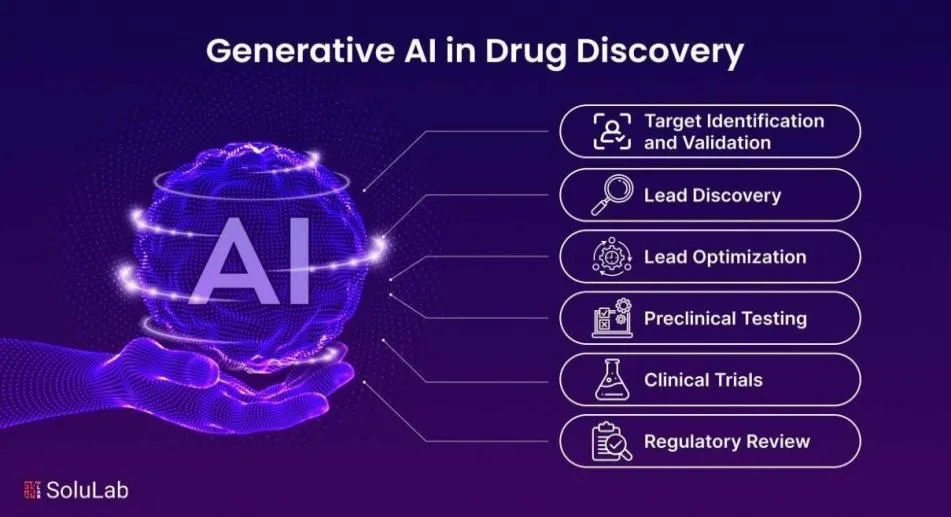
Figure 4: How generate AI Drug Discovery
Multiparticulate Systems (Beads, Microparticles, Nanoparticles):
AI-driven modeling has also been applied to multiparticulate drug delivery systems. For instance, computer-aided design tools and ANN models have been used to develop verapamil-loaded beads, where formulation and process variables were analyzed to predict drug release. The predicted outcomes showed strong agreement with experimental findings demonstrating the reliability of AI models. ANNs have further been used to study enzyme entrapment (e.g., papain) in alginate-based beads, improving both stability and site-specific drug release. Similarly, combining ANN with RSM has proven effective in optimizing floating microspheres, such as aspirin-loaded systems, where ANN models demonstrated superior predictive accuracy compared to traditional statistical methods. In the development of polymeric microspheres, ANN-based multivariate modelling has outperformed factorial design approaches in terms of accuracy and reduced bias. Factors such as pH, drug loading, and polymer concentration were successfully analyzed to optimize microsphere properties.
Statistical Optimization Techniques:
Factorial designs and RSM have been widely used alongside AI to optimize drug encapsulation efficiency and release behaviour. For example, composite beads containing diclofenac sodium were developed by analyzing the effects of polymer ratios and cross-linking agents. Statistical parameters such as correlation coefficients (R²), predicted R², adjusted R², and predicted residual sum of squares (PRESS) were used to evaluate model performance, with lower PRESS values indicating better model fit. Similarly, central composite design and RSM have been applied to optimize mucoadhesive microcapsules, such as gliclazide-loaded systems. Statistical validation using ANOVA and model fit analysis confirmed the suitability of quadratic models for predicting formulation outcomes.
Floating Drug Delivery Systems and Kinetic Modelling:
Multiple-unit floating systems, such as ibuprofen-loaded calcium alginate beads, have been developed using factorial design methods. Key variables like polymer concentration and excipient levels were analyzed for their effects on drug entrapment, density, and release. Drug release kinetics were evaluated using mathematical models, where the Korsmeyer–Peppas model showed the best fit based on correlation (R²) and error (RMSE) values.
Nanoparticle-Based Drug Delivery:
ANN modelling has also been widely applied in nanoparticle formulation. For example, albumin loaded chitosan nanoparticles were optimized by analyzing factors affecting drug loading efficiency and cytotoxicity. In another study, feed-forward back propagation neural networks were used to design polymeric nanoparticles, where polymer concentration was identified as a critical factor influencing formulation performance. Advanced optimization techniques, including genetic algorithms combined with ANN models, have been successfully used to design polymer–lipid hybrid nanoparticles, such as that containing verapamil hydrochloride. These approaches enable multi-objective optimization, improving both formulation efficiency and predictive accuracy.
Prediction of drug toxicity using AI:
A significant number of drug candidates fail during clinical trials due to unforeseen adverse effects. Therefore, accurately predicting toxicity at the preclinical stage is essential to reduce failure rates and enhance the overall efficiency of drug development. Conventional toxicity prediction methods are often limited by small datasets and less sophisticated modelling approaches. In contrast, AI-based methods provide more advanced solutions by utilizing large and diverse datasets, including chemical structures, biological pathways, and clinical information. Machine learning (ML) algorithms can analyze these complex datasets to predict potential toxic effects of new compounds with greater accuracy. This helps reduce risks in clinical trials, lowers development costs, and improves patient safety outcomes. In recent years, the application of AI-driven computational models for toxicity prediction has increased significantly. Many studies have employed ML and deep learning (DL) techniques, such as neural networks, to analyze extensive drug and toxicity datasets and identify possible harmful effects early in the drug development process. Early detection of toxicity not only accelerates drug development but also aids in prioritizing safer compounds for further testing. Additionally, AI-based toxicity models contribute to identifying new drug targets and understanding underlying mechanisms of toxicity. Due to the wide range of toxicity endpoints and biological complexities, developing a single comprehensive model remains challenging. Continuous research and the integration of updated datasets are essential to improve model accuracy and reliability. Recent advancements in ML and DL have focused on predicting key toxicity parameters, enabling more effective design, optimization, and evaluation of safer drug candidates.11,12
Advantages of AI in pharmaceutical and healthcare fields:
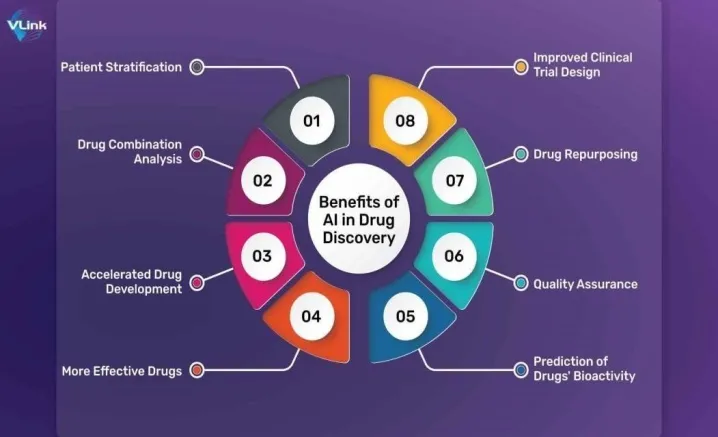
Figure 5: Role of AI in drug discovery
Disadvantages of AI in pharmaceutical and healthcare fields
Over reliance on AI technologies could reduce human effort and engagement, potentially affecting critical thinking and emotional interaction.
CONCLUSION
The application of artificial intelligence in drug design and development has expanded significantly, driven by its strong predictive capabilities and precision. AI technologies now support multiple stages of the drug development pipeline, ranging from early disease detection to post marketing surveillance. These systems contribute to identifying drug targets and lead compounds, predicting protein structures, and evaluating the biological activity of molecules. They also assist in estimating drug-like properties and potential off-target effects, reducing reliance on extensive laboratory testing.AI has further enhanced clinical trial processes by improving patient selection, recruitment strategies, monitoring, and follow-up analysis. It also supports regulatory evaluation and pharmacovigilance activities, contributing to safer and more effective therapies. Overall, the integration of AI has accelerated drug discovery, reduced development costs, minimized resource utilization, and lowered failure rates in clinical trials. Additionally, it helps decrease dependence on animal testing by enabling accurate in silico predictions .Beyond drug discovery, AI has broader applications in healthcare, including clinical decision-making, surgical planning, vaccine development, preventive medicine, and nutrition-based therapies. However, AI is intended to complement human expertise rather than replace it. While these models can sometimes match or exceed human predictive performance, they still lack human judgment and intuition. Therefore, their outputs must be carefully validated to avoid errors such as false positives or false negatives . There are also important challenges to address, including improving model interpretability, ensuring the high-quality and unbiased data, and avoiding overfitting. Reliable implementation of AI requires efficient integration of hardware, algorithms, and data systems information, along with the use of distributed learning approaches that protect data privacy while enabling collaboration. Developing stable and regulation-compliant infrastructures will also be essential for long-term adoption .Future advancements should focus on creating more transparent and efficient AI systems, reducing reliance on high computational resources, and addressing ethical concerns related to data usage. It helps to sophisticated virtual biological models and enabling more accurate prediction of therapeutic effects and adverse effects.
ACKNOWLEDGEMENT:
The authors express their sincere gratitude to Dr M. Venkataramana, Principal, Surabhi Dayakar Rao College of Pharmacy, Rimmanaguda, for his constant encouragement, valuable support, and for providing the necessary facilities to carry out this research work successfully.
We extend our heartfelt thanks to Dr Ganesh Akula, Assosiate Professor, Surabhi Dayakar Rao College of Pharmacy, for his invaluable guidance, continuous motivation, constructive suggestions, and support throughout the completion of this research work.
We are also thankful to all the faculty members, staff, and students of Surabhi Dayakar Rao College of Pharmacy for their cooperation and assistance during the study.
Finally, we express our gratitude to our family members, friends, and everyone who directly or indirectly contributed to the successful completion of this review article.
REFERENCES


M. Venkataramana*, P. Sri Anjali, D. Shiva Parameshwari, M. Navya Sri, M. Sri Vidhya, Daraksha Anjum, A Comprehensive Review On Artificial Intelligence In Drug Discovery And Development, Int. J. Sci. R. Tech., 2026, 3 (6), 1528-1535. https://doi.org/10.5281/zenodo.15179749
 10.5281/zenodo.15179749