

We use cookies to ensure our website works properly and to personalise your experience. Cookies policy
Pharmacology Department, M.S. Gosavi College Of Pharmacy And Research, Nashik, Maharashtra
Liver cirrhosis, an intractable as well as permanent phase in chronic liver failure which dramatically raises morbidity and mortality, is characterised by hepatic inflammation, hypertension of the portal vein, and decreased liver function. The need for novel and more secure treatment modalities is highlighted by the fact that most current therapy options are supportive. Metformin, a first-line antidiabetic drug, has garnered attention for its pleiotropic benefits, which extend beyond glycaemic control and involve anti-fibrotic, anti-inflammatory, antioxidant, and chemopreventive properties. The primary focus of this review is the potential application of topical metformin to treat liver cirrhosis. Based on evidence from experimental, preclinical, and limited clinical studies, metformin appears to exert hepatoprotective effects primarily via activating AMP-activated protein kinase (AMPK), avoiding hepatic stellate cell activation, altering TGF-?/Smad signalling pathways, and regulating the gut–liver axis. Topical and transdermal delivery methods are superior to oral treatment because they avoid first-pass metabolism, reduce gastrointestinal adverse reactions, and increase patient compliance. Advanced formulation techniques further enhance skin penetration and localized medication distribution. Despite promising preclinical results, additional human study is needed to assess the safety as well as therapeutic effects of applied metformin in cirrhosis.
Metformin seems to be completely absorbed by the gastrointestinal system within six hours of ingestion, and its absolute oral bioavailability ranges from 50 to 60%. It has been observed that oral doses that are higher in quantity are proportionally less bioavailable than those that are lower in quantity (doses varying from 500 to 1500 mg).
Metformin does not bind to plasma proteins and is swiftly distributed after absorption. No metabolites or conjugates of metformin have been identified. The drug has a mean plasma elimination half-life of between 4.0 and 8.7 hours after oral administration and is excreted by the kidneys. In patients with renal impairment, this is protracted and is correlated with creatinine clearance. [1,47,48,49]
Additionally, metformin can be used with other antihyperglycemic medications, especially sulphonyl urea’s. Patients who have an inadequate response to sulphonyl urea monotherapy that has previously been successful (secondary sulphonyl urea failure) may benefit from this. Metformin may eliminate the requirement for insulin injections in some people. The addition of metformin 1 g/day for up to 6 weeks resulted in mean decreases in fasting blood glucose levels of 4.6 to 31% in two trials of patients with NIDDM no longer satisfactorily controlled by maximal sulphonyl urea dosages. Other research has demonstrated that metformin plus a sulphonyl urea has antihyperglycemic effects comparable to those of insulin and insulin plus a sulphonyl urea, without the potential weight gain associated with insulin treatment. [2,50,51,52]
Metformin is one of the most often prescribed medications globally and is a first-line treatment for type 2 diabetes mellitus (T2DM, formerly known as "non-insulin-dependent diabetes mellitus"). Metformin is a biguanide that decreases postprandial plasma glucose (PPG) as well as basal glucose. Metformin reduces intestinal glucose absorption, improves glucose uptake and utilization, and inhibits the hepatic synthesis of glucose. In addition to decreasing blood glucose, metformin may also help people lose weight, lower their plasma lipid levels, and avoid certain vascular problems. [3,53]
By reducing both basal and postprandial plasma glucose, the antihyperglycemic medication metformin helps people with type 2 diabetes improve their glucose tolerance. It works pharmacologically differently from other oral antihyperglycemic drug classes. Metformin enhances insulin sensitivity by boosting peripheral glucose uptake and utilization while reducing intestinal glucose absorption and hepatic glucose synthesis. Neither type 2 diabetic patients nor healthy individuals experience hypoglycemia or hyperinsulinemia when using metformin. Insulin secretion is unaffected by metformin therapy, although fasting insulin levels and the daytime plasma insulin response may drop. [4,54,55]
Metformin is a commonly used medication that has definite advantages when it comes to glucose metabolism and issues associated with diabetes. These advantages are underpinned by intricate systems that are currently poorly understood. Metformin has been proven to physiologically decrease the generation of glucose in the liver, but this mechanism cannot account for all its actions, and there is growing evidence that the gut plays a significant role.
Acute and chronic administration of metformin clearly differ from one another, and the results at the molecular level depend on the dosages and length of treatment. It has been demonstrated that metformin works through AMP-activated protein kinase (AMPK)-dependent and AMPK-independent processes, as well as through lysosome-related mechanisms and the inhibition of mitochondrial respiration and possibly mitochondrial glycerophosphate dehydrogenase. The idea that metformin lowers blood sugar by activating AMPK in the liver has evolved over the past ten years into a much more nuanced understanding that considers the drug's several mechanisms of action. Further research is necessary to fully comprehend how this medication affects its intended demographic, which consists of people with type 2 diabetes. [5,56,57,58]
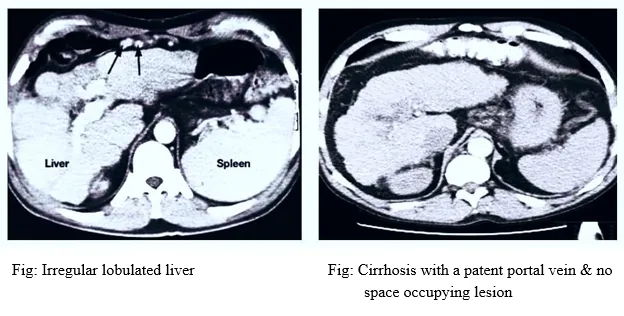
Liver fibrosis, also known as scarring of the liver, is a complex, dynamic alteration in the normal wound healing response to various fibrogenic stimuli that results in the activation and trans differentiation of hepatic stellate cells to myofibroblasts. This causes an excessive amount of extracellular matrix components, such as collagen (type I and type III), to be synthesized and deposited, along with dysfunction of the hepatocytes, irreversible liver damage, complications, and death. Necrosis of the liver cells, followed by fibrosis and nodule formation, is the cause of cirrhosis. Liver blood flow and function are compromised when the liver's structure and function are compromised. [6,59,60,61]
The symptoms of portal hypertension are caused by this disturbance. The common pathway for chronic liver illnesses is cirrhosis. Laennec first used the term "cirrhosis" in 1826. It comes from the Greek word "scirrhous," which describes the liver's tawny or orange appearance. A diffuse hepatic condition, cirrhosis is typified by fibrosis and the transformation of normal liver architecture into anatomically aberrant lesions. It might take weeks to years for liver damage to proceed to cirrhosis. Before developing cirrhosis, patients with hepatitis C may experience chronic hepatitis for up to 40 years. Fibrosis, which is characterized as an excessive accumulation of the extracellular matrix's constituents (collagens, glycoproteins, and proteoglycans) within the liver, is a hallmark of many types of liver damage. Unlike cirrhosis, which is usually irreversible, this reaction to liver damage may be reversible. Hepatorenal syndrome, hepatic encephalopathy, portal hypertension, and ascites are among the side effects of cirrhosis in addition to fibrosis. [7,62]
The clinical presentation and the histology findings of cirrhosis do not correlate well. While some people with cirrhosis have severe signs of end-stage liver disease and a slim chance of survival, others are completely asymptomatic and have a pretty normal life expectancy. Typical symptoms and indicators could result from impaired hepatic synthetic function (coagulopathy), a decline in the body's capacity to detoxify portal hypertension (variceal hemorrhage) or the liver (hepatic encephalopathy)[8,63]
The number of patents granted and the devices that entered interstate commerce show that most of the development of transdermal medication delivery took place between 1980 and 1995. Topical delivery systems are formulations designed to address local pathophysiologic problems by delivering medications locally instead of systemically. Frequent dosage is necessary to produce and sustain a pharmacological impact for oral and parenteral medications with extremely short biological half-lives and high body clearance rates. Frequent dosage is necessary to produce and sustain a pharmacological action due to high body clearance rates. With the stratum corneum side facing the transdermal drug delivery device, an appropriate portion of heat-separated human epidermis is die-cut and positioned between the two Franz cell halves. By delivering the medication straight into the systemic circulation, transdermal administration circumvents the hepatic clearance and the unpredictable absorption of drugs through the gastrointestinal tract. Even though a medicine has all the necessary physicochemical characteristics to be a suitable transdermal candidate, it may nonetheless cause a strong adverse reaction.[9,64,65]
In situations where a systemic distribution is necessary, topical drug delivery is an intriguing way to treat skin conditions and prevent discomfort and poor patient compliance. Nonetheless, the outermost layer of skin, the stratum corneum, provides considerable protection against chemicals, particularly hydrophilic ones, entering the body. In this regard, various physical techniques have been researched to get past the stratum corneum barrier and make it easier for medications to enter or pass through the skin. Among these, transdermal medication administration has made extensive use of iontophoresis, low-frequency ultrasound, and microneedles. They are also being researched more recently to help cure dermatological conditions like inflammation and skin tumors. [10,66,67]
Iontophoresis is essentially the passage of hydrophilic molecules, both charged and non-charged, through the skin because of electromigration and electroosmosis as well as the application of a low, continuous electric current. The primary process for skin permeabilization in low-frequency ultrasound is cavitation, which is based on the creation of microbubbles that cause the stratum corneum to become disorganized. Microneedles are tiny, minimally invasive projections that can be made with a variety of lengths, materials, and shapes to improve the permeability of the skin. [11,68,69]
PHARMACOLOGICAL ROLE OF METFORMIN BEYOND DIABETES
Metformin improves striated muscle glucose uptake, inhibits fatty acid oxidation, lowers triglyceride levels, and inhibits hepatic gluconeogenesis and glycogenolysis to lower serum glucose levels. By lowering steatosis and enhancing liver enzymes, all these Metformin activities have a positive impact on the liver. There are two types of processes that underlie Metformin's protective effect: direct mechanisms and indirect mechanisms. The hepatoprotective effect is directly caused by a drop in plasma insulin levels. Conversely, the induction of cellular death, immune system stimulation, and AMPK activation are the indirect mechanisms of avoiding carcinogenesis.[12,70]
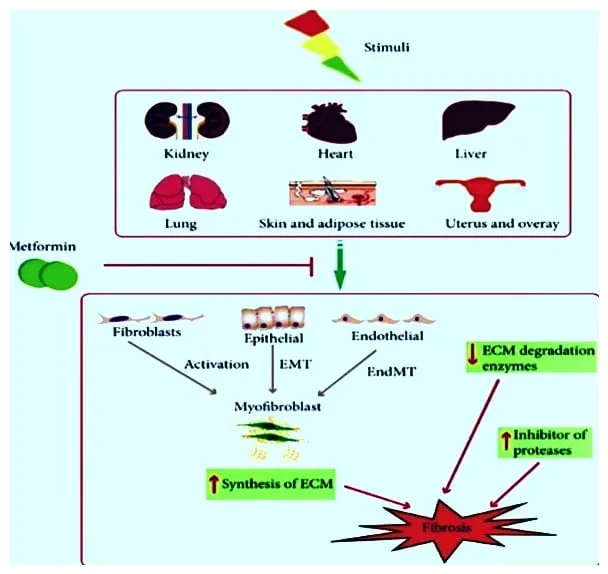
Fig: Metformin and organ fibrosis
It has also been demonstrated that metformin directly interacts with TGF-β1 at its receptor-binding region, inhibiting TGF-β1's binding to its receptor and lowering downstream signaling activity. Nevertheless, some research revealed that metformin decreased TGF-β1-stimulated gene transcription driven by Smad3, but it did not decrease TGF-β1-stimulated Smad3 phosphorylation. The coactivator P300/CREB-binding protein (CBP), which has intrinsic acetyltransferase activity, frequently works in tandem with Smad’s to control target gene transcription and is essential for the fibrotic reactions of different cell types. Acetylation in the N-terminal region of Smad2/3 is induced by the interaction of Smad2/3 with P300/CBP upon TGF-β1 activation, leading to Smad-dependent gene transcription. Through a proteasome-dependent mechanism, activated AMPK brought on by AICAR or metformin targets P300 for degradation by competing with Smad3 for its interaction. The reduced acetylation and transcriptional activity of Smad3, which prevents the fibrogenic property of hepatic stellate cells (HSCs) caused by TGF-β1, is explained by the AMPK-dependent degradation of P300 and the diminished connection between P300 and Smad3. Furthermore, by encouraging AMPKα2 translocation to the nucleus without preventing Smad3 phosphorylation or nuclear translocation, active AMPK inhibits Smad3-mediated transcription. [13]
NEED FOR TOPICAL METFORMIN FORMULATION
Topical metformin decreases pigment-producing proteins, including as tyrosinase and microphthalmia-related transcription factor (MITF), which has been used in the treatment of skin conditions like melanomas. According to clinical investigations, 30% metformin-based cream works just as well as traditional triple combination creams (which contain hydroquinone, tretinoin, and fluocinolone) and has less side effects, such as less redness and irritation. Furthermore, because of its anti-inflammatory, anti-apoptotic, antioxidant, and enhancing autophagy properties, topical treatment of metformin at doses of 1 and 10% in cream formulations successfully decreased clinical and histological symptoms of premature ageing. [14]
Furthermore, in clinical investigations involving traumatic wounds and cutaneous ulcers, topical metformin hydrochloride hydrogels (concentrations of ~0.6%) have been demonstrated to dramatically accelerate wound healing, enabling fast re-epithelialization and lowering inflammation (8). Its application to acne vulgaris has also shown notable decreases in the number of lesions, indicating more extensive anti-inflammatory and sebo-suppressive effects. Developments in formulation technology further increase the drug's potential for dermatology. With the effective integration of topical metformin into hydrogels, nanofibers, and vesicular systems like ectosomes, localized administration and enhanced skin penetration are now possible. [15]
A single peak with a retention duration (RT) of nine minutes was visible in the pure Met solution. The area of this peak grew linearly as the Met concentration rose. After passing through the pig ear skin, further peaks with RTs of two to three minutes were seen in all permeation samples, including the pure Met solution and the Met lotion. The permeation sample from the 6% Met lotion showed a noticeable peak at the RT of 9 minutes, however the 0% Met lotion did not. With a linear rise in penetration, the RT remained constant over time. After 24 hours, about 36.8% of the 6% Met lotion had penetrated the pig ear skin, indicating that the treatment may be effective for an extended period.[16]
One drug that is frequently recommended to treat type 2 diabetes is metformin. It is quite successful at reducing blood glucose levels and has been used for over 60 years. Beyond treating diabetes, recent research suggests that metformin may have other health benefits, indicating its potential therapeutic applications. Due to its affordability and ease of administration, metformin is frequently administered orally. Optimizing its efficacy is not without its difficulties, though. Metformin is underutilized because of gastrointestinal side effects and bioavailability issues. To maximize metformin therapy, several drug-delivery methods have been investigated, including hydrogel, microneedles, micro/nanoparticle formulations, and fast-dissolving tablets. In addition to offering individualized therapy options for better glucose homeostasis, anti-obesity, and metabolic health advantages, these strategies increase metformin dose, targeting, bioavailability, and stability. The development of novel metformin delivery systems has promise for enhancing therapeutic results, expanding its uses beyond the treatment of diabetes, and meeting unmet medical requirements in a range of clinical contexts. Nonetheless, it is critical to enhance drug delivery systems by tackling problems like intricacy, expense, stability during storage and transit, biocompatibility, loading capacity, necessary technology and biomaterials, precision, and regulatory approval. In clinical practice, addressing these constraints is essential for safe, efficient, and easily accessible drug delivery.[17]
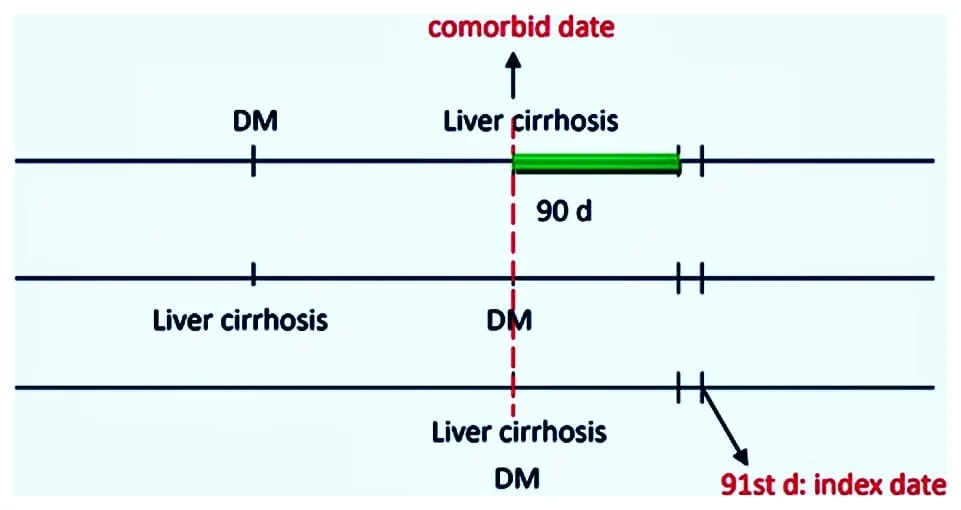
Fig: The 91st day following the onset date was designated as the index date, and patients that had ever used metformin within 90 days of that date were classified as metformin users. Diabetes mellitus, or DM
The oral antihyperglycemic medication metformin may potentially have antitumorigenic properties. A successful course of therapy requires frequent administration of large dosages of metformin (in immediate release formulations) because of its short biological half-life and poor oral absorption. Traditional metformin dose forms and in ensuring its successful ethods are incredibly helpful in overcoming the challenges posed by application in the treatment of cancer. [18]
FORMULATION ASPECTS OF TOPICAL METFORMIN
As drug delivery vehicles, niosomes can improve the therapeutic efficacy of medications while reducing their adverse effects. One biguanide-class oral antihyperglycemic medication is metformin HCl. It is the most often selected medication for people having type 2 diabetes who have just received a diagnosis. To extend the antidiabetic impact of metformin HCl and explore its potential to promote wound repair in diabetic patients, this study intends to encapsulate the medication into niosomes for transdermal administration. Metformin HCl niosomes were prepared by the thin film hydration technique using varying ratios of the following substances: Span 60, Span 40, Tween 80, and cholesterol. The vesicle size, zeta potential, and transmission electron microscopy were used to characterize each formulation. For a few chosen niosomal formulations, stability, release, and in vivo assessment experiments were carried out. Between 13% and 32% was the range of entrapment efficiency values. The nanoscale range of vesicle sizes was established. There were two successive stages in the metformin HCl inside the cell release profile from niosomes. When administered every two days, metformin HCl niosomal gels had a more prolonged antidiabetic impact than oral dosages administered daily, according to biological study on diabetic rats. Additionally, it shown that diabetic rats with metformin formulations had better wound healing than those that were not treated. [19]
Since the transdermal route bypasses the first-pass metabolic effect and does not impact the GIT, it offers several benefits over the oral one. Citation5 Like most medications, metformin HCL has difficulty passing through the skin's stratum corneum barrier. Citation 6: Metformin HCL has been investigated recently for transdermal administration; Citation 7: Hydrogel microneedles; Citation 8: In order for drug release to occur, metformin HCL using hyaluronic acid needed to be prepared at 60°C because no release was observed at 40°C. Citations 6 and 8 Additionally, the acknowledged drawbacks of microneedles are their reliance on the corneum layer's thickness, which varies from person to person, and their inability to provide precise dosage information. By loading metformin HCL onto bilosomes as a nano-carrier, this penetration issue may be resolved without the drawbacks of microneedles, bilosome lipid framework, and the capacity to be taken in the interface and penetrate through the skin's lipid structure, changing the barrier function. [20]
Permeability enhancers affect the permeability of metformin hydrochloride and furosemide that are absorbed paracellularly. The drug levels in the permeability investigation were ascertained using the methyl thiazole -tetrazolium bromide test. Values of cross-epithelial electrical resistance are calculated to evaluate tight junction integrity. Enhancers of permeability were used in dual or triple combinations, and at varying doses alone. Individual adenocarcinoma of the colon cells (TEER greater than 400 Ω·cm2) was used to measure permeability. However, the permeability of metformin raised substantially (p < 0.05) with 0.3% as well as 0.5% (w/v) chitosan (2.0- or 2.7-fold, respectively), 1% methyl-β-cyclodextrin. Individual adenocarcinoma of the colon cells greater than 400 Ω·cm2) were used to measure permeability. However, the permeability of metformin raised substantially (p < 0.05) with 0.3% as well as 0.5% (w/v) chitosan (2.0- or 2.7-fold, respectively), 1% methyl-β-cyclodextrin. Individual adenocarcinoma of the colon cells greater than 400 Ω·cm2 were used to measure permeability. [21]
The polar substance metformin HCl has a limited bioavailability. It has been demonstrated that counter ions increase the absorption of polar ionizable medications. The objective of this study was to create an HPLC technique that could separate and measure Metformin from a set of specific organic anions, including trisodium phosphate (TSP), the acid citric (CA), hydroxyl cinnamic acid (HCA), diclofenac sodium (DS), and 8-anilinonaphthalene-1-sulfonic acid (ANS). After validation, the devised technique was confirmed to be linear with excellent accuracy and precision in the 2-100 µg/mL range. Metformin transport tests across Caco-2 cells with and without organic anions were conducted using this technique. We computed apparent permeability coefficients (Papp). Remarkably, the Papp of Metformin rose by more than four times when calcium and CA were present together, which may result in a notable enhancement of the drug's bioavailability. [22]
EXPERIMENTAL OR CLINICAL EVIDENCE
A popular oral medication for managing diabetes mellitus, metformin also offers additional therapeutic advantages for several other illnesses. Additionally, topical and traditional oral metformin have been utilized in in vitro trials to treat wound healing, psoriasis, acne, and other conditions. Although research on topical metformin in animals has yielded encouraging results, nothing is known about how well it works in people. There is currently no evidence in the literature for an independent therapeutic function in HCV or NAFLD. However, there's Level III evidence that chemopreventive treatment can lower the risk of cholangiocarcinoma in people who have diabetes or chronic liver disease. Metformin appears to be safe and beneficial for survival in cirrhosis patients. Metformin has little therapeutic promise if hepatic cancers have been confirmed. In summary, there is not enough data to support the use of metformin as an adjuvant therapy for chronic liver illnesses, such as HCV and NAFLD. However, there is strong evidence that metformin has a chemopreventive effect against HCC in individuals who have diabetes but persistent liver disease, and even in patients with cirrhosis, this advantage should be maintained. [23]
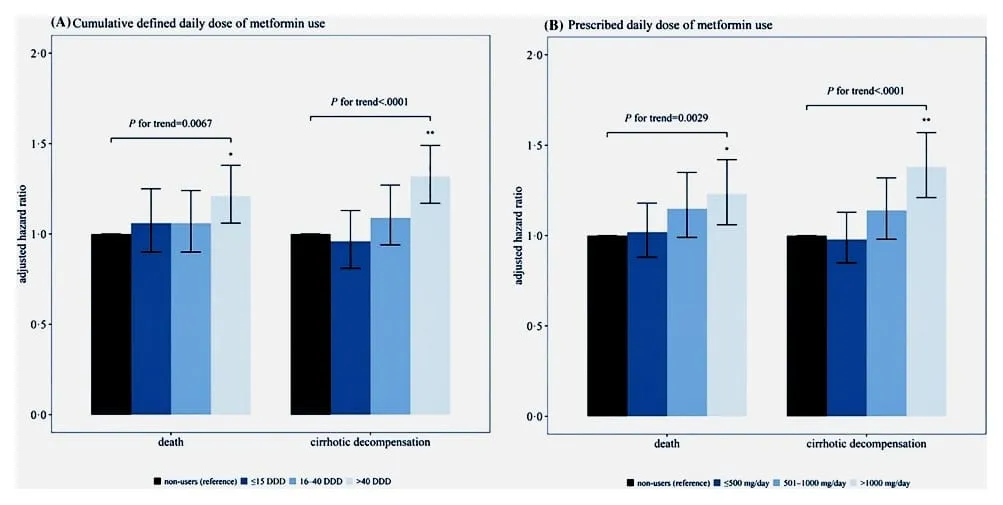
Fig: Results of different metformin dosages in individuals with compensated liver cirrhosis and type 2 diabetes mellitus compared to nonusers. (A) by recommended daily dosage (mg/d); (B) by specified daily dose (DDD). P <.05,: P <.001. The intervals of confidence of 95% are represented by the error bars.
Enhanced collagen deposition and wound closure enhanced pro-angiogenic indicators, reduction of inflammatory cytokines, and stimulation of autophagy signaling are all characteristics of faster wound healing. Notably, these therapeutic benefits were significantly amplified by applications of biomaterial-based delivery platforms such hydrogels and nanofibers. Although there have been positive findings in in-vitro, in-vivo, and animal models, the breadth of clinical trials is still restricted. Indeed, this significant discrepancy between preclinical findings and scant clinical evidence clearly emphasizes the pressing need for well-planned human trials to ascertain the safety, effectiveness, and optimal delivery methods of topical metformin. All things considered, topical metformin represents a new and potentially beneficial addition to wound care treatments that may be the focus of more clinical research.[24]
The main cause of portal hypertension is an increase in hepatic vascular resistance. In several arterial beds, metformin improves vascular cell activity. The effects of metformin on cirrhotic rats' hepatic and systemic haemodynamics, as well as any potential interactions alongside the properties of propranolol, currently accepted standard therapy for portal hypertension. Prior to the measurement of arterial pressure at rest, pressure at the portal, portal circulation, liver vascular resistance, and potential molecular/cellular processes, CCl4-cirrhotic rats were given 300 mg/kg of metformin or its vehicle once daily for one week. The haemodynamic response of abrupt Propranolol has been assessed in a subset of cirrhotic rats. Rats with common bile duct ligation and cirrhosis were used to validate the impact of metformin ± Propranolol on PP and MAP. Without appreciable changes in MAP or PBF, rats with CCl4-cirrhosis treated with metformin exhibited reduced PP or hepatic vascular resistance in comparison to rats treated with a vehicle. Hepatic inflammation (CD68 and CD163), liver signalling activation of cells, superoxide (dihydroethidium staining), and nitric oxide scavenging (protein nitrotyrosination) were all significantly reduced by metformin. Propranolol further decreased PP by lowering PBF. Rats with common cirrhosis and bile duct ligation showed similar results. By lowering both the structural and functional elements of the increased hepatic resistance of cirrhosis, metformin treatment lowers PP. Propranolol's influence is enhanced by this one. Clinical assessment is required to determine the possible effects of this medication combination, which is often used for individuals with diabetes and cirrhosis. [25]
MECHANISTIC INSIGHT
The different ways that metformin affects liver problems have received a lot of attention; the liver is the organ that metformin targets to exercise its antihyperglycemic effects. Studies on non-alcoholic fatty liver disease, NAFLD, have revealed that metformin activates AMPK via altering the ATP/AMP ratio, which in turn controls lipid metabolism. Recent studies have demonstrated that low-dose metformin reduces liver triglycerides via the PEN 2-ATP6AP1 pathway through an AMP-independent manner by targeting the lysosomal AMPK system. Metformin alleviates endoplasmic reticulum (ER) stress via controlling caspase-3, eukaryotic initiation factor-2a (eIF2a), the insulin receptor substrate-1 (IRS-1) in HepG2 cells exposed to palmitate. Metformin was found to increase the proportions of Bifidobacterium bifidum and Akkermansia muciniphila while decreasing that of Bacteroides fragilis, confirming recent studies that emphasised the crucial relationship with intestinal flora. Tight junction protein was upregulated and hepatic inflammation brought on by lipopolysaccharide (LPS) was reduced as a result of the reduction in gastrointestinal distant X receptor (FXR) and the increase of short-chain fatty acids. Furthermore, by controlling the growth and activation of stellate cells in the liver (HSCs) through the succinate-GPR91 and TGF-β1/Smad3 pathways, metformin slowed the advancement of cirrhosis. Metformin inhibited the cell cycle in hepatocellular carcinoma, also known as HCC, and improved the anticancer drugs' ability to cure the disease. Additionally, metformin guards against hepatotoxic medications that cause chemical- or drug-induced liver injury (DILI). According to these results, metformin may be pharmacologically effective in treating liver disorders.[26]
The overabundance or connecting tissue components in an organ causes fibrosis, a physiological reaction to organ damage that disrupts physiologic architecture and organ remodelling, ultimately resulting in organ failure and death. Lung, kidney, and liver fibrosis is responsible for a significant amount of the worldwide burden of mortality and disability. There are currently no successful treatment approaches to manage fibrosis. There is great promise for combating fibrosis with a class of metabolically focused drugs, including the peroxisome proliferator-activated receptor (PPAR) agonists and adenosine monophosphate-activated protein kin (AMPK) activators. The only prescribed first-line medication for type 2 diabetes, metformin, is a strong AMPK activator and has shown promise in reducing or reversing fibrosis. The primary experimental and clinical research that has particularly examined the impact of metformin on liver fibrosis is first compiled. [27]
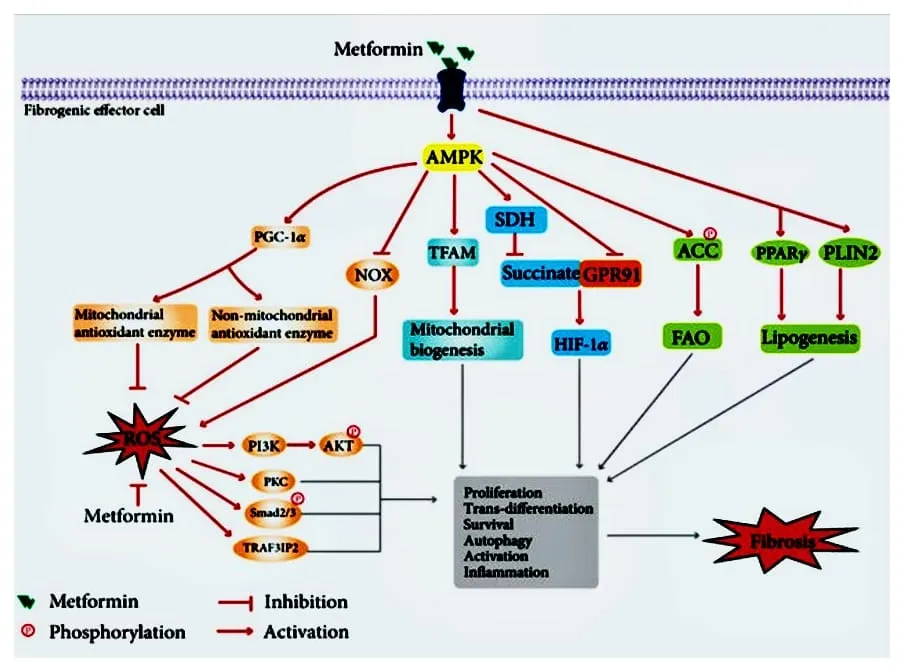
Fig: The additional ways that metformin may prevent fibrosis.
Through the activation of adenosine monophosphate-activated protein kinase (AMPK) thus the induction of miniature heterodimer partner expression in the liver cells, metformin can inhibit gluconeogenesis and lower blood sugar. The primary way that metformin works is through activating the AMPK enzymes and controlling the energy balance. The heterothermic serine/threonine kinase AMPK is composed of two beta and gamma regulator subunits and a catalytic alpha subunit. The intracellular AMP/ATP ratio can be measured by this enzyme. If this ratio is large, the phosphorylation liver kinase B1 (LKB1) would activate the amino acid threonine 172 that is present in its alpha chain, which would activate AMPK. Numerous studies have shown that, in addition to its important function in lowering blood glucose levels, metformin also activates the AMPK enzyme, which has a number of effective effects on the regulation of different processes, such as reducing inflammation, changing the immune and non-immune cell differentiation pathways, and improving a number of malignancies, diseases of the liver, inflammatory bowel disease. Because AMPK is activated and regulates a number of intracellular signals pathways, metformin can change the pathways that lead to cell proliferation and differentiation, which can ultimately help prevent and treat certain diseases. [28]
A genetic liver condition known as polycystic liver disease (PLD) causes a rise in the number of cysts over time, leading to a variety of gastrointestinal symptoms and a reduced quality of life. While there is currently no proven cure for PLD, we recently found that in polycystic kidney (PCK) rats, a model of PLD, prolonged exercise reduced the development of liver cysts and fibrosis by activating AMP-activated protein kinase (AMPK). PCK rats were split into two groups at random: one for metformin treatment (Met) and the other for control (Con). Metformin was administered orally to the Met group through drinking water. After 12 weeks, the groups' performance of the liver, histology, and PLD signalling cascades were assessed. Metformin decreased cholangiocyte proliferation, fibrosis surrounding the cyst, and the generation of liver cysts, but it had no effect on body weight or liver weight. Without affecting apoptosis or collagen degradation factors in the liver, metformin suppressed the production of cystic fibrosis, cell membrane conductivity inhibitor, aquaporin I, changing growth factor-β, and type 1 collagen while increasing the phosphorylation process of AMPK and tuberous sclerosis complex 2 and decreasing the levels of mammals that are targets of rapamycin, S6, as well as extracellular signal-regulated kinase. By activating AMPK and inhibiting the signalling cascades that cause proliferation of cells and fibrosis in the hepatocytes of PCK rats, metformin inhibits the development of formation of cysts and fibrosis.[29]
the function and possible method of metformin in the treatment of hepatic fibrosis, which is based on the "intestine-liver axis" theory and the synergistic action of several targets. A mouse model of liver fibrosis produced by CCl4 was developed. We assessed oxidative stress, inflammation, liver fibrosis markers, and liver function. Collagen deposition was found using Masson's trichrome staining and haematoxylin and eosin. TGF-β/Smads, TIMP-1/MMPs, and other apoptotic proteins were evaluated for expression. A thorough correlation analysis was conducted between the evaluation of mice intestinal flora and metabolites using 16S rRNA and unfocused metabolomics (liquid chromatography-mass spectrometry). In CCl4-created liver fibrotic mice, metformin reduced hepatic collagen deposition and enhanced overall health and liver function. Serum levels of IL-6, TNF-α, and COX-2 rose in the patients with liver fibrosis group as compared to the control group. The metformin group's serum pro-inflammatory marker levels were lower than the model groups, but the differences were not statistically significant. In the model group, metformin raised serum SOD activity and decreased serum MDA, which rose and fell, respectively. Additionally, in fibrotic mice, metformin increased the production of Smad7, MMP-1, and MMP-2 while suppressing liver cell cell death, TGF-β1 expression, and TIMP-1. Metformin considerably reduced the imbalance of Bacteroides, Helicobacter, Parabacteroides, and Parasutterella, according to 16S rRNA study. Between the metformin & model groups, we found 385 distinct metabolites. The metformin group showed a substantial drop in prevotella abundance, which was positively linked with lower taurocholic acid levels. By reducing inflammation, reducing oxidative stress damage, and preventing hepatocyte apoptosis through the modulation of intestinal flora metabolites, metformin may be able to repair liver fibrosis. The TGF-/Smads and TIMP-1/MMPs pathways of signalling are likewise regulated by metformin. This study offers a theoretical foundation for metformin's therapeutic use in liver fibrosis patients.[30]
During follow-up, the incidence rates of death among metformin uses and nonusers are 3.8 as well 3.3 per 100 patient-years, respectively (standardised adjusted risk ratio [aHR] 1.13, 95% CI 1.01–1.25). For both metformin users and nonusers, the average rates of cirrhosis compensatory disorders during subsequent therapy were 5.9 &4.9 per one hundred patient years (aHR 1.15, 95% CI 1.04–1.27). Individuals who used metformin for more than 40 specified daily doses in 90 days, or more than 1000 mg/d, had a substantial risk of mortality (P for trend <.01) or cirrhotic decompensation (P with pattern <.0001). Except for the fact that metformin users had a greater risk of death (aHR 1.15), the results of using the medication vs not using it for those with type 2 diabetes with cirrhosis of the liver were not statistically different. In individuals with compensated liver cirrhosis, metformin usage was linked to increased death and cirrhotic decompensation risks.[31]
LIMITATIONS
1. Diarrhoea as the most common GI adverse event (AE) among people taking metformin, followed by bloating, diarrhoea, discomfort in the stomach, constipation, and vomiting. Patients who receive XR metformin had a reduced incidence.
Diarrhoea 6.9% (95% CI: 0.038-0.123), swelling 6.2% (95% CI: 0.020-0.177), stomach discomfort 5.3% (95% CI: 0.003-0.529), nausea 2.4% (95% CI: 0.007-0.075), and constipation 1.1% (95% CI: 0.001-0.100) were the following GI adverse events. Extended release (XR) metformin was less likely than metformin immediate release (IR) medication to cause feeling full (coefficient, -4.46; p < 0.001), diarrhoea (coefficient -1.17; p = 0.0951), pain in the abdomen (coefficient -2.80; p = 0.001), bowel movements (coefficient -5.78; p = 0.0014), and nausea & vomiting (coefficient, -2.47; p < 0.001).[32]
2. Glycogenolysis or a decrease in gluconeogenesis both lower glucose synthesis. However, metformin medication is frequently linked to gastrointestinal side effects, and patients with type 2 diabetes experience a decline in their standard lives and treatment adherence. The most prevalent gastrointestinal symptoms are heartburn, nausea, and diarrhoea. These are followed by bloating, retching, and stomach discomfort. It's unknown what mechanism underlies metformin-induced gastrointestinal intolerance. However, there are several theories presented, include stimulation of intestinal production of serotonin, modification in incretin and metabolic of glucose, and absorption of bile salts. In therapeutic settings, metformin is used to treat insulin resistance, syndrome of polycystic ovary, and obesity. It has a cardioprotective effect, and its application in HIV-related metabolic disorders and cancer has recently been investigated. [33]
3.Risk factors that could contribute to this occurrence. The most widely accepted explanation for how metformin affects vitamin B12 levels is because it interferes with calcium-dependent IF-vitamin B12 complex's ability to bind to the ileal cubilin receptor and antagonises the calcium cation during the absorption process. Furthermore, a number of risk factors, including dosage and duration, have been linked to the impact caused by metformin and levels of vitamin B12 in diabetic patients; longer durations were related with a higher likelihood to experience vitamin B12 insufficiency. Vitamin B12 levels were lower in male patients than in female individuals. Vitamin B12 deficiency was less common in patients of Black race using metformin. Furthermore, a higher incidence of vitamin B12 insufficiency was found to be substantially correlated with chronic conditions such as type 2 diabetes, high cholesterol levels, heart disease, polycystic ovarian disease (PCOD), obesity, or metformin medication.[34]
4. After five years of age (4.3 vs 2.3%; P =.02), low levels of B12 (≤ 203 pg/mL) was more common in MET than PLA, compared to after thirteen years of age (7.4 vs 5.4%; P =.12). More MET aged 5 years (19.1 vs 9.5%; P <.01) & thirteen years of age (20.3 vs 15.6%; P =.02) had combined low and borderline-poor B12 (≤ 298 pg/mL). A higher incidence of B12 deficiency was linked to years of metformin usage (odds ratio, B12 insufficiency/year metformin usage, 1.13; 95% CI, 1.06–1.20). Although anaemia prevalence did not vary by B12 status, it was higher in MET. MET of low B12 levels had a higher frequency of neuropathy.[35] [71]
FUTURESCOPE
Through a number of suggested molecular targets, metformin supports health benefits beyond the management of type 2 diabetes, such as weight loss, avoiding cancer and therapy, and anti-aging. Here, we go over the known side effects of metformin as well as the advancements in determining its precise targets. We also stress the significance of clarifying the drug's structural underpinnings and direct targets. [36]
Recently, metformin, a mainstay of diabetic treatment, has gained attention as a potential chemotherapeutic drug. According to in vitro research, metformin suppresses the growth of cancer by changing cellular metabolism and boosting the immune system. Additionally, clinical observations show that it inhibits important tumor-promoting pathways like STAT3 and mTOR. Through the prism of precision medicine, this review critically assesses metformin's therapeutic potential in oncology. Evidence from clinical research, biomarker-driven trial designs, molecular mechanisms, and regulatory obstacles that still prevent its approval for oncologic usage are all incorporated. [37][45][46]
With few available treatments and low survival rates, oral cancer—especially oral squamous cell carcinoma, or OSCC—is a common medical condition. the possible advantages of reusing metformin for the management of oral cancer. Metformin, a common drug to treat diabetes, has recently showed potential as a possible cure for many malignancies, including OSCC. According to studies, metformin can slow the development of cancer cells, cause them to die, and increase the efficacy of current therapies. It functions by altering a number of pathways, including those pertaining to inflammation and cell energy, that are implicated in the development of cancer. However, there are drawbacks to using metformin to treat cancer, like as potential adverse effects and drug interactions. To guarantee the safety of metformin and to learn more about how it can be used to treat cancer, more studies and research studies are required. Metformin may offer a novel, affordable treatment for oral cancer if it is shown to be successful, which could enhance patient results and quality of life.[38]
Because of its great effectiveness and accessibility, metformin is the industry leader in diabetes medications, and its popularity will only increase. In addition to type 2 diabetes, studies are looking into its potential for other illnesses like ageing, tumours, loss of memory, bone abnormalities, and immunological diseases. Globally, metformin is the drug most often given oral antidiabetic. Over newly diagnosed type 2 diabetes mellitus, it remains the recommended medication and has been in use for the past 60 years. By enhancing insulin sensitivity, decreasing the absorption of glucose in the gut, and decreasing hepatic glucose synthesis, it lowers blood glucose levels. It can be taken alone or in combination with other antidiabetic medications such as insulin, SGLT-2 inhibitors, DPP-4 inhibitors, or sulfonylureas to increase its effectiveness. Depending on needs, metformin can be taken once or twice a day. Long-term use of metformin might cause lactic acidosis, vitamin B12 deficiency, and stomach pain. Individuals with renal impairment should use it with caution. Further advantages associated with metformin during polycystic ovarian disease, immunological diseases, cognitive impairments, and gestational diabetes mellitus have been investigated in recent studies. More thorough research is necessary to validate these extra advantages, though.[39]
Pharmacogenomics is currently the most extensively used discovery-based method due to routine sample processing and storage, as well as declining sequencing costs. In order for medical professionals to prescribe specific treatments for particular individuals for greater effectiveness and safety—metformin for those expected to respond and other treatments for those anticipated to be nonresponders and who are at a higher risk for adverse side effects—it becomes possible to comprehend the genetics that cause the interpersonal variation in metformin responses.[40]
Metformin's therapeutic advantages in individuals vary, despite its constant anticancer effects in animal and laboratory models. Tumour diversity plus an absence of biomarker-based choice of patients in studies are probably the causes of this discrepancy. Determining metformin's function as a repurposed medication in precision oncology requires addressing these drawbacks by biomarker-enriched, tumor-specific clinical trials. [41]
The clinical role of metformin in prediabetes and type 2 diabetes has been well established. NAFLD, PCOS, and decreased cancer risk are further study areas that are currently being assessed; further information is required before it may play a therapeutic role in these conditions. [42]
The putative anti-aging effects of metformin have prompted additional research into the mechanisms leading to this activity. Based on data and existing literature, this study investigates the intrinsic mechanisms through which metformin exhibits its anti-aging effects. The discussion begins with an examination of the causes of ageing and then moves on to a thorough examination of the basic processes that underlie metformin's anti-aging effects. The study then examines animal studies on the anti-aging effects of metformin, divided into cellular and animal models. [43]
Highlighting how metformin affects cancer, heart disease, neurological conditions, and PCOS; Mechanisms of Action, looking at important pathways like AMP-activated protein kinase (AMPK) stimulation, inhibition of the mitochondrial respiratory chain multifaceted I, and microbiota in the gut modulation; and breakthroughs in Drug Delivery Systems, looking into cutting-edge tactics like pH-responsive hydrogels, nanoparticles, and microneedles to improve metformin's accessibility, targeted delivery, as well as patient adherence. [44]
CONCLUSION
Topical metformin is an effective treatment for liver cirrhosis due to its anti-inflammatory, anti-fibrotic, and hepatoprotective properties. By inhibiting key molecular pathways like TGF-β/Smad signalling and AMPK activation, metformin could potentially slow the development of hepatic fibrosis. Among the main advantages of the topical approach are avoiding first-pass metabolism, reducing systemic side effects, and improving patient compliance. Despite strong experimental and preclinical results, there is a dearth of clinical evidence regarding topical metformin in patients with cirrhosis. Therefore, carefully designed clinical trials are essential to verify its safety, efficacy, optimal formulation, and long-term benefits. With further research, topical metformin could turn out to be a helpful adjunctive treatment for liver cirrhosis.
REFERENCES

Mrunal Avinash Gharate*, A Review of Topical Metformin's Effectiveness in the Therapy of Liver Cirrhosis, Int. J. Sci. R. Tech., 2026, 3 (9), 337-352. https://doi.org/10.5281/zenodo.22896498
 10.5281/zenodo.22896498