

We use cookies to ensure our website works properly and to personalise your experience. Cookies policy
Delight College of Pharmacy, Koregaon Bhima, Pune, Maharashtra, India-412216.
Nanotechnology based drug delivery systems have emerged as promising approaches to overcome selected limitations of convectional formulations and improve therapeutic performance. This review aims to provide a comprehensive overview of nanotechnology-based formulation strategies for enhancing the bioavailability and anti-inflammatory efficacy of synthetic drugs and natural bioactive compounds, with particular emphasis on formulation approaches, underlying mechanisms, recent advances and translational challenges. Various nanocarrier systems, including liposomes, solid lipid nanoparticles, nanostructured lipid carriers, polymeric nanoparticles, nano emulsion are discussed in relation to their physicochemical properties and drug delivery potential. Nanotechnology-based formulations offer considerable potential for addressing important pharmaceutical and pharmacokinetic limitations of anti-inflammatory agents. Particular attention is given to natural bio actives such as curcumin, quercetin and resveratrol and to emerging strategies involving targeted delivery, and combination therapy.
Nanotechnology –
Nanotechnology is an interdisciplinary field of science and technology that involves the design, synthesis, manipulation, and application of materials at the nanoscale, generally ranging from 1 to 100 nanometers (nm). At this scale, materials exhibit unique physicochemical properties, including increased surface-area-to-volume ratio, enhanced reactivity, and size-dependent optical, electrical, and mechanical characteristics. These properties make nanotechnology valuable in pharmaceutical sciences, particularly in drug delivery, controlled drug release, targeted therapy, and the improvement of drug solubility, stability, and bioavailability. Nanotechnology-based drug delivery systems include polymeric nanoparticles, liposomes, solid lipid nanoparticles, nanostructured lipid carriers, and Nano emulsions [1].
Applications of Nanotechnology In Anti- Inflammatory Drug Delivery—
Nanotechnology is an interdisciplinary field of science and technology that involves the design, synthesis, manipulation, and application of materials at the nanoscale, generally ranging from 1 to 100 nanometers (nm). At this scale, materials exhibit unique physicochemical properties, including increased surface-area-to-volume ratio, enhanced reactivity, and size-dependent optical, electrical, and mechanical characteristics. These properties make nanotechnology valuable in pharmaceutical sciences, particularly in drug delivery, controlled drug release, targeted therapy, and the improvement of drug solubility, stability, and bioavailability. Nanotechnology-based drug delivery systems include polymeric nanoparticles, liposomes, solid lipid nanoparticles, nanostructured lipid carriers, and Nano emulsions [2,3].
Role of Nanotechnology In Modern Drug Delivery –
Modern drug delivery systems, particularly those using nanotechnology, address these issues by enabling:
1.Controlled Release: They regulate the rate at which a drug is released into the bloodstream, maintaining therapeutic levels over extended periods, reducing dosing frequency.
2.Targeted Delivery: Advanced systems can deliver drugs directly to specific cells or tissues (e.g., cancer cells), enhancing efficacy and reducing damage to healthy tissues.
3.Improved Solubility and Stability: Nanocarriers like liposomes, dendrimers and polymeric nanoparticles can encapsulate drugs, improving their solubility, protecting them from degradation and enhancing bioavailability [6].
NANOTECHNOLOGY-BASED DELIVERY FOR ANTI-INFLAMMATORY DRUGS:
Lipid-Based Nanocarriers –
Lipid-based nanocarriers (LNs) are generally non-spherical in shape, which is either determined by the electrostatic interaction between polar/ionogenic phospholipid head and the solvent or due to non-polar lipid hydrocarbon moieties present in the solvent (9, 10). The unique physicochemical properties of LNs which in the form of liposomes or solid core lipid nanoparticles with excellent biocompatibility makes them candidates as carriers for drugs and food application. These LNs made of uniform lipid bilayers or solid cores can entrap various cytotoxic drugs. Hydrophilic drug will be trapped in the aqueous region, while the lipophilic drug will be captured in the lipid leaflets. Additionally, LNs carry drugs safely to the destination-tumor site, release it in a gradual manner, and are then degraded (9). Recently, research on lipid-based nanomaterials is blooming and main categories, including liposomes, solid lipid nanoparticles (SLNs), and nanostructured lipid carriers (NLCs) and nano emulsions, have been receiving great attention in current research and clinical trials [7,1].
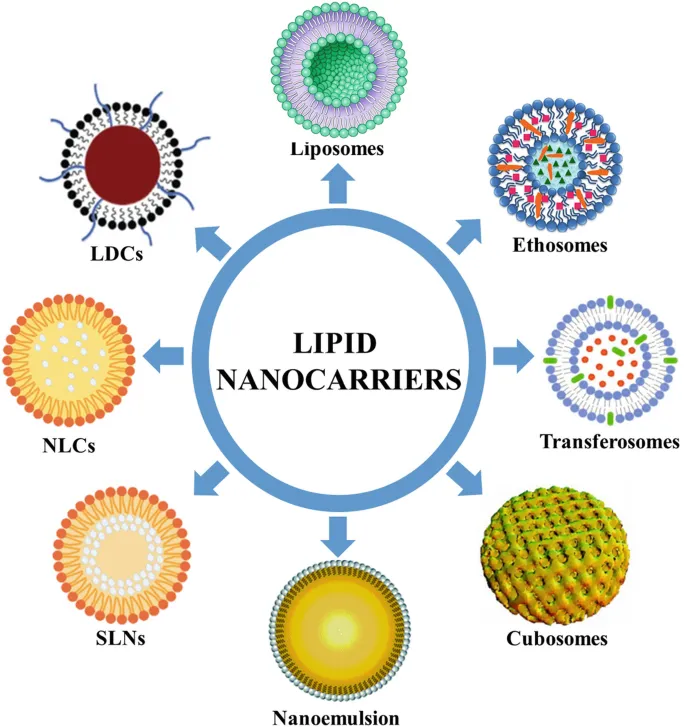
Figure 1: Lipid Based Nanocarriers
Liposomes –
Liposomes are tiny, spherical artificial vesicles made of one or more phospholipid bilayers that can encapsulate both water-soluble and fat-soluble active agents. Liposomes are spherical vesicular drug delivery systems composed mainly of one or more phospholipid bilayers surrounding an aqueous core. They are widely investigated as carriers for pharmaceutical agents because they can encapsulate both hydrophilic and lipophilic drugs [25].
The phospholipid molecules contain a hydrophilic (water-loving) head and hydrophobic (water-repelling) tails. When phospholipids are dispersed in an aqueous medium, they can arrange themselves into bilayers, with the hydrophilic heads facing the surrounding water and the aqueous core. Their size, lamellarity, lipid composition, and surface properties influence drug loading, release, stability, and interaction with biological membranes [26].
Ethosomes –
Ethosomes are another form of flexible liposome, with alcohol incorporated into the lipid bilayer to give the structure their flexibility. Hydrophilic, lipophilic or amphiphilic drugs can be incorporated in Ethosomes and these are able to reach the deeper skin layers and the systemic circulation. Ethosomal systems differ from liposomes as they contain fairly high concentrations of ethanol, in addition to the phospholipids and water [27].
Transferosomes –
Transferosomes are ultra-deformable, elastic lipid nanovesicles specifically engineered to overcome the skin's natural barrier (the stratum corneum) for enhanced transdermal drug delivery. Unlike traditional, rigid liposomes which trap molecules in the superficial skin layers, transferosomes combine phospholipids with surface-active "edge activators" to create highly flexible structures. These elastic boundaries allow the vesicle to spontaneously reshape and "squeeze" through intracellular gaps and skin pores that are significantly smaller than its native diameter [28].
Cubosomes –
Cubosomes are advanced, nanostructured lipid carriers characterized by their unique internal bicontinuous cubic phases. Known as third-generation lipidic nanocarriers, they offer significant structural advantages over conventional liposomes and solid lipid nanoparticles.
Nanoemulsions –
Nanoemulsions can be made extremely gel like or viscous with a very low concentration of droplets than the conventional emulsions and can be consequently utilized to create compounds having new textural properties and low calories. Nanoemulsions having low fats face challenges, during preparation because of the low content of oil, they must be made using fillers/binders or emulsifiers to enhance their viscosity. Pickering emulsions have proved beneficial for preparing nano emulsions containing highly stable low fats as the solid material used for stabilization, acting as a thickening agent (Prakash et al., 2018). The enhanced properties of nanoemulsions can find innovative, appropriate and novel industrial applications (Dasgupta et al., 2019). In this regard, the primary objective of this review is to provide updated information related to the usage of nano emulsion as an advanced edible coating or as nanocarrier of anti-browning/antioxidants, texture enhancers and antimicrobials for fruits and vegetables.
Types of Nanoemulsions:
Depending on the composition, there are three types of Nano emulsions.
1.Oil in water nano emulsion where oil droplets are dispersed in the continuous aqueous phase.
2.Water in oil nano emulsion where water droplets are dispersed in the continuous oil phase.
3.Bicontinous nano emulsions where micro domains of oil and water are inter-dispersed within system [7].
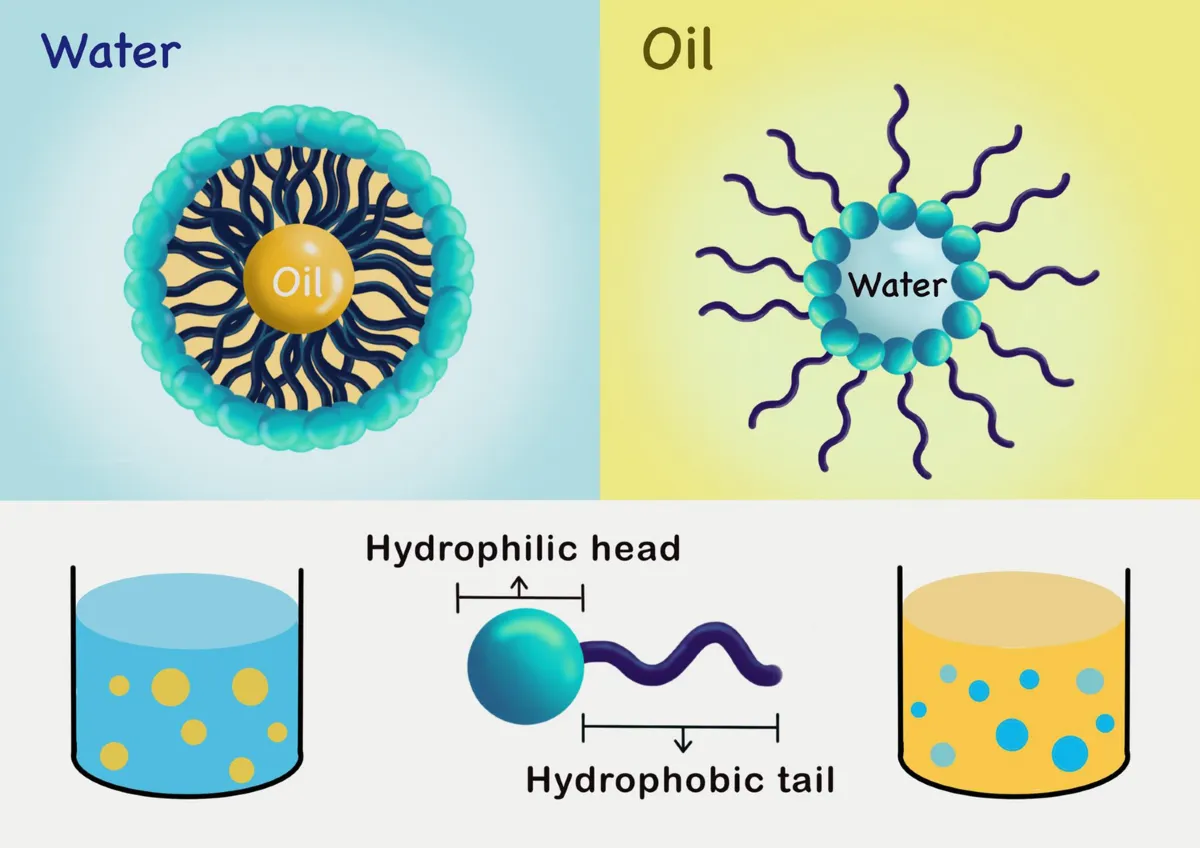
Figure 2: Types of Nanoemulsions
SLNs –
Solid Lipid Nanoparticles (SLNs) represent a premier class of submicron colloidal nanocarriers (typically 50 to 1000 nm) that have revolutionized advanced drug delivery systems. Developed as an alternative to traditional liposomes and polymeric nanoparticles, SLNs substitute the liquid lipid phase with a biocompatible solid lipid core stabilized by aqueous surfactants. This architecture shields therapeutic compounds from degradation, improves bioavailability, and achieves sustained release profiles.
LDCs –
Lipid-Drug Conjugate (LDC) nanocarriers represent a specialized class of lipidic prodrugs engineered to overcome the severe limitations that traditional nanocarriers face when loading hydrophilic or Biopharmaceutics Classification System (BCS) Class II/IV drug [28].
OVERVIEW OF INFLAMMATORY DISEASES:
Inflammatory disease is a broad term encompassing a wide range of pathological conditions affecting many organs and tissues. Inflammatory diseases include inflammatory bowel disease, atherosclerosis, rheumatoid arthritis, multiple sclerosis, asthma and psoriasis. The incidence of atopic illness including asthma has increased considerably over recent decades. Ulcerative Colitis and the less prevalent, but more severe, Crohn's disease, were both considered to be the diseases of Western societies but the incidence and prevalence of these illnesses in Asia are increasing. The risk of developing colorectal carcinoma is increased for individuals with inflammatory bowel disease. In geographical regions where diets are high in n-3 polyunsaturated fatty acids (PUFAs) cancer incidence is low. It has been suggested that some of the protective effect of dietary n-3 PUFAs may be due to their anti-inflammatory, PPARγ activating the properties [4].
Natural Bioactives --
The therapeutic effectiveness of many synthetic anti-inflammatory drugs and natural bioactive compounds is limited by their physicochemical and pharmacokinetic properties. Poor aqueous solubility, low dissolution rate, limited gastrointestinal absorption, chemical instability, rapid metabolism and presystemic elimination can reduce the amount of an orally administered drug reaching systemic circulation. These limitations may result in inadequate drug exposure, variable therapeutic responses and, in some cases, the need for repeated or higher doses.
Natural bioactive compounds also present important delivery challenges. Curcumin, a major bioactive constituent of Curcuma longa, exhibits poor aqueous solubility, limited absorption and extensive intestinal and hepatic metabolism, resulting in low systemic bioavailability after conventional oral administration. Similarly, quercetin has limited aqueous solubility and undergoes extensive metabolism, while resveratrol is rapidly metabolized, particularly through glucuronidation and sulfonation pathways. Consequently, the systemic exposure to their unconjugated parent compounds may be limited following oral administration. These characteristics complicate the translation of promising preclinical anti-inflammatory findings into clinically meaningful outcomes [5].
ANTI- INFLAMMATORY DISEASES:
Inflammatory diseases are a group of disorders characterized by an abnormal, excessive, prolonged, or dysregulated inflammatory response in the body. Inflammation is a natural protective mechanism triggered by infections, tissue injury, harmful substances, or immune system activation. However, when the inflammatory response becomes persistent or inappropriate, it can damage healthy tissues and contribute to the development of various acute and chronic diseases. Inflammatory diseases may affect different organs and tissues, including the joints, skin, gastrointestinal tract, lungs, and cardiovascular system. Their treatment may involve non-steroidal anti-inflammatory drugs (NSAIDs), corticosteroids, immunomodulators, and targeted biological therapies, depending on the underlying cause and severity of the condition [4].
Types of Inflammatory Diseases –
Inflammatory diseases can be classified according to their duration, underlying mechanism, and affected organs.
1. Acute Inflammatory Diseases:
Acute inflammation is a short-term response to infection, injury, or tissue damage.
It usually develops rapidly and resolves after the underlying cause is eliminated.
Examples: Acute appendicitis, Acute bronchitis, Tonsillitis
Acute inflammation following tissue injury
2. Chronic Inflammatory Diseases:
Chronic inflammation occurs when the inflammatory response persists for an extended period, potentially causing tissue damage and impaired organ function.
Examples: Rheumatoid arthritis, Inflammatory bowel disease, Chronic obstructive pulmonary disease (COPD), Chronic hepatitis
3. Autoimmune Inflammatory Diseases:
These diseases occur when the immune system mistakenly attacks the body's own cells and tissues, resulting in inflammation and tissue damage.
Examples: Rheumatoid arthritis, Systemic lupus erythematosus (SLE), Psoriasis, Multiple sclerosis
4. Inflammatory Skin Diseases:
These conditions involve inflammation of the skin, leading to redness, itching, swelling, irritation, or skin lesions.
Examples: Atopic dermatitis, Psoriasis, Contact dermatitis, Acne vulgaris
5. Inflammatory Joint Diseases:
These diseases affect the joints and surrounding tissues, producing pain, swelling, stiffness, and restricted movement.
Examples: Rheumatoid arthritis, Osteoarthritis, which can involve inflammatory processes, Gout, Ankylosing spondylitis
6. Inflammatory Bowel Diseases (IBD):
Inflammatory bowel diseases are chronic inflammatory conditions affecting the gastrointestinal tract. They can cause abdominal pain, diarrhea, fatigue, and other digestive symptoms.
Examples: Crohn's disease, Ulcerative colitis [4].
Mechanism of Anti-inflammatory --
Inflammation is the body’s immediate response to an internal injury, infection, hormone imbalance, malfunction in the internal organs or external factors like an invasion by pathogenic microbes or a foreign particle. It can also be caused due to obesity, food sensitivities or contact with environmental toxins. Innate immune cells have antigen receptors which detect chemical signals from languishing cells and infectious agents and accordingly generate responses to it. Inflammation is caused by cellular and tissue damage resulting from an imbalance between the regulatory signals of the inflammatory process.
When tissues are injured or attacked by a pathogen, an inflammatory response is generated based on the pattern of the damage caused and this response leads to the recruitment of macrophages, killer cells and stem cells which help in tackling the response. Macrophages play a key role in auto-regulating the inflammatory process. Macrophages are large, heterogeneous, mononucleated, phagocytic cells which are generated in the bone marrow and are found as mobile white blood cells (WBCs) called monocytes in the bloodstream. These monocytes migrate to sites of infection in various tissues and from macrophages. Macrophages are of two types: pro-inflammatory M1 macrophages whose production promotes inflammation and M2 macrophages which are alternatively activated in response to anti-inflammatory reactions and induce the process of remodeling of affected tissues and organs. Macrophages initiate, regulate and maintain the inflammatory process by the transformation between these two phenotypes depending on the condition of the response.
During inflammation, macrophages engulf cellular and tissue debris through a process called phagocytosis and promote inflammation through the production of activation signals which activate macrophages. Some of these activation signals include extracellular matrix proteins, lipopolysaccharide (LPS) and cytokines like interleukins, interferons, chemokines, lymphokines and tumor necrosis growth factor. Neutrophils respond to inflammation by migrating to the inflammatory site and producing pro-inflammatory mediators which attract macrophages to the site [10].
SYNTHETIC DRUGS AND NATURAL BIOACTIVES:
Anti-Inflammatory Drugs –
1.Diclofenac:
Diclofenac is an NSAID used to treat the signs and symptoms of osteoarthritis and rheumatoid arthritis. Diclofenac is a phenylacetic acid derivative and non-steroidal anti-inflammatory drug (NSAID).
Mechanism -- Diclofenac inhibits cyclooxygenase-1 and -2, the enzymes responsible for production of prostaglandin (PG) G2 which is the precursor to other Pgs. These molecules have broad activity in pain and inflammation and the inhibition of their production is the common mechanism linking each effect of diclofenac. PGE2 can cross the blood-brain barrier and act on excitatory GQ EP3 receptors on thermoregulatory neurons in the hypothalamus. This activation triggers an increase in heat-generation and a reduction in heat-loss to produce a fever. NSAIDs prevent the generation of PGE2 thereby reducing the activity of these neurons.
Diclofenac is indicated for use in the treatment of pain and inflammation from varying sources including inflammatory conditions such as osteoarthritis, rheumatoid arthritis, and ankylosing spondylitis, as well as injury-related inflammation due to surgery. [11]
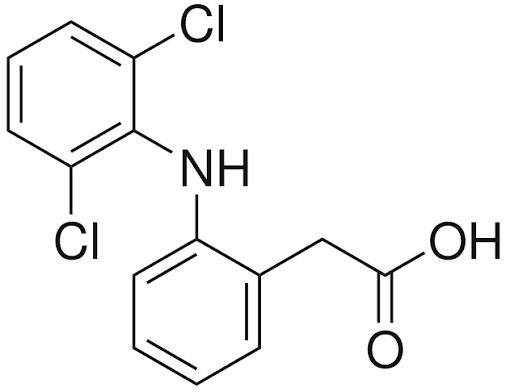
Figure 3: Structure of Diclofenac
MATERIALS AND METHODS
MATERIALS
Diclofenac was selected as the model drug for the formulation and development of a drug delivery system. Diclofenac is a non-steroidal anti-inflammatory drug (NSAID) commonly used to treat pain and inflammation. Depending on the formulation approach, suitable polymers, surfactants, stabilizers, solvents, and other pharmaceutical excipients may be used.
The materials required for the formulation may include diclofenac or diclofenac sodium, a suitable polymer such as chitosan, PLGA, or ethyl cellulose, a surfactant such as Tween 80, and appropriate solvents. Purified water and analytical-grade chemicals may be used during formulation and evaluation.
The selection of materials depends on the intended dosage form, preparation technique, and desired drug-release characteristics.
METHODS
2.1 Preformulation Studies
Preformulation studies are performed to determine the physical and chemical properties of diclofenac before formulation development. These studies may include the evaluation of appearance, solubility, melting point, and compatibility with the selected excipients.
2.2 Preparation of Diclofenac Formulation
The preparation method depends on the type of drug delivery system being developed. For a nanoparticle formulation, suitable methods may include nanoprecipitation, solvent evaporation, ionic gelation, or emulsification, depending on the selected polymer and drug properties.
The drug and excipients are processed using the selected method to obtain a formulation with appropriate particle characteristics and drug-loading properties.
2.3 Characterization of the Formulation
The prepared formulation may be evaluated using the following parameters:
2.4 Data Analysis
The experimental results should be expressed as mean ± standard deviation when appropriate. Each experiment should be performed using a suitable number of replicates. The results should be analysed using appropriate statistical methods to determine the characteristics and performance of the developed formulation [29].
2. Ibuprofen:
Ibuprofen is a type of pain relief medicine that treats fever and mild or moderate pain caused by inflammation. It belongs to a group of medicines known as non-steroidal anti-inflammatory drugs (NSAIDs). Ibuprofen works by blocking chemicals in your body called prostaglandins. These chemicals trigger the feeling of pain and cause inflammation and fever.
Ibuprofen is supplied as tablets with a potency of 200 to 800 mg. The usual dose is 400 to 800 mg three times a day. It is almost insoluble in water having pKa of 5.3. It is well absorbed orally; peak serum concentrations are attained in 1 to 2 hours after oral administration. It is rapidly bio-transformed with a serum half -life of 1.8 to 2 hours. The drug is completely eliminated in 24 hours after the last dose and eliminated through metabolism. The drug is more than 99% protein bound, extensively metabolized in the liver and little is excreted unchanged. [12]
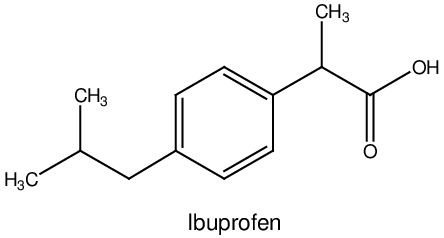
Figure 4: Structure of Ibuprofen
MATERIALS AND METHODS
2.1 Materials
Ibuprofen is a non-steroidal anti-inflammatory drug (NSAID) widely used for its analgesic, antipyretic, and anti-inflammatory properties. It is commonly used to relieve pain, reduce inflammation, and control fever. Ibuprofen was considered as the model drug for reviewing its physicochemical properties, therapeutic applications, and advanced drug delivery approaches.
Various pharmaceutical excipients, including polymers, surfactants, lipids, and stabilizers, may be used in ibuprofen formulations to improve solubility, dissolution rate, stability, and drug delivery performance. The selection of these materials depends on the formulation approach and the intended therapeutic application [30].
Methods Used for Nanotechnology-Based Ibuprofen Delivery
1.1 Nanoprecipitation Method
In this method, ibuprofen and a suitable polymer are dissolved in a compatible organic solvent. The drug-containing solution is added to an aqueous phase containing a stabilizer under controlled mixing. The solvent diffuses into the aqueous phase, resulting in nanoparticle formation. The particles are then collected or purified when necessary.
Advantages:
Applications: Investigated for controlled release and improved formulation performance of ibuprofen.
1.2 Solvent Evaporation Method
In this method, ibuprofen and a suitable polymer are dissolved in an appropriate volatile organic solvent. The organic phase is emulsified in an aqueous phase containing a stabilizer. The solvent is then evaporated, leaving drug-loaded polymeric nanoparticles.
Advantages:
1.3 Solid Lipid Nanoparticles (SLNs)
Solid lipid nanoparticles are prepared using lipids that remain solid at the intended storage temperature. Ibuprofen is incorporated into the lipid matrix, which is dispersed in an aqueous phase with suitable surfactants or stabilizers.
Depending on the formulation, methods such as hot homogenization, cold homogenization, or high-pressure homogenization may be used.
Advantages:
1.4 Liposome Preparation Method
Liposomes are vesicles made from phospholipid bilayers. Ibuprofen can be incorporated into suitable liposomal formulations depending on the drug's properties and the composition of the carrier.
Common Preparation Methods Include:
1. Thin-film hydration.
2. Ethanol injection.
3. Reverse-phase evaporation.
4. Sonication or extrusion to adjust vesicle size.
Advantages:
1.5 Nanoemulsion Method
A nanoemulsion consists of small oil droplets dispersed in an aqueous phase or aqueous droplets dispersed in oil, stabilized using suitable surfactants.
Ibuprofen is incorporated into the appropriate phase based on its solubility. The formulation can be prepared using high-energy methods, such as high-pressure homogenization or ultrasonication, or suitable low-energy emulsification techniques.
Advantages:
1.6 Nanocrystal and Nanosizing Method
Nanosizing reduces the particle size of ibuprofen without necessarily incorporating it into a separate polymeric carrier.
Methods may include:
Reducing particle size increases the surface area available for dissolution and may improve the dissolution rate.
Limitation: Smaller particles can aggregate, so appropriate stabilization and storage conditions are important.
1.7 Self-Emulsifying Drug Delivery Systems (SEDDS)
SEDDS contain the drug, oil, surfactant, and sometimes a co-surfactant. When exposed to gastrointestinal fluids under suitable conditions, the formulation forms a fine oil-in-water dispersion.
Advantages:
3.Other Relevant Synthetic Anti-Inflammatory Drugs:
Table 1: Synthetic Anti- Inflammatory Drug
| Synthetic Drug | Nanocarrier Approach | Potential formulation Benefit |
|---|---|---|
| Naproxen | Polymeric Nanoparticles | Controlled release and improved formulation performance |
| Ketoprofen | Polymeric nanoparticles and lipid carriers | Modified release and localized delivery |
| Piroxicam | Lipid and polymeric nanoparticles | Improved dissolution and controlled release |
| Meloxicam | Polymeric and lipid- based carriers | Modified release and targeted delivery |
| Oxaprozin | Folate- functionalized nanostructured lipid carriers. | Investigated for Ph-dependent release and cellular uptake. |
Natural bio active compounds –
1.Curcumin:
Curcumin-loaded magnetic hydrogel nanocomposite in the treatment of heart hypertrophy reduced the malondialdehyde (MDA) levels, enhanced superoxide dismutase (SOD), and glutathione peroxidase (GPx) enzymes activities. It also reduced the expression of three heart failure markers, atrial natriuretic peptide (ANP), B type natriuretic peptide (BNP), and beta major histocompatibility complex (β-MHC) in cardiac tissue. Curcumin attenuated hydrogen peroxide (H2O2)-induced apoptosis in H9c2 cardio myoblasts via causing a dose-dependent induction of heme oxygenase-1 (HO-1) protein expression. It also reduced the cleaved caspase-3 (CC3) protein expression level and enhanced the Bcl-2/ Max ratio. In depression and diabetes, curcumin was reported to upregulate the phosphorylation of insulin receptor substrate (IRS)-1 and protein kinase B (Akt) in the liver, enhanced insulin sensitivity, and reversed the metabolic abnormalities and depressive-like behaviors. curcumin increased the hepatic glycogen content by inhibiting glycogen synthase kinase (GSK)-3β and prevented gluconeogenesis by inhibiting the phosphoenolpyruvate carboxy kinase (PEPCK) and glucose 6-phosphatase. [13]
Biological Source: Curcumin is obtained from the dried or fresh Rhizomes of Curcuma longa linn.
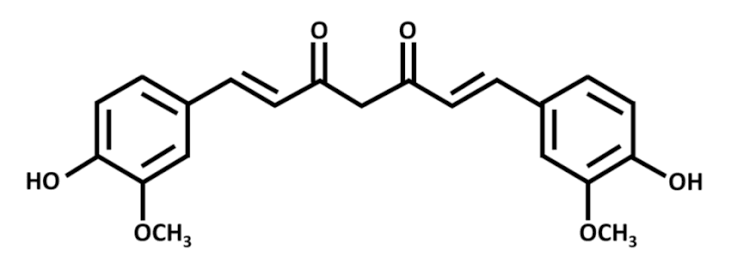
Figure 5: Structure of Curcumin
2.Resveratrol:
Resveratrol (3,5,4′-trihydroxystilbene) is a naturally occurring polyphenolic compound found in grapes, berries and peanuts. It has attracted considerable research interest because of its antioxidant and anti-inflammatory properties. Its therapeutic potential is limited by poor aqueous solubility, chemical instability and extensive metabolism, which can result in low systemic exposure to the parent compound. Nanotechnology-based delivery systems have therefore been investigated to improve its stability, absorption and therapeutic performance.
Various formulations, including polymeric nanoparticles, liposomes, solid lipid nanoparticles, nano emulsions and biopolymer-based nanoparticles, have been explored for resveratrol delivery. These systems may protect resveratrol from degradation, improve its apparent solubility and modify its release and absorption. The encapsulated formulation also showed enhanced anti-inflammatory effects in lipopolysaccharide-treated RAW 264.7 macrophages, including reduced production of inflammatory mediators. These findings are promising but remain preclinical and do not establish clinical efficacy in humans. [13]
Biological Source: Resveratrol is a naturally occurring polyphenolic compound found in Vitis Vinifera.
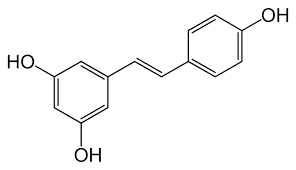
Figure 6: Structure of Resveratrol
3.Quercetin:
Quercetin is one of the important bioflavonoids present in more than twenty plants material and which is known for its anti-inflammatory, antihypertensive, vasodilator effects, anti-obesity, anti hypercholesterolemic and anti-atherosclerotic activities. Free-radical are one of the key factors for the development of the diseases such as hypertension, vascular disorders, and metabolic syndrome. Disease caused by free-radical and oxidant. The objective of this review is to compile the biological and pharmacological importance of quercetin, a bioactive flavonoid. [14]
Biological Source: Quercetin is a naturally occurring flavonoid found in Sophora japonica.
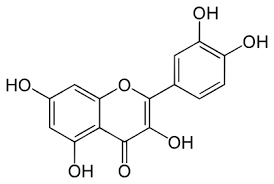
Figure 6: Structure of Quercetin
Metal-Organic Frameworks and Inorganic Carriers:
Metal-organic frameworks (MOFs) are porous materials that offer high surface area and tunable pore sizes for drug loading. Nano formulations composed of Ti-MOF and Zr-MOF have been used to deliver rutin and piperine, exhibiting a two-stage release pattern—zero-order for the first 12 hours followed by sustained release—which significantly enhances anti-inflammatory effects compared to free forms. Inorganic nanocarriers, including titanium and silver nanoparticles, also contribute to these delivery strategies by providing unique physical properties.
Hybrid and Biomimetic Systems:
Recent advances have focused on biomimetic nanocarriers that leverage biological components to enhance circulation and targeting.
Cell Membrane Coating:
Coating nanoparticles with red blood cell or macrophage membranes reduces immune recognition and enables targeted delivery to inflamed plaques or tissues. For example, biomimetic ginsenoside Rb1 and probucol co-assembled nanoparticles have been developed for targeted atherosclerosis therapy.
Phytosomes:
Complexing bioactives like naringin or curcumin with phospholipids (Phytosomes) improves their passage through biological membranes. Curcumin Phytosomes are reported as a promising system for enhancing bioavailability and therapeutic efficacy. [15]
MECHANISM BY USING NANOTECHNOLOGY AS BIOAVAILABILITY ENHANCEMENT:
Nanotechnology-based drug delivery systems have emerged as promising approaches for improving the oral bioavailability of synthetic anti-inflammatory drugs and natural bioactive compounds. Oral bioavailability is influenced by drug solubility, dissolution rate, gastrointestinal stability, intestinal permeability, pre-systemic metabolism and efflux transport. Nanocarriers such as liposomes, polymeric nanoparticles, solid lipid nanoparticles (SLNs), nanostructured lipid carriers (NLCs), nano emulsions and nanocrystals can address some of these barriers through different mechanisms. The extent of improvement depends on the physicochemical characteristics of the drug, formulation composition and route of administration. [16]
Improvement in Solubility and Dissolution Rate --
Poor aqueous solubility is a major limitation for the oral absorption of many hydrophobic drugs and natural bio actives, including curcumin and resveratrol. Nanocrystals reduce particle size and increase the surface area available for dissolution, which can accelerate drug dissolution. Liposomes, polymeric micelles, nano emulsions and lipid-based carriers can improve the apparent solubilization and dispersion of poorly water-soluble compounds. These effects may increase the amount of drug available for absorption in the gastrointestinal tract. [16,17]
Protection Against Chemical and Enzymatic Degradation --
Encapsulation within a suitable nanocarrier can protect sensitive drug molecules from environmental factors, including light, oxygen, pH changes and enzymatic degradation. Lipid-based and polymeric carriers may improve the stability of selected natural bioactives during gastrointestinal transit. However, the degree of protection depends on the carrier material, encapsulation efficiency and release characteristics. Encapsulation does not guarantee complete protection from degradation. [18]
Enhancement of Intestinal Permeability and Absorption --
Nanocarriers can improve drug absorption by increasing the drug concentration near the intestinal surface and facilitating transport across biological barriers. Depending on their size and surface properties, some nanoparticles interact with the intestinal mucus layer or undergo cellular uptake through endocytosis. Drug molecules may subsequently cross the intestinal epithelium through transcellular or, in certain formulations, paracellular pathways. These mechanisms are formulation-dependent and should not be assumed to occur with every nanocarrier.
Modulation of Efflux Transporters --
Efflux transporters such as P-glycoprotein (P-gp) can transport certain drugs from intestinal epithelial cells back into the intestinal lumen, thereby limiting absorption. Some nanocarrier formulations may reduce the interaction of encapsulated drugs with efflux transporters or alter their intracellular transport. However, transporter inhibition is not a universal property of nanoparticles and must be demonstrated experimentally for each formulation. [17,18]
Reduction of Pre-systemic Metabolism --
After oral administration, some drugs undergo extensive metabolism in the intestinal wall and liver before reaching systemic circulation. Certain lipid-based nanocarriers may promote intestinal lymphatic transport of suitable drugs, potentially reducing their initial exposure to hepatic first-pass metabolism. This mechanism depends on drug lipophilicity, lipid digestion, carrier composition and lymphatic uptake. Therefore, bypass of first-pass metabolism should be claimed only when supported by appropriate experimental evidence. [16]
Controlled Drug Release and Prolonged Residence Time --
Polymeric nanoparticles, lipid nanoparticles and nanogels can be engineered to modify drug-release kinetics. Controlled release may protect drugs during gastrointestinal transit and maintain drug availability over an extended period. Mucoadhesive formulations may also increase contact with the gastrointestinal mucosa, whereas other surface modifications are designed to facilitate mucus penetration. These approaches can improve absorption under suitable conditions, although prolonged release does not necessarily increase total bioavailability. [17]
Improved Tissue Distribution and Targeted Delivery --
Surface functionalization, ligand conjugation and stimuli-responsive materials can be used to modify nanocarrier distribution and promote delivery to selected tissues or cellular targets. In inflammatory diseases, these strategies may facilitate drug accumulation at affected sites and improve local exposure. However, enhanced targeting depends on the disease model, biological environment and carrier characteristics; increased tissue accumulation alone does not prove improved therapeutic efficacy. [18,17]
EVALUATION PARAMETER OF ANTI-INFLAMMATORY DRUGS:
Table 2: Evaluation Parameters
| Evaluation Parameter | Purpose |
|---|---|
| Particle size and polydispersity index | Determine particle size and distribution uniformity |
| Zeta potential | Assess surface charge and provide information relevant to colloidal stability |
| Entrapment Efficiency (%) | Determines the proportion of drug encapsulated within the nanocarrier |
| Drug loading (%) | Determine the amount of drug incorporated relative to the carrier or formulation mass |
| Skin retention | Measure the amount of drug retained within the skin |
| In vitro drug release | Evaluate the drug-release profile under specified experimental conditions |
| COX/ LOX Inhibition | Investigate relevant enzyme- mediated anti-inflammatory activity |
| Cytokine Estimation | Assess changes in inflammatory mediator production |
| Cell viability or cytotoxicity | Investigate potential adverse effects on cells |
| In vivo anti- inflammatory activity | Assess the formulation’s effects in an appropriate inflammation model |
MACROPHAGE ACTIVITY AND IMMUNE CELL-INTERACTION:
Macrophages are important immune cells that participate in inflammation, pathogen elimination, tissue repair and the maintenance of tissue homeostasis. During inflammatory responses, macrophages release mediators such as tumour necrosis factor-alpha (TNF-α), interleukin-1 beta (IL-1β), interleukin-6 (IL-6) and reactive oxygen species (ROS). Persistent or dysregulated macrophage activation can contribute to chronic inflammatory diseases, including rheumatoid arthritis, atherosclerosis and inflammatory tissue injury. Therefore, modulation of macrophage activity represents an important strategy in the development of nanotechnology-based anti-inflammatory drug delivery systems. [19,20]
Macrophage Targeting by Nanocarriers --
Nanocarriers, including liposomes, polymeric nanoparticles, lipid nanoparticles and dendrimers, can interact with macrophages through phagocytosis, endocytosis and receptor-mediated uptake. Their cellular uptake is influenced by particle size, shape, surface charge, surface chemistry and the biological environment. Although macrophage uptake may facilitate the delivery of therapeutic agents to inflammatory cells, it can also lead to premature clearance of nanoparticles by the mononuclear phagocyte system, particularly in the liver and spleen. Accordingly, formulation design must balance macrophage targeting with circulation time and tissue distribution. [21,22]
Modulation of Macrophage Polarization –
Macrophages exhibit a range of functional states in response to signals from their microenvironment. They are often described using the simplified M1/M2 framework: M1-like macrophages are associated with pro-inflammatory responses, whereas M2-like macrophages are commonly associated with inflammation resolution and tissue repair. However, macrophage phenotypes exist along a continuum, and the M1/M2 classification does not fully represent their complexity in living tissues.
Certain nanocarriers can deliver anti-inflammatory drugs, natural bioactives or nucleic-acid therapeutics to macrophages, potentially reducing pro-inflammatory signalling or promoting reparative functions. Relevant pathways include NF-κB signalling, cytokine production and oxidative stress responses. The direction and magnitude of these effects depend on the therapeutic cargo, carrier composition and disease model; nanoparticles themselves may also stimulate or suppress immune responses. [23,24]
Interactions With Other Immune Cells --
Macrophages communicate with T lymphocytes, B lymphocytes, neutrophils and dendritic cells through cytokines, chemokines, antigen presentation and direct cellular interactions. Nanocarrier-mediated modulation of macrophages may consequently influence the recruitment and activation of other immune cells and alter the inflammatory microenvironment. For example, reducing excessive macrophage-derived pro-inflammatory signalling may help limit the recruitment of inflammatory cells, whereas promoting appropriate reparative responses may support tissue recovery. These effects must be established for each formulation and inflammatory condition rather than assumed to occur universally.
Overall, macrophage-targeted nanocarriers offer a promising approach for delivering synthetic anti-inflammatory drugs and natural bioactive compounds to relevant immune cells. Further studies are required to evaluate cell-specific delivery, immunotoxicity, long-term safety, reproducibility and clinical effectiveness. [24,23]
FUTURE SCOPE:
1. Improved targeting: Develop nanocarriers that deliver natural products more specifically to diseased tissues.
2. Safety and toxicity: Investigate the long-term safety, toxicity, and biocompatibility of nanocarriers.
3. Improved bioavailability: Enhance the solubility, stability, absorption, and therapeutic effectiveness of natural products.
4. Better preparation methods: Improve nanoparticle manufacturing and preparation techniques.
5. Mechanism of action: Investigate how natural products and nanocarriers interact and produce therapeutic effects.
6. Clinical translation: Conduct further research to establish the safety and effectiveness of nanoformulations in clinical practice [32].
CONCLUSION:
Nanotechnology offers a promising approach for improving the therapeutic potential of poorly bioavailable anti-inflammatory drugs and natural bio actives. Nanocarriers such as liposomes, polymeric nanoparticles, Nano emulsions, solid lipid nanoparticles, nanostructured lipid carriers, micelles, nanogels, and biomimetic systems can enhance solubility, stability, bioavailability, cellular uptake, controlled release, and targeted delivery. Preclinical studies indicate that Nano formulated drugs and natural compounds can provide greater anti-inflammatory effects than their free forms by reducing important mediators and pathways such as TNF-α, IL-6, NF-κB, COX-2, and oxidative stress. Targeted and stimuli-responsive systems further offer opportunities for site-specific drug release and reduced systemic toxicity. These advantages make nanotechnology particularly attractive for the treatment of chronic inflammatory disorders such as rheumatoid arthritis, IBD, cardiovascular inflammation, and other inflammation-associated diseases. 1,5
Despite these advances, challenges related to toxicity, long-term safety, manufacturing scalability, formulation stability, regulatory requirements, and limited clinical evidence remain. Future research should focus on biodegradable and biocompatible materials, sustainable manufacturing, precision targeting, multifunctional co-delivery systems, and well-designed clinical studies. Overall, continued integration of nanotechnology with pharmaceutical and molecular sciences may enable safer, more effective, and targeted anti-inflammatory therapies and help translate promising laboratory findings into clinically useful treatments. [24,2,3]
REFERENCES



Sajiya A. Patel, Vishal S. Madankar, Sampat D. Navale, A Review on Nanotechnology Based Strategies for Enhanching the Anti- Inflammatory Activity of Poorly Bio Available Drugs and Natural Bio Actives, Int. J. Sci. R. Tech., 2026, 3 (11), 326-340. https://doi.org/10.5281/zenodo.23975518
 10.5281/zenodo.23975518