

We use cookies to ensure our website works properly and to personalise your experience. Cookies policy
Vidya-Niketan College of Pharmacy, Lakhewadi Indapur.
By increasing the effectiveness, safety, and bioavailability of therapeutic drugs, nanotechnology has become a game-changing strategy in targeted drug delivery systems. Conventional drug delivery techniques frequently have drawbacks such low solubility, non-specific distribution, quick degradation, and unfavourable side effects. By allowing site-specific and regulated medication release, nanotechnology-based carriers such as liposomes, nanoparticles, dendrimers, micelles, and nanoemulsions provide creative answers to these problems. Drug stability is improved, circulation time is extended, and effective penetration into target tissues or cells is made possible by these nanoscale systems. Nanotechnology-based targeted medication delivery is especially important for treating chronic conditions including cancer, heart disease, and neurological disorders, where accuracy and lower toxicity are crucial. Additionally, incorporating surface modificationsmethods and ligand-based targeting have enhanced the therapeutic efficacy and selectivity of nanocarriers. Research on toxicity, large-scale production, regulatory approval, and long-term safety is still ongoing despite notable breakthroughs. The basic ideas, different kinds of nanocarriers, targeted delivery methods, current developments, uses, and potential applications of nanotechnology in targeted drug delivery systems are all highlighted in this review study. The study highlights how nanomedicine has the potential to transform contemporary healthcare by developing more effective and individualised treatment plans.
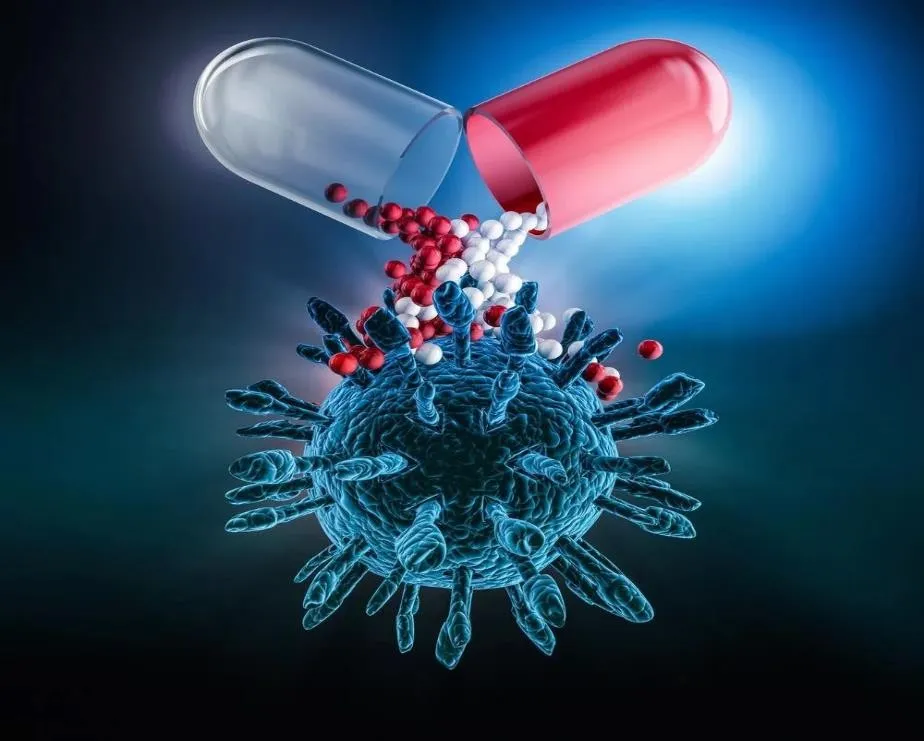
The rapidly emerging subject of nanotechnology integrates science, engineering, and medicine to enhance healthcare systems. Nanotechnology works with materials and particles that are incredibly small, typically ranging from 1 to 100 nanometres.
Nanoparticles can readily interact with biological systems and aid in efficient medication administration because of their small size and special characteristics. Targeted drug delivery systems are used in the pharmaceutical industry to deliver medications straight to the intended location of action. Both healthy and sick cells may be impacted by conventional drug delivery techniques, which could result in adverse effects and decreased therapeutic effectiveness. By employing nanocarriers that precisely deliver medications to the intended tissues or organs, nanotechnology helps solve these concerns. For regulated and site-specific drug delivery, a variety of nanocarriers, including liposomes, nanoparticles, dendrimers, nanoemulsions, and micelles, are frequently employed. These approaches lower toxicity and dosing frequency while improving medication solubility, stability, and bioavailability. Because they increase the potency of anticancer medications and lessen harm to healthy cells, nanotechnology-based drug delivery systems are particularly significant in cancer treatment. Nanotechnology is used not only to cure cancer but also to treat infections, diabetes, neurological disorders, and cardiovascular ailments. Advanced nanomedicine systems with improved safety and therapeutic results are constantly being developed by researchers. For regulated and site-specific drug delivery, a variety of nanocarriers, including liposomes, nanoparticles, dendrimers, nanoemulsions, and micelles, are frequently employed. These approaches lower toxicity and dosing frequency while improving medication solubility, stability, and bioavailability. Because they increase the potency of anticancer medications and lessen harm to healthy cells, nanotechnology-based drug delivery systems are particularly significant in cancer treatment. Nanotechnology is used not only to cure cancer but also to treat infections, diabetes, neurological disorders, and cardiovascular ailments. Advanced nanomedicine systems with improved safety and therapeutic results are constantly being developed by researchers. Nanotechnology is extensively employed in the treatment of neurological, cardiovascular, infectious, and genetic illnesses in addition to cancer treatments. For more targeted treatment, scientists are also investigating smart nanocarriers that react to pH, temperature, or other biological cues. Despite the many benefits of nanotechnology, issues with toxicity, biocompatibility, large-scale production, and regulatory standards still exist. These constraints are being addressed by ongoing technological and scientific developments. Thus, nanotechnology in targeted drug delivery systems is considered a promising approach for achieving safer, more effective, and personalized healthcare solutions in the future.
By enhancing illness detection, treatment, and prevention, nanotechnology plays a significant role in contemporary healthcare. It entails the use of nanoscale materials and tools that have the ability to interact molecularly with biological systems. Nanoparticles are very useful in medical applications because of their exceptionally small size and special qualities, which allow them to readily penetrate cells and tissues. Targeted medication delivery, illness detection, imaging, tissue engineering, and regenerative medicine are the primary applications of nanotechnology in medicine. By delivering medications straight to sick cells, nanocarriers such liposomes, dendrimers, micelles, and polymeric nanoparticles lessen adverse effects and increase therapeutic efficacy. Because anticancer medications may specifically target tumour cells without harming healthy organs, this method is very helpful in the treatment of cancer. Additionally, nanotechnology enhances the stability, controlled release, and bioavailability of medications. Nanoparticles are employed in biosensors and imaging methods for early illness detection in diagnostics. To deliver safer, quicker, and more individualized healthcare solutions, researchers are constantly creating cutting-edge nanomedicine technologies. Nanotechnology in medicine faces obstacles like toxicity, safety problems, high manufacturing costs, and regulatory constraints despite its many benefits.
However, it is anticipated that ongoing research and technical developments will get over these restrictions and broaden its uses in the future. Additionally, medical imaging and biosensors employ nanoparticles to assist physicians identify illnesses early.
Nanomaterials aid in the growth and repair of injured tissues in regenerative medicine. Furthermore, gene therapy and vaccine development are using nanotechnology to provide more sophisticated therapeutic choices.
One of the biggest advantages of nanotechnology in medicine is controlled and sustained drug release, which improves patient compliance and reduces dosage frequency. Additionally, it improves the stability and solubility of drugs, increasing their efficacy.
By making it possible to create targeted medication delivery systems that administer therapeutic chemicals directly to particular cells, tissues, or organs, nanotechnology has greatly enhanced the science of medicine. This system's primary goal is to minimise harm to healthy tissues and minimise side effects while optimising medication efficacy at the illness location. Conventional drug distribution disperses medications throughout the body, which frequently results in ineffectiveness and unintended harm. Nanocarriers such liposomes, polymeric nanoparticles, dendrimers, micelles, and solid lipid nanoparticles are used in targeted drug delivery to get around these restrictions. These carriers prolong blood circulation, increase drug solubility, and shield medications from enzymatic deterioration.
Two key factors underlie the operation of targeted medication delivery systems:
Understanding how medications are specifically administered to sick areas of the body through tailored drug delivery systems is greatly aided by nanotechnology. The way that nanocarriers deliver medications to the intended site in a safe, precise, and effective manner while avoiding healthy tissues is the primary focus of the drug targeting mechanism.
given to this mechanism. The drug carrier does not need to be modified in any particular way.
Only at the target site do these stimuli cause the medication to be released.
Nanotechnology uses a variety of techniques to manufacture nanocarriers for targeted medication administration, including liposomes, micelles, dendrimers, and nanoparticles. These techniques are intended to regulate release behaviour, stability, drug loading, and particle size.
Particularly in targeted medication delivery, nanotechnology is crucial for enhancing the pharmacokinetics and pharmacodynamics of drug delivery systems.
There are four primary processes involved: The drug's entry into the bloodstream is known as absorption. Because of their tiny size, nanoparticles enhance absorption.
Distribution: The drug's passage through the body's tissues. Targeting particular organs or cells is made easier with the use of nanocarriers.
Drug breakdown in the body is known as metabolism. Drugs can be shielded against premature deterioration by nanoparticles.
Excretion: The drug's departure from the body. Long-term medication level maintenance is facilitated by controlled release devices.
Targeted medication delivery systems are developed and used in clinical settings thanks in large part to nanotechnology. Drug delivery via nanotechnology has several benefits, but it also presents a number of ethical and legal issues.
Regulation Concerns:
Moral Concerns:
By enhancing diagnosis, treatment, and focused therapy, nanotechnology has demonstrated tremendous promise in a number of medical domains. Targeted drug
delivery systems based on nanotechnology are frequently employed in clinical practice to improve medication efficacy and minimise negative effects.
Nanotechnology uses unique nanoscale structures to transport and deliver medications straight to the body's specific cells or tissues. These carriers lessen adverse effects while increasing medication stability, solubility, and therapeutic efficacy.
Modern drug delivery benefits greatly from nanotechnology, particularly in terms of increased therapeutic effectiveness and decreased side effects.
CONCLUSION
Nanotechnology has emerged as a revolutionary approach in targeted drug delivery systems by improving the therapeutic efficacy and safety of drugs. Nano-carriers such as liposomes, nanoparticles, dendrimers, micelles, and nanoemulsions provide site-specific delivery, controlled drug release, enhanced bioavailability, and reduced side effects compared to conventional drug delivery methods. These advanced systems have shown promising applications in the treatment of cancer, infectious diseases, neurological disorders, and chronic illnesses.
Recent advancements in nanotechnology, surface modification techniques, and smart nano-systems have further enhanced the precision and effectiveness of targeted therapy. Despite significant progress, challenges such as toxicity, stability, large-scale production, regulatory approval, and high manufacturing costs still limit their widespread clinical application.
Overall, nanotechnology-based targeted drug delivery systems represent a promising future in modern pharmaceutical research and personalized medicine. Continued research, interdisciplinary collaboration, and technological innovations are expected to overcome existing limitations and expand their applications in healthcare, ultimately leading to safer and more effective therapeutic outcomes.
REFERENCES

Hake Anushka Hanumant*, Nitin N. Mali, Samrat Khedkar, Review Paper On Nanotechnology In Targeted Drug Delivery Systems, Int. J. Sci. R. Tech., 2026, 3 (7), 54-61. https://doi.org/10.5281/zenodo.21155813
 10.5281/zenodo.21155813