

We use cookies to ensure our website works properly and to personalise your experience. Cookies policy
1Department of Zoology, Kakatiya University Warangal, Telangana, India
2Department of Sericulture, Kakatiya University Warangal, Telangana, India.
Mulberry sericulture is an important agro-based enterprise that contributes significantly to rural employment, income generation, and socioeconomic development in Telangana, India. In recent years, the state has witnessed considerable expansion in mulberry cultivation and cocoon production, particularly in districts such as Siddipet, Jangaon, and Warangal. Despite this growth, the sustainability and profitability of sericulture remain constrained by production inefficiencies, climate variability, and frequent disease outbreaks. This review examines the status of mulberry sericulture in Telangana with a focus on production efficiency and seasonal disease management. The study discusses key determinants of production efficiency, including farm-level, technical, and institutional factors, and highlights the application of the Cobb–Douglas production function in assessing resource-use efficiency. Major silkworm diseases such as grasserie, flacherie, muscardine, and pebrine are reviewed with respect to their causes, symptoms, seasonal incidence, and economic implications. Seasonal variations in temperature and humidity significantly influence disease prevalence, resulting in substantial losses in cocoon yield, silk quality, and farmer income. The review further explores disease management strategies, emphasizing hygiene and sanitation practices, environmental control, integrated disease management (IDM), and emerging technologies such as artificial intelligence-based disease diagnosis, molecular breeding, CRISPR/Cas9 applications, and nanotechnology. In addition, the economic impact of diseases and the challenges posed by climate change, water scarcity, labor shortages, and limited technological adoption are discussed. The findings indicate that improving production efficiency and strengthening disease management systems are essential for enhancing the productivity and competitiveness of Telangana’s sericulture sector. The adoption of climate-resilient practices, precision disease monitoring, farmer training programs, and technology-driven interventions can contribute to sustainable sericulture development. A comprehensive approach integrating biological, economic, institutional, and technological dimensions is therefore necessary to ensure long-term growth and resilience of mulberry sericulture in Telangana.
1.1 Overview of Sericulture in India
Sericulture, the cultivation of silkworms for silk production, is one of the oldest agro-based industries in India and plays a significant role in the country's rural economy. The sector provides employment opportunities to millions of people, particularly small and marginal farmers, women, and rural artisans. India occupies a unique position in the global silk industry as it is the only country that produces all four commercially important varieties of natural silk, namely mulberry, tasar, eri, and muga. According to the Central Silk Board (2024), India is the second-largest producer of silk in the world after China and contributes substantially to global silk production.
Among the different silk varieties, mulberry silk dominates the Indian sericulture sector, accounting for approximately 95–98% of total raw silk production. Mulberry sericulture has gained prominence because of its high commercial value, adaptability to diverse agro-climatic conditions, and its ability to generate regular income throughout the year. The industry also contributes significantly to foreign exchange earnings through silk exports and value-added silk products.
1.2 Growth of Sericulture in Telangana
Telangana has emerged as one of the promising states for mulberry sericulture in South India. Favorable climatic conditions, expansion of irrigation facilities under various state initiatives, and increasing government support have encouraged farmers to adopt sericulture as a profitable livelihood enterprise. In recent years, the area under mulberry cultivation and the number of sericulture farmers have increased considerably across several districts of the state.
Among the emerging sericulture regions, Siddipet, Jangaon, and Warangal districts have shown notable growth in mulberry cultivation and silkworm rearing activities. Government interventions such as subsidies for mulberry plantation establishment, supply of quality silkworm seed, farmer training programs, infrastructure development, and extension services have played a vital role in promoting sericulture in these districts. These initiatives have improved farmer participation and contributed to increased cocoon production.
1.3 Need for Production Efficiency and Disease Management
Despite the expansion of sericulture in Telangana, several challenges continue to affect productivity and profitability. Rising production costs, increasing labor expenses, and fluctuations in input prices have reduced profit margins for farmers. Furthermore, climate variability characterized by irregular rainfall, high temperatures, and changing humidity patterns has significantly influenced mulberry growth and silkworm health.
Disease outbreaks remain one of the major constraints in sericulture production. Diseases such as flacherie, grasserie, muscardine, and pebrine cause substantial crop losses, reduced cocoon quality, and lower market returns. Therefore, improving production efficiency through optimal resource utilization and implementing effective seasonal disease management strategies are essential for ensuring sustainable sericulture development in Telangana.
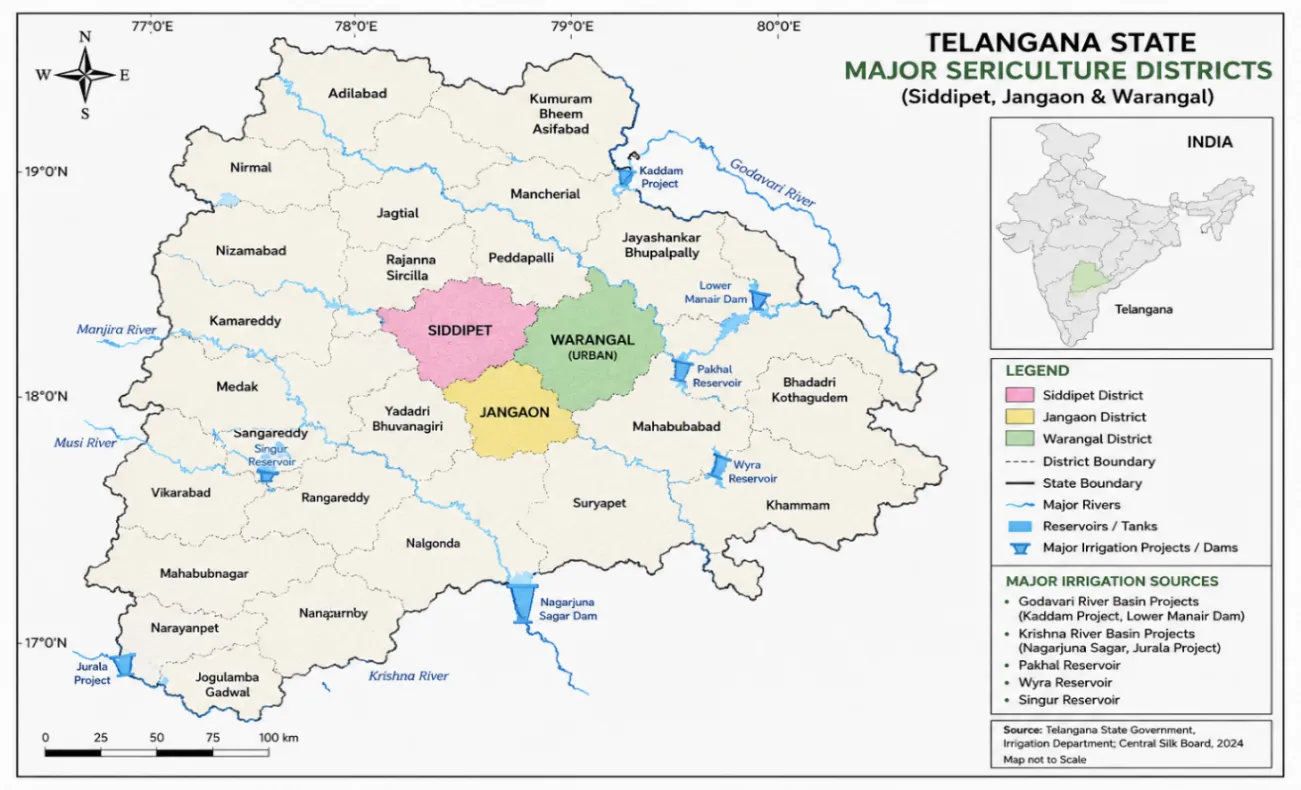
Figure 1: Map of Telangana showing major sericulture districts
Figure 1 illustrates the geographical distribution of major sericulture-growing districts in Telangana, namely Siddipet, Jangaon, and Warangal. The map also highlights district boundaries and major irrigation sources that support mulberry cultivation and silkworm rearing activities in the region. These districts have emerged as important centers of sericulture due to favorable agro-climatic conditions and government-supported development programs.
|
State |
2020–21 (MT) |
2021–22 (MT) |
2022–23 (MT) |
2023–24 (MT) |
2024–25* (MT) |
|
Karnataka |
11,300 |
11,850 |
12,150 |
12,463 |
12,800 |
|
Andhra Pradesh |
9,250 |
9,780 |
10,120 |
10,492 |
10,900 |
|
Tamil Nadu |
2,180 |
2,320 |
2,510 |
2,679 |
2,850 |
|
West Bengal |
1,820 |
1,940 |
2,050 |
2,131 |
2,250 |
|
Telangana |
420 |
470 |
520 |
565 |
620 |
Note. MT = Metric Tonnes. *2024–25 figures are provisional estimates based on recent reports from the Central Silk Board and Ministry of Textiles.
Source: Central Silk Board (2025); Ministry of Textiles, Government of India.
Table 1: Raw Silk Production in Major Sericulture-Producing States of India (2020–21 to 2024–25)
As shown in Table 1, Karnataka remained the leading silk-producing state in India throughout the study period, contributing more than 12,000 MT of raw silk annually by 2024–25. Andhra Pradesh maintained the second position, followed by Tamil Nadu and West Bengal. Although Telangana contributes a relatively smaller share to national silk production, the state exhibited steady growth from 420 MT in 2020–21 to 620 MT in 2024–25, representing an increase of approximately 47.6%. This growth reflects the expansion of mulberry cultivation, improved irrigation facilities, and increased adoption of scientific sericulture practices in districts such as Siddipet, Jangaon, and Warangal. The consistent upward trend indicates the growing importance of sericulture as a livelihood enterprise in Telangana and highlights the potential for further productivity enhancement through efficient resource utilization and disease management strategies.
This review was prepared using a narrative literature review approach to synthesize existing knowledge on production efficiency and seasonal disease management in mulberry sericulture. The review methodology was designed following the general principles for conducting narrative reviews in biomedical and agricultural sciences, with emphasis on transparency in literature identification, selection, and synthesis (Ferrari, 2015).
A comprehensive literature search was conducted using major scientific databases, including Google Scholar, Scopus, Web of Science, PubMed, and CAB Abstracts. In addition, authoritative publications and statistical reports from the Central Silk Board (CSB), Ministry of Textiles, Government of India, Telangana Department of Sericulture, Food and Agriculture Organization (FAO), and other relevant institutional sources were consulted to obtain updated information on sericulture production, disease management, and policy initiatives.
The literature search included publications published between 2004 and 2025 using combinations of the following keywords: mulberry sericulture, Bombyx mori, production efficiency, technical efficiency, Cobb–Douglas production function, silkworm diseases, grasserie, flacherie, muscardine, pebrine, integrated disease management, climate change, artificial intelligence in sericulture, CRISPR/Cas9, nanotechnology, precision sericulture, India, and Telangana. Boolean operators (AND, OR) were used to improve the efficiency of database searches.
The retrieved publications were screened based on their relevance to the objectives of this review. Priority was given to peer-reviewed journal articles, review papers, books, conference proceedings, government reports, and technical manuals published in English. Duplicate records, non-English publications, and studies unrelated to mulberry sericulture or silkworm production were excluded. Additional relevant studies were identified through the reference lists of selected publications.
The selected literature was critically evaluated and synthesized into thematic sections covering the status of mulberry sericulture, production efficiency, determinants of productivity, seasonal disease incidence, disease management strategies, emerging technologies, economic impacts, and future research prospects. Information from multiple sources was compared to identify common findings, existing knowledge gaps, and recent advances that can support sustainable development of the mulberry sericulture sector in India.
Mulberry sericulture has emerged as an important agricultural enterprise in Telangana during the last decade. The area under mulberry cultivation has expanded considerably due to favorable climatic conditions, improved irrigation infrastructure, and increasing demand for silk products. Farmers in several districts have shifted toward sericulture because of its potential to generate regular income throughout the year. The expansion of irrigation facilities through major projects such as the Kaleshwaram Lift Irrigation Scheme and Mission Kakatiya has improved water availability, enabling sustainable mulberry cultivation and multiple silkworm rearing cycles annually (Central Silk Board [CSB], 2025).
Small and marginal farmers constitute the majority of sericulture practitioners in Telangana. The relatively low land requirement, continuous employment opportunities, and attractive economic returns have encouraged wider adoption among rural households. Emerging districts such as Siddipet, Jangaon, and Warangal have experienced significant growth in mulberry acreage and cocoon production due to improved access to technical support, quality planting materials, and extension services (Telangana Department of Sericulture, 2025).
Sericulture plays a crucial role in the rural economy of Telangana by generating year-round employment opportunities. Unlike seasonal agricultural activities, mulberry cultivation and silkworm rearing require continuous labor inputs, thereby providing stable employment for farming families. Activities such as mulberry leaf harvesting, silkworm feeding, cocoon harvesting, and marketing contribute significantly to rural income generation (Reddy & Parasuramudu, 2024).
Women represent a substantial proportion of the workforce engaged in sericulture. Their participation in rearing operations, cocoon sorting, and farm management activities contributes to household income and promotes economic empowerment. Furthermore, sericulture serves as an effective strategy for income diversification, reducing dependence on conventional crop production and improving resilience against climatic uncertainties and market fluctuations. Several studies have highlighted the positive socioeconomic impact of sericulture on rural livelihoods and poverty reduction (Mala et al., 2024).
The growth of sericulture in Telangana has been strongly supported by initiatives implemented by the Central Silk Board and the Telangana Department of Sericulture. These programs focus on enhancing productivity, strengthening infrastructure, and promoting scientific cultivation and rearing practices. Financial assistance is provided for establishing mulberry gardens, constructing rearing houses, and procuring improved equipment. Subsidies and support services have reduced production costs and encouraged farmers to adopt modern technologies (CSB, 2025).
Training and capacity-building programs play an important role in disseminating knowledge related to mulberry cultivation, silkworm rearing, disease management, and resource-use efficiency. These interventions have improved farmer skills, increased cocoon productivity, and contributed to the sustainable development of the sericulture sector in Telangana (Telangana Department of Sericulture, 2025).
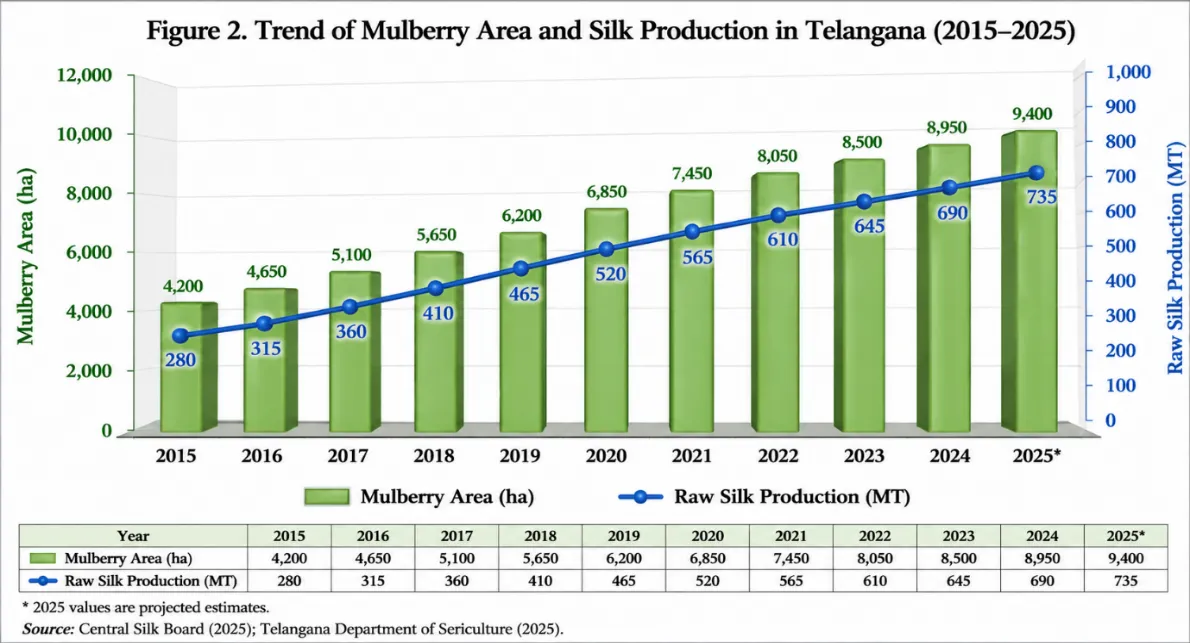
Note. 2025 values are projected estimates based on recent growth trends in Telangana sericulture.
Source: Central Silk Board (2025); Telangana Department of Sericulture (2025).
Figure 2. Trend of Mulberry Area and Silk Production in Telangana (2015–2025)
Figure 2. illustrates the increasing trend in mulberry cultivation area (ha) and raw silk production (MT) in Telangana between 2015 and 2025. The graph reflects the positive impact of irrigation expansion, government support programs, improved technologies, and increasing farmer participation in sericulture.
|
Scheme |
Objective |
Benefits |
|
Rashtriya Krishi Vikas Yojana (RKVY) |
Infrastructure support |
Subsidies for rearing houses and farm development |
|
Seed Support Program |
Supply of quality silkworm seed |
Increased cocoon yield and productivity |
|
Farmer Training Programs |
Skill development and technology transfer |
Better farm management and disease control |
|
Mulberry Plantation Assistance |
Expansion of mulberry cultivation |
Reduced establishment costs |
|
Rearing House Assistance |
Improvement of rearing facilities |
Enhanced silkworm health and productivity |
|
Extension Services |
Technical guidance and advisory support |
Adoption of scientific sericulture practices |
Source: Central Silk Board (2025); Telangana Department of Sericulture (2025).
Table 2. Government Support Programs for Sericulture Farmers
4. Production Efficiency in Mulberry Sericulture
4.1. Concept of Production Efficiency
Production efficiency refers to the ability of farmers to maximize output from a given set of resources while minimizing production costs. In sericulture, production efficiency is crucial for improving cocoon yield, profitability, and sustainability. It is generally evaluated through three dimensions: technical efficiency, allocative efficiency, and economic efficiency.
Technical efficiency refers to the ability of a farmer to obtain the maximum possible cocoon output from available inputs such as labor, mulberry leaves, silkworm seed, and capital. A technically efficient farmer achieves higher productivity without increasing resource use. Allocative efficiency reflects the farmer’s ability to utilize inputs in optimal proportions based on their costs and productivity. It focuses on selecting the most cost-effective combination of resources to maximize profits. Economic efficiency is achieved when both technical and allocative efficiencies are attained simultaneously, resulting in maximum output at minimum cost (Vicente, 2004; Adzawla et al., 2022).
Improving production efficiency is particularly important in Telangana, where increasing labor costs, resource constraints, and disease-related losses directly affect farmer profitability. Efficient resource utilization can significantly enhance cocoon production and income generation while reducing production risks.
4.2 Returns to Scale in Sericulture
Returns to scale describe the relationship between proportional changes in production inputs and the resulting change in output. Understanding returns to scale helps determine whether expanding production can improve farm productivity and profitability.
Types of Returns to Scale
Increasing Returns to Scale (IRS): Output increases by a greater proportion than the increase in inputs. This indicates that larger-scale operations may achieve higher efficiency.
Constant Returns to Scale (CRS): Output increases in the same proportion as input use. Production efficiency remains unchanged as scale expands.
Decreasing Returns to Scale (DRS): Output increases by a smaller proportion than the increase in inputs, indicating inefficiencies associated with excessive resource utilization (StÅ™eleÄek et al., 2011).
Production efficiency in sericulture is commonly analyzed using the Cobb–Douglas production function:

Where:
The sum of the estimated elasticities (βâ‚ + βâ‚‚ + β₃) determines the nature of returns to scale. A value greater than one indicates increasing returns, equal to one indicates constant returns, and less than one indicates decreasing returns.
4.3 Determinants of Production Efficiency
Several farm-level, technical, and institutional factors influence production efficiency in mulberry sericulture.
Farm-Level Factors
Farm size, labour availability, and efficient utilization of inputs significantly affect cocoon productivity. Farmers with better management practices and adequate labor resources often achieve higher production efficiency (Adzawla et al., 2022).
Technical Factors
The choice of mulberry variety, irrigation management, silkworm breed, and disease control measures directly influences cocoon yield. High-yielding mulberry varieties and disease-resistant silkworm breeds contribute to improved productivity and resource-use efficiency (Parasuramudu et al., 2025).
Institutional Factors
Access to extension services, farmer training programs, credit facilities, and government support schemes enhances farmers’ ability to adopt improved technologies and scientific management practices. Institutional support is therefore essential for improving productivity and profitability in sericulture (Central Silk Board, 2025).
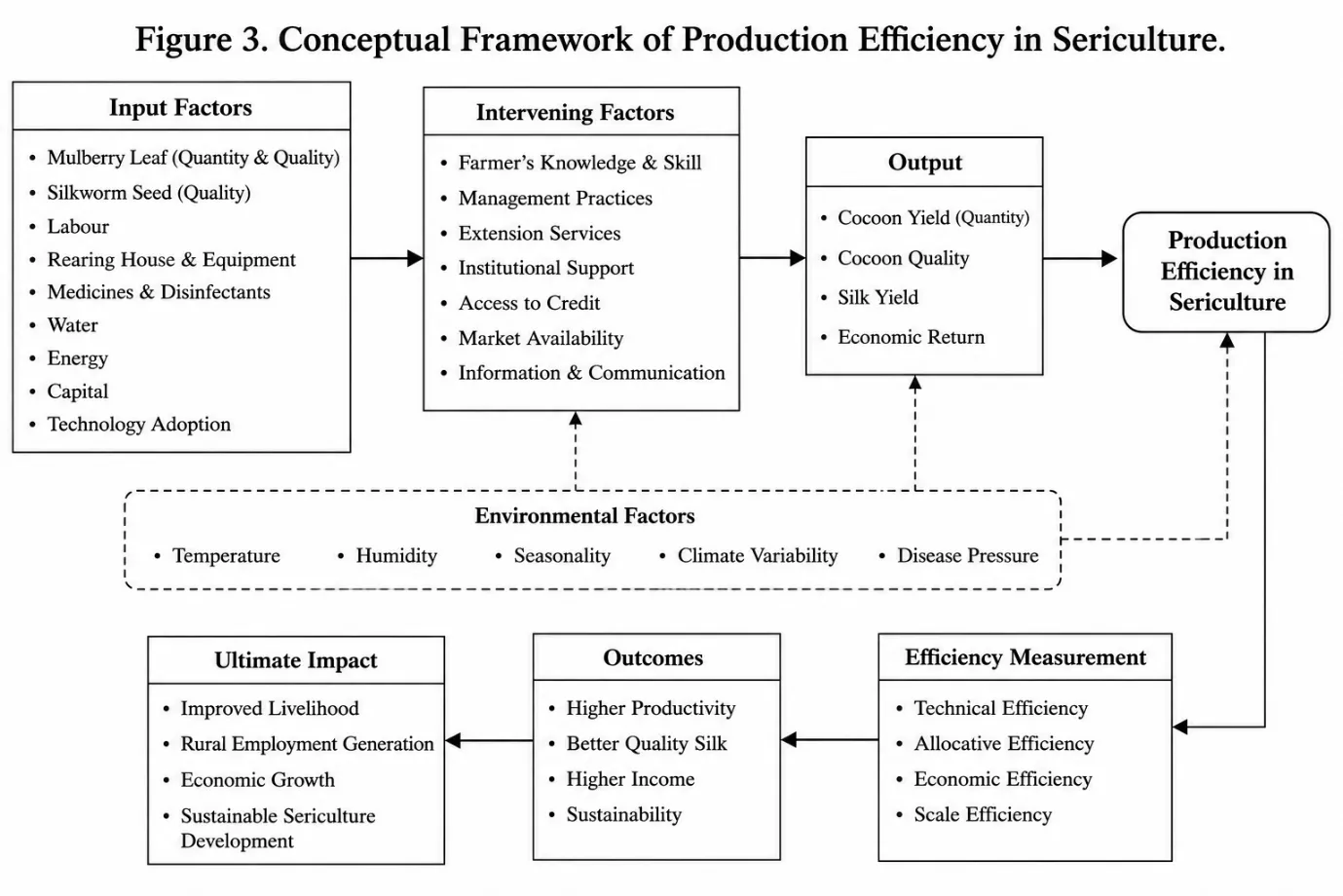
Source: Adapted from Vicente (2004), Adzawla et al. (2022), and Parasuramudu et al. (2025).
Figure 3. Conceptual Framework of Production Efficiency in Sericulture
Figure 3 presents the conceptual framework of production efficiency in mulberry sericulture. It illustrates how production inputs such as labor, mulberry leaves, capital, and silkworm seed are transformed through cultivation, rearing, and management practices to achieve higher cocoon yield, productivity, and profitability. The framework emphasizes the role of technical, allocative, and economic efficiency in enhancing overall sericulture performance.
|
Category |
Variables |
|
Economic |
Capital investment, labor availability, input costs |
|
Biological |
Silkworm breed, mulberry variety, disease resistance |
|
Environmental |
Temperature, humidity, rainfall, irrigation availability |
|
Institutional |
Farmer training, extension services, credit access, government support |
Source: Adapted from Vicente (2004), Adzawla et al. (2022), and Central Silk Board (2025).
Table 3. Major Factors Affecting Production Efficiency in Mulberry Sericulture
5. Seasonal Disease Incidence in Mulberry Sericulture
5.1 Major Silkworm Diseases
Silkworm diseases are among the most significant constraints affecting cocoon production and profitability in mulberry sericulture. Disease outbreaks can cause substantial reductions in larval survival, cocoon yield, and silk quality. The occurrence and severity of diseases are largely influenced by environmental conditions, rearing practices, and pathogen prevalence. The major silkworm diseases are classified into viral, bacterial, fungal, and protozoan diseases.
Viral Diseases
Grasserie: Grasserie is one of the most common viral diseases affecting silkworms and is caused by the Bombyx mori nucleopolyhedrovirus (BmNPV). Infected larvae exhibit swollen body segments, fragile skin, loss of appetite, and reduced movement. As the disease progresses, the larval body becomes translucent and eventually ruptures, releasing viral particles into the rearing environment. High temperatures, poor ventilation, and overcrowding favor disease transmission. Severe outbreaks can result in significant crop losses and substantial reductions in cocoon yield and quality (Hu et al., 2023).
Bacterial Diseases
Flacherie: Flacherie is considered the most economically important bacterial disease in sericulture. It primarily affects the digestive tract of silkworm larvae and is caused by a complex interaction of bacterial pathogens and environmental stress. Infected larvae become weak, lose appetite, exhibit diarrhea, and eventually die before cocoon formation. High temperatures, poor-quality mulberry leaves, overcrowding, and improper hygiene increase susceptibility to the disease. Flacherie often causes high mortality rates and considerable economic losses to farmers due to reduced cocoon production (Parasuramudu et al., 2025).
Fungal Diseases
Muscardine: Muscardine is a fungal disease caused by Beauveria bassiana. The disease is commonly associated with high humidity and poor ventilation in rearing houses. Infected larvae become inactive, harden after death, and develop a white powdery fungal growth on the body surface. Prolonged humid conditions during the rainy season significantly increase the incidence of muscardine outbreaks (Rabha et al., 2025).
Protozoan Diseases
Pebrine: Pebrine is a chronic protozoan disease caused by Nosema bombycis. It can be transmitted both vertically through eggs and horizontally among larvae. Symptoms include irregular growth, black spots on the body, poor cocoon formation, and reduced productivity. Because the pathogen can persist across generations, pebrine remains one of the most serious diseases affecting silkworm seed production (Suraporn et al., 2025).
5.2 Seasonal Disease Patterns
The incidence of silkworm diseases varies considerably across seasons due to changes in temperature, humidity, and environmental conditions.
During the summer season, elevated temperatures and heat stress weaken larval immunity, increasing susceptibility to viral diseases such as grasserie and stress-related flacherie infections. In the rainy season, high humidity and poor ventilation create favorable conditions for bacterial and fungal pathogens, leading to increased outbreaks of flacherie and muscardine. Disease incidence is generally lower during the winter season because cooler temperatures and relatively stable environmental conditions are more favorable for silkworm growth and survival. However, chronic diseases such as pebrine may occur throughout the year if proper seed screening and sanitation measures are not implemented (Rabha et al., 2025).
Understanding seasonal disease patterns is essential for implementing timely preventive measures and improving disease management strategies in mulberry sericulture.
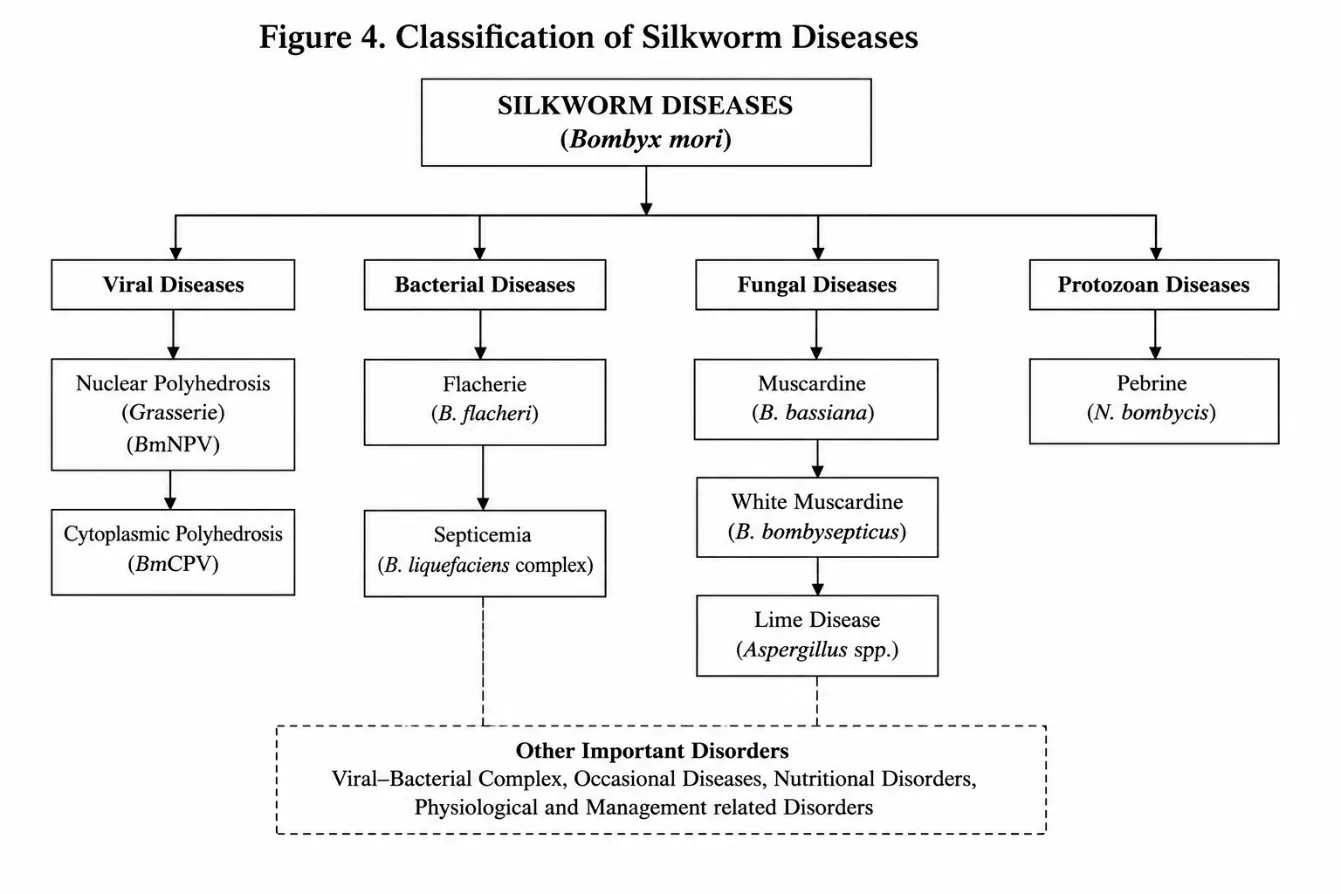
Figure 4. Classification of Silkworm Diseases
Figure 4 illustrates the major categories of diseases affecting silkworms (Bombyx mori), namely viral, bacterial, fungal, and protozoan diseases. The figure highlights the most economically important diseases grasserie, flacherie, muscardine, and pebrine which significantly influence larval survival, cocoon yield, and silk quality in mulberry sericulture.
Source: Adapted from Central Silk Board (2025), Hu et al. (2023), and Rabha et al. (2025).
Graph 1. Season-wise Disease Incidence (%)
Graph 1 illustrates seasonal variations in silkworm disease incidence. Disease occurrence is highest during the rainy season due to favourable environmental conditions for pathogen development, followed by summer, while winter records the lowest incidence.
|
Disease |
Summer |
Rainy |
Winter |
|
Flacherie |
High |
Very High |
Moderate |
|
Grasserie |
High |
Moderate |
Low |
|
Muscardine |
Low |
High |
Moderate |
Source: Adapted from Rabha et al. (2025), Parasuramudu et al. (2025), and Suraporn et al. (2025).
Table 4. Seasonal Disease Distribution in Mulberry Sericulture
6. Disease Management Strategies
Effective disease management is essential for maintaining silkworm health, improving cocoon productivity, and reducing economic losses in mulberry sericulture. Since disease outbreaks are strongly influenced by environmental conditions, rearing practices, and pathogen prevalence, a combination of preventive, biological, and technological approaches is required for sustainable disease control.
6.1 Preventive Measures
Hygiene and Sanitation
Maintaining proper hygiene and sanitation is the first line of defense against silkworm diseases. Disease-causing pathogens often spread through contaminated rearing equipment, infected larvae, and unhygienic rearing environments. Regular disinfection of rearing houses, trays, mountages, and appliances using recommended disinfectants helps minimize pathogen load and prevents disease transmission. Cleaning and sanitizing rearing rooms before and after each rearing cycle is essential for reducing bacterial, fungal, and viral infections (Central Silk Board [CSB], 2025).
Environmental Control
Environmental management plays a critical role in preventing disease outbreaks. Silkworms are highly sensitive to fluctuations in temperature and humidity. Maintaining optimum temperature (24–28°C) and relative humidity (70–85%) during different larval stages promotes healthy growth and reduces disease susceptibility. Proper ventilation ensures adequate air circulation and prevents the accumulation of moisture and harmful gases within rearing houses. Environmental control is particularly important during the rainy season when high humidity favors bacterial and fungal diseases such as flacherie and muscardine (Parasuramudu et al., 2025).
6.2 Integrated Disease Management (IDM)
Integrated Disease Management (IDM) is a comprehensive approach that combines preventive, biological, and management practices to minimize disease incidence while reducing reliance on chemical interventions. IDM focuses on maintaining a healthy rearing environment and strengthening silkworm resistance against pathogens.
Components of IDM
Disease Surveillance: Regular monitoring and early detection of disease symptoms enable timely intervention and reduce disease spread.
Resistant Breeds: The use of disease-tolerant and genetically improved silkworm breeds enhances resistance to common pathogens and improves survival rates.
Biological Control: Beneficial microorganisms, probiotics, and eco-friendly biological agents can suppress pathogenic microbes and improve silkworm health (Suraporn et al., 2025).
The successful implementation of IDM has been shown to reduce mortality rates and improve cocoon yield in commercial sericulture systems.
6.3 Modern Technological Approaches
Recent technological advancements have created new opportunities for disease prevention and management in sericulture.
Artificial Intelligence-Based Disease Detection
Artificial intelligence (AI) is increasingly being used for disease diagnosis through image processing, machine learning, and AI-assisted microscopy. Automated disease detection systems can identify disease symptoms at early stages, enabling rapid and accurate intervention. AI-based tools improve diagnostic efficiency and reduce dependence on manual disease assessment (Gehlot et al., 2024).
Molecular and Genetic Approaches
Advances in molecular biology have facilitated the development of disease-resistant silkworm strains. CRISPR/Cas9 gene-editing technology has shown potential in enhancing antiviral resistance and improving silkworm immunity. Molecular breeding approaches are being explored to develop strains with increased tolerance to major pathogens, particularly viral infections such as grasserie (Liu et al., 2021).
Nanotechnology Applications
Nanotechnology has emerged as a promising tool for improving silkworm health and productivity. Nanomaterials are being investigated for feed supplementation, enhanced nutrient utilization, antimicrobial activity, and disease resistance improvement. These innovations may contribute to higher cocoon yield and more sustainable sericulture production systems in the future (Attri et al., 2024).
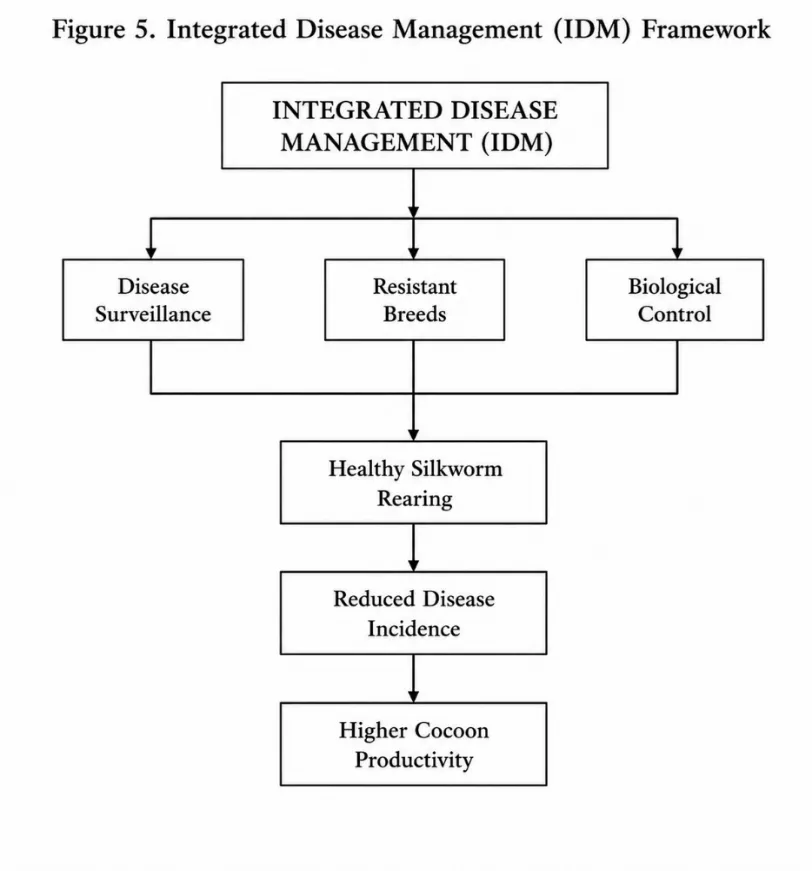
Figure 5. Integrated Disease Management Framework
Figure 5 illustrates the Integrated Disease Management (IDM) framework in sericulture. Disease surveillance, resistant silkworm breeds, and biological control measures collectively contribute to healthy silkworm rearing, reduced disease incidence, and improved cocoon productivity.
|
Technology |
Application |
|
Artificial Intelligence (AI) |
Disease diagnosis and automated monitoring |
|
CRISPR/Cas9 |
Development of disease-resistant silkworm strains |
|
Nanotechnology |
Productivity enhancement and disease resistance |
|
Precision Farming |
Resource optimization and environmental monitoring |
Source: Adapted from Gehlot et al. (2024), Liu et al. (2021), and Attri et al. (2024).
Table 5. Emerging Technologies in Sericulture
7. Economic Impact of Diseases on Sericulture
Silkworm diseases impose substantial economic burdens on sericulture farmers by reducing productivity, increasing production costs, and affecting the quality of silk produced. Disease outbreaks not only cause immediate losses in cocoon production but also generate additional expenditures related to disease prevention, treatment, and farm management. The economic consequences are particularly severe for small and marginal farmers who depend on sericulture as a primary source of income.
7.1 Direct Economic Losses
Direct economic losses arise from the immediate effects of disease outbreaks on silkworm health and cocoon production. Diseases such as flacherie, grasserie, muscardine, and pebrine cause larval mortality, resulting in fewer silkworms reaching the cocoon stage. Consequently, cocoon yield declines significantly, reducing farmers’ overall income. In addition, infected larvae often produce poor-quality cocoons characterized by lower shell weight, reduced silk content, and inferior reeling performance. Such quality deterioration decreases market value and profitability (Central Silk Board [CSB], 2025).
Mortality losses are particularly significant during severe disease outbreaks, where large proportions of silkworm populations may perish before cocoon formation. The resulting reduction in production directly affects farm revenue and economic sustainability.
7.2 Indirect Economic Losses
Apart from direct production losses, diseases generate several indirect costs that further increase the financial burden on farmers. Disease management requires expenditures on disinfectants, medications, protective equipment, and sanitation materials. Additional labor is often needed for cleaning rearing houses, monitoring disease symptoms, and implementing control measures.
Replanting and replacement costs may also arise when disease outbreaks disrupt mulberry cultivation or necessitate the purchase of new silkworm seed. Furthermore, disease-related reductions in cocoon quality can lead to market penalties and lower selling prices, resulting in additional income losses. These indirect effects often persist beyond a single production cycle and influence long-term farm profitability (Parasuramudu et al., 2025).
7.3 Cost-Wise Loss Analysis
Economic losses associated with silkworm diseases vary according to the type and severity of infection. Yield reduction and market-related losses generally account for the largest share of total economic damage, whereas medication and labor expenses contribute moderate but significant costs. Effective disease prevention and integrated management strategies can substantially reduce these losses and improve the economic viability of mulberry sericulture.
|
Cost Component |
Impact |
|
Yield Reduction |
High |
|
Medication and Disinfectants |
Moderate |
|
Additional Labor |
Moderate |
|
Market Loss Due to Poor Quality |
High |
Source: Adapted from Central Silk Board (2025) and Parasuramudu et al. (2025).
Table 6. Disease-Related Economic Loss Components
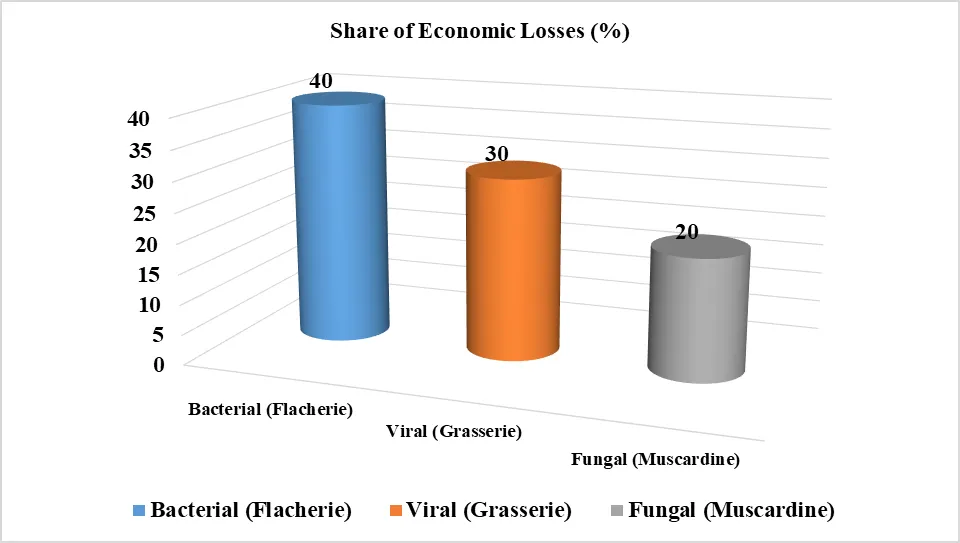
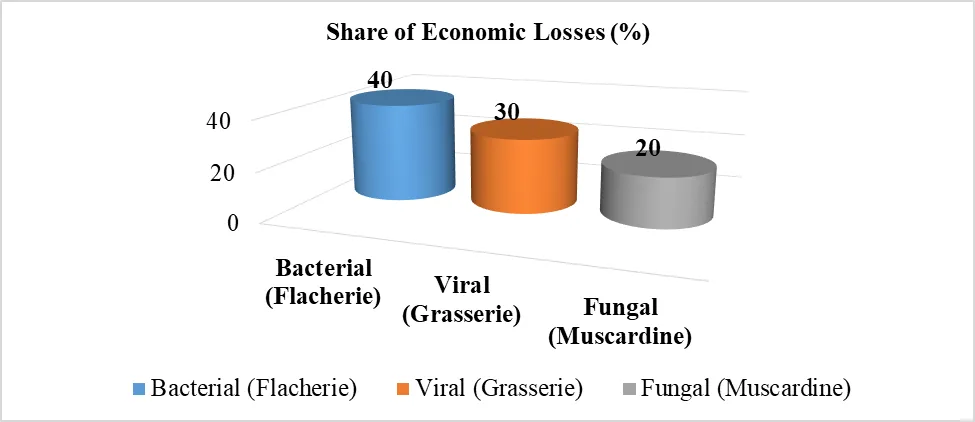
Graph 2. Share of Economic Losses by Disease Type
Graph 2 illustrates the relative contribution of major silkworm disease categories to total economic losses in sericulture. Bacterial diseases account for the largest share of losses, followed by viral, fungal, and protozoan diseases.
8. Challenges and Future Prospects
Mulberry sericulture in Telangana faces several challenges that affect productivity, profitability, and long-term sustainability. One of the major concerns is climate change, which alters temperature, rainfall patterns, and humidity levels, thereby affecting mulberry growth and silkworm health. Extreme weather events such as heat waves, droughts, and unseasonal rainfall increase disease incidence and reduce cocoon productivity. Water scarcity is another significant constraint, particularly in regions dependent on seasonal rainfall, as mulberry cultivation requires a consistent water supply throughout the year (Central Silk Board [CSB], 2025).
Frequent disease outbreaks, including flacherie, grasserie, muscardine, and pebrine, continue to cause substantial economic losses by increasing larval mortality and reducing cocoon quality. The sector also faces a shortage of skilled labor, as younger generations increasingly migrate toward non-agricultural occupations. Furthermore, the limited adoption of advanced technologies such as automated monitoring systems, precision farming tools, and digital advisory services restricts improvements in production efficiency and disease management (Parasuramudu et al., 2025).
Despite these challenges, the future prospects of sericulture in Telangana remain promising. The development of climate-resilient sericulture systems through improved mulberry varieties and disease-resistant silkworm breeds can enhance adaptability to changing environmental conditions. The integration of smart farming technologies, including sensor-based monitoring systems, artificial intelligence (AI), and Internet of Things (IoT) applications, can improve resource management and early disease detection. Precision disease monitoring and predictive analytics have the potential to reduce disease outbreaks and improve cocoon productivity.
The promotion of Farmer Producer Organizations (FPOs) can strengthen collective marketing, improve access to credit, and reduce production costs. Additionally, growing domestic and international demand for silk products presents opportunities for export market expansion, thereby increasing income and employment generation in rural areas. Sustainable adoption of innovative technologies, institutional support, and climate-smart management practices will be essential for ensuring the long-term growth and competitiveness of Telangana's sericulture sector.
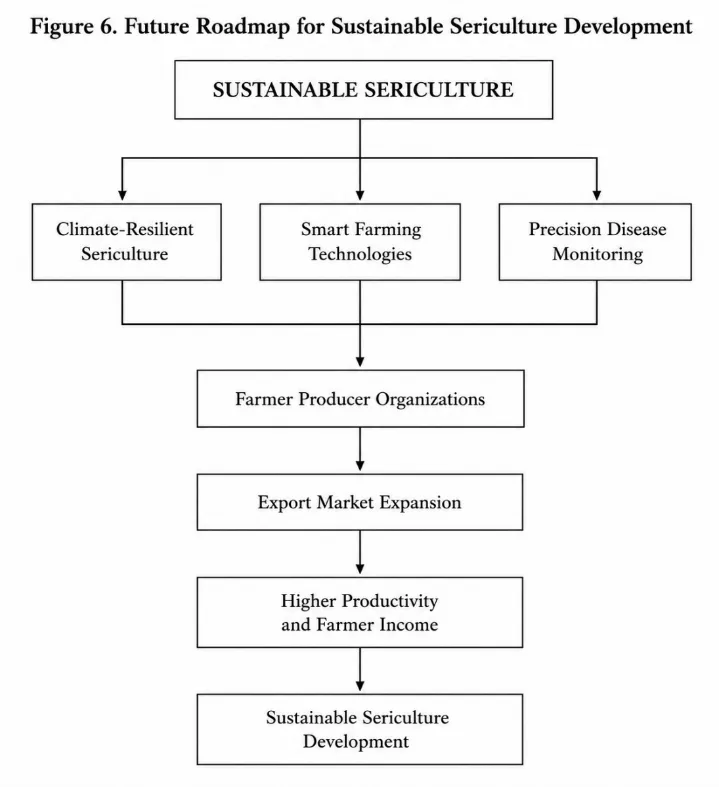
Figure 6. Future Roadmap for Sustainable Sericulture Development
Figure 6 presents a future roadmap for sustainable sericulture development. Climate-resilient production systems, smart farming technologies, and precision disease monitoring form the foundation for improving productivity and resilience. Strengthening Farmer Producer Organizations (FPOs) and expanding export opportunities can further enhance farmer income and ensure sustainable growth of the sericulture sector.
8. Research Gaps and Future Directions
Despite significant advancements in mulberry sericulture, several research gaps continue to limit improvements in production efficiency and disease management. Most existing studies have primarily focused on silkworm biology, disease diagnosis, and cultivation practices, whereas relatively few investigations have integrated production efficiency with seasonal disease dynamics under different agro-climatic conditions. Furthermore, comprehensive studies evaluating the combined effects of climate variability, resource-use efficiency, and disease incidence on cocoon productivity remain limited, particularly in emerging sericulture regions of India (Central Silk Board [CSB], 2025; Parasuramudu et al., 2025).
Another important research gap is the limited availability of region-specific information on production constraints and disease epidemiology. Although several studies have reported the prevalence of major silkworm diseases such as grasserie, flacherie, muscardine, and pebrine, long-term surveillance data linking seasonal environmental factors with disease outbreaks are scarce. Such information is essential for developing predictive disease-warning systems and location-specific disease management strategies (Rabha et al., 2025; Hu et al., 2023).
The adoption of advanced technologies in sericulture also remains limited. Artificial intelligence, machine learning, Internet of Things (IoT)-based environmental monitoring, remote sensing, and precision farming have shown considerable potential for improving disease diagnosis, environmental control, and farm management; however, their application in commercial sericulture is still at an early stage. Future research should focus on developing affordable and user-friendly digital technologies that can be adopted by small and marginal farmers (Gehlot et al., 2024).
Recent developments in molecular biology and biotechnology offer promising opportunities for sustainable sericulture. Gene-editing technologies such as CRISPR/Cas9 and molecular breeding have demonstrated potential for developing disease-resistant silkworm strains and improving resistance to viral pathogens. Further research is required to evaluate their long-term effectiveness, biosafety, and practical application under field conditions (Liu et al., 2022).
Climate change represents another emerging area requiring greater scientific attention. Rising temperatures, irregular rainfall, and increasing humidity fluctuations are expected to influence mulberry productivity, silkworm growth, and disease occurrence. Future studies should emphasize climate-resilient mulberry varieties, improved silkworm breeds, adaptive rearing practices, and integrated climate-smart sericulture systems capable of sustaining productivity under changing environmental conditions (National Academy of Agricultural Sciences, 2023; Central Silk Board, 2025).
Future research should also incorporate multidisciplinary approaches by integrating biological sciences, agricultural engineering, economics, artificial intelligence, and environmental sciences. Strengthening collaborations among research institutions, universities, government agencies, and the sericulture industry will facilitate the development of innovative technologies and evidence-based policies. Such integrated efforts will contribute to improved production efficiency, effective disease management, enhanced farmer income, and the long-term sustainability of the Indian sericulture sector.
CONCLUSION
Mulberry sericulture continues to play a significant role in the agricultural economy of Telangana by providing sustainable livelihood opportunities, generating rural employment, and contributing to income diversification among farming households. The expansion of mulberry cultivation, coupled with government support programs and improved irrigation facilities, has facilitated the growth of sericulture in emerging districts such as Siddipet, Jangaon, and Warangal. However, despite these achievements, the sector continues to face several constraints that limit productivity and profitability.
Seasonal disease outbreaks remain one of the most critical challenges affecting silkworm health and cocoon production. Diseases such as flacherie, grasserie, muscardine, and pebrine result in substantial economic losses through reduced cocoon yield, increased larval mortality, and deterioration of silk quality. Environmental variability, particularly fluctuations in temperature and humidity, further exacerbates disease incidence and production risks. Additionally, inefficient resource utilization, limited adoption of advanced technologies, and labor shortages continue to hinder production efficiency.
Recent advancements in artificial intelligence-based disease diagnosis, molecular breeding, nanotechnology, and integrated disease management provide promising opportunities for enhancing silkworm health and improving cocoon productivity. The adoption of climate-resilient mulberry varieties, disease-resistant silkworm breeds, and precision disease monitoring systems can significantly reduce production losses and improve farm profitability.
To ensure the long-term sustainability and competitiveness of the sericulture sector in Telangana, greater emphasis should be placed on strengthening extension services, farmer training programs, disease surveillance systems, and technology dissemination initiatives. A holistic approach integrating biological, economic, environmental, and technological interventions is essential for improving production efficiency, minimizing disease-related losses, and promoting sustainable sericulture development. Such efforts will contribute to enhanced farmer income, rural employment generation, and the overall growth of the silk industry in Telangana.
REFERENCES


Thummanapelli Harish1*, Kaneez Fatima2, A Study On Enhancing Production Efficiency And Managing Seasonal Diseases In Mulberry Sericulture In Telangana State, Int. J. Sci. R. Tech., 2026, 3 (8), 441-456. https://doi.org/10.5281/zenodo.21902527
 10.5281/zenodo.21902527