

We use cookies to ensure our website works properly and to personalise your experience. Cookies policy
RK University, Rajkot, Gujarat, India
Baloxavir marboxil (BXM) is an orally administered antiviral prodrug developed for the treatment of influenza A and B. Its clinical importance arises from a mechanism that differs from the neuraminidase-inhibitor class: after rapid enzymatic conversion to baloxavir acid (BXA), the active moiety inhibits the cap-dependent endonuclease activity of the polymerase acidic subunit, thereby interrupting an essential step in viral messenger-RNA synthesis. Because the parent compound is chemically elaborate, sparingly soluble in water and susceptible to hydrolytic, oxidative and photolytic transformation, reliable analytical control is important during assay, formulation development, stability assessment, impurity profiling and pharmacokinetic investigations. This review summarizes the physicochemical and pharmacological profile of BXM and critically organizes reported analytical approaches, including UV/PDA-based liquid chromatography, reversed-phase HPLC, UHPLC, LC-MS, LC-MS/MS and spectrofluorimetric procedures. Particular emphasis is placed on stability-indicating assays, forced-degradation experiments, degradation kinetics and structural elucidation of transformation products. The literature demonstrates that chromatographic procedures remain the principal tools for routine assay and impurity control, whereas mass-spectrometric methods provide greater structural selectivity in biological matrices and degradation studies. Recent fluorescent nano sensor work further illustrates the potential for sensitive, comparatively greener pharmaceutical analysis. The collected evidence indicates that method selection should be driven by the analytical objective, matrix complexity, required sensitivity, impurity burden and regulatory expectations rather than by a single universally superior technique.
Influenza remains an important respiratory viral disease in which rapid viral multiplication, seasonal circulation and the capacity of circulating strains to acquire antiviral resistance continue to complicate clinical management. The development of agents directed at different stages of the influenza replication cycle has therefore expanded the therapeutic armamentarium beyond compounds that act mainly on viral release. Baloxavir marboxil represents a notable advance because it was designed as a prodrug whose active metabolite interferes with the viral polymerase complex at an earlier stage of genome expression. The drug is marketed as Xofluza and has been evaluated for influenza A and B, with regulatory approval in the United States in 2018 and subsequent authorization in other major markets. [1,2]
The pharmacological concept behind BXM is distinct from that of neuraminidase inhibitors. Following oral administration, the prodrug undergoes enzymatic hydrolysis to baloxavir acid, also designated BXA or S-033447. BXA acts at the polymerase acidic (PA) subunit of the influenza RNA-dependent RNA polymerase complex. The PA endonuclease participates in the cap-snatching process, in which short capped fragments of host messenger RNA are generated and used to initiate viral RNA transcription. Blocking this catalytic function deprives the viral polymerase of the capped primers required for efficient messenger-RNA synthesis and consequently suppresses replication. This target differentiates BXM from oseltamivir and related neuraminidase inhibitors, which act predominantly at the virus-release stage. [1,3]
The prodrug design is analytically relevant as well as pharmacologically purposeful. BXM contains an ester-containing marboxil group that is removed during activation, producing BXA. Consequently, the parent molecule and active metabolite possess related but analytically distinguishable chemical profiles. The conversion can also occur during sample preparation or under deliberately imposed stress conditions, making control of hydrolysis essential when an analytical procedure is intended to measure intact BXM. The literature consequently treats BXM, BXA and their associated degradation products as interconnected analytical entities rather than as completely independent analytes. [1,4,5]
From a structural standpoint, BXM is a comparatively high-molecular-weight, fluorinated heterocyclic compound. The reported molecular formula is C27H23F2N3O7S and its molecular mass is 571.55 g/mol. Its architecture contains a difluorinated dibenzothiepin-containing portion linked to an oxazino-triazine core and a carbonate-containing prodrug substituent. The molecular arrangement provides the physicochemical characteristics needed for target binding and prodrug behavior, but it also introduces multiple chemically susceptible functionalities. In particular, the ester/carbonate region is vulnerable to hydrolytic cleavage, while the sulfur-containing portion can participate in oxidative transformation. These structural features help explain why procedures are especially important for BXM. [1,4]
BXM is reported to be practically insoluble in water, which has direct consequences for analytical sample preparation. Organic solvents such as acetonitrile and methanol have therefore been used to prepare stock or working solutions in published procedures. In the HPLC kinetic study of Hafez and colleagues, acetonitrile was selected as the principal diluent because of the poor aqueous solubility of the drug. The same study reported a lipophilic character expressed as log P approximately 2.24 and a very low ionization constant, with the molecule predominantly non-ionized over a broad pH interval. These properties influence chromatographic retention and help explain why changing the aqueous-phase pH produced limited changes in the retention behavior of the parent peak. [4]
The analytical significance of BXM increased rapidly after its introduction because pharmaceutical quality control must distinguish the intact active pharmaceutical ingredient from related substances that can arise during synthesis, formulation, storage or analysis. A recent comprehensive review catalogued five metabolites, twelve degradation products, fourteen chiral compounds, forty process-related impurities and five stable-isotope analogues reported for BXM and BXA. Such a broad related-substance landscape creates a demanding analytical environment in which a simple assay may be insufficient for stability assessment or impurity control. [5]
The first generation of published analytical work concentrated on quantifying BXM in pharmaceutical dosage forms or biological matrices. Reversed-phase liquid chromatographic procedures were developed for tablet assay, including a stability-indicating RP-UPLC method reported in 2020. Subsequent studies expanded the analytical scope to simultaneous measurement of BXM and its impurities, degradation-product characterization, metabolite quantitation and kinetic evaluation. The progression is important because it illustrates the normal evolution of pharmaceutical analysis: an initial quantitative assay may establish a practical routine method, whereas later stability and impurity investigations require stronger selectivity and structural information. [4,8]
Among these developments, the 2022 HPLC-MS investigation by Hafez et al. is particularly relevant to stability-indicating analysis. The investigators optimized chromatographic separation using a phenyl stationary phase, demonstrated adequate resolution between BXM and degradation products, validated the method in accordance with ICH Q2 (R1) principles and coupled the chromatographic system to tandem mass spectrometry for structural characterization. Their forced-degradation program examined acidic, alkaline, oxidative, thermal-neutral and photolytic conditions. The study showed pronounced susceptibility to alkaline and oxidative stress, while acidic and thermal degradation required more severe conditions. [4]
Degradation behavior is not merely an academic observation. It affects the interpretation of assay results, selection of storage conditions, formulation design and the ability of a method to distinguish potency loss from the appearance of related substances. The Hafez study found complete or near-complete disappearance of BXM under stronger alkaline conditions, substantial degradation under peroxide stress, and appreciable photolytic loss in solution. LC-MS data suggested formation of BXA through cleavage of the prodrug ester system under hydrolytic stress, while oxidative or photolytic conditions generated more polar products associated with oxidation of the sulfur-containing portion. [4]
The later literature has further broadened the analytical toolkit. HPLC-PDA procedures have been described for BXM together with several organic impurities; UHPLC-PDA methods have been applied to degradation kinetics and LC-MS-assisted structural elucidation; and LC-MS/MS platforms have enabled measurement of BXM and BXA in human plasma. Such methods differ markedly in complexity, sensitivity, throughput and equipment requirements. A routine quality control laboratory may favour a validated UV/PDA chromatographic assay, whereas a bioanalytical laboratory may require tandem mass spectrometry because the analytes are present at much lower concentrations in a complex biological matrix. [5,11]
Spectrofluorimetric analysis has also emerged as a complementary approach. A 2025 study introduced nitrogen- and sulfur-co-doped carbon quantum dots as fluorescent nano sensors for BXM. The method used the quenching of the dots' fluorescence by the drug and reported a linear response over 10–100 ng/mL, with detection and quantitation limits of 1.88 and 5.69 ng/mL, respectively. The procedure was applied to marketed tablets and content-uniformity testing. This development is significant because it illustrates how analytical sensitivity can be improved without necessarily moving directly to a mass-spectrometric platform. [12]
The need for a structured review therefore extends beyond listing instruments. Pharmaceutical analysts must understand why a particular detector, stationary phase, solvent system or sample preparation strategy was selected, what analytical question the procedure can answer and where its limitations lie. UV/PDA detection is attractive because it is comparatively accessible and suitable for routine assay, but it may not provide definitive structural information for unknown impurities. LC-MS and LC-MS/MS offer superior molecular selectivity and are particularly valuable for metabolite or degradation-product characterization, although they require more specialized instrumentation and method optimization. Fluorescence-based approaches can provide excellent sensitivity but may depend on probe chemistry and fluorescence-quenching behavior. [5,12,18]
A further consideration is method validation. A credible pharmaceutical procedure must demonstrate characteristics such as specificity, linearity, accuracy, precision, detection or quantitation capability where relevant, robustness and system suitability. For stability-indicating methods, specificity becomes particularly important because the analytical response of the parent drug must remain distinguishable from degradation products, process-related impurities and formulation components. The supplied model review similarly emphasizes method development, validation, sample preparation and the role of stability-indicating procedures as essential components of a comprehensive analytical assessment. [13]
Regulatory expectations reinforce this requirement. ICH Q1A (R2) and Q1B provide the framework for stability and stress-testing considerations, while ICH Q2 (R1) addresses validation of analytical procedures. ICH Q3A (R2) and Q3B (R2) provide principles for organic impurities in drug substances and products. The recent BXM impurity review also discusses the role of USFDA, EMA, ICH and pharmacopoeia expectations in establishing appropriate control strategies. [13,17]
Against this background, the present review is organized to critically evaluate the analytical strategies reported for baloxavir marboxil, with emphasis on method selection, impurity profiling, stability-indicating assays, degradation behavior, validation characteristics and regulatory relevance. Therefore, this review critically evaluates the analytical strategies, impurity profiling, and stability-indicating assays established for Baloxavir Marboxil to guide method selection in quality control, stability assessment, and regulatory compliance. [5,13,17]
1.Introduction to Analytical Methods
Analytical methods are systematic procedures used to identify, characterize, separate and quantify chemical entities in a sample. In pharmaceutical analysis, the chosen approach must match the purpose of testing: identity confirmation, assay of the active ingredient, impurity measurement, stability assessment, content uniformity, dissolution testing or determination in biological matrices. The supplied model review classifies analytical approaches broadly into classical and instrumental methods and emphasizes spectroscopic, electrochemical, chromatographic and other instrumental technique. [13]
For BXM, instrumental methods dominate the published literature because the molecule occurs within formulations or biological matrices that may contain chemically similar substances. Spectroscopic approaches can exploit absorption or fluorescence, while chromatographic methods provide physical separation before detection. Hyphenated systems such as LC-MS and LC-MS/MS add, which is especially useful when an impurity or metabolite must be structurally distinguished from the parent compound. [4,5,12]
Method selection is consequently governed by matrix complexity, required sensitivity, specificity, mass-to-charge information available instrumentation, sample throughput and the intended regulatory use. A simple UV/PDA assay may be sufficient for routine tablet potency, whereas a stability-indicating method must resolve the parent peak from degradants. Plasma analysis generally requires substantially greater selectivity because endogenous components can interfere with direct spectroscopic measurement. These considerations explain the progression from routine HPLC assays toward LC-MS/MS and specialized fluorescent approaches in the BXM literature. [5,10,12]
2. Review Scope and Approach
This article is a narrative critical review of published analytical work on baloxavir marboxil (BXM) and baloxavir acid (BXA). It synthesizes the primary research articles and regulatory guidance cited in the reference list, focusing on assay methods, stability-indicating chromatography, forced-degradation studies, impurity characterization, bioanalytical methods, spectrofluorimetric approaches, and analytical validation. The discussion compares methods according to their intended purpose, selectivity, sensitivity, matrix, and suitability for routine quality control or degradation-product characterization. The source draft did not retain a database-by-database search log, search dates, or screening counts; accordingly, this manuscript is presented as a narrative review rather than a systematic review. The review emphasizes method performance, analytical selectivity, reported degradation behavior, impurity characterization and the relevance of the methods to pharmaceutical quality control.
3.Drug Profile
3.1 Baloxavir Marboxil
Baloxavir marboxil (BXM), marketed as Xofluza, is a novel oral antiviral prodrug used for influenza A and B. It was developed through the Shionogi research program and received USFDA approval in 2018; subsequent approvals have extended its availability to other regions. The recent literature describes it as a cap-dependent endonuclease inhibitor through its active metabolite BXA. [1,3]
Chemical name: ((12-(7,8-difluoro-6,11-dihydrodibenzo [b, e] thiepin-11-yl)-6,8dioxo-3,4,6,8,12,12a-hexahydro-1H-1,4oxazino[3,4-c] pyrido[2,1-f]1,2,4triazin-7-yl) oxy) methyl methyl carbonate). Molecular formula: C27H23F2N3O7S. Molecular weight: 571.55 g/mol. The molecule contains fluorine atoms, sulfur, multiple nitrogen atoms, carbonyl functionalities and a carbonate-containing prodrug segment. [1]
Preventing the RNA Synthesis And replication. This unique Mechanism offer advantages over Neuraminidase inhibitors like Oseltamivir that interfere with virus release from infected cells. BXM (Xofluza) is available in tablet form or as granules in sachets. The tablets are single-dose potion of 40 mg or 80 mg, prescribed for individuals aged 12 and older. Dosage is determined by body weight; 2 mg/Kg for those under. [1]
3.2 Physicochemical Characteristics
BXM is reported as practically insoluble in water, making solvent selection an important part of sample preparation. Published analytical procedures have used acetonitrile or methanol as the principal diluent, depending on the detector and method design. Its lipophilic nature and low ionization constant also influence retention behavior in reversed-phase chromatography. 4 The molecule contains an ester/carbonate prodrug moiety that is chemically labile under hydrolytic conditions. Enzymatic cleavage produces BXA, the pharmacologically active acid. The sulfur-containing region provides an additional site susceptible to oxidation, explaining the appearance of Sul foxy and sulfonyl-related products during forced degradation. [4]
3.3 Pharmacological Action
After oral administration, BXM is converted to BXA by enzymatic hydrolysis, with arylacetamide deacetylase (AADAC) reported as an important contributor to the conversion in the small intestine and liver. BXA then reaches the influenza polymerase acidic subunit and inhibits its cap-dependent endonuclease activity. [1,3]
Influenza viral RNA synthesis requires the polymerase complex containing PA, PB1 and PB2. The PA endonuclease cleaves host messenger RNA to obtain capped fragments that can serve as primers for viral transcription. Inhibition of this step suppresses viral RNA synthesis and consequently limits viral replication. This mechanism differs from neuraminidase inhibition, which acts later in the replication cycle by interfering with release of newly formed virions. [1,3]
The pharmacological conversion also creates an analytical relationship between parent drug and active metabolite. BXA is not simply an unrelated impurity; it is both a clinically relevant metabolite and a major transformation product of BXM under several stress conditions. Therefore, analytical procedures that are intended to characterize BXM comprehensively should consider BXA whenever the sample matrix or experimental conditions permit its formation. [1,4,5]
4.Reported Analytical Methods for Baloxavir Marboxil
Published analytical work on BXM includes conventional spectroscopic measurement, reversed phase liquid chromatography, UHPLC, LC-MS/LC-MS/MS and fluorescence-based sensing. The following discussion synthesizes the reported procedures rather than treating them as inter changeable methods. 23 Nov 2026
4.1 UV/PDA and Reversed-Phase HPLC
The 2022 stability-indicating HPLC study by Hafez et al. provides one of the clearest detailed examples of a chromatographic procedure designed specifically to separate BXM from degradation products. Three stationary phases were investigated: Hypersil C18, VDSpher PUR 100 Phenyl-E and Inertsil ODS 3. The optimized method used a VDSpher PUR 100 Phenyl-E column (250 × 4.6 mm, 5 µm), a mobile phase of 0.2% orthophosphoric acid and acetonitrile in a 45:55 (v/v) aqueous-organic arrangement, a flow rate of 0.6 mL/min, an injection volume of 20 µL, a column temperature of 40 °C and UV detection at 260 nm. The selected wavelength corresponded to the reported maximum absorbance of BXM. [4]
The procedure was linear over 8–60 µg/mL and was assessed for accuracy, precision, specificity, detection limit, quantitation limit and robustness according to ICH Q2 (R1). The method achieved resolution greater than 1.5 between the BXM peak and relevant degradation peaks, and no interference from excipients or degradants was observed at the parent-drug retention position. This makes the procedure particularly valuable as a stability-indicating assay rather than merely a potency test. [4,13]
An earlier 2020 RP-UPLC procedure was developed for BXM in tablet dosage form using a short HSS C18 column (100 × 2.1 mm, 1.8 µm), 0.1% orthophosphoric acid buffer and acetonitrile in a 50:50 ratio, a flow rate of 0.3 mL/min, a column temperature of 30 °C and detection at 240 nm. The reported BXM retention time was 0.87 min, with a total run time substantially shorter than conventional 250-mm HPLC methods. The reported mean recovery was 99.47%, and the method was subjected to acid, peroxide, photolytic, alkali, neutral and thermal stress studies. [6]
A later literature survey documented additional HPLC-PDA procedures. Molleti and Pawar reported concurrent estimation of BXM and five impurities using HPLC-PDA, while Bhujanga et al. developed an HPLC procedure capable of estimating BXM together with five organic impurities and two oxidative degradation products. The latter work was described as suitable for both assay and impurity profiling, highlighting the increasing emphasis on multi-purpose stability-indicating procedures. [5,7,8]
4.2 UHPLC-PDA and Stability-Indicating Chromatography
Gouda and colleagues developed an eco-friendly stability-indicating UHPLC-PDA method for BXM and applied it to degradation-kinetic investigations, with LC-MS used for structural elucidation of major degradation products. The 2025 comprehensive review identifies this approach among the principal modern chromatographic procedures for BXM because it combines rapid separation, photodiode-array detection and complementary mass-spectrometric characterization. [9]
The 2025 review summarizes an Intersil ODS-3 C18 method using methanol as diluent, 0.1% citric acid at approximately pH 2.5 and methanol in a 50:50 composition, with a 4.6 × 150 mm, 5-µm column, 0.8 mL/min flow and 260-nm UV detection. The procedure was reported as an isocratic 15-min separation and was used for BXM together with oxidative and acid/alkali degradation products. [5,9]
4.3 LC-MS and LC-MS/MS Methods
Mass-spectrometric techniques have been used when chromatographic separation alone is insufficient for confident structural assignment or when BXM and BXA must be measured at low concentrations in plasma. Hafez et al. coupled the optimized HPLC separation to a triple quadrupole mass spectrometer. Under the reported conditions, BXA generated a characteristic protonated ion around m/z 484.1, while two more polar degradation products were associated with protonated ions around m/z 604.2 and 516.1. These signals supported proposed hydrolytic and oxidative transformation pathways. [4]
For bioanalysis, Gouda et al. developed an LC-MS/MS procedure for quantitative measurement of BXM and its metabolite BXA in human plasma, and Liu et al. later reported simultaneous UHPLC-MS/MS determination of BXM and its active metabolite. The 2025 review summarizes these procedures as using electrospray-positive ionization and tandem-mass transitions suitable for selective biological quantitation. One reported BXA transition was m/z 484.00 → 247.00, while BXM-related transitions included 572.2 → 247.0 in another LC-MS workflow. [10,11]
The main advantage of LC-MS/MS is selectivity. In plasma, endogenous substances may absorb in the ultraviolet region or contribute to nonspecific fluorescence, whereas a chromatographic retention time combined with a characteristic mass transition provides a much stronger identification criterion. The trade-off is higher instrument cost, greater dependence on experienced operators, more elaborate sample preparation and the need to control matrix effects. [10,11]
4.4 Spectrofluorimetric Methods
Two distinct fluorescence-based strategies are represented in the supplied literature. Nasr et al. reported determination of BXM in pharmaceutical preparations and spiked human plasma through a quenching reaction involving acetoxymercuric fluorescein. The comprehensive 2025 review records excitation and emission wavelengths of approximately 255 and 378 nm for this derivatization/quenching-based approach. [18]
Gouda et al. subsequently reported a different, reagent-efficient nano sensor approach using nitrogen- and sulfur-co-doped carbon quantum dots. The carbon dots were excited at 360 nm and emitted at 430 nm; increasing BXM concentration reduced the fluorescence intensity. The method exhibited a 10–100 ng/mL working range, with an LOD of 1.88 ng/mL and LOQ of 5.69 ng/ml. It was validated under ICH Q2 (R1), successfully applied to Xofluza tablets and used for individual-tablet content-uniformity assessment. [12]
The fluorescence study is notable because it extends BXM analysis into the domain of green and nano sensor-based analytical chemistry. The authors evaluated the method with AGREE, BAGI and related sustainability tools and reported favourable practical and environmental characteristics. Nevertheless, fluorescence methods depend on the behavior of the sensing system and may require more method-specific optimization than direct UV detection. [12]
4.5 Summary of Representative Analytical Procedures
Table 1: Representative Analytical Procedures Reported for Baloxavir Marboxil Across Pharmaceutical, Impurity, Degradation and Bioanalytical Applications.
| Sr. No. | Analyte / Purpose | Technique | Representative Condition | Detection / range or Key outcome | Ref. |
|---|---|---|---|---|---|
| 1 | BXM assay in tablets | RP-UPLC | HSS C18, 100 × 2.1 mm, 1.8 µm; 0.1% OPA: ACN 50:50; 0.3 mL/min; 30 °C | 240 nm; tR 0.87 min; recovery 99.47% | [8] |
| 2 | BXM + degradation products | HPLC-UV/PDA | VDSpher PUR 100 Phenyl-E, 250 × 4.6 mm, 5 µm; 0.2% OPA: ACN 45:55; 0.6 mL/min; 40 °C | 260 nm; linearity 860 µg/mL; Rs >1.5 | [5] |
| 3 | BXM + five impurities | HPLC-PDA | X-Bridge Phenyl; KH2PO4 buffer / methanol gradient | 247 nm; impurity profiling; ~10-min gradient | [2,6] |
| 4 | BXM + five impurities + DPs | HPLC-PDA/UV | Agilent Eclipse Plus C18; CH3 CN: H2O 1:1; 1.2 mL/min; 57 °C | 260 nm; assay plus oxidative/acid-alkali DPs | [2] |
| 5 | BXM + DPs; degradation kinetics | UHPLC-PDA | Intersil ODS-3 C18; 0.1% citric acid pH ~2.5: methanol 50:50; 0.8 mL/min | 260 nm; stability indicating application | [2,7] |
| 6 | BXM degradation products | HPLC-MS/MS | HPLC separation coupled to triple quadrupole | BXA [M+H] + around m/z 484.1; oxidative products characterized | [5] |
| 7 | BXM + BXA in plasma | LC-MS/MS / UHPLC-MS/MS | C8/C18-type short columns; acidic aqueous phase + organic solvent. | MRM-based quantitation; high selectivity in plasma | [9,10] |
| 8 | BXM in tablets; content uniformity | N, S-CQD Spectro fluorimetry | λex 360 nm; λem 430 nm; 25 °C; 10min incubation | 10–100 ng/mL; LOD 1.88 ng/mL; LOQ 5.69 ng/mL | [4] |
| 9 | BXM in pharmaceutical/plasma sample. . | AMF fluorescence quenching | Fluorescence detection using acetoxymercuric fluorescein | λex ~255 nm; λem ~378 nm | [2,10] |
4.6 Method Validation Considerations
Linearity and range: The concentration interval should encompass the intended sample level and demonstrate a suitable response relationship. The Hafez HPLC method demonstrated linearity from 8 to 60 µg/mL, whereas the carbon-dot fluorescence method covered a much lower ng/mL range because its purpose was high-sensitivity optical detection [4,12]
Accuracy and precision: Recovery and relative standard deviation are used to demonstrate closeness to the accepted value and repeatability/intermediate precision. Published BXM methods have evaluated replicate measurements at several concentration levels and generally reported acceptable performance for their intended application. [4,6,18]
Specificity: For a stability-indicating method, the critical requirement is discrimination of BXM from excipients, BXA and stress-generated products. The Hafez method reported resolution greater than 1.5 between the principal drug peak and degradation peaks, while the comprehensive 2025 review emphasizes impurity profiling and degradation-product separation as central analytical objectives. [4,5,13]
Robustness and system suitability: Deliberate small changes in chromatographic variables can be used to assess whether performance remains acceptable. Parameters such as resolution, plate count, tailing factor and percentage RSD are included in reported BXM chromatographic procedures. [4,13]
Sample preparation: Because BXM is poorly water-soluble and can hydrolyse, the diluent, sonication time, filtration step, storage period and temperature should be controlled. The reported HPLC study prepared tablet samples in acetonitrile with sonication and filtration, while the fluorescence method used methanol extraction followed by aqueous dilution. [4,12,18]
5. Stability and Degradation Kinetics
Forced degradation is central to understanding BXM because the parent compound can transform under hydrolytic, oxidative, thermal and photolytic stress. The 2025 impurity review identifies hydrolysis, oxidation, photolysis, heat and humidity as relevant pathways and lists twelve degradation products associated with BXM/BXA. [5]
Table 2: Representative Forced-Degradation Conditions and Kinetic Observations Reported for BXM. These Values Are Study-Specific and Should Not Be Treated as Universal Stability Constants.
| Stress condition | Representative condition | Reported observation | Kinetic interpretation |
|---|---|---|---|
| Alkaline | 0.02 M NaOH, room temperature. | BXM declined progressively; stronger NaOH concentrations caused very rapid disappearance | First-order kinetics in Hafez study |
| Oxidative | 1% H2O2, room temperature | Marked degradation; more polar products formed | First-order kinetics in Hafez study |
| Acidic | 1 M HCl, 70 °C | 24.51% degradation after 90 min; BXA formed | Zero-order kinetics in Hafez study |
| Thermal neutral | Water,70 °C | Solution degraded slowly; BXM powder remained comparatively stable | Zero-order kinetics in Hafez study |
| Photolytic | UV exposure, room temperature | Solution showed 46.55% degradation; solid state was more stable | Source contains an internal inconsistency: narrative reports zero-order for solution photolysis, whereas abstract/conclusion state first order |
The Hafez investigation showed that 1, 0.5 and 0.1 M NaOH caused disappearance of the BXM parent peak within less than 5, 10 and 20 minutes, respectively, whereas 0.02 M NaOH permitted slower monitoring over 90 minutes. Oxidative stress using 5–10% hydrogen peroxide produced substantial degradation, while 1% hydrogen peroxide allowed a slower reaction suitable for kinetic assessment. Under acidic conditions, BXM was comparatively stable at lower acid strength and room temperature; measurable degradation was observed under 1 M HCl at 70 °C. Thermal stress caused less than 2% degradation in powder, compared with 11.62% in solution at 70 °C. Photolytic exposure produced 46.55% degradation in solution. [4]
LC-MS characterization indicated that hydrolytic stress can generate BXA through cleavage of the prodrug ester system. Oxidative and photolytic conditions were associated with more polar products tentatively attributed to oxidation around the sulfur-containing region. The later comprehensive impurity review expands this picture by identifying Sul foxy, sulfonyl, desfluoro and other transformation products across different stress environments. [5]
An important point for interpretation is that the 2022 Hafez paper contains an internal discrepancy regarding the kinetic order of photolytic degradation. In its detailed kinetic discussion, the solution photolysis data are described as fitting a zero-order relationship, while the abstract and concluding section classify photolytic degradation with the first-order reactions. This review does not silently resolve that discrepancy; the reported observation should be checked against the original supplementary kinetic plots before the value is used in a research calculation. [4]
6. Comparative Evaluation of Analytical Approaches
UV/PDA-HPLC and RP-UPLC are the most practical choices for routine pharmaceutical quality control when the principal objective is assay and the laboratory has conventional liquid chromatography infrastructure. They provide separation from formulation excipients, quantitative precision and compatibility with stability-indicating workflows. Their principal limitation is that a UV chromatogram alone cannot establish the exact molecular identity of an unknown degradant. [4,6,8]
UHPLC-PDA improves throughput through shorter columns, smaller particles and optimized mobile-phase conditions. It can be highly effective for stability studies and impurity monitoring, especially when paired with PDA spectral assessment. However, the method remains dependent on chromatographic resolution and UV response. [9]
LC-MS and LC-MS/MS provide the strongest structural and matrix selectivity among the reviewed techniques. They are especially valuable for identifying degradation products, confirming metabolite formation and measuring BXM/BXA in plasma. Their disadvantages include greater capital cost, more complex operation, matrix-effect considerations and a higher method-development burden. [10,11]
Fluorescence approaches can achieve very low detection limits and may reduce reliance on large chromatographic systems for selected applications. The carbon-dot method is particularly interesting from a green-analytical perspective, but the sensing chemistry itself must be reproduced consistently, and fluorescence response can be affected by quenching mechanisms, inner-filter effects and reagent preparation. [12,18]
Accordingly, no single analytical platform should be considered universally superior. For tablet assay, a validated RP-HPLC or RP-UPLC method may offer the best balance of robustness and accessibility. For impurity profiling and degradation-product identification, HPLC/UHPLC coupled with MS is more informative. For sensitive optical screening or exploratory green analysis, validated fluorescence procedures provide an alternative. Method selection should therefore be matched to the formulation, matrix complexity, sensitivity requirement, impurity burden and intended regulatory use. [5,9,18]
DISCUSSION
7.1 Interpretation of the Analytical Landscape
The published analytical work on baloxavir marboxil demonstrates a progression from routine quantitative chromatography toward stability-indicating, impurity-focused and bioanalytical procedures. This progression reflects the need to distinguish the parent prodrug from baloxavir acid, degradation products and matrix components. The comprehensive literature identifies HPLC, UPLC, LC-MS, LC-MS/MS and fluorescence-based approaches as complementary rather than interchangeable platforms. [4,11]
7.2 Relationship Between Structure and Analytical Behaviour
The fluorinated aromatic and heteroatom-rich structure of baloxavir marboxil provides useful characteristics for UV/PDA and mass-spectrometric detection, while its hydrolysable prodrug functionality creates a direct analytical relationship with baloxavir acid. Consequently, sample preparation, chromatographic selectivity and stability assessment must be interpreted together. [1,3,4]
7.3 Practical Significance
For routine pharmaceutical assay, validated RP-HPLC or RP-UPLC provides a practical balance of accuracy, throughput and instrument accessibility. Impurity and stability studies benefit from PDA or UHPLC-PDA separation, while LC-MS adds structural information for unknown degradation products. LC-MS/MS is particularly appropriate for plasma analysis because of its high selectivity in complex biological matrices. [6,9,11]
7.4 Future Analytical Direction
Further analytical development can focus on simultaneous improvements in specificity, robustness, speed, solvent economy and structural information. Greener chromatographic conditions and fluorescence-based sensors may reduce resource requirements, while LC-MS confirmation remains valuable whenever unexpected related substances require identification. [9,12]
8. Detailed Degradation Pathways and Kinetic Interpretation
8.1 Hydrolytic Conversion to Baloxavir Acid
The most analytically important transformation of baloxavir marboxil is hydrolysis of its prodrug moiety to baloxavir acid. BXA is simultaneously the pharmacologically active metabolite and a major transformation product observed in forced-degradation studies. This dual identity makes BXA especially important during method development: its presence can reflect normal biological activation, chemical instability in an aqueous sample, or deliberate stress testing. A stability-indicating procedure must therefore resolve BXM and BXA rather than treating the appearance of BXA as nonspecific loss of assay. [4,10]
8.2 Acidic Degradation
Under acidic stress, BXM is comparatively resistant at mild conditions but undergoes measurable hydrolysis when acid concentration and temperature are increased. The impurity literature reports BXA/BXM-DP1 after treatment with 0.1 N hydrochloric acid at room temperature, while stronger conditions have also produced Sul foxy and sulfonyl BXA-related products. In the Hafez kinetic investigation, 1 M hydrochloric acid at 70 °C produced approximately 24.51% degradation after 90 min and the reaction was described by a zero-order model under the investigated conditions. [4,5]
8.3 Alkaline Degradation
Alkaline hydrolysis is more pronounced. Hafez and colleagues observed disappearance of the parent BXM peak within less than 5 min with 1 M sodium hydroxide, less than 10 min with 0.5 M sodium hydroxide and less than 20 min with 0.1 M sodium hydroxide. A lower concentration of 0.02 M sodium hydroxide produced a slower decline that could be followed kinetically. The reported first-order rate constant under this condition was 0.0389 min−1, with an estimated half-life of 17.81 min. BXA was identified as a major alkaline degradation product. [4]
8.4 Oxidative Degradation
Oxidation provides a second major pathway. Hydrogen peroxide stress produces transformation around the sulfur-containing region, generating Sul foxy and sulfonyl derivatives. The Hafez study used 1%, 5% and 10% hydrogen peroxide at room temperature and found substantial degradation with the stronger oxidant concentrations. At 1% hydrogen peroxide, the process could be followed kinetically and was described by first-order behavior, with a reported rate constant of 0.0079 min−1 and an estimated half-life of 87.72 min. [4]
8.5 Thermal-Neutral Degradation
Thermal stress was examined using both BXM powder and an aqueous solution. The solid material showed comparatively good stability, whereas the solution was more susceptible to loss at 70 °C. The Hafez investigation reported approximately 11.62% degradation of the solution and described the thermal-neutral process using a zero-order model. The difference between solid and solution behavior demonstrates the importance of considering physical state when interpreting stability data. [4]
8.6 Photolytic Degradation
Photolysis is also relevant to BXM stability. In the Hafez study, the BXM standard solution showed approximately 46.55% degradation after the investigated UV exposure, whereas the solid state was comparatively stable. The study classified acidic, thermal-neutral and photolytic degradation as zero-order reactions and alkaline and oxidative degradation as first-order reactions. This classification is also reproduced in the PubMed abstract and should be used rather than an inconsistent secondary description. [4]
8.7 Kinetic Models
For a zero-order reaction, concentration decreases linearly with time according to Ct = C0 − kt, whereas a first-order process follows ln (Ct) = ln (C0) − kt. The distinction determines how degradation rate and remaining concentration are interpreted. For BXM, kinetic order should be assigned from the experimental concentration-time relationship and supported by the appropriate regression model. The reported rate constants are condition-specific and should not be treated as universal degradation constants for every formulation or storage environment. [4]
9. Detailed Impurity Profile of Baloxavir Marboxil
9.1 Importance of Impurity Profiling
Impurity profiling identifies substances that may accompany BXM because of synthesis, formulation, storage or degradation. The recent literature review reports five metabolites, twelve degradation products, fourteen chiral compounds and forty process-related impurities, together with stable-isotope analogues used in analytical work. This catalogue reflects the range of compounds reported across different synthetic routes, stress experiments and analytical investigations rather than a claim that all substances occur simultaneously in every batch. [5]
9.2 Major Degradation-Product Families
BXM-DP1 corresponds to BXA and is associated primarily with hydrolytic transformation. BXM-DP2 is a difluoro BXA product associated with photolytic stress. BXM-DP3 and BXMDP4 represent Sul foxy and sulfonyl BXA products formed during oxidation. BXM-DP5 is a difluoro BXM species, while BXM-DP6 and BXM-DP7 correspond to Sul foxy and sulfonyl BXM derivatives. Additional reported products include sulfonyl-acid, sulfonyl-ester and fluorosulfonyl derivatives, as well as methyl- and ethyl-related photolytic products. [5]
9.3 Process-Related and Chiral Impurities
Process-related impurities arise from starting materials, intermediates, side reactions and incomplete transformation during synthesis. Because the synthetic route determines which process impurities can be present, an analytical procedure developed for one manufacturing route should be challenged against the impurity profile relevant to the intended source. Chiral impurities are similarly important because BXM contains stereo genic centres and related stereoisomers may have different physicochemical and biological properties. The literature review identifies fourteen chiral compounds associated with BXM/BXA, emphasizing the need for stereochemical control when required by the specification. [5]
9.4 Recent High-Resolution Impurity Characterization
Recent work has extended BXM impurity profiling beyond conventional one-dimensional chromatography. A 2026 study used two-dimensional LC coupled with quadrupole time-of-flight mass spectrometry (2D-LC-Q-TOF/MS) to characterize related substances in BXM API and stressed samples. Four process-related impurities and ten degradation products were characterized, including six impurity-related species not previously reported in the available literature. The study further proposed hydrolytic, oxidative and heterocyclic-cleavage pathways, strengthening the case for high-resolution MS as a confirmatory tool when conventional UV/PDA methods reveal previously unassigned peaks. [19]
10. Solid-State Characteristics and Polymorphism
10.1 Solid-State Forms
Solid-state behavior can influence dissolution, formulation performance and analytical sample preparation. A 2024 crystallographic study reported three polymorphic or solvated forms of BXM obtained from different organic solvents. The reported forms displayed differences in dissolution behavior, with one form showing higher solubility and dissolution rate than another. Such differences are relevant because a change in solid form can alter the ease of extraction from a dosage form and may influence apparent analytical recovery if sample preparation is not sufficiently robust. [20]
10.2 Analytical Consequences
Polymorphism should be distinguished from chemical degradation. A chromatographic assay measures dissolved chemical species, whereas solid-state characterization addresses crystal packing, phase identity and thermal behavior. A complete pharmaceutical characterization may therefore require complementary techniques such as X-ray diffraction, thermal analysis and spectroscopic characterization in addition to HPLC. For routine assay, however, the immediate requirement remains complete and reproducible dissolution of the intended BXM solid form without inducing chemical transformation during extraction. [20]
11. Regulatory and Quality-Control Considerations
11.1 Stability and Analytical Validation
Stability studies should be designed according to the intended dosage form, storage conditions and regulatory requirements. ICH Q1A (R2) provides the general stability framework, Q1B addresses photostability and Q2 addresses analytical-procedure validation. For BXM, forced degradation should challenge hydrolytic, oxidative, thermal and photolytic pathways sufficiently to demonstrate the selectivity of the analytical procedure. [13,15]
11.2 Organic Impurity Control
ICH Q3A (R2) and Q3B (R2) provide principles for control of organic impurities in drug substances and products. The recent BXM impurity review also discusses reporting, identification and qualification considerations. An impurity limit cannot be assigned solely from a literature table; the applicable regulatory framework, maximum daily exposure, toxicological qualification and manufacturing capability must be considered. [5,16,17]
11.3 Routine Quality-Control Strategy
For routine BXM quality control, a practical strategy is to use a validated reversed-phase chromatographic method for assay and related substances, supported by PDA spectral information where available. LC-MS or LC-MS/MS can then be used as a confirmatory platform for unknown or critical degradation products. This tiered approach reduces unnecessary use of high-complexity instrumentation while preserving structural capability for investigations. [4,5,8,10,11]
12. Critical Comparison of Analytical Platforms
12.1 UV/PDA-HPLC
UV/PDA-HPLC provides a strong balance between accessibility, quantitative performance and chromatographic selectivity. It is suitable for assay, content uniformity and many impurity applications. Its principal limitation is that an absorbance peak does not, by itself, establish the molecular structure of an unknown degradant. [4,6,8]
12.2 RP-UPLC and UHPLC-PDA
Shorter columns and smaller particles permit rapid analysis and lower solvent consumption. These systems are attractive for high-throughput laboratories and stability programs. The tradeoff is that rapid elution can reduce the time available for resolving closely related products, making optimization and system suitability particularly important. [9]
12.3 LC-MS and LC-MS/MS
Mass spectrometry is the preferred analytical direction when molecular identity, trace-level quantification or biological matrices are involved. LC-MS can support degradation-product identification, while tandem MS provides highly selective transitions for quantitative bioanalysis. The major disadvantages are equipment cost, matrix effects, specialized maintenance and greater operator expertise. [10,11,21]
12.4 Fluorescence-Based Procedures
Fluorescence methods can achieve excellent sensitivity and can be developed with comparatively small sample volumes. The carbon-dot method is notable for its low detection limit and green-analytical assessment. Nevertheless, fluorescence methods require strict control of probe chemistry, excitation/emission conditions and quenching behaviour. They are therefore promising complementary procedures rather than universal replacements for chromatography. [12]
12.5 Analytical Transferability from Related Cap-Dependent Endonuclease Inhibitors
The cap-dependent endonuclease (CEN) inhibitor class provides a useful analytical transferability perspective. Baloxavir acid (S-033447) is the active metabolite of BXM and shares the same CEN pharmacological target, while AV5124/AV5116 are structural CEN inhibitor analogues. Published bioanalytical work demonstrates that LC-MS/MS can achieve sensitive measurement for this chemical space, with validation parameters such as calibration range, lower limit of quantification, accuracy, precision, matrix effects and stability evaluated for baloxavir acid. Although AV5124/AV5116 are investigational analogues rather than approved medicines, their chromatographic, plasma-stability and pharmacokinetic workflows provide useful analytical-transferability evidence for closely related CEN inhibitors. These findings support the feasibility of adapting related-class method-development principles to BXM, while recognizing that validation must be established specifically for BXM. [3,21,22]
Table 3: Reported Analytical Methods for Related Cap-Dependent Endonuclease Inhibitors.
| Sr. No. | Drug | Method | Summary |
|---|---|---|---|
| 1 | Baloxavir acid (S-033447) (21) | LC-MS/MS | Validated bioanalytical method for quantification in human plasma. Calibration range: 0.1–300 ng/mL; LLOQ: 0.100 ng/ml. Within-run and between-run accuracy and precision were reported within bioanalytical acceptance limits. Matrix effects, processed-extract stability and related sample-handling factors were evaluated. |
| 2 | AV5124 / AV5116 (20) | LC-based / LC-MS workflows | Analytical and pharmacokinetic workflows were applied to closely related CEN-inhibitor analogues, including plasma and microsomal stability investigations. A full ICH-style assay-validation parameter set was not reported in the accessible study; therefore, these compounds provide transferability evidence for chromatographic separation, sample preparation and stability assessment rather than direct validation values. |
13. Future Prospects in Baloxavir Marboxil Analysis
13.1 Greener Analytical Workflows
Future BXM methods are likely to emphasize reduced solvent consumption, safer mobile phases, shorter analysis times and quantitative evaluation of analytical greenness. The reported UHPLC-PDA and carbon-dot fluorescence studies already illustrate this direction. Green analytical chemistry should nevertheless be balanced against specificity and robustness; a method is not preferable merely because it consumes less solvent if it cannot reliably distinguish BXM from critical related substances. [9,12]
13.2 Integrated Chromatography-Mass Spectrometry
An integrated workflow combining routine PDA detection with targeted LC-MS confirmation can provide a practical compromise between throughput and structural confidence. This is particularly useful during stability investigations, where routine chromatographic monitoring can identify emerging peaks and mass spectrometry can characterize the most important products. [9,10]
13.3 Better Control of Degradation Pathways.
Because BXM is a prodrug, sample preparation must be treated as a potential source of transformation. Future work should compare extraction solvents, water exposure time, pH, container materials and storage periods for standard and sample solutions. Such studies can reduce the risk of measuring preparation-induced BXA as if it were a pre-existing degradation product. [4,5]
13.4 Sensitive Impurity and Bioanalytical Methods
LC-MS/MS will remain important for pharmacokinetic studies and trace-level measurements of BXM and BXA. Stable-isotope internal standards can improve quantitative reliability. At the same time, fluorescence and other optical sensors may become useful for rapid screening if their selectivity and reproducibility are demonstrated across different formulations. [10,11,12]
14. Practical Selection Guide for a BXM Analytical Laboratory
14.1 Routine Tablet Assay
For routine tablet assay, a validated RP-HPLC or RP-UPLC method with UV/PDA detection is generally the most practical option. The method should demonstrate quantitative recovery, precision, specificity against formulation excipients and adequate system suitability. A rapid UPLC procedure is advantageous when sample throughput is a priority. [6]
14.2 Stability Study
For stability testing, a stability-indicating HPLC or UHPLC method is preferred. The method should be challenged using acid, alkali, oxidative, thermal and photolytic stress and should demonstrate separation of BXM from BXA and other relevant transformation products. [4,9]
14.3 Unknown Degradation Product
When a new peak appears during stability testing and its identity is uncertain, PDA data can provide an initial assessment, but LC-MS or LC-MS/MS should be considered for structural characterization. Mass information is especially useful when the product differs from BXM by a predictable hydrolytic, oxidative or defluorination transformation. [5,19]
14.4 Pharmacokinetic Investigation
For plasma studies, LC-MS/MS or UHPLC-MS/MS is the most informative reported approach because BXM and BXA occur in a complex biological matrix. Method development should include matrix-effect assessment, extraction recovery, internal-standard performance, calibration accuracy and stability of prepared samples. [10,11]
Table 4: Forced Degradation Behaviour and Degradation Kinetics of Baloxavir Marboxil Under Different Stress Conditions;
| Stress condition | Representative condition | Major observation | Kinetic model | Ref. |
|---|---|---|---|---|
| Alkaline | 0.02 M NaOH, room temperature | Progressive BXM loss; BXA formed | First order; k≈0.0389 min−1 | [10] |
| Oxidative | 1% H2O2, room temperature | Marked loss; Sul foxy /sulfonyl products | First order; k≈0.0079 min−1 | [10] |
| Acidic | 1 M HCl, 70 °C | ≈24.51% degradation after 90 min | Zero order | [10] |
| Thermal-neutral | Water, 70 °C | ≈11.62% solution degradation; solid more stable | Zero order | [10] |
| Photolytic | UV exposure, room temperature | ≈46.55% degradation in solution | Zero order | [10] |
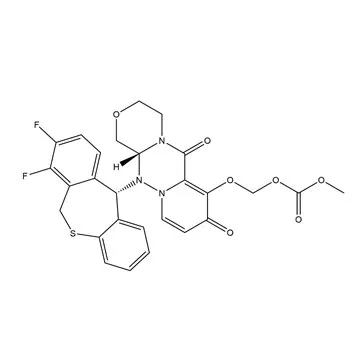
Figure 1: , Chemical Structure of Baloxavir Marboxil (BXM) and Related Baloxavir Acid (BXA), Adapted from the Supplied 2025 Review Source.
CONCLUSION
Baloxavir marboxil (BXM) is an important addition to the treatment of influenza A and B because it acts through a mechanism distinct from that of neuraminidase inhibitors. Following oral administration, BXM is converted to baloxavir acid (BXA), which inhibits the cap-dependent endonuclease activity of the polymerase acidic subunit of the influenza virus polymerase complex. This action interferes with the cap-snatching process required for viral messenger-RNA synthesis and thereby suppresses viral replication. The prodrug design is pharmacologically useful, but it also creates specific analytical challenges because intact BXM and its active metabolite BXA must be distinguished during formulation testing, stability assessment and bioanalytical investigations.
The literature reviewed in this article shows that reversed-phase HPLC and RP-UPLC remain practical techniques for routine assay of BXM in pharmaceutical dosage forms. Their advantages include established instrumentation, quantitative performance and suitability for routine quality-control laboratories. HPLC-PDA and UHPLC-PDA methods extend this application by enabling the separation and monitoring of related substances and stress-generated degradation products. However, chromatographic separation with UV or PDA detection alone may not provide sufficient structural evidence to identify an unknown impurity. LC-MS and LC-MS/MS therefore play an important complementary role, particularly for confirming degradation-product identities, investigating transformation pathways and quantifying BXM and BXA in complex biological matrices such as human plasma.
An important finding across the reviewed studies is that the chemical stability of BXM is strongly influenced by the surrounding conditions and by its physical state. Hydrolytic cleavage of the prodrug moiety can produce BXA, while oxidative stress can generate more polar products associated with transformation of the sulfur-containing region. Alkaline and oxidative conditions produced substantial degradation in the reported forced-degradation investigations; acidic, thermal and photolytic outcomes depended on the specific stress conditions used. The differences observed between solid-state and solution samples further demonstrate why sample preparation, solvent selection, pH, temperature, light exposure and solution-storage time must be controlled. The reported degradation rates and kinetic models are study-specific and should not be treated as universal stability constants for every formulation or storage environment.
Impurity profiling is consequently a central part of pharmaceutical quality assessment for BXM. Process-related impurities may arise from starting materials, intermediates and manufacturing reactions, whereas degradation products may develop during processing, storage or analytical sample preparation. The presence of stereochemical variants and multiple degradation-product families further increases the need for appropriate chromatographic selectivity. A fit-for-purpose analytical strategy should therefore establish that the parent-drug response is adequately separated from BXA, relevant process impurities, degradation products and formulation excipients. Where a peak cannot be confidently assigned using retention time and PDA information, mass-spectrometric characterization should be considered.
Regulatory guidance provides the framework for developing and evaluating these procedures. Stability studies should be designed with reference to the relevant ICH stability and photostability guidance, while analytical procedures should be validated for their intended purpose. The applicable impurity guidance should inform the control of organic impurities in drug substances and drug products. In practice, method validation should address relevant characteristics such as specificity, accuracy, precision, linearity and range, detection and quantitation capability where appropriate, robustness and system suitability. For stability-indicating procedures, demonstrating specificity in the presence of degradation products is particularly important. Literature-reported impurity levels or analytical performance values should not be adopted as product specifications without considering the actual manufacturing process, dosage form, maximum daily exposure and applicable regulatory requirements.
From a pharmaceutical Quality Assurance and Quality Control perspective, a tiered analytical approach appears most appropriate. A validated RP-HPLC or RP-UPLC procedure can be used for routine assay and related-substance monitoring where its selectivity has been adequately demonstrated. PDA assessment and forced-degradation studies can strengthen the evaluation of method specificity, while LC-MS or LC-MS/MS can be reserved for confirmation and characterization of critical or previously unassigned impurities and for sensitive bioanalysis. Fluorescence-based methods, including carbon-quantum-dot sensors, represent promising complementary approaches because they may offer high sensitivity and potential advantages in solvent use or analytical resource requirements. Their wider application, however, depends on reproducible probe preparation, selectivity, robustness and independent validation across relevant sample matrices.
Future research should focus on improving the selectivity, reproducibility and sustainability of BXM analytical procedures while maintaining compliance with regulatory expectations. Useful priorities include better characterization of previously unassigned process-related and degradation impurities; systematic evaluation of sample-preparation-induced conversion of BXM to BXA; further development of rapid stability-indicating chromatographic methods; and broader validation of greener chromatographic and fluorescence-based procedures. High-resolution mass spectrometry and complementary solid-state techniques may also help clarify the identity of unknown related substances and distinguish chemical degradation from changes in solid form. Any proposed method should be evaluated against its intended application rather than judged solely by speed, sensitivity or environmental performance.
In conclusion, no single analytical technique is sufficient for every aspect of BXM quality assessment. Routine assay, impurity profiling, forced-degradation evaluation, structural characterization and plasma quantification require different levels of selectivity and sensitivity. The combined use of validated chromatographic methods, appropriate mass-spectrometric confirmation and fit-for-purpose complementary techniques offers the most defensible approach to the analysis of baloxavir marboxil. Such an integrated strategy can support reliable potency measurement, improved understanding of degradation behavior, effective impurity control and scientifically sound quality decisions throughout pharmaceutical development and the product lifecycle.
Author Contributions
Both authors contributed collaboratively to the literature review, interpretation of published analytical methods, and preparation of the manuscript. Dr. Sejal Pandya is responsible for reviewing and approving the final manuscript before submission.
Conflicts of Interest
P. Upadhyay declares no competing interests. S. Aldar declares no competing interests.
Ethical Approval
Not applicable. This review summarizes published literature and reports no new experiments involving human participants or animals.
REFERENCES

Punita Upadhyay, Sanika Aldar, Dr. Sejal Pandya, Analytical Strategies, Impurity Profiling, and Stability-Indicating Assays for Baloxavir Marboxil: A Comprehensive Review, Int. J. Sci. R. Tech., 2026, 3 (11), 1050-1066. https://doi.org/10.5281/zenodo.24464191
 10.5281/zenodo.24464191
Severity: 8192
Message: substr(): Passing null to parameter #1 ($string) of type string is deprecated
Filename: frontend/article.php
Line Number: 890