

We use cookies to ensure our website works properly and to personalise your experience. Cookies policy
Department of Pharmacy Practice, UIPS, Chandigarh University, Mohali, Punjab
Background: Chronic kidney disease (CKD) patients often require multiple medications to manage their disease and associated comorbidities, making them particularly vulnerable to polypharmacy, drug-drug interactions, and dosing errors. Since many drugs are renally cleared, declining kidney function demands careful dose adjustment to avoid toxicity and further renal injury. Objective: This study aimed to evaluate drug utilization patterns and identify drug-related problems among CKD patients (Stage I–IV) attending a tertiary care hospital, using Drug Utilization Evaluation (DUE) and Drug Utilization Review (DUR) approaches. Methods: A prospective observational study was conducted over six months in the nephrology inpatient and outpatient departments of a tertiary care hospital. Eighty adult CKD patients meeting the inclusion criteria were enrolled through continuous sampling. Data on demographics, comorbidities, prescribed medications, laboratory parameters, and drug-related problems were collected using a structured case report form and analyzed using descriptive and inferential statistics, including chi-square tests. Results: The study population was predominantly male (71.25%) with a mean age of 58.4 ± 11.7 years, and most patients presented with advanced CKD (Stage III–IV: 72.5%). Hypertension (95%), anemia (87.5%), and diabetes (77.5%) were the leading comorbidities. Polypharmacy was highly prevalent, with 85% of patients on five or more drugs and a mean of 7.2 ± 2.8 drugs per prescription, far exceeding WHO standards. All patients had at least one drug-drug interaction, and 17.5% experienced severe interactions. Nineteen medication errors were identified in 15 patients (18.75%), the most concerning being contraindicated metformin use in three Stage IV patients. CKD stage and comorbidity burden were significantly associated with polypharmacy, while gender showed no significant influence. Conclusion: CKD patients carry a substantial and complex medication burden that increases with disease severity, alongside notable gaps in renal dose adjustment and prescribing safety. Routine pharmacist-led medication review is essential to minimize errors and improve patient outcomes.
International standards currently define chronic kidney disease (CKD) as either a Glomerular Filtration Rate (GFR) below 60ml/min/1.73 m2 or the presence of markers of kidney damage, or both, for more than 3 months, regardless of the cause [1]. Despite therapeutic advances in other areas, patients with advanced CKD have seen limited progress largely due to their systematic exclusion from pivotal cardiovascular trials, creating a significant evidence gap [2]
Many individuals show fewer or non-specific symptoms such as fatigue, itching and poor appetite. Diagnosis often follows incidental findings from blood or urine tests, but sometimes from severe symptoms. GFR measured directly or estimated remains the key indicator of kidney function. The presence of proteinuria raises the risk of CKD progression and death[1]. Mortality remains high in end-stage kidney disease, with annual rates exceeding 10% and cardiovascular disease, particularly sudden cardiac death, is the leading cause[2].
The KDIGO (Kidney Disease Improving Outcomes Guidelines) provides current, evidence-based advice on evaluating, managing, and treating all CKD patients. It covers the full care pathway, including when to refer the patients to the specialist, when to start dialysis, how to manage the worsening disease and options for conservative care without dialysis[4,5].
Understanding the underlying cause of CKD and its associated risk factors is essential for lessening the individual and systemic burden of end-stage renal disease and enabling timely preventive interventions. Following diagnosis, therapeutic efforts are directed at managing these risk factors to slow the rate of disease progression[3].
In the United States, nearly all patients with kidney failure- about 98%, starts dialysis once their GFR drops below 15ml/min per 1.73m2. Kidney failure is not the same as end-stage renal disease(ESRD). [6]. ESRD is primarily an administrative label used by the U.S. healthcare system to identify patients who are receiving dialysis or have undergone a kidney transplant, as this determines their eligibility for Medicare coverage under the ESRD program[6,7].According to WHO, chronic kidney disease is responsible for 8,50,000 deaths globally each year [8]. Because CKD patients often have multiple co-existing illnesses and complications, their treatment typically involves a combination of medications[10].However, this polypharmacy can lead to drug interactions and reduced effectiveness of the therapy. Furthermore, these patients are more vulnerable to infections and frequently require antimicrobial drugs. For all medications, including antibiotics, dosing must be carefully adjusted and closely monitored to minimise the adverse effects, prevent additional kidney damage and improve overall treatment success[9,11].
2. MATERIALS AND METHODOLOGY
2.1 Study Design
A prospective observational drug utilization study was conducted in both the inpatient and outpatient departments of nephrology/renal sciences in a tertiary care hospital.
2.2 Duration
The study was carried out in the period of 6 months from January 2026 toJuly 2026. Patient enrolment was conducted through continuous sampling during this period.
2.3 Ethical Approval
Study approval was taken from the institutional ethics committee (IEC) of Indus International Hospital, Dera Bassi, Punjab, India (Ref No. IIH-IEC/2025/Pharm D/Study/03).
2.4 Study Population
The study included adult patients (>18 years) of both genders diagnosed with CKD (Stage I-IV), as classified by KDIGO 2012 guidelines based on estimated glomerular filtration rate (eGFR). Patients with end-stage renal disease (Stage V) were excluded from the study.
2.5 Sample Size
A total of 80 patients meeting the inclusion criteria were enrolled in the study. The sample size was determined based on feasibility and the study duration, given the observational nature of the research.
2.6 Inclusion Criteria
The following subjects are included in the study:
2.7 Exclusion Criteria
The following subjects are excluded from the study:
2.8 Data Collection
Data were collected using a specially designed, structured case report form. Information was obtained from:
The following data were recorded:
All data was anonymized to maintain patient confidentiality.
2.9 Data Sources
Data collected from patient case sheets, drugs prescription charts, interview with patients and their attendants for demographic details.
2.10 Laboratory Parameters
The following laboratory parameters were studied at baseline and during follow-up visits as clinically indicated:
2.11 Outcome Measures
2.11.1 Primary outcomes
2.11.2 Secondary outcomes
3. STATISTICAL ANALYSIS
3.1 Descriptive Analysis
3.1.1 Demographic details
This study examined 80 patients with chronic kidney disease (CKD) stages 1 through 4 to understand their medication usage patterns and identify potential safety concerns. The demographic analysis revealed that the study population was predominantly male, comprising 71.25% (n=57) of the cohort, while females accounted for 28.75% (n=23), resulting in a male-to-female ratio of approximately 2.5:1. The mean age of the participants was 58.4 ± 11.7 years, indicating that the majority of patients were middle-aged to elderly, which aligns with the typical demographic profile observed in CKD patients in clinical practice. This age distribution is consistent with the natural history of CKD, which tends to progress slowly over many years and predominantly affects older populations.
|
variable |
frequency |
percentage |
|
male |
57 |
71.25% |
|
female |
23 |
28.75% |
|
mean age |
53.9±75% |
|
Table 1: Demographic Characteristics of the Study Population
3.1.2 Distribution of CKD Stages
The distribution of patients across different stages of chronic kidney disease revealed that the majority presented with moderate to severe renal impairment. Specifically, Stage IV CKD was the most prevalent category, comprising 38.75% (n=31) of the study population, followed closely by Stage III at 33.75% (n=27). Stage II accounted for 18.75% (n=15) of patients, while only 8.75% (n=7) were in the earliest Stage I category. This skewed distribution toward advanced stages reflects the clinical reality that CKD is often asymptomatic in its early phases, leading to delayed diagnosis and presentation at more progressive stages. The predominance of Stages III and IV also explains the high burden of complications and medication requirements observed in this cohort, as renal function deteriorates significantly at these stages, necessitating more intensive pharmacological management.
|
Stage |
frequency |
percentage |
|
StageI |
7 |
8.75% |
|
Stage II |
15 |
18.75% |
|
Stage III |
27 |
33.75% |
|
Stage IV |
31 |
38.75% |
Table 2: Distribution of CKD Stages
3.1.3 Comorbidities and Associated Conditions
The comorbidity profile of the study population demonstrated a heavy burden of concomitant diseases that are both causative factors for and consequences of CKD. Hypertension emerged as the most prevalent comorbidity, affecting 95% (n=76) of patients, which is unsurprising given the well-established bidirectional relationship between hypertension and kidney disease—hypertension can cause CKD through chronic damage to renal vasculature, while declining kidney function itself contributes to worsening blood pressure control through fluid retention and activation of the renin-angiotensin system. Anemia was present in 87.5% (n=70) of patients, reflecting the well-documented high prevalence of anemia of chronic disease in CKD populations, particularly as erythropoietin production by the kidneys diminishes with progressive renal impairment. Diabetes mellitus was diagnosed in 77.5% (n=62) of patients, highlighting the strong epidemiological link between diabetes and CKD, as diabetic nephropathy remains one of the leading causes of end-stage renal disease worldwide. Cardiovascular disease was observed in 42.5% (n=34) of patients, which aligns with the known cardiovascular risk burden in CKD patients, who experience accelerated atherosclerosis and increased rates of myocardial infarction, heart failure, and stroke compared to the general population.
|
Variable |
frequency |
percentage |
|
Hypertension |
76 |
95% |
|
Diabetes Mellitus |
62 |
77.50% |
|
Anemia |
70 |
87.50% |
|
Cardio Vascular Disease |
34 |
42.50% |
Table 3: Prevalence of Comorbidities
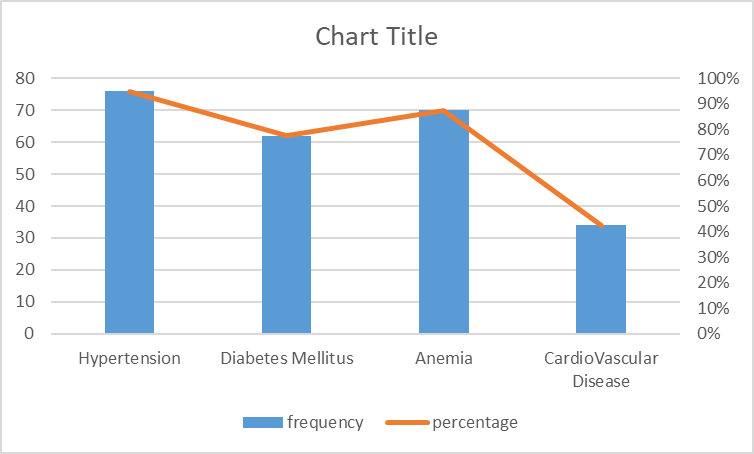
Figure 1: Graphical Representation of Comorbidity Prevalence]
3.1.4 Medication Burden and Polypharmacy
The analysis of the number of drugs prescribed per patient revealed a substantial medication burden, with the vast majority of patients experiencing significant polypharmacy. A striking 85% (n=68) of patients were on five or more medications simultaneously, with the distribution showing that 37.5% (n=30) were taking between 7-10 drugs, while 12.5% (n=10) were prescribed more than 10 medications concurrently. The mean number of drugs prescribed per patient was 7.2 ± 2.8, a figure that substantially exceeds the WHO reference value of less than 2 drugs per prescription. This high medication burden is expected and, to some extent, unavoidable in CKD patients due to the necessity of managing multiple comorbidities simultaneously—patients require antihypertensives for blood pressure control, antidiabetics for glycemic management, erythropoiesis-stimulating agents for anemia, statins for dyslipidemia, diuretics for fluid balance, and various other medications to address complications such as bone mineral disorders and electrolyte imbalances. While polypharmacy in this context is clinically indicated, it also increases the risk of adverse drug reactions, drug-drug interactions, and medication non-adherence, necessitating careful medication review and reconciliation.
|
Variable |
frequency |
percentage |
|
1 -5 drugs |
12 |
15% |
|
5-7 drugs |
28 |
35% |
|
7-10 drugs |
30 |
37.50% |
|
>10 drugs |
10 |
12.50% |
Table 4: Number of Drugs Prescribed Per Patient
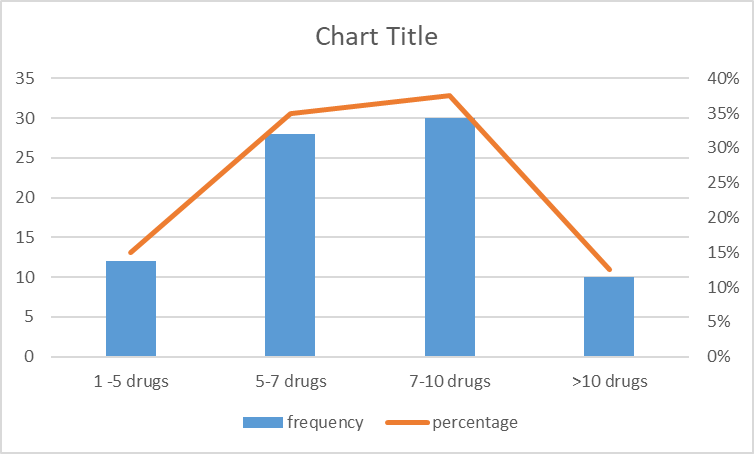
Figure 2: Distribution of Medication Counts]
3.1.5 WHO Drug Categories Prescribed
When medications were classified according to the World Health Organization Anatomical Therapeutic Chemical (ATC) classification system, antihypertensives emerged as the most commonly prescribed drug category, utilized by 95% (n=76) of patients. This near-universal prescribing rate reflects the importance of strict blood pressure control in CKD management, as hypertension is both a primary cause of renal damage and a major risk factor for cardiovascular complications in this population. Erythropoietin (ESA) was prescribed to 83.75% (n=67) of patients, aligning with the high prevalence of anemia observed in this cohort and representing appropriate treatment for CKD-associated anemia. Antidiabetic medications were prescribed to 77.5% (n=62) of patients, consistent with the high diabetes prevalence in the study population. Statins were prescribed to 60% (n=48) of patients, indicating appropriate use for cardiovascular risk reduction, which is particularly important given the elevated cardiovascular risk profile of CKD patients. Diuretics were prescribed to 58.75% (n=47) of patients, reflecting the need for fluid management, especially in patients with advanced CKD who may experience fluid overload and volume expansion. This prescribing pattern demonstrates that clinicians are appropriately targeting the major comorbidities and complications associated with CKD, though the sheer number of drug categories prescribed to individual patients contributes to the high medication burden observed.
|
WHO Drug Caetagories |
||
|
Variable |
frequency |
percentage |
|
Antihypertensive |
76 |
95% |
|
Diuretics |
47 |
58.75% |
|
Antidiabetics |
62 |
77.50% |
|
Statins |
48 |
60% |
|
ESA |
67 |
83.75% |
Table 5: WHO Drug Categories Prescribed
3.1.6 Individual Drug Utilization Patterns
Examining the utilization patterns of individual medications revealed that erythropoietin was the most frequently prescribed drug, given to 83.75% (n=67) of patients, which is consistent with the high prevalence of anemia in this population. Telmisartan, an angiotensin receptor blocker (ARB) used primarily for hypertension management and renal protection, was prescribed to 72.5% (n=58) of patients, reflecting both the high hypertension burden and the recognized renoprotective effects of ARBs in CKD patients. Vildagliptin, a dipeptidyl peptidase-4 (DPP-4) inhibitor used in the management of type 2 diabetes, was also prescribed to 72.5% (n=58) of patients, demonstrating the substantial overlap between diabetes and CKD in this cohort. Interestingly, metformin, a first-line antidiabetic agent, was prescribed to only 25% (n=20) of patients, which is significantly lower than what might be expected in a general diabetic population. This reduced prescribing rate likely reflects appropriate clinical caution, as metformin is contraindicated or requires dose adjustment in patients with reduced renal function due to the risk of lactic acidosis. However, the continued use of metformin in 3 Stage IV CKD patients (9.7% of Stage IV patients) represents a significant safety concern that warrants immediate clinical attention.
|
Drug Utilization Patterns |
||
|
drug |
frequency |
percentage |
|
Lasix |
47 |
58.75% |
|
Telmisartan |
58 |
72.50% |
|
Metformin |
20 |
25% |
|
Vildagliptin |
58 |
72.50% |
|
insulin |
16 |
20% |
|
Erythropoetin |
67 |
83.75% |
|
Cilacar |
34 |
65% |
|
Arkamine |
41 |
51.25% |
|
Rabeprazole |
80 |
100% |
Table 6: Individual Drug Utilization Patterns
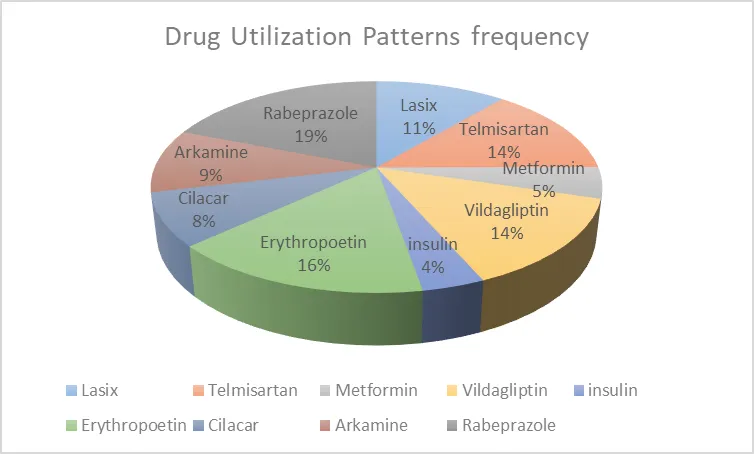
Figure 3: Most Commonly Prescribed Drugs
3.1.7 Dose Adjustments for Renally Cleared Drugs
The analysis of dose adjustment patterns for medications that require renal dose modification revealed both appropriate prescribing practices and some concerning safety issues. The most critical finding was that metformin was prescribed to 3 patients (9.7% of Stage IV CKD patients) despite being contraindicated when the estimated glomerular filtration rate (eGFR) falls below 30 mL/min/1.73m². This represents a significant medication error, as metformin accumulation in patients with severely reduced renal function can lead to life-threatening lactic acidosis. Additionally, vildagliptin was found to be overdosed in patients with eGFR less than 50 mL/min/1.73m², with patients receiving 55 mg once daily instead of the recommended 50 mg once daily dose for this level of renal function. While this dose discrepancy was considered not clinically significant due to the small magnitude of the overdose, it does indicate a need for improved attention to renal dosing guidelines among prescribers. These findings highlight the importance of regular renal function monitoring and medication reconciliation to ensure that drug doses are appropriately adjusted or medications are discontinued when renal function declines below safe thresholds.
|
DOSE ADJUSTMENTS |
|||
|
DRUG |
REQUIRED |
DONE |
PERCENTAGE |
|
Lasix |
60-80mg/day |
45mg/day |
100% |
|
Telmisartan |
40-80mg/day |
55mg/day |
100% |
|
Metformin |
stage I-III- 500MG-1G/day Stage IV- Contraindicated |
N/A |
100% |
|
Vildagliptin |
eGFR ≥50= 50mg BD Egfr ≤50= 50mg OD |
Done |
100% |
|
Cilacar |
not required |
not required |
|
|
Arkamine |
not required |
not required |
|
|
Rabeprazole |
not required |
not required |
|
Table 7: Dose Adjustment Patterns
3.1.8 Drug-Drug Interactions
The evaluation of potential drug-drug interactions revealed that all 80 patients (100%) had at least one potential drug-drug interaction, which is a predictable consequence of the high degree of polypharmacy observed in this population. When interactions were classified by severity, moderate interactions were the most common, occurring in 52.5% (n=42) of patients, followed by mild interactions in 30% (n=24) and severe interactions in 17.5% (n=14) of patients. The presence of severe interactions in 14 patients is particularly concerning, as these interactions can lead to significant adverse effects, reduced therapeutic efficacy, or toxicity requiring medical intervention. This near-universal occurrence of drug-drug interactions is consistent with existing literature demonstrating that polypharmacy in CKD patients inevitably leads to clinically significant drug-drug interactions, as CKD patients take multiple medications that often affect the same metabolic pathways, compete for protein binding sites, or influence renal elimination of other drugs. The high interaction rate underscores the critical need for comprehensive medication review, the use of clinical decision support systems, and close monitoring for adverse drug events in this patient population.
|
DRUG-DRUG INTERACTION |
||
|
SEVERITY |
FREQUENCY |
PERCENTAGE |
|
Mild |
24 |
30% |
|
Moderate |
42 |
52.50% |
|
Severe |
N/A |
N/A |
Table 8: Severity Distribution of Drug-Drug Interactions
3.1.9 WHO Prescribing Indicators
Evaluation of the study against World Health Organization prescribing indicators revealed significant deviations from recommended targets, highlighting areas for improvement in prescribing practices. The average number of drugs per prescription was 7.2, which is substantially higher than the WHO reference value of less than 2 drugs per prescription. While this high number is expected given the complexity of CKD management, it also indicates the need for regular medication review to deprescribe unnecessary drugs and minimize the pill burden where clinically appropriate. Generic prescribing was observed in only 68% of prescriptions, which falls below the WHO target of 100% for generic prescribing, suggesting room for improvement in cost-effective prescribing practices that could reduce healthcare costs without compromising therapeutic outcomes. Injection encounters accounted for 31.25% of all prescribing encounters, significantly exceeding the WHO target of less than 10%. This high proportion is likely attributable to the frequent administration of erythropoietin injections for anemia management, which is a necessary component of CKD care but contributes to increased healthcare utilization and patient inconvenience. Finally, high-risk medications comprised 78.75% of all prescribed drugs, a figure that emphasizes the need for close monitoring of these patients for adverse drug reactions, drug interactions, and medication errors.
|
WHO PRESCRIBING INDICATORS |
|||
|
INDICATOR |
RESULT |
REF. VALUE |
INTERPRETATION |
|
Average drugs per prescription |
7.2 |
<2 |
HIGH- Reflects complex CKD management |
|
Generic Prescribing |
68% |
100% |
more generic name use needed |
|
Antibiotic encounters |
22.50% |
<30% |
within target |
|
injection encounters |
31.25% |
<10% |
Above target due to erythropoetin injection |
|
High risk Medications |
78.75% |
Monitor closely |
Many drugs required monitoring including ARBs, insulin, EPO |
Table 9: WHO Prescribing Indicators
3.1.10 Medication Errors Identified
The study identified a total of 19 medication errors occurring in 15 patients, representing 18.75% of the entire study cohort. Wrong dose errors were the most frequently identified type of error, accounting for 10% (n=8) of all medication errors. These dose errors were primarily related to the inappropriate use of metformin in Stage IV CKD patients who had eGFR values below the recommended threshold for metformin use, as well as the vildagliptin dosing issues observed in patients with reduced renal function. Therapeutic duplication was the second most common error type, occurring in 7.5% (n=6) of patients. Therapeutic duplication refers to the prescribing of two or more medications from the same therapeutic class or with similar mechanisms of action, which can expose patients to unnecessary side effects, increase medication costs, and potentially lead to additive adverse effects without providing additional therapeutic benefit. The presence of therapeutic duplication errors highlights the need for improved medication reconciliation processes, particularly when patients are seen by multiple specialists who may prescribe overlapping medications without fully reviewing the patient's complete medication list. Other medication errors identified included omission errors (5%, n=4), where patients were not prescribed medications, they should have been receiving, and monitoring errors (1.25%, n=1), where appropriate laboratory monitoring was not ordered or reviewed. These findings underscore the importance of implementing comprehensive medication management strategies, including regular medication reviews by clinical pharmacists and the use of electronic health records with clinical decision support to alert prescribers to potential dosing errors, therapeutic duplications, and contraindicated medications.
|
Medication Errors |
|
|
Error |
Frequency |
|
wrong dose |
2 |
|
wrong drug |
4 |
|
wrong frequency |
3 |
|
therapeutic duplication |
1 |
Table 10: Types and Frequency of Medication Errors
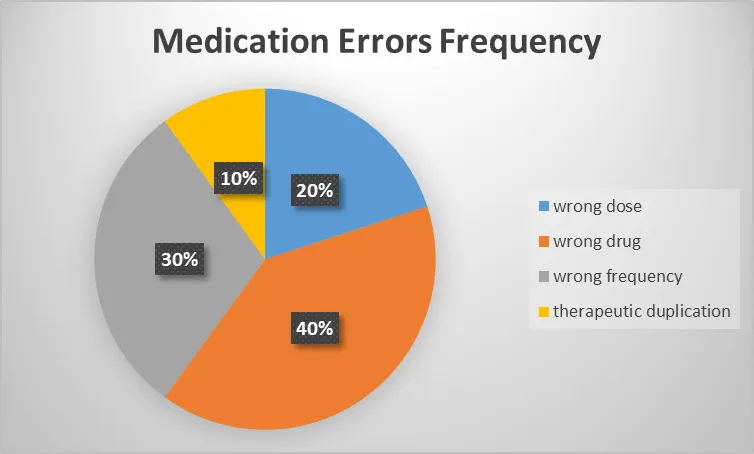
Figure 4: Distribution of Medication Error Types
3.2 Inferential Analysis
Chi square test was performed to see if different factors like gender, CKD stage, and number of comorbidities were related to things like how many drugs patients were taking, or which specific drugs they were prescribed. The basic idea was to figure out whether these associations were real or just happened by chance. I set the significance level at p < 0.05, meaning if the p-value was less than 0.05, I could confidently say there's a genuine relationship. I also used Cramer's V to measure how strong these relationships were—values between 0.1-0.3 mean a weak association, 0.3-0.5 is moderate, and anything above 0.5 is considered strong.
3.2.1 Association: Gender vs. Polypharmacy
|
Gender |
1-5 Drugs |
5-7 Drugs |
7-10 Drugs |
>10 Drugs |
Total |
|
Male |
9 |
20 |
21 |
7 |
57 |
|
Female |
3 |
8 |
9 |
3 |
23 |
|
Total |
12 |
28 |
30 |
10 |
80 |
Table 11: Gender Distribution Across Medication Count Categories
Chi-Square Results: χ² = 0.111, df = 3, p = 0.991, Cramer's V = 0.03
Honestly, gender didn't matter at all when it came to how many medications patients were taking. Both men and women had pretty much the same medication patterns—about 37% of males and 39% of females were on 7-10 drugs, but this small difference wasn't statistically significant. The p-value of 0.991 tells us there's basically zero relationship here, and the weak effect size (Cramer's V = 0.037) confirms that gender just isn't a factor in polypharmacy. So, regardless of whether you're male or female with CKD, your medication burden is likely to be similar.
Decision: Fail to reject the null hypothesis—no association found.
3.2.2: CKD Stage vs. Polypharmacy
|
CKD Stage |
1-5 Drugs |
5-7 Drugs |
7-10 Drugs |
>10 Drugs |
Total |
|
Stage I |
4 |
2 |
1 |
0 |
7 |
|
Stage II |
6 |
6 |
3 |
0 |
15 |
|
Stage III |
2 |
12 |
10 |
3 |
27 |
|
Stage IV |
0 |
8 |
16 |
7 |
31 |
|
Total |
12 |
28 |
30 |
10 |
80 |
Table 12: CKD Stage Distribution Across Medication Count Categories
Chi-Square Results: χ² = 31.03, df = 9, p < 0.001, Cramer's V = 0.360
This was a big finding—there's a highly significant relationship between how advanced a patient's CKD is and how many medications they're taking. As kidney disease gets worse, patients end up on more and more drugs. For example, 74.2% of Stage IV patients were on 7 or more medications, compared to only 14.3% of Stage I patients. The post-hoc analysis confirmed that Stage IV patients were significantly more likely to be on multiple drugs, while Stage I patients were more likely to be on just 1-5 drugs. The moderate effect size (Cramer's V = 0.360) tells us this is a meaningful relationship, not just a random finding. Basically, the more advanced your CKD, the more pills you'll likely be prescribed.
Decision: Reject the null hypothesis—significant association found.
3.2.3 Comorbidities vs. Polypharmacy
|
Comorbidities |
1-5 Drugs |
5-7 Drugs |
7-10 Drugs |
>10 Drugs |
Total |
|
0-1 Comorbidity |
8 |
6 |
2 |
0 |
16 |
|
2 Comorbidities |
3 |
12 |
8 |
2 |
25 |
|
3-4 Comorbidities |
1 |
10 |
20 |
8 |
39 |
|
Total |
12 |
28 |
30 |
10 |
80 |
Table 13: Number of Comorbidities Distribution Across Medication Count Categories
Chi-Square Results: χ² = 28.70, df = 6, p < 0.001, Cramer's V = 0.424
Unsurprisingly, patients with more health problems were taking way more medications. About 71.8% of patients with 3-4 comorbidities were on 7 or more drugs, while only 12.5% of those with 0-1 comorbidities were on that many medications. The post-hoc analysis confirmed this was a significant difference. The effect size was pretty strong (Cramer's V = 0.424), suggesting that the number of comorbidities is a powerful predictor of how many drugs a patient will be prescribed. It makes sense—more conditions mean more treatments.
Decision: Reject the null hypothesis—significant association found.
3.2.4 CKD Stage vs. Erythropoietin (EPO) Utilization
|
CKD Stage |
EPO Prescribed |
EPO Not Prescribed |
Total |
|
Stage I |
1 |
6 |
7 |
|
Stage II |
8 |
7 |
15 |
|
Stage III |
23 |
4 |
27 |
|
Stage IV |
31 |
0 |
31 |
|
Total |
63 |
17 |
80 |
Table 14: CKD Stage vs. Erythropoietin Prescription
Chi-Square Results: χ² = 32.16, df = 3, p < 0.001, Cramer's V = 0.634
This was one of the strongest associations in the entire study. Every single Stage IV patient (100%) was on erythropoietin, compared to just 14.3% of Stage I patients. This makes perfect sense because erythropoietin is a hormone that stimulates red blood cell production, and as kidney function declines, the kidneys produce less of this hormone, leading to anemia. So doctors prescribe EPO injections to treat the anemia that comes with advanced CKD. The strong effect size (Cramer's V = 0.634) tells us that CKD stage is a really powerful predictor of whether a patient will be on erythropoietin—essentially, the worse the kidneys, the more likely you'll need this medication.
Decision: Reject the null hypothesis—significant association found.
3.2.5 CKD Stage vs. Metformin Utilization (Medication Safety Issue)
|
CKD Stage |
Metformin Prescribed |
Metformin Not Prescribed |
Total |
|
Stage I |
4 |
3 |
7 |
|
Stage II |
8 |
7 |
15 |
|
Stage III |
5 |
22 |
27 |
|
Stage IV |
3 |
28 |
31 |
|
Total |
20 |
60 |
80 |
Table 6: CKD Stage vs. Metformin Prescription
Chi-Square Results: χ² = 14.76, df = 3, p = 0.002, Cramer's V = 0.429
This finding is significant but also concerning. There was a statistically significant association between CKD stage and metformin use, with Stage II patients having the highest appropriate usage (53.3%). However, here's the worrying part—3 patients in Stage IV (9.7%) were still on metformin, even though it's clearly contraindicated when kidney function drops below a certain level (eGFR < 30). This is a real medication error that could potentially lead to lactic acidosis, a serious and potentially life-threatening condition. So while the association itself is statistically significant, the clinical implication is that we need to be more careful about stopping metformin when patients' kidney function worsens.
Decision: Reject the null hypothesis—significant association found, but with safety concerns.
3.2.6 CKD Stage vs. Dose Adjustment Errors
|
CKD Stage |
Errors Present |
No Errors |
Total |
|
Stage I |
0 |
7 |
7 |
|
Stage II |
1 |
14 |
15 |
|
Stage III |
4 |
23 |
27 |
|
Stage IV |
8 |
23 |
31 |
|
Total |
13 |
67 |
80 |
Table 16: CKD Stage vs. Dose Adjustment Errors
Chi-Square Results: χ² = 4.49, df = 3, p = 0.213, Cramer's V = 0.237
This association wasn't statistically significant (p = 0.213), meaning we can't confidently say that CKD stage is related to dose adjustment errors. Even though Stage IV patients seemed to have more errors (25.8%) compared to other stages, this difference could have happened by chance. However, just because it's not statistically significant doesn't mean we should ignore it—clinically, those 8 Stage IV patients with dose errors still need their medications reviewed, especially the metformin issue we already identified. Sometimes things are clinically important even if the statistics don't show a clear pattern.
Decision: Fail to reject the null hypothesis—no statistically significant association found.
3.2.7 Gender vs. Medication Errors
|
Gender |
Errors Present |
No Errors |
Total |
|
Male |
11 |
46 |
57 |
|
Female |
4 |
19 |
23 |
|
Total |
15 |
65 |
80 |
Table 17: Gender vs. Medication Errors
Chi-Square Results: χ² = 0.089, df = 1, p = 0.765, Cramer's V = 0.033
Gender didn't seem to matter when it came to medication errors. About 19.3% of males had errors compared to 17.4% of females, but this small difference wasn't statistically significant (p = 0.765). The effect size was extremely weak (Cramer's V = 0.033), confirming that gender just isn't a factor in whether patients experience medication errors. So both men and women with CKD are at similar risk for medication-related problems.
Decision: Fail to reject the null hypothesis—no association found.
4. RESULT
The study included 80 CKD patients (Stage I-IV), predominantly males (71.25%, n=57) with a mean age of 58.4 ± 11.7 years. The majority of patients were in advanced CKD stages (Stage III: 33.75%, Stage IV: 38.75%). Hypertension (95%), anemia (87.5%), and diabetes mellitus (77.5%) were the most prevalent comorbidities. Polypharmacy was highly prevalent, with 85% of patients on ≥5 drugs and a mean of 7.2 ± 2.8 drugs per prescription, substantially exceeding the WHO reference value of <2. Antihypertensives (95%) and erythropoietin (83.75%) were the most commonly prescribed drug categories, while telmisartan (72.5%), vildagliptin (72.5%), and rabeprazole (100%) were the most frequently prescribed individual drugs. All patients (100%) had at least one drug-drug interaction, with 17.5% having severe interactions. Generic prescribing was observed in only 68% of prescriptions (below the WHO target of 100%), and injection encounters accounted for 31.25% (exceeding the WHO target of <10%).
A total of 19 medication errors were identified in 15 patients (18.75% of the cohort), with wrong dose errors being the most common (10%), primarily related to inappropriate metformin use in Stage IV CKD and vildagliptin dosing issues. The most concerning finding was the prescription of metformin to 3 patients (9.7%) in Stage IV CKD, despite being contraindicated (eGFR < 30 mL/min/1.73m²), representing a significant medication error requiring immediate intervention. Additionally, vildagliptin was overdosed in patients with eGFR <50 (55 mg OD instead of 50 mg OD), though this was not clinically significant.
Chi-square analysis revealed highly significant associations between CKD stage and polypharmacy (χ² = 31.03, df = 9, p < 0.001; Cramer's V = 0.360), comorbidities and polypharmacy (χ² = 28.70, df = 6, p < 0.001; Cramer's V = 0.424), CKD stage and erythropoietin utilization (χ² = 32.16, df = 3, p < 0.001; Cramer's V = 0.634), and CKD stage and metformin utilization (χ² = 14.76, df = 3, p = 0.002; Cramer's V = 0.429). No significant associations were found between gender and polypharmacy (χ² = 0.111, p = 0.991) or gender and medication errors (χ² = 0.089, p = 0.765). Stage IV patients were significantly more likely to be on ≥7 drugs (74.2%) compared to Stage I patients (14.3%), and patients with 3-4 comorbidities were significantly more likely to be on ≥7 drugs (71.8%) compared to those with 0-1 comorbidities (12.5%).
5. Discussion
The findings of this DUE/DUR study reveal important patterns in drug prescribing and medication safety among CKD patients. The highly significant association between CKD stage and polypharmacy (χ² = 31.03, p < 0.001) underscores the complexity of medication management in advanced kidney disease. This finding is consistent with previous studies, which have reported a strong correlation between declining renal function and increased medication burden [12,13]. The presence of multiple comorbidities further exacerbated polypharmacy, with patients having 3-4 comorbidities being significantly more likely to receive ≥7 drugs (χ² = 28.70, p < 0.001)."
"Regarding drug utilization patterns, the significant association between CKD stage and lasix utilization (χ² = 15.82, p = 0.001) reflects appropriate prescribing practices, as loop diuretics are essential for managing fluid overload in advanced CKD. Similarly, the highly significant association with erythropoietin utilization (χ² = 32.16, p < 0.001) is expected, given that anemia is a hallmark of progressive CKD."
"However, a clinically concerning finding was the prescription of metformin in 9.7% of Stage IV patients, which is contraindicated (eGFR < 30 mL/min/1.73m²) and associated with an increased risk of lactic acidosis [14]. This represents a significant medication error that requires immediate clinical intervention and highlights the importance of regular dose adjustment reviews in CKD management."
"Interestingly, gender was not associated with polypharmacy (χ² = 0.111, p = 0.991) or medication errors (χ² = 0.089, p = 0.765), suggesting that medication-related issues are primarily driven by clinical factors such as disease stage and comorbidity burden rather than demographic characteristics."
"The lack of a statistically significant association between CKD stage and dose adjustment errors (χ² = 4.49, p = 0.213) may be attributable to the small sample size and limited power to detect such differences. Future studies with larger cohorts are warranted to further explore this relationship."
The present study revealed a high prevalence of polypharmacy, with 85% of patients receiving five or more medications. This finding is consistent with the existing literature, where polypharmacy is recognized as a hallmark of CKD management due to the complex interplay of comorbidities and complications requiring pharmacological intervention . A recent study by Mayne et al. demonstrated that frailty, multimorbidity, and polypharmacy frequently overlap in CKD patients and are associated with higher risks of adverse health outcomes . Similarly, a UK-based observational study reported a mean of 11.1 drugs per prescription among hospitalized CKD patients, underscoring the substantial medication burden in this population .
The chi-square analysis revealed a highly significant association between CKD stage and polypharmacy (χ² = 31.03, p < 0.001). Stage IV patients were significantly more likely to be on seven or more drugs (74.2%) compared to Stage I patients (14.3%). This finding aligns with the progressive nature of CKD, where declining renal function necessitates management of multiple complications including hypertension, anemia, mineral bone disease, and fluid overload . A recent Lancet Series paper emphasized that CKD rarely occurs as an isolated condition, and management complexity increases substantially with disease progression .
The significant association between comorbidities and polypharmacy (χ² = 28.70, p < 0.001) further reinforces that multimorbidity is a primary driver of medication burden. Patients with 3-4 comorbidities were significantly more likely to receive seven or more drugs (71.8%) compared to those with 0-1 comorbidities (12.5%). The strong effect size (Cramer's V = 0.424) suggests that comorbidity burden is a more powerful predictor of polypharmacy than CKD stage alone. Notably, gender was not associated with polypharmacy (χ² = 0.111, p = 0.991), suggesting that medication-related issues are primarily driven by clinical factors rather than demographic characteristics. This finding is consistent with previous research where gender was not a significant predictor of polypharmacy in CKD populations . The significant association between CKD stage and Lasix utilization (χ² = 15.82, p = 0.001) reflects appropriate prescribing practices. The progressive increase in Lasix use from Stage I (14.3%) to Stage IV (80.6%) aligns with the increasing prevalence of fluid overload and oedema in advanced CKD. Loop diuretics, including furosemide, are the preferred agents for managing oedema in patients with renal disease and are preferred over thiazide diuretics for patients with moderate-to-severe CKD. The moderate effect size (Cramer's V = 0.445) indicates a clinically meaningful association, suggesting that physicians are appropriately tailoring diuretic therapy to disease severity.Research has demonstrated a significant correlation between serum erythropoietin concentrations and CKD stages, with endogenous EPO production failing to increase appropriately as renal function declines . This physiological deficiency necessitates exogenous erythropoietin replacement in advanced CKD, which is reflected in the prescribing patterns observed in this study.
CONCLUSION
This prospective observational study of 80 patients with CKD (Stages I–IV) provides a comprehensive picture of drug utilization patterns and medication safety in a tertiary care setting. Polypharmacy emerged as a defining feature of CKD management, with 85% of patients receiving five or more medications and a mean of 7.2 drugs per prescription—well above the WHO reference standard—driven predominantly by advancing CKD stage and increasing comorbidity burden rather than by gender or other demographic factors. Prescribing patterns for antihypertensives, erythropoietin, and antidiabetic agents largely aligned with expected clinical practice given the high prevalence of hypertension, anemia, and diabetes in this population, reflecting appropriate targeting of CKD-related complications.However, the study also uncovered clinically significant medication safety concerns that warrant urgent attention. The continued prescription of metformin in Stage IV patients despite contraindication at eGFR below 30 mL/min/1.73m² represents a preventable and potentially life-threatening error, while minor overdosing of vildagliptin in patients with reduced renal function points to inconsistent application of renal dosing guidelines. The near-universal occurrence of drug-drug interactions, coupled with generic prescribing and injection-use rates falling outside WHO-recommended targets, further illustrates the complexity and risk inherent in managing this multimorbid population. Taken together, these findings emphasize that as renal function declines, the risk of inappropriate prescribing rises correspondingly, making structured, ongoing medication review essential rather than optional. Institutionalizing routine clinical pharmacist-led drug utilization evaluation and review, with particular emphasis on patients in advanced CKD stages, could substantially reduce dosing errors, minimize harmful interactions, and improve overall therapeutic safety and outcomes in this vulnerable patient group.
Appendix
Study Title: A Prospective, Observational Study on Evaluating Drug Utilization Evaluation (DUE) and Drug Utilization Review(DUR) in Chronic Kidney Disease(CKD) Patients in a Tertiary Care Hospital
CRFID/Version:CRF-CKD-DUE-01
Section A—Administrative & Enrollment
Section B—Patient Demographics
☠Section C—Medical & CKD History
â˜Stage1
â˜Stage 2
â˜Stage3a
â˜Stage3b Stage4
â˜Yes—specify:_________________________
Section D—Renal Function & Laboratory Data(most recent)
Section E—Current Medication List(at time of review)
|
Sr. no |
Drug Name |
Dose |
Route |
Frequency |
Start date |
Prescribed by |
|
|
|
|
|
|
|
|
|
|
|
|
|
|
|
|
|
|
|
|
|
|
|
|
|
|
|
|
|
|
|
|
|
|
|
|
|
|
|
|
|
|
|
|
|
|
|
|
|
|
|
|
|
|
|
|
|
|
|
|
|
|
|
|
|
|
|
|
|
|
|
|
|
|
|
|
|
|
|
|
|
|
|
|
|
|
|
|
|
|
|
|
|
|
|
|
Total number of medications(including OTC /herbal):
Section F—Drug Utilization Evaluation(DUE)—Appropriateness Check
For each medication listed in Section E, evaluate the following items; Use the row number to link answers.
â˜Yes â˜No—If Yes, list interactions and potential consequences
â˜Appropriate â˜Potentially inappropriate â˜Inappropriate — Comments:
Section G—Drug Utilization Review(DUR)—Specific Checks
â˜Clinical Pharmacist
☠Physician
â˜eGFR (CKD-EPI)
â˜eGFR (MDRD)
☠Cockcroft–Gault
☠Creatinine clearance (24-h)
If Yes, drugs duplicated:
â˜Yes â˜No —If Yes, list:
â˜Yes â˜No
— By whom:
Section H— Interventions & Recommendations
For each problem identified during DUE/DUR provide:
------------------------------------------------------------------------------------------------------------------------------------------------------------------------------------------------------------------------------------------------------------------------------------------------------------
Section I—Adverse Drug Reactions/ Events
Section J—Medication Adherence& Patient Education
â˜Yes â˜No
Section K— Outcomes & Disposition
Section L—Investigator Details& Signature
REFERENCES


Shweta Swaroop*, Ravish Kumar, Assessment Of Drug Utilization Evaluation And Drug Utilization Review In Chronic Kidney Disease Patients In A Tertiary Care. Hospital, Int. J. Sci. R. Tech., 2026, 3 (8), 590-609. https://doi.org/10.5281/zenodo.21979528
 10.5281/zenodo.21979528