

We use cookies to ensure our website works properly and to personalise your experience. Cookies policy
1Department of Pharmaceutics, Anurag college of Pharmacy, Warthi, Bhandara
2Department of Pharmaceutical Chemistry, Jagadambha Institute of Pharmacy and Research, Kalamb
3Department of Pharmaceutics, Ujjain Institute of Pharmaceutical Sciences, Ujjain
Nanotechnology-based drug delivery systems (NDDS) have emerged as transformative platforms for improving the therapeutic efficacy, safety, and targeting efficiency of pharmaceutical agents. These systems offer several advantages over conventional dosage forms, including enhanced bioavailability, controlled drug release, improved stability, and site-specific drug delivery. Nanocarriers such as liposomes, polymeric nanoparticles, solid lipid nanoparticles, nanostructured lipid carriers, dendrimers, and nanoemulsions have demonstrated significant potential in the treatment of cancer, neurological disorders, infectious diseases, and chronic inflammatory conditions. However, the complex physicochemical characteristics of nanomedicines present considerable challenges in formulation development, manufacturing, quality control, scale-up, and regulatory approval. Quality by Design (QbD) has emerged as a scientific and systematic framework for addressing these challenges by integrating product and process understanding into pharmaceutical development. QbD emphasizes predefined quality objectives, risk-based decision-making, identification of critical quality attributes (CQAs), critical material attributes (CMAs), critical process parameters (CPPs), and the establishment of design space. The implementation of QbD principles facilitates formulation optimization, process robustness, and regulatory compliance while ensuring consistent product quality throughout the product lifecycle. Regulatory agencies including the United States Food and Drug Administration (FDA), European Medicines Agency (EMA), and International Council for Harmonisation (ICH) increasingly encourage the adoption of QbD principles for nanomedicine development. Despite significant progress, challenges remain regarding standardization of characterization techniques, scalability, reproducibility, regulatory harmonization, and long-term safety assessment. Emerging technologies such as artificial intelligence, machine learning, and advanced analytical tools are expected to further enhance nanomedicine development and quality management. This review provides a comprehensive overview of QbD applications in nanotechnology-based drug delivery systems, discusses critical quality attributes, risk assessment methodologies, design space development, and current regulatory perspectives, while highlighting future opportunities for innovation and regulatory advancement in nanomedicine.
Nanotechnology has revolutionized pharmaceutical research by enabling the development of advanced drug delivery systems capable of overcoming many limitations associated with conventional dosage forms. Numerous therapeutic agents suffer from poor aqueous solubility, limited bioavailability, rapid metabolism, inadequate tissue penetration, and systemic toxicity. These limitations often compromise therapeutic efficacy and patient compliance. Nanotechnology-based drug delivery systems (NDDS) offer innovative solutions by improving drug solubility, enhancing absorption, prolonging circulation time, and facilitating targeted delivery to specific tissues and organs [1].
Nanocarriers generally range from 1 to 1000 nm in size and include diverse systems such as liposomes, polymeric nanoparticles, dendrimers, solid lipid nanoparticles, nanostructured lipid carriers, nanoemulsions, and nanocrystals. Their unique physicochemical properties, including high surface-area-to-volume ratio, tunable surface characteristics, and controlled release capabilities, make them attractive candidates for modern pharmaceutical applications [2].
The clinical impact of nanomedicine has expanded considerably over the last two decades. Several nanotechnology-based formulations have received regulatory approval for treating cancer, infectious diseases, and inflammatory disorders. More recently, lipid nanoparticle-based systems have gained global attention due to their successful application in nucleic acid delivery and vaccine development [3]. Despite these achievements, nanomedicine development remains challenging because product performance is highly dependent on multiple interacting formulation and process variables.
Small variations in raw materials, manufacturing conditions, or processing parameters can significantly alter critical quality attributes such as particle size, zeta potential, drug loading, encapsulation efficiency, stability, and drug release behavior. Consequently, ensuring consistent product quality, safety, and efficacy throughout development and commercialization remains a significant challenge [4].
To address these challenges, the pharmaceutical industry has increasingly adopted the Quality by Design (QbD) approach. According to the International Council for Harmonisation (ICH), QbD is a systematic approach to pharmaceutical development that begins with predefined objectives and emphasizes product and process understanding based on sound science and quality risk management [5]. Unlike traditional quality-by-testing approaches, QbD focuses on building quality into products during development rather than relying solely on end-product testing [6].
The implementation of QbD involves defining the Quality Target Product Profile (QTPP), identifying Critical Quality Attributes (CQAs), Critical Material Attributes (CMAs), and Critical Process Parameters (CPPs), followed by risk assessment, experimental design, process optimization, and establishment of design space [7]. This scientific framework enables a deeper understanding of formulation behavior and supports robust manufacturing processes.
Regulatory authorities including the FDA, EMA, and ICH strongly encourage QbD implementation through guidelines such as ICH Q8 (Pharmaceutical Development), Q9 (Quality Risk Management), and Q10 (Pharmaceutical Quality System) [5,8]. These guidelines emphasize scientific understanding, risk management, and lifecycle quality management as essential components of pharmaceutical development.
Given the increasing complexity of nanomedicines, the application of QbD principles has become essential for ensuring consistent product performance, regulatory acceptance, and successful commercialization. This review discusses the role of QbD in nanotechnology-based drug delivery systems, focusing on critical quality attributes, risk assessment, design space, and regulatory considerations [9].
2. QUALITY BY DESIGN (QBD) IN NANOTECHNOLOGY-BASED DRUG DELIVERY SYSTEMS
Quality by Design (QbD) represents a paradigm shift in pharmaceutical development by emphasizing proactive quality management rather than retrospective quality testing. The concept is based on scientific understanding of the relationship between formulation variables, manufacturing processes, and final product quality. QbD aims to ensure that quality is built into pharmaceutical products from the earliest stages of development and maintained throughout the product lifecycle [5].
The application of QbD is particularly valuable in nanotechnology-based drug delivery systems because nanomedicines exhibit complex physicochemical properties and multifactorial interactions. Traditional trial-and-error approaches are often inadequate for optimizing nanoparticle formulations due to the large number of variables involved. QbD provides a structured framework for systematic development and optimization [2].
The QbD process begins with the establishment of a Quality Target Product Profile (QTPP), which defines the intended quality characteristics of the final product. The QTPP includes attributes such as dosage form, route of administration, therapeutic indication, drug release characteristics, stability, and safety requirements [6].
Based on the QTPP, Critical Quality Attributes (CQAs) are identified. CQAs are measurable physical, chemical, biological, or microbiological properties that must remain within predefined limits to ensure product quality. In nanotechnology-based formulations, CQAs commonly include particle size, particle size distribution, zeta potential, drug loading, encapsulation efficiency, drug release profile, morphology, and stability [9].
Critical Material Attributes (CMAs) and Critical Process Parameters (CPPs) are subsequently identified. CMAs include raw material properties such as polymer molecular weight, lipid composition, surfactant concentration, and solvent characteristics. CPPs include process variables such as homogenization speed, sonication time, mixing rate, temperature, and pressure [4].
Risk assessment forms a central component of QbD implementation. Tools such as Failure Mode and Effects Analysis (FMEA), Ishikawa diagrams, Hazard Analysis and Critical Control Points (HACCP), and risk-ranking matrices are used to identify and prioritize factors that may affect product quality [8].
Design of Experiments (DoE) is subsequently employed to investigate the effects of critical variables on product quality. Statistical experimental designs facilitate efficient optimization while reducing the number of experimental runs required [7]. Through DoE studies, relationships between CMAs, CPPs, and CQAs can be established, enabling the development of robust and reproducible formulations.
One of the most significant outcomes of QbD implementation is the establishment of a design space, defined as the multidimensional combination of input variables and process parameters that consistently produce products meeting predefined quality criteria [5]. Operating within an approved design space provides greater manufacturing flexibility and facilitates regulatory compliance.
Numerous studies have demonstrated that QbD-based development approaches improve formulation robustness, reduce batch-to-batch variability, enhance process understanding, and support successful regulatory submissions [1,4]. As nanomedicine continues to evolve, QbD is expected to play an increasingly important role in ensuring the quality, safety, and efficacy of advanced drug delivery systems.
|
QbD Element |
Function |
|
QTPP |
Defines desired product characteristics |
|
CQA |
Identifies critical quality parameters |
|
CMA |
Determines critical material properties |
|
CPP |
Identifies critical process variables |
|
Risk Assessment |
Evaluates potential quality risks |
|
DoE |
Optimizes formulation and process parameters |
|
Design Space |
Establishes robust operating ranges |
|
Control Strategy |
Ensures lifecycle quality management |
Table 1. Key Elements of Quality by Design in Nanotechnology-Based Drug Delivery Systems
3. CRITICAL QUALITY ATTRIBUTES (CQAS) OF NANOTECHNOLOGY-BASED DRUG DELIVERY SYSTEMS
Critical Quality Attributes (CQAs) are the physical, chemical, biological, or microbiological properties that must remain within predefined limits to ensure the desired quality, safety, and efficacy of a pharmaceutical product. Within the Quality by Design (QbD) framework, CQAs represent the most important product characteristics that influence therapeutic performance and regulatory acceptance [5].
For nanotechnology-based drug delivery systems (NDDS), CQAs are particularly significant because nanoscale formulations exhibit complex interactions with biological systems. Variations in nanoparticle characteristics can affect biodistribution, pharmacokinetics, cellular uptake, therapeutic efficacy, and toxicity. Therefore, identifying and controlling CQAs is essential for ensuring batch-to-batch consistency and maintaining product quality throughout the product lifecycle [2].
3.1 Particle Size and Particle Size Ditribution
Particle size is considered one of the most critical quality attributes of nanomedicines. It directly influences drug loading capacity, circulation time, tissue penetration, cellular uptake, and biodistribution. Nanoparticles within an optimal size range often exhibit enhanced therapeutic performance and improved targeting efficiency [10].
Particle size distribution is commonly expressed as the polydispersity index (PDI). A low PDI value indicates uniform particle distribution and better formulation homogeneity. In contrast, broader size distributions may lead to inconsistent drug release, altered pharmacokinetics, and reduced therapeutic predictability [11].
3.2 Zeta Potential and Surface Charge
Zeta potential is an important indicator of nanoparticle surface charge and colloidal stability. Nanoparticles possessing sufficiently high positive or negative zeta potential values generally exhibit reduced aggregation due to electrostatic repulsion [12].
Surface charge also influences biological interactions such as protein adsorption, cellular internalization, immune recognition, and blood circulation time. Appropriate control of zeta potential is therefore essential for optimizing nanoparticle performance and stability [13].
3.3 Drug Loading and Encapsulation Efficiency
Drug loading capacity and encapsulation efficiency are critical indicators of formulation effectiveness. Drug loading refers to the amount of drug incorporated within the nanocarrier relative to the total formulation weight, whereas encapsulation efficiency represents the percentage of the drug successfully entrapped within the carrier system [4].
High encapsulation efficiency improves therapeutic effectiveness while minimizing material consumption and manufacturing costs. Several formulation factors including polymer concentration, lipid composition, surfactant concentration, and preparation method influence these attributes [14].
3.4 Drug Release Profile
Controlled drug release is one of the major advantages of nanotechnology-based drug delivery systems. The release profile determines the rate and extent of drug liberation from the nanocarrier after administration. A well-designed release profile can maintain therapeutic drug concentrations for prolonged periods while minimizing dosing frequency and adverse effects [15].
Drug release behavior is influenced by nanoparticle composition, particle size, matrix structure, environmental conditions, and drug–carrier interactions. Consequently, drug release kinetics are routinely evaluated during formulation development and quality assessment [16].
3.5 Morphology and Structural Characteristics
Nanoparticle morphology, including shape, surface texture, and structural organization, significantly influences biological behavior. Different nanoparticle shapes may exhibit distinct cellular uptake mechanisms and biodistribution patterns [17].
Advanced characterization techniques such as transmission electron microscopy (TEM), scanning electron microscopy (SEM), and atomic force microscopy (AFM) are commonly employed to evaluate nanoparticle morphology and structural integrity [18].
3.6 Stability
Physical and chemical stability are essential requirements for successful nanomedicine development. Instability may result in particle aggregation, sedimentation, drug leakage, oxidation, hydrolysis, or degradation of formulation components [19].
Comprehensive stability studies are therefore conducted under various storage conditions to establish shelf-life and ensure long-term product performance. Stable formulations maintain their critical quality attributes throughout storage and administration [20].
|
Critical Quality Attribute |
Importance |
|
Particle Size |
Influences biodistribution and cellular uptake |
|
Particle Size Distribution |
Determines formulation uniformity |
|
Zeta Potential |
Indicates colloidal stability |
|
Drug Loading |
Affects therapeutic efficiency |
|
Encapsulation Efficiency |
Measures drug incorporation |
|
Drug Release Profile |
Controls therapeutic performance |
|
Morphology |
Influences biological interactions |
|
Stability |
Ensures product quality and shelf-life |
Table 2. Major Critical Quality Attributes of Nanotechnology-Based Drug Delivery Systems
4. RISK ASSESSMENT AND DESIGN SPACE
Risk assessment is a fundamental element of the Quality by Design (QbD) approach and serves as a scientific tool for identifying, evaluating, and controlling factors that may affect product quality. In nanotechnology-based drug delivery systems (NDDS), numerous formulation and process variables influence the final product characteristics. Therefore, systematic risk assessment is essential to ensure consistent quality, safety, and efficacy throughout product development and manufacturing [21].
Nanomedicines are particularly susceptible to variability because small changes in formulation composition or manufacturing conditions can significantly alter critical quality attributes such as particle size, encapsulation efficiency, zeta potential, and drug release characteristics. Consequently, regulatory agencies recommend the application of risk-based methodologies to understand and control sources of variability during development [22].
4.1 Failure Mode and Effects Analysis (FMEA)
Failure Mode and Effects Analysis (FMEA) is one of the most widely used risk assessment tools in pharmaceutical development. FMEA systematically identifies potential failure modes, evaluates their causes and consequences, and estimates the associated risk based on severity, occurrence, and detectability [23].
In nanoparticle formulation development, FMEA can be used to identify risks associated with particle aggregation, drug leakage, poor encapsulation efficiency, instability, contamination, and process variability. The calculated Risk Priority Number (RPN) helps researchers prioritize variables requiring additional control and optimization [24].
4.2 Ishikawa (Fishbone) Diagram
The Ishikawa diagram, also known as the fishbone diagram, is a qualitative risk assessment tool used to identify potential causes of quality variation. The method categorizes factors into areas such as materials, methods, machinery, manpower, measurement, and environment [25].
For nanotechnology-based formulations, fishbone analysis helps identify potential sources of variability affecting critical quality attributes. This graphical approach facilitates comprehensive process understanding and supports the development of effective control strategies [9].
4.3 Hazard Analysis and Critical Control Points (HACCP)
Hazard Analysis and Critical Control Points (HACCP) is a preventive quality management system that focuses on identifying and controlling potential hazards before they impact product quality. HACCP has gained increasing importance in pharmaceutical manufacturing because it emphasizes proactive rather than reactive quality management [26].
In nanomedicine production, HACCP can be applied to monitor critical manufacturing steps such as nanoparticle synthesis, purification, sterilization, drying, packaging, and storage. Proper implementation reduces the risk of product failure and enhances manufacturing robustness [19].
4.4 Risk Ranking an1 Filtering
Risk ranking and filtering techniques enable systematic prioritization of formulation variables according to their potential impact on product quality. Factors considered include severity, probability of occurrence, and detectability of potential failures [24].
This approach helps researchers focus experimental efforts on high-risk variables while minimizing resources devoted to lower-risk factors. Risk-ranking matrices are particularly useful during the early stages of nanoparticle formulation development when numerous variables require evaluation [6].
4.5 Design of Experiments (DoE)
Following risk assessment, Design of Experiments (DoE) is employed to investigate the relationships between formulation variables and product quality attributes. DoE is a statistical methodology that allows simultaneous evaluation of multiple factors and their interactions, thereby providing greater efficiency than conventional one-factor-at-a-time experimentation [27].
Common experimental designs used in nanomedicine development include:
These approaches facilitate optimization of nanoparticle formulations while reducing experimental workload and development costs [28].
4.6 Design Space
The establishment of a design space represents one of the most important outcomes of QbD implementation. According to ICH Q8(R2), design space is defined as the multidimensional combination and interaction of input variables and process parameters that have been demonstrated to provide assurance of quality [5].
For nanotechnology-based drug delivery systems, the design space may include acceptable ranges of polymer concentration, lipid composition, surfactant concentration, homogenization speed, sonication time, processing temperature, and pressure conditions. Operating within the approved design space ensures consistent product quality while providing manufacturers with greater operational flexibility [5].
A scientifically established design space offers several advantages:
4.7 Regulatory Significance of Risk Assessment and Design Space
Regulatory authorities such as the FDA, EMA, and ICH strongly encourage risk-based pharmaceutical development. Comprehensive risk assessment and design space establishment demonstrate scientific understanding of product and process behavior, thereby increasing regulatory confidence in manufacturing consistency and product quality [36].
For nanomedicines, risk management strategies are particularly important because product performance is highly dependent on nanoscale physicochemical properties. The integration of risk assessment, DoE, and design space concepts supports regulatory compliance and facilitates lifecycle quality management [30].
|
Tool |
Purpose |
Application |
|
FMEA |
Quantitative risk evaluation |
Identification of critical failure modes |
|
Ishikawa Diagram |
Cause-and-effect analysis |
Identification of variability sources |
|
HACCP |
Preventive quality management |
Control of critical process steps |
|
Risk Ranking Matrix |
Risk prioritization |
Selection of high-risk variables |
|
DoE |
Process optimization |
Establishment of CMAs, CPPs, and CQAs |
|
Design Space |
Process control |
Consistent product quality assurance |
Table 3. Risk Assessment Tools Used in Nanomedicine Development
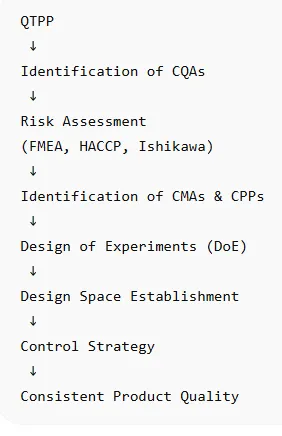
Figure 3. QbD-Based Risk Assessment Workflow
5. REGULATORY PERSPECTIVES (FDA, EMA, ICH)
The increasing complexity of nanotechnology-based drug delivery systems has necessitated the development of specialized regulatory approaches to ensure product quality, safety, and efficacy. Regulatory agencies worldwide recognize that conventional pharmaceutical evaluation methods may not adequately address the unique physicochemical and biological properties of nanomedicines [31].
The United States Food and Drug Administration (FDA) adopts a science-based and product-specific approach for evaluating nanomedicines. The FDA emphasizes comprehensive characterization of nanoparticle properties, manufacturing consistency, quality control, and risk assessment throughout product development. Furthermore, the agency strongly encourages the implementation of Quality by Design principles to enhance process understanding and product quality [29].
Similarly, the European Medicines Agency (EMA) has published several reflection papers focusing on nanotechnology-based medicinal products. The EMA highlights the importance of nanoparticle characterization, biodistribution studies, immunogenicity assessment, pharmacokinetic evaluation, and long-term safety monitoring [30].
At the international level, the International Council for Harmonisation (ICH) provides a harmonized framework through guidelines such as ICH Q8 (Pharmaceutical Development), ICH Q9 (Quality Risk Management), ICH Q10 (Pharmaceutical Quality System), and ICH Q12 (Lifecycle Management). These guidelines support global regulatory convergence and facilitate the adoption of QbD approaches in nanomedicine development [5,21].
Despite significant regulatory progress, challenges remain regarding standardization of analytical methods, bioequivalence assessment, stability testing, and global harmonization of nanomedicine regulations. Continued collaboration among regulatory authorities, academic institutions, and industry stakeholders is essential for establishing universally accepted standards for nanotechnology-based therapeutics [10,32].
|
Agency |
Regulatory Focus |
Key Guidelines |
|
FDA |
Product-specific evaluation, QbD, risk management |
FDA Pharmaceutical Development Guidance |
|
EMA |
Biodistribution, immunogenicity, safety assessment |
EMA Reflection Papers |
|
ICH |
Harmonized quality standards |
Q8, Q9, Q10, Q12 |
|
CDSCO |
Adoption of international standards |
National regulatory frameworks |
Table 4. Comparative Regulatory Perspectives for Nanomedicine Development
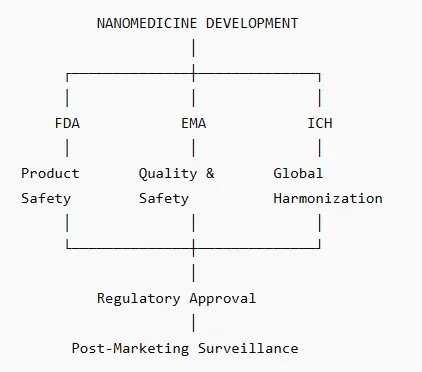
Figure 4. Global Regulatory Framework for Nanomedicine
6. CHALLENGES AND FUTURE DIRECTIONS
Despite remarkable advances in nanotechnology-based drug delivery systems (NDDS), several scientific, technological, manufacturing, and regulatory challenges continue to hinder their widespread clinical translation. The complexity of nanomedicines, coupled with stringent regulatory requirements, necessitates continuous innovation and multidisciplinary collaboration to ensure successful product development and commercialization [33].
6.1 Scalability and Manufacturing Challenges
One of the major obstacles in nanomedicine development is the successful translation of laboratory-scale formulations to industrial-scale manufacturing. Processes optimized at small scales often exhibit variability when transferred to commercial production. Factors such as mixing efficiency, temperature control, shear stress, solvent removal, and equipment design can significantly affect nanoparticle characteristics including particlesize, encapsulation efficiency, and stability [34].
Maintaining batch-to-batch consistency remains a critical concern because slight variations in manufacturing conditions may alter critical quality attributes (CQAs) and ultimately affect therapeutic performance. Therefore, robust process control strategies and real-time monitoring techniques are essential for ensuring reproducible product quality [35].
6.2 Analytical Characterization Challenges
Comprehensive characterization of nanomedicines remains technically challenging due to their complex physicochemical properties. Parameters such as particle size distribution, surface charge, morphology, drug loading, protein corona formation, and in vivo behavior require sophisticated analytical techniques and standardized methodologies [36].
Currently, the absence of universally accepted characterization standards creates difficulties in comparing data across studies and regulatory submissions. Advanced analytical platforms capable of accurately assessing nanomaterial properties are needed to improve product evaluation and regulatory confidence [37].
6.3 Safety and Toxicological Concerns
Long-term safety assessment remains one of the most significant challenges in nanomedicine development. Nanoparticles may interact with biological systems differently than conventional pharmaceutical compounds due to their unique physicochemical characteristics. Potential concerns include immunogenicity, oxidative stress, inflammation, organ accumulation, and chronic toxicity [38].
The long-term fate of nanoparticles within the human body remains incompletely understood, particularly for formulations intended for repeated administration. Therefore, extensive preclinical and clinical investigations are necessary to establish comprehensive safety profiles and identify potential delayed adverse effects [39].
6.4 Regulatory Harmonization
Although regulatory agencies have made significant progress in developing nanomedicine-specific guidance documents, substantial differences remain among regulatory frameworks worldwide. Variations in characterization requirements, safety assessment methodologies, and approval pathways may create challenges for global product development and commercialization [31].
International harmonization of regulatory standards would facilitate efficient product development, reduce duplication of studies, and accelerate patient access to innovative therapies. Continued collaboration among the FDA, EMA, ICH, and other regulatory organizations is essential for achieving greater consistency in nanomedicine regulation [40].
6.5 Artificial Intelligence and Machine Learning
Artificial intelligence (AI) and machine learning (ML) are emerging as powerful tools for pharmaceutical development and quality management. These technologies can analyze large datasets, identify hidden patterns, predict formulation performance, and optimize manufacturing processes [41].
In nanomedicine development, AI-driven models can assist in predicting nanoparticle characteristics, drug release profiles, toxicity, and stability based on formulation variables. Integration of AI with Quality by Design principles may significantly reduce development timelines and improve decision-making efficiency [42].
6.6 Personalized Nanomedicine
The future of nanotechnology-based drug delivery is closely linked to personalized medicine. Advances in genomics, proteomics, biomarker identification, and precision therapeutics have created opportunities for individualized treatment strategies. Nanocarriers can potentially be tailored to patient-specific biological characteristics, thereby improving therapeutic outcomes and minimizing adverse effects [43].
Personalized nanomedicine may be particularly beneficial for complex diseases such as cancer, neurological disorders, and autoimmune conditions, where treatment responses vary considerably among patients [44].
6.7 Sustainable and Green Nanotechnology
Environmental sustainability is becoming increasingly important in pharmaceutical manufacturing. Conventional nanoparticle production methods may involve hazardous solvents, energy-intensive processes, and environmentally burdensome waste streams. Consequently, there is growing interest in developing green nanotechnology approaches that utilize environmentally friendly materials and sustainable manufacturing processes [45].
The adoption of green chemistry principles in nanomedicine development may improve environmental safety while supporting regulatory and societal expectations for sustainable pharmaceutical innovation [46].
|
Challenges |
Future Opportunities |
|
Scale-up difficulties |
Continuous manufacturing |
|
Batch variability |
Process analytical technology (PAT) |
|
Complex characterization |
Advanced analytical tools |
|
Long-term toxicity concerns |
Predictive toxicology models |
|
Regulatory differences |
Global harmonization |
|
Development costs |
AI-assisted formulation design |
|
Environmental concerns |
Green nanotechnology |
Table 5. Major Challenges and Future Opportunities in Nanomedicine Development
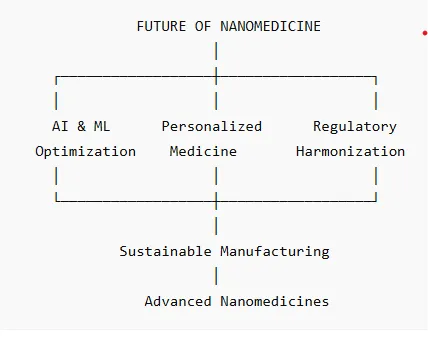
Figure 5. Future Landscape of Nanomedicine Development
CONCLUSION
Nanotechnology-based drug delivery systems have emerged as one of the most promising innovations in modern pharmaceutical science, offering significant advantages over conventional drug delivery approaches. By improving drug solubility, stability, bioavailability, controlled release, and site-specific targeting, nanocarriers have demonstrated immense potential for enhancing therapeutic outcomes across a wide range of disease conditions. The successful application of nanotechnology in areas such as oncology, infectious diseases, and gene delivery highlights its transformative role in contemporary medicine [1,10].
However, the complexity of nanomedicine formulations presents substantial challenges related to formulation development, manufacturing, quality assurance, safety evaluation, and regulatory approval. Traditional pharmaceutical development approaches are often insufficient to address the multifactorial nature of nanoscale systems. In this context, Quality by Design (QbD) has emered as a robust scientific framework that promotes systematic development through risk assessment, process understanding, identification of critical quality attributes, and establishment of design space [5,21].
The integration of QbD principles facilitates enhanced product quality, manufacturing robustness, regulatory compliance, and lifecycle management. Furthermore, regulatory agencies including the FDA, EMA, and ICH increasingly recognize the value of risk-based development strategies and encourage their implementation during nanomedicine development [29–32].
Looking ahead, advances in artificial intelligence, machine learning, predictive toxicology, continuous manufacturing, and personalized medicine are expected to further revolutionize the field of nanotechnology-based drug delivery. Simultaneously, efforts toward global regulatory harmonization and sustainable manufacturing practices will play a crucial role in accelerating clinical translation and commercialization [41-46].
In conclusion, the successful future of nanotechnology-based drug delivery systems depends on the integration of innovative formulation strategies, Quality by Design methodologies, advanced analytical technologies, and harmonized regulatory frameworks. Through continued scientific advancement and collaborative efforts among academia, industry, and regulatory authorities, nanomedicines are expected to become a cornerstone of next-generation pharmaceutical therapy.
REFERENCES



Dinesh L. Bawankar1, Suraj P. Rajurkar2*, Shivani Shirbhate3, Sonali V. Mankar2, Karishma A. Nikose2, Nanotechnology-Based Drug Delivery Systems: Quality By Design Approaches And Regulatory Perspectives, Int. J. Sci. R. Tech., 2026, 3 (6), 1388-1400. https://doi.org/10.5281/zenodo.20839957
 10.5281/zenodo.20839957