

We use cookies to ensure our website works properly and to personalise your experience. Cookies policy
1Little Flower College of Nursing, Trivandrum, Kerala, India
2PhD Guide, Shri Venkateshwara University, Uttar Pradesh
Cellulitis is a painful recurring skin and soft tissue infection with considerable impact on quality of life of the patients with Lower limb Cellulitis. The frequency of recurrence increases with each episode and in the presence of various risk factors of recurrence. The study was conducted to determine the factors of recurrence of Lower limb Cellulitis. Samples were identified from the Medical Records of the patients admitted with Cellulitis of the lower limb from January 2017 and December 2018. Retrospective case control design was used where patients with recurrence were cases and patients without recurrence were control of the study. A semi structured interview schedule and structured knowledge questionnaire were used for data collection. Results showed that occupation, overweight, discolouration of the lower extremity, bullous formation, lymphedema, seated position at work and level of knowledge on prevention of recurrence were significantly associated with recurrence of Lower limb Cellulitis. Multiple logistic regression showed that over weight (OR,5.8;95%CI,2.43-4.11), Occupation (OR,4.5;95%CI,1.0519.34), lymphedema (OR,6.91;95%CI,2.85-16.74), level of knowledge on prevention of recurrence (OR,4.13;95% CI, 1.66-10.29) were independent predictors of recurrence of Lower limb Cellulitis.
Cellulitis is an inflammation that occurs in the deeper layers of dermis and hypodermic cellular tissue and is often characterised by frequent recurrences, especially in lower limb cellulitis. The term is derived from the Latin word cellula, meaning “cell,” and itis, denoting inflammation (Cranendonk, Lavrijsen, Prins, et al., 2017). It refers to a superficially spreading, generalised skin infection characterised by erythema, warmth, tenderness, and swelling. Although infection can affect any part of the body, it most commonly involves the lower extremities (Kechaou, 2018). A wide variety of infections can cause cellulitis. The most predominant organisms are gram-positive cocci such as Streptococci and Staphylococcus aureus. In rarer cases, cellulitis may also be caused by fungal infections.
Cellulitis is a serious infection with an increasing incidence worldwide. In Australia, the incidence of lower limb cellulitis increased by 4.7% per year, reaching 204.8 per 1000 people in 2013. Although incidence was highest among individuals aged 85 years or more, the rate of increase was greater among younger populations aged 16–24 years (Cannon et al., 2018). In the Netherlands, the annual incidence is estimated at 22 per 1000 inhabitants (Cranendonk et al., 2017).In India, the exact incidence of lower limb cellulitis is not clearly determined. However, it has been reported as a health problem in 7.94% of individuals with diabetes mellitus in South India (Jyothylekshmy, 2015). Patients with liver cirrhosis are also more susceptible, with a prevalence of 10.5–12.5% (Hamza et al., 2014). Although not a reportable disease, cellulitis is a relatively common infection affecting all races and ethnic groups.
Clinically, cellulitis often begins with acute onset, accompanied by fever and chills. Within hours or a day, symptoms such as pain, redness, warmth, edema, and tenderness develop over the affected area. Patients may also experience malaise and swelling. Typically, only one extremity is involved, though bilateral involvement may occur in rare cases (Wingfield, 2012).
The most common causes of cellulitis include superficial skin abrasions, fissures, or wounds, particularly between the toes. Bacteria enter through disrupted skin such as cuts, ulcers, surgical wounds, athlete’s foot, or dermatitis. Even in the absence of visible trauma, conditions like toe web intertrigo increase susceptibility by causing skin fissures that allow bacterial entry (Cook, 2016).
Several risk factors have been identified for cellulitis. Common factors include local trauma, edema, venous insufficiency, radiation therapy, and previous surgeries (Collazos et al., 2018). These may be classified as local and systemic risk factors. Local factors impair the skin barrier, while systemic factors weaken immune defense. Identified systemic risk factors include age, obesity, and homelessness, whereas local factors include wounds, ulcers, infections, edema, prior cellulitis, and impaired venous return (Raff et al., 2016; Tianyi et al., 2018).Ethnicity and environmental factors also influence cellulitis risk. Studies have shown higher risk among certain populations, such as Singaporean Indians. Occupational exposure, such as farming and barefoot walking, has also been identified as a contributing factor. Environmental exposure, particularly to flood water, significantly increases the risk of cellulitis (Lin, 2013).Seasonal variations have been observed, with higher incidence during summer months and lower incidence in winter (Peterson et al., 2017). Increased temperature has also been associated with higher hospital admissions due to cellulitis.One of the most important complications of lower limb cellulitis is recurrence. Recurrent cellulitis is defined as a second episode occurring at the same anatomical site after complete resolution of the initial episode (Tay et al., 2015). Recurrence rates vary widely, with studies reporting rates ranging from 16.7% to 47% over different follow-up periods (Cox, 2006; McNamara et al., 2007; Tay et al., 2015; Mayilan, 2013).Lymphedema is a significant risk factor for recurrence. A vicious cycle exists in which cellulitis damages lymphatic vessels, leading to lymphedema, which in turn predisposes individuals to further infections. Impaired lymphatic drainage reduces immunity and promotes bacterial growth, increasing susceptibility to recurrent cellulitis (Inghammar, 2014; Adimoolam et al., 2018).
Diabetes mellitus is another major risk factor due to impaired immunity, neuropathy, and skin integrity issues. Hyperglycemia affects phagocytic function and increases susceptibility to infections, contributing to both occurrence and recurrence of cellulitis (Gupta et al., 2007).
Although mild cellulitis can be treated in outpatient settings, severe cases require hospitalization and intravenous antibiotics. Treatment duration varies depending on severity and response (Collazos et al., 2018). Preventive measures include proper wound care, limb elevation, hydration, hygiene, and adherence to prescribed antibiotics.
Cellulitis may lead to serious complications such as abscess formation, necrosis, and necrotizing fasciitis, which requires urgent medical intervention (Picard et al., 2013). Therefore, early identification and management are crucial.
Lower limb cellulitis is a bacterial infection associated with frequent relapses, high morbidity, and significant healthcare burden. It affects patients across inpatient, outpatient, and primary care settings and contributes to increasing hospital admissions worldwide. In the United States, hospitalizations for cellulitis increased from approximately 300,000 in 1998 to over 537,000 in 2013 (Peterson et al., 2017).
The economic burden is substantial. In the United Kingdom, cellulitis accounts for approximately 55,000 hospital admissions annually, with costs ranging between £172–254 million (Cook, 2016). In the United States, treatment costs reached nearly $4 billion in 2013 (Peterson et al., 2017).
Cellulitis disproportionately affects individuals from lower socioeconomic groups and is associated with prolonged hospitalization, loss of income, and reduced productivity (Njim et al., 2017). Recurrence is common, affecting 22% to 49% of patients, often at the same anatomical site (Kechaou et al., 2018).
Despite its prevalence, there is limited data on recurrence rates, associated costs, and risk factors, particularly in India and Kerala. Existing studies show variation in risk factors across different populations, highlighting the need for region-specific research.
Although antibiotic prophylaxis is used to prevent recurrence, evidence regarding its effectiveness remains inconclusive (Kilburn et al., 2010; Oh Choon Chiat, 2014). Alternative preventive measures such as foot hygiene, skin care, lymphedema management, and patient education are important but insufficiently studied. Patients often lack awareness regarding causes, recurrence, and preventive strategies for cellulitis. Identifying modifiable risk factors and improving patient education are essential for reducing recurrence and improving outcomes.
Therefore, this study aims to identify the risk factors associated with recurrent lower limb cellulitis in the local population and to contribute to improved preventive and management strategies.
2. MATERIALS AND METHODS
A retrospective case control research design determined the socio demographic, clinical, behavioural& life style pattern and treatment modalities of recurrence of Lower limb Cellulitis. Samples with recurrence had been the cases and samples that did not have the recurrence were the controls of the study. Study included 200 patients that were diagnosed with Lower limb Cellulitis and was treated as inpatients with a confirmed diagnosis of lower limb cellulitis by the consultant for the period between January 2017 to December 2018. Study excluded Patients with cellulitis affecting sites other than the lower limb and patients with fasciitis, infectious diseases such as tuberculosis and herpes zoster and patients with MRSA or VRE infection at the time of admission. A Semi-structured interview schedule to collect data on socio-demographic, clinical, behavioural, lifestyle patterns, review of the medical record of the patients to obtain clinical parameters and treatment modalities and a structured knowledge questionnaire to assess knowledge regarding prevention of recurrence of lower limb cellulitis was used. Data collection was done from 1 June 2019- May 31 2020. Statistical analyses was performed by using a statistical software package SPSS, version 20.0.
3. RESULT
3.1 Rate of Recurrence of Lower limb Cellulitis
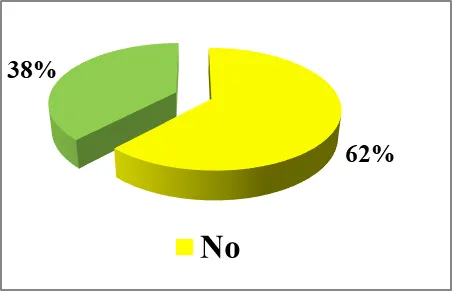
Among the samples 124 (62%) of patients with Lower limb Cellulitis had no recurrence within one year, 76(38%) had recurrence of Lower limb Cellulitis (95%CI 31.3 – 44.7).
3.2 factors determining recurrence of lower limb cellulitis
3.2.1. Socio demographic Factors
Occupation of the patient was the only variable significantly associated with recurrence of Lower limb Cellulitis. The recurrence was found more among marginal workers (53.8%) and Business/professional (52.9 %) as compared to skilled workers (20 %) and unemployed people (37%). All the other socio demographic variables such as age, gender, education, income and place of residence were not associated with recurrence of Lower limb Cellulitis.
3.2.2. Clinical Factors
Overweight and history of local trauma since one week were significantly related with recurrence of Cellulitis of Lower limb. The recurrence was found more among patients with overweight (62.4%) and history of local trauma since one week (21.3%) All the other clinical variables such as history of fungal infection of the skin since one month, exposure to sea or contaminated water, history of insects /mosquito bite and history of travel since one week were found not associated with recurrence of Lower limb Cellulitis. History of Diabetes, Peripheral Arterial disease, coronary Disease, Chronic renal insufficiency, Cancer, and history of surgery since two years were not significantly associated with recurrence of Lower limb Cellulitis.
3.2.3. Presence of Lymphedema
|
Presence of Lymphedema |
Recurrence of lower limb Cellulitis |
c2 |
|||
|
NO |
YES |
||||
|
f |
% |
f |
% |
||
|
No |
83 |
90.2 |
9 |
9.8 |
57.58**
|
|
Yes |
41 |
38.0 |
67 |
62.0 |
|
Presence of lymphedema was significantly associated with recurrence of Lower limb Cellulitis .Recurrence was found in 62% of patients with lymphedema as compared to patients with no lymphedema (9.8%). (p<0.01)
3.2.4. Behavioural and Life Style Patterns
Sitting position preferred for daily work and rest was significantly associated with recurrence of Lower limb Cellulitis. The recurrence is found more among persons who preferred sitting position at work and rest (45.1%) as compared to preferred position of standing and walking .(p <0.05)
3.2.5. Level of knowledge about prevention
|
Knowledge about prevention |
Recurrence of lower limb Cellulitis |
c2 |
Odds (95% CI) |
|||
|
NO |
YES |
|||||
|
f |
% |
f |
% |
|||
|
Poor |
73 |
53.7 |
63 |
46.3 |
12.5** |
3.39 (1.69 – 6.79) |
|
Average |
51 |
79.7 |
13 |
20.3 |
||
Among those who have poor knowledge about prevention of recurrence of cellulitis, recurrence reported for 46.3%, whereas only 20.3% patients reported recurrence among those who have average knowledge about prevention of recurrence. (p<0.01 ) The odds ratio shows that patients having poor knowledge about prevention are more prone to develop recurrence with 3.39 odds times as compared to those patients with average knowledge on it.
|
Independent predictors of recurrence of Cellulitis |
||||||
|
|
|
B |
S.E. |
p |
Odds (95% CI) |
R2 |
|
Occupation (Unemployed ®)
|
Skilled workers |
-0.72 |
0.61 |
0.239 |
0.49 (0.15 - 1.61) |
0.416 |
|
Marginal workers |
1.34 |
0.63 |
0.033 |
3.82 (1.12 - 13.04) |
||
|
Business/professional |
1.50 |
0.74 |
0.043 |
4.5 (1.05 - 19.34) |
||
|
Over weight (No ®) |
Yes |
1.77 |
0.45 |
0.000 |
5.86 (2.43 - 14.11) |
|
|
Temperature >380C (Yes ®) |
No |
2.34 |
0.74 |
0.001 |
10.37 (2.45 - 43.86) |
|
|
Lymphedema (No ®) |
Yes |
1.93 |
0.45 |
0.000 |
6.91 (2.85 - 16.74) |
|
|
knowledge about prevention (Average ®) |
Poor |
1.42 |
0.47 |
0.002 |
4.13 (1.66 - 10.29) |
|
Multiple logistic regression analysis ascertained independent predictors of recurrence of Lower limb Cellulitis. Patients have occupation such as marginal works and Business/professional are more prone to develop recurrence with odds of 3.82 and 4.5 as compared to skilled workers. Over weighted patients are more prone to develop recurrence with odds of 5.86 as compared to normal weighted patients. Patients with Lymphedema have more chance to develop recurrence with odds of 6.91. Patients with poor knowledge about prevention of recurrence of cellulitis are more prone to develop recurrence with odds of 4.13 as compared to those patients with average knowledge about it. (R2 = 0.416)
DISCUSSION
Cellulitis is a commonly encountered infection with rate of recurrence on rise in recent decades. Prevalence is more among the elder population and with presence of comorbidities frequenting hospitalizations. In the present study among 200 patients hospitalized with Cellulitis of the lower limb, during the time between January 2017 to December 2018, 38% of them developed recurrence where as 62% were without recurrence (95% CI: 31.3 – 44.7). In comparison with the study done in Singapore, 45.3% of the samples presented with recurrence of Cellulitis in the same side within one year of the first occurrence. Average duration between recurrences was 10.9 ± 8.9 months (Tay EY, 2015). In a study done in Sweden, 49% patients had a past history of at least one Cellulitis episode before getting enrolled in the study (Kappelinet al., 2010). In another study in Sweden in 2014, among 502 patients, 133 had a previous history of Cellulitis of the lower limb and forty six individuals suffered at least one episode of recurrence (Inghammar, 2014).
The recurrence is found more among marginal workers (53.8%) and Business/professional (52.9%) as compared to skilled workers (20%) and unemployed people (37%). All the other socio demographic features such as age, gender, level of education and income and area of permanent residence were not connected with recurrence of Lower limb Cellulitis. The recurrence is found more among patients with overweight (62.4%) and history of local trauma since one week (21.3%) and this observed variation in recurrence was significant at 0.01 levels. Persons with overweight, persons with marginal work and professionals have an increased risk for developing recurrence of Cellulitis of Lower limb. In comparison to a study done in Kerala, overweight, varicose veins, diabetes mellitus, previous history of trauma and lymphoedema have demonstrated as factor of recurrence for Lower limb Cellulitis and yet not with recurrent episode (Lee et al, 2017). Similarly in a study done in Sweden, obesity was considerably more frequent in patients with recurrence, together with previous ipsilateral surgical procedure, which in the present study could not be identified. A recently acquired (<1 month) traumatic injury was more often found in patients with no recurrence history (NH) of Cellulitis and this finding is similar with the present study.
Many studies have shown that conditions which impede blood circulation play a major role in Lower limb Cellulitis. Oedema that results from decreased venous return and stasis damage the venous and lymphatic system and interferes with adequate clearance of bacterial toxins. Overweight and prolonged sitting leads to poor blood circulation with resultant venous pressure and oedema formation. Marginal and professional workers in comparison with skilled workers maintain a seated position for long duration which may predispose them to the similar risk of developing recurrence of Lower limb Cellulitis. Other clinical variables such as history of fungal infection of the skin since one month, exposure to sea or contaminated water, history of insects /mosquito bite and history of travel since one week were not found associated with of recurrence of Lower limb Cellulitis. Contradicting the study finding in Bosnia, skin diseases on lower limb were more prevalent (71.56 %) with recurrence of the disease (Hadzovic, 2012) whereas in the present study 14% of the samples reported fungal infection of the skin prior to cellulitis of the lower limb. It was not found significantly influencing the recurrence, which may explain regional variations in the predisposing factor of Cellulitis of the lower limb. In this study history of exposure to sea or contaminated water, insect or mosquito bite were present with the samples, but were not found significant in case of recurrence. Studies have identified exposure to sea water and bite of insects as risk factor for primary episode of cellulitis (Adimoolam et al., 2018) and not with recurrence.
History of Diabetes, Peripheral disease of the arteries, Ischemic cardiac Disease, Chronic renal insufficiency, Cancer, and history of surgery since two years were not significantly associated with recurrence of Lower limb Cellulitis. Studies have identified history of Diabetes as a factor contributing for Cellulitis but have not proven as a factor for developing recurrence. In contrast with the study finding, a study done in France have identified age and previous leg surgery as significant factors for recurrence in univariate analysis (Dupay, 1999).
In the present study, recurrence is found in 62% of patients with lymphoedema as compared to 9.8% patients with no lymphoedema and variation was significant at <0.01 level. Recurrence was among persons (45.1%) whose preferred position at work is sitting (p 0.05). Exercises, habit of smoking, drinking alcoholic beverages hours spend at work were not significantly associated with recurrence of Lower limb Cellulitis. Presence of lymphoedema has shown as a significant factor for recurrence in former studies undertaken in other settings. An episode of Cellulitis, in absence of prompt treatment, can cause development of lymphoedema which impairs tissue metabolism, subsequent decrease in the immune status of the individual and susceptibility for recurrence.
Among those who have poor knowledge about prevention on recurrence of Cellulitis, recurrence reported for 46.3%, whereas only 20.3% patients reported recurrence among those who have average knowledge about prevention on recurrence. Chi square test shows (p<0.01) that this observed association is statistically significant 0.01 level. The odds ratio shows that patients having poor knowledge about prevention are more prone to develop recurrence with 3.39 odds times as compared to those patients with average knowledge on it.
Study suggests increased emphasis on risk factors, occupation, seated position, lymphoedema and level of knowledge on prevention to decrease recurrence of Lower limb Cellulitis. Among independent predictors of recurrence, occupation, seated position and level of knowledge have not reported in the past in studies to be independently associated with recurrence of Lower limb Cellulitis. Patients who suffer from an initial episode of Cellulitis itself should be thoroughly assessed and identify factors leading to recurrence as early as possible.
CONCLUSION
Cellulitis is an infectious disorder affecting the integument and hypodermic cellular tissue with a tendency to recur. With each episode, severity increases leading to potential complications. Identification of factors associated with recurrence is essential to achieve prevention of recurrence and resulting deterioration of health condition associated with a disease. The present study explored factors occupation, overweight; lymphoedema and level of knowledge regarding prevention of recurrence are the independent predictors of recurrence of Lower limb Cellulitis as to develop appropriate preventive measures for a comprehensive patient care.
ACKNOWLEDGEMENT
Heartfelt thanks to God almighty and all those assisted with, helpful discussions, vigilant accompaniment, valuable suggestions, constant support and personal interest that enlightened every aspect of this study.
REFERENCES


Rani Catherine K. V.1*, Darling Bibiana2, Determinants In Recurrence Of Lower Limb Cellulitis, Int. J. Sci. R. Tech., 2026, 3 (6), 1823-1830. https://doi.org/10.5281/zenodo.21068787
 10.5281/zenodo.21068787