View Article

  • Development And Evaluation Of Clonipump: An Implantable Osmotic Drug Delivery System For Controlled Clonidine Release In Hypertension Management

  • Department of Pharmacy, R.G. Sapkal College of Pharmacy Anjaneri, Nashik

Abstract

Hypertension is a chronic, asymptomatic cardiovascular disorder demanding consistent long-term pharmacotherapy. Poor patient adherence to daily oral regimens remains a critical barrier to effective blood pressure control. The present study describes the design, formulation, and preliminary evaluation of Clonipump an implantable osmotic drug delivery device engineered for zero-order release of clonidine hydrochloride. The device uses osmotic pressure as the driving force to deliver 0.2 mg of clonidine via a titanium alloy housing enclosed by a semipermeable cellulose acetate membrane with a precision-drilled delivery orifice. Pre-coating evaluation demonstrated satisfactory tablet characteristics: average weight of 200 mg, hardness of 5.3 kg/cm², friability of 0.76% (within the ?1% limit) and uniform thickness of 3.18 mm. The osmotic mechanism, governed by van't Hoff's law (? = RTC/M), ensures drug release independent of gastrointestinal pH and motility. Clonipump offers a promising strategy to improve patient compliance, maintain steady-state plasma clonidine levels and reduce cardiovascular complications associated with fluctuating antihypertensive drug concentrations.

Keywords

Hypertension; Osmotic Pump; Clonidine Hydrochloride; Drug Delivery; System.

Introduction

× Popup Image

​​​​​​1.1 Hypertension: Overview and Classification

Hypertension or high blood pressure, is one of the most prevalent modifiable cardiovascular risk factors worldwide. It is defined as a sustained elevation of systolic blood pressure (SBP) ≥130 mmHg and/or diastolic blood pressure (DBP) ≥80 mmHg. Despite being largely asymptomatic earning the label 'silent killer' chronic hypertension imposes progressive damage on target organs including the heart, kidneys, brain, and retina, increasing the risk of myocardial infarction, stroke, chronic kidney disease and premature death. The condition affects more than 1.28 billion adults globally [1-3].

Hypertension is classified into two main types. Primary (essential) hypertension accounts for approximately 90–95% of all cases and develops gradually over decades. Contributing factors include genetic predisposition, sedentary lifestyle, obesity, high dietary sodium intake and psychosocial stress. Secondary hypertension arises from identifiable conditions such as renal disease, primary aldosteronism or thyroid dysfunction and may resolve upon treatment of the underlying cause [4-6].

Category

Systolic (mmHg)

Diastolic (mmHg)

Normal

< 120

< 80

Elevated

120 – 129

< 80

Hypertension Stage 1

130 – 139

80 – 89

Hypertension Stage 2

≥ 140

≥ 90

Hypertensive Crisis

> 180

> 120

Table 1: Blood Pressure Classification Used in Clinical Practice

1.2 Limitations of Conventional Antihypertensive Therapy

Conventional pharmacotherapy for hypertension employs multiple drug classes: diuretics (hydrochlorothiazide), beta-blockers (metoprolol), ACE inhibitors (enalapril), ARBs (losartan), calcium channel blockers (amlodipine) and alpha-blockers (prazosin) [7-10]. While effective when taken consistently, oral formulations suffer from poor patient adherence, fluctuating plasma concentrations with peaks (side effects) and troughs (therapeutic failure), gastrointestinal absorption variability and rebound hypertension upon missed doses particularly with clonidine [11-20]. These limitations underscore the need for alternative delivery strategies capable of providing sustained, predictable antihypertensive concentrations with minimal patient intervention.

1.3 Osmotic Drug Delivery Systems (ODDS)

The ODDS operates on the principle of osmosis water movement across a semipermeable membrane from lower to higher solute concentration. Body fluid permeates the membrane, hydrostatic pressure builds within the device, and the dissolved drug is driven out through a precision-drilled orifice at a controlled, constant rate. Osmotic pressure is described by van't Hoff's law: π = RTC/M, where R is the ideal gas constant, T is absolute temperature, C is the molar concentration of solute, and M is the molar mass.

Principal advantages include: rate-controlled release independent of pH, enzymes or gastrointestinal motility; precise engineering of release duration; suitability for both oral and implantable configurations and high reproducibility. Commercial precedents include the OROS® platform and Alzet® osmotic pump [21,22].

1.4 Classification of Osmotic Drug Delivery Systems

Osmotic drug delivery systems are classified into implantable and oral categories, each with several designs as illustrated below.
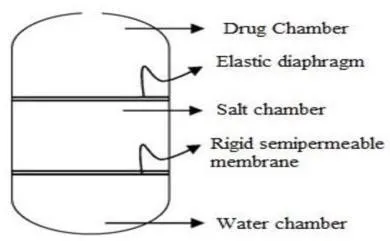
Figure 1: Rose Nelson Pump
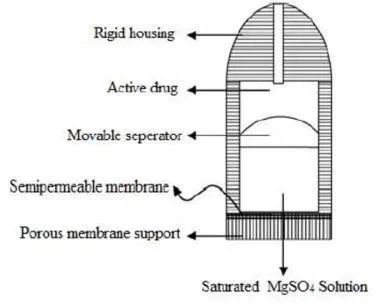
Figure 2: Higuchi Leeper Pump
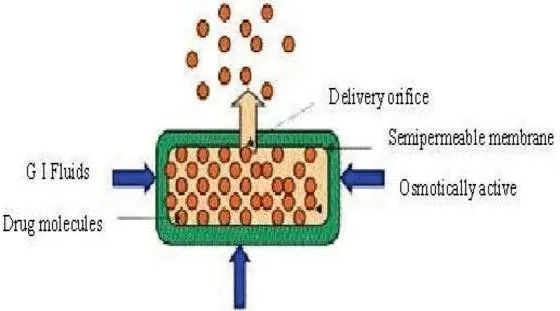
Figure 3: Elementary Osmotic Pump
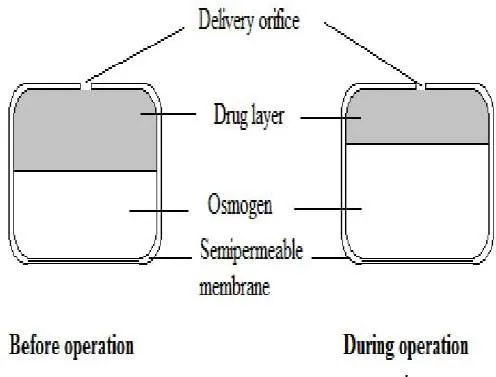
Figure 4: Push-Pull Osmotic Pump
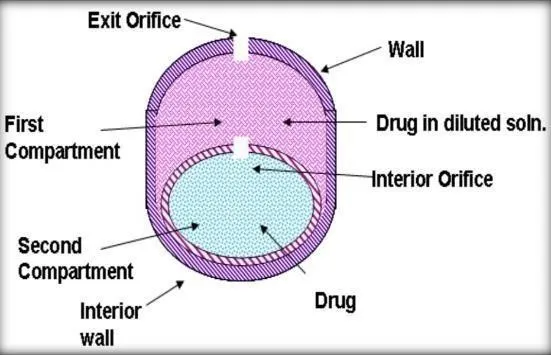
Figure 5: Osmotic Pump with Non-Expanding Second Chamber
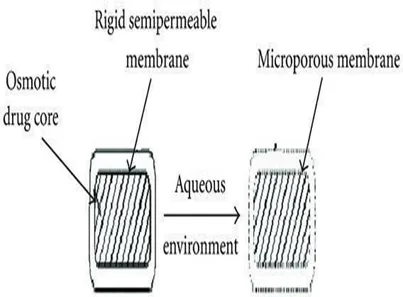
Figure 6: Controlled Porosity Osmotic Pump
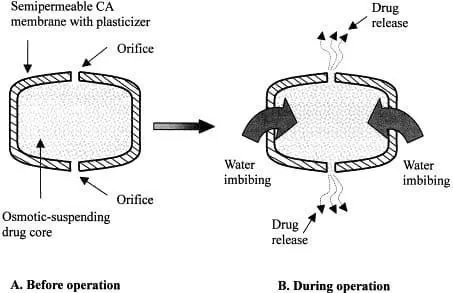
Figure 7: Monolithic Osmotic System

2. RATIONALE AND OBJECTIVE

Despite advances in antihypertensive pharmacology, poor medication adherence remains a foremost obstacle to effective hypertension control 40–60% of hypertensive patients fail to achieve target blood pressure goals, largely due to non-compliance with daily oral regimens [23]. Clonidine, a centrally acting α2-adrenergic agonist, is a potent antihypertensive agent; however, its short therapeutic window and well-documented risk of rebound hypertension upon abrupt cessation render consistent oral adherence particularly critical and simultaneously difficult [24,25]. An implantable osmotic pump delivering clonidine at a continuous, zero-order rate would eliminate daily self-administration, ensure stable steady-state plasma concentrations, and prevent the rebound phenomenon [ 26,27]. The present work describes the development and evaluation of Clonipump a subcutaneously implantable osmotic drug delivery device for long-term hypertension management [28-40]

Specific Objectives:

•           To formulate and optimize an osmotic core tablet containing clonidine

•           To apply and characterize a semipermeable cellulose acetate membrane coating

•           To assemble the coated tablet within a biocompatible titanium alloy housing

•           To evaluate pre- and post-coating physicochemical parameters

•           To assess in vitro drug release kinetics

3. DRUG PROFILE: CLONIDINE HYDROCHLORIDE

Parameters

Details

Generic Name

Clonidine Hydrochloride

Brand Names

Catapres, Kapvay, Duraclon

Chemical Name

2-(2,6-Dichlorophenylamino) imidazoline HCl

Molecular Formula

C9H9Cl2N3 · HCl

Molecular Weight

266.55 g/mol

Drug Class

Centrally acting α2-adrenergic receptor agonist

Oral Bioavailability

75–95%

Half-life

12–16 hours

Protein Binding

~20–40%

Metabolism

Partial hepatic; ~50% excreted unchanged in urine

Mechanism of Action

Stimulates α2 receptors in medullary vasomotor center;

reduces sympathetic outflow

Dose Forms

Oral tablets (0.1, 0.2, 0.3 mg); Transdermal patch; IV injection

Therapeutic Uses

Hypertension, ADHD, opioid withdrawal, migraine prevention, chronic pain

Common Side Effects

Dry mouth, drowsiness, constipation, bradycardia, rebound HTN on withdrawal

Table 2: Pharmacological Profile of Clonidine Hydrochloride

Clonidine acts as a full agonist at presynaptic α2-adrenoreceptors in the rostral ventrolateral medulla, reducing sympathetic nervous system activity. This results in decreased cardiac output, reduced peripheral vascular resistance, and a consequent fall in both systolic and diastolic blood pressure. The propensity for rebound hypertension upon withdrawal provides the primary pharmacological rationale for an uninterrupted osmotic delivery system. [41-50]

4. MATERIALS AND METHODS

4.1 Materials

Clonidine hydrochloride was used as the active antihypertensive drug. Mannitol served as the osmotic agent, while polyethylene oxide (PEO) was incorporated as the swelling polymer. Microcrystalline cellulose (MCC) and polyvinylpyrrolidone (PVP K30) were used as the filler and binder, respectively. Talc and magnesium stearate functioned as lubricants during tablet compression. Cellulose acetate was employed as the semipermeable membrane polymer, and polyethylene glycol 400 (PEG 400) was used as the plasticizer. Analytical-grade methanol and acetone were used as coating solvents. Medical-grade titanium alloy (Ti-6Al-4V) was utilized for the fabrication of the implant housing due to its excellent biocompatibility and mechanical strength.

4.2 Clonipump Device Design

The Clonipump device consists of a core osmotic tablet encased within a medical-grade titanium alloy (Ti-6Al-4V) cylindrical housing. The core contains the drug and osmotic excipients, surrounded by a semipermeable cellulose acetate membrane. A single laser-drilled orifice on the housing surface provides the only exit pathway for the osmotically driven drug solution. Figure 8 illustrates the internal architecture of the device.
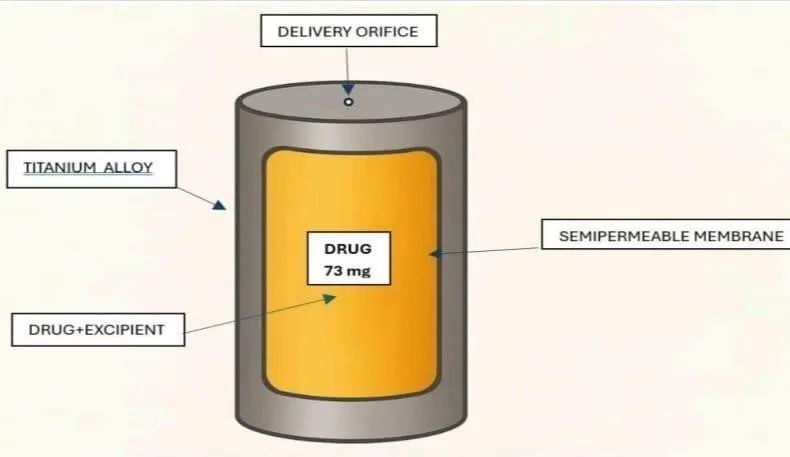
Figure 8: Clonipump Device Design

4.3 Manufacturing Methodology

The CLONIPUMP implantable osmotic drug delivery system was manufactured using a sequential process involving core tablet preparation, compression, semipermeable membrane coating, laser orifice drilling, implant assembly, and sterilization. Clonidine hydrochloride, mannitol, polyethylene oxide (PEO), and microcrystalline cellulose (MCC) were accurately weighed and blended uniformly. Polyvinylpyrrolidone (PVP K30) dissolved in isopropyl alcohol was used as the granulating binder, and the wet mass was passed through a #16 sieve, dried at 40 ± 2°C, and re-sieved through a #20 sieve to obtain uniform granules. The dried granules were lubricated with talc and magnesium stearate and compressed into core tablets using a rotary tablet compression machine with a target weight of 200 mg. The compressed tablets were coated with a semipermeable membrane prepared from 5% (w/v) cellulose acetate plasticized with PEG 400 in an acetone:methanol (4:1) solvent system using a spray-coating technique to achieve a 5–8% weight gain. A single precision drug-release orifice (0.3–0.5 mm) was then created on the coated tablets using laser micro-drilling to facilitate controlled osmotic drug release. Subsequently, the coated osmotic tablets were enclosed within a medical-grade Ti-6Al-4V titanium alloy cylindrical housing and securely sealed to ensure structural integrity and biocompatibility. Finally, the assembled CLONIPUMP devices were sterilized by gamma irradiation (25 kGy) prior to evaluation and implantation. [51]

5. RESULTS AND DISCUSSION

5.1 Physical Appearance

Visual inspection of compressed core tablets: Shape — Round; Color — White; Surface Texture — Smooth; Odor — Slight characteristic odor. All tablets were free from capping, lamination, or surface defects.

5.2 Pre-Coating Evaluation

Parameter

Method

Result

Acceptance Criteria

Observation

Weight Variation

IP Pharmacopoeia

200 mg (avg)

± 5% of mean

Within limits

Hardness

Monsanto Tester

5.3 kg/cm²

≥ 4 kg/cm²

Good strength

Friability

Roche Friabilator

0.76%

≤ 1.0%

Pass

Thickness

Vernier Calipers

3.18 mm

Uniform

Uniform

Table 3: Results of Pre-Coating Physicochemical Evaluation

All pre-coating evaluation parameters were within pharmacopeial acceptance criteria. Hardness of 5.3 kg/cm² confirms sufficient mechanical strength to withstand coating operations. Friability of 0.76% (well below the 1.0% limit) indicates a well-consolidated matrix resistant to mechanical attrition. Uniform thickness of 3.18 mm ensures consistent membrane coating deposition in subsequent steps.

5.3 Post-Coating Evaluation and Drug Release Study

In vitro drug release studies were carried out using USP Type II dissolution apparatus (phosphate buffer pH 7.4, 100 rpm, 37°C ± 0.5°C). The osmotic system demonstrated controlled, sustained drug release governed by the rate of water ingress through the semipermeable membrane and the osmotic pressure differential.

5.4 Assembled Clonipump Device

The compact cylindrical titanium housing and houses the osmotic tablet core is designed for subcutaneous implantation with minimal tissue trauma. Figure 9A shows the device with the laser-drilled delivery orifice clearly visible; Figure 9B shows the sealed side profile.
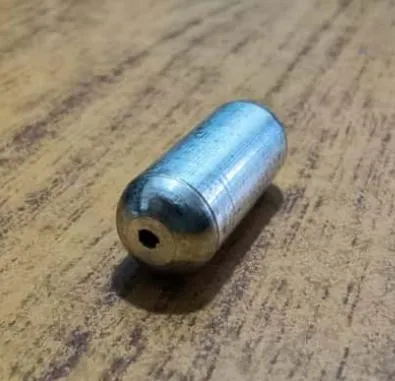
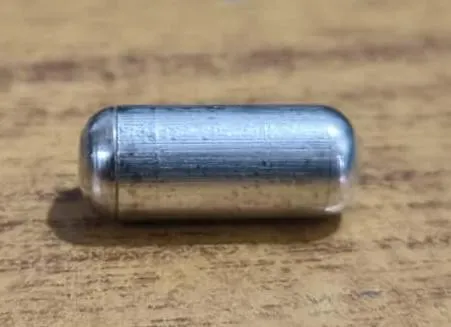
Figure 9A & 9B: Assembled Clonipump Device — Titanium alloy implantable osmotic pump with visible delivery orifice (left) and sealed profile (right)

6. FUTURE SCOPE

The future development of the CLONIPUMP implantable osmotic drug delivery system may focus on integrating advanced technologies to improve therapeutic precision, patient safety, and long-term performance. Incorporation of real-time microelectromechanical system (MEMS)-based blood pressure biosensors could enable a closed-loop smart implant capable of dynamically adjusting clonidine release in response to physiological changes. Nanotechnology-assisted drug loading strategies may enhance drug payload capacity and prolong device longevity while maintaining controlled release kinetics. The development of multi-drug osmotic cartridges could facilitate the simultaneous delivery of combination antihypertensive therapies, improving treatment outcomes and patient adherence. Additionally, artificial intelligence (AI)-driven pharmacokinetic and pharmacodynamic modeling may support personalized implant design and optimize dose prediction based on individual patient characteristics. The use of next-generation biocompatible membrane materials, such as polyurethane and polydimethylsiloxane (PDMS), may further enhance membrane permeability, mechanical stability, and long-term biocompatibility. Finally, comprehensive preclinical investigations followed by Phase I and Phase II clinical trials will be essential to establish the safety, efficacy and clinical applicability of the CLONIPUMP system for long-term hypertension management.

CONCLUSION

The present study describes the successful development and preliminary evaluation of Clonipump an implantable osmotic drug delivery device for sustained release of clonidine in the management of hypertension. The osmotic mechanism ensures controlled, continuous drug release independent of gastrointestinal and physiological variables, directly addressing the principal limitations of conventional oral antihypertensive formulations. Pre-coating evaluation confirmed satisfactory tablet physicochemical properties meeting pharmacopoeial standards. The biocompatible titanium alloy housing and cellulose acetate semipermeable membrane provide a clinically suitable platform for subcutaneous implantation. Clonipump offers clinically meaningful advantages including elimination of daily dosing requirements, prevention of rebound hypertension, stable plasma drug concentrations, and improved quality of life particularly for elderly patients and those with complex polypharmacy regimens. Upon completion of in vitro drug release, stability, and in vivo pharmacokinetic studies, this system holds considerable potential as a viable long-term therapeutic option for patients with primary or resistant hypertension.

REFERENCES

  1. Whelton PK, Carey RM, Aronow WS, et al. 2017 ACC/AHA Guideline for the Prevention, Detection, Evaluation, and Management of High Blood Pressure in Adults. J Am Coll Cardiol. 2018;71(19):e127–248.
  2. Williams B, Mancia G, Spiering W, et al. 2018 ESC/ESH Guidelines for the management of arterial hypertension. Eur Heart J. 2018;39(33):3021–104.
  3. World Health Organization. Guideline for the pharmacological treatment of hypertension in adults. Geneva: WHO; 2021.
  4. Carretero OA, Oparil S. Essential hypertension. Part I: definition and etiology. Circulation. 2000;101(3):329–35.
  5. Forouzanfar MH, et al. Global burden of hypertension and systolic blood pressure ≥110–115 mmHg, 1990–2015. JAMA. 2017;317(2):165–82.
  6. World Health Organization. Hypertension fact sheet. Geneva: WHO; 2023.
  7. Muntner P, et al. Trends in blood pressure control among US adults, 1999–2018. JAMA. 2020;324(12):1190–200.
  8. Oparil S, et al. Hypertension. Nat Rev Dis Primers. 2018;4:18014.
  9. Kearney PM, et al. Global burden of hypertension: analysis of worldwide data. Lancet. 2005;365:217–23.
  10. Chobanian AV, et al. JNC 7 Report. JAMA. 2003;289(19):2560–72.
  11. Gabb GM, et al. Guideline for hypertension management — 2023. Med J Aust. 2023;219(4):189–207.
  12. Whelton PK, et al. 2017 ACC/AHA Hypertension Guideline. J Am Coll Cardiol. 2018;71(19):e127–248.
  13. Williams B, et al. 2018 ESC/ESH Guidelines. Eur Heart J. 2018;39(33):3021–104.
  14. WHO. Pharmacological treatment of hypertension. Geneva: WHO; 2021.
  15. Burnier M, Egan BM. Adherence in hypertension. Circ Res. 2019;124(7):1124–40.
  16. Dash AK, Cudworth GC. Therapeutic applications of implantable drug delivery systems. J Pharmacol Toxicol Methods. 1998;40(1):1–12.
  17. Rathore AS, Nema RK. Review on osmotic drug delivery systems. Int J PharmTech Res. 2009;1(2):220–31.
  18. Nair AB, et al. Controlled release drug delivery systems for hypertension. J Control Release. 2021;338:710–26.
  19. Verma RK, Krishna DM, Garg S. Formulation aspects in osmotically controlled oral drug delivery. J Control Release. 2002;79(1–3):7–27.
  20. Theeuwes F. Elementary osmotic pump. J Pharm Sci. 1975;64(12):1987–91.
  21. Thombre AG, et al. Asymmetric membrane tablet coatings for osmotic drug delivery. J Control Release. 1999;57(1):55–64.
  22. van't Hoff JH. Osmotic Pressure and Chemical Equilibrium. Amsterdam: North Holland Publishing; 1887.
  23. Atkins P, de Paula J. Physical Chemistry. 10th ed. Oxford: Oxford University Press; 2014.
  24. Brunton LL, Hilal-Dandan R, Knollmann BC. Goodman & Gilman's: The Pharmacological Basis of Therapeutics. 13th ed. New York: McGraw-Hill; 2018.
  25. Katzung BG, Vanderah TW. Basic and Clinical Pharmacology. 15th ed. New York: McGraw-Hill; 2021.
  26. Clonidine Hydrochloride. Lexicomp Online, Wolters Kluwer Health; 2023.
  27. British National Formulary (BNF). Clonidine Hydrochloride Monograph. London: BMJ Group; 2023.
  28. Kasar GN, Rasal PB, Upaganlawar AB, Pagar DS, Surana KR, Mahajan SK, Sonawane DD. Navigating dysbiosis: Insights into gut microbiota disruption and health outcomes, Community Acquir Infect. 2025;12. doi:10.54844/cai.2024.0778
  29. Sonawane D A, Mahajan SK, Patil C, Pagar D, Kasar G, Exploring the Role of Natural Agents in the Management of Diabetic-Induced Neuropathy, Asian Journal of Pharmaceutical Research and Development. 2025; 13(5):89-96, DOI: http://dx.doi.org/10.22270/ajprd.v13i5.1633
  30. Kiran Aher, Nandini Bagul, Manjusha Chavan, Gaurav Kasar*, Dipti Chavan, Dr. Chandrashekhar Patil, Dr. Sunil Mahajan, Advances in Blood Cancer: Pathophysiology, Diagnosis and Emerging Therapeutic Strategies, Int. J. of Pharm. Sci., 2025, Vol 3, Issue 5, 4218-4228. https://doi.org/10.5281/zenodo.15512403
  31. Rasal, P. B.., Kasar, G. N., Mahajan, M. S., Upaganlawar, A. B., & Upasani, C. D. (2023). Ameliorative effect of lycopene alone and in combination with coenzyme Q10 in streptozotocin-induced diabetic nephropathy in experimental rats. International Journal of Plant Based Pharmaceuticals, 3(1), 123-130, https://doi.org/10.29228/ijpbp.24.
  32. Surana, K. R., Kasar, G. N., & Mahajan, S. K. (Eds.). (2025). Computational Drug Design and Development: Artificial Intelligence, Molecular Modeling, and Structure-Based Discovery. Deep Science Publishing. https://doi.org/10.70593/978-93-7185-021-6
  33. Pallavi Aher, Janhavi Gangurde, Gaurav Kasar*, Durgesh Pagar, Dipti Chavan, Dr. Chandrashekhar Patil, Dr. Sunil Mahajan, Combating Antibiotic Resistance: Pharmacological Strategies and Emerging Therapeutic Innovations, Int. J. of Pharm. Sci., 2025, Vol 3, Issue 5, 4247-4263. https://doi.org/10.5281/zenodo.15512619
  34. Kasar G, Rasal P, Mahajan M, Upaganlawar A, Upasani C. Effect of Lycopene alone and along with Coenzyme-Q10 in Streptozotocin Induced Peripheral Neuropathy: Biochemical & Behavioural Study. Natural Resources for Human Health. 2023;3(3):323–30. https://doi.org/10.53365/nrfhh/163104
  35. Kasar GN, Rasal PB, Jagtap MN, Surana KR, Mahajan SK, Sonawane DD, Ahire ED. CAR T-cell structure, manufacturing, applications, and challenges in the management of communityacquired diseases and disorders. Community Acquir Infect. 2025;12. doi:10.54844/cai.2024.0780
  36. Pooja B Rasal., et al. “Fisetin: From Dietary Source to Therapeutic Possibilities". Acta Scientific Nutritional Health 9.4 (2025): 84-103.
  37. Durgesh Pagar*, Dipika Gosavi, Gaurav Kasar, Nikita Jadhav, Vaibhav Pawar, Formulation And Evaluation Of Multi-Herbal AntiDiabetic Cookies, Int. J. of Pharm. Sci., 2024, Vol 2, Issue 8, 3918-3923. https://doi.org/10.5281/zenodo.13380284
  38. Gaurav Kasarab, Pooja Rasal, Ritesh Khairnar, Revati Khairnar, Shubham Khaire, Yunus Ansari, Manoj Mahajan, Aman Upaganlawar, Amol Thakare, Chandrashekhar Upasani, Hepatoprotective Effect of Curcumin Microsponges against ParacetamolInduced Liver Toxicity in Rats, Int. J. of Pharm. Sci., 2024, Vol 2, Issue 1, 841-856. https://doi.org/10.5281/zenodo.10590649
  39. Kasar GN, Rasal PB, Surana KR, Patil CD, Upaganlawar AB, Mahajan SK. Unraveling Neonatal Neurology: Diagnosis, Management, and Lifelong Impact. J. Bio-X Res. 2025;8:Article 0067. https://doi. org/10.34133/jbioxresearch.0067
  40. Sonawane, R., Kasar, G., Chavan, D., Mahajan, M., Upaganlawar, A., & Upasani, C., (2024). Preliminary Screening of Anxiolytic and Anti-depressant Potential of QintroTM a Polyherbal Formulation on Alcohol Withdrawal Syndrome in Experimental Mice. J Basic Appl Pharm Sci, 2(1): 106. doi: https://doi.org/10.33790/jbaps1100106
  41. Gaurav N Kasar, Pooja B Rasal, Akanksha D Punekar, Pranoti P Nikam and Madhuri B Nagare. Metalloestrogens and Estrogen-Dependent Diseases: Unraveling the Environmental Influence on Hormonal Health. Biomed J Sci & Tech Res 61(3)-2025. BJSTR. MS.ID.009600
  42. Kasar GN, Rasal PB, Patil CD, Mahajan SK, & Upaganlawar AB. Proteostasis in aging: mechanistic insights and therapeutic opportunities. Aging Pathobiol Ther, 2025, 7(1): 25-43. doi: 10.31491/ APT.2025.03.165
  43. Rasal PB, Kasar GN, Pagar DS, Upaganlawar AB, & Mahajan SK. Resilience in the depths: anemones as models for aging and regeneration research. Aging Pathobiol Ther, 2025, 7(3): 144-155. doi: 10.31491/APT.2025.09.179
  44. Surana, K., Jadhav, S., Khairnar, R., Ahire, E., & Kasar, G. (2025). In silico prediction of some indole derivatives against virb8 from Brucella suis and cyanobacterial membrane-bound manganese superoxide dismutase. Prospects in Pharmaceutical Sciences, 23(4), 37–46. https://doi.org/10.56782/pps.412
  45. Pradnya Jadhav, Gaurav Kasar, Pooja Rasal, Manoj Mahajan, Aman Upaganlawar, Chandrashekhar Upasani. Virgin Coconut Oil Solubilised Curcumin Protects Nephropathy in Diabetic Rats. J. Pharm. Res. 2023;22(2):87–92. https://doi.org/10.18579/jopcr/v22.2.23.22
  46. Vaibhavi Pagar, Gaurav Kasar*, Dipti Chavan, Dr. Chandrashekhar Patil, Dr. Sunil Mahajan, Zebrafish Model in Pharmaceutical Research: A Review, Int. J. Sci. R. Tech., 2025, 2 (5), 535-541. https://doi.org/10.5281/zenodo.15507701
  47. Kasar GN, Rasal PB, & Upaganlawar AB. mTOR signaling in aging and longevity: therapeutic opportunities. Aging Pathobiol Ther, 2026, 8(2): xx-xx. doi: 10.31491/APT.2026.06.xxx
  48. Magill ER, Adhami M, Fandiño OE, Lu Y, Domínguez-Robles J, Larrañeta E. Design and formulation strategies to modulate drug release from implantable devices. Int J Pharm. 2026;698:126947. doi:10.1016/j.ijpharm.2026.126947.
  49. Moawad F, Pei S, Nieto-Argüello A, Brambilla D. From implantable to wearable: recent advances in microfluidic platforms for precision drug delivery. Adv Drug Deliv Rev. 2026;235:115906. doi:10.1016/j.addr.2026.115906.
  50. Masi S, Pugliese NR, Taddei S, Ferri C, Borghi C. Transdermal clonidine for hypertension: an underutilized ally in the modern era. High Blood Press Cardiovasc Prev. 2026;33(2):159-170. doi:10.1007/s40292-025-00770-5.
  51. Almoshari Y. Osmotic pump drug delivery systems—A comprehensive review. Pharmaceuticals (Basel). 2022;15(11):1430. doi:10.3390/ph15111430.

Reference

  1. Whelton PK, Carey RM, Aronow WS, et al. 2017 ACC/AHA Guideline for the Prevention, Detection, Evaluation, and Management of High Blood Pressure in Adults. J Am Coll Cardiol. 2018;71(19):e127–248.
  2. Williams B, Mancia G, Spiering W, et al. 2018 ESC/ESH Guidelines for the management of arterial hypertension. Eur Heart J. 2018;39(33):3021–104.
  3. World Health Organization. Guideline for the pharmacological treatment of hypertension in adults. Geneva: WHO; 2021.
  4. Carretero OA, Oparil S. Essential hypertension. Part I: definition and etiology. Circulation. 2000;101(3):329–35.
  5. Forouzanfar MH, et al. Global burden of hypertension and systolic blood pressure ≥110–115 mmHg, 1990–2015. JAMA. 2017;317(2):165–82.
  6. World Health Organization. Hypertension fact sheet. Geneva: WHO; 2023.
  7. Muntner P, et al. Trends in blood pressure control among US adults, 1999–2018. JAMA. 2020;324(12):1190–200.
  8. Oparil S, et al. Hypertension. Nat Rev Dis Primers. 2018;4:18014.
  9. Kearney PM, et al. Global burden of hypertension: analysis of worldwide data. Lancet. 2005;365:217–23.
  10. Chobanian AV, et al. JNC 7 Report. JAMA. 2003;289(19):2560–72.
  11. Gabb GM, et al. Guideline for hypertension management — 2023. Med J Aust. 2023;219(4):189–207.
  12. Whelton PK, et al. 2017 ACC/AHA Hypertension Guideline. J Am Coll Cardiol. 2018;71(19):e127–248.
  13. Williams B, et al. 2018 ESC/ESH Guidelines. Eur Heart J. 2018;39(33):3021–104.
  14. WHO. Pharmacological treatment of hypertension. Geneva: WHO; 2021.
  15. Burnier M, Egan BM. Adherence in hypertension. Circ Res. 2019;124(7):1124–40.
  16. Dash AK, Cudworth GC. Therapeutic applications of implantable drug delivery systems. J Pharmacol Toxicol Methods. 1998;40(1):1–12.
  17. Rathore AS, Nema RK. Review on osmotic drug delivery systems. Int J PharmTech Res. 2009;1(2):220–31.
  18. Nair AB, et al. Controlled release drug delivery systems for hypertension. J Control Release. 2021;338:710–26.
  19. Verma RK, Krishna DM, Garg S. Formulation aspects in osmotically controlled oral drug delivery. J Control Release. 2002;79(1–3):7–27.
  20. Theeuwes F. Elementary osmotic pump. J Pharm Sci. 1975;64(12):1987–91.
  21. Thombre AG, et al. Asymmetric membrane tablet coatings for osmotic drug delivery. J Control Release. 1999;57(1):55–64.
  22. van't Hoff JH. Osmotic Pressure and Chemical Equilibrium. Amsterdam: North Holland Publishing; 1887.
  23. Atkins P, de Paula J. Physical Chemistry. 10th ed. Oxford: Oxford University Press; 2014.
  24. Brunton LL, Hilal-Dandan R, Knollmann BC. Goodman & Gilman's: The Pharmacological Basis of Therapeutics. 13th ed. New York: McGraw-Hill; 2018.
  25. Katzung BG, Vanderah TW. Basic and Clinical Pharmacology. 15th ed. New York: McGraw-Hill; 2021.
  26. Clonidine Hydrochloride. Lexicomp Online, Wolters Kluwer Health; 2023.
  27. British National Formulary (BNF). Clonidine Hydrochloride Monograph. London: BMJ Group; 2023.
  28. Kasar GN, Rasal PB, Upaganlawar AB, Pagar DS, Surana KR, Mahajan SK, Sonawane DD. Navigating dysbiosis: Insights into gut microbiota disruption and health outcomes, Community Acquir Infect. 2025;12. doi:10.54844/cai.2024.0778
  29. Sonawane D A, Mahajan SK, Patil C, Pagar D, Kasar G, Exploring the Role of Natural Agents in the Management of Diabetic-Induced Neuropathy, Asian Journal of Pharmaceutical Research and Development. 2025; 13(5):89-96, DOI: http://dx.doi.org/10.22270/ajprd.v13i5.1633
  30. Kiran Aher, Nandini Bagul, Manjusha Chavan, Gaurav Kasar*, Dipti Chavan, Dr. Chandrashekhar Patil, Dr. Sunil Mahajan, Advances in Blood Cancer: Pathophysiology, Diagnosis and Emerging Therapeutic Strategies, Int. J. of Pharm. Sci., 2025, Vol 3, Issue 5, 4218-4228. https://doi.org/10.5281/zenodo.15512403
  31. Rasal, P. B.., Kasar, G. N., Mahajan, M. S., Upaganlawar, A. B., & Upasani, C. D. (2023). Ameliorative effect of lycopene alone and in combination with coenzyme Q10 in streptozotocin-induced diabetic nephropathy in experimental rats. International Journal of Plant Based Pharmaceuticals, 3(1), 123-130, https://doi.org/10.29228/ijpbp.24.
  32. Surana, K. R., Kasar, G. N., & Mahajan, S. K. (Eds.). (2025). Computational Drug Design and Development: Artificial Intelligence, Molecular Modeling, and Structure-Based Discovery. Deep Science Publishing. https://doi.org/10.70593/978-93-7185-021-6
  33. Pallavi Aher, Janhavi Gangurde, Gaurav Kasar*, Durgesh Pagar, Dipti Chavan, Dr. Chandrashekhar Patil, Dr. Sunil Mahajan, Combating Antibiotic Resistance: Pharmacological Strategies and Emerging Therapeutic Innovations, Int. J. of Pharm. Sci., 2025, Vol 3, Issue 5, 4247-4263. https://doi.org/10.5281/zenodo.15512619
  34. Kasar G, Rasal P, Mahajan M, Upaganlawar A, Upasani C. Effect of Lycopene alone and along with Coenzyme-Q10 in Streptozotocin Induced Peripheral Neuropathy: Biochemical & Behavioural Study. Natural Resources for Human Health. 2023;3(3):323–30. https://doi.org/10.53365/nrfhh/163104
  35. Kasar GN, Rasal PB, Jagtap MN, Surana KR, Mahajan SK, Sonawane DD, Ahire ED. CAR T-cell structure, manufacturing, applications, and challenges in the management of communityacquired diseases and disorders. Community Acquir Infect. 2025;12. doi:10.54844/cai.2024.0780
  36. Pooja B Rasal., et al. “Fisetin: From Dietary Source to Therapeutic Possibilities". Acta Scientific Nutritional Health 9.4 (2025): 84-103.
  37. Durgesh Pagar*, Dipika Gosavi, Gaurav Kasar, Nikita Jadhav, Vaibhav Pawar, Formulation And Evaluation Of Multi-Herbal AntiDiabetic Cookies, Int. J. of Pharm. Sci., 2024, Vol 2, Issue 8, 3918-3923. https://doi.org/10.5281/zenodo.13380284
  38. Gaurav Kasarab, Pooja Rasal, Ritesh Khairnar, Revati Khairnar, Shubham Khaire, Yunus Ansari, Manoj Mahajan, Aman Upaganlawar, Amol Thakare, Chandrashekhar Upasani, Hepatoprotective Effect of Curcumin Microsponges against ParacetamolInduced Liver Toxicity in Rats, Int. J. of Pharm. Sci., 2024, Vol 2, Issue 1, 841-856. https://doi.org/10.5281/zenodo.10590649
  39. Kasar GN, Rasal PB, Surana KR, Patil CD, Upaganlawar AB, Mahajan SK. Unraveling Neonatal Neurology: Diagnosis, Management, and Lifelong Impact. J. Bio-X Res. 2025;8:Article 0067. https://doi. org/10.34133/jbioxresearch.0067
  40. Sonawane, R., Kasar, G., Chavan, D., Mahajan, M., Upaganlawar, A., & Upasani, C., (2024). Preliminary Screening of Anxiolytic and Anti-depressant Potential of QintroTM a Polyherbal Formulation on Alcohol Withdrawal Syndrome in Experimental Mice. J Basic Appl Pharm Sci, 2(1): 106. doi: https://doi.org/10.33790/jbaps1100106
  41. Gaurav N Kasar, Pooja B Rasal, Akanksha D Punekar, Pranoti P Nikam and Madhuri B Nagare. Metalloestrogens and Estrogen-Dependent Diseases: Unraveling the Environmental Influence on Hormonal Health. Biomed J Sci & Tech Res 61(3)-2025. BJSTR. MS.ID.009600
  42. Kasar GN, Rasal PB, Patil CD, Mahajan SK, & Upaganlawar AB. Proteostasis in aging: mechanistic insights and therapeutic opportunities. Aging Pathobiol Ther, 2025, 7(1): 25-43. doi: 10.31491/ APT.2025.03.165
  43. Rasal PB, Kasar GN, Pagar DS, Upaganlawar AB, & Mahajan SK. Resilience in the depths: anemones as models for aging and regeneration research. Aging Pathobiol Ther, 2025, 7(3): 144-155. doi: 10.31491/APT.2025.09.179
  44. Surana, K., Jadhav, S., Khairnar, R., Ahire, E., & Kasar, G. (2025). In silico prediction of some indole derivatives against virb8 from Brucella suis and cyanobacterial membrane-bound manganese superoxide dismutase. Prospects in Pharmaceutical Sciences, 23(4), 37–46. https://doi.org/10.56782/pps.412
  45. Pradnya Jadhav, Gaurav Kasar, Pooja Rasal, Manoj Mahajan, Aman Upaganlawar, Chandrashekhar Upasani. Virgin Coconut Oil Solubilised Curcumin Protects Nephropathy in Diabetic Rats. J. Pharm. Res. 2023;22(2):87–92. https://doi.org/10.18579/jopcr/v22.2.23.22
  46. Vaibhavi Pagar, Gaurav Kasar*, Dipti Chavan, Dr. Chandrashekhar Patil, Dr. Sunil Mahajan, Zebrafish Model in Pharmaceutical Research: A Review, Int. J. Sci. R. Tech., 2025, 2 (5), 535-541. https://doi.org/10.5281/zenodo.15507701
  47. Kasar GN, Rasal PB, & Upaganlawar AB. mTOR signaling in aging and longevity: therapeutic opportunities. Aging Pathobiol Ther, 2026, 8(2): xx-xx. doi: 10.31491/APT.2026.06.xxx
  48. Magill ER, Adhami M, Fandiño OE, Lu Y, Domínguez-Robles J, Larrañeta E. Design and formulation strategies to modulate drug release from implantable devices. Int J Pharm. 2026;698:126947. doi:10.1016/j.ijpharm.2026.126947.
  49. Moawad F, Pei S, Nieto-Argüello A, Brambilla D. From implantable to wearable: recent advances in microfluidic platforms for precision drug delivery. Adv Drug Deliv Rev. 2026;235:115906. doi:10.1016/j.addr.2026.115906.
  50. Masi S, Pugliese NR, Taddei S, Ferri C, Borghi C. Transdermal clonidine for hypertension: an underutilized ally in the modern era. High Blood Press Cardiovasc Prev. 2026;33(2):159-170. doi:10.1007/s40292-025-00770-5.
  51. Almoshari Y. Osmotic pump drug delivery systems—A comprehensive review. Pharmaceuticals (Basel). 2022;15(11):1430. doi:10.3390/ph15111430.

Photo
Baliram Tanaji Balure
Corresponding author

Department of Pharmacy, R.G. Sapkal College of Pharmacy Anjaneri, Nashik

Photo
Shruti Devendra Deshmukh
Co-author

Department of Pharmacy, R.G. Sapkal College of Pharmacy Anjaneri, Nashik

Baliram Tanaji Balure*, Shruti Devendra Deshmukh, Development And Evaluation Of Clonipump: An Implantable Osmotic Drug Delivery System For Controlled Clonidine Release In Hypertension Management, Int. J. Sci. R. Tech., 2026, 3 (7), 874-884. https://doi.org/10.5281/zenodo.21536757

More related articles
Chrono– Drug Delivery System– A Comprehensive ...
Sathish Kumar T., Sivakumar R., Tarun S....
Chrono– Drug Delivery System– A Comprehensive ...
Sathish Kumar T., Sivakumar R., Tarun S....
Structure-Based Molecular Docking and ADMET Evalua...
Atharva Patil, R. H. Kale, Faisal Shaikh, Tejas Ghogle , Sarves...
Artificial Intelligence in Pharmacy: A Boon for Drug Delivery & Drug Discovery...
Sayali Gandhi , Swapnil Katkhade, Meet Shah, Nalini Javane, Kalyani Raut, Varsharani Avhad ...
A Review: Nasopulmonary Drug Delivery System...
Chopade Pooja, Jagtap Puja, Patil Shreya, Shinde Reshma, Adhav Akanksha...
Ensuring Safety and Efficacy: The Role of Clinical Trials in Defibrillator Appro...
Bhagyashri Randhawan, Nusratfatema Shaikh, Aarati Shinde, Shravan Yadav, Arya Shaligram...
More related articles
Chrono– Drug Delivery System– A Comprehensive Review...
Sathish Kumar T., Sivakumar R., Tarun S....
Chrono– Drug Delivery System– A Comprehensive Review...
Sathish Kumar T., Sivakumar R., Tarun S....
Structure-Based Molecular Docking and ADMET Evaluation of Phlorotannins From Eck...
Atharva Patil, R. H. Kale, Faisal Shaikh, Tejas Ghogle , Sarvesh Chaudhary, Sairaj Ingle, Pratik S...
Chrono– Drug Delivery System– A Comprehensive Review...
Sathish Kumar T., Sivakumar R., Tarun S....
Chrono– Drug Delivery System– A Comprehensive Review...
Sathish Kumar T., Sivakumar R., Tarun S....
Structure-Based Molecular Docking and ADMET Evaluation of Phlorotannins From Eck...
Atharva Patil, R. H. Kale, Faisal Shaikh, Tejas Ghogle , Sarvesh Chaudhary, Sairaj Ingle, Pratik S...