

We use cookies to ensure our website works properly and to personalise your experience. Cookies policy
Department of Pharmacology, Fabtech College of Pharmacy, Sangola, Maharashtra, (India)
Implantable drug delivery systems (IDDS) have revolutionized clinical practice by enabling precise, controlled, and sustained administration of medications. This review delves into the broad spectrum of IDDS applications, including diabetes management via insulin pumps and continuous glucose monitors, hormone therapy through contraceptive and hormone replacement implants, and localized cancer treatment with drug-eluting stents. Moreover, IDDS have significantly advanced pain management with Implantable drug delivery systems and enhanced cardiovascular care with drug-eluting balloons and stents. Emerging trends in the field highlight innovations such as biodegradable polymers, integration with smart technologies for real-time monitoring, and personalized medicine designed to meet individual patient needs. These advancements promise to improve treatment efficacy and minimize side effects, while also posing challenges related to regulatory approval and ethical issues. As the field continues to progress, ongoing research and technological innovations are expected to further refine IDDS, offering new opportunities for improving patient care and therapeutic outcomes.
Implantable Drug Delivery Systems (IDDS) have transformed medicine by providing precise and sustained drug administration. Unlike oral tablets and injections, which may cause inconsistent absorption, poor patient compliance, and systemic side effects, IDDS deliver drugs directly to targeted body sites, improving effectiveness and reducing adverse effects.
Advances in biomedical engineering and materials science have enabled the development of advanced IDDS capable of delivering various medications with high precision. These systems are widely used in chronic disease management, localized therapy, and improving overall patient outcomes. [1,2]
The development of IDDS began in the mid-20th century, initially focusing on hormone replacement and contraceptive therapies. [3] A significant milestone was the introduction of the Norplant contraceptive implant in the 1960s, which showcased the potential for long-term, reliable drug delivery with minimal intervention. This success spurred further research and development in IDDS. The 1980s introduced programmable infusion pumps, allowing precise control over drug delivery rates, particularly beneficial for managing diabetes. [4, 5] Insulin pumps and continuous glucose monitors (CGMs) became pivotal in diabetes management by offering continuous insulin delivery and real-time glucose monitoring. [6-8]
|
Year/Period |
Development |
Significance |
|
1960s |
Norplant contraceptive implant |
Demonstrated long-term controlled drug delivery |
|
1980s |
Programmable infusion pumps |
Enabled precise control of drug release |
|
1990s |
Insulin pumps and CGMs |
Revolutionized diabetes management |
|
2000s |
Drug-eluting stents |
Improved cardiovascular treatment outcomes |
|
Present |
Smart biodegradable implants |
Advanced personalized and responsive therapy |
Table No. 1. Historical Development of Implantable Drug Delivery Systems
Reservoir-based systems are widely used IDDS. They contain a compartment that stores the drug and releases it through a permeable membrane or mechanical mechanism, allowing for controlled and extended release. Examples include insulin pumps and drug-eluting stents, which benefit from adjustable drug release rates for precise dosing. [8]
Matrix-based systems embed drugs within a material that controls their release. These systems are ideal for chronic disease management, providing a steady, prolonged release of medication as the matrix material degrades. Applications include hormone replacement therapy and some cancer treatments. [9]
Microspheres and nanoparticles offer targeted drug delivery by releasing drugs at specific sites, such as tumor tissues. This targeted approach enhances therapeutic efficacy and minimizes systemic side effects, particularly useful in oncology for targeting cancer cells while preserving healthy tissues. [10]
Bioresorbable systems are designed to dissolve or degrade within the body after their therapeutic role is complete. This eliminates the need for surgical removal and reduces long-term complications. Examples include certain contraceptive implants and stents. [11,12]
|
System Type |
Drug Release Mechanism |
Major Advantages |
Clinical Applications |
|
Reservoir-Based Systems |
Membrane-controlled release |
Precise dosing and programmable delivery |
Insulin pumps, drug-eluting stents |
|
Matrix-Based Systems |
Diffusion through matrix material |
Sustained and prolonged release |
Hormone therapy, chronic disease treatment |
|
Microsphere/ Nanoparticle Systems |
Targeted and site-specific delivery |
Reduced systemic toxicity |
Oncology and targeted chemotherapy |
|
Bioresorbable Systems |
Gradual biodegradation |
Eliminates surgical removal |
Contraceptive implants and biodegradable stents |
Table No. 2. Comparison of Different Implantable Drug Delivery Systems
In diabetes management, insulin pumps and continuous glucose monitors (CGMs) have revolutionized care by providing precise insulin delivery and real-time glucose monitoring, enhancing glycemic control and overall quality of life. [1] For hormone therapy, implantable systems such as contraceptive and hormone replacement implants ensure consistent hormone levels, improving adherence and effectively managing hormonal imbalances. [3] In oncology, IDDS enable precise drug delivery to tumor sites, enhancing treatment efficacy while minimizing systemic toxicity. Pain management has also benefited from Implantable systems, which deliver pain relief directly to the cerebrospinal fluid, and emerging bioelectronic implants are opening new avenues for severe pain treatment. [13] Collectively, these innovations demonstrate the transformative impact of IDDS across diverse medical fields, underscoring their importance in improving patient care and treatment outcomes. [14-16]
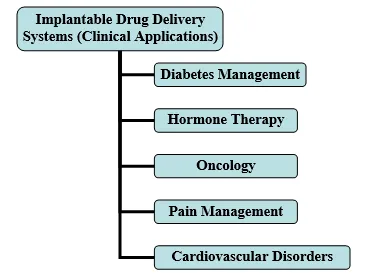
Figure No. 1. Clinical Applications of Implantable Drug Delivery Systems
CLINICAL APPLICATIONS OF IMPLANTABLE DRUG DELIVERY SYSTEMS
1. DIABETES MANAGEMENT
Implantable Drug Delivery Systems (IDDS) have dramatically enhanced diabetes management by advancing glucose control and improving patient quality of life. Historically, diabetes management depended on oral medications, insulin injections, and lifestyle changes. These traditional methods often encountered challenges such as inconsistent glucose absorption, patient non-compliance, and difficulty in maintaining stable blood glucose levels. IDDS provide a more precise and consistent approach to insulin delivery, which is essential for effective diabetes management.[17]
1.1 Insulin Pumps
Insulin pumps are an important type of Implantable Drug Delivery System (IDDS) used in diabetes management. These compact devices continuously deliver insulin through a catheter under the skin using continuous subcutaneous insulin infusion (CSII), helping maintain stable glucose levels and reducing daily injections. They provide steady basal insulin and programmable bolus doses for meals or glucose correction, allowing personalized treatment based on routine and glucose levels. Benefits include better glycemic control, lower risk of blood sugar fluctuations, fewer injections, and improved flexibility and quality of life. [1, 2, 18]
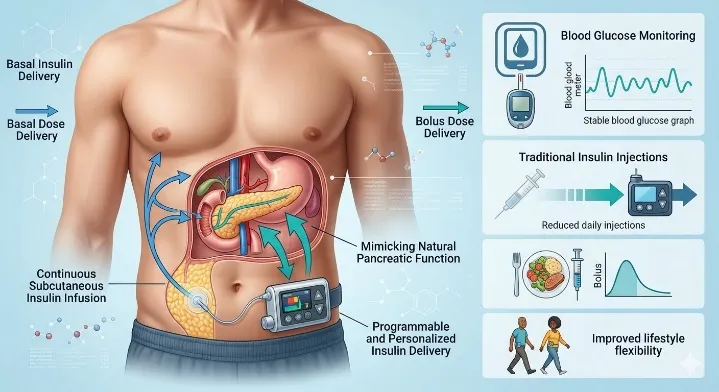
Figure No. 2 Insulin Pump-Based Implantable Drug Delivery System (IDDS) for Advanced Diabetes Management
1.2 Continuous Glucose Monitors (CGMs)
Continuous glucose monitors (CGMs) are essential Implantable drug delivery systems (IDDS) used for managing diabetes. These devices measure glucose levels continuously through a sensor inserted under the skin, providing real-time monitoring and alerts for high or low blood sugar levels. The CGMs offer several features, including real-time monitoring that provides regular glucose readings, offering a comprehensive view of glucose trends throughout the day. They also come equipped with alerts and alarms that notify users of potential hypoglycemic or hyperglycemic events, allowing for timely corrective actions.
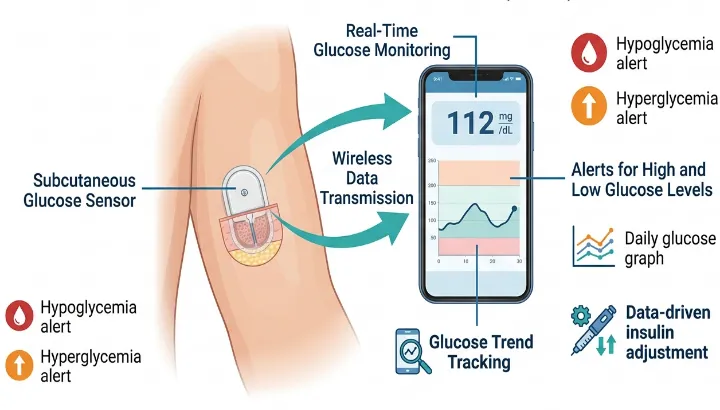
Figure No. 3 Continuous Glucose Monitoring
The benefits of CGMs include increased awareness, as continuous monitoring helps users understand their glucose patterns and how factors like diet, exercise, and stress impact their levels. Additionally, the data collected by CGMs enables data-driven management, assisting users in adjusting insulin dosing and making informed decisions about their diabetes management. [1, 2]
1.3 Integrated Systems
Recent innovations in diabetes management have led to the development of closed-loop systems, also known as artificial pancreas systems, which integrate insulin pumps with continuous glucose monitors (CGMs). These advanced systems automate insulin delivery based on real-time glucose data, significantly refining glucose control. The integration features automated insulin delivery, where the system adjusts insulin levels according to the glucose readings detected by the CGM, and a user-friendly design that minimizes the need for manual adjustments and reduces the frequency of blood glucose monitoring. The benefits of these closed-loop systems include improved glycemic control, as they help maintain optimal glucose levels with minimal user intervention, and a reduced risk of hypoglycemia, particularly during sleep or physical exertion, thanks to the automated adjustments that lower the likelihood of hypoglycemic episodes. [1, 2]
2. HORMONE THERAPY
Implantable Drug Delivery Systems (IDDS) have advanced significantly in hormone therapy, providing improved accuracy and convenience for managing hormone-related conditions. Historically, hormone therapy involved oral medications or injections, which often faced challenges such as inconsistent absorption and patient adherence issues. IDDS offer a more reliable and controlled method of hormone delivery, which is essential for maintaining stable hormone levels.
2.1 Contraceptive Implants
A prominent application of Implantable drug delivery systems (IDDS) in hormone therapy is contraceptive implants. These small rods are inserted under the skin and release hormones gradually over a period of several years. The implants offer consistent hormone release, dispensing hormones like progestin to prevent ovulation and provide long-term contraception. Once placed, they require minimal maintenance and are highly effective in preventing pregnancy. Contraceptive implants boast high effectiveness, with a failure rate below 1%, making them a reliable method of birth control. Additionally, they offer significant convenience by eliminating the need for daily or monthly doses, thereby reducing the likelihood of missed doses and improving overall adherence to the contraceptive regimen. [19]
2.2 Hormone Replacement Therapy (HRT)
Implantable drug delivery systems (IDDS) are also highly effective for hormone replacement therapy (HRT), which helps manage symptoms of menopause or hormonal imbalances. Implants used for HRT deliver hormones such as estrogen or testosterone steadily over an extended period. These implants feature extended release, ensuring a consistent hormone release that stabilizes hormone levels in the body. Additionally, the dosing can be adjusted to meet individual needs, allowing for personalized treatment. The benefits of IDDS for HRT include maintaining stable hormone levels, which helps alleviate symptoms like hot flashes, mood swings, and fatigue. Moreover, by reducing the need for daily medication, IDDS enhance patient adherence to the therapy and improve overall satisfaction. [19]
2.2.3 Advantages of IDDS in Hormone Therapy
Implantable drug delivery systems (IDDS) offer several advantages for hormone replacement therapy (HRT). They provide precise control over hormone delivery, ensuring that therapeutic levels remain stable and consistent. This precision helps in minimizing side effects often associated with fluctuating hormone levels, such as breakthrough bleeding or mood swings. Additionally, IDDS enhance convenience by reducing the need for frequent dosing, which improves patient adherence and overall treatment effectiveness. [19]
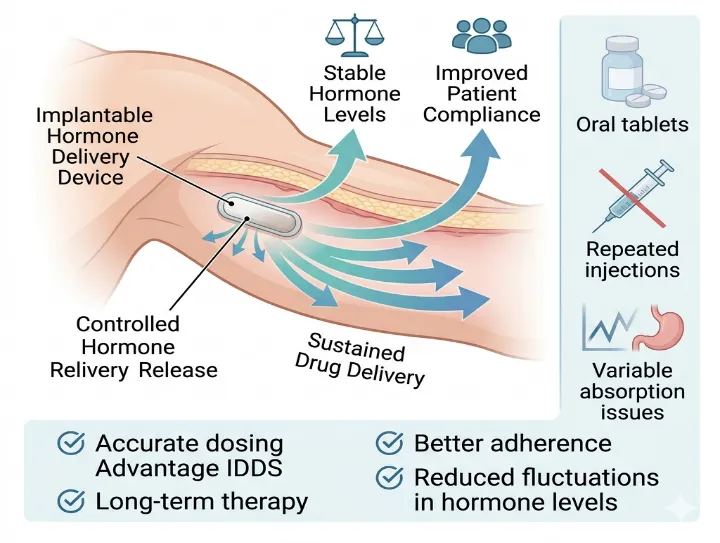
Figure No. 4 Implantable Drug Delivery Systems for Controlled Hormone Therapy
3. Cancer Treatment
Implantable Drug Delivery Systems (IDDS) have markedly transformed cancer treatment by providing targeted and sustained drug delivery that boosts therapeutic efficacy while minimizing systemic side effects. Conventional cancer treatments, such as chemotherapy, often affect both malignant and healthy tissues, leading to significant side effects. IDDS offer a more precise method, delivering medications directly to the tumor or affected area, which enhances treatment outcomes and reduces unwanted effects. [20]
3.1 Drug-Eluting Stents
In oncology, drug-eluting stents are employed to treat tumors located within blood vessels or other internal spaces. These stents are infused with anticancer drugs that are gradually released to suppress tumor growth or prevent its recurrence. The key features of drug-eluting stents include localized delivery, which targets the tumor site or blood vessel for focused therapy, and extended release, where the drugs are dispensed over a prolonged period to ensure ongoing treatment. The benefits of this approach include minimized systemic toxicity, as the targeted delivery reduces the risk of widespread side effects, and enhanced effectiveness, as the continuous drug release maintains therapeutic drug levels at the tumor site, ensuring effective treatment. [20]
3.2 Intratumoral Implants
These implants are strategically inserted directly into or near a tumor and are designed to gradually release anticancer drugs over time. The primary features of these implants include direct drug application, which ensures that high concentrations of medication are delivered precisely to the tumor, and controlled release, allowing for regulation of drug release rates to optimize treatment. The benefits of this method are significant it improves tumor targeting by offering localized treatment with minimal impact on surrounding healthy tissue, and it reduces the frequency of treatment, as sustained drug release decreases the need for frequent treatments or clinic visits. [20]
3.4 Chemotherapy-Loaded Microspheres
Microspheres, tiny spherical particles containing chemotherapy drugs, are injected into the body to release the drugs over time at specific tumor sites. These microspheres feature targeted therapy, as they can be engineered to focus on particular tumor locations, thereby increasing drug concentration precisely where it is needed. Additionally, they offer extended drug release, ensuring prolonged therapeutic levels. The benefits of using microspheres include localized drug action, which reduces systemic exposure and associated side effects, and ease of administration, as they allow for less frequent dosing compared to conventional chemotherapy, making treatment more manageable for patients. [21]
3.5 Bioresorbable Implants
Designed to dissolve or break down within the body after delivering their therapeutic dose, these implants offer the advantage of eliminating the need for surgical removal. They feature self-degrading materials that degrade over time, leaving no residual components, and adjustable release mechanisms that allow for controlled drug release rates. The benefits of such implants include reduced long-term risks by avoiding complications associated with permanent implants and simplified treatment processes by eliminating the need for additional procedures to remove the device. [20]
3.6 Advantages of IDDS in Cancer Treatment
Implantable drug delivery systems (IDDS) offer several key advantages in oncology. They provide precision in therapy by enabling exact drug delivery to the tumor site, which enhances the therapeutic impact while preserving healthy tissues. Additionally, IDDS result in fewer side effects compared to conventional methods, as the limited systemic exposure reduces typical chemotherapy-related issues such as nausea, hair loss, and fatigue. Moreover, the convenience of sustained, localized drug delivery minimizes the frequency of treatments and hospital visits, leading to increased patient adherence and an overall improvement in quality of life. [20]
4. PAIN MANAGEMENT
Conventional pain management typically relies on oral medications or systemic injections, which can result in inconsistent pain control and various side effects. IDDS offer a more precise solution by delivering pain relief directly to the affected area or into the cerebrospinal fluid, improving effectiveness and reducing systemic side effects. [22]
4.1 Implantable Drug Delivery Systems
A significant advancement in pain management is the Implantable drug delivery system, which utilizes a small, implanted pump to administer medication directly into the cerebrospinal fluid surrounding the spinal cord. This system features direct delivery, targeting pain pathways more effectively by placing analgesics directly into the spinal fluid. Additionally, the programmable pump allows for the adjustment of medication dosage and delivery rate to suit individual needs. The benefits of this approach include effective pain relief through precise control over pain management by directly addressing the central nervous system.
4.2 Neurostimulators
Neurostimulators are a type of Implantable drug delivery system (IDDS) utilized in pain management. These devices are implanted near nerves and modulate pain signals through electrical impulses. Key features include the use of electrical impulses to alter pain perception by stimulating nerves, and adjustable settings that can be customized based on patient feedback. The benefits of neurostimulators are significant they provide targeted relief by focusing pain management on specific areas without affecting other parts of the body, reduce dependence on oral pain medications and their associated side effects, and offer personalized therapy through the ability to adjust settings to meet individual pain management needs. [21]
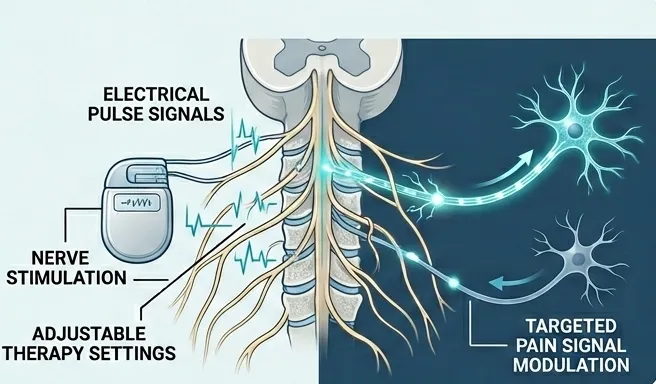
Figure No. 5 Mechanism of Neurostimulators
4.3 Bioresorbable Implants
These innovative implants are designed to gradually release pain medication and then dissolve completely, eliminating the need for surgical removal. Key features include controlled release, which provides a steady supply of medication over time, and self-degrading materials that dissolve after delivering the medication. The benefits of these implants are substantial they simplify treatment by removing the need for additional removal surgeries and lower long-term risks by preventing complications associated with permanent implants. [20]
4.4 Advantages of IDDS in Pain Management
These innovative implants provide targeted relief by ensuring that medication is applied precisely where needed, which enhances therapeutic effectiveness. Additionally, they reduce systemic side effects by limiting the medication's impact on the rest of the body, thereby minimizing common issues associated with systemic pain medications. The convenience and effectiveness of these implants also lead to better patient compliance, as more effective pain management improves adherence to treatment plans and overall quality of life. [20]
5. Cardiovascular Applications
Implantable Drug Delivery Systems (IDDS) have revolutionized the management of cardiovascular diseases by offering precise, targeted, and sustained therapeutic effects while minimizing systemic side effects. Conventional treatments for cardiovascular diseases often rely on systemic medications, which can affect the entire body and lead to unwanted side effects. IDDS offer a more focused approach, delivering drugs directly to the cardiovascular system or specific areas, thereby enhancing treatment effectiveness and reducing systemic adverse effects. [23]
5.1 Drug-Eluting Stents
A notable application of Implantable drug delivery systems (IDDS) in cardiovascular care is the use of drug-eluting stents. These devices are inserted into narrowed or blocked arteries and are coated with medications that are gradually released to prevent the artery from re-narrowing, a condition known as restenosis. The key features of drug-eluting stents include targeted drug delivery, where medications are released directly to the arterial wall, focusing treatment precisely where it's needed, and extended release, which ensures that drugs are dispensed over a prolonged period to help maintain arterial openness. The benefits of these stents are significant they lower the risk of restenosis by helping to keep arteries open and reduce the likelihood of re-blockage, and they have fewer systemic side effects since the localized delivery of drugs minimizes the broader side effects typically associated with oral medications. [23]
5.2 Drug-Eluting Balloons
Another form of Implantable drug delivery systems (IDDS) is drug-eluting balloons, which are used during angioplasty to deliver drugs directly to the arterial wall. These balloons are inflated within the artery to release medication, enhancing the overall success of the procedure. The key features of drug-eluting balloons include focused medication delivery, where the drug is precisely applied to the arterial wall during balloon inflation, and controlled release, with medications gradually released as the balloon is deflated and removed. The benefits of this approach are notable it improves the effectiveness of angioplasty by reducing arterial re-narrowing, which increases the success rate of the procedure, and it decreases the need for repeat interventions, thereby reducing the frequency of additional procedures. [24]
5.3 Anticoagulant Implants
These implants are designed to release anticoagulants to prevent blood clot formation in cardiovascular devices or following surgery. They feature local drug delivery, which administers anticoagulants directly to the site prone to clot formation, and sustained release, ensuring continuous medication delivery over an extended period. The benefits of these implants are significant they help reduce the risk of thrombosis in cardiovascular implants and stents, and enhance patient safety by minimizing the need for systemic anticoagulant therapies and their associated risks. [25]
5.4 Advantages of IDDS in Cardiovascular Disease Management
These implants offer several advantages in targeted treatment. They ensure that medication is delivered precisely where it is needed, which significantly improves treatment outcomes. By limiting drug exposure to the specific site rather than the whole body, they reduce systemic side effects. This localized delivery also enhances treatment efficacy, increasing the success rates of cardiovascular procedures and devices by maintaining optimal drug levels at the treatment site.
EMERGING TRENDS IN IMPLANTABLE DRUG DELIVERY SYSTEMS
1. Advancements in Materials
Implantable Drug Delivery Systems (IDDS) have become pivotal in providing targeted and controlled release of therapeutics. The advancement in materials used in IDDS has significantly enhanced their efficacy, safety, and patient compliance. This brief explores the key material innovations driving progress in IDDS.
1.1 Biodegradable Polymers
Biodegradable polymers have significantly advanced Implantable drug delivery systems (IDDS) by providing temporary solutions that do not require surgical removal. These materials gradually degrade into non-toxic byproducts after delivering their therapeutic payload. Key advancements in this field include controlled degradation rates, which allow for precise management of how quickly the polymer breaks down, ensuring that drug release aligns with therapeutic needs. Additionally, improvements in polymer chemistry have led to enhanced biocompatibility, reducing the likelihood of adverse tissue reactions. Applications of biodegradable polymers include drug-eluting implants, such as drug-eluting stents, where the material degrades after drug release, thereby eliminating the need for additional procedures. [26-28]
1.2 Smart Polymers
Smart or stimuli-responsive polymers have revolutionized drug delivery systems by altering their properties in response to environmental triggers such as temperature, pH, or light. This adaptability allows for on-demand drug release, enhancing treatment precision. Key advancements include temperature-sensitive polymers, which release drugs in response to changes in body temperature or localized heating, and pH-sensitive polymers, which activate drug release in specific pH environments, such as the acidic conditions found in tumor tissues. Applications of these polymers are particularly promising in cancer treatment, where they enable targeted drug release in response to the acidic microenvironment of tumors, and in chronic disease management, where they provide controlled drug release based on physiological changes. [29]
1.3 Nanomaterials
Nanomaterials, such as nanoparticles and nanofibers, provide unparalleled control over drug delivery due to their small size and large surface area. Key advancements in this field include enhanced drug loading, where nanoparticles can carry substantial amounts of medication and protect sensitive drugs from degradation, and targeted delivery, where surface modifications enable precise targeting of specific cells or tissues, thereby reducing systemic side effects. Applications of nanomaterials are notably impactful in cancer therapy, where they facilitate the targeted delivery of chemotherapeutic agents directly to cancer cells, and in cardiovascular devices, where they improve the performance of drug-eluting stents by ensuring more effective and localized drug release. [30, 31]
1.4 Biocompatible Coatings
Coatings applied to Implantable drug delivery systems (IDDS) significantly enhance their functionality and patient compatibility by improving biocompatibility, reducing immune responses, and controlling drug release rates. Key advancements in coating technology include anti-fouling coatings, which prevent the accumulation of proteins and cells on the device surface, thereby improving its function and longevity. Additionally, controlled release coatings enable the regulated release of drugs over time, optimizing therapeutic efficacy. These coatings find crucial applications in implantable devices, such as stents, pacemakers, and other implants, where they enhance overall performance and ensure better compatibility with patients. [32-34]
1.5 Composite Materials
Composite materials are revolutionizing Implantable drug delivery systems (IDDS) by combining different substances to enhance properties such as strength, flexibility, and drug release profiles. Key advancements in this field include polymer-nanoparticle composites, which merge polymers with nanoparticles to improve both drug delivery efficiency and structural integrity. Additionally, layered composites enable controlled release of multiple drugs or provide extended release profiles through their multi-layered structures. These innovative materials find applications in various areas, including orthopedic implants, where they offer both drug delivery and structural support, and chronic pain management, where composites are used in devices to ensure sustained drug release and effective pain control. [35]
2. Integration with Smart Technology
The integration of smart technology into Implantable Drug Delivery Systems (IDDS) marks a significant advancement in medical treatment. This innovative synergy enhances the precision and effectiveness of drug delivery by incorporating real-time monitoring, adaptive control, and data analysis capabilities. Unlike conventional IDDS, which often rely on fixed medication regimens and require manual adjustments based on periodic evaluations, smart technology enables these systems to dynamically respond to the patient’s needs. By utilizing real-time data and sophisticated algorithms, smart IDDS improve treatment efficacy and minimize side effects, revolutionizing the management of chronic diseases and cancer. [36]
2.1 Real-Time Monitoring
Modern Implantable Drug Delivery Systems (IDDS) integrated with smart technology often feature sensors that continuously monitor physiological metrics such as glucose levels or blood pressure. This real-time data enables the system to make immediate adjustments to drug delivery, enhancing treatment precision. For example, in diabetes care, Continuous Glucose Monitors (CGMs) work in conjunction with insulin pumps to continuously track glucose levels and adjust insulin delivery accordingly. Similarly, in pain management, pain monitoring sensors can detect pain levels and adjust the medication doses administered by Implantable pumps, ensuring more responsive and effective pain relief.
2.2 Adaptive Algorithms
Smart Implantable Drug Delivery Systems (IDDS) leverage adaptive algorithms to customize dosing based on real-time data, optimizing both dosing schedules and medication levels. For instance, Artificial Pancreas Systems integrate insulin pumps with Continuous Glucose Monitors (CGMs) and use sophisticated algorithms to automatically regulate insulin delivery in response to current glucose readings. Similarly, Smart Pain Management Pumps adjust the delivery of pain medication based on real-time feedback from pain sensors, ensuring that dosing is precisely matched to the patient's current pain levels. These advancements lead to more effective and personalized treatment strategies. [37]
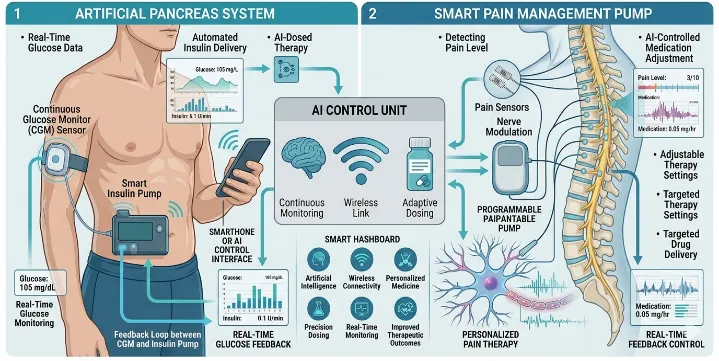
Figure No. 6. Working of Adaptive Smart IDDS
2.3 Data Analytics and Cloud Integration
Advanced Implantable Drug Delivery Systems (IDDS) are equipped to collect and store detailed data on drug administration and patient responses. This information is often transmitted to cloud-based platforms for comprehensive analysis. Cloud integration facilitates remote monitoring, allowing healthcare providers to track patients' conditions and drug delivery in real-time, and make informed decisions and adjustments from a distance. Examples of this integration include telemedicine platforms, which enable remote consultations and real-time treatment adjustments, and patient portals, which provide secure online access for patients to review their treatment data, thereby enhancing their engagement and understanding of their care. [33]
2.4 User Interfaces and Automation
Advanced Implantable Drug Delivery Systems (IDDS) are designed with intuitive controls that make interaction easy for both patients and healthcare providers. These systems feature user-friendly interfaces with programmable settings and alerts for effective medication management. Additionally, automated adjustments in smart IDDS reduce the need for manual interventions by dynamically adjusting drug delivery based on real-time data and pre-set criteria. For example, smart insulin pens calculate and deliver the appropriate insulin dose based on current glucose readings, while automated pain relief systems adjust medication levels according to real-time pain assessments from embedded sensors. This automation enhances treatment efficiency and convenience. [38]
2.5 Advantages of Integrating Smart Technology
Smart technology in Implantable Drug Delivery Systems (IDDS) offers several key benefits. Precision in treatment is greatly enhanced as these systems enable targeted drug delivery that adapts to the patient’s current condition, improving treatment effectiveness while reducing side effects. Enhanced compliance is another advantage, as automation and real-time adjustments minimize the need for frequent manual interventions, leading to better adherence to treatment regimens. Additionally, the ability to dynamically tailor treatment results in improved outcomes, allowing for more effective management of chronic conditions and an overall better quality of life for patients. [38,39]
3. Personalized Medicine
Implantable Drug Delivery Systems (IDDS) have significantly advanced the field of personalized medicine by offering tailored treatment options that address the unique needs of each patient. Personalized Medicine focuses on customizing medical treatments to match individual characteristics, such as genetic profiles, lifestyle factors, and specific disease conditions. Unlike traditional methods that often apply a one-size-fits-all approach, IDDS facilitate a more individualized treatment strategy. This approach ensures that patients receive treatments that are specifically adapted to their unique medical profiles, leading to more effective and safer therapeutic outcomes. [40]
3.1 Customized Drug Delivery
Advanced Implantable Drug Delivery Systems (IDDS) enhance personalized medicine through adaptive dosing and individualized therapy. Adaptive Dosing allows IDDS to be programmed to adjust the rate and amount of drug delivery based on real-time patient data. For instance, in diabetes management, insulin delivery systems can be fine-tuned using continuous glucose monitoring to provide personalized dosing that aligns with current glucose levels. Individualized Therapy further optimizes treatment by tailoring drug release profiles to meet each patient’s specific needs. This customization not only enhances the effectiveness of the treatment but also minimizes potential adverse effects, ensuring that therapy is both targeted and well-suited to the patient’s unique medical conditions. [41]
3.2 Integration with Genetic and Biomolecular Information
Implantable Drug Delivery Systems (IDDS) further advance personalized medicine through genetic profiling and biomarker monitoring. Genetic Profiling allows IDDS to be tailored based on a patient’s genetic information. For example, in cancer treatment, IDDS can be designed to deliver drugs that specifically target genetic mutations identified in a patient’s tumor, providing a highly customized approach to therapy. Biomarker Monitoring enhances this personalization by incorporating sensors into IDDS that continuously track relevant biomarkers. These sensors enable real-time adjustments to drug delivery based on changes in biomarkers, facilitating better management of disease progression and optimizing therapy efficacy. [42]
3.3 Real-Time Monitoring and Feedback
Implantable Drug Delivery Systems (IDDS) enhance personalized medicine with the integration of smart sensors and patient feedback mechanisms. Smart Sensors embedded in IDDS continuously monitor physiological parameters such as blood pressure or heart rate, allowing for real-time adjustments to drug delivery based on the collected data. For instance, cardiovascular disease management can be optimized by dynamically modifying medication in response to changes in vital signs. Additionally, these systems facilitate Patient Feedback by providing both patients and healthcare providers with crucial information regarding the treatment's effectiveness and any necessary adjustments. [42]
3.4 Benefits of Personalized IDDS
Implantable Drug Delivery Systems (IDDS) significantly improve personalized medicine by enhancing treatment outcomes, minimizing side effects, and increasing patient adherence. Enhanced Effectiveness is achieved by tailoring drug delivery to individual needs, which boosts the likelihood of successful treatment outcomes. Fewer Side Effects result from personalized dosing, which reduces the risk of adverse effects commonly associated with standardized treatment regimens. Additionally, Improved Adherence is a key benefit, as the precision and convenience offered by IDDS make it easier for patients to follow their treatment plans.
4. Regulatory and Ethical Considerations
Implantable Drug Delivery Systems (IDDS) have significantly advanced medical treatments by providing precise and sustained drug delivery. However, their use involves several regulatory and ethical challenges to ensure they are safe, effective, and respectful of patient rights. Here’s an overview of these considerations.
Healthcare providers and manufacturers must clearly explain potential risks, limitations, and any experimental aspects of these devices. Privacy and data security are also important, especially for IDDS with integrated sensors that collect sensitive health data. Compliance with regulations such as HIPAA and GDPR helps protect patient information from unauthorized access and misuse. Accessibility and affordability remain major concerns, as the high cost of advanced IDDS can limit patient access. Improving cost-effectiveness and availability in low-resource settings is important for global health equity. Long-term considerations include evaluating the impact of IDDS on patient health, quality of life, and environmental sustainability related to device manufacturing, usage, and disposal. [43, 44]
FUTURE DIRECTIONS
1. Emerging Technologies
Implantable Drug Delivery Systems (IDDS) are rapidly evolving with new technologies that enhance their effectiveness and broaden their applications. Here’s a look at some of the most innovative advancements
Intelligent Implantable Drug Delivery Systems (IDDS) represent a significant advancement in medical technology by integrating advanced sensors and wireless communication to enable real-time monitoring and adjustment of drug delivery. These systems are designed to modify dosages based on real-time physiological data, which enhances treatment precision. The benefits of such intelligent IDDS include improved personalization and adaptability of treatment, leading to more accurate therapeutic outcomes. Additionally, the ability to continuously monitor and adjust medication reduces the risk of dosing errors, thereby optimizing patient care and efficacy. [45]
Bioelectronic medicine represents a cutting-edge approach that leverages electrical stimulation to modulate neural activity and influence disease pathways. When integrated with drug delivery systems, this technology can significantly enhance therapies for chronic pain and neurological disorders. The key benefits of combining bioelectronic medicine with IDDS include a potential reduction in reliance on drugs, as well as fewer side effects due to the targeted nature of neurostimulation. This integration allows for more precise and effective treatment, ultimately improving patient outcomes and quality of life. [46]
Programmable Implantable Drug Delivery Systems (IDDS) leverage sophisticated microfluidic technology to provide precise control over medication release rates and schedules. These advanced systems can be remotely programmed and adjusted according to patient needs or evolving health conditions. The benefits of programmable IDDS include enhanced flexibility and control over medication timing, which leads to improved adherence to treatment regimens and the ability to tailor therapy more effectively. This adaptability ensures that patients receive optimal drug delivery, enhancing overall treatment outcomes and patient satisfaction. [4]
Nanotechnology is revolutionizing Implantable Drug Delivery Systems (IDDS) by employing nanoscale drug carriers that enable highly targeted drug delivery and controlled release. These advanced carriers are designed to penetrate cellular barriers, allowing medications to be delivered directly to specific tissues or cells. The benefits of incorporating nanotechnology into IDDS include enhanced precision in drug targeting, which reduces systemic side effects and significantly improves therapeutic efficacy. This approach allows for more effective treatment with minimized impact on non-targeted areas of the body, leading to better overall patient outcomes. [47]
Bioresorbable implants are a groundbreaking advancement in Implantable Drug Delivery Systems (IDDS), designed to gradually dissolve after delivering their therapeutic dose. This innovative technology eliminates the need for surgical removal of the implant, simplifying treatment procedures and minimizing patient burden. The benefits of bioresorbable implants include the avoidance of additional surgeries, leading to a reduced risk of long-term complications and a more straightforward treatment process. These implants provide a significant improvement in patient convenience and safety by naturally breaking down in the body after their therapeutic role is fulfilled. [11]
3D printing technology is revolutionizing the field of Implantable Drug Delivery Systems (IDDS) by enabling the creation of highly customized devices with intricate structures and tailored drug release profiles. This advanced manufacturing technique allows for the rapid production of patient-specific drug delivery systems, addressing individual treatment needs more precisely. The benefits of using 3D printing in IDDS include enhanced customization to meet the unique requirements of each patient, expedited production processes, and cost-effective manufacturing, which collectively contribute to more effective and personalized medical treatments. [48]
2. Integration with Digital Health
The integration of Implantable Drug Delivery Systems (IDDS) with digital health technologies represents a significant advancement in personalized medicine and patient care. This integration leverages digital tools to enhance the capabilities, monitoring, and management of IDDS, leading to more precise and effective treatment strategies. [48]
Modern Implantable Drug Delivery Systems (IDDS) are increasingly incorporating smart sensors that continuously monitor critical physiological parameters such as glucose levels, blood pressure, or drug concentrations. These sensors provide real-time data to both patients and healthcare providers, enabling timely adjustments to treatment protocols. The benefits of this integration include improved accuracy in drug administration, immediate response to changes in physiological conditions, and enhanced patient outcomes through continuous feedback. For example, continuous glucose monitoring systems integrated with insulin pumps can automatically adjust insulin delivery based on real-time glucose data, demonstrating the potential of smart sensors to optimize treatment and enhance patient management. [49]
Digital health platforms are revolutionizing the management of Implantable Drug Delivery Systems (IDDS) by enabling remote monitoring and oversight. These platforms allow healthcare providers to manage and adjust treatment plans from a distance, leveraging data transmitted from IDDS devices. Telemedicine platforms facilitate virtual consultations, enabling providers to make informed decisions based on real-time data from the devices. This integration offers enhanced accessibility to care, timely medical interventions without the need for physical appointments, and increased patient engagement in managing their health. For instance, the remote management of pacemakers and defibrillators exemplifies how data transmission to healthcare professionals enables ongoing assessment and necessary adjustments, illustrating the practical benefits of digital health platforms in modern medical care. [14]
The integration of artificial intelligence (AI) and machine learning into Implantable Drug Delivery Systems (IDDS) represents a significant advancement in personalized medicine. AI and machine learning technologies analyze data collected from IDDS to predict patient needs and optimize drug delivery schedules. By recognizing patterns and trends in the data, these technologies enable the system to suggest personalized adjustments to treatment plans, ensuring greater precision in drug administration. This approach facilitates predictive analytics, allowing for proactive care and customized treatment plans tailored to individual patient data. For example, AI algorithms can forecast insulin requirements based on historical glucose data combined with current physiological metrics, thereby enhancing the accuracy of insulin delivery and improving overall diabetes management. [50, 51]
The integration of Implantable Drug Delivery Systems (IDDS) with wearable health devices provides a more comprehensive approach to patient care. Wearables such as smartwatches and fitness trackers continuously monitor health parameters including heart rate, physical activity, and stress levels. This real-time data can be used to adjust IDDS therapies according to the patient’s current condition, improving treatment precision and effectiveness. Key benefits include continuous health monitoring, seamless coordination between wearable devices and IDDS, and improved patient self-management. For example, wearable devices tracking activity and stress levels can support personalized pain management by enabling real-time adjustments in drug delivery. [52]
As Implantable Drug Delivery Systems (IDDS) become increasingly integrated with digital health technologies, protecting patient data is essential. Advanced encryption and secure data transmission protocols help prevent unauthorized access and data breaches. These measures ensure patient confidentiality and support compliance with regulations such as GDPR and HIPAA. For instance, end-to-end encryption used in smart IDDS enables secure transmission of health data between the device and healthcare providers, maintaining data integrity and privacy throughout communication. [53]
CONCLUSION
Implantable drug delivery systems (IDDS) have revolutionized clinical practice by offering advanced solutions for precise and sustained medication administration. These systems have significantly improved the management of various medical conditions, thanks to ongoing advancements in materials, technology, and personalized medicine. As the field progresses, continued research and innovation will be essential to overcoming current challenges and exploring new possibilities for implantable drug delivery.
IDDS have had a profound impact on clinical practice, especially in managing chronic conditions and localized treatments. Notable examples include insulin pumps and continuous glucose monitors for diabetes management, hormone implants for contraception and replacement therapy, and drug-eluting stents for cancer treatment. Additionally, IDDS have enhanced pain management with Implantable systems and cardiovascular care with drug-eluting balloons and stents, demonstrating their diverse applications across medical disciplines.
Looking to the future, emerging trends in IDDS are promising. Innovations such as biodegradable polymers are expected to improve both biocompatibility and environmental sustainability. The integration of smart technologies will enable real-time monitoring, leading to more personalized and adaptable treatment strategies. However, challenges such as regulatory hurdles and ethical considerations remain. Addressing these issues through ongoing research and development will be crucial for maximizing the potential of IDDS and achieving more effective, individualized therapies for improved patient outcomes.
REFERENCES

Sachin Jalindar Kumbhar, Clinical Practice Of Implantable Drug Delivery Systems: Innovative Applications And Emerging Trends, Int. J. Sci. R. Tech., 2026, 3 (6), 1314-1330. https://doi.org/10.5281/zenodo.20797276
 10.5281/zenodo.20797276