

We use cookies to ensure our website works properly and to personalise your experience. Cookies policy
1School of Biosciences and Bioengineering, Indian Institute of Technology (IIT) Mandi, Himachal Pradesh – 175005
2School of Pharmaceutical Education and Research, Jamia Hamdard, New Delhi, 110062
The blood-brain barrier (BBB) is a highly specialized physiological interface that protects the central nervous system (CNS) from harmful substances while maintaining the biochemical environment necessary for neuronal function. However, its protective properties create a major challenge for CNS drug development by restricting the entry of many small molecules, peptides, proteins, antibodies, nucleic acids, and other advanced therapeutics into the brain. This limitation arises from the restrictive nature of brain microvascular endothelial cells, tight junctions, efflux transporters, metabolic enzymes, and supporting cells. Consequently, considerable research has focused on BBB modulation and bypass strategies that enhance drug delivery while preserving barrier integrity. Current approaches include physicochemical optimization, receptor-mediated transcytosis, carrier-mediated and adsorptive-mediated transport, nanotechnology-based delivery, intranasal administration, pharmacological modulation, osmotic disruption, focused ultrasound, convection-enhanced delivery, and direct intracranial administration. Nanoparticles and receptor-targeted delivery systems are also being explored for transporting macromolecular therapeutics across the BBB. Despite substantial progress, challenges related to safety, reproducibility, patient variability, manufacturing, regulatory approval, and translation from preclinical models to clinical practice remain. Future CNS drug delivery is likely to integrate BBB modulation with precision medicine, nanotechnology, advanced imaging, and artificial intelligence to achieve targeted, reversible, and patient-specific therapeutic delivery while minimizing neurological risks and improving treatment outcomes for complex CNS disorders.
Central nervous system disorders represent a major global health challenge and include neurodegenerative, neurological, neurovascular, psychiatric and brain tumor-associated diseases. Conditions such as Alzheimer's disease, Parkinson's disease, epilepsy, multiple sclerosis, amyotrophic lateral sclerosis and glioblastoma require effective delivery of therapeutic agents to specific regions of the brain or spinal cord. However, despite considerable progress in medicinal chemistry and biotechnology, the development of successful CNS therapeutics remains difficult. One of the major reasons is the presence of the blood-brain barrier, which acts as a highly selective interface between the systemic circulation and the CNS1. The BBB maintains cerebral homeostasis by controlling the movement of nutrients, metabolites, ions and xenobiotics between the blood and brain tissue. Although this physiological protection is essential for normal brain function, it also prevents many potentially useful therapeutic compounds from reaching their intended sites of action.
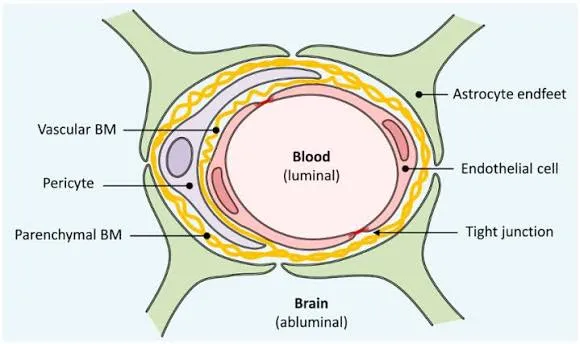
Figure 1. Anatomical structure of the blood–brain barrier (BBB)
The BBB is primarily formed by specialized brain microvascular endothelial cells that are characterized by highly developed tight junctions, low rates of nonspecific transcytosis and the presence of multiple transport and efflux systems2. These endothelial cells interact closely with pericytes, astrocytes, basement membrane components, neurons and other elements of the neurovascular unit. The resulting structure provides extremely tight regulation of molecular transport. Many conventional drugs therefore demonstrate limited CNS penetration, particularly compounds with high molecular weight, high polarity, poor lipid solubility or susceptibility to active efflux. ATP-binding cassette transporters such as P-glycoprotein and breast cancer resistance protein further reduce the intracerebral concentration of numerous therapeutic molecules by actively transporting them from endothelial cells back into the bloodstream. These characteristics have encouraged researchers to explore alternative approaches that either facilitate transport across the BBB or temporarily and selectively modulate its permeability3.
BBB modulation has therefore emerged as an important component of modern CNS drug development. Instead of relying exclusively on the intrinsic ability of a therapeutic molecule to cross the BBB, researchers are developing biological, pharmaceutical, nanotechnological and physical strategies to improve brain delivery. These approaches range from receptor-mediated transcytosis and engineered nanoparticles to intranasal delivery and focused ultrasound-mediated transient BBB opening. The objective is not simply to disrupt the BBB but to achieve controlled and therapeutically meaningful enhancement of drug delivery while preserving the physiological functions of the barrier4.
2. Biological Organization of the Blood-Brain Barrier
The BBB is a dynamic multicellular interface rather than a simple physical wall between blood and brain tissue. Brain microvascular endothelial cells form the central structural component and are connected through complex tight junctions containing proteins such as claudins, occludin and zonula occludens proteins. These junctional complexes substantially restrict paracellular movement of molecules and contribute to the extremely low permeability of the cerebral endothelium. The endothelial cells also exhibit specialized transport mechanisms that regulate the movement of essential nutrients and endogenous molecules into the CNS while limiting the entry of potentially harmful compounds5.
Pericytes are closely associated with cerebral endothelial cells and play an important role in vascular stability, angiogenesis, endothelial differentiation and BBB maintenance. Alterations in pericyte function have been associated with BBB dysfunction and vascular abnormalities in several neurological diseases. Astrocytes also contribute substantially to BBB regulation through their end-feet, which surround cerebral blood vessels and interact with endothelial cells and pericytes. Astrocyte-derived signaling molecules help maintain endothelial barrier characteristics and participate in the regulation of neurovascular function6. The basement membrane provides additional structural and biochemical support and contains extracellular matrix proteins that contribute to barrier stability. Together, endothelial cells, pericytes, astrocytes, basement membrane and associated cellular components constitute the neurovascular unit responsible for maintaining BBB integrity7.
In addition to physical restriction, the BBB contains highly active biochemical defense mechanisms. Drug-metabolizing enzymes and transporter proteins can influence the concentration of compounds reaching the CNS. P-glycoprotein, breast cancer resistance protein and several multidrug resistance-associated proteins are particularly important efflux transporters. These systems recognize a wide range of structurally diverse molecules and transport them away from the brain. Consequently, a drug may exhibit favorable physicochemical properties but still demonstrate poor CNS exposure because of active efflux. Understanding these mechanisms is essential for designing effective BBB modulation strategies8.
3. Mechanisms of Drug Transport Across the BBB
Molecules can reach the CNS through several transport mechanisms. Passive transcellular diffusion is one of the most important pathways for small, sufficiently lipophilic and relatively non-ionized molecules. However, excessive lipophilicity may produce undesirable effects such as increased plasma protein binding, nonspecific tissue distribution and metabolic instability. Consequently, optimizing physicochemical properties alone is often insufficient for achieving effective CNS delivery9.
Paracellular transport is strongly restricted by endothelial tight junctions and therefore contributes minimally to the movement of most therapeutic compounds under normal physiological conditions. Carrier-mediated transport provides another pathway and is responsible for transporting endogenous nutrients such as glucose, amino acids and monocarboxylates into the brain. Therapeutic molecules can potentially be designed to resemble endogenous substrates and exploit these transport mechanisms. Receptor-mediated transcytosis represents another important pathway, particularly for macromolecules. In this process, a therapeutic agent or carrier binds to a receptor on the luminal surface of the endothelial cell, undergoes internalization and is transported across the cell before being released into the brain compartment10.
Adsorptive-mediated transcytosis is driven primarily by electrostatic interactions between positively charged molecules and negatively charged components of the endothelial membrane. Although this approach can enhance cellular uptake, its lack of specificity may increase peripheral tissue interactions and toxicity. Consequently, receptor-mediated approaches are generally considered more attractive when selective delivery is required. The balance between transport efficiency, receptor affinity, intracellular trafficking and release into brain tissue is particularly important in designing BBB-targeted therapeutics11.
4. Importance of BBB Modulation in CNS Drug Development
The traditional strategy of CNS drug development has often focused on designing small molecules with physicochemical characteristics favorable for BBB penetration. This approach has produced numerous successful CNS drugs, but it becomes increasingly challenging when therapeutic candidates are large biological molecules. Monoclonal antibodies, peptides, proteins, enzymes, oligonucleotides, RNA-based therapeutics and gene therapies generally demonstrate limited passive BBB permeability. Consequently, many promising therapeutics cannot reach adequate concentrations in the brain despite demonstrating strong pharmacological activity in vitro.
BBB modulation provides an alternative approach by improving CNS exposure without requiring the therapeutic molecule itself to possess optimal BBB-crossing properties. Depending on the therapeutic objective, modulation can involve exploiting endogenous transport pathways, modifying the barrier temporarily, bypassing the BBB or combining several delivery technologies. The ideal approach should produce sufficient drug delivery while minimizing disruption of normal barrier function. Therefore, modern BBB research increasingly emphasizes selective, transient and reversible modulation rather than uncontrolled or permanent barrier disruption12.
|
Strategy |
Mechanism |
Major Applications |
Key Advantages |
Major Limitations |
|
Physicochemical optimization |
Modification of molecular size, lipophilicity, polarity and ionization |
Small-molecule CNS drugs |
Simple and cost-effective |
Limited applicability to large molecules |
|
Receptor-mediated transcytosis |
Utilization of endothelial receptors such as transferrin and insulin receptors |
Antibodies, proteins, peptides |
Targeted transport of macromolecules |
Receptor saturation and peripheral uptake |
|
Carrier-mediated transport |
Exploitation of endogenous nutrient transporters |
Small molecules and prodrugs |
Uses physiological transport pathways |
Structural requirements and transporter competition |
|
Nanoparticle delivery |
Encapsulation and surface functionalization of drugs |
Small molecules, proteins, nucleic acids |
Controlled release and targeting |
Manufacturing and long-term safety concerns |
|
Intranasal delivery |
Nose-to-brain transport through olfactory and trigeminal pathways |
Peptides, proteins and CNS drugs |
Non-invasive and avoids direct BBB crossing |
Limited dose volume and variable absorption |
|
Pharmacological modulation |
Temporary alteration of tight junctions or efflux transporters |
Drugs with poor CNS exposure |
Potentially reversible |
Risk of systemic effects and toxicity |
|
Osmotic disruption |
Temporary increase in BBB permeability using hyperosmolar agents |
Brain tumors and chemotherapy |
Established physical approach |
Nonspecific BBB disruption |
|
Focused ultrasound |
Microbubble-assisted temporary BBB opening |
Neurodegenerative diseases and brain tumors |
Spatially targeted and potentially reversible |
Requires specialized equipment and safety optimization |
|
Convection-enhanced delivery |
Direct pressure-driven infusion into brain tissue |
Brain tumors and gene/protein therapies |
High local drug concentration |
Invasive procedure and heterogeneous distribution |
|
Direct intracranial delivery |
Direct administration into CNS tissue or tumor |
Localized CNS diseases |
Bypasses BBB completely |
Surgical risks and limited distribution |
Table 1. Major BBB Modulation and Bypass Strategies
5. Physicochemical Optimization of CNS Drugs
Physicochemical optimization remains one of the simplest approaches for improving BBB penetration. Molecular weight, lipophilicity, hydrogen-bonding capacity, polar surface area, ionization state and molecular flexibility all influence the ability of a drug to cross biological membranes. Small molecules with suitable lipid solubility and limited polar surface area are generally more capable of crossing the BBB through passive diffusion. However, optimization must consider the relationship between brain penetration and other pharmacokinetic properties. Increasing lipophilicity may enhance membrane permeability but can also increase nonspecific binding and toxicity. Similarly, reducing polarity may improve BBB penetration while decreasing aqueous solubility. Therefore, rational CNS drug design requires optimization of multiple properties rather than maximizing a single parameter13.
Another important consideration is susceptibility to efflux transporters. A compound with favorable physicochemical properties may still have poor brain exposure if it is efficiently recognized by P-glycoprotein or other efflux systems. Drug designers therefore increasingly consider transporter interactions during early drug discovery. Computational modeling, in vitro BBB models and animal pharmacokinetic studies can help identify compounds with improved brain-to-plasma exposure ratios.
6. Receptor-Mediated Transcytosis
Receptor-mediated transcytosis is among the most promising biological strategies for transporting macromolecules across the BBB. This approach takes advantage of receptors naturally expressed on brain endothelial cells. A therapeutic molecule can be linked to an antibody, peptide or other ligand that recognizes the selected receptor. Following receptor binding, the complex undergoes endocytosis and intracellular trafficking, allowing the therapeutic payload to cross the endothelial cell14.
The transferrin receptor has received considerable attention because of its expression on brain endothelial cells and its natural role in iron transport. Antibodies and antibody fragments targeting the transferrin receptor have therefore been investigated as transport vehicles for therapeutic proteins and other macromolecules. However, receptor affinity must be carefully optimized. Very strong receptor binding may cause prolonged retention within endothelial cells and reduce effective transcytosis, whereas insufficient binding may result in poor uptake. Similar approaches have been investigated using insulin receptors and low-density lipoprotein receptor-related proteins.
Receptor-mediated transcytosis has the potential to expand the range of therapeutics that can be delivered to the CNS. However, receptor expression can vary between tissues and disease states, and systemic administration may result in peripheral uptake. Additional challenges include receptor saturation, competition with endogenous ligands, immunogenicity and the complexity of engineering suitable targeting molecules15.
7. Nanotechnology-Based BBB Modulation
Nanotechnology has become a major research area in CNS drug delivery because nanoparticles can alter drug distribution, protect unstable therapeutic molecules and provide opportunities for surface functionalization. Nanocarriers can be engineered with specific sizes, shapes, surface charges and chemical compositions. Their surfaces can also be modified with antibodies, peptides, proteins or other targeting ligands to improve interaction with BBB transport mechanisms.
Different nanocarrier platforms have been investigated for brain delivery, including liposomes, polymeric nanoparticles, solid lipid nanoparticles, nanostructured lipid carriers, polymeric micelles, dendrimers, exosomes and biomimetic nanoparticles. These systems may improve the aqueous solubility of poorly soluble drugs, protect therapeutic molecules against degradation and provide controlled or sustained drug release. Surface modification can additionally promote receptor-mediated transcytosis or interaction with specific brain-associated targets16.
Despite promising preclinical findings, clinical translation of nanomedicines remains challenging. Nanoparticle size distribution, surface properties, drug-loading efficiency, stability, biodegradation and manufacturing reproducibility can strongly influence biological performance. Furthermore, nanoparticles that demonstrate favorable behavior in rodents may behave differently in humans because of differences in vascular anatomy, immune responses and BBB structure. Long-term safety and tissue accumulation also require careful investigation, particularly for non-biodegradable materials17.
8. Liposomal Drug Delivery
Liposomes are vesicular drug-delivery systems composed primarily of phospholipid bilayers. Their ability to encapsulate both hydrophilic and lipophilic molecules makes them versatile pharmaceutical carriers. Liposomal formulations can improve drug stability and alter pharmacokinetic behavior. For CNS applications, liposomes can be modified with ligands that interact with BBB receptors.
Targeting molecules such as transferrin, antibodies, peptides and apolipoprotein-derived ligands have been explored for improving brain uptake. The combination of liposomal encapsulation with receptor-mediated transport may provide controlled delivery while reducing exposure of healthy peripheral tissues. However, achieving efficient transport across the BBB remains challenging because many liposomes are rapidly cleared by the mononuclear phagocyte system. Surface modification and optimization of particle characteristics are therefore essential for improving circulation time and brain delivery18.
9. Intranasal Drug Delivery
Intranasal administration represents a potentially attractive BBB-bypassing strategy because the nasal cavity provides anatomical connections to the CNS through olfactory and trigeminal pathways. Therapeutic molecules administered intranasally may therefore reach the brain without relying entirely on conventional systemic circulation and BBB transport. This approach is particularly attractive for molecules that have poor systemic BBB permeability.
Intranasal delivery is non-invasive and can potentially provide rapid drug administration. However, several limitations affect its performance, including limited nasal administration volume, mucociliary clearance, enzymatic degradation, variable absorption and differences in nasal anatomy between individuals. Formulation strategies such as mucoadhesive systems, nanoparticles, liposomes and thermoresponsive formulations have therefore been investigated to increase nasal residence time and improve drug transport.
10. Pharmacological Modulation of the BBB
Pharmacological modulation involves altering BBB permeability or transport processes using chemical or biological agents. One potential strategy is the modulation of tight junction proteins to temporarily increase endothelial permeability. Another approach involves modifying the activity of efflux transporters such as P-glycoprotein. Inhibition of efflux could increase brain concentrations of drugs that are actively transported back into the circulation.
However, systemic inhibition of BBB transporters can have significant consequences because these transporters protect the brain from potentially toxic compounds and participate in drug-drug interactions. Therefore, pharmacological BBB modulation requires highly selective and preferably reversible mechanisms. The development of agents that modulate BBB transport only in specific disease-associated regions remains an important area of research19.
11. Osmotic BBB Disruption
Osmotic BBB disruption is a classical physical approach in which hyperosmolar agents are administered to produce temporary changes in cerebral endothelial cells and increase vascular permeability. Mannitol has historically been investigated for this purpose, particularly in the context of brain tumor therapy. Osmotic disruption can increase the passage of therapeutic compounds that otherwise demonstrate poor CNS penetration.
Despite its potential, osmotic disruption is relatively nonspecific and can expose the brain to a broad range of circulating substances. It may also produce systemic and neurological complications. These limitations have encouraged the development of more spatially controlled approaches, particularly focused ultrasound. Nevertheless, osmotic modulation remains historically important in the development of BBB-delivery strategies20.
12. Focused Ultrasound-Mediated BBB Opening
Focused ultrasound has emerged as one of the most promising approaches for controlled BBB modulation. When focused ultrasound is combined with intravenously administered microbubbles, mechanical interactions can occur within cerebral microvessels, producing temporary changes in BBB permeability. Because the ultrasound beam can be focused on a specific anatomical region, the technique offers spatial control that is difficult to achieve with systemic pharmacological approaches.
The transient nature of ultrasound-mediated BBB opening is another major advantage. Following appropriate treatment, BBB integrity can recover, potentially allowing repeated interventions. The method can therefore be combined with systemic administration of therapeutic molecules to enhance their delivery to selected regions of the brain. Researchers have investigated this strategy for neurodegenerative disorders, brain tumors and other CNS conditions.
Clinical studies have demonstrated increasing interest in focused ultrasound-mediated BBB modulation. Investigations have examined its feasibility and safety in diseases such as Alzheimer's disease, Parkinson's disease and glioblastoma. However, clinical implementation requires precise control of ultrasound intensity, frequency, treatment duration, microbubble dose and anatomical targeting. Excessive acoustic exposure may increase the risk of vascular injury, edema or hemorrhage, making treatment optimization essential21.
13. Clinical Perspectives of Focused Ultrasound
The transition of focused ultrasound BBB modulation from experimental models toward clinical investigation represents an important development in CNS drug delivery. Early clinical studies have primarily examined whether BBB opening can be achieved safely and reproducibly in humans. Imaging techniques can be used to identify the targeted brain region and assess changes associated with BBB permeability.
The potential clinical advantages of focused ultrasound include spatial targeting, temporary BBB opening, compatibility with systemic drug administration and the possibility of repeated treatment. These characteristics make the technology particularly attractive for disorders requiring delivery to specific brain regions. However, clinical efficacy must ultimately be demonstrated through meaningful improvements in disease outcomes rather than simply increased BBB permeability. Long-term safety, patient selection, treatment frequency and standardization of acoustic parameters remain important areas for future investigation.
14. Convection-Enhanced Delivery
Convection-enhanced delivery is a BBB-bypassing technique in which therapeutic agents are directly infused into brain tissue through a catheter. Instead of depending on diffusion or BBB transport, the technique uses pressure-driven bulk flow to distribute the therapeutic agent through the extracellular space. CED has been investigated for brain tumors and for the delivery of proteins, nucleic acids, gene therapies and other advanced therapeutics.
A major advantage is the ability to achieve high local concentrations while minimizing reliance on systemic circulation. However, the technique requires invasive catheter placement and is affected by factors such as tissue anatomy, catheter positioning, backflow and heterogeneous distribution. These limitations have restricted widespread clinical adoption and continue to motivate research into improved infusion systems and imaging-guided delivery.
15. Direct CNS and Intracranial Delivery
Direct intracranial administration represents another method of bypassing the BBB. Therapeutic agents can be delivered directly into brain tissue, tumors or surrounding spaces. Implantable drug-delivery systems, drug-eluting materials and direct injection approaches have been investigated for achieving high local concentrations.
Although direct delivery can overcome the BBB effectively, its invasive nature represents a major limitation. Surgical procedures may introduce risks of infection, hemorrhage and tissue injury. Furthermore, distribution may remain limited to the administration site. Consequently, direct delivery is most attractive when the therapeutic target is localized and when systemic delivery is unlikely to achieve adequate exposure22.
16. Biomimetic and Exosome-Based Delivery
Biomimetic drug-delivery systems attempt to exploit natural biological mechanisms to improve brain targeting. Nanoparticles coated with cell membranes, proteins or other biological components can potentially reduce immune recognition and improve tissue interactions. Exosomes have received particular attention because they are naturally occurring extracellular vesicles capable of transporting proteins, lipids and nucleic acids between cells.
Exosome-based systems may offer advantages in terms of biocompatibility and biological communication. They have been investigated for the delivery of small molecules, proteins and RNA-based therapeutics. However, challenges involving isolation, purification, loading efficiency, characterization, storage, manufacturing and batch-to-batch consistency must be addressed before widespread clinical application becomes feasible.
17. Gene and Nucleic Acid Delivery Across the BBB
The development of nucleic acid therapeutics has created an increasing demand for effective BBB-delivery strategies. Antisense oligonucleotides, small interfering RNA, messenger RNA and gene-editing systems are generally large and highly polar, making passive BBB penetration extremely limited. Viral vectors, engineered nanoparticles, receptor-targeted carriers and intrathecal administration have therefore been investigated23.
BBB modulation using focused ultrasound may provide another approach for increasing localized delivery of nucleic acid therapeutics. Combining a targeting system with a temporary physical modulation technique could potentially improve therapeutic distribution while reducing systemic exposure. However, the long-term safety, immunogenicity and cellular specificity of gene and nucleic acid delivery systems require extensive evaluation.
18. Applications in Neurodegenerative Diseases
BBB modulation has particular importance in neurodegenerative diseases because many potential disease-modifying therapies are macromolecules or biologics. In Alzheimer's disease, therapeutic approaches directed toward amyloid, tau, neuroinflammation and neuronal protection may benefit from improved CNS exposure. BBB dysfunction itself is increasingly recognized as a component of disease pathology, further increasing interest in understanding and modulating the neurovascular interface.
In Parkinson's disease, BBB-targeted strategies may facilitate the delivery of neurotrophic factors, gene therapies and other disease-modifying agents. Focused ultrasound and nanoparticle-based systems are being investigated as potential methods for increasing therapeutic exposure within selected brain regions. However, successful delivery must be accompanied by adequate target engagement and clinically meaningful improvement in neurological function24.
19. Applications in Brain Tumors
Brain tumors present a particularly complex drug-delivery problem. Although tumors can disrupt the BBB and produce regions of increased vascular permeability, infiltrative tumor cells may remain behind relatively intact BBB regions. Consequently, systemic chemotherapy may achieve inadequate concentrations in clinically important tumor regions.
Nanoparticles, receptor-mediated delivery, focused ultrasound and convection-enhanced delivery are being investigated to address this problem. Focused ultrasound may allow localized enhancement of permeability in selected tumor or peritumoral regions, potentially improving delivery of chemotherapeutic agents, antibodies or other therapeutics. The heterogeneous nature of tumor vasculature, however, means that personalized imaging and treatment planning may be necessary.
20. Safety Considerations
The primary objective of BBB modulation is to improve therapeutic delivery without compromising the protective function of the CNS. Excessive BBB permeability may expose neural tissue to circulating toxins, inflammatory mediators and unwanted drugs. Potential adverse consequences include neuroinflammation, cerebral edema, vascular injury, hemorrhage and altered neuronal homeostasis.
Nanotechnology introduces additional safety considerations, including immune reactions, oxidative stress, accumulation and toxicity associated with poorly biodegradable materials. Biological targeting systems may also produce immunogenicity or unintended tissue interactions. Consequently, safety evaluation should consider both acute and long-term effects. The ideal BBB-modulation strategy should be selective, transient, reversible, reproducible and sufficiently effective to achieve the desired therapeutic concentration25.
21. Translational Challenges
One of the major challenges in BBB drug development is the translation of findings from animal models to humans. Differences in BBB structure, transporter expression, vascular anatomy and immune responses can substantially affect the performance of delivery systems. A technology that produces excellent brain uptake in rodents may therefore demonstrate lower efficiency in humans.
Another challenge is the absence of standardized protocols for evaluating BBB permeability and brain delivery. Differences in experimental design, animal models, analytical methods and outcome measures make comparison between studies difficult. In clinical development, patient-to-patient variation in BBB integrity, brain anatomy, disease stage and vascular characteristics may further influence therapeutic outcomes.
Manufacturing and regulatory considerations are particularly important for complex nanocarriers and combination technologies. Nanoparticle-based systems may require extensive characterization of size, morphology, surface chemistry, drug loading and release behavior. Technologies combining medical devices such as ultrasound systems with pharmaceutical products may also require complex regulatory evaluation26.
22. Artificial Intelligence and Future BBB Research
Artificial intelligence and machine learning are emerging as useful tools for improving BBB drug development. Computational models can potentially predict BBB permeability from molecular descriptors, identify transporter interactions, optimize nanoparticle characteristics and predict toxicity. Machine-learning approaches may also integrate experimental and clinical datasets to identify relationships between drug structure, delivery system characteristics and CNS exposure.
In the future, artificial intelligence could contribute to patient-specific BBB modulation by integrating neuroimaging, pharmacokinetic, molecular and clinical data. Such approaches may help determine which patients are most likely to benefit from a particular delivery technology and may assist in selecting appropriate treatment parameters27.
|
Therapeutic Area |
Therapeutic Modalities |
Potential BBB Strategy |
Expected Benefit |
Major Translational Challenge |
|
Alzheimer's disease |
Anti-amyloid antibodies, anti-tau agents, nucleic acids |
Focused ultrasound, receptor-mediated transport, nanoparticles |
Increased brain exposure and target engagement |
Safety and disease-specific targeting |
|
Parkinson's disease |
Neurotrophic factors, gene therapy, dopaminergic therapies |
Focused ultrasound, nanoparticles, receptor-mediated transport |
Improved delivery to affected brain regions |
Regional targeting and repeated administration |
|
Glioblastoma |
Chemotherapeutics, antibodies, gene therapies |
Focused ultrasound, nanoparticles, convection-enhanced delivery |
Enhanced tumor drug penetration |
Tumor heterogeneity and infiltrative disease |
|
Amyotrophic lateral sclerosis |
Antisense oligonucleotides, gene therapies, proteins |
Nanocarriers, intrathecal delivery, BBB modulation |
Improved CNS exposure |
Efficient distribution throughout the CNS |
|
Epilepsy |
Antiepileptic drugs, gene therapies |
Nanoparticles and targeted delivery |
Increased drug concentration in epileptogenic regions |
Precise localization and sustained delivery |
|
Multiple sclerosis |
Immunomodulators and biologics |
Receptor-mediated transport and nanoparticles |
Improved CNS delivery of biologics |
Immune-related safety concerns |
|
Brain tumors |
Chemotherapy, immunotherapy, biologics |
FUS, osmotic disruption, CED |
Improved penetration into BBB-protected regions |
Safety and heterogeneous BBB disruption |
|
Genetic neurological disorders |
siRNA, mRNA, antisense oligonucleotides, gene-editing systems |
Viral/nonviral vectors, nanoparticles, FUS |
Delivery of advanced genetic therapeutics |
Immunogenicity, specificity and long-term safety |
Table 2. Emerging Applications of BBB Modulation in CNS Drug Development
23. Future Perspectives
The future of BBB modulation is likely to involve integrated and personalized strategies rather than a single universal delivery method. Receptor-mediated transport may be combined with nanotechnology to provide molecular targeting, while focused ultrasound could provide spatial and temporal control over BBB permeability. Such combination approaches could potentially improve the delivery of large therapeutic molecules while minimizing systemic exposure28.
Smart nanoparticles capable of responding to biological or externally applied stimuli represent another promising direction. These systems may release their therapeutic payload in response to changes in pH, enzymes, reactive oxygen species, ultrasound or other stimuli. Biomimetic systems and exosome-based carriers may further improve biological compatibility. At the same time, advances in imaging and artificial intelligence may facilitate patient-specific treatment planning and monitoring.
Successful translation will ultimately depend on demonstrating not only that a technology can increase drug concentration within the brain but also that this increase produces meaningful therapeutic benefits without unacceptable toxicity. The future of CNS drug delivery is therefore likely to depend on the integration of pharmaceutical technology, molecular biology, nanotechnology, neuroimaging, computational science and precision medicine29.
CONCLUSION
The blood-brain barrier remains one of the most significant challenges in CNS drug development because its highly selective structure prevents many therapeutic molecules from reaching the brain in adequate concentrations. Modern BBB modulation research has expanded beyond conventional physicochemical optimization toward receptor-mediated transcytosis, nanotechnology, intranasal delivery, pharmacological modulation, osmotic disruption, focused ultrasound, convection-enhanced delivery and direct CNS administration. Among these approaches, receptor-targeted delivery and engineered nanocarriers provide promising mechanisms for transporting macromolecules, whereas focused ultrasound offers the important advantages of spatially controlled and potentially reversible BBB modulation.
Although substantial progress has been achieved, clinical translation remains dependent on improving safety, reproducibility, targeting efficiency and understanding of patient-specific BBB characteristics. Future advances are expected to combine multiple delivery technologies with advanced imaging, artificial intelligence and precision medicine. The development of BBB modulation strategies that are targeted, transient, reversible and therapeutically effective may significantly expand the range of CNS therapeutics that can successfully progress from laboratory research to clinical application.
REFERENCES


Gayathri A.1*, Umme Farwa2, Blood-Brain Barrier Modulation In CNS Drug Development: Current Strategies And Clinical Perspectives, Int. J. Sci. R. Tech., 2026, 3 (8), 969-981. https://doi.org/10.5281/zenodo.22110916
 10.5281/zenodo.22110916