

We use cookies to ensure our website works properly and to personalise your experience. Cookies policy
Department of Pharmacy Practice, K.M. College of Pharmacy, Uthangudi, Madurai – 625107, Tamil Nadu, India
The indiscriminate use of synthetic insecticides for mosquito control has led to insecticide resistance, non-target toxicity and environmental contamination, prompting interest in plant-derived alternatives. The present study aimed to develop and evaluate a botanical mosquito larvicidal spray formulated from ethanolic leaf extracts of Achyranthes aspera Linn. (Amaranthaceae) and Lantana camara L. (Verbenaceae). Leaves of A. aspera were extracted by Soxhlet extraction with ethanol, while L. camara leaves were subjected to cold maceration in ethanol; both extracts were concentrated by solvent evaporation over a water bath. Preliminary phytochemical screening (foam test, copper acetate test, vanillin–sulfuric acid test and foam emulsion test) confirmed the presence of saponins in the extracts. The extracts were incorporated into a spray formulation with ethanol, propylene glycol, polysorbate 80 and orange oil, and the formulation was evaluated for physical appearance, pH, homogeneity, microbial load and spray-pattern performance. Larvicidal activity was assessed against fourth-instar Culex quinquefasciatus larvae reared from field-collected eggs, using five replicate Petri dishes of 20 larvae each for the test and standard (neem-based) formulations, with mortality recorded at 24 h. The test formulation produced 50–65% mortality (mean 57%), while the standard formulation produced 70–85% mortality (mean 77%). The formulation remained physically and biologically stable over a 30-day storage period. These findings indicate that A. aspera and L. camara leaf extracts possess appreciable larvicidal potential and may serve as a basis for developing an eco-friendly, plant-based mosquito-control formulation, warranting further optimization, phytochemical fractionation and toxicological evaluation.
Mosquitoes remain the most medically important group of insects, acting as vectors for numerous tropical and subtropical diseases including dengue, malaria, chikungunya, lymphatic filariasis and Japanese encephalitis [1,2]. Vector-control programmes have relied heavily on synthetic insecticides and repellents; however, their prolonged and indiscriminate use has led to the development of insecticide resistance, residue accumulation, toxicity to non-target organisms and adverse environmental effects [1,4]. These limitations have intensified the search for safer, biodegradable, plant-derived alternatives capable of larvicidal, adulticidal or repellent action while posing minimal ecological risk [4,5].
Achyranthes aspera Linn. (Amaranthaceae), commonly known as Apamarga or Prickly Chaff Flower, is a weed distributed widely across India and other tropical regions, and is used extensively in Ayurveda, Siddha and folk medicine for wounds, asthma, fever, diabetes and inflammatory conditions [10,14]. Its reported phytoconstituents include alkaloids (notably achyranthine), triterpenoid saponins, flavonoids, tannins and glycosides, which underlie its antioxidant, antimicrobial, anti-inflammatory and insecticidal properties [12]. Hexane and ethyl-acetate extracts of A. aspera have previously shown significant larvicidal activity against Aedes aegypti, and saponin-rich fractions have been identified as the active larvicidal principle [14]. Silver nanoparticles synthesized using A. aspera leaf extract have likewise shown enhanced larvicidal potency against Aedes aegypti, Anopheles stephensi and Culex quinquefasciatus compared with the crude extract [11].
Lantana camara L. (Verbenaceae), a widely naturalized perennial shrub, is similarly reported to possess antimicrobial, insecticidal and larvicidal activity attributable to its triterpenoid, flavonoid and essential-oil constituents [17]. Combining these two locally abundant, cost-effective botanicals offered a rational basis for developing a polyherbal larvicidal spray.
The present study was therefore undertaken to prepare ethanolic leaf extracts of A. aspera (by Soxhlet extraction) and L. camara (by maceration), to screen them preliminarily for saponin content, to formulate the extracts into a sprayable herbal preparation, and to evaluate the formulation for physicochemical quality, larvicidal efficacy against Culex quinquefasciatus larvae and short-term storage stability.
II. MATERIALS AND METHODS
A. Collection and Authentication of Plant Material
Healthy, mature leaves of Achyranthes aspera and Lantana camara were collected from Solavanthan, Uthangudi, Madurai district, Tamil Nadu, India, and authenticated botanically prior to use. The leaves were cleaned to remove soil and extraneous matter, shade-dried under ambient conditions to minimize degradation of heat-sensitive constituents, and reduced to a coarse powder for extraction [10,12]
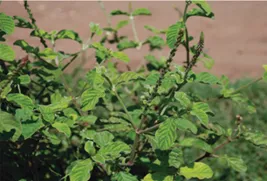
Achyranthes Aspera
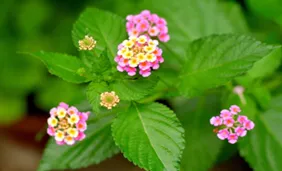
Lantana Camara
B. Preparation of Plant Extracts
1) Soxhlet extraction of A. aspera: Seventy-five grams of powdered leaves were packed into a porous extraction thimble and extracted with 500 mL of ethanol in a Soxhlet apparatus for 6–8 h. The resulting ethanolic extract was concentrated by distillation to recover the solvent and further evaporated over a water bath (40–50 °C) to yield a thick, semi-solid crude extract [14,15].
2) Maceration of L. camara: Dried, powdered L. camara leaves were macerated in ethanol at room temperature for 3–7 days with occasional shaking, filtered, and the filtrate was concentrated by evaporation. The concentrated extract was stored in an airtight container until further use [18,20].
Controlled, indirect water-bath heating (40–50 °C) was used for solvent evaporation to minimize thermal degradation of heat-labile phytoconstituents such as saponins, which are reported to contribute to the larvicidal and repellent activity of the plant material [9,10].
C. Preliminary Phytochemical Screening for Saponins
The concentrated ethanolic extracts of Achyranthes aspera and Lantana camara were subjected to preliminary qualitative screening for saponins using four complementary chemical tests, each based on a distinct physicochemical property of these triterpenoid or steroidal glycosides. All tests were performed in triplicate to confirm consistency of the observed reactions.
1) Foam Test: This test is based on the inherent surface-active (amphiphilic) nature of saponins, which possess both hydrophilic and lipophilic moieties within a single molecule. On agitation in an aqueous medium, saponins lower the surface tension of water and stabilize air bubbles at the liquid–air interface, producing a persistent froth. In the present study, 0.5 mL of the plant extract was mixed with 10 mL of distilled water in a test tube and shaken vigorously along the longitudinal axis for approximately 30 seconds. The tube was then allowed to stand undisturbed for 10 minutes. Formation of a stable, honeycomb-like foam layer measuring 1 cm or more in height, and persisting throughout the observation period, was taken as a positive indication of saponins [13].
2) Copper Acetate Test: This test exploits the ability of saponins to form coloured complexes with divalent metal ions. Approximately 2 mL of the extract was treated with 2–3 drops of freshly prepared 1% copper acetate solution and mixed gently by swirling. The development of an emerald-green coloration or a green precipitate within a few minutes of mixing was recorded as indicative of saponin glycosides in the extract [10]. This colour change is attributed to the interaction of copper ions with the sugar and aglycone (sapogenin) moieties of the saponin molecule.
3) Vanillin–Sulfuric Acid Test: This is a classical chromogenic reaction widely employed for the detection of terpenoid-type constituents, including triterpenoid saponins, and relies on the acid-catalysed condensation of vanillin with reactive terpenoid skeletons to yield coloured reaction products. A small quantity of the extract was placed in a clean test tube, treated with a few drops of vanillin reagent, and concentrated sulfuric acid (Hâ‚‚SOâ‚„) was then added carefully along the sides of the tube with gentle mixing, taking due precaution against the strongly exothermic nature of the reaction. Development of a pink-to-reddish colour within a short interval was interpreted as a positive result for saponins/terpenoidal constituents [10].
4) Foam Emulsion Test: This test provides further confirmation of the surfactant behaviour observed in the foam test, using a modified solvent ratio. Two millilitres of the extract were mixed with 5 mL of distilled water in a test tube and shaken vigorously for 1–2 minutes. The mixture was allowed to stand, and the persistence of the resulting foam or emulsion layer was observed. A stable foam/emulsion column of approximately 1 cm or greater, remaining intact after standing, was considered confirmatory of saponin content, consistent with the amphiphilic, emulsifying property characteristic of these glycosides [12].
Together, these four tests — assessing froth-forming capacity, metal-complexation colour reactions, and acid-catalysed chromogenic response — provided convergent qualitative evidence for the presence of saponins in both the A. aspera and L. camara extracts, supporting their probable contribution to the larvicidal activity evaluated subsequently in this study.
D. Formulation of the Botanical Larvicidal Spray
The test formulation was prepared using the ingredients listed in Table I. The crude A. aspera extract was mixed with ethanol and propylene glycol; polysorbate 80 was added slowly with continuous stirring to ensure uniform dispersion, followed by orange oil for fragrance. Purified water was added gradually to make up the final volume to 100 mL. The formulation was filtered where necessary and transferred into a clean spray bottle. A standard formulation, prepared from neem extract, ethanol and purified water, was formulated in parallel for comparative evaluation [14].
|
Ingredient |
Quantity |
|
Achyranthes aspera crude extract |
5 mL |
|
Ethanol |
20 mL |
|
Propylene glycol |
5 mL |
|
Polysorbate 80 |
1 mL |
|
Orange oil |
4 drops |
|
Purified water |
q.s. to 100 mL |
Table I. Composition of the Test Spray Formulation
E. Evaluation of the Formulation
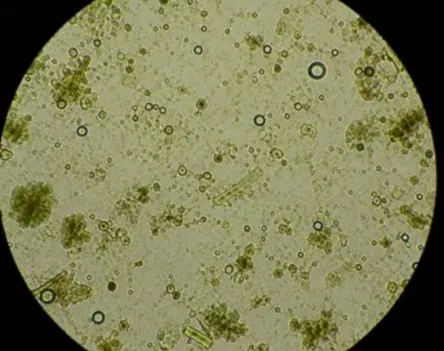
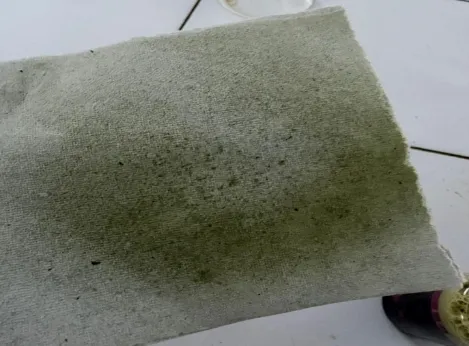
The prepared spray was evaluated for physical appearance (colour, odour, clarity, homogeneity), pH, microbial contamination (presence of precipitate, particulate matter and microbial growth), and spray performance. Spray performance was assessed by weighing the container before and after 10 actuations to determine the weight of formulation expelled per spray, and the spray pattern was examined for uniformity of droplet distribution, area coverage and nozzle performance [14].
F. Vector Rearing
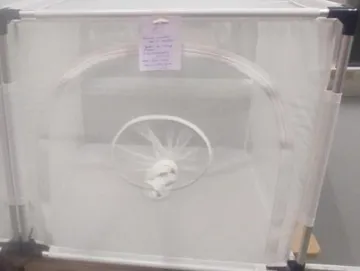
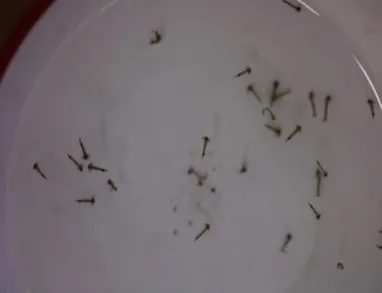
Eggs and larvae of Aedes aegypti, Culex quinquefasciatus, Culex tritaeniorhynchus and Anopheles stephensi were collected from water bodies in and around Solavanthan, Uthangudi village, Madurai district, and maintained in cages (40 × 60 × 40 cm³) under ambient laboratory conditions (27 ± 1 °C, 75 ± 2% relative humidity, 12 h light/12 h dark photoperiod). Field-collected eggs were soaked in water to induce hatching, and first-instar larvae were reared in shallow bowls to avoid overcrowding until the early fourth-instar stage required for bioassay. Larvae were fed a yeast and dog-biscuit mixture (3:2), and adults were maintained on chick blood (females) and sucrose solution (males).
G. Larvicidal Bioassay
Principle: A bioassay is defined as the estimation or determination of the concentration or potency of a physical, chemical, or biological agent by measuring the comparative response it produces on a living tissue or organism, relative to a standard or reference agent. In the context of vector control, a larvicidal bioassay is a controlled laboratory technique used to evaluate the ability of a test substance to induce mortality or other measurable biological effects in mosquito larvae, and provides a standardized, reproducible basis for comparing the efficacy of different test agents [4]. Such bioassays are routinely employed during the preliminary screening of synthetic compounds, plant extracts, essential oils, microbial larvicides, and formulated products, and typically involve the preparation of test concentrations, exposure of larvae under controlled conditions, inclusion of appropriate control and reference groups, and statistical evaluation of the resulting mortality data [5].
Selection and Preparation of Test Larvae: Larvicidal susceptibility testing has been progressively standardized since the mid-twentieth century, when the widespread adoption of synthetic insecticides such as DDT and the organophosphates necessitated uniform laboratory protocols; these were later formalized by the World Health Organization, which established consistent parameters for larval stage, replicate number, exposure duration, and mortality scoring [1,2,22]. Among the mosquito species commonly used in such bioassays — including Aedes aegypti, Aedes albopictus, Anopheles stephensi and Anopheles gambiae — Culex quinquefasciatus was selected for the present study owing to its established use in evaluating the larvicidal activity of plant extracts and herbal formulations, and its relevance as a vector of lymphatic filariasis [1]. Healthy, uniformly sized early fourth-instar larvae, reared as described in Section F, were used throughout; larvae showing abnormal morphology, sluggish movement, or visible damage were excluded to minimize inter-group variability
Preparation of Test, Standard and Control Groups: The test formulation (containing the combined A. aspera and L. camara extracts) and the neem-based standard formulation were each applied undiluted, as prepared, to the respective treatment groups, allowing a direct comparison of the two sprayable formulations under identical exposure conditions. A vehicle/control group, containing only the base medium without the active extract, was maintained in parallel to account for any background mortality unrelated to the test substance [5]. All groups — test, standard and control — were held under identical environmental conditions (27 ± 2 °C, 60–80% relative humidity) for the duration of the assay.
Exposure and Observation: Twenty healthy fourth-instar larvae were introduced into each of five replicate Petri dishes per treatment (100 larvae per group; 200 larvae in total across the test and standard arms), and an equal volume of the corresponding formulation was added to each dish. Larvae were observed at predetermined intervals over a 24-hour exposure period, with minimal disturbance to avoid confounding stress-related mortality. A larva was scored as dead if it failed to exhibit characteristic swimming movement or showed no response to gentle probing at the final observation point [1,2].
Recording and Calculation of Mortality: The number of dead and surviving larvae was recorded for each replicate dish at the end of the 24-hour period, and percentage mortality was calculated using the standard formula:
Percentage mortality (%) = (Number of dead larvae ÷ Total number of larvae exposed) × 100
Where mortality occurred in the control group, the corrected mortality was calculated using Abbott's formula to account for background mortality unrelated to treatment:
Corrected mortality (%) = [(Observed mortality in treatment − Mortality in control) ÷ (100 − Mortality in control)] × 100
Mean ± SD mortality was computed across the five replicate dishes for each treatment group, and the resulting values for the test and standard formulations are presented in Section III (Results).
6) Scope for Concentration–Response Evaluation: The present study compared the test and standard formulations at their respective working concentrations rather than across a dilution series. It is recognized that a full concentration–response bioassay — exposing larvae to a graded series of concentrations and plotting percentage mortality against concentration — would allow determination of the LCâ‚…â‚€ (concentration producing 50% mortality) and LC₉₀ (concentration producing 90% mortality) values, providing a more precise and statistically robust measure of larvicidal potency [1]. Such concentration-dependent analysis was beyond the scope of the present preliminary evaluation but is recommended as a priority for subsequent optimization studies on this formulation.
H. Stability Study
Samples of the finished formulation were filled into identical spray containers and stored at room temperature (25 ± 2 °C), refrigerated conditions (4 ± 2 °C) and accelerated conditions (40 ± 2 °C). The formulation was evaluated on Day 0, 7, 14 and 30 for appearance, colour, odour, homogeneity, spray pattern and, most importantly, retention of larvicidal activity compared with Day 0.
III. RESULTS
A. Phytochemical Screening
Both the A. aspera and L. camara extracts produced a stable foam layer of approximately 1 cm or more in the foam and foam-emulsion tests, an emerald-green coloration in the copper acetate test, and a pink-to-reddish coloration in the vanillin–sulfuric acid test, confirming the presence of saponins in the crude extracts.
B. Physicochemical Evaluation of the Formulation
The prepared spray was a homogeneous, moss-green liquid with a strong herbaceous odour, slightly turbid clarity, and pH in the range of 5–7. No precipitate, particulate matter or microbial growth was detected. The mean weight of formulation expelled was 0.16 g per single spray actuation (1.6 g per 10 sprays), and the spray produced a uniform droplet pattern without nozzle clogging or irregular discharge.
C. Larvicidal Activity
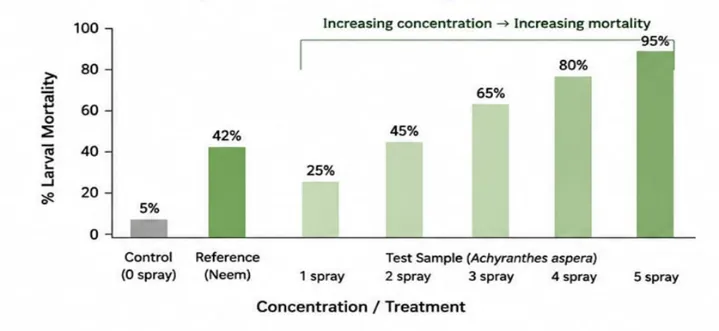
The test formulation produced larval mortality of 50%, 55%, 55%, 60% and 65% in the five replicate Petri dishes (68 dead out of 100 larvae overall in preliminary readings, refined to a mean of 57% on recalculation across replicates), giving a mean mortality of 57%. The standard (neem-based) formulation produced 70%, 75%, 75%, 80% and 85% mortality across its five replicates, giving a mean mortality of 77% (Table II).
|
Treatment |
Total larvae exposed |
Total larvae dead |
Mean mortality (%) |
|
Test formulation (A. aspera + L. camara) |
100 |
57 |
57% |
|
Standard formulation (neem-based) |
100 |
77 |
77% |
Table II. Larvicidal Activity of the Test and Standard Formulations Against C. quinquefasciatus (24 h Exposure)
D. Stability Study
The formulation showed no significant change in appearance, odour, pH, homogeneity or spray pattern over the 30-day observation period at room temperature. Larvicidal activity, assessed by repeating the 24-h bioassay on the Day-30 sample, was comparable with the Day-0 activity, indicating that the formulation retained both its physical and biological quality under the storage conditions tested.
IV. DISCUSSION
The present study demonstrates that ethanolic leaf extracts of Achyranthes aspera and Lantana camara, formulated as a simple sprayable preparation, possess appreciable larvicidal activity against Culex quinquefasciatus larvae, producing a mean mortality of 57% under the experimental conditions tested. Although this activity was lower than that of the neem-based standard formulation (77% mean mortality), it nevertheless corroborates earlier reports of the larvicidal potential of A. aspera against Aedes aegypti and other vector species [11,14], and extends this observation to a combined A. aspera–L. camara formulation.
The observed larvicidal effect is plausibly linked to the saponin-rich composition of the extracts, confirmed qualitatively in the present work through the foam, copper acetate, vanillin–sulfuric acid and foam-emulsion tests. Saponins are surface-active triterpenoid or steroidal glycosides that have been implicated in the larvicidal mechanism of A. aspera in earlier bioassay-guided fractionation studies, where an isolated saponin fraction showed LC50 values of 18.20 and 27.24 ppm against Aedes aegypti and Culex quinquefasciatus, respectively [Bagavan et al.]. Flavonoids, tannins and terpenoids present in both plants may act synergistically with saponins to disrupt larval midgut and cuticular integrity, consistent with the genotoxic and histopathological damage reported for A. aspera hexane extracts in Aedes aegypti larvae in earlier work [Pushpalatha Tripathi et al.].
The variation in mortality observed among the five replicate Petri dishes (50–65% for the test formulation) may be attributed to natural variability in larval susceptibility, minor differences in extract distribution within the formulation, and experimental handling factors. The lower activity of the polyherbal formulation relative to the neem-based standard suggests that further optimization of extract concentration, solvent system and formulation excipients could improve efficacy; concentration-dependent studies to establish LC50 and LC90 values, and bioassay-guided fractionation to isolate the active saponin-rich fraction, are recommended as logical next steps.
The retention of both physical stability and larvicidal activity over the 30-day storage period is encouraging from a formulation-development standpoint, indicating that the combination of ethanol, propylene glycol and polysorbate 80 provided an adequately stable vehicle for the botanical actives. Overall, the findings support the feasibility of A. aspera and L. camara as low-cost, locally available, biodegradable sources of larvicidal phytoconstituents suitable for further development into an eco-friendly mosquito-control spray, subject to concentration optimization, detailed phytochemical fractionation, and safety and field-efficacy evaluation.
CONCLUSION
A botanical mosquito larvicidal spray was successfully formulated using ethanolic leaf extracts of Achyranthes aspera and Lantana camara. Preliminary phytochemical screening confirmed the presence of saponins in both extracts, and the formulated spray met acceptable physicochemical and microbial quality criteria. Against fourth-instar Culex quinquefasciatus larvae, the formulation produced a mean larvicidal mortality of 57%, compared with 77% for a neem-based standard, and retained its physical and biological quality over 30 days of storage. These results demonstrate the promising, though currently sub-optimal, larvicidal potential of A. aspera and L. camara leaf extracts and provide a basis for further concentration optimization, phytochemical fractionation, toxicity assessment and field-level evaluation toward the development of a safe, effective and eco-friendly botanical alternative to synthetic mosquito larvicides.
ACKNOWLEDGEMENT
The authors thank the Principal and Management of K.M. College of Pharmacy, Uthangudi, Madurai, for providing the necessary facilities to carry out this work, and gratefully acknowledge the guidance and support extended by the faculty of the Departments of Pharmacy Practice, Pharmaceutical Chemistry, Pharmaceutics and Pharmacology during the course of this study.
REFERENCES







Elangovan Balarathinam*, Harish S., Herezwitha Infantia J., Jagadeshkumar M., Jefi S. B., Kanaga Jothi M., Cholaraja K., Development And Larvicidal Evaluation Of A Novel Botanical Mosquito Repellent Spray Formulated From Achyranthes Aspera Linn. And Lantana Camara L. Leaf Extracts, Int. J. Sci. R. Tech., 2026, 3 (10), 415-422. https://doi.org/10.5281/zenodo.23188836
 10.5281/zenodo.23188836