

We use cookies to ensure our website works properly and to personalise your experience. Cookies policy
DRIEMS University, Kairapari, Kotasahi, Tangi, Cuttack, Odisha, 754022, India
Making people Abridged version always comes with expected and unexpected findings. Aging is an inexorable process based on the propensity of humans to think. In addition, aging inherited by gene and alter by nothing. Health professionals and scientists still debate what fundamentally causes aging, and there are at least a dozen so-called hallmarks of aging. Aging is inevitable. Nevertheless, the good news is that we can control how quickly and to what degree it unfolds. Research suggests you can age backwards by implementing potent lifestyle choices. Uncover the difference between biological age and chronological age, identify trends, and make accurate predictions. Our chronological age depends on birthdate but biological age depends on our cell, tissue maturity and organ system and the nature of biochemistry. Herein we discuss that when we trigger the gene, it starts to change the actual function, at that juncture its aging heats. While an understanding of lifestyle and environmental factors will maximize our ability to prevent disease and maximize health in the general population, studying the genetic basis of longevity and healthy aging in exceptional, individuals are providing important biological insights. As we, all know that the ultimate goal of age reversal is to look young and live longer as we still don’t aware of future moments. Because when we look young automatically, we feel energetic, strong and mentally healthy. So, conclude the concept of reversal age starts from taking care of current age with healthy lifestyle. Biohacking explaining to the people to make small changes in their lifestyle like taking diet, modifying sleeping pattern, intermittent fasting to activate cell regeneration. As a nursing professional, I would like to begin this topic with simple explanation, because most of them start questioning like, Is aging a disease? Is it possible to start to reverse age? Really, Can we backwards the age? Can I look 30 at 40? Do we need to reverse age? Is it only a natural way or a medical way backward age? Is it easy or difficult to reverse age? Does anyone reverse his or her age? If I could, how long would look younger? During this search of age reversal, very important lesson learned that protein has crucial impact on our age reversal.
A study was conducted on Reverse skin aging signs by red light photo bio-modulation, it was found that photo bio-modulation using LED therapy can improve multiple aging sign like facial fine lines, elasticity, smoothness and overall skin health, in this study 630 ± 10 nm LED mask used by the 20 healthy women for 12 min, 2 times per week for 3 months, , results shown improvement over 1st , 2nd and 3rd months assessment periods, and also found that after stopping therapy the improvements were not immediately lost.
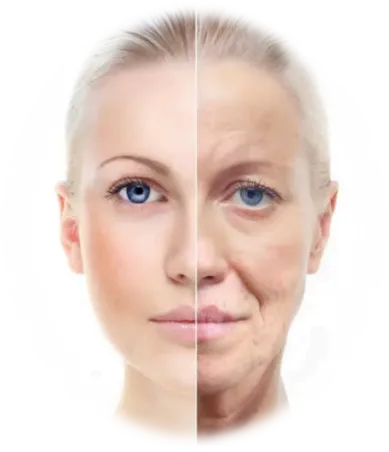
A disease is a deviant segment devouring an unfavourable sequel where the actual structure and function of the lone part of the body or complete body may affect. Now if we were talking about aging, which signifies the constant decay of the physiological function of body and it looks like a disease. In the total population, almost everyone affected by aging, but only less than 40 to 50% of the population suffers from the disease. In fact, with aging, we all get a disease and habitually focuses on diminishing the diseases but not focused on (downgrade) demoting the aging process. If we focus on downgrading the aging process with maintaining healthy way of physical and mental will result in benefit. Example like Human who undergo extensive exercise with enormous endurance collectively ages their biology of aging faster The interesting part of aging is that the slower you are taking to develop, the longer and healthier your lifecycle will be. Again, this means those who attain puberty faster will get a quicker aging cycle. Evidence projecting that some of the dwarf family individuals’ life spans are more than 90 years and an eventual history of chronic disease like cardiovascular disease is unusual among them, which further indicates lack of growth hormones plays a key role in slowing down the aging process.
A case series analysis conducted within 8 weeks where methylation supportive diet and life style modification (sleep, exercise, relaxation, probiotics, phytonutrients and nutritional coaching) program was adapted 6 women aim to reduce the epigenetic measures of biological age in women. Among them 5 women shown positive reduction in biological age with an average reduction of 4.60 years.
This case report describe about MUSE stem cell therapy associated with the reduction of the epigenetic indicators of biological age in the multiple system of our body. Here 2 case report shown and describe visible decline in the brain, immune, reproductive, urinary, cardiovascular and inflammatory system which suggest that MUSE stem cell improve tissue repair and reduce age related associated inflammation.
3. Holding back the age clock: Autophagic perspective:
One of the most interesting protein kinases called mammalian target of rapamycin (mTOR) is a signalling pathway, which is necessary for both intracellular and extracellular signals, and it regulates growth and metabolism in all eukaryotic cells, mainly it can turn on recycling programme called autophagy. Autophagy is a catabolic process of intra- cellular components within autophagosomes. When nutrient availability is limited, the degradation of organelles and protein complexes through autophagy provides biological material to sustain anabolic processes such as protein synthesis and energy production. Autophagy is important to replace the old protein to make new one which will help you to look younger. Studies have shown that mTORC1 inhibition increases autophagy, whereas stimulation of mTORC1 reduces this process (reviewed by Codogno and Meier, 2005). This may promote cellular stress (protein aggregation, organelle dysfunction, and oxidative stress), which might lead to damage accumulation, reduction in cell function and induces stem cell exhaustion, which reduces tissue repair and promotes tissue dysfunction. Thus, mTOR activation pathway promotes the development of aging diseases but by inhibiting mTOR we can slow down and suppresses Gero conversion. Thus, the inhibition of mTOR might prevent age-related neoplastic disease. mTOR signalling and its impact on cell growth, metabolism, and disease. They found that it plays a central role in regulating many basic cell growth processes, starting on protein synthesis to autophagy, Improper mTOR signalling can lead to a development of cancer, diabetes, and the aging process.1
|
Protein & other factors |
Function and impact |
Human impact |
|
Mtor |
Impact influenced by autophagy inhibition and destroying protein synthesis will create Lessing of new cell formation |
Turn off the longevity gene and aging disease |
|
Ampk |
Control system for the energy |
It helps in metabolic balance ana supports mitochondrial |
|
LED mask |
Photo biomodulation may influence mitochondrial activity, can reduce cellular signalling and inflammation. |
Improve skin health and tissue repair; systemic anti-aging effects are not established. |
|
Methylation supportive diet & life style modification |
Provides nutrients required for normal DNA methylation and may influence epigenetic regulation. |
May support genomic stability and healthy aging, but reversal of biological aging is not proven. |
|
MUSE stem cell |
Stress-tolerant, pluripotent-like cells with potential for differentiation and tissue repair. |
Potential regenerative-medicine applications; anti-aging benefits remain investigational. |
Table -1: Summary of protein impact on age by hyper triggering
Another important one is Ampk, it is the control system for the energy. As we grow older we produce less energy, this can be activated by bunch of things, which include being hungry, exercising or taking the drug metformin and this will turn on body’s defence. Next defence factor is sirtuin which can be boosted by caloric restriction, cold environment, NAD level and resveratrol.1
4. Literature Review
A study was conducted on the aim of metformin may provide important protection against diabetic cardiomyopathy and it also has glucose-lowering effect. In this study diabetic mice shown metformin improved cardiac function, including ejection fraction and fractional shortening, compared with the untreated diabetic group (n=5, P<0.05). It also lowered the levels of NLRP3, caspase-1 and IL-1β in diabetic heart tissue and high-glucose-exposed cardiomyocytes (n=5 and n=3, respectively; P<0.05), indicating reduced inflammation and pyroptotic injury. The protective effect was associated with increased AMPK activity, improved autophagy and reduced mTOR signalling, while blocking AMPK with compound C weakened these beneficial effects (P<0.05). Taken together, the study indicates that metformin may help limit diabetic heart damage by activating the AMPK/mTOR pathway and subsequently suppressing NLRP3-related inflammation and pyroptosis.2
Minhas et al. investigated how age-related changes in myeloid cell metabolism contribute to inflammation and cognitive decline. They found that increased Prostaglandin E2 (PGE2)–EP2 signalling in aged macrophages and microglia reduced glucose utilization and mitochondrial respiration, creating an energy-deficient, pro-inflammatory state. In aged mice, blocking myeloid EP2 signalling improved cellular metabolism, reduced systemic and brain inflammation, and restored hippocampal synaptic plasticity and spatial memory. Importantly, inhibition of peripheral myeloid EP2 signalling alone was sufficient to improve cognitive function in aged mice. Overall, the findings suggest that age-related cognitive decline may be partly reversible by restoring metabolic function in immune cells, although these findings were demonstrated in mice and require validation in humans.2
Poganik et al. investigated whether biological age is a fixed process or can change in response to physiological stress and recovery. Their study demonstrated that biological age increased during various stress conditions, including heterochronic parabiosis, major surgery, pregnancy, and severe COVID-19, as measured by epigenetic, transcriptomic, and metabolomic markers. Importantly, these stress-induced increases in biological age were reversed following recovery, indicating that biological aging is more dynamic and flexible than previously thought. The findings suggest that biological age can fluctuate in response to environmental and physiological challenges rather than progressing in a strictly irreversible manner. Overall, the authors proposed that stress-induced changes in biological age may represent a measurable and potentially modifiable target for future interventions aimed at promoting healthy aging.3
Choudhury et al. found that proline supplementation alleviated mitochondrial respiratory impairment in senescent mesenchymal stem cells Proline promoted mitophagy through AMPKα activation and increased Parkin expression, helping remove damaged mitochondria and restore cellular metabolism. It also reduced DNA damage, senescence-associated β-galactosidase activity, inflammatory cytokine expression, and impaired myogenic differentiation. Overall, the findings suggest that proline may help reverse several features of cellular senescence by improving mitochondrial quality and function, although the evidence is based on cellular models.4,5
5. Discover Tailored Solution for Age Reversal
5.1 Screening:
A systematic review evaluating the clinical effectiveness of screening methods for age-related macular degeneration (AMD) in adults aged ≥50 years. In is review total number of 5,290 studies viewed, in that only 3 studies fulfill the inclusion criteria, involving 8,733 individuals. Optical coherence tomography (OCT) and telemedicine-based screening demonstrated very good results for early AMD detection4.
Sox highlighted that screening in older adults should not be decided by age alone, but by considering the individual’s overall health and expected benefit. As people age, other illnesses, limited life expectancy, and the possible burden of further investigations may reduce the benefits of screening. The decision should therefore consider life expectancy, the time required for screening to provide a meaningful benefit, existing health conditions, and the patient’s willingness to undergo further treatment. Screening may still be appropriate for healthy older adults who are likely to live long enough to benefit from early detection. Overall, a personalized approach and discussion between the patient and physician are essential when deciding whether screening should be continued in older people.5,6
5.2 Exercise and aging:
One reviewed study on the effects of regular exercise on the major biological hallmarks of aging and the results shown that exercise can have impact on several processes involved in age-related decline. They described about beneficial effects on genomic stability, telomere maintenance, epigenetic regulation, protein homeostasis, nutrient balance, mitochondrial function, cellular senescence, and stem-cell function. Exercise was also helps with improved autophagy, mitochondrial capacity, insulin sensitivity, and regulation of inflammatory pathways. These findings suggest that regular physical activity can act on multiple biological mechanisms rather than targeting a single pathway of aging. Overall, the authors proposed exercise as an accessible and low-cost strategy for promoting healthy aging and maintaining functional capacity.6
Harvard Health review highlighted that regular physical activity can slow many functional changes commonly associated with aging. The Dallas Bed Rest and Training Study demonstrated that inactivity can rapidly impair cardiovascular capacity, body composition, and muscle strength, whereas structured exercise could substantially reverse these changes. Regular endurance, resistance, flexibility, and balance exercises were associated with improvements in cardiovascular fitness, metabolic health, muscle strength, mobility, and functional independence. Importantly, the review emphasized that physical activity can provide benefits even when exercise is started later in life, showing that it is never too late to become active. Overall, consistent exercise combined with a healthy diet and preventive healthcare can support healthier aging, reduce disease and disability, and contribute to greater longevity.5Top of FormBottom of Form
5.3 Longevity Gene and Aging:
Aging is a gradational loss of infinitesimal function of all organs of the body, leading to the persistent decoration of health and causing disease and eventually death. Research evidence has shown that aging is both genetic and epigenetic alteration but majorly aging is invoked by epigenetic variation. Epigenetic means variation in the gene function caused by alteration of some chemical or associated protein but a structural chronology of DNA intact. There are many epigenetic biomarkers but mostly DNA methylation has an impact on variation in epigenome. The pattern of DNA methylation develops during embryonic maturation but over time due to environmental influence, the pattern gradually changes. Epigenetic alteration triggers the longevity gene, are those gene that encrypt proteins and these proteins play key role for DNA restoration.6
Researcher found that iron acceleration hit the aging process because iron is prosirtuin, those have excess iron level will increase the number of sirtuin function, which cause inflammation and can cause cancer, so if the person maintains low level of sirtuin they can stay younger for long time. The suppression of cellular senescence by sirtuin is mainly mediated through delaying the age-related telomere attrition, sustaining genome integrity and promoting DNA damage repair.7,8
Hunger in the other side beneficial for longevity, it was proven that individual having lower level of insulin and insulin like growth factor, those lower level turn on the longevity gene, so person with high insulin level all day means who eat all day long for them longevity gene are not turn on because degradation of epigenome.7
5.4 Biohacking:
It is a kind of DIY on the human body. The trend in is growing faster so individuals can take their health into their own hands. In this process, a variety of practices that involve physical and mental performance. The process of biohacking involves a change in lifestyle to optimize individual health and well-being. There are several categories in biohacking like nutritional biohacking (by dietary choice), fitness biohacking (by tailoring exercise), sleep optimization (focus on improving sleep quality), neurohacking (by nootropics, mindfulness practices etc), genetic & technological biohacking (ex. bio-compatible implants). So, biohacking represents a proactive and personalized approach to health and wellness. By leveraging technology, data, and self-experimentation, individuals can gain deeper insights into their bodies, enhance their physical and mental performance, and take control of their long-term health. A responsible approach to biohacking requires not only innovation but also a strong ethical framework to guide its development in a beneficial way.8
5.5 mTOR effect:
Robert A. Saxton and Dcid M. Sabatini conducted a study on mTOR signaling and its impact on cell growth, metabolism, and disease. They found that it plays a central role in regulating many basic cell growth processes, starting on protein synthesis to autophagy, Improper mTOR signaling can leads to a development of cancer, diabetes, and the aging process.
A review study concluded by Sarah L. Hands, Christopher G. Proud & Andreas Wyttenbach on mTOR role in aging proved that important involvement of mtor in protein synthesis and autophagy in ageing. An increase in autophagy (which has major role in homeostasis) controlled by mTOR extends life span via dietary restriction and insulin balance.8
6. Employed the Dietary recommendation
Everyone knows that what we eat always have influenced our aging clock. We need to choose a certain diet that can stop the clock from ticking faster. In the diet, always necessary to add omega-3 fatty acids, which are the most important structural component of the brain and cover certain nerve fibres, like the myelin sheath. This helps with nerve function, repair, improves memory, and also cures depression. The most essential fatty acids are EPA, DHA, Alpha-linolenic acid or ALA, and monounsaturated fatty acids. Natural main sources of EPA & DHA are seaweed, algae, ALA found in flaxseeds, walnuts, chia seeds, and a source of monounsaturated fatty acids are olive oil, avocados A healthy adult should consume EPA & DHA at least 1.6 g, and women 1.3 g daily. A plant-based diet is good compared to a meat-based diet, certain plants produce Xero hermetic molecules through resistance to stress by turning on certain defences. When we eat those plates, we are directly taking those molecules, which can affect the aging clock.9
Decreasing blood sugar levels is also a key factor in diet. Glucose is used as fuel in the body, but it also gets attached to protein. This glucose attaches to protein malfunction, and intermittent fasting or time restricted feeding turns over glucornidated protein. Some researchers suggest the metformin drug which mimic the fasting like scenario by lowering the blood glucose level.10
7. Innovation in health care system
7.1. The Role of Stress Management in Aging:
Chronic stress is a silent killer. It accelerates aging by increasing inflammation and shortening telomeres—the protective caps on the ends of DNA strands that shorten with age. People with shorter telomeres tend to age faster and have a higher risk of disease.10,11
Tips for stress reduction include
Eating less red meet, coffee, green tea, intermittent fasting (reduce hsCRP inflammation levels). We can use sulforaphane (improve mitochondrial damage), folate (increase telomere length) and glutathione (reduce oxidative stress) 11.
7.2 Supplements and Longevity Molecules:
Certain supplements have gained attention for their potential anti-aging effects. While no pill can guarantee longevity, research shows that specific compounds can enhance cellular repair and reduce inflammation 12.
Some promising longevity biohacking supplements include:
These supplements, combined with a healthy lifestyle, contribute to slower biological aging and better overall health.
8. Recommendation to health care workers
If you choose to prioritize Inner Age in your action plan, you can select our new Inner Age goal.
9. Health education
Biohack your cells by:
10. Multidisciplinary Implications
|
Healthcare Professional |
Role in Healthy Aging |
|
Nursing |
They do continuous assessment, health education, lifestyle counselling, advice on administering medication, nutritional guidance, and observe the constant physical and cognitive change and also involve in providing exercise, sleep management, stress management, preventive screening, and early identification of age-related health problems. Provide quick assessment and emergency care for acute illness and other medical emergencies. They assess vital signs and functional status, identify chief complaints on serious conditions, provide immediate intervention, and facilitate timely referral or transfer for further care. |
|
Doctor / Physician |
Conducts comprehensive clinical assessment, diagnosis, risk evaluation, and individualized treatment planning. Doctors identify age-related diseases and modifiable risk factors, interpret investigations, recommend appropriate preventive interventions, and evaluate the safety of emerging longevity and biohacking approaches. |
|
Occupational Therapist |
Help in providing independence in daily living by assessing functional abilities, mobility, cognition, and environmental challenges. Occupational therapists helped in individualized rehabilitation, adaptive techniques, and environmental modifications, reduce fall risk, and maintain independence. |
|
Physiotherapist |
Promotes individual physical functioning and individualized exercise, strength and balance training, mobility rehabilitation, pain management, and fall-prevention strategies. Physiotherapists help maintain muscle strength, flexibility, cardiovascular fitness. |
|
Social workers |
Promotes healthy aging by addressing the social, family, economic, and community needs of older adults. Social workers help individuals access healthcare and welfare services, strengthen family and social support, reduce social isolation, advocate for their rights, and facilitate community-based resources that support independence, dignity, and quality of life. |
|
Counsellors |
Supports healthy aging by addressing emotional, psychological, and behavioural challenges associated with aging. Counsellors help older adults manage stress, loneliness, grief, anxiety, lifestyle changes, and adjustment difficulties while promoting positive coping skills, emotional resilience, self-care, social engagement, and a positive attitude toward aging.15 |
|
Alternative Medicine Department / System |
Role in Healthy Aging |
|
Ayurveda |
Supports healthy aging through individualized diet, lifestyle practices and traditional rejuvenation approaches. Focuses on maintaining physical balance, functional capacity, and overall well-being. |
|
Homeopathy |
Provides individualized complementary care based on the person's symptoms and overall health status. |
|
Naturopathy |
Emphasizes natural and lifestyle-based approaches such as healthy nutrition, physical activity, adequate sleep, stress management, and other non-pharmacological practices to support overall health and healthy aging. |
|
Yoga Therapy |
Uses yoga-based practices, including physical postures, breathing exercises, relaxation, and meditation, to support flexibility, balance, physical function, stress management, and overall well-being in older adults. |
|
Unani Medicine |
Uses traditional approaches involving individualized diet, lifestyle modification, and traditional therapies to maintain health and functional well-being. |
|
Siddha Medicine |
Focuses on traditional dietary, lifestyle, and therapeutic approaches aimed at maintaining physical well-being and supporting healthy aging. |
|
Acupuncture / Traditional Chinese Medicine |
May be used as a complementary approach for symptoms such as chronic pain, musculoskeletal discomfort, and stress, potentially supporting mobility and quality of life in older adults. |
|
Meditation & Mind–Body Therapy |
Helps promote relaxation, stress management, emotional well-being, and improved coping with age-related changes.16,17 |
REFERENCES

Rimi Sarkar*, Discovering Golden Vision On Age Reversal: Multidisciplinary Alarm, Int. J. Sci. R. Tech., 2026, 3 (9), 416-424. https://doi.org/10.5281/zenodo.22911038
 10.5281/zenodo.22911038