

We use cookies to ensure our website works properly and to personalise your experience. Cookies policy
Jagdamba Education society's S.N.D college of pharmacy Babhulgaon,Yeola ,Dist. Nashik Maharashtra
Cassia fistula L. (Fabaceae), commonly known as Amaltas or Golden Shower Tree, is an important medicinal plant widely used in traditional medicine. Different parts, particularly fruit pulp, leaves, flowers, bark and seeds, contain bioactive constituents including anthraquinones, flavonoids, phenolic compounds, tannins and chromones. These compounds are associated with diverse pharmacological activities. The fruit pulp has demonstrated laxative activity and reported benefits in constipation. Experimental studies have also reported anti-inflammatory, antioxidant, antimicrobial, antidiabetic, hepatoprotective, nephroprotective and anti-arthritic activities. Topical preparations have shown potential in wound healing and selected skin disorders. Overall, C. fistula possesses considerable pharmacological potential; however, evidence is stronger for constipation, while many other applications remain supported mainly by preclinical studies. Further research involving standardized extracts, active constituents, dose optimization, toxicity evaluation and well-designed clinical trials is required to establish its therapeutic potential. [1,2]
Cassia fistula L., commonly known as Amaltas, Aragvadha or Golden Shower tree, belongs to the family Fabaceae (Leguminosae) and is widely distributed in tropical and subtropical regions. It is an important medicinal plant traditionally used in various systems of medicine. Different parts of the plant, particularly the fruit pulp, leaves, flowers, bark and seeds, have been used for several therapeutic purposes. Traditionally, the fruit pulp of C. fistula is recognized for its mild laxative and purgative properties and has been used in the management of constipation. [1,2]
Phytochemical investigations have reported the presence of anthraquinones, flavonoids, tannins, phenolic compounds, coumarins and triterpenoids in C. fistula. Anthraquinone derivatives and related constituents are considered important contributors to its laxative activity. These constituents may promote intestinal movement and facilitate bowel evacuation, supporting the traditional use of the plant in constipation. [2,4]
Recent clinical studies have provided scientific support for this traditional application. C. fistula emulsion or syrup has demonstrated improvement in defecation frequency, stool consistency, straining and pain during defecation in pediatric and geriatric patients, as well as in selected special populations. However, the available clinical evidence remains limited, and further studies involving standardized extracts, identification of active phytoconstituents, mechanism of action, dose optimization and safety evaluation are required to establish the therapeutic potential of C. fistula in constipation. [6,7,11]
2. GEOGRAPHICAL DISTRIBUTION
Cassia fistula L. is a tropical and subtropical medicinal tree, with its native distribution primarily in western and southern India and Sri Lanka. In India, the species is widely distributed and commonly occurs in tropical and seasonally dry regions. It is frequently cultivated as an ornamental and medicinal tree because of its characteristic golden-yellow flowers. [3]
The species has subsequently been introduced and cultivated throughout several tropical regions of Asia, Africa, the Americas and Oceania. Its recorded introduced distribution includes countries and regions such as Bangladesh, Myanmar, Thailand, Malaysia, China, Nepal, Pakistan, the Philippines, East Africa, Mexico, Colombia, Brazil, the Caribbean, Australia and several tropical islands. It generally grows well in seasonally dry tropical environments, although it is also cultivated in a range of tropical and subtropical habitats. [3]
Cassia fistula L. is predominantly associated with seasonally dry tropical vegetation. In India, it occurs in dry deciduous forests, open forests, forest margins, hill slopes, valleys and open areas. It is also frequently planted along roadsides and in urban landscapes as an avenue and ornamental tree. [3]
In the Indian subcontinent, the species shows a broad ecological distribution. It has been reported from plains as well as hilly regions, with wild populations occurring up to approximately 1400 m above sea level in some areas. Its ability to tolerate seasonal dryness contributes to its occurrence in deciduous forest ecosystems and relatively open habitats. [3]
Outside its native range, C. fistula has become established or cultivated in numerous tropical regions. Kew records introduced occurrences extending across South and Southeast Asia, tropical Africa, parts of Central and South America, the Caribbean, Australia and several Pacific islands. The species therefore has a broad pantropical cultivated distribution, although its recognized native range is western and southern India and Sri Lanka. [3]
3.PLANT PROFILE
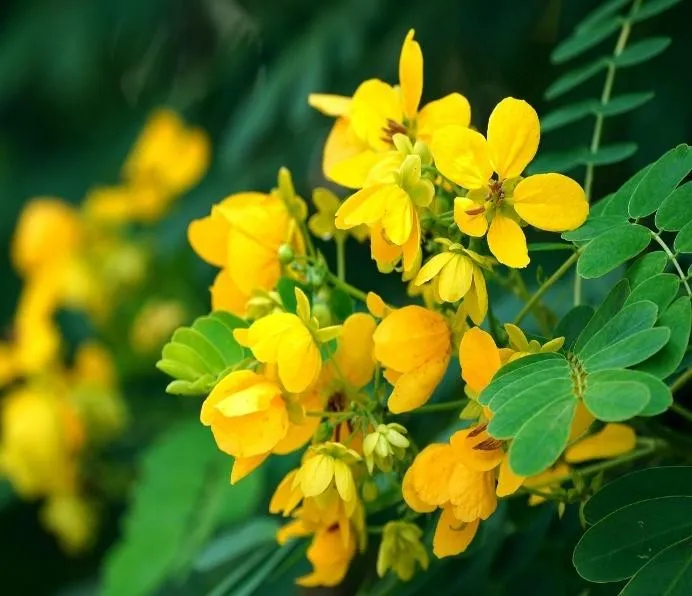
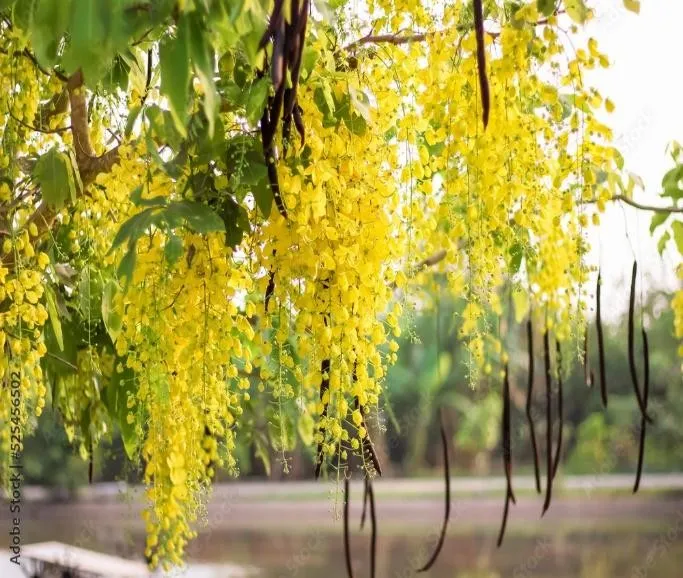
Figure: Cassia fistula L. Plant Profile [3]
| Taxonomical Rank | Classification |
|---|---|
| Kingdom | Plantae |
| Phylum | Streptophyta |
| Class | Equisetopsida |
| Order | Fabales |
| Family | Fabaceae |
| Genus | Cassia |
| Species | Cassia fistula |
| Bionomial name | Cassia fistula linn |
| Common name | Amaltas, Aragvadha ,Golden shower tree |
| Plant type | Tree |
| Native distribution | Western & Southern India and Sri Lanka |
Figure: Botanical Profile of cassia fistula L. [3]
4. PHYTOCHEMISTRY [2,4]
| Major phytochemical/ constituent | Chemical class | Reported amount / percentage | Plant |
|---|---|---|---|
| Anthraquinones | Anthraquinone derivatives | Total anthraquinones: 1.13-7.96%; mean 4.55% in leaf extract |
Leaves |
| Rhein | Anthraquinone | 0.76-3.37%; mean 1.71% in leaf extract | Leaves |
| Anthraquinone glycosides | Glycosides | 0.62-2.01%; mean 1.52% in leaf extract | Leaves |
| Flavonoids / phenolics | Polyphenols | TPC 13.07 mg GAE/g; TFC 5.24 mg QE/g in fruit extract |
Fruit |
| Tannins | Polyphenols | TPC 13.07 mg GAE/g; TFC 5.24 mg QE/g in fruit extract |
Pods/Fruit |
Figure: Phytochemical Constituents of cassia fistula linn [2,4]
5. PARTS OF C.FISTULA AND THRIR USES
1. ROOT AND ROOT BARK
The root and root bark constitute the underground portion of the plant. They contain various phenolic, tannin and anthraquinone-type constituents. Although traditionally used in several medicinal preparations, the root is less extensively investigated than the fruit, leaves and bark.
2. STEM AND BARK [1,2]
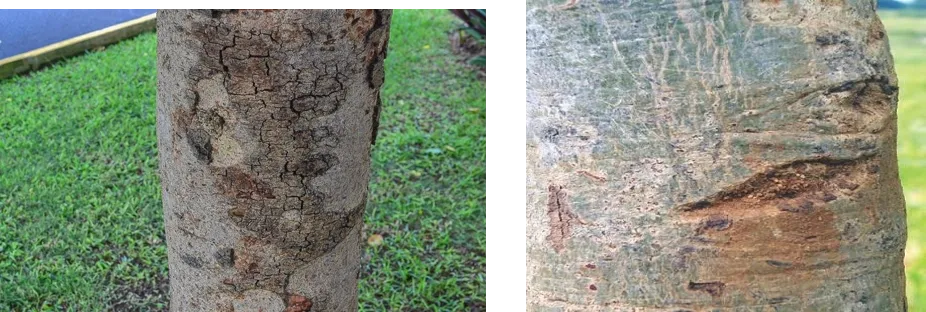
Figure: Stem and Bark of cassia fistula L.
The stem develops into a woody trunk with greyish-brown to brown bark. Bark studies have reported anthraquinone derivatives, flavonoids, tannins, phenolics and triterpenoid/steroidal constituents. Different bark extracts have been investigated experimentally for antioxidant, antiinflammatory, antimicrobial, hepatoprotective properties. [1,2,4]
3. LEAVES
Figure: Leaves of cassia fistula linn
The leaves are paripinnate compound leaves, generally bearing several pairs of leaflets. They are important pharmacognostically because leaf morphology and powder microscopy can assist in authentication. Reported leaf constituents include rhein, chrysophanol, physcion, sennosides, flavonoids, proanthocyanidins and tannins. [2,5]
4. FLOWERS
Fig. flowers of cassia fistula linn
The flowers are bright yellow and arranged in long, pendulous racemes, giving the species its common name “Golden Shower Tree.” Kew records the racemes as approximately 15–60 cm long and the flowers as having yellow petals approximately 2–3 cm long. Reported flower constituents include flavonoids, phenolics, proanthocyanidins and other secondary metabolites. Flowers have been investigated for antioxidant, antimicrobial and antiinflammatory properties. [3]
5. FRUIT / POD
Figure: Fruits of cassia fistula linn
The fruit is a characteristic long, cylindrical, dark-brown to black pod. The pod is an important diagnostic feature of the species. Kew describes the pods as cylindrical and approximately 20– 50 cm long, with hard walls and numerous seeds. The fruit is particularly important pharmacologically because its pulp contains anthraquinone derivatives and related compounds associated with laxative activity. [3]
6. FRUIT PULP
Fig. fruit pulp of cassia fistula linn
The mature pod contains a dark, sticky pulp surrounding the seeds. This is the most important part to highlight in your constipation section. The pulp contains anthraquinons derivatives such as rhein and related compounds, together with sugars, pectin, tannins and phenolic constituents. The fruit pulp contains Laxative/purgative , constipation ,gastrointestinal [6,11]
Fruit pulp → anthraquinones → laxative action → ↑ bowel movement → constipation relief.
7. SEEDS
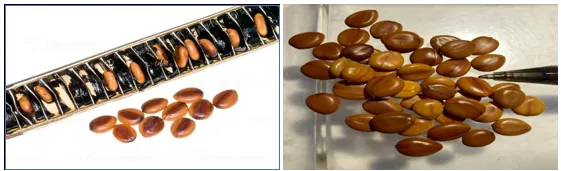
Figure: Seeds of cassia fistula linn
The seeds are numerous, smooth and brownish to blackish and remain embedded in the pulp within the mature pod. They contain galactomannan, fatty acids and several secondary metabolites. Seed-derived gum has also attracted interest for pharmaceutical applications. [1,2]
8. WHOLE PLANT
Antioxidant,antimicrobial,antiinflammatory,antidiabetic,other pharmacological activities. [1,2]
6. PHARMACOGNOSTIC AND PHYSICOCHEMICAL EVALUATION OF CASSIA FISTULA
Pharmacognostic and physicochemical evaluation plays an important role in the identification, authentication and quality assessment of medicinal plants. In the case of Cassia fistula L., different parts such as the fruit, leaves, bark, flowers and seeds are used for medicinal purposes and may show differences in their morphological, microscopic and chemical characteristics. Therefore, proper evaluation of the crude plant material is necessary to ensure its identity, purity and consistency before it is used for pharmacological or pharmaceutical studies. [5]
Organoleptic or sensory test provide preliminary identification through physical characteristics such as colour , odour, taste and texture .
2. MACROSCOPIC AND MICROSCOPIC EVALUATION
a) Macroscopic Evaluation of cassia fistula linn
b)Microscopic Evaluation of cassia fistula linn:
3. PHYSICOCHEMICAL EVALUATION [5]
1. Foreign organic matter
2. Loss on drying / Moisture content
3. Total ash
4.Acid-insoluble ash
5.Water-soluble extractive
6.Alcohol-soluble extractive
7. pH
7. PHARMACOLOGY OF CASSIA FISTULA:
1. CONSTIPATION
Cassia fistula linn commonly known as Amaltas or Aragvadha, has a long history of use in traditional medicine as a mild laxative. The fruit pulp and preparations obtained from the fruit have particularly been used for promoting bowel evacuation. Interest in this plant has increased because of its traditional use together with the availability of clinical studies evaluating its effectiveness in different groups of patients. [1,11]
The clinical evidence began to develop more clearly with the randomized trial reported by Mozaffarpur et al. in 2012. In children with functional constipation, C. fistula emulsion produced improvement in bowel frequency, stool consistency and pain during defecation, with 84% of treated children no longer fulfilling the study criteria for functional constipation after three weeks. In 2016, another randomized trial compared C. fistula emulsion with polyethylene glycol 4000 in 109 children. Both treatments improved constipation, while the C. fistula group showed a significant increase in defecation frequency and 86.5% of children no longer fulfilled Rome III criteria after four weeks. These findings provided early clinical support for the traditional laxative use of C. fistula. [6,7]
Subsequent studies extended the investigation to other patient populations. In 2022, a randomized trial in elderly patients reported improvement in defecation frequency, stool consistency, straining, pain and quality of life following administration of C. fistula syrup. A 2023 clinical trial in pregnant women also reported increased bowel frequency and improvement in stool consistency and pain, without important adverse effects during the study period. More recently, a 2025 randomized trial in patients with chronic kidney disease and constipation reported improvements in bowel frequency, stool characteristics, straining and constipationrelated quality of life following C. fistula syrup treatment. [8,9,10]
The possible laxative effect of C. fistula may be related to its phytochemical composition, particularly anthraquinone derivatives and their glycosidic forms present in the fruit. These constituents may influence intestinal motility and facilitate bowel evacuation. However, the precise contribution of individual compounds and the mechanism responsible for the clinical effects require further investigation. Differences in plant part, extraction method, formulation, dose and phytochemical composition may also influence the observed activity [1,11]
The antidiabetic potential of Cassia fistula L. has been investigated mainly through experimental studies using different plant parts and extraction methods. An early study reported that the aqueous flower extract reduced hyperglycemia-associated oxidative stress in alloxan-induced diabetic rats, as indicated by a reduction in lipid peroxidation products. Further investigations demonstrated that flower extracts and their fractions could reduce blood glucose levels in glucose-loaded and alloxan-induced diabetic animals. In particular, the ethanol extract and its water-soluble fraction produced significant antihyperglycemic effects and improved several biochemical abnormalities associated with diabetes. [12,1]
Subsequent research compared different parts of C. fistula and found that methanolic extracts of the bark and leaves produced significant antidiabetic effects in streptozotocin-nicotinamideinduced diabetic rats. The treatment reduced blood glucose and glycosylated hemoglobin and improved insulin levels and lipid abnormalities. Increased glucose uptake in isolated rat hemidiaphragm further suggested that the plant may enhance peripheral glucose utilization. More recent mechanistic research has provided additional evidence for this activity. Novel triterpenoids isolated from the stem bark reduced hyperglycemia and improved insulin/C-peptide levels, glucose oxidation and glycogen metabolism in STZ-induced diabetic rats. These compounds also influenced the IR/IRS-1/Akt signalling pathway and increased GLUT4 expression, suggesting a possible role in improving insulin-mediated glucose uptake. [12,1]
Recent in-vitro research has expanded the possible mechanism by demonstrating inhibition of glucosidase by C. fistula leaf and stem-bark extracts. Stem bark showed stronger activity than leaves, and LC-HRMS analysis identified several phenolic, flavonoid, steroid, terpenoid, anthraquinone and coumarin constituents. Molecular docking further indicated possible interaction of identified compounds with glucosidase. the available evidence suggests that the antidiabetic effects of C. fistula may involve multiple mechanisms, including reduction of oxidative stress, enhancement of peripheral glucose utilization, modulation of insulin signalling and inhibition of carbohydrate-digesting enzymes. However, most evidence remains preclinical, and well-designed human clinical studies are required before its antidiabetic efficacy and safety can be established in patients. [1,2]
Cassia fistula L. has traditionally been used in several regions for the management of wounds, burns, inflammatory skin conditions and other dermatological problems. Different parts of the plant, particularly the leaves, flowers and fruit pulp, have been investigated for activities that may be relevant to skin health. Early experimental work demonstrated that topical application of a leaf extract improved healing of infected wounds in rats, with better wound closure, tissue regeneration and histopathological recovery. These findings provided experimental support for the traditional use of C. fistula in wound management. [14]
The antimicrobial properties of C. fistula may also contribute to its dermatological activity. Flower extracts have demonstrated antibacterial activity against several pathogenic bacteria, while an isolated compound showed antifungal activity against dermatophytes such as Trichophyton mentagrophytes and Epidermophyton floccosum. Fruit-pulp extracts have also shown antibacterial and antifungal activity. In addition, fistulin, a protease inhibitor isolated from the leaves, exhibited activity against several bacterial species including Staphylococcus aureus and Escherichia coli. These findings are particularly relevant to wound care because microbial infection can delay tissue repair. [15,16,17]
Clinical investigations have provided further evidence for the dermatological potential of the plant. In an Ayurvedic clinical study on eczema (Vicharchika), topical application of C. fistula leaf paste was associated with improvement in symptoms such as itching, burning, eruptions, discoloration, pain and edema. A separate randomized, double-blind, placebo-controlled clinical trial investigated a topical fruit-pulp gel in patients with pemphigus vulgaris. The treatment was used in addition to standard systemic therapy, and lesions treated with the C. fistula gel showed significantly greater epithelialization than placebo at both 10 and 20 days. The study therefore provides preliminary human evidence for its possible role as an adjunct in healing cutaneous erosions. [1,2]
The skin-related effects of C. fistula may be associated with its diverse phytochemical composition. Anthraquinones, flavonoids, tannins, phenolic compounds and other constituents have been reported from different plant parts. These compounds may contribute through antioxidant, anti-inflammatory and antimicrobial mechanisms, although the exact contribution of individual constituents remains insufficiently established. A human study using a topical emulsion containing crude C. fistula pod extract also reported improvements in skin hydration, barrier function, roughness, dryness and wrinkles, indicating possible cosmetic and skin antiageing applications. [1,2]
C. fistula has potential in dermatological applications, particularly wound healing, infected wounds, eczema, pemphigus-associated skin lesions, microbial skin infections and skincare/anti-ageing formulations. However, the evidence is heterogeneous, ranging from traditionaluse reports and in-vitro antimicrobial studies to animal experiments and a limited number of clinical studies. Therefore, larger controlled clinical trials, standardized plant preparations, identification of active marker compounds, dose optimization and long-term safety evaluation are needed before these applications can be considered well established. [1,2]
4. ASTHMA
Cassia fistula L. has been traditionally mentioned among medicinal plants used for respiratory complaints. Its possible relevance to asthma has attracted attention because the plant contains several secondary metabolites, particularly flavonoids, phenolic compounds and anthraquinones. Some of these phytochemical groups are associated with antioxidant and anti-inflammatory activities, which are relevant to the inflammatory processes involved in asthma. However, the presence of these compounds does not by itself confirm antiasthmatic activity. [22,1]
Published reviews have included C. fistula among plants with traditional antiasthmatic uses. In addition, its reported antitussive and anti-inflammatory properties provide a basis for further investigation of its possible respiratory effects. Nevertheless, antitussive activity, which relates to suppression of coughing, is different from bronchodilator activity and the control of airway inflammation in asthma. Evidence from Cassia sophera, another species of the same genus, should also be considered separately and not attributed to C. fistula.3 Nov 2026
At present, the available literature identified here does not establish convincing species-specific clinical evidence for the treatment of asthma with C. fistula. Further research should investigate its effects on airway inflammation, bronchoconstriction, allergic responses and airway hyperresponsiveness using suitable experimental models. Standardization of extracts, identification of active constituents, dose optimization and systematic toxicity studies would also be necessary before considering clinical applications. [22,1]
5. NEPHROPROTECTIVE ACTIVITY
The nephroprotective potential of Cassia fistula L. has been investigated mainly through experimental studies and clinical research involving patients with chronic kidney disease (CKD). The first notable experimental study was conducted by Kalantari et al. (2011), who evaluated the protective effect of a hydroalcoholic extract of C. fistula fruit against bromobenzene-induced nephrotoxicity in mice. The study demonstrated that treatment with the fruit extract reduced the elevation of blood urea nitrogen (BUN) and serum creatinine in a dose-dependent manner. [1]
Histopathological examination also revealed protection against structural damage to the kidneys. These findings provided preliminary evidence of the nephroprotective potential of C. fistula. [1]
Further clinical evidence was reported by Jahanian et al. (2025), who investigated C. fistula syrup in patients with chronic kidney disease suffering from constipation. In this randomized clinical trial involving 66 patients, the syrup was administered at 30 mL per day for two weeks and compared with lactulose. The results showed improvements in bowel frequency, stool consistency, straining and constipation-related quality of life. A significant reduction in BUN and serum creatinine was also observed in the C. fistula group. However, these biochemical changes should be interpreted cautiously because the primary objective of the trial was constipation management, rather than assessing the treatment of CKD or improvement in long-term renal function. [10]
C. fistula may have potential renal protective effects. The experimental findings indicate protection against chemically induced kidney injury, while the clinical findings provide preliminary information about its use in managing constipation in CKD patients. Further studies involving standardized extracts, detailed biochemical and histopathological assessments, appropriate renal function measurements and longer follow-up periods are required to establish its safety and potential role in kidney disease. [1,10]
6. HEPATOPROTECTIVE ACTIVITY
The hepatoprotective potential of Cassia fistula L. has been investigated using different plant parts, particularly leaves, bark and fruits. Several experimental studies have evaluated its protective effects against chemically induced liver injury. Early investigations by Bhakta et al. (1999) demonstrated that the n-heptane extract of C. fistula leaves could reduce elevated serum liver enzymes and bilirubin in rats with carbon tetrachloride-induced hepatic damage. In a subsequent study published in 2001, the same research group reported protective effects of the leaf extract against paracetamol-induced liver injury. These findings provided early experimental evidence supporting the traditional use of the plant in liver disorders. [18]
Further investigations explored the hepatoprotective effects of bark and leaf extracts. Studies using ethanolic bark extracts reported improvements in biochemical parameters associated with carbon tetrachloride-induced liver injury. In 2019, Kaur et al. demonstrated that the ethyl acetate fraction of C. fistula leaves improved liver function, reduced oxidative stress and helped restore normal liver tissue architecture in thioacetamide-treated animals. The researchers also identified catechin, epicatechin and chlorogenic acid in the fraction. More recently, a 2025 study investigated the ethanolic fruit extract and its possible interaction with Keap1, providing additional evidence for the involvement of antioxidant-related mechanisms. [1,2]
The hepatoprotective activity of C. fistula may be associated with its phenolic compounds, flavonoids and other bioactive constituents. The reported protective effects include a reduction in elevated serum ALT, AST, ALP and bilirubin, improvement in antioxidant defences and preservation of hepatic tissue structure. These effects suggest that antioxidant activity and modulation of hepatic detoxification pathways may contribute to its protective action. However, most available evidence is based on experimental animal models of chemically induced liver injury. Therefore, further studies involving standardized extracts, identification of active constituents, dose optimization and well-designed clinical trials are required before its effectiveness in human liver diseases can be established. [1,18]
7. ANTIMICROBIAL ACTIVITY
Cassia fistula L. has been investigated for its antimicrobial potential against several pathogenic bacteria and fungi. Different plant parts, particularly flowers, leaves and fruit pulp, have been evaluated using various solvent extracts. The antimicrobial activity of this plant is associated with its diverse phytochemical constituents, including flavonoids, tannins, phenolic compounds and anthraquinones. [15,16,17]
In 2007, Duraipandiyan and Ignacimuthu investigated the antibacterial and antifungal properties of different flower extracts. Their findings demonstrated activity against several Gram-positive bacteria and Pseudomonas aeruginosa. They also isolated 4-hydroxybenzoic acid hydrate, which showed antifungal activity against two dermatophytes. In 2011, Bhalodia and Shukla evaluated hydroalcoholic leaf extracts and reported inhibitory effects against selected Gram-positive and Gram-negative bacteria, as well as fungal species, including Candida albicans and Aspergillus niger. [15,16]
In 2012, Bhalodia and colleagues studied hydroalcoholic and chloroform extracts of the fruit pulp. Both extracts exhibited antibacterial and antifungal activity, which generally increased with increasing concentration. The study also identified differences in the sensitivity of the tested microorganisms, suggesting that antimicrobial activity may depend on the extract and the microorganism examined. A further investigation published in 2014 reported antibacterial activity of organic extracts against selected pathogenic bacteria and assessed their minimum inhibitory and bactericidal concentrations. C. fistula contain compounds with potential antibacterial and antifungal properties. [17]
8. ANTIRHEUMATIC ACTIVITY
Cassia fistula L. has traditionally been used for inflammatory and rheumatic conditions, scientific investigations specifically focused on rheumatoid arthritis are comparatively recent. Earlier experimental studies mainly demonstrated the anti-inflammatory and analgesic properties of different plant parts. Studies using bark, fruit pulp and anthraquinone-rich extracts reported reduction of inflammatory changes in experimental arthritis models. In 2018, a murine rheumatoid arthritis study using Complete Freund's Adjuvant reported that methanolic and anthraquinone extracts of C. fistula reduced ankle swelling and rheumatoid factor positivity in a dose-dependent manner. These findings provided preliminary experimental support for the traditional use of the plant in rheumatic disorders. [1,22]
More recent research has provided stronger evidence regarding the possible mechanism of action. In 2025, Mishra et al. investigated aqueous, hydroethanolic and ethanolic extracts of C. fistula fruit pulp in a collagen-induced arthritis model. The ethanolic extract produced significant improvement in paw swelling, arthritis score and joint histopathology. It also reduced inflammatory mediators such as IL-1, TNF, IL-6 and IL-17 and improved oxidative-stress parameters by reducing NO and MDA while increasing GSH and catalase. LC-MS analysis identified compounds including rhein and chrysophanol, which also showed anti-inflammatory and antioxidant activity in cell-based experiments. [20]
Further evidence was reported in 2026 using C. fistula leaf extract and sennoside B. The ethanolic leaf extract inhibited NFB signalling and reduced several inflammatory mediators, including IL-1, TNF- IL-6 and IL-17A. It also reduced MMP-2, MMP-9, MMP-13 and RANKL, markers associated with tissue remodelling and osteoclastogenesis, and consequently improved joint-related pathological changes in experimental arthritis. Sennoside B, an anthraquinone glycoside detected in the extract, also showed NF-B inhibitory activity in macrophages. [21]
C. fistula may possess anti-arthritic potential through a combination of anti-inflammatory and antioxidant mechanisms, particularly involving NF-B signalling and inflammatory cytokines. However, the available studies are predominantly in vitro and animal-based, and clinical studies specifically evaluating C. fistula in human rheumatoid arthritis are still lacking. [19,20,21]
8. OTHER USES OF CASSIA FISTULA L.
1. Ornamental plant: Widely planted along roadsides, in gardens, parks and avenues because of its attractive, pendulous clusters of bright yellow flowers. [3]
2. Timber: The wood is hard, heavy and durable and has been used for agricultural implements, posts, wheels, mortars, furniture and other wooden articles. [3]
3. Tanning: The bark contains tannins and has traditionally been used in leather tanning. [3]
4. Natural dye: Bark and other plant materials have been used as sources of natural dyes, including reddish/orange colourants [3]
5. Seed gum: Seeds are a potential source of water-soluble gum, which has been investigated for its binding properties and potential use as a pharmaceutical tablet binder. [1,2]
6. Fodder: Young twigs and leaves are used as supplementary fodder in some regions, although palatability can vary. [3]
7. Food use: Flowers and some other plant parts are traditionally consumed as food in certain regions. [3]
8. Apiculture: The flowers provide pollen and nectar resources for bees, giving the tree value in beekeeping. [3]
9. Agroforestry and ecological use: C. fistula can be planted in degraded areas and restoration programmes and is also used as a live-fence or multipurpose tree. [3]
9. FUTURE PERSPECTIVE [1,2]
CONCLUSION
Cassia fistula linn is a pharmacologically and ethnomedicinally important plant with a diverse phytochemical profile and broad spectrum of reported biological activities.The fruit pulp has the most substantial human evidence in the supplied literatures,particularly for constipation where as evidence for antidiabetic, antimicrobial ,hepatoprotective , nephroprotective ,wound healing and antiarthritic applications in predominantly preclinical . the plant therefore represents a valuable source of bioactive constituents, but the strength of evidence differ markedly among indications. Future translational work should focus on authenticated raw material, standardized extracts, validated chemical markers , mechanistic confirmation,toxicological characterization and high quality clinical trials. [1,2,11]
REFERENCES

Sneha S. Janrao, Kavita S. Sharma, Janrao A. Sakshi, "Cassia Fistula Linn: An Overview of Its Traditional Uses and Phytochemistry and Therapeutic Applications", Int. J. Sci. R. Tech., 2026, 3 (11), 1-13. https://doi.org/10.5281/zenodo.23907801
 10.5281/zenodo.23907801