

We use cookies to ensure our website works properly and to personalise your experience. Cookies policy
Department of Pharmacology, Bapuji Pharmacy College, SS-Layout, Davangere-577004
Medicinal plants are important sources of naturally occurring bioactive compounds and have been used traditionally for the management of various health disorders. Annona squamosa L(Annonaceae) commonly known as custard apple, is a medicinal plant. Although the fruit is widely consumed, its peel is generally discarded as waste despite the possibility of containing biologically active phytoconstituents. Phytochemical screening indicated the presence of several bioactive constituents in the custard apple peel extract. The extract was carried out to identify the major classes of secondary metabolites. The Antioxidant activity was evaluated by the in vitro DPPH free-radical-scavenging method at different concentrations of the extract were tested, and absorbance was measured at 517nm using a UV-visible spectrophotometer. The IC50 value of the hydroalcoholic extract was found to be 87.88µg/ml. The Anthelmintic activity was assessed using suitable earth worms by observing the time required for paralysis and death at different concentrations of the extract. The extract exhibits DPPH free radical scavenging activity at 300µg/ml indicating its antioxidant potential. The extract also showed anthelmintic activity with paralysis and death of earth worms observed at different concentration.at 500mg/ml the extract produced paralysis in 3 hr 7 min and death in 3hr 11 min. and the antimicrobial assay showed the zone of inhibition against pseudomonas aeruginosa and Escherichia coli with 23 mm and 16 mm respectively.
Biological source: Annona squamosa L. is a small tropical fruit tree belonging to the family Annonaceae.
Synonym: Custard apple, Sugar apple, Sitaphal, Sharifa.
Family: Annonaceae
Genus: Annona
Species: Annona squamosa L.
(Annona squamosa L.) Custard apple, popularly known as sugar apple or sweetsop, has high nutritional and medicinal value due to the presence of several secondary metabolites found in the epicarp of the fruit.4-8 Although it is indigenous to the tropics of America, the species is currently cultivated in many parts of the world, particularly in India. The plant is capable of adapting to dry and hot climate conditions and is widely grown in the Indian like Karnataka, Maharashtra, Andhra Pradesh, Telangana, and Tamil Nadu.
It is a small, deciduous tree or shrub that usually grows to a height of 3-8 meters. It has thin, light brown bark, simple, lanceolate leaves, yellowish-green, fragrant flowers, and heartshaped fruit having a knobbed and segmented appearance. The ripe fruit provides a sweet and creamy-white pulp, which contains several black seeds.4 The plant parts, such as the leaves, bark, roots, seeds, fruit pulp, and epicarp (peel of the fruit), contain rich bioactive compounds like alkaloids, flavonoids, phenols, tannins, saponins, acetogenins, and terpenoids. 4-8
The various phytochemical components provide several pharmacological actions, such as antioxidant, antimicrobial, anti-inflammatory, antidiabetic, and anticancer properties4-6. This plant has been reviewed based on recent findings to direct future research activities Antioxidants play a crucial role in neutralizing free radicals, which are unstable molecules that can cause cellular damage, potentially leading to various diseases and aging processes. Custard apple, a medicinal plant known for its pharmacological properties, contains rich bioactive compounds with potential antioxidant properties. The DPPH (2,2-diphenyl-1-picrylhydrazyl) assay is widely used to evaluate the free radical scavenging ability of plant extracts and other compounds due to its simplicity, speed, and reproducibility. 6-7
Globally, helminthes infections impact more than 1.5 billion people, primarily in tropical and subtropical countries with low sanitation and water access. Gastrointestinal parasites pose a significant danger to cattle production in poor nations. Despite anthelmintic resistance in economically significant parasites, chemotherapy is a popular method for controlling helminths. Helminthiasis, caused by helminthes infection, is a significant limitation on cattle productivity worldwide. Chemotherapeutics continue to be the primary treatment for helminthiasis, despite challenges such as chemical residues, toxicity, high cost, nonadaptability, and limited availability in remote locations.
Albendazole is a broad-spectrum anthelmintic drug that acts by binding to the beta-tubulin of the parasites and preventing its polymerization. This action leads to the disruption of microtubules functions in the cells of the worms, resulting in impaired glucose uptake, reduction of transport functions, and malfunctioning of cell division and division. As a result, ATP production cannot occur, leading to osmotic imbalance that triggers cell death. This causes damage to the worm’s intestines, depriving it of energy, and eventually killing the parasite. Albendazole is toxic to the worms because it specifically targets beta-tubulin found in higher concentrations in the parasites compared to humans.6
Custard apple peels (Annona squamosa) have been used in traditional medicine form many years. The peels are also used for treating skin infections and wounds. In some traditions, they are applied to ulcers and sores. They are also known for their antimicrobial properties against bacteria and fungi. The peels are also used to reduce inflammation and swelling. People have used them for relief from diarrhoea and dysentery. Due to the presence of tannins, alkaloids, and acetogenins, custard apple peels are considered to have antioxidant and therapeutic effect.
Medicinal plants were a rich source of numerous phytoconstituents. Plants with anthelmintic effect have sparked a lot of attention because of their ability to treat a disease that causes significant economic damage. The pathogenic infection has a severe influence on mortality and other problems that have gone unchecked due to the host organism's anthelmintic resistance. Even though numerous synthetic medications have been produced, they produce more adverse effects than therapy efficacy. Screening medicinal plants for anthelmintic activity has been proposed as a solution to the growing issue of helminth resistance to anthelmintics. Many medicinal plants have been utilized to cure animal and human parasite infestations. The plant substance uses a diverse range of mechanisms to act as antimicrobial agents that involves interfering with a microbe’s essential cellular processes, such as inhibition of cell wall .4-8
PHYTOCHEMISTRY:
The peel (epicarp) of Annona squamosa L. contains a variety of secondary metabolites that contribute to its medicinal value. Phytochemical investigations have revealed the presence of alkaloids, flavonoids, phenolic compounds, tannins, saponins, terpenoids, glycosides, steroids, and annonaceous acetogenins. Among these, phenolics and flavonoids are the major constituents responsible for the antioxidant activity of the peel. Important compounds reported from custard apple peels include quercetin, kaempferol, rutin, catechin, gallic acid, ellagic acid, chlorogenic acid, caffeic acid, β-sitosterol, lupeol, annonacin, squamocin, and other acetogenins. Tannins present in the peel contribute to its antimicrobial and anthelmintic properties. Acetogenins are unique bioactive compounds of the Annonaceae family and exhibit insecticidal, cytotoxic, and antiparasitic activities. Due to the presence of these phytochemicals, the custard apple peel possesses significant antioxidant, antimicrobial, anti-inflammatory, antidiabetic, anticancer, and anthelmintic activities, making it a valuable source of natural therapeutic agents and a promising material for pharmaceutical research.
MORPHOLOGICAL SOURCE:
|
Part of the plant |
Description |
|
Fruit |
The flowers appear singly or in groups; they are greenish-yellow in color, have an aromatic smell and are bisexual. Every flower has three thick fleshy sepals and three small petals. |
|
Leaves |
The leaves are simple, alternate, exstipulate and short petiolate. The leaf shape is lanceolate or oblong lanceolate with an entire edge and an acute apex; it also gives off a strong aroma when the leaves are broken. The adaxial side of the leaf is smooth and dark green in color while the abaxial one is lighter. |
|
Stem |
The stem is a strong, erect and highly branched wood plant. The bark is thin, light brown to grey-brown in color, rough with small fissures in the adult plants. The young branches are green in color with very few hairs. |
|
Root |
The plant has a strong and well-developed taproot system along with some lateral roots that serve for plant anchoring and nutrition. |
|
Pulp |
The ripe fruit consists of soft, creamy-white and sweet-smelling pulp rich in carbohydrates, vitamins and minerals. |
|
Seeds |
There are numerous, shiny, glossy, hard and oblong or oval seeds in the range of dark brown to black color; there are many of them in the fruit pulp. |
|
Epicarp |
The epicarp is thick, green, rough, and segmented, becoming yellowishgreen on ripening. It is rich in bioactive phytochemicals such as flavonoids, phenolic compounds, tannins, alkaloids, and acetogenins, which contribute to its medicinal properties. |
GEOGRAPHICAL DISTRIBUTION
This species is found in many countries such as India, Sri Lanka, Bangladesh, Pakistan, Thailand, Myanmar, Philippines, Vietnam, China, Brazil, Mexico, Peru, Australia, South Africa, and many other Caribbean countries. In India, the custard apple is grown almost in all the tropical and subtropical states.
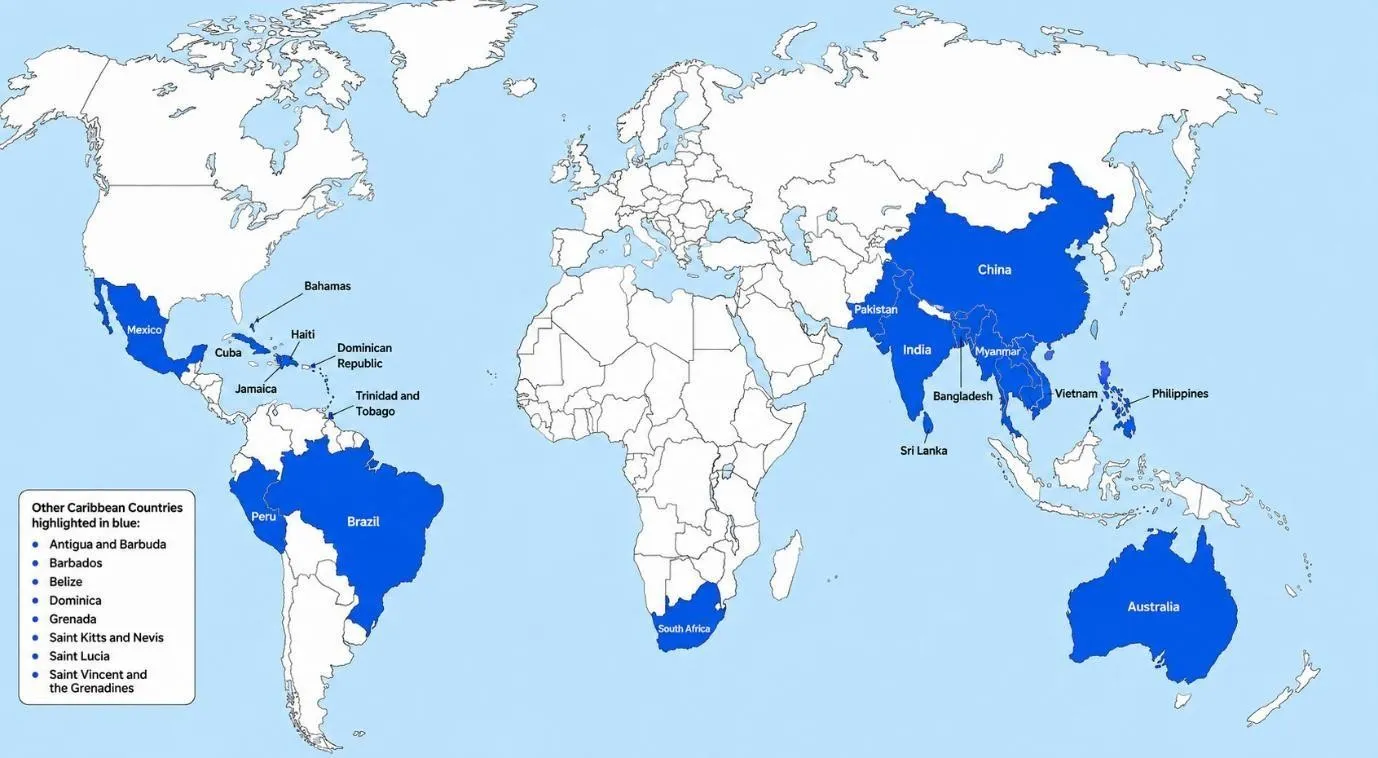
The major states that produce custard apple include Maharashtra, Andhra Pradesh, Telangana, Karnataka, Madhya Pradesh, Chhattisgarh, Gujarat, Rajasthan, Tamil Nadu, Odisha, and Uttar
Pradesh. The climate preferred by this species is warm and temperatures range between 20– 35°C. The species is common in dry deciduous forests, waster lands, rocky areas, and orchards.
The species grows well in sandy or loamy soil and is highly drought resistant.
Traditional Uses of Custard Apple Peel (Annona squamosa L)9
Custard apple is widely used in traditional medicine, The ripe fruit is eaten as a nutritious food, It is considered an energy-giving fruit, The fruit is traditionally used to improve appetite, It is used to support digestion, Ripe pulp is used to relieve mild constipation, Unripe fruit is used for diarrhea, it is also used for dysentery, The fruit is given to weak and recovering patients,
Leaves are applied on wounds, Leaf paste is used for boils, skin infections, ulcers, Leaves are used traditionally for inflammation, Seeds are used to destroy head lice, Seed paste is used against external parasites, Bark is used for toothache, gum disorders, Root preparations are used as a mild purgative fever, The peel is used for skin problems, peel preparations are used for minor infections, Different parts of the plant are used against intestinal worms.
MATERIALS AND METHOD
The custard apple fruit were collected from Davangere, Karnataka state It was authenticated by Dr. Halesh C, Assistant Professor, DOS in Botony Davangere University, Shivaganagotri, Davangere, Karnataka, India. The peel of custard apple is collected and dried in shade at room temperature. The dried peel bark was grounded into fine powder. the powdered peel of custard apple was subjected to maceration with Hydroalcoholic solvent of Aqueous and alcohol at ratio of 70:30 for Three days. Then it is filtered and evaporated to dryness and extract is concentrated and preserved in desiccator.
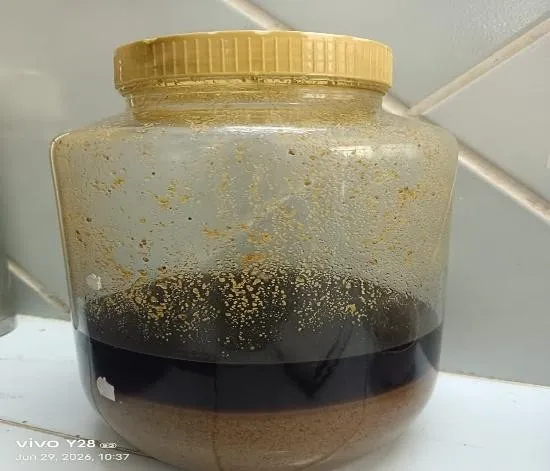
Fig 01: Maceration of custard apple peel
Phytochemical evaluation
The hydroalcoholic custard apple peel extract was subjected to phytochemical test in order to detect the presence of the secondary metabolites standard procedure were followed to carry out various test and results were obtained.
Antioxidant activity 10
The DPPH (2,2-diphenyl-1-picrylhydrazyl) assay is a common method for determining antioxidant activity of substances by assessing their ability to donate electrons or hydrogen atoms to neutralize free radicals. The principle is based on reducing the DPPH radical, a persistent free radical with a distinctive deep violet colour, into a colourless or pale-yellow molecule in the presence of an antioxidant. Spectrophotometry is used to quantify the decrease in absorbance at 517 nm caused by an antioxidant scavenging the DPPH radical.
Procedure for DPPH Activity 11-12
Reagent 2, 2-diphenyl 1-picrylhydrazyl solution: 4 mg of DPPH was weighed and dissolved in 100 ml of methanol covered the volumetric flask using aluminium foil and stored in dark place. plant extract was prepared by 20 mg of plant extract was weighed, dissolved in 50 ml methanol, Serial dilutions were prepared by taking 1.25ml, 2.5ml, 3.75ml, 5.0ml, 6.25ml,7.5 ml that gives 50µg/ml, 100µg/ml, 150µg/ml, 200µg/ml, 250µg/ml, 300µg/ml. Standard (Ascorbic acid) was prepared by 24 mg of Ascorbic acid was weighed, dissolved in 30 ml of distilled water, Serial dilutions were prepared by taking 1.25ml, 2.5ml, 3.75ml, 5.0ml, 6.25ml, 7.5ml that gives 50µg/ml, 100µg/ml, 150µg/ml, 200µg/ml, 250µg/ml, 300µg/ml.
ð´1−ð´2
Inhibition (%) = ×100
ð´1
A1= Absorbance of control
A2 = Absorbance of standard/ Test
PHAMRACOLOGICAL ACTIVITY
Anthelmintic Activity 13-14
Herbal medicine has been utilized for millennia to treat a wide range of medical ailments due to its amazing and potent dietary benefits. Helminths, the most prevalent infectious agent, are the major cause of human infections. Poor management strategies have resulted in a global sickness burden in disadvantaged places, with parasite infections associated with pneumonia, eosinophilia, anaemia, and malnutrition. Identifying new medicinal plants with high secondary metabolites and Phyto molecules is critical in fighting helminth resistance to conventional anthelmintic treatments.
Procedure:
Healthy adult Indian earthworms, Pheretima Posthuma, approximately 8 ± 1 cm in length and 0.1–0.2 cm in width, were used for the study. The earthworms were collected from moist soil and washed thoroughly with normal saline to remove adhering soil and other materials.
The earthworms were divided into groups containing six worms in each group. The worms were exposed to different concentrations of Annona squamosa peel extract (100, 200, 400, and 500 mg/mL). Albendazole was used as the standard, while 0.9% normal saline served as the control. The solutions were freshly prepared before the experiment. The worms were placed in separate Petri dishes containing the respective test solutions. The time required for paralysis and death was recorded. Paralysis was considered when the worm showed no movement and failed to recover after being placed in normal saline. Death was considered when the worm showed complete loss of motility and no response to external stimulation. The results were recorded as the mean ± standard deviation of six worms per group.
Antimicrobial assay 15
Antimicrobial assay were conducted using the cup method. Klebsiella E. coli, P. aeruginosa, S. aureus were used in this experiment. Nutrient agar was used as media. The organisms were added to 25mL of sterile nutrient agar, which was then transferred to a plate. Once the seeded agar was solidified, a cavity was created using a sterile borer and then filled with 0.1 mL of peel extract. A levofloxacin disc was used as a point of comparison. The zones of inhibition were estimated after the plates had been incubated for 24 hours at 37°C
RESULT:
Phytochemical test:
The phytochemical evaluation reveals that the presence of Alkaloids, Flavonoids, Steroids, Terpenoids, Phenolic Compounds, proteins and Amino acids. These compounds are known for their antioxidant and anthelmintic properties, supporting the therapeutic potential of the extract.
ANTIOXIDANT ACTIVITY
The extract demonstrates appreciable DPPH radical – scavenging activity, indicating its ability to donate hydrogen atoms or electrons to stabilise free radicals. the observed activity may be attribute the presence of bioactive phytoconstituents such as phenolic compounds, flavonoids and other secondary metabolites. A hydro alcohol extract of custard apple peel demonstrated significant DPPH radical inhibition (88.09%) at concentration 300µg/ml
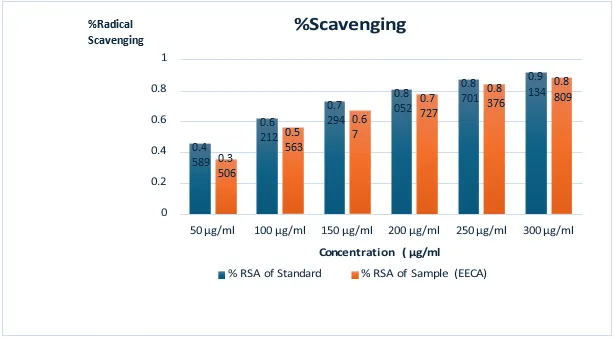
Fig no 02: Bar graph showing the effect of % DPPH scavenging of test sample and standard compound against the drug concentrations
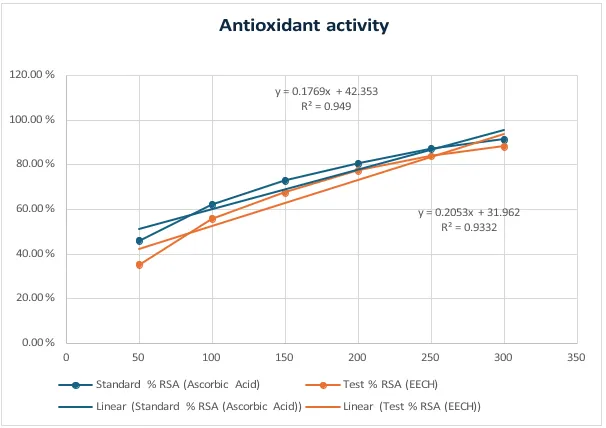
% Scavenging of standard and test compound linear graph
OBSERVATION TABLE 01:
|
Sample name |
R2 value |
Y= mx+c |
IC50 |
|
Standard (Ascorbic acid) |
R2=0.949 |
y = 0.1769x + 42.353 |
43.23 µg/ml |
|
Test (CA) |
R2=0.932 |
y = 0.2053x + 31.962 |
87.88 µg/ml |
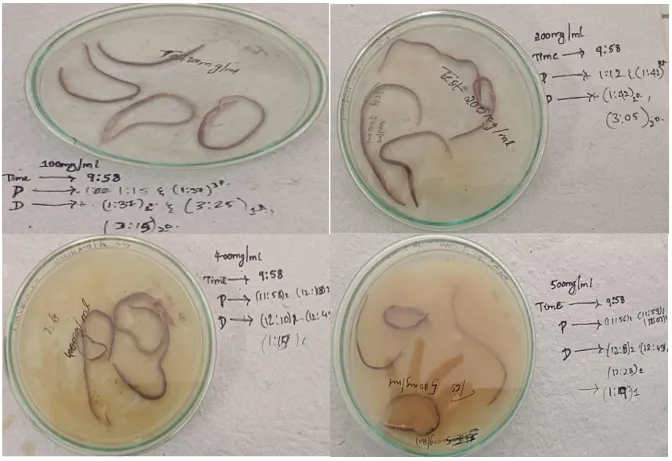
Fig 03: Paralysis of earthworm treated with test concentration (200 mg/ml) and death of earthworm with test concentration (400 mg/ml, 500 mg/ml)
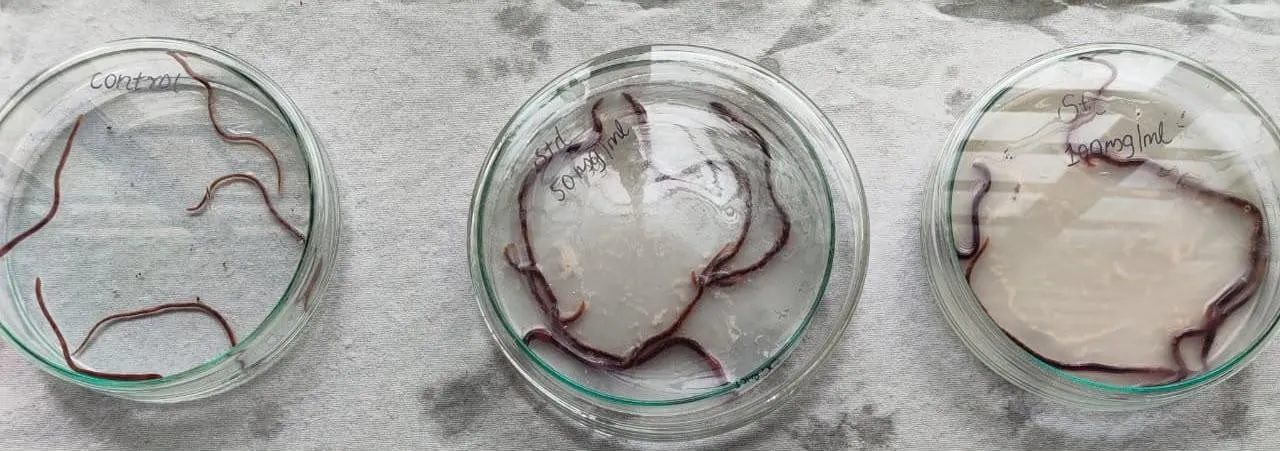
Fig 04: Paralysis and death of earthworm treated with control and standard at different concentrations (50 mg/ml, 100 mg/ml, 150 mg/ml)
|
Treatment |
Time taken for paralysis (minutes) |
Time taken for death (minutes) |
|
Control |
||
|
Normal saline (0.9%Nacl) |
Nil |
Nil |
|
(Standard Drug) Albendazole-400mg/ml |
||
|
50 mg |
274min |
Nil |
|
100 mg |
32min |
134min |
|
150 mg |
14min |
34min |
|
Hydroalcoholic Custard apple peel extract |
||
|
100 mg/ml |
3hr - 17min |
5hr -17min |
|
200 mg/ml |
3hr - 44min |
5hr - 7min |
|
400 mg/ml |
3hr - 14min |
3hr -17min |
|
500mg/ml |
3hr-7min |
3hr-11min |
TABLE 02: ANTHEMINTIC ACTIVITY
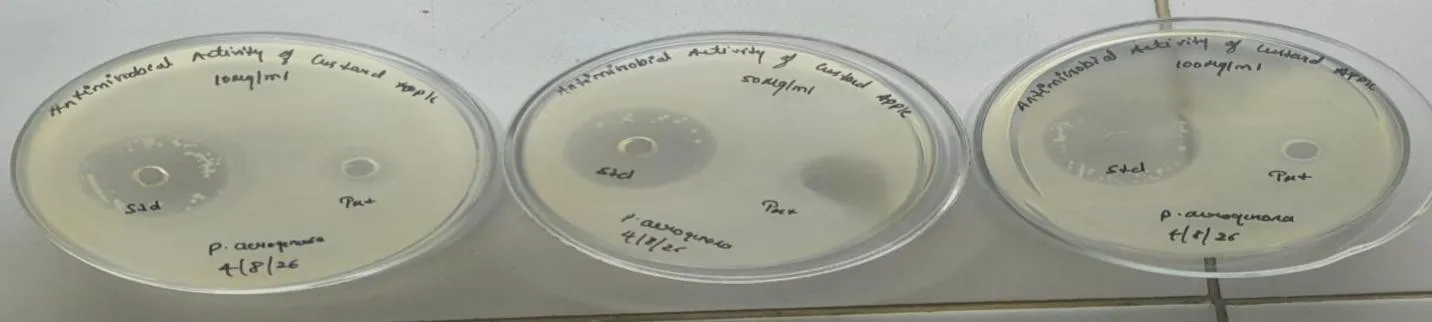
Fig 05: Pseudomonas aeruginosa
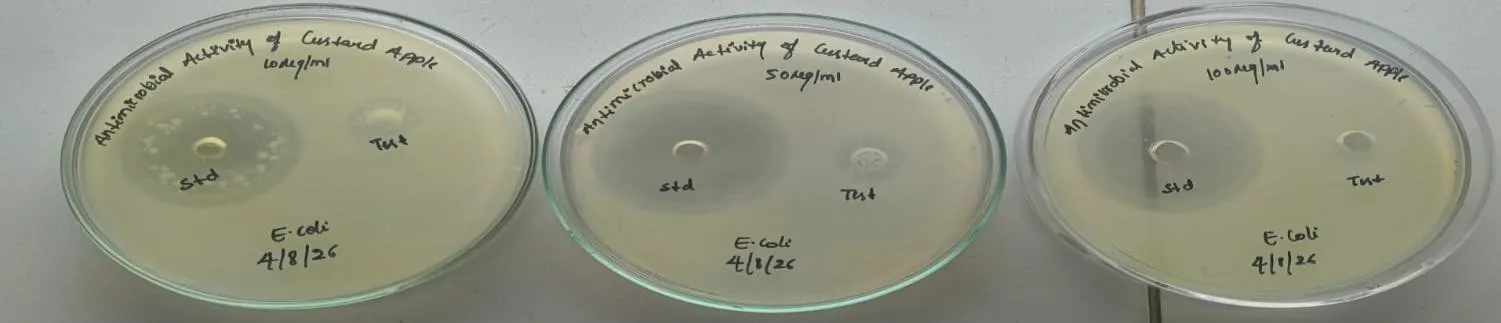
Fig 06: E. coli
|
Organism |
10µg/ml |
50µg/ml |
100 µg/ml |
|
Pseudomonas aeruginosa |
18mm |
23mm |
11mm |
|
Escherichia Coli |
16mm |
15mm |
00mm |
Table 03: Antimicrobial activity of Annona Squamosa L.
The antimicrobial activity of hydroalcoholic extract of custard apple peel were evaluated by cup plate method. The standard drug levofloxacin had a zone of inhibition of 18 mm, 23 mm and 11mm for P. Aeruginosa and 16mm and 15mm for E coli of gram negative bacteria respectively, and the custard apple peel extract showed positive results for gram negative bacteria (P. aeruginosa, E coli) at a concentration of 10 µg/ml,50 µg/ml and 100 µg/ml .
DISCUSSION16- 17 -18
Phytochemical screening of the hydroalcoholic extract of Annona squamosa (custard apple) peel revealed the presence of several important secondary metabolites, including alkaloids, phenolic compounds, tannins, and other phytoconstituents. The presence of these bioactive compounds may contribute significantly to the biological activities exhibited by the extract.
The antioxidant potential of the hydroalcoholic extract of Annona squamosa peel was evaluated by the DPPH free-radical scavenging assay. The extract demonstrated appreciable antioxidant activity, which increased with increasing concentration, indicating a concentration-dependent scavenging effect. The decrease in absorbance of the DPPH solution at its maximum absorption wavelength indicates the ability of the extract to donate hydrogen or electrons and thereby neutralize free radicals. At a concentration of [300 µg/ml], the extract exhibited [88.09%] radical-scavenging activity. The ICâ‚…â‚€ value of the hydroalcoholic extract was found to be when compared with the standard ascorbic acid. The antioxidant activity may be attributed mainly to the presence of phenolic and flavonoid compounds, which are well known for their free-radical-scavenging properties.
The anthelmintic activity of the hydroalcoholic extract of Annona squamosa peel was also investigated using earthworms as the experimental model and compared with the standard drug albendazole. The extract exhibited concentration-dependent anthelmintic activity, as evidenced by the reduction in the time required for paralysis followed by death of the worms. The observed activity increased with increasing concentration of the extract. This effect may be associated with the presence of tannins, phenolic compounds, flavonoids, alkaloids, and other secondary metabolites detected during phytochemical screening. These constituents may interfere with the normal physiological functions of the parasites and contribute to the observed anthelmintic effect.
Furthermore, the hydroalcoholic extract of Annona squamosa peel was evaluated for its antimicrobial activity by the cup-plate method. The extract demonstrated inhibitory activity against selected Gram-negative and Gram-positive bacterial strains, including Escherichia coli and Staphylococcus aureus, respectively. The antimicrobial effect was evaluated at different concentrations of the extract and compared with the standard antibacterial drug Levofloxacin.
The observed inhibition may be related to the presence of phenolic compounds.
CONCLUSION
The present study was antioxidant, anthelmintic, and antimicrobial potential of the hydroalcoholic extract of Annona squamosa (custard apple) peel. Preliminary phytochemical screening confirmed the presence of various secondary metabolites, particularly flavonoids, phenolic compounds, tannins, alkaloids, which may be responsible for the observed biological activities. The extract also exhibited appreciable antioxidant activity in the DPPH free-radical scavenging assay. This activity may be associated with the ability of phenolic and flavonoid compounds to donate electrons or hydrogen atoms and neutralize free radicals. In addition, the extract showed antimicrobial activity against the selected antibacterial strains, suggesting that its phytochemical constituents may interfere with microbial growth. The findings of the present investigation indicate that the hydroalcoholic extract of Annona squamosa peel possesses promising anthelmintic activity, as demonstrated by its concentration dependent effect on the test organisms.
Overall, the results of the present study suggest that the hydroalcoholic extract of Annona squamosa peel has considerable potent antioxidant, anthelmintic, and antimicrobial activity. Further studies are required to isolate the active compounds and establish their mechanisms of action and therapeutic potential.
REFERENCES
A review on Annona squamosa L.: phytochemicals and biological activities.
A review on Annona squamosa L.: phytochemicals and biological activities.






Prakash Dabadi, Aishwarya K. S.*, Chandana BS, Mohammed Nasir Hussain, Mohammed Shums Tabrij, Himachaitra S., Evaluation Of Antioxidant, Anthelmintic And Antimicrobial Activity Of Annona Squamosa L. Peel, Int. J. Sci. R. Tech., 2026, 3 (9), 216-226. https://doi.org/10.5281/zenodo.22670479
 10.5281/zenodo.22670479